
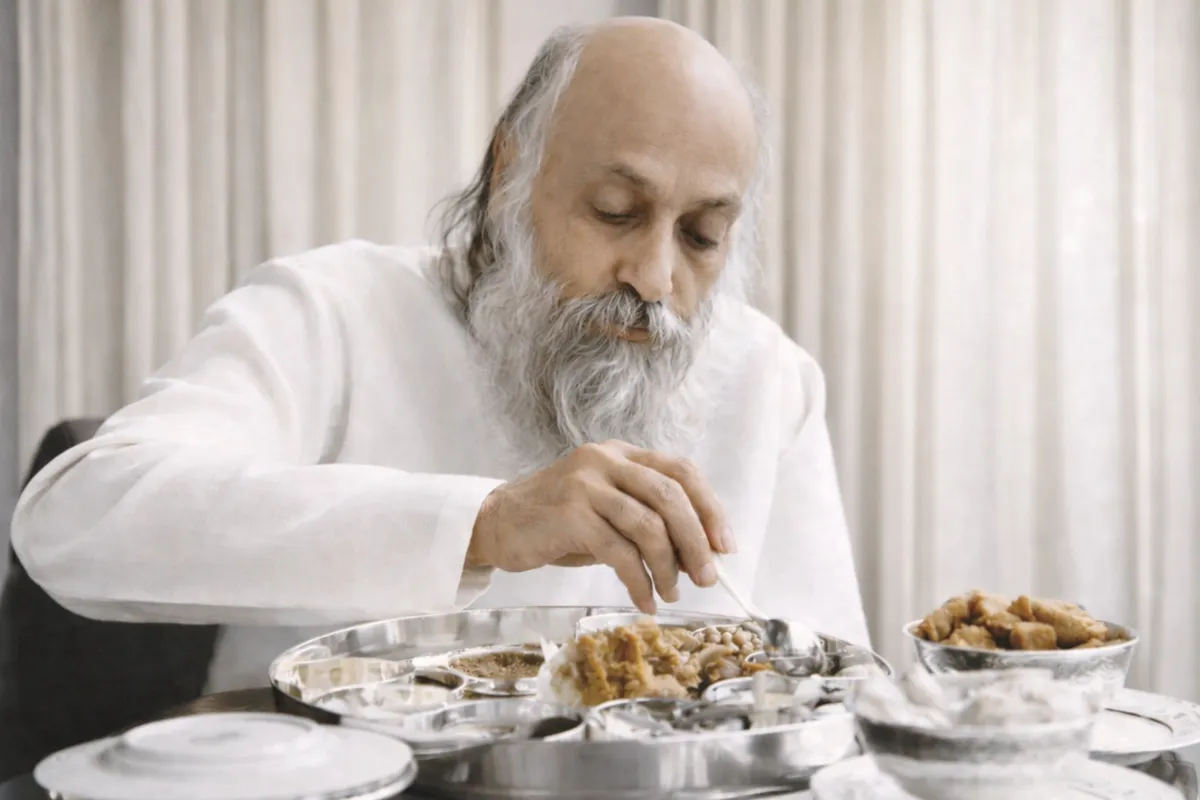
Some sadhus are truly deep and rare, but many copy the image because it’s easier; the fakes exist only because real ones once inspired people.
From the Discourses
Passages where Osho speaks to this question — each links to the complete discourse.
Then how can one tell if a sadhu is authentic or not?
There is no need. If someone becomes a sadhu, it is his own private affair. There is no need to pay any attention to him. Whether he is fake or authentic, it is his affair. His belief is a private affair, his being a sadhu is a private thing. Once it becomes public, there will always be fakes, there will always be false people who will exploit. If one is a poet it is his own affair, if one is a dancer it is his own affair, if one is a sadhu it is his own affair. He should not be worshipped -- not even if he is authentic. If the authentic is worshipped, then the false will follow automatically and there will be those who exploit the phenomenon. The need to recognize who is an authentic sadhu arises only when you want to worship someone. If you want to…
You say that seeing a sadhu stirs compassion. Then is there no sadhu who truly seeks the Self? By putting all sadhus in the same line, are you not insulting saintliness?
It is not a question of insulting a sadhu. I am speaking about what is going on under the label “sadhu.” I speak of it precisely so that a genuine respect for real saintliness may arise in us, so that we learn to know and recognize it. To know and recognize it, other things are needed—not a change of clothes. What is needed is a revolution of the whole of life. A revolution of the whole of life—and a natural, unforced way of living. When someone becomes a sadhu, life becomes utterly simple. All the complexity of life dissolves. Gain and loss become zero for him. The ones you call sadhus think in the language of profit and loss twenty-four hours a day. Even if they have left home, it is with the idea that in exchange they will gain heaven or liberation. They are the same old shopkeepers. Their…
पूछा है कि ओशो, आप कहते हैं कि साधु को देखने से दया आती है। तो क्या कोई आत्मार्थी साधु नहीं है? सब साधु को एक ही लाइन में रखने से क्या साधुत्व का आप अपमान नहीं करते हैं?
… और इसीलिए उसके लिए कह रहा हूं कि ताकि वास्तविक साधुता के प्रति हमारे मन में एक सम्मान पैदा हो, हम उसे पहचानना और जानना सीख सकें। उसे जानने और पहचानने के लिए कुछ और बातेें जरूरी हैं, कपड़े का परिवर्तन नहीं। तो सारे जीवन की क्रांति जरूरी है। सारे जीवन की क्रांति। और जीवन की सहजचर्या जरूरी है। जब कोई साधु हो जाता है तो जीवन अत्यंत सहज हो जाता है। उसके जीवन की सारी जटिलता विलीन हो जाती है। उसके जीवन में लाभ-हानि शून्य हो जाते हैं। इनको आप साधु कह रहे हैं, ये चौबीस घंटे लाभ-हानि की भाषा में सोच रहे हैं। इन्होंने अगर घर भी छोड़ा है तो इस खयाल में कि इसके बदले में स्वर्ग मिलेगा या मोक्ष मिलेगा। ये पुराने दुकानदार ही हैं। इनके सोचने के ढंग वही प्रॉफिट के हैं। …
Osho, yesterday you said that when anger is watched consciously, it dissolves. But why is it that when sexual desire arises, even in awareness its intensity persists? Why is it so?
There is no entanglement in the breath. If you try to practice on anger… Anger is not happening every moment; it happens sometimes. And when it happens, it happens with such intensity that you are already going deep into it; so much is at stake in those moments that you may think, “We will look into awareness later; first let’s settle this now.” Lust is very deep, because existence has made it so deep; life depends on it. If lust were so easy that you decided and were freed, perhaps you would not even have been born—because many before you would have become free, and the possibility of your being would have been almost nil. But your parents, and their parents, did not become free; therefore you are. You too will not get free so easily, because your children are also to be—they are waiting: “Do not run away midway.”…
दूसरा प्रश्न: ओशो, आपने कल कहा कि क्रोध को होशपूर्वक देखने पर क्रोध विलीन हो जाता है। लेकिन क्या कारण है कि कामवासना के उठने पर होश में भी उसकी प्रगाढ़ता बनी रहती है। ऐसा क्यों है?
श्वास में कुछ झंझट नहीं है। अब तुम या तो क्रोध पर साधोगे...। क्रोध रोज तो होता नहीं, प्रतिपल होता नहीं, कभी-कभी होता है; जब होता है तब इतनी प्रगाढ़ता से होता है कि तुम गहरे में उतर रहे हो; जब होता है तब इतनी बातें दांव पर लग जाती हैं कि शायद तुम सोचोगे, ‘फिर देख लेंगे होश इत्यादि! यह अभी, अभी तो निपट लें।’ कामवासना तो बहुत गहरी है, क्योंकि प्रकृति ने उसे बहुत गहरा बनाया है, क्योंकि जीवन उस पर निर्भर है। अगर कामवासना इतनी आसान हो कि तुमने चाहा और छूट गए, तो तुम शायद पैदा ही न होते, क्योंकि तुमसे पहले बहुत लोग छूट चुके होते; तुम्हारे होने की संभावना न के बराबर होती। …
“Those who are absorbed in love—such sadhjan…” This word “sadh” is very sweet—and much distorted. If you look in dictionaries you will find sadhhu means great man, ascetic. But the precise meaning of sadh is simple, straight. One who is straightforward—so simple that there is no net of intellect and logic in his life. The intellect is tricky, crooked, cunning. It does something, shows something else; one thing is inside, another outside. The intellect is a great hypocrisy. One who is free of the intellect’s hypocrisy is sadhjan. What is within is without. No discrepancy between inner and outer. He says only what is. He is what he says. Taste him from any side—you will find the same flavor. Buddha said: the sadhhu is like the taste of the ocean; taste it anywhere—it is salty. Day or night, morning or evening, dark or light, this shore or that—the same.
जो प्रेम में मग्न हो गए हैं, ऐसे साधुपुरुष.। यह ‘साध’ शब्द बड़ा प्यारा है। विकृत हो गया। भाषाकोश में पढ़ने जाओगे तो साधु का अर्थ होता है: महात्मा, तपस्वी। लेकिन साधु शब्द का ठीक-ठीक अर्थ केवल होता है, सरल, सीधा-सादा। जो सीधा-सादा, इतना सरल कि जिसके जीवन में कोई बुद्धि के जाल, तर्कजाल नहीं हैं। बुद्धि बड़ी तिरछी-तिरछी है। बुद्धि बड़ी चालाक है, बड़ी कपटी है। बुद्धि करती कुछ, दिखाती कुछ; होता कुछ, भीतर कुछ, बाहर कुछ। बुद्धि बड़ा पाखंड है। जो बुद्धि के पाखंड से मुक्त हो गया वह साधुजन। जो जैसा भीतर वैसा बाहर। जिसके बाहर और भीतर में अब जरा भी अंतर नहीं है। वही कहेगा, जो है। वही होगा, जो कहा है। तुम स्वाद लो उसका कहीं से, तो एक ही जैसा पाओगे।
Osho, just seeing sadhus and saints makes me bristle, even angry. I see nothing in them but hypocrisy. But with you—God knows what you’ve done—reverence wells up! What is the secret of your influence?
Buddha asked, “What are you doing?” They said, “This is not killing; not violence. The souls of these animals will go to heaven.” Buddha joked, “Then why not kill your parents? Send them to heaven. The door is open—why send animals? Send your parents, your wife, your children. Send everyone—and then go yourself! But don’t send these animals. They don’t want to go—they’re writhing, they want to run. They are pleading for mercy. They cannot speak—look into their eyes, they are beseeching. They are bleating: ‘Let us go.’ They don’t want heaven—and you are sending them. The yajman who is funding this sacrifice wants heaven—send him!” Clever folks have always been around. Tricks kept running; we kept bearing them. Sin and merit are difficult to determine. On one side are people along the Amazon who eat humans—and it is no sin to them. On the other side are the Quakers…
दूसरा प्रश्न: ओशो, साधु-संतों को देख कर ही मुझे चिढ़ होती है और क्रोध भी आता है। मैं तो उनमें सिवाय पाखंड के और कुछ भी नहीं देखता हूं। पर आपने न मालूम क्या कर दिया है कि श्रद्धा उमड़ती है! आपके प्रभाव का रहस्य क्या है?
तो बुद्ध ने कहा कि यह तुम क्या कर रहे हो? तो उन्होंने कहा कि यह कोई हत्या नहीं है, हिंसा नहीं है। ये जो पशु-पक्षी काटे जाएंगे, इन सबकी आत्माएं स्वर्ग चली जाएंगी। तो बुद्ध ने बड़ा मजाक किया है! और बुद्ध ने कहा: तो फिर अपने माता-पिता को क्यों नहीं काटते? स्वर्ग ही भेज दो। यह अवसर मिला, स्वर्ग भेजने का द्वार खुला और तुम इन पशु-पक्षियों को भेज रहे हो? माता-पिता को भेज दो! पत्नी-बच्चों को भेज दो! फिर सबको भेज कर खुद भी चले जाना! मगर इन पशु-पक्षियों को तो न भेजो। ये तो जाना भी नहीं चाहते। ये तो तड़प रहे हैं। ये तो भागना चाहते हैं। ये तो कहते हैं कि क्षमा करो! बोल नहीं सकते। जरा इनकी आंखें तो देखो, गिड़गिड़ा रही हैं। मिमिया रहे हैं; ये कह रहे हैं कि हमें जाने दो। ये तो स्वर्ग जाना नहीं चाहते, इनको तुम भेज रहे हो। और जो जाना चाहते हैं...। जिस यजमान ने यह करवाया है यज्ञ, वह स्वर्ग जाना चाहता है, उसी को भेज दो। खूब चालबाज लोग दुनिया में थे। चालबाजियां चलती रहीं। चालबाजियां हम सहते रहे। …