
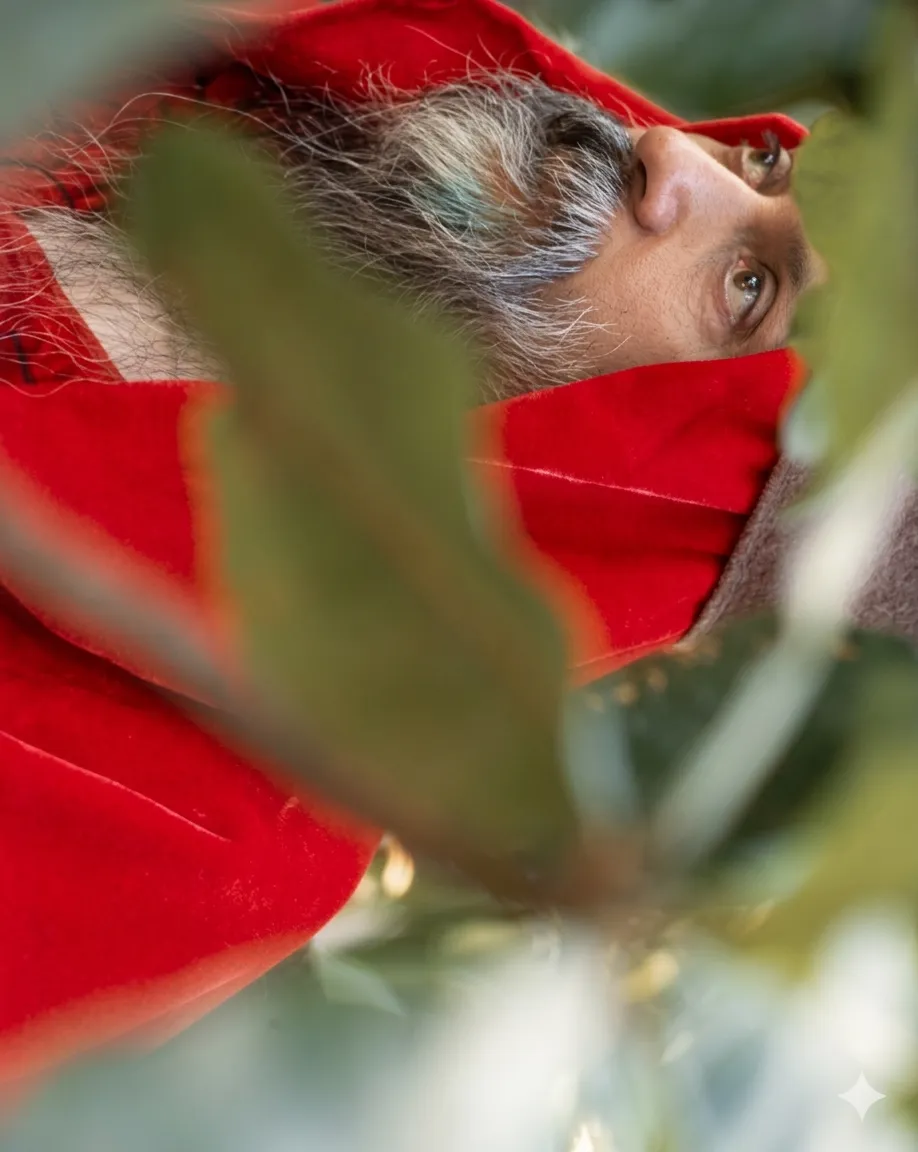
Stop being clever or hiding anything—trust completely and show up exactly as you are, letting truth guide you.
From the Discourses
Passages where Osho speaks to this question — each links to the complete discourse.
Question: Fourth question: Osho, what does it mean to put everything at stake? ... There are two kinds of people who take sannyas. One is those who take sannyas after thinking and considering; they say, “We will think it over, weigh all the pros and cons, then take our own decision, then take sannyas. The second are those who take sannyas out of feeling, not out of thought. Their sannyas is of a very different order. They take sannyas through tears, not through logic. They take sannyas in rapture; not through inference, not through conclusion. They put the intellect aside and take sannyas. They come to me; I ask them, “Think it over a little. They say, “What is there to think? I say, “First consider. They say, “What is there to consider! We saw you—everything happened. If you consider us unfit, don’t give it.
… एक हैं, जो संन्यास सोच-विचार कर लेते हैं; जो कहते हैं, हम सोचेंगे-विचारेंगे, सब तरह का पक्ष-विपक्ष करेंगे, फिर अपना निर्णय लेंगे, फिर संन्यास लेंगे। दूसरे हैं, जो भाव से संन्यास लेते हैं, विचार से नहीं। बड़ा अन्य संन्यास है उनका। आंसुओं के माध्यम से संन्यास लेते हैं, तर्क के माध्यम से नहीं। रस-विभोर होकर संन्यास लेते हैं; निष्पत्ति से नहीं, निष्कर्ष से नहीं। बुद्धि को एक तरफ रख कर संन्यास लेते हैं। मेरे पास आते हैं, उनसे मैं पूछता हूं: कुछ सोच लो। वे कहते हैं: सोचना क्या! मैं उनसे कहता हूं: पहले विचार लो। वे कहते हैं: विचारना क्या! आपको देखा, बात हो गई। आप अगर अपात्र समझें तो न दें। आप अगर न दें तो आपकी मर्जी। मगर मैं लेने को हूं। …
Osho, you say there is nothing to lose here. Then why is it that I still cannot stake everything?
Life can be lived in two ways: a hellish way and a heavenly way. I am teaching you the heavenly way—how to live here and now in a heavenly manner. This earth is heaven for those who know the art of joy. This earth is liberation for those who know the art of freedom. And this earth is hell for those who are skillful at manufacturing hell. Those who live on fear and greed turn life into hell. Those who live in non-greed and fearlessness turn life into heaven. And accept challenges, because only challenges bring to a polish the talent hidden within you; they give you edge. Challenges unify you. They organize you inwardly. You become concentrated. And challenges awaken you—for one whose life has no challenge, he sleeps. He whose life has challenge—how can he sleep? If your house is on fire, can you sleep? However tired you…
तीसरा प्रश्न: ओशो, आप कहते हैं कि यहां खोने को कुछ भी नहीं है। फिर भी मैं क्यों सब कुछ दांव पर नहीं लगा सकता हूं?
जिंदगी दो ढंग से जीयी जा सकती है, एक ढंग नरक और एक ढंग स्वर्ग। मैं तुम्हें स्वर्ग का ढंग सिखा रहा हूं कि कैसे अभी और यहां स्वर्गिक ढंग से जीओ। यह पृथ्वी स्वर्ग है उनके लिए जो सुख की कला जानते हैं। यह पृथ्वी मोक्ष है उनके लिए जो मुक्ति की कला जानते हैं। और यह पृथ्वी नरक है उनके लिए जो नरक का ही निर्माण करने में कुशल हैं।
Osho, why is it so dangerous to be with a living Sadguru? Why do so few people dare to stake everything and dive into your Buddha-field, even though, like Paltu, your call is echoing across the world—“There’ll never be such a wager again; you may not be human again. Why do you stand hesitating while the gold slips from your hand.” Osho, have compassion, grant awakening.
Paltu’s call never resounded across the world. Very few knew him. He was a simple rustic; his language was of the village. But he spoke to the point. This one aphorism of his is priceless. It should have resounded—but it didn’t. To make a thing resound in the world requires great skill and organization. And to make a religious statement resound is very hard. Religion is not a detective novel that everyone wants to read; not a film full of murder and rape that everyone wants to watch; not sensational news that every newspaper puts in headlines. Religion is delicate—no sensation, no violence, no arson. Religion is meditation. Who has taste for meditation? People care for money, not meditation; for office, not for the divine. They are ready to collect all kinds of junk, but words like moksha and nirvana create no echo in their hearts. The moment they hear…
पहला प्रश्न: ओशो, जीवित सदगुरु के पास होना इतना खतरनाक क्यों है? सब-कुछ दांव पर लगा कर आपके बुद्ध-ऊर्जा क्षेत्र में डूबने के लिए इतने कम लोग क्यों आ पाते हैं? जब कि पलटू की तरह आपका आह्वान पूरे विश्र्व में गूंज उठा है- बहुरि न ऐसा दांव, नहीं फिर मानुष होना। क्या ताकै तू ठा़ढ़, हाथ से जाता सोना।। ओशो, अनुकंपा करें, बोध दें।
… पलटू को तो बहुत ही कम लोग जानते रहे। पलटू तो सीधा-सादा आदमी है, ग्रामीण। उसकी तो भाषा भी गांव की। मगर बातें उसने पते की कहीं। और यह सूत्र उसका पते का है। गूंजना चाहिए था विश्र्व में, लेकिन नहीं गूंजा। विश्र्व में किसी बात को गुंजाने के लिए भी बड़ी व्यवस्था, बड़ी दृष्टि और सूझ-बूझ चाहिए। विश्र्व में किसी बात को गुंजाना आसान मामला नहीं है। और धर्म की बात को गुंजाना तो बहुत मुश्किल बात है। धर्म कोई जासूसी उपन्यास तो नहीं कि हर कोई पढ़ना चाहेगा। धर्म कोई हत्याओं, बलात्कारों से भरी हुई फिल्म तो नहीं कि हर कोई देखना चाहेगा। धर्म कोई सनसनीखेज घटना तो नहीं कि हर अखबार उसे सुर्खियां देना चाहेगा। धर्म तो बड़ी नाजुक बात है, न उसमें कुछ सनसनीखेज है, न हत्या है, न बलात्कार है, न आगजनी है। धर्म तो ध्यान है। ध्यान में किसको रस? …
Osho, Master Shuzan raised his short staff and said: If you call it a short staff, you oppose its truth. And if you do not call it a short staff, you deny the fact. Now tell me, what would you like to call it? Osho, kindly explain the intent embedded in this Zen master's riddle.
As human opinion changes, beauty and ugliness change. What is beautiful? What is ugly? There is no definitive yardstick; it depends on your intellect. The intellect lives by comparison, so the very moment you see something you start comparing. This Zen master says to his disciple: do not compare—and without comparison, tell me what this is. He says: if you call it a short staff, you oppose truth—because in truth there is no comparison; comparison is of the mind. As long as mind remains, you will not know truth. Truth is incomparable. It is neither beautiful nor ugly; neither auspicious nor inauspicious; neither good nor bad. There is no division—there is only “is-ness.” Will you call this entire existence beautiful or ugly? Good or bad? People have called it one thing or another: the theist says “absolutely good—God created it.” The atheist says, “How can it be good with so…
ओशो, सदगुरु शुजान ने अपना छोटा डंडा उठाया और कहा: ‘अगर तुम इसे छोटा डंडा कहते हो, तो तुम इसके सत्य का विरोध करते हो। और अगर तुम इसे छोटा डंडा नहीं कहते हो, तो तुम इसके तथ्य को अस्वीकारते हो। अब कहो, तुम इसे क्या कहना पसंद करोगे?’ ओशो, झेनगुरु की इस पहेली में निहित अभिप्राय समझाने की अनुकंपा करें।
आदमी का विचार बदलता है, सौंदर्य बदल जाता है, कुरूपतायें बदल जाती हैं। क्या सुंदर है? क्या कुरूप है? निर्णायक कोई मापदंड नहीं है। तुम्हारी बुद्धि पर निर्भर है। बुद्धि तुलना से जीती है। इसलिए तुम देखते भी नहीं हो किसी चीज को कि तत्क्षण तुलना करते हो। यह झेन गुरु अपने शिष्य से कह रहा है कि तुलना मत करना, और बिना तुलना किए कहना कि यह क्या है! कह रहा है अगर तुमने इसे छोटा डंडा कहा, तो सत्य का विरोध हो गया। क्योंकि सत्य में कोई तुलना नहीं है; तुलना मन में है। इसलिए मन के रहते तुम सत्य को न जान पाओगे। सत्य अतुल्य है, इनकम्पेरेबल है। वह न सुंदर है न कुरूप है; न शुभ न अशुभ; न अच्छा न बुरा; वहां कोई भेद नहीं है। …
There is nothing left in reserve. Now, look at him for a moment—Nikajo—standing at the betting table. He has put one crore rupees on the line. A hush falls over the entire casino; a hush falls over him too. Now every person can even hear the ticking of the clock. Moment by moment is passing, and for this man his whole fate is being decided—what will be, what will not be. And he lost. Nikajo lost! He got into a taxi; his friend paid the fare, and at the hotel he went to sleep.
The next day the newspapers even printed the news that he had committed suicide. Someone else had committed suicide. But the paper ran it: he has killed himself—because what else would he do? In the morning, when he woke at nine, he read the paper. Someone has committed suicide, and people suspected it must have been Nikajo. Because he would do it. What else would he do now? He began to laugh heartily. He said, What has this to do with suicide? What has this to do with suicide! He turned back—he did not come to Japan; he returned to America. There people asked, What did you do? He said, What I have come to know is something hardly anyone ever comes to know. What I saw in that one instant—everything became clear to me in that moment. I have lived. This is what I call total living. I am…
प्रश्न: पीछे कुछ नहीं है। अब वह, उसको थोड़ा देखें, निकाजो को, वह खड़ा है जुए की दांव की टेबल पर। लगा दिया एक करोड़ रुपया उसने दांव पर। अब वहां पूरे जुआघर में सन्नाटा छा गया, न केवल उस पर सन्नाटा छा गया है। अब वह घड़ी की टिक-टिक भी सुनाई पड़ रही है एक-एक आदमी को। एक-एक क्षण बीत रहा है और यह इसका पूरा फैसला हुआ जा रहा है यह आदमी का कि क्या होगा, क्या नहीं होगा। और वह हार गया। और वह हार गया निकाजो! वह टैक्सी में बैठा, मित्र ने पैसे चुकाए टैक्सी के और होटल में आकर सो गया।
वह वापस लौट गया, जापान नहीं आया, वापस अमरीका लौट गया। वहां लोगों ने कहा: क्या किया? उसने कहा कि मैंने जो जान लिया, वह कभी मुश्किल से कोई जान सकता है। मैंने जो जान लिया, उस एक क्षण में जो मुझे दिखाई पड़ा, उस क्षण में मेरे लिए सारा सब-कुछ साफ हो गया। मैंने जी लिया।