
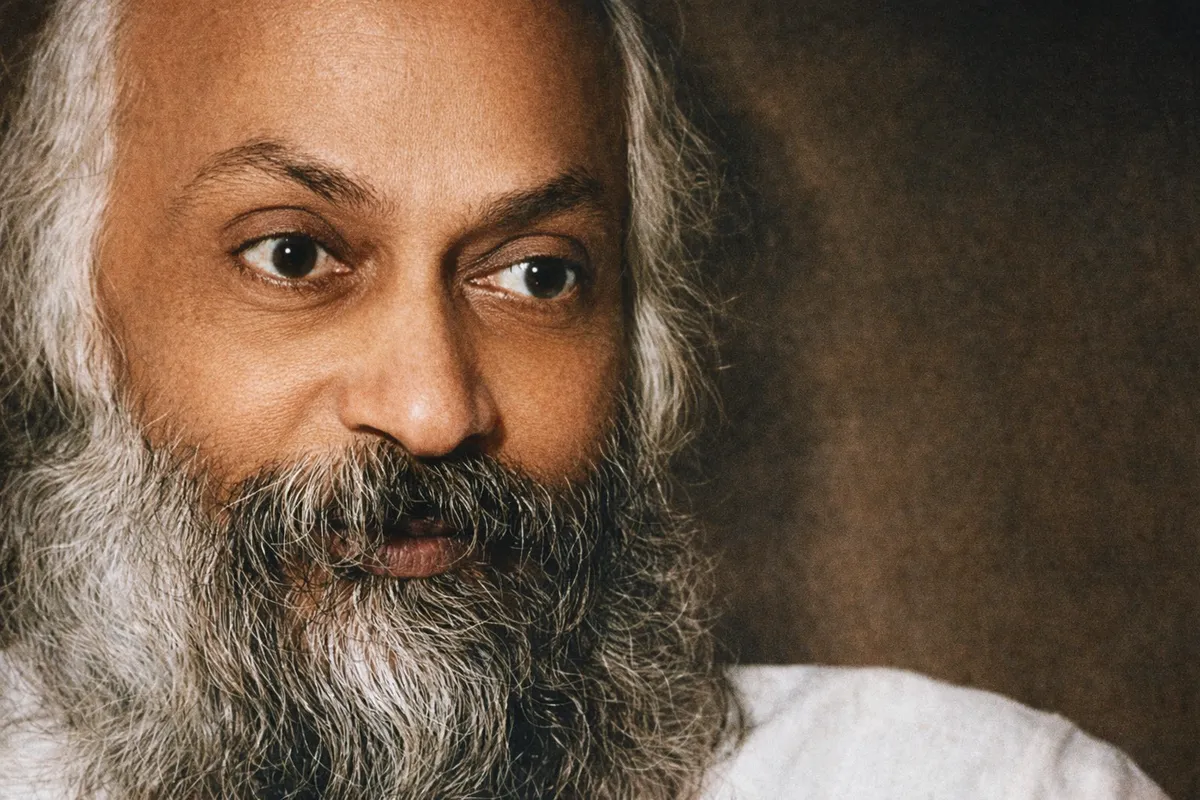
Find and trust who you are inside, so you don’t need people’s looks or comments to feel like somebody.
From the Discourses
Passages where Osho speaks to this question — each links to the complete discourse.
Question: BELOVED OSHO WHY AM I SUCH A BEGGAR FOR ATTENTION? WHAT CAN I DO ABOUT IT? Prem Kabir, it is one of the human weaknesses, one of the deep-rooted frailties, to seek attention. The reason one seeks attention is because one does not know oneself. It is only in other people's eyes one can see his face, in their opinions he can find his personality. What they say matters immensely. If they neglect him, ignore him, he feels lost. If you pass by and nobody takes any attention, you will start losing what you have put together -- your personality. It is something that you have put together. You have not discovered it, it is not natural. It is very artificial and very arbitrary. It is not only you who is a beggar for attention; almost everybody is.
Osho, I practice self-analysis, “introspection,” to awaken the witnessing. Is this right as a first step? Kindly explain.
That is why you see: the wife is happily sitting, listening to the radio, knitting her sweater; the moment the horn honks downstairs—husband has arrived—she lies down: “I have a headache.” Don’t think she’s faking; it really happens. I’m not saying she is deceiving—this has become her habit. The husband’s horn is enough to trigger a headache. Association has formed. Don’t think I say she’s cheating. Perhaps in the beginning she faked it; now that is long past—now it’s a habit. As the husband comes, the headache rises—because only when she has a headache does the husband put his hand on her head. Otherwise, who puts his hand on his wife’s head! Someone might put a hand on another’s wife; who puts a hand on his own! Only when the wife is troubled does the husband show a little sympathy. Love is gone; now only sympathy keeps things moving. The…
पहला प्रश्न: ओशो, मैं साक्षीभाव को जगाने के लिए आत्मविश्लेषण, ‘इंट्रॉस्पेक्शन’ करता हूं। क्या यह पहले कदम के रूप में सही है? कृपापूर्वक समझाएं।
इसलिए तुम देखते, पत्नी मजे से बैठी है, रेडियो सुन रही है, अपना स्वेटर बुन रही है और जैसे ही हार्न नीचे बजा कि पति आ गये कि एकदम लेट गयी, सिर में दर्द हो गया। और तुम ऐसा मत सोचना कि वह बनकर ही लेटी है। हो ही जाता है। तुमसे मैं यह नहीं कह रहा हूं कि वह धोखे दे रही है। यह उसकी अब आदत हो गयी है, पति का जो हार्न बजना है यह काफी है सिरदर्द के लिए। संयोग हो गया, दोनों का जोड़ बैठ गया। जिसको मनोवैज्ञानिक एसोसिएशन कहते हैं। इसका संयोग हो गया। ऐसा मत सोचना कि मैं यह कह रहा हूं कि वह धोखा दे रही है। शायद कभी शुरू-शुरू में दिया होगा, अब तो वह बहुत गये दिनों की बात हो गयी। अब तो यह आदत का हिस्सा हो गयी। पति के आते ही सिर में दर्द उठता है। क्योंकि जब सिर में दर्द होता है तभी पति सिर पर हाथ रखता है। नहीं कौन अपनी पत्नी के सिर पर हाथ रखता है! कोई दूसरे की पत्नी के सिर पर हाथ भला रख दे, अपनी पत्नी के सिर पर कौन हाथ रखता है! पत्नी जब परेशान होती है, तब पति थोड़ी सहानुभूति दिखाता है। …
Osho, while sitting near you and listening to your discourse continuously for an hour and a half, I become so absorbed in devotion and rasa that I don’t know where my sorrows, anxieties, and troubles disappear. An incomparable peace descends. But shortly after the discourse ends and your presence is gone, I again begin to be surrounded by worries and troubles. Please be gracious and tell me how the experience I have in your discourse and presence can remain for a longer time!
Attention is food. Remember: whatever you give attention to, you give life to. So don’t give attention to the wrong things. Here, listening to me, the heart becomes light, joyful, a coolness descends—you gave your attention toward me. Then you go home and start digging at your wounds again, unwrapping your poultices and bandages, poking your fingers into your aches. What is the need? Do this: while leaving here, keep the resolve not to touch those old wounds. The old habit will move your hand—bring it back! Then you’ll feel a difficulty: “If I don’t do that, what should I do?” There is so much around to give attention to. There are the songs of birds. I cannot speak to you as sweetly as they do. What they are saying to you, I want to say but cannot. Sit quietly and pour all your attention into them. An even deeper…
चौथा प्रश्न: ओशो, आपके पास बैठ कर लगातार डेढ़ घंटे तक आपका प्रवचन सुनते समय मैं भक्ति के भाव व रस में इतना डूब जाती हूं कि पता नहीं मेरे दुख, चिंताएं और परेशानियां कहां खो जाती हैं। एक अपूर्व शांति का अनुभव छा जाता है। परंतु, प्रवचन के बाद आपका सान्निध्य छूटते ही थोड़ी देर में मैं पुनः चिंताओं और परेशानियों से घिरने लगती हूं। जो अनुभव आपके प्रवचन व सान्निध्य में होता है, वह कैसे अधिक समय तक रहे, यह बताने का अनुग्रह करें!
ध्यान भोजन है। ध्यान रखना, तुम जिसे ध्यान देते हो उसे जीवन देते हो। तो गलत को ध्यान मत दो। यहां सुनते हो मुझे, चित्त प्रफुल्लित हो जाता है, आनंदित हो जाता है, एक शीतलता छा जाती है। तुमने ध्यान मेरी तरफ दिया! गए घर, फिर खोदने लगे अपने घाव, फिर उघाड़ने लगे अपनी मलहमें-पट्टियां, फिर अंगुलियां डालने लगे अपनी पीड़ाओं में। क्या जरूरत है? करो यह--यहां से जाते समय ध्यान रखो कि अब उन्हीं घावों में हाथ नहीं लगाना है। पुरानी आदत है, हाथ चले जाएंगे, वापस लौटा लो! फिर तुम्हें अड़चन होगी कि अगर कुछ न करें तो क्या करें! तो ध्यान देने को कुछ और बहुत घट रहा है चारों तरफ। पक्षियों के गीत हैं। उतना मधुर तो मैं तुमसे बोल भी नहीं सकता। जो वे तुमसे कह रहे हैं, वह तो मैं कहना चाहता हूं, कह नहीं पाता। तुम पक्षियों के गीत ही सुनो। चुप बैठ कर सारा ध्यान उन पर लगा दो। इससे भी ज्यादा गहरा सत्संग हो जाएगा। हवाएं वृक्षों को कंपाती हैं। हवाओं की धुन वृक्षों के पत्तों में बजती है, उसे सुनो। …
When a mother is giving attention to her child, she has utterly forgotten herself. Attention is one-way traffic. Either you can attend to yourself, or you can attend to the other. When you attend to the other, you have forgotten yourself. When you attend to yourself, the other is forgotten. And we are all engaged in making others attend to us. We devise a thousand strategies so that people pay attention. Someone wants to be an emperor so that people pay attention. Someone wants to be a president so that people pay attention. If these avenues are not available, a man becomes bad; if the good road is closed, he chooses the wrong one: he becomes a killer, a goon—so that people pay attention. In school, students become mischievous—so that people pay attention.
मां जब अपने बेटे पर ध्यान दे रही होती है, तब अपने को बिलकुल भूल गई होती है। क्योंकि ध्यान जो है, वह वन वे ट्रैफिक है। या तो आप अपने पर ध्यान दे सकते हैं, या दूसरे पर ध्यान दे सकते हैं। जब आप दूसरे पर देते हैं, तो आप भूल गए होते हैं। जब अपने पर दे रहे होते हैं, तो दूसरा भूल गया होता है। और हम सब इस कोशिश में रहते हैं कि लोग हम पर ध्यान दें। हम हजार तरह के उपाय करते हैं इ स बात के लिए कि लोग ध्यान दें। कोई आदमी सम्राट होना चाहता है इसलिए कि लोग ध्यान दें। कोई आदमी राष्ट्रपति होना चाहता है इसलिए कि लोग ध्यान दें। अगर ये उपाय उपलब्ध न हों, तो आदमी बुरा भी हो जाता है। अगर भला मार्ग न मिले, तो आदमी बुरा भी हो जाता है। हत्यारा हो जाता है, गुंडा हो जाता है कि लोग ध्यान दें। …
Beloved Osho, I am aware of my need for approval and acceptance from others. I don't want to be driven by this need. How does it resolve?
Drop all this nonsense! You are already approved of, otherwise you could not have been here. God has accepted you, given birth to you. If van Gogh paints, whatsoever painting he creates is already approved of -- otherwise he would not have created it in the first place. If Picasso paints something, in the very painting, the painting is approved of. The painter has put his heart into it. Just go deeper into your own being -- God has put all the treasures that you need there. He has approved of you, accepted you. He is happy that you are! But you don't look there. You are asking from others like a beggar: Approve of me! -- and they are also beggars just like you. Beggars asking beggars. Even if they approve of you a little, they will wait for you to approve of them. It is going to be…