
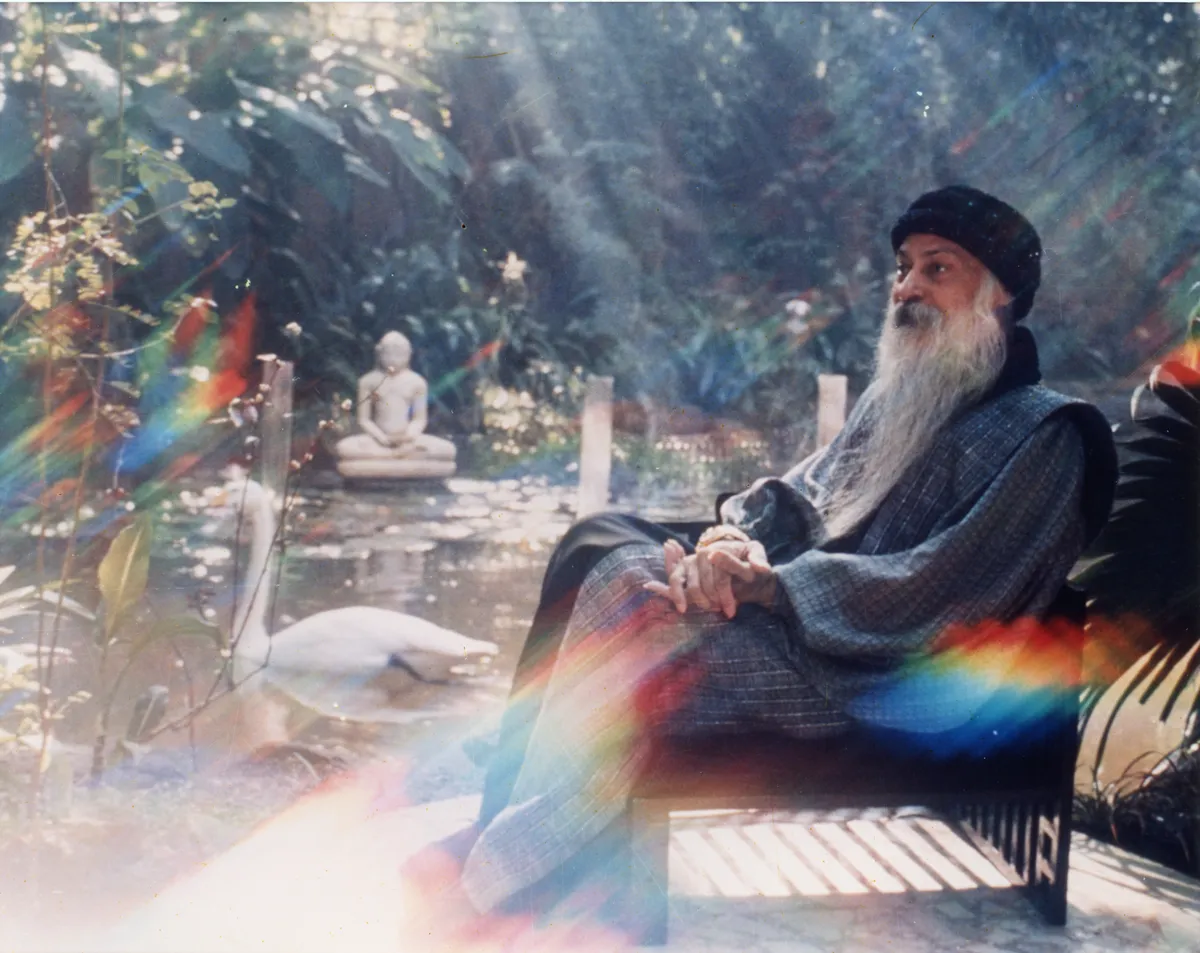
When your mind drifts, just notice it kindly and be happy for any moments you are listening—those moments will grow.
From the Discourses
Passages where Osho speaks to this question — each links to the complete discourse.
Osho, even after a good night’s sleep, in the morning my attention often gets lost during your discourse. What can be done to prevent this?
Do nothing. If it gets lost, let it be lost. Only keep the awareness that it is lost. Turn even the state of non-attention into attention. And don’t look at the negative; look at the affirmative. You ask: even after a good night’s sleep, in the morning your attention often gets lost in the discourse. Many times it gets lost; many times it does not. Put your attention on the times it does not. Each time it does not, give thanks to the divine. As much as it settles, that much is grace. Is even that too little? If I speak for an hour and a half, and in that hour and a half even five minutes of your attention truly alight on my words, it is done. Let the remaining eighty-five minutes go. Don’t worry. Even if those five minutes come as scattered moments that add up, it is…
पांचवां प्रश्न: ओशो, रात अच्छी नींद लेने के बाद भी प्रातः कई बार आपके प्रवचन में ध्यान खो-खो जाता है। इससे बचने को क्या किया जाए?
… इतना ही ध्यान रखो कि खो गया। गैर-ध्यान की अवस्था को भी ध्यान बनाओ। और निषेध को मत देखो, विधेय को देखो। तुम पूछते हो, अच्छी नींद लेने के बाद भी प्रातः कई बार प्रवचन में ध्यान खो-खो जाता है.। कई बार खो जाता है, कई बार नहीं भी खोता। नहीं खोता, उस पर ध्यान दो। जितनी बार नहीं खोता, उतनी बार परमात्मा को धन्यवाद दो। जितना सधता है, उतनी ही अनुकंपा है। उतना भी क्या कम है। अगर मैं डेढ़ घंटा बोलता हूं, और डेढ़ घंटे में अगर पांच मिनट को भी ध्यान लग जाए मेरी बात पर, तो हो गया। पचासी मिनट जाने दो। कोई चिंता न करो। पांच मिनट भी, क्षण-क्षण करके भी पांच मिनट जुड़ जाएं, तो काफी है। …
Osho, as you have said—to awaken awareness on the breath—but even then the attention does not stay on the breath; it wanders here and there. Should we let it go, or...?
No, no—don’t worry about that at all. Positively concern yourself with being on the breath. It goes here and there; if you start tracking it, you’ll go even farther away. Don’t bother about it. Just keep two things in view: is it on the breath, or not? If not, bring it back to the breath; if it is, all is fine. Don’t be anxious about going along with it. And don’t try to fight it either. Positively keep only this much in mind: with the breath that is moving—are you there, or not? In between it will slip; let it slip. Then return—come back again. It will slip, and it will slip a lot. It will stay for a second or two, and then slip. Because that is its habit of lifetimes. Its habit is doing; it has never been in the present. And now you are putting it into…
प्रश्न: ओशो, आपने जैसे कहा है श्वास पर चित्त को जगाना, तो उसमें भी वह चित्त श्वास पर नहीं रहता, वह इधर-उधर जाता है, उसको जाने देना है या...?
न, न, आप उसकी फिकर ही न करें। आप तो पॉजिटिवली श्वास पर होने की फिकर करें। वह इधर-उधर जाता है। अगर आप उसका पता लगाने गए तो आप और दूर चले जाएंगे। उसकी फिकर ही मत करें। आप तो दो बातें जानें कि श्वास पर है, या नहीं। नहीं है तो श्वास पर ले आएं, है तो बात ठीक है। आप उसके साथ जाने की चिंता ही न करें। और न लड़ने की कोशिश करें उससे। आप तो पॉजिटिवली इतना खयाल रखें कि बस वह श्वास जो चल रही है उस पर—है, या नहीं। बीच-बीच में चूक जाएगा, चूक लेने दें। फिर लौट आए, फिर वापस आ गए। चूकेगा, वह बहुत चूकेगा। वह तो एक-दो सेकेंड रहेगा, और चूकेगा।
Osho, while sitting near you and listening to your discourse continuously for an hour and a half, I become so absorbed in devotion and rasa that I don’t know where my sorrows, anxieties, and troubles disappear. An incomparable peace descends. But shortly after the discourse ends and your presence is gone, I again begin to be surrounded by worries and troubles. Please be gracious and tell me how the experience I have in your discourse and presence can remain for a longer time!
Attention is food. Remember: whatever you give attention to, you give life to. So don’t give attention to the wrong things. Here, listening to me, the heart becomes light, joyful, a coolness descends—you gave your attention toward me. Then you go home and start digging at your wounds again, unwrapping your poultices and bandages, poking your fingers into your aches. What is the need? Do this: while leaving here, keep the resolve not to touch those old wounds. The old habit will move your hand—bring it back! Then you’ll feel a difficulty: “If I don’t do that, what should I do?” There is so much around to give attention to. There are the songs of birds. I cannot speak to you as sweetly as they do. What they are saying to you, I want to say but cannot. Sit quietly and pour all your attention into them. An even deeper…
चौथा प्रश्न: ओशो, आपके पास बैठ कर लगातार डेढ़ घंटे तक आपका प्रवचन सुनते समय मैं भक्ति के भाव व रस में इतना डूब जाती हूं कि पता नहीं मेरे दुख, चिंताएं और परेशानियां कहां खो जाती हैं। एक अपूर्व शांति का अनुभव छा जाता है। परंतु, प्रवचन के बाद आपका सान्निध्य छूटते ही थोड़ी देर में मैं पुनः चिंताओं और परेशानियों से घिरने लगती हूं। जो अनुभव आपके प्रवचन व सान्निध्य में होता है, वह कैसे अधिक समय तक रहे, यह बताने का अनुग्रह करें!
ध्यान भोजन है। ध्यान रखना, तुम जिसे ध्यान देते हो उसे जीवन देते हो। तो गलत को ध्यान मत दो। यहां सुनते हो मुझे, चित्त प्रफुल्लित हो जाता है, आनंदित हो जाता है, एक शीतलता छा जाती है। तुमने ध्यान मेरी तरफ दिया! गए घर, फिर खोदने लगे अपने घाव, फिर उघाड़ने लगे अपनी मलहमें-पट्टियां, फिर अंगुलियां डालने लगे अपनी पीड़ाओं में। क्या जरूरत है? करो यह--यहां से जाते समय ध्यान रखो कि अब उन्हीं घावों में हाथ नहीं लगाना है। पुरानी आदत है, हाथ चले जाएंगे, वापस लौटा लो! फिर तुम्हें अड़चन होगी कि अगर कुछ न करें तो क्या करें! तो ध्यान देने को कुछ और बहुत घट रहा है चारों तरफ। पक्षियों के गीत हैं। उतना मधुर तो मैं तुमसे बोल भी नहीं सकता। जो वे तुमसे कह रहे हैं, वह तो मैं कहना चाहता हूं, कह नहीं पाता। तुम पक्षियों के गीत ही सुनो। चुप बैठ कर सारा ध्यान उन पर लगा दो। इससे भी ज्यादा गहरा सत्संग हो जाएगा। हवाएं वृक्षों को कंपाती हैं। हवाओं की धुन वृक्षों के पत्तों में बजती है, उसे सुनो। …
Mahavira has called apramad—vigilance, awareness, continuous wakefulness—the basis of practice. A friend asks: how can we bring this awareness into our conduct while doing our tasks—in the office, in the shop, while working? If attention remains on awareness, how will the work get done? While engaged in work, what is the place of awareness, and can this itself be a sadhana?
Take attention also as delight. Do not make it a restlessness. Let it not become a burden on your head that “I must work attentively.” Do not load it with strain and effort; let it grow lightly, support it. Whenever the remembrance arises, do it consciously. If you forget, do not worry. When remembrance returns, begin again to do it consciously. If you decide, “Now I will do my work consciously,” you will not be able to do it today itself; it may take years. To keep awareness even for a moment is difficult. You will decide to walk consciously; you will not be able to take even two steps before awareness has gone elsewhere and the feet have started walking elsewhere. Do not be anxious about that; do not repent. Heedlessness is the habit of countless lives; there is no reason to be distressed. We ourselves have cultivated unawareness—whom…
महावीर ने अप्रमाद को साधना का आधार कहा है, होश को, सतत जागृति को। एक मित्र ने पूछा है कि जो होश के बारे में कहा गया है वह हम अपने काम-काज में, ऑफिस में, दुकान में कार्य करते समय कैसे आचरण में लाएं? होश में रहने पर ध्यान जाए तो काम कैसे हो? काम में होते हुए होश का क्या स्थान है और क्या यह साधना हो सकती है?
ध्यान को भी आनंद समझें। इसको भी बेचैनी मत बनाएं। यह आपके सिर पर एक बोझ न हो जाए कि मुझे ध्यानपूर्वक ही काम करना है। इसको चेष्टा और प्रयत्न का बोझ न दें, हलके-हलके इसे विकसित होने दें, इसको सहारा दें। जब भी खयाल आ जाए, तो होशपूर्वक करें। भूल जाए, तो चिंता न लें। जब खयाल आ जाए, फिर होशपूर्वक करने लगें। अगर आपने तय किया है कि अब मैं काम अपना होशपूर्वक करूंगा, तो आप कर पाएंगे आज ही, ऐसा नहीं है; वर्षों लग जाएंगे। क्षण भर भी होश रखना मुश्किल है। तय करेंगे कि होशपूर्वक चलूंगा, दो कदम नहीं उठा पाएंगे और होश कहीं और चला जाएगा, कदम कहीं और चलने लगेंगे। …
Osho, you say that if there is awareness, then how are the two to be brought into harmony?
That is precisely the practice of active meditation: awareness. Awareness is the very means of going into emptiness in relation to all actions, to the movements of the mind as well. For example, if you lie there for half an hour—what will you do? In that half hour, whatever thoughts are moving in your mind, you are to be simply aware of them. Simply a witness—what else will you do? Just become a witness. Keep silently watching; let them move. But obstacles arise in our seeing. We become absorbed. We fail to remain a witness. We don’t even notice when we have become one with those very thoughts. That sense of awareness fades; a kind of stupor, a moorchha, comes in. A thought comes, a memory arises, and we stop being the watcher. We become part of that thought and of its flow. That is moorchha. And the opposite is…
प्रश्न: ओशो, आप जो बोलते हो कि जागरूकपना अगर है तो उन दोनों का समन्वय कैसे स्थित करेंगे?
वह सक्रिय ध्यान का ही प्रयोग है जागरूकता। समस्त क्रियाओं के प्रति, चित्त की क्रियाओं के प्रति शून्य में जाने का भी माध्यम जागरूकता ही है। जैसे आधा घंटा आप पड़े रहेंगे तो क्या करेंगे? उस आधे घंटे में आपके चित्त में जो भी विचार चल रहे हैं, उनके प्रति केवल जागरूक होना है। केवल साक्षी होना है, और क्या करिएगा? साक्षी भर हो जाना है। देखते रहना है चुपचाप, वे चलें। लेकिन हमारे देखने में बाधा आती है। हम तल्लीन हो जाते हैं। साक्षी नहीं रह पाते। हम कब उन्हीं विचारों में एक हो गए इसका पता नहीं रहता। यह बोध मिट जाता है, मूर्च्छा आ जाती है।