
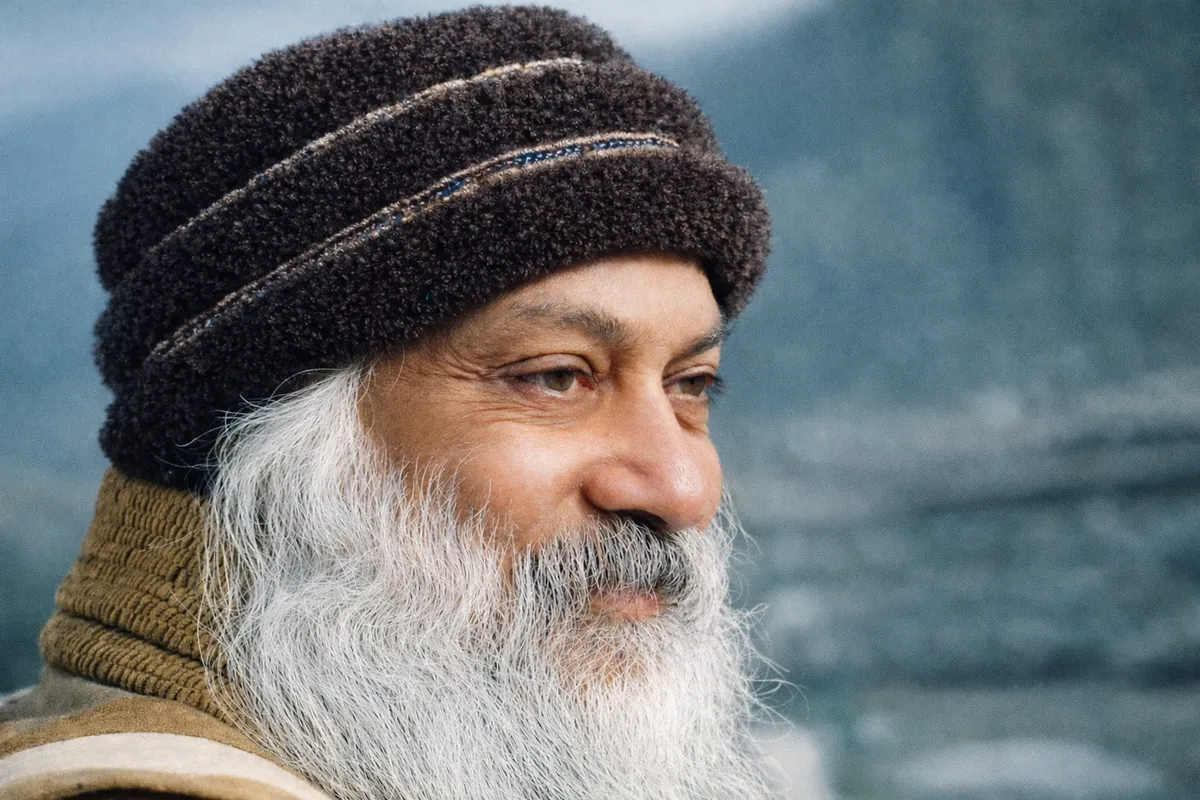
Don’t hide or perform your sadness—look at it honestly, see how your own expectations feed it, and it will loosen and fade.
From the Discourses
Passages where Osho speaks to this question — each links to the complete discourse.
Osho, there is a great fear of death. Is there any way to be free of it?
I have heard that on his campaigns Alexander reached a place where he learned there was a spring whose water, if drunk, makes one immortal. He went in search of it. When he reached the spring, he rejoiced; never had he seen water so crystal clear. He was about to cup it in his palms when a crow perched on a branch said, “Stop, Alexander! You will regret it. First hear me.” Alexander was astonished—one marvel: water that grants immortality; another marvel: a speaking crow. “What do you want to say?” The crow said, “I too drank this water. I am no ordinary crow; as you are Alexander among men, I am Alexander among crows. I spent my life searching and found this spring. I drank—and now I writhe. I have been alive for thousands of years; I cannot die. I throw myself from cliffs, dash my head on rocks,…
चौथा प्रश्न: ओशो, मृत्यु का बड़ा भय है। क्या इससे छूटने का कोई उपाय है?
… और चुल्लू भरने को ही था कि एक कौवा बैठा था वहां एक शाख पर, उसने कहा, रुक सिकंदर! पीछे पछताएगा। पहले मेरी बात सुन ले। सिकंदर बहुत हैरान हुआ, एक तो यह चमत्कार कि इस पानी को पीकर आदमी अमर हो जाता है। और यह एक चमत्कार कि यह कौवा बोलता है। उसने पूछा कि क्या कहना है तुझे? कौवे ने कहा, कहना मुझे यह है कि मैंने भी यह पानी पीआ--मैं कोई छोटा-मोटा कौवा नहीं हूं, जैसा तू सिकंदर है आदमियों में, ऐसा मैं भी एक सिकंदर हूं कौवों में--इसी की खोज मैंने सारे जीवन लगायी और मैंने यह झरना पा लिया और मैं यह पानी पी चुका। अब मैं तड़फ रहा हूं। हजारों साल से जिंदा हूं, मरता नहीं। अब मर सकता नहीं। पहाड़ से गिरता हूं, पत्थर पर सिर पटकता हूं, जहर पीता हूं, मरता नहीं। …
Osho, suffering becomes lighter when we share it with one another. That is, when sorrow comes, if we speak it out and cry a little, we forget it. If we don’t speak, we don’t forget; the sadness lingers for a day or two.
That sadness remains because the issue is not whether you tell it to another or not—that is not the big question. The big question is that you give your attention to sorrow; that’s why the sadness stays. Give your attention to joy; keep the tally of joy.
प्रश्न: ओशो, दुख एक-दूसरे को बांटने से हलका हो जाता है। मतलब जब दुख हुआ, कह दिया, थोड़ा सा रो लिया, तो भूल जाते हैं। अगर नहीं कहते हैं तो नहीं भूलते हैं। मतलब एक दिन, दो दिन उदासी बनी रहती है।
वह उदासी इसलिए रहती है कि दूसरे से कहना या नहीं कहना, यह सवाल नहीं है बड़ा, बड़ा सवाल यह है कि तुम ध्यान दुख पर देती हो इसलिए उदासी रहती है। ध्यान सुख पर दो, हिसाब सुख का रखो।
Osho, I am so familiar with sorrow that I can’t bring myself to trust happiness. One sorrow leaves and another arrives; it just goes on like that. Will I ever have a glimpse of happiness? Show me the path—what should I do to attain happiness? I am ready to do anything.
One sorrow follows another. The son finishes and the father arrives. But the beginning—why did you go to the poet’s house at all? And when he laughed, why didn’t you run away then? When he ordered tea, why didn’t you take the hint? Once you drink the tea, leaving becomes difficult. If you eat someone’s salt, you must play along—otherwise they’ll call you ungrateful! Be careful in advance. Where is the root of sorrow? It is in the ego, in the sense “I am.” This is the root of all diseases; all the ailments are its leaves. And you do not let go of it; you cling to it. Yet it is a sheer, downright untruth. You are not; the divine is. I am not; the divine is. A wave imagines, “I am,” whereas only the ocean is—where is the wave? And once you start living a lie, you must…
तीसरा प्रश्न: ओशो, मैं दुख से इतना परिचित हूं कि सुख का मुझे भरोसा ही नहीं आता है। एक दुख गया कि दूसरा आया, बस ऐसा ही सिलसिला चलता रहता है। क्या कभी मैं सुख के दर्शन पा सकूंगा? मार्ग दिखावें कि सुख पाने के लिए क्या करूं? मैं सब कुछ करने को तैयार हूं।
एक घंटे बाद श्रोता ने कहा: ‘कवि जी आज्ञा दीजिए अब हम घर जा रहे हैं।’ पहलवान की फिर आवाज आई: ‘आप अभी से घबड़ा रहे हैं इनके पिताजी भी कवि हैं इसके बाद वे आ रहे हैं।’ फिर एक दुख के पीछे दूसरा दुख चला आता है। फिर बेटा गया तो पिताजी आ रहे हैं। लेकिन शुरुआत--तुम गए ही काहे को कवि जी के घर? और जब वे हंसे थे तभी क्यों न निकल भागे? और जब एक कप चाय पिलाई थी तब ही क्यों न चौंके? जब चाय पी ली तो फिर निकलना मुश्किल हो जाता है। फिर नमक खाओ तो बजाना भी पड़ता है, नहीं तो लोग कहते हैं: नमकहराम! सावधानी पहले से बरतो। दुख का मूल कहां है? दुख का मूल है अहंकार में। मैं हूं, इस भाव में दुख का मूल है। यह सारी बीमारियों की जड़ है, सारी बीमारियां इसी के पत्ते हैं। और इसे तुम छोड़ते नहीं, इसे तुम पकड़ कर बैठे हो। और यह बिलकुल सरासर झूठ है। तुम नहीं हो, परमात्मा है। मैं नहीं हूं, परमात्मा है। लहर समझ रही है अपने को कि मैं हूं, जब कि सागर है, लहर कहां? …
Osho, I think to get free of sorrow I should lean on someone, sit in the shade of someone’s love. But even when I don’t find that, there is still a kind of consolation that at least my own suffering is there—along with someone’s neglect. Please tell me, why does this happen?
Every door is the door of Rama—bow your head to all as you go: if you have loved someone, the door of Rama opens. Wherever love knocks, there the door of Rama opens. Never avoid love. Enter love. Do not be afraid of love. Love will give great pain; love will burn; love will become fire—but only by passing through fire does one become pure gold. Do not be frightened of the fire of love; do not run away; otherwise you will remain half-baked, incomplete, full of clay. So I do not say that love will give you only happiness. I do not say love is a bed strewn with flowers. Love is a path of great pain. But it is necessary to pass through it. Only by passing through it do you become worthy of prayer, mature for prayer. The moment someone is immersed in love, a taste begins;…
तीसरा प्रश्न: ओशो, सोचती हूं दुख से छूटने के लिए किसी का सहारा पकडूं, किसी के प्रेम के साये में बैठूं, लेकिन उसके न मिलने पर भी संतोष ही होता है कि कम से कम अपना दुख और किसी की उपेक्षा तो साथ में है। कृपया बतायें कि ऐसा क्यों होता है?
हर दरवाजा राम-दुवारा सबको शीश झुकाता चल--अगर प्रेम किसी से किया तो राम-दुवारा खुला। जहां प्रेम ने दस्तक दी, वहीं राम-दुवारा खुला। प्रेम से कभी बचना मत। प्रेम में उतरना। प्रेम से डरना मत। प्रेम बड़ी पीड़ा देगा, प्रेम जलायेगा, प्रेम अग्नि बन जाएगा, लेकिन अग्नि से ही गुजरकर कोई कुंदन बनता है, कोई शुद्ध स्वर्ण बनता है। प्रेम की अग्नि से घबड़ाना मत, भागना मत, अन्यथा अधकचरे, अधूरे, मिट्टी से भरे रह जाओगे। तो मैं यह नहीं कहता कि प्रेम तुम्हें सुख ही सुख देगा। प्रेम कोई फूलों-बिछी सेज है, ऐसा मैं नहीं कहता। प्रेम बड़ी पीड़ा की डगर है। लेकिन उससे गुजरना जरूरी है। और उससे गुजरकर ही तुम प्रार्थना के योग्य बनोगे, प्रार्थना के लिए परिपक्व बनोगे। …
Osho, all through life—waking and sleeping—we have already passed through endless hellish torment because of fear and guilt. Isn’t that enough? Must we then be sent to hell again after death?
The priest asked for a week to think. He thought for seven days and found nothing, because the matter became tangled. If he said: “The virtuous will go to hell for lack of faith,” virtue loses all value. If he said: “The believer will go to heaven despite being unvirtuous,” then merely believing, flattering, praising is enough—what worth remains in virtue? And if he said: “The virtuous go to heaven whether they believe in God or not,” then arises the question: why believe at all? Virtue is decisive—why bring God in between? Science holds a rule: the fewer principles you can manage with, the better; more principles create confusion. If by virtue one goes to heaven and by vice to hell, the matter is finished; why bring God in? If by believing in God one goes to heaven and by not believing to hell, then drop the talk of virtue…
पहला प्रश्न: ओशो, हम तो जीते-जी और सोते-जागते भय और अपराध-भाव के द्वारा अशेष नारकीय पीड़ा से गुजर चुकते हैं। क्या यह काफी नहीं है? कि मरने के बाद फिर हमें नर्क भेजा जाए!
पादरी ने कहा कि मुझे थोड़ा सोचने का मौका दें। उसने सात दिन सोचा। सोचा, कुछ समझ में न आया। क्योंकि मामला बड़ा उलझन का हो गया। कठिनाई यह हो गयी, अगर वह यह कहे कि सदाचारी परमात्मा को न मानने के कारण नर्क भेजा जाएगा, तो सदाचार का सारा मूल्य समाप्त हो गया। अगर वह यह कहे कि परमात्मा को मानने वाला असदाचारी हो तो भी स्वर्ग जाएगा, तो सिर्फ परमात्मा को मान लेना, खुशामद कर लेना, स्तुति कर देना काफी हो गया। सदाचार का क्या मूल्य रहा? और अगर वह यह कहे कि सदाचारी स्वर्ग जाएगा, परमात्मा को माने या न माने, तो भी सवाल उठता है फिर परमात्मा को मानने की जरूरत क्या? सदाचार ही निर्णायक है। तो फिर परमात्मा को बीच में क्यों लेना? विज्ञान का एक नियम है, जितने कम सिद्धांतों से काम चल सके उतना उचित। क्योंकि ज्यादा सिद्धांत उलझाव खड़ा करते हैं। तो अगर सदाचार से ही स्वर्ग जाया जाता है और असद-आचार से नर्क जाया जाता है, तो बात खतम हो गयी, फिर परमात्मा को बीच में क्यों लेना? …