
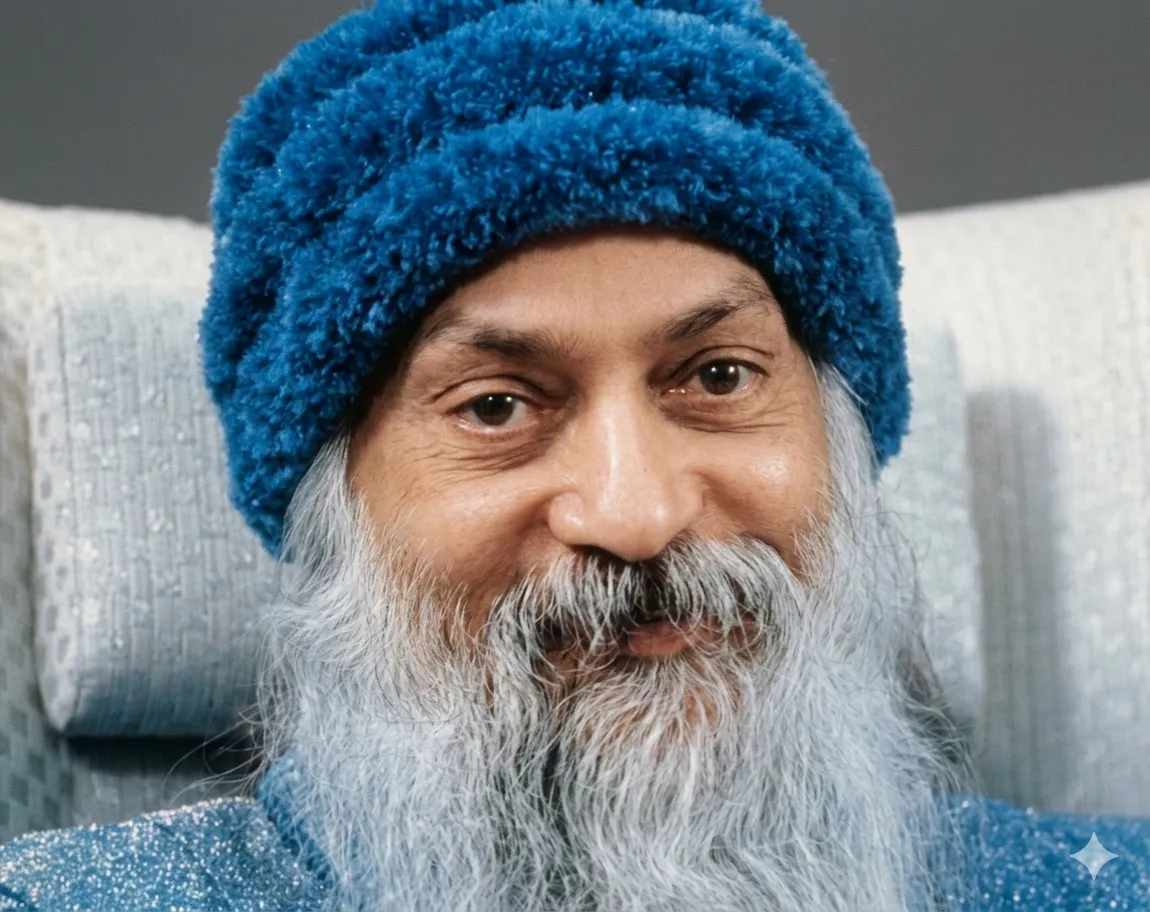
If a sage writes, it’s the source speaking; if a regular poet writes, it’s just their memory of a brief peek.
From the Discourses
Passages where Osho speaks to this question — each links to the complete discourse.
Is poetry the voice of wonder, or an avoidance of moving closer to the source, a sensuous lingering?
The other kind of poetry may be an avoidance of the real kind. It may be an escape. Samarpan, you ask, "Is poetry the voice of wonder, or an avoidance of moving closer to the source, a sensuous lingering?" The other kind of poetry can be an avoidance. You may be afraid to take the jump, you may be afraid to lose yourself totally, so you allow only a few glimpses here and there, and then you "drown" yourself -- what you call creativity. You paint, you make poetry, you create music -- and you get lost in "doings". That may be an avoidance. Maybe you are afraid: that lightning was too much. You are afraid that if you don't get drowned in your so-called creativity, the window may open again. And who knows? You may not be capable of resisting the temptation of jumping out of it. It is…
Osho, is being attracted to Krishna not the same as being free of life’s other attractions?
One has to think a little. Here lies Krishna’s distinction. If you are attracted to Mahavira, you will have to be free of all the world’s attractions. If you go toward Mahavira, you will have to go against the world. That is Mahavira’s path. But with Krishna the matter is a little delicate and deep. Krishna says, if you want to come to me, you must seek me right within the attractions of the world; for I am present there too. There is no need to run away from there. Understand it like this. You relish food. If you listen to Mahavira, there will be a vow of non-taste (aswad-vrat). Then you must drop taste. Eat as a function, a necessity; do not savor. Put food into the body so that the body’s work may continue, but take no relish in it. Drop taste, continue eating. Let food become tasteless,…
चौथा प्रश्न: ओशो, कृष्ण के प्रति आकर्षित होना क्या जीवन के अन्य आकर्षणों से मुक्त होना नहीं है?
सोचना पड़े। यहीं कृष्ण का भेद है। अगर तुम महावीर में आकर्षित होते हो, तो तुम्हें संसार के समस्त आकर्षणों से मुक्त होना पड़ेगा। अगर महावीर की तरफ जाते हो, तो संसार के विपरीत जाना पड़ेगा। वह महावीर का मार्ग है। लेकिन कृष्ण के संबंध में मामला जरा नाजुक है और गहरा है। कृष्ण कहते हैं, अगर तुम्हें मेरी तरफ आना है, तो तुम्हें संसार के आकर्षण में ही मुझे खोजना पड़ेगा; क्योंकि मैं वहां भी मौजूद हूं। वहां से भागने की कोई जरूरत नहीं है। इसे ऐसा समझो। तुम्हें भोजन में रस है। अगर तुम महावीर की सुनते हो, तो अस्वाद व्रत होगा। तब तुम्हें स्वाद छोड़ना है। भोजन ऐसे कर लेना है कि काम है, जरूरत है; स्वाद नहीं लेना है। भोजन को ऐसे शरीर में डाल देना है कि काम शरीर का चल जाए, लेकिन उसमें कोई रस नहीं लेना है। स्वाद छोड़ना है, भोजन जारी रखना है। भोजन बेस्वाद हो जाए, अस्वाद हो जाए, स्वादहीन हो जाए, स्वादातीत हो जाए। स्वाद न रह जाए। बस, शरीर का धर्म है, पूरा कर देना है। तो भोजन ले लेना है। …
Osho, yesterday you said that when anger is watched consciously, it dissolves. But why is it that when sexual desire arises, even in awareness its intensity persists? Why is it so?
There is no entanglement in the breath. If you try to practice on anger… Anger is not happening every moment; it happens sometimes. And when it happens, it happens with such intensity that you are already going deep into it; so much is at stake in those moments that you may think, “We will look into awareness later; first let’s settle this now.” Lust is very deep, because existence has made it so deep; life depends on it. If lust were so easy that you decided and were freed, perhaps you would not even have been born—because many before you would have become free, and the possibility of your being would have been almost nil. But your parents, and their parents, did not become free; therefore you are. You too will not get free so easily, because your children are also to be—they are waiting: “Do not run away midway.”…
दूसरा प्रश्न: ओशो, आपने कल कहा कि क्रोध को होशपूर्वक देखने पर क्रोध विलीन हो जाता है। लेकिन क्या कारण है कि कामवासना के उठने पर होश में भी उसकी प्रगाढ़ता बनी रहती है। ऐसा क्यों है?
श्वास में कुछ झंझट नहीं है। अब तुम या तो क्रोध पर साधोगे...। क्रोध रोज तो होता नहीं, प्रतिपल होता नहीं, कभी-कभी होता है; जब होता है तब इतनी प्रगाढ़ता से होता है कि तुम गहरे में उतर रहे हो; जब होता है तब इतनी बातें दांव पर लग जाती हैं कि शायद तुम सोचोगे, ‘फिर देख लेंगे होश इत्यादि! यह अभी, अभी तो निपट लें।’ कामवासना तो बहुत गहरी है, क्योंकि प्रकृति ने उसे बहुत गहरा बनाया है, क्योंकि जीवन उस पर निर्भर है। अगर कामवासना इतनी आसान हो कि तुमने चाहा और छूट गए, तो तुम शायद पैदा ही न होते, क्योंकि तुमसे पहले बहुत लोग छूट चुके होते; तुम्हारे होने की संभावना न के बराबर होती। मगर वह तो तुम्हारे माता-पिता उनके माता-पिता नहीं छूट सके, इसलिए तुम हो। तुम भी इतनी आसानी से न छूट जाओगे, क्योंकि तुम्हारे बच्चों को भी होना है; वे भी प्रतीक्षा कर रहे हैं कि ऐसे भाग मत जाना बीच से। जीवन बहुत कुछ टिका है कामवासना पर। इसलिए उसका छूटना इतना आसान नहीं है। असंभव नहीं है, आसान भी नहीं है। …
Osho, what is the definition of God?
Words are very small. If you say God is light, then what of darkness? The scriptures have said that God is light. Suppose we accept this as a definition—then what about darkness? Where will darkness go? Darkness is too; in fact it is far more than light. Light sometimes is and sometimes is not; darkness is always, eternal. Where will you place darkness? If you say God is light, darkness is left out. If you say God is darkness, then light is left out. If you say God is both darkness and light, a contradiction arises: they cannot be together. Try to have both darkness and light in the same room. If you bring in light, darkness disappears; if you preserve darkness, you cannot have light. Then how can both be together? That becomes an impossibility. So you cannot say “both” either. Then the fourth device is to say: it…
पहला प्रश्न: ओशो, परमात्मा की परिभाषा क्या है?
शब्द तो बड़े छोटे-छोटे हैं। अगर कहो परमात्मा प्रकाश है, तो फिर अंधेरे का क्या होगा? ऐसा कहा है शास्त्रों में कि परमात्मा प्रकाश है। चलो मान लें इसे परिभाषा, फिर अंधेरे का क्या होगा? फिर अंधेरा कहां जायेगा? अंधेरा भी है, प्रकाश से कहीं ज्यादा है। प्रकाश तो कभी होता है कभी नहीं भी होता; अंधेरा सदा है, शाश्वत है। अंधेरे को कहां रखोगे? अगर कहा परमात्मा प्रकाश है, तो अंधेरा बाहर पड़ गया। अगर कहा परमात्मा अंधेरा है, तो प्रकाश बाहर पड़ गया। अगर कहो परमात्मा अंधेरा प्रकाश दोनों है, तो विरोधाभास होता है। दोनों एक साथ हो नहीं सकता। एक ही कमरे में अंधेरा और प्रकाश करके दिखाओ। प्रकाश करोगे, अंधेरा खो जायेगा; अंधेरा बचाओगे, प्रकाश न कर सकोगे। तो दोनों साथ कैसे होंगे? तब एक असंभव बात हो गई। तो यह भी नहीं कह सकते कि दोनों है।
Osho, for a poet to enter within, is the practice of meditation necessary along with poetic creation? If it is necessary, then what form of meditation did Rabindranath Tagore and Khalil Gibran rely on in their lives? If it is not necessary, then tell us how poetic creation itself can become a life-practice, so that the poet need not slip inside like a thief, but may also enjoy entering the temple as a guest.
To call God “the Creator” is a very sweet expression—not because it solves some philosophical riddle; it solves nothing, it only increases puzzles. For me the meaning is altogether different: the emphasis is not on God but on creativeness. It means: whoever becomes a creator becomes divine. Creativeness is not a mere attribute of God; it is God’s very nature. Whenever you are able to bring something into being, a thrill, a joy, an ah! fills you. Unfortunate are those who never create anything in their lives, who have never made anything and never tasted the joy of making; for whom nothing of creation ever happened—no two lines of a song, no sculpture, no painting. Such people are unfortunate. So if the doorway to beauty has opened with your very birth, then no other practice is needed. Art itself will become your meditation. By drowning in art you will find…
दूसरा प्रश्न: ओशो, क्या एक कवि को भीतर प्रविष्ट होने के लिए काव्य-सर्जना के साथ-साथ ध्यान की साधना भी आवश्यक है? यदि आवश्यक है, तो रवींद्रनाथ और खलील जिब्रान ने अपने जीवन में कौन सी ध्यान-साधना का आश्रय लिया? यदि आवश्यक नहीं, तो बताएं कि काव्य-सृजना ही कैसे जीवन-साधना बन जाए कि कवि को एक चोर की भांति भीतर न घुसना पड़े। वह भी एक अतिथि की तरह मंदिर में प्रविष्ट होने का आनंद अनुभव कर सके।
परमात्मा को स्रष्टा कहना बड़ी मधुर बात है। इस कारण नहीं कि उससे कोई दर्शनशास्त्र की पहेली सुलझती है। नहीं, कुछ भी नहीं सुलझता। उलझन और बढ़ जाती है। मेरे लिए परमात्मा को स्रष्टा कहने का अर्थ बिलकुल ही दूसरा है। वह अर्थ यह है, उसमें परमात्मा पर जोर नहीं है, स्रष्टा पर जोर है। वह अर्थ यह है कि जो भी स्रष्टा हो जाएगा, वह परमात्मा हो जाएगा। स्रष्टा होना परमात्मा का गुणधर्म नहीं है, परमात्मा का स्वभाव है। जब भी तुम कुछ निर्मित कर पाते हो तब एक पुलक, तब एक आनंद, एक अहोभाव तुममें भर जाता है। अभागे हैं वे लोग, जो अपने जीवन में कुछ भी सृजन नहीं कर पाते। जिन्होंने न कभी कुछ बनाया, न कभी बनाने का आनंद जाना। जिन्होंने कभी कुछ सृजन न किया, दो पंक्तियां गीत की पैदा न हुईं, एक मूर्ति न बनी, एक चित्र न उभरा जिनके जीवन में कुछ सृजन जैसी घटना ही न घटी। ऐसे लोग अभागे हैं। तो अगर सौंदर्य की दिशा खुली है जन्म के साथ, तब तो किसी और साधना की जरूरत नहीं। तब कला ही ध्यान हो जाएगी। …