
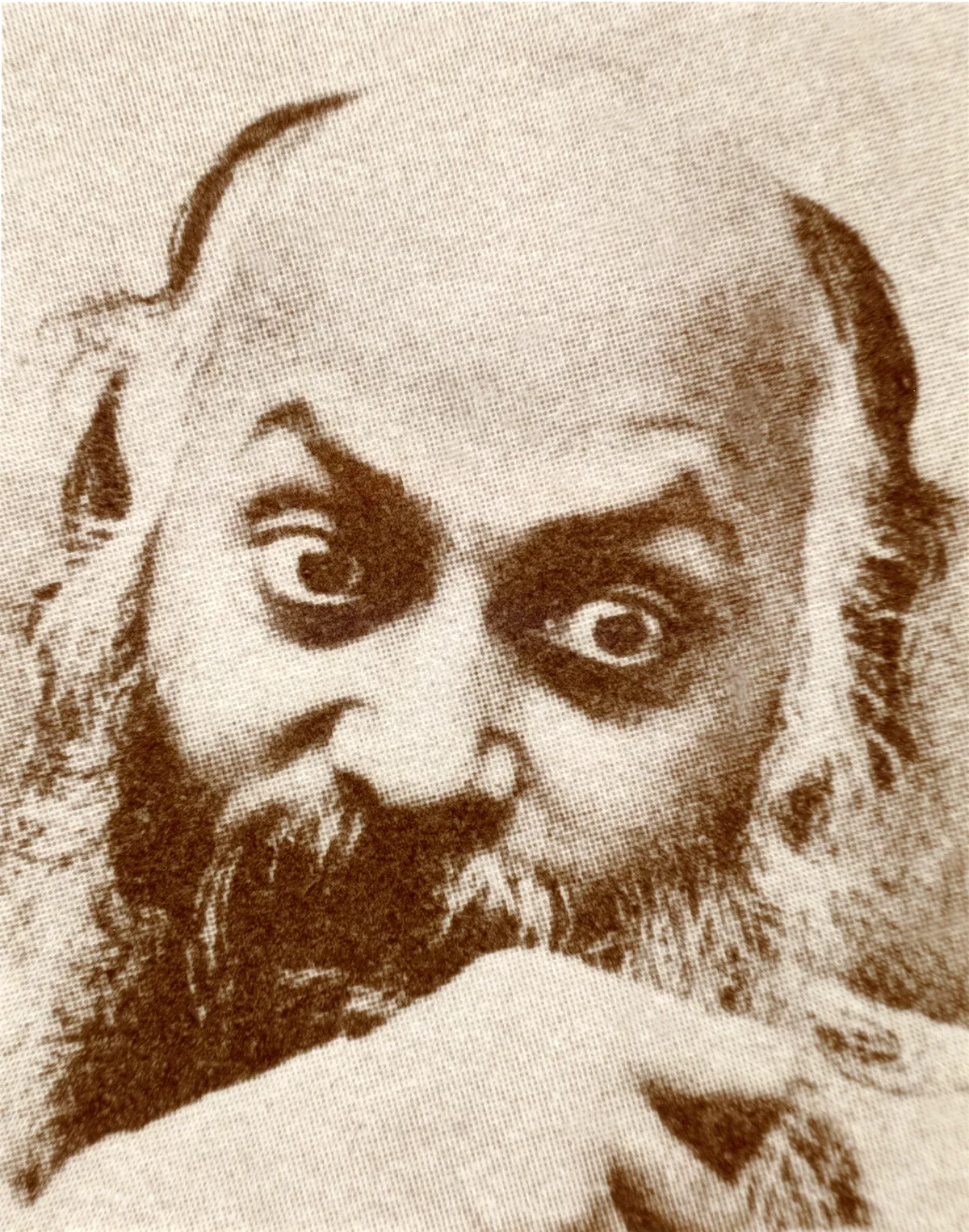
Kundalini builds power by safely creating inner tension—like pulling back a bowstring so energy can be released.
From the Discourses
Passages where Osho speaks to this question — each links to the complete discourse.
Osho, you also said that this is a method of transformation through extremes. So you take us to the extreme of tension so that the extreme of relaxation becomes available. Then is Kundalini practice a practice of tension?
Absolutely, it is a practice of tension. Absolutely, it is a practice of tension. In fact, any practice of energy will be a practice of tension. Energy itself means tension. Where there is tension, there energy is produced. Just as we have generated such immense energy from the atom—because we put even the subtlest particle under tension; split it into two parts and put both under tension. So the entire practice of energy is a practice of tension. If you understand it rightly, tension itself is energy; what you call tension is energy.
Osho, in the Nargol camp you said that shaktipat means the Divine power has descended into you. Later, in discussion, you said there is a difference between shaktipat and grace. These two statements seem contradictory. Please explain.
Shaktipat is always the Divine’s. But if a person becomes the medium, we call it shaktipat; if no person is the medium, it can sometimes happen suddenly—and it can harm. Yet if someone has waited endlessly, and has meditated with infinite patience, then the descent of power will also happen as prasad. There will be no medium then—but there will be no accident either. For his endless waiting, his infinite patience, his unbroken ardor, his unshakable resolve create in him the capacity to withstand the Infinite. So there is no accident. Thus the event happens in both ways. But then it will not appear to him as shaktipat; it will be known as prasad, because there is no medium. Only an egoless person can be a medium There is similarity in both, and there is difference. I am in favor that, as far as possible, prasad be available; as far…
Questioner: explaining deep and fast breathing you said that it is a technique of transformation through the extremes -- that we have to go to the extreme point of tension so an absolute state of re laxation is achieved in the end. If it is so, should we take it to be a sadhana or discipline of tension?
It is a sadhana of tensions. It is absolutely a discipline of tensions. In fact, every discipline of energy is a discipline of tension. Energy itself means tension. It is through tension that energy comes into being. We succeeded in creating a tremendous amount of energy from the atom, because we split it into two and put its most subtle components in a state of tension. So the whole discipline of power or energy is a discipline of tensions. If we understand it rightly, tension itself is energy.
Questioner: you said at the nargol meditation camp held recently, that the sadhana or discipline of kundalini is a way of preparing the body. Will you please explain it?
In a deeper physical sense, the awakening of the kundalini means that you have so much energy with you that your old channels are not able to contain it, and so it irresistibly seeks new avenues and new doors. As a result, many new and subtle senses within you will become awake and active. These extrasensory centers will make you telepathic and clairvoyant; you will begin to see and hear things which are beyond the reach of your ordinary eyes and ears. You will experience certain things your normal senses have nothing to do with. Altogether new sense organs will become active within you. And the most profound result of the intensification of the new senses will be that you will begin to know the invisible world which lies hidden in your body, which is the most subtle and imperceptible part of your body, and which we call the atman…
What is kundalini yoga and how can it help the west? Why is your method for awakening kundalini chaotic rather than like the traditional, controlled methods?
Awareness of the thought process will change the quality of the mind; asanas and pranayama will change the quality of the body. Then the moment comes when your body and mind are one, without any conflict at all. When they are synchronized, you are neither body nor mind. For the first time, you know yourself as the Self. You transcend. You can transcend only when there is no conflict. In this harmonious moment when body and mind are one, with no conflict, you transcend both. You are neither. Now you are nothing in a sense: no-thing. You are simple consciousness. Not conscious of something, but just awareness itself. This awareness without being aware of anything, this consciousness without being conscious of anything, is the moment of explosion. Your potential becomes actual. You explode into a new realm: the ultimate. This ultimate is the concern of all religions. There are so…