
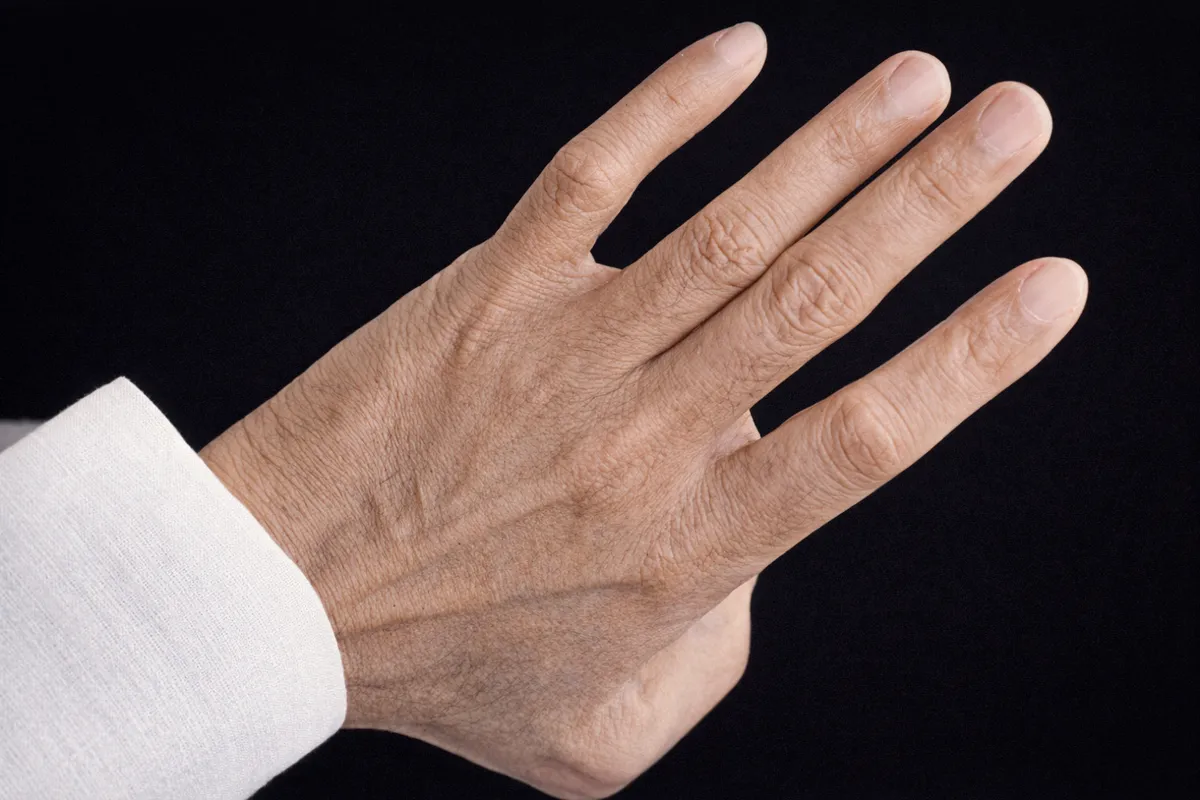
Humans feel just enough trouble to wake up and grow into the divine; animals don’t, and gods are too comfy.
From the Discourses
Passages where Osho speaks to this question — each links to the complete discourse.
Have all these gods and goddesses existed? They are. Not “have been,” they are. We can speak about this gradually; perhaps it would be appropriate to know a little in that regard too. Animals and birds are also present in Mahavira’s samosharan. They are present to listen. It seems astonishing that animals and birds would be present to listen. Human beings are present as well.
Two small maxims to keep in mind at the end: - If one has to communicate with an animal, one must become mute. Mute means that speech must be lost; it will not remain inside; the person will appear almost unconscious and inert. But only the body will be inert, the mind inert; within, consciousness will be fully awake, fully alert. - If one has to connect with human beings, there are two ways. With those who have passed through sadhana, a connection can be made without words—because through sadhana they can be brought to that state where the gods are; then they can understand in silence. As I said yesterday, the Buddha told Mahakashyapa, “I have given it to you, that which I could not give to others through words.” Or else, there is straightforward speech—say it directly to them, they will hear it, understand it. But they do…
प्रश्न: ये देवी-देवता सब हुए हैं? हैं ही। हुए हैं नहीं, हैं ही। उसकी हम धीरे-धीरे बात कर सकेंगे कि क्या उस संबंध में भी थोड़ी बात जान लेनी उचित होगी। पशु-पक्षी भी महावीर के समोशरण में उपस्थित हैं। उन्हें सुनने को उपस्थित हैं। यह भी बड़ी हैरानी की बात मालूम पड़ती है कि पशु-पक्षी सुनने को उपस्थित होंगे। मनुष्य भी उपस्थित हैं।
दो छोटे सूत्र अंत में खयाल रख लेने चाहिए। पशु के पास संप्रेषण करना हो तो मूक होना पड़ेगा। मूक का मतलब यह है कि वाणी खो ही देनी पड़ेगी, रह ही नहीं जाएगी भीतर, करीब-करीब मूर्च्छित और जड़ जैसा मालूम पड़ने लगेगा व्यक्ति। लेकिन शरीर जड़ होगा, मन जड़ होगा, चेतना पूरी भीतर जागी होगी, जाग्रत होगी। अगर मनुष्य से संबंध जोड़ना है तो दो उपाय हैं। जो मनुष्य साधना से गुजरें, उनके साथ बिना शब्द के संबंध जोड़ा जा सकता है। क्योंकि साधना से गुजर कर उन्हें उस हालत में लाया जा सकता है, जहां देवता होते हैं। …
Osho, why is it that only humans repress, manipulate, kill, try to conquer the natural flow in nature, the tao? Why are we so stupid?
Hindus and Mohammedans, whenever they are in a murderous mood, become united amongst themselves; otherwise they go dull, dead -- they start vegetating again. It is very strange. Why people are so much interested in destruction? If you are going on the street and you see two people fighting -- you may be going for a very urgent work -- you will forget all about the urgent work; you will stop there. First you will see the fight; you cannot leave that place. The urgent work can wait; in fact there is no more any urgency than to watch the fight. Why? Why a crowd gathers when two persons are fighting? You become identified with the fight. And this happens in many ways. Just a football match or a hockey match and you see thousands of people shouting, going almost mad, jumping, ready to kill each other. Why so much…
Osho, I don’t know who I am, what I am. I have come to ask you for my “address.”
Narayan Shankar! No one else can give you this address—neither I nor anyone else. You will have to dig for it within yourself. If you keep asking outside, only confusion will come to hand. You will find many eager to hand you an address; they sit everywhere, waiting. Without your even searching you will bump into them. They are on the lookout for someone to ask, so they can advise. People are so keen to give advice, so eager to thrust their “knowledge” upon one another, that there’s no measure to it—because the ego has no greater enjoyment than this. Whenever you start giving wisdom to another, two things are instantly established: the other is ignorant and you are wise; the other doesn’t know and you know. And who doesn’t want that pleasure? Therefore it’s hard for you to find a person who won’t advise you, won’t “give” you knowledge.…
पहला प्रश्न: ओशो, मैं कौन हूं, क्या हूं, कुछ पता नहीं। आपसे अपना पता पूछने आया हूं।
नारायण शंकर! यह पता तुम्हें कोई और नहीं दे सकता। न मैं, न कोई और। यह तो तुम्हें खुद ही अपने भीतर खोदना होगा। बाहर पूछते फिरोगे, भटकाव ही हाथ लगेगा। बहुत मिल जाएंगे पता देने वाले। जगह-जगह बैठे हैं पता देने वाले। बिना खोजे मिल जाते हैं। तलाश में ही बैठे हैं कि कोई मिल जाए पूछने वाला। सलाह देने को लोग इतने उत्सुक हैं, ज्ञान थोपने को एक-दूसरे के ऊपर इतने आतुर हैं कि जिसका हिसाब नहीं। क्योंकि अहंकार को इससे ज्यादा मजा और किसी बात में नहीं आता। जब भी तुम दूसरे को ज्ञान की बातें देने लगते हो, तो दो बातें सिद्ध हो जाती हैं: दूसरा अज्ञानी है और तुम ज्ञानी हो; दूसरा नहीं जानता और तुम जानते हो। और यह मजा कौन नहीं लेना चाहता। इसलिए मुश्किल है तुम्हें वह आदमी मिलना जो तुम्हें सलाह न दे, ज्ञान न दे। हालांकि कोई किसी से ज्ञान लेता नहीं। और ज्ञान कुछ ऐसी बात है भी नहीं कि कोई दे दे। अच्छा ही है कि लोग लेते नहीं। जो दूसरे से ले लिया, कचरा है। और जो देने को उत्सुक हैं, आतुर हैं, उनके पास कचरा ही होगा। …
Osho, what is the definition of God?
Words are very small. If you say God is light, then what of darkness? The scriptures have said that God is light. Suppose we accept this as a definition—then what about darkness? Where will darkness go? Darkness is too; in fact it is far more than light. Light sometimes is and sometimes is not; darkness is always, eternal. Where will you place darkness? If you say God is light, darkness is left out. If you say God is darkness, then light is left out. If you say God is both darkness and light, a contradiction arises: they cannot be together. Try to have both darkness and light in the same room. If you bring in light, darkness disappears; if you preserve darkness, you cannot have light. Then how can both be together? That becomes an impossibility. So you cannot say “both” either. Then the fourth device is to say: it…
पहला प्रश्न: ओशो, परमात्मा की परिभाषा क्या है?
शब्द तो बड़े छोटे-छोटे हैं। अगर कहो परमात्मा प्रकाश है, तो फिर अंधेरे का क्या होगा? ऐसा कहा है शास्त्रों में कि परमात्मा प्रकाश है। चलो मान लें इसे परिभाषा, फिर अंधेरे का क्या होगा? फिर अंधेरा कहां जायेगा? अंधेरा भी है, प्रकाश से कहीं ज्यादा है। प्रकाश तो कभी होता है कभी नहीं भी होता; अंधेरा सदा है, शाश्वत है। अंधेरे को कहां रखोगे? अगर कहा परमात्मा प्रकाश है, तो अंधेरा बाहर पड़ गया। अगर कहा परमात्मा अंधेरा है, तो प्रकाश बाहर पड़ गया। अगर कहो परमात्मा अंधेरा प्रकाश दोनों है, तो विरोधाभास होता है। दोनों एक साथ हो नहीं सकता। एक ही कमरे में अंधेरा और प्रकाश करके दिखाओ। प्रकाश करोगे, अंधेरा खो जायेगा; अंधेरा बचाओगे, प्रकाश न कर सकोगे। तो दोनों साथ कैसे होंगे? तब एक असंभव बात हो गई। तो यह भी नहीं कह सकते कि दोनों है।
Osho, you have explained that either the energy rises from you and meets the Divine, or the Divine’s energy descends and merges in you. The first is the rising of kundalini, and the second is the receiving of God’s grace. Further, you have said that when the energy asleep within meets the cosmic energy, there is an explosion. So, for this explosion or for samadhi, is the union of kundalini awakening and grace necessary, or are the flowering of kundalini up to the sahasrara and the attainment of grace one and the same?
Your kundalini is your sleeping energy. It marks your boundary near the sexual center and near the brain center. That is why we continually feel that though we might drop identification with the whole body, we cannot drop identification with our head, with our face. It is not very hard for me to consider that perhaps this hand is not me; but if I look into a mirror and try to think, “This face is not me,” it becomes very difficult—that is the frontier. Therefore a man may be ready to lose everything, but he is not ready to lose his intellect. Someone asked Socrates, “Would you prefer to be a dissatisfied Socrates or a satisfied pig?” Because Socrates was speaking of contentment; he was saying: contentment is the supreme wealth. So someone asked him, “Would you prefer to be a satisfied pig or a dissatisfied Socrates?” And Socrates said,…
प्रश्न: ओशो, आपने समझाया कि आप से शक्ति उठे और परमात्मा से मिल जाए या परमात्मा की शक्ति आए और आप में मिल जाए। प्रथम तो कुंडलिनी का उठना है और दूसरी बात ईश्वर की ग्रेस मिलने की है। आगे आपने कहा है कि आपके भीतर सोई हुई ऊर्जा जब विराट की ऊर्जा से मिलती है तब एक्सप्लोजन, विस्फोट होता है। तो एक्सप्लोजन या समाधि के लिए कुंडलिनी जागरण और ग्रेस का मिलन आवश्यक है या कुंडलिनी का सहस्रार तक विकास और ग्रेस की उपलब्धि एक बात है?
तुम्हारी कुंडलिनी तुम्हारी सोई हुई शक्ति है। तो वह तुम्हारे यौन के केंद्र के निकट और तुम्हारे मस्तिष्क के केंद्र के निकट तुम्हारी सीमा है। इसीलिए हमें निरंतर यह खयाल होता है कि हम अपने पूरे शरीर से चाहे अपनी आइडेंटिटी छोड़ दें, लेकिन अपने सिर से, अपने चेहरे से आइडेंटिटी नहीं छोड़ पाते। यानी मुझे यह मानने में बहुत कठिनाई नहीं लगती कि हो सकता है यह हाथ मैं न होऊं, लेकिन अगर दर्पण में अपना चेहरा देखकर यह सोचूं कि यह चेहरा मैं नहीं हूं, तो बहुत मुश्किल हो जाती है; वह सीमांत है। इसलिए आदमी सब खोने को तैयार हो सकता है, बुद्धि खोने को तैयार नहीं होता। सुकरात से किसी ने पूछा है कि तुम एक असंतुष्ट सुकरात होना पसंद करोगे कि एक संतुष्ट सुअर होना पसंद करोगे? क्योंकि सुकरात संतोष की बात कर रहा था; वह कह रहा था: संतोष परम धन है। तो कोई उससे पूछ रहा है कि तुम एक संतुष्ट सुअर होना पसंद करोगे कि एक असंतुष्ट सुकरात होना? …