
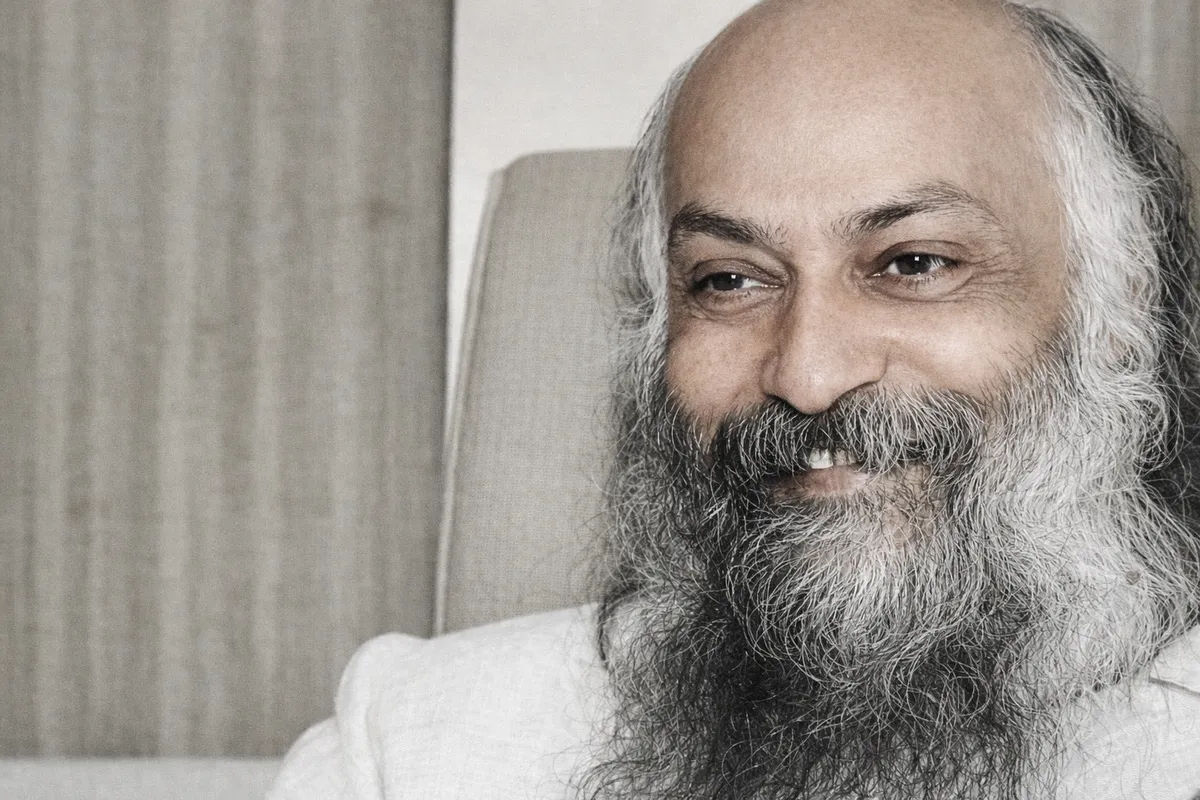
Osho's perspective on Impulse
When Osho Spoke About Impulse
Passages from the discourses where this theme comes alive.
When an impulse is authentic, I am unaware. How can I exercise "stop!"?
This is a very significant question. It is easy to stop anything when you are false, and it is difficult to stop anything when you are authentic. When the anger is real, you will forget about the technique of Stop! When the anger is false you will remember, you can do it. But when the anger is false there is no meaning, there is no energy. You can stop it, but it is useless. When the anger is real, only then is the energy there, and if you stop it the energy will take an inner turn. So what to do? Try to be aware not of anger directly, but of easier things. You are walking -- be aware of it. Do not start with anger, start with easier things. You are walking -- be aware of it, there is no problem. Then suddenly stop your walk. Start with easy…
Osho, we feel that to penetrate and transform the deeper layers of the unconscious only through awareness is difficult and not enough. What else should one do other than the practice of awareness? Please explain more about the practical dimensions on this matter.
Silence is energy. Brahmacharya is energy. Not to be angry is energy. But this is not suppression. If you suppress anger, you have used energy again. Don't suppress -- observe and follow. don't fight -- just move backwards with the anger. This is the purest method of awareness. But certain other things can be used. For beginners certain devices are possible. So I will talk about three devices. One type of device is based on body awareness. Forget anger, forget sex -- they are difficult problems. And when you are in them, you become so mad that you cannot meditate. When you are angry you cannot meditate; you cannot even think about meditation. You are just mad. So forget it; it is difficult. Then use your own body as a device for awareness. Buddha has said that when you walk, walk consciously. When you breathe, breathe consciously. The Buddhist method…
Osho, yesterday you said that when anger is watched consciously, it dissolves. But why is it that when sexual desire arises, even in awareness its intensity persists? Why is it so?
There is no entanglement in the breath. If you try to practice on anger… Anger is not happening every moment; it happens sometimes. And when it happens, it happens with such intensity that you are already going deep into it; so much is at stake in those moments that you may think, “We will look into awareness later; first let’s settle this now.” Lust is very deep, because existence has made it so deep; life depends on it. If lust were so easy that you decided and were freed, perhaps you would not even have been born—because many before you would have become free, and the possibility of your being would have been almost nil. But your parents, and their parents, did not become free; therefore you are. You too will not get free so easily, because your children are also to be—they are waiting: “Do not run away midway.”…
दूसरा प्रश्न: ओशो, आपने कल कहा कि क्रोध को होशपूर्वक देखने पर क्रोध विलीन हो जाता है। लेकिन क्या कारण है कि कामवासना के उठने पर होश में भी उसकी प्रगाढ़ता बनी रहती है। ऐसा क्यों है?
श्वास में कुछ झंझट नहीं है। अब तुम या तो क्रोध पर साधोगे...। क्रोध रोज तो होता नहीं, प्रतिपल होता नहीं, कभी-कभी होता है; जब होता है तब इतनी प्रगाढ़ता से होता है कि तुम गहरे में उतर रहे हो; जब होता है तब इतनी बातें दांव पर लग जाती हैं कि शायद तुम सोचोगे, ‘फिर देख लेंगे होश इत्यादि! यह अभी, अभी तो निपट लें।’ कामवासना तो बहुत गहरी है, क्योंकि प्रकृति ने उसे बहुत गहरा बनाया है, क्योंकि जीवन उस पर निर्भर है। अगर कामवासना इतनी आसान हो कि तुमने चाहा और छूट गए, तो तुम शायद पैदा ही न होते, क्योंकि तुमसे पहले बहुत लोग छूट चुके होते; तुम्हारे होने की संभावना न के बराबर होती। मगर वह तो तुम्हारे माता-पिता उनके माता-पिता नहीं छूट सके, इसलिए तुम हो। तुम भी इतनी आसानी से न छूट जाओगे, क्योंकि तुम्हारे बच्चों को भी होना है; वे भी प्रतीक्षा कर रहे हैं कि ऐसे भाग मत जाना बीच से। जीवन बहुत कुछ टिका है कामवासना पर। इसलिए उसका छूटना इतना आसान नहीं है। असंभव नहीं है, आसान भी नहीं है। …
Profound Quotes on Impulse
Explore our structured collection of meaning-mapped quotes regarding Impulse.