
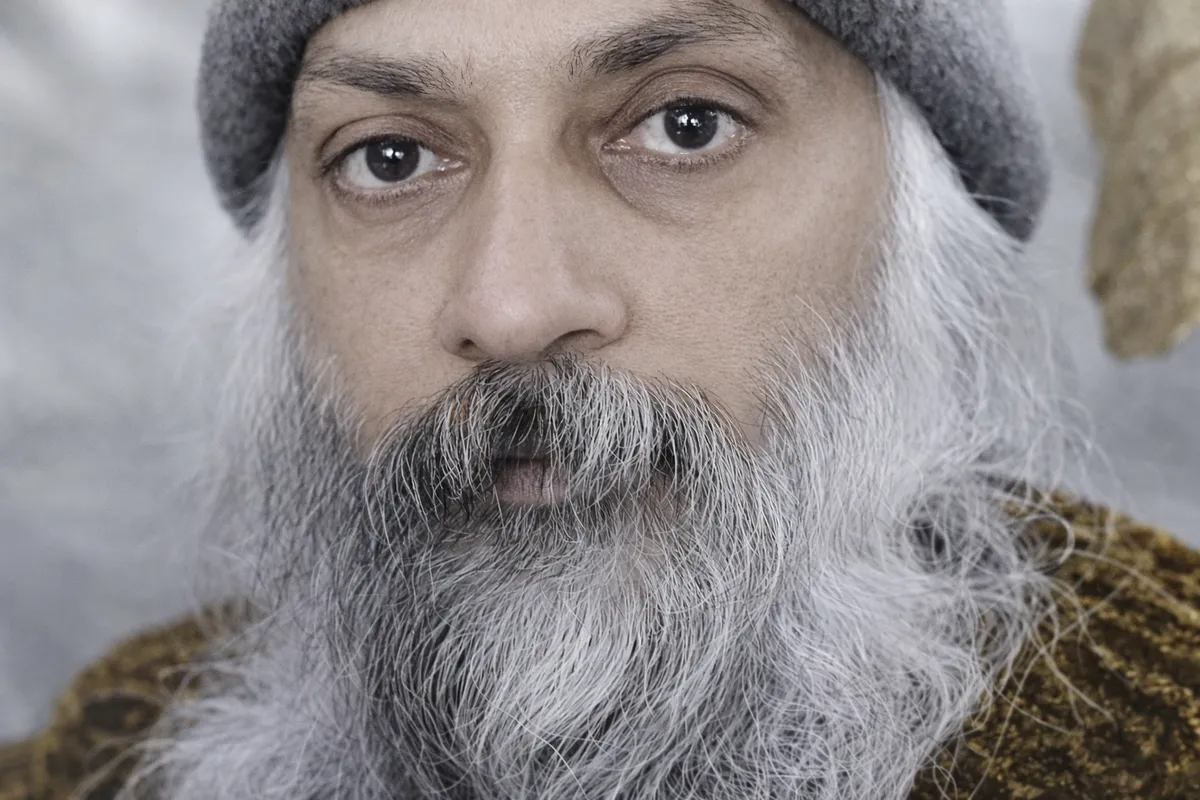
Calm your mind through meditation, and you’ll hear God’s gentle call everywhere—even in ordinary sounds.
From the Discourses
Passages where Osho speaks to this question — each links to the complete discourse.
Question: First question: Osho, how does the call of the Divine become audible? This question is auspicious. Many ask how to call upon God; only now and then someone asks how to hear God’s call. So the question is important, rare, a little incomparable—and closer to truth. The real question is not how to call God. What tongue do we have with which to call the Divine? And what is the power of our speech? It will go a little way and be lost in the void. How far can our words travel? And whatever we say will carry, somewhere, the imprint of our desires. Our prayers are our desires; and how will desires reach Him? If desire is hidden in prayer, it is as if someone tied a stone to a bird’s throat—flight is no longer possible. All our prayers are filled with desire.
यह प्रश्न शुभ है। प्रभु को पुकारें कैसे, यह तो बहुत लोग पूछते हैं, प्रभु की पुकार कैसे सुनाई दे, यह कभी-कभी कोई पूछता है। इसलिए प्रश्न महत्वपूर्ण है, विरल है, थोड़ा बेजोड़ है। और सत्य के ज्यादा करीब है। असली सवाल प्रभु को पुकारने का नहीं है। हमारे पास जबान कहां जिससे हम प्रभु को पुकारें! और हमारी वाणी की सामर्थ्य कितनी? जाएगी थोड़ी दूर और खो जाएगी शून्य में। कितनी यात्रा करेगी हमारी वाणी? और हम जो भी कहेंगे, उसमें कहीं न कहीं हमारी वासना की छाप होगी। हमारी प्रार्थनाएं हमारी वासनाएं ही हैं। और वासनाएं उस तक कैसे पहुंचेगी? …
Osho, you have titled this series of talks “Sahaj Yoga.” Do “sahaj” and “yoga” not seem mutually opposed?
Anand Maitreya! They don’t just seem opposed, they are opposed. But no ultimate truth of life can manifest without contradiction. Life is made of opposites—darkness and light, day and night, woman and man, negative electricity and positive electricity, birth and death. The very structure of life is woven of opposites. Hence the opposites are not only opposed; they are complementary to each other. If you have labored hard all day, you will be able to sleep deeply. Labor and rest are opposites, yet only the one who has worked can rest deeply—and the one who has not worked cannot. So the opposites are not only opposed, they complete each other. And only the one who has rested deeply at night can rise in the morning and engage in work again. One who has not rested through the night will not be able to work in the morning. Look closely at…
पहला प्रश्न: ओशो, आपने इस प्रवचनमाला का शीर्षक दिया है--सहज-योग। क्या सहज और योग परस्पर-विरोधी नहीं लगते?
आनंद मैत्रेय! विरोधी लगते ही नहीं, विरोधी हैं। लेकिन जीवन का कोई भी परम सत्य बिना विरोधाभास के प्रगट हो ही नहीं सकता। जीवन बना है विरोधों से--अंधेरा और प्रकाश, दिन और रात, स्त्री और पुरुष, ऋण विद्युत-धन विद्युत, जन्म-मृत्यु। जीवन की संरचना विरोधों से है। इसलिए विरोधी विरोधी ही नहीं हैं, एक-दूसरे के परिपूरक भी हैं। दिन भर श्रम किया खूब तो गहरी नींद सो सकोगे। श्रम और विश्राम विरोधी हैं, पर जिसने श्रम किया है वही गहरा विश्राम कर सकेगा। और जिसने श्रम नहीं किया वह गहरा विश्राम भी न कर सकेगा। तो विरोधी विरोधी ही नहीं हैं, एक-दूसरे के परिपूरक भी हैं। और जिसने रात्रि गहरा विश्राम किया है वही सुबह जागकर फिर श्रम में संलग्न हो सकेगा। जो रात-भर विश्राम नहीं कर सका वह सुबह श्रम में भी न लग सकेगा।
Osho, for those who have not yet had the experience of the Divine, what should their prayer be? What should their hymn be?
From that experience Lao Tzu drew a marvelous principle—worth understanding. The drunkard was not hurt, because injury does not come from falling, Lao Tzu said. If it came from falling, he too would have been hurt. Injury comes from the effort to save yourself. When you begin to fall you try mightily not to fall; you stiffen, you tense; your body forgets the state of relaxation, it becomes rigid. To save yourself, you become like iron. And when something iron-like hits the ground, it breaks. A drunkard falls like a sack filled with chaff. That is why small children fall every day and their bones do not shatter. You try falling and see. Lao Tzu said: The drunkard was not hurt; thus one thing is established—injury comes not from falling but from the attempt to resist. Those who have eyes to see draw essences from every experience. You can walk…
पहला प्रश्न: ओशो, परमात्मा जिनका अनुभव नहीं बना है, उनकी प्रार्थना क्या हो? उनका भजन क्या हो?
तो लाओत्सु ने एक बहुत अदभुत सिद्धांत उस अनुभव से निकाला। वह सिद्धांत समझने जैसा है। शराबी को चोट नहीं लगी, क्योंकि चोट गिरने से नहीं लगती, लाओत्सु ने कहा। अगर गिरने से लगती होती तो उसको भी लगती। चोट तो बचने के प्रयास से लगती है। जब तुम गिरने लगते हो तो तुम बचने का महत प्रयास करते हो कि गिर न जाओ! अकड़ जाते हो, तनावग्रस्त हो जाते हो; तुम्हारा शरीर विश्राम की दशा भूल जाता है, कड़ा हो जाता है। बचने के लिए तुम लोहे जैसे हो जाते हो। और जब लोहे जैसी चीज जमीन पर गिरेगी तो टूटेगी। और शराबी तो ऐसे गिर जाता है जैसे भुस भरा हुआ थैला गिर गया हो। इसीलिए तो छोटे बच्चे रोज गिरते हैं और हड्डी चकनाचूर नहीं होती। तुम जरा गिर कर देखो।
Osho, my beloved, I swear by my love for you. O fulfillment of my dream, soul of my ghazal—my life keeps remembering you. Night and day your image torments me; my heartbeats keep calling out to you. O my love, grant me the support of those narcissus-like eyes.
Dev Veena, ask just like this. Knock on his door just like this. This is worship, this is prayer. And his support is already there—only recognition is delayed. It is his hands that have held you. It is his eyes that have seen through your eyes. He is the one who beats in your heart. For now there is no recognition. That, too, will come. God is not to be attained, only recognized. We have already attained the Divine; so do not go searching far away. Seek him within. Knock on your own heart. Break open the doors within. Call—do call— My beloved, I swear by my love for you, O fulfillment of my dream, soul of my ghazal— my life keeps remembering you. Night and day your image torments me; my heartbeats keep calling out to you. Call. Call so much that the caller is absorbed in the call.…
दूसरा प्रश्न: ओशो, मेरे महबूब तुझे मेरी मुहब्बत की कसम ऐ मेरे ख्वाब की ताबीर मेरी जाने गज़ल जिन्दगी मेरी तुझे याद किये जाती है। रात दिन मुझ को सताता है तसव्वुर तेरा दिल की धड़कन तुझे आवाज दिये जाती है। ओ मेरे, नरगिसी आंखों का सहारा दे दो।
देव वीणा, ऐसे ही मांगो। ऐसे ही उसके द्वार पर खटखटाओ। यही पूजा है, यही प्रार्थना है। और उसका सहारा तो मिला ही हुआ है। सिर्फ पहचानने की देर है। उसके हाथों ने ही तो तुम्हें सम्हाला है। उसकी आंखों ने ही तो तुम्हारी आंखों से देखा है। वही तो धड़कता है तुम्हारे हृदय में। पर अभी पहचान नहीं है। पहचान भी हो जायेगी। परमात्मा को पाना नहीं है, सिर्फ पहचानना है। परमात्मा को हमने पाया ही हुआ है, इसलिये उसे दूर तलाश करने मत जाना। उसे खोजना अपने ही भीतर। अपने ही हृदय को खटखटाना है। अपने ही भीतर के द्वार तोड़ने हैं। पुकारो, जरूर पुकारो-- मेरे महबूब तुझे मेरी मुहब्बत की कसम ऐ मेरे ख्वाब की ताबीर मेरी जाने गज़ल जिन्दगी मेरी तुझे याद किये जाती है। रात दिन मुझ को सताता है तसव्वुर तेरा दिल की धड़कन तुझे आवाज़ दिये जाती है।
Osho, in devotion the remembrance of the Name is greatly praised. In this context there is a popular couplet: “Keep chanting the name of Ram as long as there is breath in the body. Someday the Compassionate One will catch the hint in his ear.” Why doesn’t the Compassionate One listen quickly?
A mother is talking to her son. A new baby is due; nine months are complete. The mother is preparing the boy for the new guest in the house—this is necessary. The little boy… she tells him: You should be very happy. Your new brother is coming. From God’s house, your new brother is coming! But the child looks a little sad and a bit upset. The mother asks: What is it? Why are you upset and sad? Aren’t you happy that your new brother is coming? He says, No—because every day I pray to God that this time I should not get a brother. Send a little horse. It seems my prayer was not heard. Now no brother and such—I don’t want that. I want a horse. And he says to his mother, If it’s not too much trouble for you, then a horse… even now if something can…
दूसरा प्रश्न: ओशो, भक्ति में नाम-स्मरण की महिमा बहुत है। नाम-स्मरण के प्रसंग में ही यह लोकप्रिय पद है: ‘राम-नाम रटते रहो, जब लगि घट में प्रान। कबहूं तो दीनदयाल के भनक पड़ेगी कान।।’ दीनदयाल जल्दी क्यों नहीं सुनते हैं?
एक मां अपने बेटे से बात कर रही है। नया बच्चा आने को है; नौ महीने पूरे हो गए हैं। और मां अपने बेटे को तैयार कर रही है। नया अतिथि घर में आएगा, बेटे को तैयार कर लेना जरूरी है। छोटा बच्चा... उससे वह कह रही है: तुम्हें बहुत खुश होना चाहिए। तुम्हारा नया भाई आ रहा है। परमात्मा के घर से नया भाई आ रहा है! लेकिन बच्चा कुछ उदास है और कुछ खिन्न है और मां पूछती है: बात क्या है? तू खिन्न और उदास क्यों है? तुझे नये भाई के आने से कोई प्रसन्नता नहीं होती है? वह बोला कि नहीं, क्योंकि मैं रोज प्रार्थना करता हूं भगवान से कि इस बार भाई न मिले। एक छोटा घोड़ा भेज। मालूम होता है, मेरी प्रार्थना सुनी नहीं गई। अब भाई-वाई नहीं चाहिए। मुझे एक घोड़ा चाहिए। और वह अपनी मां से कहता है: अगर तुझे ज्यादा तकलीफ न हो, तो घोड़ा ही... अभी भी कुछ बन सके, तो कोशिश कर।