
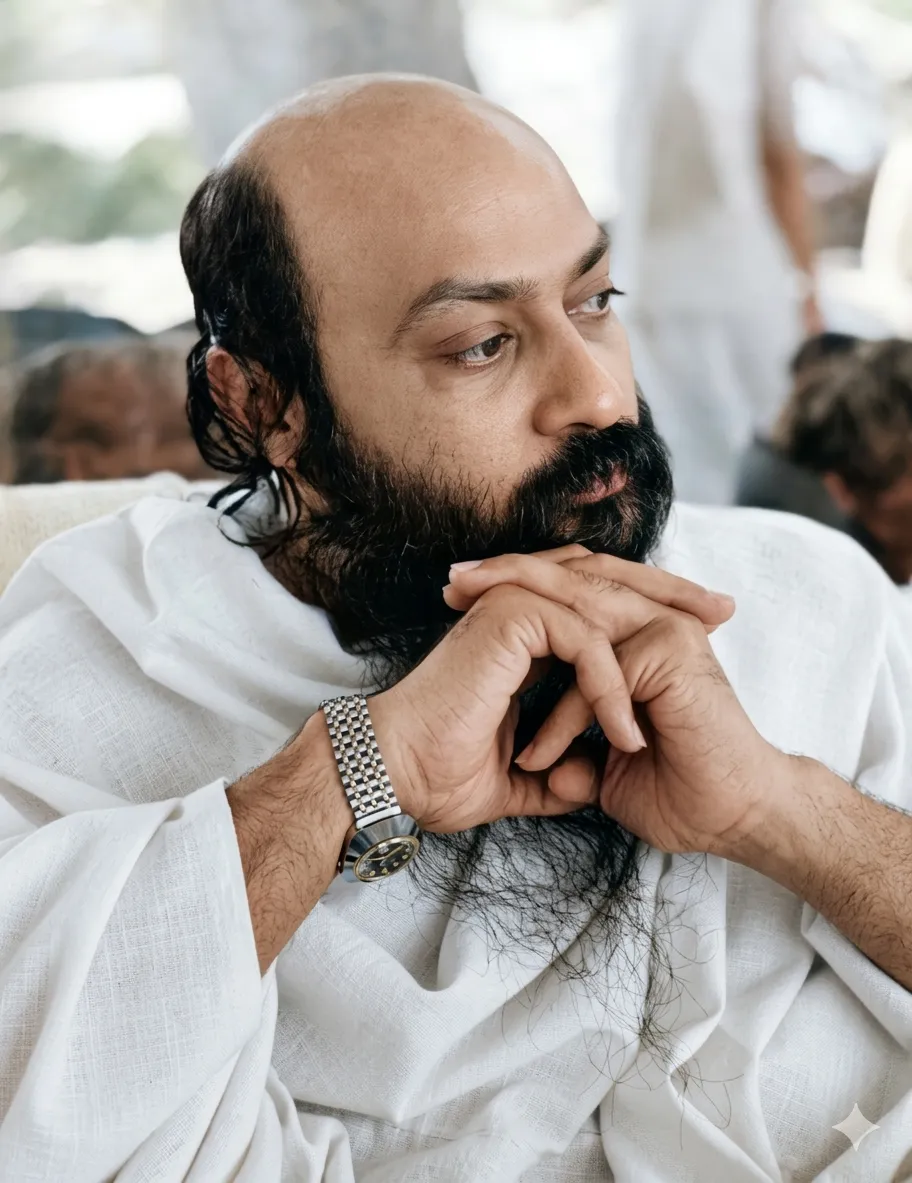
The world didn’t break your toy—you were gripping it too hard; relax, flow with life’s big river, and the anger fades.
From the Discourses
Passages where Osho speaks to this question — each links to the complete discourse.
Osho, the world has very cruelly dashed all my hopes. Even if I want to forgive the world, how can I?
Under brisk feet, groaning with pain, it lifts its face toward the young ears on both sides, then falls silent thinking only this: Had the travelers not crushed my womb by their ceaseless walking! my sons too would by now have become young men, my daughter too would have been fit to wed. Within everyone there are a thousand-and-one desires, passions; they are not fulfilled. Even if they are fulfilled, nothing is resolved. One is fulfilled, ten are born. To awaken from this futility is what sannyas is. And then, when you live without hope—Buddha has said—when you live with nirasha, only then for the first time do you live in bliss. But understand the meaning of nirasha. Buddha’s nirasha is not the same as yours. Your meaning of despair is: hope has broken. Buddha’s meaning of nirasha is: there is freedom from hope. In Buddha’s nirasha there is neither…
छठवां प्रश्न: ओशो, संसार ने बड़ी क्रूरता से मेरी सारी आशाओं पर पानी फेर दिया है। मैं संसार को क्षमा करूं भी तो कैसे करूं!
दो किनारों पे जवां सिट्टों के चहरे तक कर चुप-सी रह जाती है यह सोच के बस यूं मेरी कोख कुचल देते न रहगीर अगर अगर राह चलने वालों ने मेरी कोख को कुचल न डाला होता चल-चलकर! मेरे बेटे भी जवां हो गए होते अब तक मेरी बेटी भी तो ब्याहने के काबिल होती। सभी के भीतर हजार-हजार कामनाएं हैं, वासनाएं हैं, वे पूरी नहीं होतीं। पूरी भी हो जाएं, तो कुछ हल नहीं होता। एक पूरी होती है, तो दस पैदा हो जाती हैं।
Osho, is it only disappointment that one finds in the world? Is it utterly futile to keep hope?
A little boy asks his old granny, “Granny, can you croak?” She says, “Yes, son, why not?” The boy says, “Then croak, please! Because mom was saying: ‘When that old woman croaks we’ll get lots of money.’” But the child can be forgiven; he understood as much as he could. He thinks it’s only a matter of saying “croak”—say it and we’ll get money. He doesn’t know what lies behind death. But even grown-ups behave the same way. Neither do you understand what is said to you, nor do you understand what you see. As long as mind is there, you deform everything. Only free of mind does truth begin to appear. Then this world is wondrous. Then it is not maya. Your mind has made it appear as maya. Your mind has cast the net of illusion upon it. Bhartrihari left palace and home for the forest to meditate.…
पहला प्रश्न: ओशो, क्या संसार में निराशा ही निराशा हाथ लगती है? क्या आशा रखना बिलकुल ही व्यर्थ है?
… क्योंकि मां कह रही थी कि जब यह बुढ़िया टें बोलेगी तो बहुत सारा पैसा मिलेगा। लेकिन बच्चे को क्षमा किया जा सकता है। वह बेचारा जितना समझ सकता था उतना समझा। कि सिर्फ टें बोलने की बात है तो बोल ही दो टें, बहुत सारा पैसा मिल जाए। उसे क्या पता कि टें बोलने के पीछे बड़े राज हैं। लेकिन बड़े-बड़ों की भी गति यही है। न तो तुम से जो कहा जाता है वह तुम समझते हो, न तुम जो देखते हो, वह तुम समझते हो। जब तक मन है तब तक तुम सब-कुछ विकृत कर लोगे। मन से मुक्त होकर ही सत्य दिखाई पड़ना शुरू होता है। तब यह संसार अदभुत है। तब यह संसार माया नहीं है। माया इसे तुम्हारे मन ने बनाया है। माया का जाल तुम्हारे मन ने इस पर फैलाया है।
Osho, when someone deceives and betrays me, or uses me like an object—what should I do in such a situation? I don’t want to hurt that person either. How can I find peace of mind? I feel broken.
In the tangles of life, others are never responsible; the whole responsibility is our own. You say that when someone deceives and betrays you, your heart is hurt. Think a little: the heart is not hurt by someone else’s deceit or betrayal. It hurts because you wanted that no one should deceive or betray you. It is the fruit of your desire. And it is not in your hands to make the whole world comply with your desire. It is in no one’s hands. But we have become accustomed to shifting the responsibility for everything onto others. It seems easy; it gives relief—the relief that I am not responsible. Now someone is cheating, therefore I suffer—so we say. But why did you want that no one should cheat you? And where is it in our hands to create a world in which there is no deceit and no hypocrisy? There…
प्रश्न: ओशो, जब कोई मुझसे छल और दगाबाजी करता है या जब कोई मुझे वस्तु की तरह उपयोग करता है, ऐसी स्थिति में मुझे क्या करना चाहिए? मैं उस व्यक्ति को चोट भी नहीं पहुंचाना चाहती। मन की शांति कैसे मिले? मैं टूट-फूट गई हूं।
जीवन की उलझनों में दूसरे कभी भी उत्तरदायी नहीं होते; सारा उत्तरदायित्व अपना होता है। जैसे तुमने कहा कि जब कोई मुझसे छल और दगा करता है, तो मेरे दिल को चोट पहुंचती है। थोड़ा सोचो, दिल को चोट किसी के छल और दगा करने से नहीं होती। तुमने चाहा था कि कोई छल और दगा न करे, इसलिए चोट होती है। यह तुम्हारी चाह का फल है। और सारी दुनिया तुम्हारी चाह को मान कर चले, यह तुम्हारे हाथ में नहीं। यह किसी के भी हाथ में नहीं। लेकिन हम यूं ही सोचने के आदी हो गए हैं कि हर चीज का दायित्व दूसरे पर थोप दें। इससे आसानी होती है, राहत मिलती है। राहत मिलती है कि मैं जिम्मेवार नहीं हूं। अब कोई छल कर रहा है, इसलिए कष्ट हो रहा है। लेकिन तुमने चाहा ही क्यों कि कोई छल न करे? और यह हमारे हाथ में कहां है कि हम ऐसी दुनिया बना लें जिसमें छल और कपट न हो? छल भी होगा, कपट भी होगा। हम इतना जरूर कर सकते हैं कि हम अपने को ऐसा बना लें कि दूसरे के छल और कपट को भी स्वीकार कर सकें। कर्म उसका है, फल उसका होगा। तुम्हें परेशानी क्यों हो? …
Osho, this world is maya. Here everything is false. Save me from drowning in it.
A cat was sitting on a tree branch, swaying, in a great devotional mood. A dog passing below saw the cat—his mouth watered—but she was up on the branch, beyond his reach. And she was swaying as if on a journey to heaven, eyes closed, tears of ecstasy flowing. The dog stood awhile hoping she might sway too much and fall. But she did not sway that much; she held the branch tight. Finally the dog said, “What’s the matter? What’s giving you such bliss?” The cat opened her eyes: “You spoiled it all! I was dreaming that from the sky it was raining mice—a torrential downpour! Mice upon mice were falling!” The dog said, “Fool, do you know scripture? It is clearly written that sometimes miracles happen, and when they do, bones rain from the sky, not mice. There is no mention of mice in the scriptures. Idiot! You…
पहला प्रश्न: ओशो, यह संसार माया है। यहां सब झूठ है। मुझे इसमें डूबने से बचाएं।
एक बिल्ली एक वृक्ष की शाखा पर बैठी हुई बड़ी मग्न हो रही थी, बड़ी मस्त हो रही थी, डोल रही थी, बड़ी भक्ति-भाव में थी। एक कुत्ता नीचे से गुजर रहा था, उसने बिल्ली को देखा! लार तो उसकी टपक गई बिल्ली को देख कर, मगर बिल्ली ऊपर बैठी थी झाड़ की शाखा पर, वहां तक कुत्ता पहुंच सकता नहीं था। और ऐसी मग्न हो रही थी, जैसे बैकुंठ की यात्रा पर हो! आंखें बंद, आह्लाद के आंसू टपके जा रहे और डोल रही! कुत्ता थोड़ी देर खड़ा रहा कि शायद ज्यादा डोले और गिर पड़े। मगर इतनी डोली भी नहीं कि गिर पड़े। कस कर पकड़े हुई थी शाखा को। आखिर कुत्ते ने कहा: बात क्या है? ऐसा क्या मजा आ रहा है? बिल्ली ने आंख खोली। उसने कहा कि सब खराब कर दिया। अरे मैं एक सपना देख रही थी कि आकाश से चूहों की वर्षा हो रही है! मूसलाधार वर्षा हो रही है! चूहे ही चूहे गिर रहे हैं! कुत्ते ने कहा: अरे मूरख, शास्त्र का ज्ञान है? शास्त्रों में साफ लिखा है कि कभी-कभी चमत्कार होते हैं, और जब चमत्कार होते हैं तो आकाश से हड्डियों की वर्षा होती है, चूहों की नहीं। …
Osho, why am I extremely sad when there is no reason at all to be sad?
Perhaps for that very reason. When there is a reason for sadness, one can at least understand: well, there is a cause; at least there is a cause, so I am sad. There is a pretext. No one will call you mad. You can say: my wife died, my son went to jail, my shop collapsed, I went bankrupt. Then there is logic to your sadness. With logic, you feel safe. You can say it is perfectly natural to be sad. What else can I do? If your wife died, you too would be sad. If your business went bankrupt, you too would cry. So it isn’t only me who weeps. You can give reasons for your tears. The greatest sadness is when there is no reason at all. Then it becomes absurd. You cannot even say why you are sad. You cannot defend your sadness. You cannot gather arguments…
पूछा है: ओशो, मैं अत्यंत उदास क्यों हूं, यद्यपि उदासी का कोई भी कारण नहीं है?
उदासी का कारण भी हो तो आदमी को समझ में आता है कि चलो कारण तो है; कम से कम कारण तो है, इसलिए उदास हूं। बहाना तो है। कोई पागल तो न कह सकेगा। बता सकता हूं कि पत्नी मर गई, कि बेटा जेल चला गया, कि दुकान डूब गई, दिवाला निकल गया। तो उदासी में तर्क है। तर्क है तो तुम सुरक्षित हो। तुम यह कह सकते हो कि उदास होना बिलकुल स्वाभाविक है। कर भी क्या सकता हूं? तुम्हारी पत्नी मरती, तो तुम भी उदास होते। और तुम्हारी दुकान का दिवाला निकलता, तो तुम भी रोते। तो कोई मैं ही रो रहा हूं, ऐसा नहीं है। तो तुम्हारे आंसुओं के लिए तुम तर्क दे सकते हो। सबसे बड़ी उदासी तो तब होती है, जब उदास होने का कोई कारण भी नहीं होता। तब बड़ी बेबूझ बात हो जाती है। तब तुम कह भी नहीं सकते कि क्यों उदास हूं। अपनी उदासी की रक्षा भी नहीं कर सकते। अपनी उदासी के लिए तर्क भी नहीं जुटा सकते। तब तुम बिलकुल असहाय हो जाते हो। ऐसा भी होता है। ऐसे होने के पीछे कई कारण हैं। …