
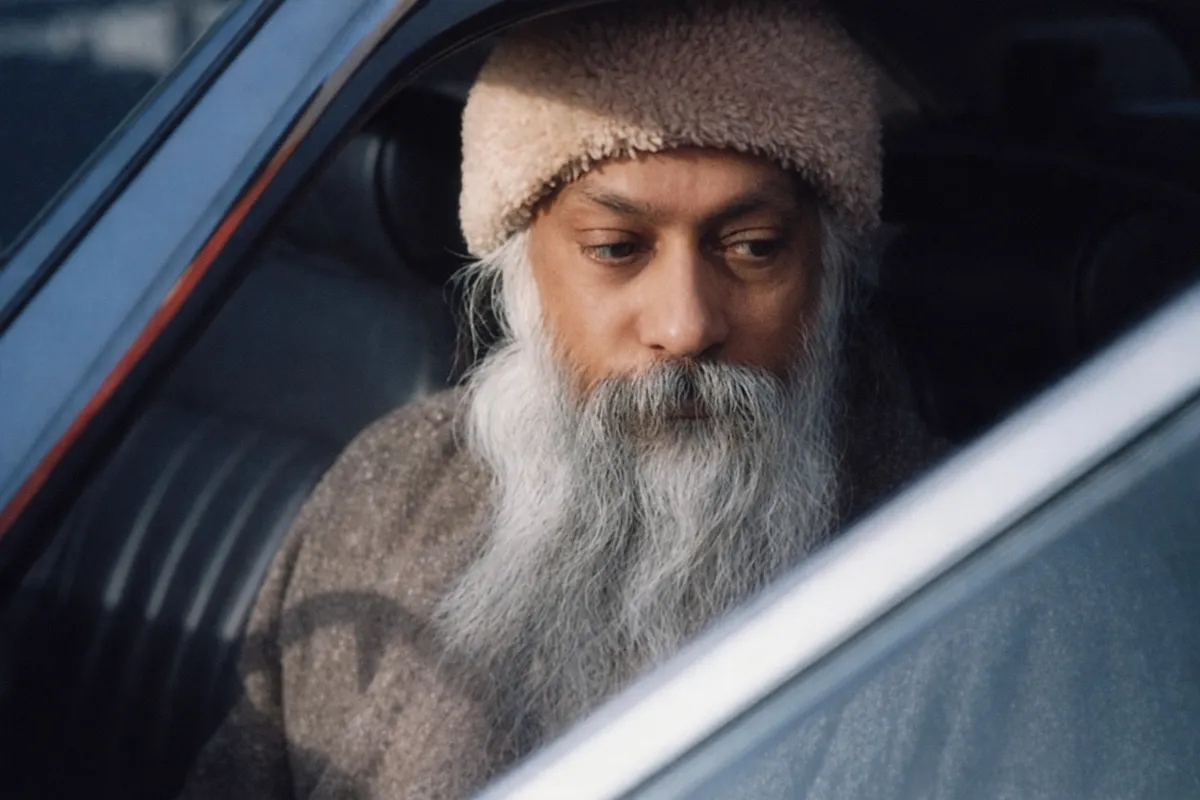
Don’t try to force forgetting; accept it happened and remember that, in the end, it doesn’t really matter—then the hurt lets go of you.
From the Discourses
Passages where Osho speaks to this question — each links to the complete discourse.
Osho, why is it so difficult to forgive, to stop clinging to hurts long since past?
It is very essential to understand because you are all disciples here, and you all will be carrying some grudge or other against me, for the simple reason because I am trying to destroy your ego. That I have to do; that's the function of the Master, to destroy your ego. And you can become very revengeful, and you can carry deep wounds through it. Katyayani, you ask me: WHY IS IT SO DIFFICULT TO FORGIVE, TO STOP CLINGING TO HURTS LONG SINCE PAST? For the simple reason that they are all that you have got. And you go on playing with your old wounds so that they keep fresh in your memory. You never allow them to heal. A man was sitting in a compartment in a train. Across from him was sitting a Catholic priest who had a picnic basket beside him. The man had nothing else to…
Osho, when someone deceives and betrays me, or uses me like an object—what should I do in such a situation? I don’t want to hurt that person either. How can I find peace of mind? I feel broken.
In the tangles of life, others are never responsible; the whole responsibility is our own. You say that when someone deceives and betrays you, your heart is hurt. Think a little: the heart is not hurt by someone else’s deceit or betrayal. It hurts because you wanted that no one should deceive or betray you. It is the fruit of your desire. And it is not in your hands to make the whole world comply with your desire. It is in no one’s hands. But we have become accustomed to shifting the responsibility for everything onto others. It seems easy; it gives relief—the relief that I am not responsible. Now someone is cheating, therefore I suffer—so we say. But why did you want that no one should cheat you? And where is it in our hands to create a world in which there is no deceit and no hypocrisy? There…
प्रश्न: ओशो, जब कोई मुझसे छल और दगाबाजी करता है या जब कोई मुझे वस्तु की तरह उपयोग करता है, ऐसी स्थिति में मुझे क्या करना चाहिए? मैं उस व्यक्ति को चोट भी नहीं पहुंचाना चाहती। मन की शांति कैसे मिले? मैं टूट-फूट गई हूं।
जीवन की उलझनों में दूसरे कभी भी उत्तरदायी नहीं होते; सारा उत्तरदायित्व अपना होता है। जैसे तुमने कहा कि जब कोई मुझसे छल और दगा करता है, तो मेरे दिल को चोट पहुंचती है। थोड़ा सोचो, दिल को चोट किसी के छल और दगा करने से नहीं होती। तुमने चाहा था कि कोई छल और दगा न करे, इसलिए चोट होती है। यह तुम्हारी चाह का फल है। और सारी दुनिया तुम्हारी चाह को मान कर चले, यह तुम्हारे हाथ में नहीं। यह किसी के भी हाथ में नहीं। लेकिन हम यूं ही सोचने के आदी हो गए हैं कि हर चीज का दायित्व दूसरे पर थोप दें। इससे आसानी होती है, राहत मिलती है। राहत मिलती है कि मैं जिम्मेवार नहीं हूं। अब कोई छल कर रहा है, इसलिए कष्ट हो रहा है। लेकिन तुमने चाहा ही क्यों कि कोई छल न करे? और यह हमारे हाथ में कहां है कि हम ऐसी दुनिया बना लें जिसमें छल और कपट न हो? छल भी होगा, कपट भी होगा। हम इतना जरूर कर सकते हैं कि हम अपने को ऐसा बना लें कि दूसरे के छल और कपट को भी स्वीकार कर सकें। कर्म उसका है, फल उसका होगा। तुम्हें परेशानी क्यों हो? …
Osho, why can I not forget my past? Even though in my past there is nothing but suffering.
Perhaps for precisely that reason. Man keeps scratching at his sorrows to remember them—because there is a certain pleasure in suffering. You will be surprised. You will say, “Pleasure in suffering? What kind of pleasure?” There is a pleasure in suffering: suffering is the food of the ego. In a state of bliss the ego dissolves; in a state of suffering the ego becomes very dense. People have not chosen suffering for nothing; they have chosen it cleverly, knowingly. People are not miserable by accident; they are miserable because only in suffering does the ego survive. “I am somebody!”—this remains only in pain. The moment a wave of bliss comes, you are swept away; the ego cannot remain. So people talk about bliss, but they do not want to be blissful; they are afraid. If they become blissful, this sense of “I” will not survive. That is why all the…
दूसरा प्रश्न: ओशो, मैं अपने अतीत को क्यों नहीं भूल पाता हूं? यद्यपि मेरे अतीत में दुखों के अतिरिक्त और कुछ भी नहीं है।
शायद इसीलिए। आदमी दुखों को कुरेद-कुरेद कर याद करता है। क्योंकि दुख में एक मजा है। तुम चौंकोगे। तुम कहोगे: दुख में और मजा! दुख में कैसा मजा? दुख में एक मजा है। दुख अहंकार का भोजन है। आनंद की अवस्था में अहंकार विलीन हो जाता है। दुख की अवस्था में अहंकार खूब सघन हो जाता है। लोगों ने दुख ऐसे ही थोड़े ही चुन लिया है! …
Osho, if up until yesterday I too have, in one way or another, stolen in your ashram, and today a strong urge arises to come before you and confess my offense, while another voice within says, “Forget what is past; take care of what lies ahead,” then what guidance would you give in such a situation? Krishnapriya has asked.
First of all, when a feeling is arising, it is arising now. The feeling that you should go and admit your theft, or your mistake, or your offense—this feeling is arising now. It is not something from the past. The theft may have happened sometime—what use is that now? But this feeling, that I should acknowledge the wrongdoing, is arising right now. This feeling is not past; it is not in the past, it is in the present. The theft was in the past—let the theft go; what is done is done. But this feeling is arising now; do not postpone it. Let this feeling arise; let it be expressed. There is benefit in the emergence of this feeling. If this feeling is expressed fully, if there is complete acceptance of it, only then will it be possible—“Forget what is past.” Because once we have accepted something, its burden becomes…
तीसरा प्रश्न: ओशो, अगर कल तक मैंने भी आपके आश्रम में किसी न किसी रूप में चोरी की हो और आज प्रबल भाव उठे कि ओशो के सामने जाकर अपना अपराध स्वीकार करूं और फिर एक मन कहे कि बीती ताहि बिसार दे आगे की सुधि लेहि, तो ऐसे में आप क्या मार्गदर्शन देंगे? पूछा है कृष्णप्रिया ने।
पहली तो बात, जब भाव उठ रहा है तो भाव तो अभी उठ रहा है। भाव उठ रहा है कि जाकर अपनी चोरी का, या अपनी भूल का, या अपने अपराध का स्वीकार कर लें, यह भाव तो अभी उठ रहा है। यह तो कुछ बीता हुआ भाव नहीं है। चोरी कभी की होगी, उससे कोई प्रयोजन नहीं है। यह भाव कि अपराध को स्वीकार कर लूं, यह तो अभी उठ रहा है। यह भाव तो बीता हुआ नहीं है। यह भाव अतीत में नहीं है, यह भाव तो वर्तमान में है। चोरी रही होगी अतीत में, चोरी को जाने दो, जो हो गया हो गया। लेकिन यह भाव तो अभी उठ रहा है, इस भाव को मत टालो। इस भाव को तो उठने दो, इसे तो प्रगट होने दो। …
Osho, you have earlier said, “Live moment to moment, live in the present.” Now you are saying, “Return to the past.” What should we do?
So it is with the mind—there are ruts. The past means endless grooves. However much you understand, your intellect agrees, you make decisions, you resolve—at the moment of resolve you feel something is going to change. But not even an hour passes before your decision breaks. Then only self-condemnation is produced, nothing else. Your saints, your fakirs, your priests and pundits—most of the time they only succeed in producing self-condemnation in you, nothing else. Their words are logically correct. You cannot even say they are wrong; you have to admit they are right. In that admission you take a decision. But against what are you deciding? Inside are grooves carved since who knows when, deep tracks. Walking in them has become a habit. It is easy to walk in them. They will pull you again and again. The meaning of returning into the past is: these grooves must be erased.…
दूसरा प्रश्न: ओशो, आपने पहले कहा है, क्षण-क्षण जीयो, वर्तमान में जीओ। अब आप कह रहे हैं, अतीत में लौटो। हम क्या करें?
ठीक मन पर लीकें हैं। अतीत का अर्थ है, अनंत लीकें। तो आप कितनी ही बातें समझ लेते हैं; बुद्धि सहमत हो जाती है; निर्णय ले लेते हैं; संकल्प कर लेते हैं। और जब संकल्प करते हैं, तब सोचते हैं कि कुछ होने-जाने वाला है। घड़ी भी नहीं बीत पाती कि जो आपने निर्णय लिया था, वह टूट जाता है। और तब सिर्फ आत्मग्लानि पैदा होती है, और कुछ भी नहीं। आपके संत, आपके फकीर, आपके पंडित-पुरोहित, आप में सिर्फ आत्मग्लानि पैदा करवा पाते हैं और कुछ भी नहीं। क्योंकि उनकी बातें तो तर्कयुक्त हैं। आप भी कह नहीं सकते कि वे गलत कह रहे हैं। स्वीकार करना पड़ता है कि ठीक कह रहे हैं। उस स्वीकृति में आप निर्णय लेते हैं। लेकिन निर्णय किसके खिलाफ ले रहे हैं! न मालूम कितनी लंबी लकीरें भीतर हैं, गहरे खांचे हैं। उनमें चलने की आदत हो गई है। उनमें चलना सुगम है। …