
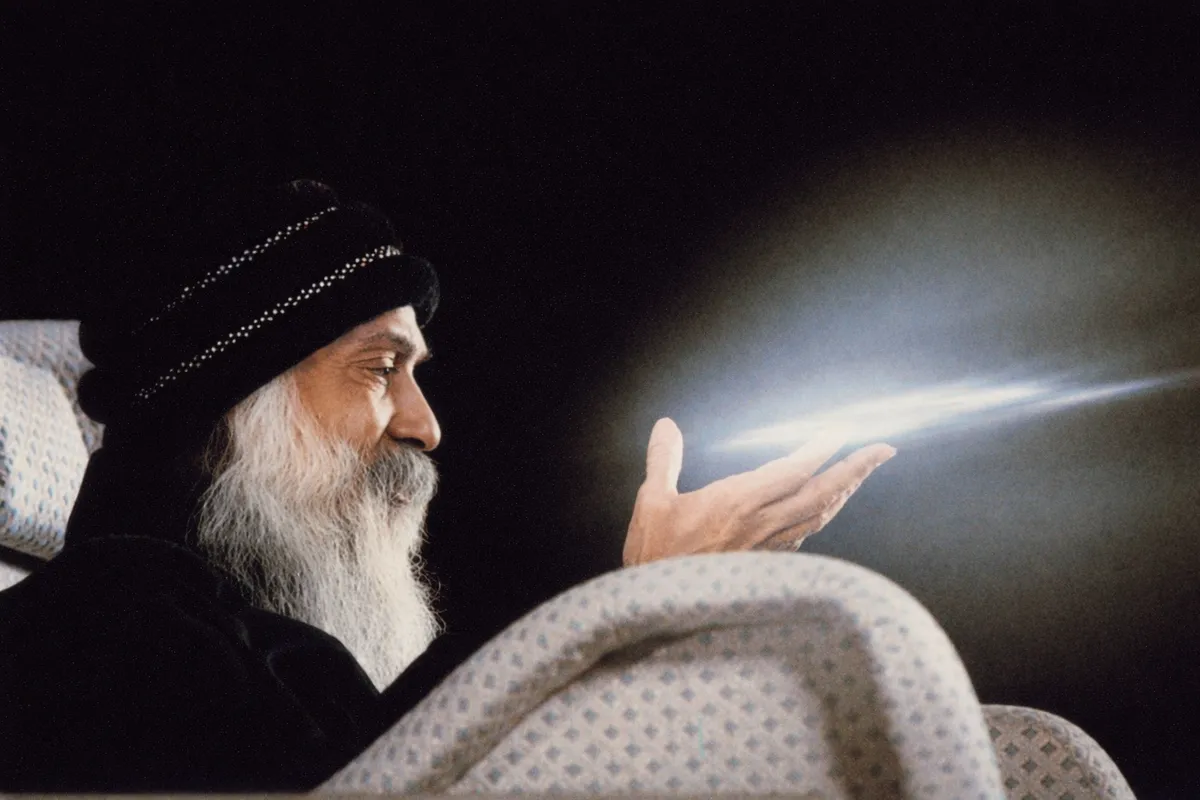
We trap ourselves by judging today with old memories; if we look at what’s happening right now, we stop adding new chains.
From the Discourses
Passages where Osho speaks to this question — each links to the complete discourse.
Would you say that we keep binding ourselves in more and more bondage?
We look at even the small daily experiences of life through the veil of memory. Therefore the direct impact, the direct contact of life does not happen to us—nor with experiences, nor with words, nor with persons. What I am saying is only this much: there will be modifications in memory; they will happen by themselves. You do not have to do them. Your experience will come and get joined in memory and will go on modifying it. You do not have to do anything to it; if you try, you will create trouble. If you do not, it will happen quietly. You eat food; you do not then digest it. It digests. If you try to digest, you will fall ill. You take the food; it goes down to the throat—after that you have no role. It digests and becomes blood; you are not to make that happen. In…
प्रश्न: हमारे को और बंधन में, आप यह कहेंगे, बांधते जाते हैं?
हम रोज जीवन के छोटे-छोटे अनुभव को भी स्मृति के पर्दे के बीच से देखते हैं। और इसलिए जीवन का सीधा इंपेक्ट, सीधा संपर्क हम पर नहीं हो पाता। अनुभवों का भी नहीं हो पाता, शब्दों का भी नहीं हो पाता, व्यक्तियों का भी नहीं हो पाता। मैं जो कह रहा हूं, वह कुल इतना कह रहा हूं: स्मृति में तो मॉडिफिकेशंस होंगे, वे अपने आप होंगे। आपको करने नहीं हैं। वह तो आपका अनुभव आएगा और स्मृति में जाकर जुड़ेगा और मॉडिफाई करता रहेगा। उसको आपको कुछ भी करना नहीं, आपने किया तो गड़बड़ होगी। न करेंगे तो चुपचाप होगा। आप खाना खा लेते हैं, फिर पचाते नहीं हैं। फिर वह पचता है। अगर आपने पचाने की कोशिश की तो बीमार पड़े। आप खाना ले गए, गले तक जाता है इसके बाद फिर आपका कोई संबंध नहीं है। फिर वह पचता है और खून बनता है, फिर वह आपको नहीं बनाना है। ठीक वैसे ही अनुभव आपके मस्तिष्क में भीतर प्रविष्ट हो जाए, फिर तो वह स्मृति में जाएगा, पचेगा, मॉडिफाई करेगा, सब कुछ करेगा। वह आपको नहीं करना, वह आपका संबंध नहीं है उससे। …
Osho, it is asked: if a person’s karmic life is bound by the fruits of deeds across many lifetimes, then what is within a person’s control in this very birth? If we are governed by the past—past lives, past actions, and the samskaras formed by all that has been done—then what can we do now?
This is very rightly asked. If it is true that man is completely bound by his past actions, then what remains in his hands to do in the present? And if it is true that man is not bound at all by past actions, then what is the point of doing anything? Because if he is not bound by past actions, then whatever he does now will not bind him tomorrow. So if he does something auspicious today, there should be no possibility of receiving auspicious results tomorrow. If one is fully bound by past actions, then there is no meaning in doing, because one cannot do anything—he is totally bound. And if one is completely free, again there is no meaning in doing, because he will do it and tomorrow he will be free of it; what he has done will not remain with him. Therefore man is neither…
ओशो, फिर पूछा है कि जन्म-जन्मांतरों से कर्मों के फलस्वरूप ही मनुष्य का कर्म-जीवन बंधा हुआ है। तो फिर इस जन्म में मनुष्य के अधिकार में क्या है? पूछा है कि अतीत के जीवन और अतीत के कर्म और अतीत में किए हुए जो भी जीवन के संस्कार हैं, यदि हम उनसे ही परिचालित होते हैं, तो अब हम क्या कर सकते हैं?
यह बहुत ही ठीक पूछा है। अगर यह बात सच हो कि मनुष्य बिलकुल अतीत के कर्मों से बंधा है, तो उसके हाथ में वर्तमान में करने को क्या रह जाएगा? और अगर यह सच हो कि मनुष्य अतीत के कर्मों से बिलकुल नहीं बंधा है, तो करने का फायदा क्या रह जाएगा? क्योंकि अगर अतीत के कर्मों से नहीं बंधा है, तो अभी जो करेगा, कल उनसे बंधा नहीं रह जाएगा। तो अगर आज शुभ करेगा, तो कल उसे शुभ के मिलने की संभावना नहीं होनी चाहिए। अगर अतीत के कर्मों से बंधा हो पूरी तरह, तो करने में कोई अर्थ नहीं होगा। क्योंकि कर ही नहीं सकता कुछ, पूरी तरह बंधा है। और अगर पूरी तरह स्वतंत्र हो, तो करने में कोई अर्थ नहीं होगा। क्योंकि वह कर लेगा और कल उससे मुक्त हो जाएगा, उसके साथ उसका किया हुआ नहीं होगा। इसलिए मनुष्य न तो पूरी तरह बंधा हुआ है और न पूरी तरह मुक्त है। उसका एक पैर बंधा है और एक खुला है। एक दफा हजरत अली से किसी ने पूछा, ठीक यही बात पूछी। …
Questioner: krishna says a man of wisdom, who gives up attachment to the fruit of action, is released from the bondage of birth and death and becomes one with the ultimate. How is it that krishna believes that life is a bondage? You don't believe so, you say this very life is freedom, this very world the nirvana. Please explain.
Mohammed answers, "Looking at your face tonight I can see you are not calm and peaceful as you always are. For sure there is some money in the house. Those who are worried become acquisitive and acquisitive people become worried. It is a vicious circle, So take out what you have saved and distribute it so that I can die in peace. Remember, this is my last night. I don't want to spoil it and appear before God with a guilty conscience." His wife hurriedly takes out the five dinars from under her pillow, and says to Mohammed, "But there is no one out there to receive this money, it is midnight." Mohammed says, "Just call out and someone will come." And someone, a beggar really appears at the door. Mohammed says to his wife, "Just see, if someone comes to take in the dead of night, someone else can…
Osho, you have earlier said, “Live moment to moment, live in the present.” Now you are saying, “Return to the past.” What should we do?
So it is with the mind—there are ruts. The past means endless grooves. However much you understand, your intellect agrees, you make decisions, you resolve—at the moment of resolve you feel something is going to change. But not even an hour passes before your decision breaks. Then only self-condemnation is produced, nothing else. Your saints, your fakirs, your priests and pundits—most of the time they only succeed in producing self-condemnation in you, nothing else. Their words are logically correct. You cannot even say they are wrong; you have to admit they are right. In that admission you take a decision. But against what are you deciding? Inside are grooves carved since who knows when, deep tracks. Walking in them has become a habit. It is easy to walk in them. They will pull you again and again. The meaning of returning into the past is: these grooves must be erased.…
दूसरा प्रश्न: ओशो, आपने पहले कहा है, क्षण-क्षण जीयो, वर्तमान में जीओ। अब आप कह रहे हैं, अतीत में लौटो। हम क्या करें?
ठीक मन पर लीकें हैं। अतीत का अर्थ है, अनंत लीकें। तो आप कितनी ही बातें समझ लेते हैं; बुद्धि सहमत हो जाती है; निर्णय ले लेते हैं; संकल्प कर लेते हैं। और जब संकल्प करते हैं, तब सोचते हैं कि कुछ होने-जाने वाला है। घड़ी भी नहीं बीत पाती कि जो आपने निर्णय लिया था, वह टूट जाता है। और तब सिर्फ आत्मग्लानि पैदा होती है, और कुछ भी नहीं। आपके संत, आपके फकीर, आपके पंडित-पुरोहित, आप में सिर्फ आत्मग्लानि पैदा करवा पाते हैं और कुछ भी नहीं। क्योंकि उनकी बातें तो तर्कयुक्त हैं। आप भी कह नहीं सकते कि वे गलत कह रहे हैं। स्वीकार करना पड़ता है कि ठीक कह रहे हैं। उस स्वीकृति में आप निर्णय लेते हैं। लेकिन निर्णय किसके खिलाफ ले रहे हैं! न मालूम कितनी लंबी लकीरें भीतर हैं, गहरे खांचे हैं। उनमें चलने की आदत हो गई है। उनमें चलना सुगम है। …
Question: THERE ARE TWO KINDS OF NONATTACHMENT: THE ORDINARY AND THE SUBLIME. THAT ATTITUDE OF NONATTACHMENT TO THE OBJECTS OF DESIRE IN WHICH THE SEEKER KNOWS THAT HE IS NEITHER THE DOER NOR THE ENJOYER, NEITHER THE RESTRAINED NOR THE RESTRAINER, IS CALLED ORDINARY NONATTACHMENT. HE KNOWS THAT WHATEVER FACES HIM IN THIS LIFE IS THE RESULT OF THE DEEDS OF HIS PAST LIFE. WHETHER IN PLEASURE OR IN PAIN, HE CAN DO NOTHING. INDULGENCE IS BUT A DISEASE AND AFFLUENCE OF ALL KINDS A STOREHOUSE OF ADVERSITY. EVERY UNION LEADS INEVITABLY TO SEPARATION. THE IGNORANT SUFFER THE MALADIES OF MENTAL ANXIETY. ALL MATERIAL THINGS ARE PERISHABLE, BECAUSE TIME IS CONSTANTLY DEVOURING THEM. THROUGH THE UNDERSTANDING OF SCRIPTURAL PRECEPTS, ONE'S FAITH IN MATERIAL THINGS IS UPROOTED AND ONE'S MIND FREED OF THEM. THIS IS CALLED ORDINARY NONATTACHMENT.