
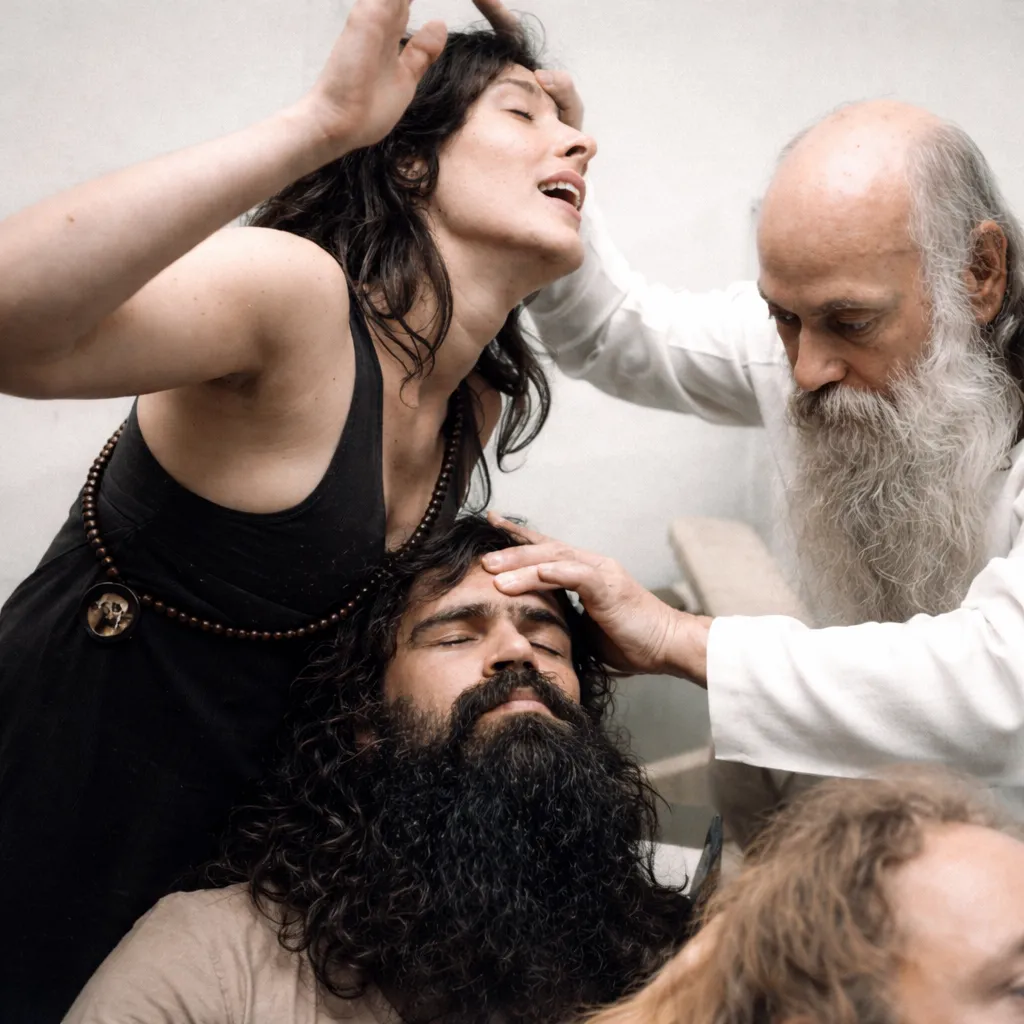
Freedom isn’t made by two opposite forces; it happens when you stop clinging and rejecting, everything becomes still, and you realize you were free inside all along.
From the Discourses
Passages where Osho speaks to this question — each links to the complete discourse.
Osho, you say the same thing in countless ways. But when I listen to you, it feels as if I am hearing it for the first time. And I feel so much joy that I don’t feel like going back home. What should I do—what can I do—so that I can just keep listening to you!
You will feel as if you have been made to rise out of season, before time—as if you were not yet to go and yet had to go. And if you go in that way, your home will become even more desolate than before. I do not want to make your home desolate; I want to make your home a temple. I want that when you go home, your home’s new form is revealed. I do not want to tear you away from home, from the world, from family life. That is the newness of my sannyas: I do not want to sever you from the world; I want to join you to the world in such a way that your connection with the world becomes a connection with the Divine. Let the world no longer be a barrier between you and the Divine; let it become a means. If…
पहला प्रश्न: ओशो, आप एक ही बात कहते हैं अनेक-अनेक ढंगों से। पर जब आपको सुनता हूं तो उस समय यही लगता है कि पहली बार सुन रहा हूं। और इतना आनंद मिलता है कि वापस घर लौटकर जाने का जी नहीं करता। क्या करूं, मैं क्या करूं कि आपको सुनता ही रहूं!
… ऐसा लगेगा जैसे अभी जाना न था और जाना पड़ा। और अगर ऐसे तुम गये, तो घर और भी उदास हो जाएगा। जितना पहले था, उससे भी ज्यादा। मैं तुम्हारे घर को उदास नहीं करना चाहता। मैं तुम्हारे घर को मंदिर बनाना चाहता हूं। मैं चाहता हूं कि तुम जब घर जाओ, तो तुम्हारे घर का अभिनवरूप प्रकट हो। मैं तुम्हें घर से, संसार से, गृहस्थी से तोड़ नहीं लेना चाहता। वही मेरे संन्यास का अभिनवपन है कि मैं तुम्हें संसार सेे तोड़ नहीं लेना चाहता। …
A friend has asked, Osho, you say that if someone surrenders himself in every way to the divine—lets himself be absorbed, accepts it—then he attains the divine. Can worldly things also be obtained in the same way?
Don’t try that; you’ll get nothing! To get worldly things you have to employ means, you have to labor, you have to strive, you have to be restless, you have to be mad. The more mad a person is, the more successful he is in the world. A very eminent psychologist has just made a statement. He said that if the minds of the world’s great politicians were tested, they would be found deranged, because their success would be impossible if they were not utterly mad. That psychologist said that the reason for England’s great politician Winston Churchill’s success was that, in childhood, an astrologer told him—and then he got fixated on the notion—that he would not live beyond forty-five. From the day this idea took hold—“I will die at forty-five”—he plunged into competition like a madman. Others, who assumed they would live at least to seventy or eighty, were…
एक मित्र ने पूछा है कि ओशो,, आप कहते हैं कि अगर कोई व्यक्ति अपने को सब भांति परमात्मा में छोड़ दे, लीन कर दे, स्वीकार कर ले उसे, तो उसे परमात्मा मिल जाता है। क्या इसी तरह संसार की चीजें भी मिल सकती हैं?
भूलकर ऐसा मत करना; कुछ न मिलेगा! संसार की चीजों को पाने के लिए उपाय करना जरूरी है, श्रम करना जरूरी है, चेष्टा करनी जरूरी है, अशांत होना जरूरी है, पागल होना जरूरी है। तो जो जितना पागल है, संसार में उतना सफल होता है। अभी एक बहुत बड़े मनोवैज्ञानिक ने एक वक्तव्य दिया है। और उसने कहा है कि दुनिया के जितने बड़े राजनेता हैं, इन सबका मानसिक अगर परीक्षण किया जाए, तो ये विक्षिप्त पाए जाएंगे, क्योंकि इनकी सफलता हो ही नहीं सकती, अगर ये बिलकुल पागल न हों। उस मनोवैज्ञानिक ने कहा है कि इंग्लैंड के बड़े राजनीतिज्ञ विंसटन चर्चिल की सफलता का कारण यह था कि विंसटन चर्चिल को किसी ज्योतिषी ने बचपन में बता दिया और फिर उसे यह वहम बैठ गया कि वह पैंतालीस साल से ज्यादा नहीं जीएगा। जिस दिन से उसको यह खयाल आ गया कि पैंतालीस साल में मेरी मौत है, उस दिन से वह पागल की तरह कांपिटीशन में उतर गया, प्रतिस्पर्धा में। दूसरे लोग, जिनको सत्तर-अस्सी साल कम से कम खयाल था जीने का, वे धीरे-धीरे चल रहे थे। …
The one who has asked wants to know: when the supreme union is experienced, do the two poles of duality merge, or does one go beyond both dualities?
Both statements are the same. Where dualities meet, they cut each other off. As when debit and credit are brought together, both are canceled. Where the two opposites meet, their energies negate one another and duality becomes zero. That very zero-ness is the going-beyond; that is transcendence; that is where one crosses over. So long as you are attached to life, there will be fear of death. If attachment to life drops, the fear of death drops in the same instant. Where there is no clinging to life and no fear of death, you have crossed. You have reached the place where there is no duality. Yet even when we speak of God, the duality of our language intrudes. We say, “God is light.” We hesitate to say, “God is darkness,” because our craving manufactures our words. We want God to be light, so we discard the dark. We say,…
जिन्होंने पूछा है, उन्होंने पूछा है कि उस परम एकाकार का जब अनुभव होगा, तो दोनों द्वंद्व मिल जाएंगे या दोनों द्वंद्वों के अतीत चला जाता है व्यक्ति?
दोनों बातें एक ही हैं। जहां द्वंद्व मिलते हैं, वहां एक-दूसरे को काट देते हैं। जैसे ऋण और धन अगर मिल जाएं, तो दोनों कट जाते हैं। जहां दोनों द्वंद्व मिलते हैं, वहां उनकी दोनों की शक्ति एक-दूसरे को काट देती हैं और द्वंद्व शून्य हो जाता है। वही शून्यता पार होना भी है, वही ट्रांसेंडेंस भी है, वहीं आदमी पार भी हो जाता है। जब तक आपका जीवन से मोह है, तब तक मृत्यु से भय रहेगा। अगर जीवन का मोह छूट जाए, मृत्यु का भय भी तत्क्षण छूट जाएगा। जहां जीवन का मोह नहीं, मृत्यु का भय नहीं, वहां आप पार निकल गए। वहां आप उस जगह पहुंच गए, जहां द्वंद्व नहीं है। लेकिन हम तो ईश्वर की भी बात करते हैं, तो हमारी भाषा का द्वंद्व प्रवेश कर जाता है। हम कहते हैं, ईश्वर प्रकाश है। हम डरेंगे कहने में कि ईश्वर अंधकार है। क्योंकि हमारी आकांक्षा हमारे शब्द की निर्मात्री है। हम चाहते हैं कि ईश्वर प्रकाश हो। तो अंधेरे को हम छोड़ देंगे। हम कहते हैं, ईश्वर अमृत है, परम जीवन है। …
Osho, however deep a devotee may go into feeling, perhaps his relationship remains dualistic right up to the end. And if duality remains, is liberation possible?
“Till the end” the relationship does remain dual, but “at the end” the relationship is no longer dual. Right up to the very last, two remain. They come close, they begin to touch; the devotee begins to feel the touch of God. Yet even when there is touch, there are still two—till the end. But at the end—that is beyond even the very last—at the end both are lost. There is no devotee, no God. Only one remains. Only devotion remains. Neither devotee remains, nor God remains. Only the feeling remains. Into that feeling, both are absorbed. Only then is there liberation. When only one remains, there is liberation. That is why we have named liberation moksha: kaivalya—the Alone; one. When only one remains, there is liberation. As long as there are two, there is bondage. Because the other will surround you. The other will define you. The other will…
चौथा प्रश्न: ओशो, भक्त कितना ही भाव में गहरा जाए, लेकिन अंत तक भी शायद उसका संबंध द्वैत का ही बना रहता है। और द्वैत बना रहे तो मुक्ति क्या संभव है?
आखिरी-आखिरी तक दो बने रहते हैं। पास आ जाते हैं, एक-दूसरे को छूने लगते हैं, भक्त को भगवान का स्पर्श होने लगता है। लेकिन फिर भी स्पर्श भी होता है तो भी दो तो होते ही हैं--अंत तक। पर अंत में--वह अंत तक के भी आगे की बात है--अंत में वहां दोनों खो जाते हैं। न भक्त होता है, न भगवान होता है। वहां एक ही बचता है। भक्ति ही बचती है। न भक्त बचता है, न भगवान बचता है। भाव ही बचता है। उस भाव में दोनों लीन हो जाते हैं। तभी मुक्ति है। एक बच रहे तो मुक्ति है। इसलिए हमने मोक्ष का नाम दिया है: कैवल्य; एक। केवल एक बच रहे तो मुक्ति है। जब तक दो हैं तब तक बंधन है। क्योंकि वह दूसरा तुम्हें घेरेगा। वह दूसरा तुम्हारी परिभाषा बनाएगा। वह दूसरा तुम्हारी सीमा बनाएगा, तुम असीम न हो सकोगे। दूसरे की मौजूदगी सीमा होगी। …
Osho, the world is duality; all the laws of the world stand upon opposites. Then why are we instructed to be beyond duality? Are we outside the world?
You are not—but you can be. And no one is preaching to you to be outside the world. You yourself come asking, “I am surrounded by duality, there is great restlessness—what should I do?” If you remain in duality, restlessness will remain, because wherever there are two, there will be conflict. There is an old saying: where there are pots, there will be some clatter. Until only one remains, peace is not possible. No one is telling you, “Become beyond duality.” You come asking, “The mind is disturbed, tormented, unhappy—what should I do?” You ask; therefore I say: you are unhappy because you are still with two. Somehow the One has to be found. Find the One and the unrest will vanish. That is why Mahavira gave liberation the name kaivalya. He chose a very beautiful word. Kaivalya means utterly alone—only you, no other. Consciousness alone remains. Then with whom…
चौथा प्रश्न: ओशो, जगत द्वंद्व है; जगत के सभी नियम विपरीत पर खड़े हैं। फिर हमें द्वंद्व के बाहर होने का उपदेश क्यों दिया जाता है? क्या हम जगत के बाहर हैं?
हो तो नहीं, लेकिन हो सकते हो। और कोई तुम्हें उपदेश नहीं दे रहा है जगत के बाहर होने का। तुम ही पूछते हुए आए हो कि द्वंद्व में घिरे हैं, बड़ी अशांति है, क्या करें? द्वंद्व में रहोगे तो अशांति रहेगी। क्योंकि जहां दो हैं वहां कलह होगी। पुरानी कहावत है, जहां बरतन होते हैं वहां थोड़े बजते हैं। जब तक एक न रह जाए तब तक शांति हो नहीं सकती। तुम्हें कोई उपदेश नहीं दे रहा है कि तुम निर्द्वंद्व हो जाओ। तुम ही पूछते हुए आए हो कि मन अशांत है, संतप्त है, दुखी है, क्या करें? तुम पूछते हो, इसलिए मैं कहता हूं कि दुखी तुम इसलिए हो कि तुम अभी दो के साथ हो। और किसी तरह एक को पाना है। एक को पा लो, अशांति मिट जाएगी।