
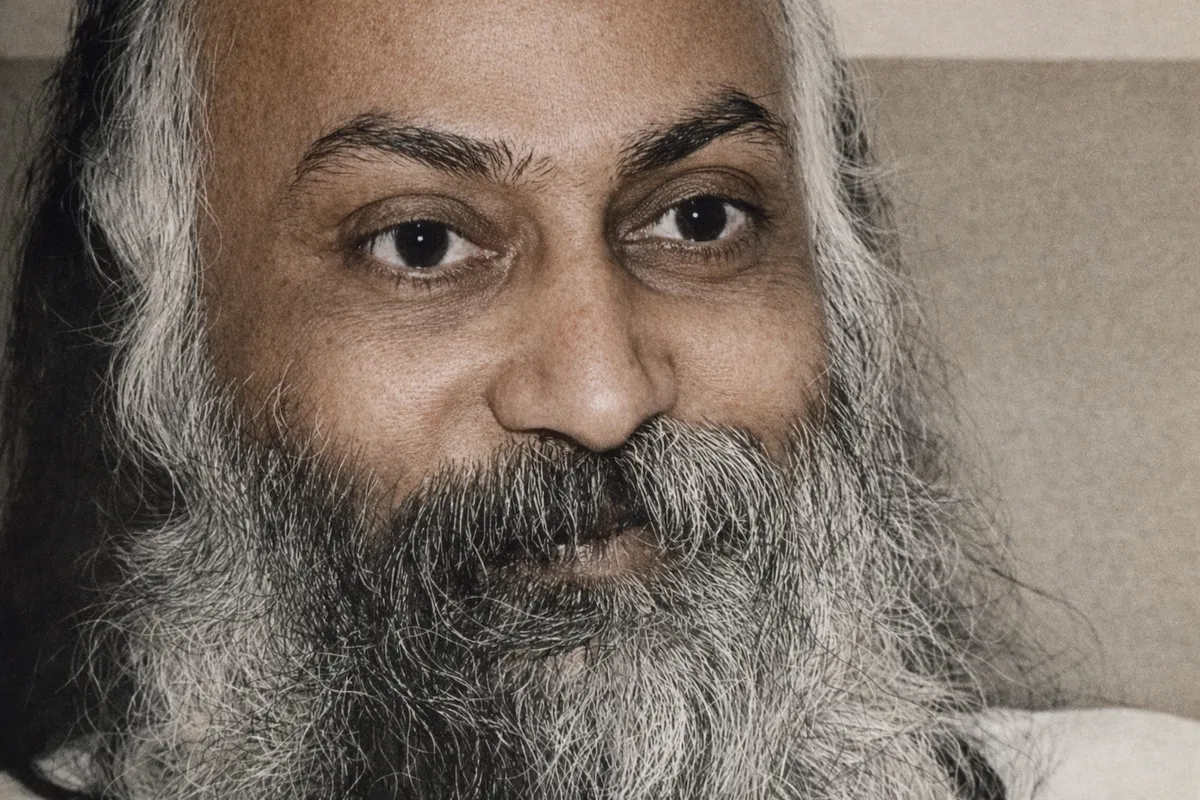
Osho's perspective on Purusharthas
When Osho Spoke About Purusharthas
Passages from the discourses where this theme comes alive.
Osho, yesterday you said that when anger is watched consciously, it dissolves. But why is it that when sexual desire arises, even in awareness its intensity persists? Why is it so?
There is no entanglement in the breath. If you try to practice on anger… Anger is not happening every moment; it happens sometimes. And when it happens, it happens with such intensity that you are already going deep into it; so much is at stake in those moments that you may think, “We will look into awareness later; first let’s settle this now.” Lust is very deep, because existence has made it so deep; life depends on it. If lust were so easy that you decided and were freed, perhaps you would not even have been born—because many before you would have become free, and the possibility of your being would have been almost nil. But your parents, and their parents, did not become free; therefore you are. You too will not get free so easily, because your children are also to be—they are waiting: “Do not run away midway.”…
दूसरा प्रश्न: ओशो, आपने कल कहा कि क्रोध को होशपूर्वक देखने पर क्रोध विलीन हो जाता है। लेकिन क्या कारण है कि कामवासना के उठने पर होश में भी उसकी प्रगाढ़ता बनी रहती है। ऐसा क्यों है?
श्वास में कुछ झंझट नहीं है। अब तुम या तो क्रोध पर साधोगे...। क्रोध रोज तो होता नहीं, प्रतिपल होता नहीं, कभी-कभी होता है; जब होता है तब इतनी प्रगाढ़ता से होता है कि तुम गहरे में उतर रहे हो; जब होता है तब इतनी बातें दांव पर लग जाती हैं कि शायद तुम सोचोगे, ‘फिर देख लेंगे होश इत्यादि! यह अभी, अभी तो निपट लें।’ कामवासना तो बहुत गहरी है, क्योंकि प्रकृति ने उसे बहुत गहरा बनाया है, क्योंकि जीवन उस पर निर्भर है। अगर कामवासना इतनी आसान हो कि तुमने चाहा और छूट गए, तो तुम शायद पैदा ही न होते, क्योंकि तुमसे पहले बहुत लोग छूट चुके होते; तुम्हारे होने की संभावना न के बराबर होती। मगर वह तो तुम्हारे माता-पिता उनके माता-पिता नहीं छूट सके, इसलिए तुम हो। तुम भी इतनी आसानी से न छूट जाओगे, क्योंकि तुम्हारे बच्चों को भी होना है; वे भी प्रतीक्षा कर रहे हैं कि ऐसे भाग मत जाना बीच से। जीवन बहुत कुछ टिका है कामवासना पर। इसलिए उसका छूटना इतना आसान नहीं है। असंभव नहीं है, आसान भी नहीं है। …
The Hindus understood this; hence they divided life’s pattern into four purusharthas: dharma, artha, kama, moksha. We should understand this a little. Kama is the most gross; moksha the most subtle. Kama is the root; moksha is the perfume. Kama is understandable and visible; Rama is not. Sex is easily grasped; samadhi is not. But sex is the root; samadhi is the flower. The Hindu says: practice kama too, because it is the first step toward the divine. The Hindu says: enter into kama as his grace; whatever he has given is meaningful—use it. Do not see it as an obstacle on the path; make it a step. A stone lies in the road; you can turn back, “There’s a stone—how to go further?” The wise will step onto the stone and discover a new path begins, higher, with a changed ground. Some turn back at sex.
हिंदुओं को यह पता था, इसलिए हिंदुओं ने अपनी जीवन-व्यवस्था चार पुरुषार्थों में बांटी: धर्म, अर्थ, मोक्ष, काम। उसे हमें थोड़ा समझ लेना चाहिए। काम स्थूलतम, मोक्ष सूक्ष्मतम। काम है जड़, मोक्ष है सुगंध। काम है जड़, मोक्ष है अंतिम सूक्ष्मतम सुगंध। इसलिए काम दिखाई पड़ता है और राम दिखाई नहीं पड़ता। इसलिए संभोग समझ में आ जाता है, समाधि समझ में नहीं आती। लेकिन जड़ संभोग है, समाधि फूल है। हिंदू कहते हैं, तुम काम को भी साधना क्योंकि वह परमात्मा की पहली सीढ़ी है। हिंदू कहते हैं, तुम काम में भी उतरना उसका ही अनुग्रह मानकर। उसने जो भी दिया है वह सार्थक है, उसे तुम उपयोग करना। उसे राह की बाधा मत समझना, सीढ़ी बना लेना। …
The meaning of Dharma is: to attain Moksha. The meaning of Dharma is: to do something to attain Moksha. This is the root cause of trouble. 'To do' for fulfillment—then from this arise Artha and Kama as well. The proclamation of Moksha is: nothing is to be done; you were born free. This very moment, here and now, Moksha is your swabhava. Only a proclamation of yours is needed. The moment you declare—showers of bliss begin. Try to understand. Ordinarily we divide into two—means and end. The end is in the future; the means is now. In relation to Moksha or the Divine, the matter is reversed. Moksha is now, here. No means is needed—only awakening is needed. Just open your eyes—the sun is up. There is no night anywhere; you have kept your eyelids closed and it seems dark.
धर्म का अर्थ है कि मोक्ष पाना है। धर्म का अर्थ है कि मोक्ष पाने के लिए कुछ करना है। यह मूल कारण है उपद्रव का। तृप्ति के लिए कुछ करना है--फिर उसी से अर्थ भी पैदा होता है, उसी से काम भी पैदा होता है। मोक्ष की उदघोषणा यह है कि कुछ करना नहीं है, तुम मुक्त पैदा हुए हो। इस क्षण अभी और यहीं मोक्ष तुम्हारा स्वभाव है। तुम्हारी उदघोषणा की भर बात है। तुम जब चाहो घोषणा कर दो--और उसी क्षण से आनंद की वर्षा हो जाएगी। समझने की कोशिश करो। साधारणतः हम चीजों को हमेशा दो में बांट देते हैं--साधन और साध्य। साध्य होता है भविष्य में, साधन होता है अभी। मोक्ष के संबंध में या परमात्मा के संबंध में बात उल्टी है। मोक्ष अभी है, यहीं है। किसी साधन की कोई जरूरत नहीं है--सिर्फ जागना है। सिर्फ आंख खोल कर देखना है--सूरज निकला हुआ है। रात कहीं भी नहीं; तुम पलक बंद करके बैठे हो, इसलिए अंधेरा मालूम हो रहा है।
Arjuna is no small fish. He is a truly precious being, with immense possibilities, a great future. One by one, each of Krishna’s answers brought forth many more questions within him. But this is dialogue; he is not arguing. He does not want to prove Krishna wrong. Deep down he wants Krishna to be right and himself to be wrong. But what to do—compulsion! Questions arise; there are doubts; there is skepticism—what else can he do besides speak! He is in great dilemma. The heart wants to love; the mind raises doubt. The heart wants to sweep aside all doubt and plunge into this deep friendship; but the mind keeps throwing up doubts. The mind’s doubts must be resolved. The mind must be silenced. The mind’s questions must be cut. But Arjuna’s heart is not standing with the mind—therefore a solution is possible.
अर्जुन कोई छोटी-मोटी मछली नहीं है। बड़ा बहुमूल्य व्यक्ति है, बड़ी मूल्यवान संभावनाएं हैं, बड़ा उसका भविष्य है। धीरे-धीरे एक-एक उत्तर कृष्ण का उसके भीतर और अनेक प्रश्नों को उठाता गया। लेकिन यह संवाद है; वह विवाद नहीं कर रहा है। वह कृष्ण को गलत सिद्ध नहीं करना चाहता है। बहुत गहरे में तो वह यही चाहता है कि कृष्ण ही सही हों और मैं गलत होऊं। लेकिन करूं क्या, मजबूरी है! प्रश्न उठते हैं, संदेह है, संशय है, तो कहूंगा न तो क्या करूंगा! कहना ही पड़ेगा। वह बड़ी दुविधा में है। हृदय प्रेम करना चाहता है, मस्तिष्क संदेह उठाता है। हृदय चाहता है, हटाओ सब संदेह; डूब जाओ इस गहरी मैत्री में। लेकिन मन संदेह उठाए चला जाता है। मन के संदेह हल करने ही होंगे। …
Profound Quotes on Purusharthas
Explore our structured collection of meaning-mapped quotes regarding Purusharthas.