
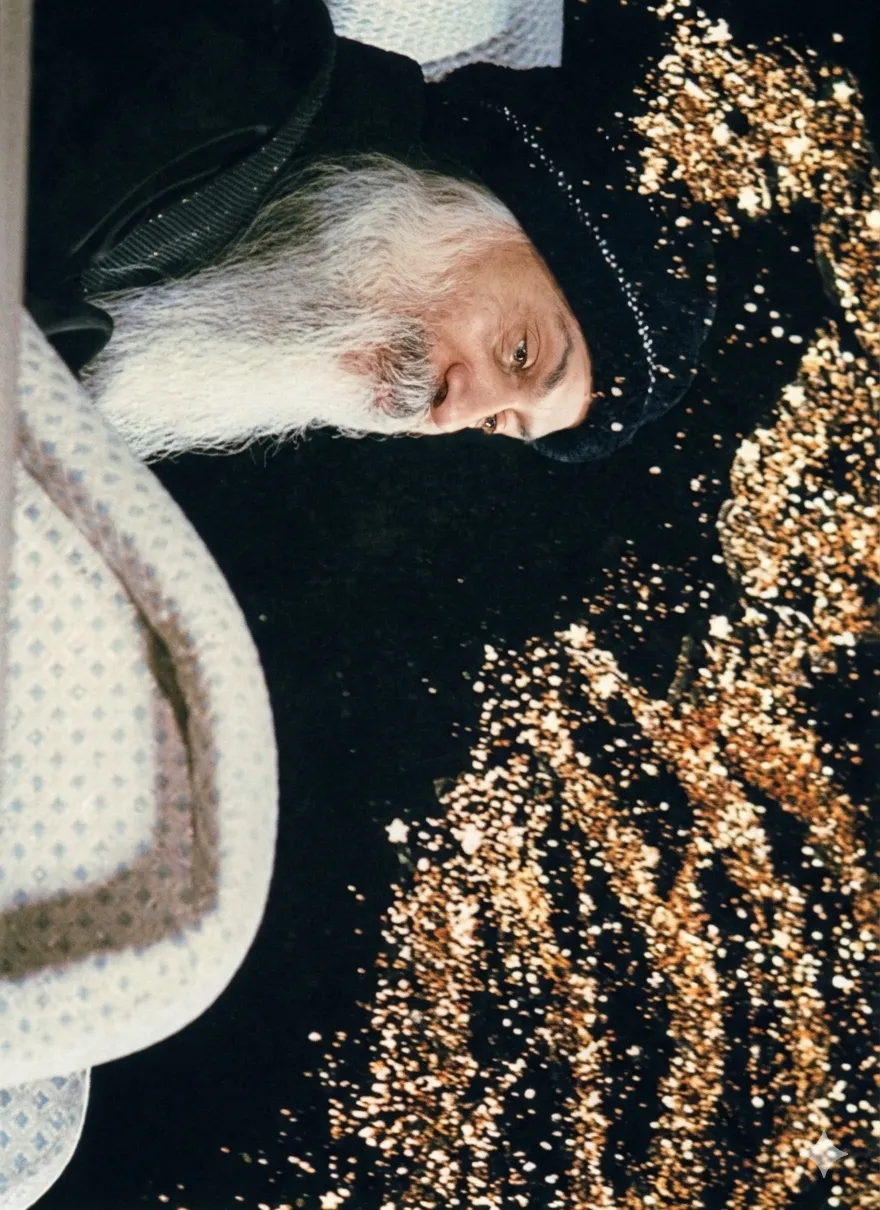
Osho's perspective on Elite Class
When Osho Spoke About Elite Class
Passages from the discourses where this theme comes alive.
Questioner: does it mean that an elite class will always be there?
An elite group has always been there, and it is going to be forever there. Forms change, but it makes no difference. The elite will always dominate the society. Sometimes it dominates in the form of emperors and kings, sometimes as messiahs and saints, and then as pioneers and leaders. I don't foresee a future when elites will disappear. In fact, so long as a few elites are there amongst us they will continue to be dominant over the rest of the society. The difference is that in the past we called them kings and emperors and now we call them presidents and prime ministers. In the past they came as incarnations and prophets and now they appear as mahatmas and leaders. Names don't matter, but elitism is going to live with us. As long as human society does not evolve so that everyone attains to the same level of…
Osho, my question is this: Krishna removed Sudama’s poverty. But seeing that, did it not occur to Krishna to consider the causes of poverty in society and to think about changing the economy? If Mahavira and Buddha had not thought about it, that would be one thing—but why would someone as comprehensive as Krishna, who gives full importance to worldly matters as well, not think of it? Perhaps religious men simply never thought. And the one who did think—Karl Marx—was not religious. Please also tell us about yourself: you are concerned with religion and the soul; will you think about the economy
Today in Russia we changed everything, but other people became dominant; they are no less dominant than the earlier ones—rather, more so. Today in China we replaced one set, and another became dominant. So long as there are distances between man and man—of intelligence, thought, ability, talent, power—it is impossible that no one will dominate; someone will. And it is impossible that no one would want someone to dominate him; some will want it too, because they cannot live without being dominant or being dominated. So this shifting goes on. The ways of one age start seeming absurd to us, because we accept another kind of domination. In Krishna’s time this was naturally accepted. The poor were willing to be poor; the rich felt no prick of conscience at being rich. For as long as the poor accept their poverty, there can be no pang in the rich. The rich…
ओशो, मेरा प्रश्र्न ऐसा है कि सुदामा की दरिद्रता को कृष्ण ने दूर किया, पर उसको देख कर क्या कृष्ण को समाज में जिस कारण से दरिद्रता है, उसका खयाल न आया और उन्होंने समाज की अर्थव्यवस्था को बदलने के बारे में न सोचा? महावीर और बुद्ध न सोचते तो एक बात थी, पर कृष्ण जैसा व्यापक व्यक्ति, जो लौकिक विषयों को भी पूरा महत्व देता है, क्यों नहीं सोचता है? धार्मिक पुरुषों ने शायद सोचा ही नहीं। और जिसने सोचा, कार्ल मार्क्स ने, वह धार्मिक न रहा। और आप अपने बारे में भी बतलाएं कि आप तो धर्म और आत्मा से संबद्ध हैं, आप अर्थव्यवस्था के बारे में कुछ सोचेंगे? और किस रूप में उसे क्रियान्वित किया जाएगा?
अब आज रूस है, हमने बदल दिया सब, लेकिन फिर दूसरे लोग हावी हो गए। वे पिछले लोगों से कम हावी नहीं हैं, बल्कि ज्यादा ही हावी हैं। आज चीन है, हमने एक को बदल दिया, दूसरे लोग हावी हो गए। जब तक मनुष्य और मनुष्य के बीच फासले हैं--बुद्धि के, विचार के, क्षमताओं के, प्रतिभाओं के, शक्तियों के--तब तक असंभव है कि कोई हावी नहीं हो जाएगा। हो ही जाएगा। और तब तक यह असंभव है कि कोई न चाहेगा कि कोई मुझ पर हावी हो जाए। कोई चाहेगा कि हावी हो जाए। क्योंकि वह भी बिना उसके नहीं जी सकेगा, बिना हावी हुए। तो दुनिया में यह बदलाहट चलती रहेगी। एक युग की बात हमें बेहूदी लगने लगती है, क्योंकि हम दूसरे तरह के हावीपन को स्वीकार कर लेते हैं। कृष्ण के वक्त में यह सहज स्वीकृत है। गरीब गरीब होने को राजी है, अमीर के मन में कोई दंश नहीं है अमीर होने का। क्योंकि जब तक गरीब गरीब होने को राजी है, तब तक अमीर के मन में दंश हो नहीं सकता। अमीर एट इऱ्ज है। उसे कोई तकलीफ नहीं है इस बात से। इसलिए समाज को कोई चिंतन का मौका नहीं पैदा होता। …
A friend has asked, Osho, one can die with awareness, but how can one be born with awareness?
Most fasters spend twenty-four hours repeating, “I am hungry; I have not eaten,” with their minds absorbed in planning tomorrow’s menu. Then the fast is wasted; it is merely a hunger-strike. That is the difference: a hunger-strike means not eating; upavasa means “dwelling nearer and nearer.” Nearer to whom? To oneself. Away from the body, closer to the self. Even the word upavasa carries no implication of starving; it means nearer-dwelling. Thus one could be in upavasa even while eating—if one knows the eating is at a distance and “I am elsewhere.” And one could not be in upavasa even while not eating—if one keeps thinking, “I am hungry; I’m dying of hunger.” Upavasa is a psychological knowing of one’s separateness from hunger. Other sufferings too can be invited voluntarily. A man can even lie on thorns, simply to see that the thorns do not pierce me; they pierce elsewhere,…
एक मित्र ने पूछा है, ओशो, होश से मरा तो जा सकता है, लेकिन होश से जन्मा कैसे जा सकता है?
और आमतौर से जो आदमी उपवास करते हैं, वे चौबीस घंटे यह दोहराते रहते हैं कि मैं भूखा हूं, आज खाना नहीं खाया है। और कल खाना खाने की योजना में चित्त रमा रहता है। और कल क्या खाना है, उसकी भी योजना बनती रहती है। तब उपवास व्यर्थ हो गया, तब वह सिर्फ अनशन रहा। अनशन और उपवास का यही फर्क है। अनशन का मतलब है, न खाना। उपवास का मतलब है, और निकट, और निकट निवास करना। किसके? उपवास का मतलब है: और निकट, और निकट निवास करना। किसके निकट निवास करना? अपने! शरीर से फासले पर, स्वयं के करीब आना। उपवास का मतलब भी यही है। उपवास के मतलब से...उपवास में कहीं भी भूखा रहने का सवाल ही नहीं है। उपवास शब्द में भी भूखा रहने का कोई प्रश्न नहीं है। उपवास का मतलब है: आवास--निकट, और निकट। किसके? किसके पास? अपने पास। अपने पास रहना और शरीर से दूर। तब फिर यह भी हो सकता है कि एक आदमी भोजन किए हुए भी उपवासा हो। …
We want self-realization, and what you said last evening was something quite different. What has it to do with self-realization?
Have you ever heard ,a socialist say that man needs a soul too. Socialism ends up with three demands of mall: bread, clothes and housing. Man needs nothing more. He need not think at all -- thinking will land him in unnecessary trouble. It is good that he be deprived of the bother; then he will live undisturbed. like an animal lives. He should have plenty to eat and drink, he should be properly clothed, he should have good housing, he should work and live happily. What use is thinking? It only brings worry and trouble of every sort. It even leads to rebellion. The socialist not only says so, he also works to this end -- he creates devices to eliminate thinking. And their best device is this: Before the child begins to think, indoctrinate him with socialist concepts and beliefs so that his mind is in shackles --…
Does an elite class always exist?
definitionProfound Quotes on Elite Class
Explore our structured collection of meaning-mapped quotes regarding Elite Class.