
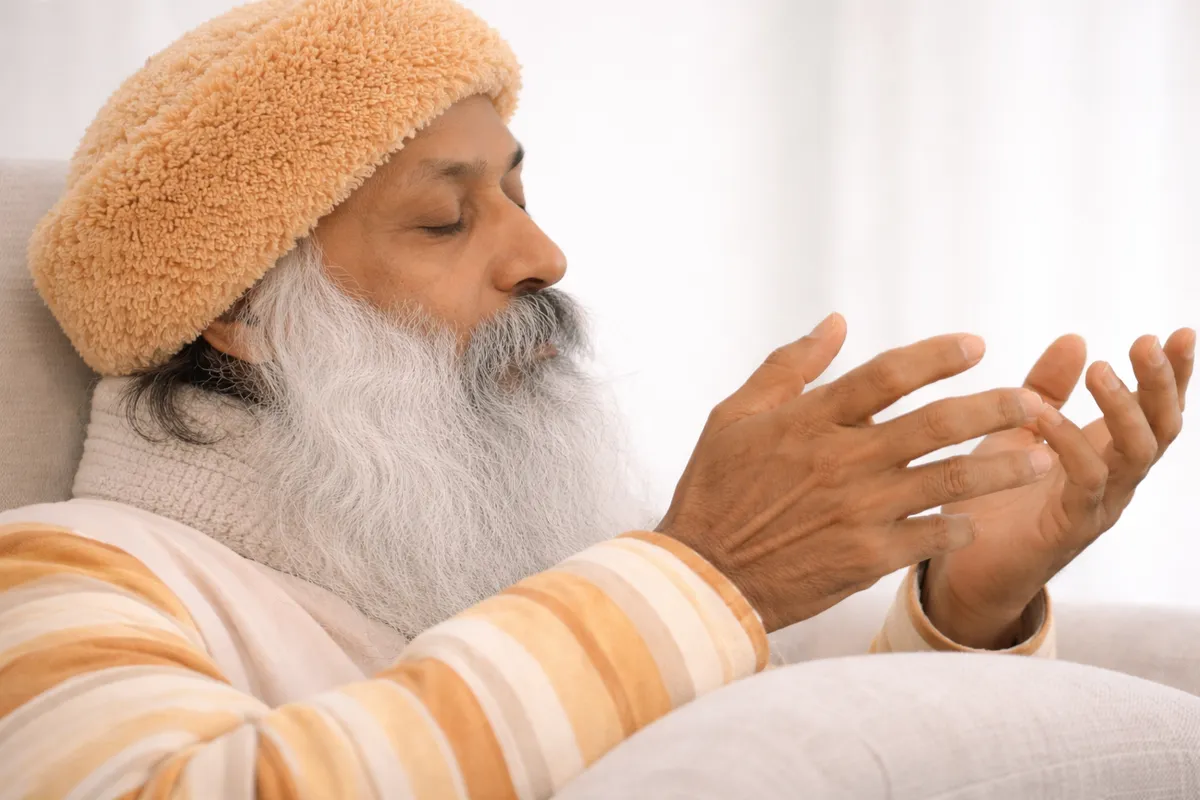
Osho's perspective on Bodhidharma
When Osho Spoke About Bodhidharma
Passages from the discourses where this theme comes alive.
Beloved master, after two years here, I had heard bodhidharma's laughter. I never heard him again. Is he still around?
He has always been around. Who do you think is sitting in this chair? But if you do not hear the laughter, that simply means you are not hearing, you are not listening; otherwise, the laughter is happening every moment. In fact, in the whole history of humanity there has never been such a commune, with so much laughter. And a commune that is in search of truth, a commune that is in search of religiousness, a commune that wants to attain to the ultimate heights of ecstasy -- no, this type of people have never before been laughing. They thought laughter was something below them. My understanding is totally different. Laughter is one of the greatest religious qualities. The sense of humor has not been indicated by any religion as an essential quality for their followers. But here there are no followers, only individuals. They are together here because…
Question: BELOVED OSHO, RYUGE WAS ASKED BY A MONK, "WHAT IS THE MEANING OF BODHIDHARMA COMING FROM THE WEST?" RYUGE SAID, "WAIT TILL THE STONE TURTLE SPEAKS WORDS OF EXPLANATION AND I WILL TELL YOU." THE MONK SAID, "THE STONE TURTLE HAS SPOKEN!" RYUGE SAID, "WHAT DID IT SAY TO YOU?" THE MONK WAS SILENT. ONE OF DAIBAI'S MONKS ASKED HIS MASTER THE SAME QUESTION, TO WHICH DAIBAI REPLIED, "HIS COMING HAS NO MEANING." THE MONK BROUGHT THIS QUESTION UP TO ENKAN, WHO SAID, "TWO DEAD MEN IN ONE COFFIN." GENSHA, HEARING OF THIS, SAID, "ENKAN IS A CLEVER CHAP." THE SAME QUESTION -- THE MEANING OF BODHIDHARMA COMING FROM THE WEST -- WAS BROUGHT TO SEKITO, OR "STONEHEAD", AS HE WAS ALSO KNOWN. "GO AND ASK THE OUTSIDE POST OF THE HALL!" HE EXCLAIMED. THE MONK SAID, "I DON'T KNOW WHAT YOU MEAN." "NOR DO I," SAID SEKITO.
A monk came to a master for help on working on one of the classic questions in zen dialectic: 'what is the meaning of bodhidharma's coming from the west?' the master suggested that before proceeding with the problem the monk should make him a low salaam. As he was dutifully prostrating himself the master gave him a good swift kick. The unexpected kick resolved the murk irresolution in which the monk had been foundering on for some time. When he felt the master's foot he attained immediate enlightenment. Subsequently he said to everyone he met, 'since I received that kick from matzu, I haven't
That is primal innocence, and that is our ultimate. Our ultimate being is before thought and after thought. Not that it disappears when thought is there, but it becomes clouded -- just like the sun surrounded by too many clouds, dark clouds. It appears as if the sun has disappeared. We never lose our ultimacy, we cannot. That's what ultimacy is -- it cannot be lost. It is our innermost nature. There is no way to lose it. But it can become clouded. The flame can become too clouded with smoke; can almost be thought of as lost. The sun can be so clouded that it appears as if it has become dark night. That's the situation. We are before thought, we are while thought is there, we will be there when thought has disappeared -- we are always there. But when thought is there it is very difficult to…
Question: OUR BELOVED MASTER, A MONK ONCE DREW FOUR LINES IN FRONT OF MA TZU. THE TOP LINE WAS LONG AND THE REMAINING THREE WERE SHORT. HE THEN DEMANDED OF THE MASTER, "BESIDES SAYING THAT ONE LINE IS LONG AND THE OTHER THREE ARE SHORT, WHAT ELSE COULD YOU SAY?" MA TZU DREW ONE LINE ON THE GROUND AND SAID, "THIS COULD BE CALLED EITHER LONG OR SHORT. THAT IS MY ANSWER." ON ANOTHER OCCASION, A MONK SAID TO MA TZU, "WHAT IS THE MEANING OF BODHIDHARMA'S COMING FROM THE WEST?" MA TZU REPLIED, "AT THIS MOMENT, WHAT DO YOU MEAN BY `MEANING'?" AGAIN THE MONK ASKED THE QUESTION, AND MA TZU STRUCK HIM, SAYING, "IF I DIDN'T STRIKE YOU, PEOPLE WOULD LAUGH AT ME." E OF ROKUTAN ASKED MA TZU THE SAME QUESTION ABOUT BODHIDHARMA'S COMING FROM THE WEST.
Profound Quotes on Bodhidharma
Explore our structured collection of meaning-mapped quotes regarding Bodhidharma.