
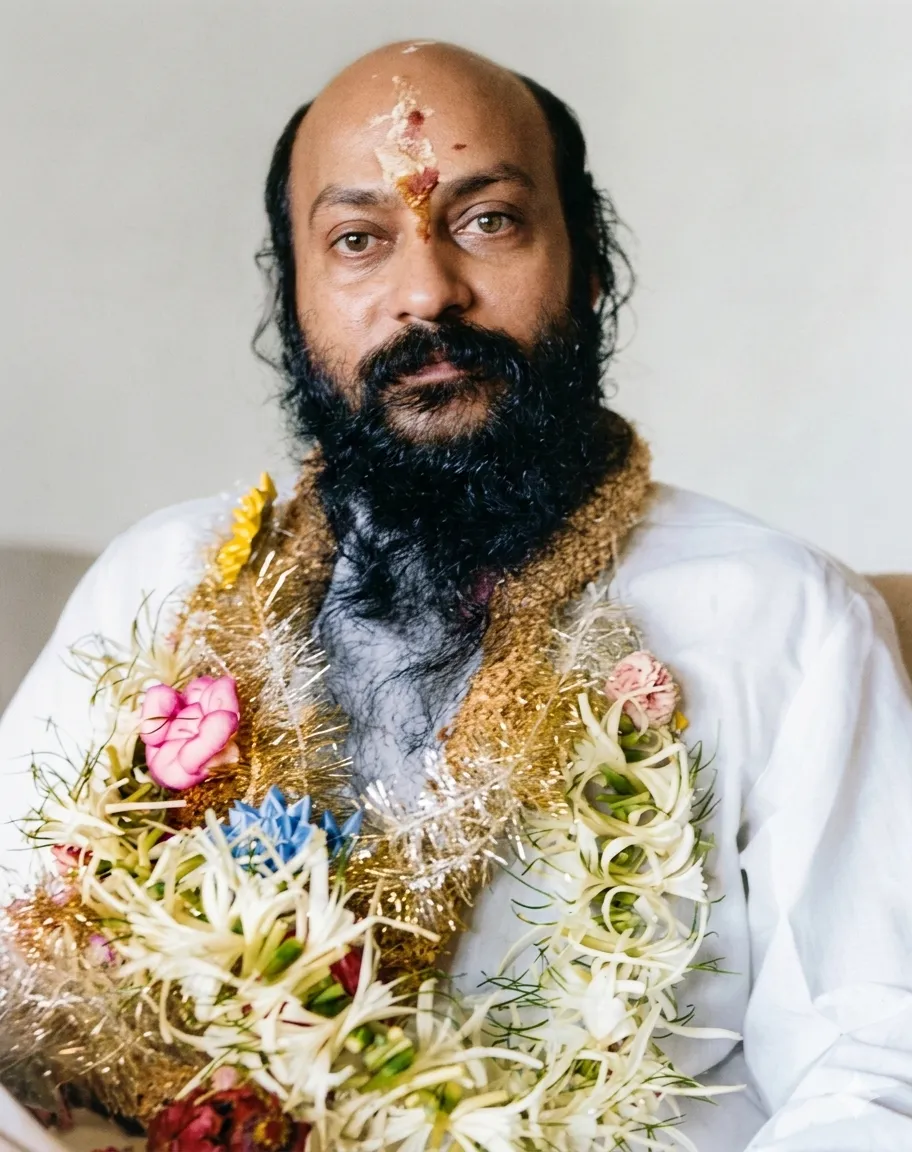
Osho's original Hindi beside Osho Live's English translation, matched passage by passage.
ज्ञान कोई ताल-तलैयों की भांति बंद घटना नहीं है। ज्ञान तो तरलता है--सरिता की भांति बहती हुई। इसलिए ज्ञान की कोई बंधी हुई धारणाएं नहीं हो सकतीं। ज्ञान की कोई धारणा ही नहीं होती, न कोई विचार होता है। अगर विचार होगा तो पक्षपात हो जाएगा। ज्ञान तो निष्पक्ष है।
Knowing is not a closed occurrence like a pond. Knowing is fluid—flowing like a river. Therefore knowing cannot have fixed, bound beliefs. Knowing has no belief, no ideology at all. If there is ideology, there will be partiality. Knowing is impartial.
एक दीया हम जलाते हैं। तो जो भी कमरे में हो, जैसा भी कमरे में हो, प्रकाश उसे प्रकट करता है। प्रकाश का कोई अपना पक्ष नहीं है। प्रकाश यह नहीं कहता कि सुंदर को प्रकट करूंगा, असुंदर को ढांक दूंगा; कि शुभ को ज्योतिर्मय करूंगा, अशुभ को अंधकार में डाल दूंगा। प्रकाश निष्पक्ष है; जो भी सामने होता है, उसे प्रकट कर देता है। जहां भी पड़ता है, प्रकट करना प्रकाश का स्वभाव है। प्रकाश की अगर अपनी कोई धारणा हो तो फिर प्रकाश निष्पक्ष न होगा।
We light a lamp. Whoever is in the room, however they are, the light simply reveals them. Light has no side of its own. Light does not say: I shall reveal the beautiful and cover the ugly; I shall illumine the auspicious and throw the inauspicious into darkness. Light is impartial; whatever stands before it, it reveals. Wherever light falls, revelation is its very nature. If light had any doctrine of its own, it would cease to be impartial.
ज्ञान प्रकाश की भांति है। ज्ञान तो एक दर्पण है; जो भी सामने आता है, झलक जाता है। ज्ञान कोई फोटोग्राफ नहीं है। ज्ञान के पास अपना कोई चित्र नहीं है। ज्ञान तो एक खालीपन है। उस खालीपन के सामने जो जैसा होता है, वैसा ही प्रकट हो जाता है। इस बात को पहले समझ लें। क्योंकि साधारणतः हम जिन लोगों को ज्ञानी कहते हैं, वे वे ही लोग हैं, जो पक्षपात से भरे हुए लोग हैं। कोई हिंदू है, कोई मुसलमान है। कोई गीता को मानता है, कोई कुरान को। उनकी अपनी धारणाएं हैं। सत्य के पास जब वे जाते हैं तो अपनी धारणा को लेकर जाते हैं; वे सत्य को अपनी धारणा के अनुकूल देखना चाहते हैं।
Knowing is like light. Knowing is a mirror; whatever comes before it is reflected. Knowing is not a photograph. Knowing carries no picture of its own. Knowing is an emptiness. Before that emptiness, whatsoever stands, is shown just as it is. Understand this first. Because ordinarily the people we call knowledgeable are those who are brimming with bias. One is a Hindu, another a Muslim. One holds the Gita, another the Quran. They have their own notions. When they approach truth, they carry their notions with them; they want to see truth in accord with their notions.
सत्य किसी के पीछे छाया बन कर थोड़े ही चलता है। और सत्य किसी की धारणाओं में ढल जाए तो सत्य ही नहीं। सत्य के पास तो वे ही पहुंच सकते हैं, जिनकी कोई धारणा नहीं है, जिनके मन में कोई प्रतिमा नहीं है; जो सत्य का कोई रूप-रंग पहले से सोच कर नहीं चले हैं; जिनके परमात्मा की कोई आकृति नहीं है, और जिनके परमात्मा का कोई रूप नहीं है। और जैसा भी होगा रूप और जैसी भी होगी आकृति उस परमात्मा की, वे अपने हृदय के दर्पण में वैसी ही झलका देंगे। वे जरा भी ना-नुच न करेंगे। वे यह न कहेंगे कि तुम अपनी धारणा के अनुकूल नहीं मालूम पड़ते हो।
Truth does not walk behind anyone as a shadow. And if truth can be cast into someone’s notions, it is no longer truth. Only those can reach truth who have no notions, in whose minds there is no image; who have not pre-conceived a form or color of truth; whose Paramatma has no figure, no shape. And whatever the form and figure of that Paramatma turns out to be, they will let it show just that way in the mirror of their hearts. They will not quibble at all. They will not say, “You do not seem to fit our belief.”
अपनी धारणा का अर्थ है अहंकार।
Your belief is nothing but the ego.
तुम ज्ञान को भी चाहोगे कि वह तुम्हारे पीछे चले। और तुम सत्य को भी चाहोगे कि तुम्हारा अनुयायी हो जाए। और तुम परमात्मा को भी चाहोगे कि वह तुम्हारी धारणाओं से मेल खाए। तभी तुम स्वीकार करोगे।
You will want even knowing to follow behind you. You will want truth to become your follower. You will want Paramatma to tally with your convictions. Only then will you accept.
तुम्हारी स्वीकृति के लिए अस्तित्व नहीं रुका है। तुम्हारी स्वीकृति की कोई चाह भी नहीं है। तुम्हारी स्वीकृति के बिना अस्तित्व पूरा है। तुम हो कौन? तुम किस भ्रांति में हो कि तुम्हारी धारणा के अनुकूल सत्य हो? तुमने कभी विचार किया अपने मन पर कि तुम किस बात को सत्य कहते हो?
Existence has not paused for your approval. Existence harbors no desire for your approval. Without your approval, existence is complete. Who are you? In what delusion do you live that truth should match your belief? Have you ever examined your own mind to see what you call truth?
मेरे पास लोग आते हैं, वे कहते हैं कि आपने जो बात कही, वह बहुत जंची, बिलकुल सच है। मैं उनसे पूछता हूं, तुमने जानी कैसे कि सच है? तुमने किस मापदंड से मापी? तुम्हें सत्य का पता है? तो ही तुम जांच सकते हो। हां, वे कहते हैं, सत्य का पता है। आपने वही कहा जो हमारे मन में भी छिपा है। आपने वही कहा जो हम पहले से ही मानते रहे हैं।
People come to me and say, “What you said felt right, it is absolutely true.” I ask them, “How did you know it is true? By what measure did you measure it? Do you already know truth? Only then could you test it.” “Yes,” they say, “we know truth. You said precisely what was hidden in our minds too. You said exactly what we have always believed.”
सत्य की परिभाषा लोगों की यह है: अगर उनकी मान्यता के अनुकूल हो। तुम तो सत्य हो; तुम्हीं कसौटी हो जैसे। अब रही बात इतनी कि तुम्हारे अनुकूल जो पड़ जाए, वह भी सत्य हो जाएगा।
People’s definition of truth is this: if it accords with their belief. As if you were truth—the touchstone itself. Then the rest is simple: whatever matches you must be true.
कुछ लोग हैं, वे कहते हैं, आपने जो बात कही, वह जंचती नहीं, मन को भाती नहीं; सत्य नहीं मालूम होती। तर्क से भला ठीक हो; आप समझाते हैं, तब ठीक भी लग जाती है; लेकिन ठीक है नहीं, अंतःकरण साथ नहीं देता।
Some say, “What you said doesn’t appeal, it doesn’t please the mind; it doesn’t seem true. Maybe it stands in logic; when you explain, it even begins to seem right; but it is not right—the inner voice does not agree.”
क्या है तुम्हारा अंतःकरण? तुम्हारी धारणाएं? तुम्हें बचपन से जो सिखाया गया? तुम्हारे खून में जो डाला गया? मां के स्तन से दूध के साथ-साथ तुमने मां का धर्म भी पीया है। पिता का हाथ पकड़ने के साथ-साथ पिता की धारणाएं भी तुम्हारे जीवन में उतर गई हैं। तुम्हारा सीखा हुआ तुम्हारा अंतःकरण है! तुम उससे जांच करते हो--अगर मेल खा जाए सच, अगर मेल न खाए तो झूठ। तो कसौटी तुम हो। और जिसने यह समझ लिया कि मैं कसौटी हूं सत्य की, वह सदा भटकता रहेगा। ज्ञान की कोई कसौटी नहीं; ज्ञान तो निर्मल है। ज्ञान का अपना कोई भाव नहीं; ज्ञान तो निर्भाव है। ज्ञान तो बस कोरे दर्पण की भांति है; जो है, उसे प्रकट कर देगा। जो है, बिना व्याख्या के, अपने को बीच में डाले बिना, अपने को जोड़े बिना, प्रकट कर देगा। ज्ञान निष्पक्ष है।
And what is your inner voice? Your beliefs. What you have been taught since childhood. What has been poured into your blood. With the mother’s milk you also drank the mother’s religion. With your father’s hand in yours, your father’s beliefs entered your life. What you have been conditioned into—that is your inner voice! You test by that—if it matches, it is true; if it does not, it is false. So the touchstone is you. And whoever has assumed, “I am the touchstone of truth,” will wander forever. Knowing has no touchstone; knowing is pristine. Knowing has no feeling of its own; knowing is without preferences. Knowing is simply like a clean mirror; it reveals what is, without commentary, without inserting itself, without adding itself. Knowing is impartial.
कबीर ने कहा, पखापखी के पेखने सब जगत भुलाना। पक्ष और विपक्ष के उपद्रव में सारा जगत भटका हुआ है। ज्ञान का न तो कोई पक्ष है और न कोई विपक्ष। ज्ञान का कोई मत नहीं, कोई दल नहीं। ज्ञान तो शुद्ध दर्शन है। ज्ञान कोई विचार ही नहीं; वह तो निर्विचार प्रतिबिंब की क्षमता है--दि कैपेसिटी टु रिफ्लेक्ट। दर्पण को तुम ले आते हो घर में। दर्पण अगर पहले ही किसी चित्र से भरा हो तो तुम्हारे काम न आएगा। और दर्पण तुम्हें बताता है।
Kabir has said: “Pakhapakhi ke pekhane sab jagat bhulana”—the whole world is lost in the upheaval of taking sides and opposing sides. Knowing has neither a side nor an opposite side. Knowing has no ideology, no party. Knowing is pure seeing. Knowing is not a thought at all; it is the no-thought capacity to reflect—the capacity to reflect. You bring a mirror home. If the mirror is already filled with a picture, it will be of no use to you. And the mirror tells you...
ऐसा हुआ कि मुल्ला नसरुद्दीन एक जंगल से गुजरता था, किसी राही का गिरा हुआ दर्पण मिल गया। कभी दर्पण उसने पहले देखा नहीं था। दर्पण देखा, शक्ल कुछ पहचानी सी लगी; बाप से मिलती-जुलती थी। अपनी शक्ल तो देखी नहीं थी। दर्पण कभी देखा न था। बाप की शक्ल देखी थी। दर्पण देखा, बाप से मिलती-जुलती थी। नसरुद्दीन ने कहा, अरे बड़े मियां, हमने कभी सोचा भी न था कि तुमने फोटो उतरवाई है। अच्छा हुआ, कोई और न उठा ले गया। कहां से आ गई यह फोटो तुम्हारी? पिता तो चल बसे थे। पिता की फोटो समझ कर सम्हाल कर घर ले आया। कई बार रास्ते में देखी, हमेशा फोटो वही थी। पिता की फोटो थी; स्मृति के लिए सम्हाल कर मकान के ऊपर, जहां अपनी गुप्त चीजें रखता था, वहीं छिपा कर उसने रख दी। रोज जाकर सुबह नमस्कार कर आता था।
It so happened that Mulla Nasruddin was passing through a forest and found a mirror fallen by some traveler. He had never seen a mirror before. He looked into it; the face seemed familiar—resembling his father’s. He had never seen his own face, never seen a mirror. He had seen his father’s face. He looked, and it resembled his father. Nasruddin said, “Ah, big man, I never knew you had your photo taken! Good that no one else picked it up. Where did this photo of yours come from?” His father had died. Taking it for his father’s photo, he brought it home carefully. Many times on the way he looked—and always it was the same photo. He kept it for remembrance, and hid it on the roof where he kept his secret things. Every morning he went and bowed to it.
पत्नी को शक होना शुरू हुआ--किसलिए रोज ऊपर जाता है? बताता भी नहीं। एक दिन जब मुल्ला बाहर था तो वह ऊपर गई, देखा। अपनी ही शक्ल पाई दर्पण में। बड़ी नाराज हो गई। तो कहा कि इस बुढ़िया के पीछे दीवाने हुए हो! वह समझी कि प्रेयसी की तस्वीर रखे हुए है। अपनी ही फोटो दिखी। कभी दर्पण तो देखा न था। तो सोचा कि अच्छा, तो इस चुड़ैल के पीछे दीवाने हुए जा रहे हो!
His wife began to suspect—why does he go up daily? And he tells nothing. One day, when Mulla was out, she went up, looked—and found her own face in the mirror. She was furious. “So you are crazy over this old hag!” She thought he kept a lover’s picture. She saw her own image—never having seen a mirror. She thought, “Ah, so you are going mad after this witch!”
दर्पण में तो तुम्हीं दिखाई पड़ोगे। दर्पण के पास अपनी कोई धारणा नहीं है। और अगर तुम्हें आखिरी दर्शन करना हो जीवन का तो तुम्हें ऐसा ही दर्पण हो जाना पड़ेगा जिसकी कोई धारणा नहीं। तभी तुम्हारे आर-पार जो बहेगा वह सत्य है। तुम्हारी धारणाओं में ढल कर जो बहेगा वह असत्य हो गया, तुम्हारे कारण असत्य हो गया। वह नकली हो गया; वह असली न रहा। ढांचा तुमने दे दिया। और तुम्हारे ढांचे के कारण उसकी जो असीमता थी, अनंतता थी, निराकार रूप था, वह सब खो गया। अब वह एक क्षुद्र चीज हो गई।
In a mirror, only you will appear. The mirror has no notion of its own. And if you want the ultimate seeing of life, you must become such a mirror—free of notions. Only then whatever flows through you is truth. What passes through your molds and beliefs becomes untrue—untrue because of you. It becomes counterfeit; it is no longer authentic. You have given it a framework. And through your framework, its vastness, its infinitude, its formlessness—all is lost. Now it becomes a petty thing.
सत्य जब धारणाओं में बंधा होता है और शास्त्रों में कैद होता है, तब वह जंजीरों में पड़ा होता है। उसमें प्राण नहीं होते और पंख नहीं होते, जिनसे वह आकाश में उड़ जाए। सत्य जब निर्धारणा में उतरता है, तब वह मुक्त होता है। तब उस पर कोई जंजीरें नहीं होतीं और कोई दीवाल नहीं होती, वह किसी कारागृह में बंद नहीं होता, तब खुले आकाश की भांति होता है। ज्ञान खुला आकाश है, कोई कारागृह का आंगन नहीं।
When truth is bound in beliefs and imprisoned in scriptures, then it lies in chains. It has neither life nor wings with which to soar into the sky. When truth descends into no-belief, it becomes free. No chains bind it, no walls confine it. It is not locked in any prison—it is like the open sky. Knowing is the open sky, not the courtyard of a prison.
तुम्हारे मन में जितनी धारणाएं हैं, सब कारागृहों के आंगन हैं। नाम अलग होंगे; कोई हिंदू का कारागृह है, कोई मुसलमान का, कोई ईसाई का, कोई जैन का। लेकिन सभी मान्यताएं कारागृह हैं। और सभी मान्यताओं के बाहर जो आ जाए, वही ज्ञानी है।
All the beliefs in your mind are courtyards of prisons. Names differ: a Hindu prison, a Muslim prison, a Christian prison, a Jaina prison. But all beliefs are prisons. And whoever steps outside all beliefs—that one is the knower.
ज्ञानी के पास अपना कोई विचार नहीं होता। वह तो दीए की भांति जीता है; जो आ जाता है, वही दिखाई पड़ने लगता है। और ज्ञानी के पास अपना कोई भाव भी नहीं होता कि वह किसी को बुरा कहे और किसी को भला कहे। उसके मन में न किसी की निंदा होती है और न किसी की प्रशंसा होती है। वह न तो चोर को चोर कहता है, न साधु को साधु कहता है। उसके लिए तो द्वंद्व का सारा जगत मिट गया; उसके लिए द्वैत न रहा, दुई न रही। उसके लिए तो अब एक ही है। और वह एक परम शुभ है। उस एक का होना ही एकमात्र शुभ है, एकमात्र मंगल है।
The knower has no thought of his own. He lives like a lamp; whatever comes, becomes visible. And the knower has no private feeling by which he calls someone bad and someone good. In his mind there is neither condemnation nor praise. He does not call a thief a thief nor a monk a monk. For him the whole world of duality has disappeared; for him there is no twoness. For him there is only One. And that One is supremely auspicious. The very being of that One is the only auspiciousness, the only benediction.
इसलिए तुम ज्ञानी को धोखा न दे सकोगे। नहीं कि तुम ज्ञानी को धोखा नहीं दे सकते, तुम दे सकते हो। लेकिन ज्ञानी को तुम न दे सकोगे, क्योंकि ज्ञानी धोखे को मानता ही नहीं। वह तुम पर भी भरोसा करता है। तुम उसे कितना ही धोखा दिए जाओ, वह बार-बार तुम पर भरोसा किए चला जाएगा। उसके भरोसे का कोई अंत नहीं है। तुम उसके भरोसे को न चुका सकोगे; तुम ही चुक जाओगे, तुम ही हारोगे। ज्ञानी से जीतने का कोई उपाय नहीं; देर-अबेर तुम्हें हारना ही पड़ेगा।
Therefore you cannot deceive the knower. It is not that you cannot attempt to deceive him—you can. But you will not be able to deceive the knower, because the knower does not accept deception. He trusts you. However much you cheat him, he will again and again trust you. His trust has no end. You will not be able to exhaust his trust; you will get exhausted—you will be defeated. There is no way to defeat a knower; sooner or later you will have to lose.
बड़ी प्रसिद्ध कथा है। एक झेन फकीर नदी में खड़ा है और एक बिच्छू डूब रहा है। तो उसे उठाता है हाथ में और किनारे पर रख देता है। जब तक वह उठाता है और किनारे पर रखता है तब तक वह दस-पांच बार डंक मार देता है। बिच्छू का स्वभाव है; कोई कसूर नहीं है। इसमें कुछ न होने जैसा भी नहीं है, अनहोना भी नहीं है। बिच्छू का स्वभाव है। वह उसे किनारे पर रख देता है। बिच्छू फिर पानी में उतर कर तैरने लगता है। वह उसे फिर बचाने के लिए किनारे पर रखता है।
A famous story: a Zen mystic stood in a river while a scorpion was drowning. He picked it up in his hand and set it on the bank. By the time he lifted and placed it down, the scorpion stung him half a dozen times. It is the scorpion’s nature; he is not at fault. Nothing extraordinary in it. Again the scorpion went back into the water. The mystic again saved it and placed it on the bank.
जैसा कि तुमने देखा होगा, पशुता में एक तरह की गहरी जिद्द। पशुता जिद्दीपन है। सभी पशु हठयोगी हैं। तुम किसी चींटे को हटाओ, फिर वहीं भागेगा जहां से हटाया गया है। इसमें चुनौती हो जाती है। तुम एक मक्खी को उड़ाओ, वह वापस वहीं बैठ जाएगी जहां से तुमने उड़ाई थी। जब तक तुम उसको छोड़ ही न दोगे उसके हाल पर, तब तक वह चुनौती से संघर्ष लेगी। उसके अहंकार को भी चोट लगती है। तुम हो कौन हटाने वाले? तुमने समझा है कि यह नाक तुम्हारी है जिस पर मक्खी बैठ रही है। मक्खी के लिए यह केवल उड़ने के बाद विश्राम करने का स्थल है। तुम हो कौन बीच में बाधा डालने वाले? तुम नाक भी काट लो तो भी मक्खी वहीं उतरेगी।
As you may have noticed, there is a kind of deep obstinacy in animality. Animality is stubbornness. All animals are Hatha-yogis. Remove an ant, it will run back to where it was. It becomes a challenge. Shoo a fly away, it will sit again exactly where it sat before. Until you leave it alone, it will wrestle with the challenge. Its ego is hurt too. Who are you to remove it? You think this nose is yours on which a fly sits. For the fly it is just a place to rest after flying. Who are you to interfere? Cut off the nose and still the fly will land there!
बिच्छू को जैसे-जैसे वह उठा कर बाहर रखता, बिच्छू वापस पानी में दौड़ता। एक आदमी किनारे खड़ा था, उसने कहा कि तुम पागल हो गए हो--उसका सारा हाथ नीला पड़ गया है--मरने दो इस बिच्छू को, तुम्हें क्या पड़ी है? और वह बिच्छू तुम्हें काट रहा है।
As the mystic lifted the scorpion out, it kept rushing back to the water. A man standing on the bank said, “Have you gone mad? Your whole hand has turned blue—let the scorpion die; what is it to you? And it is stinging you!”
उस झेन फकीर ने कहा, जब बिच्छू अपना स्वभाव नहीं छोड़ता तो मैं कैसे अपना स्वभाव छोडूं? जब बिच्छू नहीं मानता, काटे चला जाता है, और वापस लौट कर आ जाता है पानी में, तो मैं कैसे मानूं? जैसे बिच्छू का काटना स्वभाव है वैसे साधु का बचाना स्वभाव है। मैं कुछ कर नहीं रहा हूं, सिर्फ मैं अपने स्वभाव के अनुसार वर्तन कर रहा हूं। बिच्छू अपने स्वभाव के अनुसार वर्तन कर रहा है। देखना यह है कि बिच्छू जीतता है कि साधु!
The Zen mystic said, “When the scorpion does not leave its nature, how can I leave mine? If the scorpion does not heed, keeps stinging, keeps returning to water, how can I heed? As the scorpion’s nature is to sting, so the sage’s nature is to save. I am not ‘doing’ anything; I am simply acting according to my nature. The scorpion acts according to his nature. Let us see who wins: the scorpion, or the sage.”
ज्ञानी को तुम हरा न सकोगे। हरा तो तुम सकते थे जब उसकी कोई सीमा होती, कोई पक्ष होता। वह तो निष्पक्ष है। उसका कोई भाव भी नहीं है। तुम उसकी जेब काट सकते हो, लेकिन तुम उसके भरोसे को न डिगा सकोगे। तुम उसे धोखा दे सकते हो। और ऐसा नहीं है कि धोखा उसे दिखाई नहीं पड़ता। क्योंकि वह तो निर्मल दर्पण की तरह है, तुम जो भी करते हो वह सभी दिखाई पड़ता है। लेकिन धोखे के पार तुम भी उसे दिखाई पड़ते हो। और तुम्हारी महिमा अनंत है। धोखा ना-कुछ है। धोखे का जो कृत्य है, उसका कोई मूल्य नहीं है। वह जो तुम्हारे भीतर छिपा है महिमावान, उसका ही मूल्य है। उसका भरोसा तुम पर है, तुम्हारे कृत्यों पर नहीं। तुम क्या करते हो, इससे कोई भी फर्क नहीं पड़ता तुम्हारे होने में। तुम कैसे हो, कैसा तुम्हारा वर्तन है, आचरण है, इससे कोई फर्क नहीं पड़ता तुम्हारी आंतरिक प्रतिमा में। और ज्ञानी उस प्रतिमा को देख रहा है, जहां परमात्मा का वास है। तो तुम्हारे आचरण से कोई भेद नहीं पड़ता। उसका अपना कोई भाव नहीं है कि तुम क्या करो। वह तुम्हें परिपूर्ण स्वतंत्रता देता है।
You cannot defeat the knower. You could, had he any boundary, any side. But he is impartial. He has no personal feeling. You may pick his pocket, but you cannot shake his trust. You can deceive him. And it is not that deception is not visible to him. Because he is like a spotless mirror—whatever you do is seen. But beyond the deception, you yourself are also seen by him. And your glory is infinite. Deception is nothing. The act of deception has no value. What is valuable is that majestic being hidden within you. His trust is in you, not in your acts. What you do makes no difference to your being. How you are, what your conduct is—this does not alter your inner image. And the knower is seeing that inner image where Paramatma dwells. So your behavior makes no difference. He has no private feeling about what you do. He grants you complete freedom.
इसे थोड़ा समझो। अगर तुम्हारे पास कोई भी भाव है, धारणा है, तो तुम अपने प्रियजनों को भी कोई स्वतंत्रता नहीं दे सकते। क्योंकि तुम चाहोगे कि वे तुम्हारे भाव के अनुकूल हों। और तुम उनके हित में ही चाहोगे कि वे तुम्हारे भाव के अनुकूल हों। यह ज्ञानी का लक्षण न हुआ। यह अज्ञानी का लक्षण है।
Understand this a little. If you carry any feeling or belief, you cannot give freedom even to those you love. Because you will want them to align with your feelings. And you will want it “for their good,” that they align with your feelings. This is not the mark of a knower. This is the mark of the unknowing.
अज्ञानी प्रेम के माध्यम से भी कारागृह खड़ा करता है। वह अपने बच्चों को भी चाहता है वे ऐसे हो जाएं। कोई उसको गलत भी न कह सकेगा। क्योंकि वह बच्चों को अच्छा ही बनाना चाहता है। लेकिन अच्छे बनाने की चेष्टा भी बच्चों के भीतर छिपे परमात्मा का अस्वीकार है। क्योंकि अच्छे बनाने की चेष्टा में भी तुम मालिक हुए जा रहे हो। तुमने बच्चों की उनकी अपनी मालकियत छीन ली।
The unknowing raises prisons even through love. He wants his children to become a certain way. No one can even blame him—for he wants to make them good. But even the effort to make them good is a rejection of the Paramatma hidden in the children. Because in that effort you are becoming the owner. You have snatched away their own ownership.
खलील जिब्रान ने कहा है, तुम बच्चों को प्रेम देना, लेकिन आचरण नहीं; तुम प्रेम देना, लेकिन अपना ज्ञान नहीं। तुम प्रेम देना और तुम्हारे प्रेम के माध्यम से स्वतंत्रता देना; ताकि वे वही हो सकें जो होने को पैदा हुए हैं। तुम उनकी नियति में बाधा मत डालना।
Khalil Gibran has said: give your children love, but not your conduct; give them love, but not your knowledge. Give them love—and through your love give them freedom, so that they can become that which they were born to be. Do not stand in the way of their destiny.
लेकिन बड़ा मुश्किल है कि बाप बेटे की नियति में बाधा न डाले; कि मां बेटे की नियति में बाधा न डाले; कि शिक्षक शिष्य की नियति में बाधा न डाले। वे बाधा डालेंगे, और तुम्हारे हित में ही बाधा डालेंगे।
But it is very difficult that a father not obstruct the son’s destiny; that a mother not obstruct the child’s destiny; that a teacher not obstruct the disciple’s destiny. They will obstruct, and “for your good” they will obstruct.
संत खुला आकाश है। वह तुम्हें बिलकुल बाधा न डालेगा। वह तुम्हारे लिए मार्ग भी दिखाएगा, तो भी चलने का आग्रह न करेगा। वह खुद ही मार्ग है--खुला हुआ। तुम्हें चलना हो तो चलना; तुम्हें न चलना हो न चलना; तुम्हें लौटना हो लौट जाना। वहां कोई आग्रह न होगा। सत्य का आग्रह भी न होगा। संत निराग्रही होगा।
The sage is an open sky. He will not obstruct you at all. Even if he shows you a path, he will not insist that you walk it. He himself is the path—open. If you wish to walk, walk; if you don’t, don’t; if you wish to turn back, turn back. There will be no insistence. Not even the insistence of truth. The sage is non-insistent.
तीन तरह के लोग हैं: असत्य-आग्रही, सत्याग्रही और अनाग्रही। संत उसमें तीसरी कोटि का है: अनाग्रही। उसका सत्याग्रह भी नहीं है कि वह अनशन करके बैठ जाए कि अगर तुम मेरे अनुसार न चले तो मैं मर जाऊंगा।
There are three kinds of people: those insistent on untruth, those insistent on truth, and the non-insistent. The sage belongs to the third category: the non-insistent. He has no satyagraha that he will sit on a fast and say, “If you do not walk according to me, I will die.”
तुम्हारा सत्य दूसरे का सत्य नहीं हो सकता। तुम्हारे लिए जो सत्य है, वह दूसरे का भी सत्य बन जाए, यह कोशिश ही आग्रह है। पहले तो यही पक्का नहीं है कि तुम्हारा जो सत्य है, वह तुम्हारा भी सत्य है! और यह भी पक्का हो जाए कि तुम्हारा सत्य तुम्हारा सत्य है, तो भी कैसे निर्णय लिया जा सकता है कि यह दूसरे का सत्य भी होगा! क्योंकि प्रत्येक व्यक्ति की अपनी नियति है, अपनी स्वतंत्रता है, अपना यात्रा-पथ है। जन्मों-जन्मों से प्रत्येक व्यक्ति अपनी अनूठी चाल, अपनी अनूठी यात्रा पर निकला हुआ है।
Your truth cannot be another’s truth. To force what is true for you to become true for another—that very attempt is insistence. In the first place, it is not even certain that what you call truth is truly yours! And even if it becomes certain that your truth is your truth, how can you determine that it will be the other’s too! For each person has his own destiny, his own freedom, his own path of journeying. From birth after birth each person is on a unique walk, a unique pilgrimage.
इन बातों को खयाल में ले लें; फिर लाओत्से के ये अदभुत वचन समझने की कोशिश करें।
Keep these things in mind; then try to understand these wondrous words of Lao Tzu.
‘संत के कोई अपने निर्णीत मत व भाव नहीं होते; वे लोगों के मत व भाव को ही अपना मानते हैं।’
“The sage has no fixed views and feelings of his own; he makes the views and feelings of the people his own.”
निर्णीत मत आमतौर से बड़ी बहुमूल्य बात समझी जाती है। हम सोचते हैं कि जिस आदमी के निर्णीत मत हैं, वह बड़ा सुदृढ़ आदमी है। और जिस आदमी का कोई निर्णीत मत नहीं है, वह आदमी संदिग्ध, संशय में पड़ा है।
Fixed opinions are ordinarily esteemed as very valuable. We think that the man with settled opinions is strong and firm. And the man with no settled opinions is suspect, caught in doubt.
तो हम तो बड़ा मूल्य देते हैं निर्णय करने वाले लोगों को। संशय में पड़े लोगों को हम अनादर देते हैं। हम कहते हैं, क्या संशय में पड़े हो, निर्णय लो! निर्णीत होकर जीओ। जीवन को कहां ले जा रहे हो? दिशा क्या है? सब पक्का करके चलो।
We value the deciders. We disrespect those who are in doubt. We say, “Why do you linger in doubt? Decide! Live decisively. Where are you taking life? What is the direction? Fix everything and walk.”
लेकिन संत न तो संशयी होता है और न उसका कोई निर्णीत मत होता है। संत तो बहता है क्षण-क्षण। और क्षण का जो यथार्थ है, उस यथार्थ और संत की चेतना के बीच जो भी घट जाए, घटने देता है। क्षण के यथार्थ के साथ जीता है। आने वाले क्षण का पता नहीं। निर्णय अभी कैसे किया जा सकता है?
But the sage is neither a doubter nor does he have any fixed doctrines. The sage flows moment to moment. And whatever happens between the reality of the moment and the consciousness of the sage—he allows it to happen. He lives with the suchness of the moment. Who knows the coming moment? How can a decision be taken now?
एक हसीद फकीर के जीवन में उल्लेख है कि एक सुबह वह अपने झोपड़े के बाहर खड़ा हुआ और पहला आदमी जो रास्ते पर आया, उसने उसे भीतर बुलाया। और उस आदमी से कहा कि मेरे प्यारे, एक छोटा सा सवाल है, उसका जवाब दे दो, और फिर जाओ। सवाल यह है कि अगर रास्ते पर दस कदम चलने के बाद तुम्हें हजारों स्वर्ण अशर्फियों से भरी हुई एक थैली मिल जाए तो क्या तुम उसके मालिक का पता लगा कर उसे वापस लौटा दोगे? उस आदमी ने कहा, निश्चित ही, तत्क्षण! जैसे ही थैली मुझे मिलेगी मैं आदमी का पता लगा कर उसे वापस लौटा दूंगा। वह फकीर हंसा। उसके शिष्य जो पास बैठे थे, उनसे उसने कहा कि यह आदमी मूर्ख है।
In the life of a Hasidic mystic it is recorded: one morning he stood outside his hut and the first man who passed on the path, he invited him inside. He said, “My dear, answer a small question and then go. If after walking ten steps you find a bag full of thousands of gold coins lying on the road, would you find the owner and return it?” The man said, “Certainly, at once! As soon as I find it, I will search out the man and return it.” The mystic laughed. He said to his disciples seated near him, “This man is a fool.”
वह आदमी बड़ा बेचैन हुआ; क्योंकि उसने तो सीधी भली बात कही थी। और यह किस प्रकार का फकीर है! अब तक उस आदमी ने भी इस फकीर को फकीर की तरह समझा था और ज्ञानी साधु मानता था। और यह आदमी तो बड़ा गलत निकला। मैं कह रहा हूं कि थैली वापस लौटा दूंगा। यही तो सभी धर्मों का सार है कि दूसरे की चीज मत छीनना। और यह आदमी कह रहा है कि यह आदमी मूर्ख है।
The man was disturbed; for he had spoken plainly and rightly. What kind of mystic is this! Until then he had thought this mystic to be a sage. “And this man turns out to be so wrong. I am saying I will return the bag—that is the essence of all religions, not to take what belongs to another. And he calls me a fool!”
और उस फकीर ने उससे कहा कि तू जा, बात खतम हो गई। तब वह बाहर आकर खड़ा रहा, फिर जब दूसरा आदमी निकला, उसको भीतर ले गया और कहा, एक सवाल है। अगर हजारों स्वर्ण अशर्फियों से भरी हुई थैली दस कदम चलने के बाद तुम्हें राह पर पड़ी मिल जाए तो क्या तुम उसे मालिक को खोज कर लौटा दोगे? उसने कहा, तुमने क्या मुझे मूर्ख समझा? इतना बड़ा मूर्ख समझा? लाखों रुपयों की स्वर्ण अशर्फियां मुझे मिलेंगी और मैं लौटा दूंगा! तुमने मुझे समझा क्या है? एकदम भाग जाऊंगा यह बस्ती भी छोड़ कर कि कहीं वह मालिक पता न लगा ले। फकीर ने अपने शिष्यों से कहा, यह आदमी शैतान है।
The mystic said to him, “Go, the matter is finished.” Then he stood outside again. When a second man came by, he brought him in and asked, “If a bag full of thousands of gold coins lay on the road ten steps ahead, would you search for the owner and return it?” He said, “Do you take me for a fool? A fool that big? If I get lakhs of gold coins, I should return them? What do you think of me? I will run away from this town entirely so the owner never finds me.” The mystic said to his disciples, “This man is a devil.”
अब तो शिष्य भी थोड़ी झंझट में पड़े। क्योंकि पहले आदमी को कहा, मूर्ख! अगर पहला आदमी मूर्ख है तो यह आदमी ज्ञानी है। गणित तो साफ है। और अगर यह आदमी शैतान है तो पहला आदमी संत है। गणित तो साफ है। पहले को कहना मूर्ख और दूसरे को कहना शैतान, संगति नहीं मिलती। लेकिन शिष्य चुप रहे; क्योंकि फकीर तब तक बाहर चला गया था।
Now even the disciples were puzzled. If the first was a fool, then by simple arithmetic this man must be wise. And if this man is a devil, then the first must be a saint. The arithmetic did not tally. But they kept quiet, for the mystic had gone out again.
वह तीसरे आदमी को पकड़ लाया। और उससे भी यही सवाल किया कि लाखों रुपए के मूल्य की अशर्फियां मिल जाएं दस कदम की दूरी पर, तुम उसके मालिक को वापस लौटा दोगे? उस आदमी ने कहा, कहना मुश्किल है। मन का भरोसा क्या? क्षण का भी पक्का नहीं है। अगर परमात्मा की कृपा रही तो लौटा दूंगा। लेकिन मन बड़ा शैतान है, और बड़ा उत्तेजनाएं देगा मन कि मत लौटाओ! मेरा सौभाग्य और परमात्मा की कृपा रही तो लौटा दूंगा; मेरा दुर्भाग्य और उसकी कृपा न रही तो लेकर भाग जाऊंगा। पर अभी कुछ भी कह नहीं सकता; क्षण आए, तभी पता चले। उस फकीर ने अपने शिष्यों से कहा कि यह आदमी सच्चा संत है।
He brought a third man and asked the same question: “If you find coins worth lakhs lying ten steps away, will you return them to the owner?” The man said, “Hard to say. Who can trust the mind? The moment is not fixed. If grace of God is with me, I will return them. But the mind is very cunning; it will produce many excitements: don’t return! If my good fortune and His grace help, I will return; if my bad luck and His grace are absent, I may pick them and run. Just now I cannot say; when the moment comes, then I’ll know.” The mystic said to his disciples, “This man is a true saint.”
क्या मतलब है?
What does this mean?
संत का पहला लक्षण यह है कि वह क्षण के साथ जीएगा। कल के लिए निर्णय नहीं लिया जा सकता। कल की कौन कहे? कल क्या होगा, कौन जानता है? कल हम होंगे भी या नहीं, यह भी कौन जानता है? और कल की परिस्थिति में क्या मौजू पड़ेगा, इसका निर्णय आज कौन लेगा और कैसे लिया जा सकता है? कल अज्ञात है; अज्ञात के लिए तुम कैसे निर्णय लोगे?
The first mark of the sage is that he will live with the moment. You cannot decide for tomorrow. Who knows tomorrow? Who knows if we will even be there tomorrow? And in the circumstances of tomorrow, what will be appropriate—who can decide that today and how? Tomorrow is unknown; how will you decide for the unknown?
आने दो कल। जीवन कोई नाटक नहीं है कि तुमने आज रिहर्सल कर लिया और कल नाटक में सम्मिलित हो गए। जीवन में कोई भी रिहर्सल नहीं है। इसीलिए तो नाटक में सफल हो जाना आसान, जीवन में सफल होना बहुत मुश्किल है। तैयारी करने का उपाय ही नहीं है। जीवन जब आता है, तभी अनजाना। जब भी जीवन द्वार पर दस्तक देता है, तभी नई तस्वीर। पुराने से पहचान की थी, तब तक वह बदल जाता है। जीवन प्रतिपल नया है। पुराना कभी दुहरता नहीं। हर सूरज नया है। और हेराक्लाइटस ठीक कहता है कि एक ही नदी में तुम दुबारा न उतर सकोगे। इसलिए पहले की तैयारियां काम न आएंगी। जीवन में कोई अभिनय की पूर्व-तैयारी नहीं हो सकती; तुम जीवन के लिए तैयार कभी हो ही नहीं सकते। यही संतत्व का सार है।
Let tomorrow come. Life is not a play for which you can rehearse today and act tomorrow. In life there is no rehearsal. That is why it is easy to succeed in theater, very difficult to succeed in life. There is no way to prepare. Life arrives unannounced. Whenever life knocks at the door, it brings a new picture. By the time you recognize the old, it has changed. Life is new every moment. The old never repeats itself. Every sun is new. And Heraclitus is right: you cannot step into the same river twice. Therefore prior preparations are of no use. In life there can be no prior acting; you can never be ready for life. This is the essence of saintliness.
तब एक ही उपाय है कि तुम तैयारी छोड़ ही दो। क्योंकि तुम्हारी तैयारी बोझ की तरह सिद्ध होगी। और जीवन सदा नया है, तैयारी सदा पुरानी है। तुम कभी मिल ही न पाओगे। जीवन और तुम्हारा मिलन न हो पाएगा। ऐसे ही तो तुम वंचित हुए हो; ऐसे ही तो तुमने गंवाया है; तैयार हो-हो कर तो तुमने खोया है।
Then the only way is to drop preparing. Because your preparation will prove a burden. Life is ever new; preparation is always old. You will never meet. Life and you will not meet. This is how you have been deprived; this is how you have wasted; readying and readying, you have lost.
बिना तैयारी के, अनप्रिपेयर्ड, यही श्रद्धा है संत की कि वह बिना तैयार हुए क्षण को स्वीकार करेगा। और जो भी उसकी चेतना में उस क्षण प्रतिफलित होगा उसके अनुसार आचरण करेगा। लेकिन आचरण सद्यःस्नात होगा, नया होगा, ताजा होगा। आचरण बासा नहीं होगा।
Unprepared—this is the saint’s trust: that he will accept the moment without preparation. And whatever reflects in his consciousness at that moment, he will act accordingly. But the action will be freshly bathed, new, alive. Not stale.
कल के निर्णय से जो पैदा हुआ है, वह बासा है। तुम बासा भोजन भी नहीं करते, लेकिन बासा जीवन जीते हो। तुम कल की रोटी आज नहीं खाते, लेकिन कल का निर्णय आज जीते हो। तुम्हारा सारा जीवन इसीलिए तो बासा-बासा हो गया है। उससे दुर्गंध उठती है; उससे सुगंध नहीं उठती नए फूलों की। उससे सड़ांध उठती है कूड़े-कर्कट की; लेकिन जीवन की नई प्रभात और नई किरणें वहां दिखाई नहीं पड़तीं। तुम्हारे जीवन पर धूल जम गई है। क्योंकि न मालूम कब के लिए निर्णय तुम अब पूरे कर रहे हो। वह समय जा चुका, वह नदी बह चुकी, जब तुमने निर्णय लिए थे। वे घाट न रहे, वे लोग न रहे, तुम भी वही नहीं हो। और उन निर्णयों को तुम पूरा कर रहे हो! तुम कब तक बासे-बासे जीओगे?
What is born of a decision taken yesterday is stale. You do not eat stale food, yet you live a stale life. You won’t eat yesterday’s bread today, yet you live today by yesterday’s decision. Your whole life has become stale. It emits stench; not the fragrance of new blossoms. It reeks like refuse; the new dawn and new rays of life are not seen there. Dust has gathered on your life. For who knows for when the decision was taken that you are now executing. That time has passed; that river has flowed. The ghats are gone, those people are gone—you are not the same either. And still you execute those decisions! How long will you live stale?
संत ताजा जीता है। ताजा होने का एक ही अर्थ है: बिना तैयारी के जीना।
The sage lives fresh. Fresh means only this: living without preparation.
लेकिन तुम तैयारी क्यों करते हो? तैयारी तुम इसलिए करते हो कि तुम्हें अपने पर भरोसा नहीं है। तैयारी तभी करता है कोई आदमी, जब भरोसा न हो। तुम इंटरव्यू देने जा रहे हो एक दफ्तर में नौकरी का। तुम बिलकुल तैयार होकर जाते हो कि क्या तुम पूछोगे, क्या मैं जवाब दूंगा। अगर तुमने यह पूछा तो मैं यह जवाब दूंगा। तुम बिलकुल तैयार होकर जा रहे हो। क्योंकि तुम्हें अपने पर कोई भरोसा नहीं है। तुम तो मौजूद रहोगे, तैयारी क्या कर रहे हो? जब जो भी पूछा जाएगा, तुम्हारी मौजूदगी से निकले, वही उत्तर। लेकिन नहीं, तुम तैयार होकर जा रहे हो। तुम्हारी तैयारी तुम्हें मुश्किल में डाल दे सकती है।
But why do you prepare? Because you do not trust yourself. A man prepares only when there is no trust. You are going for a job interview. You go fully prepared—what you will ask, what I will answer. If you ask this, I will say that. You go rehearsed—because you have no trust in yourself. But you will be there—then let whatever is asked evoke the answer from your presence. But no—you go prepared. Your preparation can land you in trouble.
लेकिन शायद इंटरव्यू में तुम सफल भी हो जाओ तैयारी से; क्योंकि तुम भी बासे हो और लेने वाले भी बासे हैं। लेकिन जीवन की जो चुनौती है वह ताजे परमात्मा की तरफ से है; वहां बासे उत्तर कभी स्वीकार नहीं किए जाते। तुम कर लो गीता कंठस्थ, तुम कर लो कुरान याद, वेद तुम्हारी जिह्वा पर आ जाएं; लेकिन परमात्मा तुमसे वे प्रश्न नहीं पूछेगा जिनके उत्तर वेद में हैं। वह कभी दुहराता ही नहीं पुराने प्रश्न।
Perhaps in the interview you may succeed with preparation; because you are stale and the interviewers are stale. But the challenge of life comes from a fresh God; there stale answers are never accepted. Memorize the Gita, remember the Quran, keep the Vedas on your tongue; yet existence will not ask you questions whose answers are in the Vedas. It never repeats old questions.
जीवन रोज नया होता जाता है। उस नई परिस्थिति में तुम्हारे पुराने प्रश्न बाधा बनते हैं। तुम परिस्थिति को भी नहीं देख पाते; क्योंकि तुम अपनी धारणा से अंधे होते हो। धारणा के कारण बड़ी भ्रांतियां पैदा होती हैं।
Life is new every day. In those new circumstances, your old answers become obstacles. You cannot even see the circumstance, because your belief blinds you. Belief produces great delusions.
एक मनोवैज्ञानिक ने एक छोटा सा प्रयोग किया--धारणाओं से कैसे भ्रांतियां पैदा होती हैं। काशी के विश्वनाथ मंदिर में वह गया और शंकर की प्रतिमा के पास, शिवलिंग के पास, उसने अपना हैट उतार कर रख दिया। दरवाजे पर जाकर उसने एक आदमी, जो अजनबी आदमी अंदर आ रहा था, उसने कहा, रुको, यह शंकर की प्रतिमा के पास क्या रखा हुआ है तुम बता सकते हो? अब कोई भी नहीं कल्पना कर सकता कि शंकर की प्रतिमा के पास और हैट होगा! उस आदमी ने गौर से देखा और उसने कहा, किसी ने घंटा उतार कर रख दिया है।
A psychologist conducted a small experiment—how beliefs produce illusions. He went to Kashi’s Vishwanath temple and placed his hat near Shankar’s image, near the Shiva-lingam. He went to the gate and asked a stranger entering, “Wait—can you tell what is kept near Shankar’s image?” No one can imagine a hat near Shankar’s image! The man looked carefully and said, “Someone has removed the bell and kept it there.”
शंकर की प्रतिमा के पास घंटा की तो संगति है, हैट की बिलकुल नहीं। शंकर जी हैट लगाए नहीं कभी। तो तुम सोच भी नहीं सकते, तुम्हारी धारणा प्रवेश नहीं कर पाती।
Near Shankar’s image, a bell is congruent; a hat is not. Shankarji never wears a hat. You could not even think it; your belief does not allow entry.
रात अंधेरे में तुम निकलते हो और तुम्हें भूत-प्रेत दिखाई पड़ने शुरू हो जाते हैं। ये तुम्हारी धारणाओं के हैं। लकड़ी का खूंट खड़ा है और तुम्हें भूत दिखाई पड़ता है। और तुम उसमें सब हाथ-पैर वगैरह जोड़ लेते हो। धीरे-धीरे आंख की प्रतिमा भी निकल आती है, चेहरा भी दिखाई पड़ने लगता है। तुम अपनी धारणा से खड़ा कर रहे हो।
You go out at night in the dark and ghosts begin to appear. These are your beliefs. A wooden post stands and you see a ghost. You add hands and feet. Slowly even eyes and face take shape. You are erecting it from your belief.
तुम मरघट से निकल सकते हो रोज, अगर तुम्हें पता न हो कि यह मरघट है। बस एक दफे पता चल गया कि फिर भूत-प्रेत मिलेंगे। पहले नहीं मिले; पहले तुम वहीं से निकलते थे। क्योंकि धारणा न थी। अब धारणा रूप खड़ा करती है। तुम जो देखते हो, ध्यान रखना, जरूरी नहीं है कि वही हो--जो तुम देख रहे हो, वह हो भी वहां। तुम वही देख लेते हो जो तुम्हारी धारणा में बैठा है। तुम वही सुन लेते हो जो तुम्हारी धारणा में बैठा है।
You can pass a cremation ground daily if you do not know it is a cremation ground. Once you come to know, then ghosts will appear. Before, they did not; you passed there. Because there was no belief. Now belief creates shape. What you see—remember, it is not necessary that it is there. You see what sits in your belief. You hear what sits in your belief.
और जब तुम बहुत तैयार होकर जीवन के पास जाते हो तो तुम्हारे भीतर संध भी नहीं होती जिससे जीवन प्रवेश कर जाए। तुम्हारी तैयारी सख्त पत्थर की दीवार की तरह खड़ी होती है। जीवन कुछ पूछता है, तुम कुछ और कहते हो। जीवन कुछ मांगता है, तुम कुछ और देते हो। तुम मिल नहीं पाते। इसीलिए तो तुम बेचैन हो। क्या है संताप मनुष्य का? यही कि वह जीवित है और जीवित नहीं; यही कि वह जीवित होते हुए भी मरा-मरा जी रहा है। उसका जीवन एक यथार्थ नहीं है, बल्कि एक स्वप्न है। इस स्वप्न को ही हमने माया कहा है।
And when you go to life too prepared, there is no opening within you through which life can enter. Your preparation stands like a hard stone wall. Life asks something, you say something else. Life demands something, you give something else. You do not meet. Hence your restlessness. What is man’s anguish? That he is alive and yet not alive; that even while living he lives half-dead. His life is not a reality, but a dream. This dream we have called maya.
संसार तो सत्य है; लेकिन जिस संसार को तुम देख रहे हो, वह सत्य नहीं है। तुम्हारा देखा हुआ संसार तुम्हारी धारणा से बनाया हुआ संसार है, तुम्हारी कल्पना से भरा हुआ संसार है। तुम अपने जीवन में खोजने की कोशिश करना; कई बार तुम अपने ही कारण, अपनी ही धारणा के कारण कुछ का कुछ समझ लेते हो।
The world as such is true; but the world you see is not true. The world you see is constructed by your belief, filled with your imagination. Try to observe this in your life: many times, due to your own beliefs, you take one thing to be altogether another.
एक हसीद फकीर हुआ, झुसिया। वह एक गांव से गुजर रहा था। उसके दो शिष्य साथ थे। अचानक एक औरत दौड़ कर आई और लकड़ी से उसने झुसिया पर प्रहार किया। झुसिया गिर पड़ा। और वह लकड़ी और उठा कर मारने ही वाली थी कि शिष्यों ने कहा, यह क्या करती हो? तो वह स्त्री भी चौंकी। उसने गौर से देखा, सिर से लहू बह रहा है। उस स्त्री का पति बीस साल पहले भाग गया था। यह झुसिया उसके पति जैसा लगता था। देख कर उसने होश खो दिया, क्रोध आ गया। झुसिया उठ कर खड़ा हुआ, लहू पोंछा। वह स्त्री माफी मांगने लगी, पैर पर सिर रखने लगी। उसने कहा कि रुक, तूने मुझ पर चोट ही नहीं की, तूने अपने पति पर चोट की। कभी मिल जाए तो माफी मांग लेना। मुझसे माफी मत मांग! मैं माफी देने वाला कौन? तूने मुझे चोट ही नहीं की, तूने अपने पति को चोट की। कभी मिल जाए, माफी मांग लेना। मुझसे तेरा कुछ लेना-देना ही नहीं है।
There was a Hasidic mystic, Zussia. He was passing a village. Two disciples were with him. Suddenly a woman came running and struck Zussia with a stick. He fell. She raised the stick again. The disciples said, “What are you doing?” The woman was startled. She looked carefully—blood flowed from his head. Twenty years earlier her husband had run away. Zussia resembled her husband. Seeing him, she lost her senses; anger flared. Zussia rose, wiped the blood. The woman began to apologize, to clasp his feet. He said, “Stop. You have not struck me; you have struck your husband. If you ever meet him, ask his forgiveness. Do not ask mine. Who am I to forgive? You did not strike me; you struck him. If you ever meet him, ask forgiveness. You and I have nothing between us.”
जिंदगी में कितनी बार तुम किसी और पर चोट करते हो, जो चोट किसी और पर करना चाही थी। पत्नी पर नाराज थे, बेटे पर क्रोध निकाल लेते हो। दफ्तर में गुस्सा हुए थे, पत्नी पर टूट पड़ते हो। और तुम्हें कभी खयाल भी नहीं होता, तुम क्या कर रहे हो? क्योंकि बासे ढंग से जीना तुम्हारी आदत हो गई है। तुम सदा भरे-भरे हो। और वह भरा हुआ पन तुम्हारा न तुम्हें पहचानने देता, न देखने देता कि जीवन की मांग क्या है। और जीवन प्रतिपल नया मांगता है। क्योंकि नए मांग से ही वह तुम्हें नया करता है। जीवन तुम्हें युवा रखता है। तैयारी तुम्हें बूढ़ा कर देती है।
How many times in life you strike one but intend to strike another. You were angry at your wife, you lash out at your son. You were enraged at the office, you break upon your wife. And you never even become aware of what you are doing. Because living in a stale way has become your habit. You are always full—and that fullness allows neither recognition nor seeing what life asks of you. And life demands freshness every moment. Only through fresh demand does it keep you fresh. Life keeps you young; preparation makes you old.
तैयारी से बचना, अगर संतत्व की तरफ जाना हो। संतत्व का कोई रिहर्सल नहीं है। और एक बात दुबारा नहीं दुहरती। इसलिए तैयारी का कोई उपाय नहीं है। हर घड़ी बस एक बार घटती है और खो जाती है।
Avoid preparation, if you would move towards saintliness. There is no rehearsal for saintliness. And no moment repeats itself. Therefore there is no way to prepare. Each moment happens once and is gone.
तुम सभी बुद्धिमान हो! जब घड़ी निकल जाती है तब तुम सोचते हो कि क्या करना था। तुम्हारी बुद्धि जरा देर से आती है। किसी आदमी ने कुछ कहा, तुमने कुछ उत्तर दिया; घड़ी भर बाद तुम्हें याद आता है कि अगर यह उत्तर दिया होता तो ठीक होता। बुद्धिमान का लक्षण ही यही है कि उसे उत्तर उस क्षण में आए जब उत्तर की जरूरत है। अन्यथा तो बुद्धू भी बड़े ऊंचे उत्तर खोज लेते हैं। प्रतिभा का एक ही लक्षण है कि वह पछताती नहीं। अगर तुम पछताते हो तो प्रतिभा नहीं है। और पछतावा क्यों पैदा होता है। और प्रतिभा क्यों नहीं जन्मती?
You are all clever—when a moment passes, then you think what should have been done. Your cleverness arrives a little late. Someone says something, you answer something; a moment later you think, “Had I said that, it would have been right.” The mark of intelligence is that the answer arises at the very moment it is needed. Otherwise, fools too can find lofty answers after the fact. Genius has one mark: it does not repent. If you repent, there is no genius. Why does repentance arise? And why does genius not blossom?
प्रतिभा तो हर व्यक्ति लेकर पैदा होता है, लेकिन तैयारी की धूल जम जाती है। तुम तैयारी के भीतर से देखते रहते हो। वहीं तुम चूकते हो।
Genius each is born with, but the dust of preparation settles upon it. You look through preparation. There you miss.
ऐसा हुआ कि मुल्ला नसरुद्दीन के गांव में सम्राट का आगमन हुआ। वह गांव का सबसे बड़ा बूढ़ा था। तो गांव के लोगों ने कहा कि तुम्हीं हमारे प्रतिनिधि हो। और गांव के लोग डरे भी थे, गैर पढ़े-लिखे थे। मुल्ला अकेला लिख-पढ़ सकता था। तो तुम्हीं सम्हालो!
It happened that in Mulla Nasruddin’s village the emperor was to arrive. He was the oldest in the village. People said, “You be our representative.” The villagers were afraid, uneducated. Mulla alone could read and write. “So you handle it!”
सम्राट के पहले वजीर आए। क्योंकि गांव गंवारों का था और पता नहीं वे कैसा स्वागत करें, तो उन्होंने सब तैयारी करवा दी। मुल्ला को कहा कि देखो, कुछ अनर्गल मत बोल देना, क्योंकि यह सम्राट का मामला है। छोटी सी बात में गर्दन चली जाए। और तुम जरा कुछ बक्कार हो, कुछ भी बोलते रहते हो। यहां जरा खयाल रख कर बोलना। एक-एक शब्द की कीमत चुकानी पड़ेगी। तो बेहतर यह है कि तुम तैयारी कर लो। और हम सम्राट को कह रखेंगे कि वह तुमसे वही पूछे प्रश्न जो तुमने तैयार किए हैं। तो पहले वह तुमसे पूछेगा, तुम्हारी उम्र कितनी? तो तुम बता देना कि सत्तर साल। फिर वह पूछेगा कि तुम इस गांव में कितने समय से रहते? तो तुम तीस साल से रहते तो कह देना तीस साल। ऐसे पांच-सात प्रश्न तैयार करवा दिए और कहा कि ठीक याद रखना! जरा भी भूल-चूक न हो।
The prime minister came ahead of the emperor. Because it was a rustic village and who knows what welcome they might offer, he arranged everything. He said to Mulla, “See, do not blurt nonsense. This concerns the emperor. A small mistake can cost your neck. And you are somewhat of a babbler—you say anything. Be careful here. Each word will cost. Better you prepare. And we will tell the emperor to ask only those questions which you have prepared. First he will ask, ‘How old are you?’ You say, ‘Seventy.’ Then he will ask, ‘How long have you lived in this village?’ You have lived thirty years, so say, ‘Thirty.’ They prepared five-seven questions and said, ‘Remember exactly; no mistake!’
मुल्ला ने कंठस्थ कर लिए, मुल्ला बिलकुल तैयार था।
Mulla memorized. He was fully ready.
सम्राट आया। सम्राट ने पूछा कि इस गांव में कब से रहते हो? मुल्ला मुश्किल में पड़ा; क्योंकि पहले सम्राट को पूछना चाहिए था, तुम्हारी उम्र कितनी है? और वह पूछ रहा है, इस गांव में कितने दिन से रहते हो? तो मुल्ला ने कहा, सम्राट गलती करे तो करे, अपन क्यों गलती करें! उसने कहा, सत्तर साल। सम्राट जरा चौंका। तो उसने कहा, और तुम्हारी उम्र कितनी है? मुल्ला ने कहा, तीस साल। सम्राट ने कहा, तुम होश में हो या पागल! मुल्ला ने कहा, हद्द हो गई। उलटे सवाल तुम पूछ रहे हो; सीधे जवाब हम दे रहे हैं। और होश में हम हैं कि तुम? और पागल तुम कि हम? हम बिलकुल ठीक वही जवाब दे रहे हैं, जो तैयार किए गए हैं।
The emperor came. He asked, “Since when have you lived in this village?” Mulla was in trouble. First the emperor should have asked, “How old are you?” But he asked, “How long have you lived here?” Mulla thought, “If the emperor makes a mistake, why should I?” He said, “Seventy.” The emperor was startled. “And how old are you?” Mulla said, “Thirty.” The emperor said, “Are you in your senses or mad?” Mulla said, “This is the limit! You are asking crooked questions; we are giving straight answers. Who is sane—you or we? We are answering exactly as prepared.”
एक बार एक आदमी ने विंसटन चर्चिल को बड़ी मुश्किल में डाल दिया। वह मुल्ला नसरुद्दीन जैसा ही आदमी रहा होगा। राजनीतिज्ञ अक्सर यह तरकीब करते हैं कि भीड़ में अपने-अपने आदमी छिपा रखते हैं, जो वक्त पर ताली बजाते हैं, इशारे पर खड़े होकर प्रश्न पूछते हैं--वही प्रश्न जो राजनीतिज्ञ जवाब दे सकता है। और भीड़ पर प्रभाव पड़ता है इसका कि देखो, सब जवाब साफ-साफ दे दिए। तो विंसटन चर्चिल लड़ रहा था एक चुनाव। एक आदमी खड़ा हुआ, उसने बड़ा कठिन सवाल पूछा कि विंसटन चर्चिल ने भी पसीना पोंछा। मगर जवाब ऐसा दिया कि वाह-वाह हो गई। तब एक दूसरा आदमी खड़ा हुआ। उसने और भी कठिन सवाल पूछा कि विंसटन के पैर कंप जाएं। भीड़ सांस रोक कर सुनने लगी। विंसटन ने उसे भी ऐसा जवाब दिया कि मुंह की खाकर रह गया। तब तीसरा आदमी खड़ा हुआ। खड़े होकर उसने कोट के खीसे में हाथ डाला, फिर पैंट के खीसे में हाथ डाला, फिर इधर देखा, उधर देखा, और कहा कि महानुभाव, आपने जो प्रश्न पूछने को कहा था, वह चिट कहीं खो गई।
Once a man placed Winston Churchill in a great fix. He must have been a Mulla-type. Politicians often use this trick: they plant their own people in the crowd to clap at the right moment, to stand and ask questions on cue—the very questions the politician can answer. And the crowd is impressed: see, he answered everything clearly. Churchill was fighting an election. A man stood and asked a tough question that made Churchill wipe his sweat. But he answered so brilliantly that the crowd applauded. A second man stood with an even tougher question—Churchill’s legs could have trembled. The crowd held its breath. Churchill again answered so that the man sat down defeated. Then a third man stood, put a hand into his coat pocket, then into his pants pocket, looked here and there, and said, “Sir, the slip with the question you had given me seems to be lost.”
कहते हैं, विंसटन चर्चिल ऐसी मात कभी नहीं खाया। अब उसको कुछ न सूझा कि अब क्या कहे। वे अपने ही आदमी थे, तैयार थे।
It is said Churchill never suffered such a defeat. Now he had nothing to say. They were his own men, prepared.
नाटक तो तैयारी से चल सकता है, जिंदगी नहीं चल सकती। नेता तैयारी से चल सकते हैं, संत नहीं चल सकता। क्योंकि नेता उधार हैं। तुम्हारे नेता हैं, तुम जैसे ही हैं; तुमसे भी गए-बीते हैं, तभी तुम्हारे नेता हैं। चोरों का नेता होना हो तो बड़ा चोर होना जरूरी है। बेईमानों का नेता होना हो तो बड़ा बेईमान होना जरूरी है। और तुम बड़े हैरान हो, तुम हमेशा कहते हो कि नेता बेईमान क्यों हैं? तुम्हारे नेता नहीं हो सकते, अगर बेईमान न हों। अगर चोर न हों तो तुम्हारे नेता नहीं हो सकते। और फिर तुम शिकायत करते हो कि चोर क्यों हैं? झूठे क्यों हैं? झूठे न हों तो तुम्हारा नेता होना कौन चाहेगा? राजनीति नाटक है झूठ का, धर्म नहीं।
Plays can run by preparation; life cannot. Leaders can run by preparation; a sage cannot. Because a leader is borrowed. Your leaders are like you—worse than you, only then do they become your leaders. To be the leader of thieves, one must be a great thief. To be the leader of the dishonest, one must be a great cheat. And you are shocked, you always ask, “Why are leaders corrupt?” They cannot be your leaders if they are not corrupt. If they are not thieves, they cannot be your leaders. And then you complain that they are thieves? They are liars? If they were not liars, who would want to be your leader? Politics is the theater of untruth, not religion.
लाओत्से कहता है, ‘संत के अपने कोई निर्णीत मत और भाव नहीं होते।’
Lao Tzu says, “The sage has no fixed opinions and feelings of his own.”
वह खाली जीता है एक शून्य की भांति। न कोई भाव है, न कोई निर्णय है। क्षण जहां खड़ा कर देता है, जैसा खड़ा कर देता है, जो उत्तर निकाल लेता है, वही उत्तर है, वही उसका प्रति-उत्तर है। वही उसका प्रतिसंवेदन है। पूर्व कोई तैयारी नहीं है। इसलिए संत कभी पछताता नहीं है। क्योंकि कोई उत्तर उसने तय ही न किया था, जिसके आधार पर वह सोच सके कि यह गलत हुआ कि सही हुआ। वह कभी नहीं पछताता। क्योंकि जब क्षण निकल गया तब उस क्षण के संबंध में सोचता ही नहीं। क्योंकि तब दूसरा क्षण आ गया; फुरसत किसे है?
He lives empty like a void. No feeling, no decision. Wherever the moment places him, as it places him, whatever answer arises, that is the answer, that is his response. No prior preparation. Therefore the sage never repents. Because he had never fixed an answer on the basis of which he could think whether it was right or wrong. He never repents. When the moment has gone, he does not think about that moment; for the next moment has already arrived—who has the leisure?
तुम्हें पीछे के संबंध में सोचने की फुरसत है, तुम्हें आगे के संबंध में सोचने की फुरसत है, संत को नहीं। संत के लिए वर्तमान इतना प्रगाढ़ है, संत के लिए वर्तमान इतना गहरा है कि समय कहां है कि पीछे लौट कर देखे? समय कहां है कि आगे लौट कर देखे?
You have leisure to think about the past; leisure to think about the future—the sage has not. For the sage the present is so intense, so deep, that there is no time to look back or ahead.
यहूदी फकीर बालसेम से किसी ने पूछा कि मैं वर्षों से साधना कर रहा हूं और मैंने अपनी जवानी में सुना था कि अगर तुम सम्मान का तिरस्कार करो और अगर तुम लौट-लौट कर फिक्र न करो कि सम्मान मिल रहा है कि नहीं, तो तुम्हें जरूर सम्मान मिलेगा, और अतिशय से मिलेगा। आदर मत चाहो और आदर मिलेगा। पूजा मत चाहो और पूजा मिलेगी। लेकिन अब मुझे चालीस साल हो गए तपश्चर्या करते-करते, अभी तक वह घटना घटी नहीं। अब तो मुझे उस कहावत पर भरोसा उठने लगा है।
A Jewish mystic, Baal Shem, was asked: “For years I have been practicing. In my youth I heard that if you scorn honor, if you stop wondering again and again whether respect is coming or not, you will surely receive respect, and in abundance. Do not desire worship and worship will come. But I have done tapasya for forty years and it has not happened yet. I have begun to doubt the saying.”
बालसेम ने क्या कहा? बालसेम ने कहा, कहावत तो वैसी की वैसी सही है। तुम उसे पूरा नहीं कर पाए; तुम पीछे लौट-लौट कर देख रहे हो कि सम्मान आ रहा कि नहीं? तुम सम्मान पाने के लिए ही सम्मान का तिरस्कार कर रहे हो। यह तिरस्कार झूठा है। और यह तैयारी--यह तैयारी ही--बाधा बन रही है। तुम फिक्र छोड़ो। आता है या नहीं आता, क्या लेना-देना है? तब आता है। लेकिन अगर तुम इसीलिए छोड़ रहे हो कि आए, तो तुम छोड़ ही नहीं रहे हो। और तुम लौट-लौट कर पीछे देखते रहोगे कि अभी तक, अभी तक नहीं आया, अभी तक सम्मान नहीं मिला, अभी तक दुनिया में पूजा शुरू नहीं हुई और मैंने पूजा की फिक्र छोड़ रखी है तीस वर्षों से, चालीस वर्षों से। यह देखना ही बताता है कि फिक्र छोड़ी नहीं।
Baal Shem said, “The saying is perfectly right. You have not fulfilled it; you keep looking back to see whether respect is coming or not. You are scorning honor in order to get honor. This scorn is false. And this preparation—this very preparation—is the obstacle. Drop the worry. Whether it comes or not—what is it to you? Then it comes. But if you drop it in order to get it, you have not dropped it at all. And you will keep looking back: ‘Not yet, not yet; still no respect; still the world has not begun to worship me—and I have dropped the desire for thirty, forty years.’ This very looking back shows you have not dropped it.”
तुम पीछे लौट कर देखते हो; क्योंकि पछतावा है हाथ में। तुम आगे देखते हो; क्योंकि जो भूल पीछे हो गई, आगे न हो। इसलिए आगे का इंतजाम करते हो। और इंतजाम के कारण ही भूल पीछे हो गई। अतीत तुमने गंवाया, क्योंकि तुम तैयार थे। भविष्य भी तुम गंवाने की तैयारी कर रहे हो, क्योंकि तुम फिर तैयार हो रहे हो।
You look back because repentance is in your hand. You look ahead so that the mistake of the past is not repeated. Hence you arrange for the future. And because of arranging, the mistake happened in the past. You lost the past because you were prepared. You are preparing to lose the future too, because again you are preparing.
संत के लिए न तो कोई अतीत है, न कोई भविष्य है। संत के लिए यही क्षण बस, यही क्षण पर्याप्त। यही क्षण एकमात्र क्षण है। यही क्षण पूरा समय है। इस क्षण के न आगे कुछ है, न पीछे कुछ है। और यह इतना प्रगाढ़ है कि समय किसको है? और यह इतना आनंदपूर्ण है कि कौन लौट कर पीछे देखे? और यह इतना गहन है कि कौन आगे जाए? और यह इतना रसपूर्ण है कि जैसे भंवरा बंद हो जाता है कमल में, ऐसा संत क्षण में बंद हो जाता है, क्षण में डूब जाता है। क्षण के पार कुछ भी नहीं बचता। क्षण ही शाश्वतता है।
For the sage there is neither past nor future. For the sage, this moment—just this—is enough. This moment is the only moment. This moment is the whole of time. Beyond this moment there is neither ahead nor behind. And it is so intense that who has time? It is so blissful that who will look back? It is so deep that who will go forward? It is so full of nectar that just as the bumblebee closes within the lotus, so the sage closes within the moment—he sinks into it. Beyond the moment nothing remains. The moment itself is eternity.
संत के न कोई अपने निर्णय हैं, न कोई भाव। वह तो दर्पण की भांति है। वह तो वही प्रकट कर देता है जो लोगों के भाव हैं और जो लोगों के निर्णय हैं।
The sage has neither decisions nor feelings of his own. He is like a mirror. He simply reveals the people’s feelings and the people’s decisions.
जब तुम संत के पास जाते हो तो वह तुम्हें प्रकट कर देता है। तुम यह मत सोचना कि वह अपनी धारणाएं तुमसे कह रहा है; तुम यह मत सोचना कि वह अपने भाव तुम्हें दे रहा है। जब भी तुम संत के पास जाओ, याद रखना कि संत दर्पण है, वह तुम्हारे चेहरे को ही तुम्हें दिखा देता है। हां, अगर पंडित के पास तुम जाओगे तो वह तुम्हें अपनी धारणाएं देगा, अपने विचार देगा, ज्ञान देगा। संत के पास तुम जाओगे तो वह तुम्हें तुम्हारे सामने प्रकट कर देगा। वह माध्यम हो जाएगा तुम्हें आमने-सामने करने का, अपने ही आमने-सामने होने का मौका देगा।
When you go to a sage, he reveals you. Do not think he is telling you his beliefs; do not think he is giving you his feelings. Whenever you go to a sage, remember: the sage is a mirror—he shows you your own face. Yes, if you go to a scholar he will give you his beliefs, his thoughts, his knowledge. If you go to a sage, he will reveal you to yourself. He will become a medium to place you face to face with yourself.
मेरे पास लोग आते हैं। कोई आदमी आकर कहता है कि मैं संसार नहीं छोड़ सकता। उसे मैं देखता हूं तो मैं उससे कहता हूं, छोड़ने की कोई जरूरत ही नहीं। शायद यह आदमी लोगों से जाकर कहेगा कि मैं संसार छोड़ने के खिलाफ हूं। मैं केवल उसकी ही तस्वीर बता रहा था और मैं कोशिश कर रहा था कि उसकी ही तस्वीर वह पहचान ले। क्योंकि उसी पहचान से वह पार जाएगा, आगे बढ़ेगा, विकास होगा। अपने पार जाना ही तो परमात्मा से मिलना है। तो उससे मैं यह कह रहा था, तू व्यर्थ परेशान मत हो; ठीक है, संसार छोड़ने की क्या जरूरत है! संसार में ही रह, ध्यान वहीं साधा जा सकता है।
People come to me. Someone says, “I cannot renounce the world.” I look at him and say, “There is no need to renounce. Perhaps he will go and say, ‘He is against renouncing the world.’ I was only giving him his own picture, and trying that he recognize it. Because through that recognition he will cross, move on, evolve. To go beyond oneself is to meet Paramatma. So I say to him, ‘Do not worry unnecessarily; all right—what need to renounce? Remain in the world; meditation can be practiced there.’”
फिर कोई मेरे पास आता है, वह कहता है, मैं संसार छोड़ चुका, मैं संन्यासी हूं, और आप क्या लोगों को समझाते हैं कि संसार में रहने से ही ज्ञान मिलेगा? उससे मैं कहता हूं, कोई जरूरत नहीं संसार में होने की। परम सौभाग्य है तेरा कि संसार छूट गया। अब तू लौट-लौट कर मत देख; अब जो छूट ही चुका छूट ही चुका। अब परम आनंदित हो और इस क्षण का उपयोग कर।
Then someone else comes and says, “I have renounced; I am a sannyasin. And what is this you tell people—that knowing can be attained while living in the world?” I say to him, “There is no need to be in the world. It is your supreme good fortune that the world has dropped. Now do not look back; what has dropped, has dropped. Now be utterly blissful and use this moment.”
वह लोगों से जाकर कहेगा कि मैं साथ देता हूं, सलाह देता हूं, छोड़ दो सब!
He will go and say that I advise: leave everything!
मैंने कुछ भी नहीं किया; मैंने कोई सलाह नहीं दी किसी को। मैंने केवल उसको ही दर्पण बताया।
I have not done anything; I have given no advice to anyone. I only held up the mirror.
और तुम जहां हो वहीं से तो पार होना है। तुम जहां हो वहीं से तो यात्रा करनी है। संसारी संन्यासी नहीं हो सकता आज। जो हो ही नहीं सकता, उसकी बात क्या करनी? संन्यासी जो हो ही चुका है, अब गृहस्थ होने का और उपद्रव उसके सिर पर क्यों डालना? मेरी कोई धारणा नहीं है। तुम जहां हो, वहीं से तुम्हें कैसे पार जाने का मार्ग मिल जाए। वह भी तुम्हारे साथ जबरदस्ती करूं कि तुम्हें उस मार्ग पर जाना ही चाहिए तो हिंसा हो जाएगी। वह भी तुम्हारी मर्जी है। मार्ग खोल देना, मार्ग साफ कर देना। फिर तुम्हारी मौज है! तुम चलो तो ठीक, न चलो तो ठीक!
And from where you are, you must cross. From where you are, you must begin your journey. Today’s worldly man cannot be a sannyasin. If it cannot be, why talk of it? One who has already become a sannyasin—why load him with the disturbance of becoming a householder again? I have no doctrine. From where you are, how can a path open for you to go beyond—that is all. If I force you on that path, it becomes violence. That too is your will. I can open the path, clear it. Then it is your joy: walk if you will, do not walk if you will.
लोग मेरे पास आते हैं, वे कहते हैं, आप अपने संन्यासियों को अनुशासन क्यों नहीं देते कि इतने बजे उठो, इतने बजे सोओ, यह खाओ, यह करो, यह मत करो!
People say to me, “Why don’t you give your sannyasins discipline—get up at such time, sleep at such time, eat this, do that, don’t do that!”
मैं कौन हूं किसी को अनुशासन देने वाला? उनके जीवन में ध्यान की ज्योति आ जाए, वही उनका अनुशासन बनेगी। उस ध्यान की ज्योति से ही वे चलेंगे; जो उन्हें ठीक होगा, वह करेंगे। और जो एक के लिए ठीक है, वह दूसरे के लिए ठीक नहीं है। और जो एक के लिए मार्ग है, वही दूसरे के लिए कुमार्ग हो जाता है। जो एक के लिए औषधि है, वही दूसरे के लिए जहर हो जाता है। जो एक के लिए पथ्य है, वही दूसरे के लिए मौत हो सकती है। इसलिए मैं कौन हूं अनुशासन देने वाला? और जो भी अनुशासन ऊपर से दिए जाते हैं, वे कारागृह बन जाते हैं। अनुशासन आना चाहिए तुम्हारे भीतर से, तुम्हारे बोध से, तुम्हारी समझ से, तुम्हारी प्रज्ञा से। तो मैं तुम्हें प्रज्ञा की तरफ इशारा दे सकता हूं, लेकिन अनुशासन नहीं।
Who am I to give discipline to anyone? Let the lamp of meditation be lit in their lives—that will become their discipline. From that light they will walk; they will do what is right for them. What is right for one is not right for another. What is a path for one becomes a wrong path for another. What is medicine for one becomes poison for another. What is diet for one can be death for another. So who am I to give discipline? Any discipline imposed from outside becomes a prison. Discipline must arise from within, from your awareness, your understanding, your prajna. I can only point you toward prajna, not give you discipline.
संत एक दर्पण है। और जब तुम संत के पास जाओ तो बहुत सम्हल कर जाना। क्योंकि वह तुम्हीं को बताएगा, और तुम समझोगे कि यह उसकी धारणा है। वह तुम्हीं को प्रकट कर देगा। वह तुम्हीं को तुम्हारे सामने रख देगा कि यह रहे तुम! सुलझा लो, उलझा लो; जो तुम्हें करना हो। लेकिन वह तुम्हें खोल कर रख देगा। अगर तुम समझदार हो--थोड़े भी समझदार हो--तो तुम उस सुलझाव से बड़े कीमती सूत्र पा लोगे; तुम्हारा पूरा पथ खुल जाएगा। अगर तुम बिलकुल ही बुद्धिहीन हो तो तुम संत के पास जाकर और भी उपद्रव होकर लौटोगे। क्योंकि जो उसने बताया था दर्पण की तरह, उसे तुम आदेश समझोगे।
A sage is a mirror. And when you go to a sage, go very carefully. Because he will tell you only yourself, and you will think it is his doctrine. He will reveal you. He will place you before yourself: here you are! Untie or tangle—whatever you wish. But he will open you up. If you are even a little intelligent, you will receive precious threads from that untying; your whole path will open. If you are utterly foolish, you will go to the sage and return more disturbed. Because what he showed as a mirror, you will take as a command.
जैन शास्त्रों में एक बड़ी अदभुत बात है। वे कहते हैं, तीर्थंकर उपदेश देते हैं, आदेश नहीं। उपदेश और आदेश का यही फर्क है। उपदेश का मतलब यह है: कह दिया, मानना हो मानो; न मानना हो न मानो; बता दिया, चलना हो चलो; न चलना हो न चलो। आदेश का मतलब है: चलना पड़ेगा। पूछा ही क्यों था अगर नहीं चलना था? आदेश का अर्थ है: लो कसम, व्रत लो! उपदेश का अर्थ है: जो मेरे भीतर झलका तुम्हें देख कर, वह कह दिया; इसको तुम जीवन का बंधन मत बना लेना। इस पर चल सको, चलना; न चल सको, फिक्र मत करना, चिंता मत बना लेना। यह तुम्हारे ऊपर बोझ न हो जाए। सब आदेश बोझ हो जाते हैं; क्योंकि आदेश पत्थर की तरह हैं। उपदेश फूलों की तरह हैं, वे बोझ नहीं होते।
In the Jaina scriptures there is a wondrous statement: they say, the Tirthankara gives upadesh, not aadesh. That is the difference. Upadesh means: it is said—if you can accept, accept; if not, do not. It is shown—if you can walk, walk; if not, do not. Aadesh means: you must walk. Why did you ask if you were not to walk? Aadesh means: swear an oath, take a vow! Upadesh means: what arose within me upon seeing you, I have said—do not turn it into bondage. If you can walk with it, good; if you cannot, do not make it a worry, do not turn it into anxiety. It should not become a weight upon you. All commands become burdens; because commands are like stones. Upadesh is like flowers; they are not a burden.
नानक एक गांव में आकर ठहरे। तो गांव बड़े फकीरों का गांव था, बड़े संत थे वहां; सूफियों की बस्ती थी। तो सूफियों का जो प्रधान था उसने एक कटोरे में दूध भर कर भेजा। कटोरा पूरा भरा था। नानक बैठे थे गांव के बाहर एक कुएं के पाट पर। मरदाना और बाला गीत गा रहे थे। नानक सुबह के ध्यान में थे। कटोरा भर कर दूध आया तो बाला और मरदाना ने समझा कि फकीर ने स्वागत के लिए दूध भेजा है--सुबह के नाश्ते के लिए।
Nanak halted near a village. The village was home to many mystics, many saints; it was a Sufi settlement. The head of the Sufis sent a bowl filled with milk. The bowl was full to the brim. Nanak sat outside the village on a well’s parapet. Mardana and Bala were singing. Nanak sat in morning meditation. The bowl came filled with milk; Bala and Mardana thought it was a welcome—milk for breakfast.
लेकिन नानक ने पास की झाड़ी से एक फूल तोड़ा, दूध के कटोरे में रख दिया। दूध तो एक बूंद भी नहीं समा सकता था उस कटोरे में, वह पूरा भरा था; लेकिन फूल ऊपर तिर गया। छोटा सा फूल झाड़ी का, जंगली झाड़ी का फूल, ऊपर तिर गया। कहा, कटोरा वापस ले जाओ। मरदाना और बाला ने कहा, यह आपने क्या किया? यह तो नाश्ते के लिए दूध आया था। और हम कुछ समझे नहीं। उन्होंने कहा, रुको, सांझ तक समझोगे।
But Nanak plucked a flower from a nearby bush and placed it upon the milk. The bowl could not take one more drop; it was full. But the flower floated above. A small wild flower floated on top. Nanak said, “Take the bowl back.” Bala and Mardana said, “What have you done? It was milk for breakfast—we do not understand.” Nanak said, “Wait—you will understand by evening.”
क्योंकि सांझ को वह फकीर नानक के चरणों में आ गया। उसने चरण छुए और कहा कि स्वागत है आपका! तब मरदाना और बाला, नानक के शिष्य कहने लगे, हमें अब अर्थ खोल कर कहें! तो नानक ने कहा, इस फकीर ने भेजा था दूध का कटोरा पूरा भर कर कि अब यहां और फकीरों की जरूरत नहीं है, बस्ती पूरी भरी है। यहां वैसे ही काफी गुरु हैं; और गुरु की कोई जरूरत नहीं है। शिष्यों की तलाश है, गुरु तो ज्यादा हैं। और अब आप और आ गए, इससे और उपद्रव होगा, कुछ सार नहीं होने वाला। आप कहीं और जाएं। तो मैंने फूल रख कर उस पर भेज दिया कि मैं तो एक फूल की भांति हूं, कोई जगह न भरूंगा, तुम्हारी कटोरी पर तिर जाऊंगा।
By evening the Sufi head came to Nanak’s feet and said, “Welcome!” Then Bala and Mardana said, “Now reveal the meaning!” Nanak said, “This fakir had sent a full bowl of milk to say: there is no need for more fakirs here; the settlement is full. There are enough gurus; there is no need for another. Disciples are needed—gurus are many. If you come, there will be disturbance; nothing of value will happen. Go elsewhere.” So I sent back a flower, placed upon it, to say: I am like a flower—I will fill no space, I will simply float on your bowl.”
आदेश पत्थर की भांति है; उपदेश फूल की भांति है। उपदेश जब तुम्हें कोई संत देता है तो वह तुम्हें भरता नहीं, तुम्हारे ऊपर फूल की तरह तिर जाता है। उसकी सुगंध का अनुसरण तुम कर सको तो तुम्हारा जीवन भी वैसा फूल जैसा हो जाएगा। न कर सको तो संत तुम्हारे ऊपर बोझ नहीं है। आदेश बोझ है।
Command is like a stone; upadesh is like a flower. When a sage gives you upadesh he does not fill you—he floats above you like a flower. If you can follow his fragrance, your life too will become a flower. If not, the sage is not a burden on you. Commands are burdens.
आदेश! मिलिटरी में देना तो ठीक है आदेश; क्योंकि वहां अंधों की कतार खड़ी करनी है, वहां बुद्धिहीनों की जमात बनानी है। इसलिए जनरल आदेश दे, वह तो समझ में आता है; संत आदेश दे, वह बिलकुल समझ में नहीं आता। संत कोई सैनिक खड़े नहीं कर रहा है। सैनिक और संत बिलकुल विपरीत हैं। सैनिक को आदेश देना पड़ता है। और अगर तुम्हें भी संतत्व की तरफ ले जाना हो, उपदेश काफी है।
Commands—in the military, fine; because there one must line up the blind, assemble the mindless. So a general gives orders—understandable; a sage giving orders makes no sense. A sage is not assembling soldiers. Soldiers and sages are diametric opposites. The soldier must be ordered. And if I am to lead you towards saintliness, upadesh is enough.
वे लोगों के मत व भाव को सिर्फ झलका देते हैं।
“He simply reflects people’s views and feelings.”
कहता है लाओत्से, ‘सज्जन को मैं शुभ करार देता हूं, दुर्जन को भी शुभ करार देता हूं; सदगुण की यही शोभा है।’
Says Lao Tzu: “To the good I am good; to the bad I am also good—virtue is virtue.”
शैतान कौन है? शैतान वह है जो अशुभ को तो शुभ कहता है, बुरे को ठीक कहता है, रात को दिन कहता है, शुभ को अशुभ कहता है, दिन को रात बताता है, फूल को कांटा समझाता है। वह शैतान है।
Who is a devil? One who calls the inauspicious auspicious, calls the bad good, calls night day; who calls the auspicious inauspicious, calls day night, explains a flower as a thorn—that one is a devil.
साधारणजन कौन है? साधारणजन जो शैतान और संत के बीच में है। वह शुभ को शुभ कहता है, अशुभ को अशुभ कहता है, दिन को दिन, रात को रात।
Who is the ordinary person? The one between devil and saint. He calls the auspicious auspicious, the inauspicious inauspicious; day day, night night.
संत कौन है? संत शुभ को तो शुभ कहता ही है, अशुभ को भी शुभ कहता है। दिन को तो दिन कहता ही है, रात को भी दिन कहता है। फूल को तो फूल कहता ही है, कांटे को भी फूल कहता है। क्यों? क्योंकि संतत्व की घटना जैसे ही घटी, अशुभ दिखाई पड़ना बंद हो जाता है। कहना नहीं पड़ता, दिखता ही नहीं। जिसने फूल को देख लिया, उसे कांटा दिखेगा? इस गणित को थोड़ा समझ लेना जरूरी है। और जिसने कांटे को देख लिया और कांटे में चुभ गया, उसे फूल दिखाई पड़ेगा?
Who is a saint? The saint calls the auspicious auspicious—and he calls the inauspicious also auspicious. He calls day day—and he calls night also day. He calls a flower a flower—and he calls a thorn also a flower. Why? Because the moment saintliness happens, the inauspicious ceases to appear. He need not say it; it simply does not show. One who has seen the flower—will he see the thorn? Understand this arithmetic. And one who has seen only the thorn and been pricked—will a flower appear to him?
कभी तुमने देखा है कि गुलाब की झाड़ी में गए और कांटा चुभ गया और खून निकलने लगा, दर्द होने लगा; फिर फूल दिखाई पड़ेगा? फिर फूल दिखाई ही नहीं पड़ता। फिर तुम क्रोध से भरे आते हो। और अगर तुम्हारी जिंदगी भर ऐसे ही कांटों को चुनने में बीत गई हो तो तुम कहने लगोगे कि फूल सब झूठे हैं, दूर के सपने हैं, दूर के ढोल सुहावने हैं; पास जाओ, कांटे मिलते हैं; फूल सब दूर के दिखाई पड़ते हैं, हैं नहीं; मृग-मरीचिका है। और जिसने कांटे ही कांटे को जाना, धीरे-धीरे फूल झूठा हो जाता है, धूमिल हो जाता है। भरोसा ही नहीं आता कि कांटों भरी दुनिया में फूल हो कैसे सकता है?
Have you ever seen? You go to a rose bush and a thorn pricks—you bleed, you feel pain. Will you then see the flower? You do not. You return filled with anger. And if your life is spent picking thorns, you will begin to say, “All flowers are lies—distant dreams, distant drums sound sweet; go near, there are only thorns; flowers appear at a distance, they are not—they are mirage.” One who has known only thorns—slowly the flower becomes false, fades. He cannot trust that in a world full of thorns a flower can be.
यही तुम्हारे साथ हुआ है। तुमने दुर्जन गिने हैं, बुरे को जाना है, अशुभ को पहचाना है, चोर, बेईमान, लुटेरे, सबको तुम जानते हो, उनसे तुम्हारा गहरा परिचय है; इसलिए तुम्हें भरोसा ही नहीं आता कि संत हो भी सकता है। संत को भी तुम देखते हो तो वैसे ही देखते हो कि होगा कोई चोर, बस देर-अबेर की बात है, पता चल जाएगा। दूसरे चोर पकड़ गए, यह अभी तक पकड़ा नहीं गया, बस इतना ही फर्क है। और ज्यादा फर्क हो नहीं सकता। संत के पास भी जाते हो तो तुम अपनी जेब पकड़े रखते हो कि पता नहीं काट ले। सावधान रहते हो। क्योंकि कितना धोखा खा चुके हो, अब भरोसा कैसे हो? तुमने इतनी अश्रद्धा जानी है जीवन में कि श्रद्धा का फूल अब विश्वास योग्य नहीं रहा। इतना धोखा, इतनी प्रवंचना, कि भरोसा कैसे करें!
This has happened to you. You have counted rogues, known the bad, recognized the inauspicious; thieves, cheaters, robbers—you know them all, deep acquaintances. Therefore you cannot trust that a saint can exist. Even when you see a saint, you look with the notion: he will be a thief—sooner or later it will be revealed. Others were caught; he has not yet been. That’s the only difference. No greater difference is possible. Even when approaching a saint you guard your pocket—lest he cut it. You remain cautious. So much deception, so much duplicity—how to trust!
इससे ठीक उलटी घटना संत को घटती है। उसने ऐसा फूल जाना है जीवन में, ऐसी सुगंध, कि कैसे भरोसा करे कि कहीं कांटा भी हो सकता है! और अगर होगा तो फूल की रक्षा के लिए ही होगा। हैं भी कांटे गुलाब में फूल की रक्षा के लिए ही। वे फूल को बचाते हैं, वे फूल के प्रहरी हैं, पहरा दे रहे हैं। वे फूल के दुश्मन नहीं हैं। वे किसी को चुभने के लिए नहीं हैं वहां, कोई अगर फूल को तोड़े तो रक्षा के लिए हैं। फूल के मित्र हैं, संगी-साथी हैं। फूल का परिवार हैं। आखिर कांटा भी उसी रस से बनता है, जिससे फूल बनता है। दोनों के भीतर एक ही रसधार बहती है। वे अलग-अलग हो भी नहीं सकते। जिसने ठीक से फूल को जाना, उसको कांटे में से भी कांटापन चला जाता है। और जिसने एक भी संत जान लिया, यह सारा संसार संतत्व से भर जाता है। क्योंकि वह श्रद्धा इतनी अपरंपार है, उसकी महिमा इतनी अनंत है, कि फिर कौन भरोसा करेगा कि कोई चोर हो सकता है! जहां ऐसे संतत्व का फूल खिलता है पृथ्वी पर, आकाश में, वहां कैसे कोई चोर हो सकता है?
With the saint the opposite happens. He has known such a flower, such fragrance, that how can he believe there can be a thorn! And if there is, it must be for the flower’s protection. Indeed the thorns in the rose are for protecting the flower. They guard it, they stand as sentries. They are not enemies of the flower. They are not there to prick someone—they are there for defense, if someone tries to pluck the flower. They are the flower’s friends, companions, family. After all, the thorn too is made of the same sap as the flower. The same stream runs in both. They cannot be separate. One who truly knows the flower—the thornness in the thorn dissolves. And one who knows even a single saint—the whole world fills with saintliness. For that trust is so boundless, its majesty so infinite, that who will then believe a thief can exist! Where such a flower of saintliness blooms on earth and in the sky, how can a thief be!
तब तुम्हारा गणित तुमसे कहेगा कि है तो यह भी संत, अभी तक पहचाना नहीं गया। है तो यह भी संत, भला इसके कृत्य विपरीत जाते हों। भला यह इस तरह के ढंग कर रहा हो कि संत नहीं है, है तो संत। भीतर छिपा हुआ संतत्व तुम्हें दिखाई ही पड़ता रहेगा। तब तुम्हें दो तरह के संत होंगे: एक अंगारे की तरह प्रकट, दूसरे राख में दबे हुए। अंगारा चाहे प्रकट हो, चाहे राख में, स्वभाव तो एक ही है। तो कुछ संत जो अंगारे की तरह जाज्वल्यमान हैं, और कुछ संत जिन पर राख जम गई है कृत्यों की। कर्म का ही भेद है, स्वभाव का कोई भेद नहीं है।
Then your arithmetic will tell you: this too is a saint, not yet recognized. He is a saint, though his acts look otherwise. He may be doing such things that he seems not a saint, but he is. The inner saintliness hidden within will keep appearing to you. Then you will have two kinds of saints: some like glowing embers revealed, others as embers buried under ash. Ember, whether revealed or under ash, is of one nature. So some saints who blaze like embers, and some upon whom the ash of actions has gathered. It is only a difference of karma, not of essence.
कहते हैं लाओत्से, ‘सज्जन को मैं शुभ करार देता हूं, दुर्जन को भी शुभ करार देता हूं; सदगुण की यही शोभा है।’
Says Lao Tzu: “To the good I am good; to the bad I am also good—virtue is virtue.”
और जब तक तुम दोनों को शुभ न कह सको, तब तक जानना, सदगुण अवतरित नहीं हुआ। तब तक तुमने सदगुण नहीं जाना।
And until you can call both good, know that virtue has not descended. You have not known virtue yet.
एक फकीर को अस्पताल में भर्ती किया गया। डाक्टर बड़ा हैरान था। वह उसकी बांह पर मलहम-पट्टी कर रहा था और मन में सोच रहा था। आखिर वह न सोच पाया तो उसने पूछा कि मैं जरा चकित हूं! क्योंकि यह जो घाव है, घोड़े का काटा हुआ नहीं हो सकता; क्योंकि छोटा है घाव। यह कुत्ते का काटा भी नहीं हो सकता, क्योंकि यह बड़ा है। यह किस तरह के जानवर का घाव है, मैं समझ ही नहीं पा रहा। उस फकीर ने हंस कर कहा, यह किसी तरह के जानवर का घाव नहीं है; एक सज्जन पुरुष ने काटा है।
A mystic was admitted to a hospital. The doctor was puzzled. Dressing a wound on his arm, he thought and thought. Finally he asked, “I am perplexed. This wound cannot be a horse bite—too small. Nor a dog bite—too large. What kind of animal made this wound?” The mystic laughed, “It is not from any animal. A gentleman bit me.”
लेकिन उसने कहा, एक सज्जन पुरुष ने। जिसने काटा है, वह भी सज्जन पुरुष है। कृत्य का बहुत मूल्य नहीं है। भीतर जो छिपा है! राख का क्या मूल्य है? भीतर जो अंगारा छिपा है।
But he said, “A gentleman.” Whoever bit is also a gentleman. The act has little value. What is within! What value the ash? What matters is the ember concealed within.
‘ईमानदार का मैं भरोसा करता हूं, और झूठे का भी भरोसा करता हूं; सदगुण की यही श्रद्धा है।’
“I trust the honest, and I trust the liar as well—such is virtue’s trust.”
और तब तक तुम अपने को श्रद्धालु मत कहना, जब तक तुम उन्हीं पर श्रद्धा कर सको जो शुभ हैं। क्योंकि उस श्रद्धा में क्या जान? उस श्रद्धा का मूल्य क्या? अगर मैं अच्छा हूं और इसलिए तुम श्रद्धा करते हो तो तुम्हारी श्रद्धा की क्या कीमत? अगर तुम संत पर श्रद्धा कर लेते हो तो इसमें संत का गुण होगा, तुम्हारी श्रद्धा का क्या गुण है?
Do not call yourself faithful until you can trust not only the good. What worth has that faith? If I am good and therefore you trust me, what is the value of your trust? If you trust a saint, that is the saint’s quality—what about your faith?
लेकिन जिस दिन तुम असंत पर श्रद्धा कर सकोगे, उस दिन तुम्हारी श्रद्धा का गुण प्रकट हुआ, उस दिन अब संतत्व-असंतत्व गौण हो गए, अब तुम्हारे हृदय का भाव प्रधान है। और वही श्रद्धा तुम्हारी नाव बनेगी। वही श्रद्धा जो कोई अपवाद नहीं जानती, जो संत पर तो करती ही है, असंत पर भी करती है, जो बेशर्त है। जो यह नहीं कहती कि तुम ऐसा करोगे तो मैं श्रद्धा करूंगा, जो कहती है तुम कुछ भी करो, श्रद्धा मेरा स्वभाव है। तुम चोरी करो तो श्रद्धा, तुम दान दो तो श्रद्धा, तुम कुछ भी करो, तुम्हारे करने से मेरी श्रद्धा डगमगाएगी नहीं। तुम्हारा करना और मेरी श्रद्धा का होना अलग-अलग बातें हैं। मेरी श्रद्धा मेरे भीतर का स्वास्थ्य है। उससे तुम्हारा कुछ लेना-देना नहीं। जिस दिन तुम चोर पर भी श्रद्धा कर सकोगे--उस चोर पर जो बहुत बार तुम्हें धोखा दे चुका, बहुत बार काट चुका जो बिच्छू, फिर भी तुम श्रद्धा करते रहोगे--वैसी श्रद्धा ही नाव बनती है। बेशर्त श्रद्धा नाव बनती है।
The day you can trust the un-saint, that day your faith’s quality is revealed. That day saintliness and un-saintliness become secondary; your heart’s feeling becomes primary. And that very faith becomes your boat. That faith which knows no exceptions—which trusts the saint and also the non-saint, which is unconditional. Which does not say, “If you act thus, I will trust,” but says, “Whatever you do, trust is my nature. If you steal—I trust; if you give—I trust. Whatever you do, your doing will not shake my trust. Your doing and my trust are different matters. My trust is the health within me. It has nothing to do with you.” The day you can trust even a thief—who has deceived you many times, like the scorpion who has stung you many times—and still you trust, that trust becomes the boat. Only unconditional trust becomes a boat.
संतों पर तो श्रद्धा नपुंसक भी कर लेते हैं। जिनके भीतर कोई श्रद्धा नहीं है वे भी कर लेते हैं, क्योंकि करनी पड़ती है, मजबूरी है। लेकिन जिस दिन तुम बुरे पर भी श्रद्धा करते हो, उस दिन तुम्हारे भीतर श्रद्धा का पहली दफा फूल खिलता है। और अब इस फूल को कोई तूफान न मिटा सकेगा। क्योंकि अब तूफान भी संगी-साथी है। तुम उस पर भी श्रद्धा करते हो। अब तुम्हारे विपरीत कोई भी न रहा। अब यह जगत शत्रुओं से खाली हो गया। क्योंकि शत्रु पर भी अब तुम्हारी श्रद्धा है। अब तुमने श्रद्धा का एक आकाश अपने चारों तरफ निर्मित कर लिया, जिसकी कोई सीमा नहीं।
Even the impotent can trust saints. Those with no inner trust also manage—because they must, out of compulsion. But the day you trust the bad, that day the first flower of trust blooms within you. And now no storm can uproot it. Because now the storm too is a companion. You trust that too. Now nothing stands opposed to you. The world is empty of enemies; for even the enemy is within your trust. You have created around you a sky of trust without boundary.
ऐसी श्रद्धा ही ले जाएगी परमात्मा तक। इससे कम में काम न कभी चला है, और न चल सकता है।
Such trust alone carries one to Paramatma. With anything less the work has never been done, nor can it be.
‘संत संसार में शांतिपूर्वक, लयबद्धता के साथ जीते हैं। संसार के लोगों के बीच--ऐसे संतों के माध्यम से--हृदयों का सम्मिलन होता है। दि पीपुल ऑफ दि वर्ल्ड आर ब्रॉट इनटु ए कम्युनिटी ऑफ हार्ट।’
“The sage lives in the world in peace, in harmony. Among the people—through such sages—the hearts are brought into a community. The people of the world are brought into a community of heart.”
सारी दुनिया एक हृदय का सम्मिलन बन जाती है--ऐसे संत के माध्यम से, जो अपनी भीतरी शांति और लयबद्धता में जीता है।
The whole world becomes a communion of one heart—through such a sage who lives in inner peace and rhythm.
जब तुम्हारे भीतर श्रद्धा रही, अश्रद्धा न रही, तो लयबद्धता आ गई। जब तुम्हारे भीतर प्रेम ही रहा, घृणा न रही, क्योंकि घृणा करने योग्य कोई न रहा; जब तुम्हारे भीतर भरोसा ही रहा, संदेह न रहा; क्योंकि अब संदेह करने योग्य कोई नहीं, तुमने बुरे पर भी भरोसा कर लिया, अब संदेह की तुमने जड़ें काट दीं, तो तुम्हारे भीतर एक परम लयबद्धता और शांति का जन्म होता है। इस महासंगीत का नाम ही संतत्व है। और जब भी किसी एक व्यक्ति के भीतर ऐसी घटना घटती है, वह व्यक्ति इस जगत का हृदय हो जाता है। उस व्यक्ति के आर-पार हजारों हृदय डोलते हैं, गुजरते हैं उस हृदय से, और उन हजारों हृदयों की एक कम्युनिटी, एक परिवार निर्मित हो जाता है।
When within you there is trust and no distrust, rhythm arrives. When within you only love remains and hatred no more—because there is no one left to hate; when within you only trust remains and doubt no more—because there is no one left to doubt, you have trusted even the bad; then within you a supreme harmony and peace are born. The name of this great music is saintliness. And whenever in any one person such an event happens, that person becomes the heart of the world. Through that heart thousands of hearts move and pass—and from those thousands a community, a family is born.
बुद्ध के पास ऐसा परिवार बना, लाओत्से के पास ऐसा परिवार बना, जीसस के पास ऐसा परिवार बना। वही परिवार जब भ्रष्ट होता है तो संप्रदाय बनता है। परिवार तो तुम्हारी श्रद्धा से बनता है; संप्रदाय तुम्हारे जन्म से। संप्रदाय तुम खून से लेकर आते हो; परिवार तुम्हें अपना खून देकर बनाना पड़ता है। परिवार के लिए तुम्हें बलिदान होना पड़ता है।
Around Buddha such a family formed, around Lao Tzu, around Jesus. That very family, when corrupted, becomes a sect. A family arises from your trust; a sect from your birth. A sect you carry by blood; a family you must give your blood to create. For a family you must be sacrificed.
जब तुम किसी संत पर ऐसा भरोसा ले आओगे, ऐसा भरोसा जो असंत को भी अपने बाहर नहीं छोड़ता है, निरपवाद, तभी तुम संत के हृदय से गुजरोगे। अन्यथा तुम बाहर-बाहर भटक सकते हो, उसके शरीर को छू सकते हो, लेकिन उसकी अंतरात्मा से वंचित रह जाओगे।
When you bring such trust to a sage—trust that does not leave even the un-saint outside, unconditional—only then do you pass through the sage’s heart. Otherwise you may wander at the periphery, touch his body, yet be deprived of his soul.
और जब तुम उसके अंतरात्मा से गुजरते हो तो संत सदगुरु हो जाता है। उसके आस-पास प्रेम का एक परिवार बनता है। वही परिवार इस जगत में श्रेष्ठतम घटना है। उससे ऊंची कोई घटना इस पृथ्वी पर नहीं घटती।
When you pass through his soul, the sage becomes the Sadguru. Around him a family of love forms. That family is the supremely great event on this earth. Nothing higher happens here.
और जो उस घटना से गुजर गया, वह दुबारा इस पृथ्वी पर वापस नहीं लौटता है। जो एक बार संत के हृदय में बस गया, उसके लिए बस अब एक हृदय और बसने को रहा, वह परमात्मा का है। संत के द्वार से वह परमात्मा में विलीन हो जाता है।
And whoever passes through that event does not return to this earth again. Whoever settles once in a sage’s heart, only one more heart remains to settle in—that of Paramatma. From the sage’s door he dissolves into Paramatma.
आज इतना ही।
Enough for today.