
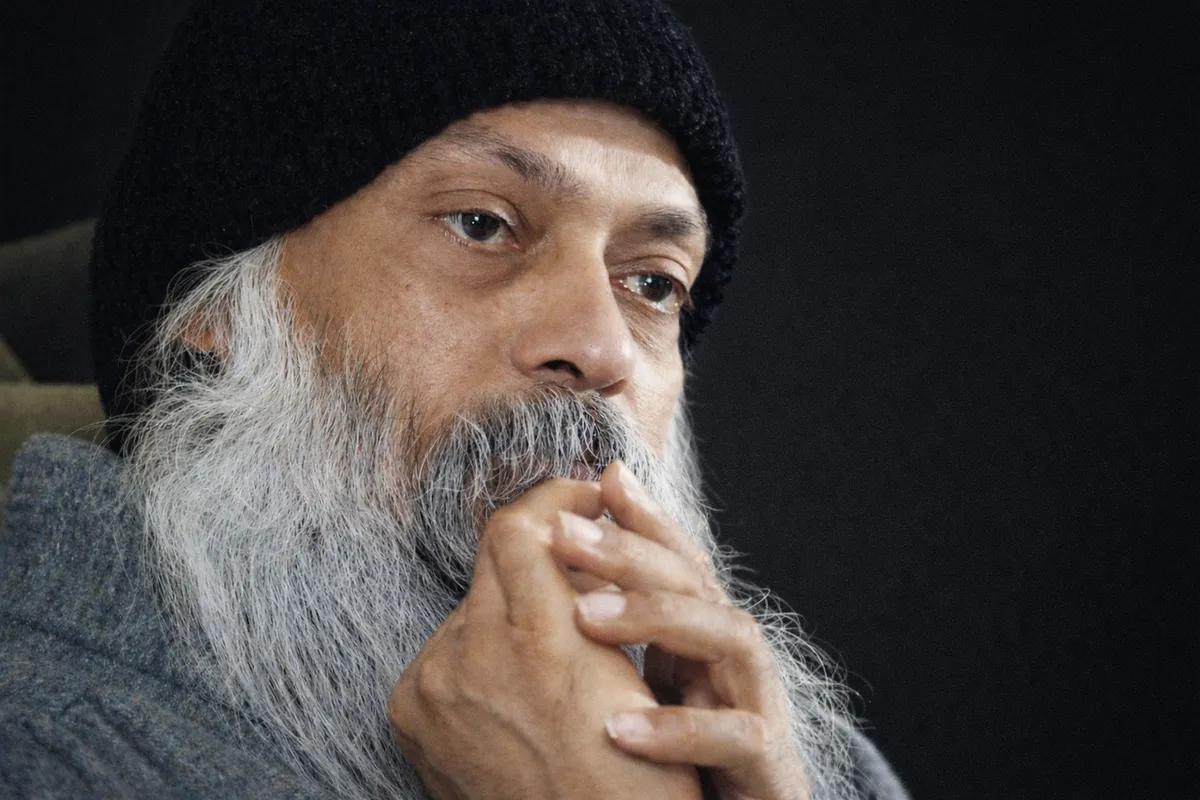
Osho's original Hindi beside Osho Live's English translation, matched passage by passage.
मुझसे अक्सर ही लोग पूछते हैं कि लाओत्से पर बोलना मैंने क्यों चुना?
People often ask me why I chose to speak on Lao Tzu.
कुछ जरूरी कारण से। एक तो लाओत्से की पूरी परंपरा करीब-करीब नष्ट होने की स्थिति में है। चीन लाओत्से की सारी व्यवस्था को, चिंतना को, उसके आश्रमों को, उसके संन्यासियों को आमूल नष्ट करने में लगा है।
For some compelling reasons. First, Lao Tzu’s entire tradition is almost on the verge of being obliterated. China is bent upon uprooting Lao Tzu’s whole vision, his way of contemplation, his ashrams, his sannyasins—root and branch.
एक बहुत पुराना संघर्ष। कोई तीन हजार वर्ष चीन में दो जीवनधाराएं थीं, एक कनफ्यूशियस की और एक लाओत्से की। बहुत गहरे में देखें तो दुनिया में जितनी विचारधाराएं हैं, उनको इन दो हिस्सों में बांटा जा सकता है। कनफ्यूशियस मानता है नियम को, व्यवस्था को, शासन को, संस्कृति को। लाओत्से मानता है प्रकृति को; संस्कृति को नहीं, नियम को नहीं, स्वभाव की अराजकता को; व्यवस्था को नहीं, सहज स्फुरणा को; अनुशासन को नहीं--क्योंकि सभी अनुशासन, वह जो जीवन का स्वभाव है, उसे नष्ट करता है--वरन सहज प्रवाह को। दुनिया की सारी चिंतनधाराएं दो हिस्सों में बांटी जा सकती हैं: एक वे जो मनुष्य को अच्छा बनाना चाहती हैं और एक वे जो मनुष्य को सहज बनाना चाहती हैं। एक वे जो मनुष्य को पूर्ण बनाना चाहती हैं; कोई प्रतिमा, कोई आदर्श, जिसके अनुकूल मनुष्य को ढालना है। और एक वे जो मनुष्य को स्वाभाविक बनाना चाहती हैं; कोई आदर्श नहीं, कोई प्रतिमा नहीं, जिसके अनुसार मनुष्य को ढालना है।
It is a very ancient conflict. For nearly three thousand years there were two streams of life in China: one of Confucius and one of Lao Tzu. If you look deeply, all the ideologies of the world can be divided into these two halves. Confucius stands for rule, order, government, culture. Lao Tzu stands for nature; not for culture, not for rules—he stands for the anarchy of the innate; not for imposed order, but for effortless spontaneity; not for discipline—for all disciplines destroy the intrinsic nature of life—but for the natural flow. All the streams of thought can be divided into two: those that want to make man good, and those that want to make man natural. Those that want to make man perfect by molding him to some image, some ideal; and those that want to make man simply as he is—without any ideal, without any image to conform to.
लाओत्से दूसरी परंपरा में अग्रणी है। लाओत्से के समय में भी उसके विचार को नष्ट करने का बहुत उपाय किया गया। कनफ्यूशियस को मानने वालों ने सब तरह से, उस विचार का अंकुर ही न पनप पाए, इसकी चेष्टा की। क्योंकि कनफ्यूशियस के लिए इससे बड़ा कोई खतरा नहीं हो सकता।
Lao Tzu is the foremost in this second lineage. Even in his own time, many efforts were made to destroy his vision. The followers of Confucius tried in every possible way to prevent the very sprout of this vision from taking root; for nothing could be a greater danger to Confucius than this.
लाओत्से कहता है कोई नियम नहीं, क्योंकि सभी नियम विकृत हैं। लाओत्से कहता है स्वभाव, सहजता, ऐसा बहे मनुष्य जैसे नदियां सागर की तरफ बहती हैं। रास्ते बनाने की जरूरत नहीं है, क्योंकि सभी रास्ते मनुष्य के साथ जबरदस्ती करते हैं। और नियम देना खतरनाक है, क्योंकि सभी नियम हिंसा करते हैं। लाओत्से कहता है कि अगर मनुष्य को उसके आंतरिकतम केंद्र के अनुसार छोड़ दिया जाए तो जगत में कुछ भी बुरा न होगा। मनुष्य को अच्छा बनाने की जरूरत नहीं है, मनुष्य को उसके आंतरिक स्वभाव के साथ छोड़ देने की जरूरत है। चेष्टा की जरूरत नहीं है, क्योंकि चेष्टा विकृति में ले जाएगी।
Lao Tzu says, there are no rules, for all rules are distortions. Lao Tzu says, nature, simplicity—let man flow like rivers flowing to the ocean. There is no need to build roads, because every road coerces man. To hand out rules is dangerous, because every rule is a subtle violence. Lao Tzu says, if man is left according to his innermost center, then nothing bad will happen in the world. There is no need to make man good; there is a need to leave him with his intrinsic nature. No striving is needed, because striving leads to distortion.
स्वभावतः, कनफ्यूशियस को अति कठिन थी यह बात। और कनफ्यूशियस के चिंतन में तो लगेगा कि यह आदमी सारे जगत को अराजकता में ले जाएगा, अनार्की में; और यह आदमी तो सब नष्ट कर देगा। समाज, संस्कृति, इस सबका क्या होगा? नीति, सदाचार, नियम? तीन हजार साल से कनफ्यूशियस के मानने वाले लाओत्से के संन्यासियों को, उसके शास्त्रों को, उसकी धारा में बहने वाले लोगों को, सब तरह से उनकी जड़ें न जम पाएं चीन में, इसकी चेष्टा में लगे रहे थे। और लाओत्से के अनुयायी तो संघर्ष भी नहीं कर सकते, क्योंकि संघर्ष में भी उनकी कोई आस्था नहीं है। उनकी आस्था तो समर्पण में है। वे तो नहीं मानते कि किसी से उनका कोई विरोध है। इसलिए उन्होंने तो कोई संघर्ष नहीं किया। फिर भी वे जीवित रहे।
Naturally, this was very difficult for Confucius. In Confucius’ view, this man will lead the whole world into disorder, into anarchy; he will destroy everything. What will become of society, culture—ethics, virtue, rules? For three thousand years the followers of Confucius have tried, by every means, to prevent the roots of Lao Tzu’s sannyasins, his scriptures, his stream from settling in China. And Lao Tzu’s disciples cannot even fight, because they have no faith in conflict. Their trust is in surrender. They do not believe they are in opposition to anyone. So they did not fight. Even so, they remained alive.
लेकिन माओत्से तुंग ने उनकी सारी व्यवस्था को आमूल तोड़ डाला है। माओत्से तुंग कनफ्यूशियस से सहमत है। और अगर हम ठीक से समझें तो कम्युनिज्म कनफ्यूशियस से सहमत होगा ही। कनफ्यूशियस कहता है कि समाज के हाथ में नियंत्रण चाहिए। और लाओत्से कहता है व्यक्ति पूर्ण स्वतंत्र है, किसी के हाथ में उसका नियंत्रण नहीं। कनफ्यूशियस से जो धारा चलती थी वह माओत्से तुंग में आकर पूरी हो गई। और माओत्से तुंग के हाथ में पूरी ताकत है। तो आज, जहां हजारों आश्रम थे लाओत्से के, वहां एक भी आश्रम खोजना मुश्किल है। एकाध-दो आश्रम बचा कर रखे हैं, म्यूजियम की तरह, जो अतिथियों को दिखाए जाते हैं। लाओत्से को मानने वाले संन्यासियों पर मुकदमे चले हैं; अदालतों में उनको घसीटा गया है; मारा-पीटा गया है, हत्या की गई है।
But Mao Tse-tung has torn their whole structure up by the roots. Mao agrees with Confucius. And if we understand rightly, communism must agree with Confucius. Confucius says control should be in the hands of society. Lao Tzu says the individual is utterly free; no one holds his reins. The current that began with Confucius came to its conclusion in Mao Tse-tung. And Mao holds total power. So today, where there were thousands of ashrams of Lao Tzu, there it is difficult to find even one. One or two have been preserved like museums—to be shown to guests. Lawsuits have been run against sannyasins who follow Lao Tzu; they have been dragged into courts; beaten, tortured, murdered.
स्वभावतः, माओत्से तुंग की दृष्टि से लाओत्से के अनुयायी तो सुस्त और काहिल हैं। क्योंकि लाओत्से कहता है, करने में हमारा कोई भरोसा नहीं है, हमारा न करने में भरोसा है। लाओत्से कहता है, करने से क्षुद्र ही पाया जा सकता है, केवल न करने से विराट की उपलब्धि होती है--अकर्म, कर्म नहीं। क्योंकि कर्म से आदमी क्या पा सकेगा? और कर्म से आदमी जो भी पाएगा, वह संसार का होगा। अकर्म में आदमी डूबता है अपने में; कर्म से जाता है संसार में। और जब कोई कुछ भी नहीं करता तब उसके भीतर उसकी जीवन-चेतना अपनी पूरी सुगंध से खिलती है। तो लाओत्से कहता है, अकर्म है जीवन का सिद्धांत। स्वभावतः, उसके संन्यासी माओत्से तुंग की भाषा में तो शोषक हैं, मुफ्तखोर हैं; वे कुछ करते नहीं। कर्म तो जरूरी है।
Naturally, in Mao’s eyes the followers of Lao Tzu are idle and lazy. Because Lao Tzu says, we have no trust in doing; our trust is in non-doing. Lao Tzu says, by doing you can only attain the trivial; only through non-doing is the vast attained—akarm, not karm. What can man gain through action? And whatever man gains through action will belong to the world. In non-action man sinks into himself; through action he goes into the world. And when one does nothing at all, then within him his life-consciousness blossoms with its complete fragrance. So Lao Tzu says, non-doing is life’s principle. Naturally, his sannyasins—in Mao’s language—are exploiters, parasites; they do nothing. Action is necessary.
इसलिए भी मैंने लाओत्से पर विचार कर लेना जरूरी समझा। क्योंकि यह हो सकता है कि आने वाले दिनों में लाओत्से का एक भी संन्यासी खोजना मुश्किल हो जाए।
For this reason too, I have felt it essential to reflect on Lao Tzu. Because it may happen that in the days to come it will be difficult to find even a single sannyasin of Lao Tzu.
और चीन का कम्युनिज्म का हमला भयंकर है। न केवल चीन से, बल्कि तिब्बत से भी सारी संभावनाओं को विनाश करने की चेष्टा चीन ने की है। तिब्बत में भी लाओत्से और बुद्ध को मान कर चलने वाला एक वर्ग था। शायद पृथ्वी पर अपने तरह का अकेला ही मुल्क था तिब्बत, जिसको हम कह सकते हैं कि पूरा का पूरा देश एक आश्रम था; जहां धर्म मूल था, बाकी सब चीजें गौण थीं; जहां हर चार आदमियों के बीच में एक संन्यासी था और ऐसा कोई घर नहीं था जिसमें संन्यासियों की लंबी परंपरा न हो। जिस बाप के चार बेटे होते वह एक बेटे को तो निश्चित ही संन्यास की तरफ भेजता। क्योंकि वही परम था।
And China’s communist assault is ferocious. Not only in China, but in Tibet too, China has tried to destroy every possibility. In Tibet also there was a lineage that lived by Lao Tzu and Buddha. Perhaps Tibet was the only country of its kind on earth which can be called a whole nation-as-ashram; where religion was the root, and everything else secondary; where among every four people there was one sannyasin, and there was no house without a long tradition of sannyasins. A father with four sons would certainly send one towards sannyas—because that was the ultimate.
लेकिन चीन ने तिब्बत को भी अपने हाथ में ले लिया है। और तिब्बत में भी संन्यास की गहन परंपराएं बुरी तरह तोड़ डाली गई हैं। कोई संभावना नहीं दिखती कि तिब्बत बच सकेगा।
But China has taken Tibet into its hands. And the deep traditions of sannyas in Tibet have been badly shattered. No possibility is seen that Tibet can be saved.
दलाई लामा तिब्बत से जब हटे तो चीन की पूरी कोशिश थी कि दलाई लामा तिब्बत से हट न पाएं। उन्नीस सौ उनसठ में, जो लोग भी धर्म के गुह्य रहस्य से परिचित हैं, उन सबके लिए एक ही खयाल था कि दलाई लामा किसी तरह तिब्बत से बाहर आ जाएं और उनके साथ तिब्बत के बहुमूल्य ग्रंथ और तिब्बत के कुछ अनूठे साधक और संन्यासी भी तिब्बत के बाहर आ जाएं। लेकिन बाहर आ सकेंगे, यह असंभावना थी। कोई चमत्कार हो जाए तो ही बाहर आने का उपाय था। क्योंकि दलाई लामा के पास कोई आधुनिक साज-सामान नहीं; कोई फौज, कोई बम, कोई हवाई जहाज, कोई सुरक्षा का बड़ा उपाय नहीं। और चीन ने पूरे तिब्बत पर कब्जा कर लिया है।
When the Dalai Lama left Tibet, China did everything to see that he could not leave. In 1959, all those familiar with the esoteric secrets of religion had only one prayer: that somehow the Dalai Lama might get out of Tibet, and along with him the priceless scriptures and some rare adepts and sannyasins of Tibet might also get out. But that he could get out—this seemed impossible. Only a miracle could find a way. Because the Dalai Lama had no modern equipment—no army, no bombs, no airplanes, no great means of security. And China had occupied all of Tibet.
दलाई लामा का तिब्बत से निकल आना बड़ी अनूठी घटना है। क्योंकि हजारों सैनिक पूरे हिमालय में सब रास्तों पर खड़े थे। और कोई सौ हवाई जहाज पूरे हिमालय पर नीची उड़ान भर रहे थे कि कहीं भी दलाई लामा का काफिला तिब्बत से बाहर न निकल जाए। लेकिन एक चमत्कार हुआ।
The Dalai Lama’s coming out of Tibet is a very rare event. Thousands of soldiers were stationed on all the Himalayan routes. And perhaps a hundred planes were flying low over the Himalayas so that the Dalai Lama’s caravan might not slip out. But a miracle happened.
जिन चमत्कारों को आपने सुना है--मोहम्मद, महावीर, बुद्ध--वे बहुत पुरानी घटनाएं हो गई हैं। सुना है आपने कि मोहम्मद चलते थे तो उनके ऊपर, अरब के रेगिस्तान में, छाया के लिए बादल छाया कर देते थे। सुना है कि महावीर चलते थे तो कांटा भी पड़ा हो सीधा तो उलटा हो जाता था। ये सारी बातें कहानी मालूम होती हैं। लेकिन अभी उन्नीस सौ उनसठ में जो घटना घटी है वह कहानी नहीं हो सकती, और उसके हजारों पर्यवेक्षक हैं, निरीक्षक हैं।
Those miracles you have heard of—of Mohammed, Mahavira, Buddha—have become very ancient stories. You have heard that when Mohammed walked, in the Arabian desert clouds gave shade over his head. You have heard that when Mahavira walked, if a thorn lay upright it would turn upside down. All these things sound like fables. But the event that occurred in 1959 cannot be a fable, and it has thousands of observers, witnesses.
जितनी देर दलाई लामा को भारत प्रवेश करने में लगी, उतनी देर पर पूरे हिमालय पर एक धुंध छा गई। और सौ हवाई जहाज खोज रहे थे, लेकिन नीचे देख सकना संभव नहीं हुआ। वह धुंध उसी दिन पैदा हुई जिस दिन दलाई लामा पोताला से बाहर निकले; और वह धुंध उसी दिन समाप्त हो गई जिस दिन दलाई लामा भारत में प्रवेश कर गए। और वैसी धुंध हिमालय पर कभी भी नहीं देखी गई थी। वह पहला मौका था।
For exactly as long as it took the Dalai Lama to enter India, a mist enveloped the entire Himalayas. And a hundred planes searched, but it was not possible to see below. That mist arose the very day the Dalai Lama left the Potala; and it ended the very day the Dalai Lama entered India. And such a mist had never been seen over the Himalayas before. That was the first time.
तो जो लोग धर्म की गुह्य धारणाओं को समझते हैं, उनके लिए यह एक बहुत बड़ा प्रमाण था। वह प्रमाण इस बात का था कि जीवन में जो भी श्रेष्ठ है, अगर वह विनष्ट होने के करीब हो, तो पूरी प्रकृति भी उसको बचाने में साथ देती है। लाओत्से की पूरी परंपरा नष्ट होने के करीब है। इसलिए दुनिया में बहुत तरह की कोशिश की जाएगी कि वह परंपरा नष्ट न हो पाए, उसके बीज कहीं और अंकुरित हो जाएं, कहीं और स्थापित हो जाएं। मैं जो बोल रहा हूं वह भी उस बड़े प्रयास का एक हिस्सा है।
So for those who understand the esoteric intimations of religion, this was great evidence. Evidence that whatsoever is most precious in life—if it is on the verge of being destroyed—then the whole of nature also rises to protect it. Lao Tzu’s entire lineage is near extinction. Therefore many kinds of efforts will be made in the world that this lineage may not be destroyed; that its seeds may sprout elsewhere, take root elsewhere. What I am speaking is also a part of that great effort.
और लाओत्से को अगर कहीं भी स्थापित करना हो तो भारत के अतिरिक्त और कहीं स्थापित करना बहुत मुश्किल है। दलाई लामा को भी जरूरी नहीं था कि भारत भागें; कहीं और भी जा सकते थे। लेकिन कहीं और आशा नहीं है। वे जो लाए हैं, उसे किन्हीं हृदय तक पहुंचाना हो, तो उन हृदयों की और कहीं संभावना न के बराबर है।
And if Lao Tzu is to be established anywhere, then other than India, it will be very difficult to establish him anywhere. It was not necessary for the Dalai Lama to flee to India only; he could have gone elsewhere. But there is no hope elsewhere. If what he brought is to be delivered to some hearts, then the possibility of such hearts exists nowhere else in any significant measure.
इसलिए लाओत्से पर बोलने का मैंने चुना है कि शायद कोई बीज आपके मन में पड़ जाए, शायद अंकुरित हो जाए। क्योंकि भारत समझ सकता है। अकर्म की धारणा को भारत समझ सकता है। निसर्ग की, स्वभाव की धारणा को भारत समझ सकता है। क्योंकि हमारी भी पूरी चेष्टा यही रही है हजारों वर्षों में।
Therefore I have chosen to speak on Lao Tzu: perhaps a seed may fall into your mind, perhaps it may sprout. Because India can understand. India can understand the notion of akarm. India can understand the vision of nature, of intrinsicness. For our whole effort too, for thousands of years, has been the same.
यह सुन कर आपको कठिनाई होगी। क्योंकि आपको समझाने वाले साधु-महात्मा भी जो समझा रहे हैं, वह कनफ्यूशियस से मिलता-जुलता है, लाओत्से से मिलता-जुलता नहीं है। आपको भी जो शिक्षाएं दी जाती हैं, वे भी प्रकृति की नहीं हैं, वे भी सारी शिक्षाएं आदर्शों की हैं। उनमें भी कोशिश की जा रही है कि आपको कुछ बनाया जाए।
This may be hard for you to hear. Because the sadhus and mahatmas who have been explaining to you are also teaching something akin to Confucius, not akin to Lao Tzu. The teachings given to you are not of nature either; they are all teachings of ideals. In them too an effort is being made to make you into something.
मैं मानता हूं कि वह भी भारत की मूल धारा नहीं है। भारत की भी मूल धारा यही है कि आपको कुछ बनाया न जाए; क्योंकि जो भी आप हो सकते हैं, वह आप अभी हैं। आपको उघाड़ा जाए, बनाया न जाए। आपके भीतर छिपा है; आपको कुछ और होना नहीं है; जो भी आप हो सकते थे, और जो भी आप कभी हो सकेंगे, वह आप अभी इसी क्षण हैं। सिर्फ ढंका है। कुछ निर्मित नहीं करना है, कुछ अनावरण करना है, कुछ पर्दा हटा देना है। आदमी को बनाना नहीं है परमात्मा, आदमी परमात्मा है--सिर्फ इसका स्मरण, सिर्फ इसका बोध, इसकी जागृति। जैसे खजाना आपके घर में है, उसे कहीं खोजने नहीं जाना है, कोई दूर की यात्रा नहीं करनी है। लेकिन वह कहां गड़ा है, उसका आपको स्मरण नहीं रहा। हो सकता है, आप उसी के ऊपर बैठे हैं और आपको कुछ पता नहीं है।
I hold that this is not India’s original current. India’s original current too is that you not be made into something; because whatsoever you can be, you already are. You have to be uncovered, not made. It is hidden within you; you have not to become something else; whatsoever you could ever be, and whatsoever you can ever become, that you are this very instant. Only it is veiled. Nothing is to be constructed, something is to be unveiled, some curtain is to be removed. Man is not to be made into Paramatman—man is Paramatman; only the remembrance of this, the awareness of this, the awakening to this. As if a treasure is in your house—there is nowhere to go to find it, no long journey to make. Only, you do not remember where it is buried. It may be that you are sitting right on top of it and know nothing of it.
लाओत्से को भारत में स्थापित करना, भारत की ही जो गहनतम आंतरिक दबी धारा है, उसको भी आविष्कृत करने का उपाय है।
To establish Lao Tzu in India is also a way to reveal India’s own deepest, suppressed inner current.
तो दोहरे प्रयोजन हैं। एक तो लाओत्से चीन से उजड़ गया; वहां बचना बहुत असंभव है। और भारत के अतिरिक्त और कोई ग्राहक भूमि नहीं हो सकती, जहां उसके बीज अंकुरित हो सकें--एक। और दूसरा कि भारत खुद उसके साधु-संन्यासियों की शिक्षाओं से पीड़ित और परेशान है। और वे शिक्षाएं भारत की मौलिक शिक्षाएं नहीं हैं; वे शिक्षाएं नैतिक लोगों की शिक्षाएं हैं, सुधारकों की शिक्षाएं हैं। लेकिन उन क्रांतिद्रष्टा ऋषियों की शिक्षाएं नहीं हैं।
So there is a double purpose. One, Lao Tzu has been uprooted from China; there survival is almost impossible. And other than India, there is no receptive soil where his seeds might sprout—one. And second, India itself is afflicted and harassed by the teachings of moralistic sadhus and sannyasins. And those teachings are not India’s original teachings; they are the teachings of the moralists, the reformers—not the teachings of the revolutionary seer-sages.
सच बात यह है कि लाओत्से जैसे महर्षि जब भी होंगे तभी समाज उनसे भयभीत हो जाएगा; और समाज के ठेकेदार भी भयभीत हो जाएंगे, समाज के गुरु और नेता भी भयभीत हो जाएंगे। वे उनको पूजा भी कर सकते हैं, आदर भी दे सकते हैं, लेकिन बहुत शीघ्र उनकी शिक्षाओं को परिवर्तित कर लेंगे और उनकी शिक्षाओं में वे तत्व डाल देंगे जो तत्व आदमी को निर्मित करने की चेष्टा करता है, जो उसे बनाने की...भविष्य में आदर्श को रखता है जो, और जो एक धारणा लेकर चलता है, एक ढांचा, कि आदमी ऐसा हो तो ठीक है।
The truth is: whenever a great Rishi like Lao Tzu appears, society becomes afraid of him; and the custodians of society become afraid; society’s gurus and leaders become afraid. They may even worship him, give him honor, but very soon they will alter his teachings, and they will inject into them those elements that attempt to fabricate man—placing an ideal in the future, carrying a fixed schema, a mold: man should be like this.
असल में, शिक्षक जी नहीं सकता, अगर वह आपको स्वीकार कर ले। नेता जी नहीं सकता, अगर वह कह दे कि आप स्वयं परमात्मा हैं। गुरु बच नहीं सकता, अगर वह शिष्य से कहेकि कहीं जाना नहीं, कहीं पहुंचना नहीं, कुछ पाना नहीं; तुम जो भी हो सकते हो, वह हो। यह सारा गोरखधंधा शिक्षक का, गुरु का, नेता का चल सकता है इसीलिए कि आपको भरोसा दिलाया जाए कि आप गलत हो, और ठीक करने का काम किसी और के हाथ में है। कुंजी किसी और के हाथ में है, जो आपको ठीक करेगा; आप गलत हो। अपराध की भावना पैदा करवाई जाए कि तुम गलत हो। जब आप कंपने लगें भय से कि मैं गलत हूं, तभी आप किसी के चरण में गिरेंगे और कहेंगे कि मुझे ठीक करो। और जब आप डर जाएंगे कि मैं गलत हूं, तभी कोई ठीक करने वाले को मौका है कि वह आप पर काम शुरू करे। अगर आप ठीक हो, तो सारा का सारा धंधा, जिसे हम धर्म समझ रहे हैं, वह गिर जाता है, टूट जाता है; उसके खंडहर रह जाते हैं।
In fact, a teacher cannot survive if he accepts you as you are. A leader cannot survive if he declares that you yourself are Paramatman. A guru cannot survive if he tells the disciple that there is nowhere to go, nowhere to arrive, nothing to attain; that whatever you can be, be. This whole racket of the teacher, guru, leader can continue only by convincing you that you are wrong, and the task of setting you right is in someone else’s hands. The key is in someone else’s hands who will fix you; you are wrong. A sense of guilt has to be created that you are wrong. Only when you start trembling in fear that you are wrong will you fall at someone’s feet and say, fix me. And only when you are frightened that you are wrong will there be an opportunity for a fixer to start working on you. If you are already right, then this whole business we call religion collapses, falls to pieces; only its ruins remain.
तो धर्म का शोषण करने वालों के कुछ सूत्र हैं, वे उनके ट्रेड सीक्रेट हैं, वे उनके धंधे के बुनियादी सूत्र हैं। पहला यह कि आप जैसे हो, गलत हो; आप जो कर रहे हो, वह गलत है; आपकी वृत्तियां गलत हैं, आपके कर्म गलत हैं, आपका होना गलत है। यह जितने जोर से आपको समझाया जाए उतने ही जोर से धर्म का धंधा चल सकता है; क्योंकि तब ठीक करने वाले की जरूरत है। और मजे की बात यह है कि यह धंधा सनातन है; क्योंकि आप कभी ठीक हो नहीं सकते। आप ठीक इसलिए नहीं हो सकते कि आप गलत हो नहीं; इसलिए ठीक होने का कोई उपाय नहीं है। अगर कोई बीमारी होती तो इलाज हो सकता। लेकिन वहां कोई बीमारी नहीं है। बीमारी कल्पित है, इलाज कल्पित है। और धंधा लंबा है; उसका कोई अंत नहीं है।
So those who exploit religion have certain formulas—trade secrets, the fundamental sutras of their profession. The first is this: as you are, you are wrong; whatever you are doing is wrong; your tendencies are wrong, your actions are wrong, your very being is wrong. The more forcefully this is hammered into you, the more forcefully the business of religion can run—because then there is a need for a fixer. And the amusing thing is, this business is eternal—because you can never be fixed. You cannot be fixed because you were never wrong; therefore there is no way to fix you. If there were a disease, there could be a cure. But there is no disease. The disease is imagined, the cure is imagined. And the trade is long; it has no end.
आप उसी दिन ठीक हो जाओगे जिस दिन आपको पता चलेगा कि आप गलत हो ही नहीं। जिस क्षण आप अपने को स्वीकार कर लोगे कि मैं जैसा हूं, यही मेरी नियति है। इसे थोड़ा समझेंगे; बहुत कठिन है। इसलिए लाओत्से को पकड़ पाना कठिन है। जगत में जो भी गहन चिंतक हुए हैं, उनको पकड़ पाना कठिन है। इसे थोड़ा समझें। जिस क्षण भी आप यह समझ लोगे कि मैं जैसा हूं वैसा होना ही मेरी नियति है, इससे अन्यथा नहीं हो सकता, उसी क्षण सारा तनाव गिर जाता है, सारी अशांति गिर जाती है, सारा असंतोष, सारी दौड़, सब खो जाता है, सारी खोज बंद हो जाती है। जिस क्षण न कोई खोज रहती, न कोई दौड़ रहती, न कोई भविष्य रहता, जिस क्षण आप अपने को इतनी पूर्णता में स्वीकार कर लेते हैं कि इस क्षण के आगे जाने की कोई जरूरत नहीं रह जाती, उसी क्षण आपके सब पर्दे गिर जाते हैं, और आपके भीतर जो छिपा है वह प्रकट हो जाता है। दौड़ के कारण वे पर्दे नहीं गिर पाते, वासना के कारण वे पर्दे नहीं गिर पाते। मैं यह हो जाऊं, वह हो जाऊं, इस तनाव के कारण वे पर्दे निर्मित बने रहते हैं। ठीक होगा कहना कि यह दौड़, यह वासना कि मैं कुछ हो जाऊं, कुछ बन जाऊं, कहीं पहुंच जाऊं, यही पर्दा है; इसके कारण ही मैं खिंचा हुआ हूं और अपने स्वभाव के साथ एक नहीं हो पाता।
You will be right the day you come to know that you were never wrong. The moment you accept yourself—that as I am, this is my destiny. Understand a little; it is arduous. Hence Lao Tzu is difficult to catch. All deep thinkers of the world are difficult to catch. Understand this a little. The moment you understand that as I am, that is my destiny, it cannot be otherwise—in that very moment all tension drops, all restlessness drops, all discontent and all racing dissolve; all seeking stops. The moment there is no longer any seeking, no longer any race, no longer any future—the moment you accept yourself in such totality that there is no need to go beyond this moment—in that very moment all your veils drop, and what is hidden within you becomes manifest. Because of the race those veils do not fall; because of craving they do not fall. This tension of becoming this or that keeps these veils intact. Better to say: this race, this craving to become something, to arrive somewhere—this itself is the veil; because of it I am stretched and cannot be one with my nature.
स्वभाव के साथ एक होने का सूत्र है स्वीकार। और कोई दयनीय स्वीकार नहीं, कोई असहाय स्वीकार नहीं, कोई मजबूरी का स्वीकार नहीं; सहज स्वीकार, कि मैं जो हूं, हूं। इसका यह अर्थ नहीं है कि आप बदल नहीं जाएंगे। सच तो यह है कि तभी आप बदलेंगे। आपके बदलने की कोशिश से आप नहीं बदल सकते। थोड़ा जटिल है। कौन बदलेगा आपको? आप ही बदलने की कोशिश में लगे हैं; और आप गलत हैं, और आप ही बदलने की कोशिश में लगे हैं। वह जो गलत है, वह बदलने की कोशिश में लगा है। वह और गलत हो जाएगा। वह जो पागल है, वह अपना इलाज कर रहा है। वह और पागल हो जाएगा। वह जो पहले से ही तिरछा है, वह सीधा होने की कोशिश कर रहा है; वह तिरछापन ही सीधा होने की कोशिश कर रहा है। वह सीधे होने की कोशिश में और तिरछा हो जाएगा। आप जैसे हैं उसमें कुछ कोशिश करने से खतरा है। कोशिश कौन करेगा? वह यत्न कौन करेगा? आप ही करेंगे।
The formula for being one with nature is acceptance. And not a pitiable acceptance, not a helpless acceptance, not a forced acceptance; a simple, natural acceptance—that I am what I am. This does not mean you will not change. The truth is, only then will you change. By your trying you cannot change. It is a little subtle. Who will change you? You yourself are engaged in changing yourself—and you are the wrong one; and you are engaged in changing. The wrong one is trying to change himself. He will go more wrong. The madman is treating himself; he will go more mad. The already crooked seeks to straighten himself; that very crookedness is trying to be straight. In trying to be straight he will become more crooked. There is danger in your trying to do something as you are. Who will make the effort? You will.
लाओत्से जैसे द्रष्टा कहते हैं कि कुछ मत करो, रुक जाओ--अकर्म! तुम कुछ भी करोगे, भूल हो जाएगी।
Seers like Lao Tzu say: do nothing—stop—akarm! Whatever you do will be a mistake.
अभी इंग्लैंड में एक बहुत अदभुत शिक्षक था, मैथ्यू अलेक्जेंडर। वह अपने शिष्यों से कहता था, तुम कुछ भी किए कि वह गलत होगा; क्योंकि तुम गलत हो। इसलिए मैं तुमसे कुछ करने को नहीं कहता। वह कहता, तुम कुछ करो मत, कुछ दिन के लिए तुम करना बंद कर दो। कुछ दिन के लिए तुम करने का खयाल ही छोड़ दो, कुछ दिन के लिए तुम सिर्फ रह जाओ जैसे हो। उस रह जाने से ठीक होना शुरू हो जाएगा।
Just now in England there was a very unusual teacher, Matthew Alexander. He used to say to his disciples: whatsoever you do will be wrong, because you are wrong. Therefore I do not ask you to do anything. Do nothing—for a few days, stop doing. For a few days, drop even the idea of doing; for a few days, just remain as you are. From that remaining, rightness will begin.
यह कीमिया तब तक समझ में नहीं आती जब तक इसका उपयोग न किया जाए। हम तो मान ही नहीं सकते; क्योंकि हम इतनी कोशिश करके ठीक नहीं हो पा रहे और लाओत्से जैसे लोग कहते हैं कि तुम कोशिश मत करो और ठीक हो जाओगे, तो हमारी समझ में नहीं आता। हम कहेंगे, इतनी कोशिश से ठीक नहीं हो पा रहे, बिलकुल कोशिश न की तो और गलत हो जाएंगे।
This alchemy is not understood until it is used. We cannot believe it; because we are trying so hard and are not becoming right, while people like Lao Tzu say, do not try and you will be set right—it does not compute. We will say: we are not becoming right even with effort; if we make no effort at all, we will become even worse.
लेकिन मैं आपसे कहता हूं कि चाहे आप कोशिश करो और न करो, आप जैसे हो वैसे ही रहोगे, कुछ ज्यादा गलत नहीं हो जाओगे। कोशिश करने से शायद ज्यादा गलत हो सकते हो; रुक जाने से आप ज्यादा गलत नहीं हो जाओगे। जितने हो, ज्यादा से ज्यादा इतने ही रहोगे। लेकिन कोशिश रुक जाने से इतने भी नहीं रहोगे; जैसे ही कोशिश रुकी कि स्वभाव प्रकट होना शुरू हो जाता है। दौड़ता हुआ आदमी अपने को नहीं देख पाता; देखने के लिए रुकना जरूरी है।
But I tell you: whether you try or not, you will remain as you are—you will not become much worse. With trying you may become worse; by stopping you will not become worse. At the most, you will remain as you are. But once trying stops, you will not remain even this much; as soon as striving ceases, nature starts revealing itself. A running man cannot see himself; to see, one must stop.
तो लाओत्से से अगर आप परिचित हो पाएं तो शायद आप उपनिषदों से, गीता से, महावीर और बुद्ध से एक नए अर्थ में परिचित हो पाएंगे, जो कि अर्थ आपसे छूट गया है। लाओत्से पर चर्चा कर रहा हूं, ताकि आप उपनिषद को लाओत्से की दृष्टि से अगर देखने में समर्थ हो पाए तो उपनिषद बिलकुल नया अर्थ खोल देंगे, जो आपके स्वामीगण जरा भी नहीं खोल रहे हैं। गीता बिलकुल नया अर्थ प्रकट कर देगी, जो कि न शंकर खोल पाते हैं, न अरविंद खोल पाते हैं, न तिलक खोल पाते हैं। लाओत्से की पहचान बड़ी कीमती सिद्ध हो सकती है। उससे लाओत्से तो बच सकता है, भारत का भी अंतर-हृदय उघाड़ा जा सकता है। इसलिए उस पर चर्चा कर रहा हूं।
If you can become acquainted with Lao Tzu, perhaps you will become acquainted with the Upanishads, the Gita, Mahavira and Buddha in a new sense—the meaning that has slipped past you. I am discussing Lao Tzu so that if you can see the Upanishads through the eyes of Lao Tzu, they will open utterly new meanings—meanings your revered preachers are not opening at all. The Gita will reveal a totally new sense that neither Shankara opens, nor Aurobindo, nor Tilak. Recognition of Lao Tzu may prove priceless. Through it Lao Tzu can be saved, and the inner heart of India can be unveiled. That is why I speak on him.
अब हम उसके सूत्र को लें।
Now let us take his sutra.
‘ताओ परम है और उसका कोई नाम नहीं है।’
“Tao is the ultimate and it has no name.”
दो बातें हैं। एक, जो भी परम है उसका कोई नाम नहीं हो सकता; जो भी पूर्ण है उसका कोई नाम नहीं हो सकता; वह जो टोटैलिटी है, समग्रता है, उसका कोई नाम नहीं हो सकता।
Two statements. One: whatsoever is ultimate cannot have a name; whatsoever is total cannot have a name; that which is the Totality, the Whole, cannot have a name.
नाम खंड के हो सकते हैं; नाम व्यक्ति के हो सकते हैं, वस्तुओं के हो सकते हैं। नाम का अर्थ ही है जिसकी सीमा है, जिसकी परिभाषा हो सके। जिसको हम कह सकें कि ऐसा और वैसा नहीं, तो नाम सार्थक हो सकता है। प्रकाश का नाम सार्थक है, क्योंकि इतना तो कम से कम हम कह ही सकते हैं कि जो अंधेरा नहीं है। अंधेरे से सीमा बन जाती है। मृत्यु का नाम संभव हो पाता है, क्योंकि इतना तो हम कह ही सकते हैं कि जीवन की गति, हलचल जहां बंद हो जाती है। जीवन से सीमा बन जाती है। तो जीवन की परिभाषा करनी हो तो मृत्यु की जरूरत पड़ती है; क्योंकि उससे सीमा बनानी पड़ेगी। अगर मृत्यु की परिभाषा करनी हो तो जीवन की जरूरत पड़ती है।
Names can be given to fragments; names can be given to persons, to things. The meaning of a name is: that which has a boundary, that which can be defined. Of which we can say, “such and not such,” only then can the name be meaningful. The name “light” is meaningful at least in so far as we can say, “that which is not darkness.” Darkness provides a boundary. The name “death” becomes possible because we can at least say, “where the movement of life ceases.” Life provides the boundary. To define life, death is needed; because a boundary must be drawn. If death is to be defined, life is needed.
लेकिन जो परम है, जिससे अन्य कुछ भी नहीं हो सकता, उसकी सीमा नहीं बनाई जा सकती, उसकी कोई परिभाषा नहीं हो सकती, उसका कोई नाम भी नहीं हो सकता। ताओ कोई नाम नहीं है। ताओ का अर्थ होता है मार्ग। मंजिल का कोई नाम नहीं है, यह सिर्फ मार्ग का नाम है, उस तक पहुंचने के रास्ते का नाम है।
But that which is ultimate, other than which nothing else can be, it cannot be bounded, it cannot be defined, and it cannot have a name. “Tao” is not a name. Tao means “the Way.” The Goal has no name; only the way to It is named.
नदी को हम तब तक नाम देते हैं जब तक वह सागर में नहीं गिर जाती। सागर में गिरते ही नाम खो जाता है। फिर गंगा गंगा नहीं है, फिर नर्मदा नर्मदा नहीं है। और सागर में कहां खोजिएगा कि गंगा कहां है। सागर में नदियां नहीं खोजी जा सकतीं; सीमाएं खो जाती हैं तो नाम खो जाते हैं।
We give a river a name until it falls into the ocean. The moment it falls into the sea, the name is lost. Then the Ganga is no longer the Ganga; the Narmada is no longer the Narmada. And where in the ocean will you look for the Ganga? Rivers cannot be found in the ocean; when boundaries dissolve, names dissolve.
ताओ है परम, इसलिए लाओत्से कहता है, उसका कोई नाम नहीं है। और जो भी नाम हम देते हैं, वे सभी कामचलाऊ हैं, इशारे हैं। और जो लोग नामों को पागलों की तरह पकड़ लेते हैं, वे मुद्दा चूक गए। लोग नामों पर लड़ते हैं। परमात्मा का क्या नाम है, इस पर संघर्ष है--राम कहें? कि कृष्ण कहें? कि कुछ और कहें?
Tao is the Ultimate—therefore Lao Tzu says, it has no name. And whatever names we give are all provisional—indications. Those who clutch at names like madmen miss the point. People fight about names. What is God’s name—shall we say Ram? Or Krishna? Or something else?
लाओत्से कहता है, उसका कोई भी नाम नहीं है। और या फिर सभी नाम उसके हैं। फिर आपका भी नाम उसी का नाम है। और या फिर कोई भी नाम उसका नहीं है।
Lao Tzu says, it has no name. Or, all names are its names. Then your name too is its name. Or else, none of the names is its name.
नाम पर लाओत्से का बहुत जोर है कि हम उसे कोई नाम न दें। कई कारणों से। क्योंकि जैसे ही हम नाम देते हैं, हम उससे अलग हो जाते हैं। जिस चीज का भी हमने नाम दे दिया, हम नाम देने वाले हो गए और अलग हो गए। और जिस चीज को भी हमने नाम दे दिया, हमने उसे नाप लिया, उसकी माप पूरी हो गई। हमने उसे पहचान लिया, हमने उसे जान लिया, हमने तो उसको कैटेगराइज कर दिया, उसकी कोटि बना दी, कि यह इसका नाम है।
Lao Tzu lays great stress on not naming That. For several reasons. The moment we give a name, we are separate from That. Whatever we name, we become the namer—and are separate. And whatsoever we name, we have measured; we have completed its measurement. We have recognized it, known it, categorized it, made a pigeonhole: “this is its name.”
लाओत्से कहता है, पागलपन की बात है; न तो हम उसे नाप सकते हैं, न हम उसका कोई स्थान बता सकते कि यहां रख दें। उसकी कोई कोटि नहीं बना सकते, उसकी कोई कैटेगरी नहीं कर सकते। उसे स्त्री कहें या पुरुष कहें, उसे जीवित कहें या मृत कहें, यहां कहें या वहां कहें--सभी गलत होगा। उसके संबंध में कुछ भी हम कहेंगे तो हम उससे दूर हो जाएंगे। इसलिए लाओत्से कहता है, उसे कोई नाम मत देना। उसका कोई नाम है भी नहीं।
Lao Tzu says, this is madness; we can neither measure it nor assign a place to set it; we can make no category for it. Shall we call it female or male, living or dead—here or there—everything will be wrong. Whatever we say about it takes us away from it. Therefore Lao Tzu says, do not name it. It has no name.
और अनाम के साथ जीने का नाम ध्यान है। जब आप बैठ कर राम-राम, राम-राम, राम-राम जपते हैं, तब ध्यान नहीं है। जब राम का नाम खो जाता है, जब जप करने वाला भी नहीं बचता और जप भी नहीं बचता, तब आप उसमें प्रवेश करते हैं। हमने उसे अजपा कहा है। अजपा का अर्थ ही यह है कि जब नाम खो जाता है। जब तक नाम चल रहा है तब तक तो आप विचार में ही हैं। जब तक नाम चल रहा है तब तक मन है। और जब तक नाम चल रहा है तब तक आप भी हैं, क्योंकि नाम लेने वाला। और यह भी खयाल रहे कि जो नाम देने वाला है, वह बड़ा होता है; जो नाम दे रहा है, वह जिसे नाम दे रहा है, उससे बड़ा हो गया।
And to live with the Nameless is what meditation is. When you sit repeating “Ram-Ram, Ram-Ram, Ram-Ram,” that is not meditation. When even the name “Ram” is lost, when the repeater is no more and the repetition is no more—then you enter into That. We have called it Ajapa—the non-chant. Ajapa means: when the name is lost. As long as the name goes on, you are in thought. As long as the name goes on there is mind. And as long as the name goes on, you are, as the namer. And remember, the one who gives the name is greater; the namer becomes greater than the named.
लाओत्से कहता है, ‘ताओ इज़ एब्सोल्यूट एंड हैज नो नेम। वह जो परम सत्य है उसका कोई भी नाम नहीं है।’
Lao Tzu says: “Tao is absolute and has no name. That which is the Ultimate Truth has no name whatsoever.”
इस कारण लाओत्से के मानने वाले बड़ी तकलीफ में पड़ते हैं; उनके पास जप के लिए कोई नाम नहीं है।
Because of this, Lao Tzu’s followers fall into a great difficulty: they have no name to use as a mantra.
मेरे एक मित्र, एक लाओत्से को मानने वाले संन्यासी के साथ कुछ समय तक थे। तो जब भी वह संन्यासी ध्यान करने बैठता तो उन मित्र को बड़ी परेशानी होती कि वह भीतर करता क्या है! क्योंकि वे मित्र स्वयं जप के साधक थे। उससे वे पूछते बार-बार कि तुम क्या जप करते हो? तो वह हंसता। उसने अनेक बार उन्हें कहा कि मैं कोई भी जप नहीं करता, क्योंकि हमारे पास कोई नाम ही नहीं है। उन मित्र को भरोसा नहीं आया। वे सोचते रहे कि शायद वह अपने जप को छिपा रहा है; शायद बताना नहीं चाहता; शायद, जब तक दीक्षा न हो, तब तक वह मंत्र गैर-दीक्षित को कहा नहीं जा सकता।
One of my friends lived for some time with a sannyasin who followed Lao Tzu. Whenever that sannyasin sat to meditate, my friend was troubled: what does he do inside! My friend was himself a practitioner of japa. He asked again and again, what do you chant? The sannyasin would laugh. Many times he said: I do no japa at all, for we have no name. My friend could not believe him. He thought perhaps he was hiding his mantra; perhaps it cannot be told without initiation.
वे मेरे पास आए थे। उनको मैंने कहा कि वह धोखा नहीं दे रहा था। लाओत्से के मानने वालों के पास कोई नाम नहीं है। फिर वे करते क्या हैं? वे नाम को छोड़ने की चेष्टा करते हैं। उसका तो कोई नाम नहीं है, लेकिन और बहुत सी चीजों के नाम हैं और वे हमारे मन में भरे हैं। जब आप परमात्मा का स्मरण करते हैं तो इस भरे हुए नामों की कतार में एक नाम और जोड़ देते हैं। इसमें पत्नी का नाम है, बेटे का नाम है, मित्रों का नाम है; दुकान, बाजार, सामान, नोट, रुपया, बैंक, इसमें सब नाम हैं। इस सारे नामों की भीड़ में राम को और आप डाल देते हैं। और इसलिए स्वभावतः ये जो पुराने नाम हैं, जो काफी जम कर बैठे हैं, ये उसको नहीं जमने देते; वह राम को निकाल बाहर करने की वे कोशिश करते हैं। आप कितना ही राम-राम कहो, बीच में पत्नी का नाम आता है, पति का नाम आता है, बेटे का नाम आता है; बाजार, दुकान, सब बीच में आ जाता है। वे जो पुराने जमे हुए नाम हैं, वे इस नए प्रतियोगी को भीतर नहीं बैठने देना चाहते। और यह प्रतियोगी खतरनाक है, क्योंकि यह सबको बाहर करना चाहता है। सारी भीड़ इकट्ठी होकर इसको बाहर करती है। अगर आपने कभी भी नाम-जप का उपयोग किया है तो आपको पता होगा कि कैसी कलह भीतर मच जाती है।
He came to me. I told him: he was not deceiving you. Those who follow Lao Tzu have no name. Then what do they do? They attempt to drop all names. That One has no name, but many other things do—and they are stuffed into our mind. When you “remember God” you add one more name to the line of already crammed names. There is the name of the wife, of the son, of friends; shop, market, goods, notes, money, bank—so many names. To this whole crowd of names you add “Ram.” And therefore, naturally, these old names, long entrenched, do not let this new name take root; they try to eject this Ram. However much you say “Ram-Ram,” between them the wife’s name comes in, the husband’s name comes in, the son’s name comes in; market, shop—everything intrudes. The old entrenched names do not wish to let this new competitor be seated within. And this competitor is dangerous, because it wants to throw all others out. The whole crowd gathers to throw it out. If you have ever used name-japa you will know what a commotion arises within.
लाओत्से का मानने वाला नए नाम को भीतर नहीं डालता, सिर्फ पुराने नामों को बाहर निकालता है। वह उलीचता है, भीतर नहीं डालता। वह उस घड़ी की प्रतीक्षा करता है जब भीतर कोई भी नाम नहीं रह जाए। जब भीतर कोई नाम नहीं रह जाएगा तब वह कहेगा ताओ उपलब्ध हुआ, ताओ का स्मरण हुआ। यह परमात्मा का स्मरण है। अनाम हो जाना परमात्मा का स्मरण है। यह प्रक्रिया बिलकुल उलटी हुई। आप जबरदस्ती कर रहे हैं एक नाम को भीतर डालने की। ध्यान रहे, एक तो जबरदस्ती में आप सफल न होंगे, सिर्फ परेशान होंगे; और अगर दुर्भाग्य से सफल हो गए, तो जिस नाम को इतनी आप जबरदस्ती से लाए हैं, उससे कुछ आनंद न पा सकेंगे। वह जबरदस्ती के बाद जो सफलता होगी, मुर्दा होगी; और जो सन्नाटा आएगा, वह जीवंत न होगा, मरघट का हो जाएगा। इसलिए अक्सर जो लोग नाम-जप जबरदस्ती थोपने की कोशिश करते हैं, एक तो सफल नहीं होते, अगर कभी सफल हो जाते हैं तो उनका नाम-जप मूर्च्छा बन जाता है, वे सिर्फ मूर्च्छित हो जाते हैं। जब वे जबरदस्ती एक नाम को स्थापित कर देते हैं तो तत्काल गहरी तंद्रा में खो जाते हैं; वह मुर्दा शांति उन्हें पकड़ लेती है।
The follower of Lao Tzu does not thrust a new name in; he only throws out the old names. He ladles out—he does not pour in. He waits for that moment when no name remains within. When no name remains within, then he will say Tao is attained, Tao is remembered. This is the remembrance of God. To become nameless is the remembrance of God. The process is utterly reversed. You are forcibly pushing one more name in. Be alert: first, in forcing you will not succeed—you will only be harassed; and if by ill luck you succeed, then from that forced name you will derive no joy. The success obtained by such compulsion will be dead; the silence that comes will not be alive—it will be graveyard silence. Therefore, those who try to impose japa by force—more often than not they do not succeed; and if they ever succeed, their japa turns into stupor—they simply swoon. The moment they install a name by force, immediately they sink into deep torpor; a dead peace seizes them.
आपका मकान पहले से ही काफी भरा हुआ है; इस भरे हुए मकान में परमात्मा को निमंत्रण देना जरा भी उचित नहीं। लाओत्से कहता है, तुम मकान खाली कर लो। और वह परमात्मा बाहर से आने वाला भी नहीं है कि तुम उसे निमंत्रण दो। तुम्हारा मकान भरा है, इसलिए वह दिखाई नहीं पड़ता। तुम मकान खाली करो। वह जो खालीपन है मकान का, वही है वह; वह जो तुम्हारे भीतर खालीपन है, वही है वह। वह कोई अतिथि नहीं है जो बाहर से आएगा; वह तुम्हारे भीतर का खालीपन है, तुम्हारे भीतर की शून्यता है, जो तुम्हारी भरी हुई चीजों में दब गई है। उन्हें तुम बाहर कर दो, वह प्रकट हो जाएगी। शून्यता को भीतर उपलब्ध कर लेना लाओत्से के मानने वाले के लिए ध्यान है।
Your house is already quite full; to invite God into this cluttered house is not appropriate. Lao Tzu says: empty the house. And that God is not coming from the outside that you need invite Him. Your house is full; that is why He is not visible. Empty the house. That emptiness itself is He; the emptiness within you is He. He is not a guest from outside; He is the inner emptiness, the shunyata within you, suppressed by your loaded stuff. Throw those out, and He will be revealed. To realize inner shunyata is meditation for a follower of Lao Tzu.
इसलिए लाओत्से कहता है, ‘ताओ परम है; उसका कोई नाम नहीं है। वह एक गैर-तराशी लकड़ी की भांति है, जिसका कोई भी उपयोग नहीं--कोई उपयोग कर नहीं सकता।’
Therefore Lao Tzu says: “Tao is ultimate; it has no name. It is like an uncarved block of wood, which has no utility—no one can use it.”
यह बहुत मजे की और लाओत्से की बड़ी अनूठी धारणा है, और बहुत गहरी है। लाओत्से कहता है कि वह जो तुम्हारे भीतर छिपा हुआ परमात्मा या ताओ या धर्म या आत्मा--जो भी नाम हम देना चाहें--वह गैर-तराशी लकड़ी की भांति है। एक तो तराशी हुई लकड़ी है जिसकी कीमत हो जाती है। एक लकड़ी को तराशा, एक मूर्ति बन गई। अब इसकी कीमत है, अब इसका मूल्य है। एक लकड़ी को तराशा, तो कोई कलात्मक कृति बन गई। अब इसका मूल्य है। लाओत्से कहता है कि तराशना ही आदमी की विकृति है; तुमने जितना अपने को तराशा है, उतना तुम मूल्यवान तो बन गए हो, लेकिन तुमने स्वभाव खो दिया। तराशे हुए आदमी हो, तुम्हारी कीमत है बाजार में। स्वभावतः, जितना तराशा हुआ आदमी हो, उतनी बाजार में कीमत है। कितना शिक्षित, कितना सुसंस्कृत, कितना शिष्ट, कितना सभ्य, कितना जानता है, कितना व्यवहार-कुशल--उतना तराशा हुआ आदमी है, उतनी उसकी कीमत है।
This is delightful—an utterly unique and very profound Taoist image. Lao Tzu says: that which is hidden within you—Paramatman, Tao, Dharma, Atman—whatever name we give—it is like an uncarved block. One kind of wood is carved and gains price. Carve a piece of wood and it becomes an image—now it has value. Carve a piece of wood and it becomes a work of art—now it has value. Lao Tzu says: the very carving is man’s distortion; the more you have carved yourself, the more valuable you have become in the marketplace—but you have lost your nature. You are a carved man; you have price in the bazaar. Naturally, the more carved a man is, the higher his price in the market. How educated, how cultured, how polished, how civilized, how much he knows, how skilled he is in conduct—the more carved, the higher the price.
लाओत्से कहता है, लेकिन तुम्हारे भीतर जो छिपा हुआ परमात्मा है, वह गैर-तराशी हुई लकड़ी की भांति है। उसे तुम चाहो तो भी तराश नहीं सकते।
Lao Tzu says: but that which is hidden within you—the Divine—is like an uncarved block. Even if you want to, you cannot carve it.
तुम अपने को तराश कर बाजार में बेच सकते हो; तुम्हारी कीमत भी मिलनी शुरू हो जाएगी। लेकिन तब स्वभाव से संबंध तुम्हारा छूट जाएगा। तराशा हुआ जो रूप है वह है संस्कृति। लाओत्से के लिए संस्कृति विकृति का ही अच्छा नाम है। लाओत्से प्रकृति का बिलकुल पागल भक्त है। वह कहता है, जो है, जैसा है, वैसा ही! उसमें तुम इंच भर फर्क मत करना। क्योंकि तुमने फर्क किया कि तुम परमात्मा से ज्यादा समझदार हो गए।
You can carve yourself and sell yourself in the marketplace; you will fetch a price. But then your connection with nature will be lost. The carved form is culture. For Lao Tzu, culture is just a decent name for distortion. Lao Tzu is a mad devotee of nature. He says: what is, as it is, let it be! Do not alter it by an inch. For if you change it, you presume you are wiser than God.
एक तो परमात्मा है जो मुझे बनाता है; और फिर एक मैं हूं जो अपने को बनाता हूं। परमात्मा आपको जन्म देता है; परमात्मा से आप पैदा होते हैं, बढ़ते हैं, बड़े होते हैं--एक जंगली पौधे की भांति। शायद उसकी बाजार में कीमत न हो। जापान में वे पौधे लगा कर रखते हैं। स्वामी रामतीर्थ जब पहली दफा जापान गए तो बहुत हैरान हुए। उन्होंने तीन-तीन सौ साल पुराने वृक्ष देखे, जिनकी ऊंचाई पांच इंच थी। वे बहुत हैरान हुए, तीन सौ साल पुराना वृक्ष और ऊंचाई पांच इंच! उनकी कुछ समझ में न आया। उन्होंने पूछा, इसका राज क्या है? तो माली ने राज बताया कि गमले के नीचे से वे जड़ें काटते रहते हैं; नीचे जड़ नहीं बढ़ पाती, ऊपर वृक्ष नहीं बढ़ पाता। तो तीन सौ साल पुराना हो जाता है, लेकिन होता है पांच इंच, दस इंच ऊंचा; बौना रह जाता है। वे जड़ को नीचे से बढ़ने नहीं देते; ऊपर वृक्ष नहीं बढ़ पाता। फिर उसको, जैसी शाखाएं उनको बनानी हैं, वैसे तारों से उसको गूंथ देते हैं। शाखाओं के भीतर भी खीलें ठोक देते हैं। जैसा मोड़ना है वैसा मोड़ते हैं; जैसा बनाना है वैसा बनाते हैं। एक सुंदर कलाकृति बन जाती है। लेकिन वृक्ष मर जाता है; उसकी आत्मा मर जाती है। वह जो परमात्मा ने जैसा उसे चाहा था, वैसा वह नहीं हो पाता; माली ने जैसा चाहा, वैसा हो जाता है।
There is the Divine who makes me; and then there is me who makes myself. God gives you birth; from God you are born, grow—like a wild plant. Perhaps it has no market price. In Japan they grow trees in pots. When Swami Ramtirtha first went to Japan, he was astonished. He saw trees three hundred years old whose height was five inches. He was bewildered—three hundred years old and five inches high! He could not understand. He asked the secret. The gardener revealed the trick: from beneath the pot we keep cutting the roots; the root cannot grow downward, the tree cannot grow upward. So it becomes three hundred years old, but remains five or ten inches tall—dwarfed. We do not allow the root to grow; the tree cannot grow above. And then, the branches we weave with wires as we wish; we even drive pegs into the branches to shape them as we like. A beautiful craft emerges. But the tree dies; its soul dies. The way the Divine wanted it, that it does not become; the way the gardener wanted, that it becomes.
हम सब भी, जैसा परमात्मा ने हमें चाहा है, वैसे नहीं हो पाते। हम सब तराश कर बाजार के काम के हो जाते हैं; लेकिन भीतर का स्वभाव विकृत हो जाता है।
We too do not become what God intended. We carve ourselves and become useful to the market; but the inner nature is distorted.
लाओत्से कहता है, वह है गैर-तराशी लकड़ी की भांति, जिसका कोई भी उपयोग नहीं हो सकता।
Lao Tzu says, it is like an uncarved block, which cannot be used for anything.
यह बड़ी कठिन धारणा है। लाओत्से कहता है, उपयोग की बात ही गलत है। जीवन कोई बाजार नहीं है। उपयोगिता, यूटिलिटी बात ही व्यर्थ है। लाओत्से के हिसाब में उपयोगिता से ज्यादा गंदा कोई शब्द नहीं है। क्या उपयोग है चांद का रात में? और क्या उपयोग है एक फूल जब जंगल में खिलता है उसका? क्या उपयोग है सूरज के परिभ्रमण का? क्या उपयोग है सागरों का? क्या उपयोग है बहती हुई नदियों का?
This is a very difficult notion. Lao Tzu says: the very idea of usefulness is wrong. Life is not a marketplace. Utility is a vain idea. In Lao Tzu’s reckoning, there is no word more filthy than “utility.” What is the use of the moon at night? What is the use of a flower blooming in a forest? What is the use of the sun’s orbit? What is the use of the oceans? What is the use of flowing rivers?
सारा जगत निरुपयोगी है। जगत में कोई उपयोगिता नहीं है। उपयोग आदमी के मन की खोज है। आदमी पूछता है फौरन, इसका उपयोग क्या है? इसको किस काम में लाया जाए? थोड़ा समझें हम। यह उपयोगिता की जो इकोनामिक्स की, अर्थशास्त्र की धारणा है कि वही चीज कीमत की है जिसका कोई उपयोग है। तो आपकी आत्मा का क्या उपयोग है? कोई उपयोग है? कोई उपयोग नहीं है। आत्मा से ज्यादा निरुपयोगी कोई चीज हो सकती है? क्या करिएगा इस आत्मा का? आपके जीवन का क्या उपयोग है? आप न होते तो हर्ज क्या था? और आप नहीं हो जाएंगे तो क्या हर्ज हो जाने वाला है? परम अर्थों में, किसी चीज का कोई उपयोग नहीं है। अस्तित्व आनंद है, उपयोग नहीं। अस्तित्व एक उत्सव है, उपयोग नहीं।
The whole existence is useless. In existence there is no utility. Utility is an invention of man’s mind. Man immediately asks: what is the use? To what end can this be put? Understand a little. This economic notion of utility—that only that which is useful has value—then what use is your soul? Any use? None. Can there be anything more useless than the soul? What will you do with Atman? What is the use of your life? Had you not been, what loss would there be? And when you are gone, what loss will there be? In ultimate terms, nothing whatsoever is useful. Existence is bliss, not utility. Existence is a celebration, not a means.
लेकिन हमारी उपयोगिता की धारणा है। हर चीज को सोचते हैं: इसका उपयोग क्या? यह किसी काम में आनी चाहिए। अगर काम में आ सकती है तो ठीक है; और अगर किसी काम में नहीं आ सकती तो व्यर्थ है। लेकिन आपको पता है, जीवन में केवल उन्हीं क्षणों में आनंद उपलब्ध होता है, जिनका कोई काम नहीं है; जिनसे न आप बंदूक की गोली बना सकते हैं, न बैंक का नोट बना सकते हैं; जिनसे आप कुछ भी नहीं कर सकते। सुबह आप उठे हैं, हवा का एक झोंका आया और आप आनंदित हुए हैं; कि सूरज को उगते आपने देखा और आपके भीतर भी कुछ उगने लगा और आप प्रफुल्लित हो उठे हैं। लेकिन क्या है उपयोग?
But our notion is of utility. We think of every thing: what is its use? It should serve some end. If it can be put to use, fine; if not, it is worthless. But you know: in life, joy is found only in those moments which have no use; from which you can make neither bullets nor banknotes; from which you can do nothing. In the morning you rise, a gust of wind comes—and you are delighted. You watch the sun rise and something within you begins to rise, and you are thrilled. But what is the use?
उपयोगिता हर चीज को काम बना देती है। तब आदमी प्रेम भी करता है तो भीतर सोचता है, गणित लगाता है: क्या है उपयोग? इससे मैं क्या पाऊंगा? इसलिए जो बुद्धिमान हैं, वे प्रेम नहीं करते; वे हिसाब रखते हैं। वे प्रेम से भी कुछ अर्थशास्त्र निकालते हैं। वे कहते हैं, किसी कुलीन घर में शादी करो, किसी धनपति के घर में शादी करो, किसी प्रतिष्ठित के घर में शादी करो; उससे भी कुछ उपयोग निकालो। प्रेम भी तुम्हारा सहज कृत्य न हो; उसका भी बाजार में मूल्य होना चाहिए। जो कुछ भी हो हमारे जीवन में, उस सब का मूल्य आंका जा सके, तो हमें मूल्यवान लगता है। लेकिन प्रेम का क्या मूल्य हो सकता है? आनंद का क्या मूल्य हो सकता है? ध्यान का क्या मूल्य हो सकता है? कोई मूल्य नहीं हो सकता। कुछ चीजें अपने आप में मूल्यवान हैं। उनकी मूल्यवत्ता आंतरिक है। किसी और कारण से वे मूल्यवान नहीं हैं; वे किसी और साध्य का साधन नहीं हैं। वे स्वयं अपना साध्य हैं।
Utility turns everything into labor. Then even when a man loves, within he calculates, counts: what is the gain? What will I get from this? Therefore the clever never love; they keep accounts. They even derive some economics from love. They say: marry into a noble family, into a wealthy house, into prestige; derive some utility from it. Let love not be your natural act; it should have a market value. Whatever is in our life must be valued. But what price can be put on love? What price on joy? What price on meditation? None. Some things are valuable in themselves. Their worth is inner. They are not valuable for some other end; they are not a means to some other goal. They are their own end.
बच्चे खेल रहे हैं। कोई मूल्य नहीं है, खेल का आनंद है। आपको लगता है समय खराब कर रहे हैं। आप खाता-बही में हिसाब लगा रहे हैं। और बच्चे खेल रहे हैं और शोरगुल कर रहे हैं, और आपको लगता है समय खराब कर रहे हैं। बड़ा कठिन है कहना। लाओत्से से पूछें तो वह कहेगा कि आप समय खराब कर रहे हैं। काश, आप भी खेल सकते! काश, आप भी इस क्षण में ऐसे लीन हो जाते कि आप फिक्र छोड़ देते कि इसका कोई मूल्य है या नहीं। मूल्य का मतलब क्या है?
Children play. No value—only the joy of play. You feel they are wasting time. You keep ledgers and accounts. Children play and make a racket, and you feel they are wasting time. It is hard to say. Ask Lao Tzu and he will say: you are wasting time. If only you too could play! If only you too could be so absorbed in this moment that you drop the worry of whether it has any value. What does value mean?
मूल्य की धारणा का अर्थ यह है कि जो भी मैं कर रहा हूं, वह अपने आप में मूल्यवान नहीं है; उससे कुछ और पाया जाएगा, वह मूल्यवान है। मूल्य का अर्थ है कि लक्ष्य सदा भविष्य में है, और अभी मैं जो कर रहा हूं वह तो केवल साधनवत है। आप बाजार जा रहे हैं, दुकान पर बैठे हैं, इस सबका कोई मूल्य नहीं है; मूल्य तो उस धन में है जो इससे आएगा। फिर धन का भी क्या मूल्य है? फिर आप कहीं और मूल्य खोजेंगे; इस धन से जो मिलेगा, उसका मूल्य है। उसका भी क्या मूल्य है? अगर आप यूं खोजते हुए चलें, तो आप पाएंगे कि आप एक वर्तुल में घूम रहे हैं जहां किसी चीज का कोई मूल्य नहीं है--आगे, आगे, आगे, हर चीज को आगे टालते चले जाते हैं।
The notion of value means that whatever I am doing is not valuable in itself; through it something else will be gained, and that is valuable. Value means the goal is always in the future, and what I am doing now is merely a means. You go to the market, sit in the shop—all this has no value; value is in the money that will come. And what value does that money have? You will search for some other value: what will be bought with it. And what value in that? If you keep searching in this way, you will find you are circling in a loop where nothing has any value—always postponed—further and further—you keep kicking the can down the road.
लाओत्से कहता है, टालो मत; जीवन का प्रत्येक क्षण मूल्यवान है। क्योंकि जीवन का प्रत्येक क्षण साधन ही नहीं, साध्य भी है। और तुम इस क्षण को ऐसे जीओ जैसे इसके बाहर कुछ पाने को नहीं है; जो भी पाया जा सकता है, वह इसी क्षण में है। यह निरुपयोगिता का सिद्धांत है। इसका अर्थ है, उपयोगिता की बात ही मत सोचो; सिर्फ भोग को परम बनाओ। भोग को इतना गहन बनाओ कि उपयोगिता व्यर्थ हो जाए और क्षण अपने आप में सार्थक हो जाए।
Lao Tzu says: do not postpone. Every moment of life is valuable—because every moment is not only a means, it is also the end. Live this moment as if there is nothing to be gained outside it; whatever can be gained is here. This is the doctrine of “uselessness.” It means: do not think utility; only make enjoyment supreme. Make enjoyment so deep that utility becomes irrelevant and the moment becomes meaningful in itself.
अगर लोग ध्यान भी कर रहे हैं तो भी--फर्क समझें--अगर और किसी को मानने वाला ध्यान कर रहा है तो ध्यान एक साधन है। वह कहता है, परमात्मा को पाना है। परमात्मा में है मूल्य, ध्यान तो एक साधन है। अगर कोई तरकीब उसको बता दे कि काहे इतनी मेहनत कर रहे हैं, बिना ध्यान के परमात्मा को पाने की तरकीब है! वह फौरन ध्यान छोड़ देगा। क्योंकि ध्यान केवल साधन था।
Even when people meditate—see the difference—if someone else meditates with one ideology, then meditation is a means. He says, God is to be attained. Value is in God; meditation is only a means. If someone tells him a trick—why so much effort? Without meditation there is a technique to attain God! He will immediately drop meditation. Because meditation was only a means.
इसलिए पश्चिम में एक घटना घट रही है अभी। एल एस डी, मारिजुआना, मेस्कलीन...क्योंकि उनके प्रचारक कह रहे हैं कि क्या ध्यान कर रहे हो, यह तो पुराना ढंग है, यह काम तो एक गोली से हो जाता है। तो अगर ध्यान अपने आप में मूल्यवान है तो आप कहेंगे, रखो अपनी गोली, क्योंकि ध्यान मेरे लिए आनंद है। लेकिन अगर ध्यान परमात्मा पाने के लिए है, या कुछ और पाने के लिए है, और कोई दावा करता है कि क्या जरूरत तीन साल ध्यान में मेहनत करो, यह तो एक इंजेक्शन से, एक गोली से अभी हो जाता है, तो आप ध्यान छोड़ देंगे स्वभावतः। क्योंकि तीन साल क्यों बर्बाद करना? इसमें ज्यादा उपयोगिता है गोली में।
Therefore, in the West a phenomenon is happening now: LSD, marijuana, mescaline... because their propagandists are saying: why meditate? That is the old-fashioned way—this happens with one pill. If meditation has value in itself, you will say: keep your pills; meditation is my joy. But if meditation is for gaining God, or for gaining something else, and someone claims that why waste three years in hard meditation—this can be done with an injection, with a pill—then you will drop meditation, naturally. Why waste three years? There is more utility in the pill.
और आप समझ लेना कि वह गोली वाला आपको समझा लेगा आज नहीं कल। इस मुल्क को मैं मानता हूं कि जिस दिन भी इस मुल्क को एल एस डी और मारिजुआना की पूरी खबर हो जाएगी, यह मुल्क ध्यान और प्रार्थना करना बंद कर देगा। क्योंकि यहां जितने लोग मेरे पास आते हैं ध्यान की पूछने, वे सब ध्यान को साधन की तरह पूछ रहे हैं। उनका जो तर्क है वह गलत है। उस गलत तर्क का परिणाम खतरनाक है।
And understand: that pill-seller will convince you—if not today, then tomorrow. I believe that the day this country comes to know fully of LSD and marijuana, this country will stop praying and meditating. Because those who come to me to ask about meditation are asking for meditation as a means. Their very logic is wrong—and the outcome of that wrong logic is dangerous.
समझें, एक आदमी उपवास कर रहा है। वह कर रहा है उपवास इसलिए कि उपवास से शांति होगी, आनंद होगा, या प्रभु-दर्शन होगा, या आत्म-साक्षात्कार होगा। लेकिन फिजियोलाजिस्ट है, शरीरशास्त्री है, वह समझाता है कि आप कर क्या रहे हैं, उपवास में कर क्या रहे हैं आप? यह तो एक शारीरिक काम है; आप कुछ खाना ले रहे थे, वह आपने बंद कर दिया। कुछ रासायनिक तत्व आपके शरीर में जा रहे थे, वे अब नहीं जा रहे। तो आपके शरीर के भीतर जो रासायनिक व्यवस्था थी उसमें असंतुलन पैदा हो रहा है। कुछ तत्व जो जा रहे थे, बंद हो गए; कुछ तत्व जो इकट्ठे थे, शरीर उनको रोज पचा लेगा। तो आपके भीतर रासायनिक व्यवस्था बदल जाएगी। वह कहता है, आप इतनी मेहनत क्यों कर रहे हैं! तीन महीने में आप व्यवस्था बदल पाएंगे, वह व्यवस्था हम एक इंजेक्शन से बदल देते हैं। उसका तर्क बिलकुल साफ है, और जिसमें थोड़ी भी बुद्धि है उसकी समझ में आ जाएगा। आखिर उपवास करेगा क्या? तीन महीने के लंबे उपवास में आपके शरीर की रासायनिक व्यवस्था बदल जाएगी। जो व्यवस्था तीन महीने के उपवास से पैदा होगी वह एक इंजेक्शन से अभी हो सकती है, तो फिर हर्ज क्या है? फिर आपके पास कोई दलील नहीं है; क्योंकि उपवास साधन था। लेकिन अगर यही बात महावीर को कही जाए तो महावीर कहेंगे कि मुझे उपवास के बाहर कुछ पाना नहीं है। उपवास आनंद है, उसकी कोई उपयोगिता नहीं है।
Understand. A man is fasting. He fasts so that peace will come, bliss will come, or vision of God will come, or self-realization will come. But a physiologist, a biologist, explains: what are you doing in fasting? It is a bodily process; you were taking food, you have stopped. Some chemical elements entering your body are now not entering. The chemical homeostasis of your body is disturbed; some elements that used to come have ceased; some stored elements the body will digest daily. The chemical ecology within will change. He says: why so much labor! In three months you will change that inner chemistry—what we can change with one injection. His logic is clean—and anyone with a little intelligence will understand it. What does fasting do? In three months of long fasting your body’s chemistry will change. If what would happen in three months can happen now with one injection, what is the harm? You will have no argument—because fasting was a means. But if the same is said to Mahavira, he will say: I have nothing to gain outside fasting. Fasting is the joy; it has no utility.
मीरा नाच रही है, आनंदित हो रही है। वह जितनी आनंदित हो रही है, नाच रही है, आपसे कोई कहे कि यह नाचना, यह आनंदित होना, यह तो एक मेस्कलीन की गोली से हो जाए, एल एस डी का एक इंजेक्शन दे दिया जाए और हो जाए, आप इसी तरह नाच सकते हैं।
Meera is dancing, delighted. She dances as much as she is delighted. Someone says to you: this dancing, this delight, this can happen with one pill of mescaline, with one injection of LSD—you can dance just like this.
अल्डुअस हक्सले जैसे विचारशील आदमी ने भी यह कहा है कि कबीर और दादू को जो अनुभव हुआ होगा, वह अनुभव मुझे एल एस डी से हुआ है। कबीर को जो अनुभव हुआ होगा, वह मुझे एल एस डी से हुआ है। फर्क कबीर और मेरे अनुभव में इतना ही है कि कबीर को आधुनिक ढंग का पता नहीं था; वे पुराने बैलगाड़ी के रास्ते से सालों की मेहनत कर रहे थे और मुझे आधुनिक ढंग का पता है।
Even a thoughtful man like Aldous Huxley has said: the experience that came to Kabir or Dadu—that has come to me with LSD. What came to Kabir has come to me with LSD. The difference between Kabir’s experience and mine is only this: Kabir did not know the modern way; he was taking the bullock-cart road, working for years; I know the modern way.
ठीक है, अगर आप बंबई ही आना चाहते हैं कलकत्ते से और बैलगाड़ी में बैठना, इसीलिए बैठे हैं आप बैलगाड़ी में कि बंबई पहुंचना है, तो फिर हवाई जहाज से आने में हर्ज क्या है? फिर आप नासमझ हैं अगर आप कहते हैं कि नहीं, हम तो बैलगाड़ी से ही जाएंगे। बैलगाड़ी या हवाई जहाज में फर्क फिर आपको नहीं करना है। फिर तो उचित यही है कि बैलगाड़ी से ज्यादा उपयोगी है हवाई जहाज।
Alright. If you want to come to Bombay from Calcutta and you sit in a bullock cart only to reach Bombay, then what is the harm in taking a plane? Then you are foolish if you say: no, I will go only by bullock cart. Then you must not discriminate between bullock cart and airplane. Then it is proper to take the airplane—it has more utility.
लेकिन जो आदमी कहता है, बंबई पहुंचने का सवाल नहीं है, बैलगाड़ी में होने में आनंद है, उसके लिए फर्क हो गया। वह हवाई जहाज के लिए राजी नहीं होगा। वह कहेगा कि बैलगाड़ी में होने का एक आनंद है जो हवाई जहाज में नहीं हो सकता। सच तो यह है कि हवाई जहाज में यात्रा होती ही नहीं। यात्रा हो कैसे सकती है हवाई जहाज में! आप एक स्थान से दूसरे स्थान पर पहुंच जाते हैं, बीच की जगह तो गिर जाती है। यात्रा तो बैलगाड़ी में ही होती है, क्योंकि एक-एक पौधा, जमीन का एक-एक टुकड़ा, सब आपके पास से गुजरता है, आप उसके पास से गुजरते हैं। हवाई जहाज यात्रा नहीं है; यात्रा से बचने का उपाय है। वह जो यात्रा थी बीच में, उसको गिरा देना है, हटा देना है। कलकत्ता और बंबई दो बिंदु हो जाते हैं; बीच से सब गिर जाता है। आप कलकत्ता से सीधे बंबई होते हैं। अगर कल कोई और उपाय हो सके, जो और शीघ्रगामी हों, तो हम उनका उपयोग करेंगे।
But the man who says: it is not a question of reaching Bombay—there is joy in being in the bullock cart—then the difference arises. He will not agree to the airplane. He will say: there is a joy in being in the bullock cart that cannot be in an airplane. In truth, there is no journey in the airplane. How can there be a journey in the plane? You are transported from one point to another; the between is deleted. Journey happens only in the bullock cart, because every plant, every patch of earth passes by you and you pass by it. The airplane is not a journey; it is a way to avoid the journey. The in-between of Calcutta and Bombay is removed. You become two points; the middle drops. If tomorrow some even faster means arrives, we will use it.
उपयोगिता का अर्थ यह है कि जो हम कर रहे हैं, उसका कोई उपयोग नहीं; कहीं जाना है, कहीं कोई मंजिल है, जिस तरह से हम पहुंच जाएं।
Utility means: what we are doing has no value—we have to reach somewhere, some goal—and in whatever way we get there, fine.
लेकिन लाओत्से कहता है कि ताओ मंजिल नहीं है। इसलिए उसने नाम दिया है ताओ। ताओ का अर्थ है दि वे, मार्ग। ताओ कोई मंजिल नहीं है कि जहां पहुंचना है। मार्ग ही ताओ है, मार्ग ही परमात्मा है। प्रतिपल मंजिल है। और प्रतिपल का उपयोग जो साधन की तरह करेगा वह उपयोगितावादी है, और जो प्रतिपल का उपयोग साध्य की तरह करता है वह उत्सववादी है। इस फर्क को ठीक से समझ लें। तब जीने के ढंग दो ढंग के हो सकते हैं। एक कि आप सब कुछ कर रहे हैं कहीं पहुंचने के लिए, और जहां पहुंचना है वह आगे है। अक्सर तो वहां कोई पहुंचता नहीं कभी, क्योंकि मरने तक हम टालते ही चले जाते हैं। और एक दूसरा रास्ता है कि जहां हमें पहुंचना है, वहां हम अभी हैं; अब हमें सिर्फ भोगना है, इस क्षण को।
But Lao Tzu says: Tao is not a goal. Hence he named it Tao—the Way. Tao is not a destination where we have to arrive. The Way itself is Tao; the Way itself is God. Each moment is the goal. And the one who uses each moment as a means is utilitarian; the one who uses each moment as the goal is celebrative. Understand this difference well. Then there can be only two modes of living. One: you do everything to arrive somewhere, and what is to be arrived at is ahead. Usually, no one ever arrives, because we go on postponing till death. The other way: where we have to arrive, there we already are; now we have only to enjoy this moment.
आप मुझे सुन रहे हैं। आप दो ढंग से सुन सकते हैं। एक ढंग तो यह है कि मुझे सुन कर आपको कोई ज्ञान प्राप्त करना है, कि मुझे सुन कर आपको कुछ रास्ता निकालना है, कि मुझे सुन कर आप उसका कुछ उपयोग करेंगे। तो फिर आपका सुनना एक काम है। और दूसरा कि आप मुझे सुन रहे हैं, यह सुनना ही आनंद है। इससे कहीं पहुंचना नहीं, इससे कुछ उपयोग नहीं करना, इससे कोई ज्ञान इकट्ठा नहीं करना, कोई पंडित नहीं बन जाना, कहीं जाना नहीं। यह सुनने का जो क्षण है, यह आनंदपूर्ण है, यह एक उत्सव है। तब प्रतिपल आप आनंदित हैं। इसकी उपयोगिता बाहर नहीं है, भीतर है।
You are listening to me. You can listen in two ways. One: you are listening so that you may receive knowledge, find some way, use it. Then your listening is labor. Second: you are listening—this very listening is joy. Not to arrive anywhere by it, not to use it, not to accumulate knowledge, not to become a scholar—not to go anywhere. This moment of listening is joyous; it is a celebration. Then you are delighted each moment. Its value is not outside, it is inside.
इसका यह अर्थ नहीं है कि इससे आपको लाभ न होगा; इससे ही लाभ होगा। क्योंकि प्रतिपल जो आपने आनंद लिया है, वही इकट्ठा हो जाएगा, उसकी राशि बन जाएगी। और जिसने टाला है, उसके हाथ खाली रह जाएंगे। क्योंकि जिसने प्रतिपल इकट्ठा नहीं किया, वह आखिर में इकट्ठा कैसे कर लेगा? क्षण तो खो जा रहे हैं।
This does not mean you will have no benefit; only then will there be benefit. Because the moments of joy you have gathered will sum up. He who has postponed will remain empty-handed. Because he who did not gather the moments, how will he gather at the end? The moments are slipping away.
लाओत्से बिलकुल गैर-उपयोगितावादी है। वह जो परम सत्य है, वह जो परम जीवन का तत्व है, गैर-तराशी लकड़ी की तरह है; कोई उसका उपयोग नहीं कर सकता।
Lao Tzu is utterly non-utilitarian. That Ultimate Truth, that ultimate element of life, is like an uncarved block—no one can use it.
परमात्मा का उपयोग करने की कभी भूल कर मत सोचना; जीवन का उपयोग करने की कभी भूल कर मत सोचना। जीवन को व्यर्थ गंवाना हो तो तरकीब है यह कि उसका कुछ उपयोग सोचना। और जीवन का सच में कुछ उपयोग कर लेना हो तो उपयोग की बात ही छोड़ देना, और जीवन को आनंद की तरह, उत्सव की तरह लेना।
Never think of using God; never think of using life. If you want to waste life, here is a trick: think of how to use it. And if you truly want to make use of life, drop the very idea of utility, and take life as joy, as celebration.
लेकिन हम परमात्मा का भी उपयोग करते हैं। इसलिए जब हम दुख में होते हैं तब हम परमात्मा की तरफ जाते हैं। क्योंकि सुख में उसका कोई उपयोग नहीं है। क्या उपयोग है? सुख में कोई परमात्मा को याद नहीं करता। कोई जरूरत ही नहीं तो याद क्या करना!
But we even use God. That is why when we are unhappy we turn to God—because now He can be of some use. In happiness we do not remember Him. What is the use? In happiness no one remembers God. What need—why remember!
मैंने सुना है, एक ईसाई घर में मां अपने बेटे से सुबह पूछ रही है कि रात तूने प्रार्थना की या नहीं? तो उसने कहा, रात तो कोई जरूरत ही नहीं थी, सभी कुछ ठीक था; प्रार्थना का कोई सवाल ही न था।
I have heard: in a Christian home the mother asked her son in the morning: did you pray last night? He said: there was no need last night; everything was fine—what question of prayer!
प्रार्थना तो हम तभी करते हैं...। आज ही मैं किसी का जीवन पढ़ रहा था। उसकी पत्नी कार में एक दुर्घटना में चोट खा गई। उसके पहले कभी वह चर्च नहीं गई थी। लेकिन इस रविवार को वह चर्च पहुंची। हाथ पर, पैर पर पट्टियां बंधी हैं। चर्च का पादरी भी चौंका, क्योंकि वह महिला कभी चर्च आई नहीं थी, पति सदा अकेला ही आता था। प्रवचन के बाद जब लोग चर्च से विदा होने लगे तो पादरी ने महिला को रोक कर कहा, क्या ज्यादा घबड़ा गई हो दुर्घटना से, क्योंकि चर्च आने का और कोई कारण नहीं दिखाई पड़ता।
We pray only when we want something. Today I was reading someone’s life. His wife got hurt in a car accident. Before that she had never gone to church. But that Sunday she reached the church. Bandages on arm and leg. The priest was surprised—she had never come; the husband always came alone. After the sermon, when people began to leave, the priest stopped her and asked: have you been shaken badly by the accident? For I see no other reason for you to come to church.
दुख में जब हम होते हैं तो परमात्मा की याद आती है; क्योंकि अब उसका कुछ उपयोग हो सकता है। सुख में हम होते हैं तो हम उससे बचना ही चाहेंगे; कहीं उधार मांगने लगे, कुछ और उपद्रव...। परमात्मा भी मिलना चाहे आप जब सुख में हों, तो आप कहेंगे, अभी ठहरो, अभी कोई जरूरत नहीं। प्रार्थना करते हैं तो कुछ मांगने के लिए, स्मरण करते हैं तो कुछ मांगने के लिए।
When we are in sorrow, we remember God; because now He can be used. When we are happy, we would rather avoid Him—lest He start asking for loans, lest some trouble ensue.... Even if God wants to meet you when you are happy, you will say: wait—there is no need now. When we pray, we ask; when we remember, we ask.
लाओत्से कहता है, ध्यान रखना, उसका कोई भी उपयोग नहीं हो सकता। और जब तक तुम उपयोग की भाषा में सोचते हो तब तक तुम्हारा उससे कोई संबंध नहीं हो सकता। जिस दिन उपयोग की भाषा बंद और उत्सव की भाषा शुरू, उस दिन परमात्मा से संबंध हो जाता है। फिर चाहे मंदिर जाओ, न जाओ; फिर चाहे उसका स्मरण करो, न करो; फिर चाहे धर्म की ऊपरी व्यवस्था से तुम्हारा नाता बने, न बने; लेकिन जीवन को उत्सव में जो बदल लेता है, वह जीवन को प्रार्थना में बदल लेता है।
Lao Tzu says: beware, He can’t be used. And as long as you think in the language of usefulness, you can have no relationship with Him. The day the language of utility drops and the language of celebration begins, that day the relationship with God happens. Then whether you go to the temple or not; whether you remember Him or not; whether you connect with the outer structures of religion or not; but the one who turns life into celebration turns life into prayer.
‘यदि सम्राट और भूस्वामी इस निष्कलुष स्वभाव को शुद्ध रख सकें, तो सारा संसार उन्हें स्वेच्छा से स्वामित्व प्रदान करेगा।’
“If emperors and landlords could keep this unblemished nature pure, the whole world would willingly offer them sovereignty.”
इस तरह के वचन कनफ्यूशियस को ध्यान में रख कर कहे गए हैं। क्योंकि कनफ्यूशियस समझा रहा था सम्राटों को, राजकुमारों को, भूस्वामियों को कि तुम इस तरह से जीओ, इस तरह का व्यवहार करो, इस तरह उठो, इस तरह बैठो; तुम्हारा आचरण, तुम्हारी नीति, तुम्हारा आदर्श ऐसा हो; तुम्हारा जीवन मर्यादा का जीवन हो; सब लोग देखें और तुम्हारे आचरण से प्रभावित हों; तुम्हारा उठना-बैठना भी शाही हो, वह भी साधारण न हो; तभी तुम लोगों के ऊपर स्वामित्व रख सकोगे।
Such statements are uttered keeping Confucius in mind. For Confucius advised emperors, princes, landlords: live in this way, behave thus; sit like this, rise like this; let your conduct, your ethics, your ideal be such; let your life be a life of decorum; let all see and be impressed by your conduct; let even your sitting and rising be royal, not ordinary; only then will you be able to hold sway over people.
लाओत्से कहता है, यह स्वामित्व झूठा है। लाओत्से कहता है कि यदि सम्राट और भूस्वामी अपने भीतर के निष्कलुष स्वभाव को शुद्ध रख सकें, तो सारा संसार उन्हें स्वेच्छा से स्वामित्व प्रदान करेगा।
Lao Tzu says: this sway is false. Lao Tzu says: if emperors and landlords could keep their inner unblemished nature pure, the whole world would willingly give them sovereignty.
यह एक अलग तरह का स्वामित्व है। जो इसलिए नहीं कि तुम्हारे आचरण से कोई प्रभावित होता है, इसलिए भी नहीं कि तुम्हारे व्यवहार से कोई प्रभावित होता है, बल्कि सिर्फ इसलिए कि तुम जैसे हो, तुम्हारा होना ही चुंबक है, तुम्हारा अपना स्वाभाविक होना ही आकर्षण है। पहला जो आकर्षण है, वह चेष्टित है, उसमें हिंसा है, उसमें दूसरे का ध्यान है। दूसरा जो आचरण है, वह चेष्टित नहीं है, वह प्रवाह है। और उसमें हिंसा नहीं है, उसमें दूसरे का कोई ध्यान नहीं है।
This is a different kind of sovereignty. Not because anyone is impressed by your conduct; not because anyone is impressed by your behavior; but only because you are as you are—your very being is a magnet, your natural being itself is the attraction. The first kind of attraction is contrived—there is violence in it, there is the other in it. The second is uncontrived—a flow. There is no violence in it, and no reference to the other in it.
लाओत्से के अनुयायी एक बहुत अनूठी बात मानते रहे हैं। लाओत्से कहता था कि अगर एक गांव में चार आदमी भी मेरी बात समझ जाएं, और चार आदमी भी मेरी बात को समझ कर स्वाभाविक जीने लगें, तो पूरा गांव मैं बदल दूंगा। उन चार आदमियों को गांव में लोगों को बदलने जाने की जरूरत नहीं है। उन्हें किसी से कहने की भी जरूरत नहीं है कि तुम अच्छे हो जाओ। उनकी मौजूदगी लोगों को अच्छा करने लगेगी। वे जहां से गुजरेंगे, वहां उनकी हवा, उनका जादू काम करने लगेगा। और लोगों को कभी यह पता भी नहीं चलेगा कि कौन उन्हें बदल रहा है। क्योंकि लाओत्से कहता है, यह पता चल जाए कि कोई तुम्हें बदल रहा है तो इससे भी प्रतिरोध पैदा होता है।
The followers of Lao Tzu have held a very unique notion. Lao Tzu said: if in a village even four people understood me, and, understanding, began to live naturally, I would change the whole village. Those four need not go to change people. They need not even tell anyone to be good. Their presence will make people good. Wherever they pass, their breeze, their magic will begin to work. And people may never know who is changing them. For Lao Tzu says: if people come to know that someone is changing them, resistance arises.
बाप बेटे को बदलना चाहता है तो बेटा सख्त हो जाता है। पत्नी पति को बदलना चाहती है तो पति सख्त हो जाता है। क्योंकि अहंकार बदला जाना पसंद नहीं करता। कोई पसंद नहीं करता कि कोई आपको बदले। क्योंकि जैसे ही कोई आपको बदलता है, उसका मतलब हुआ कि वह आप जैसे हो उसको स्वीकार नहीं करता; वह आपको प्रेम नहीं करता। आप जैसे हो, अस्वीकृत हो। पहले वह कांट-छांट करेगा, पहले वह आपको अपने अनुकूल बनाएगा और फिर वह आपको पसंद करेगा। लेकिन दुनिया में कोई भी बदला जाना इसलिए पसंद नहीं करता। इसलिए बाप जब बदलने की कोशिश करता है बेटे को तो भूल करता है। शायद इसी कारण बेटा फिर कभी भी बदला नहीं जा सकेगा। और जब गुरु शिष्य को बदलने की कोशिश करता है तो बाधा खड़ी हो जाती है। जब नेता अनुयायियों को बदलने की कोशिश करते हैं तो अनुयायी नहीं बदलते, अनुयायी भी फिर नेता को बदलने की कोशिश में संलग्न हो जाते हैं। और अक्सर अनुयायी सफल हो जाते हैं और नेता हार जाते हैं। स्वाभाविक है, क्योंकि अनुयायी बहुत हैं और नेता अकेला है।
A father wants to change his son and the son stiffens. A wife wants to change her husband and the husband stiffens. Because the ego does not like to be changed. No one likes anyone to change them. For the moment someone changes you, it means he does not accept you as you are; he does not love you. As you are, you are rejected. First he will cut and prune you—make you suitable to himself—and then he will like you. But no one in the world likes to be changed. Therefore when a father tries to change his son, he errs. Perhaps because of him, the son can never be changed. And when a guru tries to change the disciple, obstacles arise. When leaders try to change followers, followers do not change; followers begin trying to change the leader—and often they succeed, and the leader fails. Naturally—because the followers are many and the leader is alone.
सुना है मैंने कि जब फ्रांस की क्रांति हुई तो पेरिस के एक मुहल्ले में जोर का उपद्रव मचा हुआ था और एक गिरोह आग लगाने जा रहा था। तो दो पुलिस के आदमियों ने, उस गिरोह में जो आदमी नेता जैसा मालूम पड़ता था, उसको पकड़ लिया। तो उसके वचन बड़े प्रसिद्ध हो गए हैं। उस आदमी ने कहा कि डोंट प्रिवेंट मी; लेट मी गो। आई हैव टु फालो दैट क्राउड, बिकाज आई एम देयर लीडर। रोको मत, मुझे जाने दो; क्योंकि मुझे इस भीड़ के पीछे जाना है, क्योंकि मैं उनका नेता हूं।
I have heard: when the French Revolution was on, in one quarter of Paris a riot broke out; a gang was going to set fires. Two policemen grabbed the man who looked like the leader. His words are famous: “Don’t prevent me; let me go. I have to follow that crowd, because I am their leader.”
नेता को भीड़ के पीछे चलना पड़ता है। नेता अपने अनुयायियों का भी अनुयायी होता है। उसको देखना पड़ता है कि अनुयायी क्या चाहते हैं। नेता अनुयायियों को बदलने में लगे रहते हैं, अनुयायी नेताओं को बदल लेते हैं। बदलने की चेष्टा में हिंसा है। और इसलिए जो ज्यादा है संख्या में, वह जीत जाता है।
Even the leader has to follow the crowd. He becomes a follower of his followers. He has to watch what the followers want. Leaders try to change followers; followers change the leaders. In the attempt to change there is violence. And so, that which is greater in number wins.
लाओत्से कहता है, अगर किसी को बदलने की कोशिश करनी पड़े तो वह आदमी काम का ही नहीं जो बदलने में लगा है। बदलाहट एक आंतरिक घटना है। और जैसे ही कोई व्यक्ति अपने स्वभाव के साथ जीता है, उसके पास जाकर आपकी श्वास की गति बदल जाती है, उसके पास जाकर आपके हृदय की धड़कन बदल जाती है, उसके पास जाकर आपके भीतर का सब कुछ बदलने लगता है। उसकी मौजूदगी!
Lao Tzu says: if one has to try to change someone, then the changer is not worth the name. Change is an inner happening. And as soon as someone lives with his own nature, by going near him your breath begins to change; your heartbeat changes; everything within you starts changing. His very presence!
सूफी फकीर इस तथ्य को स्वीकार करते रहे हैं। और इसलिए सूफी फकीरों का एक नियम रहा है कि किसी को पता मत चलने दो, चुपचाप रहे आओ। तुम्हारा चुपचाप रहना लोगों को बदलने में सुगमता देगा।
The Sufi fakirs have accepted this fact. Hence the Sufis kept one rule: let no one come to know—remain quietly hidden. Your remaining quiet will make it easier to transform people.
एक सूफी फकीर हुआ, झुन्नून। वर्षों तक वह शिष्यों में बैठा रहता था और एक नकली आदमी को गुरु बना कर बैठा दिया। वह गुरु शिक्षा देता था, समझाता था, और झुन्नून शिष्यों में बैठा रहता था। यह तो बहुत बाद में लोगों को पता चला कि यह आदमी झुन्नून नहीं है। फिर झुन्नून कौन है? पता चलने पर पता चला कि जो वर्षों से शिष्यों में बैठा रहता है। और जब उससे पूछा गया तो उसने कहा, इस भांति मैं तुमको आसानी से बदल सकता हूं। तुम्हारा ध्यान लगा रहता है वहां बोलने वाले पर और इधर मैं चुपचाप तुम्हारे पास।
There was a Sufi fakir, Jhunnun. For years he used to sit among disciples while a false man was placed in the seat of the master. That “guru” taught, explained, and Jhunnun sat among the disciples. Only much later did people come to know that this man was not Jhunnun. Then who was Jhunnun? The one who had been sitting among the disciples for years. When asked, he said: in this way I can change you easily. Your attention remains there on the speaker—and here I am quietly beside you.
लाओत्से कहता है कि अगर भूस्वामी, सम्राट, गुरु, नेता--वे जो लोगों को प्रभावित करते हैं--केवल अपने भीतर के स्वभाव के साथ जी सकें, तो संसार उन्हें स्वेच्छा से स्वामित्व प्रदान करेगा।
Lao Tzu says: if landlords, emperors, gurus, leaders—the influencers—only live with their inner nature, the world will willingly grant them sovereignty.
अभी तो उनको स्वामित्व बड़ी छीन-झपटी से लेना पड़ता है। अपने नेताओं की आप हालत देखें! किस बामुश्किल वे नेता बने रहते हैं, कितनी जद्दोजहद से नेता बने रहते हैं। आप लाख उपाय करो, वे नेता बने रहते हैं। हजार लोग उनकी टांगें खींच रहे हैं और वे नेता बने हुए हैं। उनका एक ही काम है चौबीस घंटे--कैसे नेता बने रहें। ऐसा लगता है कि कोई उनको नेता रखने को राजी नहीं है।
At present they have to snatch and grab for it. Look at our leaders! With how much difficulty they remain leaders, with how much struggle. Whatever you do, they remain leaders. Thousands are pulling at their legs and they remain leaders. Their only work is twenty-four hours a day—how to remain leaders. It seems no one is willing to keep them leaders.
इसलिए आप देखते हैं, एक नेता पद से नीचे उतर जाए, फिर आपको पता ही नहीं चलता कि वह कहां गया। अखबारों में नाम नहीं, कोई खबर पूछता नहीं। अजीब स्वामित्व था यह भी कि कल अखबारों में बड़ी सुर्खी उसी नाम की थी; अब सिर्फ एक बार आपको पता चलेगा जब वे इस संसार को छोड़ेंगे। तब अखबार के एक कोने में खबर छपेगी कि उनका देहावसान हो गया। उसके पहले आपको अब पता चलने वाला नहीं है कि वे कहां हैं। यह स्वामित्व, यह नेतृत्व, यह प्रभाव बड़ा अदभुत मालूम होता है; कि पद से उतरते ही खो जाता है। जैसे व्यक्ति का कोई मूल्य नहीं है, सिर्फ पद का मूल्य है। असल में, पद की तलाश वे ही व्यक्ति करते हैं जिनके भीतर कोई मूल्य नहीं है। क्योंकि पद का मूल्य उनको मूल्य होने का भ्रम दे देता है; पद की गरिमा से वे गरिमायुक्त हो जाते हैं। पद से हटते से ही गरिमा खो जाती है; फिर उन्हें कोई पूछता नहीं।
Therefore you see: once a leader steps down from office, you cannot even find out where he went. No name in the newspapers, no news asks after him. Strange sovereignty, that vanishes the moment the post is gone. As if the person has no value; only the post has value. In fact, those who seek posts are those who have no value within; because the value of the post gives them the illusion of value; they gain dignity from the office. Once removed, dignity is lost; no one inquires.
लाओत्से कहता है कि अगर कोई व्यक्ति अपने निसर्ग के साथ जी रहा हो, जैसा परमात्मा ने, जैसा ताओ ने उसे चाहा है, जैसी उसकी नियति है उसके अनुकूल बह रहा हो, तो उसके पास एक स्वामित्व होता है, एक नेतृत्व, एक गुरुत्व, जो आरोपित नहीं है, जो चेष्टित नहीं है, जिसको उसने किसी के ऊपर डाला नहीं है, जो उसकी सहज मालकियत है। और तब उसे एक स्वामित्व मिल जाता है, जो संसार उसे स्वेच्छा से देता है।
Lao Tzu says: if a person lives with his nature—just as God, as Tao has intended—flowing with his destiny—then he has a sovereignty, a leadership, a gravitation that is not imputed, not contrived; not something he has imposed upon anyone; it is his natural lordship. And the world grants it to him of its own accord.
‘जब स्वर्ग और पृथ्वी आलिंगन में होते हैं...।’
“When heaven and earth are in embrace...”
स्वर्ग और पृथ्वी--लाओत्से के लिए प्रतीक है। आपके भीतर भी दोनों हैं; आपके भीतर स्वर्ग और पृथ्वी दोनों हैं। और जब आप अपने स्वभाव के अनुकूल चल रहे होते हैं, तब स्वर्ग और पृथ्वी आलिंगन में होते हैं, आपकी परिधि और आपका केंद्र आलिंगन में होते हैं। और जब आप स्वभाव को छोड़ कर चल रहे होते हैं, जब आप कुछ और होने की कोशिश कर रहे होते हैं जो कि आपकी नियति नहीं है, तब आपकी परिधि और आपके केंद्र का संबंध टूट जाता है। तब आपका व्यक्तित्व और आपकी आत्मा दो हो जाती हैं। तब व्यक्तित्व तो आप जबरदस्ती थोपते रहते हैं अपने ऊपर, और आत्मा और आपके बीच का फासला बढ़ता चला जाता है। लाओत्से की भाषा में, तब पृथ्वी और स्वर्ग का संबंध टूट गया, उनका आलिंगन समाप्त हो गया। और इस आलिंगन के टूटने से ही पीड़ा और संताप और दुख पैदा होता है।
Heaven and earth—for Lao Tzu these are symbols. Within you both exist. Within you are heaven and earth. And when you move in accord with your nature, then heaven and earth are in embrace—your circumference and your center are in embrace. And when you move against your nature, when you try to become something that is not your destiny, then your circumference and your center are sundered. Then your personality and your soul become two. Then personality is what you impose upon yourself by force, and the distance between you and your soul goes on increasing. In Lao Tzu’s idiom: then the bond of earth and heaven is broken; their embrace ends. From this breaking arises pain, anguish, sorrow.
लाओत्से को बहुत प्रेम करने वाले एक व्यक्ति ने अभी-अभी एक किताब लिखी है। किताब बड़ी अनूठी और चौंकाने वाली है। किताब है कैंसर के ऊपर। और उस व्यक्ति का खयाल ठीक मालूम पड़ता है। कैंसर नई बीमारी है; और अब तक उसका कोई इलाज नहीं। इस व्यक्ति ने लिखा है कि कैंसर इस बात की खबर है कि व्यक्ति के भीतर के स्वर्ग और पृथ्वी का संबंध बिलकुल टूट गया। और बीमारी इसीलिए पैदा हो गई है, जिसका कोई इलाज नहीं है; क्योंकि बीमारी शरीर की होती तो इलाज हो जाता। बीमारी सिर्फ शरीर की नहीं है कैंसर; अगर शरीर की ही होती तो इलाज हो जाता। बीमारी शरीर और आत्मा के बीच के फासले के कारण पैदा हुई है; मात्र शरीर की नहीं है। शायद शरीर और आत्मा, दोनों के बीच जो फासला है, उस फासले के कारण पैदा हो रही है। जितना फासला बढ़ता जाएगा उतना कैंसर बढ़ता जाएगा।
A great lover of Lao Tzu has just written a startling book—on cancer. His thought seems right. Cancer is a new disease; and as yet there is no cure. He has written: cancer is a sign that the connection between the heaven and earth within a person has been utterly broken. The disease has arisen, for which there is no cure; because if it were merely of the body, there could be a cure. Cancer is not only of the body. If it were only bodily, there would be a cure. The disease is arising due to the distance between body and soul; not of the body alone. Perhaps the distance between body and soul is creating it. The more the gap increases, the more cancer will increase.
एक लिहाज से शुभ लक्षण है, अगर हम चेत सकें तो। अगर हम चेत सकें तो शुभ लक्षण है; अगर न चेत सकें तो बहुत खतरनाक है। कैंसर बीमारी नहीं है, यह बात समझने जैसी है। कैंसर एक आंतरिक दुर्घटना है जिसमें हमारे भीतर के सारे सेतु टूट गए हैं। परिधि अलग हो गई है; केंद्र अलग हो गया है। और हम परिधि के साथ पकड़े हुए हैं अपने को, और हमारा अपने ही अंतस्तल से सारा संबंध क्षीण होता जा रहा है। इस तनाव से जो पैदा हो रही है बीमारी वह कैंसर है। कैंसर बढ़ता जाएगा। अगर स्वभाव के अनुकूल जीने की क्षमता नहीं बढ़ती तो कैंसर बढ़ता जाएगा। कैंसर सामान्य बीमारी हो जाएगी। और उसका इलाज खोजना कठिन है। शायद इलाज खोज भी लिया जाए तो कैंसर से बड़ी बीमारियां पैदा हो जाएंगी। क्योंकि वह जो भीतर की विच्छेद-स्थिति है, भीतर का जो फासला है, वह अगर कैंसर से प्रकट न हुआ, कैंसर को किसी तरह रोका जा सका, तो वह मवाद किसी और बड़ी बीमारी से बहने लगेगी।
In one sense, it is a fortunate symptom—if we can become aware. If we can become aware, it is auspicious; if not, very dangerous. Cancer is not a disease; understand this. It is an inner accident in which all the bridges within have collapsed. The circumference is separate; the center is separate. We clutch to the circumference; our link with our own innermost is becoming attenuated. The disease generated by this tension is cancer. Cancer will increase. If the capacity to live in accord with nature does not increase, cancer will increase. Cancer will become a common disease. And it is difficult to find a cure. Perhaps even if a cure is found, greater diseases will arise. Because if the inner rupture does not find expression through cancer, if cancer is somehow stopped, that pus will search for another, bigger outlet.
यह पिछले दो सौ वर्ष का इतिहास है कि एक बीमारी सबसे ऊपर होती है। हम किसी तरह उसका इलाज कर लेते हैं, तो उससे बड़ी बीमारी पैदा हो जाती है। हम उस बीमारी का उपाय कर लेते हैं, तो उससे बड़ी बीमारी पैदा हो जाती है। लेकिन एक मजे की बात है कि बड़ी बीमारी तत्काल पैदा हो जाती है, जैसे ही हम पुरानी बड़ी बीमारी का इलाज खोजते हैं। शायद कोई बहुत आंतरिक वेदना प्रकट होना चाह रही है और हम उसके दरवाजे रोकते जाते हैं; वह नए दरवाजे खोज लेती है।
The last two hundred years show a history in which one disease stands at the top; we find a cure, and a greater disease appears. We find a remedy for that disease, and a still greater disease appears. It is amusing that greater diseases appear instantly, as soon as we find a cure for the previous greater disease. Perhaps some deep inner anguish wants to express itself and we go on blocking its doors; it finds new doors.
लाओत्से कहता है कि जब स्वर्ग और पृथ्वी आलिंगन में होते हैं...।
Lao Tzu says: when heaven and earth are in embrace...
पृथ्वी से अर्थ है आपकी परिधि, आपके भीतर जो पौदगलिक है, पदार्थ है, वह। और स्वर्ग से अर्थ है आपका चैतन्य, आपकी आत्मा, आपके भीतर वह जो अपौदगलिक है, वह।
“Earth” means your circumference, your material aspect; and “heaven” means your consciousness, your soul—that which within is non-material.
‘जब दोनों आलिंगन में होते हैं, तब मीठी-मीठी वर्षा होती है।’
“When both are in embrace, then the sweet rain falls.”
बड़ा कठिन है उसको कहना कि क्या होता है, जब आपकी आत्मा और आपका व्यक्तित्व दोनों आलिंगन में होते हैं। जब आपके भीतर कोई फासला नहीं होता, जब आपके भीतर कोई भविष्य नहीं होता, वर्तमान के क्षण में आप पूरे के पूरे इकट्ठे होते हैं, कोई विच्छेद नहीं, कोई खंड-खंड स्थिति नहीं, जब आप अखंड होते हैं, तब क्या होता है।
It is difficult to say what happens when your soul and personality are in embrace, when there is no distance within you, when there is no future, when you are wholly gathered in the present moment, when there is no fragmentation—when you are entire. What happens then?
लाओत्से कहता है, ‘तब, दि हेवन एंड अर्थ ज्वाइन एंड दि स्वीट रेन फाल्स, बियांड दि कमांड ऑफ मेन यट ईवनली अपान आल। तब होती है मीठी-मीठी वर्षा, मनुष्य के वश के बाहर, लेकिन सबके ऊपर समान।’
Lao Tzu says: “Then heaven and earth join, and the sweet rain falls—beyond the command of men, yet evenly upon all.”
इस वर्षा को आप आदेश नहीं दे सकते, इस वर्षा को आप कोशिश करके नहीं घटा सकते। आपकी चेष्टा से यह वर्षा नहीं आ सकती। आप निमंत्रण दे सकते हैं, आदेश नहीं; आप पुकार सकते हैं, खींच नहीं सकते। आप प्रार्थना कर सकते हैं और प्रतीक्षा। यह वर्षा प्रसाद है, ग्रेस है।
This rain cannot be commanded; you cannot make it happen by effort. Your striving cannot bring this rain. You can invite, not command; you can call, but not pull. You can pray and wait. This rain is prasada—grace.
शब्द बड़े साधारण चुने हैं लाओत्से ने, ‘मीठी-मीठी वर्षा।’
Lao Tzu chooses very simple words: “sweet rain.”
थोड़ा सोचें, कल्पना करें भीतर वर्षा की, जैसे प्राण प्यासे हों वर्षों से, जन्मों से, और भीतर की सब भूमि तप्त हो, दरारें पड़ गई हों और भीतर पूरी आत्मा में एक ही प्यास, एक ही पुकार वर्षा की हो--और तब वर्षा हो। इस मिलन में प्यास तृप्त हो जाती है। वह जो जन्मों-जन्मों की प्यास थी कि कुछ चाहिए, कुछ चाहिए, और कुछ भी मिल जाए तो भी तृप्ति नहीं होती थी, जो भी मिल जाए वही व्यर्थ हो जाता था और मांग आगे बढ़ जाती थी, क्षितिज की तरह वासना हटती चली जाती थी; अचानक इस मिलन में सब चाह खो जाती है, सब वासना तिरोहित हो जाती है; क्षितिज घर में आ जाता है। कहीं कुछ जाने को नहीं रह जाता; सब पा लिया, कुछ पाने को शेष नहीं रहा; ऐसी गहन तृप्ति हो जाती है।
Think a little—imagine an inner rain—your life-breath parched for years, for births; the soil within scorched, cracked; in your whole soul a single thirst, a single call—for rain. And then, it rains. In this union the thirst is quenched. That thirst of births upon births for “something”—and whatsoever was gained never quenched it; whatever was gained proved vain and the demand moved further on—like the horizon the craving receded—suddenly, in this union all wanting disappears, all craving evaporates; the horizon comes home. There remains nowhere to go; all is attained—nothing is left to attain. Such deep contentment happens.
एक सूफी फकीर के संबंध में मैंने सुना है। उसके मरने के दिन करीब थे। रहता तो एक छोटे झोपड़े में था, लेकिन एक बड़ा खेत और एक बड़ा बगीचा भक्तों ने उसके पास लगा रखा था। मरने के कुछ दिन पहले उसने कहा कि अब मैं मर जाऊंगा; ऐसे तो जिंदा में भी इस बड़ी जमीन की मुझे कोई जरूरत न थी, यह झोपड़ा काफी था; और मर कर तो मैं क्या करूंगा! मर कर तो मुझे तुम इस झोपड़े में दफना देना; यह काफी है। तो उसने एक तख्ती लगा दी पास के बगीचे पर कि जो भी व्यक्ति पूर्ण संतुष्ट हो, उसको यह बगीचा मैं भेंट करना चाहता हूं। बड़ा खतरनाक आदमी रहा होगा। जो भी व्यक्ति पूर्ण संतुष्ट हो, उसको मैं यह बगीचा भेंट करना चाहता हूं।
I have heard of a Sufi fakir. His days of death were near. He lived in a small hut, but a large field and a big orchard had been given by devotees. A few days before dying he said: now I will die; as it is, I had no need for this big land even while alive—this hut was enough; and what will I do with it after death! After I die, bury me in this hut; it is enough. So he put up a board in the orchard: whosoever is utterly content, I offer this orchard to him. He must have been a dangerous man! Whosoever is utterly content, to him I gift this orchard.
अनेक लोग आए, लेकिन खाली हाथ लौट गए। खबर सम्राट तक पहुंची। एक दिन सम्राट भी आया। और सम्राट ने सोचा कि औरों को लौटा दिया, ठीक; मुझे क्या लौटाएगा! मुझे क्या कमी है? मैं संतुष्ट हूं; सब जो चाहिए वह मेरे पास है। सम्राट भीतर आया और उसने फकीर से कहा कि क्या खयाल है? अनेक लोग आए और वापस लौट गए; मैं भी आया हूं।
Many came, but returned empty-handed. The news reached the emperor. One day the emperor came. He thought: you sent all others away—fine; how will you send me! What lack do I have? I am content; all that is needed is with me. He entered and said: what do you think? Many came and went—I too have come.
तो उस फकीर ने कहा कि अगर तुम संतुष्ट थे तो आए ही क्यों? यह तो उसके लिए है जो आएगा ही नहीं, और मैं उसके पास आऊंगा। अभी वह आदमी इस गांव में नहीं है। वह यहां नहीं आएगा; वह क्यों आएगा?
The fakir said: if you were content, why did you come? It is for the one who will not come—and I will go to him. That man is not in this village. He will not come here—why should he?
एक ऐसा संतोष का क्षण भीतर घटित होता है, जब आपकी चाह नहीं होती, दौड़ नहीं होती और आप अपने साथ राजी होते हैं। उस क्षण में परमात्मा आता है; आपको उसके द्वार पर मांगने जाना नहीं पड़ता। उस दिन उसकी मीठी वर्षा आपके ऊपर हो जाती है। वही निर्वाण है।
There is such a moment of contentment within—when there is no wanting, no race, and you are reconciled with yourself. In that moment, God comes; you need not go begging at His door. That day His sweet rain falls upon you. That is nirvana.
लेकिन उस तरफ जाने के लिए आप कोई चेष्टा नहीं कर सकते; आपकी कोशिश काम न आएगी। क्योंकि वह प्रसाद है। आपकी कोशिश का मतलब होगा कि आप सम्राट की तरह पहुंच गए मांगने। वह उसको मिलती है,
But to move towards it, you cannot do anything by way of effort; your effort will not work. Because it is grace. To make effort means you reached like the emperor—to ask. It comes to the one
जो जाता ही नहीं मांगने; जो मांग ही छोड़ देता है, उसको मिल जाती है।
who does not go to ask; who drops asking—he receives it.
वह सूफी फकीर होशियार रहा होगा। उसने आखिरी राज की बात अपने बगीचे पर लिख दी थी।
That Sufi fakir must have been very wise. He wrote the last secret on his orchard.
‘वह मनुष्य के वश के बाहर है, लेकिन तो भी सबके ऊपर समान रूप से बरसती है।’
“It is beyond the power of man, yet it rains equally upon all.”
और निश्चित ही, इसीलिए समान रूप से बरसती है। क्योंकि अगर आपके वश के भीतर हो तो ताकतवर ज्यादा बरसा लेगा; कमजोर प्यासे रह जाएंगे। जोर-जबरदस्ती जो कर सकता है वह ज्यादा पर कब्जा कर लेगा; अधिक लोग तो क्यू में पीछे खड़े रह जाएंगे। वह समान रूप से सबके ऊपर बरस सकती है, क्योंकि आपके वश के बाहर है। आप कुछ कर नहीं सकते; आप सिर्फ प्रतीक्षा कर सकते हैं। आप सिर्फ राजी हो सकते हैं, तैयार हो सकते हैं। आप उसके आने के लिए बाधा न डालें, बस इतना काफी है। और आप कुछ भी नहीं कर सकते; आप रुकावट न डालें, बस इतना काफी है। आप खुले हों, द्वार-दरवाजे बंद न हों। वह कभी आपके दरवाजे पर आए तो बंद न पाए; बस इतना आप कर सकते हैं।
And certainly, it rains equally because it is beyond your power. Were it within your control, the powerful would draw more; the weak would remain thirsty. He who could push and shove would occupy more; many would be left queued at the back. It can rain equally on all because it is beyond your control. You can do nothing; you can only wait. You can only consent, be ready. You can at least not create obstacles—this is enough. You can do nothing else; only do not obstruct—this is enough. Remain open; do not have the doors barred. If He ever comes to your door, let Him not find it shut—this much you can do.
इसलिए वह सबके ऊपर समान हो जाती है। कबीर को या कृष्ण को या बुद्ध को या मोहम्मद को जरा सा भी, इंच भर का फर्क नहीं पड़ता। बुद्ध सम्राट के लड़के रहे हों, रहे हों; और कबीर जुलाहे थे, तो थे। और बुद्ध बहुत सुसंस्कृत, सभ्य, तो रहें; और कबीर बिलकुल लट्ठ, बेपढ़े-लिखे गंवार। कोई फर्क नहीं पड़ता, वह वर्षा जब होती है तो उसकी मिठास में जरा भी फर्क नहीं है। क्योंकि उससे कोई संबंध नहीं है व्यक्ति का, ध्यान रखना। अगर व्यक्ति से संबंध हो, तो बुद्ध बाजी मार ले जाएंगे, कबीर को दिक्कत पड़ेगी। लेकिन व्यक्ति से कोई संबंध ही नहीं है उसका। आपका घड़ा सोने का है या मिट्टी का, इससे कोई संबंध ही नहीं है वर्षा को। आपका घड़ा खाली हो बस; सोने का हो तो भी भर जाएगा और मिट्टी का हो तो भी भर जाएगा। खाली होना शर्त है; घड़े का सोना होना और मिट्टी होना शर्त नहीं है।
Therefore it rains equally on all. Kabir or Krishna or Buddha or Mohammed—there is not the slightest difference. Buddha may have been the son of an emperor—so be it. Kabir was a weaver—so be it. Buddha very cultured, civilized—let him be. Kabir absolutely rustic, unlettered—no difference. When that rain falls, the sweetness is not different at all. Because there is no relation to the person, remember. If there were relation to the person, Buddha would win the race and Kabir would be in trouble. But there is no relation to the person. Your pot may be of gold or of clay—it makes no difference to the rain. Let your pot be empty—gold will fill and clay will fill. Emptiness is the condition; that the pot be gold or clay is not a condition.
इसलिए बेपढ़े-लिखे भी पहुंच जाते हैं। गरीब, दीन-हीन भी पहुंच जाते हैं। कमजोर, रुग्ण भी पहुंच जाते हैं। और कोई बुद्धिमानों से कम उन्हें मिलता है, ऐसा नहीं है। रत्ती भर कम नहीं मिलता। व्यक्ति-व्यक्ति का कोई फासला नहीं है उस वर्षा के लिए। आप जब भी अपने साथ राजी हो गए पूरे और आपने स्वीकार कर लिया कि मेरी नियति, मेरा स्वभाव, बस मैं ऐसा हूं, और उसमें आपने रत्ती भर फर्क करना छोड़ दिया--बड़ी से बड़ी तपश्चर्या यही है।
Hence the unlettered also arrive. The poor, the wretched also arrive. The weak, the sick also arrive. And they do not receive less than the learned. Not a grain less. For the rain, there is no distance between person and person. Whenever you are wholly reconciled with yourself and have accepted—this is my destiny, my nature, I am like this—and you drop the slightest attempt to alter it—this is the greatest tapascharya.
यह सुन कर आपको कठिनाई होगी। मैं आपसे कहता हूं, यह बड़ी से बड़ी तपश्चर्या है कि आप अपने साथ राजी हो जाएं और फर्क करना छोड़ दें।
It will be difficult to hear. I tell you: the greatest tapascharya is to be reconciled with yourself and to drop altering.
एक तीन महीने प्रयोग करके देखें। कुछ भी हो, जैसे हैं वैसे, तीन महीने कोई फर्क ही न करें। चोर हैं तो चोर और बेईमान हैं तो बेईमान, बुरे हैं तो बुरे, झूठे हैं तो झूठे, तीन महीने कोई फर्क ही न करें। जैसे हैं वैसे और उसका जो भी फल मिले उसको झेलने को राजी रहें। और आप तीन महीने में पाएंगे कि आपके भीतर नए आदमी का जन्म हो गया। वह जो अपने साथ राजी हो जाना है, वह इतनी बड़ी ऊर्जा है कि उस आग में सब जल जाता है जो कचरा है; सिर्फ सोना बचता है।
Try for three months. Whatever you are, as you are—make no change for three months. If you are a thief, you are a thief; if you are dishonest, you are dishonest; if bad, bad; if a liar, a liar—make no change for three months. As you are, and accept whatever consequences come. In three months you will find a new man has been born within. To become reconciled with oneself releases such energy that in that fire all the rubbish is burned—only gold remains.
लेकिन इसके लिए, इस परम घटना के लिए कि वर्षा आपके ऊपर हो जाए, आप कुछ प्रत्यक्ष न कर सकेंगे। अप्रत्यक्ष कर सकते हैं: अपने को खाली, खुला छोड़ सकते हैं।
But for this supreme event—that the rain may fall upon you—you can do nothing directly. Indirectly you can: you can leave yourself empty, open.
‘और तब मानवीय सभ्यता का उदय हुआ और नाम आ गए। और जब नाम आ गए, तब आदमी के लिए जान लेना उचित था कि कहां रुक जाना है। और जो जानता है कि कहां रुकना है, वह खतरों से बचता है। संसार में ताओ की तुलना उन नदियों से की जाए जो बह कर समुद्र में समा जाती हैं।’
“And then human civilization arose and names came. And when names came, it became proper for man to know where to stop. He who knows where to stop is safe from danger. In the world, Tao may be compared to those rivers that flow and are absorbed into the sea.”
इस स्वभाव के साथ न तो कोई नाम है, न कोई शब्द है, न कोई दर्शन है, न कोई शास्त्र है। लेकिन मानवीय सभ्यता का उदय हुआ, आदमी ने सोचना शुरू किया, समझना शुरू किया; शब्द आ गए। शब्द आते ही...।
With nature there is no name, no word, no philosophy, no scripture. But human civilization arose; man began to think, to understand—words came. As soon as words come...
बच्चा अभी भी जब पैदा होता है तो वह ताओ में होता है। लेकिन हम उसको वैसे ही नहीं छोड़ सकते। उसे सिखाना होगा, शिक्षित करना होगा। जरूरी भी है। अगर वैसा छोड़ देंगे तो वह भी अन्याय होगा। वह जी भी न सकेगा। इस विराट समूह में, चारों तरफ जो घेरा बना है, इसके साथ चलने के लिए उसे योग्य बनाना होगा। उसे घिसना होगा, काटना होगा, तराशना होगा; उसके अनगढ़ पत्थर को मूर्ति बनाना होगा। तभी वह चल पाएगा। और भाषा देनी होगी, शब्द देने होंगे।
A child when born still is in Tao. But we cannot leave him like that. He must be taught, educated. It is necessary. If left as he is, that too would be unjust. He would not even survive. In this vast collective, this surrounding ring, to live he must be made capable. He must be ground, cut, carved; his rough stone must be made into a statue. Only then will he move. And language must be given, words must be given.
लाओत्से कहता है, सभ्यता का जन्म भाषा का जन्म है। इसलिए और कोई जानवर सभ्य नहीं हो पाता, क्योंकि उनके पास भाषा नहीं है। भाषा के बिना सभ्य होना असंभव है। बोलने के बिना समाज ही पैदा नहीं होता; व्यक्ति अकेला रह जाता है। बोलना है तो शब्द आ जाएंगे; समाज बनेगा तो शब्द आ जाएंगे, भाषा आ जाएगी, नाम आ जाएंगे। और जब नाम आ गए--और नाम के लाओत्से बहुत खिलाफ है, भाषा के बहुत खिलाफ है, मौन के पक्ष में है--तब आदमी के लिए जान लेना उचित था कि अब रुक जाओ। लेकिन रुकना मुश्किल है। एक नाम दूसरा नाम पैदा करता है। शब्द शब्दों को पैदा करते चले जाते हैं।
Lao Tzu says: the birth of civilization is the birth of language. Hence no other animal becomes civilized—because they have no language. Without language it is impossible to be civilized. Without speech, society does not arise; the individual remains alone. If there is speech, names will come; society arises, words will come, language will come, names will come. And when names came—and Lao Tzu is very much against names, very much against language, for silence—then it was proper for man to know to stop. But stopping is difficult. One name begets another. Words generate more words.
जितनी सभ्य भाषाएं हैं वे शब्दों को बढ़ाए चली जाती हैं। अंग्रेजी भाषा हर वर्ष कोई पांच हजार नए शब्द जोड़ लेती है। बढ़ते चले जाते हैं शब्द; भाषा बढ़ती चली जाती है; विचार फैलते चले जाते हैं। और प्रकृति और स्वयं के बीच का फासला भी बढ़ता चला जाता है। भाषा से पटे हुए रास्ते ही हमारे बीच परिधि और केंद्र को अलग करते हैं।
The more civilized a language, the more words it accumulates. English adds perhaps five thousand new words every year. Words keep increasing; language expands; thinking sprawls. And the distance between nature and oneself also expands. The roadways paved with language are precisely what separate circumference and center.
लाओत्से कहता है, तब जान लेना उचित था कि कहां रुक जाना है। क्योंकि जो जानता है कहां रुकना है, वह खतरों से बच जाता है।
Lao Tzu says: then it was proper to know where to stop—because he who knows where to stop is saved from danger.
लेकिन आदमी नहीं रुक सका। शायद इस खतरे से गुजरना भी जरूरी था। और शायद इस खतरे से गुजर कर ही मौन का पूरा अर्थ समझ में आ सकता था। आप अगर समझ जाएं और रुक जाएं, तो वह जो ताओ खो गया है पीछे, वापस पाया जा सकता है। भाषा को छोड़ते ही, मौन में उतरते ही स्वभाव से संबंध हो जाता है। भाषा में उतरते ही आप फासले पर जाना शुरू हो गए। इसका यह अर्थ नहीं है कि आप बोलें न। लाओत्से भी बोलता ही था। प्रयोजन इतना ही है कि आप जब किसी दूसरे से न बोल रहे हों तब न बोलें।
But man could not stop. Perhaps this danger too was necessary to pass through. And perhaps only by passing through it could the full meaning of silence be understood. If you can understand and stop, the Tao that was lost behind can be regained. The moment language is dropped, and you descend into silence, the connection with nature is made. The moment you descend into language, you begin to move away. This does not mean you should not speak. Lao Tzu too spoke. The point is only this: when you are not speaking to another, do not speak.
लेकिन आप तब भी बोल रहे हैं। कोई नहीं है, आप अकेले बैठे हैं, तब भी बोल रहे हैं। आपके ओंठ भी कंप रहे हैं। अगर कोई ठीक से जांच करे तो आपको पकड़ सकता है कि आप भीतर क्या बोल रहे हैं। भीतर चल रहा है; किसी से बात हो रही है, चीत हो रही है, भीतर चल रहा है। भाषा रुकती ही नहीं। सोते हैं तो, जागते हैं तो, सपना, विचार चल रहे हैं भीतर। यह जो भीतर का सतत भाषा का प्रवाह है, यह स्वभाव में नहीं उतरने देता।
But you go on speaking even then. No one is there; you are sitting alone—and still speaking. Your lips also quiver. If someone examined you closely, he could catch what you are saying within. Inside, it goes on. Dialogue is going on within. Language does not stop. When awake, when asleep—dreams, thoughts go on within. This inner, ceaseless river of words does not allow you to descend into nature.
स्वभाव तो मौन है; प्रकृति तो अबोल है। उस अबोल में जो जान लेता है रुक जाना, वह खतरे से बच जाता है। कहां तक भाषा में जाना, इसे समझ लेना बुद्धिमानी है। दूसरे से जब बात करनी हो तो भाषा जरूरी है; अपने से जब बात करनी हो तो मौन जरूरी है। दूसरे से संवाद करना हो तो शब्द चाहिए; अपने से संवाद करना हो तो निशब्द चाहिए। अपने से बोलने की कोई भी जरूरत नहीं है; अपने से तो चुप होने की जरूरत है। जिस दिन आप अपने भीतर चुप होंगे उस दिन आपका अपने से पहला संभाषण होगा। जब तक आप भीतर चुप नहीं हुए तब तक आपका अपने से मिलना नहीं हुआ है।
Nature is silence; nature is speechless. He who knows where to stop in that speechless realm is saved from danger. To know how far to go with words—this is wisdom. With another, speech is necessary; with oneself, silence is necessary. With another, words are needed; with oneself, the wordless. There is no need to speak to oneself; one needs to be silent with oneself. The day you are silent within, that day your first conversation with yourself will happen. Until you are silent within, you have not met yourself.
‘संसार में ताओ की तुलना उन नदियों से की जाए जो बह कर समुद्र में समा जाती हैं।’
“In the world, Tao may be compared to those rivers that flow and are absorbed into the sea.”
नदियां जैसे चुपचाप बिना किसी बंधे हुए रास्ते के, अंधेरे में टटोलती हुई चुपचाप सागर तक पहुंच जाती हैं और लीन हो जाती हैं। संसार में, लाओत्से कहता है, ताओ की तुलना इस भांति की जाए कि आप भी जब चुपचाप संसार के सारे रास्तों पर टटोलते अपने भीतर के मौन सागर में डूब जाते हैं, जिस दिन आपके व्यक्तित्व की नदी आपके भीतर के मौन सागर में लीन हो जाती है, उस दिन आप धर्म को उपलब्ध हो जाते हैं।
As rivers silently—without pre-laid roads—groping in the dark, reach the ocean and dissolve. So, says Lao Tzu, Tao may be compared in this manner: silently, groping along all the roads of the world, you drown into the inner ocean of silence. The day your river of personality merges into the inner ocean of silence, that day you attain Dharma.
यह कठिन दिखाई पड़े, कठिन है नहीं; असंभव भी दिखाई पड़े तो भी कठिन नहीं है। एक बार ठीक से मूल सूत्र समझ में आ जाए तो लाओत्से का महामंत्र बहुत ही सरल है। वह इतना ही है: अपने को परिपूर्णता से स्वीकार कर लेना और अपने को तराशने की कोशिश न करना। बुरे-भले जैसे भी हैं, अनगढ़, परमात्मा ने ऐसा ही चाहा है, और हम परमात्मा से ज्यादा बुद्धिमान होने की कोशिश न करेंगे। उसने जैसा चाहा है, उसकी मर्जी से हम राजी हैं। यह राजीपन, यह एक्सेप्टबिलिटी, यह स्वीकार-भाव लाओत्से का महामंत्र है। फिर नदी सागर में गिर जाती है।
This may appear difficult; it is not. It may even look impossible; yet it is not difficult. Once the root formula is understood rightly, Lao Tzu’s great mantra is very simple. It is only this: to accept oneself in absolute totality and not to try to carve oneself. However you are—good or bad—ungainly, this is how God has intended it to be, and we will not try to be wiser than God. As He has wished, with His wish we are content. This contentment, this acceptability—this acceptance—is Lao Tzu’s great mantra. Then the river falls into the ocean.
पांच मिनट रुकेंगे, कीर्तन करें, और फिर जाएं।
We will pause for five minutes, sing a kirtan, and then disperse.