
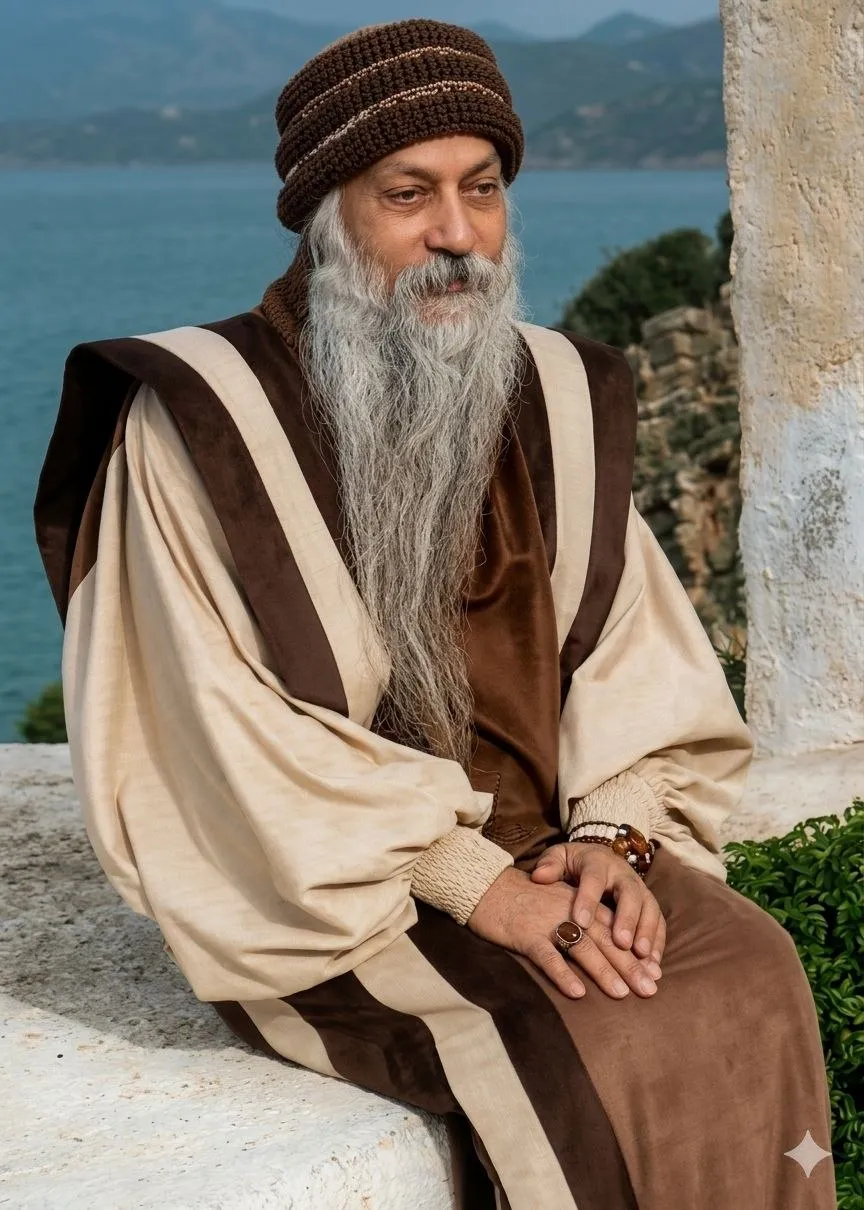
Osho's original Hindi beside Osho Live's English translation, matched passage by passage.
इस सदी के एक बहुत बड़े मनसविद अल्फ्रेड एडलर ने मनुष्य के जीवन की सारी उलझनों का मूल स्रोत हीनता की ग्रंथि में पाया है। हीनता की ग्रंथि का अर्थ है कि जीवन में तुम कहीं भी रहो, कैसे भी रहो, सदा ही मन में यह पीड़ा बनी रहती है कि कोई तुमसे आगे है, कोई तुमसे ज्यादा है, कोई तुमसे ऊपर है। और इसकी चोट पड़ती रहती है। इसकी चोट भीतर के प्राणों को घाव बना देती है। फिर तुम जीवन के आस्वाद को भोग नहीं सकते; फिर तुम सिर्फ जीवन से पीड़ित, दुखी और संत्रस्त होते हो।
In this century a very great psychologist, Alfred Adler, found the root source of all the entanglements of human life in the inferiority complex. The meaning of an inferiority complex is this: wherever you are in life, however you are, a pain remains constantly within that someone is ahead of you, someone has more than you, someone is above you. Its sting goes on hurting. That sting turns the inner life-breath into a wound. Then you cannot taste the juice of life; you are simply pained, miserable, and tormented by life.
हीनता की ग्रंथि, इनफीरियारिटी कांप्लेक्स, अगर एक ही होती तो भी ठीक था। तो शायद कोई हम रास्ता भी बना लेते। अल्फ्रेड एडलर ने तो हीनता की ग्रंथि शब्द का प्रयोग किया है; मैं तो बहुवचन का प्रयोग करना पसंद करता हूं: हीनताओं की ग्रंथियां। क्योंकि कोई तुमसे ज्यादा सुंदर है। और किसी की वाणी में कोयल है, और तुम्हारी वाणी में नहीं। और कोई तुमसे ज्यादा लंबा है; कोई तुमसे ज्यादा स्वस्थ है। किसी के पास ज्यादा धन है; किसी के पास ज्यादा ज्ञान है; किसी के पास ज्यादा त्याग है। कोई गीत गा सकता है; कोई संगीतज्ञ है; कोई प्रतिमा गढ़ता है; कोई चित्रकार है; कोई मूर्तिकार है। करोड़-करोड़ लोग हैं तुम्हारे चारों तरफ, और हर आदमी में कुछ न कुछ खूबी है। बिना खूबी के तो परमात्मा किसी को पैदा करता ही नहीं। और जिसके भीतर हीनता की ग्रंथि है उसकी नजर सीधी खूबी पर जाती है कि दूसरे आदमी में कौन सी खूबी है। क्योंकि जाने-अनजाने वह हमेशा तौल रहा है कि मैं कहीं किसी से पीछे तो नहीं हूं! तो उसकी नजर झट से पकड़ लेती है कि कौन सी चीज है जिसमें मैं पीछे हूं। तो जितने लोग हैं उतनी ही हीनताओं का बोझ तुम्हारे ऊपर पड़ जाता है। तुम करीब-करीब हीनताओं की कतार से घिर जाते हो। एक भीड़ तुम्हें चारों तरफ से दबा लेती है। तुम उसी के भीतर तड़फड़ाते हो। और बाहर निकलने का कोई भी उपाय नहीं है। क्योंकि क्या करोगे तुम?
If there were only one inferiority complex—even that would have been manageable. Perhaps we might have found some way. Adler used the phrase ‘inferiority complex’; I prefer the plural: ‘inferiorities complex.’ Because someone is more beautiful than you. Someone’s voice is a cuckoo—yours is not. Someone is taller than you; someone is healthier. Someone has more wealth; someone more knowledge; someone more renunciation. One can sing; one is a musician; one carves statues; one is a painter; one a sculptor. Millions and millions of people surround you, and every person has some gift. The Divine never creates anyone without a gift. And the one who carries an inferiority complex—his eyes go straight to the other’s gifts. Consciously or unconsciously, he is always weighing whether he is falling behind someone. So his eyes immediately catch in what he is behind. Then as many people as there are, just so many inferiorities pile on your back. You are almost encircled by a procession of inferiorities. A crowd presses upon you from all sides. You writhe within it. And there is no way out. For what will you do?
एक आदमी ने मुझे कहा, कहा कि बड़ी मुश्किल में पड़ा हूं। दो साल पहले अपनी प्रेयसी के साथ समुद्र के तट पर बैठा था। एक आदमी आया, उसने पैर से रेत मेरे चेहरे में उछाल दी और मेरी प्रेयसी से हंसी-मजाक करने लगा। तो मैंने पूछा कि तुमने कुछ किया? उसने कहा, क्या कर सकता था? मेरा वजन सौ पौंड, उसका डेढ़ सौ पौंड। फिर भी तुमने कुछ तो किया होगा? उसने कहा, मैंने किया यह कि स्त्रियों की तो फिक्र ही छोड़ दी उस दिन से। हनुमान अखाड़े में भर्ती हो गया। हनुमान चालीसा पढ़ता हूं और दंड-बैठक लगाता हूं। फिर डेढ़ सौ पौंड मेरा भी वजन हो गया दो साल में। फिर मैंने एक स्त्री खोजी, गया समुद्र-तट पर। वहां बैठा भी नहीं था कि एक आदमी आया, उसने फिर लात मारी रेत में, मेरी आंखों में धूल भर दी, फिर मेरी प्रेयसी से हंसी-मजाक करने लगा।
A man told me he was in great trouble. Two years ago he was sitting with his beloved on the seashore. A fellow came, flicked sand into his face with his foot, and began joking with his beloved. I asked, did you do anything? He said, what could I do? I was a hundred pounds; he was one hundred and fifty. Still, you must have done something? He said, I did this: from that day I dropped worrying about women. I enrolled in Hanuman’s akhada. I recite the Hanuman Chalisa and do push-ups and squats. In two years I too reached one hundred and fifty pounds. Then I found a woman, went to the seashore. I hadn’t even sat down when another fellow came, kicked sand into my eyes, and began joking with my beloved.
मैंने कहा, अब तो तुम कुछ कर सकते थे।
I said, now you could have done something.
उसने कहा, क्या कर सकते थे? मैं डेढ़ सौ पौंड का, वह दो सौ पौंड का।
He said, what could I do? I was one hundred and fifty; he was two hundred.
तो अब क्या करते हो?
So what do you do now?
उसने कहा, फिर अब हनुमान चालीसा पढ़ता हूं; फिर हनुमान अखाड़े में व्यायाम करता हूं। लेकिन अब आशा छूट गई। क्योंकि दो सौ पौंड का हो जाऊंगा, क्या भरोसा कि ढाई सौ पौंड का आदमी नहीं आ जाएगा।
He said, now I still recite the Hanuman Chalisa; I still exercise in Hanuman’s akhada. But I’ve lost hope. Because if I reach two hundred pounds, who can guarantee that a two hundred and fifty-pounder won’t show up?
तुम कभी भी हीनता के बाहर नहीं हो सकते उस रास्ते से। कितने लोग हैं! कितने विभिन्न रूप हैं! कितनी विभिन्न कुशलताएं हैं, योग्यताएं हैं! तुम उसमें दब मरोगे। अल्फ्रेड एडलर ने मनुष्य की सारी पीड़ाओं और चिंताओं का आधार दूसरे के साथ अपने को तौलने में पाया है।
You can never come out of inferiority that way. How many people there are! How many different forms! How many different skills and capacities! You will be crushed beneath them. Adler found the basis of all human pain and anxiety in measuring oneself against the other.
गहरे जैसे-जैसे एलडर गया उसको समझ में आया कि आदमी क्यों आखिर अपने को दूसरे से तौलता है? क्या जरूरत है? तुम तुम जैसे हो; दूसरा दूसरा जैसा है। यह अड़चन तुम उठाते क्यों हो? पौधे नहीं उठाते। छोटी सी झाड़ी बड़े से बड़े वृक्ष के नीचे निश्चिंत बनी रहती है; कभी यह नहीं सोचती कि यह वृक्ष इतना बड़ा है। छोटा सा पक्षी गीत गाता रहता है; बड़े से बड़ा पक्षी बैठा रहे, इससे गीत में बाधा नहीं आती कि मैं इतना छोटा हूं, क्या खाक गीत गाऊं! पहले बड़ा होना पड़ेगा। छोटे से घास में भी फूल लग जाते हैं; वह फिक्र नहीं करता कि इतने-इतने बड़े वृक्षों के नीचे तुम फूल उगाने की कोशिश कर रहे हो, पागल हुए हो! पहले बड़े हो जाओ; फिर फूल लाना। नहीं, प्रकृति में तुलना है ही नहीं; सिर्फ आदमी के मन में तुलना है।
As Adler went deeper he understood: why does man finally compare himself with anyone? What is the need? You are as you are; the other is as he is. Why do you take on this hindrance? Plants do not take it on. A small bush remains perfectly at ease under the biggest tree; it never thinks, this tree is so big. A small bird sings; let the greatest bird be perched—its song is not interrupted by the thought: I am so small, what song can I sing? First I must become big. Even grass brings forth flowers; it does not worry: under such great trees, are you mad to try to flower? First become big; then flower. No—there is no comparison in nature; only in the human mind.
तुलना क्यों है? तो एडलर ने कहा कि तुलना इसलिए है कि तुम--और सारी मनुष्यता--एक गहन दौड़ से भरी है। उस दौड़ को एडलर कहता है: दि विल टु पावर, शक्ति की आकांक्षा। कैसे मैं ज्यादा शक्तिवान हो जाऊं! फिर चाहे वह धन हो, पद हो, प्रतिष्ठा हो, यश हो, कुशलता हो, कुछ भी हो। कैसे मैं शक्तिशाली हो जाऊं, यही मनुष्य की सारी दौड़ का आधार है। और जब तुम शक्तिशाली होना चाहोगे तो तुम पाओगे कि तुम शक्तिहीन हो। जितना ही तुम शक्तिशाली होना चाहोगे उतनी ही तुम्हारी अशक्ति का तुम्हें पता चलेगा। क्योंकि जगह-जगह तुम्हारी शक्ति की सीमा आ जाएगी। सिकंदर और नेपोलियन और हिटलर भी चुक जाते हैं। उनकी भी शक्ति की सीमा आ जाती है। आज तक कोई भी व्यक्ति ऐसी जगह नहीं पहुंच पाया जहां वह कह सके कि शक्ति की मेरी आकांक्षा तृप्त हो गई। जो कभी नहीं हुआ वह कभी होगा भी नहीं। और तुम अपने को अपवाद मानने की कोशिश मत करना।
Why comparison? Adler said: because you—and all humanity—are filled with a deep race. He calls it the will to power. How to become more powerful! Whether it be wealth, position, prestige, fame, skill—anything. How to become powerful, that is the basis of the entire human race. And when you want to be powerful you will discover that you are powerless. The more you desire power, the more you become aware of your impotence. Because everywhere you will meet the limits of your power. Even an Alexander, a Napoleon, a Hitler—come to their end. Their power meets its boundary. No one has ever reached a place where he could say, my thirst for power is fulfilled. What has never happened will never happen. And do not try to consider yourself the exception.
लाओत्से है मार्ग। एडलर ने प्रश्न तो खड़ा कर दिया, उलझन भी साफ कर दी, लेकिन मार्ग एडलर को भी नहीं सूझता कि बाहर इसके कैसे हुआ जाए। पश्चिम के मनोविज्ञान के पास मार्ग है ही नहीं। अभी पश्चिम का मनोविज्ञान समस्या को समझने में ही उलझा है। अभी समस्या ही समझ में नहीं आई है पूरी तरह तो उसके बाहर जाने की तो बात ही बहुत दूर है। कैसे कोई बाहर जाए? तो एडलर का तो सुझाव इतना ही है कि तुम्हें अतिशय की आकांक्षा नहीं करनी चाहिए; सामान्य रूप से जो उपलब्ध हो सकता है उसका प्रयास करना चाहिए।
Lao Tzu is the path. Adler raised the question, clarified the entanglement, but even Adler could not see the way beyond it. Western psychology has no path. It is still entangled in understanding the problem. The problem itself has not yet been fully understood; to go beyond it is far away. How to go beyond? Adler’s suggestion goes only so far: do not desire the excessive; strive for what is ordinarily available.
लेकिन इससे कुछ हल न होगा। क्योंकि कहां अतिशय की सीमा शुरू होती है? कौन सी चीज सामान्य है? जो तुम्हारे लिए सामान्य है वह मेरे लिए सामान्य नहीं। जो मेरे लिए सामान्य है, तुम्हारे लिए अतिशय हो सकती है। एक आदमी एक घंटे में पंद्रह मील दौड़ सकता है; वह उसके लिए सामान्य है। तुम एक घंटे में पांच मील भी दौड़ गए तो मुसीबत में पड़ोगे। वह तुम्हारे लिए सामान्य नहीं है। कौन तय करेगा? कहां तय होगी यह बात कि क्या सामान्य है? औसत क्या है? एडलर कहता है, औसत में जीना चाहिए; तो तुम इतने ज्यादा पीड़ित न होओगे। लेकिन औसत कहां है? कैसे तय करोगे? और तुम ही तो तय करने वाले हो और तुम ही रुग्ण हो। तुम्हारे रोग से ही तय होगा कि औसत क्या है। अगर तुमसे कोई पूछे कि एक आंकड़ा बता दो, कितने रुपये से तुम राजी हो जाओगे; कैसे बता पाओगे? और अगर कोई कहता हो कि जितना तुम बताओगे उतना हम देने को तैयार हैं; तब तुम और मुसीबत में पड़ जाओगे। दस हजार? मन कहेगा, क्यों दस हजार की बात कर रहे हो जब बीस मांगे जा सकते हैं?
But nothing is resolved by this. Where does excess begin? What is ordinary? What is ordinary for you may not be for me. What is ordinary for me may be excessive for you. A man can run fifteen miles in an hour; for him it is ordinary. If you run even five miles in an hour you will be in trouble. Who will decide? Where will it be decided what the ordinary is? Adler says: live within the average, then you will suffer less. But where is the average? How will you decide? And you are to decide—and you are the sick one. Your disease will decide what the average is. If someone were to ask you for a figure, how much money would satisfy you—how will you say? And if someone were to say, whatever figure you name, we are ready to give—then you will be in even greater difficulty. Ten thousand? The mind will say, why name ten when you could ask for twenty?
एक बड़ी पुरानी कहानी है। एक युवक सत्य की खोज में था। वह सभी परीक्षाएं उत्तीर्ण हो गया। उसको भरोसा था कि अब गुरु कह देगा कि अब तुम जा सकते हो संसार में, अब तुम योग्य हो गए। लेकिन गुरु ने कहा, तू सब परीक्षाएं उत्तीर्ण हो गया; आखिरी बाकी रह गई है। और आखिरी परीक्षा मैं नहीं ले सकता हूं; उस परीक्षा का स्वभाव ही ऐसा है--वह तू पीछे समझ पाएगा--कि उस परीक्षा के लिए मुझे तुझे कहीं भेजना होगा। तो युवक ने कहा, भेजें। उसने सम्राट के पास भेजा।
There is an ancient story. A youth was in search of truth. He had passed all the tests. He was sure the Master would say, now you may go into the world, now you are qualified. But the Master said, you have passed all tests; one last remains. And the last I cannot take; the nature of that test is such—you will understand later—that I must send you somewhere for it. The youth said, send me. He sent him to the emperor.
गांव में जो सम्राट था, उसका नियम था कि जो व्यक्ति भी पहले उसके द्वार पर आ जाए सुबह, वह जो भी मांगे, वह सम्राट दे देता था। लेकिन लोग सुखी थे, सरल थे, और महत्वाकांक्षा का ज्वर पकड़ा न था। इसलिए कोई आता ही न था। कई दिन तो ऐसे ही निकल जाते थे कि सम्राट उठता और दरवाजे पर कोई होता ही नहीं। लोग उस अवस्था में रहे होंगे जिसकी लाओत्से बात करता है कि जब ज्ञान की बीमारी उन्हें पकड़ी न थी।
There was a rule in the town’s kingdom: whoever came first to the palace gate in the morning—whatever he asked, the emperor would grant. But people were happy, simple, and had not caught the fever of ambition. So none came at all. Many days passed when the emperor rose and found no one at the gate. People must have been of the state Lao Tzu speaks about, when the sickness of knowledge had not seized them.
लेकिन यह युवक तो ज्ञान की बीमारी में पड़ गया था। यह तो सब परीक्षाएं उत्तीर्ण कर आया था। यह तो सुशिक्षित हो गया था। तो उसने सोचा कि सुबह ही वहां पहुंच जाना चाहिए, जब सम्राट के पास ही जा रहे हैं। तो वह तीन बजे रात से ही वहां जाकर खड़ा हो गया कि कहीं ऐसा न हो कि कोई और पहले पहुंच जाए। कोई आया भी नहीं, कोई क्यू भी न लगा। सुबह जब भोर हुई, सम्राट बाहर आया, तो वह अकेला ही था। पता था उसे कि सम्राट पूछेगा, क्या चाहते हो? तो वह सोचता रहा; सोच-सोच कर उसका सिर घूमने लगा। जितना उसने सोचा उतने ही आंकड़े बड़े होते गए। आंकड़ों की कोई कमी है!
But this youth had fallen ill with knowledge. He had passed all examinations. He was well-schooled. He thought, I must reach there at dawn, since I am going to the emperor. So from three in the night he stood at the gate lest someone else arrive earlier. No one came; no queue formed. At daybreak, the emperor came out; he was alone. He knew the emperor would ask, what do you want? So he kept thinking. Thinking and thinking, his head began to spin. The more he thought, the bigger the numbers grew. Is there any shortage of numbers!
सम्राट आया। उसने कहा, क्या चाहते हो? उस युवक ने कहा कि तय नहीं कर पा रहा हूं। क्या आप इतनी कृपा करेंगे कि आप बगीचे का एक चक्कर लगा लें, तब तक मैं और सोच लूं।
The emperor came. He asked, what do you want? The youth said, I cannot decide. Would you be so kind as to take a round in the garden while I think a little more?
सम्राट एक चक्कर लगा कर लौट आया। उस युवक ने कहा कि नहीं, मैं न सोच पाऊंगा, क्योंकि मैं बड़ी मुश्किल में पड़ा हूं। मैं जितना ही सोचता हूं, पाता हूं वह कम है। अरबों-खरबों पर पहुंच गया है हिसाब भीतर, लेकिन फिर भी मैं सोचता हूं, यह भी हो सकता है कि सम्राट के पास इससे ज्यादा हो। और जो शेष रह जाएगा वह जिंदगी भर खलेगा। तो अब तो मैं एक ही प्रार्थना करता हूं कि जो भी आपके पास है सब मुझे दे दें। आप जो कपड़े पहने हैं इन्हीं को पहने हुए बाहर निकल जाएं।
The emperor took a round and came back. The youth said, no, I will not be able to think. I am in great difficulty. The more I think the more I find it is less. My inner account has reached billions and trillions; yet I think, it may be that the emperor has still more. Whatever remains will gnaw at me my whole life. So now I have but one prayer: give me whatever you have—everything. Walk out wearing only the clothes on your body.
सोचा था कि सम्राट घबरा जाएगा, बचने की तरकीब करेगा। लेकिन सम्राट प्रफुल्लित हो गया। उसने आकाश की तरफ हाथ उठाया और कहा, परमात्मा, धन्यवाद! जिस आदमी की मुझे प्रतीक्षा थी वह आ गया।
He thought the emperor would be flustered, would find some trick to escape. But the emperor became joyous. He lifted his hands to the sky and said, Paramatma, thank you! The man I was waiting for has come.
वह लड़का थोड़ा घबराया। उसने कहा, बात क्या है? आप बड़े प्रसन्न मालूम होते हैं! उसने कहा, मैं बहुत थक गया इस महल, इस साम्राज्य, इस उपद्रव से। कोई मांगने ही नहीं आता। अब किसी को जबरदस्ती तो दिया नहीं जाता। अब तुम आ ही गए अपनी तरफ से, तुम्हारी बड़ी कृपा है। तुम भीतर जाओ; मैं बाहर जाता हूं। उसने कहा कि एक कृपा और करें, आप एक चक्कर और लगा आएं, मुझे एक बार और सोच लेने दें। इतना समय दिया, थोड़ा समय और! सम्राट ने कहा कि नहीं, अब तुम कह ही चुके हो। पर युवक ने पैर पकड़ लिए। तो सम्राट ने कहा, तुम्हारी मर्जी। सम्राट एक चक्कर लगा कर आया, वहां युवक को उसने पाया नहीं। दरबान को वह कह गया था कि जब सम्राट ही भागने को उत्सुक है तो हम क्यों फंसें! वह भाग गया था।
The boy grew a little nervous. He said, what is the matter? You seem very pleased! The emperor said, I am so tired of this palace, this empire, this harassment. No one comes to ask. And one cannot give by force. Now you have come from your own side; it is your great kindness. You go inside; I shall go out. The youth said, one more kindness: please take one more round, let me think once again. You gave me time; a little more! The emperor said, no, now you have already said it. But the youth caught hold of his feet. So the emperor said, as you wish. The emperor took another round and came back; he did not find the youth. He had told the gatekeeper: when the emperor himself is so eager to run away, why should I get stuck! He had run away.
कहां तय करोगे? सब पर ही जाकर तय होगा। और सब पाकर भी तृप्ति नहीं होती। सम्राट प्रसन्न है देने को। सब भी मिल जाए तो तुम्हारी हीनता का कुआं भरेगा नहीं; वह दुष्पूर है। वह खड्ड ऐसा है कि उसमें कोई तलहटी नहीं है। तुम जितना डालते जाओगे उतना ही वह पीता जाएगा। और जितना ज्यादा तुम पीते जाओगे उतना ही पता चलेगा कैसे हीन हो।
Where will you decide? Only at ‘all’. And even after having all, there is no contentment. The emperor is happy to give. Even if you get everything, the well of inferiority will not fill; it is insatiable. It is a ravine without a bottom. The more you pour into it, the more it swallows. And the more you swallow, the more you will discover how inferior you are.
नहीं, एडलर के पास सुझाव नहीं है। एडलर कहता है, समझाने-बुझाने से, एक बौद्धिक प्रौढ़ता से सब ठीक हो जाएगा। लेकिन सब ठीक हुआ नहीं है, खुद एडलर के जीवन में ही ठीक न हुआ। एडलर था शिष्य फ्रायड का। लेकिन फिर महत्वाकांक्षा पकड़ गई कि यह तो शिष्य ही रहूंगा; कितना ही बड़ा हो जाऊं; गुरु फ्रायड ही रहेगा। तो गुरु से झगड़ कर अलग हो गया। और फिर पूरी जिंदगी कोशिश की कि एक अलग ही मनोविज्ञान को निर्मित कर ले। वही महत्वाकांक्षा जिसको वह दूसरों में हल करने जा रहा है, वही महत्वाकांक्षा खुद पकड़ ली। और फ्रायड और एडलर के बीच बड़ी वैमनस्य की स्थिति बनी रही।
No, Adler has no solution. He says, with reasoning and a kind of intellectual maturity, everything will be set right. But nothing has been set right—not even in Adler’s own life. Adler was Freud’s disciple. But ambition seized him: if I remain a disciple, however great I become, Freud will remain the Master. He quarreled with the Master and separated. And then his whole life he tried to create a psychology apart. The very ambition he was going to resolve in others seized him. And between Freud and Adler there remained deep hostility.
जो अपना नहीं हल कर पाता वह दूसरे का कैसे हल कर पाएगा?
He who cannot resolve his own—how will he resolve another’s?
एक बड़ा प्रसिद्ध मजाक है एडलर के संबंध में कि वह एक सभा में बोलता था तो उसने अपना सिद्धांत समझाया। और जब भी वह सिद्धांत समझाता था तो वह यह कहता था कि जिन-जिन लोगों में किसी तरह की कमी होती है, वे ही लोग उस कमी को पूरी करने के लिए महत्वाकांक्षा से भर जाते हैं।
There is a famous joke about Adler. He was speaking at a meeting, explaining his principle. He always said: those who have some defect become ambitious to compensate for that defect.
अक्सर देखा गया है कि काना आदमी चालाक हो जाता है। पुरानी कहावतें हैं कि काने से जरा सावधान रहना। काना सुबह मिल जाए तो अपशगुन रहा है--सारी दुनिया में। क्या कारण है? क्योंकि काने के पास एक आंख कम है, उस आंख की कमी वह कैसे पूरी करेगा? उसे पूरा करना ही पड़ेगा। वह चालाकी से पूरी करता है; वह ज्यादा चालाक हो जाता है। वह एक ही आंख से दो आंख का काम लेने की कोशिश करने लगता है। इससे चालाकी पैदा होती है। वह कनिंग हो जाता है। इसलिए काने आदमी को तुम सीधा-सरल न पाओगे; उसमें कुछ न कुछ तिरछापन होगा। और काने सब तरह की कोशिश करेंगे कि आंख वालों को कैसे हरा दें। क्योंकि इसके सिवा वे अपनी श्रेष्ठता कैसे सिद्ध कर पाएंगे?
It is often observed: a one-eyed man becomes crafty. Ancient proverbs say, beware of the one-eyed. If a one-eyed man is met in the morning, it’s a bad omen—across the world. Why? Because the one-eyed has one eye less. How will he fill the lack? He must. He fills it with cunning—becomes more crafty. He tries to make one eye do the work of two. Craftiness is born. He becomes cunning. So you will not find a one-eyed man simple and straight; there will be something crooked in him. And the one-eyed will try in every way to defeat the two-eyed. For otherwise how will he prove superiority?
एडलर कहता था कि बचपन में जो लोग ठीक से नहीं चल पाते या जो बच्चे देर से चलते हैं, वे बड़े दौड़ाक हो जाते हैं बाद में। वे दुनिया में जो ओलंपिक प्रतियोगिताएं जीतते हैं वे वही बच्चे हैं जो बचपन में देर से चले। क्योंकि उनको कमी पूरी करनी है; उनको दुनिया को दिखला देना है कि तुम यह मत समझना कि हम कोई धीमे-धीमे चलने वाले हैं। हमारा कोई मुकाबला ही नहीं है। यह समझा रहा था एडलर एक सभा में। एक आदमी ने उठ कर कहा, और क्या हम यह समझें कि जिनके मन में कुछ खराबी होती है वे मनोवैज्ञानिक हो जाते हैं?
Adler used to say: those who did not walk properly in childhood, or those who walked late, become great runners later. Those who win Olympic races in the world were the very children who walked late. Because they have to make up the lack; they have to show the world: do not think we walk slowly—we have no competition. Adler was explaining this in a meeting. A man stood and said, then shall we understand that those who have some defect in the mind become psychologists?
इस मजाक में थोड़ी सचाई मालूम पड़ती है। क्योंकि न तो फ्रायड स्वस्थ है मन से जिसने इस सदी के मनोविज्ञान को जन्म दिया। न उसका प्रतिस्पर्धी एडलर, जुंग, वे स्वस्थ हैं। मानसिक रूप से वे सभी रुग्ण मालूम होते हैं।
In this joke there seems a little truth. For neither Freud, who gave birth to the psychology of this century, is healthy in mind, nor are his rivals Adler and Jung healthy. Mentally they all seem sick.
पूरब के पास हल है। लाओत्से के पास हल है।
The East has the solution. Lao Tzu has the solution.
लाओत्से कहता है कि शक्ति की आकांक्षा में ही रोग है। दि विल टु पावर, वहीं सारी बीमारी है। और जब तक वह आकांक्षा ही न छूट जाए तब तक तुम कोई हल न खोज पाओगे। इतना कर सकते हो कि कुछ लोग थोड़े कम बीमार, कुछ लोग थोड़े ज्यादा बीमार। लेकिन फासला मात्रा का रहेगा, गुण का अंतर नहीं होगा। कुछ लोग सामान्य रूप से अस्वस्थ, कुछ लोग असामान्य रूप से अस्वस्थ। लेकिन फासला मात्रा का होगा, गुण का न होगा।
Lao Tzu says, the disease lies in the will to power. There is the whole illness. And unless that very desire drops, you will find no solution. At most you can arrange that some are a little less ill and some a little more. But the difference will be quantitative, not qualitative. Some will be ordinarily unhealthy; some extraordinarily unhealthy. But the difference will be of quantity, not of kind.
लाओत्से कहता है, एक और ही रास्ता है। और वह रास्ता है: घाटी के राज को जान लेना। वर्षा होती है; पहाड़ खाली रह जाते हैं, घाटियां भर जाती हैं, लबालब भर जाती हैं। राज क्या है? राज यह है कि घाटी पहले से ही खाली है। जो खाली है वह भर जाता है। पहाड़ पहले से ही भरे हैं, वे खाली रह जाते हैं। अहंकार रोग है, तो निरहंकारिता में राज है, कुंजी है।
Lao Tzu says, there is another way altogether. It is to know the secret of the valley. When it rains, the mountains remain empty, the valleys fill—brimming full. What is the secret? The secret is: the valley is already empty. That which is empty is filled. The mountain is already full; it remains empty. If ego is the disease, then egolessness is the secret, the key.
तुम जब तक दूसरे से अपने को तौलोगे और दूसरे से आगे होना चाहोगे तब तक तुम पाओगे कि तुम सदा पीछे हो। जिसने आगे होना चाहा, वह सदा पाएगा कि वह पीछे है। जिसने प्रतिस्पर्धा की, वह सदा पाएगा कि हार गया। लेकिन जो पीछे होने को राजी हो गया, जीवन की इस व्यर्थ दौड़ को देख कर, समझ कर, ध्यान से जो पीछे खड़ा हो गया, और जिसने कहा हम दौड़ते नहीं आगे होने को, लाओत्से कहता है, एक अनूठा चमत्कार घटित होता है कि जो आगे होने की दौड़ में होते हैं वे हीन हो जाते हैं और जो पीछे खड़े हो जाते हैं उनकी श्रेष्ठता की कोई सीमा नहीं है।
As long as you weigh yourself against another and want to be ahead of another, you will find you are always behind. He who wants to be ahead will always find he is behind. He who competes will always find he has lost. But the one who consented to be behind—seeing, understanding through meditation this futile race of life—the one who stood at the back and said, I will not run to be ahead—Lao Tzu says, a unique miracle happens: those who run to be ahead become inferior, and those who stand behind have a superiority without limit.
सच तो यह है कि पीछे तुम खड़े ही जैसे होते हो वैसे ही श्रेष्ठ हो जाते हो, हीनता मिट जाती है। क्योंकि तुलना ही न रही तो हीन कैसे हो सकते हो? किसी से तौलोगे तो पीछे हो सकते हो। तौलते ही नहीं किसी से, पीछे, सबसे पीछे ही खड़े हो गए, अपने तईं खड़े हो गए, अपने हाथ से ही संघर्ष छोड़ दिया और पीछे आ गए, अब तो तुम्हें हीनता का कैसे बोध होगा? हीनता का घाव भर जाएगा; और श्रेष्ठता के फूल उस घाव की जगह प्रकट होने शुरू हो जाते हैं। श्रेष्ठ केवल वे ही हो पाते हैं जो श्रेष्ठ होने की दौड़ में नहीं पड़ते। और हीन से हीनतर होता जाता है मनुष्य, जितनी ही दौड़ में पड़ता है।
In truth, the very moment you stand behind, as you are, you become superior; inferiority disappears. For when there is no comparison, how can you be inferior? Only if you weigh against someone can you be behind. If you do not weigh at all, if you stand back, the very last, you stand in yourself; you drop all struggle with your own hands and stand behind—how will you have any sense of inferiority now? The wound of inferiority will heal; and on the place of that wound, flowers of superiority begin to appear. Only those become superior who do not enter the race to be superior. And man becomes ever more inferior the more he runs in that race.
अब लाओत्से के वचन हम समझने की कोशिश करें।
Now let us try to understand Lao Tzu’s words.
‘यह कैसे हुआ कि महान नदी और समुद्र खड्डों के, घाटियों के स्वामी बन गए? झुकने और नीचे रहने में कुशल होने के कारण।’
“How did the great river and the sea become the lords of the ravines and valleys? By being skilled in bending low, in remaining beneath.”
उनकी कला एक ही है कि वे झुकना जानते हैं। झुकना बड़ी से बड़ी कला है। वस्तुतः जहां जितनी झुकने की क्षमता होगी उतना जीवन होगा। जीवन का लक्षण ही झुकना है।
Their art is one: they know how to bend. To bend is the greatest art. In truth, the mark of life is the capacity to bend.
छोटा बच्चा, देखो, कितना लोचपूर्ण है। जैसा चाहो वैसा झुक जाए, हाथ-पैर के पीछे जैसे हड्डियां नहीं हैं। लेकिन बूढ़ा आदमी हड्डी ही हड्डी हो जाता है। लोच खो जाती है; झुकना बंद हो जाता है; सख्त हो जाता है। पक्षाघात की अवस्था आ गई। बूढ़ा आदमी झुक नहीं सकता शरीर से। यही तो मौत का लक्षण है कि अब मौत करीब आ रही है। क्योंकि जीवन तो वहीं बहता है जहां झुकना है। और न केवल शरीर के संबंध में यह सच है, मन के संबंध में भी यही सच है। छोटा बच्चा मन से झुकने को हमेशा राजी है। इसीलिए तो छोटे बच्चे सीखने में समर्थ हैं। बूढ़ा आदमी सीखने में असमर्थ हो जाता है। मन भी नहीं झुकता।
Look at the small child—how supple he is. Bend him as you like; it is as though there are no bones behind his limbs. But an old man becomes all bone. The suppleness is lost; bending ends; he becomes rigid. Paralysis approaches. An old man cannot bend in body. This is the sign that death is drawing near. For life flows where there is bending. And this is true not only of the body; it is equally true of the mind. The small child is always ready to bend in mind. That is why children are able to learn. The old man becomes unable to learn; the mind will not bend.
बगीचे में जाकर माली से पूछो! तो वह कहता है कि वृक्ष को अगर झुकाना हो, कोई ढंग देना हो, तो वह तभी दिया जा सकता है जब पौधा छोटा हो और लोचपूर्ण हो। जब पौधा सख्त हो जाएगा, फिर झुकाओगे तो शाखाएं टूट जाएंगी। कभी तेज तूफान आता है तो बड़े वृक्ष गिर जाते हैं, छोटे-छोटे घास के पौधे बच जाते हैं। होना तो उलटा चाहिए था कि निर्बल घास के छोटे-छोटे पौधे, जिनमें कोई प्राण नहीं, जिनमें कोई बल नहीं दिखाई पड़ता, तूफान इनको मिटा जाता, ये नष्ट हो जाते। बड़े वृक्ष जो आकाश को छूते हैं, जिनकी शाखाओं ने बड़ा जाल फैलाया है, जिनके अहंकार की कोई सीमा नहीं, जो उठे हैं उत्तुंग, चांद-सूरज को छूने की जिनकी दौड़ है, वे गिर जाते हैं। तूफान उन्हें मिटा जाता है। कोई तरकीब घास का पौधा जानता है जो बड़े वृक्ष को भूल गई। बड़ा वृक्ष सख्त हो गया है; टूट सकता है, झुक नहीं सकता।
Go into a garden and ask the gardener. He will say: if you wish to bend a tree, to give it a certain shape, it can only be done when the plant is small and supple. When the plant becomes hard, then if you try to bend, branches will break. Sometimes a strong storm comes and big trees fall; little blades of grass survive. It should have been the reverse—that the weak, tiny grasses, in which no strength is seen, would be wiped out by the storm. The huge trees that touch the sky, whose branches spread vast nets, whose ego knows no boundary, who rise to dizzy heights, whose race is to touch sun and moon—they fall. The storm wipes them out. The grass knows a trick which the big tree has forgotten. The big tree has become stiff; it can break, it cannot bend.
अकड़ वाले आदमी के लिए हम यही तो कहते हैं कि वह आदमी ऐसी अकड़ वाला है कि टूट सकता है, झुक नहीं सकता। और समस्त अहंकारियों की शिक्षा यही है कि टूट जाना, मगर झुकना मत।
Of the man with swagger we say: he is so stiff he can break, he cannot bend. And the training of all the egotists is this: better to break than to bend.
लाओत्से की शिक्षा बिलकुल भिन्न है। लाओत्से कहता है, ऐसा टूटने की जल्दी क्या! ऐसा टूटने का आग्रह क्या! आत्मघात के लिए इतनी उत्सुकता क्यों है? झुक जाना, क्योंकि झुकने में ही तुम तूफान को जीत सकोगे। तुम टूटो कि न टूटो; तूफान तुम्हारी फिक्र करता है? तूफान को पता भी न चलेगा कि तुम टूट गए। तूफान अपनी राह से चला जाएगा। तुम नाहक मिट जाओगे।
Lao Tzu’s teaching is wholly different. He says, what haste to break! What insistence on breaking! Why such eagerness for self-destruction? Bend—because only in bending will you be able to win over the storm. Whether you break or not—does the storm care for you? The storm will not even notice that you are broken. It will go its way. You will be destroyed pointlessly.
छोटे घास के पौधे की भांति हो जाना। तूफान आता है, घास का पौधा जमीन पर लेट जाता है। अकड़ रखता ही नहीं; जरा भी ना-नुच नहीं करता। यह भी नहीं कहता कि कैसे करूं, यह ठीक नहीं है। क्यों मुझे झुका रहे हो? बात ही नहीं उठाता। तूफान आता है, तूफान के साथ ही झुक जाता है। तूफान बाएं बह रहा हो तो बाएं, तूफान दाएं तो दाएं; दक्षिण तो दक्षिण, उत्तर तो उत्तर। तूफान जहां जा रहा हो, घास का छोटा पौधा तूफान के साथ मैत्री कर लेता है, सहयोग कर लेता है। तूफान के विरोध में खड़ा नहीं होता, तूफान की धारा में बह जाता है। और जिस घास के पौधे ने तूफान में बहने की कला जान ली, वह तूफान पर सवार हो गया; उसे तूफान मिटा न सकेगा। अब आ जाएं और बड़े तूफान भी, अब महा तूफान और आंधियां उठें, तो भी इस पौधे को कुछ भी न कर सकेंगे। वह सो जाएगा जमीन पर, तूफान गुजर जाएगा।
Become like a small blade of grass. The storm comes; the grass lies down on the ground. It keeps no stiffness; it raises no fuss at all. It does not even say, how can I do this—this is not right. Why are you making me bend? It raises no question. The storm comes; it bends with the storm. If the storm flows left, it goes left; if right, then right; to the south, to the south; to the north, to the north. Wherever the storm goes, the little blade of grass makes friends with the storm, cooperates. It does not stand in opposition; it flows with the current of the storm. And the blade that has learned the art of flowing in the storm—he rides the storm; the storm cannot destroy him. Let bigger and bigger tempests come—mighty cyclones arise—yet nothing can be done to this grass. It will fall asleep on the earth; the storm will pass.
तूफान सदा नहीं रहते; आते हैं, चले जाते हैं। तूफान के जाने के बाद तुम देखोगे, बड़े-बड़े वृक्ष उखड़े पड़े हैं, उनकी जड़ें टूट गईं, उनके प्राण-पखेरू उड़ गए; छोटे-छोटे घास के पौधे वापस लहलहा रहे हैं--पहले से भी ज्यादा ताजे। तूफान सिर्फ उनकी धूल झड़ा गया; इससे ज्यादा कुछ भी तूफान न कर पाया।
Storms do not last forever; they come and go. When the storm is gone you will see big trees uprooted, their roots broken, their life-birds flown; the little grasses are once again gleaming—fresher than before. The storm merely dusted them; it could do nothing more.
लाओत्से को बहुत प्रिय है झुकने की कला। वह कहता है, जब तुम्हें कोई झुकाने आए तुम पहले से ही झुक जाना। तुम उसे इतना भी मौका मत देना कि झुकाने की कोशिश उसे करनी पड़े।
Lao Tzu loves the art of bending. He says, when someone comes to bend you—bend beforehand. Do not even give him the chance to make the effort of bending you.
जैसे कभी-कभी छोटा बच्चा अपने बाप से कुश्ती लड़ता है तो बाप क्या करता है? कुश्ती लड़ता है; बाप जरा खेल-खाल करके लेट जाता है; छोटा बच्चा छाती पर सवार हो जाता है। और वह कहता है, जीत गए! बाप का गौरव इसमें है कि वह छोटे बच्चे के साथ झुक जाता है। यही उसकी श्रेष्ठता है। जो बाप छोटे बच्चे से लड़ने लगे उसको तुम मूढ़ कहोगे। लड़ने में मूढ़ता है; झुक जाने में बोध है, समझ है। और बेटा अगर यह भी अनुभव कर ले कि हम जीत गए तो हर्ज क्या है? जितनी तुम्हारी समझ गहरी होगी उतना ही तुम दूसरे को जीतने का मौका दोगे। अभी नासमझ है, बच्चा है। अभी जीतने में रस है। जीत लेने दो। उतना ही तुम्हारे जीवन से संघर्ष और प्रतिरोध कम हो जाएगा। तुम सभी को जीतने का मजा लेने दोगे।
As when sometimes a small child wrestles with his father—what does the father do? He plays a little and then lies down; the child climbs on his chest. The child says, I won! The father’s glory lies in bending before the child. That is his superiority. The father who starts fighting with a small child—you will call him a fool. Fighting is foolishness; bending is awareness, understanding. And if the son can also taste that he has won—what is the harm? The deeper your understanding, the more you will give others the chance to win. He is still immature, still a child. There is flavor in winning. Let him win. That much struggle and resistance will lessen in your life. You will let everyone have the delight of winning.
और लाओत्से कहता है, आखिर में वह उन्होंने जो जीतना समझा था, वे पाएंगे कि जीते तुम और हारे वे। बच्चा कभी तो बड़ा होगा। तब जानेगा कि बाप का कितना गहन प्रेम था कि वह हार गया था। बच्चा कभी तो जागेगा और समझेगा। बच्चे को हराने की कोशिश मत करना, क्योंकि उसमें तुम बच्चे के विकास की संभावना को तोड़ दोगे। लड़ते वे ही हैं जो बचकाने हैं। और लड़ने वाला कभी जीतता नहीं, क्योंकि एक बार तुम्हें लड़ने की लत पड़ गई तो तुम मुश्किल में पड़ोगे।
And Lao Tzu says, in the end those who thought they had won will find that you won and they lost. The child will grow up someday. Then he will know how deep the father’s love was—that he chose to be defeated. The child will awaken someday and understand. Do not try to defeat the child, for you will break the possibility of growth in him. Only the childish fight. And the one who fights never truly wins. For once you acquire the habit of fighting, you will be in trouble.
प्रसिद्ध कहानी है मुल्ला नसरुद्दीन के जीवन में कि वह जिस चाय-घर में चाय पीने आता था उसके सामने बैठा रहता अक्सर एक लड़का था शैतान, वह आता और उसकी पगड़ी को हाथ मार देता। पगड़ी नीचे गिर जाती; वह उठा कर अपनी पगड़ी फिर बांध लेता। न तो उसने कभी उस लड़के को कुछ कहा, जैसे कुछ हुआ ही नहीं। चाय-घर के दूसरे लोगों ने भी कई दफे कहा कि नसरुद्दीन, यह जरा जरूरत से ज्यादा बात हुई जा रही है। और तुम इस लड़के को बिगाड़ रहे हो। और अब यह इसने नियम बना लिया; यह रोज आता है। तुम आए नहीं कि वह आया नहीं। और यह क्या बात है! एक दफा एक चांटा उसको रसीद कर दो। नसरुद्दीन ने कहा, ठहरो, जिंदगी खुद ही उसको चांटा रसीद कर देगी।
There is a famous story in the life of Mulla Nasruddin: at the teahouse where he used to drink tea there was a mischievous boy. He would come and smack Mulla’s turban; it fell to the ground. Mulla would pick it up and tie it again. He never said anything to the boy—as if nothing had happened. Others in the teahouse often said: Nasruddin, this has gone too far. You are spoiling the boy. He has made it a rule; he comes every day. He does not come unless you do. And what is this! Give him a tight slap one day. Nasruddin said, wait—life itself will deliver him a slap.
कई दिन बीत गए। लोग पूछते भी, कब जिंदगी चांटा रसीद करेगी? कहां है जिंदगी? पर एक दिन वह घड़ी आ गई। एक अफगान सैनिक, जहां नसरुद्दीन बैठा करता था, एक दिन सुबह आकर वहीं चाय-घर में बैठा। उसने उसी रंग की पगड़ी बांध रखी थी जैसी नसरुद्दीन की थी। पीठ के पीछे से लड़के को कुछ दिखाई न पड़ा। उसने पगड़ी को एक हाथ मारा। उस अफगान सैनिक ने तलवार निकाली और लड़के की गर्दन काट दी। नसरुद्दीन ने कहा, देखते हो! बुरी लत आखिर बुरा परिणाम ले आती है। हमारा तो कुछ भी न बिगड़ा, लड़का जान खो बैठा।
Many days passed. People asked, when will life deliver the slap? Where is life? One day the moment came. An Afghan soldier came and sat in the teahouse where Nasruddin sat. He had tied a turban of the same color as Nasruddin’s. The boy could not see from behind. He smacked the turban. The Afghan drew his sword and cut off the boy’s head. Nasruddin said, do you see! A bad habit finally brings a bad result. Nothing of ours was harmed; the boy lost his life.
नासमझ अगर जीत भी जाए तो अंततः बुरी तरह हारेगा। क्योंकि जीतने की लत पकड़ गई, स्वाद लग गया। समझदार हारता चला जाता है, समझदार अपने को अस्तित्व के विपरीत खड़ा नहीं करता। वह धारा के विपरीत नहीं बहता; जिस तरफ नदी बहती है उसी तरफ बहता है। और जिसने धारा के साथ बहना सीख लिया उसकी शक्ति नष्ट नहीं होती। तैरने में शक्ति नष्ट होती है। और धारा के विपरीत बहने में तो बहुत शक्ति नष्ट होती है। क्योंकि धारा से लड़ना पड़ता है। और आज नहीं कल तुम हार जाओगे, थक जाओगे, और तब धारा तुम्हें अवश बहा कर ले जाएगी। तब तुम दुखी, पीड़ित, संतप्त, विषाद में, हारे हुए, सर्वहारा, पराजित विदा होओगे। लेकिन जो धारा के साथ बहता रहा उसे धारा कभी भी पराजित न कर पाएगी। जो हार ही गया उसको तुम हराओगे कैसे? जो पहले से ही अंतिम बैठ गया उसे तुम अब और कहां पीछे हटाओगे? जिसने दावा न किया उसके दावे का खंडन नहीं किया जा सकता। और जिसने कभी घोषणा न की अपने अहंकार की उसके अहंकार को तुम चोट कैसे पहुंचाओगे?
Even if the unwise wins, he will ultimately lose badly. Because the habit of winning has been acquired; the taste has been caught. The wise keeps losing; the wise does not set himself against existence. He does not swim against the current; he flows where the river flows. And the one who has learned to flow with the current—his energy is never wasted. Energy is wasted in swimming. Against the current, much energy is wasted. Because you have to fight the current. And sooner or later you will lose—you will get tired; then the current will carry you helplessly away. Then you will depart sad, pained, afflicted, defeated. But the one who flows with the current can never be defeated by the river. How will you defeat the one who has already accepted defeat? The one who has already sat at the very end—where else can you push him back? The one who makes no claim—how can you refute his claim? And the one who has never declared his ego—how can you hurt his ego?
लाओत्से कहता है कि खड्ड और घाटियां समुद्रों और महानदियों से भर गए हैं। कैसे हुआ यह? झुकने और नीचे होने में कुशल होने के कारण। सागर की सारी कुशलता यही है कि वह नीचे है। छोटे-छोटे झरने भी उससे ऊपर हैं। इतना विराट सागर है, और नीचे है। और जितना नीचे है उतनी ही उसकी विराटता बढ़ती जाती है। क्योंकि उसके नीचे होने के कारण सभी झरनों को उसी में आकर गिर जाना पड़ता है। जो ऊंचा रहेगा वह सूख जाएगा। जो नीचा रहेगा उसकी तरफ सारे झरने बहते रहते हैं।
Lao Tzu says ravines and valleys are filled by the seas and the great rivers. How did this happen? Because they are skilled in bending and in being low. The entire skill of the ocean is this: it is beneath. Even small streams are above it. The ocean is vast—and it is low. And the lower it is, the more its vastness grows. Because by being low, all streams have to come and fall into it. He who remains high will dry up. He who remains low—toward him all streams keep flowing.
जीवन में, पूरब ने, झुकने का राज बहुत-बहुत रूपों में समझा। और बहुत-बहुत रूपों ने पूरब की आत्मा को सागरों और नदियों से भर दिया।
In life, the East understood the secret of bending in many, many ways. And these many ways filled the Eastern soul with oceans and rivers.
पश्चिम से युवक मेरे पास आते हैं तो वे पूछते हैं कि गुरु के चरणों में झुकने में क्या फायदा?
Young men from the West come to me and ask, what use is there in bowing at the feet of the Master?
गुरु के चरणों का सवाल नहीं है। वह प्रासंगिक ही नहीं है। प्रासंगिक तो इतना है कि झुकने में क्या फायदा? और झुकने के फायदे का कोई अंत नहीं है। क्योंकि जब तुम झुकते हो तभी कुछ तुम में बहना शुरू होता है। सागर में ही नदियां नहीं बहतीं जब वह नीचे झुका होता है, तुम भी जब झुके होते हो तो अनंत-अनंत चेतना की नदियां तुम्हारी तरफ बहनी शुरू हो जाती हैं। और गुरु के चरणों में जो सचमुच झुका है...।
It is not a question of the Master’s feet—that is not the point. The point is: what is the gain in bowing? And the benefits of bowing are without end. Because only when you bow does something begin to flow into you. Not only do rivers pour into the sea because it lies below; when you bow low, infinite rivers of consciousness begin to flow toward you. And the one who truly bows at the Master’s feet…
क्योंकि सिर झुकाने का नाम सचमुच झुकना नहीं है। क्योंकि हो सकता है तुम औपचारिक रूप से झुका रहे हो। क्योंकि घर में परंपरा रही, बड़े-बूढ़ों ने सिखाया है; सदा से चला आया है इसलिए झुक रहे हो। झुकना चाहिए, कर्तव्य है, इसलिए झुक रहे हो। और लोग क्या कहेंगे, इसलिए झुक रहे हो। और लोग झुक रहे हैं, इसलिए झुक रहे हो, क्योंकि अनुकरण नहीं तो अच्छा न मालूम पड़ेगा। जैसा देश वैसा वेश। अब इतने लोग झुक रहे हैं तो हम भी झुक जाओ। लेकिन यह झुकना नहीं है। सिर का झुकना अहंकार का झुकना नहीं है।
Because the bowing of the head alone is not true bowing. It may be that you are bowing formally—because it is tradition in the home, because elders taught it, because it has always been done, so you bow. Because one should bow; it is duty, so you bow. Because, what will people say—so you bow. Because others are bowing—so you bow: when in Rome, do as the Romans do. So many are bowing—let me bow too. But this is not bowing. The head’s bow is not the bow of the ego.
अगर तुम भीतर से भी झुक जाओ, किसी औपचारिकता से नहीं, बल्कि इस कुंजी को समझ कर कि झुकने में मिलता है, झुकने में तुम गड्ढे बन जाते हो। और चेतना भी ऐसे ही बहती है जैसा जल बहता है। और जब तुम्हारी चेतना गड्ढे की तरह किसी के सामने झुक जाती है तो तत्क्षण चेतना का प्रवाह शुरू हो जाता है।
If you bow from within, not out of formality, but understanding the key—that in bowing one receives, in bowing you become a hollow—then consciousness flows exactly as water flows. And when your consciousness, like a hollow, bows before someone, in that very instant the stream of consciousness begins.
मेरे पास इतने लोग आते हैं; इतने लोग झुकते हैं। मैं अलग-अलग उनको बता सकता हूं कि किसकी चेतना भीतर झुकी और किसने सिर्फ सिर झुकाया। क्योंकि उनके वास्तविक झुकने में तत्क्षण मेरे भीतर कुछ होना शुरू हो जाता है। अगर वे यूं ही झुके हैं तो मेरे भीतर कुछ भी नहीं होता। जैसे ही कोई व्यक्ति सच में ही झुकता है, तत्क्षण मेरी ऊर्जा उसकी तरफ बहनी शुरू हो जाती है।
So many come to me; so many bow. I can tell them apart: who bowed within and who only bowed the head. Because in true bowing something immediately begins to happen within me. If they bow mechanically, nothing happens within me. But as soon as someone truly bows, in that instant my energy begins to flow toward him.
जीवन ऊर्जा का प्रवाह है। ऊर्जा भी तलहटी खोजती है--नदियों की भांति। शिष्यत्व का अर्थ है इस रहस्य को समझ लेना। और जब तुम झुकोगे वस्तुतः, जैसा मुझे अनुभव होता है, तुम्हें भी अनुभव होगा। तुम भी तत्क्षण पाओगे: कोई चीज बही जाती है तुम में; भरे देती है तुम्हें; लबालब हुए जाते हो तुम। तुम्हारे पात्र के ऊपर से बहने लगेगी, इसे तुम पाओगे। और एक दफा इसका स्वाद तुम्हें आ गया तब तुम जिंदगी में सब तरफ झुकना सीख लोगे।
Life is a flow of energy. Energy too seeks the lower bed—just like rivers. Discipleship means understanding this secret. And when you bow truly, as I experience, you too will experience. In that very instant you will find: something flows within you; it fills you; you become brimming. It will overflow the rim of your vessel—you will see it. And once you have tasted this, then you will learn to bow everywhere in life.
एक और बड़े रहस्य की बात है। अगर तुम किसी संत के चरणों में झुको तो लाभ होता है। और लाभ यह होता है कि उसकी ऊर्जा तुम्हारी तरफ बहती है। अगर तुम किसी असंत के चरणों में झुको तो भी लाभ होता है। उसकी जो दुर्गंध से भरी ऊर्जा है तुम्हारी तरफ नहीं बह सकती। क्योंकि दुर्गंध हमेशा ऊपर उठना चाहती है, नीचे नहीं जाना चाहती। असंत का व्यक्तित्व तो अहंकार का व्यक्तित्व है। असंत से कुछ सीखना हो तो अकड़ कर जाना। तो तुम्हारी दोस्ती बनेगी। तब तुम एक ही जैसे रहोगे। तब तालमेल बैठेगा। अगर बुरे के पास जाना हो तो अहंकारी होकर जाना। तभी बुरे से संबंध बनेगा। क्योंकि बुरे का अर्थ है दो अहंकार। अगर बुरे के चरणों में तुम झुके तो बुरा तुम्हें बिगाड़ न पाएगा। यह बड़े रहस्य की बात है।
Another great secret: if you bow at the feet of a saint, you benefit. His energy flows toward you. If you bow at the feet of an un-saint, you still benefit. His energy, filled with stench, cannot flow toward you. Stench always wants to rise upward; it does not wish to go down. The un-saint’s personality is the personality of ego. If you wish to learn from the un-saint, go stiff. Then you will befriend him. Then you will remain alike; the tuning will match. If you go to the bad, go with ego. Only then will the bad relate to you. For bad means: two egos. If you bow at the feet of the bad, the bad cannot harm you. This is a great secret.
इसलिए हमने पूरब में एक हिसाब बना रखा था; चरणों में झुकना सहज कर दिया था। किसी के भी चरणों में झुक जाना है। कोई अड़चन की बात नहीं है। अगर भला होगा आदमी तो लाभ होगा; अगर बुरा होगा तो तुम उसकी बुराई से सुरक्षित रहोगे। बुरा आदमी अहंकार से ही संबंध बना सकता है, निरहंकार से नहीं। वे आयाम मिलते नहीं। अगर तुम विनम्र होकर शैतान के चरणों में भी झुक जाओ तो शैतान तुम्हारा कुछ बिगाड़ न सकेगा।
Therefore in the East we created a certain arithmetic: bowing at the feet was made natural. Bow at the feet of anyone—there is no hindrance in it. If the person is good, you will gain; if he is bad, you will be protected from his badness. A bad man can relate only to ego, not to egolessness. Those dimensions do not meet. If you go humbly and bow even at the feet of the devil, the devil cannot harm you.
फकीर हुई है एक औरत, राबिया। कुरान में वचन है कि शैतान को घृणा करो। उसने काट दिया था। एक दूसरा फकीर, हसन, घर में मेहमान था। उसने कुरान देखी और उसने कहा कि यह तो कुफ्र है। यह किस काफिर ने वचन काटा? कुरान में कोई सुधार नहीं किया जा सकता।
There was a woman fakir, Rabia. In the Quran is the injunction: hate the devil. She had cut it out. Another fakir, Hasan, was a guest in her house. He saw the Quran and said, this is blasphemy! Which infidel has excised a verse? No correction can be made in the Quran.
राबिया ने कहा, यह मुझे ही करना पड़ा। पहले तो सब ठीक था। लेकिन जब परमात्मा के चरणों में झुकने का राज जाना, जब परमात्मा के प्रेम का राज जाना, तो एक बात और भी समझ में आ गई: परमात्मा प्रेम करने से मिलता है और शैतान घृणा करने से। अगर शैतान को घृणा की तो वह मिलता रहेगा; अगर शैतान के साथ अहंकार का कोई भी संबंध बना कर रखा तो वह जगह-जगह मिलता रहेगा। तो राबिया ने कहा, अब तो शैतान भी सामने खड़ा हो तो मैं ऐसे ही उसके चरणों में झुकती हूं जैसे परमात्मा के चरणों में। अब मुझे कुछ फर्क न रहा। और जब से ऐसा हुआ तब से मैं शैतान से सुरक्षित हूं और परमात्मा मेरी तरफ बहा चला जा रहा है।
Rabia said, I had to do it. Earlier everything was fine. But when I came to know the secret of bowing at the feet of Paramatma, when I came to know the secret of the love of Paramatma, then one more thing became clear: Paramatma is attained by love, and the devil is attained by hate. If you hate the devil, he will keep meeting you. If you maintain any relationship of ego with the devil, he will appear again and again. So Rabia said, now even if the devil stands before me, I bow at his feet as I bow at the feet of Paramatma. Now there is no difference left for me. And since this has happened, I am safe from the devil and Paramatma is flowing toward me.
तो मैं तुमसे यह नहीं कहता कि तुम गुरु के ही चरणों में झुकना। वह एक हिस्सा है, पहलू। तुम बुरे से बुरे आदमी के चरणों में भी झुकना, वह दूसरा पहलू है। और तुम ऐसी अदभुत अनुभूतियों से गुजरोगे जिसका हिसाब लगाना मुश्किल है। बुरे आदमी के चरणों में झुक कर देखना, और तुम अचानक पाओगे उसकी बुराई तुम्हारे लिए निरस्त्र हो गई। बुरे आदमी के चरणों में तुम झुके नहीं कि बुरा आदमी भी तुम्हारे लिए भला हो गया; वह दुनिया भर के लिए बुरा हो। इसलिए तुम शर्त मत रखना कि किसके चरणों में झुकना है। झुकना ऐसी कीमिया है, इतनी बड़ी कीमिया है, कि तुम जहां भी झुकोगे लाभ ही होगा।
So I do not tell you: bow only at the Master’s feet. That is one side. Bow even at the feet of the worst person—that is the other side. You will pass through such wondrous experiences that no account can fully measure them. Bow at the feet of a bad man, and suddenly you will find: his badness is disarmed in relation to you. If you do not bow at the feet of a bad man, then he remains bad in relation to you; but if you bow, then even the bad one becomes good for you—though he may be bad for the whole world. Therefore, do not set a condition—at whose feet to bow. Bowing is such alchemy—such a great alchemy—that wherever you bow there will be benefit.
और एक बार पूरब ने झुकने का राज समझ लिया तो फिर पूरब कहीं भी झुकने लगा--नदी, पहाड़, पत्थर, वृक्ष--कहीं भी झुकने लगा। क्योंकि तब उसने पाया कि झुकने में तो पाना ही पाना है; जितना झुका उतना पाया। यह थोड़ा कठिन है। क्योंकि वैज्ञानिक कोई उपाय नहीं है इसे सिद्ध करने का। अगर तुम जाकर एक वृक्ष के पास भी विनम्रता से, अहोभाव से झुक जाते हो, तो वृक्ष की ऊर्जा तुम्हारी तरफ प्रवाहित होने लगती है। और वृक्ष के पास बड़ी शुद्ध ऊर्जा है। अभी वृक्ष मनुष्य नहीं हुआ है; अभी वृक्ष विकृत नहीं हुआ है। एक भी वृक्ष ऐसा नहीं है जो पागल हो। सभी वृक्ष स्वस्थ हैं। आदमियों में पागल होते हैं। जानवरों में भी थोड़े होते हैं जो अजायबघरों में रहते हैं। लेकिन वृक्षों में तो कोई पागल होता ही नहीं। वहां ऊर्जा बड़ी शुद्ध और हरी है, ताजी है। वृक्ष की पत्तियां ही हरी नहीं हैं, वृक्ष के भीतर बहता हुआ हरित-प्रवाह है ऊर्जा का। अगर तुम झुके, तुम वृक्ष के पास से ताजे होकर लौटोगे, तुम नये होकर लौटोगे। वृक्ष भी व्यक्ति है। और बड़ा आदिम है; इसलिए बड़ा शुद्ध है। स्रोत के ज्यादा करीब है; अभी यात्रा पर नहीं निकला है। तुम तो काफी यात्रा कर चुके हो, बहुत दूर जा चुके हो। पहाड़ और भी करीब हैं। नदियां...सभी कुछ। एक दफा पूरब को पता चल गई कुंजी, तो कुंजी कोई साधारण न थी, ‘मास्टर की’ थी। उससे सभी ताले खुल सकते थे। उससे बुरे से सुरक्षा थी, भले का प्रवाह था; जीवन की ऊर्जा को ताजा करने के उपाय थे।
And once the East understood the secret of bowing, the East began to bow everywhere—river, mountain, stone, tree—everywhere it bowed. Because then it found: in bowing one only gains; the more you bow, the more you receive. This is a little difficult, because there is no scientific method to prove it. But if you go to a tree and bow with humility and gratitude, the energy of the tree begins to flow toward you. And the energy of the tree is very pure. The tree has not yet become human; it has not yet become distorted. Not a single tree is mad. All trees are healthy. Among humans there are madmen; among animals a few in zoos; but among trees there are none. There the energy is very pure and green—fresh. Not only are the leaves green; a green current of energy flows within. If you bow, you will return refreshed; you will return new. A tree is a person. And he is very primal; therefore very pure. He is closer to the source; he has not yet set out on the journey. You have traveled far; you have gone very far. The mountains are even nearer. Rivers—everything. Once the East found the key, it was not an ordinary key—it was the master key. With it all locks could be opened. With it there was protection from the bad; there was the inflow of the good; there were means to freshen life-energy.
तुम जरा कोशिश करके देखो। पहले तो तुमको लगेगा कि बड़ा पागलपन है कि एक वृक्ष के पास झुके बैठे हैं। लेकिन जल्दी ही तुम्हें अनुभव होगा कि कुछ बहा आ रहा है जो तुम्हारे मस्तिष्क को तरोताजा कर जाता है, जो भीतर की धूल को झड़ा देता है। और एक दफा तुम समझ गए झुकने का मजा और झुकने का आनंद, फिर तुम्हें कोई राजी न कर पाएगा कि तुम अकड़ कर खड़े हो जाओ। क्योंकि तब तुम जानोगे: अकड़ मौत है; झुकना जीवन है। लोच आत्मा है; बे-लोच हो जाना जड़ता है।
Try it a little. At first you will feel it is great madness, to be bowing by a tree. But soon you will experience that something flows that refreshes your brain, that shakes off the inner dust. And once you understand the joy and delight of bowing, no one will be able to persuade you to stand stiff. For then you will know: stiffness is death; bending is life. Suppleness is the soul; to be without suppleness is inertia.
लाओत्से कहता है, ‘झुकने और नीचे रहने में कुशल होने के कारण।’
Lao Tzu says: “By being skilled in bending and remaining beneath.”
झुकना सीखो। लेकिन झुकना तो कभी-कभी होगा। चौबीस घंटे झुके रहो। तब तुमने दूसरी बात सीख ली: नीचे रहना। गुरु मिला, तुम झुके। वृक्ष पास आया, तुम झुके। नदी के पास गए, तुम झुके। झुकोगे; फिर खड़े हो जाओगे। तो झुकना शुरुआत है। और जब कभी-कभी झुकने में इतना मिलता है तो फिर दूसरा कदम है नीचे हो जाना। फिर झुकने की जरूरत ही नहीं; तुमने होना ही अपना नीचे बना लिया। तुम एक गड्ढे की भांति हो रहे। अब तुम्हें रोज-रोज झुकना नहीं पड़ता, घड़ी-घड़ी झुकना नहीं पड़ता। तुम गड्ढे की भांति हो रहे।
Learn to bend. But bending will happen only sometimes. Remain beneath twenty-four hours a day. Then you have learned the second thing: to be low. You found a Guru—you bowed. A tree came near—you bowed. You went to the river—you bowed. You will bow, and then stand again. Bowing is the beginning. And if by bowing now and then you receive so much, then the second step is to be low. Then bowing is not needed; you have made your being itself low. You become like a hollow. Then you need not bow again and again, moment to moment. You are like a hollow.
ऐसा हुआ कि जुन्नून, इजिप्त का एक बहुत बड़ा फकीर, अपने गुरु के पास था। वह रोज आता, रोज झुकता। जितने बार मौके मिलते उतने बार झुकता। गुरु कुछ काम के लिए भेजते, फिर लौट कर आता तो फिर झुकता। गुरु कहते, पानी ले आओ! पानी लेने जाता तो जाते वक्त झुकता, लौट कर आता तो फिर झुकता। लोगों में, और शिष्यों में तो मजाक हो गई थी कि जुन्नून पागल है। एक दफा आए, झुक गए। अब दिन भर गुरु के पास रहना हो और दिन भर झुकना हो, तो यह तो पागलपन है। फिर एक दिन लोगों ने देखा बीस साल के बाद--बीस साल ऐसे ही जुन्नून झुकता रहा--एक दिन लोगों ने देखा कि वह आकर चुपचाप गुरु के पास बैठ गया और झुका नहीं। लोग समझे कि अब यह बिलकुल ही पागल हो गया। अब तक एक अति की, अब दूसरी अति कर रहा है। शिष्यों ने गुरु से पूछा कि जुन्नून क्या बिलकुल पागल हो गया है? गुरु ने कहा, नहीं, झुकने का अभ्यास पूरा हो गया। अब वह झुका ही हुआ है। अब झुकने की जरूरत नहीं; अब उसने दूसरी अवस्था पा ली जहां वह नीचा ही है। झुकना तो पड़ता है, क्योंकि तुम बार-बार खड़े हो जाते हो, बार-बार ऊंचे हो जाते हो। इसलिए झुकना पड़ता है।
It happened that Junun, a great fakir of Egypt, was with his Master. He came daily and bowed daily. As many times as there were chances, he bowed. The Master would send him on some errand; when he returned he bowed again. The Master would say, bring water. He would bow while going, and bow while returning. Among the people and the other disciples it became a joke that Junun is mad. Bow once when you come—that’s enough. But to be with the Master all day and to keep bowing all day—this is madness. Then one day, after twenty years—twenty years Junun bowed in this way—people saw him come and sit silently before the Master, and he did not bow. People thought he had gone utterly mad now. Till now he did one extreme; now he is doing the other. The disciples asked the Master, has Junun gone totally mad? The Master said, no—the practice of bowing is complete. Now he is already bowed. Now there is no need to bow; he has attained the second state—he is low. You have to bow because you keep standing up again, you keep getting high again. That is why you must bow.
तिब्बत में एक पूरा ध्यान का प्रयोग है जिस प्रयोग में शिष्य को एक हजार बार गुरु के सामने झुकना पड़ता है। दो हजार बार, तीन हजार बार, पांच हजार बार। गुरु बैठा है अपने कमरे में, शिष्य बाहर है, काम कर रहा है। लेकिन उसको दिन में पांच हजार बार गुरु की दिशा में साष्टांग दंडवत करनी है। क्या राज है उस पांच हजार बार झुकने का? और इतना ध्यान लग जाता है उस झुकने से, कुछ और करना नहीं पड़ता। बस इतना ही याद रखना है कि पांच हजार बार दिन में झुक जाना है। ऐसा भी नहीं है कि गुरु के चरण वहीं हों; मील, दो मील दूर भी हो सकता है शिष्य; लेकिन जिस दिशा में गुरु है उस तरफ झुकते रहना है। गुरु से कुछ लेना-देना भी नहीं है। गुरु तो बहाना है। असली बात तो झुकना है। गुरु तो खूंटी है। कोई भी खूंटी काम कर देगी। झुकने को टांगना है।
In Tibet there is a whole meditation experiment in which the disciple must bow a thousand times before the Master. Two thousand times, three thousand times, five thousand times. The Master sits in his room; the disciple is outside, doing his work. But in the day he must make five thousand full prostrations toward the Master. What is the secret of bowing five thousand times? So much attention accumulates through bowing that nothing else is required. Only this must be remembered: five thousand bows a day. It is not necessary that the Master’s feet be there; the disciple can be a mile or two away; but toward the direction of the Master he keeps bowing. He has nothing to do with the Master; the Master is only a pretext. The real thing is bowing. The Master is a peg; any peg will do. Bowing has to be hung upon it.
पश्चिम के लोग बड़ी मुश्किल में रहे हैं। क्योंकि वे समझ ही नहीं पाते,
Western people have remained in great difficulty because they do not understand.
हिंदू देखो सूरज के सामने सूर्य-नमस्कार कर रहे हैं! सूर्य को कुछ नमस्कार करने से होने वाला है। वह कोई सवाल ही नहीं है। नमस्कार करने की कला है, उसको सीखना है। सूरज भी काफी ठीक है। सूर्य-नमस्कार ध्यान का एक गहरा प्रयोग है। सूरज के कारण नहीं, अगर तुमने सूरज के कारण समझा तो तुम भूल गए, झुकने के कारण।
Look: a Hindu is doing Surya Namaskar before the sun. What will happen by bowing to the sun? That is not the question. It is the art of bowing that is to be learned. The sun is good enough for it. Surya Namaskar is a deep meditative experiment. Not because of the sun—if you think it is because of the sun, you are mistaken—but because of bowing.
तो पहला कदम है कि झुको। फिर दूसरा कदम है कि नीचे होने में कुशल हो जाओ। तब सारा संसार तुम्हारी तरफ बहता रहेगा; तुम्हारी संपदा का अंत न होगा। तुम कितनी ही उलीचो और बांटो अपने आनंद की संपदा को, वह बढ़ती ही जाएगी। क्योंकि तुमने गड्ढा बना लिया। अमृत चला आ रहा है। तुम दोनों हाथ उलीचते रहो, कुछ भी चुकेगा न। जितना उलीचोगे उतना पाओगे, बढ़ता चला जाता है।
So the first step is: bow. Then the second step: become skilled in being beneath. Then the whole world will keep flowing toward you; your wealth will be without end. Pour out and give away as much as you like of the treasure of your bliss—it will only go on increasing. Because you have made yourself a hollow. The nectar is flowing. Both your hands keep emptying it; nothing will be lacking. The more you empty, the more you will receive—it will go on growing.
‘इस तरह वे खड्डों-घाटियों के स्वामी बन गए। लोगों के बीच प्रधान होने के लिए किसी को उनके अनुगत की तरह होना चाहिए।’
“Thus they became lords of the ravines and valleys. To be foremost among people, one must be as their follower.”
अगर तुमने लोगों के आगे होने की कोशिश की तो लोग तुम्हें पीछे पहुंचा देंगे। लोग यानी अहंकार से भरी हुई प्रतिमाएं हैं; पागल हैं। तुमने अगर आगे होने की कोशिश की तो वे घसीट कर तुम्हें पीछे कर देंगे। तुमने अगर पीछे होने की कोशिश की तो वे तुम्हें सिर-आंखों पर उठा लेंगे। जब तुम उनके अहंकार पर चोट नहीं करते तब वे तुम्हें स्वीकार कर लेते हैं, जब तुम उनके अहंकार पर चोट करते हो तब उनका अहंकार प्रतिशोध से भर जाता है। और लोग तो पागल हैं।
If you try to go ahead of people, they will push you back. People—meaning statues filled with ego, mad. If you try to go ahead, they will drag you back. If you try to be behind, they will lift you onto their heads. When you do not hurt their ego, they accept you; when you hurt their ego, their ego fills with revenge. And people are mad.
तो लाओत्से कहता है, अगर तुम चाहते हो कि सच में ही तुम लोगों के आगे हो जाओ तो कला है पीछे हो जाना। लेकिन यहां एक बात समझ लेना कि अगर तुम आगे होने के लिए ही पीछे हो रहे हो तो तुम चूक जाओगे। क्योंकि वह तो कोई बात न हुई। तुम किसको धोखा दोगे? तो इसको ऐसा मत समझना कि अगर तुम चाहते हो आगे होना तो पीछे हो जाओ। क्योंकि अगर आगे होने की चाह है और पीछे होना केवल एक साधन है, तो तुम पीछे हो ही नहीं रहे।
So Lao Tzu says, if you want truly to be ahead of people, the art is to fall behind. But understand this much: if you are falling behind in order to get ahead, you will miss. That is no good. Whom will you deceive? Do not understand it thus: if you want to get ahead, then fall behind. Because if the desire to get ahead remains and falling behind is only a means, then you are not falling behind at all.
बायजीद के एक शिष्य ने उससे कहा कि मैंने तुम्हारे वचनों में पढ़ा और तुमसे सुना कि अगर तुम स्त्रियों को छोड़ दोगे तो स्त्रियां तुम्हारे पीछे आएंगी, अगर तुम धन छोड़ दोगे तो धन की देवी तुम्हारा पीछा करेगी। आज बीस साल हो गए, और अभी तक कोई आया नहीं। तो बायजीद ने कहा, वह आएगा भी नहीं, क्योंकि तुम पीछे लौट-लौट कर देख रहे हो। वह धन की देवी आएगी भी नहीं, क्योंकि तुम धोखा नहीं दे सकते धन की देवी को। तुम पीछे लौट कर देख रहे हो। तो तुम धोखा अपने को ही दे रहे हो।
A disciple of Bayazid said to him, I have read in your words and heard from you that if you renounce women, women will follow you; if you renounce wealth, the goddess of wealth will pursue you. It has been twenty years, and no one has come yet. Bayazid said, nor will they come—because you keep looking back. The goddess of wealth will not come; you cannot deceive her. You are looking back. You are deceiving only yourself.
अगर तुम श्रेष्ठ होना चाहो लोगों में इसलिए पीछे खड़े हो जाओ, तो तुम कभी भी लाओत्से को न समझ पाओगे। हां, अगर तुम पीछे खड़े हो जाओ तो तुम श्रेष्ठ हो जाओगे। वह बाइ-प्रोडक्ट है, वह परिणाम है। वह जो पीछे हो जाता है उसको लोग सिर-आंखों पर उठा लेते हैं। इसलिए नहीं कि उसकी चाह थी, बल्कि इसलिए कि जो पीछे हो जाता है वह श्रेष्ठ हो जाता है। उसे श्रेष्ठ होने की चाह नहीं है। पीछे हो जाने में श्रेष्ठ हो जाना छिपा है। श्रेष्ठ होने की चाह तो निकृष्ट मन की चाह है। श्रेष्ठ होने की चाह तो हीनता की चाह है। उसने सब हीनता छोड़ दी; उसने हीनता इस तरह छोड़ दी कि अब वह सब के पीछे खड़ा हो सकता है--अपनी महा गरिमा में। अब वह अपनी गरिमा को अपने भीतर सम्हाले हुए है। अब किसी के आगे होने से आगे होने का सवाल नहीं है। अब वह अपने भीतर है, और परम आनंदित है। और उसका दीया जल गया है। अब वह श्रेष्ठ है। लोग उसे सिर-आंखों पर उठा लेंगे।
If you want to be superior among people and therefore stand behind, you will never understand Lao Tzu. Yes—if you simply stand behind, you will become superior. That is a by-product, a result. The one who stands behind—people carry him upon their heads. Not because he desired it, but because the one who stands behind becomes superior. He has no desire to be superior. Hidden in standing behind is becoming superior. The desire to be superior is the desire of an inferior mind. He has dropped all inferiority; he has dropped it so totally that now he can stand behind everyone—in his majestic dignity. Now he holds his dignity within himself. Now there is no question of being ahead of anyone. Now he is within himself, supremely delighted. His lamp has been lit. Now he is superior. People will carry him upon their heads.
लेकिन इस कामना से तुम पीछे मत खड़े होना, नहीं तो तुम्हारा दीया बुझा ही रहेगा। तुम पीछे खड़े ही नहीं हो। तुम तो प्रतीक्षा करोगे कि कब लोग आएं, कब आंखों पर उठाएं। तुम बार-बार लाओत्से की किताब पढ़ोगे कि कहीं कुछ भूल-चूक तो नहीं हो गई पढ़ने में! अभी तक लोग आए नहीं! अभी तक सिर-आंखों पर उठाया नहीं! कितनी देर हुई जाती है! जीवन खोया जा रहा है!
But do not stand behind with this desire—otherwise your lamp will remain unlit. You are not standing behind. You will keep waiting—when will people come, when will they carry me on their eyes? You will keep reading Lao Tzu’s book again and again—is there some mistake in my reading? Still people have not come! Still they have not carried me on their eyes! Time is passing! Life is being wasted!
‘किसी को उनके अनुगत की तरह बोलना चाहिए।’
“One must speak as their follower.”
इसलिए संत आदेश नहीं देते, सिर्फ उपदेश देते हैं। आदेश तो सम्राट देते हैं; उनकी मालकियत है। उपदेश का तो अर्थ होता है केवल सलाह। मानो तो ठीक, न मानो तो भी ठीक है। और संत बिना मांगे सलाह भी नहीं देते। बुद्ध का तो नियम था कि जब तक कोई तीन बार न पूछे वे जवाब न देते थे। इसलिए बुद्ध की किताबों को पढ़ना बड़ा मुश्किल हो जाता है। क्योंकि तीन बार आदमी सवाल पूछता है, और तब बुद्ध तीन बार जवाब देते हैं। बहुत लंबा हो जाता है, छह गुना हो जाता है काम।
Therefore the sage does not issue commands; he only offers counsel. Command is for emperors; it is their proprietorship. Counsel means only advice: accept it if you wish; if not, that is also fine. And the sage does not give advice unasked. It was Buddha’s rule that unless someone asked three times, he would not answer. Therefore it becomes difficult to read Buddha’s books. Because a man would ask three times, and then Buddha would answer three times. It becomes very long—the work becomes sixfold.
बुद्ध से किसी ने पूछा कि आप तीन बार के लिए क्यों रुकते हैं?
Someone asked Buddha, why do you wait for three times?
बुद्ध ने कहा कि जो मांगता है उसी को मिल सकता है। और तीन बार पूछने का केवल इतना ही प्रयोजन है कि वस्तुतः तुम पूछना ही चाहते हो, ऐसे ही जिज्ञासा से नहीं आ गए हो। तुम्हारे प्राण दांव पर लगे हैं, तभी सलाह दी जा सकती है। लेने वाला तैयार हो, तभी दी जा सकती है। लेने वाला आतुर हो, तभी दी जा सकती है। लेने वाला प्यासा हो, तभी।
Buddha said, only the one who asks can receive. And the purpose of three askings is only this: that you truly wish to ask, not that you have come out of casual curiosity. Your life must be at stake; only then can counsel be given. Only when the receiver is ready can it be given. Only when the receiver is eager can it be given. Only when the receiver is thirsty can it be given.
और पूछा गया कि आप तीन बार फिर उत्तर क्यों देते हैं?
And why do you answer three times?
बुद्ध ने कहा, लेने वाला कितना ही तैयार हो, पर सोया हुआ है। एक बार में न सुन पाए शायद, दोबारा सुन ले। दोबारा न सुन पाए तो शायद तीसरी बार सुन ले।
Buddha said, however ready the receiver may be, he is asleep. Perhaps he will not hear the first time; he may hear the second. If not the second, perhaps the third.
जीसस ने अपने शिष्यों से कहा कि कोई तुम्हारे साथ दुर्व्यवहार करे तो सात बार क्षमा कर देना। एक शिष्य ने पूछा कि ठीक, फिर आठवीं बार क्या करना? सात बार क्षमा कर दिया, फिर आठवीं बार? तो जीसस ने कहा, सात बार नहीं, सतहत्तर बार। और अगर तुम पूछोगे कि अठहत्तरवीं बार क्या करना तो मैं कहूंगा सात सौ सतहत्तर बार। क्योंकि वह तो बात ही न हुई। तुम समझे ही नहीं; चूक गए। सात बार तो सिर्फ प्रतीक है क्षमा कर देने का। क्षमा कर देना, यह मतलब है। सात बार तो इसलिए कह रहे हैं कि तुम्हारा भरोसा नहीं है।
Jesus told his disciples, if someone abuses you, forgive him seven times. A disciple asked, all right—then what on the eighth time? Having forgiven seven times, what then on the eighth? Jesus said, not seven times—seventy times. And if you ask, what on the seventy-eighth, I will say seven hundred and seventy times. Because then you have missed the point. Seven is only a symbol—of forgiving. Forgive: that is the meaning. Seven is said because you have no confidence.
एक ईसाई फकीर के संबंध में कहानी है कि एक आदमी आया और उसने उसके एक गाल पर चांटा मारा। तो उसने दूसरा गाल सामने कर दिया, जैसा कि जीसस का उपदेश है, कि जो तुम्हारे बाएं गाल पर चांटा मारे, दायां उसके सामने कर देना। वह आदमी भी दुष्ट था। उसने भी जीसस की किताब पढ़ी थी। उसने कहा कि तुम हमको न धोखा दे सकोगे। उसने दाएं गाल पर भी एक चांटा मार दिया। जैसे ही उसने दाएं गाल पर चांटा मारा, वह फकीर झपटा और उस आदमी की छाती पर सवार हो गया। उसने कहा, अरे यह तुम क्या करते हो? जीसस को मानने वाले होकर और यह तुम क्या कर रहे हो? उसने कहा कि जीसस ने कहा है कि जब बाएं पर कोई मारे, दायां कर देना। अब दाएं पर जब कोई मारे, उसके आगे उन्होंने कुछ कहा भी नहीं है। और दाएं के आगे कुछ है भी नहीं। अब हम स्वतंत्र हैं। जीसस का वचन कर दिया, निपटा दिया। अब तुम हमसे मुकाबला करो।
There is a story about a Christian fakir. A man came and slapped him on one cheek. He offered the other, as Jesus taught: if someone strikes your left cheek, offer the right. That man too was wicked. He had read Jesus’ book. He said, you will not trick me. He slapped the right cheek as well. As soon as he slapped the right, the fakir leapt and mounted his chest. The man cried, what are you doing! Being a follower of Jesus—and this is what you do! He said, Jesus has said: when someone strikes the left, offer the right. But when someone strikes the right—he has said nothing further. And beyond the right, there is nothing. I am now free. I did what Jesus said—finished. Now you match me if you can.
तुम सभी सिद्धांतों को चुका देते हो, और जल्दी ही तुम प्रकट हो जाते हो।
You manage to get all principles out of the way, and very quickly you reveal yourself.
ऐसी भूल मत करना। प्रथम होने के लिए अंतिम खड़े मत हो जाना। नहीं तो बहुत पछताओगे। उससे तो बेहतर तुम कोशिश में ही लगे रहना प्रथम होने की। तो कम से कम लाओत्से को तो दोष न दोगे कि हम इसकी किताब की उलझन में पड़ गए, पीछे खड़े हो गए। न कोई आया, न बैंड-बाजे बजे, न कोई स्वागत-समारंभ हुआ।
Do not make such a mistake. Do not stand last in order to be first. Otherwise you will repent heavily. Better you keep trying to be first, then at least you will not blame Lao Tzu’s book that you were trapped by its confusion and stood behind—no one came, no band played, no welcome ceremony happened.
‘लोगों के बीच उनका अगुआ होने के लिए किसी को उनके पीछे-पीछे चलना चाहिए।’
“To be the leader among people, one must walk behind them.”
ध्यान रखना, यह लाओत्से परिणाम की बात कर रहा है, चाह की बात नहीं कर रहा है। अगर तुम पीछे-पीछे चलोगे तो तुम अचानक पाओगे कि तुम अगुआ हो गए हो। यह परिणाम है पीछे चलने का। इसके लिए तुम्हारी चाह की कोई भी जरूरत नहीं है। तुम्हारी चाह आई कि लाओत्से का सिद्धांत काम न करेगा। क्योंकि तुम फिर पीछे चल ही नहीं रहे, तुम चल तो रहे हो आगे ही।
Remember, Lao Tzu is speaking of the result, not of desire. If you walk behind, you will suddenly find you have become the leader. This is the result of walking behind. No desire of yours is needed for it. If desire enters, Lao Tzu’s principle will not work. Because then you are not walking behind—you are still going ahead.
लाओत्से का उपयोग साधन की तरह नहीं किया जा सकता। किसी ज्ञानी का उपयोग साधन की तरह नहीं किया जा सकता। ज्ञानी साध्य है, वह साधन नहीं है। और लोग उनका साधन की तरह उपयोग करते हैं। साधन की तरह उपयोग करते हैं, बस इसलिए चूक जाते हैं। और फिर उनको जीवन में अनुभव होता है कि नहीं, ये बातें तो सही सिद्ध नहीं होतीं। ये होंगी भी नहीं। लाओत्से, कृष्ण, क्राइस्ट साध्य हैं; तुम उनका अपने लोभ, अपनी वासना, अपनी तृष्णा के लिए उपयोग नहीं कर सकते हो। तुम अगर उनकी मान कर चलो तो तुम एक दिन अचानक पाओगे कि जो-जो उन्होंने कहा था वह रत्ती-रत्ती, सौ प्रतिशत सही उतरता है। क्योंकि जो उन्होंने कहा है वह उनके जीवन में सही उतरा है, तभी कहा है।
Lao Tzu cannot be used as a means. No wise one can be used as a means. The wise one is an end, not a means. People use them as means; hence they miss. And then they experience that these things do not prove true in life. They never will. Lao Tzu, Krishna, Christ—these are ends; you cannot use them for your greed, your lust, your craving. If you follow them as they say, one day you will suddenly find that what they said is true to the last grain—one hundred percent. Because what they have said was first true in their lives; only then did they say it.
‘इस तरह संत ऊपर होते हैं, और लोग उनका बोझ अनुभव नहीं करते।’
“In this way the sage is above, yet the people do not feel his weight.”
अगर तुम किसी के ऊपर रहोगे तो लोग तुम्हारा बोझ अनुभव करेंगे। और बोझ को कौन सहना चाहता है? बोझ को फेंक देना चाहता है कोई भी। बोझ तो आत्मघाती हो जाता है। उसमें तो तुम्हारी आत्मा तड़फने लगती है, तुम्हारे पंख कट जाते हैं। पति पत्नी के ऊपर है तो बोझ है। पत्नी पति के ऊपर है तो बोझ है। पिता बेटे के ऊपर है तो बोझ है। और बेटा कोशिश करेगा, कब इस बोझ को उतार कर रख दे। और सारी जिंदगी में हर आदमी की कोशिश है कि कैसे ऊपर हो जाए। और इसलिए तुम सभी पर बोझ बन जाते हो, पत्थर की तरह लटक जाते हो गर्दनों में। और हरेक चाहता है कि तुमसे छुटकारा कैसे हो।
If you place yourself above anyone, people will feel your weight. And who wishes to bear a weight? Everyone wants to throw off a burden. A burden becomes suicidal. Your soul begins to writhe under it; your wings are clipped. If the husband stands above the wife, it is a burden. If the wife stands above the husband, it is a burden. If the father stands above the son, it is a burden—and the son will try to throw it off. And throughout life everyone tries to be above—and so you become burdens upon everyone, hanging on their necks like stones. Everyone wants to be free of you.
लाओत्से कह रहा है, संत भी ऊपर होते हैं, लेकिन उनके होने की कला बड़ी अनूठी है। वे नीचे हो जाते हैं, और इसलिए लोग उन्हें सिर-आंखों पर ले लेते हैं। वे खुद ऊपर नहीं बैठते, लोग उन्हें ऊपर बिठा देते हैं। और जब कोई अपनी ही मौज से किसी को अपने सिर पर लेता है तब बोझ मालूम नहीं पड़ता। जब कोई जबरदस्ती तुम्हारे सिर पर होता है तब बोझ मालूम पड़ता है। इसलिए प्रेम निर्बोझ कर देता है।
Lao Tzu says: the sage too is above, but his art of being so is unique. He becomes low; therefore people lift him upon their heads. He does not seat himself above; people seat him there. And when someone of his own joy lifts another upon his head, then he does not feel the weight. When someone forcibly sits upon your head, then you feel the weight. Hence love makes weightless.
और संत बड़ा प्रेम जगाते हैं। क्योंकि जो आदमी सबसे पीछे बैठा है वह तुम्हारे अहंकार को तो चोट देता ही नहीं; उससे तुम्हारा कोई संघर्ष ही नहीं है। अचानक उसकी विनम्रता तुम्हें छूने लगती है। उसके पास एक विनम्रता का वातावरण होता है; एक अलग ही ऊर्जा का प्रवाह होता है। अहंकारी आदमी को कहने की जरूरत भी नहीं पड़ती कि अहंकारी है, तुम फौरन समझ जाते हो कि अहंकारी है। उसकी चाल में, उसके उठने-बैठने में, हर तरफ अकड़ है। हर तरफ वह दिखला रहा है कि मैं कुछ हूं, समझे? जानते हो मैं कौन हूं? विनम्र आदमी ऐसे है जैसे छिपा है, जैसे नहीं चाहता कि तुम्हारी आंख में पड़े, जैसे नहीं चाहता कि तुम्हारे रास्ते को काटे, जैसे नहीं चाहता कि आवाज हो जाए, पगध्वनि भी तुम्हें सुनाई पड़े और बाधा पड़े।
And the sage awakens great love. Because the one who sits in the very back does not injure your ego; there is no struggle with him. Suddenly his humility begins to touch you. Around him there is an atmosphere of humility; a different flow of energy. The egotist need not say he is egotist; you immediately understand. In his gait, his rising and sitting—everywhere is stiffness. Everywhere he shows, I am somebody, understand? Do you know who I am? The humble one is as if hidden; as if he does not wish to fall into your eyes, as if he does not wish to cut across your path, as if he does not wish to create sound—not even the sound of his footfall should reach you and cause hindrance.
झेन फकीर कहते हैं कि जब किसी व्यक्ति को ज्ञान हो जाता है--और वे ठीक कहते हैं--तो शिष्य को बताना नहीं पड़ता गुरु को आकर कि ज्ञान हो गया; शिष्य के आते ही गुरु कह देता है कि तो हो गया, बात पूरी हो गई। ऐसा भी हुआ है कि रिंझाई जब ज्ञानी हुआ और अपने गुरु के झोपड़े की तरफ गया, तो वह बाहर सीढ़ियां चढ़ रहा था और गुरु ने भीतर कोठे से चिल्ला कर कहा, तो रिंझाई पा गया! अभी गुरु ने देखा नहीं, सिर्फ पगध्वनि सुनी थी। रिंझाई चकित हुआ। और शिष्य चकित हुए। उन्होंने गुरु से पूछा कि बात क्या है? तो उन्होंने कहा कि जब अहंकारी चलता है तो उसकी पगध्वनि अलग होती है, उसके पैर में भी चोट होती है। वह पैर की आवाज से भी कहता है, मैं आता हूं, राह करो! और जब विनम्र आदमी आता है तो उसके पैरों में वह चोट नहीं होती, उसके पैरों में माधुर्य आ जाता है। उसके पैर ऐसे आते हैं कि किसी को बाधा न पड़ जाए, किसी के सुर-संगी
त में कोई व्यवधान न आ जाए, मेरे चलने से भी किसी को कोई अड़चन न हो जाए। वह ऐसे आता है जैसे छाया आती है।
Zen fakirs say: when someone attains enlightenment—and they are right—the disciple need not come and tell the Master that it has happened. As the disciple approaches, the Master says, so—it is done. It even happened that when Rinzai became enlightened and went toward his Master’s hut, he was climbing the steps outside and the Master shouted from within, so, Rinzai has attained! The Master had not yet seen—he only heard the footfall. Rinzai was astonished. The disciples were astonished. They asked, what is the matter? The Master said: when the egotist walks, his footfall is different—there is a jar even in his feet. Even through the sound of his feet he says, I am coming—make way! And when the humble one comes there is no jar in his feet; his feet have become sweet. His feet come so that no one be disturbed; that the music, the rhythm of another be not disturbed by my walking; that no hindrance arise for anyone. He comes as a shadow comes.
रिंझाई ने खुद एक गीत लिखा है कि जब कोई ज्ञान को उपलब्ध हो जाता है तो वह ऐसे हो जाता है जैसे वृक्ष की छाया सीढ़ियों को बुहारती है, लेकिन धूल उड़ती नहीं। वृक्ष की छाया सीढ़ियों को बुहारती है, लेकिन धूल उड़ती नहीं। एक दूसरे गीत में रिंझाई ने कहा है, जैसे बगुलों की कतार आकाश में उड़ती है। न तो बगुले चाहते हैं कि झील में प्रतिबिंब बने और न झील की कोई आकांक्षा है प्रतिबिंब बनाने की। प्रतिबिंब बनता है और मिट जाता है; न झील को पता चलता, न बगुलों को पता चलता। ऐसा है व्यक्ति जो ज्ञान को उपलब्ध हो जाता है। किसी को पता न चले; प्रतिबिंब भी बने तो आहट न हो। छाया भी बुहारे तो धूल का एक कण भी कंपे न। इतनी भी हिंसा नहीं चाहता।
Rinzai himself wrote a song: when one attains to knowing, he becomes like the shadow of a tree that sweeps the steps, yet raises no dust. The shadow of a tree sweeps the steps, yet no dust is raised. In another song Rinzai said: like a flock of cranes flying across the sky. The cranes do not desire that a reflection be formed in the lake; nor has the lake any desire to create a reflection. The reflection forms and dissolves—neither the lake comes to know nor the cranes. Such is the person who has attained to knowing. No one should come to know; even if a reflection forms, let there be no stir. Even if a shadow sweeps, not a particle of dust should tremble. Not even that much violence does he wish.
निश्चित ही, उसके पैर की गति, उसके पैर की आवाज, सब बदल जाती है। उसकी पगध्वनि में पैसिविटी होती है, एक्टिविटी नहीं। उसकी पगध्वनि में कर्म नहीं होता, अकर्म की दशा होती है। वह चलता नहीं, जैसे कोई उसे चला रहा है। वह भीतर खाली हो गया है, शून्य। और उसके शून्य की प्रतिध्वनि उसके प्रत्येक कृत्य में मिलती है।
Certainly, the movement of his feet, the sound of his feet—everything changes. In his footfall there is passivity, not activity. In his footfall there is no karma; there is the state of akarma. He does not walk—someone seems to be making him walk. He is empty within, void. The resonance of his void is found in each of his acts.
‘संत ऊपर होते हैं, और लोग उनका बोझ अनुभव नहीं करते।’
“The sage is above, and the people do not feel his weight.”
क्योंकि लोग स्वयं ही उन्हें ऊपर उठा लेते हैं। तुम किसी के ऊपर बैठने की कोशिश मत करना। तुम जिसके भी ऊपर बैठ जाओगे वही तुम्हारा दुश्मन हो जाएगा। और इसी तरह तो तुमने हजार तरह के दुश्मन अपने आस-पास इकट्ठे कर लिए हैं। और तुम्हारी पूरी चेष्टा यह है कि किसी के भी ऊपर बैठ जाएं। छोटा सा बच्चा भी घर में पैदा होता है तो मां और बाप उसके ऊपर चढ़ने की कोशिश शुरू कर देते हैं। छोटे से बच्चे को भी तुम छोड़ते नहीं, उसकी भी सवारी करते हो। और तब अगर बच्चे मां-बाप के दुश्मन हो जाते हैं तो कुछ आश्चर्य नहीं। अगर पति-पत्नी के बीच तालमेल खो जाता है तो कुछ आश्चर्य नहीं। क्योंकि दोनों एक-दूसरे के ऊपर सवारी की कोशिश में संलग्न हैं--कौन किसको डॉमिनेट करे, कौन किसको चलाए, कौन असली मालिक है?
Because the people themselves lift him above. Do not try to seat yourself over anyone. Whoever you sit over will become your enemy. And thus you have gathered a thousand enemies around you. Your entire effort is to sit over someone. Even a tiny child is born in the home and the mother and father begin trying to mount him. You do not leave even the child—you ride him as well. Then if the child becomes the parents’ enemy, it is no surprise. If harmony is lost between husband and wife, it is no surprise. Both are engaged in trying to ride each other—who will dominate whom, who will drive, who is the real owner.
क्या तुम इतने हीन हो कि तुम्हें छोटे बच्चे से भी प्रतिस्पर्धा करनी पड़ती है? क्या तुम इतने हीन हो कि तुम अपनी पत्नी के ऊपर भी निर्बोझ नहीं हो सकते? क्या तुम इतने हीन हो कि तुम अपने पति को भी निर्बोझ नहीं छोड़ पाते?
Are you so inferior that you must compete even with a small child? Are you so inferior that you cannot leave your wife unburdened? Are you so inferior that you cannot leave your husband unburdened?
जितनी श्रेष्ठता होती है उतना ही आदमी दूसरे को निर्बोझ छोड़ देता है। और जितनी हीनता होती है उतना ही आदमी दूसरे की छाती पर सवार होता है। क्यों? क्योंकि जब तुम श्रेष्ठ होते हो, लोग स्वयं ही तुम्हें सिर पर उठा लेते हैं। जब तुम निकृष्ट होते हो तभी तुम्हें खुद सीढ़ी लगा कर लोगों के सिर पर चढ़ना पड़ता है। क्योंकि निकृष्ट को कौन सिर पर रखेगा!
The greater the superiority, the more one leaves the other without burden. The greater the inferiority, the more one rides another’s chest. Why? Because when you are superior, people themselves lift you to their heads. When you are inferior, then you must put a ladder and climb onto people’s heads. Who would lift the inferior upon their heads!
इसलिए तो तुम्हारी राजनीति निकृष्ट लोगों का धंधा हो जाती है। उसमें जो निम्नतम हैं समाज में, वे संलग्न हो जाते हैं। क्योंकि राजनीति सीढ़ी है जिससे पूरे मुल्क की छाती पर और सिर पर चढ़ कर बैठा जा सकता है। अगर दुनिया की राजधानियां, परमात्मा कुछ तरकीब करे, और एकदम से विलीन हो जाएं, सिर्फ राजधानियां, तो दुनिया में नब्बे प्रतिशत पाप एकदम विलीन हो जाएंगे। दिल्ली, लंदन, वाशिंगटन, मास्को, पेकिंग एकदम से समाप्त हो जाएं। क्योंकि वहां सब पागल, सब तरह के हीन-ग्रंथि से भरे लोग इकट्ठे हो गए हैं। राजधानियां घेर ली जानी चाहिए, और उनको मानसिक अस्पतालों में बदल दिया जाना चाहिए। वहां सब के इलाज की जरूरत है। और वे निकृष्टतम लोग हैं, क्योंकि निकृष्ट ही सिर पर चढ़ना चाहता है।
Therefore your politics becomes the trade of inferior people. The lowest in society get involved in it. For politics is a ladder by which one can climb onto the chest and head of an entire nation. If only the world’s capitals—may Paramatma contrive—vanished at once, just the capitals, then ninety percent of sin would vanish at once. If Delhi, London, Washington, Moscow, Peking were suddenly to disappear. For there all the mad, all the people filled with inferiorities, have gathered. Capitals should be encircled and turned into mental hospitals. Everyone there needs treatment. They are the lowest of the low, because only the low wants to sit upon the head.
श्रेष्ठ को तो तुम सिर पर बिठा लो तो भी वह कहता है कि क्षमा करो, मुझे नीचे उतरने दो, क्यों नाहक कष्ट कर रहे हो! क्या कारण है इसका? कारण यह है कि श्रेष्ठ इतना श्रेष्ठ है अपने भीतर कि अब किसी के सिर पर बैठ कर थोड़े ही श्रेष्ठ होना है। और किसी के सिर पर बैठ कर कभी कोई श्रेष्ठ हुआ है? श्रेष्ठता जब वस्तुतः होती है तो उसकी गरिमा आंतरिक है; किसी दूसरे से उसका कोई संबंध नहीं। दूसरे के मत, दूसरे के सहारे की कोई भी जरूरत नहीं। श्रेष्ठता अकेली जी सकती है। श्रेष्ठ व्यक्ति हिमालय के एकांत में भी उतना ही श्रेष्ठ होगा।
Seat a superior person upon your head and he will say, forgive me, let me get down—why are you needlessly troubling yourselves! Why? Because he is so superior within that he does not have to become superior by sitting on someone’s head. And has anyone ever become superior by sitting on someone’s head? When superiority is real, its dignity is inner; it has no relation to anyone else. There is no need of others’ opinions, of others’ support. Superiority can live alone. A superior person will be just as superior in the solitude of the Himalayas.
तुम्हारे प्रधानमंत्री को, तुम्हारे राष्ट्रपति को जंगल के एकांत में ले जाओ। जैसे-जैसे भीड़ छंटने लगेगी वैसे-वैसे राष्ट्रपति छोटा होने लगेगा। जब ठेठ तुम जंगल में ले जाओगे, और वहां कोई भी न रहेगा, अकेला राष्ट्रपति रह जाएगा, तो वृक्षों के कौए भी ज्यादा श्रेष्ठ मालूम पड़ेंगे। वह कुछ भी नहीं है, ना-कुछ है। उसकी सारे होने की ताकत तो लोगों की भीड़ पर थी, जिनके सिर पर वह चढ़ना सीख गया था। जब लोग ही जा चुके, सीढ़ी गिर गई।
Take your prime minister, your president into the jungle’s solitude. As the crowd thins, the president will shrink. When you take him into the deep forest and there is no one at all, the crows of the trees will seem more superior. He is nothing—he is a nonentity. All his power of being was in the crowd of people, upon whose heads he learned to climb. When the people are gone, the ladder has fallen.
नेपोलियन जब हार गया तो उसे सेंट हेलेना के द्वीप में बंद कर दिया गया। हारे नेपोलियन की बड़ी दुर्दशा होती है। जीत थी तो वह संसार का मालिक था, हार गया तो दो कौड़ी का हो गया। लेकिन फिर भी, जैसे रस्सी जल जाती है और अकड़ रह जाती है; रस्सी तो जल गई, लेकिन मरते दम तक नेपोलियन ने कपड़े न बदले। सड़ गए, गंदे हो गए; फट गए। बहुत बार कहा गया कि नये कपड़े आपके लिए उपलब्ध हैं, आप पहन लें। उसने कहा कि नहीं। मरते वक्त उसने अपनी डायरी में लिखा है कि ये कपड़ों की बात ही और, ये सम्राट के कपड़े हैं। और तुम कितने ही ताजे और नये कपड़े ले आओ, वे एक कैदी के कपड़े होंगे।
When Napoleon was defeated he was imprisoned on the island of St. Helena. A defeated Napoleon suffers a great disgrace. While he was victorious he was the master of the world; defeated, he became worth a penny. But still—as a rope burns, the twist remains. The rope burned, but till the last breath Napoleon did not change his clothes. They rotted, became filthy, tattered. Many times he was told: new clothes are available for you—wear them. He said, no. At the time of death he wrote in his diary: these clothes are something else, these are the emperor’s clothes. However many new clothes you may bring—they will be a prisoner’s clothes.
राख हो गई सब, लेकिन अकड़ बाकी है। अभी भी वह चलता है तो उसी अकड़ से। फटे हैं कपड़े, पुराने हैं कपड़े, जराजीर्ण हो गए, लेकिन वह अब भी अपने को सोच रहा है कि सम्राट है। मरते समय उसने लिखा है कि मान लिया कि मैं अब सम्राट नहीं हूं, लेकिन इसे तो कोई भी इनकार न करेगा कि मैं एक हारा हुआ सम्राट हूं। हारा हुआ हूं माना, मगर हूं तो सम्राट ही। मगर हारे हुए सम्राट का क्या मतलब होता है?
Ashes now—but the stiffness remains. Even now he walks with the same stiffness. The clothes are torn, old, worn out; yet he still thinks of himself as an emperor. At the time of death he wrote: I admit that I am no longer an emperor, but no one can deny that I am a defeated emperor. Defeated—granted; but still an emperor. But what meaning is there in a defeated emperor?
आदमी जितना भीतर अभाव अनुभव करता है हीनता का, हीनता का कीड़ा जितना भीतर काटता है, उतने ही बाहर उपाय करता है कि कैसे उसे ढांक ले। बाहर रोशनियां जलाता है ताकि भीतर का अंधेरा न दिखाई पड़े। भीतर तो हर कोई जानता है कि मैं ना-कुछ हूं, इसलिए दूसरों पर अकड़ जताता है। और ध्यान रखना, जितना ही कोई अकड़ जताए दूसरों पर उतना ही छोटा आदमी भीतर छिपा है। बड़े आदमी की तो अकड़ होती ही नहीं। बड़ा आदमी तो ऐसा होता है जैसे हो ही न। महानता शून्यता है। और जब तुम कहीं भी उस शून्यता को देखते हो तब अचानक तुम्हारा सिर झुक जाता है। तब तुम किसी को सिर पर रख लेना चाहते हो।
The more one feels inner lack—of inferiority—the more one devises outer ways to cover it. He lights outer lamps so that the inner darkness be not seen. Within, everyone knows: I am a nothing—therefore he shows off to others. Remember: the more someone shows off to others, the smaller the person hidden within. A great person has no show. A great person is such as if he were not. Greatness is emptiness. And when you encounter that emptiness anywhere, suddenly your head bows. Then you wish to place someone upon your head.
संत ऊपर होते हैं, अपने कारण नहीं, लोग उन्हें ऊपर उठा लेते हैं। लोग उन्हें बिना ऊपर उठाए रह नहीं सकते; क्योंकि उनको ऊपर उठाने में ही पंख मिलते हैं, उनको ऊपर उठाने में तुम उनके साथ उड़ना शुरू करते हो। उनको तुम जितना ऊपर उठाते हो उतना ही तुम भी ऊपर उठते हो।
The sage is above not by his own doing; people lift him above. They cannot remain without lifting him above; for in lifting him you sprout wings—lifting him, you begin to fly along. The more you lift him, the more you lift yourself.
निकृष्ट आदमी को ऊपर बिठाना खतरनाक है। क्योंकि जितना ही तुम निकृष्ट को ऊपर बिठाते हो, तुम नीचे दबते हो, तुम और छोटे होते जाते हो। गुलाम होना बुरा है, क्योंकि तुम जब भी गुलाम होने को राजी हो जाते हो किसी के, तभी तुम्हारे भीतर सब सिकुड़ने लगता है; तुम और गुलाम होने लगते हो।
To seat an inferior above is dangerous. For the more you seat the inferior above, the more you are crushed below, the smaller you become. To be a slave is bad. Because whenever you agree to be someone’s slave, everything within begins to shrink; you become even more enslaved.
लेकिन दास होने का मजा और। गुलामी और दासता में फर्क है। गुलाम तो जबरदस्ती बनाया जाता है, दूसरा तुम्हारी छाती पर सवार हो जाता है। और दास होने का मतलब है, तुम किसी को अपने सिर पर उठा लेते हो। तो गुलामी परतंत्रता है, और दास हो जाने से बड़ी स्वतंत्रता नहीं।
But to be a servant is another delight. There is a difference between slavery and servanthood. The slave is made by force; the other rides your chest. Servanthood means: you yourself lift someone upon your head. Slavery is bondage; servanthood is great freedom.
इसलिए कबीर कहते हैं, कहे दास कबीर।
Therefore Kabir says: says the servant Kabir.
यह जो दास है कबीर का यह गुलाम नहीं है; यह दासता अंगीकार की है, यह छोटा होना अपनी तरफ से स्वीकार किया है, यह पीछे होना अपनी तरफ से साधा है; अपने को ना-कुछ बनाने में स्वेच्छा से चेष्टा की है।
This ‘servant’ of Kabir is not a slave; it is a servanthood willingly embraced, a smallness accepted on one’s own, a standing-behind practiced willingly; an effort to make oneself nothing—by one’s own will.
‘वे आगे-आगे चलते हैं, और लोग उनकी हानि नहीं चाहते।’
“They go in front, and people do not wish them harm.”
जब तुम लोगों के आगे चलना चाहोगे तो लोग तुम्हारी हानि चाहेंगे। क्योंकि तुम उन्हें आगे होने देने में बाधा हो, तुम उनके दुश्मन हो। इसलिए राजनीति में कोई दोस्त नहीं होता। राजनीति में दो तरह के दुश्मन होते हैं: प्रकट दुश्मन, अप्रकट दुश्मन। प्रकट दुश्मन से भी अप्रकट दुश्मन ज्यादा खतरनाक होता है।
When you wish to go ahead of people, people will wish you harm. For you are a hindrance to their going ahead—you are their enemy. Therefore in politics there is no friend. In politics there are two kinds of enemies: open enemies and hidden enemies. The hidden is more dangerous than the open.
इसलिए मैक्यावेली ने, जिसने कि राजनीति की बाइबिल या वेद लिखा, अपनी किताब दि प्रिंस में कुछ सुझाव दिए हैं। उसने कहा है कि राजनीतिज्ञ को, राजा को, सम्राट को, किसी को भी भूल कर कभी मित्र नहीं मानना चाहिए, अन्यथा वह पछताएगा। क्योंकि जो आज मित्र है वह कल शत्रु हो सकता है। और उसने यह भी कहा कि शत्रु के संबंध में भी ऐसी बात नहीं कहनी चाहिए कि कभी मित्रता बनने का मौका आए तो वह बात बाधा बने। क्योंकि वहां कोई भी शत्रु हो सकता है, कोई भी मित्र हो सकता है।
Machiavelli, who wrote the Bible or Veda of politics—The Prince—gave some suggestions. He said: the politician, the king, the emperor must never mistakenly consider anyone a friend; otherwise he will repent. For he who is friend today may be enemy tomorrow. He also said: do not say things about an enemy such that if there is ever a chance for friendship, those things become a hindrance. For anyone can be an enemy, anyone a friend.
राजनीतिज्ञ के आस-पास जो लोग होते हैं वे भी शत्रु हैं, क्योंकि वे भी कोशिश कर रहे हैं कि तुम जिस सिंहासन पर हो, वे हो जाएं। तो कुछ शत्रु बाहर चेष्टा करते हैं, वहां से आने की; और कुछ शत्रु घर के भीतर होते हैं और वहां से चेष्टा करते हैं। राजनीतिज्ञ का मित्र कोई हो ही नहीं सकता, क्योंकि जो महत्वाकांक्षा तुम्हें ले आई है वही दूसरों को भी ले आई है।
Those around the politician are also enemies; for they too are trying to sit on the throne you sit on. Some enemies strive from outside to come in; some enemies are within and strive from there. The politician can have no friend; the same ambition that brought you there has brought others there too.
तो इंदिरा को डर कोई जयप्रकाश से ही नहीं है, यशवंतराव चव्हाण से भी उतना ही है; ज्यादा। और बाहर के दुश्मन से तो सुरक्षा करना आसान है, भीतर के दुश्मन से सुरक्षा करना मुश्किल है; क्योंकि वह भीतर है। इसलिए तो इंदिरा को रोज-रोज पोर्टफोलियो बदलने पड़ते हैं कि किसी को भी यह भ्रांति न हो जाए कि तुम जम गए। उखाड़ते रहना पड़ता है। तुमको पक्का पता रहना चाहिए कि तुम जम नहीं गए हो, कि तुम और आगे जाने की कोशिश करने लगो। तुम जहां हो वहीं रहने में तुम्हें लगाए रखना पड़ता है, कि तुम किसी तरह वहीं बने रहो। क्योंकि तुम्हें अगर यह पक्का भरोसा हो जाए कि तुम जहां हो वहां से तुम्हें कोई नहीं हटा सकता, तो तुम और ऊपर चढ़ने की कोशिश शुरू कर दोगे।
इसलिए हर राजनीतिज्ञ को अपने कैबिनेट को हमेशा उखड़ी हालत में रखना पड़ता है, कंपाए रखना पड़ता है। तो किसी को भी पक्का भरोसा न हो जाए कि यह कुर्सी तय हो गई। अगर यह तय हो गई तो तुम्हारी शक्ति ऊपर वाली कुर्सी की तरफ जाने में संलग्न हो जाएगी। इसलिए इस कुर्सी को हिलाए रखना पड़ता है कि तुम्हारी ताकत इसी पर बैठे रहने में लगी रहे, और तुम्हारी ताकत आगे न जा पाए। राजनीति में मित्रता संभव नहीं है। क्योंकि महत्वाकांक्षी की क्या मित्रता हो सकती है!
So Indira’s fear is not only of a Jayaprakash, it is as much of a Y. B. Chavan—more. And it is easier to guard against the enemy outside; it is difficult to guard against the enemy inside—because he is inside. That is why Indira must change portfolios every day, so that no one get the delusion that he has settled in. One must keep uprooting. You must know for certain that you have not settled in—that you do not start trying to go even further. You must be kept confined to your place—that you somehow remain there. Because if you become certain that from where you are no one can remove you, then you will start to reach for the seat above. Therefore this seat must be kept shaking so that your energy is absorbed in just staying on it and not moving higher. Friendship is not possible in politics. What friendship can the ambitious have!
हम सब महत्वाकांक्षी हैं अगर, हम सब एक-दूसरे के दुश्मन हैं तब। क्योंकि हम वही पाने की कोशिश कर रहे हैं जो दूसरे भी कर रहे हैं। और वह न्यून है--चाहे धन हो, चाहे पद हो। सारा संसार उसी को पाना चाह रहा है; इसलिए सारा संसार एक-दूसरे का दुश्मन है। और एक कलह सतत चलती रहती है। शिष्टाचार में छिपी, संस्कृति में ढंकी, वस्त्रों में, शब्दों में, बातों में छिपाई हुई, लेकिन भीतर एक संघर्ष चल रहा है।
If we are all ambitious, then we are all each other’s enemies. Because we are trying to get the same things others are trying to get. And those things are few—whether wealth or position. The whole world wants the same; therefore the whole world is each other’s enemy. And a quarrel goes on continuously—hidden in etiquette, covered in culture, clothed in garments, words, and manners—but within a struggle is going on.
‘संत आगे-आगे चलते हैं, और लोग उनकी हानि नहीं चाहते।’
“The sage goes in front, and people do not wish him harm.”
क्योंकि संत तो पीछे चलता है, लोग ही उसको पकड़ कर आगे ले आते हैं। और जैसे ही लोग उसे छोड़ दें, वह फिर पीछे चला जाता है। ऐसी अनूठी घटना इस देश में घटी है कि सम्राट से भी ऊपर जंगल में बसे ऋषि का स्थान हो गया था। वह हट गया था पीछे। लेकिन सम्राट जाकर उसके चरण छूता। जिसके पास कुछ भी न था उसके चरण वह छूता जिसके पास सब कुछ था। एक बड़ा अनूठा प्रयोग था।
Because the sage walks behind; people themselves bring him to the front. And as soon as people leave him, he goes behind again. Such a unique event occurred in this land: above the emperor, in the forest, was the place of the rishi. He had stepped aside—behind. But the emperor would go and touch his feet. The one who had nothing—his feet were touched by the one who had everything. It was a unique experiment.
ऐसा हुआ कि एक गांव में बुद्ध का आगमन हुआ। जो सम्राट था उसके वजीर ने कहा कि आप चलें, नगर के बाहर स्वागत करें। सम्राट नया-नया था, अकड़ से भरा था। उसने कहा कि क्यों मैं जाऊं? आखिर बुद्ध एक भिखारी ही हैं। और आना होगा तो खुद महल आ जाएंगे। और मेरी क्या जरूरत है जाने की? उस बूढ़े वजीर ने तुरंत इस्तीफा लिख दिया। उसने कहा कि फिर मेरा इस्तीफा सम्हाल लें। क्योंकि इतने छोटे आदमी के नीचे काम करना फिर मुझे मुश्किल है। तुम में बड़प्पन है ही नहीं। वह सम्राट बोला, बड़प्पन नहीं है? बड़प्पन की वजह से ही तो मैं जा नहीं रहा हूं।
It happened that Buddha came to a town. The emperor’s minister said, please come; we should go outside the city to welcome him. The emperor was new, full of stiffness. He said, why should I go? After all, Buddha is a beggar. If he has to come, he will come himself to the palace. Why do I need to go? The old minister at once wrote his resignation. He said, then please keep my resignation. For it will be difficult for me to work under so small a man. You have no greatness at all. The emperor said, I have no greatness? It is because of my greatness that I am not going.
उस बूढ़े वजीर ने कहा, इसे हम बड़प्पन नहीं कहते। बुद्ध कभी सम्राट थे, और उन्होंने उस सम्राट होने को छोड़ कर भिक्षुक का पात्र लिया। इसलिए भिक्षुक का पात्र साम्राज्य से बड़ा है। साम्राज्य को छोड़ दिया इस पात्र के लिए। अगर तुम्हें दिखाई पड़ता हो तो तुम एक अवस्था पीछे हो अभी बुद्ध से। क्योंकि सम्राट होने के बाद वे भिक्षु हुए हैं। अभी तुम सम्राट ही हो, अभी भिक्षु होने में तुम्हें बहुत देर है। और तुम्हें चलना होगा प्रणाम करने को, और झुकना होगा चरणों में। अन्यथा मेरा इस्तीफा सम्हाल लें।
The old minister said, we do not call this greatness. Buddha was once an emperor—and he left the emperorship and took the bowl of a bhikshu. Therefore the beggar’s bowl is greater than the empire. He left the empire for this bowl. If you can see, you are a step behind Buddha. For after being an emperor he became a bhikshu. You are still an emperor; to be a bhikshu is far for you. And you must go to bow and touch his feet; otherwise accept my resignation.
एक अनूठा प्रयोग पूरब में हुआ है, और वह यह कि जो सबसे पीछे है उसके चरणों में वह झुके जो सबसे आगे है। क्योंकि सबसे आगे, तो अभी भी बचकाना है, महत्वाकांक्षा की दौड़ है, ज्वर है। जो सबसे पीछे खड़ा है वह प्रौढ़ हो गया। अब उसकी कोई प्रतियोगिता किसी से भी न रही। अब प्रतिस्पर्धा बिलकुल शून्य हो गई। इस शून्य प्रतिस्पर्धा में ही तो पहली दफा आत्म-गौरव का जन्म होता है। अब कोई छीना-झपटी नहीं है। अब धन बाहर नहीं है, धन भीतर है। अब किसी से कुछ पाना नहीं है, अब जो पाना है वह मिला ही हुआ है। अब भीतर का दीया जलता है, अब बाहर की रोशनियों का कोई सवाल न रहा। अब हो जाए गहन अंधकार बाहर, तो भी अंतर न पड़ेगा। कोई भी न हो बाहर, सारी पृथ्वी खाली हो जाए, तो भी इसके एकांत में वही शांति और वही आनंद होगा जो भीड़ के रहते था। अब जंगल और बाजार में कोई फर्क न रहा। अब तुम क्या कहते हो, अच्छा या बुरा, कोई उसकी संगति नहीं है।
A unique experiment happened in the East: the one who is the very last—at his feet bows the one who is foremost. For the foremost is still childish, in the fever of ambition. The one who stands last has matured. He has no competition with anyone. Now competition is absolute zero. Only in this zero-competition does the self-dignity take birth for the first time. Now there is no grabbing. Now wealth is not outside; wealth is within. Now there is nothing to be obtained from anyone; now what is to be obtained is already given. Now the inner lamp burns; now the outer lights have no meaning. Now let the outer become deep darkness—no difference. Let there be no one outside—even if the whole earth becomes empty—yet in his solitude there will be the same peace and the same bliss as when the crowd was there. Now there is no difference between market and forest. Now what you say—good or bad—has no relevance.
इतनी आत्म-गरिमा में प्रतिष्ठित जो है उसी का नाम संत है।
The one established in such self-dignity—that is the sage.
‘वे आगे-आगे चलते हैं, और लोग उनकी हानि नहीं चाहते। और तब संसार के लोग खुशी-खुशी और सदा के लिए उन्हें सिर-आंखों पर रखते हैं। क्योंकि वे कलह नहीं करते, इसलिए संसार में कोई उनके विरुद्ध संघर्ष नहीं कर पाता।’
“They go in front, and people do not wish them harm. Then the people of the world, happily and forever, carry them upon their heads. Because they do not contend, no one in the world can contend against them.”
संत से लड़ना मुश्किल है। लड़े कि हारे। संत से अगर लड़े कि हारना सुनिश्चित है। संत को हराया नहीं जा सकता। क्यों? क्योंकि संत की कोई जीतने की आकांक्षा नहीं है। जो जीतना ही नहीं चाहता उसे तुम हराओगे कैसे?
It is hard to fight with a sage. Fight—and lose. If you fight with a sage, your defeat is certain. A sage cannot be defeated. Why? Because a sage has no desire to win. How can you defeat the one who does not want to win?
रामकृष्ण से विवाद करने आए थे केशवचंद्र। हराने आए थे; हार कर लौटे। क्योंकि रामकृष्ण ने विवाद किया ही नहीं। उलटी ही हो गई बात सब। केशवचंद्र करने लगे तर्क की बात कि ईश्वर नहीं है, सिद्ध करने लगे। और हर तर्क पर रामकृष्ण उठ-उठ कर उनको गले लगाने लगे और कहने लगे, वाह-वाह, बिलकुल ठीक कहा। थोड़ी देर में केशवचंद्र मुरझा गए कि अब करना क्या? जो भीड़ देखने आई थी रामकृष्ण की पराजय को, वह भी बड़ी बेचैन हो गई कि यह किस तरह का विवाद हो रहा है!
Keshav Chandra came to debate with Ramakrishna—to defeat him—and returned defeated. Because Ramakrishna did not debate. Everything turned upside down. Keshav began to speak of argument—that God does not exist—began to prove. After each argument Ramakrishna would get up and embrace him, saying, wonderful—exactly right. In a little while Keshav wilted: what now? The crowd that had come to watch Ramakrishna’s defeat grew restless: what kind of debate is this!
तो केशवचंद्र ने कहा, आप मेरी सब बातों को हां कहते हैं तो आप पराजय स्वीकार करते हैं?
Keshav said, you say yes to all my points—do you accept defeat?
रामकृष्ण ने कहा, मैंने कभी दावा ही कहां किया तुम्हें जीतने का? तुम्हारी जैसी प्रतिभा को और मुझ जैसा गंवार जीत सकेगा? असंभव! मगर एक बात तुमसे कहता हूं कि मैं तो बेपढ़ा-लिखा हूं, परमात्मा की कोई बहुत बड़ी प्रतिभा मुझसे प्रकट नहीं हो रही है; तुम्हें देख कर मुझे पक्का भरोसा आ गया कि परमात्मा है। इतनी प्रतिभा! ऐसा तर्क! कैसे गजब की बातें तुमने कहीं! जहां इतनी प्रतिभा हो सकती है वहां परमात्मा होना ही चाहिए। क्योंकि पदार्थ से ऐसी प्रतिभा कैसे पैदा होगी? और यह मानने को मैं राजी नहीं हूं केशव, कि तुम सिर्फ मिट्टी-पत्थर हो। तुम्हारे भीतर ऐसा संगीत बज रहा है बुद्धिमत्ता का, वह संगीत खबर देता है कि परमात्मा है। इसके पहले मुझे थोड़ा-बहुत शक भी रहा हो, तुम्हारे आने से वह भी मिट गया।
Ramakrishna said, when did I ever make a claim to win you? How could a rustic like me win a talent like yours? Impossible! But let me tell you one thing: I am uneducated; no great divinity is being manifested through me. Seeing you I became certain that God is. Such talent! Such logic! What wondrous things you have said! Where such talent can flower, there must be God. How could such talent arise from mere matter? And I am not ready to admit, Keshav, that you are just dirt and stone. There is such a music of intelligence playing within you; that music announces that Paramatma is. Before, perhaps I had a little doubt; your coming has washed even that away.
केशवचंद्र हार कर लौटे। क्योंकि संत की कलह क्या है? उसका दावा क्या है? उसे कुछ सिद्ध करना नहीं है। संत का कोई सिद्धांत थोड़े ही है जिसे सिद्ध करना है, कोई शास्त्र थोड़े ही है जिसे सिद्ध करना है। संत का तो एक जीवन है। और उस घड़ी में केशव की आंखें खुल गईं, और देखा संत के जीवन को, और देखी इस महिमा को, जिसे कि विरोध भी हरा नहीं सकता, जिसे विवाद से मिटाया नहीं जा सकता; देखी इस आस्था को कि कितने ही तूफान उठाए जाएं तर्क के, आस्था का दीया डगमगाता भी नहीं, उलटे तूफान से भी जीवन ले लेता है।
Keshav returned defeated. Because the sage has no quarrel. What is his claim? He has nothing to prove. The sage has no doctrine to prove, no scripture to prove. The sage has only a life. And in that moment Keshav’s eyes opened; he saw the sage’s life, saw that majesty which even opposition cannot defeat, which argument cannot erase—saw that trust which, let a thousand storms of logic be raised, whose lamp does not even flicker—rather, even from the storm it draws life.
तुमने देखा कभी, कि छोटे दीये बुझ जाते हैं हवा के झोंके में, लेकिन बड़ी आग लगी हो तो हवा घी का काम करती है। आग लग गई हो मकान में तो उस वक्त एक ही सुरक्षा है कि हवा न चले। क्योंकि आग लगी हो मकान में और हवा चल जाए तो आग बढ़ जाएगी; बुझना मुश्किल हो जाएगा। लेकिन गणित तो देखो! छोटा सा दीया, हवा आती है तो बुझ जाता है। बड़ी आग, हवा आती है तो और जलती है।
Have you seen: small lamps go out in a gust of wind, but when a great fire is ablaze, the wind acts like ghee. If a house is on fire, the only safety is that no wind blow. If wind comes then, the fire will spread; it will be hard to put out. But look at the arithmetic! A small lamp—wind comes and it goes out. A great fire—wind comes and it burns higher.
संत इतनी बड़ी आग है कि बुझाने को तुम अगर तूफान लाओगे तो घी का काम होगा। छोटे-छोटे दीये विवाद से हार जाते हैं। बड़ी आग विवाद से बढ़ती है। छोटे-छोटे दीये, लड़ो तो हरा सकते हो उन्हें। बड़ी आग से लड़ोगे तो जलोगे, हारोगे।
A sage is such a great fire that if you bring a storm to extinguish, it will work like ghee. Small lamps are defeated by argument. Great fire is increased by argument. Small lamps—you can defeat them by fighting. Fight a great fire—you will be burned; you will lose.
लेकिन सौभाग्य है कि अगर बड़ी आग के करीब पहुंच जाओ और हार जाओ। संत के पास हार जाने से बड़ा और कोई सौभाग्य है भी नहीं। वहां से तुम जीत की अकड़ लेकर लौट जाओ, वही पराजय है। वहां तुम हार आओ, वहां तुम समर्पित हो जाओ, वही जीत है। जैसे प्रेम में हार जीत होती है वैसे ही श्रद्धा में भी हार जीत होती है। क्योंकि श्रद्धा प्रेम की ही बड़ी आग है।
But it is great fortune to come near a great fire and lose. There is no greater good fortune than to be defeated at a sage’s feet. If you take back the stiffness of victory from there—that is defeat. If you lose there, if you surrender there—that is victory. As there is victory-in-defeat in love, so in shraddha too. For shraddha is love’s great fire.
संत के विरुद्ध संघर्ष करना मुश्किल है, क्योंकि संत है नहीं भीतर जिससे तुम टकरा सको। तुम संत के भीतर पाओगे महाशून्य, तुम्हें कहीं अवरोध न मिलेगा, कोई दीवाल नहीं होगी जो तुमसे लड़ने को तैयार है। तुम संत के भीतर जितने जाओगे उतना ही पाओगे कि और भीतर का आकाश खुलता चला जाता है। संत के पास जाकर तुम खो ही जाओगे। वह तो ऐसे ही है जैसे बूंद सागर में गिरती है और खो जाती है। सौभाग्य है कि संत के पास पहुंच जाओ। क्यों कहता हूं सौभाग्य? क्योंकि जो लोग बहुत चालाक हैं, समझते हैं बहुत होशियार हैं, वे संत के पास आते ही नहीं। संत से बचने का वही एक उपाय है, कि पास ही मत आओ, दूर-दूर रहो, सुनी बातों को समझो। संत के संबंध में लोग क्या कह रहे हैं उन बातों को मान लो, संत के सामने सीधे-सीधे मत आओ। तो ही बच सकते हो। अगर सीधे आ गए तो मिटोगे। और इसलिए जो बहुत चालाक हैं--अपनी मूढ़ता में चालाक हैं--वे सुनी बातों से जीते हैं। वे पास आकर देखने की हिम्मत भी नहीं जुटा पाते। वे आंख में आंख डाल कर देखने के लिए तैयार भी नहीं होते। खतरा है। और एक लिहाज से वे ठीक हैं, क्योंकि पास आएंगे तो उनकी जीत तो मुश्किल है। वह तो असंभव है। संत के पास आकर हारने के सिवाय और कोई संभावना ही नहीं है।
To struggle against a sage is difficult because within the sage the one you could clash with is not. Inside you will find a great void; there will be no wall ready to fight you. The more you go within the sage, the more you will find that inner sky opening. Coming to the sage, you will be lost. It is like a drop falling into the ocean and disappearing. It is great good fortune to reach a sage. Why do I say good fortune? Because those who are very clever—clever in their foolishness—do not even come near a sage. The only way to save yourself from a sage is not to come near—stay far, live by hearsay. Believe what people say about the sage—do not face him directly. Only then can you be saved. If you come directly, you will be obliterated. Therefore those who are very clever live by hearsay. They do not even gather the courage to come close and see. They are not ready to look into the eyes. It is dangerous. In one sense they are right, for if you come close your victory is difficult—impossible. At the feet of the sage there is no other possibility except to be defeated.
और जैसे-जैसे पास आओगे, और पास आना पड़ेगा। जैसे-जैसे पास आओगे, और प्यास बढ़ेगी, और तड़फ लगेगी। जैसे-जैसे पास आओगे वैसे-वैसे मिटने की बड़ी तीव्र आकांक्षा गहन होगी। एक दिन संत में डूबोगे। और जिस दिन संत में डूब जाओ उस दिन तुम्हारे भीतर भी संतत्व का उदय हो गया। उस दिन तुम वही न रहे जो आए थे। उस दिन आग से तुम गुजर गए और तुम्हारा सोना निखर आया। तुम शुद्ध कुंदन हो गए, सब कचरा जल गया।
And the nearer you come—the nearer you must come—the thirst will grow, the ache will intensify. The nearer you come, the more a deep urge to disappear will arise. One day you will drown in the sage. And the day you drown in the sage, that day the dawn of saintliness arises within you. That day you are no longer the one who came. That day you have passed through fire and your gold has been purified. You become pure kundan; all dross is burned.
संत एक क्रांति है, जिससे तुम गुजर सकते हो। और मिटने की तैयारी हो तो ही पास आना चाहिए। लोग ऐसे हैं कि पास भी आ जाते हैं, मिटने की तैयारी नहीं है। तब बड़ी मुश्किल में पड़ जाते हैं। तब उनकी दुविधा मैं देखता हूं, उनकी तकलीफ मैं देखता हूं। एक कदम पास आते हैं मेरे, एक कदम दूर जाते हैं। एक हाथ से पास आते हैं, दूसरे हाथ से अपने को सम्हाले रखते हैं।
A sage is a revolution through which you can pass. But only if you are ready to be obliterated should you draw near. People are such that they come near, and they are not ready to be obliterated. Then they fall into great difficulty. I see their dilemma, their trouble. With one foot they come near me; with the other they go away. With one hand they come near; with the other they hold themselves back.
ऐसा हुआ कि मुल्ला नसरुद्दीन की पत्नी एक दिन आई और उसने कहा, जल्दी करें! और खतरे की घड़ी है, मुल्ला फांसी लगाने की कोशिश कर रहा है। मैं उसके साथ मुल्ला के घर तक गया। राह में वह बार-बार कहने लगी, जल्दी चलें! यह आपकी चाल ठीक नहीं; यह मामला संकट का है। मैंने कहा, तू घबरा मत। जो आदमी कभी किसी चीज में सफल नहीं हुआ वह आत्महत्या में भी सफल होगा नहीं; तू बिलकुल बेफिक्र रह। पर उसको पसीना चू रहा है और हाथ-पैर कंप रहे हैं। वह बोली कि आत्महत्या बात और है। और चीज में सफल न हुआ हो, क्योंकि दूसरों का सवाल था। यह तो अकेले, आत्महत्या तो खुद ही करनी है। कोई बाधा भी देने वाला नहीं है। कमरा उसने बंद कर रखा है। मैंने कहा, तू बिलकुल फिक्र मत कर, मैं उसे भलीभांति जानता हूं, वह सफल किसी चीज में हो ही नहीं सकता।
It happened that Mulla Nasruddin’s wife came one day and said, hurry! It is a moment of danger—Mulla is trying to hang himself. I went with her to his house. On the way she kept saying, hurry! Your pace is not right—this is a crisis. I said, don’t worry. The man who has never succeeded in anything will not succeed in suicide either; be completely at ease. But she was sweating and trembling. She said, suicide is another matter. In other things he failed because those depended on others. This he must do himself. No one will interfere. He has locked the room. I said, don’t worry—I know him well—he cannot succeed in anything.
उसके घर पहुंचे। देखा तो इंतजाम उसने पूरा कर रखा था। रस्सी बांध रखी थी छप्पर से; एक स्टूल पर खड़ा था और रस्सी अपनी कमर में बांध रहा था। मैंने कहा, नसरुद्दीन, अगर मरना है तो कमर में रस्सी क्यों बांध रहे हो? उसने कहा कि पहले गले में बांधने की कोशिश की, पर बड़ी बेचैनी होती है। और मरना तो है ही, तो मैं कमर में बांध रहा हूं। क्या कोई ऐसी तरकीब नहीं है कि आदमी आराम से मर सके?
We reached the house. He had arranged everything. A rope was tied to the beam; he stood on a stool and was tying the rope around his waist. I said, Nasruddin—if you want to die, why tie the rope around your waist? He said, first I tried tying it around my neck, but great restlessness arises. And die I must—so I am tying it around my waist. Is there no trick by which one can die comfortably?
बस ऐसी दुविधा में हैं बहुत लोग। संत के पास पहुंच जाते हैं और फिर अपने को बचाना भी चाहते हैं; कमर में रस्सी बांधते हैं। कहते हैं, गर्दन में बांधते हैं तो बेचैनी होती है। बचाते भी हैं अपने को, और बचा भी नहीं सकते हैं। क्योंकि आमंत्रण सुन लिया गया है; पुकार आ गई है; बुलावा आ गया है। और भीतर लग रहा है कि तैयार हैं, कूद लेना चाहिए, छलांग ले लेनी चाहिए। खड़े हैं गड्ढ के पास, एक क्षण में घटना घट सकती है, सिर्फ साहस चाहिए। लेकिन पकड़े हैं किनारे को। नाव में सवार हो गए हैं, और नाव की खूंटियां किनारे से बंधी हैं, उन्हें खोल नहीं रहे हैं। नाव में बैठे हैं, पतवार चला रहे हैं; और खूंटियां किनारे से बंधी हैं, रस्सियां किनारे से बंधी हैं। नाव कहीं जा नहीं रही।
Many are in such a dilemma. They come near a sage and yet want to save themselves; they tie the rope around the waist. They say, when we tie it around the neck there is restlessness. They both try to save themselves and cannot save themselves. Because the invitation has been heard; the call has come; the summons has arrived. And within there is a feeling that we are ready; we should jump, we should take the plunge. We stand at the edge; in a single moment the event can happen—only courage is needed. But we clutch the shore. We have boarded the boat, and the moorings are tied to the shore; we will not untie them. We sit in the boat and row; the moorings are tied to the shore. The boat goes nowhere.
ऐसी दुविधा में तुम मत पड़ना। या तो भाग खड़े होना, लौट कर पीछे देखना ही मत। और या फिर छलांग ले लेना, और फिर मत भय करना कि क्या होगा। इन दो के बीच रहोगे तो न घर के न घाट के, न संसार के न संन्यास के, न पदार्थ के न परमात्मा के। तब तुम बड़ी उलझन में रहोगे। वह किनारा छूट गया और दूसरा किनारा मिलता नहीं। और मझधार में डूबने जैसी गति हो जाएगी।
Do not fall into such a dilemma. Either run away and never look back—or take the leap and never fear what will happen. Between the two you will be neither of the house nor of the ghat—neither of the world nor of sannyas—neither of matter nor of Paramatma. Then you will remain in great confusion. That shore is gone, and the other has not arrived. In midstream you will drown.
संत के पास आना हो तो पूरे, न आना हो तो भी पूरे न आना। मध्य में बड़ा तनाव पैदा हो जाता है, बड़ा संताप पैदा होता है। और कमर में रस्सियां बांध कर कोई फांसी नहीं लगती। और बेचैनी तो होगी, क्योंकि सारे अतीत को मार डालना है। बेचैनी तो होगी, क्योंकि सारी वासनाओं को जला डालना है। बेचैनी तो होगी, क्योंकि अब तक की सारी महत्वाकांक्षाओं और पागलपन को आग में गिरा देना है; राख कर देना है अहंकार को। बेचैनी तो निश्चित है। लेकिन उसी बेचैनी के बाद, उसी अंधेरी रात के बाद सुबह का जन्म है। और जिन्हें सुबह देखनी है उन्हें अंधेरी रात से गुजरने का साहस चाहिए ही।
If you are to come to a sage, come wholly. If not to come, then wholly do not come. The middle gives rise to great tension, great anguish. And by tying the rope around your waist, no hanging happens. Restlessness will be there—because all the past must be killed. Restlessness will be there—because all desires must be burned. Restlessness will be there—because all ambitions and madness must be thrown into the fire; the ego must be reduced to ashes. Restlessness is certain. But after that restlessness—after that dark night—the dawn is born. And those who wish to see the morning must have the courage to pass through the dark night.
आज इतना ही।
That is all for today.