
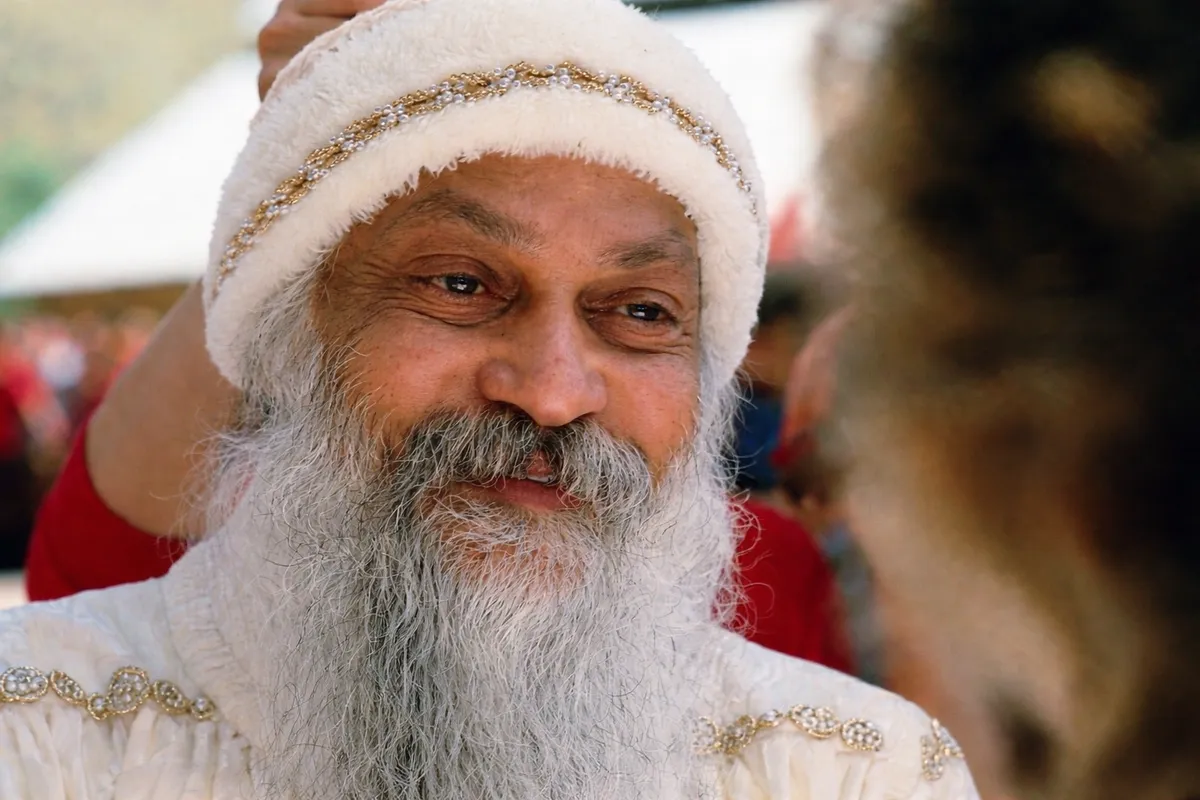
Osho's original Hindi beside Osho Live's English translation, matched passage by passage.
मेरे प्रिय आत्मन्!
जैसे व्यक्ति बूढ़ा हो जाता है, वैसे ही समाज भी बूढ़े हो जाते हैं। और जैसे एक व्यक्ति मरता है, वैसे ही समाज और संस्कृतियां भी मरती हैं। लेकिन कोई व्यक्ति न बूढ़े होने से इनकार कर सकता है और न मरने से। लेकिन कोई समाज, कोई संस्कृति, कोई सभ्यता यदि चाहे तो बूढ़े होने और मरने से इनकार कर सकती है। लेकिन जो समाज मरने से इनकार कर देगा, उसका नया जीवन पैदा होना बंद हो जाता है।
My beloved Atman! Just as an individual grows old, so do societies grow old. And just as an individual dies, so do societies and cultures die. An individual cannot refuse old age, nor can he refuse death. But a society, a culture, a civilization—if it chooses—can refuse to grow old, can refuse to die. Yet the society that refuses to die stops giving birth to a new life.
मरने से इनकार करना आसान है, लेकिन अगर नया जीवन मिलना बंद हो जाए, तो फिर एक तरह का मरा हुआ जीवन शुरू होता है। ऐसा इस देश में हो गया है। इस देश की संस्कृति और सभ्यता बहुत दिनों से जन्म लेना बंद कर दी है। हजारों साल से हम वैसे ही हैं, जैसे थे! और यदि हममें कोई परिवर्तन भी हुए हैं, तो वे परिवर्तन बाहर से आए हैं, हमारे भीतर से नहीं। यदि हम आगे भी बढ़े हैं, तो वह आगे बढ़ना दूसरों के धक्कों से हुआ है, हमारी अंतरात्मा से नहीं। हम मजबूरी में आगे बढ़े हैं, हमारे प्राण पीछे से ही जकड़े हुए हैं।
To refuse death is easy—but if new life ceases to come, a peculiar dead life begins. This has happened to this country. For long, our culture and civilization have stopped being born afresh. For thousands of years we have remained as we were. And if there have been any changes, they have come from the outside, not from within. If we have moved forward, it has been because others have pushed us—our own inner being has not called us forth. We have advanced by compulsion; our life-breath remains fettered to the past.
यह हमारा समाज करीब-करीब मरा हुआ समाज है और इसमें नये जीवन के अंकुर आने बहुत जमाने हुए, तब से बंद हो गए हैं। लेकिन हम इस बात से न दुखी हैं, न परेशान हैं, बल्कि हम इस बात से बहुत खुश हैं और बहुत सौभाग्यशाली अपने को मानते हैं! हम निरंतर यह कहे चले जाते हैं कि हमसे पुरानी कोई सभ्यता नहीं है! हम यह भी कहे चले जाते हैं कि हमारी किताबों से ज्यादा पुरानी कोई किताबें नहीं हैं! हमारे मंदिरों से ज्यादा पुराने कोई मंदिर नहीं हैं। और हमें कभी यह खयाल नहीं आता कि पुरानेपन का यह शोरगुल इस बात का सबूत है कि हमने नया होना बंद कर दिया है, तभी हम पुराने की इतनी बातें करते हैं।
Ours is almost a dead society; the sprouts of new life ceased long ago. Yet we are neither sad nor troubled—we are, on the contrary, very pleased and consider ourselves greatly fortunate! We keep proclaiming that no civilization is older than ours. We keep proclaiming that no books are older than our books; no temples older than our temples. And it never occurs to us that this noisy insistence on antiquity is proof that we have stopped becoming new; otherwise why would we talk so much of the old?
जो नया होने की क्षमता रखता है, वह पुराने को विसर्जित कर देता है और रोज नया हो जाता है। जो नया होने की क्षमता खो देता है, वह पुराने गीत ही गाए चले जाता है और पुरानी कहानियां ही पढ़े चले जाता है—पुराने नाम, पुराने ग्रंथों को ही सिर पर लिए चला जाता है! लेकिन इन सब का बोझ मृत बोझ होता है, डेड वेट होता है, उसके पीछे देश की प्रतिभा और आत्मा दबती है और नष्ट होती है, विकसित नहीं होती। इसलिए हमसे ज्यादा उदास कौम इस समय पृथ्वी पर कोई भी नहीं है। हमारी उदासी ऐसे हो गई है, जैसे किसी पुराने खंडहर की हालत हो जाती है। जैसे कोई मकान बहुत दिनों खंडहर पड़ा हो, धूल जम गई हो, कचरा इकट्ठा हो गया हो—ऐसे ही हमारा मन हो गया है।
One who retains the capacity to be new dissolves the old and becomes new every day. One who has lost the capacity to be new keeps singing the old songs, keeps reading the old stories—keeps carrying old names, old scriptures upon his head. But this entire load is a dead load, a dead weight—it crushes the intelligence and soul of a country; it destroys, it does not develop. That is why there is no nation on earth more desolate than we are today. Our desolation is like the state of an ancient ruin—a house long fallen into disrepair, dust settled thick, refuse accumulated. Such has our mind become.
नये जीवन की धाराएं जहां बंद हो जाती हैं, वहां जीवन उदास हो ही जाता है। और जहां नये जीवन की धाराएं रुक जाती हैं, वहां सड़ांध और गंदगी भी पैदा हो जाती है। जैसे हम किसी नदी को रोक दें तो फिर नदी सड़ेगी, गंदी होगी। ऐसे ही भारत की चेतना की धारा रुक गई है—सड़ती है, गंदी होती है। इसलिए चारों तरफ, सब तरह से सड़ांध है।
Where the streams of new life are blocked, life becomes sad. And where the streams of new life stop, stench and filth also arise. Stop a river and it will rot and foul. So too the stream of India’s consciousness has been blocked; it stagnates, it decays. Hence, everywhere, on every side, there is stench.
आपके गांव के रास्तों पर ही कूड़ा-करकट और गंदगी भरी है, ऐसा नहीं है। पूरे मुल्क के मन की हालत आपके गांव के रास्तों जैसी हो गई है। लेकिन गांव के रास्ते तो दिखाई पड़ते हैं, मन के रास्ते दिखाई भी नहीं पड़ते। और गांव के रास्ते तो हम आज नहीं कल बदल ही लेंगे, दुनिया इन रास्तों को बरदाश्त नहीं करेगी। लेकिन मन के रास्ते चूंकि दिखाई नहीं पड़ते, कौन बदलेगा, कौन खयाल देगा? और खतरा यह है कि बाहर के रास्ते ठीक हो जाएंगे, और भीतर के रास्ते गंदे ही रहेंगे। तो बाहर के रास्तों के ठीक होने से भी फिर बहुत कुछ नहीं हो सकता है। नई चीजें तो हमारे देश में भी आ गई हैं, मकान नये बन रहे हैं। बच्चे रोज नये पैदा होते हैं, लेकिन दिमाग हमारा पुराना का पुराना ही रहा चला जाता है! और वह पुराना, इतना पुराना हो गया है कि वह साधारण पुराना नहीं है वह, बीता हुआ कल नहीं है, हजारों साल पुराना हो गया है!
It is not only that the lanes of your village are filled with garbage and filth. The condition of the whole country’s mind has become like the lanes of your village. But the lanes of the village can be seen; the lanes of the mind cannot be seen. And the village lanes—today or tomorrow—we will change; the world will not tolerate such roads. But the inner lanes, since they are invisible—who will change them, who will even notice? The danger is that the outer lanes will be repaired while the inner lanes will remain filthy. Then, even the outer repairs will not help much. New things have come into our country; new houses are being built; children are born new every day—but our mind remains old, utterly old. And our oldness is not the ordinary yesterday—it is millennia old.
अगर हम समाज के नियम उठा कर देखें तो मनु महाराज के बाद हम कहीं आगे नहीं बढ़े! मनु महाराज को हुए कम से कम साढ़े तीन हजार वर्ष तो हो ही गए होंगे। मनु ने जिस शूद्र को जन्म दिया था, वह आज भी जिंदा है! और आज भी शूद्र को मिटाने की बातें क्रांतिकारी समझी जाती हैं! शूद्र को मिटाने की बातें, जब क्रांतिकारी समझी जाती हों तो समझना चाहिए कि शूद्र बहुत मजबूत है। साढ़े तीन हजार वर्ष पहले किसी आदमी ने एक नियम बनाया था, वह अब तक जिंदा है; मिटता नहीं! खत्म नहीं होता!
Lift up the rules of our society and look: after Manu, we have scarcely moved forward. At least three and a half thousand years must have passed since Manu. The shudra whom Manu created is still alive today. And even today, to speak of abolishing the shudra is considered revolutionary! If to speak of erasing the shudra is seen as revolutionary, understand how strong the shudra remains. A rule made by one man three and a half thousand years ago still lives; it will not die, it will not end.
न मालूम किस अतीत इतिहास में हमने भाग्य का तय किया था कि मनुष्य भाग्य से जीता है! सारी पृथ्वी बदल डाली आदमी ने। सब कुछ बदल डाला। जो-जो चीजें भाग्य से निर्धारित होती थीं, वे सब बदल डालीं। आदमी की उम्र बदल दी, बीमारियां बदल दीं, आदमी का सब बदल डाला, लेकिन हिंदुस्तान अब भी भाग्य के साथ जीए चला जाता है! अब भी भाग्य की वृत्ति में हमारा कोई फर्क नहीं पड़ा! आज भी यह देखने को मिल जाती है घटना कि युनिवर्सिटी में पढ़ने वाला लड़का सड़क के किनारे बैठे हुए किसी ज्योतिषी से चार आने देकर हाथ की रेखाएं दिखवा रहा है! युनिवर्सिटी में पढ़ने वाला विद्यार्थी भी हाथ की रेखाएं दिखवाएगा, तो फिर इस भारत का क्या होगा? नहीं, वह कभी-कभी इनकार भी करता है। वह इन सब बातों को मानने से इनकार करता है, लेकिन परीक्षा के समय विद्यार्थी भी हनुमान जी के मंदिर के सामने हाथ जोड़ कर खड़ा हो जाता है!
Who knows in what distant past of our history we fixed upon fate as the law—that man lives by fate. Humanity has transformed the entire earth; everything that was said to be fate, man has changed. He has altered his lifespan, conquered diseases, transformed almost everything—but India still lives with fate. Our fatalistic tendency has not changed. Even today you will see the sight of a university student paying four annas to a roadside astrologer to have his palm read. If a university student will show his palm, then what will become of this India? Sometimes he will even deny it; he will refuse to believe in such things—but when exams approach, the same student will stand with folded hands before Hanumanji’s temple.
हमारा चित्त पुराना है। हम ऊपर से नये भी हो जाते हैं। कपड़े हमारे नये हो गए हैं। कपड़े हमारे वैसे हो गए हैं, जैसे सारी दुनिया में होने चाहिए। लेकिन भीतर हमारा आदमी पुराना है। हमारे पास साधन नये हो गए हैं, लेकिन आदमी पुराना है! सब नया होता जा रहा है—वह हम नया नहीं कर रहे हैं, यह खयाल रहे। वह मजबूरी में, दुनिया के धक्के हमको नया होने के लिए मजबूर कर रहे हैं, तो हमें नया होना पड़ रहा है। लेकिन भीतर, जहां दुनिया हमें धक्के नहीं देती, कोई हमें समझाने नहीं आता, कोई हमें तोड़ने नहीं आता, भीतर हम पुराने ही रहे चले जाते हैं।
Our consciousness is old. Outwardly we may become modern—the clothes have become new, the garments like those of the entire world. But inside we remain ancient. Our instruments are new, but the man is old. Everything is becoming new—but remember, we are not making it new; we are being forced by the world’s shove to appear new. Inside, where the world does not push, where no one comes to shatter us, we remain as old as ever.
मैं कलकत्ते में एक डाक्टर के घर रुका हुआ था। बड़े डाक्टर हैं, एफ.आर.सी.एस. हैं, यूरोप में पढ़े हैं, और कलकत्ते में बड़ी प्रतिष्ठा है। सांझ को मुझे लेकर एक सभा में जा रहे हैं। मैं निकला हूं बाहर, पोर्च में आए हैं, उनकी लड़की को छींक आ गई। उस डाक्टर ने मुझसे कहा: एक मिनट रुक जाएं, लड़की को छींक आ गई है! मैंने उनसे कहा: तुम्हारी लड़की को छींक आए, इससे मेरे रुकने का क्या संबंध है? और तुम्हारी लड़की को छींक आई है, तुम डाक्टर हो, भलीभांति जानते हो कि छींक के आने के कारण क्या हैं। तुम भी मुझे रोकते हो? उन्होंने कहा, वह तो मैं जानता हूं कि छींक आने के कारण क्या हैं, फिर भी रुकने में हर्ज क्या है, एक मिनट बाद चले चलते हैं। मैंने कहा, हर्ज बहुत बड़ा है, तुम्हारी लड़की को छींक आने पर एक मिनट मेरे रुकने का सवाल नहीं है, तुम्हारी लड़की को छींक आने पर रोकने की धारणा, पूरे मुल्क की आत्मा को रोकने का सवाल है। धारणा रोकने की है। धारणा खतरनाक है। एक मिनट नहीं, एक घंटे रुका जा सकता है, वह कोई सवाल नहीं है बड़ा। बड़ा सवाल यह है कि हम अब भी इस भाषा में सोचते हैं इस दुनिया में, बीसवीं सदी में! तो फिर हम रुक जाएंगे, हम आगे नहीं जा सकते। और डाक्टर भी ऐसा सोचता हो, तब बहुत मुश्किल हो जाती है। तब बहुत कठिन हो जाता है।
I stayed once at a doctor’s house in Calcutta—an eminent surgeon, an FRCS, educated in Europe, greatly respected. One evening he was taking me to a meeting. We came out to the porch; his daughter sneezed. The doctor said to me, “Just a minute—let us wait; the girl sneezed.” I asked, “What is the connection between your daughter’s sneeze and my waiting? And you are a doctor—you know well the causes of a sneeze. You too would stop me?” He said, “I know the causes well enough; still, what harm is there in waiting? We can go in a minute.” I said, “The harm is immense. Your daughter’s sneeze is not the issue—the notion of stopping because she sneezed is the issue. That notion is to stop the nation’s very soul. The notion of stopping is dangerous. It is not a matter of a minute or an hour; the grave matter is that in the twentieth century we still think in such language. Then we shall stop—we cannot go forward. And if even a doctor thinks like this, the difficulty becomes profound.”
लेकिन ये हमारे सोचने के ढंग इतने मजबूत हो गए हैं, लोहे के हो गए हैं कि इन्हें हिलाना भी मुश्किल हो गया है। सच तो यह है कि इनके कारण हमने सोचना ही बंद कर दिया है, हम सोचते ही नहीं। और हमारे देश में हजारों साल से यह भी समझाया जाता है, सोचना मत। सोचने के संबंध में बड़ी खिलाफत है! सोचने वाला आदमी अच्छा आदमी नहीं है! क्योंकि सोचने वाला आदमी किसी न किसी तरह का विद्रोह पैदा करता है। जो नहीं सोचते, वे आदमी कम, भेड़ें ज्यादा हो जाते हैं। वे एक-दूसरे के पीछे चलते चले जाते हैं। आगे वाला चल रहा है, इतना भर मेरे चलने के लिए काफी कारण होता है! आगे वाले को भी यही कारण होता है कि उसके आगे वाला चल रहा है! और पूरी भीड़ ऐसे ही चलती जाती है!
Our ways of thinking have become so rigid—iron-hard—that even shaking them is difficult. In truth, because of them we have stopped thinking altogether. For thousands of years we have even been taught: do not think. There is great opposition to thinking. The thinking person is not considered good—because wherever there is thinking, some kind of rebellion arises. Those who do not think become less human, more like sheep. One follows another. The one in front is walking—this alone becomes enough reason for me to walk. The one in front has the same reason—that another is walking ahead of him—and thus the whole crowd goes on.
अगर कोई हिंदुस्तानी मस्तिष्क के भीतर घुस कर पूछे कि ऐसा तुम क्यों कर रहे हो? तो एक ही जवाब मिलेगा कि मेरे पिता ने भी ऐसा ही किया था! यह कोई जवाब है! यह हमारा तो अपमान है ही, हमारे पिता का भी अपमान है। और अगर हम पिता के भीतर भी घुस सकें तो यही जवाब मिलेगा! हजारों साल पीछे लौट जाएं तो जवाब यही है! क्योंकि ऐसा होता रहा है, इसलिए हम ऐसा कर रहे हैं!
If one were to enter the Indian mind and ask, “Why are you doing this?” there would be only one answer: “My father did the same.” Is that an answer? It is an insult not only to us but to our fathers as well. Enter the father’s mind and you will find the same answer; go back thousands of years and you will find the same. “Because it has been so, therefore we do so.”
अब दुनिया भलीभांति जानती है कि पानी कैसे गिरता है। यज्ञों से न कभी पानी गिरा है, न गिर सकता है। लेकिन हम यज्ञों से पानी गिराने की कोशिश जारी रखे हुए हैं! सारी दुनिया भलीभांति जानती है कि एक नल में भी पानी नहीं आ रहा हो, तो कितना भी यज्ञ करो, नल की टोंटी से पानी नहीं निकाल सकते—आकाश से पानी गिराना तो बहुत दूर की बात है। एक कुआं सूख गया हो तो यज्ञ करने से कुएं में भी पानी नहीं आ सकता—आकाश के बादलों से पानी गिरा लेना तो बहुत दूर है! लेकिन जमीन पर आकाश से पानी गिराया जा रहा है! और जमीन पर ऐसे मुल्क हैं, जहां पानी नहीं गिराना चाहते हैं, वहां से बादलों को भी हटा रहे हैं। और जहां पानी लाना चाहते हैं, वहां भी बादल लाए जा रहे हैं।
Now the world knows well how rain falls. Never has rain fallen by yajnas, nor can it. The whole world knows that if water is not coming into a single tap, no amount of yajna can produce water from the spout—what then of bringing rain from the sky! If a well has dried up, no yajna can fill it—what then of drawing water from the clouds! Yet on the earth we are dragging down water from the sky. And there are countries that, where they do not want rain, chase away the clouds; and where they want rain, they bring the clouds.
लेकिन यह तभी होगा, जब पुराना खयाल हमारा टूट जाए। हम तो सोचते हैं, बादल वगैरह हटाने की जरूरत नहीं है। हम तो सोचते हैं, आग जला कर कुछ मंत्र पढ़ने की जरूरत है। हम तो सोचते हैं, आग जला कर गेहूं और घी फेंकने की जरूरत है! गेहूं और घी की कमी है—उसी को लाने के लिए यज्ञ किया जा रहा है, उसमें हम गेहूं और घी ही जला रहे हैं! और वह कभी आया नहीं, आज तक तो पता नहीं चला—नहीं तो हमने इतने यज्ञ किए हैं कि हमसे ज्यादा समृद्ध समाज पृथ्वी पर दूसरा नहीं होना चाहिए था।
But that can happen only when our old notions are broken. We think there is no need to disperse clouds. We think only a fire must be lit and some mantras recited. We think a fire must be lit and wheat and ghee must be offered. There is a shortage of wheat and ghee—we perform a yajna to call them forth, and into that very yajna we burn wheat and ghee. And they have never come—otherwise, after so many yajnas, we should have been the most prosperous society on earth.
अमरीका में सुना नहीं कि कभी कोई यज्ञ हुआ हो, लेकिन धन आकाश से बरस गया है। रूस में तो सुना नहीं कि यज्ञ करने वाले को वे पागलखाने भेजेंगे कि क्या करेंगे, लेकिन रूस की गरीबी मिट गई है। और हम? हम पांच हजार वर्षों से यज्ञ पर यज्ञ किए चले जाते हैं! लेकिन कोई पूछने को राजी नहीं है कि यह क्या पागलपन हो रहा है! अब अगर सरकार कहती भी है गुजरात की कि हम यज्ञ नहीं होने देंगे, तो वह भी जो कारण बताती है, वह यह नहीं कि यज्ञ गलत है और पाप है और अधर्म है—वह भी कारण यह कि गेहूं हमारे पास ज्यादा नहीं है, वह हम खर्चा नहीं करने देंगे? इतनी हिम्मत उनकी भी नहीं होती कि सीधी बात कहें कि यज्ञ नहीं होने देंगे। गेहूं का कोई सवाल नहीं है। गेहूं ज्यादा हो तो भी नहीं होने देंगे। गेहूं कितना ही हो हमारे पास जलाने को, तो भी नहीं होने देंगे। यह हिम्मत उनकी भी नहीं है! वे कहते हैं, राशन की कमी है, इसलिए गेहूं मत जलाइए!
In America you will not hear of any yajna, yet wealth has rained from the sky. In Russia, if anyone tried to perform a yajna they would send him to a madhouse—and yet Russia’s poverty has been erased. And we? We have performed yajna upon yajna for five thousand years. And no one is willing to ask: what madness is this? Even if a government—say, in Gujarat—declares that no yajna will be allowed, the reason it gives is not that a yajna is wrong, sinful, adharma. The reason they offer is: we do not have surplus wheat; we will not allow waste. They do not have the courage to speak plainly: we will not allow yajnas—wheat or no wheat. Even if we have wheat to burn, we shall not allow it. They lack even this courage. They say: ration is scarce, therefore do not burn wheat.
यज्ञ करने वाले बहुत होशियार हैं, वे कहेंगे, हम बिना गेहूं के भी यज्ञ कर लेते हैं! फिर, यज्ञ चलेगा, यज्ञ नहीं रुकेगा। जड़ी बूटी डाल देंगे, मंत्र पढ़ लेंगे, और तरह से काम कर लेंगे—यज्ञ चलेगा! लेकिन जो लोग इनकार करते हैं, उनके भी इनकार करने के कारण में बहुत जान नहीं है भीतर। वे भी सीधी और साफ बात नहीं कहते कि तुम आकर प्रयोगशाला में सिद्ध करके बताओ कि यज्ञ से क्या हो सकता है। तुम कहते हो विश्व शांति हो सकती है यज्ञ से? एक आदमी अशांत हो, उसको शांत करके बता दो, तो भी काफी है। एक पागलखाने में जाकर यज्ञ करके दिखाओ, कितने पागल शांत हो जाते हैं, फिर हम मान लेंगे। और जहां पूरी दुनिया पागल हो गई है, तुम्हारेयज्ञों से शांत हो जाएगी? नहीं, लेकिन फॉल्स, झूठा उपाय। सबसे बड़ा नुकसान यह नहीं करता है कि गेहूं खराब होता है, यह सवाल नहीं है बड़ा। झूठे उपाय में हम जब तक उलझे रहते हैं, तब तक सही उपाय नहीं खोजा जा सकता। जो सबसे बड़ी कठिनाई है, वह यह हो जाती है।
Those who conduct yajnas are clever—they will say, “We will do a yajna without wheat.” Then the yajna will continue—throw in some herbs, chant some mantras, find some other way—the yajna will go on. But even those who refuse lack strength in their reasons. They too do not speak straight: “Come and demonstrate in a laboratory what a yajna can do. You say a yajna brings world peace? If a single disturbed person is brought to peace by your yajna, that will suffice. Go to a madhouse and perform a yajna—show us how many madmen become sane, and we will believe. And where the whole world is insane, will your yajnas make it peaceful?” No—the false, the counterfeit remedy. The greatest harm is not that wheat is wasted—that is not the main issue. The greatest harm of clinging to a false remedy is that while we are entangled in it, the right remedy cannot be sought. That is the real difficulty.
अगर कोई आदमी सोचता है, ताबीज बांधने से बीमारियां ठीक हो सकती हैं, तो फिर दवाई का शास्त्र विकसित नहीं होगा। उतना नुकसान ताबीज से नहीं है, क्योंकि ताबीज से एक आदमी मरेगा, दस आदमी मरेंगे। बड़ा नुकसान जो है—मेडिकल साइंस विकसित नहीं होगी उस मुल्क में, जो कि भारी नुकसान है। मेडिकल साइंस तो तभी विकसित होगी, जब हम खोजें—कि ताबीजों से नहीं, ओझा से नहीं, पंडित से नहीं, मंत्र से नहीं। इनसे भी कुछ नहीं होता। कुछ और खोजें कि बीमारी का कारण क्या है, बीमारी कहां से आती है। वहां हम बीमारी को तोड़ने की कोशिश करें, बीमारी के कारण को मिटाएं, तो शायद बीमारी मिट सकती है।
If a man believes diseases can be cured by a talisman tied to his arm, then the science of medicine will not develop. The harm of the talisman itself is small—one man will die, ten will die. The far greater harm is that in such a country medical science will not develop. Medicine develops only when we enquire—“Not by talismans, not by shamans, not by priests, not by mantras—these do nothing. Let us discover what does; what is the cause of disease, whence does it arise? Let us break disease there, remove its cause.” Then perhaps disease can be eradicated.
आज रूस में, या अमरीका में, या स्वीडन में या स्विटजरलैंड में बीमारियों का प्रतिशत इतना कम हो गया है कि दुनिया में इतना स्वस्थ आदमी कभी भी नहीं था। उम्र इतनी बढ़ गई है, जिसका कोई हिसाब नहीं। रूस में क्रांति हुई उन्नीस सौ सत्रह में, तो उम्र केवल तेईस वर्ष थी, औसत उम्र। आज रूस की औसत उम्र बहत्तर वर्ष है! कहना चाहिए, हर वर्ष, एक वर्ष औसत उम्र भी बढ़ती चली गई है। स्वीडन और स्विटजरलैंड के मुल्कों में औसत उम्र बयासी वर्ष है! और वहां का वैज्ञानिक, विचारक कहता है कि अगर हम चाहें तो कोई कठिनाई नहीं है कि आदमी को हम सौ वर्ष की आम औसत उम्र दे दें। और जिस दिन सौ वर्ष औसत उम्र होगी, उस दिन ढाई सौ वर्ष तक का बूढ़ा मिल सकेगा। क्योंकि अभी हमारे इस मुल्क में समझ लें तीस वर्ष, उनतीस वषर्र् औसत उम्र है, तो अस्सी वर्ष का बूढ़ा मिल जाता है। तीस वर्ष की उम्र में अगर नब्बे वर्ष का बूढ़ा मिल सकता है, तीन गुना, तो सौ वर्ष की उम्र में तीन सौ वर्ष का बूढ़ा आसानी से मिल जाएगा। आज भी रूस में कोई एक हजार से ऊपर लोग डेढ़ सौ वर्ष से ऊपर की उम्र के हैं।
Today in Russia, America, Sweden, Switzerland, the percentage of illness has fallen so low that never before has man been so healthy. The lifespan has increased beyond measure. In 1917, when the revolution came in Russia, the average lifespan was only twenty-three years. Today, Russia’s average lifespan is seventy-two. One could say: each year, the average climbed roughly a year. In Sweden and Switzerland, the average is eighty-two. And their scientists say: if we will it, there is no great difficulty in giving man an average lifespan of one hundred years. And the day the average is one hundred, there will be elders of two hundred and fifty. For even now, when in our country the average is around twenty-nine or thirty, one can still find an eighty-year-old. If at an average of thirty one can find ninety-year-olds—three times the average—then at an average of a hundred, three hundred-year-olds will be found. Even today in Russia there are over a thousand people above one hundred and fifty years of age.
सारी दुनिया सब बदलती चली जा रही है, लेकिन हमारे ढांचे तय हैं! हम कहते हैं कि यहां गेहूं की कमी है, खाने की कमी है, कपड़े की कमी है! और कुछ हम इस ढंग से कहते हैं कि जैसे हमारे वश में कुछ भी नहीं है! पांच हजार साल से हम भूखे और नंगे हैं! हमारे ढंग ऐसे हैं कि हम भूखे और नंगे आगे भी पांच हजार सालों तक रहेंगे। इसमें गलती न जमीन की है, न आकाश की है। गलती है तो हमारी है और हमारे सोचने के ढंगों की है। हमारे सोचने के ढंगों की गलती है।
The whole world keeps changing, but our frames are fixed. We say we lack wheat, we lack food, we lack clothing—and we speak in such a way as though nothing lies within our power. For five thousand years we have been hungry and naked. Our ways are such that we will remain hungry and naked for another five thousand years. The fault is neither of earth nor sky. The fault lies in us—in our modes of thinking.
उन्नीस सौ चालीस के बाद रूस ने अपनी ट्रेनों में कोयले की जगह गेहूं जलाया। क्योंकि कोयला ज्यादा कीमती मालूम पड़ा, गेहूं सस्ता मालूम पड़ा। गेहूं जलाना आसान मालूम पड़ा, क्योंकि गेहूं हर साल पैदा हो सकता है। और कोयले को पैदा होने में लाखों साल लग जाते हैं। कोयला बनने में लाखों साल लग जाते हैं, तो कोयला बहुत कीमती चीज है, कोयले को मत जलाओ। एक ही साथ जमीन पर एक मुल्क अपने ट्रेन के इंजनों में गेहूं जलाएगा और दूसरे मुल्क को पेट में जलाने के लिए भी गेहूं नहीं है! तो थोड़ा सोचना पड़ेगा कि बात क्या है?
After 1940, Russia burned wheat in its trains in place of coal—because coal seemed more precious and wheat cheaper; wheat can grow each year, coal takes millions of years to form—therefore coal is precious, do not burn it. On one patch of earth, a country burns wheat in its locomotives; on another, there is not even wheat to burn inside the stomach! One must think a little—what is the matter?
और ऐसा नहीं है कि रूस या अमरीका हमेशा से धनवान थे। इधर पचास-साठ वर्षों में धन पैदा हुआ है। नहीं तो वे भी हमारे ही जैसे गरीब थे। और यह भी ध्यान रहे, अमरीका के जो मूल निवासी हैं, वे आज भी गरीब हैं। तो अमरीका की जमीन की खूबी नहीं है।
And it is not that Russia or America were always wealthy. In the last fifty or sixty years, wealth has been created; earlier they were as poor as we were. And note: the original inhabitants of America are still poor. So it is not a virtue of the soil of America.
काउंट कैसरलिंग नाम का एक जर्मन विचारक हिंदुस्तान से वापस लौटा। उसने अपनी किताब में एक अजीब बात लिखी है। मैं पढ़ रहा था, तो बहुत हैरान हुआ। उसने लिखा है कि इंडिया इज़ ए रिच कंट्री व्हेअर पुअर पिपल लिव! हिंदुस्तान एक अमीर देश है, जहां गरीब आदमी रहते हैं! मैं पूछने लगा अपने मन में कि इस आदमी को क्या हो गया है? अगर देश अमीर है तो गरीब आदमी कैसे रह सकते हैं वहां? और अगर गरीब आदमी रहते हैं तो अमीर देश कहने का मतलब क्या है? लेकिन फिर मुझे लगा कि वह मजाक कर रहा है। वह यह कह रहा है कि देश तो अभी अमीर हो सकता है, लेकिन रहने वाले लोगों की बुद्धि, रहने वालों लोगों का मन, रहने वाले लोगों के सोचने के ढंग, सब गरीबी के हैं। वे अमीर कभी भी नहीं हो सकते हैं। अगर इस देश को अमरीका जैसे लोग रहने को मिल जाएं तो अमरीका गरीब देश हो जाए इस मुल्क के मुकाबले।
A German thinker, Count Keyserling, returned from India and wrote an astonishing line in his book. Reading it, I was amazed. He wrote: “India is a rich country where poor people live.” I asked within: what has happened to this man? If the country is rich, how can poor people live there? And if poor people live there, what does it mean to call it a rich country? Then I understood his jest. He is saying: the country can be rich, but the minds, the hearts, the modes of thought of those who live there are poor—they can never be rich. If people like those of America were to live here, then in comparison America would become the poorer country.
सब हमारे पास है, सिर्फ एक हमारे पास सोचने वाला मस्तिष्क नहीं है। और हमारी हजारों साल की आदतें सोचने की नहीं हैं, सोचने से बचने की हैं। जहां सोचने का सवाल आए, वहीं हम बच जाना चाहते हैं! बचने की कोई भी तरकीब मिल जाए, तो हम फौरन हाथ जोड़ कर मंदिर में बचने को निकल जाएंगे। हम सोचेंगे नहीं, विचार नहीं करेंगे कि क्या किया जाए।
We possess everything—except a thinking mind. For thousands of years our habit has not been to think, but to escape from thinking. The moment thinking is required, we want to evade. Any trick to avoid it, and we will run at once, hands folded, to a temple. We will not think, we will not enquire what is to be done.
मैं अभी बिहार था। बिहार में हजारों अकाल पड़ चुके हैं। बुद्ध के जमाने से लेकर अब तक निरंतर अकाल पड़ता रहा है। लेकिन बिहार के आदमी ने कुछ भी नहीं किया! बिहार की जमीन के नीचे बहुत पानी है, लेकिन उसने कुएं नहीं खोदे। वह हर बार अकाल की प्रतीक्षा करता है, फिर भीख की प्रतीक्षा करता है—और चलता चला जाता है! वह कुछ नहीं करता! जब अकाल आता है, तब स्वीकार कर लेता है कि भीख दो! जब अकाल चला जाता है, तब अपना फिर जैसा काम चलता था, करने लगता है! अकाल जब आ जाता है तो देश भर के नेता दान मांगने निकल पड़ते हैं। लेकिन जब अकाल चला जाता है, तब कोई फिकर नहीं करता है कि फिर हालत वही है, कल फिर अकाल आ जाएगा। उसमें कोई बदलाहट नहीं होती है।
I was recently in Bihar. Thousands of famines have occurred there. From the time of Buddha till now famines have recurred, yet the people of Bihar have done nothing. Beneath Bihar’s soil there is ample water, yet they have not dug wells. They wait for famine—and then they wait for alms—and go on living as before. When famine comes, they accept and ask for charity; when it passes, they return to their routine. When famine returns, the leaders of the land go begging for donations; when it passes, no one worries that the situation remains the same, that famine will return tomorrow. Nothing is changed.
एक बहुत बड़े अर्थशास्त्री ने एक किताब लिखी है, उन्नीस सौ पचहत्तर किताब का नाम है। और उस किताब में यह घोषणा की है और यह घोषणा सही हो सकती है। उसने लिखा है कि उन्नीस सौ पचहत्तर और उन्नीस सौ अस्सी के बीच हिंदुस्तान में इतने बड़े अकाल के पड़ने की संभावना है, जिसमें दस करोड़ लोगों से लेकर बीस करोड़ लोगों तक की मृत्यु हो सकती है। और उसका कहना है, इतना बड़ा अकाल दुनिया के इतिहास में कभी भी नहीं पड़ा जितना हिंदुस्तान में जल्दी पड़ेगा।
A renowned economist wrote a book—its 1975 edition contains a terrifying prediction, which may well prove true. He wrote that between 1975 and 1980, a famine of such proportions could strike India that between one hundred and two hundred million people may die. He says: never in history has there been a famine as great as the one that may soon strike India.
लेकिन हम यह सुन लेंगे और हम जो कर रहे थे, वह करते चले जाएंगे! कि जब उन्नीस सौ अठहत्तर आएगा तब देखेंगे! फिर भगवान तो सदा साथ है—फिर भगवान से प्रार्थना करेंगे, फिर और यज्ञ करेंगे, और बड़े यज्ञ करेंगे! भगवान साथ नहीं है, तो कम से कम साधु-संन्यासी तो भगवान के एजेंट तो साथ हैं ही—उनसे फिर प्रार्थना करेंगे! और हम उन्हीं से प्रार्थना कर रहे हैं! और वे ही हमें गलत बातें सुझा रहे हैं। वे हमें, वही बातें फिर सुझा देते हैं, जो हजार बार हमें सुझाई गई हैं। और जिनका कोई फल नहीं हुआ है। लेकिन हम सोचने को तैयार भी नहीं हैं! जब मुसीबत आती है, तब फिर वे ही गुरु मिल जाते हैं। फिर हम उन्हीं से पूछने चले जाते हैं! हम उन्हीं से पूछते चले गए हैं! हमने कभी कुछ सोचा नहीं कि हम एक बार अपने से सोचें कि यह क्या स्थिति है।
But we will read this—and continue with what we were doing. “When 1978 arrives, we will see.” Then “God is with us”—we will pray to God, we will perform more yajnas, bigger yajnas. If God is not with us, at least his agents—the sadhus and sannyasins—are with us; we will pray to them. And we are praying to them. And they in turn keep advising us the same tired old things—things that have been suggested a thousand times and have borne no fruit. But we are not ready to think. When trouble arrives, it is the same gurus we find; to them we go again, to them we keep asking. We have never thought to think for ourselves about our situation.
और अब हमें सोचना ही पड़ेगा, अन्यथा। आने वाले भविष्य में न केवल हम गरीब होंगे, भूखे होंगे, बल्कि यह भी हो सकता है कि अंतरिक्ष में जो लोग गति कर गए हैं, उनके मुकाबले हमारी चेतना और आत्मा भी पिछड़ जाए। यह भी हो सकता है। यह बिलकुल संभावना पक्की होती चली जाती है कि जैसे हम जी रहे हैं, हमारे पास ही जंगल में आदिम आदमी भी जी रहा है। करीब-करीब हम आने वाले पचास वर्षों में उस जगह पहुंच जाएंगे, जो हमारे और आदिम आदमी के बीच में, आदिवासी और हमारे बीच में जो फासला है, वह फासला हमारे और अमरीका, हमारे और रूस, हमारे और यूरोप के बीच में पैदा हो जाएगा।
And now we will have to think—otherwise not only will we remain poor and hungry, but our consciousness and soul may fall far behind those who have entered space. The gap may grow so vast that, within fifty years, the distance that now exists between us and the primitive tribal will become the distance between us and America, us and Russia, us and Europe.
आज भी सारी दुनिया हमसे बहुत डरी हुई है, क्योंकि वह देखती है कि यह भिखमंगों का भारी जंजाल इतना बड़ा है कि इसे तृप्त करना मुश्किल है। और यह कुछ करने को राजी नहीं हैं! सोचा था उन्होंने बीस साल पहले कि कुछ सहायता हम देंगे तो ठीक हो जाएगा सब। लेकिन उनकी सहायता से सिर्फ हम एक काम करते हैं कि हम और बच्चे पैदा करते हैं! हम अपनी समस्या और बड़ी कर देते। और इतना खतरा उनको पैदा हो गया है कि अगर ये हालतें बनती चली जाती हैं पूरब के मुल्कों की, विशेषकर भारत जैसे मुल्कों की—संख्या बढ़ती चली जाती है, गरीबी बढ़ती चली जाती है, भोजन-कपड़े कम होते चले जाते हैं, सब मुश्किल होता चला जाता है, तो सारी दुनिया का सुख-चैन खतरे में है। क्योंकि इतने बड़े दुख को झेलना भी एक ही साथ जमीन पर बहुत कठिन है।
Even today the world is frightened of us—this vast mass of beggars is so immense, it seems impossible to satiate it; and it refuses to do anything. Twenty years ago they thought: a little aid and things will set right. But with their aid we have been doing only one thing: producing more children. We have enlarged our problem. Such a danger now looms before them that if the conditions of the Eastern countries—especially of India—continue as they are—numbers increasing, poverty increasing, less food, less clothing—then the peace of the whole world is in danger. For such a vast sorrow cannot be borne on earth all at once.
लेकिन हम क्या कर रहे हैं?
But what are we doing?
अगर हम अपनी जिंदगी के सवालों को चारों तरफ देखें, अखबार उठा कर देखें, तो मुझे नहीं लगता है कि हम जिंदगी के किसी बड़े मसले पर विचार भी कर रहे हैं। हम किस बात पर विचार करते हैं? हम विचार करते हैं कि नर्मदा का जल मध्यप्रदेश का है कि गुजरात का है! हम जैसे नासमझ लोग खोजने ही मुश्किल हैं। हमारे अखबार क्या विचार करते हैं कि एक जिला मैसूर में रहना चाहिए कि महाराष्ट्र में! इसमें गोली चलेगी! एक कारखाना औरंगाबाद में बने कि अहमदनगर में! गोली चलेगी! हम जिन समस्याओं से बातें करते हैं, वे समस्याएं नहीं हैं, बीमारियां हैं। और जिंदगी के सामने जो समस्याएं मुंह बाकर खड़ी हैं, उनकी तरफ हम विचार ही नहीं करते! उनको हम देखते ही नहीं! जब वे हमें पकड़ लेती हैं गर्दन से, तब हम चिल्लाते हैं, रोते हैं! और फिर एक ही उपाय रह जाता है कि हम भगवान से प्रार्थना करें! क्योंकि जब हम कुछ कर सकते थे, वह समय हम खो देते हैं और जब कुछ भी नहीं किया जा सकता, असहाय हो जाते हैं, हेल्पलेस हो जाते हैं, तो फिर भगवान से प्रार्थना करने के सिवाय कोई रास्ता नहीं रह जाता।
If you look around at the issues of our life—pick up a newspaper—you will not find us thinking about any major issue of life. What do we think about? We think whether the waters of the Narmada belong to Madhya Pradesh or to Gujarat. Fools like us are hard to find. Our newspapers argue whether a district should be in Mysore or in Maharashtra—people will be shot. Whether a factory should be in Aurangabad or in Ahmednagar—people will be shot. The things we discuss are not issues; they are diseases. And the problems that stand before life with their mouths wide open—we do not even glance at them. Only when they seize us by the throat do we cry and wail. Then only one recourse remains—to pray to God. Because when we could have done something, that time we lose; and when nothing can be done, when we become helpless, then there is nothing left but prayer.
और ध्यान रहे, भगवान ने अगर कभी किसी की सुनी भी होगी, तो उन लोगों की तो कभी नहीं सुनी, जो सिर्फ प्रार्थनाएं करते हैं। अगर कभी सुनी भी होगी, तो उन लोगों की सुनी होगी, जो भगवान को भी मजबूर कर देते हैं, जो इतना करते हैं कि भगवान को भी मान ही जाना पड़ता है, कि कुछ करो। अगर कहीं कोई भगवान है, तो वह भी उनको ही मानता है, जो कुछ करते हैं।
And remember: if God has ever listened to anyone, he has never listened to those who only pray. If he has listened, he has listened to those who even compel God—who do so much that God has to concede, “Do something.” If there is a God anywhere, he too listens to those who act.
स्वामी राम जापान गए थे। रास्ते में जिस जहाज पर सवार थे—एक बूढ़ा जर्मन भी उस जहाज पर था, जिसकी उम्र कोई नब्बे वर्ष होगी। वह नब्बे वर्ष की उम्र में चीनी भाषा सीख रहा था! चीनी भाषा सीखना कठिन मामला है। शायद पृथ्वी पर उतनी कठिन कोई दूसरी भाषा नहीं है। उसका कारण है कि चीनी भाषा के पास कोई वर्णमाला नहीं है, कोई अल्फाबेट नहीं है, कोई ए बी सी डी, क ख ग कुछ भी नहीं है। चीनी भाषा पिक्चोरियल है, चित्रों की भाषा है। एक-एक शब्द के लिए एक-एक चित्र है। अगर झगड़ा लिखना है, लड़ाई लिखनी है, तो लड़ाई के लिए कोई शब्द नहीं है—सिर्फ एक छप्पर के नीचे दो औरतें बैठी हुई हैं। एक छप्पर के नीचे दो औरतों के बैठने का मतलब झगड़ा होता है। तो छप्पर बना है, और प्रतीक में दो औरतें बैठी हैं, यह झगड़ा हो गया। तो इस तरह कम से कम एक लाख शब्द सीखने पड़ें तब कहीं साधारण चीनी का ज्ञान होता है। नब्बे वर्ष का बूढ़ा चीनी भाषा सीख रहा है, पागल हो गया! रामतीर्थ को लगने लगा, इस बूढ़े को क्या हो गया है? वह सुबह से लेकर जहाज के डेक पर जो चीनी भाषा सीखने बैठता है, तो कब सूरज डूब जाता है, उसे पता नहीं चलता है। जब अंधेरा घिर आता है, उसकी बूढ़ी आंखें थक जाती हैं, तब वह अंदर वापस लौटता है!
Swami Ramatirtha once went to Japan. On the ship there was an old German, about ninety years of age—learning Chinese! To learn Chinese is difficult—perhaps no other language on earth is so difficult. There is a reason: Chinese has no alphabet, no A-B-C-D, no ka-kha-ga. It is pictorial—the language of images. For each word there is a symbol. If one wishes to write “quarrel” there is no word—only a picture: two women sitting under one roof. Two women under one roof means quarrel. A roof, and under its symbol two women—this is quarrel. In this way, one must learn at least a hundred thousand symbols even to know ordinary Chinese. This ninety-year-old was studying Chinese—gone mad! Ramatirtha felt the old man must be crazy. He would sit on the ship’s deck from morning on, studying Chinese, and not know when the sun set. Only when darkness gathered and his aged eyes tired would he go inside.
दो-तीन दिन में रामतीर्थ ने उससे पूछा कि आपको पता है, कि मैंने सुना है कि चीनी भाषा सीखने में कम से कम दस साल लग जाते हैं। आप कब सीख पाओगे? आपकी कितनी उम्र हो गई है? उस बूढ़े आदमी ने कहा कि उम्र! उम्र का हिसाब भगवान रखता होगा, इस फिजूल काम में मैं नहीं पड़ता। यहां काम से फुरसत कहां है? रामतीर्थ ने कहा: वह तो ठीक है, लेकिन फिर भी दस साल लग जाएंगे सीखने में—और आपके बचने की उम्मीद कम है। उस बूढ़े आदमी ने कहा कि नब्बे साल का मेरा अनुभव कहता है कि नब्बे साल तो मैं बचा। मरने की संभावना रोज थी, कभी भी मर सकता था। जिस दिन से पैदा हुआ, उस दिन के बाद हर रोज मर सकता था। नब्बे साल तो मैंने मरने को धोखा दे दिया। नब्बे साल का अनुभव यह कहता है, अभी तक नहीं मरा—तो जरा विश्वास बढ़ता है कि जी सकता हूं और भी जी सकता हूं। लेकिन तुम्हारी उम्र कितनी है?
After two or three days Ramatirtha asked, “Do you know I have heard it takes at least ten years to learn Chinese? When will you learn? How old are you?” The old man said, “Age? God must be keeping that account; I do not indulge in such futile work. Where is the leisure from work?” Ramatirtha said, “Even so—it will take ten years to learn, and your chances of living are not great.” The old man said, “My ninety years of experience say that since the day I was born I could have died any day—yet I have kept deceiving death. Ninety years have passed; this increases my trust that perhaps I can live even more. But how old are you?”
रामतीर्थ बहुत मुश्किल में पड़ गए, उनकी उम्र उस समय तीस ही वर्ष थी। तुम्हारी उम्र कितनी है? रामतीर्थ ने कहा: मेरी उम्र तो तीस ही वर्ष है। उस बूढ़े आदमी ने कहा कि बेटे मैं तुमसे यह कहना चाहता हूं कि तुम्हारा देश क्यों बूढ़ा हो गया है। तुम कुछ भी नहीं करते, तुम सिर्फ मौत की प्रतीक्षा करते हो, तो बूढ़े तो हो ही जाओगे।
Ramatirtha was embarrassed; he was only thirty. “I am thirty.” The old man said, “Son, this is why your country has grown old—you do nothing; you only wait for death. Then, of course, you will grow old.”
फिर उस बूढ़े ने कहा कि मेरा तो खयाल यह है कि अगर भगवान कहीं भी है, तो इस बूढ़े को देखेगा कि इतना श्रम करता है तो कुछ तो दया करता होगा। और अगर नहीं है, तब उसकी फिकर ही छोड़ देनी चाहिए। और अगर कहीं है, तो इस बूढ़े को बच्चे की तरह मेहनत करते देख कर यह तो सोचता होगा कि अभी इसे और, और, और उम्र दे। और यह हैरानी की मैंने घटना सुनी है कि वह बूढ़ा पंद्रह साल जिंदा रहा। उसने न केवल चीनी भाषा सीखी, बल्कि न केवल चीनी किताबें पढ़ीं, एक चीनी भाषा में किताब भी लिख कर छोड़ गया है! और रामतीर्थ तो दो साल बाद समाप्त हो गए। वह आदमी एक सौ पांच साल जीया।
मैं मानता हूं कि उसके जीने में उसकी जो जीवंत धारणा है, वह बहुत कीमती रूप से हाथ बंटाई होगी। और इतनी जद्दोजहद जो जिंदगी के लिए कर रहा हो, उसके लिए भगवान भी अगर कहीं हो, तो थोड़ा खयाल रखना जरूरी पड़ेगा।
Then he added, “My feeling is—if there is a God anywhere, seeing an old man labour so much, he will show some compassion; and if there is no God, then let go of that worry. And if he is somewhere, seeing this old man toil like a child, he will think to grant him more and more years.” And I heard—astonishingly—that the old man lived fifteen more years. He not only learned Chinese and read Chinese books—he even wrote a book in Chinese. And Ramatirtha passed away two years later. That man lived to one hundred and five.
और रूस में उन्होंने सारे रेगिस्तानों को बदल कर खेत बना दिया है, और हमारे सब खेत धीरे-धीरे रेगिस्तान बने जाते हैं! उन्होंने जहां कभी कुछ पैदा नहीं हुआ था, वहां सब पैदा करके बता दिया! जहां कभी पानी की बूंद नहीं गई थी, वहां नदियां पहुंचा दीं उन्होंने! जहां कुछ भी नहीं होता था, वहां बहुत कुछ करके दिखा दिया! जहां कल बिलकुल रेगिस्तान था, आदमी जिन जगहों में प्रविष्ट नहीं हुआ था, वहां सुंदर गांव बना दिए! तो भगवान अगर कहीं भी है, तो उनके श्रम की प्रार्थना को सुनता होगा।
I feel his vibrant outlook contributed greatly to his longevity. One who struggles so for life—if there is a God, he will surely take note.
In Russia they have transformed deserts into fields; here our fields are slowly becoming deserts. Where nothing ever grew, they have made things grow; where a drop of water never reached, they have brought rivers; where there was nothing, they have created abundance; where yesterday there was only desert and man had not yet entered, they have built beautiful villages. If there is a God anywhere, he must listen to the prayer of their labour.
हमारी श्रमहीन प्रार्थना कहीं भी नहीं सुनी गई है—आज तक तो नहीं सुनी गई है। अभी भी हम श्रमहीन प्रार्थना ही किए चले जाते हैं। नहीं, ऐसी इंपोटेंट प्रेयरस, ऐसी नपुंसक प्रार्थनाएं न सुनी गई हैं, न सुनी जा सकती हैं। लेकिन हम सोचने को राजी नहीं हैं! हमने सोचना ही छोड़ दिया है। हमारे बच्चे भी नहीं सोच रहे हैं। हम सिर्फ अंधों की भीड़ की तरह चलते चले जाते हैं।
Our prayer without labour has never been heard—so far it has not been heard. Even now we continue with prayer devoid of labour. No—such impotent prayers can never be heard. But we are not ready to think. We have stopped thinking. Even our children no longer think. We simply move like a crowd of the blind.
क्या यह उचित है?
Is this right?
यही सवाल पूरे मुल्क में जगह-जगह मैं लोगों से पूछता हूं, क्या यह उचित है? क्या यह हितकर है कि हम इस तरह अंधों की भांति चलते चले जाएं, या कि हम जिंदगी के संबंध में कोई निर्णय लें, जिंदगी को अच्छा बनाने की कोई कोशिश करें?
This is the question I ask everywhere in the land: is this right? Is it beneficial that we go on like the blind—or shall we, regarding life, make some decisions, make some effort to make life beautiful?
नहीं, हमने ऐसी व्याख्याएं तय कर ली हैं, जिनसे जिंदगी को अच्छा बनाने का सवाल ही खत्म कर दिया है। हमने जिंदगी में इस तरह की तरकीबें खोज ली हैं, जिससे न सोचने की जरूरत है, न काम करने की जरूरत है, न कुछ बदलने की जरूरत है। अगर एक आदमी गरीब है तो हम कहते हैं, वह अपने भाग्य के कारण गरीब है। एक आदमी अमीर है तो हम कहते हैं, अपने भाग्य के कारण अमीर है! तो फिर मानना चाहिए कि हिंदुस्तान में सब भाग्यहीन पैदा होते हैं। और अमरीका पर भगवान की कुछ ज्यादा कृपा है, सब भाग्यवान वहीं पैदा हो जाते हैं। और कोई आदमी गरीब है तो हम कहते हैं, पिछले जन्मों में पाप किए होंगे इसलिए गरीब है। कोई आदमी अमीर है तो पिछले जन्मों में पुण्य किए होंगे। तो फिर भगवान इस मुल्क को क्या कोई नरक समझ रहा है कि सब पापियों को यहीं भेजता चला जा रहा है? एक ही मतलब होगा इसका कि सब पापी यहीं पैदा हो जाते हैं। सब पुण्यात्मा कहीं और पैदा हो जाते हैं। सब पापी यहीं पैदा हो जाते हैं—क्या यह ठीक मालूम पड़ता है?
No—we have devised such interpretations that the very question of making life beautiful is cancelled. We have invented tricks by which there is no need to think, no need to work, no need to change anything. If a man is poor we say: it is his fate. If a man is rich: it is his fate. Then we must accept that in India all are born ill-fated, and in America God shows special grace—only the fortunate are born there. If a man is poor we say he must have sinned in his past lives; if a man is rich, he must have earned merit in past lives. Then it follows that God considers our land a kind of hell—he sends all sinners here. Does this seem right—that all sinners are born here and all the meritorious elsewhere?
नहीं, यह व्याख्या ही गलत है। सच बात यह है कि गरीबी मिटाने के संबंध में हमें चिंतन करना पड़े, इससे हम बच गए। हमने एक एक्सप्लेनेशन खोज लिया है कि गरीब आदमी पिछले जन्मों के कारण होता है। अब सोचने की कोई जरूरत न रही, बात खत्म हो गई। अब अपना अगला जन्म सुधारो, इस जन्म में तो कुछ हो नहीं सकता है, यह तो पिछले जन्म से हुआ है। तो हमने बात टाल दी पीछे। और बात टाल दी आगे। और आज? आज हम कुछ भी करने से बच गए—न सोचने की जरूरत है, न कुछ करने की जरूरत है।
No—this interpretation is wrong. The truth is: to eradicate poverty we would have to think—and we have avoided it. We have found an explanation: the poor man is poor because of past lives. Now there is no need to think—the matter is finished. Improve your next birth; nothing can be done in this one—it is fixed by the last. We throw the matter back—and we throw it forward. And today? Today we escape from both thought and action.
इस तरह की आत्मघाती धारणाएं छोड़नी पड़ेंगी। मैं नहीं कहता हूं कि जो मैं कहूं, वह सही है। मैं कहता यह हूं कि कोई भी कुछ कहे, किसी के कहने से कुछ सही नहीं होता है। हम सबको सामूहिक चिंतन के लिए तैयारी दिखानी चाहिए। और एक-एक सवाल को वापस जगा लेना चाहिए, मुल्क के सामने सारे सवाल खड़े कर देने चाहिए। और मुल्क की आने वाली पीढ़ियों को विश्वास में नहीं ढालना चाहिए। बहुत हो चुका विश्वास। उन्हें विचार की प्रक्रिया में गति देनी चाहिए।
Such suicidal notions must be dropped. I do not say: what I say is the truth. I say: nothing becomes true because someone says it. We should prepare for collective thinking, revive each question, place all the nation’s issues squarely before it—and do not mould the coming generations into belief. Enough of belief—give them momentum in the process of enquiry.
स्कूल और कालेज में भी जो बच्चे पढ़ रहे हैं, उनको भी सिखाने का हमारा ढंग ऐसा ही है कि वे भी वहां से विचारवान होकर वापस नहीं लौटते। वे वहां से विज्ञान सीख कर लौटते हैं लेकिन उनके दिमाग का ढांचा वही है, जो पुराना था। वे विज्ञान को भी पकड़ लेते हैं अंधे की तरह। उनको यह पता नहीं है कि विज्ञान को अंधे की तरह पकड़ना खतरनाक है। क्योंकि विज्ञान रोज बदल जाता है। जब हम विश्वविद्यालय से पढ़ कर आते हैं, जब हम विश्वविद्यालय में पढ़ते हैं, तब तक सच में विज्ञान बदल गया होता है। पकड़ने की कोई जरूरत नहीं है अंधे की तरह, सोचने की जरूरत है, विचारने की जरूरत है, ताकि मैं जिंदगी को सीधा-सीधा हल करने के लिए कुछ कर सकूं।
Even in school and college our method of teaching is such that students do not return as thinkers. They learn science, but the structure of their mind remains old. They grasp even science like the blind. They do not know that to grasp science blindly is dangerous—because science changes every day. By the time we graduate, the truth we learned has already changed. There is no need to clutch blindly—there is need to think, to enquire, so that I can do something to address life directly.
और अगर एक बड़ा मुल्क सोचने लगे—इतना बड़ा मुल्क है हमारा, अगर यहां विचार की प्रक्रिया मुक्त हो जाए तो शायद हम जीवन को सब तरफ से बदलने में समर्थ हो सकते हैं। अब गरीब रहने की कोई जरूरत नहीं है। सिर्फ अज्ञान गरीब बनाए हुए है। अब इतनी बीमारियां झेलने की कोई जरूरत नहीं है, सिर्फ अज्ञान बीमारियां बनाए हुए है। अब पृथ्वी को नरक और दुख बनाने की कोई जरूरत नहीं है, विज्ञान ने इतनी शक्तियां मुक्त कर दी हैं कि अगर हमारे मन विचारपूर्ण हों तो हम उन सारी शक्तियों से जमीन को स्वर्ग बना सकते हैं।
If a great nation begins to think—ours is vast—if the process of enquiry becomes free here, we could perhaps change life on every front. There is no longer any need to remain poor; only ignorance keeps us poor. There is no need to suffer so many diseases; only ignorance sustains them. There is no need to make the earth a hell—science has released such powers that, if our minds are thoughtful, we can use them to make the earth a paradise.
लेकिन यह नहीं हो पा रहा है, क्योंकि हमारे मन पुराने हैं और उनका ढांचा बिलकुल बंद है, क्लोज्ड है। सब दिमाग बंद हैं, जैसे कोई आदमी सब द्वार-दरवाजे बंद करके भीतर अपने मकान में छिप गया हो। वह न द्वार खोलता है, न दरवाजा खोलता है—न सूरज की रोशनी आती है, न हवाएं आती हैं। वह भीतर ही सड़ता और मरता है। ऐसे हम बंद हैं।
But this is not happening because our minds are old and their structure is closed. All minds are shut as though a man had sealed all doors and windows and hidden inside his house—opening none to the sun or to the winds. Inside, he rots and dies. So are we—closed.
नहीं, खुला हुआ मस्तिष्क चाहिए—सब तरफ से खुला हुआ। गीता पर संदेह चाहिए, रामायण पर संदेह चाहिए, कृष्ण पर, गांधी पर, बुद्ध पर, महावीर पर संदेह चाहिए तो मन खुलेगा, तो मन मुक्त होगा। तो हम सोचना शुरू करेंगे। लेकिन हम कहते हैं, महावीर! महावीर सर्वज्ञ थे। उन्होंने जो जान लिया वह हमेशा के लिए सत्य है! और हमारी किताब में जो लिखा है चांद के बाबत, वह सही है। शंकराचार्य भी यह कह रहे हैं! वह यह कह रहे हैं कि पहली तो बात यह है कि चांद पर गए ही नहीं लोग, यह सब झूठी अफवाह है! दूसरा, अगर वे चले भी गए हों, तो यह वह चांद नहीं है, जो हमारे शास्त्रों में लिखा हुआ है! वह चांद बहुत आगे है। हम किस तरह अपने दिमाग को बंद किए हुए बैठे हैं!
No—what is needed is an open mind—open on all sides. We need doubt regarding the Gita, doubt regarding the Ramayana—doubt regarding Krishna, Gandhi, Buddha, Mahavira. Only thus will the mind open, only thus be free—only then will we begin to think. But we say, “Mahavira was omniscient; what he knew is true forever. What is written in our book about the moon is correct.” Even Shankaracharya is saying: first of all, people never went to the moon—this is a false rumour. Second, “If they did go, then that is not the moon described in our scriptures—the real moon is much further away.” See how tightly we have locked our minds!
एक बूढ़ी औरत ने मुझे आकर कहा कि सुना आपने, शंकराचार्य ने क्या कहा है? मैंने कहा: मैंने सुना है, और अगर मुल्क समझदार होगा तो ऐसे लोगों के मस्तिष्क का इलाज करवाना चाहिए। उस बूढ़ी औरत ने कहा: आप क्या कहते हैं? हमारे वह जगतगुरु हैं, वह जो कहते हैं, वह ठीक कहते हैं। मैंने कहा: वह तुम्हें ठीक लगता है, तुम्हें ठीक लगता रहेगा, क्योंकि तुम्हारा मस्तिष्क भी उतना ही बंद है, जितना उनका है। लेकिन, दुनिया में यह चलेगा नहीं। आज नहीं कल, वह तो पागल सिद्ध होंगे, उनके पीछे चलने वाली पूरी जमातें भी पागल सिद्ध हो जाएंगी। लेकिन हम चले चले जाएंगे! हम चलते चले जाएंगे!
An old woman came and said, “Have you heard what Shankaracharya has said?” I said, “I have—and if this nation has any sense, the minds of such people should be treated.” She said, “What are you saying? He is our jagatguru—what he says is right.” I said, “It seems right to you because your mind is as closed as his. But in the world this will not stand. Today or tomorrow he will be proven mad—and the whole flock behind him will be proven mad. Yet we will go on.”
मैं अभी पटना था, शंकराचार्य मेरे साथ थे एक ही मंच पर। उन्होंने वहां से कहा—उन्होंने कहा कि स्त्रियों को शिक्षा देने की कोई जरूरत नहीं है। क्यों? क्योंकि उन्होंने कहा, हिंदू-धर्म ने स्त्री जाति को इतना आदर दिया है कि अब और शिक्षा की कोई आवश्यकता नहीं रह जाती! और उन्होंने यह भी बड़े मजे की बात कही—और लोग सुन रहे हैं और कोई इनकार नहीं करता! उन्होंने यह भी कहा कि पश्चिम में अगर किसी स्त्री को डाक्टर होना हो तो डाक्टरी पढ़नी पड़ेगी। हमारा हिंदू धर्म, इतना महान है हमारा देश कि बस डाक्टर से शादी कर लो, स्त्री डाक्टरनी हो जाती है! पढ़ने-लिखने की कोई जरूरत नहीं है! और जो स्त्रियां बैठी थीं, उन्होंने ताली बजाई और उन्होंने प्रशंसा जाहिर की और वे बड़ी खुश हुई कि इतनी सरलता से हिंदुस्तान में डाक्टरनी हो जाती हैं। न पढ़ने की कोई जरूरत है—डाक्टर की औरत हो जाना काफी है।
I was in Patna recently; Shankaracharya was with me on the same platform. He declared there: there is no need to educate women. Why? Because, he said, Hindu dharma has given such respect to women that further education is unnecessary. He even said—people were listening, and no one refuted him—“In the West if a woman wants to be a doctor, she must study medicine. Our Hindu dharma is so great—just marry a doctor and the woman becomes a doctoress! There is no need to study.” And the women present clapped and praised, delighted that in India one becomes a doctoress so easily—no need to study; being a doctor’s wife is enough.
यह अगर इस भांति हम सोचेंगे तो हम सोच रहे हैं? कि हम सोच ही नहीं रहे हैं?
If we think in this manner—are we thinking at all? We are not.
और इस तरह की बातें हम सुन रहे हैं, सुने चले जा रहे हैं! इस तरह के काम किए चले जा रहे हैं कि सारी दुनिया हम पर हंसती है। सारी दुनिया खयाल करती है कि इस पूरे मुल्क को क्या हो गया है? कहीं ऐसा तो नहीं है कि पूरा मुल्क, बहुत जमाना हुआ, तब से उसका दिमाग जंग खा गया हो, अब वह सोचता ही नहीं। और ऐसा हो जाता है। अगर आप पैर का बहुत दिन उपयोग न करें, दो साल पैर को बांध लें तो फिर पैर नहीं चल सकेगा। इसमें पैर का कोई कसूर नहीं है। अगर दो साल एक आदमी अंधेरे में रह जाए, आंख बंद कर ले, तो फिर आंख रोशनी में बाहर नहीं आ सकेगी, आएगा तो आंख बंद हो जाएगी। आंख देखने की क्षमता खो देगी, ताकत खो देगी। रोशनी घबड़ाने वाली हो जाएगी। और अगर एक आदमी—हजारों वर्ष से, एक जाति, एक समाज सोचना बंद कर दे, तो सोचना खत्म हो जाता है।
We keep listening to such things—and keep acting in such ways—that the whole world laughs at us. The world thinks: what has happened to this nation? Perhaps its mind rusted long ago and it has stopped thinking. And it happens thus: if you leave a leg unused for two years, bind it—then it will no longer walk. The leg is not at fault. If a man sits in darkness for two years, keeps his eyes closed—then they will not open to the light; if forced open, they will shut again. The eyes will lose the capacity to see; light will terrify them. And if a people—a race, a society—stop thinking for thousands of years, then thinking itself ends.
हम जो करते हैं, वही जारी रहता है। हम जो करते हैं, उसमें धार आती चली जाती है। हम जो करते हैं, वह पैना हो जाता है। हम जो करते हैं, वह विकसित होता है। जो हम नहीं करते हैं, वह अविकसित हो जाता है। हमने विचार नहीं किया है, विचार में जंग लग गई है। इसलिए हम किसी चीज में कोई विचार नहीं कर पाते। निहत्थे, असहाय धारा में खड़े हैं जीवन की, जहां धक्के लग जाएंगे! गुलामी आएगी तो गुलाम हो जाएंगे, आजादी आएगी तो आजाद हो जाएंगे! यह आजादी भी गुलामी जैसी स्वीकृत हो जाती है! इसमें कुछ होता नहीं है हमारे भीतर! अगर कल गुलामी आ जाए, तो हम फिर गुलाम हो सकते हैं! कोई हमें तकलीफ नहीं है! बीमारी आएगी तो राजी हो जाएंगे, गरीबी आएगी, तो ठीक है! मरेंगे, अकाल पड़ेगा, तो ठीक है! बाढ़ आएगी, तो ठीक है! जो भी होगा, हम स्वीकार कर लेंगे!
What we do is what endures; what we do grows sharp, becomes refined, develops. What we do not do remains undeveloped. We have not thought—rust has gathered on thought. Therefore we cannot think about anything. We stand unarmed, helpless, in the current of life—wherever a shove comes, we go. If slavery comes, we become slaves; if freedom comes, we become free—this freedom too we accept as if it were slavery. Nothing happens within us. If tomorrow slavery returns, we will become slaves again—it will not trouble us. If illness comes, “All right.” If poverty comes, “All right.” If famine, “All right.” If floods, “All right.” Whatever happens, we accept.
हम आदमी हैं—कि हम यंत्रों की भांति हो गए हैं कि जो भी होता है, हो जाता है, हम देख लेते हैं? हमारा जिंदगी से कोई संघर्ष नहीं है! हम जिंदगी को बदलने की कोई तत्परता नहीं दिखाते हैं! क्या हमारे भीतर सारी आत्मा खो गई है? और आत्मा की हम निरंतर बात करते हैं! ऐसा लगता है कि आत्मा कोई रेडीमेड चीज है कि आप बाजार में गए और खरीद ली? या किताब पढ़ ली और आत्मा मिल गई? कि राम-राम जप लिया और आत्मा मिल गई? आत्मा सिर्फ उनको उपलब्ध होती है, जो जिंदगी की सारी कुरूपता, सारे दुख, जिंदगी के सारे अज्ञान, अंधकार से लड़ते हैं। सिर्फ उनको आत्मा उपलब्ध होती है।
Are we human—or have we become like machines to which things happen and we merely watch? There is no struggle in us against life; there is no eagerness to transform life. Has our entire soul been lost? Yet we go on speaking of the soul—as though the soul were some ready-made commodity: you go to the market and purchase it, or read a book and find it, or chant “Ram Ram” and it descends. Atman is available only to those who wrestle with life’s ugliness, its sorrow, its ignorance and darkness—only to them is Atman revealed.
आत्मा संघर्ष का फल है।
Atman is the fruit of struggle.
जिनके पास सत्य खो जाते हैं, उनके पास बातें रह जाती हैं। गरीब आदमी से पूछो तो हमेशा धन की बात करता हुआ मिलेगा। और बीमार आदमी से पूछो तो हमेशा स्वास्थ्य की बात करता मिलेगा। बीमारों के अलावा स्वास्थ्य की कोई बात ही नहीं करता। स्वस्थ आदमी जीता है, बात करने की फुरसत कहां है? बीमार आदमी बैठ कर स्वास्थ्य की बात करता है! नेचरोपैथी की किताब पढ़ता है कि स्वास्थ्य क्या चीज है! स्वस्थ कैसे हुआ जाए, स्वास्थ्य की परिभाषा क्या है? स्वास्थ्य खो गया तो स्वास्थ्य की परिभाषा और डेफिनिशन में वक्त लगाता है! स्वस्थ आदमी स्वास्थ्य को जीता है। फुरसत कहां है कि बैठ कर स्वास्थ्य की किताब पढ़े? आत्मा खो जाए तो मुल्क भर आत्मा की बातें करने लगता है! परमात्मा खो जाए तो परमात्मा की बात शुरू हो जाती है!
When the truth is lost, talk remains. Ask a poor man and you will always find him talking of wealth. Ask a sick man and you will always find him talking of health. None but the sick talk of health. The healthy live—they have no leisure to talk. The sick sit and talk of health—study naturopathy, read what health is, how to be healthy, the definition of health. Having lost health, they spend time defining it. The healthy live health; they have no time to read books about it. When the soul is lost, the whole country begins to talk of the soul. When the Divine is lost, talk of the Divine begins.
जो खो जाता है, उसकी बात होती है।
Whatever is lost—that is what is talked about.
लेकिन ढंग यह होता है कि हम चूंकि आत्मा की बहुत बातें करते हैं, इसलिए आत्मवादी हैं। नहीं, हम आत्मवादी बिलकुल भी नहीं हैं। आत्मा पाने का हमने कोई उपाय ही नहीं किया, विचार ही नहीं किया, संघर्ष ही नहीं किया, चुनौती ही नहीं ली—कोई चैलेंज नहीं लिया तो आत्मा कैसे पैदा हो जाएगी। आत्मा पुकारी नहीं गई। सिर्फ बातें कर रहे हैं!
But we think: because we talk so much of the soul, we are spiritual. No—we are not spiritual at all. We have done nothing to attain the soul; we have not enquired, not struggled, not accepted any challenge. Without challenge, how can Atman be born? We only talk.
एक छोटी सी घटना और अपनी बात मैं पूरी करूंगा।
One small incident—and I will conclude.
एक मित्र ने मुझे अमरीका से एक पत्रिका भेजी। उस पत्रिका में एक लेख था, मजाक का लेख था। उस लेख में, किसी ने सारी दुनिया की जातियों के बाबत कुछ मजाक किए थे। लिखा था कि अगर अंग्रेज को शराब पिला दी जाए तो अंग्रेज बिलकुल चुप हो जाता है, फिर उससे एक शब्द भी निकलवाना बहुत मुश्किल है। सच में, वैसे भी अंग्रेज चुप रहता है। अगर अंग्रेज के साथ सफर करने को मिल जाए डिब्बे में, ट्रेन की, तो वह आपको स्वीकार भी नहीं करेगा कि आप हैं! चौबीस घंटे भी आप साथ होंगे तो वह ऐसे ही रहेगा, जैसे वह अकेला है अपने में बंद। वह आपसे बातचीत नहीं करेगा। अगर शराब पिला दी जाए तो उसका गुण और पूरे रूप में निखर आता है, फिर वह बात करता ही नहीं। अगर फ्रांसीसी आदमी को शराब पिला दी जाए, तो वह नाचने-गाने लगता है एकदम। वह वैसे ही नाचता-गाता रहता है। और अगर डच को शराब पिलाई जाए, तो वह एकदम भोजन पर टूट पड़ता है। वैसे भी डच आदमी भोजन करने बैठता है, तो उसे टेबल पर से उठाना आसान बात नहीं है।
A friend sent me a magazine from America—a humorous article in it. The writer joked about the peoples of the world. He wrote: if you give liquor to an Englishman, he becomes utterly silent—then it is difficult to get even a word out of him. In truth, even without liquor the Englishman is quiet; travel with him in a train and for twenty-four hours he will not acknowledge that you exist. If you give liquor to a Frenchman, he begins to sing and dance; he is always ready to sing and dance. Give liquor to a Dutchman and he falls upon food; as it is, once a Dutchman sits to eat, it is not easy to raise him from the table.
तो उसमें सारी दुनिया के लोगों के बाबत यह लिखा था। सिर्फ भारत उसमें छूट गया था। तो मेरे एक मित्र ने अमरीका से मुझे वह पत्रिका भेजी और पूछा कि इसमें भारत के बाबत कुछ भी नहीं है। आप मुझे कहें कि अगर भारतीय को शराब पिला दी जाए तो वह क्या करेगा? मैंने कहा: उत्तर जाहिर है। अगर भारतीय को शराब पिला दी जाए तो वह उपदेश देना शुरू कर देगा। वह फौरन आत्मा-परमात्मा की बातें शुरू कर देगा। और गरीबी की वजह से शराब तो मिलती नहीं, इसलिए बिना ही शराब के बातें करनी पड़ती हैं। और शराब मिलना भी तो आसान नहीं है, तो आत्मा-परमात्मा की बात बिना उसके करनी पड़ती है। लेकिन हम सिर्फ बातचीत करने वाली कौम हैं! हमने करना बंद कर दिया है, जीना भी बंद कर दिया है, क्योंकि हमने सोचना ही बंद कर दिया है।
There were such quips about people everywhere—but India was missing. My friend wrote from America asking: “There is nothing about Indians here. Tell me—if an Indian is given liquor, what will he do?” I said: the answer is obvious. If an Indian is given liquor, he will start giving sermons—he will immediately begin to talk of Atman-Paramatman. And because liquor is not easily available due to poverty, we have to give such sermons without it. Since liquor is hard to get, we must speak of Atman-Paramatman even without it. We are a people who only talk—we have stopped doing; we have stopped living—because we have stopped thinking.
आदमी की गहरी से गहरी आत्मा का विचार तत्व है, आधार है, बुनियाद है—थिंकिंग, सोचना आधार है आदमी के जीवन का। सिर्फ सोचने की वजह से आदमी जानवरों से अलग है। और अगर आदमी भी सोचना बंद कर दे तो वह जानवरों जैसा हो जाता है। भारत में करीब-करीब हालत ऐसी हो गई है। अगर किसी छोटे गांव में जाकर देखें तो आदमी भी वहीं सो रहा है, भैंस भी वहीं बंधी है, गाय भी वहीं खड़ी है, बैल भी वहीं खड़ा है—वह आदमी भी वहीं सो रहा है! अगर बहुत गौर से देखें तो उनमें बड़ी समानता मालूम होती है। वह गाय, बैल और वह आदमी में कोई बहुत बुनियादी फर्क नहीं मालूम पड़ता है। वे सब एक साथ खड़े हुए हैं, वे सब चुपचाप जीए जा रहे हैं। फिर गऊ को माता मानने वाले लोग निश्चित ही गऊ के बेटे से ज्यादा हो भी नहीं सकते।
The deepest element of man’s soul is thought—the basis, the foundation—thinking. Man is man only because he thinks. If man too stops thinking, he becomes like the animals. In India the condition has become almost such. In a small village you will see: a man sleeping there, a buffalo tied there, a cow standing there, an ox there—the man also asleep there. Look carefully and you will find a great resemblance—no fundamental difference between the man and the cow or ox. All stand together; all live silently. Those who make the cow into a mother certainly cannot be more than the cow’s sons.
सोचना छोड़ कर हमने मनुष्यता की, संघर्ष की जो यात्रा है, वह छोड़ दी है—खड़े हो गए हैं पशुओं की तरह। कोई विकास नहीं, कोई गति नहीं, कहीं कोई जाना नहीं—चुपचाप खड़े हैं, स्टैटिक और डेड, रुके हुए और मृत! यह आगे नहीं चलना चाहिए। नहीं चल सकता है, न चलना उचित है। इसे हम तोड़ें। तोड़ने के लिए कोई भीड़ की जरूरत नहीं है। एक-एक आदमी सोचना शुरू कर दे अपनी तरफ से तो हजार चीजें टूटना शुरू हो जाएंगी। सोचेगा तो शायद ताबीज खोल कर फेंक देगा कि यह क्या मैंने नासमझी बांध रखी है। सोचेगा तो शायद पूछेगा—ये पत्थर पर लाल रंग लगा हुआ है, तो इससे ये हनुमान जी हो गए? सोचेगा तो पूछेगा—मंदिर और मस्जिद का झगड़ा अच्छे आदमियों का हो सकता है? सोचेगा तो पूछेगा। सोचेगा तो हजार प्रश्न उठेंगे। और जब प्रश्न उठेंगे तो जवाब खोजने पड़ेंगे। और अगर जवाब नहीं मिलेंगे तो फिर गलत को पकड़ने की बात छोड़नी पड़ेगी। जवाब मिलेंगे तो ठीक हमारे हाथ में आएगा।
By abandoning thought we have abandoned the human pilgrimage of struggle; we stand like animals—no development, no movement, nowhere to go—silent, static and dead. This must not go on. It cannot go on; it is not right that it go on. We must break it. No crowd is needed for this. If each person begins to think for himself, a thousand things will begin to break. When he thinks, he may untie his talisman and throw it away: “What foolishness have I bound to myself?” He will ask: “If red paint is smeared on a stone, does it become Hanumanji?” He will ask: “Can the quarrel of temple and mosque be the quarrel of good men?” He will ask. A thousand questions will arise—and when questions arise, answers must be sought. If answers are not found, then we must abandon the false; if answers are found, the true will be in our hands.
सोचना एक कठिन प्रक्रिया है, तकलीफदेह है, आर्डुअस है, मुश्किल है—क्योंकि सोचना कनवीनिएंट नहीं है, सुविधापूर्ण नहीं है।
न सोचना बहुत सुविधापूर्ण है। कोई और हमारे लिए सोच देता है, हम उसको मान लेते हैं, हमें कुछ भी नहीं करना पड़ता। और हम सब काम दूसरों से लेने के आदी हो गए हैं। और वह भी हम उनसे ले रहे हैं, जो कभी के हो चुके!
Thinking is a difficult process—painful, arduous, inconvenient. Not thinking is very convenient—someone else thinks for us, we accept it, we do nothing. We have become accustomed to getting everything done by others—even from those who were done with long ago.
अब कृष्ण को हुए कितना जमाना हुआ? अब बेचारे कृष्ण ने सोचा होगा—हम उन्हीं के सोचने से काम चला रहे हैं! हम रोज गीता पढ़ लेते हैं। हमारे बड़े से बड़े महात्मा भी गीता में ही खोजते रहते हैं कि कहां उत्तर मिल जाए! जिंदगी अभी सवाल उठाती है, वह गीता खोल लेते हैं! वह पूछते हैं कि कृष्ण कहीं उत्तर दे दें! तो कृष्ण ने सोचना पूरा कर दिया है? अब हमारा काम यह है कि हम उसी को उधार लेते चले जाएं—बॉरोड, उधार जीते चले जाएं! हम नहीं सोचेंगे तो हमारे भीतर कृष्ण कभी पैदा नहीं हो सकता।
गीता पढ़ने से कृष्ण पैदा नहीं होता—कृष्ण की भांति उतनी ही तीव्रता से सोचने वाला आदमी कृष्ण जैसी चेतना को, आत्मा को उपलब्ध होता है।
How long has it been since Krishna? He once thought; we go on living on his borrowed thinking. We read the Gita every day. Even our greatest saints search only in the Gita for answers. Life raises a question—he opens the Gita; he asks Krishna to answer. Has Krishna completed all thinking for us? Is our work now only to borrow and live—on loan? If we do not think, Krishna will never be born within us. Reading the Gita does not give birth to Krishna; one who thinks with the same intensity as Krishna becomes available to the same consciousness, the same Atman.
यह मैं इसलिए कहता हूं कि शायद आपके मन पर कहीं चोट पड़ जाए और आप सोचना शुरू कर दें। नहीं कहता, मेरी बात मान लें। जो आदमी ऐसा कहता है, मेरी बात मान लें, वह आदमी सोचने को बल नहीं देता, सोचने को जड़ से काटता है। किसी की बात मत मानना। बहुत दिन हो चुके हमें बहुत लोगों की बातें मानते-मानते। कभी अपनी भी खोजना, और जिंदगी में एक खयाल ले लेना पक्का कि अगर मेरे पास अपना कोई विचार नहीं तो मैं बेकार जीआ। मरने के पहले कम से कम कुछ तो मेरे पास अपना विचार हो, कि मरते वक्त भगवान के सामने खड़ा होऊं तो कह सकूं, यह मैंने भी सोचा था, यह मैंने भी जीआ था, मैं उधार आदमी नहीं हूं। नहीं तो अभी हम भगवान के सामने खड़े होंगे, तो सिवाय उधारी के हमारे पास कुछ भी नहीं होगा। भगवान पूछेगा, तुम्हारा अपना क्या है? तुमने खुद सोचा था कुछ, जीआ था कुछ, तुमने चेतना कितनी विकसित की? हम कहेंगे, नहीं, हम तो गीता पढ़ते थे, रामायण याद करते थे। हम तो गुरुओं को मानते थे, महात्माओं के पीछे चलते थे। हमें सोचने की जरूरत क्या? हमारे मुल्क में बहुत महात्मा हैं, वे सब काम कर देते हैं। वह भगवान कहेगा, मैंने उन महात्माओं को भी पूछा, वे किन्हीं और महात्माओं के पीछे चलते थे! तुम पीछे ही चलते रहे, तुमने खुद कभी नहीं सोचा?
I say this in the hope that somewhere it strikes you, and you begin to think. I do not say: believe me. Whoever says “Believe me” does not strengthen thinking; he cuts it at the root. Do not believe anyone. We have believed many for far too long. Seek on your own at least once—and take this resolve for life: if I have no thought of my own, I have lived in vain. Before I die, may I have at least something of my own—so that standing before God I can say, “This too I thought, this too I lived; I am not a man on loan.” Otherwise, when we stand before God, we will have nothing but borrowings. God will ask, “What is your own? Did you think anything yourself? Did you live anything yourself? How much consciousness did you develop?” We will say, “No—we read the Gita and memorized the Ramayana. We followed gurus, walked behind saints. Why should we think? Our country has many saints—they do everything.” God will say, “I asked those saints too—they were walking behind other saints. You kept walking behind—did you never think yourself?”
और जो आदमी खुद नहीं सोचता, वह खुद कभी हो ही नहीं पाता। उसको बीइंग नहीं मिलता, वह आदमी व्यक्ति नहीं बन पाता। और जो आदमी व्यक्ति बनने से बच गया, वह कैसे धार्मिक होगा? वह कैसे सत्य को जानेगा? वह कैसे प्रभु के मंदिर में प्रवेश पा सकता है? उसके मंदिर में प्रवेश पाने की पहली शर्त है व्यक्ति होना, इंडीवीजुअल होना। अपना कुछ लेकर जाना पड़ेगा वहां चढ़ाने को। समर्पण भी वह मांगेगा—तो अपना तो कुछ होना चाहिए।
He who does not think for himself never becomes himself. He does not receive Being; he does not become an individual. And he who has avoided becoming an individual—how will he be religious? How will he know truth? How will he enter the temple of the Divine? The first condition for entry is to be an individual. You must take something of your own to offer—if surrender is asked, there must be something to surrender.
देने को हमारे पास अपना क्या है? इसे थोड़ा पूछना, खोजना, सोचना, तो शायद एक धारा फूट पड़े। और अगर इस देश में थोड़े से लोग भी सोचने लगें, तो इस देश का पुरानापन मिट जाए, नई आत्मा पैदा हो जाए; इसकी जड़ता टूट जाए, चेतना विकसित होने लगे। धारा खुल जाए तो शायद पृथ्वी पर हम फिर पैर खड़े करने में समर्थ हो जाएं। वे दूसरे लोग चांद पर पैर रख रहे हैं। और हम पृथ्वी पर ही डगमगा रहे हैं कि कब गिर जाएं। वे दूसरे लोग पैर जमा कर चांद पर खड़े हो गए हैं, और हम? हम उस पृथ्वी पर ही खड़े नहीं रह सकते जहां हम हजारों वर्ष से खड़े हैं, पैर डगमगा रहे हैं। वहीं से हम गिर सकते हैं! यह शोभा योग्य नहीं है। लेकिन, हम होशियार लोग हैं। हम यह देखते नहीं, हम तो पुरानी गाथा चिल्लाए चले जाते हैं कि हम जगतगुरु हैं! हम सारी दुनिया के नेता हैं, सारी दुनिया हमारी तरफ देख रही है! कोई नहीं देख रहा है किसी की तरफ। सब अपनी तरफ देख रहे हैं। और इस भ्रम में मत रहना कि सारी दुनिया हमारी तरफ देख रही है। कोई नहीं देख रहा है। कोई नहीं देख रहा है—किसी को देखने की फुर्सत भी नहीं है, जरूरत भी नहीं है किसी की तरफ देखने की। और कोई हमारी प्रतीक्षा नहीं कर रहा है कि हम आएं और उसको बोध दें, और ज्ञान दें।
Ask yourself: what do I have that is mine to give? Seek—think—and perhaps a spring will burst forth. If a few people in this land begin to think, its antiquity will vanish, a new soul will be born; its inertia will break, consciousness will begin to develop. If the stream opens, perhaps we will again be able to stand firmly upon the earth. Others have set foot on the moon—and we are wobbling here on earth, ready to fall. They stand firm on the moon—and we? We cannot even stand on the earth where we have stood for thousands of years; our feet are unsteady—any moment we can fall. This does not befit us. But we are clever—we do not look at it. We keep chanting the old epic: we are jagatguru—we are the world’s leaders; the whole world looks to us. No one is looking at anyone—each looks to himself. Do not remain in the illusion that the world is looking to us—no one is. No one has the leisure, no one has the need. No one waits for us to come and give him enlightenment.
हमारी हालत बता रही है कि हम अज्ञान की गहरी से गहरी पर्तों में पड़े हैं—हमसे ज्ञान लेने कौन आएगा? हम सबूत हैं न? हमसे कौन पूछेगा? और हमारी देने की सामर्थ्य क्या है? जिन्हें रोटी मांगनी पड़ रही है, वे और कुछ क्या दे सकते हैं?
Our condition proclaims that we lie buried under the deepest layers of ignorance—who will come to learn from us? We ourselves are the proof. What do we have to give? Those who must beg for bread—what else can they give?
नहीं, हम धोखा न दें, अपने को झूठी बातों में न डालें। स्थिति को समझें, सोचें। कम से कम नये बच्चों, नई पीढ़ी, नये युवकों, विद्यार्थियों को मैं कहना चाहता हूं, तुम सोचना। तुम अपने पिता की बात मत मान लेना, तुम अपने गुरु की बात मत मान लेना, तुम सोचना। अगर ठीक लगे तो मानना, न ठीक लगे तो लड़ना, मत मानना।
Let us not deceive ourselves with falsehoods. Let us understand the situation—let us think. At least to the new children, the new generation, the youth, the students I say: think. Do not accept your father’s word; do not accept your teacher’s word—think. If it seems right, accept it; if not, fight—do not accept.
सोरबोन विश्वविद्यालय पर विद्यार्थियों ने एक बड़ी भारी तख्ती लगा दी है फ्रांस में। अलग करने की कोशिश की गई, लेकिन उन्होंने कहा तख्ती अलग नहीं होगी। तख्ती बड़ी छोटी है, लेकिन बड़ी अदभुत है। तख्ती पर लिखा हुआ है: प्रोफेसर्स, यू आर ओल्ड। लिखा है: अध्यापको, आप बूढ़े हो चुके हैं। यह तख्ती सोरबोर्न विश्वविद्यालय की बड़ी बिल्ंिडग पर सामने लगी है। बहुत कोशिश की, बहुत झगड़ा हुआ; विद्यार्थियों ने कहा: इसे हम अलग नहीं होने देंगे। इसको प्रत्येक प्रोफेसर को पढ़ कर निकलना चाहिए रोज कि आप बूढ़े हो गए हैं। और कृपा करके ध्यान रखें कि हमको बूढ़े बनाने की कोशिश मत करें। तो थोड़ा सोचना।
At the Sorbonne in France, students put up a large placard. Efforts were made to remove it, but they refused. The placard is small, but marvellous. It reads: “Professors, you are old.” It hangs on the front of the great building. Much effort, much quarrel—and the students said, “We will not remove it. Each professor should read it while entering: you are old—and please take care not to make us old.” So think a little.
मेरी इन बातों को इतनी शांति और प्रेम से सुना, उससे बहुत अनुगृहीत हूं। और अंत में सबके भीतर बैठे परमात्मा को प्रणाम करता हूं। मेरे प्रणाम स्वीकार करें।
You have listened to me with such peace and love—I am deeply obliged. In the end, I bow to the Paramatman seated within each of you. Please accept my pranam.