
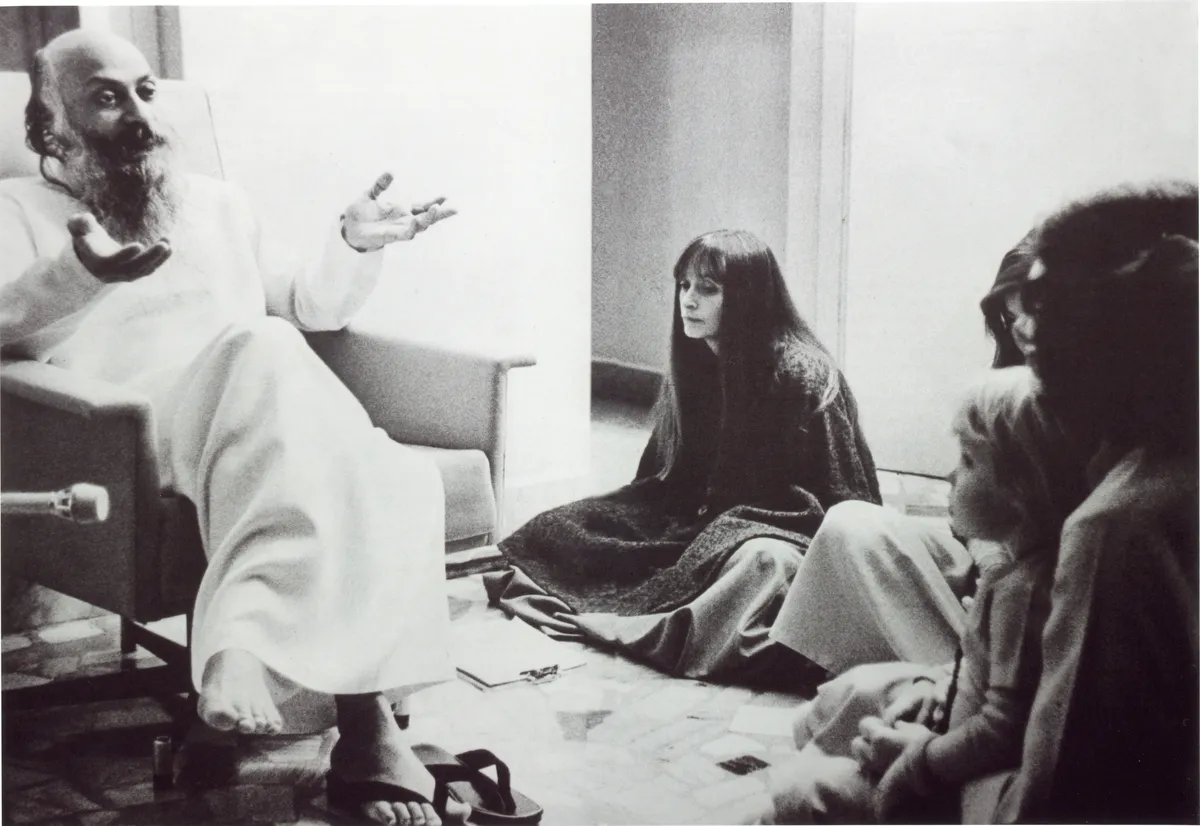
"Shiksha Main Kranti" delves into the profound need for a transformative approach to education, highlighting the historical and spiritual injustices faced by women and the consequent stunted growth of human civilization. Osho addresses the suppression of feminine qualities throughout history and asserts that without the contributions of women, civilization is incomplete and unbalanced. He critiques the male-dominated creation of societal norms, proposing that the exclusive emphasis on masculine qualities has led humanity toward violence and conflict. Osho challenges the traditional perspectives promulgated by male-created scriptures and educational systems, emphasizing the necessity of integrating feminine virtues such as compassion and love into the collective consciousness. He highlights spiritual figures like Buddha and Christ, who embraced these so-called 'feminine' qualities, to illustrate the transformative power of a more balanced approach to human development. This discourse series advocates for a revolution in education that acknowledges and nurtures the integral role of women, thereby fostering a holistic evolution of human society that transcends historical biases and inequities. Through this series, Osho envisions a harmonious civilization where both masculine and feminine energies contribute equally to the spiritual and cultural fabric of humanity.
-
Chapter 1
Education must awaken a youthful, independent intelligence—not burden minds with past dogma; teachers should kindle rebellion that frees true individuality.
-
Chapter 2
Sleepful unawareness is the inner fire devouring life; outer remedies like science only fuel it—only wakeful awareness (Dharma) can quench and transform it.
-
Chapter 3
True dharma frees the mind from sectarian belief: teach inquiry, fearlessness and silence so education unveils the inner temple and awakens authentic truth.
-
Chapter 4
Education transmits dead past, breeding competition, greed and conformity; teachers must rebel, kindle love and individuality and reject success as the aim.
-
Chapter 5
When the subtle body of vasanas dissolves, birth and death end; past lives can be remembered but may overwhelm; a few awakened souls can lift humanity from samsara.
-
Chapter 6
Revive a young consciousness through courage, doubt, meditation and social revolution - inner peace plus systemic change to awaken India's soul.
-
Chapter 7
Women must reclaim their distinct feminine role—love, creativity and motherhood—to complete a male-made violent civilization, or humanity risks destruction.
-
Chapter 8
Words and symbols fail to convey truth; only direct, wordless knowing arises when the intellect is exhausted and desire is surrendered, leading to acceptance.
-
Chapter 9
True youth is living fully in the present; education rooted in competition breeds envy and violence—replace ambition with love, humility and respect to awaken true being.
-
Chapter 10
Education must end ambition and imitation, teaching each soul to blossom into itself; can a system replace competition with self-rooted joy?
-
Chapter 11
True learning liberates the soul; schools that teach ambition and competition are avidya, while vidya is self‑transcendence toward love and freedom.
-
Chapter 12
India's soul has died from clinging to the past; teachers must become rebels, awaken children's courage, break ancient molds and birth a new society.
-
Chapter 13
Ancient India’s stagnation comes from refusing to think; Osho urges individual enquiry and courage to renew consciousness, confront poverty and decay.
-
Chapter 14
Means become ends: choose right means now because inner and outer are one; transform life by present awareness, not postponed goals or divided education.
-
Chapter 15
Life is its own purpose: live it wholly, not as means to money, God or liberation; bliss is a by-product of deep, choiceless living, not of chasing goals.
-
Chapter 16
True simplicity arises from inner awareness, not outer renunciation; attachment mimics love, while real love is effortless giving born of inner bliss.
-
Chapter 17
Accept society but turn from it by becoming simple, loving and courageous: face challenges for a second birth; love and nonviolence arise from inner awakening.
-
Chapter 18
Understanding arises from a still, impartial mind that avoids extremes; cruelty and chaos come from ignorance and leaders exploit extremism.
-
Chapter 19
Vanity is fear inverted; accepting life’s insecurity—death, loss—dissolves fear and possession. Comparison-based education breeds anxiety and falsehood.
-
Chapter 20
Life thrives on opposites; choose oppositions that create harmony and motion—reshape education, property, governance, and freedom through conscious action.
-
Chapter 21
Total transformation arises by accepting both inner and outer life and living moment-to-moment awake; awakening, not outer change or doctrine, invites bliss.
-
Chapter 22
Life is continuous change; death is stillness. Education must free individuals: teach doubt, negation, discernment and self-inquiry to birth living societies.