
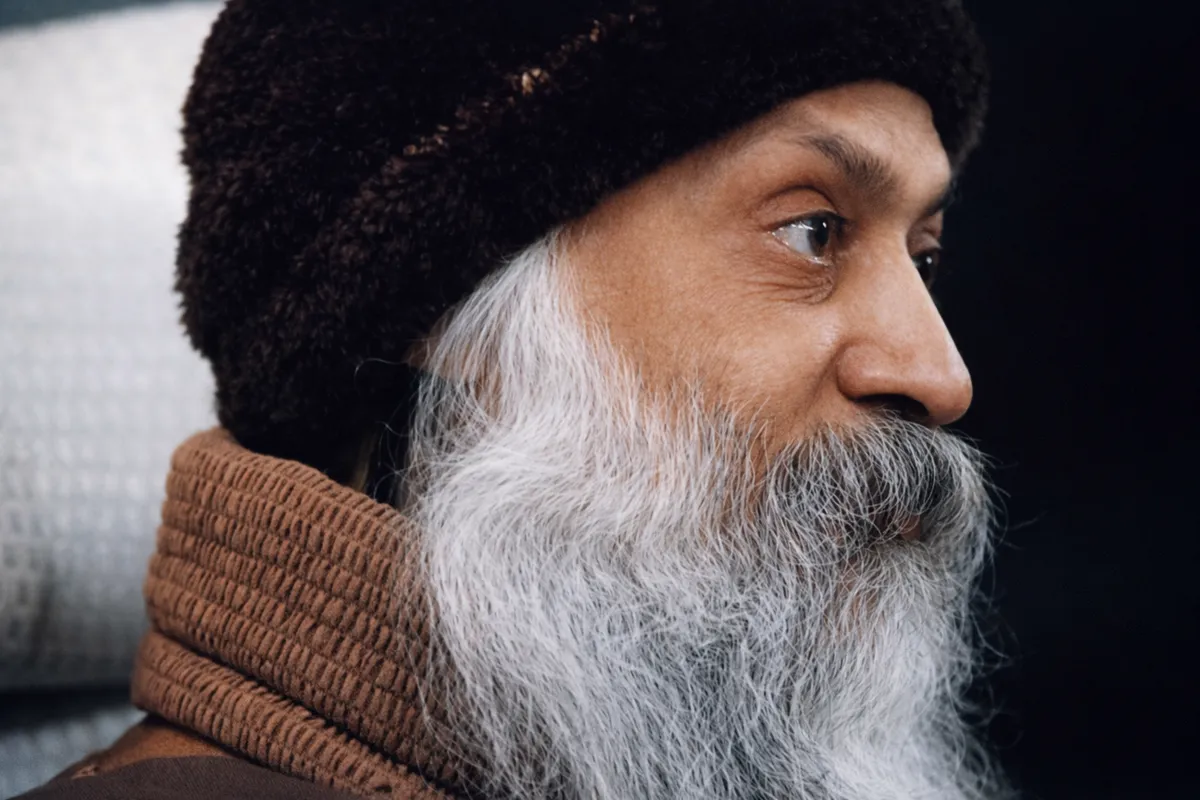
Osho's original Hindi beside Osho Live's English translation, matched passage by passage.
चिन्मय! भाषा की यहां बात ही नहीं है, भाव की बात है। फिर भाषा जो समझते हैं, वे भी कहां समझ पाते हैं? भाषा समझने से ही तो नहीं समझ लोगे। जो कहा जा रहा है, वह भाषा में आबद्ध भला हो, भाषा में सीमित नहीं है। भाषा के द्वारा संवादित किया जा रहा हो, लेकिन भाषा का ही नहीं है। भाव से जुड़ो तो ही समझ में आएगा।
Chinmaya! It is not a matter of language here; it is a matter of feeling. And those who understand the language—do they really understand? Mere comprehension of words does not make you understand. What is being said may be expressed through language, but it is not confined to language. It is communicated by means of words, but it is not of the words. Only when you connect through the heart, through feeling, will you understand.
अनेक को यह प्रश्न उठता होगा मन में कि जो हिंदी-भाषा नहीं समझ रहे हैं, वे कैसे समझ रहे होंगे? मैं जो बोल रहा हूं उसे वे नहीं समझेंगे, लेकिन मैं जो हूं उसे वे समझेंगे। और वही मूल्यवान है। जो कहा जा रहा है, वह नहीं, वरन जहां से कहा जा रहा है, वह। मेरी चुप्पी मूल्यवान है। उसी चुप्पी से शब्द निर्मित हो रहे हैं। शब्द तो ऐसे हैं जैसे झील पर तरंगें। तरंगें ही थोड़े झील का सब-कुछ हैं। झील बिना तरंगों के भी हो सकती है। वे मेरी झील को देख रहे हैं, उन्हें तरंगें दिखाई नहीं पड़ रही हैं, वही असली बात भी है।
Many must wonder: those who do not understand Hindi—how could they be understanding? They may not grasp what I am saying, but they do understand what I am. And that is what is valuable. Not what is said, but where it is said from. My silence is the valuable thing. From that silence the words arise. Words are like ripples on a lake. Ripples are not the whole of the lake. The lake can be without ripples. They are looking at my lake; they do not see the ripples—that is the real thing.
और कई बार तो ऐसा हो जाता है, उलटा ही हो जाता है, जो भाषा समझ पाता है, वह भाषा समझने के कारण ही भाव नहीं समझ पाता। भाषा में अटक जाता है। मैंने कोई बात कही, तुमने भाषा समझी, तो तुम ऊहापोह में पड़े, सोच-विचार में उलझे, अर्थ निकालने लगे। अर्थ तो तुम्हारे होंगे। शब्द मेरे, अर्थ की कलमें तुम अपनी लगाओगे--अनर्थ हो जाएगा। बात सुनी-समझी, तुम्हारे भीतर न मालूम कितनी स्मृतियां जग गईं। तुमने जो पढ़ा है, सुना है, गुना है, वह सब आंदोलित हो उठा। तुम्हारे भीतर शोरगुल मच गया। तुम्हारे भीतर एक बाजार खड़ा हो गया। उस बाजार में मेरी आवाज खो जाएगी। तुम्हारे भीतर विवाद उठेंगे, तर्क उठेंगे, संदेह उठेंगे, क्योंकि भाषा समझ में आ रही है। तो बहुत बार यह भी हो जाता है कि भाषा समझ में न आती हो और अगर प्रेम हो, तो न तो विवाद पैदा होगा, न विचार पैदा होंगे, न ऊहापोह जन्मेगा, सन्नाटा छा जाएगा; शब्द का व्यवधान नहीं होगा, निःशब्द में सेतु बन जाएगा।
And often it is the other way around: the one who understands the language fails to understand the feeling because he is caught in the language. I say something; you understand the words, and you fall into inner debate, into thinking and brooding; you begin to extract meanings. But those meanings will be yours. The words are mine; the meanings you graft onto them will be yours—and so it turns into mis-meaning. Hearing and “understanding,” all kinds of memories are stirred in you—what you have read, heard, calculated—it all gets agitated. A hubbub starts inside you, a marketplace springs up within. In that market my voice is lost. Disputes arise, arguments arise, doubts arise precisely because you understand the language. So very often, when the language is not understood and there is love, no dispute arises, no thought is born, no confusion takes birth. A hush descends. The interference of words is not there; a bridge forms out of the wordless.
जो हिंदी भाषा नहीं समझ रहे हैं, वे यहां अकारण नहीं बैठे हैं, बड़ी समझ से बैठे हैं, उतनी समझ हिंदी समझने वालों की नहीं है। क्योंकि जब मैं अंग्रेजी में बोलता हूं, हिंदी समझने वाले विदा हो जाते हैं। फिर उनका पता नहीं चलता। वे कहते हैं--हमें अंग्रेजी समझ में नहीं आती। तुम जरा अपना अंधापन समझो। जिनको हिंदी समझ में नहीं आ रही है, वे बैठे सुन रहे हैं, रोज, यह भी तुम देखते हो, लेकिन जब मैं अंग्रेजी में बोलता हूं और तुम्हें अंग्रेजी समझ में नहीं आती, तुम विदा हो जाते हो। तुम भी कभी बैठ कर देखो! भाषा के बिना मुझसे जुड़ कर देखो। और शायद फिर भाषा से जुड़ना उतना महत्वपूर्ण नहीं रह जाएगा। क्योंकि यहां जो बात हो रही है, वह बात की बात नहीं है। बात तो केवल बहाना है, बात तो तुम्हारे मन को दिया गया खिलौना है। असली बात तो कुछ और है, बात तो कुछ और है।
Those who do not understand Hindi are not sitting here for no reason. They are sitting with a great understanding—one that many who know Hindi do not have. Because when I speak in English, those who know only Hindi take their leave; they disappear. They say, “We don’t understand English.” Just notice your blindness. Those who don’t understand Hindi sit here, day after day—you see this—and when I speak in English and you don’t understand English, you leave. You, too, should try sitting through it once—try connecting with me without language. And then perhaps language will no longer seem so important. Because what is happening here is not about talk. Talk is only a pretext, a toy for your mind. The real thing is something else altogether.
असली बात तो एक अवस्था का निर्माण है--एक क्षेत्र का, एक आकाश का--जहां तुम मेरे साथ तरंगित हो सको। जहां तुम मेरे साथ लयबद्ध हो सको, जहां तुम्हारी श्वास मेरी श्वास के साथ चले। जहां तुम मेरे साथ ऐसे जुड़ जाओ कि मेरी आंखों से देख सको और मेरे कानों से सुन सको। जहां तुम मेरे साथ उस अंतर्यात्रा पर निकल पड़ो जहां परमात्मा का निवास है। यहां कोई दर्शनशास्त्र नहीं समझाया जा रहा है। यह कोई स्कूल नहीं है, कोई विद्यालय नहीं है, यह तो ध्यानपीठ है। यहां ज्ञान नहीं दिया जा रहा है, ध्यान का रस लगाया जा रहा है, ध्यान का पागलपन दिया जा रहा है, ध्यान की मस्ती बांटी जा रही है। लेना-देना क्या है भाषा से? मैंने जो कहा वह समझा कि नहीं समझा, उसका मूल्य कितना है? मेरे पास बैठे दो घड़ी, मेरे साथ डोले दो घड़ी, मेरे साथ एकरस हो लिए दो घड़ी; मेरे भाव में नहाए, मेरे रंग में रंगे, मेरे गीत में डोले, मेरी तरन्नुम से बंधे, बस हो गया। उन घड़ी-दो घड़ियों में कुछ हो जाएगा जो मूल्यवान है। उन दो घड़ियों में तुम संसार के पार चलोगे, अतीत चलोगे, अतिक्रमण करोगे। उन घड़ी-दो घड़ी में भावातीत अवस्था बन जाएगी।
The real thing is the creation of a certain state—a field, a sky—in which you can resonate with me, in which you can come into rhythm with me; where your breath moves with my breath; where you join me so intimately that you can see with my eyes and hear with my ears; where you set out with me on that inner journey where the divine dwells. No philosophy is being taught here. This is not a school, not a college; this is a seat of meditation. Knowledge is not being given; the flavor of meditation is being imparted, the divine madness of meditation is being shared, the intoxication of meditation is being distributed. What has this to do with language? How much does it matter whether you understand what I said? Sit by me for a couple of hours; sway with me for a couple of hours; become one in cadence with me for a couple of hours. Bathe in my feeling, be dyed in my color, sway with my song, be bound by my melody—and it is done. In those few hours something happens that is valuable. In those hours you go beyond the world, go beyond the past, transcend. In those few hours a state beyond emotion, beyond mind is born.
तो जिनको भाषा समझ में नहीं आ रही है, तुम उन पर दया मत खाना, तुम यह मत सोचना कि बेचारे, ये बैठे हैं और इनको कुछ समझ में नहीं आ रहा है! बैठे हैं, उसी बैठने में कुछ हो रहा है। चुप हैं, सुनाई कुछ भी नहीं पड़ रहा है, उसी न सुनाई पड़ने में कुछ हो रहा है। भीतर कोई तरंगें नहीं चल रही हैं, सब निस्तरंग है, सब ठहरा हुआ है, ऊर्जा का ऊर्जा के साथ नृत्य हो रहा है, भाव भाव से गठबंधित हो रहा है, एक रास चल रहा है, एक रहस्य का आदान-प्रदान हो रहा है।
So do not pity those who do not understand the language. Do not think, “Poor fellows, they are sitting here understanding nothing.” Merely by sitting here, something is happening. They are silent; nothing is being heard—yet in that very not-hearing something is happening. No inner ripples are moving; all is unrippled, stilled. Energy is dancing with energy; feeling is bonding with feeling; a rapture is on; a mystery is being exchanged.
बोलना पड़ता है मुझे, क्योंकि तुम बिना बोले न समझोगे। लेकिन चेष्टा तो यही है कि धीरे-धीरे तुम बिना बोले समझो। इस दुनिया से जाने के पहले यही चाहूंगा कि मेरे हजारों संन्यासी मेरे साथ चुप बैठें और समझें, बोलना न पड़े। वही गंतव्य है। जब तुम आओगे, जब तुम चुपचाप मेरे पास बैठोगे, और बात होने लगेगी, और बात हो जाएगी, और न कुछ कहना पड़ेगा, और न कुछ सुनना पड़ेगा, न कोई वक्ता होगा, न कोई श्रोता होगा, तब तुम जिन ऊंचाइयों में उठोगे और जिन गहराइयों में उतरोगे, उन्हें शब्दों में कहने का कोई उपाय नहीं है। शब्द बड़े सतही हैं। उन गहराइयों को नहीं छू पाते। वह शब्दों की सामर्थ्य नहीं, उनका स्वभाव नहीं। शब्द तो बाजारू हैं, बाजार के लिए हैं, कामचलाऊ हैं। मंदिर में शब्द की क्या जरूरत?--मस्ती की जरूरत है। मधुशाला में शब्द की क्या जरूरत?--मस्ती की जरूरत है।
I have to speak, because otherwise you will not understand. But the effort is that gradually you understand without words. Before I leave this world, this is my wish: that thousands of my sannyasins sit with me in silence and understand—no need to speak. That is the goal. When you come and sit silently by me, and the talk begins, and the talk is completed—and nothing has been said and nothing has been heard, no speaker remains, no listener remains—then the heights you rise to and the depths you descend into cannot be expressed in words. Words are very superficial. They cannot touch those depths. It is not in their power; it is not their nature. Words are of the marketplace, makeshift tools. What need is there of words in the temple?—there is need of ecstasy. What need is there of words in the tavern?—there is need of intoxication.
तुमने पूछा: ‘आपके हिंदी प्रवचनों में सत्तर-अस्सी प्रतिशत वे पाश्चात्य संन्यासी होते हैं जिन्हें हिंदी-भाषा बिलकुल नहीं आती। आश्चर्य है कि फिर भी आप उसी तत्परता, सहजता और गहनता से बोलते हैं।’
You have asked: “In your Hindi discourses seventy to eighty percent are Western sannyasins who do not know Hindi at all. It is surprising that you still speak with the same alertness, ease, and depth.”
मैं यहां कोई बोलने वाला नहीं हूं--यहां कोई वक्ता नहीं है। वक्ता हो तो श्रोता पर बंधा होता है। वक्ता हो तो श्रोता को देख कर बोलता है। वक्ता हो तो श्रोता के पीछे चलता है। वक्ता हो तो ध्यान रखना पड़ता है कि श्रोता जिस बात से राजी हो, वही कहो। जिस बात से नाराजी हो, वह मत कहो। इसीलिए तो राजनीतिज्ञ के वक्तव्य कभी भी सुनिश्चित नहीं होते--हो नहीं सकते। उसे श्रोताओं को देख कर रोज अपने वक्तव्य बदल लेने पड़ते हैं। या उसे ऐसे वक्तव्य देने पड़ते हैं जिनके अनेक अर्थ हो सकें; जब जैसा अर्थ निकालना हो निकाला जा सके। राजनीतिक वक्ता खयाल रख कर बोल रहा है--श्रोता कितनी दूर तक मेरे साथ जाने को राजी है? उसे श्रोता को कहीं ले जाना है, श्रोता का कुछ उपयोग करना है। श्रोता साधन है, उसकी सीढ़ियां बनानी हैं, उसके कंधों पर पैर रखने हैं, उसके सिरों का उपयोग करना है; उसे यात्रा करनी है श्रोता के ऊपर। तो श्रोता की मर्जी का ध्यान रखना पड़ेगा।
I am not a speaker here—there is no orator here. If one is a speaker, he is bound by his audience. He looks at the audience to decide what to say. He follows the audience. He must take care to say only what pleases them, and avoid what displeases them. That is why a politician’s statements are never definitive—cannot be. He must change them daily according to the crowd, or speak in such a way that they can be interpreted in many ways, whichever suits the occasion. The political speaker is calculating: how far is the audience willing to go with me? He has to use the audience, climb on their shoulders; he must make steps out of them—he has a journey to make on top of the listeners. So he must cater to their preferences.
मैं कोई वक्ता नहीं हूं। मैं तुम्हारी कोई सीढ़ी नहीं बनाना चाहता। सच तो यह है कि मैं तुम्हारे लिए सीढ़ी बनना चाहता हूं। चाहता हूं कि तुम मेरा उपयोग कर लो। मेरी सीढ़ियों पर पैर रखो, मेरे कंधों पर चढ़ो और उन ऊंचाइयों को देख लो जो शायद तुम अपने ही पैरों पर खड़े रहे तो न देख सकोगे। तो मुझे तुम्हें राजी करने को कुछ नहीं बोलना है। इसलिए तो मुझसे लोग इतने नाराज हैं। जब राजी करने को न बोलूंगा तो नाराज होंगे ही। उन्हें धक्के लगते हैं; उन्हें बेचैनी होती है, उन्हें परेशानी होती है। मैं यहां तुम्हें राजी करने को नहीं हूं। मुझे तुमसे कोई मत नहीं लेना है। मुझे तुम्हारी भीड़ अनुयायियों की तरह इकट्ठी नहीं करनी है। मेरा तुमसे कोई न्यस्त स्वार्थ नहीं है। मुझे कुछ मिला है, वह जरूर बांट देना चाहता हूं। जो भी मौजूद होगा, उसी को बांटूंगा। अगर मनुष्य न होंगे तो पशु-पक्षियों को बांटूंगा। अगर पशु-पक्षी न होंगे तो पौधों-पहाड़ों को बांटूंगा।
I am not a speaker. I do not want to make you into my steps. The truth is, I want to become a step for you. I want you to use me. Place your feet on my steps; climb onto my shoulders and look upon heights that perhaps you could not see standing on your own feet alone. Therefore I have nothing to say to win you over. That is precisely why so many are annoyed with me. If I will not speak to please, they will be annoyed. They feel pushed, uneasy, troubled. I am not here to please you. I want no votes from you. I do not wish to gather a crowd of followers. I have no vested interest in you. Something has come to me, and I want to share it. Whoever is present—I will share with them. If no human beings are there, I will share with animals and birds. If even they are not there, I will share with trees and mountains.
तुमने सुना है, महावीर जब पहली बार बोले तो कोई मनुष्य नहीं था सुनने को। अभी मनुष्यों को तो खबर ही नहीं लगी थी कि महावीर को ज्ञान उपलब्ध हो गया। जब पहली बार बोले तो कोई भी नहीं था सुनने को। कहानियां कहती हैं कि देवता थे। देवता का मतलब होता है, कोई भी नहीं था। शून्य में बोले होंगे। कहानी लिखने वालों को अड़चन हुई होगी कि इसमें तो महावीर पागल मालूम पड़ेंगे--कि कोई सुनने वाला नहीं, क्योंकि दिखाई कोई भी नहीं पड़ता, किससे बोलते हैं--कहानी लिखने वालों को बेचैनी हुई, तो उन्होंने देवता कल्पित किए कि देवताओं से बोले। देवता थे--अदृश्य देवता खड़े थे।... तुम यहां नहीं होओगे तो मुझे भी अदृश्य देवताओं से बोलना पड़ेगा।
You have heard: when Mahavira spoke for the first time, there was no human being to listen. People had not yet heard that Mahavira had become enlightened. When he first spoke, no one was there to hear. The stories say gods were present. “Gods” means: no one was there. He must have spoken into emptiness. The storytellers must have been embarrassed—otherwise Mahavira would seem mad: no listener was visible, yet he was speaking. So to quiet their discomfort, they imagined gods—that he addressed the gods. Invisible gods were standing there. If you are not here, I too will have to speak to invisible gods.
तुम चकित होओगे जान कर कि फिर धीरे-धीरे आदमी भी आए--आदमियों तक खबर पहुंची--फिर धीरे-धीरे आदमी ही नहीं आए, पशु-पक्षी भी आए--उन तक भी खबर पहुंची। अब महावीर पशु-पक्षियों से क्या बोलते होंगे? क्या तुम सोचते हो पशु-पक्षी महावीर जो बोलते होंगे उसे समझते होंगे? नहीं, लेकिन महावीर को तो समझते थे। जो बोला, वह नहीं समझा गया होगा, लेकिन जो महावीर का अस्तित्व था, जो धड़कन थी, जो रक्स, जो नृत्य जन्मा था महावीर में, वह तो समझा होगा। शायद आदमियों से ज्यादा बेहतर समझा होगा। महावीर के भीतर जो नृत्य हो रहा था, वह मोर ने ज्यादा बेहतर समझा होगा तुम्हारी बजाय, क्योंकि तुम तो नाच भूल गए हो। मोर को अभी भी नाच आता है... सुनते हो इस कोयल की आवाज को? महावीर ने जो गीत गाया, कोयलें ज्यादा समझी होंगी, अभी उनका स्वर नहीं खो गया है। अभी स्वर जीवित है। आदमी का तो स्वर खो गया है। आदमी तो गीत गाना भूल गया है। आदमी तो सिर्फ रोना जानता है, गाना जानता कहां है? हां, कभी-कभी गाने में भी रोता है, यह दूसरी बात है, मगर गाता कहां है? आनंद कहां है? उत्सव कहां है?
You will be amazed to know that gradually people did come—news reached humans—and then not only humans, animals and birds also came. News reached them too. Now what would Mahavira speak to animals and birds? Do you think they understood his words? No—but they understood Mahavira. What was spoken may not have been understood, but the being of Mahavira—the heartbeat, the dance that had been born in him—that they understood. Perhaps better than humans. The dance happening inside Mahavira—the peacock would have understood it better than you, because you have forgotten how to dance. The peacock still knows how to dance. Do you hear the cuckoo’s call? The song Mahavira sang—the cuckoos would have understood it more; their note is still alive. Man’s note is lost. Man has forgotten to sing. He only knows how to weep; he hardly knows how to sing. Yes, sometimes even in singing he weeps—that is another matter—but where is the joy? Where is the celebration?
शायद पौधे ज्यादा समझे होंगे, क्योंकि पौधों में अब भी फूल खिलते हैं, अब भी रंग आता है, गंध आती है। पौधे अब भी आकाश में उठना जानते हैं। अभी भी तारों से बातें करते हैं। हवाओं में नाचते हैं, सूरज से मुलाकात लेते हैं। महावीर के शब्द तो नहीं समझे होंगे पौधे, पशु-पक्षी, महावीर को तो समझे होंगे! और मुझे लगता है आदमियों के बजाय महावीर को पौधे और पशु ज्यादा समझे। कम से कम उन्होंने महावीर को पत्थर तो नहीं मारे! कम से कम उन्होंने महावीर के कानों में कीलें तो नहीं ठोके। उन्होंने महावीर को एक गांव से दूसरे गांव तो नहीं खदेड़ा। वे महावीर पर नाराज तो नहीं हो गए कि तुम नग्न क्यों हो? पौधे, पशु-पक्षी नग्न ही हैं। उन्हें तो आश्चर्य इस पर होता होगा कि आदमी ने कपड़े क्यों पहने हैं?
Perhaps the trees understood more, because flowers still bloom on them, color comes, fragrance arises. Trees still know how to rise toward the sky. Even now they converse with the stars. They dance in the winds, meet the sun. The plants and animals and birds may not have understood Mahavira’s words; they understood Mahavira. And it seems to me that they understood him more than humans did. At least they did not throw stones at him. At least they did not drive nails into his ears. They did not hound him from village to village. They did not get angry with him for being naked. Plants, animals, birds are naked. They must wonder why man wears clothes.
इस प्रकृति में सिर्फ आदमी ही कपड़े पहने हुए हैं। आदमी ही अपने को छिपा रहा है। आदमी ही अपने से भयभीत है। आदमी ही अपनी देह से डरा है। आदमी को ही अपनी देह के प्रति हीनता की ग्रंथि पैदा हो गई है कि कुछ पाप है देह में, कुछ बुराई है देह में, छिपाओ। पशु-पक्षी, पौधे अब भी तो नग्न हैं। आदमी भर कुछ रुग्ण है। इंग्लैंड में ऐसी महिलाएं हैं जो अपने कुत्तों को भी कपड़े पहनाती हैं। इन महिलाओं का दिमाग खराब है। और इन महिलाओं के मन में जरूर कोई गहन रोग है।
In all of nature only man is clothed. Only man hides himself. Only man is afraid of himself. Only man is frightened of his own body. Only in man has an inferiority complex about the body arisen—there is some sin in it, some evil—hide it. Animals, birds, plants are still naked. Only man is a little pathological. In England there are women who dress their dogs. These women’s minds are deranged. There is surely some deep disease in them.
तुम जान कर यह हैरान होओगे, विक्टोरिया के जमाने में कुर्सियों के पैर भी नंगे नहीं छोड़े जाते थे, क्योंकि पैर हैं न वे! कुर्सियों के पैर, उन पर कपड़ा चढ़ाया जाता था। क्योंकि पैर नंगे नहीं होने चाहिए। अब जो कुर्सियों के पैरों पर कपड़ा चढ़ाते होंगे, इनकी बेहूदगी देखते हो? इनका नंगापन देखते हो? इनकी भीतरी दरिद्रता देखते हो? इनका रोग देखते हो! इनकी कामुकता देखते हो? इनकी कामग्रसित मनोग्रंथियां देखते हो? ये बीमार हैं, ये विक्षिप्त हैं।
You will be surprised to know that in the Victorian era even the legs of chairs were not left bare—because after all they are “legs”! Cloth was put on the legs of chairs, because legs should not be bare. Those who dress the legs of chairs—can you see their absurdity? Their nakedness? Their inner poverty? Their sickness? Their sexual obsession, their neurotic fixations? They are ill; they are unbalanced.
महावीर को गांव-गांव से भगाया गया। क्योंकि वे नग्न थे। पौधों की तरह, पशुओं की तरह, पक्षियों की तरह।
जीसस से किसी ने पूछा है, आपका मूल संदेश क्या है? जीसस ने कहा: फूलों से पूछ लो; पक्षियों से पूछ लो; मछलियों से पूछ लो, और वे तुम्हें मेरा असली संदेश बता देंगी। क्या कह रहे हैं जीसस? जीसस कह रहे हैं--निसर्ग मेरा संदेश है। तुम फिर स्वाभाविक हो जाओ, यही मेरा संदेश है।
Mahavira was driven from village to village—because he was naked, like the plants, like the animals, like the birds. Someone asked Jesus, “What is your essential message?” Jesus said: Ask the flowers; ask the birds; ask the fish—and they will tell you my real message. What is Jesus saying? Jesus is saying—nature is my message. Become natural again; that is my message. Plants, animals, birds loved Mahavira more. It is no wonder they would come to listen. To say “come to listen” isn’t quite right, because language will not make sense to them; but they can see Mahavira, they can touch Mahavira’s vibration.
महावीर को ज्यादा प्यार किया पौधों ने, पशुओं ने, पक्षियों ने। कुछ आश्चर्य नहीं कि वे सुनने आते हों। सुनने आते हों कहना ठीक नहीं है, क्योंकि भाषा तो उनकी समझ में नहीं आएगी; लेकिन महावीर को देख तो सकते हैं, महावीर की तरंग को तो छू सकते हैं। सारी दुनिया में पुलिस कुत्तों का उपयोग करती है अपराधियों को पकड़ने के लिए, हत्यारों को पकड़ने के लिए। अगर कुत्तों के पास इतना बोध है कि हत्यारों को पहचान लें, हत्यारे की गंध को पहचान लें, तो क्या कुत्तों के पास इतना बोध नहीं हो सकता कि महावीर की गंध को पहचान लें, ज्ञानी की गंध को पहचान लें? यह तो उसी तर्क का हिस्सा है।
All over the world the police use dogs to catch criminals, to catch murderers. If dogs have enough sensitivity to recognize a murderer, to recognize the scent of a killer, can they not have enough sensitivity to recognize Mahavira’s fragrance, the fragrance of the wise? It follows from the same logic.
अब वैज्ञानिक कहते हैं कि जब कोई लकड़हारा कुल्हाड़ी उठा कर वृक्ष के पास वृक्ष को काटने आता है, तो वृक्ष उदास हो जाता है। इसको अब जांचने के उपाय हैं। अब यंत्र बन गए हैं। जैसे तुम्हारी छाती पर डॉक्टर स्टेथस्कोप लगा कर जांच लेता है। या कार्डियोग्राफ। तुम्हारे भीतर कुछ गड़बड़ हो गई होती है, तो कार्डियोग्राफ पकड़ लेता है। वैसे यंत्र बन गए हैं जो हृदय की धक-धक को वृक्ष की पहचानने लगे हैं। वृक्ष की संवेदना को पकड़ते हैं। ग्राफ बन जाता है मशीन पर कि वृक्ष कैसा अनुभव कर रहा है--प्रसन्न है, दुखी है, उदास है? हत्यारे को आते देख कर, लकड़हारे को आते देख कर वृक्ष बेचैन हो जाता है, दुखी हो जाता है। और भी जान कर तुम आश्चर्यचकित होओगे कि एक वृक्ष काटा जाता है, तो उसके आस-पास के सारे वृक्ष उदास और दुखी हो जाते हैं। और यही वृक्ष जब माली आता है, पानी सींचने, तो बड़े आनंदविभोर हो जाते हैं। और यह भी आश्चर्य की बात है कि अभी कुल्हाड़ी चली नहीं है, सिर्फ कुल्हाड़ी को लेकर हत्यारा आ रहा है, दूर है अभी और वृक्ष उदास होने लगते हैं, बेचैन होने लगते हैं। अभी कुल्हाड़ी चली होती तो भी ठीक था, कुल्हाड़ी मारी होती वृक्ष को तो भी ठीक था, हम समझ सकते थे कि वृक्ष को चोट लगेगी। लेकिन दूर से आता कुल्हाड़ी लिए हुए आदमी! और यह भी आश्चर्य की बात है, अगर वह सिर्फ कुल्हाड़ी लिए निकल रहा है और काटने का कोई इरादा नहीं है, तो कोई वृक्ष परेशान नहीं होता। काटने का इरादा है तो ही परेशान होता है। मतलब इरादे भी पकड़े जा रहे हैं।
Now scientists say that when a woodcutter takes up an axe and approaches a tree to cut it, the tree becomes sad. There are ways to test this now. Instruments have been made. Just as a doctor places a stethoscope on your chest, or uses a cardiograph—if something has gone wrong inside you, the cardiograph detects it—so too instruments have been developed that begin to register a tree’s heartbeat, that capture the tree’s sensitivity. A graph appears on the machine showing what the tree is experiencing—whether it is happy, unhappy, dejected.
Seeing the killer approach, seeing the woodcutter approach, the tree becomes restless, sorrowful. You will be even more astonished to know that when one tree is cut, all the trees around it become sad and unhappy. And the same trees, when the gardener comes to water them, become filled with delight.
And it is also amazing that before the axe has struck—when the killer is merely approaching with an axe, still at a distance—the trees begin to grow sad and uneasy. Had the axe already struck, it would be understandable; had the blow landed on the tree, we could understand that the tree would feel pain. But a man coming from afar carrying an axe! And more amazing still: if he is only passing with an axe with no intention to cut, no tree is disturbed. Only when there is the intention to cut do they become disturbed. It means intentions too are being registered.
आदमी ही संवेदनशील नहीं है, पशु-पक्षी भी हैं। शायद ज्यादा हैं। भाषा से ही थोड़े समझा जाता है, और भी समझने के उपाय हैं, और भी गहनतर उपाय हैं। भाषा तो बहुत ही कामचलाऊ उपाय है।
Not only human beings are sensitive—animals and birds are too; perhaps more so. One is not understood only through language; there are other ways of understanding, deeper ways. Language is a very makeshift device.
सदगुरु के पास होना हो तो भाषा तो निम्नतम उपाय है। मजबूरी है। क्योंकि तुम्हारे पास और कुछ समझने को नहीं है, इसलिए इसका उपयोग करना पड़ता है।
In the presence of a true master, language is the lowest means. It is a compulsion: because you have nothing else with which to understand, it has to be used.
मैंने सुना है, एक सेनापति ने एक बिलकुल मूढ़ सेक्रेटरी अपने पास रख छोड़ा था। जड़बुद्धि। सम्राट ने उससे पूछा कि और सब तो ठीक है, तुमने अपने स्टाफ पर बुद्धिमान लोग रखे हैं, मगर यह एक बुद्धू क्यों रखा है? यह बिलकुल जड़ है। उस जनरल ने कहा: इसके रखने का कारण है। जब भी मैं कोई आज्ञा निकालता हूं सैनिकों के लिए, तो पहले इसको पढ़ने को देता हूं। अगर यह समझ लेता है, तो मैं समझता हूं कि दुनिया में सभी लोग समझ लेंगे। अगर यह नहीं समझता, तो फिर से मैं उसको लिखवाता हूं। इसका एक बड़ा उपयोग है, यह बड़ा कीमती आदमी है, इसको मैं अपने साथ ही रखता हूं। जो बात यह समझ लेता है, वह दुनिया में सभी समझ लेंगे।
I have heard: A commander kept an utterly dull-witted secretary with him—blockheaded. The emperor asked him, “Everything else is fine—you have intelligent people on your staff—but why have you kept this one fool? He is utterly dense.” The general said, “There is a reason for keeping him. Whenever I issue an order for the soldiers, I first give it to him to read. If he understands it, then I know that everyone in the world will understand it. If he does not understand, I have it rewritten. He is of great use—he is a very valuable man; I keep him with me. Whatever he understands, everyone in the world will understand.”
भाषा में जो समझता है, वह आखिरी बात है। सबसे नीचे तल की बात है। जो तुम भाषा के द्वारा समझ लेते हो, वह तो कोई भी समझ लेगा जो भाषा समझता है, उसका कोई बहुत मूल्य नहीं है। भाषा से शून्य को समझो; शून्य की मात्रा बढ़ती जाए, भाषा की मात्रा कम होती जाए, तो तुम ऊपर उठने लगे।
What is grasped through language is the last thing—the lowest level. Whatever you understand through language, anyone who knows the language will also understand; it has no great value. Learn to understand from silence; as the proportion of silence increases and that of language decreases, you begin to rise higher.
यहां जो हिंदी नहीं समझ रहे हैं, और शांत बैठे हैं, वे भी कुछ समझ रहे हैं। वे तरंगित हो रहे हैं। वे तरंगों को समझ रहे हैं। वे संवेदित हो रहे हैं। उन्होंने अपना हृदय मेरे प्रति खोल रखा है। वे आंदोलित हो रहे हैं भीतर। एक भाव का रिश्ता, एक नाता बन रहा है।
Those here who do not understand Hindi and yet sit silently are also understanding something. They are being tuned; they are understanding the vibrations. They are being sensitized. They have opened their hearts toward me. Something is stirring within them; a relationship of feeling, a bond, is being formed.
मैं तुमसे कहूंगा, जब मैं अंग्रेजी में बोलता हूं तब भाग मत जाया करो। तुम भी बैठ कर सुना करो। तुम भी यह लाभ लो! ऐसा समझो कि जब हिंदी में बोलता हूं तो उनके लिए बोलता हूं जो हिंदी नहीं समझते और जब अंग्रेजी में बोलता हूं तो उनके लिए बोलता हूं जो अंग्रेजी नहीं समझते। ऐसा समझो। तब तुम दोहरे लाभ ले सकोगे--भाषा से जो समझ में आ सकता है, वह भाषा से समझ में आ जाएगा और जो भाषा से समझ में नहीं आता, वह भी जब तुम मौन मेरे पास बैठोगे तब समझ आ जाएगा।
I would say to you: when I speak in English, do not run away. Sit and listen—you too should take this benefit. Understand it like this: when I speak in Hindi, I am speaking for those who do not understand Hindi; and when I speak in English, I am speaking for those who do not understand English. Understand it this way, and you will gain twice over—whatever can be grasped through language will be grasped through language, and that which cannot be grasped through language will also be understood when you sit silently near me.
रही मेरी बोलने की बात, तो यहां कोई बोलने वाला नहीं है। नहीं तो अड़चन होती। मैं भी सोचता कि इतने लोग यहां बैठे हैं जो समझते नहीं, तो मैं बोल किससे रहा हूं? फूल खिलता है एकांत में, इसकी थोड़े ही चिंता होती है कि कितने लोग राह से गुजरेंगे जो मेरी सुगंध से आंदोलित होंगे? कितने लोग प्रभावित होंगे? कितने लोग आकर धन्यवाद करेंगे? एकांत में खिला फूल भी अपनी गंध को बिखेरता है। ऐसे ही मैं गंध को बिखेर रहा हूं। तुम हो या नहीं; यह निमित्त की बात है। तुम हो, ठीक, तुम नहीं हो, ठीक, जो मुझसे प्रकट हो रहा है, होता रहेगा। ऐसा मत समझो कि तुम हो, इसलिए बोल रहा हूं। ऐसा समझो कि मैं बोल रहा हूं, इसलिए तुम यहां हो। तुम्हारे कारण मैं यहां नहीं हूं, मेरे कारण तुम यहां हो। तब दृष्टि बदल जाएगी।
As for my speaking—there is no speaker here. Otherwise there would be a hindrance. I too would think, “So many are sitting here who do not understand—then to whom am I speaking?” A flower blooms in solitude; does it worry about how many will pass by the road and be moved by its fragrance, how many will be affected, how many will come and offer thanks? Even a flower that blooms alone spreads its fragrance. In the same way I am diffusing a fragrance. Whether you are here or not is incidental. If you are, good; if you are not, good—the happening that is expressing through me will continue. Do not think that I speak because you are here. Understand that you are here because I am speaking. I am not here because of you; you are here because of me. Then your vision will change.
फिर मैं तो जो करता हूं, जो होता है, वह पूरा ही हो सकता है। तुम समझो कि न समझो, इससे प्रयोजन नहीं है। लेकिन मैं बोलूं, तो पूरी ही तत्परता से बोल सकता हूं--अन्यथा बोलूंगा ही नहीं। जिस दिन मुझे लगेगा आज तत्परता से नहीं बोल सकता हूं, उस दिन बोलूंगा नहीं। जो काम समग्र तत्परता से नहीं हो सकता वह मैं करूंगा ही नहीं। अपने पूरे प्राण उंड़ेल सकता हूं किसी बात में, तो ही करूंगा। नहीं तो नहीं करूंगा। क्योंकि फिर बात झूठी हो जाती है। जिसमें त्वरा नहीं है, तीव्रता नहीं है, सहजता नहीं है, समग्रता नहीं है, वह बात अधूरी हो जाती है, झूठी हो जाती है। जब हंस सको पूरा तो हंसना और जब रो सको पूरा तो रोना। आधे-आधे काम मत करना।
तुम्हारी चिंता भी मेरी समझ में आती है। चिन्मय ने पूछा है; तो कारण स्पष्ट है। चिन्मय को हैरानी होगी, अगर इतने लोग न समझते हों और बोलना पड़े तो हैरानी होगी कि किससे बोलना है, यहां कोई समझने वाला नहीं है? समझाने की आतुरता। सुनने वाला वहां बैठा हो ताली बजाने को, तो बोलने में मजा आ जाता है। लेकिन वह मजा उधार है। सुनने वाले पर निर्भर है, बासा है। एक और बोलना है, जो अंतर्भाव से जगता है। तुम्हारे भीतर है इतना ज्यादा कि बांटना है, पात्र मिले कि अपात्र मिले।
एक तिब्बती कहानी मैंने सुनी है। एक फकीर बड़ा ख्यातिनाम, दूर-दूर से लोग उसके दर्शन को आते हैं और वे सभी एक प्रार्थना करते रहे और वर्षों तक एक ही प्रार्थना करते रहे कि आप शिष्य स्वीकार क्यों नहीं करते? तो वह फकीर कहता था: कोई पात्र मिले तो स्वीकार करूं। पात्र ही कोई नहीं दिखाई पड़ता। और उसने पात्र की ऐसी परिभाषा की थी कि अगर वैसी पात्रता का कोई व्यक्ति हो तो वह स्वयं ही गुरु हो जाएगा, वह किसी का शिष्य क्यों होगा? तो उसकी पात्रता की परिभाषा ही असंभव थी पूरा करना। न कोई पात्र मिलता था, न वह शिष्य बनाता था। सेवा-टहल के लिए एक आदमी उसके पास रहता था। वह भी शिष्य नहीं था। क्योंकि शिष्य तो वह बनाता ही नहीं था।
And as for me, whatever I do—whatever happens—can only be done totally. Whether you understand or not is of no consequence. But if I am to speak, I can speak only with total urgency; otherwise I will not speak. The day I feel I cannot speak with that urgency, I will not speak. Whatever cannot be done with total intensity I will not do. Only if I can pour my whole life-breath into something will I do it; otherwise I will not. For then the thing becomes false. That which lacks swiftness, intensity, spontaneity, totality—becomes incomplete, becomes false. When you can laugh, laugh totally; and when you can weep, weep totally. Do not do things by halves. I understand your concern as well. Chinmaya has asked; so the reason is clear. Chinmaya would be surprised—if so many people don’t understand, and one still has to speak, he’ll wonder, “Whom am I speaking to? Is there no one here who understands?” The itch to explain. If a listener sits there ready to clap, then speaking becomes enjoyable. But that enjoyment is borrowed—dependent on the listener; it is stale. There is another kind of speaking that arises from the inner feeling. There is so much within you that it has to be shared—whether a worthy vessel appears or an unworthy one. I have heard a Tibetan story. A very renowned fakir—people came from far and wide for his darshan—and for years they all offered the same prayer: “Why don’t you accept disciples?” The fakir used to say, “If I find a worthy one, I will accept. I see no worthy person.” And he had defined worthiness in such a way that if anyone had that kind of worthiness, he would already be a master himself—why would he be anyone’s disciple? His definition of worthiness was impossible to fulfill. No worthy one ever appeared, and he initiated no one. A man stayed with him for service and chores. He, too, was not a disciple, because the fakir simply did not make disciples.
मरने के तीन दिन पहले एक दिन अचानक उसने आंख खोली सुबह और अपने उस आदमी को कहा जो उसकी सेवा-टहल करता था कि जा, पहाड़ से नीचे उतर और जो भी लोग शिष्य बनना चाहते हों, उन सबको ले आ। उसने पूछा: सबको! पात्रता का क्या होगा? उसने कहा: छोड़ पात्रता इत्यादि की बात, अब समय खोने को नहीं है। तू भाग! जो मिले, जो आने को राजी हो। उसको भरोसा नहीं आया, क्योंकि जिंदगी भर बड़े-बड़े गुणी लोग आए थे, योग्य लोग आए थे, साधक आए थे, साधु आए थे, तपस्वी आए थे, वर्षों ध्यान किया था ऐसे लोग आए थे, चरित्रवान थे, शीलवान थे और इनकार कर दिए गए थे। क्योंकि वह बूढ़ा पात्रता की ऐसी शर्तें बताता था कि कोई भी पूरी नहीं कर पाता था।
Three days before he died, one morning he suddenly opened his eyes and said to the man who served him, “Go, descend the mountain, and bring everyone who wants to become a disciple.” The man asked, “Everyone? What about worthiness?” He said, “Forget talk of worthiness and all that; there is no time to lose now. Run! Whoever you find, whoever is willing to come.” The servant could not believe it, because all his life great and capable people had come—qualified men, seekers, sadhus, ascetics, people who had meditated for years, men of character and virtue—and all had been refused. The old man had set such conditions for worthiness that no one could meet them.
गया गांव में, डुंडी पीट दी कि अब बूढ़ा गुरु किसी को भी शिष्य बनाने को तैयार है, जिसको भी आना हो! लोगों को भी भरोसा नहीं हुआ इस बात पर। बड़े-बड़े लौट आए थे खाली हाथ। मगर फिर कुछ लोग चल पड़े। उन्होंने कहा: चलो देखें, हर्ज क्या है, दर्शन ही हो जाएंगे! कोई भी चल पड़ा। एक आदमी बेकार था, नौकरी नहीं लगी थी, उसने सोचा--चलो, बैठे-बैठे यहीं क्या कर रहे हैं, चल पड़ो। एक की पत्नी मर गई थी, वह वैसे ही उदास था, उसने कहा: चलो, मन ही बहल जाएगा। बाजार की छुट्टी थी आज, कुछ लोग खाली थे, उन्होंने कहा हम भी चलते हैं। एक छोटा बच्चा भी साथ हो लिया। ऐसे कोई भी--एक तरह की भीड़--कोई पच्चीस एक आदमी पहुंच गए। भरोसा उनको किसी को भी नहीं था कि वह गुरु स्वीकार करेगा।
The servant went to the village and beat the drum: “The old master is now ready to accept anyone as a disciple—whoever wants to come!” People didn’t believe it either; many great men had returned empty-handed. Still, a few started out. They said, “Let’s go and see—what’s the harm? At least we’ll have his darshan.” Anyone and everyone—one kind of crowd—about twenty-five people arrived. None of them believed the master would accept them.
गुरु ने एक-एक को बुलाया, पूछा कि क्यों दीक्षा लेना चाहते हो? उनके उत्तर बड़े अजीब थे। एक ने कहा कि मेरी पत्नी मर गई और मैं खाली बैठा था--सच तो यह है कि दीक्षा इत्यादि से मुझे कुछ लेना-देना नहीं है--मगर कोई भी व्यस्तता चाहिए। घाव गहरा है, किसी भी काम में उलझ जाऊं। तभी यह आदमी डुंडी पीट रहा था कि गुरु शिष्य स्वीकर करने को राजी है, जिसको भी आना हो--तो मैंने सोचा--चलो, बैठे-ठाले यहीं क्या करते हैं? चलो, बैठे-ठाले यह भी क्या बुरा है? बैठे-ठाले अध्यात्म! चल पड़ा।
The master called them one by one and asked, “Why do you want initiation?” Their answers were very odd. One said, “My wife has died and I was sitting idle—truth is, I have nothing to do with initiation and all that—but I need some occupation. The wound is deep; I must get entangled in some activity. Just then this man was beating the drum, saying the master is ready to accept disciples, whoever wants to come—so I thought, ‘Why sit around doing nothing? Why not this? Idle spirituality!’ So I came.”
एक से पूछा, तू किसलिए आया है? उसने कहा कि मैं, नौकरी नहीं लगती। सोचा कि व्यर्थ बैठे रहने से तो राम-भजन ही ठीक है। शायद राम-भजन से ही नौकरी लग जाए! ऐसे लोग आ गए थे। किसी ने कहा, दुकान बंद है आज और किसी ने कुछ कहा। जो सेवा-टहल करता था, वह तो खड़ा देख रहा था, कि यह इस तरह के लोगों को कैसे शिष्य स्वीकार किया जाएगा? लेकिन गुरु ने सबको स्वीकार कर लिया।
He asked another, “Why have you come?” He said, “I can’t find a job. I thought, instead of sitting around uselessly, better to chant the name of Ram. Maybe chanting Ram will get me a job!” Such people had come. One said, “The shop is closed today,” and another said something else. The one who served the master stood watching: How could such people be accepted as disciples? But the master accepted them all.
वह जो आदमी सेवा-टहल करता था, वह चरणों में गिर पड़ा और उसने कहा: आप होश में हैं, आप क्या कर रहे हैं? बड़े-बड़े ज्ञानी, बड़े-बड़े ध्यानी लौटा दिए, और इस कचरे को! उस गुरु ने कहा: अब तू सच्ची बात समझ ले। तब मेरे पास देने को कुछ था ही नहीं। अपनी दीनता छिपाता था उनकी पात्रता की बात करके। उनकी पात्रता मैंने असंभव बना दी थी सिर्फ इसीलिए कि न होगा कोई पात्र, न मेरी दीनता पता चलेगी। मेरी सुराही खाली थी। इसलिए मैं कहता था--लाओ सोने के पात्र, हीरे-जवाहरात जड़े पात्र, तो ढालूंगा सुराही। मेरी सुराही खाली थी और यह दीनता मैं किसी को बताना नहीं चाहता था; इसलिए मैंने पात्रता का इतना शोरगुल मचा रखा था। न कोई होगा पात्र, न मेरी खाली सुराही का पता चलेगा। ढालने की नौबत ही न आएगी। आज मेरी सुराही भर गई है, अब क्या पात्र और क्या अपात्र! मिट्टी का पात्र हो तो चलेगा। और नहीं जिनके पास कोई पात्र हो--कुल्हड़ से ही पीना हो, हाथ से ही पीना हो, तो भी चलेगा। हाथ भी जिनके न हों तो उनके मुंह में ही ढाल दूंगा, तो भी चलेगा। आज पिलाना है, आज मेरे पास है।
The servant fell at his feet and said, “Are you in your senses? What are you doing? Great knowers and great meditators were turned away—and this rubbish!” The master said, “Now understand the real truth. Back then, I had nothing to give. I hid my poverty by talking about their worthiness. I made their worthiness impossible for only one reason: there would be no one worthy, and my poverty would not be exposed. My ewer was empty. So I kept saying, ‘Bring golden vessels, vessels studded with diamonds and jewels, then I will pour from my ewer.’ My ewer was empty, and this poverty I did not want to reveal; that’s why I made such a din about worthiness. No one would be worthy, and the emptiness of my ewer would not be discovered. There would be no occasion to pour. Today my ewer is full; now what does worthy or unworthy matter! A clay vessel will do. And if someone has no vessel at all—if we must drink from a humble earthen cup, or from the hands—that will do too. If someone has no hands, I will pour straight into his mouth—that too will do. Today I must serve; today I have.”
खयाल करना, सदगुरु तुम्हारी पात्रता से नहीं देता है। सदगुरु अपने भराव से देता है। उसके भीतर घटा है; करेगा क्या? मेघ सघन हुआ है, बरसेगा। दीया
जला है, रोशनी बिखरेगी। कमल खिला है, सुगंध उठेगी। ऐसा ही सहज।
Keep this in mind: a true Master does not give because of your worthiness. A true Master gives out of his own fullness. When the cloud is heavy, what will it do? It will rain. The lamp is lit; light will spread. The lotus has bloomed; fragrance will arise. Just so—effortless, natural.
मैं तो जो भी करूं, या जो भी हो, वह समग्रता से ही हो सकता है। तुम समझो, तुम न समझो; तुम पात्र हो, तुम अपात्र हो; इसका हिसाब तुम ही रखो। यह हिसाब मैं नहीं रखता हूं।
Whatever I do—or whatever happens through me—can only be in totality. Whether you understand or you don’t; whether you are worthy or unworthy—keep that account yourself. I do not keep that account.
मेरे पास लोग आ जाते हैं--आध्यात्मिक किस्म के लोग--वे कहते हैं, आप हर किसी को संन्यास दे देते हैं! पात्रता तो सोचिए! मैं कहता हूं, परमात्मा हर किसी को जीवन दे देता है और पात्रता नहीं सोचता, मैं बीच में पात्रता सोचने वाला कौन? अगर जीवन दिया जा सकता है अपात्रों को, तो संन्यास क्यों नहीं? अगर अपात्रों को परमात्मा जिलाए रखता है रोज--चोरों को भी, बेईमानों को भी--श्वास देता है, प्राण देता है, आत्मा देता है, तो संन्यास क्यों नहीं? जब परमात्मा ही हर किसी को देने को राजी है, तो मैं क्यों शर्तें लगाऊं? जिसको लेना हो ले ले, जिसको न लेना हो न ले। हालांकि यह सच है--केवल वे ही ले पाएंगे जो पात्र होंगे और वे वंचित रह जाएंगे जो अपात्र होंगे। क्योंकि देने से ही तुम्हें थोड़े मिल जाता है।
People come to me—“spiritual” types—and they say, “You give sannyas to anyone! At least consider worthiness!” I say, Existence gives life to everyone and does not consider worthiness—who am I to judge in between? If life can be given to the unworthy, why not sannyas? If Existence keeps even thieves and the dishonest alive—gives them breath, prana, soul—then why not sannyas? When Existence itself is ready to give to all, why should I set conditions? Whoever wants may take; whoever does not want need not take. Although this is true—only the worthy will be able to receive, and the unworthy will remain deprived. Because merely because the Master gives does not mean you receive.
जरा सोचो फिर उस कहानी को। वह बूढ़ा देने को राजी, उसकी सुराही भर गई। लेकिन क्या तुम सोचते हो वे सब लोग जो दीक्षा लेने आए थे, ले पाएंगे? दीक्षा के कृत्य से भला गुजर जाएं, दीक्षा घट नहीं पाएगी। क्योंकि जब वे गुरु के चरणों में सिर झुकाएंगे तब भी वह आदमी सोच रहा होगा कि नौकरी लगती है कि नहीं, देखें? कि मेरी पत्नी तो मर गई, अब मैं यह क्या कर रहा हूं? अच्छा तो यही होता कि जाकर दूसरी पत्नी की तलाश करता। यह मैं कहां के चक्कर में पड़ रहा हूं, दूसरा सोच रहा होगा। तीसरा सोच रहा होगा कि अब जाने का वक्त आ गया, अब यहां कब तक बैठा रहूं, अब दुकान खुलने का समय है, अब मुझे वापस होना चाहिए, कि पत्नी घर राह देखती होगी, कि भोजन बन गया होगा, कि अब तो भूख भी लग गई है; इस तरह की बातें सोच रहे होंगे वे लोग। और मधु ढाला जाएगा इस तरह की बातों में, पहुंचेगा कैसे? गुरु तो सभी को देता है, पात्र ले पाते हैं, अपात्र वंचित रह जाते हैं। वर्षा तो सभी पर होती है। प्यासे पी लेते हैं, जो प्यासे नहीं हैं, वे मुंह फेर कर खड़े हो जाते हैं।
Think again of that story. The old man was ready to give—his ewer had filled. But do you think all those who came for initiation would be able to receive initiation? They might pass through the ritual of initiation, but initiation will not happen. Because even as they bow at the Master’s feet, one man will still be thinking, “Let’s see if I get that job or not.” Another will be thinking, “My wife has died; what am I doing here? Better to go look for another wife. What mess have I gotten into?” A third will be thinking, “It’s time to go—how long will I sit here? The shop is about to open, I should get back. My wife will be waiting at home. Lunch must be ready. I’m getting hungry.” With such thoughts going on, if honey is poured, how will it reach them? The Master gives to all; the worthy are able to take, the unworthy are left out. Rain falls on everyone. The thirsty drink; those who are not thirsty turn their faces away.
किसने तुम्हें कहा? आदमी का अहंकार हमेशा इसी तरह सोचता रहा है कि पहले, पूर्वज, बापदादे बड़े धार्मिक थे; और अब सब अधर्म हो गया है। किन पूर्वजों की बात कर रहे हो! जरा शास्त्र तो उठा कर देखो, तुम ऐसा ही आदमी पाओगे, तुम हमेशा ऐसा ही आदमी पाओगे जैसा आदमी आज है। युधिष्ठिर को जुआ खेलते नहीं देखते? द्रोपदी को दांव पर लगाया हुआ नहीं देखते? सीता चोरी जाती है, यह नहीं देखते? राम-रावण का युद्ध होता है, यह नहीं देखते? सब तरह की चालबाजियां, सब तरह की घातें, सब तरह की हिंसाएं होती हैं, यह नहीं देखते? तुम सोचते हो आज का आदमी अधार्मिक है, पहले के आदमी धार्मिक थे? तो तुम्हारे पुराणों में कथाएं किसकी हैं? और फिर बुद्ध-महावीर-कृष्ण और सारे तीर्थंकर, सारे पैगंबर और सारे अवतार लोगों को समझा क्या रहे थे?
Who told you that? Man’s ego has always thought this way: that earlier people—ancestors, forefathers—were very religious, and now everything has turned irreligious. Which ancestors are you talking about? Just open your scriptures and look—you will find the same kind of human being you find today. Don’t you see Yudhishthira gambling? Don’t you see Draupadi staked? Don’t you see Sita abducted? Don’t you see the war between Rama and Ravana? Don’t you see every kind of intrigue, every kind of ambush, every kind of violence? You think the modern man is irreligious and the ancients were religious? Then who are the characters of your epics? And if Buddha, Mahavira, Krishna, the Tirthankaras, the prophets, the avatars were all teaching, what do you think they were teaching and to whom?
बुद्ध चालीस साल तक एक ही बात समझाते रहे--चोरी मत करो, बेईमानी मत करो, झूठ मत बोलो, हिंसा मत करो, व्यभिचार मत करो; ये किसको समझा रहे थे? धार्मिक पुरुषों को? ये जिनको समझा रहे होंगे, वे लोग चोर होंगे, बेईमान होंगे, व्यभिचारी होंगे--नहीं तो बुद्ध पागल थे। अगर समझो कि सारे महापुरुष दुनिया के कहते हों कि भाई, पागलपन मत करो, तो एक बात जाहिर है कि वे पागलखाने में उपदेश दे रहे होंगे। किसको ये उपदेश दिए जा रहे थे? साफ जाहिर है, आदमी ऐसा ही था।
Buddha taught for forty years the same essentials—do not steal, do not cheat, do not lie, do not be violent, do not commit adultery. To whom was he speaking? To religious people? Those whom he addressed must have been thieves, dishonest, adulterous—otherwise Buddha would have been mad. If all the great ones of the world kept saying, “Don’t be crazy,” one thing is evident: they were preaching in a madhouse. To whom were these sermons given? Plainly, man was just the same.
और अगर तुम मुझसे पूछो, तो मेरी अपनी दृष्टि कुछ और भी है। मेरी दृष्टि है कि आज का आदमी चाहे पुराने ढांचे-ढर्रे में न बंधा हो, इसलिए अधार्मिक लगता हो, क्योंकि सत्यनारायण की कथा न करता हो, रविवार को चर्च न जाता हो, मंदिर के पुजारी के चरणों में न झुकता हो, रोज बाइबिल न पढ़ता हो, यह हो सकता है कि आज का आदमी यह काम न करता हो, लेकिन इससे कोई आदमी अधार्मिक नहीं हो जाता। चर्च जाने से अगर आदमी धार्मिक होता, तो चर्च न जाने से अधार्मिक हो जाता। हम चर्च जाने वालों को जानते हैं। वे धार्मिक नहीं हैं। और हम सत्यनारायण की कथा करवाने वालों को जानते हैं। उनका सत्य से कोई संबंध नहीं है और न नारायण से कोई संबंध है। हम यज्ञ-हवन करने वाले लोगों को जानते हैं, उनके यज्ञ झूठे, उनके हवन झूठे। तीर्थयात्रा करने वालों को हम जानते हैं, हजयात्रा करने वालों को हम जानते हैं--चारों तरफ तो ऐसे लोग भरे पड़े हैं, उनमें कौन सा धर्म है? कौन सी धर्म की गंध है? कौन सा धर्म का प्रकाश उनके भीतर से प्रकट हो रहा है? कौन सा दीया जला है? नहीं, ये बातें धार्मिक होने से इनका कोई संबंध नहीं है।
And if you ask me, my own vision goes even further. Today’s man may not be bound by old molds and forms; therefore he may look irreligious—because he doesn’t perform the Satyanarayan Katha, doesn’t go to church on Sunday, doesn’t bow at the temple priest’s feet, doesn’t read the Bible every day. It may be that today’s man doesn’t do these things; that does not make him irreligious. If going to church made a man religious, then not going would make him irreligious. We know churchgoers. They are not religious. We know those who organize Satyanarayan Katha. They have nothing to do with satya (truth) nor with Narayan. We know the people who perform yajnas and havans—their sacrifices are fake, their offerings hollow. We know the pilgrims, the Hajjis—everywhere such people abound; where is religion among them? What fragrance of religion is there? What light of religion shines from within them? What little lamp has been lit? No—these things have nothing to do with being religious.
इसलिए जो नहीं मंदिर जाते हैं और नहीं तीर्थ जाते हैं, उनको अधार्मिक मत मान लेना। लेकिन पंडित-पुजारी उनको अधार्मिक कहेंगे, क्योंकि इन लोगों के कारण उनके व्यवसाय को नुकसान पहुंच रहा है। उनके लिए धार्मिक का अर्थ यह है, जो उनके चक्कर में है--वह धार्मिक। जो उनके शोषण को स्वीकार करता है, वह धार्मिक। जो उनके द्वारा पैदा की गई दासता में बंधा रहता है, वह धार्मिक। जो उनसे मुक्त होना चाहता है, वह अधार्मिक।
So do not label as irreligious those who do not go to temples or on pilgrimages. Priests will call them irreligious, because such people harm their trade. For the pandit-priest, religious means: whoever is caught in his net is religious; whoever accepts his exploitation is religious; whoever remains bound in the slavery he manufactures is religious. Whoever seeks to be free is irreligious.
और सच तो यह है कि धार्मिक व्यक्ति सदा मुक्त होना चाहता है। मोक्ष उसकी आकांक्षा है। वह सब चीजों से मुक्त होना चाहता है। वह कोई बंधन नहीं मानना चाहता। वह बंधनों के पार जाना चाहता है। यही तो धर्म की अभीप्सा है, यही तो मुमुक्षा है--मोक्ष की आकांक्षा कि मैं सब बंधनों से मुक्त हो जाऊं। जो सारे बंधनों से मुक्त होने चला है, वह पंडित-पुरोहितों के बनाए गए क्षुद्र से बंधनों को अंगीकार करेगा? जो सब तरह से मुक्त होना चाहता है, वह क्रियाकांडों से भी मुक्त होगा। और तुम जिसको धार्मिक कहते हो, वह सिर्फ क्रियाकांडी है, उसको तुम धार्मिक कहते हो। किसी ने चुटैया बढ़ा रखी है--कैसा धार्मिक आदमी जा रहा है! अब चुटैया से धर्म का क्या लेना-देना? इतना सस्ता धर्म! कोई जनेऊ पहने हैं और धार्मिक हो गए! कि इन्होंने तिलक लगा लिया है और धार्मिक हो गए! धार्मिक होने का संबंध इन बातों से नहीं हो सकता। धार्मिक होने का संबंध कुछ आंतरिक है। ध्यान जले, भीतर प्रीति उमगे, प्रार्थना का फूल खिले। और मैं तुमसे कहता हूं, इस सदी का आदमी जितना ध्यान में और प्रार्थना में और अंतर्यात्रा में उत्सुक है, कभी भी नहीं था। और मैं तुमसे यह भी कहना चाहता हूं कि धर्म की परिभाषा हमारी इतनी ऊंची हो गई है, इसलिए बहुत से लोग अधार्मिक मालूम हो रहे हैं।
And the truth is: a religious person always longs for freedom. Liberation is his aspiration. He wants to be free of everything—he will accept no bondage. He wants to go beyond all fetters. That yearning itself is dharma, that is mumuksha—the longing for moksha, to be free of all bonds. One who is moving beyond every bondage—will he adopt the petty shackles created by priests? One who wants to be free in every way will be free of ritual too. And the one you call religious is merely ritualistic, and you call that religion. Someone has grown a little topknot (shikha)—ah, what a religious man! What does a topknot have to do with religion? Is religion so cheap? Someone wears a sacred thread and becomes religious? Someone puts on a tilak and becomes religious? Religion cannot be associated with such things. Religion relates to something inner: meditation is lit, love wells up within, the flower of prayer blossoms. And I tell you, never before has man been as eager for meditation, for prayer, for the inner journey as he is in this century. And I also want to tell you: our definition of religion has risen so high that many appear irreligious.
धर्म की परिभाषा ऊपर उठ गई है। हमारा धर्म का मापदंड ऊपर उठ गया है। हमारी धर्म की कसौटी ऊपर उठ गई है। इसीलिए आदमी अधार्मिक मालूम हो रहा है। पुराने दिनों में धर्म की कसौटी बड़ी नीची थी। युधिष्ठिर को धर्मराज कहा है। आज तुम किसी जुआरी को धर्मराज कह सकोगे? और जुआरी ऐसा-वैसा नहीं, पत्नी को भी दांव पर लगा दिया। युधिष्ठिर आज हों तो तिहाड़ जेल में होंगे। पत्नी को दांव पर लगाओगे, कोई मजाक है! दुनिया सभ्य हो गई है। नियम-कानून हैं कुछ। फिर तिहाड़ जेल किसके लिए है?
The definition of religion has been raised. Our yardstick has been raised. Our touchstone has been raised. That is why people appear irreligious. In olden days the criterion was very low. Yudhishthira was called Dharmaraj. Today, could you call a gambler Dharmaraj? And not some trivial gambler—he even staked his wife. If Yudhishthira were alive today, he would be in Tihar Jail. To stake one’s wife—is that a joke? The world has grown civilized. There are some laws. For whom is Tihar Jail?
युधिष्ठिर को कोई धर्मराज कहेगा? किस आधार पर कहेगा? इन पांच भाइयों ने अपनी पत्नी को बांट लिया था। पत्नी कोई संपत्ति है जो पांच भाई बांट सकेंगे? फिर व्यभिचार क्या है? फिर पाप क्या है? स्त्री कोई वस्तु है कि बांट लिया? स्त्री में आत्मा नहीं है? लेकिन पुराने धर्म की परिभाषा में स्त्री में आत्मा अंगीकार नहीं थी। स्त्री पदार्थ की तरह थी। स्त्री-धन कहते थे उसे। बाप जब बेटी का विवाह करता था तो कहता था--कन्यादान। दान! तुम कोई धन-पैसा दे रहे हो किसी को? कन्यादान जैसा बेहूदा शब्द! स्त्री-धन जैसा बेहूदा शब्द! अपमानजनक। अधार्मिक।
Who will call Yudhishthira Dharmaraj today, and on what basis? Those five brothers shared their wife. Is a wife a piece of property to be divided among five brothers? Then what is adultery? What is sin? Is a woman an object to be parceled out? Does a woman have no soul? In the old definition of religion, a woman’s soul was not acknowledged. Woman was treated as chattel—stri-dhan, “woman-as-property,” they called her. When a father married off his daughter he called it kanya-dan—donation of the maiden. Donation! Are you giving away some cash to someone? “Kanya-dan” is a grotesque word. “Stri-dhan” is a grotesque word—insulting, irreligious.
चीन में ऐसा था कि कोई अपनी पत्नी को मार डाले तो उस पर कोई मुकदमा नहीं चल सकता था। ऐसे ही है जैसे कि कोई अपने कुत्ते को मार डाले। इसमें मुकदमा क्या चलना? या कोई अपनी गाय को मार डाले, या अपने घोड़े को मार डाले, इसमें मुकदमा क्या चलना? अपना घोड़ा, मारें कि रखें। चीन में कोई कानून नहीं था; कोई अपनी पत्नी को मार डाले, मार सकता था। पत्नी में आत्मा अंगीकार नहीं की गई थी। ये धार्मिक लोग थे? किस तरह के धार्मिक लोग!
In China it was such that if a man killed his wife, no case could be filed. It was as if someone killed his own dog—what case? Or killed his cow, his horse—what case? It is his horse; let him kill or keep it. In China there was no law; a man could kill his wife. A wife’s soul was not acknowledged. Were these religious people? What kind of religiosity is that!
नहीं, धर्म की परिभाषा बड़ी ओछी थी, बड़ी संकीर्ण थी, बड़ी साधारण थी। धर्म की परिभाषा विकसित हुई है। आदमी विकसित हुआ है, आदमी प्रौढ़ हुआ है। और यह बिलकुल स्वाभाविक है कि जैसे-जैसे समय बढ़ा है, आदमी की समझ भी बढ़ी है। आज युधिष्ठिर को कोई धर्मराज नहीं कह सकेगा। आज धर्मराज होने के लिए युधिष्ठिर से काफी ऊपर जाना पड़ेगा। इसलिए बहुत से लोग अधार्मिक मालूम हो रहे हैं। क्योंकि मापदंड ऊपर हो गया है और लोग उतने ऊपर नहीं उठ पा रहे हैं। मापदंड को नीचा कर लो, बहुत से लोग धार्मिक मालूम पड़ने लगेंगे। धर्म का शोषण भी बहुत हुआ है। धर्म के नाम पर भी शोषण बहुत हुआ है। इससे भी लोग बेचैन हो गए हैं और परेशान हो गए हैं। आज की दुनिया में करीब-करीब जिनको तुम अधार्मिक कहते हो, वे धार्मिक लोग हैं अगर वे ईश्वर को भी इनकार करते हैं तो इसीलिए इनकार करते हैं कि ईश्वर के नाम से बहुत ज्यादा षडयंत्र, बहुत ज्यादा शोषण हो चुका है। अब यह नाम उपयोगी नहीं है। यह नाम विदा कर दिया जाना चाहिए।
No—the old definition of religion was petty, narrow, crude. The definition has evolved. Man has evolved, he has come of age. Naturally, as time has advanced, human understanding has also advanced. Today no one can call Yudhishthira Dharmaraj. To be Dharmaraj today, one would have to go far beyond Yudhishthira. Hence many people seem irreligious: the standard has been raised and people can’t rise that high. Lower the standard and many will start looking religious. Religion too has been exploited a great deal—exploited in its name. People have grown restless and weary. In today’s world, those whom you call irreligious are the religious ones; even if they deny God, they deny because too much conspiracy and exploitation have occurred in God’s name. The very word has become unusable. It should be bid farewell.
इक जनम-जनम का रोगी अपना रोग दिखाने आया, दाता
जनम-जनम दुख पाया
दीन धरम की ओर से तेरी खोट मिटाने आया, दाता
यह कैसा भेष बनाया
तेरी अंधी श्रद्धा ने क्या-क्या अंधेर मचाया, दाता
तुझको ध्यान न आया
क्या इस कारण ही मैंने तुझको भगवान बनाया, दाता
क्या मांगा क्या पाया
मैं तेरी अनदेखी सूरत अपने ध्यान में लाऊं
परबत काट के पत्थर चाट के अपना जी बहलाऊं
आप बनाऊं तेरी मूरत आप ही फूल चढ़ाऊं
मैंने अपनी भूल से जुग-जुग तेरा ढोंग रचाया, दाता
अपना आप लुटाया
आज मैं तेरे ऊंचे शीशमहल को ढाने आया, दाता
बात चुकाने आया
आदमी थक गया है। तुम्हारी ईश्वर की धारणा से थक गया है। तुम्हारे पाप-पुण्य की कल्पना से थक गया है। तुम्हारे पुनर्जन्म-कर्म के सिद्धांतों से थक गया है। क्योंकि उनके सबके पीछे अधर्म चला है। आदमी गरीब है, पूछो--क्यों? पिछले जन्म में पाप किए होंगे। यह गरीबी को छिपाने का आधार बन गया, यह ओट बन गई। अच्छे कर्म करो। और अच्छे कर्म यानी क्या? वही सत्यनारायण की कथा करवाओ, तीर्थयात्रा करो, तीर्थ पर दान करो, ब्राह्मण को भोजन कराओ, ब्राह्मण देवता के चरणों में झुको--अच्छे कर्म करो। अगले जनम में सब लाभ होगा।
A sufferer from life after life has come to show you his disease, O Giver, For lifetimes I have suffered. In the name of religion and righteousness I came to erase your blemish, O Giver— What disguise is this you have put on? This blind faith—what havoc it has wrought, O Giver, And you paid it no heed. Was it for this that I made you God, O Giver? What I asked, what I got. Shall I bring your unseen face into my meditation? Shall I chisel mountains, lick stone, and amuse myself? I myself make your image, I myself offer flowers. By my own mistake for ages I have staged your sham, O Giver, I squandered myself. Today I have come to bring down your lofty palace of pride, O Giver, I have come to settle accounts.
न पिछले का कुछ पता है, न अगले का कुछ पता है। अगले-पिछले के हिसाब पर यह समझाया जा रहा है जो आंख के सामने है। आदमी गरीब है, तो कह रहे हैं कि उसके पिछले जन्मों का पाप। आदमी अमीर है, तो पिछले जन्मों का पुण्य। हालत बिलकुल उलटी है। पुण्यों से कहीं धन इकट्ठा हुआ है? पाप के बिना असंभव है धन का इकट्ठा करना। क्योंकि धन इकट्ठा करने का अर्थ ही यह होता है कि किसी के पास से छिनेगा। किसी की जेब से जाएगा, तो तुम्हारी जेब में आएगा। कहीं से हटेगा तो तुम्हारे पास ढेर लगेगा। लेकिन लुटेरे और डाकू पुण्यात्मा समझे गए, क्योंकि उनके पास धन था। सीधे-सादे लोग पापी समझे गए, क्योंकि गरीब थे। आदमी थक गया इन बातों से। ये बातें झूठी थीं। और ये बातें धर्म की नहीं थीं, ये बातें पंडित-पुरोहितों का लंबा जाल था।
Man is exhausted. He is tired of your notion of God; tired of your ideas of sin and merit; tired of your doctrines of rebirth and karma—because behind them irreligion has marched. A man is poor—why? “He must have sinned in a past life.” This became a way to hide poverty, a cover. “Do good deeds.” And what are “good deeds”? Do the Satyanarayan Katha, go on pilgrimage, donate at holy places, feed Brahmins, bow at the feet of Brahmin gods—do “good deeds.” You’ll reap benefits in the next life.
No one knows the past, no one knows the next. On the accounting of the unseen before and after, you explain away what is right before the eyes. A man is poor—you say, his past-life sins. A man is rich—his past-life merits. The facts are exactly the reverse. Has wealth ever been accumulated by merits? Without sin it is impossible to amass wealth. Amassing wealth means it will be taken from someone else. It will leave another’s pocket to come into yours; it will be removed from somewhere to pile up for you. But looters and bandits were deemed virtuous—because they had wealth. Simple, straightforward people were deemed sinners—because they were poor. People are tired of this. These things were false. And they were not religion; they were the long net of the pandit and the priest.
Those who seem irreligious to you today are, in my vision, the religious ones—because they have broken out of all this. They want a new religion, a new definition, a new sky. Because they have not found a new sky, they are forced to declare themselves irreligious. My effort here is precisely this: that those compelled today to be “irreligious” may find a new sky for religion, a new doorway, a new temple—not of ritual, not dependent on the past; let religion be a fresh creation. Let there be a new language of religion, a new manner that speaks today’s tongue, that can be understood by this century. The old won’t work now.
आज की दुनिया में जो लोग तुम्हें अधार्मिक मालूम पड़ते हैं, मेरी दृष्टि में वे ही धार्मिक हैं, क्योंकि वे इन सब चीजों को तोड़ कर बाहर आ गए हैं। वे एक नया धर्म चाहते हैं, वे धर्म की नई परिभाषा चाहते हैं, एक नया आकाश चाहते हैं। क्योंकि नया आकाश नहीं मिल रहा है, वे अपने को अधार्मिक घोषित करने को मजबूर हैं। मैं जो प्रयास यहां कर रहा हूं, वह प्रयास यही है कि जो आज अधार्मिक होने को मजबूर है उसके लिए धार्मिक होने का नया आकाश मिल सके। नया द्वार मिल सके। उसके लिए नया मंदिर निर्मित हो सके। क्रियाकांड का नहीं, अतीत के ऊपर निर्भर नहीं, नवोन्मेष हो धर्म का। एक नई भाषा हो धर्म की। नया ढंग हो जो आज की भाषा बोले, इस सदी की समझ में आ सके। अब पुरानी बात चलेगी नहीं।
एक आवाज--खुदा देख रहा है सब कुछ
अपने खालिक की परिस्तिश के लिए झुक जाओ
आओ प्यासो तुम्हें दरिया से मिलेगी शबनम
उसके इल्ताफ से महरूम न हो रुक जाओ
खनखनाती हुई जेबों के रसीले नग्में
One voice—God is watching everything. Bow down to worship your Creator. Come, you thirsty ones; at the river you will receive dew. Do not be deprived of His favor—pause. The honeyed songs of jingling pockets, Whenever they sway and scatter upon the ear, Faces smeared with thirst and hunger, emaciated, Glow with the red sheen of gold. Life screams: Do not disgrace me! The belly says: At least find some fuel. The soul says: This is an insult to man. The body says: No—more, give me more. Life, carrying the transparent demands of the belly, Stands with hands outstretched in the queues. Some song, some fragrance, some glittering shine of gold— In that hope it stands pinned to the roadway. One voice—this is destiny’s allotment: May you receive a new dawn, and I a black night. If there is God, He would not tolerate That one be weighed in gold while another gets alms.
झूम कर जब भी समाअत पै बिखर जाते हैं
प्यास और भूख से लिथड़े हुए मरियल चेहरे
सुर्खिए-जरकी तमाजत से निखर जाते हैं
जिंदगी चीखती है--तुम मुझे रुसवा न करो
पेट कहता है कि ईंधन तो बहरतौर मिले
रूह कहती है कि इंसान की तौहीन है यह
जिस्म कहता है, नहीं और मिले और मिले
जिंदगी पेट के शफ्फाक तकाजे लेकर
हाथ फैलाए कतारों में खड़ी रहती है
कोई नग्मा, कोई खुश्बू कोई जरकार चमक
इसी उम्मीद पै राहों में गड़ी रहती है
एक आवाज--मुकद्दर की यही है तक्सीम
सुबहे-नौ तुझको मिले, मुझको सियह रात मिले
गर खुदा है तो उसे यह न गवारा होगा
एक सोने में तुले एक को खैरात मिले
आज का आदमी यह सवाल उठा रहा है।
एक आवाज--मुकद्दर की यही है तक्सीम
अब तक यही समझाया गया है कि यह भाग्य का बंटवारा है कि एक होगा गरीब, एक होगा अमीर। यह भाग्य का बंटवारा है।
Today’s man is raising this question. One voice—this is destiny’s allotment. Thus far it has been explained that it is fate’s division that one will be poor, one rich. This is fate’s division. One voice—this is destiny’s allotment: May you receive a new dawn, and I a black night. If there is God, He would not tolerate That one be weighed in gold while another gets alms.
एक आवाज--मुकद्दर की यही है तक्सीम
सुबहे-नौ तुझको मिले...
एक को सुबह की प्रभात मिले और दूसरे को अंधेरी रात मिले...
सुबहे-नौ तुझको मिले, मुझको सियह रात मिले
अगर खुदा है तो उसे यह न गवारा होगा
अब आदमी पूछ रहा है यह कि या तो यह पुराना ईश्वर ही झूठा था और था ही नहीं--कोई ईश्वर नहीं है--या नया ईश्वर तलाशो। नया ईश्वर गढ़ो।
Now man asks: either that old God was false and never existed—there is no God—or find a new God. Carve a new God.
गर खुदा है तो उसे यह न गवारा होगा
एक सोने में तुले एक को खैरात मिले
If there is God, He would not tolerate That one be weighed in gold while another gets alms.
एक भीख मांगे और एक सोने में तुले; यह ईश्वर को गवारा नहीं हो सकता, यह भाग्य का बंटवारा नहीं हो सकता। कहीं आदमी की चालबाजी है। और अब तक दो तरह के लोगों ने मिल कर आदमी को सताया है। एक है राजनीतिज्ञ और एक है पुरोहित। और उन दोनों का सदा साथ रहा है। उन दोनों ने एक-दूसरे को सहारा दिया। उन दोनों ने मिल कर आदमी को चूसा। आदमी थक गया है। भले आदमियों ने, समझदार आदमियों ने धर्म की तरफ पीठ फेर ली है। मगर इसके कारण मैं उनको अधार्मिक नहीं कहूंगा। मैं तो कहूंगा, वे ही सच्चे धार्मिक हैं, भविष्य उनका है। हम नया ईश्वर तराशेंगे, हम नया ईश्वर गढ़ेंगे। हम नये काबा बनाएंगे--अगर पुराने काबा पड़ गए झूठे तो पड़ जाने दो। हम नये अर्थ देंगे धर्म को, नई भाव-भंगिमाएं देंगे, नये रंग देंगे--हम फिर से प्राण फूंकेंगे धर्म में।
One begs, another is weighed in gold—this God cannot tolerate; it cannot be fate’s allotment. Somewhere there is human trickery. And up to now two kinds of people have colluded to torment man: the politician and the priest. They have always been together, supporting each other, sucking man dry. Man is tired. Good, intelligent people have turned their back on religion. But for that I will not call them irreligious. I say: they are the truly religious; the future is theirs. We will sculpt a new God, we will mint a new God. We will build new Kaabas—if the old Kaabas have become false, let them lie. We will give new meanings to religion, new gestures, new colors—we will breathe life into religion again.
अगर लोग अधार्मिक हैं तो इसीलिए कि अब लाश की पूजा नहीं करना चाहते। तुम्हारे धर्म का मूल्य नहीं रह गया है, गंदगी रह गई है धर्म के नाम पर और लाश पड़ी है। जाओ और देखो तुम्हारे तीर्थस्थानों में, सिवाय धर्म की लाश के और कुछ भी नहीं है। जिनके पास भी थोड़ी समझ है, वे लाश की पूजा नहीं करेंगे। जिंदगी का सबूत दो--धर्म जिंदगी का सबूत दे।
If people are “irreligious,” it is because they no longer want to worship a corpse. Your religion has lost its worth. In the name of religion there is only filth, and a corpse lies there. Go and look at your holy places: except the corpse of religion, there is nothing. Anyone with a little understanding will not worship a corpse. Give proof of life—let religion give evidence of life.
मैंने सुना है, हबीबुल्ला नामक एक सरदार एक बार तुर्की के राजा कादिर हसन के पास अपने घोड़े को बेचने के लिए गया। राजा कादिर ने पूछा: इसकी क्या कीमत है? सरदार ने जवाब दिया: सिर्फ पांच हजार रुपये, श्रीमान! राजा ने कहा: मित्र, इसकी कीमत पांच सौ रुपये से अधिक नहीं है। परंतु सरदार ने पांच हजार रुपये से कम में घोड़ा बेचने के लिए स्वीकृति न दी। राजा को घोड़ा अच्छा लगा। और इसीलिए उसने पांच हजार रुपये देकर घोड़ा खरीद भी लिया और साथ ही यह भी कहा कि दोस्त, तुम मुझे ठग रहे हो। सरदार कुछ नहीं बोला और चुपचाप रुपये अपनी जेब में रख लिए और इसके बाद वह पलट कर गजब की तेजी से उसी घोड़े पर चढ़ा और तीर की तरह राजमहल से बाहर निकल गया। राजा कादिर ने अपने बीस घुड़सवारों को सरदार हबीबुल्ला को पकड़ने के लिए भेजा। दिन भर पीछा करने के बाद भी वह सरदार पकड़ा न जा सका।
I have heard: a chieftain named Habibullah once went to the Turkish king Qadir Hasan to sell his horse. The king asked, “What is its price?” The chieftain replied, “Only five thousand rupees, Your Majesty.” The king said, “My friend, it’s not worth more than five hundred.” But the chieftain would not sell for less than five thousand. The king liked the horse, so he bought it for five thousand—but also said, “Friend, you are cheating me.” The chieftain said nothing, slipped the money into his pocket, then suddenly vaulted onto the horse and shot out of the palace like an arrow. King Qadir sent twenty horsemen to catch Habibullah. After pursuing him all day, they could not catch him.
दूसरे दिन वही सरदार राजा कादिर हसन के दरबार में हाजिर हुआ। उसने पांच हजार रुपये राजा के सामने रख दिए और कहा कि आपको रुपये रखने हों रुपये रख लें, घोड़ा रखना हो घोड़ा रख लें।
The next day the same chieftain appeared in King Qadir Hasan’s court. He placed the five thousand rupees before the king and said, “If you want to keep the money, keep it; if you want to keep the horse, keep it.”
सबूत दे दिया उसने घोड़े की ताकत का। और क्या सबूत चाहिए, तुम्हारे बीस घुड़सवार दिन भर पीछा करके भी धूल ही खाते रहे, घोड़े के पास भी न पहुंच सके। और क्या सबूत चाहिए? राजा ने सिर झुका लिया। पांच हजार रुपये घोड़े के दाम दिए और पांच हजार पुरस्कार भी।
He had given proof of the horse’s strength. What more proof was needed? Your twenty horsemen ate dust all day and could not even reach him. What more proof do you want? The king bowed his head—he paid five thousand as the price and five thousand as a reward as well.
प्रमाण दो। अगर लोग अधार्मिक हैं तो सिर्फ इसीलिए अधार्मिक हैं कि तुम्हारे धर्म से प्राण निकल गए हैं, प्रमाण निकल गए हैं। तुम्हारा धर्म निस्तेज पड़ा है। तुम्हारा धर्म केवल बुद्धुओं को राजी कर पा रहा है। बुद्धिमानों को राजी नहीं कर पा रहा है। और खयाल रखना, जब भी धर्म सिर्फ बुद्धुओं को राजी कर पाता है, तो दो कौड़ी का हो जाता है। जब धर्म बुद्धिमानों को राजी करता है, तभी उसमें कुछ मूल्य होता है।
Give proof. If people are irreligious, it is only because your religion has lost its life, it has lost its proof. Your religion lies dull and lifeless. It can persuade only the foolish. It cannot persuade the intelligent. And remember, whenever religion persuades only fools, it becomes worthless. When religion wins over the intelligent, only then does it have value.
जरा लौट कर देखो, बुद्ध के पास जो लोग इकट्ठे हो गए थे, वे बुद्धू नहीं थे, वे उस सदी के सबसे श्रेष्ठतम लोग थे। बुद्धू तो अभी भी अपना वैदिक हवन-यज्ञ-योग कर रहे थे। बुद्ध के पास जो लोग इकट्ठे हो गए थे, वे बुद्धिमान थे, विचारशील लोग थे--तेजस्वी, प्रतिभाशाली। जब भी कोई नया धर्म जन्मता है, तब तेजस्वी लोग उसके करीब आते हैं--तेजस्वी ही आ सकते हैं, क्योंकि वे ही साहस कर सकते हैं। और हिम्मत और जुर्रत और जोखम उठा सकते हैं। और तेजस्वी ही उसके पास आ सकते हैं, क्योंकि वे ही तलाश भी करते हैं! सत्य की उनकी खोज होती है। जो तृतीय कोटि के हैं, वे तो पुरानी लकीर के फकीर होते हैं।
Look back: the people who gathered around Buddha were not fools; they were the finest minds of that century. The fools were still busy with their Vedic havans, yajnas, yogas. Those who gathered around Buddha were intelligent, thoughtful—bright, gifted. Whenever a new religion is born, bright spirits come close to it—only the bright can; only they have the courage, the daring, the risk-taking. And only the bright come near because they are seekers; they are searching for truth. The third-rate remain stick-in-the-mud followers of old ruts.
फिर बुद्ध मर गए। फिर बुद्ध का धर्म भी धीरे-धीरे जड़ हो गया। फिर उसके आस-पास भी बुद्धुओं की जमात इकट्ठी हो गई। फिर शंकराचार्य ने एक आवाज दी। और शंकराचार्य के आस-पास फिर समझदार लोगों की जमात इकट्ठी हो गई। फिर समझदार लोग, जागरूक हुए। फिर एक नई परिभाषा आकाश से उतरी। फिर शंकर में एक नया आविर्भाव हुआ, धर्म की नई प्रतिभा जगी। अब शंकर को गए भी हजार साल बीत गए। अब फिर बुद्धुओं की जमात शंकर के आस-पास इकट्ठी है। पुरी के शंकराचार्य जैसे लोग अब शंकराचार्य हैं। जिनमें तुम लाख खोजो, बुद्धि न पा सकोगे। जिनमें प्रतिभा का कोई निखार नहीं पा सकोगे। जिनमें नियमबद्धता है और जड़ता है। जो लकीर के फकीर हैं। और जो लकीर से इंच भर यहां-वहां नहीं हो सकते।
Then Buddha died. Gradually Buddhism too became inert. Around it gathered a troop of fools. Then Shankaracharya called out. Around Shankara again a company of understanding people gathered—aware, alert. A new definition descended from the sky. In Shankara a fresh embodiment arose, a new brilliance of religion shone. A thousand years have passed since Shankara. Now again a troop of fools surrounds Shankara—people like the Shankaracharya of Puri. Search as you may, you will not find intelligence there; no sparkle of genius; only rule-bound rigidity—sticklers to the line who cannot move an inch beyond it.
फिर नये धर्म की जरूरत है। सदा ही नये धर्म की जरूरत रहेगी। क्योंकि यह एक ऐतिहासिक पहलू है: जब भी नया धर्म पैदा होता है--नये धर्म का मतलब जब भी धर्म नया वेश लेता है, नई सदी का वेश लेता है, नई भाषा का परिधान पहनता है और उतरता है--तो बुद्धिमान लोग उसके आस-पास इकट्ठे होते हैं। बुद्धू उसका विरोध करते हैं। और जब नया धर्म धीरे-धीरे पुराना पड़ जाता है, लकीरें बन जाती हैं, तो बुद्धिमान उससे हट जाते हैं। फिर बुद्धू उसमें सम्मिलित हो जाते हैं। जब कोई धर्म मरने के करीब होता है तो बुद्धुओं के हाथ में होता है और जब कोई धर्म जन्मने के करीब होता है तो बुद्धों के हाथ में होता है।
Again a new religion is needed. A new religion will always be needed. There is an historical dynamic: whenever religion is reborn—meaning, whenever dharma takes on a new garb, the attire of a new century and language and descends—then intelligent people gather around it, and fools oppose it. And when the new religion slowly grows old and rigid, the intelligent depart and fools take over. When a religion is near death, it is in the hands of fools; when a religion is near birth, it is in the hands of the awakened.
तुम्हें अगर दुनिया में आज अधर्म दिखाई पड़ रहा है, तो उसका एक ही कारण है--आज नये धर्म को संजीवन देने वाले लोगों की कमी है। और पुराने धर्म में लोग अब नहीं जाएंगे। जाना भी नहीं चाहिए। पीछे लौट कर कोई जीवन की यात्रा होती भी नहीं है। यात्रा सदा आगे की तरफ है। यात्रा सदा भविष्य की ओर है।
If you see irreligion in the world today, there is one reason: there are too few to breathe life into a new religion. And people will not go back into the old. Nor should they. Life’s journey never goes backward. The journey is always forward, toward the future.
उतारो नये वेद। गाओ नये उपनिषद। फिर उठने दो भगवदगीता को। तो लोग धार्मिक होंगे। अब तुम कहो कि हमारी पुरानी भगवदगीता, इसी को मान कर चलो; अब यह संभव नहीं है। अतीत को आदमी मान कर चले भी क्यों? समय प्रवाहमान है। लेकिन पंडित-पुरोहित को तो रस अतीत में है, क्योंकि उसका न्यस्त स्वार्थ तो अतीत से है। भविष्य से उसको क्या लेना-देना?
Bring down new Vedas. Sing new Upanishads. Let the Gita rise again. Then people will be religious. If you say, “Our old Gita—just follow that,” it is not possible now. Why should man follow the past? Time is a flowing river. But the pandit-priest relishes the past—his vested interests lie there. What has he to do with the future?
अब यह खयाल में ले लेना, धर्म तो भविष्य से ही जीवित होता है। और पंडित-पुरोहित जीता है अतीत से, इसलिए पंडित-पुरोहित और धर्म का कभी कोई संबंध नहीं होता। मेरे देखे, पंडित-पुरोहित इस दुनिया में सबसे ज्यादा अधार्मिक लोग हैं। उनको एक ही काम है--उनकी दुकान चलती रहे। वे हर मौके से अपनी दुकान को ही उठा लेते हैं। कोई भी बहाना मिल जाए। अब दुनिया में अशांति है, वे कहेंगे--यज्ञ करो; शतचंडी यज्ञ। विश्व-शांति के लिए! विश्व-शांति से तुम्हारे यज्ञ का क्या लेना-देना? और कितने यज्ञ तुम कर चुके हो, विश्व-शांति होती नहीं--विश्व-शांति तो छोड़ो, तुम एकाध मोहल्ले में तो शांति करवा कर दिखा दो! मुहल्ले को छोड़ो, वे जो पांच सौ ब्राह्मण एक करोड़ रुपये को फूंकने के लिए इकट्ठे हो जाते हैं, उनमें ही भारी अशांति होती है, और झगड़ा मचा रहता है कि कौन कितना खींच ले। तुम जरा यज्ञ जब पूरा हो जाता है, तब जरा जाकर देखना--वहां कैसी खींचातान मचती है। किसको कितना मिल गया, कौन ने ज्यादा पा लिया, किसको कम मिला--सब उपद्रव वही का वही, तुम विश्व-शांति करने चले थे! कोई भी बहाना खोज लेते हो। आदमी अपने ही व्यवसाय में लगा रहता है।
Understand this: religion lives from the future. The pandit-priest lives off the past. Therefore the pandit-priest and religion never truly meet. In my view, the pandit-priest is the most irreligious person in the world. He has only one concern—that his shop keep running. He drags in the old by any excuse. There is unrest in the world—he says, “Perform a yajna—a great Shatachandi—for world peace!” What has your fire sacrifice to do with world peace? How many have you performed already—has world peace come? Leave the world; bring peace to a single neighborhood and show us! Leave the neighborhood—those five hundred Brahmins who gather to burn up ten million rupees in a ritual, there is such turmoil among them—constant quarrels over who grabs how much. Go see after the yajna ends what a tug-of-war erupts—who got more, who got less. The same old strife—you were out to create world peace! Any excuse will do. A man remains absorbed in his trade.
मैंने सुना है, आपातकाल से पहले तथा बाद की स्थिति पर लेखकों को एक-दूसरे पर आक्षेप करते देख कर एक श्रोता ने कहा: आप जब अधिक गर्मी में आएं, हमारी कंपनी के जूते चलाएं।
I have heard: watching writers attack one another over conditions before and after the Emergency, a listener said, “When the heat gets too much, wear our company’s shoes.”
वह अपना जूता बेचने में लगे हैं! उनको इसकी कोई फिकर नहीं कि यहां क्या हो रहा है। आप जब अधिक गर्मी में आएं, हमारी कंपनी के जूते चलाएं। वह बेचारा जूता कंपनी का एजेंट होगा। वहां बैठा होगा, उसने देखा कि अब अवसर आ रहा है करीब, अब जूते चलेंगे, इस मौके को चूकना नहीं चाहिए।
He is busy selling shoes! He cares not what is happening here. “When you feel more heat, wear our company’s shoes.” He must be a shoe-company agent. He saw the opportunity—now shoes will sell; don’t miss the chance.
तुम्हारे पंडित-पुरोहित हर मौके पर एक ही काम कर रहे हैं--किसी तरह पुराने को घसीट कर ले आओ। तुम बीमार हो, वे कहते हैं--चलो, यह मंत्र, यह पाठ, यह पूजा; तुम्हें नौकरी नहीं मिलती, यह मंत्र, यह पाठ, यह पूजा; परिवार में प्रेम नहीं है, यह मंत्र, यह पाठ, यह पूजा। तुम लाओ कोई भी बीमारी, उनके पास उत्तर तैयार है। और मजा यह है कि उनके उत्तर से कुछ हल नहीं हुआ--कभी हल नहीं हुआ। न किसी को नौकरी मिली है, न किसी के घर में शांति हुई है, लेकिन जब तुम्हारे घर में शांति एक मंत्र से नहीं होती, तो तुम ऐसे मूढ़ हो कि तुम सोचते हो कि इस पंडित को ठीक मंत्र नहीं आता, किसी दूसरे पंडित के पास जाएं। चले तुम दूसरे बाबा की तलाश में! वहां नहीं मिलेगा तो तीसरे बाबा की तलाश। खोजते रहते हो और ऐसे ही जिंदगी गंवा देते हो।
Your pandit-priests do the same with every situation—somehow drag the old back in. You are ill—“This mantra, this recitation, this puja.” You can’t get a job—“This mantra, this recitation, this puja.” There is no love in the family—“This mantra, this recitation, this puja.” Bring any ailment; their answers are ready. And the irony is: their answers never solve anything—never. No one got a job, no one found peace at home. But when there is no peace after one priest’s mantra, you are foolish enough to think “This priest didn’t know the right mantra; let’s go to another.” Off you go to a second baba, then a third, and so you waste your life.
धर्म तुम्हारी जिंदगी की छोटी-मोटी समस्याओं का उत्तर नहीं है, धर्म तो तुम्हारे जीवन की समस्या का उत्तर है। इसे तुम ठीक से समझ लो। न तुम्हारी बीमारी का उत्तर है धर्म में, न तुम्हारे व्यवसाय की सफलता का उत्तर है धर्म में, न अदालत में जीतने की कोई व्यवस्था है धर्म में। अगर अदालत में जीतना हो तो बेहतर है अधार्मिक लोगों की सलाह लो, क्योंकि अदालतों में उनकी चलती है। और अगर व्यवसाय में सफल होना है तो धर्म इत्यादि की बात भूल जाओ, क्योंकि व्यवसाय अधर्म से चलता है। धर्म का संबंध ही इन सब बातों से नहीं है। धर्म तो उत्तर है पूरे जीवन का। यह क्षुद्र-क्षुद्र सस्याओं का उत्तर वहां नहीं है। तुम्हारा पूरा जीवन ही जब तुम्हें एक समस्या की भांति लगे, जब तुम्हें लगे कि मैं क्यों हूं, किसलिए हूं, क्या हूं, तभी धर्म का उत्तर तुम्हारे काम आ सकता है। और वह उत्तर तुम्हें पंडित-पुरोहित से नहीं मिलेगा, सदगुरु से मिलेगा।
Religion is not the answer to your little, petty problems. Religion is the answer to the problem of your life as a whole. Understand this well. There is no cure in religion for your illness; no formula in religion for success in business; no arrangement there to win your court case. If you want to win in court, better take the advice of irreligious people—their ways work in court. If you want to succeed in business, forget religious talk—business runs on unrighteousness. Religion is not connected with such things. Religion is the answer to your whole existence. Only when your entire life appears to you as a single problem—when you feel, “Why am I? For what am I? What am I?”—then the answer of religion can be of use. And you will not get that answer from pandit-priests—you will get it from a true master.
सदगुरु का अर्थ होता है, जो किसी शास्त्र की गवाही से नहीं बोल रहा है। जो अपनी बात की खुद ही गवाही है। जो खुद ही साक्षी है। जो कह रहा है--मैंने देखा है। जो कहता है--मैंने जाना है। तुम आओ और मैं तुम्हारी आंखें भी खोलूंगा। तुम आओ मेरे पास और मेरे हृदय से झांको; यह खिड़की तुम्हें परमात्मा का अनुभव कराएगी। लेकिन उस अनुभव से तुम यह मत सोचना कि अदालत का मुकदमा जीत जाओगे। जीत रहे होओगे तो हार जाओगे। बाजार में सफलता मिलेगी, यह मत सोचना। मिल रही होगी तो सब डांवाडोल हो जाएगी।
A true master means: one who does not speak on the authority of scripture; one who is the authority of his own word; who is himself a witness; who says, “I have seen.” Who says, “I have known. Come, and I will open your eyes too. Come to me and look through my heart; this window will give you an experience of the Divine.” But do not think that from that experience you will win your lawsuit; if you were winning, you may well lose. Do not think you will gain success in the market; if you were gaining, it may all totter.
यह संसार चलता है झूठ से। परमात्मा अर्थात सत्य।
This world runs on untruth. God means Truth.
सत्य का एक नया प्रतिमान जन्म रहा है, एक नया भाव जन्म रहा है। और जब तक वह नया भाव विस्तीर्ण नहीं हो जाता तुम्हें ऐसा लगेगा कि लोग अधार्मिक हो गए हैं। लोग अधार्मिक नहीं हो गए हैं, सिर्फ पुराना धर्म मर गया है। नये धर्म की जरूरत गहरी प्यास की तरह अनुभव की जा रही है।
A new paradigm of Truth is being born, a new spirit is arising. Until that new spirit spreads widely, it will seem to you that people have become irreligious. People have not become irreligious; only the old religion has died. A new religion is needed—and is being felt as a deep thirst.
वीणा! बेचैनी बढ़ेगी। और बढ़ेगी। क्योंकि जिसे तुमने अब तक चैन समझ रखा था, वह झूठा था। जिसको तुमने अब तक घर समझा था, सराय थी। जरा सोचो, एक आदमी सराय में ठहरा हो और उसे घर समझता हो, फिर एक दिन उसे याद आनी शुरू हो जाए कि यह सराय है, तो बेचैनी बढ़ेगी। कल तक सब ठीक चलता था, घर मान कर बैठे थे, आज पता चला सराय है। फिर घर कहां है? अब घर को तलाशना होगा। या घर को बनाना होगा। सब निश्चिंत हो गया था, सराय को घर मान लिया था, कोई चिंता न रही, फिकर न रही थी, आश्वस्त हो गए थे, सब आश्वासन गया, सब सुरक्षा गई। ऐसा ही हो रहा है। जो मेरे पास आए हैं, वे बेचैन होंगे। तुम्हारा चैन मैं तुमसे छीन लूंगा। तुम्हारा चैन झूठा। तुम्हारा चैन ही क्या है? कि सब ठीक चल रहा है। कुछ ठीक नहीं चल रहा है।
Veena! The restlessness will increase. And it will keep increasing. Because what you had taken to be peace till now was false. What you had taken to be a home was only an inn. Just think: a man is staying in an inn but believes it to be his home; then one day it dawns on him that it’s an inn—his restlessness will increase. Till yesterday everything seemed fine because he was settled, calling it home. Today he learns it is an inn. Then where is home? Now he must search for home—or create it. Earlier there was no worry: he had taken the inn to be home; no anxiety, no cares, everything reassured. Now all assurances have gone, all security is gone. That is what is happening. Those who come to me will be restless. I will snatch your peace from you—your false peace. And what is your “peace” anyway? Only that “everything is going fine.” Nothing is going fine.
मैं विश्वविद्यालय में अध्यापक था बहुत वर्षों तक। सुबह मैं घूमने निकलता था, दो-चार विश्वविद्यालय के प्रोफेसर और भी थे जो घूमने निकलते थे। लेकिन धीरे-धीरे जिस रास्ते पर मैं घूमने जाता था, उस पर उन्होंने घूमने जाना बंद कर दिया। क्योंकि मैं उनसे पूछता, कहिए, कैसे हैं? वे कहते, सब ठीक। मैं उनसे पूछता कि कुछ भी ठीक नहीं है, मुझे बताइए--क्या ठीक? आपकी शकल तो कुछ और कह रही है कि कुछ भी ठीक नहीं है। यह शकल तो उदास है। वह तिलमिला जाते। सुबह-सुबह यह कौन सुनना चाहता है! और जब लोग कहते हैं सब ठीक है, तो उनका मतलब थोड़े ही होता है सब ठीक है, वे कह रहे हैं--बस, छोड़ो भी, जाने दो; सब ठीक है, आगे बात नहीं चलानी! आगे बात छेड़ना ही मत। मैं उनके साथ ही हो लेता कि यह तय ही हो जाए कि सब ठीक है कि नहीं है। वे मुझसे कन्नी काटने लगे। मैं जिस रास्ते पर घूमने जाता, उस पर उन्होंने जाना ही बंद कर दिया। मेरा रास्ता एकदम सन्नाटा हो गया, मैंने कहा: यह भी अच्छा हुआ!
I was a university teacher for many years. In the mornings I went for a walk; a few other professors also used to walk there. But gradually they stopped going on the path I took. Because I would ask, “Tell me, how are you?” They would say, “All fine.” And I would say, “Nothing is fine—tell me, what is fine? Your face says something else—that nothing is fine. That face is sad.” They would squirm. Who wants to hear this first thing in the morning! And when people say “all fine,” they don’t really mean all is fine; they mean: stop it, let it be; all’s fine—don’t take the conversation further! Don’t open that topic. I would go with them until it was settled whether things were fine or not. They began avoiding me. The path I walked became deserted; I said: that too is good!
सुकरात से लोग नाराज थे यूनान में। नाराजगी का एक कारण यही था कि तुम कुछ भी कहो और सुकरात तुम्हें फिर पीछा नहीं छोड़ेगा। तुमने ऐसी औपचारिक बात कही और वह तुम्हारा पीछा पकड़ लेगा, बीच बाजार में हाथ रोक लेगा, वह कहेगा अब इसे सिद्ध करो।
People were angry with Socrates in Greece. One reason was just this: say anything and Socrates wouldn’t let you go. You made a polite remark and he’d catch hold of you, stop you in the marketplace, and say, “Now prove it.”
तुम भी जानते हो, दुनिया जानती है कि यहां कुछ भी ठीक नहीं है, मगर मान कर चल रहे हैं। एक मनौती की दुनिया बना ली है।
You know it too—the world knows it—that nothing here is really fine, yet we carry on as if it were. We have built a world of pious pretense.
वीणा, मनौती की दुनिया टूटती है तो बेचैनी होनी शुरू होती है। कल तक तेरा घर था, पति था, बच्चे थे, अब कुछ भी नहीं। बेचैनी न होगी तो क्या होगी? कल तक सब ठीक चल रहा था, एक सपना था, मैंने तुझे झकझोरा और जगा दिया, अब तू आंखें बंद करके कोशिश कर रही है कि सपना फिर जम जाए--कोई सपना दुबारा थोड़े ही जम सकता है, उखड़ गया सो उखड़ गया। तुमने कभी कोशिश की? आधे सपने में उठ आए, फिर आंख बंद कर ली कि अब पूरा तो देख लें कम से कम--फिर वह पूरा नहीं होता। वह गया सो गया। सपने को तोड़ कर फिर पूरा नहीं किया जा सकता।
Veena, when that world of pretense breaks, restlessness begins. Till yesterday you had a house, a husband, children—now nothing holds. How could you not be restless? Yesterday everything seemed to run well; it was a dream. I shook you and woke you. Now, with eyes closed, you try to patch the dream back together—no dream can be reassembled. Once it’s torn, it’s torn. Have you ever tried? You wake in the middle of a dream, close your eyes to complete it at least—but it won’t complete. What’s gone is gone. A broken dream cannot be finished.
बेचैनी तो बढ़ेगी। यह अच्छा लक्षण है। कठिन लगेगा, घाव की तरह लगेगा, छाती में छुरी की तरह चुभेगा--और तू ठीक ही कहती है: तेरी एक निगाह की बात है, मेरी जिंदगी का सवाल है। मुझे भी पता है। उसी निगाह ने तो सब गड़बड़ की है। उसी निगाह ने तो बेचैनी पैदा कर दी। उसी निगाह की तो तू शिकार हो गई। मगर यह शुभ हुआ है। जो आज बेचैनी है, वह कल असली चैन में ले जाएगी।
So the restlessness will grow. It is a good sign. It will feel difficult—like a wound, like a dagger in the chest—and you are right: “It is a matter of a single glance of yours; my life hangs on it.” I know as much. That very glance has upset everything. That glance has created the restlessness. You have fallen prey to that glance. But it is auspicious. What is restlessness today will lead you to the real peace tomorrow.
एक झूठा चैन है, एक असली चैन है। एक सराय को घर मानना है और फिर एक घर को पा लेना है। यह झूठे चैन में जिंदगी ही व्यर्थ जाती है। यह तो छिन गई बात। अब लौटने का कोई उपाय नहीं। जब एक दफे जान लिया कि यह सराय है, अब तुम लाख उपाय करो, खूब सजाओ दीवालों को, बंदनवार लटकाओ, व्यवस्था जमाओ, नया फर्नीचर लाओ, मगर एक बार पता चल गया कि यह सराय है, अब चैन नहीं होगा--चैन नहीं हो सकता। यह जिंदगी सराय है।
There is a false peace, and there is a real peace. One is taking an inn for a home—and the other is actually finding the home. In the false peace, life is wasted. That is gone now. There is no going back. Once you have known it is an inn, you can try all you like—decorate the walls, hang festoons, arrange things anew, bring new furniture—but once you know it’s an inn, peace will not return. It cannot. This life is an inn.
सूफी फकीर हुआ, इब्राहीम। सम्राट था, अपने महल में सोया था, रात देखा--छप्पर पर कोई चल रहा है। उसने पूछा: कौन है, भाई? ऊपर छप्पर पर क्या कर रहा है? सम्राट वैसे ही घबड़ाया हुआ आदमी होता है। छप्पर पर कौन चढ़ आया? क्या कर रहा है? कोई दुश्मन तो नहीं आ गया? खपरे उठा कर अंदर तो नहीं कूद पड़ेगा? उस ऊपर वाले आदमी ने कहा: तुम शांति से सोए रहो, मेरा ऊंट खो गया है, मैं उसको खोज रहा हूं। इब्राहीम तो हैरान हो गया कि ऊंट खो गया है, छप्पर पर खोज रहे हो, राजमहल की! तुम्हारा ऊंट छप्पर पर कहां जाएगा? उठा। सिपाहियों को कहा कि पकड़ो इस आदमी को। या तो यह पागल है--खतरनाक हो सकता है। लेकिन वह आदमी पकड़ा नहीं जा सका। वह निकल भागा।
There was a Sufi fakir, Ibrahim. He was an emperor. One night he was asleep in his palace and heard someone walking on the roof. He called out, “Who’s there, brother? What are you doing on the roof?” An emperor is always a frightened man as it is. Who has climbed the roof? What is he doing? An enemy perhaps? Will he lift a tile and jump inside? The man above said, “Sleep in peace. My camel is lost; I am looking for it.” Ibrahim was astonished: “Your camel is lost, and you search for it on the roof of the royal palace? How would your camel get onto the roof?” He got up, told the guards to seize the man—either he is mad and could be dangerous. But the man could not be caught; he slipped away.
दूसरे दिन इब्राहीम बड़ा उदास था। सिंहासन पर बैठा था, मगर उदास था। बार-बार उसे याद आने लगी--यह आदमी कौन था? रात छप्पर पर चढ़ा कैसे? पहरा इतना है! फिर निकल भी भागा। और उत्तर जो उसने दिया, ऊंट खोज रहा हूं! इससे दो बातें हो लेतीं तो हल हो जाता। रात भर सो भी नहीं सका, इसी में पड़ा रहा सोच में और तभी उसने देखा कि द्वारपाल से कोई आदमी हुज्जत कर रहा है।
Next day Ibrahim was despondent. He sat on the throne but was sad. He kept remembering—who was that man? How did he climb the roof with so much guard? And he even escaped. And the answer he gave—“I am searching for my camel!” If only two more words had been exchanged, perhaps the matter would have cleared. He couldn’t sleep all night, thinking of it. Just then he heard someone arguing with the gatekeeper.
एक आदमी दरवाजे पर खड़ा कह रहा था द्वारपाल से--मुझे रुकने दो, मुझे इस धर्मशाला में रुकने दो। मैं रुक कर रहूंगा। द्वारपाल कह रहा था--तुम पागल तो नहीं हो, होश में हो? यह धर्मशाला नहीं है, यह सम्राट का निवास स्थान है, यह सम्राट का खुद का निजी घर है। और वह आदमी कह रहा था--छोड़ो बकवास, मुझे पक्का पता है--यह धर्मशाला है, सराय है। सम्राट ने भीतर से आवाज सुनी, यह आवाज पहचानी मालूम हुई, तत्क्षण उसे खयाल आया यह वही आवाज है जो रात छप्पर पर कह रहा था आदमी। वही कड़क आवाज में, वही विशिष्टता। उसने कहा: इस आदमी को भीतर लाओ, भगाओ मत। वह आदमी भीतर लाया गया--एक मस्त फकीर था।
A man at the door was saying to the gatekeeper, “Let me stay; let me stay in this dharmashala—this wayside inn. I will stay here.” The gatekeeper said, “Are you crazy? Is your head in order? This is not an inn; this is the emperor’s residence, the emperor’s own private home.” And the man kept saying, “Stop your nonsense—I know for certain this is an inn.” The emperor heard the voice from inside; it sounded familiar. Instantly he recalled: this is the same voice as the man talking on the roof last night—same sharpness, same distinctness. He said, “Bring this man in; don’t drive him away.” The man was brought inside—a carefree fakir.
उस फकीर से सम्राट ने कहा: यह हुज्जत करनी शोभा देती है? तुम जानते हो भलीभांति यह सम्राट का महल है। मुझे देखते हो? यह मेरा सिंहासन देखते हो? यह मेरा दरबार देखते हो? यह धर्मशाला नहीं है। और उस फकीर ने कहा: मैं फिर कहता हूं कि यह धर्मशाला है। और मैं इसमें रुकूंगा। उसने इतने बल से कहा कि सम्राट भी कंप गया भीतर। उससे पूछा: तुम किस प्रमाण से कहते हो कि धर्मशाला है? उस फकीर ने कहा: मैं पहले भी आया हूं तब यहां एक दूसरा आदमी बैठा था सिंहासन पर। और वह भी यही कहता था यह मेरा घर है। अब वह आदमी कहां है? सम्राट ने कहा: अब मैं समझा, वह मेरे पिता थे, वह स्वर्गीय हो गए। और उस फकीर ने कहा: उसके पहले भी मैं यहां आया था, तब एक तीसरा आदमी बैठा था, एक बुड्ढा यहां था, वह भी यही कह रहा था कि मेरा घर है, वह कहां है? सम्राट ने कहा: तुम फिजूल की बकवास में पड़े हो, वे मेरे दादा थे। उस फकीर ने कहा: जब इतने लोग यहां रहते हैं और अपना घर बताते हैं और चले जाते हैं, कोई भी रह नहीं पाता, यह क्या खाक घर है! तुम अगली बार मुझे मिलोगे? पक्का वायदा करते हो कि जब मैं दुबारा आऊंगा, तुम यहां रहोगे? हाथ-पैर कंप गए होंगे, पसीना आ गया होगा, झुरझुरी फैल गई होगी इब्राहीम के हृदय में। बात तो सच थी। अगले दिन का भरोसा नहीं है। और इतने लोग इस महल में रह चुके और सभी ने इसको घर समझा और सभी जा चुके--घर होता तो रहते, सराय ही है। कोई दो दिन ठहरता, कोई दो साल ठहरता है, कोई ज्यादा ठहर जाता है, मगर है तो सराय। इब्राहीम उतर कर नीचे खड़ा हो गया, उस फकीर के चरणों में गिर पड़ा और कहा कि तुम रुको, यह सराय ही है, मैं चला। उसी क्षण इब्राहीम ने महल छोड़ दिया।
The emperor said to the fakir, “Is this kind of argument befitting? You know well this is the emperor’s palace. Do you see me? Do you see this throne? Do you see this court? This is not an inn.” The fakir said, “I say again—it is an inn. And I will stay in it.” He spoke with such force that the emperor trembled within. Ibrahim asked, “On what proof do you say it is an inn?” The fakir said, “I have been here before. Then another man sat on this throne. He too said, ‘This is my house.’ Where is he now?” The emperor said, “Now I understand—he was my father. He passed away.” The fakir said, “Before that, I also came here. Then a third man sat here—an old man. He too said, ‘This is my house.’ Where is he?” The emperor said, “You are getting lost in useless talk. He was my grandfather.” The fakir said, “When so many people live here, each calls it his home, and each goes away—no one can stay—what kind of ‘home’ is this? Will you meet me here next time? Can you promise firmly that when I return, you will still be here?” Ibrahim’s hands and feet must have trembled, sweat must have come, a shiver must have run through his heart. The fact is true—there is no guarantee of tomorrow. So many have lived in this palace, each took it for home, and all have gone. If it were a home, they would have stayed. It is an inn. One halts for two days, another for two years, another for longer—but it is still an inn. Ibrahim stepped down, fell at the fakir’s feet, and said, “You stay. It is indeed an inn. I am leaving.” In that very moment Ibrahim left the palace.
ऐसा ही कुछ हो रहा है, वीणा! बेचैनी तो होगी। तेरे घर को मैंने सराय बता दिया। चलते वक्त सम्राट ने इतना ही पूछा था--एक बात और बता दें, वह रात का सवाल, नहीं तो मैं जिंदगी भर उसी में उलझा रहूंगा। यह तो ठीक हो गया, यह सिद्ध हो गया, यह सराय ही है, तू मजे से ठहर। वह रात जो तू ऊंट खोजने निकला था मेरे छप्पर पर, वह क्या मामला था? उस फकीर ने कहा: वह ऐसा ही मामला था, वह तुझे सजग करने की चेष्टा थी, कि जैसे महलों के छप्परों पर ऊंट नहीं खोते, ऐसे ही संसार में आनंद नहीं खोया है। और जैसे ऊंटों को पाने के लिए छप्परों पर जाना मूढ़ता है, पागलपन है, वैसे ही आनंद को खोजने अपने से बाहर जाना मूढ़ता है, पागलपन है। सोने के सिंहासनों पर बैठ जाने से आनंद नहीं मिलता। आनंद वहां खोया नहीं है। आनंद कहीं और खोया है! जैसे ऊंट छप्पर पर नहीं खोते, जैसे यह असंभव है, ऐसे ही आनंद भी सोने के सिंहासनों पर बैठ कर मिल नहीं जाता। यह भी उतना ही असंभव है। यही कहने को मैंने तुझसे रात का उपाय किया था। तू उस समय नहीं चौंका, तो मुझे फिर आना पड़ा। अब यह सराय की बात लेकर आना पड़ा।
The same kind of thing is happening, Veena! Restlessness is bound to be. I have told you your “home” is an inn. As the emperor was leaving, he asked just one more thing—the question from the night—otherwise he would keep churning on it all his life. “This is clear now—proved—that this is an inn. Stay here in peace. But that business of the camel on my roof last night—what was that?” The fakir said, “It was the same sort of business. I was trying to make you alert: just as camels are not lost on palace roofs, so bliss has not been lost in the world. And just as it is foolishness to go up on roofs to find camels, so it is foolishness to go outside yourself to seek bliss. Sitting on golden thrones does not bring bliss. Bliss is not lost there. It is lost elsewhere! As camels are not lost on roofs—this is impossible—so bliss does not come by sitting on golden thrones. That too is just as impossible. That is what I wanted to convey that night. You did not startle awake then, so I had to come again—this time with the news that this is an inn.”
तो वीणा, तुझे दिखाई पड़ना शुरू हो गया है कि सराय सराय है। इसलिए बेचैनी है।
So, Veena, you have begun to see that an inn is an inn. Therefore the restlessness.
‘बहुत दिनों से बड़ी बेचैन और गुमसुम हो रही हूं।’
“For a long time I have been very restless and withdrawn.”
और गुमसुम भी हो ही जाएगी। जब घर सराय हो जाए, अपने अपने न मालूम पड़ें, पराए पराए न मालूम पड़ें, गुमसुम न होओगे तो करोगे क्या? एकदम सन्नाटा छा जाएगा। पुराना सब अस्त-व्यस्त हो गया। अब पुरानी कोई बात सार्थक नहीं मालूम होती, संगत नहीं मालूम होती। एक चुप्पी आ जाएगी।
You will become withdrawn too. When the home turns out to be an inn; your own no longer feel your own, nor others feel like others—if you don’t fall silent, what will you do? A profound quiet will descend. The old has been thrown into disorder. Now nothing old feels meaningful or fitting. A hush will come.
‘पहले की तरह खुल कर हंस भी नहीं सकती हूं।’
“I can’t laugh openly as I used to.”
वह हंसी सब झूठी थी। अब कैसे हंसोगी? वह हंसी झूठी थी, वह हंसी तो सिर्फ आंसुओं को छिपाने का उपाय थी।
That laughter was false. How can you laugh that way now? It was only a device to hide tears.
फ्रेड्रिक नीत्शे ने कहा है... किसी मित्र ने उससे पूछा कि तुम हमेशा हंसते हो, बात क्या है? तुम इतने प्रसन्न क्यों हो? उसने कहा: मत पूछो। यह बात पूछो मत। असल में मैं प्रसन्न आदमी नहीं हूं--वह था भी नहीं प्रसन्न आदमी--उसने कहा, मैं बहुत दुखी आदमी हूं, लेकिन मैं हंसता रहता हूं। अगर मैं न हंसूं, तो मुझे डर है कि मैं रोने लगूंगा। हंस कर रोने को छिपा लेता हूं।
Friedrich Nietzsche was asked by a friend, “You are always laughing—what is the matter? Why are you so cheerful?” He said, “Don’t ask. Don’t ask this question. In truth I am not a cheerful man”—and he was not—“I am very miserable, but I keep laughing. If I do not laugh, I fear I will start crying. By laughing I hide my tears.”
तुम्हारी हंसी में तुम्हारे आंसुओं की खनक होती है, भनक होती है। मैंने तुम्हें हंसते देखा है, मैंने वीणा को हंसते देखा है, वह हंसी झूठी थी। वह हंसी ऊपर-ऊपर थी। एक छिपाव था उसमें। उसमें इतना ही कहना था--अब रोने से क्या सार है? फायदा क्या है; कौन सुनेगा? कौन समझेगा? नाहक रो कर और अपने को दुखी क्यों करना है? उलझा लो अपने को, लगा लो अपने को किसी काम में। लोग मनोरंजन के साधन खोजते रहते हैं। चलो सिनेमा हो आओ! दो घड़ी अपने को भूल जाएंगे। चलो उपन्यास पढ़ लो। कि चलो रेडियो, कि चलो संगीत, कि चलो क्लब, कहीं भी अपने को उलझा लो। कहीं चलो, चार लोग बैठेंगे, हंसेगे, गपशप करेंगे, थोड़ी चिंता कम हो जाएगी। वे सब हंसियां झूठी हैं।
In your laughter there was the ring, the hint, of tears. I have seen you laugh—I have seen Veena laugh—that laughter was false. It was on the surface. It concealed something. It was saying only this: what is the point of crying now? What’s the use? Who will listen? Who will understand? Why make oneself miserable by crying in vain? Get busy, keep yourself engaged in some activity. People keep seeking amusements. “Let’s go to a movie—two hours and we’ll forget ourselves. Let’s read a novel. Or turn on the radio; or some music; or go to the club—anywhere, keep yourself entangled. Sit with a few people, laugh, gossip—the worry will ease a little.” All those laughs are false.
अब तो असली रोना पैदा होगा। और असली रोने के बाद असली हंसी है। नकली हंसी गई, ऊपर के आवरण गए, अब आंसू बहेंगे। और उन आंसुओं के बाद आंखें स्वच्छ हो जाएंगी--आंख ही नहीं, आंसू हृदय को भी स्वच्छ कर जाते हैं--फिर एक हंसी आएगी, बुद्धों की हंसी, एक आनंद का भाव, एक मुस्कान जो तुम्हारे रोएं-रोएं पर फैल जाएगी। जो तुम सोओ तो भी मौजूद रहेगी। जो जिंदगी में भी साथ होगी, मौत में भी साथ होगी। जो तुम्हारा स्वभाव होगी। इसके पहले कि वह हंसी आए, झूठी हंसी तो जाएगी।
Now real tears will arise. And after real crying, real laughter comes. The fake laughter goes; the surface coverings fall. Tears will flow. And after those tears, the eyes will be cleansed—not only the eyes, tears cleanse the heart too—then a laughter will arise, the laughter of the Buddhas, a flavor of bliss, a smile that spreads through every fiber of your being. Even when you sleep it will be there; it will accompany life and accompany death. It will be your very nature. Before that laughter can come, the false laughter must go.
असत्य को असत्य की भांति जान लेना सत्य को जानने का एकमात्र उपाय है। असार को असार की भांति पहचान लेना सार की पहचान की तरफ पहला कदम है।
To know the false as false is the only way to know the true. To recognize the nonessential as nonessential is the first step toward the essential.
‘पहले की तरह खुल कर हंस भी नहीं सकती हूं। तारीख पंद्रह और सोलह दोनों दिनों के दर्शन से अपूर्व आनंदित हुई हूं। लेकिन चार रात से सो नहीं पाती और ऐसी हालत बहुत दिनों से है।’
“I can’t laugh openly as before. The darshan on both the 15th and 16th filled me with incomparable joy. But I haven’t slept for four nights, and this state has been there for a long time.”
मेरे पास आओगी, मेरे पास बैठोगी, तो कुछ-कुछ तुम्हें तुम्हारे भविष्य की झलक मिलेगी, वही ‘दर्शन’ है। कुछ-कुछ जैसा तुम्हारे भीतर होना चाहिए, उसका थोड़ा आभास होगा--जैसे दूर से आती हुई संगीत की आवाज सुनाई पड़ी हो। जितने मेरे करीब आओगे, उतना तुम्हारा भविष्य तुम्हारे करीब आ रहा है। मेरे भीतर जो हो गया है, वह तुम्हारे भीतर होना है।
When you come to me, sit near me, you get glimpses of your own future—that is what “darshan” is. You catch a faint sense of what should happen within you—like hearing music from afar. The closer you come to me, the closer your future draws to you. What has happened within me is to happen within you.
बुद्ध ने कहा है, अपने एक शिष्य को, कि तू चिंतित न हो, तू दुखी मत हो, तू परेशान मत हो, क्योंकि मैं भी तेरे ही जैसा चिंतित था, तेरे ही जैसा दुखी था, तेरे ही जैसा परेशान था; एक दिन था मैं तेरे जैसा था, एक दिन होगा कि तू मेरे जैसा हो जाएगा। क्योंकि हम दोनों स्वभावतः एक जैसे हैं। अब मैं आनंदित हूं, अब मैं प्रसन्न हूं, तू जरा मेरे करीब आ, गौर से मुझे देख, यह तेरा भविष्य है। तू मेरा अतीत है, मैं तेरा भविष्य हूं। वीणा, यही मैं तुझसे कहता हूं। तू मेरा अतीत है, मैं तेरा भविष्य हूं। यही तो सारे गुरुओं ने अपने शिष्यों से कहा है। सत्संगी का और अर्थ क्या होता है? इतना ही अर्थ होता है कि गुरु के दर्पण में अपने भविष्य की छाया को देख लेना। आनंद होगा, रसविभोर हो उठोगी।
Buddha said to a disciple, “Do not be anxious, do not be sad, do not be troubled—for I too was anxious like you, sad like you, troubled like you. There was a day when I was as you are; there will be a day when you will be as I am. For in our nature we are the same. Now I am blissful, now I am at peace. Come a little closer to me; look at me intently—this is your future. You are my past; I am your future.” Veena, that is what I say to you. You are my past; I am your future. That is what all Masters have said to their disciples. And what else does “satsangi” mean? Only this: to see in the Master’s mirror the shadow of your own future. There will be joy; you will be drenched in ecstasy.
और कहा कि ‘चार दिन से सो नहीं पाती’। पुरानी नींद भी गई, पुराने सपने भी गए। नींद की भी गुणवत्ता बदलेगी--जल्दी ही बदलेगी--एक नये ढंग की नींद आनी शुरू होगी। एक ऐसी नींद जिसमें आदमी सोया भी होता है और जागा भी होता है, एक ऐसी नींद जिसमें शरीर सोया होता है और प्राण जागे होते हैं, और भीतर चेतना का दीया जलता ही रहता है। पुरानी नींद तो गई। और अब कोशिश भी मत करना उसको लौटाने की। लौटाई भी नहीं जा सकती। मैं उसे लौटने भी नहीं दूंगा। अड़चन होगी, कठिनाई होगी--नींद न आए रात भर तो लगेगा कुछ खाली-खाली हो गया। घबड़ाना मत। जल्दी ही एक नई नींद इसका स्थान लेगी। पुराने को स्थान खाली करने दो, नया मेहमान आता ही होगा। घर खाली हो जाए पुराने से तो नया आ जाए। नई नींद आएगी अब। योगियों ने उसको श्वान-निद्रा कहा है। जैसे कुत्ता सोता है और जागा भी रहता है--जरा सी खनक हो जाए और खड़ा हो जाता है। जरा सी आवाज हो जाए और आंख खोल देता है।
And you say, “I haven’t slept for four nights.” The old sleep has gone, the old dreams have gone. The very quality of sleep will change—soon it will. A new kind of sleep will begin—a sleep in which one is asleep and awake at once; a sleep in which the body sleeps but the life-energy is awake, and the lamp of consciousness keeps burning within. The old sleep is gone. Don’t try to bring it back. It cannot be brought back. I will not let it return. There will be trouble, difficulty—if sleep does not come through the night it will feel empty. Do not be afraid. Very soon a new sleep will take its place. Let the old vacate the space; the new guest is on the way. When the house is emptied of the old, the new arrives. A new sleep will come now. Yogis have called it “śvāna-nidrā”—the dog’s sleep. A dog sleeps and yet remains alert—at the slightest tinkle he is up; at the slightest sound his eyes open.
कृष्ण ने कहा है: जब सब सोते हैं, तब भी योगी जागता है। ‘या निशा सर्वभूतानाम् तस्याम् जागर्ति संयमी।’ क्या कहा है? इसका कोई मतलब यह थोड़े ही है कि योगी बैठा रहता है आंखें खोले अपना छप्पर देखता रहता है! आंख तो उसकी भी बंद होती है, देह तो उसकी भी सो जाती है, लेकिन कुछ है भीतर जो नहीं सोता। कुछ है भीतर जो जागा रहता है--चैतन्य जागा रहता है। अभी हालत ऐसी है कि तुम राह पर चलते हो, बाजार में काम करते हो, दुकान पर बैठते हो, सब करते हो और सोए हुए हो। अभी तुम जागे हो नाममात्र को। वस्तुतः सोए हो। तब योगी सोता है नाममात्र को, वस्तुतः जागा होता है। अभी तुम्हारा दिन भी रात है, तब तुम्हारी रात भी दिन हो जाती है। जल्दी ही वैसी घड़ी भी आएगी। और जो प्रतीक्षा करते हैं, जो धीरज से प्रतीक्षा करते हैं, उनकी झोली निश्चित अपूर्व अनुभवों से भर दी जाती है।
Krishna has said: “When all sleep, the yogi remains awake.” “Yā niśā sarva-bhūtānāṁ tasyāṁ jāgarti saṁyamī.” What has he said? It does not mean the yogi sits with open eyes staring at his ceiling! His eyes close; his body sleeps; but there is something within that does not sleep—something within that remains awake—consciousness remains alert. Right now your condition is such that you walk the road, work in the bazaar, sit in the shop—do everything—and you are asleep. Now you are “awake” in name only; in truth you are asleep. Then the yogi sleeps in name only; in truth he is awake. Now your day too is night; then your night too becomes day. That hour will also come soon. And for those who wait with patience, their begging bowl is certainly filled with unparalleled experiences.
‘तुझे क्या सुनाऊं मैं दिलरुबा
तेरे सामने मेरा हाल है
तेरी एक निगाह की बात है
मेरी जिंदगी का सवाल है
तुझे क्या सुनाऊं मैं दिलरुबा...’
“What can I tell you, my beloved, Before you my condition is laid bare; It is a matter of a single glance of yours, My life hangs on it— What can I tell you, my beloved...”
मुझे पता है। मुझे खयाल में है। जो मुझसे जुड़े हैं, उनमें से एक-एक का मुझे पता है--कौन कहां है? कौन के भीतर क्या हो रहा है, कैसा हो रहा है? जिस दिन मैंने तुम्हें संन्यास दिया, उस दिन से यह मेरा उत्तरदायित्व हो गया कि जीवन में कि मृत्यु में, सब तरफ, सब जगह तुम्हें साथ दूं। तुम्हारी तैयारी भर होनी चाहिए साथ लेने की। मेरे हाथ कितने ही दूर तुम होओ, तुम्हारे पास पहुंच जाएंगे।
I know. I keep it in my awareness. Of those who are connected to me, I know each one—who is where, what is happening within, how it is happening. From the day I gave you sannyas, it became my responsibility that in life and in death, on every side, everywhere, I will accompany you. Only your readiness to be accompanied is needed. However far you may be, my hands will reach you.
योग हो सकता है इसीलिए कि वियोग हुआ नहीं, सिर्फ विस्मरण हुआ है। परमात्मा से तुम अभी भी जुड़े हो, इस क्षण भी जुड़े हो--उतने ही जितने पहले जुड़े थे, उतने ही जितने आगे जुड़े रहोगे। तुम परमात्मा में उतने ही हो, जितना मैं हूं। तुम परमात्मा में उतने ही हो, जितने कृष्ण हैं, क्राइस्ट हैं, बुद्ध हैं। परमात्मा में कम और ज्यादा होने का उपाय नहीं है। परमात्मा में होकर ही हमारा जीवन है। हमारी श्वास-श्वास उसकी ही है। और हमारी धड़कन-धड़कन उसकी है। लेकिन हम भूल गए हैं। किसी को याद आ गई है, किसी को याद भूल गई है।
Union is possible precisely because separation has not happened—only forgetfulness has. You are still connected with the Divine, connected this very moment—just as much as you were before, just as much as you will remain. You are as much in the Divine as I am. You are as much in the Divine as Krishna is, as Christ is, as Buddha is. In the Divine there is no way of being more or less. Our life is only by being in the Divine. Each breath of ours is his. Each heartbeat is his. But we have forgotten. Some have remembered; some have forgotten to remember.
मछली सागर में है। जिस मछली को याद आ गई कि यही सागर है, वह बुद्ध हो गई। और जिस मछली को याद नहीं आ रही कि यही सागर है और पूछती फिरती है कि सागर कहां है? और... ठीक ही पूछती है। क्योंकि सागर में ही पैदा हुई, सागर में ही बड़ी हुई तो सागर का पता कैसे चले? सागर कहां है? सोच-विचार करती है, आंख बंद कर लेती है, योगासन साधती है--सागर कहां है? गुरुजनों से पूछती है, दार्शनिक-चिंतकों के पास जाती है--सागर कहां है? और उत्तर हजार मिलते हैं। मगर वे सब उत्तर व्यर्थ हैं। क्योंकि सागर यहीं है। सागर यही है। मछली सागर में है।
A fish is in the ocean. The fish to whom it occurs, “This very ocean is it,” becomes a Buddha. And the fish to whom it does not occur that “This very ocean is it,” wanders asking, “Where is the ocean?” And… it is quite natural to ask. For being born in the ocean and growing up in the ocean—how is one to know the ocean? “Where is the ocean?” It thinks and ponders, it closes its eyes, practices yogasanas—“Where is the ocean?” It asks the gurus, goes to philosophers and thinkers—“Where is the ocean?” And a thousand answers are received. But all those answers are futile. Because the ocean is here. This is the ocean. The fish is in the ocean.
कबीर ने कहा है न कि मुझे बड़ी हंसी आई यह जान कर कि मछली सागर में प्यासी! मोहे आवै बहुत हांसी, मछली सागर में प्यासी! यही हमारी दशा है।
Kabir has said, “I burst into laughter to see a fish thirsty in the ocean! Mohe aavai bahut hansi, machhli sagar mein pyasi!” This is precisely our condition.
तुम पूछते हो: ‘परमात्मा से वियोग क्यों है?’
नहीं, है ही नहीं वियोग; विस्मरण है, तुम बस भूल गए हो। और भूलने का कारण यही है कि परमात्मा चौबीस घंटे उपलब्ध है, अहर्निश उपलब्ध है, सतत उपलब्ध है। जो सतत उपलब्ध हो जाता है, वह हमें भूल जाता है। तुम्हें अपनी श्वास की याद आती है? सतत उपलब्ध है। कोई अड़चन होती है तो याद आती है। सर्दी-जुकाम हो गया, तो याद आती है श्वास की। नहीं तो याद नहीं आती। तुमने खयाल किया, सिर में दर्द होता है तो सिर की याद आती है। नहीं तो सिर की कहीं याद आती है?
You ask: “Why is there separation from the Divine?” No, there is no separation; there is forgetfulness—you have simply forgotten. And the reason for forgetting is precisely that the Divine is available twenty-four hours a day, around the clock, continuously available. What is continuously available is what we forget. Do you remember your breathing? It is continuously available. Only when there is some difficulty do you remember it. If you catch a cold, then you remember your breath; otherwise you don’t. Have you noticed—only when the head aches do you remember the head; otherwise do you ever remember you have a head?
संस्कृत में शब्द है--‘वेदना।’ उसके दो अर्थ होते हैं: एक ‘दुख’ और एक ‘ज्ञान।’ वेदना उसी सूत्र से आया है, जिससे वेद। उसका एक अर्थ होता है--ज्ञान, और एक अर्थ होता है--दुख। दुख और ज्ञान एक ही शब्द के अर्थ? दुख के कारण ही ज्ञान होता है। और परमात्मा ने तुम्हें कभी दुख नहीं दिया, इसलिए उसका ज्ञान नहीं हो रहा है। सुख ही सुख दिया है। उसकी तरफ से सुख की ही धारा बहती रही है। उसने तुम्हें दुख नहीं दिया, इसलिए उसका ज्ञान नहीं हो रहा है।
In Sanskrit there is a word—vedana. It has two meanings: one is “pain,” the other is “knowing.” Vedana comes from the same root as veda. One meaning is knowledge, the other is suffering. How can one word mean both suffering and knowing? Because it is through suffering that knowing happens. And the Divine has never given you suffering; that is why there is no knowledge of him. He has given only bliss. From his side only a stream of joy has been flowing. He has not given you suffering; that is why there is no knowledge of him.
और जितने दुख तुमने दिए हैं अपने को, वे तुमने ही दिए हैं। अपने ही दुखों के कारण तुम उससे दूर मालूम पड़ रहे हो। अपने ही चक्कर तुमने खड़े कर लिए हैं। तुमने खूब शोरगुल मचा रखा है अपने चारों तरफ, तुमने खूब धुआं उठा रखा है अपने चारों तरफ--विचार का, वासना का, क्रोध का, काम का--इतना धुआं उठा रखा है कि दिखाई नहीं पड़ रहा है परमात्मा। और परमात्मा ही तुम्हें चारों तरफ से घेरे हुए है--बाहर भी वही, भीतर भी वही।
And whatever suffering you have, you have given it to yourself. Because of your own sufferings you seem far from him. You have created your own mazes. You have raised such a clamor around yourself, such smoke around yourself—of thought, of craving, of anger, of lust—that the Divine cannot be seen. And the Divine is encircling you from all sides—outside as well as inside.
परमात्मा को खोजने मत निकल जाना। परमात्मा को खोजने निकले कि चूके। जागो, होश से भरो, यहीं पा लो, अभी पा लो। कल देखा नहीं रज्जब ने कहा: तत छन परसन होत ही! परस होते ही, एक क्षण में यह क्रांति घट जाती है। परमात्मा को पाने में समय की यात्रा नहीं करनी होती है। एक क्षण में यह क्रांति घट जाती है। तत्क्षण। इसी क्षण। न पड़ो विचार में, इसी क्षण, न पड़ो ऊहापोह में, इसी क्षण, बस मौजूद रह जाओ--शांत, स्थिर--यह पक्षियों की आवाजें हों, ये सूरज की किरणें, यह उपस्थिति, और तुम चुप, मौन, सन्नाटे में। फिर कबीर तुम पर नहीं हंसेगे। फिर कबीर देख लेंगे कि कम से कम इस मछली को तो सागर मिल गया।
Do not set out to search for God. If you set out to search for the Divine, you will miss. Wake up; fill yourself with awareness; find it here, find it now. As Rajjab said yesterday: the very instant of touch, it happens! At the very touch, in a single instant, this revolution occurs. To attain the Divine there is no journey in time. In a single instant this revolution occurs. Instantly. This very moment. Do not fall into thinking—this very moment. Do not fall into deliberation—this very moment. Just be present—silent, still. These sounds of the birds, these rays of the sun, this presence—and you quiet, in silence, in stillness. Then Kabir will not laugh at you. Then Kabir will see that at least this fish has found the ocean.
और जिस दिन कबीर तुम पर न हंसें, उस दिन ही तुम हंसने के हकदार हो। जब तक कबीर तुम पर हंसते हैं, तब तक तुम सिर्फ रोने के हकदार हो, हंसने के नहीं हो।
And the day Kabir no longer laughs at you, only on that day are you entitled to laugh. As long as Kabir laughs at you, you are entitled only to weep, not to laugh.
परमात्मा से कोई वियोग न कभी हुआ है, न हो सकता है। परमात्मा तुम्हारा स्वभाव है। जागो और अपने अधिकार को मांग लो। तुम्हारा स्वरूपसिद्ध अधिकार है परमात्मा। एक क्षण को भी न तुमने खोया है, न तुम खो सकते हो। चाहो तो भी नहीं खो सकते हो। पापी से पापी आदमी में परमात्मा उतना ही है जितना पुण्यात्मा में। उसकी नजर में कुछ भेद नहीं है। वियोग जरा भी नहीं है, इसीलिए योग हो सकता है।
There has never been any separation from the Divine, nor can there be. The Divine is your very nature. Awaken and claim your right. The Divine is your inherent birthright. Not even for a moment have you lost it, nor can you lose it. Even if you want to, you cannot lose it. In the most sinful of the sinful, the Divine is just as much as in the virtuous. In his eyes there is no difference. There is not the slightest separation; therefore union is possible.
इस भाव से भरो। मेरी आंख में झांको। यही भाव तुम में उंड़ेलना चाहता हूं। यही भाव तुममें भरना चाहता हूं। मगर तुम इधर-उधर देखते हो, तुम आंखें बचाते हो; तुम कहते हो, हमें तो परमात्मा को खोजना है। मैं कहता हूं--अभी है, यहीं है, मिला हुआ है। तुम कहते हो--यह कैसे हो सकता है? यह तो असंभव दिखता है। मैं तो खोजूंगा। बस उसी खोज से तुम वंचित रह जाते हो। वही खोज तुम्हें दूर से दूर भटकाए रहती है। खोजने वाले भटकते हैं, ठहर जाने वाले पा लेते हैं।
Trust this feeling. Look into my eyes. This is the feeling I want to pour into you. This is what I want to fill you with. But you look here and there; you avoid the eyes. You say, “We have to search for the Divine.” I say—he is here now, already found. You say, “How can that be? It looks impossible. I will search.” And it is by that very search that you are deprived. That very search keeps you wandering farther and farther away. Seekers wander; those who stop attain.
आज इतना ही।
That’s all for today.