
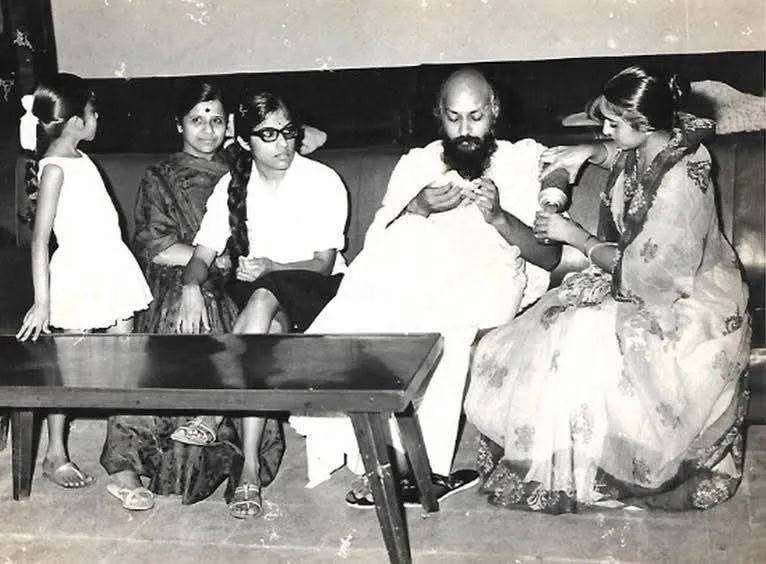
Osho's original Hindi beside Osho Live's English translation, matched passage by passage.
बुद्ध के अंतिम शब्द, जो उन्होंने इस पृथ्वी पर कहे, वे सदा स्मरण रखने जैसे हैं। वे तीन छोटे से शब्द हैं: ‘अप्प दीपो भव।’ अपना दीया स्वयं ही बनो; खुद के प्रकाश स्वयं ही बनो; बी ए लाइट अनटु दाई सेल्फ।
Buddha’s last words on this earth are worth remembering forever. They are just three small words: “Appo deepo bhava.” Be a light unto yourself; be your own illumination.
जैसे ही बुद्ध ने कहा--छोड़ता हूं इस शरीर को, आनंद रोने लगा। और उसने कहा: हमारा क्या होगा? हम जो तुम्हारे पीछे चलते थे, हमने बड़ी आशाएं बांध रखी थीं। और अब सब अंधकार हो जाएगा। प्रकाश बुझा जाता है। बुद्ध ने कहा: अगर तुमने मुझे अपना प्रकाश समझा था, तो तुम भूल में थे। क्योंकि प्रत्येक व्यक्ति स्वयं ही अपना प्रकाश हो सकता है।
As soon as Buddha said, “I am leaving this body,” Ananda began to weep. He said, “What will become of us? We have been following you with such great hopes. Now everything will be dark. The lamp is going out.” Buddha said, “If you took me to be your light, you were in a misconception. Each person must be his own light.”
प्रकाश खोजना है, तो भीतर खोजो। जिसने बाहर प्रकाश खोजा, वह अंधकार में ही भटकता रहेगा। ‘अप्प दीपो भव--अपने प्रकाश खुद ही बनो।’
If you seek light, seek it within. Whoever seeks light outside will go on wandering in darkness. Appo deepo bhava—be a light unto yourself.
और बड़ी अनूठी घटना है कि बुद्ध के जीते-जी आनंद ज्ञान को उपलब्ध न हुआ। बुद्ध के मर जाने के एक दिन बाद ही ज्ञान को उपलब्ध हो गया। चालीस साल तक बुद्ध के साथ रह कर ज्ञान को उपलब्ध न हुआ और एक दिन--केवल एक दिन बुद्ध के अभाव में--ज्ञान को उपलब्ध हो गया।
And here is a unique fact: while Buddha lived, Ananda did not become enlightened. A day after Buddha died, Ananda attained. Forty years with Buddha, and no enlightenment—and then, in a single day without Buddha, it happened.
कहां अड़चन थी? बुद्ध की मौजूदगी उसे स्वयं को नहीं देखने देती थी। बुद्ध की मौजूदगी में वह बुद्ध की तरफ देख रहा था; आंखें बाहर लगी थीं। बुद्ध के हटते ही बाहर देखने योग्य कुछ भी न रहा। और जिसने बुद्ध को देखा हो, बुद्ध के हटने के बाद, उसे बाहर देखने योग्य रह भी क्या जाएगा! उसने सब-कुछ देख लिया--जो इस जगत में देखने योग्य था। और इस जगत के पार जो था, अदृश्य जो था, उसकी भी झलक पा ली।
Where was the obstacle? Buddha’s presence would not let Ananda look at himself. While Buddha was present, Ananda kept looking at Buddha; his eyes were turned outward. Once Buddha disappeared, there was nothing left to gaze at outside. And after seeing Buddha, what remains to be seen in the world? He had seen all that is worth seeing in this world—and had even had a glimpse of the beyond.
बुद्ध के मिटते ही आनंद की आंखें निश्र्चित ही बंद हो गई होंगी। संसार में देखने योग्य कुछ भी न बचा। उसी क्षण उसने स्वयं को देखा। और जैसे ही कोई स्वयं को देख ले, वैसे ही मार्ग पर आ जाता है। स्वयं का होना ही मार्ग है।
As soon as Buddha vanished, Ananda’s eyes must certainly have closed. There remained nothing in the world worth looking at. In that very moment he looked into himself—and the moment one truly sees oneself, one is on the path. The very being of oneself is the path.
लेकिन मन कोशिश करता है--दूसरे के अनुसरण की। क्योंकि नकल आसान है; वास्तविक होना कठिन है। यह सदा सरल है कि तुम किसी और का अभिनय करो। क्योंकि अभिनय तो ऊपर ही ऊपर होता है। भीतर तो तुम जो थे, वही बने रहते हो। इसलिए मन अक्सर अनुकरण को चुनता है; प्रभावित होता है; किसी दूसरे के ढंग से जीना शुरू करता है।
But the mind keeps trying to follow others. Imitation is easy; being authentic is difficult. It is always simpler to act another’s role. Acting is only on the surface; deep within you remain what you are. Hence the mind chooses imitation; it gets impressed and begins to live in someone else’s style.
कितनी ही तुम चेष्टा करो, अगर तुम दूसरे के पीछे चल रहे हो, तो मंजिल भटक जाएगी। और इसलिए जीवन की गहरी से गहरी कला यह है--बुद्धपुरुषों के पास होकर भी उनके अनुसरण से बचना। उनके पास न हुए, तो भी न चलेगा। उनके पास होकर नकल में पड़ गए, तो भी न चलेगा। दोनों के मध्य में एक बिंदु है--जहां मार्ग है।
Try as you may, if you are following another, the goal will be lost. The deepest art of life is this: even in the company of the awakened ones, avoid following them. Without their company, you will not do; but if you turn their company into imitation, you will not do either. Between the two there is a point—there lies the path.
बुद्धपुरुषों के पास होना सौभाग्य है। लेकिन उनकी लीक पर चल पड़ना दुर्भाग्य है। उनसे तुम बुद्धत्व सीखना, आचरण नहीं। उनके जीवन की बाह्य रूपरेखा को तुम अपने जीवन का नक्शा मत बनाना। क्योंकि एक व्यक्ति के जीवन की बाह्य रूपरेखा दूसरे के लिए कारागृह सिद्ध होती है। क्योंकि तुम पृथक हो, तुम भिन्न हो। तुम बस, तुम ही जैसे हो।
To be near the awakened is great fortune. But to walk in their tracks is misfortune. Learn buddhahood from them, not conduct. Do not make the external layout of their life the blueprint of your life. The outer form of one person’s life becomes a prison for another. You are distinct, you are different. You are simply yourself.
तो किसी भी दूसरे के नक्शे पर अगर तुमने अपने जीवन का ढांचा बनाया, तो तुम्हारा अपना ढांचा कुंद हो जाएगा। तुम्हारे अपने विकसित होने की संभावनाएं क्षीण हो जाएंगी। वह दूसरा तुम्हारे लिए कारागृह बन जाएगा।
If you build your life to another’s blueprint, you blunt your own framework. Your own possibilities of growth wither. The other becomes a prison to you.
और पत्नी क्या कारागृह बनेगी? पति क्या कारागृह बनेंगे? बुद्धपुरुषों के पास कारागृह निर्मित कर लेना बहुत आसान है। दुनिया के सभी कीमती कारागृह बुद्धपुरुषों के आस-पास निर्मित हुए हैं। उनका नाम चाहे इस्लाम हो, चाहे हिंदू हो, चाहे बौद्ध हो, चाहे जैन हो। ये जो बड़े-बड़े कारागृह हैं--संप्रदायों के, ये बुद्धपुरुषों के पास निर्मित हुए हैं।
And will a wife become a prison? Will a husband become a prison? Around the awakened ones it is very easy to build prisons. All the most precious prisons of the world have been built around awakened beings—call them Islam, Hinduism, Buddhism, or Jainism. These great prisons of sects arose around enlightened ones.
और बुद्धपुरुषों के पास जब कोई कारागृह निर्मित होता है, तो वह करीब-करीब स्वर्ण का है। उसे छोड़ने का मन भी न होगा। उससे तुम चिपटोगे, उसे तुम पकड़ोगे। और इन कारागृहों के बाहर किसी संतरी को खड़ा करने की जरूरत नहीं है। तुम खुद ही भागना न चाहोगे।
And the prisons around enlightened ones are almost made of gold. You won’t even feel like leaving them. You will cling and hold fast. Such prisons need no guard outside—you will not wish to escape.
इस बात को स्मरण रखना।
Remember this.
लेकिन मध्य का बिंदु क्या होगा? प्रभावित भी होना, अनुकरण भी मत करना। बड़ी विरोधाभासी बात है। क्योंकि तुम तो जैसे ही प्रभावित होते हो, वैसे ही अंधा अनुकरण पैदा हो जाता है। तुम्हारे लिए तो प्रभावित होने का अर्थ ही यह होता है कि अनुकरण करो।
But what is the middle point? Be influenced, but do not imitate. A paradox! For you, the moment you are influenced, blind imitation begins. For you, to be influenced means to imitate.
बुद्धपुरुषों से ज्योति तुम लेना, बस वैसे ही ज्योति लेना, जैसे एक दीया--बुझा हुआ दीया दूसरे जलते हुए दीये से ज्योति ले लेता है, फिर स्वयं चल पड़ता है--अपनी यात्रा पर। फिर उसकी ज्योति-धारा अपनी ही होती है; अपना ही तेल जलता है, अपना ही दीया होता है।
Take light from the awakened only as one lamp, unlit, takes flame from a burning lamp and then goes on its own journey. Then its stream of light is its own; its oil is its own; its wick is its own.
एक झलक, एक छलांग और आग एक दीये से दूसरे दीये में प्रवेश कर जाती है। प्रभावित होने का इतना ही अर्थ है कि बुद्धपुरुषों के पास तुम्हारी प्यास जग जाए, आग पकड़ जाए।
A glance, a leap—and the fire jumps from one lamp to another. Let being influenced only mean that in the presence of the awakened your thirst is aroused and you catch fire.
जीसस ने कहा है: ‘जो मेरे पास हैं, वे आग के पास हैं। और जो मेरे पास नहीं हैं, परमात्मा का राज्य उनसे बहुत दूर है। ...जो मेरे पास हैं, वे आग के पास हैं। और जो मेरे पास नहीं हैं, परमात्मा का राज्य उनसे बहुत दूर है।’
Jesus said, “Those who are with me are near the fire; and those who are not with me, the kingdom of God is far from them… Those who are with me are near the fire; and those who are not, the kingdom is far.”
आग के पास होना, बस, इतने ही अर्थ में उपयोगी है कि एक छलांग लगे और आग तुम्हें पकड़ जाए। लेकिन तुम नकल मत करना, क्योंकि नकल की आग झूठी होगी। उसे तुम ऊपर से तो धारण करोगे, भीतर तुम अंधेरे रहोगे।
To be near the fire is useful only to the extent that the spark leaps across and the fire catches you. But do not imitate, because an imitated fire will be false. You will wear it outside, but inside you will remain dark.
कितना आसान है--बुद्धपुरुषों जैसे वस्त्र पहन लेना। कितना आसान है--उनके जैसे उठना, बैठना, चलना, और कितना कठिन है, उनके जैसा हो जाना! वह जो भीतर है, वह जो जीवंत ज्योति भीतर है, उसके जैसा हो जाना अति कठिन है। इसलिए हम सुगम मार्ग खोजते हैं।
How easy it is to dress like the awakened! How easy to sit, stand, walk like them—and how difficult to become as they are! That living flame within—that is the difficult part. So we search for the easy way.
मन सदा ही लीस्ट रेसिस्टेंस--जहां कम से कम असुविधा हो, उसको चुनता है। असुविधा इसमें कुछ भी नहीं है कि तुम बुद्ध जैसा वस्त्र पहन लो, कि तुम बुद्ध जैसे उठो-बैठो; बुद्ध जो भोजन करें, तुम भी करो; बुद्ध जब सोएं, तब तुम भी सो जाओ। तुम बाहर से बिलकुल अभिनय करो।
The mind always chooses the path of least resistance. There is no inconvenience in wearing the robe of a buddha, in sitting and standing like the buddha; to eat what the buddha eats, to sleep when the buddha sleeps. You can act it out perfectly on the outside.
अभिनेता हो जाना सबसे सरल है। लेकिन अभिनेता प्रामाणिक नहीं है। अभिनेता एक झूठ है। और तुम भलीभांति जानते रहोगे कि अभिनय बाहर-बाहर है। भीतर तुम्हें अपना अंधकार, अपनी नग्नता, अपनी सड़ी-गली स्थिति दिखाई पड़ती रहेगी।
Becoming an actor is the simplest thing. But the actor is not authentic. The actor is a lie. And you will know well that the acting is only on the surface; within you will continue to see your own darkness, your nakedness, your rot.
तुम उसे कैसे छिपाओगे? वस्त्र कितने ही सुंदर हों, और आभूषण कितने ही मूल्यवान, लेकिन तुम्हारे भीतर के नासूर उनसे मिटेंगे नहीं, छिपेंगे भी नहीं।
How will you hide it? However beautiful the garments, however precious the ornaments, they do not heal the ulcers within; they do not even hide them.
तो बुद्धपुरुषों से यह सीखना कि तुम अपने मार्ग पर कैसे चलो। बुद्धपुरुषों से अनुकरण मत सीखना। उनसे तुम यह सीखना कि तुम्हारा बुद्धत्व कैसे जगे। आंख बंद करके अंधे की भांति उनके पीछे मत चलना। क्योंकि उनका मार्ग--तुम्हारा मार्ग कभी भी होने वाला नहीं है। इसलिए जो अनुकरण करेगा, वह भटक जाएगा। यह पहली बात समझ लें।
Learn from the awakened how to walk your own path. Do not learn imitation. Learn from them how your buddhahood can be awakened. Do not, like a blind man, follow them with closed eyes. Their path will never be your path. Whoever imitates will go astray. This is the first thing to understand.
और दूसरी बात यह समझ लें, कि न केवल तुम आचरण में अनुकरण करते हो, तुम ज्ञान में भी पुनरुक्ति करते हो! तुम सुन लेते हो और दोहराने लगते हो। तुम्हारा दोहराया हुआ, तुम्हारे हृदय से नहीं आता है--तुम्हारे कंठ तक से नहीं आता, बस तुम्हारे ओंठों पर ही होता है। तुम्हारे कान तुम्हारे ओंठों को दान देते रहते हैं। तुम सुनते हो और तुम्हारे ओंठ बोलते रहते हैं। तुम्हारे कान और तुम्हारे ओंठों के बीच सीधा द्वार है। तुम्हारे हृदय को वह द्वार छूता भी नहीं है।
The second: you not only imitate in conduct, you also repeat in knowledge. You hear and you begin to parrot. What you repeat does not come from your heart—not even from your throat; it only reaches your lips. Your ears donate directly to your lips. You hear and your lips go on speaking. There is a direct door between your ears and your lips; your heart is not even touched.
तुम जो बुद्धपुरुषों से सुनो, तुम बुद्धपुरुषों के संबंध में सुनो, उसे तुम दोहराना मत। तुम तोते मत बन जाना। तुम उसे हृदय से गुजरने देना। और जब भी कोई ज्ञान की किरण हृदय से गुजरती है, तब वह तुम्हारी अपनी हो जाती है। तब तुम दोहराते नहीं हो, तब तुम्हारा जानना बासा नहीं होता। तब उसमें वही ताजगी होती है, जो सुबह की पहली किरण में होती है; वही नयापन होता है, जो सुबह की ओस में होता है।
Whatever you hear about the awakened, do not repeat it. Do not become a parrot. Let it pass through the heart. Whenever a ray of knowing passes through the heart, it becomes your own. Then you do not repeat; your knowing is not stale. It has the freshness of the first morning light, the newness of the morning dew.
शास्त्रों से जिसने सुन लिया, सदगुरुओं से जिसने सुन लिया और फिर उसे दोहराने लगा, वह पंडित हो जाएगा--ज्ञानी नहीं। और पंडित मार्गच्युत है; उसका रास्ता खो गया है। अज्ञानी भी पहुंच जाएंगे, पंडित कभी पहुंचते नहीं सुने गए हैं।
Whoever hears from scriptures and masters and then repeats becomes a pundit, not a knower. And the pundit is off the path; his way is lost. The ignorant may arrive; pundits are never heard to arrive.
अब हम इस छोटी सी वार्ता में प्रवेश करें।
Now, let us enter this little dialogue.
एक शिष्य ने गुरु उमोन से कहा: ‘बुद्ध का प्रकाश समस्त विश्र्व को प्रकाशित करता है; बुद्ध की प्रज्ञा सारे जगत को आलोकित करती है।’
A disciple said to Master Ummon, “The light of the Buddha illuminates the whole universe; the wisdom of the Buddha irradiates the entire world.”
पढ़े होंगे कहीं उसने ये शब्द, क्योंकि कहां हैं वे आंखें, जो देख पाएं कि बुद्ध का प्रकाश समस्त जगत को प्रकाशित करता है? और जो यह देख लेगा, वह स्वयं ही बुद्ध हो गया। कहां है वह हृदय, जो अनुभव कर पाए कि ‘बुद्ध की प्रज्ञा सारे जगत को आलोकित करती है?’ और जिसने यह अनुभव कर लिया, वह स्वयं ही बुद्ध हो गया।
He must have read these words somewhere. Where are the eyes that can see the Buddha’s light illumining the whole universe? Whoever sees this has himself become a buddha. Where is the heart that can experience “the wisdom of the Buddha lighting the whole world”? Whoever has experienced this has himself become a buddha.
बुद्ध हुए बिना बुद्धत्व की घटना को समझना आसान नहीं है। बौद्ध होने से न चलेगा; ‘बुद्ध’ होना पड़ेगा। जैन होने से न चलेगा; ‘जिन’ होना पड़ेगा। क्रिश्र्चियन होने से काम चलता होता, तो आधी दुनिया स्वर्ग में प्रवेश कर गई होती; ‘क्राइस्ट’ होना पड़ेगा।
Without becoming a buddha, it is not easy to understand buddhahood. It won’t do to be a Buddhist; you must be a buddha. It won’t do to be a Jain; you must be a jina. If merely being Christian worked, half the world would have entered heaven; you must be a Christ.
क्रिश्र्चियन होना कितना आसान है, क्राइस्ट होना कितना मुश्किल है! क्रिश्र्चियन होने में कुछ भी तो नहीं खोना पड़ता है। वह सौदा बिलकुल सस्ता है। तुम गंवाते कुछ भी नहीं हो और पाने की पूरी आशा है। दांव पर तुम कुछ भी नहीं लगाते और जीत का पूरा सपना है।
How easy it is to be a Christian; how difficult to be a Christ! To be a Christian costs nothing—cheap bargain. You risk nothing and hope to gain everything. You stake nothing and dream of victory.
जीसस ने कहा है: ‘जो समझना चाहें, उसे--जिसकी मैं बात कह रहा हूं--उन्हें मेरे ही जैसे अपनी सूली अपने कंधों पर ढोनी पड़ेगी।’ और जीसस ने कहा है: ‘जब तक तुम सूली पर न लटक जाओ, तब तक वह स्वर्ग का राज्य तुम्हारे लिए खुलेगा नहीं।’
Jesus said, “Whoever would understand what I speak will have to carry his cross upon his shoulders.” And he said, “Until you are hung upon the cross, the kingdom of heaven will not open to you.”
बड़ी विचित्र घटना, मनुष्य के इतिहास में घटती है। जीसस को ढोनी पड़ी अपनी सूली गोलगोठा तक--जहां उनको सूली लगाई गई। जिस कारागृह में उन्हें बंद किया गया था, उस कारागृह से जब सिपाही उन्हें ले चले, तो उन्होंने उनकी सूली को उनके ही कंधे पर रख दिया। जीसस गोलगोठा की पहाड़ी पर चढ़ रहे हैं--पसीने से लथपथ। लोग पत्थर फेंक रहे हैं, गालियां दे रहे हैं। और जीसस सूली भी अपनी, अपने कंधे पर ढो रहे हैं।
A strange event in human history: Jesus had to carry his own cross to Golgotha. When the soldiers led him from the prison, they put the cross upon his shoulders. He climbed the hill of Golgotha—drenched in sweat. People threw stones, hurled abuses. And Jesus carried his own cross.
फिर ईसाई पादरी हैं, पुरोहित हैं; वे भी सूली अपने कंधे पर टांगे हुए हैं। उनकी सूली स्वर्ण की है। ईसाई पादरी सोने का क्रास अपने गले में लटकाए हुए हैं। एक सूली थी लकड़ी की, जो भारी थी, वजनी थी; पहाड़ की चढ़ाई थी, चारों तरफ अपमान और गाली थी। और अपनी ही सूली पर क्षण भर बाद जीसस को लटक कर मर जाना था। और एक सूली सोने की है, जो बड़ी कीमती है; जो भारी नहीं है; और जिसके कारण अपमान नहीं मिलता, प्रतिष्ठा मिलती है, सम्मान मिलता है, सत्कार मिलता है!
Then there are priests—Christian clergy—also wearing the cross upon their chests. Their cross is of gold. One cross was wooden, heavy, weighty; the climb was steep; all around there was insult and abuse. And soon Jesus would be hung on his own cross and die. And one cross is golden, precious, not heavy; and for wearing it you do not receive insult but honor, respect, welcome!
आदमी बड़ा कुशल है, असली सूलियों को सोने की नकली सूलियों में बदल लेता है। क्रिश्र्चियन होना हो तो यह ठीक है, लेकिन क्राइस्ट होने के लिए यह काफी नहीं है। शायद क्राइस्ट होने के लिए यही बाधा है।
Man is clever—he replaces real crosses with golden counterfeit ones. To be a Christian may be fine; but it is not enough to be a Christ. Perhaps it is the very obstacle to being a Christ.
जब उमोन के शिष्य ने यह कहा, तो उमोन को देखने में क्षण भर भी देर न लगी होगी। देखने की जरूरत भी नहीं है। ज्ञानी पुरुष के सामने अगर तुम उधार ज्ञान प्रकट करो, तो वह आंखें बंद किए भी देख लेगा। टटोलने की भी जरूरत नहीं है। तुम्हारे शब्द इतने बासे और सड़े हुए होते हैं, ऐसे ही जैसे किसी चेहरे पर रंग-रोगन किया गया होता है। उससे किसको धोखा होता है? कौन धोखे में पड़ता है? शायद तुम ही दर्पण के सामने खड़े होकर अपने को सुंदर समझ लेते हो, तो बात दूसरी है। अन्यथा तुम्हारे चेहरे पर लगा हुआ रंग-रोगन, सिर्फ तुम्हारी कुरूपता का प्रदर्शन होता है।
When Ummon’s disciple said this, Ummon would not have taken even a moment to see. There was no need to see. In front of a knower, if you present borrowed knowledge, he sees with his eyes closed. There is no need even to probe. Your words are so stale and rotten—like a face painted with cosmetics. Who is deceived by that? Perhaps you, standing before the mirror, believe yourself beautiful—then it’s another matter. Otherwise, the paint only exhibits your ugliness.
उमोन को देखने में क्षण भर की भी देर न लगी होगी कि ये शब्द किसी और के हैं। ये होंगे ही--किसी और के। क्योंकि इस शिष्य को वह भलीभांति जानता है। जो अभी अंधेरे में भटक रहा है, उसे कैसे दिखाई पड़ा कि ‘सारा जगत बुद्ध के प्रकाश से आलोकित है?’ और जिसके अभी हृदय की पहली धड़कन भी नहीं खुली, उसे कैसे समझ में आया कि बुद्ध की प्रज्ञा से सारा जगत आंदोलित है?
Ummon would have needed no time to recognize that these words belong to someone else. Of course they do—he knows the disciple well. One still wandering in darkness—how could he see that “the whole world is illumined by the Buddha’s light”? One whose heart has not yet known its first opening—how could he understand that “the wisdom of the Buddha stirs the whole world”?
ये शब्द उधार हैं। उधार ज्ञान बड़ा जहरीला है। किसी और को नहीं मारता है, तुम्हीं को मारता है। तुम ही उधार ज्ञान के नीचे दबते हो, सड़ते हो, भटकते हो।
These are borrowed words. Borrowed knowledge is poisonous. It does not kill others; it kills you. Under borrowed knowledge, you alone are crushed, you rot and you wander astray.
अज्ञान नहीं भटकाता है, उधार ज्ञान निश्र्चित भटकाता है। अज्ञान तो विनम्र होता है कि ‘मुझे पता नहीं है।’ इसलिए जानने की संभावना रहती है। उधार ज्ञान विनम्र नहीं होता है; उधार ज्ञान अकड़ से भरा होता है कि ‘मुझे पता है।’
Ignorance does not mislead; borrowed knowledge certainly does. Ignorance is humble—“I do not know”—therefore there is still a possibility of knowing. Borrowed knowledge is not humble; it is filled with pride—“I know.”
और जब इस शिष्य ने कहा होगा उमोन के सामने कि ‘बुद्ध का प्रकाश समस्त विश्र्व को प्रकाशित करता है; बुद्ध की प्रज्ञा सारे जगत को आलोकित करती है’, तो बड़ी अकड़ से कहा होगा। अकड़ न हो, तो ऐसे शब्द कहे ही नहीं जा सकते।
And when this disciple spoke before Ummon—“The Buddha’s light illuminates the universe; the Buddha’s wisdom illumines the world”—he must have said it with great conceit. Without conceit, such words are not even uttered.
और उमोन के सामने इन शब्दों को कहने की जरूरत क्या थी? उमोन खुद बुद्धपुरुष है। उमोन के सामने ये शब्द शिष्य कह ही रहा है इसलिए--ज्ञान के प्रदर्शन के लिए। वह बताना चाहता है कि उमोन स्वीकार करे कि मैं भी जानता हूं, मुझे भी पता है। यह एक आत्म-प्रदर्शन है।
And what was the need to say such words in Ummon’s presence? Ummon himself is an awakened one. The disciple speaks thus before Ummon only to display knowledge. He wants Ummon to acknowledge, “I also know.” It is self-display.
लेकिन उमोन जैसे गुरुओं से बचने का उपाय नहीं है। वे तुम्हें वहां तक देख लेंगे, जहां तक तुमने भी स्वयं को नहीं देखा है। तुम उनके पास जाते हो, तो वे तुम्हारे आर-पार देख पाते हैं। तुम उनके लिए ट्रांस्पेरेंट हो। तुम्हारे छिपने का कोई उपाय नहीं है। तुम्हारी सब नग्नता उनके सामने उघड़ जाती है।
But one cannot escape masters like Ummon. They will see you to the very depths you have not seen yourself. To them you are transparent. There is no way to hide. Your nakedness is revealed before them.
काश! यह शिष्य चुप बैठा रहता, तो बेहतर था। बोल कर ही यह फंसा।
Alas! Had the disciple remained silent, it would have been better. He got caught by speaking.
ज्ञानियों ने कहा है कि ज्ञानी तो ‘चुप हो’ जाते हैं। अज्ञानी को ‘चुप रहना’ चाहिए। ज्ञानी चुप हो जाते हैं, अज्ञानी को चुप रहना चाहिए; क्योंकि अज्ञानी बोला कि फंसा। तुम बोले नहीं, कि तुम गलत हुए नहीं। तुम्हारे मौन में तुम ठीक हो। लेकिन बोलते ही तुम उपद्रव मोल ले लेते हो।
The wise have said: the enlightened become silent; the unenlightened should remain silent. The enlightened fall silent by themselves; the unenlightened must cultivate silence—because the moment the ignorant speaks, he is trapped. If you do not speak, you are not yet wrong. In your silence you are still right; but the moment you speak, you invite trouble.
ज्ञानी चुप हो जाते हैं, अज्ञानी को चुप्पी साधनी चाहिए। और सदगुरुओं के पास--उमोन जैसे सदगुरुओं के पास अगर तुम बोल रहे हो, तो तुम बिलकुल पागल हो। उनके पास बोल कर तुम क्या सीखोगे? उनके पास बोल कर तुम भटकोगे। उनके पास तुम्हें ऐसे हो जाना चाहिए, जैसे तुम हो ही नहीं। ताकि तुम्हारे न होने में उनका होना पूरा का पूरा परिव्याप्त हो सके, ताकि तुम्हारी शून्यता उनकी ध्वनि से भरे, ताकि तुम्हारे निर्जन एकांत में उनका प्रकाश तुम्हें जगा सके।
The enlightened become silent; the ignorant should practice silence. And near true masters—like Ummon—if you speak, you are utterly mad. By speaking there, what will you learn? You will only go astray. With them you should be as if you are not. In your non-being their being can pervade you; your emptiness can be filled with their sound; in your lonely desert their light can awaken you.
जब तुम बोलते हो, ध्यान रहे--बोलना और चुप होना विपरीत प्रक्रियाएं हैं। जब तुम बोलते हो, तब आक्रमण है। जब तुम चुप होते हो, तब ग्रहण है। गुरु बोले--समझ में आता है, क्योंकि तुम्हारे भीतर कुछ मिटाना है, तोड़ना है। गुरु आक्रामक होगा, अन्यथा वह तुम्हें बदल भी न पाएगा। शिष्य बोले--समझ में नहीं आता है। क्योंकि शिष्य अगर बोले, तो ग्रहण बंद हो जाता है। तब वह रिसेप्टिव नहीं है, तब वह आक्रामक हो गया।
Remember: speaking and silence are opposite processes. When you speak, you attack. When you are silent, you receive. Let the master speak—he needs to break, to demolish something in you. The master will be aggressive—otherwise he cannot transform you. For the disciple to speak makes no sense. If the disciple speaks, receptivity is blocked. He is no longer receptive; he has become aggressive.
उमोन के सामने ‘चुप’ होना था। उमोन के सामने बोल कर तुम सिर्फ अपना अज्ञान ही प्रकट करोगे। लेकिन चुप होना बड़ा कठिन है।
Before Ummon, one had to be silent. By speaking there, you only reveal your ignorance. But to be silent is very difficult.
मैंने सुना है: रमजान के दिन थे। लोग उपवास कर रहे थे और दिन-दिन भर लोग मस्जिदों में नमाज पढ़ रहे थे। रमजान के दिनों में मस्जिदों में चुप होना जरूरी है। जहां भी धर्म है, वहां चुप होना जरूरी है। क्योंकि तुम जब चुप हो, तभी धर्म बोल पाता है। जब तुम बोलते हो, तब धर्म चुप हो जाता है।
I have heard: It was Ramadan. People were fasting, spending their days in mosques in prayer. In Ramadan it is necessary to be silent in the mosque. Wherever there is religion, there is a need for silence—only when you are silent can religion speak; when you speak, religion falls silent.
मुल्ला नसरुद्दीन भी मस्जिद गया था। जाना तो नहीं था, जाने का कोई मन भी न था, लेकिन प्रतिष्ठा का सवाल था। जो मस्जिद न जाएगा--रमजान के दिनों में--गांव उसे अधार्मिक मानता है। और अधार्मिक होना जरा महंगा सौदा है।
Mulla Nasruddin also went to the mosque. He had no intention to go, but reputation was at stake. Whoever does not go to the mosque during Ramadan is regarded irreligious by the village—and to be irreligious is expensive.
रिस्पेक्टबिलिटी चाहिए--समाज में जीना हो, तो धार्मिक होना--कम से कम दिखाई पड़े, इतना तो चाहिए। क्योंकि जब तुम्हें लोग धार्मिक समझते हैं, तब तुम धोखा आसानी से दे सकते हो। जब लोग तुम्हें अधार्मिक समझते हैं, तब तुम्हारी दुकान का चलना बहुत मुश्किल हो जाता है। चोर को भी यहां मस्जिद में जाकर नमाज पढ़नी पड़ती है। बेईमान को भी मंदिर की तरफ जाना पड़ता है। इससे बेईमानी करने में सुविधा होती है।
Respectability is needed—if you live in society, you must appear religious at least. For when people think you religious, you can deceive them more easily. If they take you to be irreligious, it is difficult even to run a shop. The thief too must go to the mosque; the dishonest must go to the temple—it facilitates dishonesty.
सारा गांव जा रहा था, तो मुल्ला नसरुद्दीन को भी जाना पड़ा। एक कोने में बैठ कर वह भी आंख बंद करके नमाज कर रहा है। उसके पास बैठे एक आदमी ने कहा--बोलना नहीं था, नियम के विपरीत था--उस आदमी ने कहा: ‘पता नहीं, मैं घर में ताला लगा पाया या नहीं।’ दूसरे आदमी ने सुना, उसने कहा: ‘बोले! सब खराब कर डाला। अब फिर से नमाज पढ़नी पड़ेगी।’ नसरुद्दीन ने कहा: ‘थैंक गॉड। आई हैव नॉट स्पोकन येट, परमात्मा का धन्यवाद। मैं अभी तक नहीं बोला; मैं चुप ही हूं।’
The whole village was going, so Nasruddin went. Sitting in a corner, eyes closed, he prayed. A man next to him said—though speaking was against the rule—“I don’t know whether I locked my house or not.” Another heard and said, “You spoke! You have spoiled everything. Now we must pray again.” Nasruddin said, “Thank God, I have not spoken yet; I am still silent.”
वह जो आक्रामक चित्त है, वह बोलता ही चला जाता है। उसे होश भी नहीं है कि वह बोल रहा है। जब तुम बाहर से चुप दिखाई पड़ते हो, तब भी वह भीतर बोलता जाता है। उमोन के सामने बोलने की कोई जरूरत न थी। उमोन के सामने तो तुम मस्जिद में हो। वहां तो नमाज का वक्त है। मंदिर में हो; वह तो पूजा का स्थल है, वहां तुम्हें चुप होना चाहिए। गुरु के पास केवल वही पहुंच पाता है, जो चुप है।
That attacking mind goes on speaking. Often you are not even aware that you are speaking. Even when outwardly silent, it speaks within. There was no need to speak before Ummon. You were in a mosque; it was time for prayer. In a temple—place of worship—you should be silent. Only the silent reach the master.
देखा होगा उमोन ने कि बोलता है! निश्र्चित ही उधार बोलता है।
लेकिन वह अपनी बात पूरी भी नहीं कर पाया और गुरु ने कहा: ‘आह! क्या तुम किसी दूसरे की पंक्तियां नहीं दोहरा रहे हो?’
Ummon did not even let the disciple finish and said, “Ah! Are you not quoting someone else’s lines?”
बात अभी पूरी भी नहीं हो पाई थी, इसलिए यह निर्णय उस बात को सुन कर नहीं लिया गया है। क्योंकि बात को अगर सुनकर निर्णय लेना था, तो कम से कम शिष्य को पूरा बोल तो लेने देते! अभी वह क्या कहना चाहता था, यह भी पूरा नहीं हो पाया है। अभी उसने पंक्ति शुरू ही की थी। लेकिन उमोन को निर्णय--कोई सुन कर लेने का सवाल नहीं है। शिष्य बोला, इसी में निर्णय हो गया। शिष्य बोला, इतने में ही बात तय हो गई।
The disciple had barely begun. The verdict was not based on hearing his words to the end. If Ummon had to judge by what was said, he would have let the disciple finish. But Ummon does not decide by hearing. The disciple spoke—that was enough. The moment he spoke, the matter was settled.
गुरु के सामने प्रदर्शन की जो वृत्ति है, वह अज्ञान से ही उठ सकती है।
The urge to display oneself before the master can only arise from ignorance.
गुरु के सामने अपने को ज्ञान में ढांकने की कोशिश आत्मघाती है। यह वैसे है, जैसे कोई मरीज डॉक्टर के पास जाए और बीमारी बताने से इनकार करे या छिपाए। लेकिन तुम डॉक्टर के पास जाकर सारी बीमारियां बता देते हो। लेकिन यही तुम गुरु के पास नहीं करते हो। गुरु के पास तुम कोशिश करते हो--दिखाने की, कि तुम स्वस्थ हो। इलाज कैसे होगा? और फिर तुम चाहते हो इलाज हो!
To cover yourself with a cloak of knowledge before the master is suicidal—like a patient going to a doctor and refusing to reveal his illness. To the doctor you confess everything—but to the master you try to show you are healthy. How can treatment happen? And then you want to be healed!
मेरा रोज का अनुभव है। मैं लोगों से पूछता हूं: क्या है तकलीफ? वे कहते हैं: कोई तकलीफ नहीं है। तकलीफ साफ है! तकलीफ से ज्यादा और कुछ भी साफ नहीं है। तकलीफ ही तकलीफ है। पर वे कहते हैं: कोई तकलीफ नहीं है। सब ठीक है। अगर मैं इंगित करूं कि यह बीमारी है, तो वे बुरा मानेंगे। और अगर मैं इंगित भी करता हूं, तो मैं पाता हूं, वे इनकार करते हैं कि नहीं, ऐसी कोई बात नहीं है!
Daily I experience this. I ask, “What is the trouble?” They say, “No trouble. Everything is fine.” The trouble is obvious; nothing is more obvious than trouble. But they say, “All is well.” If I point out, “This is a disease,” they feel offended. And even if I indicate, they deny it: “No, nothing like that!”
तुम क्यों छिपाते हो--अपने को? और बीमारियां कहीं छिपाने से मिटी हैं? उन्हें उघाड़ना ही होगा। और जहां सर्जरी करनी हो, वहां उन्हें पूरा ही उघाड़ना होगा; उनकी जड़ तक जाना होगा। और तुम्हारी हड्डियों तक जड़ है। तुम्हारी मांस-मज्जा--सभी में जड़ है। तुम्हारी पूरी भूमि को खोदना पड़ेगा; तुम्हारी बीमारियों के बीज मूल से अलग करने होंगे।
Why do you hide yourself? Have diseases ever vanished by hiding them? They must be exposed, laid bare. If surgery is needed, all must be exposed—down to the roots. And your roots are in your very bones, in your flesh and marrow. Your entire ground must be dug up; the seeds of illness removed from their roots.
तुम छिपाओगे तो कैसे होगा? लेकिन तुम शरीर के संबंध में ज्यादा होशियार हो। तुम चिकित्सक के पास जाकर सब खोल कर बता देते हो। आत्मा के संबंध में तुम्हारी होशियारी इतनी नहीं है; तुम छिपाते हो।
You can be honest about the body—before the physician you reveal all. About the soul you are not so wise—you hide.
मैंने सुना है, स्टैलिन के संबंध में एक कहानी प्रचलित है। उसकी पुलिस--खुफिया पुलिस का प्रधान था--बेरिया। और स्टैलिन उसकी परीक्षा लेना चाहता था कि वह योग्य भी है या नहीं। एक सांझ वह मास्को में गया, कार में बैठ कर--बिना किसी को बताए। और वह सौ कार्ड टाइप किए हुए, मास्को की अलग-अलग सड़कों पर फेंक आया। किसी कार्ड में लिखा था: स्टैलिन बदमाश है। किसी कार्ड में लिखा था: स्टैलिन पागल है। किसी कार्ड में लिखा था: स्टैलिन व्यभिचारी है। किसी कार्ड में कुछ। स्टैलिन को जितनी गालियां दी जा सकती थीं, सब सौ कार्डों पर लिख कर वह जगह-जगह फेंक आया।
I have heard a story about Stalin. The head of his secret police was Beria. Stalin wanted to test whether he was competent. One evening he drove through Moscow without telling anyone, and scattered a hundred typed cards on different streets. On one card it said, “Stalin is a scoundrel.” On another, “Stalin is mad.” On another, “Stalin is a debauchee.” He wrote every possible abuse about himself across those hundred cards and threw them around.
सुबह स्टैलिन उठा ही था, चाय पी ही रहा था कि बेरिया मौजूद हुआ। उसने सौ कार्ड टेबल पर लाकर रख दिए। स्टैलिन भीतर खुश हुआ कि आदमी कुशल है। ऊपर से नाराजगी दिखाई और कहा: ये किसने लिखे हैं? कौन है, उसे पकड़ो। क्या तुमने पता लगाया है कि यह कौन आदमी है, जिसने ये कार्ड शहर में फेंके हैं? बेरिया ने कहा: महानुभाव वह आप ही हैं। तब तो स्टैलिन भीतर और भी खुश हुआ। उसने कहा: लेकिन तुमने पता कैसे लगाया? बेरिया ने कहा: आपके संबंध में इतनी सही बातें आपके सिवाय और किसी को पता भी कैसे हो सकती हैं!
In the morning, as Stalin was sipping tea, Beria arrived and placed the hundred cards on the table. Stalin felt inwardly pleased—“The man is efficient.” Outwardly he showed anger: “Who wrote these? Find him. Have you discovered who threw these cards in the city?” Beria said, “Sire, it was you.” Stalin was even more pleased: “How did you find out?” Beria said, “Who else could know so accurately such true things about you?”
लेकिन जब तुम गुरु के पास जाते हो, तो जो तुम्हें भी पता नहीं है, वह भी उसे पता हो जाता है। गुरु का अर्थ ही है कि वह एक्सरे है; वह तुम्हें आर-पार देखेगा। नहीं तो वह गुरु ही नहीं है। तुम्हारे कहने के लिए थोड़ी प्रतीक्षा करेगा, कि जब तुम कहोगे, तब वह पहचानेगा।
But when you go to a master, he will know even what you do not know. The master is an x-ray; he will see you through and through. Otherwise, he is no master. He will not wait for your confession.
गुरु कोई एलोपैथिक डॉक्टर नहीं है कि तुम कहोगे, तब पहचानेगा। वह पुराना आयुर्वेदिक है। तुम कमरे में प्रवेश नहीं किए कि उसने जाना कि कौन सी बीमारी है। तुमने श्वास नहीं ली कि उसने पहचाना कि कौन सा रोग है। उसने तुम्हारी आंखों में देखा नहीं कि पकड़ा।
A master is not an allopathic doctor who diagnoses after your statement. He is of the old ayurvedic type. Before you enter his room, he knows your disease. Before you inhale, he recognizes the malaise. Without needing to peer into your eyes, he has caught it.
पुराने आयुर्वेदिक वैद्य का यही लक्षण था कि वह तुमसे पूछे न। तुमसे पूछा तो क्या वैद्य! तुमसे पूछा, फिर निदान किया, तो क्या वैद्य? बीमार से पूछ कर क्या निदान होगा!
The old ayurvedic physician’s sign was that he did not ask you; if he asked, what kind of physician was he? To diagnose after hearing the patient—what kind of physician? What diagnosis arises from the patient’s own account!
एलोपैथी मरीज से पूछती है; आयुर्वेद मरीज को देखता है। गुरु आयुर्वेदिक है--एलोपैथिक नहीं। तुम गए नहीं कि उसने पहचाना नहीं। तुम्हारा उठना, तुम्हारा बैठना, तुम्हारी आंखें सब कह रही हैं। क्योंकि तुम एक खुली हुई अभिव्यक्ति हो। तुम पूरे क्षण अपने आपको ब्रॉडकास्ट कर रहे हो और कोई उपाय भी नहीं है।
Allopathy asks the patient; Ayurveda observes him. The master is ayurvedic—not allopathic. Even before you come, he has recognized. Your posture, your gestures, your eyes say it all. You are an open broadcast—there is no way to prevent it.
तुम्हारी झिझक, तुम्हारी अकड़, तुम्हारा अहंकार, तुम्हारी झूठी विनम्रता, तुम्हारी छिपाने की कोशिश--सब प्रकट कर रही है। तुम प्रतिक्षण अपनी घोषणा कर रहे हो। तुम्हारी घोषणा एक क्षण को भी रुकती नहीं है; वह जारी है।
Your hesitation, your arrogance, your ego, your false humility, your attempts to hide—are all revealing you. Every moment you are proclaiming yourself. Your proclamation does not cease even for a moment.
उमोन ने बात पूरी सुनी भी नहीं और बोला, ‘आह! तो क्या तुम किसी दूसरे की पंक्तियां नहीं दुहरा रहे हो?’ अभी पंक्तियां कही भी नहीं गई थीं। लेकिन पंक्तियां कहने की जरूरत नहीं है। तुम झूठे हो; तुम दोहराओगे। तुम्हारे ओंठ झूठे हैं, उन पर जो भी आएगा, वह दोहराया हुआ होगा। तुम्हारी आंखें झूठी हैं, उनसे तुम जो भी देखोगे, वह प्रवंचना होगी।
Ummon did not listen fully and said, “Ah! So you are repeating someone else’s lines?” The lines had not yet been spoken—but there was no need. You are false; you will repeat. Your lips are false; whatever comes upon them will be borrowed. Your eyes are false; whatever you see through them will be delusion.
शिष्य झिझका। अभी तो बात पूरी भी न हुई थी और निर्णय हो गया। शिष्य झिझका...! अभी उसने सोचा भी नहीं था कि पकड़ा जाएगा और पकड़ लिया गया।
The disciple hesitated. The verdict came even before he had finished. He had not imagined he would be caught—yet he was.
तो उमोन ने उसकी आंखों में गौर से देखा, ध्यान से देखा। क्योंकि जब तुम झिझकते हो, तब तुम्हारे जीवन की सरिता पूरी की पूरी झकझोर उठती है। जब तुम झिझकते हो, तब तुम्हारे चित्त का पूरा दर्पण कंप उठता है। क्योंकि झिझकने का क्या अर्थ होता है?--झिझकने का अर्थ होता है कि तुम्हारे भीतर द्वैत है, द्वंद्व है। एक हिस्से पर तुम जानते हो कि गुरु ने जो कहा, वह ठीक है। और दूसरे
हिस्से पर तुम झुठलाना चाहते हो कि नहीं, यह ठीक नहीं है। तुम दो हो गए। जहां तुम दो हुए, वहां तुम झिझके। जहां तुम एक हो, वहां झिझक नहीं है।
Ummon looked straight into his eyes—attentively. For when you hesitate, your whole stream of life trembles. When you hesitate, the entire mirror of your mind shakes. What does hesitation mean? It means duality within, conflict. One part knows the master is right; another part wants to deny it. You are split in two. Where you are two, you hesitate. Where you are one, there is no hesitation.
तुम जितने बंटे हो, उतनी झिझक होगी। तुम जितने अनबंटे हो, उतनी झिझक नहीं होगी। जब तुम एक होते हो, तब कोई झिझक नहीं होती है।
The more divided you are, the more hesitation there will be. The more undivided, the less. When you are one, there is none.
इस झिझक के आधार पर पश्र्चिम में लाई-डिटेक्टर विकसित किया गया है। अब तो अदालतों में उसका उपयोग करते हैं--झूठ पकड़ने के लिए। लेकिन सदगुरु सदा से जानते रहे हैं कि झिझक द्वंद्व की खबर है।
Upon this very basis the lie-detector was developed in the West. Now courts use it to catch lies. But true masters have always known that hesitation is the sign of conflict.
अभी पिछले पचास वर्षों में वैज्ञानिकों ने एक यंत्र विकसित किया है। तुम्हें पता नहीं होता; अदालत में तुम जाते हो; तुम मंच पर खड़े किए गए--कटघरे में--और तुमसे कुछ पूछा गया है। नीचे यंत्र लगा हुआ है। वह यंत्र तुम्हारी झिझक पकड़ेगा। जब भी तुम झिझकोगे, तब वह यंत्र खबर दे देगा कि यहां यह आदमी झिझका। और जहां तुम झिझके, वहीं झूठ है।
In the last fifty years scientists have devised a machine. You may not know it—you go to court, stand in the witness box, and are asked questions. A machine below records your hesitation. Whenever you hesitate, it reports: here this person hesitated—and where you hesitated, there is a lie.
जब तुम झिझकते हो, तो तुम्हारे हृदय की धड़कन एक क्षण को रुक जाती है। एकाध धड़कन बीच में खो जाती है। गैप बड़ा होता है। जब तुम झिझकते हो, तब तुम्हारे खून की गति बदल जाती है। जब तुम झिझकते हो, तब तुम्हारे मन में एक झंझावात आ जाता है। जब तुम झिझकते हो, तुम्हारे भीतर दो उत्तर होते हैं--हां भी और ना भी।
When you hesitate, your heartbeat pauses for a moment—one beat is lost in the middle; a gap appears. Your blood flow changes. A storm arises in your mind. Within, two answers collide—yes and no.
जैसे कि तुम खड़े हो अदालत में और तुमसे पूछा गया: इस समय घड़ी में कितना बजा है? झिझकने का कोई कारण नहीं है, क्योंकि घड़ी में अगर नौ बजा है, तो नौ बजा है। घड़ी अदालत में लगी है। तुम कहते हो, ‘नौ बजे हैं।’ तुम्हारा उत्तर इकहरा होता है। तुम्हारे भीतर कोई भी नहीं कहता है कि ‘नौ नहीं बजे हैं।’ तुम दो नहीं होते।
Suppose you are asked in court: “What time is it?” No reason to hesitate. If it is nine, it is nine—the clock hangs there. You answer “Nine o’clock,” and your response is single. No inner voice says, “It is not nine.” You are not split.
फिर तुमसे पूछा गया कि अदालत में कितने लोग हैं? तो तुम गिनती करके बात देते हो, कि दस लोग हैं। कोई झूठ का कारण नहीं है। नीचे मशीन तुम्हारे हृदय की धड़कन को, तुम्हारे श्र्वासों की गति को, तुम्हारे खून के प्रवाह को, तुम्हारे व्यक्तित्व की बेझिझक स्थिति को अंकित कर रही है। जैसे कार्डियोग्राम करता है, वैसे ही; नीचे लकीरें बन रही हैं। तुम एक स्वरबद्ध हो।
If asked, “How many people are in the court?” you count and reply, “Ten.” No reason to lie. The machine below records your heartbeats, breath, blood flow, your ease—just as a cardiogram. Lines are being traced; you are harmonious.
फिर तुमसे पूछा गया कि क्या तुमने हत्या की? एक झटका लगा। तुम जानते हो कि तुमने की इसलिए कोई उपाय नहीं है कि तुम्हें झटका न लगे। तुम भलीभांति जानते हो कि तुमने हत्या की है। इसलिए तुम्हारे भीतर का प्राण तो कहता है: हां। परंतु तुम भलीभांति जानते हो कि अगर तुमने हां कहा, तो तुम्हारी मौत करीब है। तो तुम्हारा मन कहता है--नहीं। तुम्हारा हृदय कहता है--हां। तुम्हारा मन कहता है--नहीं। भीतर एक द्वंद्व खड़ा हो जाता है। एक ही साथ विपरीत उत्तर आते हैं। इन विपरीत उत्तरों के कारण नीचे की मशीन अंकित करती है कि तुम डांवाडोल हो गए, झिझक गए। बस इसी बिंदु पर तुम पकड़ लिए जाते हो।
Then you are asked, “Did you commit the murder?” A jolt occurs. You know you did; you cannot prevent the jolt. Your life within says “Yes.” But you also know that if you say “Yes,” death is near; your mind says “No.” The heart says “Yes,” the mind says “No.” A conflict arises. Opposite answers arrive simultaneously. The machine below records your wobble—your hesitation. There you are caught.
जब भी तुम झूठ बोलते हो, तब तुम झिझकते हो। इसलिए जो लोग झूठ बोलते हैं--निरंतर, अगर वे हृदय की बीमारी से पीड़ित हों, तो आश्र्चर्य नहीं है। क्योंकि निरंतर अगर इस तरह के झटके लगेंगे, तो हृदय की बीमारी बढ़ जाएगी।
Whenever you lie, you hesitate. So those who lie continually—if they suffer heart disease—do not be surprised. Continuous shocks damage the heart.
दुनिया में जितना झूठ बढ़ा है, उतनी हृदय की बीमारी बढ़ी है। गांव के गरीब आदिवासी हृदय की बीमारी से नहीं मरते। जितना सफल आदमी होगा, उतना ज्यादा हृदय की बीमारी से मरता है। पोलिटिशियन, बड़ा राजनीतिज्ञ, बड़ा नेता, बड़ा धनपति--ऐसे लोग हृदय की बीमारी से मरते हैं। कारण साफ-साफ है: इतना झूठ बोलना पड़ता है! सुबह से शाम तक झूठ ही झूठ बोलना पड़ता है। हृदय को इतने धक्के लगते हैं कि हृदय की जो सहज स्वाभाविकता है, वह नष्ट हो जाती है।
As lies increased in the world, heart disease increased. The poor tribal in the village does not die of heart disease. The more “successful” a person, the more he dies of heart disease—politicians, big leaders, tycoons. The reason is straightforward: so many lies! From morning till night lies upon lies. So many jolts to the heart that its natural rhythm is destroyed.
पश्र्चिम में तो एक मजाक है अब, कि जो व्यक्ति चालीस या पैंतालीस साल की उम्र तक हृदय के आघात से पीड़ित नहीं हुआ, उसका जीवन बेकार गया। वह सफल आदमी नहीं है। वह असफल है।
There is a Western joke now: whoever, by age forty or forty-five, has not suffered a heart attack—his life has been wasted. He is not successful; he has failed.
एक राजनीतिज्ञ चुनाव के लिए खड़ा हुआ था। वह मुझसे पूछने आया कि क्या मैं उसे वोट करूंगा? तो मैंने कहा कि तुम जरा देर से आए। तुम्हारा विरोधी पहले आ गया। और मैंने उसे वचन दे दिया है। उस राजनीतिज्ञ ने कहा: आप भी कहां की बातों में पड़े हैं! राजनीति में वचन देना और उसे पालन करने का कोई सवाल नहीं है। वचन और कृत्य में राजनीति में बड़ा फर्क है। तो मैंने उससे कहा कि अगर यह नियम है, तो मैं तुम्हें भी वचन दे देता हूं। तब कोई अड़चन नहीं है!
A politician came to ask for my vote. I said, “You are a little late. Your opponent came first—and I have given him my word.” The politician said, “What are you talking about! In politics there is no question of keeping one’s word. Between word and act there is a vast difference.” I said, “If that is the rule, I give my word to you also—no obstacle then!”
राजनीति झूठ का जाल है; बाजार भी झूठ का जाल है। वहां सफल होने का अर्थ है--हृदय की दुर्बलता को खरीद लेना। सफल व्यक्ति हृदय की बीमारी से मरेंगे।
Politics is a web of lies; the marketplace too. To succeed there is to purchase heart weakness. The successful die of heart disease.
सदगुरु के सामने तुम जैसे ही झिझके, तुम्हारी चेतना में जरा सा कंपन हुआ कि उसे अनुभव होता है। सदगुरु से ज्यादा बड़ा लाई-डिटेक्टर खोजना बहुत मुश्किल है। लाई-डिटेक्टर को तो धोखा भी दिया जा सकता है। कुछ लोगों ने धोखा देकर दिखाया है। क्योंकि अगर तुम ठीक से अभ्यास करो, तो तुम धोखा दे सकते हो। मशीन मशीन है। और जो बहुत ख्यातिनाम चोर हैं, वे उस पर अभ्यास करेंगे ही, क्योंकि आज नहीं कल अदालत में अगर मशीन ही पकड़ने वाली है, तो मशीन पर अभ्यास किया जा सकता है। निरंतर अभ्यास से ऐसी स्थिति आ सकती है कि मशीन न पकड़ पाए। तुम झूठ इतनी सरलता से बोल सकते हो कि झटका न लगे। या झटका इतना बारीक हो कि मशीन की पकड़ के बाहर हो जाए। लेकिन गुरु कोई यंत्र नहीं है। तुम कितने ही बारीक रहो, तुम पकड़ लिए जाओगे। झिझक सब कह जाएगी। झिझक सब कह जाती है।
Before a true master, the moment you hesitate—even a slight ripple—he senses it. You will not find a greater lie-detector than a master. The machine can be deceived; some have cheated it by practice. Being a machine, you can train to slip by. But the master is not a machine. However subtle your hesitation, you will be caught. Hesitation reveals all.
‘शिष्य झिझका, तो उमोन ने उसकी आंखों में ध्यान से देखा।’ उमोन की यह चुप्पी शिष्य को बड़ी महंगी पड़ी होगी--बड़ी गहरी हुई होगी। शिष्य पसीने से तरबतर हो गया होगा। बहुत बार मन हुआ होगा कि कह दे कि नहीं, ये मेरे ही वचन हैं। यह मैं अपने अनुभव से कह रहा हूं। इसीलिए गुरु ने आंख में गौर से देखा। ताकि शिष्य को धोखा देने की संभावना न रहे।
“The disciple hesitated, so Ummon looked sharply into his eyes.” That silence of Ummon must have cost the disciple dearly—must have gone deep. He must have been drenched in sweat. Many times he must have felt like saying, “No, these are my own words. I speak from experience.” That is precisely why the master kept looking—so the possibility to deceive would not remain.
जब कोई ज्ञान को उपलब्ध व्यक्ति, कोई प्रबुद्ध पुरुष आंख में गहरे देखता है, तो तुम्हारे झूठ की तरफ झुकने की संभावना कम होती जाती है। वह तुम्हें धक्का दे रहा है--सत्य की तरफ। उसका ध्यान तुम्हें सहारा दे रहा है--ध्यानी होने की तरफ। उसकी सच्चाई तुम्हें सरका रही है--सच्चाई की तरफ।
When an awakened one looks deep into your eyes, the temptation to lie diminishes. He is pushing you toward truth. His attention supports you toward becoming attentive. His truthfulness nudges you toward truth.
उमोन ने ध्यान से देखा। घबड़ा कर शिष्य ने कहा: ‘हां।’ यह ‘हां’ भी घबड़ाहट में ही निकला। वह डर गया होगा। उसे यह भी समझ में आया होगा कि बात तो पकड़ ली गई है। पहचान तो मैं लिया गया हूं। धोखा अब दिया नहीं जा सकता।
Ummon looked attentively. Frightened, the disciple said, “Yes.” That “Yes” came out of fear. He must have known he was recognized. There was no way to deceive.
मुल्ला नसरुद्दीन एक बार पकड़ा गया। चोरी का मामला था। उसने चारों तरफ देखा। जूरी में बारह स्त्रियां थीं। उसने मजिस्ट्रेट से कहा कि मैं अपना अपराध स्वीकार करता हूं। मजिस्ट्रेट ने कहा: लेकिन अभी हमने कुछ पूछा ही नहीं है। तुमने अपराध स्वीकार कर लिया! उसने कहा: अपने घर मैं एक औरत को धोखा नहीं दे पाता हूं, यहां बारह हैं। यह असंभव है। पहले से ही स्वीकार कर लेना ठीक है।
Mulla Nasruddin was once caught in a theft. He glanced around: the jury had twelve women. He told the magistrate, “I confess.” The magistrate said, “We haven’t asked anything yet, and you confess?” Nasruddin said, “At home I cannot deceive even one woman—here there are twelve. Impossible. Better to confess at the outset.”
अगर कोई तुम्हारी आंखों में गौर से देखे, तो धोखा देना मुश्किल हो जाता है। पुरुष स्त्रियों को धोखा नहीं दे पाते। कारण क्या होगा? बहुत कोशिश करते हैं, लेकिन स्त्री बुनियादी रूप से पकड़ लेती है। कारण है--स्त्री का प्रेम। वह तुम्हें सीधी आंख में देख सकती है।
If someone looks deep into your eyes, deceiving becomes hard. Men cannot easily deceive women. Why? They try hard, but a woman basically catches them—because of love. She can look straight into your eyes.
क्या तुमने कभी खयाल किया कि जब भी तुम प्रेमपूर्ण नहीं होते, तो तुम दूसरे की आंख में देखने से बचते हो। या जब भी तुम झूठे होते हो, तब तुम इस बाजू, उस बाजू देखते हो; तुम सीधा नहीं देखते। पति को पता भी नहीं कि जब भी वह सीधा नहीं देखता, तभी पत्नी उसको पकड़ लेती है कि मामला कुछ गड़बड़ है--वह यहां-वहां देखता है!
Have you noticed? Whenever you are not loving, you avoid looking directly into the other’s eyes. Whenever you lie, you glance here and there; you do not look straight. The husband does not know that whenever he avoids a direct gaze, his wife catches that something is wrong—he is looking around!
आंख दर्पण है। और आंख में सब-कुछ है। तुम्हारा पूरा व्यक्तित्व है। स्त्रियां आंख देखने में कुशल हैं। तुम्हारा पूरा शरीर धोखा दे सकता है, क्योंकि वह बहुत स्थूल है। आंखें बहुत सूक्ष्म हैं; वे धोखा नहीं दे सकतीं। और आंखों को धोखा देना सिखाना बड़ी लंबी प्रक्रिया है--कि आंखें भी धोखा दें।
The eyes are a mirror, and everything is there—the entire personality. Women are skilled in reading eyes. The body can deceive, it is gross; the eyes are subtle—they cannot. To train the eyes to deceive is a long process.
और चूंकि स्त्री तुम्हें प्रेम करती है, इसलिए तुम धोखा नहीं दे पाते। गुरु को तो तुम धोखा दे ही नहीं पाओगे, क्योंकि उस जैसा प्रेम तुम्हें कोई भी नहीं कर सकता। वह असंभव है, वह घटना कभी नहीं घटी। इस जगत के सभी प्रेम बहुत छोटे-छोटे हैं; गुरु के प्रेम का तो कोई मुकाबला नहीं है।
And because a woman loves you, you cannot deceive her. As for the master—you cannot deceive him at all. No one can love you as the master does. Such love has never happened in this world. All worldly loves are small; a master’s love has no comparison.
गुरु के सामने तुम, तुम्हारा पूरा व्यक्तित्व ही आंख जैसा--निर्मल दर्पण की तरह साफ दिखाई पड़ने लगता है। तुम सब तरफ से दिखाई पड़ते हो। तुम यहां-वहां देख कर भाग नहीं सकते हो। तुम कहीं भी भागोगे, गुरु से बचना असंभव है। एक बार तुम गुरु के पास पहुंच जाओ, तो भागने का उपाय नहीं है। वह तुम्हारा पीछा करेगा।
Before a master your whole personality becomes like an eye—a clear mirror. You are visible from all sides. You cannot escape by looking away. Wherever you run, you cannot escape the master. Once you have come to him, there is no way to flee; he will follow you.
शिष्य ने घबड़ा कर कहा: ‘हां।’ चाहा तो होगा कि कह दे--‘नहीं।’ इसलिए घबड़ाहट पैदा हुई। क्योंकि जब तुम सत्य को स्वीकार करने को जो राजी होते हो, कोई घबड़ाहट पैदा नहीं होती है। घबड़ाहट पैदा ही तब होती है, जब तुम सत्य को स्वीकार करने को राजी नहीं होते हो। जब तुम सत्य को स्वीकार करते हो, तब तुम क्यों घबड़ाओगे? घबड़ाना किससे है?
Frightened, the disciple said, “Yes.” He wanted to say “No”—hence the fear. When you are willing to accept the truth, there is no fear. Fear arises only when you are unwilling to accept truth. If you accept truth, why fear? Fear of what?
सब घबड़ाना--अपने ही झूठ से घबड़ाना है। इसलिए जो आदमी झूठ बोल रहा है वह न तो ठीक से सो सकता है, न आराम कर सकता है, न ध्यान कर सकता है, न प्रेम कर सकता है। क्योंकि ये सब चीजें तभी संभव हैं, जब घबड़ाहट न हो। जो आदमी झूठ बोल रहा है, वह प्रतिपल घबड़ाया हुआ है।
All fear is fear of your own lie. Therefore the liar can neither sleep well, nor rest well, nor meditate, nor love—these are possible only without fear. The liar lives in constant fear.
सत्य धर्म है--इसलिए नहीं कि सत्य से भविष्य में स्वर्ग मिलेगा; सत्य धर्म है--इसलिए कि सत्य के कारण तुम्हें यहीं और अभी स्वर्ग मिल जाएगा। झूठ पाप है--इसलिए नहीं कि नरक ले जाएगा; झूठ में तुम हुए कि तुम नरक में पहुंच ही गए। झूठ में जीने वाला व्यक्ति प्रतिपल नरक में जीता है। कोई दूसरा पैदा नहीं करता नरक। तुम्हारा झूठ ही तुम्हारे व्यक्तित्व को इतनी घबड़ाहट से भर देता है कि तुम नरक में जीते हो।
Truth is religion—not because it will get you heaven in the future, but because it gives you heaven here and now. Lie is sin—not because it leads to hell later, but because the moment you lie, you are in hell. The liar lives in hell every moment. No one else creates hell; your lie fills your being with such panic that you live in hell.
नरक का अर्थ है--घबड़ाए हुए जीना। स्वर्ग का अर्थ है--निश्चिंत जीना। स्वर्ग का अर्थ है--ऐसे जीना कि जीवन में, जीवन के अंतस्तलों में जरा सी भी लहर बेचैनी की न हो; एक गहन विश्राम हो।
Hell means living in panic. Heaven means living unburdened—the depths of life without a ripple of restlessness; a profound repose.
जीसस अपने शिष्यों को बार-बार कहते हैं: ‘आओ मेरे पास, मैं तुम्हें विश्राम दूंगा।’ कैसे जीसस विश्राम देंगे? सत्य विश्राम का मार्ग है--झूठ तनाव का।
Jesus repeatedly tells his disciples: “Come unto me, and I will give you rest.” How will Jesus give you rest? Truth is the way to rest; lie is the way to tension.
लोग मेरे पास आते हैं। वे कहते हैं: ‘मेरे मन में बड़ा तनाव है। मन में बड़ी बेचैनी है। आप कुछ करें।’ मन में तनाव है--इसका मतलब है कि तुम झूठ हो। अब मैं क्या करूं! मन में बेचैनी है, तो उसका अर्थ है कि तुम जो भी कर रहे हो, उससे जीवन तुम्हारा कंपित हो रहा है। और अगर मैं उनसे कहूं कि तुम वह सब छोड़ दो, जिससे जीवन में बेचैनी है, तो वे कहते हैं: ‘यह तो मुश्किल है। आप कोई ऐसी कोई तरकीब बताएं कि मैं शांत हो जाऊं।’
People come to me saying, “My mind is tense, restless; do something.” If the mind is tense, it means you are false. What can I do? If you are restless, it means what you are doing shakes your life. If I say, “Drop all that makes you restless,” they say, “That is difficult. Give a trick so I can be peaceful.”
इस फर्क को आप समझ लें।
Understand the difference.
अशांत न हों, उसकी तरकीब है। शांत होने की कोई तरकीब नहीं है। स्वस्थ होने की कोई तरकीब नहीं है दुनिया में; बीमार कैसे न हों--इसकी तरकीब है। बस, जो बीमार नहीं है, वह स्वस्थ है।
There is a trick not to be restless; there is no trick to be peaceful. There is no trick to be healthy; there is a way not to be ill. Whoever is not ill is healthy.
लेकिन तुम अपनी बीमारी का जो-जो लाभ है, वह लेना चाहते हो और शांत भी होना चाहते हो। तुम असंभव की मांग कर रहे हो। तुम चाहते हो: दुकान भी चलती रहे, झूठ भी चलता रहे; धोखा भी चलता रहे और तुम शांत भी हो जाओ!
But you want to enjoy the benefits of your illness and also be peaceful. You demand the impossible: the shop must keep running, the lie must continue, the deceit must go on—and you should still be at peace!
तुम जहर भी पीना चाहते हो और मरना भी नहीं चाहते हो! तब तुम गुरुओं की तलाश में जाते हो। तुम्हारी गुरुओं से आकांक्षा यह है कि वे असंभव कर दें। तुम जहर भी पीओ और वे तुम्हें मरने भी न दें!
You want to drink poison and not die—and then you look for gurus. You expect them to do the impossible: you drink poison, and they should not let you die!
तुम जब भी अशांत हो, उसका अर्थ है कि तुमने व्यक्तित्व के गलत आधार रखे हैं। तुमने मकान अपना रेत पर बनाया है, इसलिए जरा से हवा के झोंके में कंपता है और गिरने का डर होता है। या तुमने ताश का घर बना लिया है, जो गिरेगा ही। ताश का घर बना कर कोई मुझसे पूछता है कि इस
को मजबूत कैसे करें! इसे गिरा ही दो। यह मजबूत होने वाला नहीं है। दूसरा ही घर बनाना होगा।
Whenever you are restless, it means your personality is built on wrong foundations. You have built your house on sand; at the slightest breeze it shakes and threatens to fall. Or you have made a house of cards—it will collapse. Someone asks, “How to strengthen it?” Knock it down. It will not be strengthened; you must build another.
तुम्हारे चित्त की अशांति केवल इतना ही बताती है कि तुम्हारा व्यक्तित्व गलत है।
Your restlessness simply indicates that your personality is wrong.
शिष्य झिझका, घबड़ाया। घबड़ाहट में उसने कहा: ‘हां।’ उसकी हां आधी थी। और अगर ठीक से समझो, तो यह हां भी गुरु की आंखों ने--झांकती हुई आंखों ने निकलवा ली थी। अन्यथा वह ना कह देता। यह ‘हां’ भी उसकी अपनी नहीं थी। क्योंकि जब तुम्हारी अपनी ‘हां’ निकलती है, तब तुम प्रसन्न हो जाते हो। ‘हां’ से बड़ी प्रसन्नता जगत में दूसरी नहीं है। क्योंकि तत्क्षण तुम एक हो जाते हो। तुम्हारे भीतर के सब द्वंद्व खो जाते हैं, जब तुम कहते हो--‘हां।’
The disciple hesitated, panicked. In panic he said, “Yes.” His yes was half-hearted. Properly understood, even this yes was forced out by the master’s eyes; otherwise he would have said no. This yes was not his own. When your own yes arises, you rejoice. There is no joy greater than yes—because instantly you become one. All inner conflicts vanish when you say yes.
लेकिन यह ‘हां’ भी गुरु की झांकती हुई आंखों ने निकलवाई है। गुरु देख रहा है। गुरु का देखना इतना तीखा और पैना था कि शिष्य ‘ना’, नहीं कह सका। चाहता तो ‘ना’ ही कहना था। इसलिए मजबूरी में कहा उसने--हां। यह ‘हां’ बहुत आनंदपूर्ण नहीं हो सकी। उमोन बोला: तब तुम मार्गच्युत हो गए। तुम्हारी ‘हां’ भी अधूरी है। इसलिए तुम मार्गच्युत हो गए। काश! यह ‘हां’ पूरी होती, तो भी मार्ग मिल जाता। पहले तो तुम झूठ बोले; पहले तो तुमने दूसरों के शब्द दोहराए; पहले तो तुमने जो ज्ञान तुम्हारा नहीं था, अपना बताया। मैंने तुम्हारी आंखों में झांका, तो तुमने ‘हां’ कहा। वह ‘हां’ भी ऐसे, जैसे तुमने भय से कहा हो।
But this yes was extracted by the master’s piercing gaze. The master was looking so keenly that the disciple could not say no. He wanted to; thus he said yes helplessly. Such a yes cannot be joyous. Ummon said, “Then you have strayed from the path.” Your yes is incomplete; therefore you have gone astray. If only the yes had been complete, the way would have opened. First you lied; you repeated others’ words; you called knowledge that was not yours your own. I looked into your eyes and you said yes—but as if out of fear.
सुना है मैंने, एक अदालत में एक मुकदमा है। जो मुकदमा है, वह एक कार एक्सिडेंट का है। एक गाड़ीवान अपनी गाड़ी लेकर रास्ते से जा रहा है और एक कार ने आकर उसे उलटा दिया। अदालत में कार के मालिक के वकील ने इस गाड़ीवान से पूछा--जिसके हाथ-पैर टूट गए हैं, पलस्तर बंधा हुआ है, फ्रैक्चर हो गए हैं--उससे पूछा: क्या तुम्हें याद है कि दुर्घटना के ठीक बाद, कार के मालिक ने तुमसे पूछा था कि, चोट तो नहीं लगी। तो तुमने कहा था कि; नहीं लगी। और अब तुम कह रहे हो कि तुम्हें इतनी भयंकर चोट लगी! उस आदमी ने कहा: हां, मुझे भलीभांति याद है कि मैंने दुर्घटना के बाद कहा था कि मुझे चोट नहीं लगी। पर तुम पूरी कहानी सुन लो, फिर निर्णय लेना। मेरी गाड़ी उलटी; गाड़ी का एक बैल गड्ढे में गिरा, दूसरा बैल गिरते ही मर गया। एक बैल उलटा--चारों पैर ऊपर किए पड़ा था। सिर से लहूलुहान--खून बह रहा था। मैं भी गड्ढे में पड़ा था। सब हाथ-पैर टूट गए थे। उठने तक की हिम्मत नहीं थी। और तब उस कार का मालिक बाहर निकला। बैल तड़प रहा था। इसने अपनी बंदूक निकाली कार से; तड़पते हुए बैल को गोली मारी। वह वहीं ठंडा हो गया। और फिर इसने मुझसे पूछा कि तुम्हें भी तो चोट नहीं लगी? तो मैंने कहा: नहीं। मैंने जरूर कहा था: नहीं, लेकिन परिस्थिति...! नहीं तो मैं आज यहां होता ही नहीं।
I heard of a court case—a car accident. A cart driver had been overturned by a car; his limbs were fractured, in plaster. The lawyer asked him, “Do you remember that immediately after the accident, the car owner asked, ‘Are you hurt?’ and you replied, ‘No’—and now you claim you are severely injured?” The man said, “Yes, I remember saying I was not hurt. But hear the whole story, then decide. My cart turned; one bull fell into a ditch; the other died immediately. One bull lay upside down, legs in the air, head bleeding. I too was in the ditch, all bones broken—could not even stand. The car owner came out, took his gun from the car, and seeing the bull writhing, he shot it—dropped it dead. Then he asked me, ‘You’re not hurt, are you?’ So I said, ‘No.’ Of course I said ‘No’—given the circumstances! Otherwise I would not be here today.”
इस उमोन के शिष्य ने ‘हां’ तो कहा, लेकिन गुरु की आंखें! उनकी की वजह से ‘हां’ कहा। यह ‘हां’ अपने कारण न थी। इस ‘हां’ में कोई प्रसन्नता न थी, कोई प्रफुल्लता न थी, घबड़ाहट थी। शायद ‘ना’ कह कर ही यह ज्यादा प्रसन्न हुआ होता। क्योंकि इसके अहंकार की ज्यादा पूर्ति होती। ‘हां’ कह कर तो इसका अहंकार धूल-धूसरित हो गया। ‘हां’ कह कर तो यह फंस गया, पकड़ा गया--रंगे-हाथ पकड़ा गया। जैसे ही शिष्य ने ‘हां’ कहा, उमोन बोला: ‘तब तुम मार्गच्युत हो गए।’
This disciple of Ummon said “Yes,” but because of the master’s eyes. The yes was not his own. There was no joy, no blooming—only fear. Perhaps by saying no he would have been happier—his ego would have been gratified. By saying yes his ego was reduced to dust. He was caught red-handed. The moment he said yes, Ummon said, “Then you have strayed from the path.”
कुछ समय बाद एक दूसरे गुरु शिशिन ने अपने शिष्यों से पूछा: ‘किस बिंदु पर उमोन का शिष्य मार्गच्युत हुआ था?’
Sometime later, another master, Shishin, asked his disciples, “At what point did Ummon’s disciple go off the path?”
झेन फकीरों की यह पुरानी परंपरा है कि वे एक छोटी सी कहानी को गूंथते चले जाते हैं; सदियों तक पूछते हैं। और उस कहानी को आधार बना लेते हैं--अंतर-खोज का।
It is a Zen tradition to weave a small story for centuries—using it as a koan for inner search.
शिशिन ने अपने शिष्यों से पूछा कि ‘बताओ, किस बिंदु पर उमोन का शिष्य मार्गच्युत हुआ था?’
Shishin asked his disciples, “Tell me, at what point did Ummon’s disciple go astray?”
साधारणतः जो ऊपर-ऊपर सोचेंगे, उन्हें लगेगा शिष्य वहीं मार्गच्युत हो गया, जहां उसने कहा कि ‘बुद्ध का प्रकाश सारे जगत को आलोकित कर रहा है।’ उसे उधार बात दोहरानी ही नहीं थी। वहीं मार्गच्युत हो गया। यात्रा शुरू से गलत हो गई।
Ordinarily, those who skim the surface will think he went astray the moment he said, “The Buddha’s light illumines the world.” He should not have repeated borrowed speech; he erred there—the journey began wrong.
ऊपर से देखने पर ऐसा लगेगा। लेकिन यह ठीक नहीं है। क्योंकि, तुम चाहे कहो या न कहो...। जो उमोन के शिष्य ने कहा, वह न भी कहता, तो भी मन में उसके गूंजता रहता। वह उसकी दशा थी। वहां मार्गच्युत नहीं हुआ। वहां तो वह मार्ग पर था ही नहीं। मार्गच्युत तो कोई तब होता है, जब मार्ग पर हो। इस बात को थोड़ा ठीक से समझ लें।
On the surface it may appear so—but it is not right. Whether he spoke or stayed silent, the same borrowed idea would have been echoing in his mind. That was his state. He did not go astray there; he was not on the path at all then. One can only stray if one is already on the path. Understand this well.
मार्ग-भ्रष्ट होना सिर्फ सौभाग्यशालियों को मिलता है। तुम्हारे तो मार्ग-भ्रष्ट होने का उपाय भी नहीं है। अगर तुम मार्ग पर हो ही नहीं, तो तुम भ्रष्ट कैसे हो जाओगे? भ्रष्ट तो वह होता है, जो मार्ग पर हो--और भटक जाए। सिर्फ थोड़े से सौभाग्यशाली मार्ग-भ्रष्ट होते हैं।
Only the fortunate can go astray. You cannot even go astray—if you are not on the path, how can you stray? The one who is on the path can deviate; only a few fortunate ones are “yoga-bhrashta”—fallen from yoga.
हिंदू ज्योतिष में--जहां बच्चों की जन्म-कुंडली तय की जाती है--इस बात को सौभाग्य का लक्षण समझा जाता है कि अगर ज्योतिषी कह दे कि यह बच्चा पिछले जन्म का योग-भ्रष्ट है; यह बड़े सौभाग्य की बात है। इसका पहला तो मतलब हुआ कि यह मार्ग पर था; और भटक गया है। और जो भटक गया है, वह वापस पहुंच सकता है। लेकिन जो मार्ग पर रहा ही न हो, उसका पहुंचना बड़ा मुश्किल है।
In Hindu astrology, when a child’s horoscope is made, it is a sign of great fortune if the astrologer says, “This child is a yoga-bhrashta from a past life”—meaning he was on the path and fell, and so can return. But one who never was on the path—his arriving is difficult.
पहली घटना में तो शिष्य मार्ग पर था ही नहीं। इसलिए भटकने का कोई सवाल नहीं है। खोता तो वही है, जिसे मिल गया हो। छूटता तो उसी से है, जिसके हाथ में हो। पहली स्थिति में तो शिष्य के पास कुछ था नहीं--न मार्ग था, न कोई संपदा थी--उधारी थी। उधारी की कोई भटकन नहीं होती। बोलता, न बोलता।
In the first incident the disciple was not on the path; there is no question of straying. You lose only what you have. The disciple had neither path nor treasure—only borrowings. Borrowed things do not get lost by being spoken or unspoken.
भटका शिष्य कहां? भटका शिष्य वहां--जहां गुरु ने उसकी आंखों में झांका। जब गुरु आंखों में झांक रहा था, तब भी उसकी ‘हां’ पूरी नहीं हो पाई। भटका वहां। गुरु की आंखें--मार्ग थीं। गुरु की आंखों से उतरती हुई ज्योति--मार्ग थी। उस समय वह हृदयपूर्वक ‘हां’ कह सकता था और मार्ग पर हो जाता। शायद जन्मों-जन्मों की यात्रा पूरी हो जाती।
Where did the disciple stray? He strayed where the master looked into his eyes. Even then his yes did not become whole. He wandered there. The master’s eyes were the path. The light flowing from the master’s eyes was the path. In that moment he could have said a heartfelt yes and stepped on the path—perhaps completed the journey of lifetimes.
बड़ा मुश्किल है गुरु पाना, जो तुम्हारी आंखों में झांके। बड़ा मुश्किल है--गुरु पाना, जिसकी करुणा तुम्हारे भीतर उतरे और तुम्हें मार्ग पर लाने की चेष्टा करे। वह उसको चूक गया।
It is rare to find a master who looks into your eyes. It is rare to find a master whose compassion descends into you and tries to set you on the way. He missed it.
वह उस क्षण को भी चूक गया, जो दुर्लभ है; जब कि रास्ता साफ था; गुरु की आंखें खुली थीं।
He missed that rare moment when the path was clear, the master’s eyes were open.
गुरु जब तुम्हारे भीतर झांक रहा था, तब वह गुरु के भीतर भी झांक सकता था। क्योंकि वह मिलन का क्षण था। लेकिन गुरु तो उसकी आंखों में झांकता रहा; रास्ता साफ रहा; वह बच गया। उसने ‘हां’ भी कहा, तो आधे मन से कहा--यहां-वहां देख कर कहा। सीधा गुरु की आंखों में नहीं देखा।
When the master was gazing into his depths, the disciple too could have looked into the master. It was a moment of meeting. But the master went on looking; the path lay open; the disciple slipped away. Even his yes was half—glancing here and there, not looking straight into the master’s eyes.
जरूरत भी न थी, ‘हां’ कहने की। अगर वह गुरु की आंखों में ही ठीक से देख लेता, तो गुरु उसे सुन लेता--जो नहीं कहा गया। यह कहा हुआ बेकार था, अधमरा था। इसमें कोई प्राण न थे। वह कह रहा था--बेबसी में; क्योंकि गुरु सामने था और वह बच नहीं सकता था। मुसीबत थी; गुरु एक कोने में ले आया था। और ‘हां’ कहना ही पड़ा। यह ‘हां’ हृदय से निकला नहीं। यह भीतर हृदय का खिलना न था। एक मजबूरी थी, उपाय न देखकर बेबसी में उसने ‘हां’ कहा।
There was no need even to say “Yes.” Had he simply looked steadily into the master’s eyes, the master would have heard what was unspoken. The spoken was useless—half-dead, without life. He spoke out of helplessness; cornered by the master, he could not escape. He had to say yes. It did not arise from the heart. It was not the blossoming of the heart; it was compulsion.
काश! वह प्रफुल्लित हो जाता। काश! वह गुरु की आंखों में देखता--जैसा गुरु ने उसकी आंखों में देखा। दोनों की आंखें अगर मिल जातीं, तो शिष्य मार्ग पर हो जाता। जहां गुरु और शिष्य की आंखें मिलती हैं--वहीं मार्ग है।
If only he had blossomed! If only he had looked into the master’s eyes as the master looked into his! If the two eyes had met, the disciple would have come to the path. Where the master and disciple’s eyes meet—that is the path.
चूक गया। कहां हुआ च्युत?
He missed it. Where did he err?
शिशिन अपने शिष्यों से पूछ रहा है: ‘बताओ, किस बिंदु पर उमोन का शिष्य मार्गच्युत हुआ था?’
Shishin asked his disciples, “Tell me, at what point did Ummon’s disciple go astray?”
एक महान घटना घटते-घटते नहीं घट पाई! अघट घटने के करीब था और नहीं घट पाया। गुरु ने झांका, मार्ग दिया। ठीक हृदय तक रास्ता साफ था। कहीं कोई अवरोध न था। गुरु खुला था। क्योंकि जब तुम किसी की आंखों में झांकते हो--पूरी तरह झांकते हो, तब अगर वह चाहे तो तुममें झांक सकता है और तुम्हारे हृदय तक पहुंच सकता है।
A great happening almost happened—and did not. The unmanifest was about to manifest—and did not. The master looked; the path was given. The way to the heart lay open; there was no obstacle. The master was open. When you look fully into someone’s eyes, if the other wishes he can look into you and reach your heart.
गुरु तो शिष्य के हृदय तक पहुंच रहा था, लेकिन शिष्य छिटक गया। उसने ‘हां’ भी कहा, तो वह आधा था। झिझकते हुए कहा; डरते हुए कहा। उसकी ‘हां’ भी उसे खिला न पाई। उसकी ‘हां’ झूठी थी।
The master was reaching the disciple’s heart, but the disciple slipped away. Even his yes did not make him blossom. His yes was false.
तुम्हारी आस्तिकता तुम्हें समाधिस्थ नहीं कर पाई है। तुमने ईश्र्वर को ‘हां’ कहा है वह भी झूठा है; वह भी आधा-आधा है। शायद किसी मजबूरी में कहा गया है। तुमसे तो बेहतर वह नास्तिक है, जिसने पूरे हृदय से ‘ना’ कहा है। कम से कम हृदय तो पूरा है। तुमने ‘हां’ भी कहा है, लेकिन पूरे हृदय से नहीं कहा है। किसी भय से, किसी लोभ से तुमने ‘हां’ कह दिया है। तुम्हारा आधा हिस्सा ‘ना’ कहता ही रहेगा।
Your theism has not led you into samadhi. You have said “Yes” to God—but falsely, half-heartedly. Perhaps out of compulsion. Better than you is the atheist who says “No” with his whole heart—at least the heart is whole. You said “Yes,” but not with your whole heart—out of fear or greed. Your other half keeps saying “No.”
जैसे ही गुरु की आंखें हट गई होंगी, शिष्य फिर अपनी जगह वापस लौट आया होगा। डगमगाया था, हिला था, फिर उसने अपनी स्थिति वापस ले ली होगी। और उसने कहा होगा: इस आदमी ने डरा दिया। और डर की वजह से मैंने ‘हां’ कह दी।
As soon as the master’s eyes moved away, the disciple must have fallen back into his old stance. He staggered, trembled, then recovered and thought, “This man frightened me; fear made me say yes.”
ऐसा अक्सर होता है; रोज का मेरा अनुभव है। कोई आता है, उसकी आंख में मैं देखता हूं। पूछता हूं: क्या कहते हो? संन्यास की तैयारी है? कभी-कभी कोई मेरे डर में कह देता है कि ‘हां’। लेकिन वह ‘हां’ पूरी नहीं है। वह मार्गच्युत हो गया। अच्छा होता, वह ‘ना’ कह देता। कभी-कभी ऐसा घटता है कि कोई प्रफुल्लित हो जाता है। कोई पूरे आनंद से कहता है ‘हां’--उसका रोआं-रोआं कहता है। उसके भीतर एक भी विपरीत स्वर नहीं होता, कोई द्वंद्व नहीं होता, कोई विरोध नहीं होता। समग्रता से कहता है--‘हां’।
This happens often—daily I see it. Someone comes; I look into his eyes and ask, “What do you say? Are you ready for sannyas?” Sometimes someone, out of my “fear,” says yes—but his yes is not whole. He has gone astray. Better he had said no. Sometimes one becomes radiant—says yes with delight; every hair says yes. No contrary voice within, no conflict, no opposition—he says yes in totality.
संन्यास और क्या है? संन्यास--कुछ और देने को है भी नहीं। यह जो पूरी ‘हां’ है, संन्यास हो गया। अब तो सब ऊपरी बात है। भीतरी बात घट गई। यह व्यक्ति संन्यस्त न भी हो, तो भी कोई हर्ज नहीं। यह अब जैसा भी है--संन्यासी ही होगा।
What is sannyas? Nothing more to give than this: the whole yes—and sannyas has happened. The rest is outer. The inner has occurred. Even if he does not formally take sannyas—it does not matter. He is a sannyasin already.
अगर तुमने एक बार भी पूरी तरह ‘हां’ कहने का आनंद जान लिया, तो तुम आस्तिक हो जाओगे। क्योंकि जब एक बार पूरी ‘हां’ कहने से इतना आनंद मिलता है, तो पूरा जीवन--प्रतिपल ‘हां’ कहने के महा-आनंद को तुम न चूकोगे फिर, तुम न छोड़ोगे।
If even once you taste the joy of a total yes, you become theistic—for when so much joy is born from a single total yes, you will not miss the great joy of saying yes to existence in every moment.
आस्तिक का अर्थ है--जिसने पूरे अस्तित्व को कहा--‘हां’। जिसने ‘ना’ कहना बंद कर दिया। मौत आए तो भी आस्तिक कहेगा--‘हां’। सुख आए तो भी कहेगा--‘हां’। दुख आए, तो भी कहेगा--‘हां’। ‘ना’ कहना ही उसने छोड़ दिया। वह मार्ग पर आ गया है। ‘हां’ मार्ग है।
A theist is one who has said “Yes” to the whole existence—who has dropped saying “No.” If death comes, he says yes. If happiness comes, yes. If sorrow comes, yes. He has ceased saying no. He is on the path. Yes is the path.
शिष्य कहां च्युत हुआ? जहां उसने ‘हां’ भी कही, और मुर्दा।
Where did the disciple err? Where even his yes was dead.
आस्तिक मत बनना मरे-मरे।
Do not become a dead theist.
किसी तर्क के आधार पर आस्तिक मत बनना। अन्यथा तुम्हारी आस्तिकता बेजान होगी। तर्क में कोई प्राण थोड़े ही होते हैं। आस्तिक मत बनना--किसी भय के कारण।
Do not become a theist on the basis of argument—then your theism will be lifeless. Thought has no life in it. Do not become a theist out of fear.
चाहे बुद्ध ही क्यों न खड़े हों सामने; और अगर तुम्हारे भीतर ‘ना’ हो, तो ‘ना’ ही कहना; ‘हां’ मत कहना। क्योंकि झूठी ‘हां’ कहीं भी न ले जाएगी। सच्ची ‘हां’ भी बुद्ध से जोड़ सकती है, झूठी ‘हां’ भी नहीं जोड़ सकती है।
Even if Buddha stands before you, and your within says no—say no; do not say yes. A false yes leads nowhere. A true yes can connect you to Buddha; a false yes cannot, even before Buddha.
तुम वही कहना, जो ठीक तुम्हारे भीतर हो। तुम अपनी प्रामाणिकता से मत हटना। यह शिष्य प्रामाणिकता से हट गया। अगर ‘ना’ कहना था, तो ‘ना’ ही कहना था; लेकिन बिना घबड़ाए--परिपूर्णता से। इसने ‘हां’ भी कही--बेजान कही, डरते हुए कही। फूल खिल नहीं पाया; कली ही रह गई।
Say only what is true within you. Do not move away from authenticity. This disciple moved away. If he had to say no, he should have said it without fear—totally. He said yes—lifeless, in fear. The flower did not bloom; it remained a bud.
कहां हुआ च्युत--किस बिंदु पर? जहां गुरु देख रहा था--इसके भीतर और इस अपूर्व क्षण को भी यह चूक गया। ‘हां’ और ‘ना’ कहने का सवाल ही न था। गुरु ने एक मौका दिया था। ऐसे मौके कभी-कभी दिए जा सकते हैं; रोज नहीं दिए जा सकते। क्योंकि ऐसे संयोग का क्षण बहुत मुश्किल से आता है।
Where did he fall? At the very point where the master was looking within—and he missed that rare moment. There was no question of yes or no. The master had given him a chance. Such moments can only be given sometimes, not every day—because such a conjunction is rare.
बोधिधर्म नौ वर्ष चीन में रहा। और जब वह चीन छोड़ने लगा--वापस भारत की तरफ यात्रा शुरू करने लगा, तो उसने अपने शिष्यों को इकट्ठा किया। उनमें चार थे--जो बड़े कीमती थे।
Bodhidharma lived nine years in China. When he was about to leave and return to India, he gathered his disciples. There were four precious ones.
उसने पहले शिष्य को पूछा: कि सार में कह दो कि मेरे तुम्हारे साथ रहने से क्या हुआ? तो उस शिष्य ने कहा: सभी तरफ एक का ही राज्य है-
-अद्वैत है। बोधिधर्म ने कहा: तुम्हारे पास मेरी चमड़ी है।
He asked the first, “In essence, tell me what has happened through being with me.” The disciple said, “Everywhere there is only the One—nonduality.” Bodhidharma said, “You have my skin.”
दूसरे शिष्य से पूछा: क्या हुआ मेरे साथ रहने से? तो उस शिष्य ने कहा: एक भी कहां है! जब दो न हों, तो एक भी कैसे हो सकता है? बस, है। एक-दो में कहने का कोई उपाय नहीं है। बोधिधर्म ने कहा: तेरे पास मेरी हड्डियां हैं।
He asked the second, “What happened?” The disciple said, “Where there are not two, how can there be one? There simply is. ‘One’ and ‘two’ cannot express it.” Bodhidharma said, “You have my bones.”
और उसने तीसरे शिष्य की तरफ देखा और पूछा: क्या हुआ मेरे साथ रहने से? तो तीसरे शिष्य ने कहा: न तो एक है, न दो हैं; न दोनों का अभाव है; सर्वत्र, सब ओर, सब दिशाओं में परम शून्य है। शून्यता ही सत्य है। अभाव सत्य है। बोधिधर्म ने कहा: तेरे पास मेरी मज्जा है।
He looked to the third: “What happened?” He said, “There is neither one nor two, nor the absence of both—everywhere the supreme void. Emptiness is truth.” Bodhidharma said, “You have my marrow.”
और चौथे शिष्य की तरफ देखा और पूछा कि क्या हुआ मेरे साथ रहने से तुझे? चौथा शिष्य सिर्फ बोधिधर्म की तरफ देखता रह गया। फिर झुका और उसके चरण छुए। बोधिधर्म ने कहा: तेरे पास मैं हूं; मेरी आत्मा है। वह कुछ बोला नहीं, उसने कोई उत्तर न दिया।
He looked to the fourth: “What happened to you?” The fourth simply looked at Bodhidharma, then bowed and touched his feet. Bodhidharma said, “You have me—my very self.” He said nothing, gave no answer.
तीन च्युत हो गए।
Three went astray.
बोधिधर्म जैसा व्यक्ति जब प्रश्र्न पूछता है, तो उत्तर पाने के लिए नहीं। तुम्हारा पूरा ‘होना’ उत्तर होना चाहिए। तुम क्या बोलते हो, उसका कोई मूल्य नहीं है। क्योंकि बोला हुआ बुद्धि से होगा।
When one like Bodhidharma asks, it is not to receive an answer. Your whole being must be the answer. What you say has no value—it comes from the intellect.
इसलिए बोधिधर्म ने कहा कि किसी के पास मेरी चमड़ी है--ऊपर-ऊपर। किसी के पास थोड़ा सा भीतर का है--हड्डियां हैं। लेकिन हैं शरीर की ही। किसी के पास और जरा भीतर का है--मज्जा है। लेकिन है शरीर की ही, आत्मा नहीं। आत्मा उसके पास थी जो चुप ही रहा। जिसने जवाब भी न दिया, उसी ने जवाब दिया। उसने अपने पूरे ‘होने’ से जवाब दिया।
Hence Bodhidharma said: one has my skin—outermost; one has the bones—still body; one has the marrow—still body, not soul. The soul was with the one who remained silent. He gave no reply—thus he replied. He answered with his whole being.
उसने बोधिधर्म की आंखों में देखा। दो आंखें मिलीं। दो आत्माएं एक-दूसरे में लीन हुईं। दो सीमाएं टूटीं। वह झुका, उसने पैर छुए। धन्यवाद दिया, उत्तर न दिया। कृतज्ञता प्रकट की, सिद्धांत न बताया। कृतज्ञता को प्रकट करने का शब्दों में कोई उपाय भी तो नहीं है।
He looked into Bodhidharma’s eyes. Two eyes met. Two souls merged. Two boundaries broke. He bowed, touched the feet—expressed gratitude, not doctrine. There are no words to express gratitude.
और उत्तर बोधिधर्म मांग भी नहीं रहा था। यह कोई परीक्षा न थी, जहां तुम्हें शास्त्रों का उल्लेख करना था, जहां तुम्हें शब्दों के जाल रचने थे। यह अग्नि-परीक्षा थी, जहां ‘तुम्हें’ उत्तर होना था। वहां तुम चूक गए।
And Bodhidharma was not seeking an answer. This was no exam to quote scriptures, to weave words. It was an ordeal by fire where you had to be the answer—and there the others failed.
चौथा शिष्य झुका, बोधिधर्म के चरण छुए। कुछ बोला नहीं। मार्ग पर चल पड़ा। यह यात्रा मंजिल तक पहुंच गई। यह सरिता सागर तक पहुंच गई।
The fourth bowed, touched Bodhidharma’s feet, said nothing, and set forth on the path. The journey reached its goal. This stream reached the ocean.
शिशिन ने अपने शिष्यों से पूछा: ‘किस बिंदु पर उमोन का शिष्य मार्गच्युत हुआ था?’
Shishin asked his disciples, “At what point did Ummon’s disciple go astray?”
मैं भी तुमसे यही पूछता हूं: ‘किस बिंदु पर उमोन का शिष्य मार्गच्युत हुआ था?’ और अगर तुमने सोचा, तुम भी मार्गच्युत हुए।
I ask you the same: At what point did Ummon’s disciple go astray? If you think about it, you too have gone astray.
सोचना मत, देखना।
Do not think—see.
देखो, तो चीजें साफ हैं; सोचो, तो सब धुंधला हो जाता है। सोचना अंधेपन का एक ढंग है, देखना आंख है। सोचना उलझन है। इसलिए कहानी यहीं पूरी हो जाती है।
If you see, things are clear. If you think, everything gets foggy. Thinking is a form of blindness; seeing is the eye. Thinking is entanglement.
शिष्यों ने क्या उत्तर दिया शिशिन को--कहानी नहीं कहती। गजब के शिष्य रहे होंगे। जहां उमोन का शिष्य चूक गया, वहां शिशिन के शिष्य नहीं चूके। कहानी प्रश्र्न पर ही पूरी हो जाती है। शिशिन ने पूछा और कहानी कुछ आगे नहीं कहती है कि शिष्यों ने क्या कहा। कहते तो भटक जाते। उत्तर दिया कि गलत हुआ। बोले--कि चूके।
जहां उमोन का शिष्य हार गया, वहां शिशिन के शिष्य जीत गए। इसलिए आगे कोई उत्तर नहीं है।
Therefore the story stops here. What did Shishin’s disciples answer? The story does not say. They must have been remarkable. Where Ummon’s disciple missed, Shishin’s disciples did not. The story ends with the question. Had they answered, they would have gone astray. They remained silent—they did not miss. Where Ummon’s disciple lost, Shishin’s disciples won. Hence, there is no answer.
मैं भी तुमसे यही पूछता हूं।
I ask you the same.
सोचना मत--देखना। देखना समग्रता है। तुम्हारा पूरा व्यक्तित्व आंख बन जाता है।
Do not think—see. Seeing is totality; your whole being becomes an eye.
सोचना हमेशा खंड-खंड है। खोपड़ी सोचती है। और ध्यान रहे, तुम खोपड़ी के बाहर हो, खोपड़ी के भीतर नहीं। काश! तुम खोपड़ी के भीतर होते, तो दर्शनशास्त्र काफी था। उत्तर किताबों में लिखे हैं। तुम खोपड़ी के बाहर हो, खोपड़ी से बहुत बड़े हो। खोपड़ी तुम्हारे भीतर है, तुम खोपड़ी में नहीं। तुम उसका उपयोग कर सकते हो--एक सेवक की भांति। जैसे ही तुमने उसे मालिक बनाया कि तुम चूके।
Thinking is always fragmentary. The skull thinks—and remember, you are outside the skull, not inside. If you were inside the skull, philosophy would suffice; answers are in books. You are far vaster than the skull. The skull is within you; you are not in it. You can use it as a servant—but the moment you make it the master, you miss.
और बुद्धि का लक्षण है कि वह खंड-खंड है। वह कभी ‘हां’ पूरा नहीं कहती और कभी ‘ना’ पूरा नहीं कहती है। वह दोनों साथ-साथ कहती है। अगर तुम गौर से देखोगे तो तुम्हारे सब बौद्धिक उत्तर, ‘हां’ और ‘ना’ दोनों को साथ-साथ लिए होते हैं। कभी ‘हां’ ज्यादा प्रकट होता है--‘ना’ छिपा होता है। कभी ‘ना’ ज्यादा प्रकट होता है--‘हां’ छिपा होता है।
The intellect’s mark is fragmentation. It never says a full yes or a full no; it says both together. If you watch closely, all intellectual answers carry both yes and no—sometimes yes is prominent and no hidden, sometimes the reverse.
आस्तिक के भीतर नास्तिक बैठा रहता है। नास्तिक के भीतर आस्तिक बैठा रहता है। दोनों में बहुत ज्यादा फर्क नहीं है। कोई ऊपर है, कोई नीचे है। बस, इतना ही फर्क है। बाकी दोनों मौजूद हैं। और जो आज भीतर छिपा है, वह कल बाहर आ सकता है। और जो आज बाहर बैठा है, वह कल भीतर जा सकता है। यह समय की बात है, परिस्थिति बदल दे सकती है।
The theist carries a hidden atheist; the atheist carries a hidden theist. They do not differ much—only who is on top, who below. The one hidden today may come out tomorrow; the one on top today may go inside tomorrow—time and circumstances can flip them.
लेकिन एक और ढंग है--उत्तर देने का। वह है: समग्रता से--विचार से नहीं।
There is another way to answer—out of totality, not thought.
सुनी तुमने यह कहानी। क्या तुम्हें दिखाई पड़ता है कि कहां चूक गया--शिष्य? गुरु ने देखा और शिष्य ने आंखें बचा लीं--बस, वहीं।
You have heard this story. Can you see where the disciple missed? The master looked and the disciple averted his eyes—there.
प्रतीक्षा करना कि गुरु कब देखे।
Wait for the master to look.
बड़ी पुरानी कथा है कि सूफी फकीर बायजीद अपने गुरु के पास था। एक साल बीत गया, गुरु ने उसकी तरफ देखा ही नहीं। पूछा भी नहीं कि कैसे आए! तुम होते तो कभी के भाग गए होते। एक साल? एक साल बाद गुरु ने पूछा: कैसे आए? बायजीद ने कहा: आप मुझसे भलीभांति जानते हैं। मेरा उत्तर कुछ ज्यादा अर्थ का न होगा।
An old tale: the Sufi Bayazid was with his master. A year passed; the master did not look at him, did not even ask, “Why have you come?” You would have run away long ago. One year! After a year the master asked, “Why have you come?” Bayazid said, “You know it better than I. My answer will not add anything.”
फिर और एक वर्ष बीत गया। गुरु ने पूछा: क्या करना है? बायजीद ने कहा: राह देख रहा हूं। जब आप कहेंगे, करना शुरू कर दूंगा। और आप भलीभांति जानते हैं कि क्या करना है और क्या नहीं करना।’
Another year passed. The master asked, “What is to be done?” Bayazid said, “I wait for your word. When you say, I shall begin. And you know well what is to be done and what not.”
एक साल फिर बीत गया। और गुरु ने बायजीद के कंधे पर हाथ रखा, आंखों में आंखें डालीं और कहा: सब हो गया। तू तीन साल चुप बैठा रहा, यही काफी है। तीन साल में क्या हुआ बायजीद को? ठहरा, शांत हुआ, तनाव छोड़े, प्रश्र्न गिरे, गुरु के पास होने की कला सीखी। और हर कदम पर जहां जरूरत हुई, गुरु ने कुछ पूछा, उस पूछने में उत्तर की अपेक्षा न थी। उस पूछने में सिर्फ स्वीकार था कि तू ठीक चल रहा है।
साल भर बाद पूछा: कैसे आया? तो गुरु ने केवल सूचना दी कि तेरा आना सार्थक है। तू आया है, तो कुछ लेकर ही जाएगा। साल भर बाद पूछा: क्या करना है! क्योंकि दो साल जो चुप बैठा रहा, वह करने के योग्य हो गया। उसकी क्षमता है अब। अब उससे कुछ करने को कहा जा सकता है। लेकिन तब भी उसने यह न कहा कि मुझे क्या करना है। क्योंकि जब तक तुम बताओगे कि ‘यह करना है’, तब तक तुम्हारा मन जारी रहेगा। तुम्हारी मांगी हुई मांग पूरी भी हो जाए, तो भी तुम भटकोगे। तुम जो चाहते हो, वह गलत ही होगा। इसलिए उसने कहा: कि मैं क्या कहूं? आप जो कहेंगे, करूंगा।
जो इतना छोड़ने को राजी है--जिसका समर्पण इतना भारी है...। तीन साल बीत जाने के बाद गुरु ने उसके कंधे पर हाथ रखा, उसकी आंखों में देखा और कहा: सब हो गया। अब कुछ करने को बाकी नहीं है। और तू जा; जो मैंने तेरे साथ किया, वही तू दूसरों के साथ कर।
A third year passed. The master placed his hand on Bayazid’s shoulder, looked into his eyes and said, “All is done. You sat silent for three years—that is enough. Go—do with others what I have done with you.”
क्या हुआ? जहां उमोन का शिष्य चूक गया, वहां बायजीद नहीं चूका। उसने प्रतीक्षा की उस क्षण की, जब गुरु देखेगा।
What happened? Where Ummon’s disciple missed, Bayazid did not. He waited for that moment when the master would look.
जब किसी प्रज्ञा-पुरुष की आंख तुम्हारी आंख में झांकती है, तब उसका दीया तुम्हारे बुझे हुए दीये के करीब आ रहा है। तुम अपनी ज्योति को यहां-वहां मत बचा लेना। तुम अपनी बाती को यहां-वहां मत हिला लेना। तब तुम सध कर अपनी बाती को उसके सामने कर देना। क्योंकि एक क्षण में यह दीए के पास आने से ज्योति का स्फुलिंग छलांग लगा लेगा। घटना घट जाएगी।
When the eyes of a wise one gaze into yours, his lamp is approaching your unlit lamp. Do not flinch your wick here and there. Steady your wick before him. In a single instant, the spark will leap across. The event will happen.
फिर तुम अपनी हैसियत से जलोगे। फिर तुम अपने तेल से जलोगे। फिर तुम्हारी अपनी बाती होगी।
Then you will burn from your own oil, with your own wick.
कोई न तो बुद्ध जैसा हो सकता है, न उमोन जैसा हो सकता है। कोई जरूरत भी नहीं है। तुम तुम जैसे ही होओगे। लेकिन च्युत हो सकते हो--उस क्षण में। यह क्षण सत्संग का है।
No one can be like Buddha or like Ummon. There is no need. You will be as you are. But you can miss that moment. That moment is satsang.
उमोन का शिष्य वहां चूक गया, जहां गुरु ने मौका दिया था--सत्संग का। वहीं चूक गया।
Ummon’s disciple missed where the master gave the chance—the moment of satsang.
इसे सोचना मत। इसे एक सुगंध की भांति अपने चारों तरफ घूमने देना। एक ध्वनि की भांति इसे अपने भीतर गूंजने देना। सोचना मत--सिर्फ देखना। ताकि किसी दिन जब क्षण तुम्हारे लिए आए और गुरु तुम्हारी आंख में झांके तो तुम न चूक जाओ।
Do not think about this. Let it hover around you like a fragrance. Let it resonate within you like a sound. Do not think—just see. So that when your moment comes and the master looks into your eyes, you do not miss.
आज इतना ही।
Enough for today.