
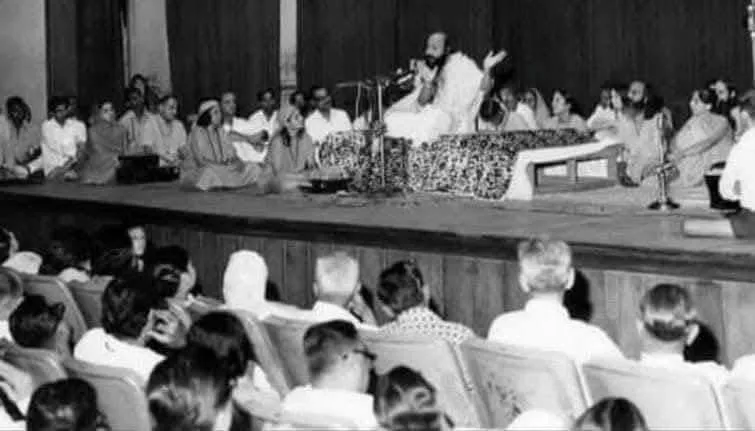
I criticize Gandhi to make people think again, not because I hate him.
From the Discourses
Passages where Osho speaks to this question — each links to the complete discourse.
Another friend has asked: Osho, what is the relationship between the method of meditation and jati-smaran (recollection of past lives)?
But the one who becomes skilled in this—who can fully awaken any day’s memory up to the age of five—will find that the memories begin to awaken completely. And you should test it. As today passes, note down some events and lock them up. After two years, try to recall today. Most of it will have been forgotten. Then remember—and after remembering, break the lock and compare whether what you recalled matches what you had written. You will be amazed—astonished—that besides what you wrote, many more details have come back which you did not even note at the time. They will all be there in memory. Buddha called this alaya-vijnana. There is a corner of the human mind he called the storehouse of consciousness. Like a junk room in the house where we keep all the odds and ends, there is a storehouse that collects memories—where everything from birth after…
एक और मित्र ने पूछा है कि ओशो, ध्यान की विधि और जाति-स्मरण में क्या संबंध है?
लेकिन जो व्यक्ति इसमें समर्थ हो जाएगा, पांच वर्ष की उम्र तक की किसी भी दिन की स्मृति को पूरा जगाने लगेगा...और वह पूरी जगने लगती है। और फिर उसको इस तरह जांच कर लेनी चाहिए। जैसे आज का दिन गुजर रहा है, तो आज के दिन की कुछ बातें नोट करके ताले में बंद कर दें। दो साल बाद आज के दिन को याद करें। वह सब खो जाएगा आज का दिन। और तब स्मरण करें, और स्मरण करके फिर ताला तोड़ें, और फिर मेल करें कि वह बात मेल खा गई कि नहीं। और आप हैरान होंगे--आप हैरान होंगे कि जितनी आपने लिखी थीं, उससे बहुत ज्यादा बातें और भी याद आई हैं जो कि आप उस दिन भी नोट नहीं कर पाए थे। वे तो सब बातें याद आ ही जाएंगी। इसको बुद्ध ने नाम दिया है, आलय-विज्ञान। मनुष्य के मन का एक कोना है, जिसको उन्होंने आलय-विज्ञान कहा है। आलय-विज्ञान का मतलब होता है, स्टोर हाउस आफ कांशसनेस। जैसे घर में एक कबाड़खाना होता है, जहां हम सब बेकार हो गई चीजों को डालते चले जाते हैं। …
Osho, you say you don’t speak for the crowd, that you won’t speak merely to please them. But people are saying that whenever someone speaks against Gandhi or against the Congress, people like it, and that’s why such large crowds gather.
For all of India—more so for Gujarat, of course, but certainly for the whole of India. There isn’t much distance between us and him yet; the generation that lived close to him is still alive. And for India’s future, decisions will have to be taken in some relation to Gandhi—whether in support or in opposition. Gandhi will remain significant for the next hundred years in India—that’s my understanding—whether for or against is another matter. Therefore Gandhi should be thought about very clearly. That was one reason. Second, it seems to me that not only in India but outside India too, reflection on Gandhi has begun—sometimes it even seems that people outside India are thinking more. In this country, reflection has almost stopped. So Gandhi is just a beginning. I would say we should also try to reawaken reflection on Mahavira and the Buddha. But there is a great distance between…
ओशो, वही बात है जो भीड़ जानती है, आप कहते हैं। वह आप उसके लिए नहीं बोलते। लेकिन लोग आज ऐसा बोल रहे हैं कि गांधी के विरुद्ध, कांग्रेस के विरुद्ध, ऐसी कुछ बात आती है तो लोगों को अच्छी लगती है, इसीलिए इतनी भीड़ हो जाती है।
सारे हिंदुस्तान के लिए ही! गुजरात के लिए और भी ज्यादा। और सारे हिंदुस्तान के लिए निकटतम हैं। फिर अभी भी हमारे और उनके बीच बहुत फासला नहीं हुआ। अभी जो पीढ़ी उनके निकट जीयी थी, वह अभी जिंदा है। और हिंदुस्तान के लिए मेरा मानना है कि भविष्य में जो भी निर्णय लेने हैं, वे निर्णय किसी न किसी रूप में गांधी पर विचार करके ही लेने होंगे--चाहे पक्ष में, चाहे विपक्ष में। गांधी हिंदुस्तान के आने वाले सौ वर्षों में महत्वपूर्ण रहेंगे, ऐसी मेरी समझ है--चाहे पक्ष में, चाहे विपक्ष में, यह दूसरी बात है। और इसलिए गांधी पर बहुत निश्चित रूप से विचार किया जाना चाहिए।
Osho, but from your night discourses it seems as if you are the very first to be saying these things—as if Swami Vivekananda and others have said nothing at all. So according to you, the statues of Swami Vivekananda and Gandhi should be completely demolished...
I understand. Why am I doing this? It may be that something I say was also said by Vivekananda. But my mind is entirely different from Vivekananda’s; the context is different. And so, when I say something that Gandhi too may have said, that can happen, but my mind is wholly different and the context different. In a fragment or two there may be a point of overlap. But I cannot invoke Vivekananda’s name, because the moment I do, it will create the illusion that I am in agreement with him. I am not in agreement with Vivekananda on many counts. Not even in this matter—not very far. For example, Vivekananda speaks of “daridra-narayana,” the poor as God. I consider this sheer foolishness. To confer any kind of honor on the poor is to honor poverty. The poor do not need respect in this world; poverty needs to be eradicated,…
ओशो, लेकिन आपके रात के प्रवचन से ऐसा मालूम होता है जैसे कि सबसे पहले आप यह बात करने लगे हैं। जैसे कि स्वामी विवेकानंद ने और किसी ने कुछ कहा ही नहीं है। तो आपके अनुसार तो स्वामी विवेकानंद और गांधी जी की मूर्ति का संपूर्ण भंजन होना चाहिए...
मैं समझा। मैं क्यों ऐसा कर रहा हूं? हो सकता है कोई बात जो मैं कह रहा हूं वह विवेकानंद ने कही हो। लेकिन मेरा दिमाग विवेकानंद से बिलकुल भिन्न दिमाग है, उसका संदर्भ अलग है। और इसलिए जब मैं अगर कोई बात कह रहा हूं वह गांधी ने भी कही हो, यह हो सकता है, लेकिन मेरा दिमाग बिलकुल अलग है, संदर्भ अलग है। कोई एकाध टुकड़े में कोई बात मेल खा सकती है। लेकिन मैं विवेकानंद का नाम इसलिए नहीं ले सकता हूं कि विवेकानंद का नाम लेते ही से ऐसा भ्रम पैदा होगा कि जैसे विवेकानंद से कोई सहमति है मेरी। विवेकानंद से मेरी सहमति नहीं है अनेक मामलों में। इस मामले में भी बहुत दूर तक नहीं है। जैसे विवेकानंद दरिद्रनारायण कहते हैं, मैं इसको निपट नासमझी समझता हूं। दरिद्र को किसी तरह का सम्मान देना दरिद्रता को सम्मान देना है। …
Beloved Osho, during your recent interview with der spiegel, you made a statement about hitler, saying you love the man because he's crazy, and also that he lived a life of a discipline just as a saint lives in a monastery. You also compared him with mahatma gandhi and called him as moral as mahatma gandhi. This has caused a great deal of concern and confusion in germany, holland, and other european countries. My question is: is this an accurate reflection of your feelings about hitler?
And about small things Gandhi was really nasty. He wouldn't allow anybody to drink tea. In his ashram tea was prohibited, coffee was impossible to bring in. The question of alcohol did not arise. For forty years the people followed all kinds of ascetic disciplines, prayed morning and evening -- and the answer was millions of people either murdered or half-murdered; and Gandhi himself assassinated. If this is the result of practicing nonviolence, then I don't think there is any difference practicing violence. Adolf Hitler and Mahatma Gandhi both ended the same way. They both landed their countries in the same mess. I have said I have a certain love for Adolf Hitler, for the simple reason that at least he was straightforward; Gandhi was not. Adolf Hitler was not cunning. Whatever he wanted to do he did. He was a little crazy, but a crazy man managed to be…
Osho, you seem opposed to Gandhian ideology and supportive of modern technology and machines. But you know that because of technology and machines the life of the West has become disturbed, tense, and agitated. It stands on the brink of collective madness. Then why do you blindly support it?
Man has almost arranged heaven on earth. Only one lack remains: within there is a sense of meaninglessness, a hollowness. Meditation will fill it. Add meditation to science, and what has never happened on earth will happen. Then heaven needn’t be kept in the sky; we can build it here. We put it in the sky only because we failed to create it here. The West is capable of building heaven; the East has the science of meditation. A trade is possible; neither will lose—both will gain. You ask, “Then why do you blindly support it?” Is it my blind support—or your blind opposition? I support what I see. But you do not see. How much do you know of the West? I have so many Western people around me, and I see in them a quality the Eastern man lacks: whatever they do, they do with total dedication—complete craftsmanship,…
पहला प्रश्न: ओशो, आप गांधीवादी विचारधारा के विरोधी और आधुनिक प्रविधि और यंत्र के समर्थक मालूम पड़ते हैं। लेकिन आपको मालूम है कि प्रविधि और यंत्र के कारण पश्र्चिम का जीवन कितना अशांत और तनावग्रस्त एवं क्षुब्ध हो चला है। वह सामूहिक विक्षिप्तता के कगार पर खड़ा है। तब क्यों आप उसका अंध-समर्थन करते हैं?
आदमी ने स्वर्ग को बनाने का करीब-करीब पूरा इंतजाम कर लिया है। बस कमी रह गई है तो एक, कि बाहर तो स्वर्ग बनाने का पूरा इंतजाम हो गया है पश्र्चिम में, लेकिन भीतर एक अर्थहीनता का बोध है, एक रिक्तता है। वह रिक्तता ध्यान से भर जाएगी। बस ध्यान की जरूरत है विज्ञान के साथ जोड़ देने की। और जो कभी नहीं घटा पृथ्वी पर, वह घट जाएगा। फिर स्वर्ग को आकाश में रखने की जरूरत नहीं, फिर पृथ्वी पर हम स्वर्ग बसा सकते हैं। असल में आकाश पर रखते ही उसको इसलिए थे कि पृथ्वी पर बसाने में असमर्थ थे। पश्र्चिम समर्थ है स्वर्ग को बसाने में। और पूरब के पास ध्यान का विज्ञान है। दोनों का लेन-देन हो सकता है। इस सौदे में किसी का नुकसान नहीं होगा, दोनों लाभ ही लाभ में रहेंगे।