
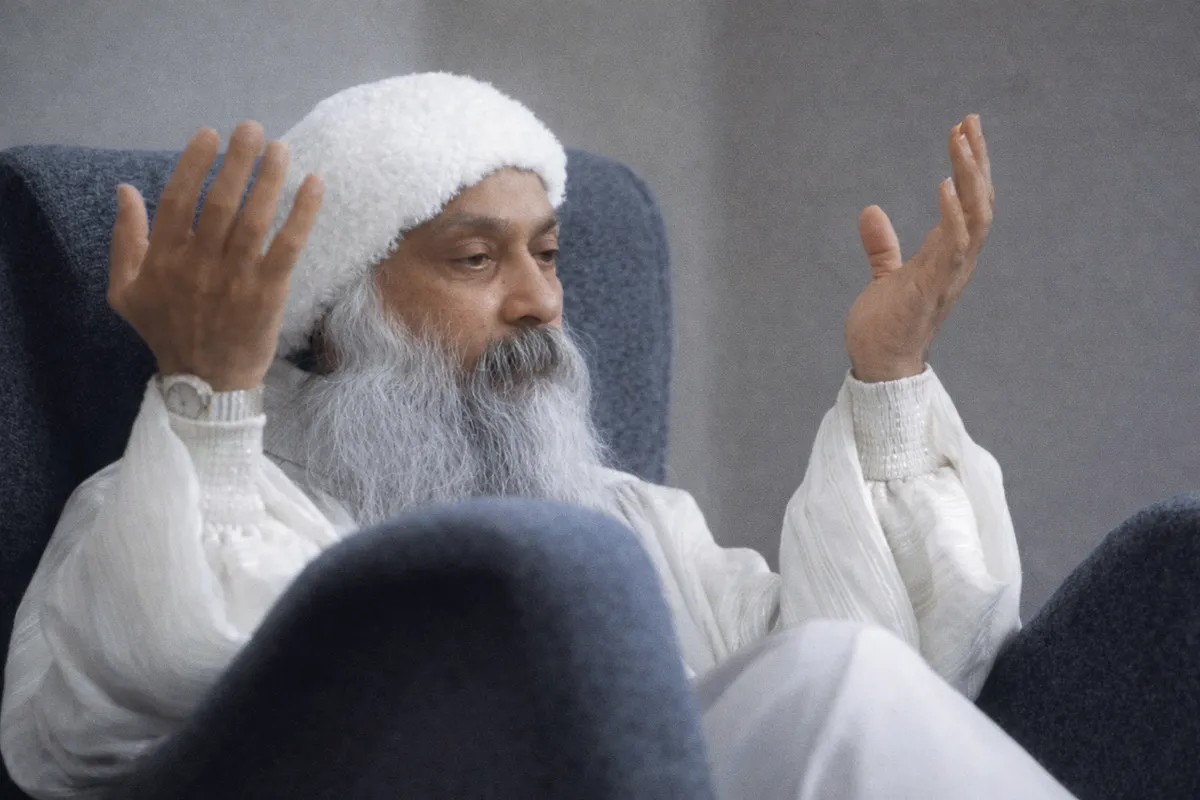
Be awake inside and watch your habits; choose calmly instead of reacting, and they lose power.
From the Discourses
Passages where Osho speaks to this question — each links to the complete discourse.
Osho, the samskaras of the previous life become habits in this one. The habits of this life will again become samskaras in the next. Then where is the end?
Yes, preserving yourself, you can play as many games as you like. When the Divine himself is at play, why should you be troubled? But God is the master; and when you too become master of your habits and samskaras, then in your small world you too become divine. Buddha called this “awareness”: do everything, but do it consciously. Even to lift a foot, lift it with awareness. Getting up, sitting down, lying down—with awareness. Do not do anything in a stupor. If you go on cultivating awareness, habits will still form and you will use them, but behind the habit a current of awareness will be flowing. The lamp of consciousness will be burning. That too will be taking shape, its intensity increasing, its light deepening. If in life there remain only habits and more habits, the soul is lost. Be there behind the habits as well—separate, distinct. And…
चौथा प्रश्न: ओशो, पिछले जन्म के संस्कार इस जन्म में आदत बन जाते हैं। इस जन्म की आदतें अगले जन्म में फिर संस्कार बन जाएंगी। फिर अंत कहां है?
हां, अपने को बचाकर जितना खेल खेलना हो खेल ले सकते हो। जब परमात्मा ही लीला कर रहा है, तो तुम क्यों परेशान हो? लेकिन परमात्मा मालिक है और जब तुम भी अपनी आदतों और संस्कारों के मालिक हो जाओगे तब तुम भी अपने छोटे से संसार में परमात्मा हो जाते हो। बुद्ध ने इसी को होश कहा है, कि सब करना लेकिन होशपूर्वक करना। कदम भी उठाना तो होशपूर्वक उठाना। उठना, बैठना, लेटना--होशपूर्वक। कोई भी चीज बेहोशी में मत करना। अगर तुम होश को साधते रहो तो आदत तो बनती रहेगी, आदत का तुम उपयोग करते रहोगे, लेकिन आदत के पीछे होश की धारा भी बह रही है। चैतन्य का दीया भी जल रहा है। वह भी निर्मित हो रहा है, उसकी भी सघनता बढ़ रही है। उसका भी प्रकाश गहन होता जा रहा है।
Osho, when we are reborn, where is the accounting kept? What remains?
We are all bundles of habits. If you want to change these habits, resolve is needed. And the beginning of resolve is this: that it dawns on you that they can be changed. If you think they cannot be changed, your resolve will die completely. A German Jew, Frankl, during the last world war was imprisoned in a great camp. He has written—he has written very astonishing things—in his memoirs. Because he is a psychologist, he kept observing what was happening. December was approaching; the festival days were near. All the prisoners hoped that at least around Christmas there would be release; that around Christmas Hitler would show mercy and people would be freed. Frankl writes: until Christmas, however many tortures the prisoners were given, no one died. People remained ill, but there was a hope—Christmas is approaching. With that hope, there was strength in their life-breath. He writes: the…
पूछा है कि ओशो, जब हम पुनर्जन्म लेते हैं, तो हिसाब-किताब कहां रहता है? क्या रहता है?
हम सब आदतों के पुंज हैं। इन आदतों को बदलना हो तो संकल्प की जरूरत है। और संकल्प की शुरुआत इससे होती है कि आपको यह खयाल में आ जाए कि ये बदली जा सकती हैं। अगर आपको यह खयाल है कि ये बदली ही नहीं जा सकतीं तो आपका संकल्प बिलकुल मर जाएगा। एक जर्मन यहूदी फ्रैंकल पिछले महायुद्ध के वक्त जर्मनी के एक बड़े कारागृह में बंद था। उसने लिखा है--बड़ी हैरानी की बातें लिखी हैं--उसने अपने संस्मरणों में लिखा है। क्योंकि वह एक मनसविद है, वह निरीक्षण करता रहा, क्या हो रहा है। दिसंबर करीब आ रहा था। त्योहार के दिन करीब आ रहे थे। और सभी कैदियों को यह आशा थी कि कम से कम क्रिसमस के करीब छुटकारा हो जाएगा। क्रिसमस के करीब हिटलर दया करेगा और लोग छोड़ दिए जाएंगे। फ्रैंकल ने लिखा है कि क्रिसमस तक कितनी ही तकलीफें दी गईं कैदियों को, कोई नहीं मरा। लोग बीमार रहे, लेकिन एक आशा थी--क्रिसमस करीब आ रहा है। उस आशा के साथ प्राण में बल था। उसने लिखा, जिस दिन क्रिसमस निकल गया, उसके पंद्रह दिनों में अनेक लोग मरे--क्रिसमस के बाद। …
Osho, awakening regarding bad actions makes them drop away. Then what happens if one becomes aware even of good actions like love, devotion, etc.? Please clarify.
Ramchhavi Prasad! There are three steps of awakening. The first step—primary awakening—the bad comes to an end and the good grows. The unwholesome departs; the wholesome deepens. The second stage—the wholesome begins to melt away; emptiness deepens. And the third stage—even emptiness departs. Then what remains is the natural… then what remains is the natural state, the pure consciousness, sheer awareness—that is Buddhahood, that is nirvana. Begin to awaken, and first you will find—what is wrong starts dropping. Try smoking a cigarette with awareness, you won’t be able to. Not because smoking is a sin. What sin can there be in smoking? A person takes smoke out, brings it in; out and in. What sin is there in that? Whom is he harming? Smoking is not a sin. It is certainly stupidity, but not a sin. Foolishness, yes—but not a sin. Foolishness because you could have taken in clean air…
तीसरा प्रश्न: ओशो, बुरे कामों के प्रति जागरण से बुरे काम छूट जाते हैं। तो फिर अच्छे काम जैसे प्रेम, भक्ति आदि के भी प्रति जागरण हो तो क्या होता है? कृपया इसे स्पष्ट करें।
रामछवि प्रसाद! जागरण की तीन सीढ़ियां हैं। पहली सीढ़ी--प्राथमिक जागरण--बुरे का अंत हो जाता है और शुभ की बढ़ती होती है। अशुभ विदा होता है, शुभ घना होता है। द्वितीय चरण--शुभ विदा होने गलता है, शून्य घना होता है। और तृतीय चरण--शून्य भी विदा हो जाता है। तब जो सहज...तब जो सहज अवस्था रह जाती है, जो शुद्ध चैतन्य रह जाता है, बोधमात्र, वही बुद्धावस्था है, वही निर्वाण है। शुरू करो जागना, तो पहले तुम पाओगे--जो गलत है, छूटने लगा। जाग कर सिगरेट पीओ, तुम न पी सकोगे। इसलिए नहीं कि सिगरेट पीना पाप है। सिगरेट पीने में क्या पाप हो सकता है? कोई आदमी धुआं बाहर ले जाता है, भीतर ले आता है; बाहर ले जाता है, भीतर ले आता है। इसमें क्या पाप है? किसी का क्या बिगाड़ रहा है? सिगरेट पीने में पाप नहीं है। बुद्धूपन जरूर है, मगर पाप नहीं है। मूढ़ता जरूर है, लेकिन पाप नहीं है। मूढ़ता इसलिए है कि शुद्ध हवा ले जा सकता था और प्राणायाम कर लेता। प्राणायाम ही कर रहा है। लेकिन नाहक हवा को गंदी करके कर रहा है। …
Osho, how does the cessation of this ego-sense happen? That is, witnessing is not something that is brought in, nor does one make oneself into a witness. It is only because we have become something else that the feeling of witnessing does not arise. So this ego-sense—the “made-ness” we are—how does it come to an end?
No, no—you cannot bring about its cessation. Because the very one who is asking, “How should I end it?”—that itself is the ego. You cannot end it. The ego is so subtle that when it asks, “How do I erase the ego?” it is the ego itself that is asking. The question is not coming from anywhere else. Beyond the ego there is no questioning at all; there, the ego is not. Ego belongs to the mind that asks; it is not part of the consciousness-state of being a witness. Understand it like this: there is water. The water asks, “How can I eliminate my fluidity?” Water can only be by being fluid. It cannot remove fluidity, because in the very definition of water, fluidity is included; it is part of it. We say to it, “Cool down below zero degrees,” or “Heat up to a hundred degrees.” If you…
प्रश्न: ओशो, इस अहं-भाव की निवृत्ति कैसे हो? यानी साक्षित्व लाया नहीं जाता और साक्षी बना नहीं जाता। केवल हम कुछ बने हुए हैं, उसी के कारण साक्षीपन की अनुभूति नहीं हो रही है। तो यह अहं-भाव, जो बने हुए हैं हम, उसकी निवृत्ति कैसे हो?
नहीं-नहीं, उसकी निवृत्ति आप कर ही नहीं सकते हैं। क्योंकि जो कह रहा है कि मैं निवृत्ति कैसे करूं--वही है अहं। उसकी आप निवृत्ति कर ही नहीं सकते। अहंकार इतना सूक्ष्म है कि जब वह यह पूछता है कि अहंकार को कैसे मिटाएं? तो वही पूछ रहा है। सवाल और कहीं से नहीं आ रहा है। क्योंकि अहंकार के पीछे तो सवाल ही नहीं है, वहां अहंकार है ही नहीं। अहं उसका हिस्सा है। साक्षी होने की जो चित्त-दशा है उसका हिस्सा नहीं है। अब जैसे समझ लीजिए, पानी है, पानी पूछता है कि मैं अपनी तरलता कैसे मिटाऊं? लिक्विडिटी कैसे मिटाऊं? तो पानी तो तरल होकर ही हो सकता है। तो पानी तो तरलता नहीं मिटा सकता, क्योंकि पानी की परिभाषा में तरलता है। तरलता उसका हिस्सा है। हम उसको कहते हैं कि सौ डिग्री तक गर्म हो जाओ, कि शून्य डिग्री के नीचे ठंडे हो जाओ। तो शून्य डिग्री के नीचे होकर ठंडे हो जाओगे, तुम पानी रह नहीं जाओगे, बर्फ हो जाओगे। तो वह कहता है कि वह तो ठीक है, मान लिया कि बर्फ हो गए, लेकिन तरलता कैसे मिटेगी? …
Whatever self‑introduction you give—if you look closely you will find you always introduce your karma; you never give any news of your being. You cannot. You have no news of it. You only know what you do. You know your doings—what you have done and what you can do. The certificates you carry only report what you can do; they do not report what you are. If you say, “I am a sadhu,” it means you do sadhuta. If someone says, “I am a thief,” it means he steals. One’s karma is saintliness, the other’s karma is theft. But what is being? What is within you? Before you were born from your mother’s womb, what was saint or thief, engineer or doctor? Had someone asked you in the womb, “Who are you?” you would have been in trouble—because then you were neither engineer nor doctor, you had done no business.
आप जो भी अपना परिचय देते हैं, अगर गौर से देखेंगे तो पाएंगे: आप सदा अपने कर्म का परिचय देते हैं, कभी अपने होने की खबर नहीं देते। दे भी नहीं सकते। उसकी खबर आपको ही नहीं है। आप इतना ही जानते हैं, जो आप करते हैं। करने का आपको पता है कि मैं क्या करता हूं, क्या कर सकता हूं। मैंने पीछे क्या किया है, और आगे मैं क्या करने के योग्य हूं, यही आप खबर देते हैं। जो सर्टिफिकेट लेकर आप घूमते हैं, आप क्या कर सकते हैं, उसकी खबर देते हैं। आप क्या हैं, उसकी नहीं। अगर आप कहते हैं मैं साधु हूं, तो उसका मतलब यह है कि आप साधुता करते हैं। कोई कहता है मैं चोर हूं, उसका मतलब वह चोरी करता है। एक का कर्म साधुता है, एक का कर्म चोरी है। लेकिन होना क्या है? आपके भीतर क्या है? जब आप पैदा नहीं हुए थे मां के पेट से, तब साधु क्या था? चोर क्या था? इंजीनियर क्या था? डॉक्टर क्या था? मां के पेट में अगर इनसे कोई पूछता, कौन हो? तो बड़ी मुश्किल में पड़ जाते! क्योंकि इंजीनियर थे नहीं तब, डॉक्टर थे नहीं तब, व्यापार कुछ किया नहीं था। …