
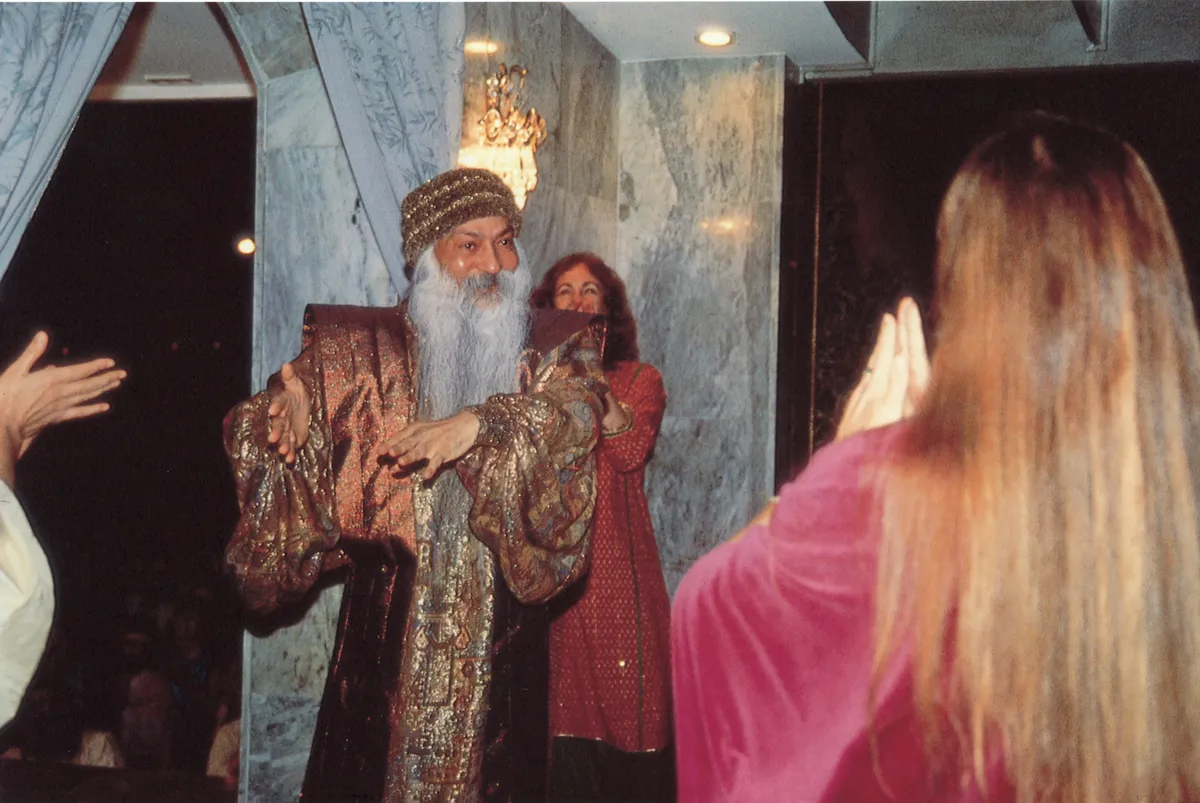
Saints’ words are sweet because they let God speak through them, not their ego.
From the Discourses
Passages where Osho speaks to this question — each links to the complete discourse.
Osho, from what source does such sweetness, such rasa, come into the speech of saints? And why does the speech of saints bring such fulfillment and reassurance?
And who is without thirst? People keep their thirst suppressed, they keep it forgotten. But thirst is in all. Across lifetimes, what have you been seeking? When the Infinite manifests in a saint, you receive assurance that your running is not in vain; that what descended as a shadow into your imaginings and dreams is not merely a shadow, not merely maya—it can be truth. What I have asked for—if someone has attained it, then I can attain it too. If what I desired has been fulfilled in another, it can be fulfilled in me as well. If in someone just like me—in flesh, bone, and marrow—such infinite peace and bliss has dawned, then it will dawn in me too. Hence the reassurance. Sitting near saints, trust swells, reverence awakens. Then you don’t have to “believe.” Belief is something you force. Reverence arises on its own. Those are the feet…
आखिरी प्रश्न: ओशो, संतों की वाणी में इतना रस किस स्रोत से आता है? और संतों की वाणी से इतनी तृप्ति और आश्वासन क्यों मिलता है?
और प्यास किसमें नहीं है? दबाए बैठे हैं लोग प्यास को। भुलाए बैठे हैं लोग प्यास को। प्यास तो सभी में है। जन्मों-जन्मों से किसकी तलाश कर रहे हो? जब किसी संत में उस अनंत का आविर्भाव होता है, तो आश्वासन मिलता है कि मैं व्यर्थ ही नहीं दौड़ रहा, कि मेरी कल्पनाओं में, मेरे स्वप्नों में जो छाया उतरी थी, वह छाया ही नहीं है, माया ही नहीं है, सत्य भी हो सकता है। जो मैंने मांगा है, वह किसी को मिल गया है, तो मुझे भी मिल सकता है। जो मैंने चाहा है, किसी में पूरा हुआ है, तो मुझमें भी हो सकता है। मुझ जैसे ही हड्डी-मांस-मज्जा के व्यक्ति में जब ऐसी अनंत शांति और आनंद का आविर्भाव हुआ है, तो मुझमें भी होगा। इसलिए आश्वासन मिलता है।
Osho, why has human faith in religion waned?
Then there is a further fall. This is when, around Buddha, people hear, oppose, accept. Then two-and-a-half thousand years pass. One generation hands it to the next. Those who had heard from Buddha, or at least seen him—some hint of truth must have reached their ears; some touch of Buddha’s presence must have touched them; some color of Buddha must have fallen upon their souls—however slight, it fell. Then their sons and their sons’ sons believe because the fathers believed, the forefathers believed, people have always believed—and then belief becomes blind belief. What you call religions are superstitions. They should have been bid farewell long ago. New editions of truth descend from the sky every day. A new Koran descends every day. God has not grown tired, has not exhausted Himself with Mohammed. Jesus is not God’s only son—as Christians say, the only begotten. Nor did God come to an…
पहला प्रश्न: ओशो, मनुष्य की आस्था धर्म से क्यों उठ गई है?
फिर और एक पतन होता है। यह तो तब की बात है जब बुद्ध के आस-पास लोग सुनते हैं, विरोध करते हैं, अंगीकार करते हैं। फिर बुद्ध को बीते ढाई हजार साल हो गए, फिर एक पीढ़ी दूसरी पीढ़ी को देती चली जाती है। जिन्होंने बुद्ध से सुना था, या जिन्होंने कम से कम बुद्ध को देखा था, उन्हें कुछ भी सत्य की भनक कान में पड़ी होगी, बुद्ध के व्यक्तित्व का थोड़ा सा स्पर्श हुआ होगा, बुद्ध का रंग थोड़ा उनकी आत्मा पर पड़ा होगा, छाया पड़ी होगी--कितनी ही कम, लेकिन पड़ी होगी। फिर उनके बेटे और उनके बेटों के बेटे इसलिए मानते हैं कि पिता मानते थे, पिता के पिता मानते थे, सदा से लोग मानते रहे हैं, तब विश्वास अंधविश्वास हो जाता है। और जिनको तुम धर्म कहते हो, वे अंधविश्वास हैं। उन्हें कभी का विदा हो जाना चाहिए। सत्य के रोज नये संस्करण आकाश से उतरते हैं। रोज नई कुरान उतरती है। परमात्मा थक नहीं गया है, मोहम्मद पर चुक नहीं गया है। न ईसा परमात्मा के अकेले बेटे हैं--जैसा ईसाई कहते हैं, इकलौते बेटे। …
This is what we have expressed by the word Ishwar. In the presence of such a person, the presence of God is felt. He is filled to the brim. He may be empty of himself, but he is filled with Paramatma. And in emptying oneself of oneself, no one is left empty! One is empty only when empty of the Divine. He has removed himself, and given space to the Divine. He has become the throne, and upon the throne the Divine sits. Such a person may even remain silent—but even in his silence there is supreme poetry. If you listen attentively, you will hear music in his silence. If you too become silent with eyes closed in his presence, a sweet resonance will be heard. With his rising and sitting waves will be felt—waves coming from far, very far.
इसी को हमने ईश्वर शब्द से प्रकट किया है। इस आदमी की मौजूदगी में ईश्वर की मौजूदगी अनुभव होगी। यह भरा-पूरा है। यह अपने से खाली होगा लेकिन परमात्मा से भर गया है। और अपने से खाली होने में कोई खाली थोड़े ही होता है! परमात्मा से खाली होने में कोई खाली रहता है। इसने अपने को तो हटा लिया है, लेकिन परमात्मा को जगह दे दी है। यह खुद तो सिंहासन बन गया है और सिंहासन पर परमात्मा विराजमान हो गया है। कभी ऐसा व्यक्ति चुप भी रह जाता है। लेकिन उसकी चुप्पी में भी परम काव्य होगा। तुम अगर गौर से सुनोगे तो उसकी चुप्पी में संगीत सुनाई पड़ेगा। …
Osho, with reference to “Raso Vai Sah,” can taste too be made a means to the experience of the Divine?
Brahman means “the expanding one”—that which keeps spreading, which is ever extending. That which does not stand still anywhere, which never makes any boundary into a boundary, which always flows beyond. If you would know the Divine, then—even on a small scale—do not make boundaries. Expand, keep expanding! If you have fragrance, share it with the winds! If you have light, give it to the paths! If you have awareness, give it to others! Whatever you have! And who is there who has nothing? There is no such human being. The Divine is within everyone; therefore something or other will surely be there. Search. You cannot be without purpose. Through you he wishes to sing some song. Through you he wishes to dance some dance. Through you he wishes to bloom some flower. You cannot be in vain. You have a destiny. There is a secret hidden within you. Open…
तीसरा प्रश्न: ओशो, ‘रसो वै सः’ के संदर्भ में बताएं कि क्या स्वाद को भी परमात्म-अनुभूति का साधन बनाया जा सकता है?
ब्रह्म शब्द का अर्थ होता है: ‘दि एक्सपैंडिंग वन।’ वह जो फैलता ही जा रहा है। ब्रह्म का अर्थ है: विस्तीर्ण होता जा रहा है। जो ठहरा नहीं है। जो कहीं ठहरता नहीं। जो किसी सीमा को सीमा नहीं बनाता, जो हमेशा सीमा के ऊपर से बह जाता है। अगर तुम्हें परमात्मा को जानना हो, तो छोटे पैमाने पर ही सही, लेकिन तुम भी सीमा मत बनाना। फैलना, फैलते जाना! सुगंध हो तुम्हारे पास, बांटना हवाओं को! प्रकाश हो, बांट देना रास्तों पर! बोध हो, दे देना दूसरों को! जो कुछ भी तुम्हारे पास हो.! और ऐसा तो कौन है मनुष्य जिसके पास कुछ भी न हो! ऐसा तो मनुष्य है ही नहीं कोई कि जिसके पास कुछ भी न हो। परमात्मा तो सभी के भीतर है, इसलिए कुछ न कुछ तो होगा। खोजना। तुम अकारण नहीं हो सकते। तुम्हारे द्वारा उसने कोई गीत गाना ही चाहा है। तुम्हारे द्वारा उसने कोई नाच नाचना ही चाहा है। तुम्हारे द्वारा उसने कोई फूल खिलाना ही चाहा है। व्यर्थ तुम नहीं हो सकते। तुम्हारी कोई नियति है। तुम्हारे भीतर छिपा हुआ कोई राज है। खोलो, खोजो! …
Osho, “laukikānām hi sādhūnām artha vāg anuvartate; ṛṣīṇām punar ādyānām vācam artho’nudhāvati.” The speech of worldly saints follows meaning; but in the case of the ancient rishis, meaning followed their speech. Osho, out of compassion please explain this aphorism of Vashistha. Were the ancient rishis really so superior?
And the cause of the fight? When the police investigated, it became even more amusing. The picchī stick—bamboo—had been hollowed out and stuffed with hundred-rupee notes! That was their wallet. If you ever see a Jain monk’s picchī, look closely at the stick—there is nothing else they can use. Man is inventive: they had filled bundle upon bundle of notes inside. The fight was over division—the elder monk wanted more than the younger, a question of seniority! The younger insisted on equal halves: “This is conspiracy, not a government office!” They thrashed each other; the money was found. The community hushed it up with bribes lest it come out. They came to me: “What should we do?” I said, “Publish it in the newspapers—with photos!” They cried, “What are you saying! We came to ask how to hush it up. It is the prestige of the monk—of our religion.” I…
पहला प्रश्न: ओशो, लौकिकानां हि साधूनामर्थ वागनुवर्तते। ऋषीणां पुनराद्यानां वाचमर्थोऽनुधावति।। लौकिक साधुओं की वाणी अर्थ का अनुसरण करती है; लेकिन जो आदि ऋषि थे, उनकी वाणी का अनुसरण अर्थ करता था। ओशो, वसिष्ठ के इस सूत्र को समझाने की अनुकंपा करें। क्या आदि ऋषि वास्तव में इतने ही श्रेष्ठ थे?
… जब पुलिस ने पूछताछ की, तो जो झगड़े का कारण था वह और भी बड़ा मजेदार था! वह जो पिच्छी का डंडा था, बांस का डंडा, उसको भीतर से पोला करके उसमें सौ-सौ के नोट भरे हुए थे! वह उनका बटुआ था, वह जो डंडा था! अगर जैन मुनियों की पिच्छी देखो, तो डंडा जरूर गौर से देख लेना! क्योंकि वही है उनके पास। और कोई उपाय नहीं है मगर। आदमी इतना होशियार है कि उसको डंडे को पोला करके अंदर उसमें गिड्डियों पर गिड्डियां उन्होंने भर रखी थीं! झगड़ा यह हो गया कि बंटवारा, जो बड़े मुनि थे वे ज्यादा चाहते थे छोटे मुनि से। सीनियारिटी का सवाल था! और छोटे मुनि भी बराबर चाहते थे; नहीं तो, वे कहते थे, हम पोल-पट्टी उखाड़ देंगे! …