
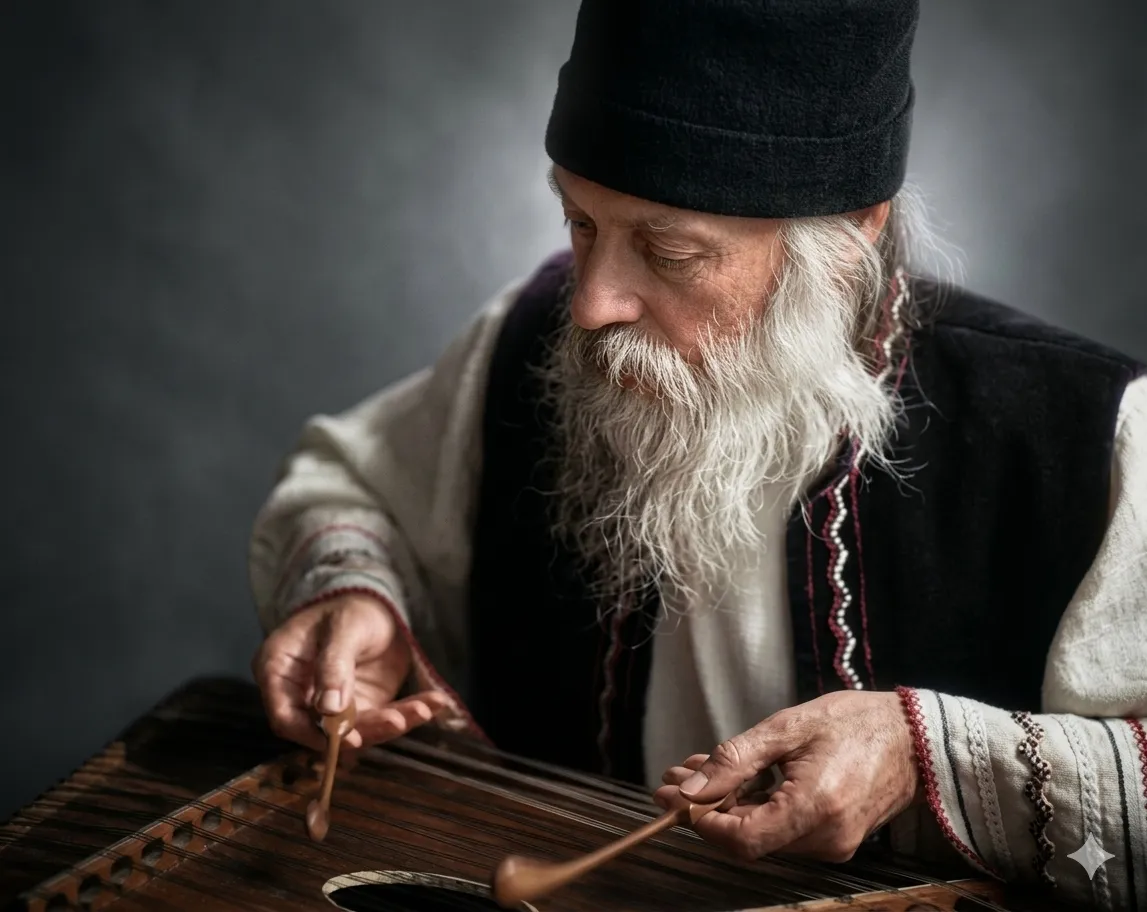
Recognizing a true master is feeling a quiet, loving presence that helps you trust your journey.
From the Discourses
Passages where Osho speaks to this question — each links to the complete discourse.
Question: OSHO, WILL I ONLY RECOGNIZE YOU WHEN I AM ENLIGHTENED? RECOGNITION IS POSSIBLE even before enlightenment, but it will remain vague; it will remain hidden behind a mist. Just as in the early morning, a winter morning, you can see that somebody is coming, but who he is you cannot exactly say. Something you can figure out, that a man is coming or a woman, but the mist is thick and it is difficult to figure out who the person is exactly. This type of recognition is possible; without it there will be no possibility of a Master and a disciple. How does one become a disciple? A vague recognition, a fragrance that has touched you, a love that has moved your heart, something of the beyond. It is a feeling, it is not knowing. You cannot be absolutely certain about it; it is mysterious.
Osho, if one meets the Satguru—how does the seeker recognize him?
If you are a seeker, it won’t take even a moment. If you are not a seeker, there is no way to recognize. If you are thirsty and you find water—do you need to go ask someone about it? The very thirst becomes the recognition. The cooling of the throat is the proof. But if there is no thirst—if a lake is brimming and your throat has never known thirst—you will not recognize water. Water is known through thirst, not through definitions written in scriptures. If someone is a seeker—what does “seeker” mean? It means one who is searching, aspiring, filled with longing; one who is thirsty for truth. Out of a hundred, ninety-nine are not seekers, yet they descend into the world of sadhana. From this the whole confusion arises. You have never felt thirst, but someone who has known the pangs of thirst and the satisfaction of drinking…
पहला प्रश्न: ओशो, सदगुरु मिल गए--साधक को इसकी प्रत्यभिज्ञा, पहचान कैसे हो?
साधक हो, तो क्षण भर की देर नहीं लगती। साधक ही न हो, तो प्रत्यभिज्ञा का कोई उपाय नहीं। प्यासा हो, तो पानी मिल गया--क्या इसे किसी और से पूछने जाना पड़ेगा? प्यास ही प्रत्यभिज्ञा बन जाएगी। कंठ की तृप्ति ही प्रमाण हो जाएगी। लेकिन प्यास ही न हो, जल का सरोवर भरा रहे और तुम्हारे कंठ ने प्यास न जानी हो, तो जल की पहचान न हो सकेगी। पानी तो प्यास से पहचाना जाता है, शास्त्रों में लिखी परिभाषाओं से नहीं। अगर साधक है कोई--साधक का अर्थ क्या है? साधक का अर्थ है कि खोजी है, आकांक्षी है, अभीप्सा से भरा है। साधक का अर्थ है कि प्यासा है सत्य के लिए। सौ साधकों में निन्यानबे साधक होते नहीं, फिर भी साधना की दुनिया में उतर जाते हैं। इससे सारी उलझन खड़ी होती है।
Osho, kindly explain—what is the way to recognize enlightened ones?
If you go near an enlightened one, you will recognize. How could it be otherwise! It may be that a blind man cannot see the sun, but when the morning sun spreads its rays, he feels its touch. He experiences its warmth, its heat. He comes to know that night has gone. Birds have begun to sing, the morning hymn has begun. He knows that a moment ago all was silent, asleep, dead; now life has revived, a hum is there. The sun may not be seen, but its warmth is felt. Even the blind senses the sun. He knows when night has passed and day has come. Granted you do not yet have the inner eye—but if you go near an enlightened one, that gust from the Malaya will touch you. You will bathe in it. You will be freshened. That piece of moonlight will shower upon you. You…
तीसरा प्रश्न: ओशो, कृपापूर्वक समझाएं कि बुद्धपुरुषों की पहचान क्या है?
अगर तुम पास गये किसी बुद्धपुरुष के, तो तुम पहचान ही लोगे; ये हो कैसे सकता है कि तुम न पहचानो! यह भी हो सकता है कि अंधे को सूरज दिखायी न पड़ता हो लेकिन सुबह जब सूरज की धूप फैलती है तो अंधे को उसका स्पर्श तो होगा। ऊष्मा तो अनुभव होगी। उत्ताप तो अनुभव होगा। यह तो अंधे को भी पता चलेगा कि रात गयी। पक्षी गीत गाने लगे। प्रभात की प्रभाती शुरू हो गयी। यह तो अंधे को भी पता चलेगा कि अभी सब सन्नाटा था, सब सोया था, सब मुर्दा पड़ा था, अब फिर पुनरुज्जीवित हो गया, फिर गुनगुनाहट है। सूरज चाहे दिखायी न पड़े, लेकिन सूरज का ताप, ऊष्मा तो प्रतीत होगी। वह तो अनुभव में आएगा। अंधे को भी सूरज की प्रतीति तो होती है। अंधा भी जानता है कब रात हो गयी, कब दिन हो गया। माना कि तुम अभी भीतर की आंख वाले नहीं, लेकिन बुद्धपुरुष के पास जाओगे तो यह मलयाचल से आती हवा का टुकड़ा तुम्हें स्पर्श करेगा। तुम इसमें नहा जाओगे। तुम ताजे हो जाओगे। यह चांदनी का टुकड़ा तुम पर बरस जाएगा। तुम अपूर्व रस में विमुग्ध हो जाओगे। …
Osho, you said that when consciousness is emptied of all notions, the reality that appears is the truth, or God. But in that emptiness of consciousness, how will there be the recognition, the knowing that this is the truth?
There is no need for recognition; no need for identification. What is, is the truth. In the depths of meditation there is no recognition arising that “what is, is the truth.” What is, simply is; there is nothing other than that. I am saying even this only to make it understandable to you. In front of a mirror a bird flies by, or a flower blossoms. The mirror has no recognition. The mirror does not identify: “This is a flower, a real flower, not an artificial one.” Its very being is its reality. There is no need to recognize it separately. And if you set out to recognize it separately, you will go astray. Understand this: you are on a road; in the distance, in the dark, you see a policeman standing. As you come near, it is not a policeman—there has been a misperception; it is a tree stump.…
तीसरा प्रश्न: ओशो, आपने कहा कि चित्त को सभी धारणाओं से शून्य कर लेने पर जो यथार्थ दिखता है, वही सत्य या परमात्मा है। लेकिन शून्य चित्त में यह प्रत्यभिज्ञा, पहचान कैसे होगी कि यह सत्य है?
पहचान की जरूरत भी नहीं; प्रत्यभिज्ञा की जरूरत भी नहीं। जो है वही सत्य है। जो है वह सत्य है, ऐसी प्रत्यभिज्ञा नहीं होती ध्यान की गहराई में। जो है बस वही है; उससे अन्यथा कुछ भी नहीं है। यह भी मैं कह रहा हूं, क्योंकि तुम्हें समझाना है। जैसे दर्पण के सामने एक पक्षी उड़ जाता है, कि एक फूल खिल जाता है। दर्पण को कोई प्रत्यभिज्ञा थोड़े ही होती है। पहचान थोड़े ही करता है दर्पण कि यही फूल है, असली फूल है, नकली नहीं है। इसका होना ही इसका असलीपन है। इसको अलग से पहचानने की कोई जरूरत नहीं है। और अलग से पहचानने तुम चलोगे तो भटक जाओगे।
Question: OUR BELOVED MASTER, DOGEN SAID: IN THE PRACTICE OF THE HIGHEST SUPREME WISDOM, IT IS MOST DIFFICULT TO MEET PROMINENT MASTERS. WHETHER MEN OR WOMEN, THEY MUST BE THOSE WHO HAVE REALIZED SOMETHING INDESCRIBABLE .... THIS IS THE REALIZATION OF THE ESSENCE OF THE WAY. THEREFORE, THEY LEAD AND BENEFIT OTHERS, SETTING ASIDE NO CAUSALITY OR MAKING NO DIFFERENCE BETWEEN THE SELF AND OTHERS. ONCE WE HAVE MET A MASTER, WE MUST PRACTICE THE WAY, ALOOF FROM WORLDLY RELATIONS AND GRUDGING A SPARE TIME, EVEN IN THINKING, NON-THINKING AND NEUTRAL THINKING. THEREFORE, WE SHOULD TRAIN OURSELVES AS SINGLEHEARTEDLY AS IF WE WERE SAVING OUR HEAD FROM A BURNING FIRE. A ZEN MASTER WHO HAS DROPPED AWAY HIS BODY AND MIND IS NONE OTHER THAN OURSELVES. IT IS INEVITABLY BY SINCERITY AND PIETY THAT WE REALIZE AND RECEIVE THE ESSENCE OF OUR MASTER'S LAW.