
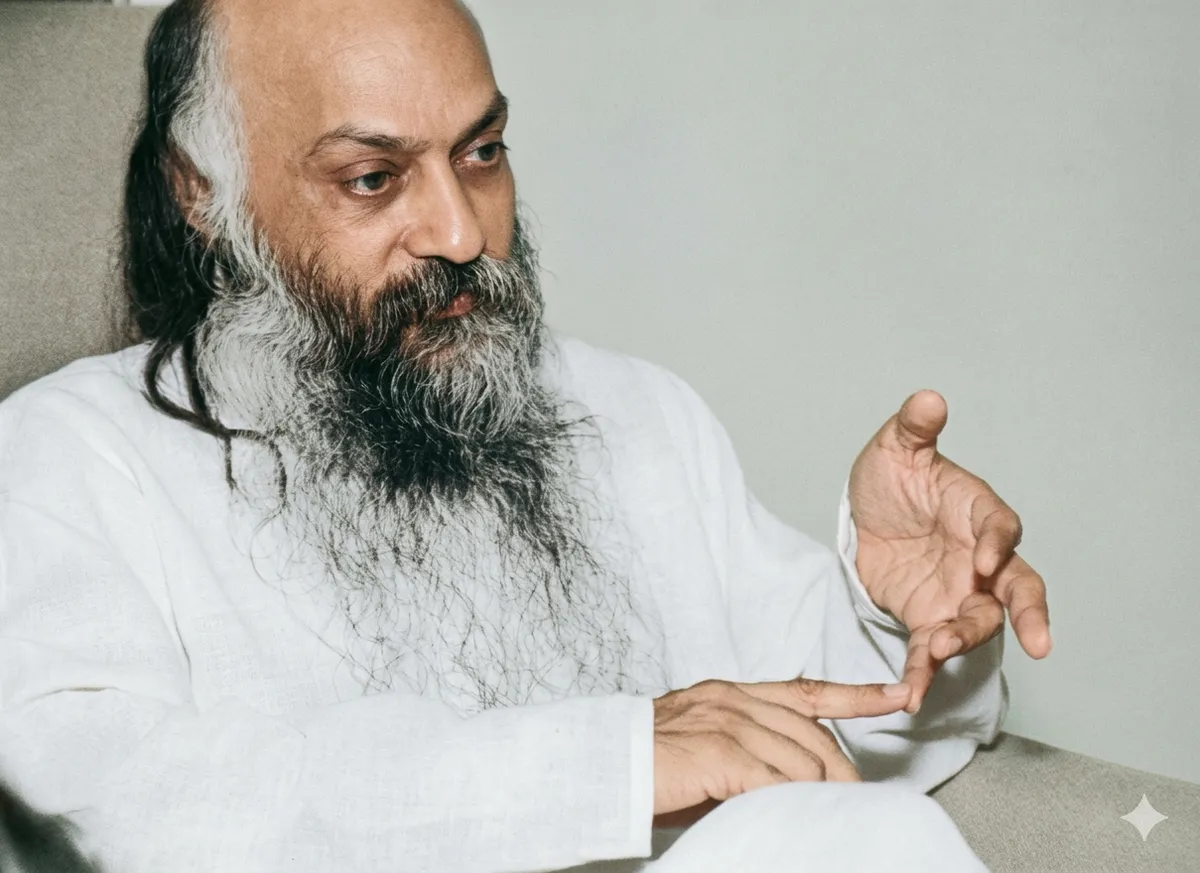
Being honest means just being yourself without showing off or panicking—stay calm, do no harm, and don’t chase higher spots to feel important.
From the Discourses
Passages where Osho speaks to this question — each links to the complete discourse.
Question: BELOVED OSHO, AN OLD TIBETAN IS QUOTED AS SAYING: "LIKE A LION, I HAVE NO FEAR. LIKE AN ELEPHANT, I HAVE NO ANXIETY. LIKE A MADMAN, I HAVE NO HOPE. I TELL YOU THE HONEST TRUTH." OSHO, WHAT IS SO WONDROUS AND PRECIOUS ABOUT THE HONEST TRUTH? In fact, to use these two words together shows a deep misunderstanding. "Honest truth" implies that there can be dishonest truth. Truth is enough. Honesty is a very ordinary quality that comes as a shadow of truth, with many other qualities. There is something immensely important about truth. But remember, never use the words honest truth. That means you have a suspicion: deep down you yourself are not convinced of the truthfulness of truth. To substitute, to compensate, you add honesty to it. Nothing can be added to truth. Truth is always pure, nude, alone.
You will find the plant of honesty beginning to grow. Dishonesty drops away. What you hide, survives. You hide sin; therefore sin survives. Jesus called this process confession—acceptance. Accept yourself as you are. But we search for arguments, devices, escape routes; we rationalize: “I am a good man, but the situation forced me to act badly. Had I not acted so, others would have been harmed.” You are an angry man; you beat your child, yet you explain to yourself: “I am a father and I love him. I beat him for his own good. If I don’t, he will be spoiled.” All history shows that not a single father has ever saved a child by beating him. But you are blind—to history... You repeat the same argument every father has given! And fathers have spoiled their sons. Has anyone ever changed through anger?
जिसे तुम छिपाते हो, वह बचता है। और तुम पाप को छिपाते हो, इसलिए पाप बचता है। जीसस ने इसी प्रक्रिया को कनफेशन कहा है--स्वीकार। तुम जैसे हो, वैसे ही तुम स्वीकार कर लेना। लेकिन हम तर्क खोजते हैं, हम तरकीबें खोजते हैं, हम बचने के मार्ग खोजते हैं, हम रेशनेलाइज करते हैं। हम कहते हैं कि आदमी तो मैं अच्छा हूं, लेकिन स्थिति ऐसी आ गई कि मुझे बुरा व्यवहार करना पड़ा। और अगर मैं बुरा व्यवहार न करता, तो दूसरों का बुरा होता। तुम आदमी क्रोधी हो, अपने बच्चे को पीटते हो, लेकिन तुम समझाते हो अपने को कि मैं पिता हूं और प्रेमी हूं। पीटता हूं बच्चे को--इसलिए--उसी के हित में। नहीं पीटूंगा, बिगड़ जाएगा। पूरा इतिहास कहता है कि पीट-पीट कर एक भी बाप बच्चे को बचा नहीं पाया। लेकिन तुम अंधे हो--इतिहास की तरफ...। तुम वही दलील दिए जा रहे हो, जो सब बापों ने दिए! और सब बाप अपने बेटों को बिगाड़ गए।
Osho, you always praise a simple, innocent consciousness. What is this simplicity, this innocence?
The man said, “Then send me to the Indian one; I don’t want the German.” That difference was enough. The Germans refined it further—they read your scriptures and perfected them. German intellect knows how to refine things, arrange them, run everything by the clock. Even in the ashram I have given the electricity work to Haridas—a German sannyasin. However many times Pune’s electricity fails, the ashram’s does not. Let Pune fail, but not the ashram. Haridas takes great care; he has arranged everything—automatic generators: the moment the power fails, they kick in; you can’t even tell there was a failure. Where has this been learned? This much evil in the world—your saints had already arranged for it in the scriptures. Hell for others, heaven for themselves. These are not marks of simple-hearted people. A simple person—why would he think of hell and heaven? He has no such notions, no such…
पहला प्रश्न: ओशो, आप सरल, निर्दोष चित्त की सदा प्रशंसा करते हैं। यह सरलता, यह निर्दोष चित्तता क्या है?
जर्मनों ने और भी परिष्कार कर लिया। पढ़े तुम्हारे ही शास्त्र और उनको और परिष्कृत कर लिया। जर्मन बुद्धि चीजों में परिष्कार करना जानती है और व्यवस्था देना जानती है और हर चीज को गणित के हिसाब से चलाना जानती है। आश्रम की बिजली का काम भी मैंने हरिदास को दिया है--एक जर्मन संन्यासी को। पूना में बिजली कितनी ही दफे फेल हो, आश्रम में नहीं होने देता। पूना में होती रहे फेल, लेकिन आश्रम में फेल नहीं होने देता। हरिदास इसकी फिक्र पूरी करता है, उसने इंतजाम कर रखा है पूरा। जनरेटर लगा रखे हैं आटोमेटिक, कि इधर बिजली फेल हुई कि जनरेटर पर बिजली फौरन शुरू हो जाती है। पता ही नहीं चल पाता कि आश्रम में कभी कोई बिजली फेल होती है। अब किसी भारतीय को मैंने भी नहीं दिया वह काम। यह सीखा कहां से होगा? यह जो इतनी दुष्टता दुनिया में है, यह तुम्हारे संत-महात्माओं ने पहले ही इसका आयोजन शास्त्रों में कर रखा है। नरक औरों के लिए, स्वर्ग अपने लिए। …
Osho, I truly speak the truth and truly listen to the truth. Because of this habit of truthfulness, all my relatives and friends have left me. Being a worldly man, loneliness troubles me greatly. Doing my work honestly and living honestly does bring peace, but to earn honest money for the children I work day and night and cannot do spiritual practice. Please show the way.
Now, Roshan, you think of building temples, earning merit, going to Haridwar, attending the Kumbh, getting a chance to go to Kashi to “turn over” and die there and straight to heaven—though such things were not going to happen. You feel it unjust: “I live truthfully and honestly; yet I cannot go to Haridwar, cannot do the Kumbh, cannot lie down in Kashi for a blessed death and straight to heaven.” If such cravings arise, they show you too wanted to live as the liars live; your taste is for that; only out of simplicity you have donned the cloak of truth. You have created an inner conflict. Do you know the difference? Was it that sin could not happen—or that you couldn’t manage to sin? Understand the distinction: “Sin could not be,” or, “I could not pull it off.” Is it that you simply couldn’t lie—or that the possibility…
तीसरा प्रश्न: ओशो, सत्य ही कहता हूं, सत्य ही सुनता हूं। इस सत्यपन की आदत से सभी रिश्तेदार व मित्र साथ छोड़ गये हैं। सांसारिक होने के कारण अकेलापन बहुत परेशान करता है। काम ईमानदारी से करने और ईमानदारी से ही जीवन व्यतीत करने में शांति तो मिल रही है, लेकिन बच्चों के लिए ईमानदारी का पैसा कमाने में रात-दिन काम करता रहता हूं और साधना नहीं कर पाता। कृपया मार्ग दिखायें।
अब रोशन, तुम सोचते हो कि तुम मंदिर बनवाओ कि पुण्य करो कि हरिद्वार जाओ कि सत्संग करो, मुश्किल में पड़ोगे। तुम भी चाहते हो कि ऐसा कर सकते। तुम्हारे मन में कहीं यह बात उठती होगी कि सच बोलता, सचाई से जीता, ईमानदारी से जीता। न हरिद्वार जा पाता, न कुंभ का मेला कर पाता, न काशी-करवट लेने का मौका दिखता है कि जाकर काशी में देह को छोड़ देंगे और स्वर्ग चले जायेंगे। होना तो नहीं था ऐसा। यह तो बड़ा अन्याय हो रहा है। अगर तुम्हारे मन में ऐसी आकांक्षायें हैं तो वे ही आकांक्षायें बता रही हैं कि तुम भी चाहते थे कि जैसे झूठे लोग जी रहे हैं, जीते। रस तुम्हारा उसी में था। मगर सरलतावश तुमने यह सत्य का आवरण ओढ़ लिया है। तुमने एक अपने भीतर द्वंद्व पैदा कर लिया है। खबर नहीं है क्या वजहे-पारसाईए शेख? गुनाह हो न सका या गुनाह कर न सके? इन दोनों बातों का भेद समझ लेना: गुनाह हो न सका या गुनाह कर न सके? तुम झूठ बोल न सके या झूठ बोलने की संभावना ही न थी? …
Osho, are the siddha Saraha’s Sahaj-yoga and Zen’s awareness of the moment different or essentially one? And isn’t Sahaj-yoga simply another name for surrender?
Sahaj-yoga means: do not make life complicated. Do not become false. The more false you are, the more miserable you will be. Falsehood brings suffering, because through it your connection with truth loosens and breaks. Existence is truth. If you become truthful with it, your music will harmonize, your notes will fall into place. Then your rhythm coincides with the whole; there will be dance and celebration. Becoming true with the whole, you merge with it—and in that merging is samadhi. If you remain false, you remain isolated. Existence can have no union with falsehood, because falsehood has no being. What is not cannot unite with what is. Only what is can meet what is; what is not can only meet what is not. That is why one lie forces a thousand more. To protect one lie, you must tell another, because only lies can shield lies. Then to cover…
पहला प्रश्न: ओशो, सिद्ध सरहपा का सहज-योग और झेन का क्षण-बोध क्या अन्य हैं या अनन्य? और क्या सहज-योग समर्पण का ही दूसरा नाम नहीं है?
सहज-योग का अर्थ होता है: मत करो जटिल। मत बनो झूठ। क्योंकि तुम जितने झूठ हो जाओगे उतने ही दुखी हो जाओगे। झूठ दुख लाता है, क्योंकि झूठ के कारण तुम्हारा संबंध सत्य से छूटने लगता है, टूटने लगता है। यह अस्तित्व सत्य है। इसके साथ सत्य हो जाओ तो तुम्हारा संगीत जुड़ जाये, तो तुम्हारी सरगम बैठ जाये। तुम इसके साथ सत्य हो जाओ तो ही तुम्हारा छंद बैठेगा और तुम्हारे जीवन में नृत्य होगा, उत्सव होगा। इसके साथ तुम सत्य हो जाओ तो इसके साथ लीन हो जाओगे। और उसी लीनता में समाधि है। और अगर तुम झूठ रहे तो तुम अलग-थलग रहोगे। अस्तित्व का झूठ से कोई मिलन नहीं हो सकता, क्योंकि झूठ है ही नहीं। जो है ही नहीं, उससे उसका कैसे मिलन हो जो है? दोनों में कोई तालमेल नहीं हो सकता। है का मिलन है से होगा। नहीं है का मिलन नहीं है से होगा। इसलिये जो आदमी एक झूठ बोलता है, उसे फिर हजार झूठ बोलने पड़ते हैं। अब एक झूठ को बचाने के लिए दूसरा झूठ बोलो, क्योंकि झूठ से सिर्फ झूठ ही बच सकता है। झूठ ही झूठ की सुरक्षा कर सकता है। …