
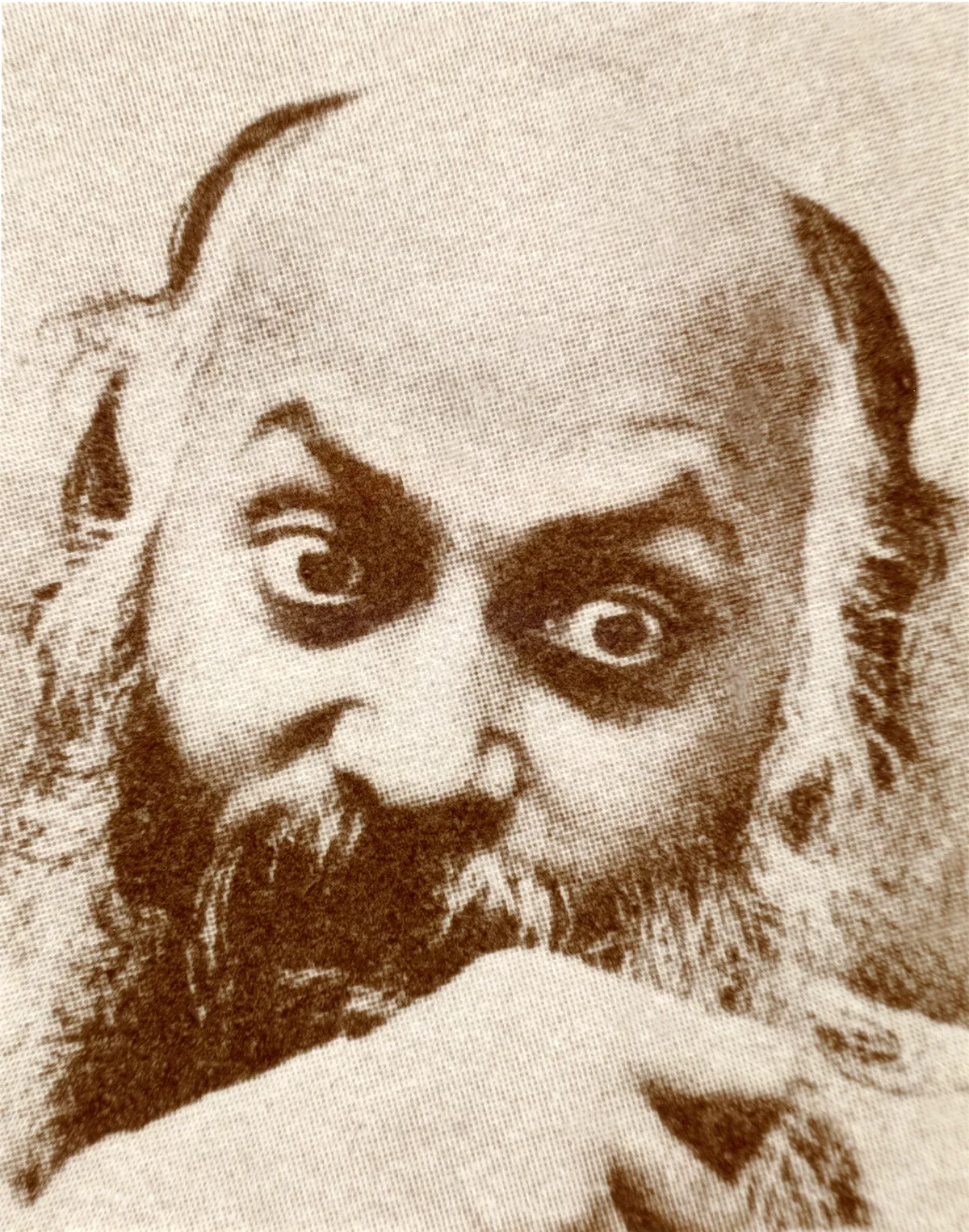
He hasn’t gone to Kutch, but most locals want him, and the few protests come mainly from outsiders and look fake.
From the Discourses
Passages where Osho speaks to this question — each links to the complete discourse.
Osho, any message for kutch?
I AM coming! And I am coming with my whole world of orange people. We are going to change the whole color of Kutch -- we are going to make it orange! First ten thousand sannyasins will arrive, then more will be coming. Within five years fifty thousand sannyasins will be there and within ten years one hundred thousand sannyasins will be there. So, Navin Mehta, tell the people of Kutch: Get ready! We are certainly going to destroy many things -- many things which need to be destroyed, which should have been destroyed long ago. The whole of India is suffering from many stupidities, many superstitions. We are not going to leave a single stone unturned! We are going to destroy every nonsense, howsoever ancient and old it may be. We are going to bring a totally new vision to Kutch. I have chosen Kutch for the simple reason…
Osho, in Jainism the principles of ahimsa, aparigraha, anekantavada, co-existence, etc., have a special place. But today in a newspaper I read a statement about you by a Jain muni, Shri Bhadragupta Vijayji, and was surprised. This monk is calling people to sacrifice everything and organizing them in protest against your entry into Kutch. For those who profess aparigraha, why this attachment to the Kutch region? And within their anekantavada, why opposition to your vision of life? Does it befit a muni to incite people in this way?
What of a Jain muni’s claim on Kutch! But it makes no difference; if “my India” is possible, why not “my Kutch”? Then “my district, my tehsil, my village.” Then what trouble with “my house”? It’s the same thing. Then why such difficulty with “my wife” and “my children”? If “mine” must remain, what fault is the wife’s and the children’s that you ran away, leaving them? It’s not that the wife wasn’t from Kutch—she must have been a Kutch woman. The children too were Kutchis—they were born of two Kutchis. You left your wife—no shame at leaving a Kutch woman! You left your children—the little Kutchis—no shame! And still: “My Kutch”? But I understand. It is a flock of the blind—led by the blind. The blind lead the blind, and both fall into the well. They keep falling—day after day. But if it is “my own well,” why not…
पहला प्रश्न: ओशो, जैन धर्म में अहिंसा, अपरिग्रह, अनेकांतवाद, सह-अस्तित्व आदि सिद्धांतों का विशेष स्थान है। लेकिन आज एक समाचार-पत्र में आपके संबंध में एक जैन मुनि, श्री भद्रगुप्त विजय जी का वक्तव्य पढ़ा तो आश्चर्य हुआ। ये मुनिश्री आपके कच्छ-प्रवेश के विरोध में लोगों को सब-कुछ बलिदान कर देने के लिए आह्वान कर रहे हैं, संगठित कर रहे हैं। अपरिग्रह मानने वालों को कच्छ प्रदेश पर परिग्रह क्यों? और उनके अनेकांतवाद में आपकी जीवन-दृष्टि का विरोध क्यों? क्या मुनिश्री का लोगों को इस तरह भड़काना शोभा देता है?
इसमें क्या, जैन मुनि का क्या कच्छ! मगर कोई फर्क तो नहीं पड़ता, अगर ‘मेरा भारत’ हो सकता है तो फिर ‘मेरा कच्छ’ भी हो सकता है। फिर मेरा जिला, मेरी तहसील, मेरा गांव...। फिर ‘मेरे घर’ में ही क्या तकलीफ है? बात तो वही है। फिर ‘मेरी स्त्री’ और ‘मेरे बच्चे’ में क्या इतनी अड़चन आ रही है! जब ‘मेरा’ बचना ही है तो स्त्री और बच्चों का ऐसा क्या कसूर है कि इनको छोड़ कर भाग गए? ऐसा तो नहीं था कि स्त्री कच्छी नहीं थी। स्त्री भी कच्छी रही होगी। और बच्चे भी कच्छी रहे होंगे। जब दोनों के मेल से ही पैदा हुए थे तो कच्छी ही रहे होंगे। स्त्री को छोड़ कर भाग गए--कच्छी को छोड़ते शर्म न आई! बच्चों को छोड़ कर भाग गए--छोटे-छोटे कच्छी, उनको छोड़ कर भाग गए, शर्म न आई! और अभी भी ‘कच्छ मेरा?‘
Osho, paan Kachchh halonta? (Shall we go to Kachchh?) Truly, the fortunes of Kachchh are strong! Blessed will the land be by your going there! Until now Kachchh has been the most neglected—even by Kachchhis themselves. But the moment talk began of the ashram going there, suddenly Kachchh’s well‑wishers have awakened to love of the land, security, who knows what all feelings! Most of those who are now running protests against the ashram’s entry into Kachchh were deeply moved by your discourses on Mahavira. But now…! Kindly bestow a message! (Aun Kachchhi aniya.—I am Kachchhi.)
Morarji tried to stop me and himself went away. I kept waiting; I said, fine. I took Saswad as a pretext—so it would seem I had dropped the idea of going to Kachchh. But I did not go to Saswad either. You went to do the inauguration; I did not set foot there. If I go, I will go to Kachchh—paan Kachchh halonta. Saswad is no distance—twenty‑twenty‑five miles—I did not even go to see it. You went and inaugurated it, you went and held the ceremony. But I knew that Morarji and company were not going to last long. It was like a pot breaking by a cat’s luck, the rafters giving way—pure accident that Morarji sat on the country’s chest. Otherwise there was neither merit nor purpose nor any benefit to the nation from him. How long could he sit on our chest? His going was certain. A year…
तीसरा प्रश्न: ओशो, पांण कच्छ हलोंता? (हम कच्छ चलेंगे?) सचमुच कच्छ प्रदेश के भाग्य बलशाली हैं! धन्य होगी भूमि आप के वहां पधारने से! अब तक कच्छ सबसे--कच्छियों से भी--उपेक्षित रहा है। पर आश्रम के वहां जाने की बात से अचानक कच्छ के हितेच्छुओं को भूमिप्रेम, सुरक्षा, पता नहीं और क्या-क्या भाव जाग जाते हैं! जो लोग अभी आश्रम के कच्छ-प्रवेश की बात पर विरोध-आंदोलन चलाते हैं, वे अधिकांश लोग आपकी महावीर-वाणी के प्रवचन से बहुत प्रभावित थे। पर अब...! आप कुछ संदेश देने की अनुकंपा करें! (आंउ कच्छी अंइया।--मैं कच्छी हूं।)
मोरार जी मुझे रोकने की कोशिश में खुद चले गए। मैं प्रतीक्षा करता रहा, मैंने कहा: ठीक। सासवड़ का तो मैंने बहाना ले लिया था कि चलो, नजर बचेगी, यह लगेगा कि मैंने कच्छ जाने का खयाल ही छोड़ दिया। मगर सासवड़ मैं गया भी नहीं। तुम जरूर उदघाटन करने गए, मैंने कदम नहीं रखा। मैं जाऊंगा तो कच्छ--पांण कच्छ हलोंता। सासवड़ कोई दूर नहीं है, कुल बीस-पच्चीस मील, मैं देखने भी नहीं गया। तुम जाकर उदघाटन भी कर आए, तुम जाकर समारोह भी मना आए। लेकिन मैं जानता था कि मोरार जी एंड कंपनी कोई ज्यादा देर टिकने वाली तो है नहीं। यह तो बिलकुल बिल्ली के भाग्य से हंडी टूट गई थी, छींका टूट गया था, संयोग की बात थी कि मोरार जी छाती पर बैठ गए। अन्यथा न तो योग्यता थी, न कोई प्रयोजन था, न कुछ उनसे देश का हित था। तो कितनी देर छाती पर बैठे रह सकते थे। उनका उतरना निश्चित था। साल-दो साल मैंने कहा प्रतीक्षा कर लो, कोई हर्जा नहीं। अब कच्छ जाने का समय करीब आया जा रहा है। उनके विरोध वगैरह से कुछ होने वाला नहीं है। उन्हीं का हाथ है पीछे। …
Osho, over the last three or four months, what has your experience been? You just mentioned two things—that opposition can break things, and that opposition also brings publicity. So in these four months, what has happened in your experience? Please tell us that as well.
Nothing has broken—nothing has broken; nothing can be broken. And has it become stronger? Yes, certainly, certainly! Was there any refutation of genius? No, nothing. An idol can be broken; genius—no one can do anything to it. When you first came to Junagadh, the people who were with you then don’t seem to be visible today. Why is that? Just a few—two or four people, not more than that. Were those two or four some ordinary people? To me everyone is ordinary. I don’t measure worth from person to person. And I call them even more ordinary because they are not to be seen; had they shown up, they would not have proved so ordinary. Even if someone is opposed to me, there is no harm in showing up. And if one is opposed to me, then it is even more necessary to come and listen. They could ask me,…
ओशो, तीन-चार महीने में आपका अनुभव क्या है? आपने जो दो बात बताई अभी--कि विरोध से टूट जाता है और विरोध से प्रचार भी होता है, तो आपका अनुभव चार महीने में क्या हुआ, यह भी बताइए।
जूनागढ़ में जब आप पहले आए थे तो जो लोग आपके पास थे, वे शायद आज नहीं दिखाई पड़ते। वह क्यों? कुछ दो-चार लोग, इससे ज्यादा नहीं। वे दो-चार कोई मामूली आदमी थे? मेरे लिए सब मामूली हैं। मैं व्यक्ति-व्यक्ति में मूल्य नहीं मानता हूं। और इसलिए और मामूली कहता हूं, क्योंकि वे नहीं दिखाई पड़ते; अगर वे दिखाई पड़ते तो इतने मामूली साबित नहीं होते। अगर मुझसे विरोध भी हो गया हो, तो भी दिखाई पड़ने में तो हर्जा नहीं है। और मुझसे विरोध हो गया हो तब तो मुझे और भी सुनने को आना जरूरी है। मुझसे पूछ लें, मुझसे चर्चा कर लें, मेरा विरोध करने को आना जरूरी है। भाग जाना मामूली होने का लक्षण है।
Osho, some people connected with Kutch are selling one-rupee tickets at the Bombay station. Their slogan is: “Remove Rajneesh, Save Kutch.” Osho, what trouble is your entry into Kutch causing to their kacchas (underpants)? Are they, like Sardar Baldev Singh, also unwilling to change their kacchas? Please say something.
Chaitanya Sagar! Those so-called Kachchis who have run off to Bombay—poor fellows, they’ve left their kachchha (drawers) along with their Kutch behind. They’re standing stark naked in Bombay. Are these any Kachchis? Fake Kachchis! Otherwise why run? They are deserters. If they loved Kutch so much, they should have been in Kutch. What are they doing in Bombay? Why do they need to be in Bombay? Go to Kutch; live in Kutch. They all fled Kutch. I don’t call deserters Kachchis. Those who are in Kutch, they are Kachchis; they still have their kachchha—and they’re ready to change it! These Bombay Kachchis, after great running around and effort, could deliver only sixty-five letters of protest to the Gujarat government. I haven’t even gone to Kutch. My sannyasins didn’t try anything in Kutch. Yet, three hundred and fifty associations have written to the Gujarat government in my favor, saying they are…
ओशो, कच्छ से संबंधित कुछ लोग बंबई स्टेशन पर एक-एक रुपये की टिकट बेच रहे हैं। उनका नारा है--‘रजनीश हटाओ, कच्छ बचाओ।’ ओशो, आपके कच्छ प्रवेश से उनके कच्छे को क्या तकलीफ हो रही है? क्या वे लोग भी सरदार बलदेवसिंह की तरह अपने कच्छे को बदलना नहीं चाहते? कृपया कुछ कहें।
चैतन्य सागर! बंबई जो कच्छी आ गए, वे तो बेचारे कच्छा अपना कच्छ ही छोड़ आए। ये तो नंग-धड़ंग बंबई में खड़े हैं। ये क्या कोई कच्छी हैं? ये नकली कच्छी! नहीं तो भागते ही क्यों? ये भगोड़े हैं। इनको कच्छ से इतना प्रेम था तो कच्छ में होना था। ये बंबई में क्या कर रहे हैं? इनको बंबई में होने की क्या जरूरत है? कच्छ जाओ, कच्छ में रहो। ये तो सब कच्छ से भाग आए। ये कोई कच्छी नहीं हैं। इन भगोड़ों को मैं कच्छी नहीं कहता। जो कच्छ में हैं। वे कच्छी हैं; उनके पास कच्छा है और वे कच्छा बदलने को तैयार हैं। ये बंबई के कच्छियों ने बड़ी दौड़-धूप करके, बड़ी मेहनत करके, बहुत श्रम करके गुजरात सरकार के पास केवल पैंसठ विरोध में पत्र पहुंचा पाए। मैं तो कच्छ गया नहीं। मेरे संन्यासियों ने जाकर कोई कच्छ में कोशिश नहीं की। लेकिन मेरे पक्ष में तीन सौ पचास संस्थाओं ने गुजरात सरकार को लिखा है कि वे मेरा स्वागत करने को तैयार हैं। …