
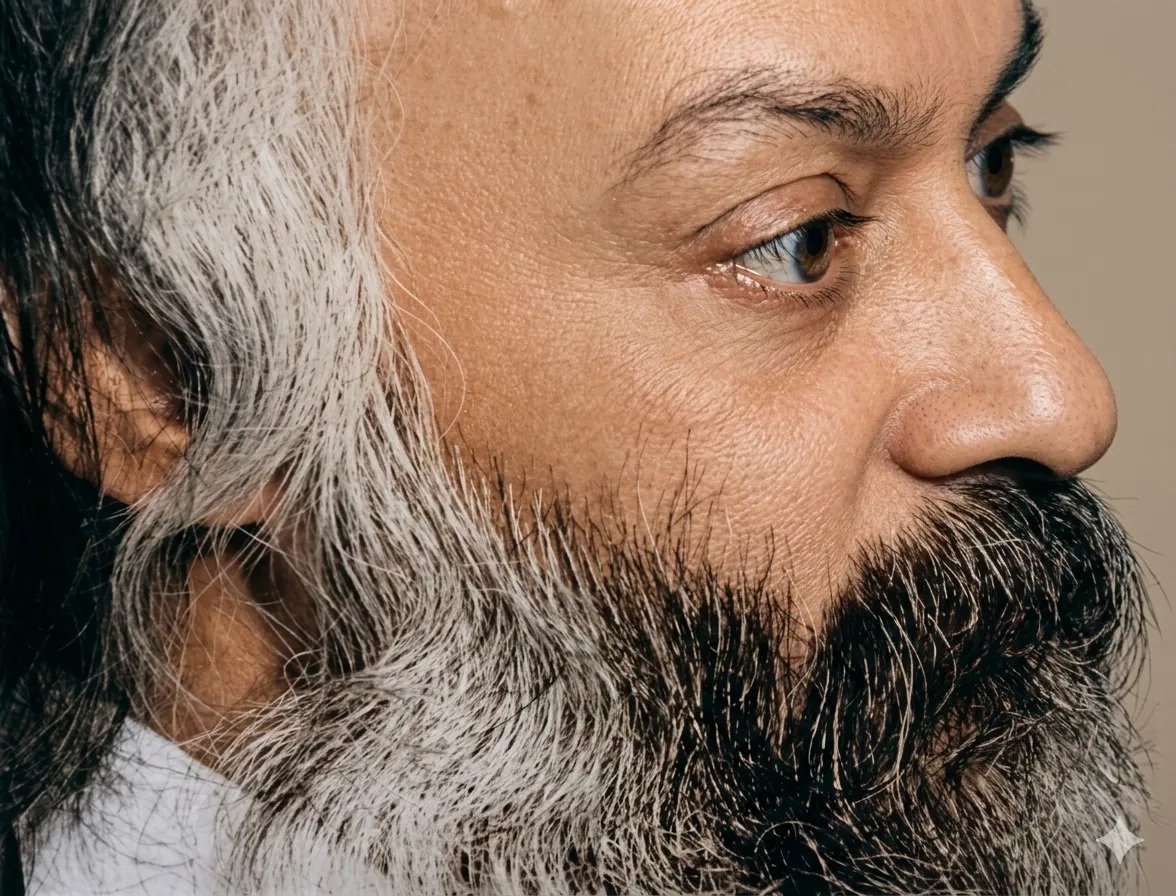
Like a flower opening by itself, his actions came naturally without ego, so they fit tathata; forcing or calculating would have been against it.
From the Discourses
Passages where Osho speaks to this question — each links to the complete discourse.
Osho, wasn’t Zen master Bokoju’s pre-arrangement of his death contrary to tathata (suchness)?
If tathata makes one arrange, then he is arranging; if tathata does not make one arrange, then he will not. You cannot judge from the outside. The matter is inner. If there is no sense of the doer, then whatever happens is happening through tathata. If there is the sense of the doer, then whatever happens is happening through the ego. You are the doer. How will you judge from the outside? You know only one thing: if someone goes, he must be going because he wants to go; if he does, he must be doing because he wants to do; if he gets up, he must be getting up because he wants to. In your life you have never allowed anything to happen by itself. You have had no connection with the spontaneous. You have done everything. You have even “done” such unique things of life as cannot be…
पहला प्रश्न: ओशो, क्या झेन संत बोकोजू का अपनी मृत्यु का पूर्व-नियोजन तथाता के विपरीत नहीं था?
तथाता अगर आयोजन करा रही है, तो आयोजन कर रहा है; तथाता अगर न कराएगी आयोजन, तो न करेगा। तुम बाहर से न जांच सकोगे। बात तो भीतर की है। करने वाले का भाव न हो, तो जो भी होगा वह तथाता से हो रहा है। करने वाले का भाव हो, तो जो भी होगा वह अहंकार से घटित हो रहा है। तुम करने वाले हो। तुम कैसे जांचोगे बाहर से? तुम तो एक ही बात जानते हो कि अगर कोई जाता है, तो जाना चाहता होगा इसलिए जाता है; करता है, तो करना चाहता होगा इसलिए करता है; उठता है, तो उठना चाहता होगा इसलिए उठता है। अपने आप तो तुमने जीवन में कुछ होने नहीं दिया। सहज से तो तुम्हारा कोई संबंध नहीं बना। तुमने तो सब किया है।
Question: BELOVED OSHO, OF VOLUNTARY DEATH MANY DIE TOO LATE AND SOME DIE TOO EARLY. STILL THE DOCTRINE SOUNDS STRANGE: `DIE AT THE RIGHT TIME.' DIE AT THE RIGHT TIME: THUS ZARATHUSTRA TEACHES. TO BE SURE, HE WHO NEVER LIVED AT THE RIGHT TIME COULD HARDLY DIE AT THE RIGHT TIME! BETTER IF HE WERE NEVER TO BE BORN! -- THUS I ADVISE THE SUPERFLUOUS. BUT EVEN THE SUPERFLUOUS MAKE A GREAT THING OF THEIR DYING; YES, EVEN THE HOLLOWEST NUT WANTS TO BE CRACKED. EVERYONE TREATS DEATH AS AN IMPORTANT MATTER: BUT AS YET DEATH IS NOT A FESTIVAL. AS YET, MEN HAVE NOT LEARNED TO CONSECRATE THE FAIREST FESTIVALS. I SHALL SHOW YOU THE CONSUMMATING DEATH, WHICH SHALL BE A SPUR AND A PROMISE TO THE LIVING. THE MAN CONSUMMATING HIS LIFE DIES HIS DEATH TRIUMPHANTLY....
Question: OUR BELOVED MASTER, BUKKO SAID: THE WAY OUT OF LIFE-AND-DEATH IS NOT SOME SPECIAL TECHNIQUE; THE ESSENTIAL THING IS TO SEE THROUGH TO THE ROOT OF LIFE-AND-DEATH. THAT ROOT IS NOT SOMETHING THAT FELL FROM HEAVEN OR SPRANG UP FROM EARTH. IT IS AT THE CENTER OF THE FUNCTIONING OF EVERY MAN, LIVING WITH HIS LIFE, DYING WITH HIS DEATH, BECOMING A BUDDHA, MAKING A PATRIARCH. THESE ARE ALL IN DEPENDENCE OF IT, AND ONE WHO GOES INTO ZEN HAS TO PIERCE AND BREAK THROUGH TO THIS THING. WHAT IS CALLED ZEN SITTING IS NOT SOME SORT OF OPERATION TO BE PERFORMED, AND TO TAKE IT SO IS WRONG. IN OUR LINE, IT IS SIMPLY REALIZING WHAT ONE'S OWN TRUE HEART REALLY IS, AND IT IS NECESSARY TO PLEDGE ONESELF TO THE TRUE HEART.
Osho, in the context of the practice of heedfulness (apramad), please explain the similarities and differences among the practices of witnessing, awareness, and tathata.
One more thought on tathata. A Zen fakir wrote a small song: “The geese fly across the sky. They have no desire that their reflections be formed in the still lake below. Yet the reflections form. The blue lake has no desire to catch the reflections of the geese. Yet the reflections are caught. Then the geese fly on and the reflections also fly away. The geese do not know they were caught in the lake; the lake does not know that the reflections aroused any curiosity, any stir, any disturbance in its bosom.” Tathata means such a being. Things happen. He is ready for all—wants to do nothing and has no complaint. That is why one of Buddha’s names is Tathagata. He loved that name. Even speaking of himself he would say, “The Tathagata passed through a certain village.” Tathagata means one who has attained tathata—thus come, thus gone.…
ओशो, अप्रमाद की साधना के संदर्भ में कृपया समझाइए कि साक्षी, सजगता और तथाता की साधना में क्या-क्या समानताएं व भिन्नताएं हैं।
तथाता का एक खयाल और मुझे आया वह आपसे कहूं। एक झेन फकीर ने एक छोटा सा गीत लिखा है। उस गीत में लिखा है कि आकाश में हंस उड़ते हैं। उनकी कोई इच्छा नहीं होती कि नीचे की शांत झील में उनका प्रतिबिंब बने। लेकिन प्रतिबिंब बन जाता है। नीचे की नीली झील पर से ऊपर जब हंस उड़ कर निकलते हैं, झील की कोई इच्छा नहीं होती कि हंसों का प्रतिबिंब पकड़े, लेकिन प्रतिबिंब पकड़ लिए जाते हैं। फिर हंस उड़ जाते हैं और प्रतिबिंब भी उड़ जाते हैं। न हंसों को पता चलता है कि झील में पकड़े गए थे, न झील को पता चलता है कि हंसों के प्रतिबिंबों ने झील की छाती में कुछ कुतूहल, कुछ हलचल, कुछ उपद्रव पैदा किया है। तथाता का अर्थ है ऐसा व्यक्तित्व। चीजें हो जाती हैं। सबके लिए राजी है। कुछ करना भी नहीं चाहता, कोई शिकायत भी नहीं है। इसलिए बुद्ध का एक नाम तथागत है। बुद्ध का एक नाम तथागत है। बुद्ध को बहुत प्रेम था उस नाम से। खुद भी वे कहते थे, तो वे कहते थे, तथागत एक गांव से गुजरे। तथागत का मतलब है: तथाता को उपलब्ध। …