
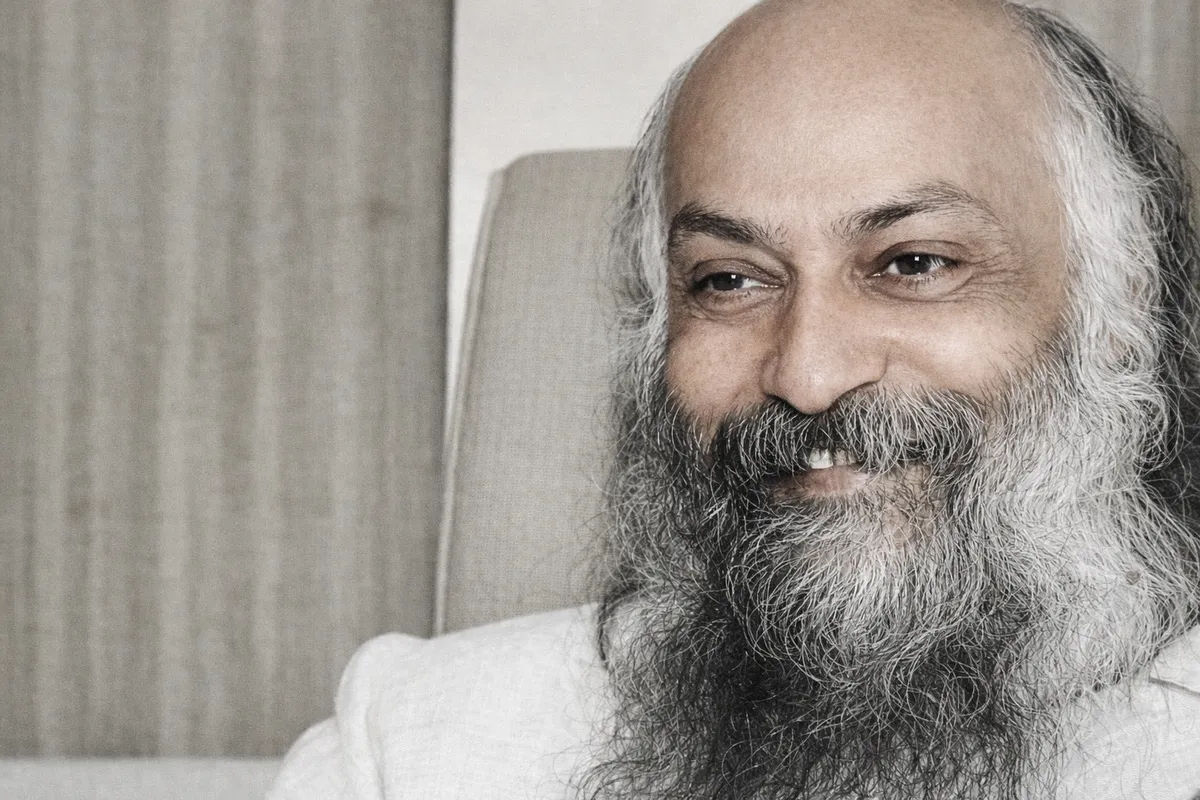
If there’s no “me” claiming to act, bad acts can’t happen—so don’t blame God for your stealing; only ego does wrong.
From the Discourses
Passages where Osho speaks to this question — each links to the complete discourse.
Osho, yesterday you said that jealousy is included in respect. I have immense respect for you, but the jealousy inherent in it keeps poisoning it, and I feel guilt and pain. Does reverence transcend this poison-laced respect?
It needs a little explaining—it's a delicate point. Whenever you respect someone, you do so because you see in that person something you do not have. You respect because you glimpse in the other something you would also like to possess. A beggar respects an emperor because he, too, longs to be an emperor. So on the one hand he respects, and inside he also envies. Because he is not yet an emperor but wants to be. You have attained what he wants to attain. He respects you as skillful, successful: “I stand far back in the line; you have gone ahead to where I should have been.” So you are powerful, clever, intelligent, strong—he respects you. But inside a fire of jealousy also burns—if he gets the chance, he would like to be in your place and push you aside. And if the beggar gets that chance, he will…
तीसरा प्रश्न: ओशो, आपने कल कहा, आदर में ईर्ष्या सम्मिलित है। आपके प्रति मुझमें अपार आदर है, लेकिन उसमें निहित ईर्ष्या उसमें जहर घोलती रहती है और मैं ग्लानि और पीड़ा का अनुभव करता हूं। क्या श्रद्धा इस विष-भरे आदर का अतिक्रमण करती है?
भिखारी सम्राट का आदर करता है, क्योंकि उसकी भी आकांक्षा है कि सम्राट हो। तो एक तरफ आदर भी करता है, भीतर ईर्ष्या भी करता है। क्योंकि सम्राट अभी वह है नहीं, सम्राट होना चाहता है। तुम हो गए हो, तुमने वह पा लिया है जो वह पाना चाहता है। इसलिए तुम्हें आदर भी करता है कि तुम कुशल हो, सफल हो, मैं पंक्ति में बहुत पीछे खड़ा हूं, तुम आगे पहुंच गए हो, तुम उस जगह पहुंच गए हो जहां मुझे होना चाहिए था। इसलिए तुम शक्तिशाली हो, होशियार हो, बुद्धिमान हो, बलशाली हो, तुम्हारा आदर करता हूं। लेकिन एक भीतर ईर्ष्या की आग भी जलती है--अगर मुझे मौका मिले तो उस जगह मैं होना चाहूंगा, तुम्हें हटाना चाहूंगा। और जब मौका मिल जाएगा इस भिखारी को तो यह सम्राट को हटा कर धक्का दे देगा, सिंहासन पर बैठ जाएगा।
Osho, in an earlier talk you said that God—meaning Existence, the Whole, Totality—is one. But in this verse, how are beings and God, or nature and God, spoken of as two distinct categories? What is the reason?
I moved the pillow farther away. When I touched it, he reacted as if someone had touched his beloved; it showed on his face. As twenty minutes approached, I picked the pillow up to lock it in a cupboard. He rushed over, and totally outside his conscious control, he snatched the pillow, kissed it, and hugged it. Everyone burst out laughing. “What are you doing?” He began to cry, “I myself don’t understand what I’m doing. But now I feel such relief. A restlessness was building so that I just couldn’t stop myself—I had to hug and kiss this pillow. I am absolutely mad!” He had no idea what had been said to him under hypnosis. Isn’t the attraction between man and woman just like this? No one has hypnotized you—you are already hypnotized by the journey of lifetimes. It is nature’s hypnosis. The old word is maya; the new…
प्रश्न: ओशो, आपने पिछली एक चर्चा में कहा है कि परमात्मा अर्थात अस्तित्व, एक्झिस्टेंस, समग्रता, टोटेलिटी। लेकिन इस श्लोक में भूतप्राणी और परमात्मा, या प्रकृति और परमात्मा ऐसे दो अलग-अलग विभाग कैसे कहे गए हैं, इसके क्या कारण हैं?
मैंने तकिया और दूर हटा दिया। जब मैंने तकिया छुआ, तो उसको वैसी ही चोट लगी, जैसे कोई किसी की प्रेयसी को छू दे। उसके चेहरे पर सारा भाव झलक गया। फिर मैं उठा, और जैसे ही बीस मिनट करीब आने को थे, मैं तकिए को उठाकर जाकर अलमारी में बंद करने लगा। वह भागा हुआ मेरे पास आया और बिलकुल होश के बाहर उसने तकिया छीना, चूमा और छाती से लगाया। सारे लोग हंसने लगे। उन्होंने कहा, तुम यह क्या कर रहे हो? वह रोने लगा। उसने कहा, मेरी भी समझ में नहीं आ रहा है कि मैं क्या कर रहा हूं। लेकिन अब मुझे बड़ी राहत, बड़ी रिलीफ मिली। कुछ ऐसी बेचैनी हो रही थी कि इसको बिना किए रुक ही नहीं सकता; इस तकिए को छाती से लगाना ही पड़े। मैं बिलकुल पागल हूं!
Osho, the actions a person performs—are they not, in fact, done by God alone? Has it been rightly asked: are not the actions a person performs actually done by the Divine?
Second stage: Now we enter the second step. Keep the breathing deep, and let the body do whatever it wants—leave it to itself. Let the body make mudras, make postures; if the body starts trembling, whirling, crying—let it. Let the body go completely—breathing will remain deep, and you will let the body go. If the body falls, let it fall. If it rises, let it rise. If it begins to dance, don’t worry—let the body go. Let the body go completely. Breathing will remain deep, and the body will be left completely free. Let the body do whatever it wants. Do not stop it even a little; cooperate with it. Whatever the body wants to do, cooperate—if it whirls, let it whirl; if it sways, let it sway; if it falls, let it fall; if it cries, let it cry; if it laughs, let it laugh—let go—whatever happens, let it…
प्रश्न: ओशो, व्यक्ति जो कार्य करता है, वह परमात्मा ही द्वारा नहीं होता है क्या? यह सवाल ठीक पूछा है कि व्यक्ति जो कार्य करता है, वह परमात्मा ही द्वारा नहीं होता है क्या?
दूसरा चरण: अब दूसरे सूत्र में प्रवेश करना है। श्वास गहरी रखें और शरीर को जो करना हो--छोड़ दें, करने दें। शरीर मुद्राएं बनाए, आसन बनाए, शरीर कंपने लगे, घूमने लगे, रोने लगे--छोड़ दें शरीर को। शरीर को पूरी तरह छोड़ देना है--श्वास गहरी रहेगी और शरीर को छोड़ देना है.शरीर गिरे, गिर जाए.उठे, उठ जाए.नाचने लगे, चिंता न करें--शरीर को छोड़ दें। शरीर को पूरी तरह छोड़ दें.श्वास गहरी रहेगी और शरीर को पूरी तरह छोड़ दें.शरीर को जो करना हो, करने दें.जरा भी रोकेंगे नहीं, सहयोग करें। शरीर जो करना चाहता है, कोआपरेट करें, उसके साथ सहयोगी हो जाएं--शरीर घूमता है, घूमे.डोलता है, डोले.गिरता है, गिर जाए.रोता है, रोए.हंसता है, हंसे--छोड़ दें--जो भी होता है, होने दें.श्वास गहरी रहे और शरीर को छोड़ दें। श्वास गहरी रहे और शरीर को छोड़ दें।
Osho, you say the same thing in countless ways. But when I listen to you, it feels as if I am hearing it for the first time. And I feel so much joy that I don’t feel like going back home. What should I do—what can I do—so that I can just keep listening to you!
You will feel as if you have been made to rise out of season, before time—as if you were not yet to go and yet had to go. And if you go in that way, your home will become even more desolate than before. I do not want to make your home desolate; I want to make your home a temple. I want that when you go home, your home’s new form is revealed. I do not want to tear you away from home, from the world, from family life. That is the newness of my sannyas: I do not want to sever you from the world; I want to join you to the world in such a way that your connection with the world becomes a connection with the Divine. Let the world no longer be a barrier between you and the Divine; let it become a means. If…
पहला प्रश्न: ओशो, आप एक ही बात कहते हैं अनेक-अनेक ढंगों से। पर जब आपको सुनता हूं तो उस समय यही लगता है कि पहली बार सुन रहा हूं। और इतना आनंद मिलता है कि वापस घर लौटकर जाने का जी नहीं करता। क्या करूं, मैं क्या करूं कि आपको सुनता ही रहूं!
… ऐसा लगेगा जैसे अभी जाना न था और जाना पड़ा। और अगर ऐसे तुम गये, तो घर और भी उदास हो जाएगा। जितना पहले था, उससे भी ज्यादा। मैं तुम्हारे घर को उदास नहीं करना चाहता। मैं तुम्हारे घर को मंदिर बनाना चाहता हूं। मैं चाहता हूं कि तुम जब घर जाओ, तो तुम्हारे घर का अभिनवरूप प्रकट हो। मैं तुम्हें घर से, संसार से, गृहस्थी से तोड़ नहीं लेना चाहता। वही मेरे संन्यास का अभिनवपन है कि मैं तुम्हें संसार सेे तोड़ नहीं लेना चाहता। …
Osho, you said... then you will find that the devotee is God. The question arises: if one devotee prefers to be God and another wants to remain only a devotee, then which of the two is superior?
The one who wants to be God will not be able to be. And the one who wants to remain a devotee will become God. The question of superior or inferior does not arise, because only one of the two will happen. The one who does not want to be will be. The one who wants to be will be deprived. That very wanting is of the ego. But the matter is a little delicate. Sometimes humility too belongs to the ego. Beware that your humility may not be of the ego. Perhaps you are saying, “No, I don’t want to be,” because you know that those who refuse are the ones who attain. Then you are clever. Then your humility is adulterous. Your humility is not pure, not sacred, not virginal—it is like a prostitute. The one who wants to be God, whose ego says, “I must become God,”…
दूसरा प्रश्न: ओशो, आपने कहा... तब पाओगे कि भक्त ही भगवान है। प्रश्न उठता है कि एक भक्त भगवान होना पसंद करे और दूसरा सिर्फ भक्त रहना चाहे, तो दोनों में श्रेष्ठ कौन है?
जो भगवान होना चाहे वह तो हो न पाएगा। और जो भक्त भक्त ही रहना चाहे वह भगवान हो जाएगा। श्रेष्ठ-अश्रेष्ठ का सवाल नहीं उठता, क्योंकि एक ही हो पाएगा। जो नहीं होना चाहता वही हो पाएगा। जो होना चाहता है, वह तो वंचित रह जाएगा। वह तो चाह भी अहंकार की ही है। लेकिन मामला थोड़ा नाजुक है। कभी-कभी ऐसा होता है कि विनम्रता भी अहंकार की ही होती है। कहीं तुम्हारी विनम्र्रता भी अहंकार की ही न हो। कहीं तुम इसलिए ही न कर रहे होओ कि नहीं मैं नहीं होना चाहता, क्योंकि तुम जानते हो कि जो इनकार करते हैं वही हो पाते हैं। तो तुम चालाक हो। तो तुम्हारी विनम्रता व्यभिचारी है। तो तुम्हारी विनम्रता शुद्ध नहीं, पवित्र नहीं, कुंआरी नहीं, वेश्या जैसी है।