
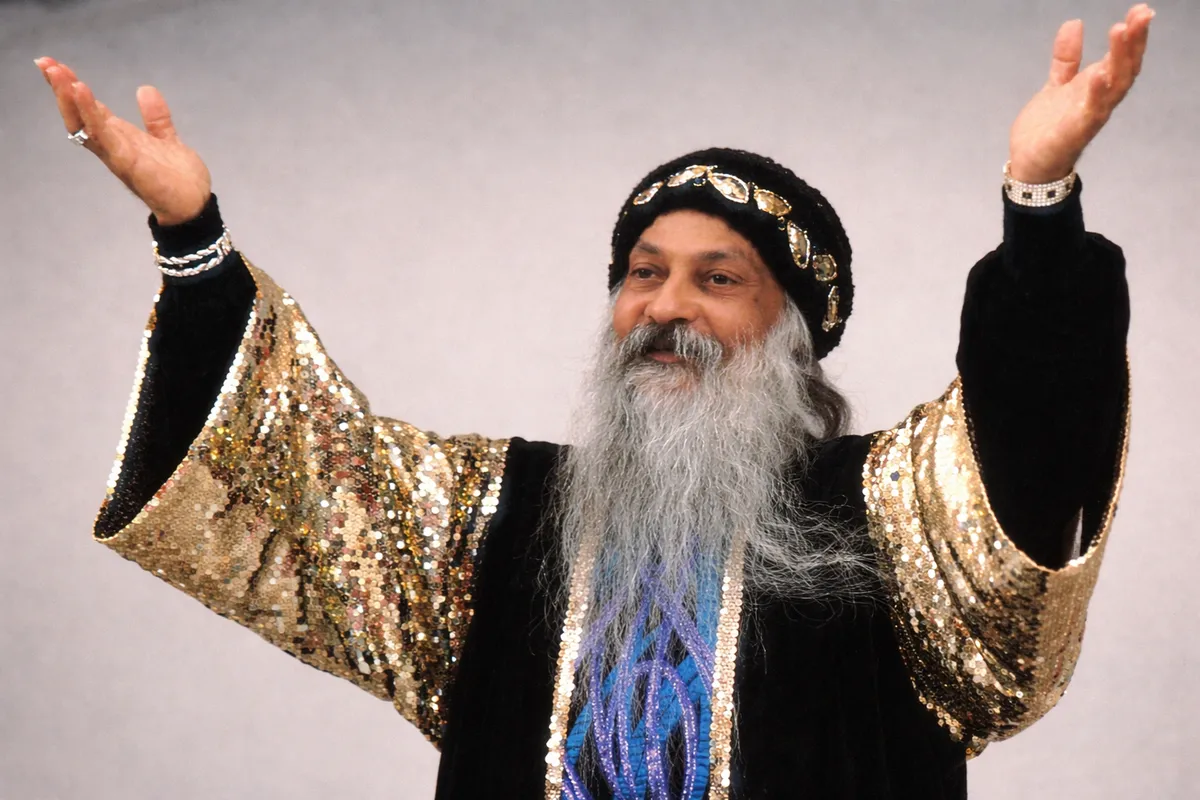
Yes: real progress means seeing everything is one thing, whether you call it matter or spirit—that’s emptiness.
From the Discourses
Passages where Osho speaks to this question — each links to the complete discourse.
Osho, so you’re saying that Western civilization has advanced far in the direction of shunya (emptiness)?
Absolutely certain. Absolutely certain. Absolutely certain. Absolutely certain. You are a materialist in that sense. No, don’t say that so quickly! Because I said exactly this: I am a man like Epicurus who becomes a Buddha. I am not a materialist. I hold that the fight between matter and spirit is the very essence of ignorance and foolishness. There is only one reality; call it matter or call it spirit—it makes no difference. Therefore I cannot call myself a materialist, nor can I call myself a spiritualist. Because I consider that division itself to be ignorance. I don’t stand anywhere within that division. I hold—there is only one thing: the same appears as matter when it is visible, and as soul when it is invisible. Two ends of the same thing. So what should I call myself? It’s become a difficult business. What should one call it? Truly, there is…
ओशो, सो योर सेइंग इज़ दैट वेस्टर्न सिविलाइजेशन हैज फार एडवांस्ड इन दि डायरेक्शन ऑफ शून्य?
बिलकुल ही निश्चित। बिलकुल निश्चित। बिलकुल निश्चित। बिलकुल निश्चित। यू आर ए मैटीरियलिस्ट इन दैट सेंस। न, इतनी जल्दी मत कह देना! क्योंकि मैंने वही कहा कि मैं एपीकुरस जैसा आदमी हूं जो बुद्ध हो जाए। मैटीरियलिस्ट मैं नहीं हूं। मैं मानता ही यह हूं कि मैटर और स्प्रिट की लड़ाई ही नासमझी की और बेवकूफी की है। एक ही चीज है, उसे मैटर कहो या स्प्रिट कहो, इससे कोई फर्क नहीं पड़ता। इसलिए मैं मैटीरियलिस्ट नहीं कह सकता अपने को, स्प्रिचुअलिस्ट भी नहीं कह सकता। क्योंकि मैं मानता हूं कि वह डिवीजन ही नासमझी का था। उस डिवीजन में मैं कहीं खड़ा नहीं होता। मैं मानता हूं--चीज एक ही है, वही दिखाई पड़ रही है मैटर की तरह और नहीं दिखाई पड़ रही है आत्मा की तरह। एक ही चीज के दो छोर हैं। इसलिए मैं क्या कहूं अपने को, बहुत मुश्किल मामला हो गया। क्या कहना चाहिए, अभी कोई शब्द नहीं है सही में, अभी कोई शब्द नहीं है। थैंक यू!
Osho, you said there are three successive steps of evolution—body, mind, and soul. Western civilization has evolved a great deal on the planes of body and mind, yet the outcome has been melancholy, meaninglessness, and despair. Please explain why, as a natural sequence, the Western intellect has not evolved toward the third stage?
Have you ever thought what you would ask if God appeared to you? Think honestly: if tomorrow morning God stood before you, what would you ask? On a piece of paper, write three things. You will be shocked at your own desires—“a beautiful wife, a film actress; a big house; a big car; victory in my lawsuit.” Whatever you ask will reveal where you are. Your asking will expose you. Will you start begging when you see God—or will the seeing itself so fulfill you that you say, “Nothing to ask”? In the very impulse to ask is hidden the fact that you did not seek God—you sought something else and were going to use God to get it. God was not the goal; what you want to ask for is the goal. If God appears and you ask for an Impala car, then the car was the real deity;…
पहला प्रश्न: ओशो, आपने कहा कि विकास की तीन क्रमिक सीढ़ियां हैं--शरीर, मन, आत्मा। पश्चिमी सभ्यता ने शरीर और मन के तल पर काफी विकास किया है। लेकिन परिणाम में विषाद, अर्थहीनता और निराशा हाथ आई है। कृपया समझाएं कि सहज परिणाम की तरह पश्चिम की मनीषा ने तीसरे चरण की ओर विकास क्यों नहीं किया है?
तुमने कभी सोचा, अगर परमात्मा तुम्हें मिल जाएगा तो तुम क्या मांगोगे? सोचना ईमानदारी से कि अगर परमात्मा मिल ही जाए कल सुबह उठते ही से, तुम क्या मांगोगे? एक कागज पर जरा लिखना। तीन चीजें तुम मांग सकते हो, तो लिखना कि कौन सी तीन चीजें मांगोगे। तुम खुद ही चकित होओगे कि क्या मांगने की आकांक्षा आ रही है--कि एक सुंदर पत्नी, फिल्म अभिनेत्री, कोई बड़ा मकान, कि बड़ी कार, कि मुकदमे में जीत--क्या मांगोगे? तुम जो मांगोगे, उससे पता चलेगा कि तुम कहां हो। तुम्हारी मांग तुम्हें बता देगी। क्या तुम परमात्मा को देख कर मांगने की चेष्टा करोगे या सच में ही देख कर इतने परितृप्त हो जाओगे कि कहोगे कि कुछ भी मांगना नहीं? मांगने की चेष्टा में ही छिपा है कि परमात्मा की चाह न थी; चाह कुछ और थी, परमात्मा का तो उपयोग था। मांग तो कुछ और ही रहे थे; परमात्मा से मिलेगा, इसलिए परमात्मा की भी खोज थी। लेकिन परमात्मा लक्ष्य न था; लक्ष्य तो वही है जो तुम मांगना चाहते हो। …
Osho, you said that the Hindu genius was once supremely intelligent and succeeded in touching the ultimate heights of religion. As a result there came into being devas, dvijas, gurus and gnanis; the Upanishads, the Gita, the Dhammapada and the Jina-vani. Then what is the reason that the same people have fallen into the great abyss of decline for a thousand years, with no sign of rising?
The West too produces, once in a while, an Einstein—knower of the outer. But even that does not solve anything. The masses remain full of tension and anxiety. Is it not possible to accept the outer and the inner together? Both are; your acceptance or rejection makes no difference—only you get into trouble. Take breathing: it goes out and it comes in. If you insist, “I will only draw it in; I will not let it go out,” you will die. Another insists, “I will not let it go in; I will hold it out here”—he too will die. The East died; the West died—because both embraced only half. I call courageous the one who accepts both together, who says, “I will keep both pans of the scale in balance.” The East has lost; the West has lost. And the danger is: when you lose one thing, a craving arises…
पहला प्रश्न: ओशो, आपने कहा कि हिंदू मनीषा कभी आत्यंतिक रूप से बुद्धिमान थी और धर्म की परम ऊंचाइयों को छूने में वह सफल हुई। उसके ही परिणाम में देवता, द्विज, गुरु और ज्ञानी हुए; उपनिषद, गीता, धम्मपद और जिन-वाणी हुई। फिर क्या कारण है कि वही जाति हजार वर्षों से पतन के महागर्त में गिरी और उसके उठने के कोई आसार नजर नहीं आते?
ऐसा समझो कि तुम श्वास लेते हो; वह बाहर आती है, भीतर जाती है। तुम अगर जिद्द कर लो कि हम तो भीतर ही ले जाएंगे, बाहर न जाने देंगे, तो भी तुम मरोगे। या दूसरा आदमी जिद्द कर ले कि हम भीतर न जाने देंगे, बाहर ही रोककर रखेंगे; वह भी मरेगा। पूरब भी मरा, पश्चिम भी मरा, क्योंकि दोनों ने आधे को अंगीकार किया। मैं उसी को साहसी कहता हूं, जो दोनों को एक साथ स्वीकार कर ले। जो कहे, हम तराजू के दोनों पलड़ों को बराबर रखेंगे। पूरब ने भी गंवाया, पश्चिम ने भी गंवाया। और डर यह है कि जब एक चीज को तुम खो देते हो, तो दूसरी अति पर जाने की आकांक्षा पैदा होती है।
Osho, you say, “As He wills, let us become mere instruments; whatever role in life we have been given, let us fulfill it.” But letting what happens happen—i.e., flowing along with the body, mind, and ego—gives rise to suffering. So should we keep applying the principle of instrumentality even in relation to the body, mind, and ego, and go on suffering? How do we solve the riddle between the principle of instrumentality and the continuous reality of suffering?
That supreme bliss is beyond both pleasure and pain. It is neither like night nor like day. It is twilight. The sun has set, night has not yet come; the light remains—very gentle, sweet, non-aggressive—that is twilight. Morning has come, the sun is not yet risen, the night has gone—such is the twilight. One who abides in that twilight—that is what we call prayer. That is why Hindus call their prayer sandhya. Sandhya means one who has stopped in between the dualities, who has found the truce between the two. Between pleasure and pain, love and hate, victory and defeat, night and day, life and death—one who has found the pact and stands in that concord. Seek that interval of conjunction. Krishna says, it is simple to find. If you cease to be the doer, you will find it instantly. It is only through your doer-ship that you keep missing.…
दूसरा प्रश्न: ओशो, आप कहते हैं, जो उसकी मर्जी, हम निमित्त-मात्र हो जाएं; जो भी जीवन में अभिनय मिला है, उसे हम पूरा करें। परंतु जो होता है, उसे होने देने से अर्थात शरीर, मन और अहंकार के साथ बहने से दुख उपजता है। तो क्या हम शरीर, मन और अहंकार के संबंध में भी निमित्त का सूत्र मानते रहें और दुख पाते रहें? निमित्त के सूत्र और दुख के सतत यथार्थ की पहेली को हम कैसे सुलझाएं?
वह परम आनंद सुख-दुख दोनों के पार है। वह न तो रात जैसा है, न दिन जैसा है। वह तो संध्याकाल है। सूरज जा चुका, रात अभी आई नहीं; रोशनी कायम है--बड़ी धीमी, मधुर, अनाक्रामक--वह संध्याकाल है। सुबह हुई, अभी सूरज आया नहीं, रात जा चुकी, ऐसा संध्याकाल है। उस संध्याकाल में जो ठहर गया, उसी को हम प्रार्थना करना कहते हैं। इसलिए हिंदू अपनी प्रार्थना को संध्या कहते हैं। संध्या का अर्थ है, द्वंद्व के बीच में जो ठहर गया; दो के बीच में जिसने संधि खोज ली। सुख-दुख, प्रेम-घृणा, जीत-हार, रात-दिन, जीवन-मृत्यु, सब दो के बीच में जिसने संधि खोज ली, और जो संधि में खड़ा हो गया। उस संधिकाल को खोजो। कृष्ण कहते हैं, सरल है खोज लेना। अगर तुम कर्ता न रह जाओ, तत्क्षण मिल जाएगा। तुम्हारे कर्ता होने से ही तुम चूकते चले जाते हो।
Osho, with reference to the East—and especially India—a question has been pursuing me for a long time: those who once scaled the Gaurishankar of philosophy and reflection, of religion and meditation, how did they, in the course of time, become so broken, degenerate, and impoverished? Osho, please be gracious and shed some light on this question.
The question is meaningful. The East reached great heights—but crippled heights, like a bird that has flown very high with only one wing. How high can it truly go, and how far? Maybe it flutters a bit, rides the winds a little, drags itself some distance—but not for long. Seeing just one wing, you can already say: this bird will fall; its fall is inevitable. Flight happens with two wings. A lame man can walk, but how different that walk is from walking on two sound legs. The lame walk is painful, compelled. One with two healthy legs sometimes runs for no reason, even dances, strolls with nowhere to go. The joy in the meeting of those two legs is complete in itself. Therefore I do not tell my sannyasin to renounce the world. The world has been renounced and the result is clear—those who left it fell badly, flat…
पहला प्रश्न: ओशो, पूरब के और खासकर भारत के संदर्भ में एक प्रश्न बहुत समय से मेरा पीछा कर रहा है। वह यह कि जिन लोगों ने कभी दर्शन और चिंतन के, धर्म और ध्यान के गौरीशंकर को लांघा था, वे ही कालांतर में इतने ध्वस्त, और पतित, और विपन्न कैसे हो गए? ओशो, इस प्रश्न पर कुछ प्रकाश डालने की अनुकंपा करें।
प्रश्न सार्थक है। पूरब ने बड़ी ऊंचाइयां पायीं, लेकिन ऊंचाइयां अपंग थीं। जैसे कोई पक्षी एक ही पंख से आकाश में बहुत ऊपर उड़ गया। कितने ऊपर जा सकेगा? और कितनी दूर जा सकेगा एक ही पंख से? शायद थोड़ा तड़फ ले। थोड़ा हवाओं के रुख पर चढ़ जाए। शायद थोड़ी दूर तक अपने को खींच ले। लेकिन यह ज्यादा देर नहीं होने वाला है। तुम एक पंख देखकर ही कह सकते हो कि यह पक्षी गिरेगा। इसका गिरना अनिवार्य है। उड़ान होती है दो पंखों पर। …