
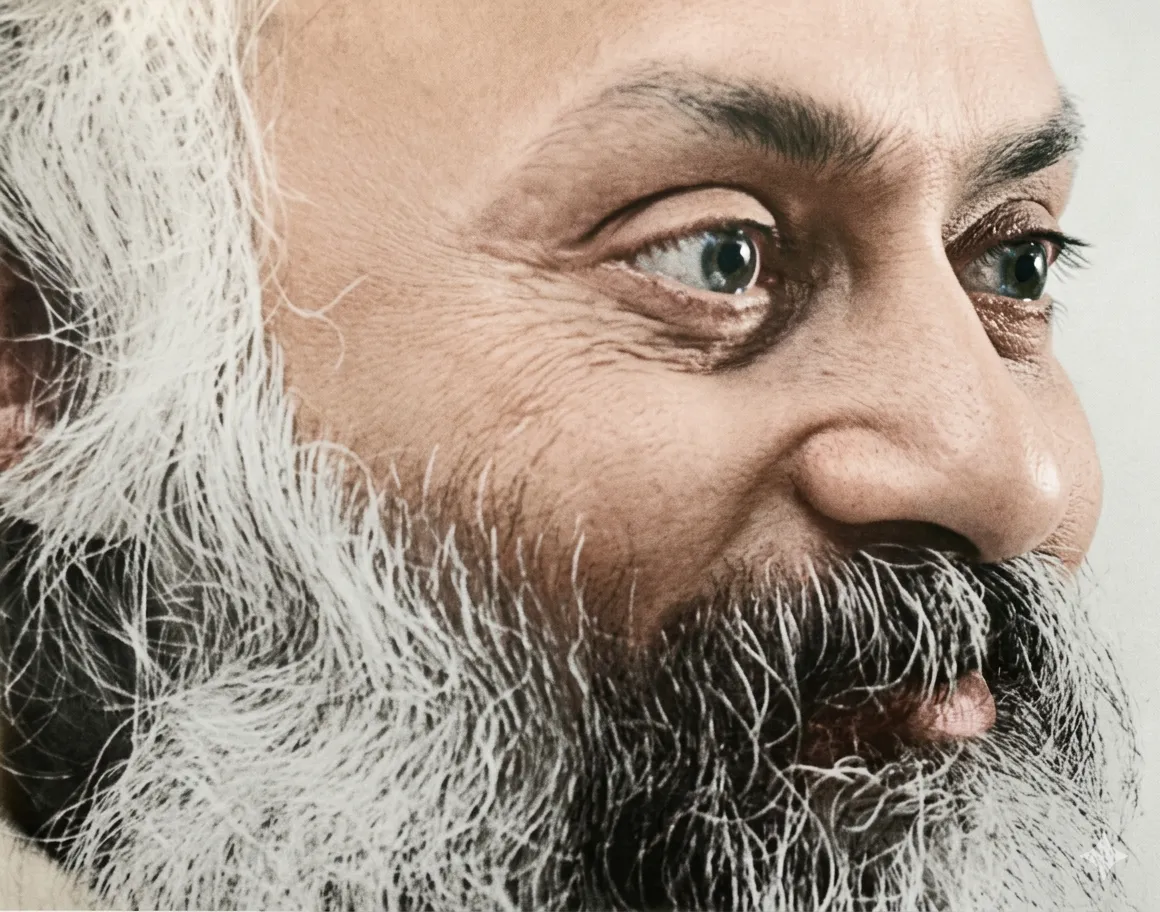
A calm person may still get mad, but only to help others and fix unfairness, not because their own ego is hurt.
From the Discourses
Passages where Osho speaks to this question — each links to the complete discourse.
Osho, ever since I first heard you, this question has been on my mind: just as a disturbed person has anger—for himself—does a peaceful person also have anger—for others, for society?
Yes, yes—there will indeed be anger. Even a truly peaceful man has anger; he has his war, his struggle. But not for himself—that is the only difference. The disturbed person fights too, but he fights for himself. The peaceful person will fight for others; he too will be filled with anger, but there is no anger left in him for himself. His anger no longer has any inner, private cause. So I say: the individual should be peaceful, and there should be a revolution in society. I hold that only a peaceful person can bring revolution, because how will a disturbed person bring it? What is most needed to bring revolution is a quiet, steady mind—and that he does not have. But up to now it has happened that the peaceful person has not brought revolution. The reason was that his peace was dead; it was not alive. A man…
ओशो, आपको पहली बार सुना था, तब से यह प्रश्न मन में है कि जैसे अशांत व्यक्ति का गुस्सा होता है, क्रोध होता है--अपने लिए। वैसे ही क्या शांत व्यक्ति का भी क्रोध होता है, गुस्सा होता है--दूसरों के लिए, समाज के लिए?
हां-हां, बिलकुल होगा गुस्सा। बिलकुल ही शांत आदमी का गुस्सा भी होता है, युद्ध भी होता है उसका, संघर्ष भी है उसका। लेकिन अपने लिए नहीं है, इतना ही फर्क है। अशांत व्यक्ति भी लड़ता है, लेकिन वह अपने लिए लड़ता है। शांत व्यक्ति दूसरे के लिए लड़ेगा भी, क्रोध से भी भरेगा, लेकिन अपने लिए अब उसका कोई क्रोध नहीं है। क्रोध का उसका कोई अब भीतरी कारण नहीं है। तो मैं जो कहता हूं, व्यक्ति शांत होना चाहिए और समाज में एक क्रांति आनी चाहिए। मेरा मानना है कि शांत व्यक्ति ही क्रांति ला सकता है, क्योंकि अशांत व्यक्ति बेचारा कहां से क्रांति लाएगा! क्रांति लाने के लिए जो शांत चित्तता चाहिए, वही उसके पास नहीं है। लेकिन शांत व्यक्ति अब तक--यह रहा है अब तक--कि अब तक जो शांत व्यक्ति रहे हैं, उन्होंने कोई क्रांति नहीं लाई है। और उसका कारण यह था कि उनकी शांति भी मुर्दा थी, वह शांति जिंदा नहीं थी। तो एक आदमी ऐसे भी शांत हो सकता है कि बिलकुल मुर्दा हो जाए, निष्क्रिय हो जाए, तो भी शांत हो जाता है। …
"please explain how it is possible that one can be spiritually transformed by being total in actions that are of anger, hatred and violence."
In any situation, the volcano may erupt. It is erupting every day. Someone kills someone, and just a day before he was as normal as you. No one ever suspected that he was going to be a murderer. No one suspects about you, and you have so many thoughts in your mind to murder. You have thought, you have planned it many times. The idea to murder someone else or yourself has come to you. It has happened to you if you are not absolutely idiotic. Psychologists say that an intelligent man is bound to think of suicide at least ten times in his life -- at least ten times! -- and ten thousand times you think to murder someone. You never do it, that is another thing. But you can do it; the possibility is always there. Make your anger a total act in meditation, and then see what…
A friend has asked: What relationship can there be, and how, between peace and revolution? What relationship can there be, and how, between compassion and revolution? These two seem opposed. Another friend has asked the same.
Life, continuously, depends on opposition. But we never manage to accept this opposition; hence great difficulty. We say, we accept birth, but we do not accept death. This is sheer madness. Life stands on the opposition of birth and death. Life depends precisely on their polarity. We say, birth is blissful and death is painful. We accept birth; we do not want death. Then we are speaking madness. The day we can accept birth and death together, the flavor of life will be entirely different. If we accept peace and revolution together, life will be something else again. Within, there will be a point where no change is; and without, the ever-turning wheel of change, change, and change. Within, a pin where nothing changes. The divine abides where there is no change. The world abides where there is constant change. And that which is the divine—ever still, silent, mute, where…
एक मित्र ने पूछा है कि शांति और क्रांति में क्या संबंध हो सकता है और कैसे हो सकता है? करुणा और क्रांति में क्या संबंध हो सकता है और कैसे हो सकता है? ये दोनों बातें तो विरोधी मालूम पड़ती हैं। ऐसा किसी दूसरे मित्र ने भी पूछा है।
लेकिन हम इस विरोध को कभी स्वीकार नहीं कर पाते, इसलिए बड़ी मुश्किल हो जाती है। हम कहते हैं, जन्म तो हमें स्वीकार है, मृत्यु हमें स्वीकार नहीं है। यह बड़े पागलपन की बात है। जिंदगी जन्म और मृत्यु के विरोध के आधार पर खड़ी हुई है। जिंदगी जन्म और मृत्यु के विरोध पर ही निर्भर है। हम कहते हैं, जन्म तो बहुत सुखद है, मृत्यु बहुत दुखद है। जन्म स्वीकार करते हैं, मृत्यु हम नहीं चाहते हैं, तो हम पागलपन की बात कर रहे हैं। जिस दिन हम जन्म और मृत्यु दोनों को एक साथ स्वीकार कर पाएंगे, उस दिन जिंदगी का रस कुछ और ही हो जाएगा। शांति और क्रांति एक साथ स्वीकार करेंगे, तो जिंदगी कुछ बात और ही हो जाएगी। भीतर एक बिंदु होगा, जहां कोई परिवर्तन नहीं। और बाहर परिवर्तन, परिवर्तन और परिवर्तन का घूमता हुआ चाक होगा। और भीतर एक कील होगी, जहां कोई परिवर्तन नहीं।
It seems that because of society and its different sections, our daily needs—first: clothes, food, water, the running of everyday affairs, the extra pressure of daily news and demands—have to be produced by straining the mind. When we go out to produce these things, anger seems inevitable. If our worldly day-to-day necessities could be met without getting angry, does any section or arrangement exist by which we could cover them in that way?
What do you know of the body yet? You have seen it only from outside. You know only the outer surface. You have not yet seen the body as if sitting within it. You have seen from outside, like a man standing outside a house looks at it—and another sits inside the house and looks. You have not yet sat within and seen the body. Enter a little deeper into observation, and you will look from within. Then you will see: inside is a mass of light, and outside is an encasing shell. It will be clear. You have not yet seen the mind. As you go within, you will see the mind: light inside, and around it the flies of thought buzzing; beyond that, the shell of skin and bone. Observation will lead you gradually inward, into the interior. And then only that remains experienced which has been observing—the…
प्रश्न: ऐसा है कि कुछ समाज और सेक्शन हो सकता है कि जिसकी वजह से हमारी डेली नीड, फर्स्ट: क्लाथ, फूड, वॉटर, परफेक्शन, एवरी-डे डेली न्यूज एक्सट्रा दिमाग से पैदा हो सके। यह जो हम पैदा करने के लिए जाते हैं, तब यह क्रोध करना पड़ता ही है। अगर बिना क्रोध करने से ऐसे ही कोई हमारी रोज की लौकिक जरूरीयात पैदा हो सकती है, तो ऐसा कोई सेक्शन एक्झिस्ंिटग है कि जिसकी वजह से हम उसको कवर कर सकें?
अभी तो शरीर का भी आपको पता क्या है? अभी आपने शरीर को भी ऐसे देखा है, जैसे अपने बाहर से देख रहे हों। अभी आप शरीर के इस ऊपरी तल से ही परिचित हैं, यह जो ऊपर से दिखाई पड़ता है। अभी आपने शरीर को ऐसा थोड़े ही देखा है, जैसे शरीर के भीतर बैठ कर शरीर को देख रहे हों। अभी शरीर को ऐसा देखा, जैसे बाहर से खड़े होकर देख रहे हों। अभी अपने शरीर से भी आपका जो परिचय है, वह ऐसा है, जैसे एक आदमी मकान के बाहर खड़े होकर मकान को देख रहा हो वह, और एक आदमी मकान के भीतर बैठ कर मकान को देख रहा हो। अभी आपने भीतर बैठ कर शरीर को भी नहीं देखा। जरा निरीक्षण में गहरे उतरेंगे, तो भीतर बैठ कर शरीर को देखेंगे। तब आपको पता चलेगा, यह ज्योति का पिंड भीतर और यह बाहर खोल घिरी हुई है। यह साफ दिखेगा। अभी मन को भी नहीं देखा। और भीतर उतरेंगे, तब आपको मन दिखाई पड़ेगा--कि ज्योति भीतर और चारों तरफ विचार की मक्खियां घूम रही हैं। उसके पार शरीर के चमड़े की, हड्डी की खोल चढ़ी हुई है।
A friend has asked: Osho, if meditation brings peace to life, then why does it not spread across the whole country?
We teach children: anger is bad, anger is a sin, don’t be angry. The result is not that they stop being angry—that cannot happen. The anger only remains incomplete, never allowed to run its full course; they never fully experience the pain of anger; they never pass through its fire. And then the question of non-anger does not arise; the search for peace does not begin. One who has not even been truly unpeaceful—how can he become peaceful? One who lacks even the capacity to be fully unpeaceful—how will he have the capacity to be peaceful? These things may sound upside-down, but I tell you: only the one who can be thoroughly unpeaceful can truly set out on the path to peace. One who, by getting angry, lives anger through and through—who is pierced by all its thorns, who is singed in its flames—one who drinks anger to the dregs…
एक मित्र ने पूछा है कि ओशो, यदि ध्यान से जीवन में शांति हो जाती है, तो फिर ध्यान सारे देश में फैल क्यों नहीं जाता है?
हम बच्चों को सिखाते हैं, क्रोध बुरा है, क्रोध पाप है, क्रोध मत करो। परिणाम यह नहीं होता है कि क्रोध न करते हों। यह तो हो नहीं सकता। सिर्फ क्रोध अधूरा रह जाता है, कभी पूरा नहीं हो पाता। और कभी वे क्रोध की पीड़ा को पूरा अनुभव नहीं कर पाते, वे क्रोध की अग्नि से पूरे गुजर नहीं पाते। और तब, अक्रोध तक पहुंचने का सवाल नहीं उठता। तब शांति की खोज का सवाल नहीं उठता। अभी जो अशांत ही नहीं हो सका है, वह शांत कैसे हो सकता है? अभी जिसकी इतनी भी पात्रता नहीं है कि अशांत हो जाए, अभी उसकी इतनी पात्रता कैसे होगी कि वह शांत हो सके? ये बातें उलटी लगेंगी देखने में। लेकिन मैं आपसे यह कह रहा हूं कि जो ठीक से अशांत हो सकता है वही केवल शांति के मार्ग पर यात्रा करता है। और जो ठीक से क्रोध करके क्रोध को जी लेता है; उसके पूरे जहर को.उसके कांटे-कांटे में छिद जाता है; उसकी आग की लपटों में जल जाता है; जो क्रोध को पूरी तरह जी लेता है; क्रोध को पूरी तरह पी लेता है, वह फिर दुबारा क्रोध करने में असमर्थ हो जाता है। …