
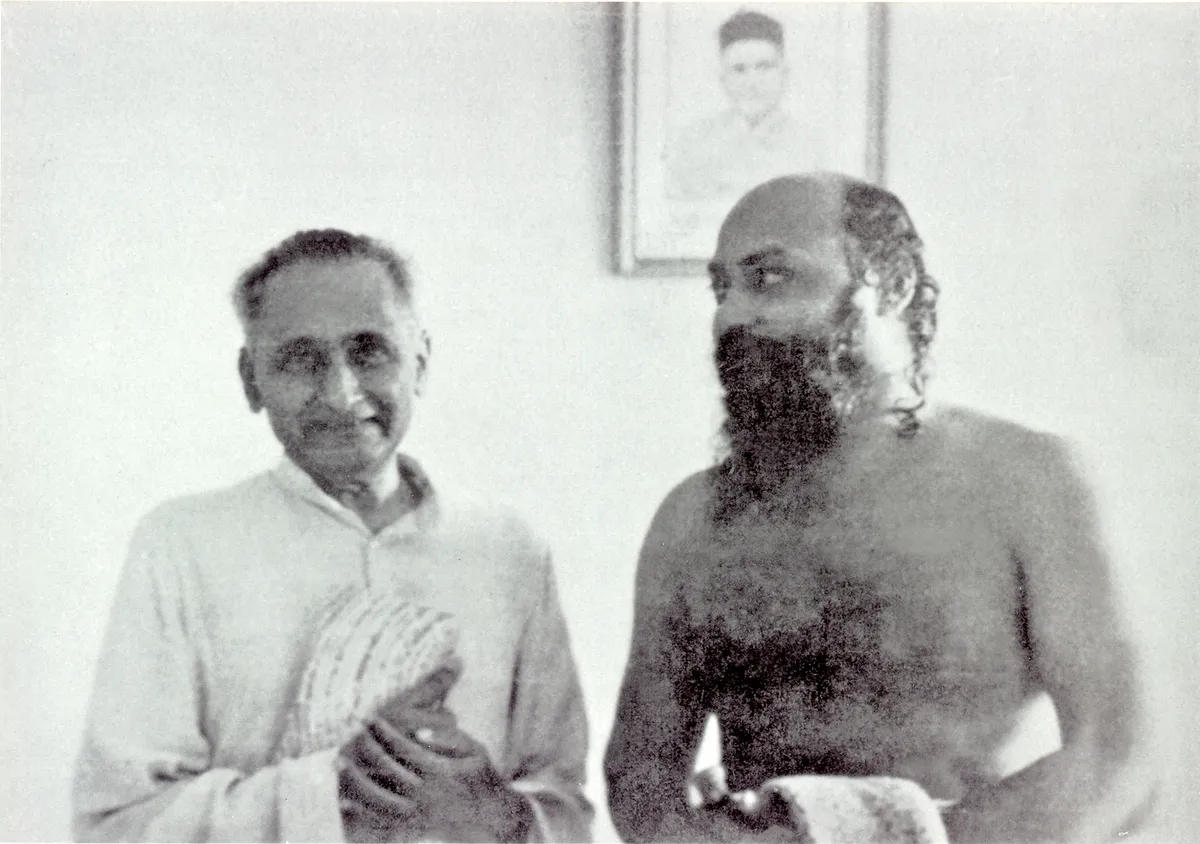
I don’t mean booze; I drink the inner joy of the Divine, which makes alcohol unnecessary.
From the Discourses
Passages where Osho speaks to this question — each links to the complete discourse.
Question: The final question: Osho, do you also drink alcohol? And there is nothing else truly worth drinking. For years I haven’t drunk water—that much I can assure you; for ten years at least I haven’t touched it. I drink soda and wine. Soda on the outside, wine on the inside. I believe in balance—a little of the outer, a little of the inner. There is a wine that has never been distilled; toward it no one has ever been able to gaze. There is an elixir like that. I drink this undistilled wine. I live on this unseen elixir! And I want to make you drunkards too. Bhakti means wine. Shandilya means a drunkard. The devotee’s temple is a tavern—intoxication, sweetness, mellowness. Drink the Divine; then no other wine will remain worth drinking.
और कुछ पीने योग्य है भी नहीं। वर्षों से पानी तो मैंने पीया नहीं, इतना तो मैं पक्का भरोसा दिला देता हूं--दस साल से तो नहीं पीया। सोडा पीता हूं और शराब। सोडा बाहर का, शराब भीतर की। मैं संतुलन में भरोसा रखता हूं--थोड़ा बाहर का, थोड़ा भीतर का। जो कभी खींची नहीं गई ऐसी शराब है एक जिसकी तरफ कभी कोई ताक नहीं सका ऐसी आब है एक मैं इस बिना खींची शराब को पीता हूं मैं इस बिना देखी आब को जीता हूं! और मैं तुम्हें भी शराबी बनाना चाहता हूं। भक्ति यानी शराब। शांडिल्य यानी शराबी। भक्त का मंदिर यानी मधुशाला, मादकता, माधुर्य। परमात्मा को पीओ, फिर कोई और शराब पीने जैसी नहीं रह जाएगी। मेरे देखे, जो लोग शराब पीते हैं, वे इसीलिए पीते हैं कि उनकी असली खोज तो परमात्मा की है, और परमात्मा मिलता नहीं। असली खोज तो यह है कि कैसे अपने को डुबा दें, लेकिन ऐसी कोई जगह नहीं मिलती जहां डुबा दें, तो चलो भुला लें; डूबना तो होता नहीं, तो थोड़ी देर को भुला लें। शराब थोड़ी देर को भ्रांति देती है कि भूल गए अपने को। अहंकार बहुत पीड़ा है।
Osho, please don’t talk about wine, for heaven’s sake. Can’t you find some other metaphor for devotion to God?
Islam says streams of wine flow in heaven. One should ask: what will you do with those streams? Here you teach people, “Do not drink; those who drink will go to hell; they will not reach paradise.” The arithmetic seems clear: those who do not drink here, who have renounced life’s colors, who are not householders—dispassionate, dreary souls—will go to heaven. But what will they do there with streams of wine—those who have never drunk? O preacher, you do not drink, nor can you make anyone drink— what is the point of your pure wine? These lines are significant. They mean that if you ever want to enter the life of God, do not enter in gloom. In this life, wherever, however, in whatever measure—even if fleeting—taste the joys that arise. In that taste, feel also the taste of God. It is a drop, true—but even the drop is of…
पहला प्रश्न: ओशो, कृपा करके शराब की तो बात न करें। क्या प्रभु-भक्ति के लिए आप और कोई उपमा नहीं ढूंढ सकते हैं?
इस्लाम कहता है कि स्वर्ग में शराब के चश्मे बह रहे हैं। पूछना चाहिए कि क्या करोगे, इन शराब के चश्मों का! क्योंकि यहां तो तुम लोगों को सिखाते हो: शराब न पीओ। जो शराब पीते हैं, वे तो नरक जाएंगे। वे तो बहिश्त जाएंगे नहीं। जाहिर है--गणित साफ है। जो यहां शराब नहीं पीते, शराब छोड़े हुए हैं, जीवन का सब राग-रंग तोड़ा हुआ है, गृहस्थ नहीं है--विरागी हैं, उदासी हैं--वे जाएंगे स्वर्ग। मगर वे करेंगे क्या वहां शराब के चश्मों का--जिन्होंने कभी पी ही नहीं।
I had heard that wine is bitter and burns the breast, but the taste of your wine is something else.
I say unto you, enjoy life with the witnessing consciousness. But you want to drop the witness. You catch only 'enjoy'. Enjoy life but if you enjoy it without remaining the witness, you didn't enjoy it. Real enjoyment is only when you remain a witness. Drink wine but if consciousness is lost you didn't drink it. You have drunk real wine only if consciousness grows as you drink. There is no other wine than samadhi. As I see it, the attraction for alcohol will continue in man until the attraction for samadhi grows. People will go on drinking fake wine until real wine is available to them. False coins will pass until the real coin is available. Governments throughout the world try to stop the consumption of wine, but it doesn't happen. They have always been trying to do it. Religious people have been advising governments to enact prohibition. They…
Osho, why do you sometimes use wine as a symbol for the supreme experience of the Divine? Can’t a better symbol be found?
“Better” or “worse” is only a matter of how you look; otherwise, what symbol could be dearer than wine? Wine simply means this—ecstasy, blessed forgetfulness, absorption, total immersion. Among the Sufis, wine is a greatly honored symbol. Have you read the Rubaiyat of Omar Khayyam? Omar Khayyam is not a drunkard. He is a Sufi fakir, a supreme knower—like Saraha and Tilopa, a realized one of the highest order. Wine is a symbol. And there is no symbol more beautiful in relation to the Divine, because whoever drowns in That becomes forever intoxicated—God-intoxicated. A wine that never wears off once it rises; it speaks right from the head! A wine that does not merely bring unconsciousness—paradoxically, it brings wakefulness. The ego becomes unconscious, and the soul awakens. No, it won’t do otherwise. The symbol of wine must be brought in. However much one may speak of witnessing the Truth, it…
तीसरा प्रश्न: ओशो, आप प्रभु की परम अनुभूति के लिए कभी-कभी शराब जैसा प्रतीक क्यों प्रयोग करते हैं? क्या कोई अच्छा प्रतीक नहीं मिल सकता है?
अच्छा और बुरा देखने की बात है, नहीं तो शराब से प्यारा प्रतीक और क्या होगा? शराब का अर्थ केवल इतना ही है--मस्ती, विस्मरण, लवलीनता, तल्लीनता। शराब तो सूफियों का बड़ा समादृत प्रतीक है। उमर खैयाम की रुबाइयात पढ़ी है? उमर खैयाम कोई शराबी नहीं है। उमर खैयाम एक सूफी फकीर है। उमर खैयाम एक परम ज्ञानी है--जैसे सरहपा और जैसे तिलोपा, ऐसा परम ज्ञानी है। शराब प्रतीक है। और शराब से सुंदर कोई प्रतीक नहीं हो सकता परमात्मा के संबंध में, क्योंकि जो भी उसमें डूबता है सदा के लिए मस्त हो जाता है, अलमस्त हो जाता है। शराब भी और ऐसी शराब कि फिर उतरती नहीं, चढ़ी सो चढ़ी! सिर चढ़कर बोलती है, ऐसी शराब। ऐसी शराब कि बेहोशी ही नहीं लाती, बड़ी विरोधाभासी है--एक तरफ बेहोशी लाती है, एक तरफ होश लाती है। अहंकार तो बेहोश हो जाता है और आत्मा जग जाती है।
Osho, I had heard that wine is bitter and burns the chest; but the taste of your wine is something else.
The “flaw” that was in Hafiz and Khayyam, in Umar Khayyam… Umar Khayyam has been misunderstood. Great injustice has been done to him. One day in Bombay I passed a hotel: on its sign was written “Umar Khayyam.” Great injustice has been done to Umar Khayyam. When Fitzgerald translated Khayyam into English, a great error occurred. Fitzgerald could not understand Khayyam—he could not have, because to understand Khayyam you need the sufi’s ecstasy, the sufi’s samadhi. Umar Khayyam is a sufi saint—one of the rare realized ones, of the stature of Buddha, Ashtavakra, Krishna, Zarathustra! The wine he speaks of is God’s wine. The beauty he sings is God’s beauty. But Fitzgerald did not understand. A Western rationalist—he thought: wine means wine. He translated it so. Fitzgerald’s translation became very famous. The verse is beautiful; Fitzgerald is undoubtedly a great poet. But he did not understand. The sufi fragrance was…
चौथा प्रश्न: ओशो, सुना था कि शराब कड़वी होती है और सीने को जलाती है; पर आपकी शराब का स्वाद ही कुछ और है।
फितना-ए-अक्ल से बेजार हूं मैं ऐब जो हाफिज-ओ-खय्याम में था हां, कुछ उसका भी गुनहगार हूं मैं ऐब जो, जो बुराई हाफिज और खय्याम में थी, उमरखय्याम में...। उमरखय्याम को समझा नहीं गया। उमरखय्याम के साथ बड़ी ज्यादती हुई है। एक दिन बंबई में मैं निकल रहा था एक जगह से, होटल पर लिखा हुआ था: ‘उमरखय्याम’। उमरखय्याम के साथ बड़ी ज्यादती हुई है। फिट्जराल्ड ने जब उमरखय्याम का अंग्रेजी में अनुवाद किया तो बड़ी भूल-चूक हो गई। फिट्जराल्ड समझ नहीं सका उमरखय्याम को। समझ भी नहीं सकता था, क्योंकि उमरखय्याम को समझने के लिए सूफियों की मस्ती चाहिए, सूफियों की समाधि चाहिए। उमरखय्याम एक सूफी संत है। थोड़े-से पहुंचे हुए महापुरुषों में एक, बुद्ध और अष्टावक्र और कृष्ण और जरथुस्त्र की कोटि का आदमी! उसने जिस शराब की बात की है, वह परमात्मा की शराब है। उसने जिस हुस्न की चर्चा की है, वह परमात्मा का हुस्न है। लेकिन फिट्जराल्ड नहीं समझा। पश्चिमी बुद्धि का आदमी, उसने समझा: शराब यानी शराब। उसने अनुवाद कर दिया। …