
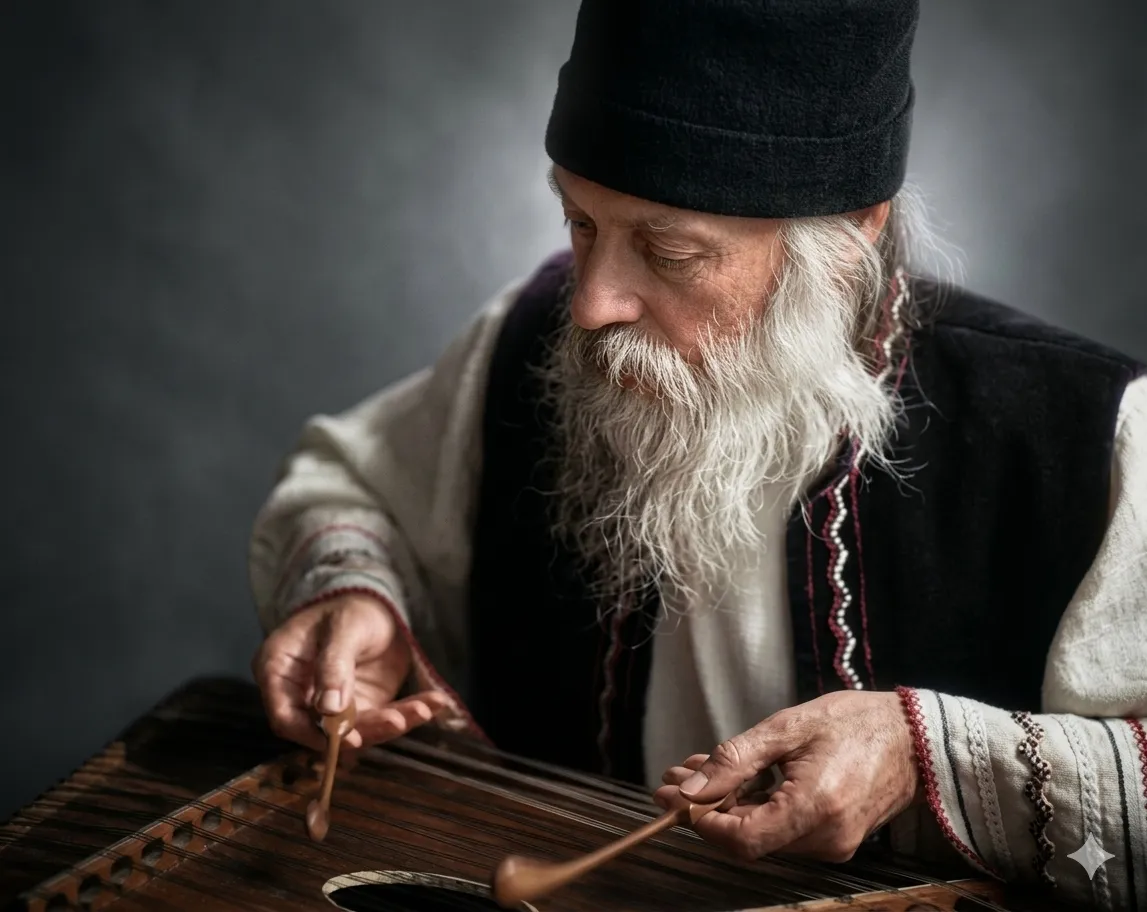
No—he rejects constitutions, and the phrase is wrong because it postpones living; just squeeze the moment now.
From the Discourses
Passages where Osho speaks to this question — each links to the complete discourse.
Beloved Osho, the other morning I woke up with these words on my mind: "I'm going to squeeze the juice, the whole juice, and nothing but the juice, out of this moment." can this be the new oath when we rewrite the constitution?
You woke up with this sentence: "I'm going to squeeze...." Still "going..."? You should have squeezed then and there! "Going to squeeze the whole juice of this moment"? When? When this moment is gone? And you started wondering about the world constitution that sannyasins will write: "Can this be the oath in that constitution?" No! In the first place sannyasins are not going to write any constitution. Constitutions are written by politicians. Constitutions are written by people who are power-lusty, ambitious. Constitutions are needed because they are all nations. I am trying to destroy all divisions between man and man. In my commune nobody knows who is a German, who is an Italian, who is an American. And soon I'm going to suggest to my commune people to create dresses which don't make any distinction between man and woman. So in the first place we are not going to make…
Question: First question: Osho, I want to take sannyas; when should I take it? ... I have heard an amazing story. There was a wondrous true master named Fachang. His entire teaching was only this: “Now, here. Just two words. The emperor had invited him to Japan to give discourses. He stood on the platform—the emperor seated, his courtiers present, a great arrangement; Fachang was a famous master. He struck the table loudly and said, “Now, here. He stepped down and left. The emperor was startled. He asked his ministers, “What is this? What kind of discourse is this—banging the table and saying ‘Now and here’? What does it mean? The ministers said, “Your Majesty, that is his whole teaching. In it he has said all that the Buddhas of all times have said. If you are to do the auspicious—now and here.
मैंने सुनी है एक अदभुत कहानी। फाचांग नाम का एक अदभुत सदगुरु हुआ। उसका इतना ही उपदेश था--अभी, यहीं। बस दो शब्दों का ही उपदेश था। सम्राट ने उसे बुलाया था जापान के प्रवचन करने, तो वह मंच पर खड़ा हुआ--सम्राट बैठा, उसके दरबारी बैठे, बड़ा आयोजन किया था, फाचांग बड़ा प्रसिद्ध गुरु था--वह खड़ा हुआ, उसने जोर से टेबल पीटी और कहा, अभी, यहीं। नीचे उतरा और वापस चला गया। सम्राट तो बहुत चौंका। उसने अपने वजीरों से पूछा, यह क्या मामला है? यह कैसा प्रवचन? यह टेबल पीटना और कहना, अभी और यहीं। यह बात क्या है? उसके वजीरों ने कहा कि महाराज, इतना ही उनका उपदेश है। और इसमें उन्होंने सब कह दिया जो समस्त कालों में बुद्धों ने कहा है।
A friend has asked, Osho, if all human beings become non-doers, accept the Gita’s teaching, then what juice would be left in life and in the world?
What juice is there in life right now? Right now you are doers, contrary to the Gita—what juice is there in life? And if life is already juicy, then what need is there to read the Gita? What need to hear it? If life is already juicy, why even raise the question of religion? Why talk of God, liberation, meditation, samadhi? If there is juice in life, the matter is finished. Juice itself is God. Then nothing remains to be done. Then become even more of a doer so that you get even more juice. Plunge deeper into the world so that you find deeper sources of juice. And if, by being a doer, you are already getting juice, then offer the Gita and the rest into the fire. There is no need. And do not listen to Krishna and the others—otherwise they will destroy your juice. You are in…
एक मित्र ने पूछा है, ओशो, अगर सभी मनुष्य अकर्ता बन जाएं, गीता की बात को मान लें, तो जीवन में, संसार में क्या रस बाकी रह जाएगा?
अभी क्या रस है जीवन में? अभी कर्ता बने हुए हैं गीता के विपरीत, अभी क्या रस है जीवन में? और अगर जीवन में रस ही है, तो गीता को पढ़ने की जरूरत क्या है? गीता को सुनने की क्या जरूरत है? अगर जीवन में रस ही है, तो धर्म की बात ही क्यों उठानी? परमात्मा और मोक्ष और ध्यान और समाधि की चर्चा ही क्यों चलानी? अगर जीवन में रस है, तो बात खतम हो गई। रस की ही तो खोज है। रस ही तो परमात्मा है। बात खतम हो गई। फिर कुछ करना नहीं है। फिर और ज्यादा कर्ता हो जाएं, ताकि और ज्यादा रस मिले। और संसार में उतर जाएं, ताकि रस के और गहरे स्रोत मिल जाएं। …
First, a few things about sannyas.... It is an initiation into the formless. It is not an initiation into some rigid form, it is not giving you a certain discipline -- on the contrary it is an initiation into freedom, into a formless creative chaos. The old concept of sannyas all over the world was to give you a rigid discipline, to give you a character, to give you a certain form, a pattern, a life style. My sannyas is not like that at all; it is a radical charge. I don't give you any character, because to me the man of character is a dead man. I would like to take all character from you so you are left in a creative chaos... so each moment one has to respond to life, not out of a certain pattern.
Osho, for the practice of the five great vows—ahimsa (nonviolence), aparigraha (non-possessiveness), achaurya (non-stealing), akam (desirelessness), and apramad (alertness)—to bear fruit, and for the all-round development of the individual and society, what can your proposed new vision of sannyas contribute? Please explain in detail.
Ahimsa, aparigraha, achaurya, akam, and apramad are the fundamental sutras of the “art of sannyas.” And sannyas is an art. All of life is an art. Only those who master the “art of living” become available to sannyas. Sannyas is the art that takes you beyond life. Those who experience life in its totality naturally enter sannyas; it must be so—it is simply the next step in life. God is the temple reached by climbing the very staircase of the world. So first let me make it clear: there is no conflict between “the world” and “sannyas.” They are two stations on one journey. It is in the world itself that sannyas develops and blossoms. Sannyas is not the hostility of the world; it is the deep experience of the world. The more deeply one experiences the world, the more one finds one’s feet moving toward sannyas. Those who do…
ओशो, पंच महाव्रत: अहिंसा, अपरिग्रह, अचौर्य, अकाम और अप्रमाद की साधना फलीभूत हो सके तथा व्यक्ति व समाज का सर्वांगीण विकास हो सके, इसमें आपके द्वारा प्रस्तावित नई संन्यास-दृष्टि का क्या अनुदान हो सकता है? कृपया इसे सविस्तार स्पष्ट करें।
अहिंसा, अपरिग्रह, अचौर्य, अकाम और अप्रमाद ‘संन्यास की कला’ के आधारभूत सूत्र हैं। और संन्यास एक कला है। समस्त जीवन ही एक कला है। और केवल वे ही लोग संन्यास को उपलब्ध हो पाते हैं जो ‘जीवन की कला’ में पारंगत हैं। संन्यास जीवन के पार जाने वाली कला है। जो जीवन को उसकी पूर्णता में अनुभव कर पाते हैं, वे अनायास ही संन्यास में प्रवेश कर जाते हैं। करना ही होगा। वह जीवन का ही अगला कदम है। परमात्मा संसार की सीढ़ी पर ही चढ़ कर पहुंचा गया मंदिर है। …