
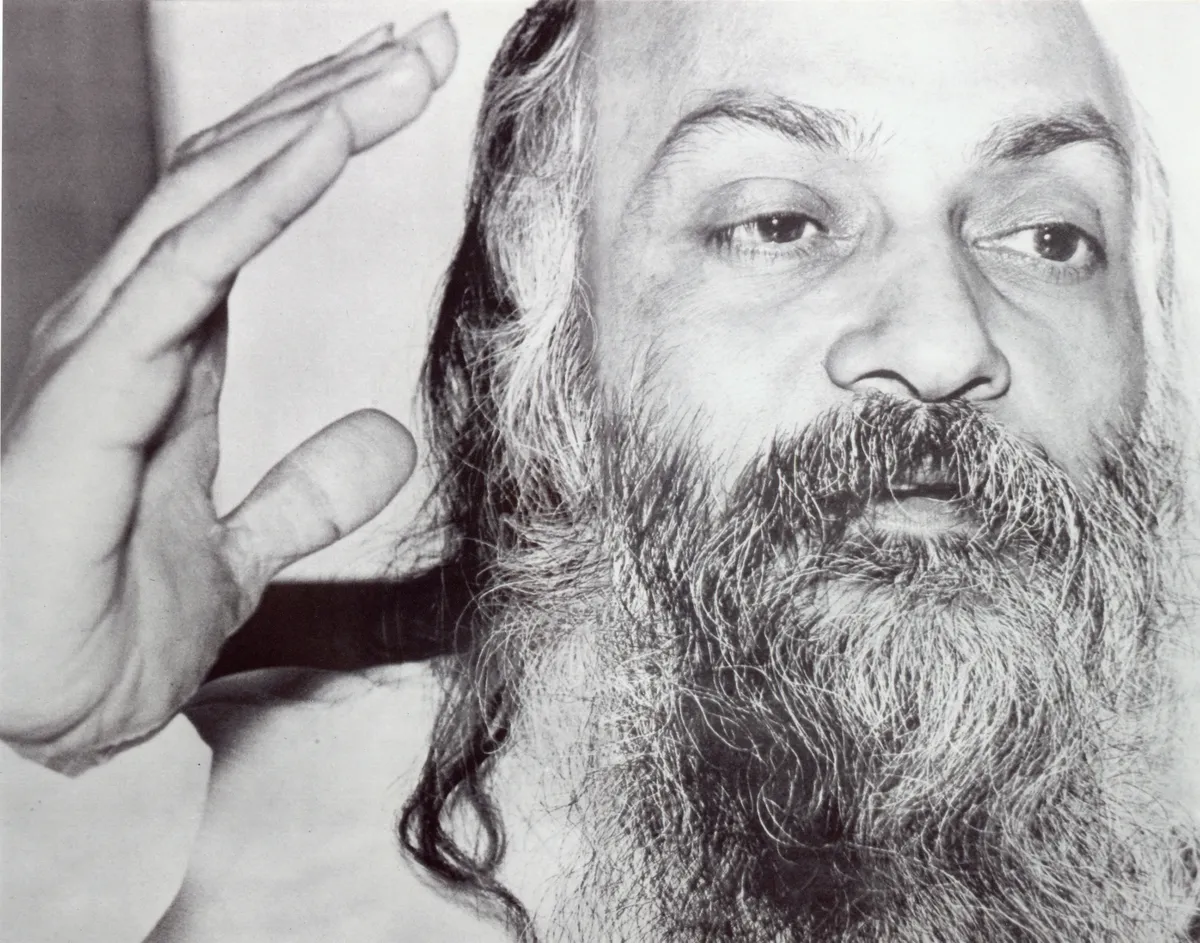
Osho's original Hindi beside Osho Live's English translation, matched passage by passage.
इसीलिए कि उसकी खबर तुम तक पहुंचा दें, जो कहा नहीं जा सकता है। इसीलिए कि जो कहा जा सकता है, उसी को जीवन मान कर समाप्त मत हो जाना। अनकहा भी है; न कहा जा सके, वह भी है--और वही सार है।
Precisely to bring you news of that which cannot be said. So that you do not take only what can be said as the whole of life and come to an end there. There is the unsaid; there is that which can never be said—and that is the essence.
क्षुद्र कहा जा सकता है; विराट कैसे कहा जाए! शब्द इतने छोटे हैं; शब्दों की छोटी सी सीमा में कैसे असीम समाए! इशारा किया जा सकता है--अभिव्यक्ति नहीं की जा सकती।
The small can be said; how to say the vast! Words are so tiny—how can the limitless be contained within the narrow bounds of words! One can point; one cannot fully express.
संत इसीलिए बोलते हैं कि कहीं ऐसा न हो कि तुम शब्दों ही शब्दों में समाप्त हो जाओ।
Saints speak so that you do not end your journey in words alone.
शब्द बड़े क्षुद्र हैं। भाषा की बहुत गति नहीं है; असली गति मौन की है। शब्द तो यहीं पड़े रह जाएंगे; कंठ से उठे हैं और कान तक पहुंचते हैं। मौन दूर तक जाता है; अनंत तक जाता है।
Words are very small. Language does not travel far; the true reach is of silence. Words rise from the throat and reach the ear; there they remain. Silence travels far—into the infinite.
नहीं तो तुम्हें यह भी कैसे पता चलता कि सत्य नहीं कहा जा सकता है! कहने से इतना तो पता चला। कहने से इतनी तो याद आई कि कुछ और भी है। भाषा के बाहर, शास्त्र के पार कुछ और भी है। कुछ सौंदर्य ऐसा भी है, जो कभी कोई चित्रकार रंगों में उतार नहीं पाया। और कुछ अनुभव ऐसा भी है कि गूंगे के गुड़ जैसा है; अनुभव तो हो जाता है, स्वाद तो फैल जाता है प्राणों में, लेकिन उसे कहने के लिए कोई शब्द नहीं मिलते।
Otherwise, how would you even come to know that truth cannot be spoken! By saying it, at least this much became known. By saying it, you are reminded that there is something more—beyond language, beyond scripture. There is a beauty no painter has ever poured into color. And there is an experience like a mute’s jaggery: it is tasted, its sweetness spreads through the breath, but no words are found to tell it.
जानते हैं संत; निरंतर स्वयं ही कहते हैं कि सत्य नहीं कहा जा सकता; और बड़ी जोखिम भी लेते हैं। क्योंकि जो नहीं कहा जा सकता, उसको कहने की कोशिश में खतरा है। गलत समझे जाने का खतरा है। कुछ का कुछ समझे जाने का खतरा है। अनर्थ की संभावना है--और अनर्थ हुआ है।
The saints know; they themselves keep saying that truth cannot be spoken—and they take a great risk in trying. For in trying to say the unsayable there is danger: the danger of being misunderstood, of being taken to mean what was never intended. Misfortune is possible—and it has happened.
लोगों ने शब्द पकड़ लिए हैं। शब्दों के पकड़ने के आधार पर ही तो तुम विभाजन किए बैठे हो। कोई हिंदू है, कोई मुसलमान है, कोई ईसाई है, कोई जैन है! ये फर्क क्या हैं? ये शब्दों को पकड़ने के फर्क हैं।
People have seized upon words. It is on the basis of gripping words that you sit divided: some are Hindu, some Muslim, some Christian, some Jain. What are these differences? Differences of holding to words.
किसी ने मोहम्मद के शब्द पकड़े हैं, तो मुसलमान हो गया है। और किसी ने महावीर के शब्द पकड़े हैं, तो जैन हो गया है। मोहम्मद के और महावीर के मौन में जरा भी भेद नहीं है। भेद है, तो शब्दों में है।
Someone has grasped the words of Muhammad and has become a Muslim. Someone else has grasped the words of Mahavira and has become a Jain. In the silence of Muhammad and of Mahavira there is not the slightest difference. The difference is in the words.
अगर मुसलमान मोहम्मद का मौन देख ले, जैन महावीर का मौन देख ले, फिर कहां विवाद है? मौन में कैसा विवाद? मौन तो सदा एक जैसा होता है। किसी हड्डी-मांस-मज्जा में उतरे, मौन तो सदा एक जैसा होता है।
If a Muslim could see Muhammad’s silence, if a Jain could see Mahavira’s silence—where would the dispute be? What dispute can there be in silence? Silence is always the same. Whichever flesh and bone it enters, silence is always the same.
एक कागज पर कुछ लिखा; दूसरे कागज पर कुछ लिखा। लेकिन दो कोरे कागज तो बस, कोरे होते हैं।
On one sheet of paper something is written; on another, something else. But two blank sheets are simply blank.
अगर मुसलमानों ने मोहम्मद के शब्द के पार झांका होता, तो मुसलमान होकर बैठ न जाते। फिर हिंदू से लड़ने जाने की कोई जरूरत न थी। गीता और कुरान में होंगे भेद; मोहम्मद और कृष्ण में नहीं हैं।
Had Muslims peered beyond Muhammad’s words, they would not have stopped at being Muslims. Then there would have been no need to fight with Hindus. The Gita and the Quran may differ; Muhammad and Krishna do not.
गीता और कुरान में भेद होंगे ही, क्योंकि गीता एक भाषा बोलती है, कुरान दूसरी भाषा बोलता है। गीता एक तरह के लोगों से कही गई; कुरान दूसरे तरह के लोगों ने दूसरे तरह के लोगों से कहा। संस्कृति, सभ्यता, भूगोल, इतिहास--इन सबका प्रभाव पड़ता है शब्दों पर।
The Gita and the Quran will indeed differ, because the Gita speaks one language and the Quran another. The Gita was addressed to one kind of people; the Quran was spoken among different people to yet others. Culture, civilization, geography, history—all these affect words.
अब कृष्ण अरबी तो बोल नहीं सकते थे--सो कैसे बोलते! संस्कृत ही बोल सकते थे। मोहम्मद संस्कृत तो बोल नहीं सकते थे; जो बोल सकते थे, वही बोले। जो बोल सकते थे, उसी भाषा से इशारे किए। फिर जिनसे बोल रहे थे, उनकी ही भाषा का उपयोग करना होगा; नहीं तो बोलने का अर्थ क्या है!
Krishna could not have spoken Arabic—so how would he speak it! He could speak Sanskrit. Muhammad could not have spoken Sanskrit; he spoke what he could. With the language one can speak, one makes the pointing. And one must use the language of those to whom one speaks; otherwise, what is the meaning of speaking!
मगर लोगों ने शब्द पकड़ लिए हैं। इसलिए संत खतरा भी मोल लेता है। यह जान कर कि सत्य तो कहा नहीं जा सकता, फिर भी खतरा लेता है। और खतरा बड़ा है--कि लोग शब्द को न पकड़ लें!
But people have caught hold of words. Therefore the saint knowingly takes the risk. Knowing that truth cannot be said, still he will speak. And the risk is great—that people will clutch the word.
लोग इतने अंधे हैं, चांद बताओ, अंगुली पकड़ लेते हैं! और सोचते हैं: अंगुली चांद है! अंगुली की पूजा शुरू हो जाती है। अंगुली के आस-पास मंदिर-मस्जिद बन जाते हैं। अंगुली के पंडित-पुरोहित हो जाते हैं।
People are so blind: you point to the moon, they grab your finger—and then imagine the finger is the moon! They begin to worship the finger. Temples and mosques are built around the finger. Priests and pundits of the finger arise.
फिर अंगुलियों अंगुलियों में बड़ा विवाद चलने लगता है--कि कौन सी अंगुली सुंदर है और कौन सी अंगुली सत्य है! अंगुलियां कहीं सत्य होती हैं! अंगुली के सुंदर और असुंदर से क्या लेना-देना है? कुरूप से कुरूप अंगुली भी चांद को बता सकती है। और सुंदर से सुंदर अंगुली भी बता सकती है। जवान और बूढ़ी अंगुली भी बता सकती है। काली और गोरी अंगुली भी बता सकती है। छोटी और बड़ी अंगुली भी बता सकती है। अंगुलियों से क्या फर्क पड़ता है? चांद बताया गया--चांद देखो; अंगुली को भूलो, अंगुली को जाने दो।
Then a great quarrel starts among fingers—which finger is beautiful, which finger is true! Are fingers ever the truth! What has the beautiful or the ugly finger to do with it? The ugliest finger can point to the moon, and the most beautiful finger can point too. Young or old finger, black or white finger, small or large—it makes no difference. The moon is indicated—look at the moon; forget the finger, let the finger go.
मगर खतरा तो है। अंधों से बात करनी हो--प्रकाश के संबंध में तो खतरा तो है; क्योंकि प्रकाश के संबंध में वे जो शब्द सुनेंगे, कहीं उन्हीं को पकड़ कर बैठ न जाएं। कहीं ‘प्रकाश’ शब्द को रख कर घर में, बैठ न जाएं और सोचें कि रोशनी होगी।
Yet the danger remains. If one must speak to the blind about light, there is danger: hearing the words about light, they may clutch those very words. They may keep the word “light” at home and imagine there will be illumination.
‘प्रकाश’ शब्द प्रकाश नहीं है और न ‘परमात्मा’ शब्द परमात्मा है।
The word “light” is not light, and the word “God” is not God.
एक हिंदू से मैं परिचित था। एक दिन मेरे पास आए और कहा कि मैं थक गया हिंदू धर्म से। मैं तो मुसलमान हो गया। मैंने पूछा: फर्क क्या हुआ? मंदिर जाते थे, मस्जिद जाने लगे, कोई हर्जा नहीं। गीता पढ़ते थे, कुरान पढ़ने लगे; कोई हर्जा नहीं। मगर अगर तुम जिस ढंग से गीता को पकड़े थे, उसी ढंग से कुरान को पकड़ा, तो फर्क क्या होगा?
I knew a Hindu. One day he came to me and said, “I am tired of Hinduism. I have become a Muslim.” I asked, “What has changed? You used to go to the temple; now you go to the mosque—no harm. You read the Gita; now you read the Quran—no harm. But if you clutch the Quran the same way you clutched the Gita, what difference will it make?”
उनका नाम था, रामदास; वे मुसलमान हो गए, उनका नाम हो गया, खुदाबख्श। दोनों का मतलब एक है। चाहे रामदास कहो, चाहे खुदाबख्श कहो--इशारा एक है।
His name was Ramdas; after becoming a Muslim, he became Khudabakhsh. The meaning is one. Whether you say Ramdas or Khudabakhsh—the pointing is the same.
लेकिन हम इशारों को जोर से पकड़ लेते हैं और भूल ही जाते हैं कि इशारा किस तरफ है। जैसे कोई मील के पत्थर के पास बैठ जाए। मील के पत्थर पर लिखा है कि दिल्ली इतनी दूर है, और दिल्ली की तरफ तीर बना है और तुम मील के पत्थर को पकड़ कर बैठ गए--कि आ गई दिल्ली। ‘दिल्ली’ लिखा है मील के पत्थर पर और तुम पूजा करने लगे।
But we seize the pointers so tightly that we forget what they point toward. Like someone sitting down beside a milestone. On the stone it is written: “Delhi—so many miles,” and an arrow points toward Delhi. You clutch the stone and sit there—thinking Delhi has arrived. “Delhi” is written on the stone, and you start worshipping it.
वास्तविक धार्मिक व्यक्ति वही है, जो कि शब्द से सदा सावधान रहे।
The truly religious person is one who remains always cautious with words.
संत खतरा मोल लेते हैं जान कर; क्योंकि अगर वे चुप रह जाएं, तो और भी बड़ा खतरा है। तुम शब्द ही नहीं समझ पाते, तो मौन तो समझोगे कैसे!
Saints take the risk knowingly; for if they remain silent, a greater danger arises. You do not understand even words—how will you understand silence!
खयाल जो अभी
बना नहीं है
मन जो अभी
मना नहीं है
दुख जो अभी
घना नहीं है
शब्दों में कहना है
और कहना है अभी
शुरू किए देता हूं
तमाम जोखिमें ली हैं,
The thought not yet fully formed, the mind not yet fully trained, the sorrow not yet fully thick— must be said in words, and said now. So I begin. I have taken every risk before; I take one more risk.
एक और
जोखिम लेता हूं।
परमात्मा कभी पूरा का पूरा अनुभव में थोड़े ही आता है। पूरा अनुभव में आ जाए, तो सीमित हो जाए। बस स्वाद मिलता है--स्वाद मिलता चला जाता है। खोज शुरू होती है; प्रवेश होता है; अंत कभी नहीं होता।
The divine never comes wholly into experience. If it came in its entirety, it would become limited. One only gets the taste—the taste keeps deepening. The search begins; the entry happens; there is never an end.
तो ऐसा थोड़े ही होता है किसी दिन कि परमात्मा पूरा अनुभव में आ गया--कि अब कह दो। जैसे-जैसे अनुभव में आता है, वैसे-वैसे पता चलता है: और अनुभव में आने को शेष है। अभी कहो कैसे!
So it never happens that one day the divine has come fully into experience—“now say it.” As it comes into experience, it becomes clear that more remains to come. How to speak now!
और एक और अनूठी घटना घटती है कि जैसे-जैसे परमात्मा अनुभव में आना शुरू होता है, वैसे-वैसे तुम विदा होने लगते हो; तुम सिंहासन से उतरने लगते हो--खोने लगते हो। जैसे रोशनी आती है, तो अंधेरा खोने लगता है--ऐसे ही परमात्मा आता है, तो तुम खोने लगते हो।
And something unique happens: as the divine begins to enter, you begin to depart; you come down from the throne—you start dissolving. As light comes, darkness begins to vanish—so when the divine comes, you begin to disappear.
जिस दिन परमात्मा की रोशनी तुम्हें सब तरफ से भरपूर भर देती है, उस दिन तुम नहीं रह जाते; कहने वाला नहीं रह जाता। वह कहने वाला मन, वह जो खोजने चला था, वह जिसने यात्रा शुरू की थी, अब है ही नहीं।
The day the light of the divine fills you from all sides, you are no more; the one who would speak is not there. The mind that would say—the one who went seeking, who began the journey—is gone.
ऐसी घड़ी में मौन रह जाना तो बहुत सुगम है। लेकिन अगर तुम मौन रह जाओगे, तो वे जो अभी अंधेरों में टटोलते हैं, उनको तुमसे कोई भी खबर न मिलेगी कि तुम पहुंच गए। उन्हें तुमसे कोई इशारा भी न मिलेगा। उन्हें तुमसे कोई सहारा भी न मिलेगा। और सहारा--पहुंचे हुए आदमी से मिलना ही चाहिए। वह उसकी करुणा का हिस्सा है; वह पहुंचा, इसका सबूत है, कि सहारा मिलना शुरू हो जाए।
In such a moment, remaining silent is very simple. But if you remain silent, those who are still groping in darkness will get no news from you that you have arrived. They will receive no indication from you, no support. And support—this must come from one who has arrived. It is part of his compassion; it is proof of his arrival that support begins to flow.
यह कैसे संभव है कि तुमने देख ली हो रोशनी और तुम उनको न बतलाओ जो अभी अंधेरे में टटोल रहे हैं! तुम्हारे ही पास चारों तरफ अंधेरे में टटोल रहे हैं, खोज रहे हैं।
How is it possible that you have seen the light and do not tell those who are still groping in the dark—right around you, searching?
यह असंभव है कि तुम्हें द्वार मिल जाए और तुम चिल्लाओ न! तो जीसस ने अपने शिष्यों से कहा है: जाओ, मकानों की मुंडेरों पर चढ़ जाओ और चिल्लाओ, क्योंकि लोग बहरे हैं। शायद कोई सुन ले। और बुद्ध ने अपने शिष्यों से कहा है कि दूर-दूर जाओ। जहां-जहां खोजी कहीं हो, उसे खोजो। जो हमें मिला है उसकी खबर पहुंचा देनी जरूरी है। इतना सत्य के प्रति आदर आवश्यक है कि जब मिले, तो उसे बांटो।
It is impossible that you find the door and do not shout! So Jesus told his disciples: Go, climb to the rooftops and shout, for people are deaf. Perhaps someone will hear. And Buddha told his disciples: Go far and wide. Wherever seekers may be, find them. It is necessary to get the news of what we have found to them. So much reverence for truth is necessary that when it is found, it must be shared.
इसलिए संत बोलते हैं। उचित भी यही है कि बोलें; जानते हुए कि सत्य कहा नहीं जा सकता। जानते हुए कि जोखिम है; तुम शब्द को पकड़ लोगे। फिर भी जोखिम लेनी होगी। सौ आदमियों से बोलेंगे, शायद एक समझ पाए। मगर इतना भी क्या कम है! सौ सोयों में एक जाग जाए; सौ मुर्दों में एक जिंदा हो जाए! सौ वृक्षों में एक वृक्ष पर फूल खिल जाएं, इतना भी क्या कम है! फिर उस एक ‘वृक्ष’ से रोशनी उठने लगेगी; फिर उस एक वृक्ष से गंध फैलने लगेगी। वह वृक्ष किसी और को जगाएगा। कोई और दीया उमगेगा। कोई और जीवंतता पैदा होगी। इसको सूफी कहते हैं--सिलसिला। जैसे एक जलते दीये से बुझा दीया जल जाता है।
Therefore saints speak. And it is right that they speak—even knowing truth cannot be spoken. Knowing the risk—that you will seize the word—even so, the risk must be taken. They will speak to a hundred; perhaps one will understand. But is even that little? If among a hundred asleep, one wakes up; among a hundred dead, one becomes alive; among a hundred trees, one blossoms—is even that little! From that one tree, light will rise; from that one tree, fragrance will spread. That tree will awaken another. Another lamp will be kindled. Another current of life will arise. The Sufis call this the silsila—the chain—like one burning lamp lighting an unlit lamp.
इसके पहले कि मेरा दीया विदा हो जाए, मैं चाहूंगा कि तुममें से बहुतों के दीये जल जाएं। और इसके पहले कि तुम विदा होने लगो, बांट जाना रोशनी। तुम्हें तो बुझना होगा; सभी को बुझना होगा। लेकिन रोशनी जल सकती है--एक दीये से दूसरे दीये में; सिलसिला बन सकता है।
Before my lamp goes out, I would like many of your lamps to be lit. And before you depart, distribute the light. You must fade; everyone must fade. But the light can keep burning—from one lamp to another; a chain can be formed.
यह ‘सिलसिला’ शब्द प्यारा है। हमारे पास भी ठीक वैसा ही शब्द है, लेकिन खराब हो गया--‘परंपरा’। खराब हो गया। उसका मतलब तो कुछ हो गया--जड़, पुराना। उसका मतलब इतना ही होता है कि जो एक से दूसरे को मिला। एक ने दूसरे के कान में फूंका--मंत्र। एक ने अपना प्राण दूसरे प्राण को दिया।
This word “silsila” is lovely. We have an almost identical word, but it has spoiled—“parampara,” tradition. It has become stale, fixed. Its real meaning is simply that which passes from one to another. One breathed a mantra into another’s ear. One gave his life-breath to another.
इसके पहले कि जानने वाला विदा हो, कुछ को जगा जाए, कुछ को जला जाए। विदा होने के पहले वे किसी और को जगा देंगे। ऐसा सिलसिला चलता है।
Before the knower departs, let him awaken some, ignite some. Before departing, they will awaken others. Thus the chain continues.
बुद्ध ने जो सिलसिला शुरू किया था, अब भी उसमें दीये जलते हैं। मोहम्मद ने जो सिलसिला शुरू किया था, अब भी उसमें दीये जलते हैं। रोशनी खो नहीं गई। मोहम्मद गए, बुद्ध गए, महावीर गए, कृष्ण गए, कबीर गए, नानक गए--रोशनी नहीं खो गई।
The chain that Buddha started—lamps still burn in it. The chain Muhammad started—lamps still burn in it. The light has not been lost. Muhammad is gone, Buddha is gone, Mahavira is gone, Krishna is gone, Kabir is gone, Nanak is gone—the light is not lost.
इस रोशनी को जलाए रखने का प्रतीक ही पारसियों ने बना रखा है--अपने पूजा-गृहों में। मगर वह जड़ हो गया। रोशनी को बुझने नहीं देते; पारसी अपनी अगियारी में रोशनी को बुझने नहीं देते। वही रोशनी जलाए रखते हैं; मगर बाहर की रोशनी की बात ही न थी। पकड़ लिया शब्द को, संकेत को और चूक गए असली बात। भीतर की रोशनी जलाए रखनी है। अगियारी बुझे न--भीतर की। मेरा दीया जला तो मैं तुम्हारे दीये को जला जाऊं। रोशनी बुझे न।
The Parsis made a symbol to keep this light burning—in their fire temples. But it grew rigid. They do not let the outer flame go out; in their fire altars the flame is guarded. They keep that light burning—but it was never about the outer flame. They seized the word, the sign, and missed the real thing. It is the inner light that must be kept burning. Let not the inner sanctuary go dark. If my lamp is lit, let me light yours. Let the light not be extinguished.
रोशनी बहुत कम है। कभी-कभी कोई जलता है। इसलिए जब भी कोई जल जाए, तो वह सब तरह की चेष्टा करे कि जितने दीये उसके आस-पास जल सकें, उतना अच्छा है। अंधेरा बहुत है। अंधेरा बड़ा है।
Light is very scarce. Only once in a while does someone blaze. Therefore, whenever someone does light up, let him make every effort to kindle as many lamps around him as possible. The darkness is vast. The darkness is great.
दीये बहुत थोड़े हैं; कभी-कभी जलते हैं; उन्हीं दीयों में सारी संभावना है।
आंसुओं की विकल वाणी
The lamps are very few; they blaze only now and then; in these lamps lies all the possibility.
कह गई बीती कहानी
अन्यथा हम मौन रहते।
कल्पना को सच सिखाते
भावना को भव दिखाते
छंद को निर्बंध करते
कुछ नहीं लिखते-लिखाते
पर हृदय का विधुर गायक
बन गया बरजोर नायक
धूम्र की लपटें न मानीं
The anguished tongue of tears told a tale long past— else we would have remained silent. Teaching truth to imagination, showing becoming to feeling, setting meter free of measure— we would neither write nor make others write. But the heart’s bereft singer became a stubborn hero, he did not accept the smoky flames— else we would have remained silent.
अन्यथा हम मौन रहते।
संयमित करते स्वरों को
गुनगुनाते मधुकरों को
बेरहम बन कतर देते
गीत विहगों के परों को
क्या पता था शब्द निर्मल
We would have restrained our notes, hummed to the honey-seeking bees, become ruthless and clipped the wings of song-birds. Who knew the innocent words tomorrow would betray the meaning; the gift of speech could not bear it— else we would have borne our silence.
कल करेंगे अर्थ का छल
सह न पाए वचनदानी
अन्यथा हम मौन सहते।
कल शब्द का अनर्थ हो जाएगा। कल कुछ का कुछ समझा जाएगा। कल की छोड़ो, आज ही समझा जाएगा कुछ का कुछ; अभी समझा जाएगा कुछ का कुछ।
Tomorrow the word will be distorted. Tomorrow it will be taken to mean something else. Leave tomorrow—today it will be misunderstood; right now it will be misunderstood.
क्या पता था शब्द निर्मल
कल करेंगे अर्थ का छल
सह न पाए वचनदानी
अन्यथा हम मौन सहते।
Who knew the innocent words tomorrow would betray the meaning; the gift of speech could not bear it— else we would have borne our silence.
लेकिन फिर भी कहना होगा। अर्थ का अनर्थ होगा; कुछ का कुछ समझा जाएगा; कुछ की कुछ व्याख्या होगी--फिर भी कहना होगा। सौ में से निन्यानबे गलत समझ लेंगे, लेकिन कोई एक ठीक समझेगा। हजार में नौ सौ निन्यानबे गलत समझेंगे; कोई एक ठीक समझेगा। उस एक के लिए कहना होगा।
But even so, it must be said. Meaning will be distorted; things will be taken the wrong way; interpretations will go astray—yet it must be said. If ninety-nine out of a hundred misunderstand, but one understands rightly—for that one, it is worth speaking. If nine hundred and ninety-nine out of a thousand misunderstand, and one understands—for that one, it must be said.
संत जानते हैं--सत्य कहा नहीं जा सकता। नौ सौ निन्यानबे नहीं ही समझेंगे। लेकिन हर्ज क्या है? इन नौ सौ निन्यानबे से न कहा जाता, तो भी ये न समझते; तो भी ये जैसे अंधे की तरह जीते थे, वैसे ही जीते। अब भी ये अंधे की तरह जीएंगे। अब हिंदू, मुसलमान, ईसाई होकर जीएंगे। मगर इससे क्या फर्क पड़ता है; कुछ न कुछ होकर ये जीते ही। ये किसी न किसी बहाने टकराते--हिंसा करते, युद्ध करते, लड़ते-झगड़ते। यह होना था।
Saints know—truth cannot be spoken. Nine hundred and ninety-nine will not understand. But what is the harm? Had nothing been said to these nine hundred and ninety-nine, they still would not have understood; they would have continued to live blind as before. Now too they will live blind. Now they will live as Hindus, Muslims, Christians. What difference does it make; they would have lived as something or other anyway. In some pretext or other they would have collided—violence, wars, quarrels—this was bound to be.
लेकिन कोई एक, जो समझ लेगा, जो गह लेगा बात को और चल पड़ेगा--उस एक के लिए सारी जोखिमें लेना उचित है।
But the one who does understand, who grasps the essence and sets out—he is worth all the risks.
फिर संत शब्दों से ही नहीं कहते हैं--यह भी खयाल में रखना। शब्द तो केवल एक उपाय है कहने का। संत और भी बहुत तरह से कहते हैं। लेकिन और बहुत तरह से समझना हो, तो संतों के पास आना पड़ता है।
And remember: saints do not speak only through words. Words are only one device. Saints speak in many other ways. But to understand those other ways, you must come to them.
शब्द तो दूर से भी समझ में आ सकते हैं। शब्द में कोई रिश्ता नहीं बनता। सुन लिया; तुम मुक्त हो। लेकिन और समीपता से संवाद करना हो, तो फिर कुछ रिश्ता बनाना होता है।
Words can be understood even from afar. Words require no relationship. You listen—you are free. But for a deeper communion, a relationship must be forged.
शब्द तो तुम्हें विद्यार्थी बनाता है। और तरह जानना हो, और तरह सुनना हो--शब्द से ज्यादा--गहनता में उतरना हो, तो फिर शिष्य होना जरूरी है--फिर विद्यार्थी होने से नहीं चलता। फिर कुछ दांव पर लगाना जरूरी है। फिर जिज्ञासु होने से नहीं चलता; फिर मुमुक्षु होना जरूरी है। फिर जल्दी ही पता चलेगा: मुमुक्षु होने से भी नहीं चलता; साधक होना जरूरी है। फिर तुम धीरे-धीरे गहरे में उतरोगे। लेकिन शब्द से यात्रा शुरू हो जाती है।
Words make you a student. For another kind of knowing, another kind of hearing—deeper than words—you must become a disciple. Then merely being curious will not do; you must become a yearning one for liberation. Soon you will find that even yearning is not enough; you must become a practitioner. Then you will descend, slowly, into depth. But the journey begins with words.
तुम मेरे पास आए हो; किसी और कारण से नहीं। शब्द ही बुला लाया है। शब्द से ही पहली पाती तुम्हें मिली।
You have come to me; for no other reason. A word called you. The first letter reached you through a word.
यहां ऐसे लोग हैं, जो न मालूम किस दूर देश से आए हैं। कोई किताब हाथ लग गई; कहीं कोई शब्द हाथ लग गया। उस शब्द से उनके भीतर कुछ कंपा; उस शब्द से कुछ उनके भीतर रस उमगा। फिर यह शब्द कहां से आया है, उसकी खोज करते चले आए हैं; दूर से चले आए हैं।
There are people here who have come from unknown far-off lands. A book fell into their hands; somewhere a word reached them. That word stirred something within; a nectar welled up. Then they traced that word to its source and came—journeying from afar.
अब आगे के संबंध भी बनाए जा सकते हैं। अब भाषा के अतिरिक्त प्रेम का नाता भी बनाया जा सकता है। अब वे मेरी आंखों में भी झांक सकते हैं; मेरे स्पर्श को भी अनुभव कर सकते हैं; मेरी सन्निधि को भी पी सकते हैं। अब इस मौजूदगी में और तरह के फूल खिल सकते हैं। लेकिन शब्द ही ले आया है।
Now further bonds can be forged. Beyond language, a bond of love can be made. Now they can look into my eyes, experience my touch, drink my presence. Now, in this presence, other kinds of flowers can bloom. But it was a word that brought them.
शब्द सत्य तक चाहे न ले जाए, लेकिन संत तक तो ले आता है। यह भी क्या कम है! फिर संत तुम्हें सत्य तक ले जाएगा।
Words may not carry you all the way to truth, but they bring you to the saint. Is even that little? Then the saint can take you to truth.
आंसू की तरह गरम-गरम
टपके उसके
दो शब्द
झपके झपके खयाल
जागे और रूप
मन के आगे
दो शब्द गीले और गरम
दे गए भरम इतना
कि तब से अब तक
खुश हूं
काश-कुश कुछ नहीं गड़ते
Hot as tears, two words of his fell. Blinking, blinking, thoughts awoke and took shape before the mind. Two words, wet and warm, deceived me so sweetly that from then till now I have been happy— if only nothing had been carved in me, but carved were two words, hot like tears, that stood between me and death.
गड़ाए
दो आंसू की तरह गरम-गरम
शब्द
मौत तक के आड़े आए।
जीवंत शब्द हाथ लग जाए...
If a living word falls into your hand…
खुश हूं
काश-कुश कुछ नहीं गड़ते
गड़ाए।
I have been happy— if only nothing had been carved in me, but carved.
जीवंत शब्द एक बार तुम्हारे भीतर नीड़ बना ले, बसेरा कर ले, तो तुम्हारी जिंदगी का अर्थ बदलना शुरू हो जाता है।
If once a living word makes a nest within you, finds a dwelling there, the meaning of your life begins to change.
एक शब्द भी मेरा तुम्हारे भीतर प्रविष्ट हो जाए, तुम्हारे हृदय तक पहुंच जाए, हृदय की धड़कन में समा जाए, तुम फिर वही न रह सकोगे--जो तुम थे। यह शब्द काम शुरू कर देगा। यह शब्द तुम्हें रूपांतरित करने लगेगा; यह शब्द तुम्हें नई दृष्टि देने लगेगा। परिस्थितियां वही होंगी, लेकिन तुम्हारा व्यवहार बदलने लगेगा।
If even a single word of mine enters you, reaches your heart, blends with the heartbeat, you will not remain what you were. That word will begin its work. It will start transforming you; it will give you a new vision. Circumstances will be the same, but your response will begin to change.
कल कोई गाली देगा और शायद मेरा सुना शब्द बीच में आ जाए। और तुम गाली को ऐसे पी जाओ, जैसे तुमने कभी न पीया था। कल कोई गाली दे और तुम्हारे मन में दंश न हो।
Tomorrow someone may hurl an insult—and perhaps a word you heard from me will come in between. You may swallow the insult as you never have before. Tomorrow someone abuses you—and there is no sting in your mind.
खुश हूं
काश-कुश कुछ नहीं गड़ते
गड़ाए।
I have been happy— if only nothing had been carved in me, but carved.
एक उमंग भीतर आ जाए, तो जिंदगी बदलनी शुरू हो जाती है। और शब्द मनुष्य का पहला साधन है।
When a surge arises within, life begins to change. And word is the first instrument of man.
मनुष्य और पशुओं में एक ही भेद है कि मनुष्य के पास शब्द हैं और पशुओं के पास शब्द नहीं। शब्द संवाद का उपाय है। हालांकि यह तुम पर निर्भर है। चाहो तो विवाद कर लो; तो शब्द विवाद बन जाता है। चाहो तो झगड़ा कर लो शब्द से, गाली-गलौज कर लो; और चाहे तो प्रेम कर लो, प्रार्थना कर लो, संबंध बना लो, चाहे संबंध तोड़ लो। यह तुम पर निर्भर है।
There is but one difference between humans and animals: humans have words; animals do not. Word is the means of communion. Yet it depends on you. If you wish, you can quarrel—then the word becomes dispute. If you wish, you can use words to fight, to abuse; and if you wish, you can love with them, pray with them, form a relationship—or break one. It depends on you.
तो ऐसे लोग भी हैं, जो मेरा शब्द सुन कर विवाद में पड़ जाएंगे; वे उनकी जानें। अगर उन्हें जीवन के अवसर गंवाने हैं, तो उन्हें पूरी स्वतंत्रता है। लेकिन वे लोग भी हैं, जो शब्द को सुन कर नाच उठेंगे। जिनके भीतर कोई पड़ी वीणा कभी जो नहीं बजी थी, बजने लगेगी।
So there are those who, hearing my words, will fall into argument; that is their choice. If they wish to squander life’s opportunity, they are perfectly free. But there are also those who, hearing the word, will dance. In whom an inner veena, long silent, will begin to sound.
फिर आगे की बातें हो सकती हैं। फिर एक दिन तुम मौन को भी समझ सकोगे।
Then further things can happen. Then one day you will also understand silence.
निश्चित ही शब्द से सत्य नहीं कहा जा सकता; मौन से ही कहा जा सकता है। लेकिन मौन तो तब समझोगे, जब बहुत करीब आ जाओ। करीब कौन लाएगा?
Certainly, truth cannot be said by words; only silence can say it. But you will understand silence only when you come very close. Who will bring you close?
मौन तो तब समझोगे, जब प्रेम में पड़ जाओ। लेकिन प्रेम कैसे शुरू होगा? प्रेम की घड़ी कैसे पास आए?
You will understand silence when you fall in love. But how will love begin? How will that moment draw near?
तो शब्द भी सहयोगी हैं। सत्य तक नहीं ले जाएंगे--यह सच है। लेकिन नाव तक ले आएंगे, जो सत्य तक ले जा सकती है।
So words, too, are allies. They may not take you to truth—this is true. But they will take you to the boat that can carry you to truth.
बहुत आकांक्षाएं--तो संसार; एक आकांक्षा--तो भक्ति। धन चाहिए, पद भी चाहिए, मान चाहिए, मर्यादा चाहिए, प्रतिष्ठा चाहिए--ऐसी बहुत सी आकांक्षाएं--तो संसार। अनेक आकांक्षाओं में दौड़ता हुआ मनुष्य संसारी है। और जिसने अपनी सारी आकांक्षाओं को एक आकांक्षा में उंड़ेल दिया--कि मैं उसे जान लूं, जो सत्य है; उस प्यारे को पहचान लूं, जिससे मैं आया और जिसमें मैं जाऊंगा, जो मेरा शाश्वत स्वरूप है; इस एक आकांक्षा का नाम--भक्ति।
Many desires—then the world; one desire—then devotion. Wanting wealth, position, respect, dignity, prestige—so many desires—this is the world. A person running after many longings is worldly. And one who has poured all his desires into a single longing—“that I may know That which is truth; that I may recognize the Beloved from whom I have come and into whom I will return, which is my eternal nature”—the name of that one longing is bhakti, devotion.
एक ही आकांक्षा है भक्त की कि रहस्य का पर्दा उठे; कि ऐसा अज्ञान में न जीऊं, आंख मेरी खुले और जो छिपा है सबके भीतर, वह मुझे दिखाई पड़ जाए। ऐसे ऊपर-ऊपर से पहचान न हो, अंतर से अंतर मिल जाए, हृदय से हृदय मिल जाए। मैं इस जगत की मूलसत्ता को देख लूं; उस सत्ता को देख कर ही मैं अपने को भी देख पाऊंगा, अपने को भी पहचान पाऊंगा। और उसी पहचान से आनंद की शुरुआत होती है।
The devotee has only one aspiration: that the veil of mystery be lifted; that I do not live in such ignorance; that my eyes open and what is hidden within everyone becomes visible to me. Not a superficial acquaintance, but the inner meeting the inner, heart meeting heart. Let me see the fundamental essence of this existence; only on seeing That will I also be able to see myself, to recognize myself. And with that recognition begins bliss.
सुराही आज साकी ने जो महफिल में जरा खम की
न पूछें आप, शामत आ गई तब सागर-ए-जम की
उठा दो, हां उठा दो, बीच में पर्दा सा यह क्या है
निगह चिलमन से टकराती है आकर सारे आलम की
Today, when in the gathering the cupbearer gave the flagon the slightest tilt— Don’t even ask; in that instant doom befell Jam’s fabled chalice.
Lift it—yes, lift it! What is this veil between us? The gaze of the whole universe comes only to strike against the lattice-screen.
कहा: धोखा है, धोखा है सबा ने फूल से आकर
मोहब्बत आरजी है ऐ गुल-ए-तर तुझसे शबनम की
“It’s deception, deception,” the breeze told the flower on arriving: O tender rose, the dew’s love for you is but fleeting.
लहू बहने दो, बहने भी दो जख्मों से लहू मेरे
जरूरत कुछ नहीं वल्लाह मेरे जख्मों को मरहम की
Let my blood flow—flow from my wounds; By God, my wounds have no need of balm.
यह चिलमन भी है क्या चिलमन, यह पर्दा भी है क्या पर्दा
तुझे तो ढूंढ लेती है निगाह, पर्दों में आलम की
What kind of screen is this, what kind of veil? My eye discovers you even through the world’s curtains.
मेरे गम का वो बायस हैं, मुझी से पूछते हैं फिर
बता ए ‘अश्क’ तू सूरत बनाई है यह क्या गम की!
They are the cause of my sorrow—and then they ask me: “Tell us, O ‘Ashk,’ what face is this that grief has made!”
आदमी का एक ही दुख है--कि उसे पता नहीं कि कहां से है, क्यों है और कहां जा रहा है!
आदमी का एक ही दुख है: उसे परमात्मा का कोई अनुभव नहीं।
और जब तक यह पर्दा न उठे...।
Man has only one sorrow—that he does not know from where he is, why he is, and where he is going. Man has but one sorrow: he has no experience of the Divine. And until this veil is lifted…
उठा दो, हां उठा दो, बीच में पर्दा सा यह क्या है
निगह चिलमन से टकराती है आकर सारे आलम की
Lift it—yes, lift it! What is this veil between us? The gaze of the whole universe comes only to strike against the lattice-screen.
वह जो छोटी सी, झीनी सी आड़ है... झीनी सी ही आड़ है। कोई बहुत बड़ी चीन की दीवाल नहीं है--आदमी और परमात्मा के बीच; बड़ी झीनी सी दीवाल है; बड़ा झीना सा पर्दा है। और मजा यह है कि वह पर्दा भी परमात्मा ने नहीं डाला हुआ है। वह पर्दा भी हमने डाला हुआ है।
अच्छा तो यही होगा कहना कि पर्दा परमात्मा पर नहीं है; पर्दा हमारी आंख पर है। सूरज तो बाहर खड़ा है, लेकिन तुम दरवाजे बंद किए बैठे हो। दरवाजा खोलो--सूरज भीतर आ जाए। तुम जब तक दरवाजा न खोलोगे, सूरज भीतर आएगा भी नहीं; सूरज दस्तक भी न देगा द्वार पर। सूरज तुम्हारी शांति में बाधा न डालेगा। तुम दरवाजा खोलो--और सूरज भीतर आ जाए।
That little, fine cover… it is only a fine cover. There isn’t some huge Great Wall of China between man and God; it is a very subtle wall, a very thin veil. And the wonder is that even that veil has not been put there by God—we have put it there. In truth it is better to say the veil is not over God; the veil is over our eyes. The sun stands outside, but you sit with the doors shut. Open the door—the sun will come in. Until you open it, the sun will not enter; the sun will not even knock at your door. The sun will not disturb your peace. Open the door—and the sun will come in.
बस, ऐसी ही बात है। तुम जरा आंख खोलो और परमात्मा भीतर आ जाए। यह जो पर्दा है, तुम्हारी ही आंख पर है। और यह जो पर्दा है, वह तुम्हारी ही अस्मिता और अहंकार का है। यह जो पर्दा है, वह तुम्हारे ही तथाकथित थोथे ज्ञान का है।
It is just like that. Open your eyes a little, and God will enter within. This veil is over your own eyes. And this veil is of your own self-importance and ego. This veil is of your so‑called hollow knowledge.
अब यह बड़े आश्चर्य की बात है कि लोगों को कुछ भी पता नहीं--अपना पता नहीं, परमात्मा का पता नहीं--और प्रत्येक ऐसा मान कर चलता है कि उसको पता है। पूछो किसी से ईश्वर है? वह फौरन जवाब देने को तैयार है। या तो कहेगा कि ‘हां है।’ या कहेगा: ‘नहीं है।’ मगर जवाब हर हालत में देगा।
शायद ही तुम्हें ऐसा आदमी मिले, जो कहे: मुझे पता नहीं। और अगर ऐसा आदमी मिल जाए, तो समझना कि इसी को किसी दिन पता होगा; यही किसी दिन पता कर पाएगा। क्योंकि कम से कम ईमानदार तो है।
It is astonishing: people know nothing—neither themselves nor God—and yet each one behaves as if he knows. Ask someone, “Is there a God?” He is ready with an instant answer. He will either say, “Yes, there is,” or he will say, “No, there is not.” But he will answer in any case. Rarely will you find a person who says, “I don’t know.” And if you meet such a person, understand that someday this one will know; someday he will find out—because at least he is honest.
ईश्वर का तुम्हें पता नहीं है और कहते हो: पता है; मानता हूं कि ईश्वर है। पता नहीं है और कहते हो कि मानता हूं: ईश्वर नहीं है, इससे ज्यादा और ज्यादा भ्रांति क्या होगी!
स्पष्ट, इतनी बात तो स्वीकार करो कि मुझे मालूम नहीं है। है या नहीं--कुछ भी मालूम नहीं। तो खोज पैदा होती है।
You do not know God, and you say, “I know; I believe God exists.” You do not know, and you say, “I believe there is no God”—what could be a greater confusion! Be clear—admit at least this much: I do not know. Whether He is or is not—I know nothing. Then the search is born.
किताबों में पढ़ने से ईश्वर नहीं मिलता। किसी की बात मान लेने से ईश्वर नहीं मिलता। विश्वास से काम नहीं चलता; अनुभव चाहिए।
Reading books will not give you God. Accepting someone’s statement will not give you God. Belief will not do; experience is needed.
तो भक्त की एक ही आकांक्षा है कि अनुभव हो। ‘उठा दो’--यह जो छोटा सा पर्दा है, यह हटा दो। भक्त की एक ही प्यास है। रोता है; तड़फता है; पुकारता है। मगर सारी पुकार, सारी प्रार्थना का एक ही सार है--कि अब पर्दा और नहीं सहा जाता! अब तुम्हें बिना जाने जीया नहीं जाता। अब जीने में--तुम्हारे बिना--कोई अर्थ नहीं मालूम होता; कोई संगति नहीं मालूम होती। और कब तक भटकाओगे? और कब तक चलाओगे--कोल्हू के बैल में? और कब तक ऐसे ही चक्कर काटता रहूंगा--लट्टू की तरह--व्यर्थ? बहुत काट लिया चक्कर; अब मुझे एक बार देख लेने दो कि मैं कहां से हूं, क्यों हूं और कहां जा रहा हूं! और उस घड़ी के उतरते ही जीवन रूपांतरित हो जाता है। फिर आनंद ही आनंद है, उत्सव ही उत्सव है।
So the devotee has only one aspiration: to experience. “Lift it”—remove this little veil. The devotee has only one thirst. He weeps, he longs, he calls out. But the essence of all his calling, all his prayer is one—“I can bear this veil no longer! I can no longer live without knowing You. Living—without You—has no meaning, no harmony. How long will you keep me wandering? How long will you keep me turning like the bull at the oil‑press? How long will I keep circling like a top—uselessly? I have circled enough; now let me once see from where I am, why I am, and where I am going!” And the moment that descends, life is transformed. Then there is only joy, only celebration.
तो भक्त का कहना इतना ही है कि तुम्हें बिना जाने उत्सव नहीं हो सकता। अज्ञान में दुख ही होगा, नरक ही होगा--स्वर्ग नहीं हो सकता। इसलिए सब दांव पर लगा कर मैं तुम्हारी रोशनी चाहता हूं। सब खोने को तैयार हूं; सब अर्पित करने को तैयार हूं; सब समर्पित करने को तैयार हूं; जीवन ले लो, मगर बोध दे दो। तुम्हारे चरण मिल जाएं, तुम्हारा स्पर्श हो जाए, फिर कोई भी कीमत महंगी नहीं है, फिर सौदा बुरा नहीं है।
The devotee’s whole statement is simply this: without knowing You there can be no celebration. In ignorance there will be only sorrow, only hell—not heaven. Therefore, staking everything, I ask for Your light. I am ready to lose all; ready to offer all; ready to surrender all. Take my life—but give me awakening. If I can find Your feet, if I can have Your touch, then no price is too high, then the bargain is not bad.
ओमप्रकाश! तुम्हें ऐसी भ्रांति मालूम होती है कि प्रेम का चिह्न और पागलपन दो बातें हैं अलग-अलग। नहीं। पागलपन प्रेम का चिह्न है। और प्रेम सदा से पागल है। पागल इस अर्थ में कि बुद्धि का तर्क कहता है: यह क्या कर रहे हो!
बुद्धि के तर्क में प्रेम नहीं पकड़ आ पाता। बुद्धि के तर्क से प्रेम समझ में नहीं आ पाता, तो बुद्धि कहती है: पागलपन है।
Omprakash! You seem to be under the illusion that the sign of love and madness are two different things. No. Madness is the sign of love. And love has always been mad—mad in the sense that the logic of the intellect says: What are you doing! Love cannot be caught in the net of intellect’s logic. Through the intellect’s logic, love cannot be understood; so the intellect says, “This is madness.”
अब जैसे मुझे सुनते-सुनते अगर एक मस्ती की लहर आ जाए, तो बुद्धि तुम्हारी कहेगी: यह क्या कर रहे हो? तुम जैसा बुद्धिमान आदमी; करने दो पागलों को, तुम तो मत करो। सुनते-सुनते आंख में आंसू आ जाएं, तो तुम जल्दी से पोंछ लोगे। कोई पागल करे, करने दो। बाकी तुम कर रहे हो; कोई देख लेगा, तो क्या होगा?
For instance, if while listening to me a wave of ecstasy arises, your intellect will say, “What are you doing? A sensible person like you? Let the mad do such things—you don’t.” If, while listening, tears come to your eyes, you will quickly wipe them away. “Let the mad do it; but you? What if someone sees you—what then?”
बुद्धि कहती है कि पागलपन है; क्योंकि बुद्धि को बात समझ में नहीं आती। हृदय की भाषा अलग, बुद्धि की भाषा अलग। उनमें संवाद नहीं हो पाता।
The intellect calls it madness because it cannot understand it. The language of the heart is different, the language of the intellect is different; there is no dialogue between them.
हृदय से पूछोगे, तो हृदय कहेगा: यह क्या कर रहे हो--रुपया-पैसा इकट्ठा कर रहे हो! पागल हो गए हो? सब पड़ा रह जाएगा। जो हृदय के लिए पागलपन है, वह बुद्धि के लिए समझदारी है। जो बुद्धि के लिए समझदारी है, वह हृदय के लिए पागलपन है। जो हृदय के लिए समझदारी है, वह बुद्धि के लिए पागलपन है। और ये दोनों तत्व तुम्हारे भीतर हैं।
Ask the heart, and the heart will say: “What are you doing—accumulating money? Have you gone mad? All this will be left behind.” What is madness to the heart is wisdom to the intellect. What is wisdom to the intellect is madness to the heart. What is wisdom to the heart is madness to the intellect. And both these elements are within you.
और ध्यान रखना, बुद्धि तुम्हारे भीतर बहुत है। क्योंकि हृदय को तो बढ़ने का कोई मौका नहीं मिला। हृदय को तो सदा दबाया गया।
And remember, there is a lot of intellect within you, because the heart never got a chance to grow. The heart has always been suppressed.
तुम्हें पहले से, बचपन से समझाया गया है कि हृदय के चक्कर में मत पड़ना; यह खतरे में ले जाता है।
From childhood you were told: Don’t get entangled with the heart; it leads into danger.
यह संसार बुद्धि की शिक्षा देता है, हृदय को अवरुद्ध करता है। यहां हृदय के लिए कोई स्कूल नहीं, कोई कॉलेज नहीं, कोई विश्वविद्यालय नहीं है--जहां हृदय को उकसाया जाता हो; जहां हृदय को जगाया जाता हो; जहां हृदय की उमंगों को सहलाया जाता हो, साथ दिया जाता हो।
This world educates the intellect and blocks the heart. There are no schools here for the heart, no colleges, no universities—where the heart is encouraged, where the heart is awakened, where the heart’s longings are caressed and supported.
यहां स्कूल हैं गणित के; यहां स्कूल हैं व्यवसाय के; यहां स्कूल हैं शोषण के। यहां स्कूल हैं--कैसे लूटो; यहां स्कूल हैं--अपने को कैसे लुटने से बचाओ और दूसरे को कैसे लूटने में कुशल हो जाओ।
Here there are schools for mathematics; schools for business; schools for exploitation. Schools for how to loot; schools for how to save yourself from being looted and how to become skillful at looting others.
हृदय की भाषा तो खतरनाक है। हृदय तो लुटाने को उत्सुक होता है; लूटने को उत्सुक नहीं होता।
The language of the heart is dangerous. The heart is eager to be looted; it is not eager to loot.
नानक के पिता ने नानक को कहा कि अब तू बड़ा हो गया; अब यह बहुत हो गई यह बकवास--यह राम-राम की धुन, यह इकतारा बजाना, यह रात-रात चिल्लाना--प्यारे-प्यारे की रटन--बहुत हो गई, अब कुछ काम-धाम में लग। ये रुपये ले जा; पास के गांव से जाकर कंबल खरीद ला। सर्दी के दिन आ रहे हैं; बिक्री कर। कंबल बिकेंगे; मेला भरने को है। लाभ होना चाहिए--इस पर ध्यान रखना।
Nanak’s father said to him, “You’re grown up now. Enough of this nonsense—this chanting of Ram-Ram, this playing of the ektara, this shouting all night long the refrain of ‘Beloved, beloved.’ Enough. Now get to some work. Take this money. Go to the nearby village and buy blankets. The cold days are coming; sell them. There’s a fair about to be held. There must be profit—keep that in mind.”
नानक गए। दो-चार दिन बाद खाली हाथ लौट आए। और बड़े प्रसन्न आए; और बड़े नाचते घर आए। और बाप ने पूछा कि कंबल वगैरह कहां हैं? तो उन्होने कहा: लाभ कमा लिया। तुमने कहा था--लाभ होना चाहिए। रास्ते में फकीर मिल गए--नंगे फकीर; जंगल में बैठे थे। सब कंबल बांट दिए।
Nanak went. Two or three days later he returned empty-handed, and he came back very delighted, dancing home. The father asked, “Where are the blankets?” Nanak said, “I have earned the profit. You had said—there must be profit. On the way I met some fakirs—naked fakirs—sitting in the forest. I distributed all the blankets to them.
इससे बड़ा लाभ और क्या होगा, नानक ने कहा। मस्त लोग थे; बड़े प्यारे लोग थे। दो दिन उनके साथ रहने में आनंद ही आनंद आ गया। और नंगे थे, और सर्दी करीब आ रही है। परमात्मा की तुम पर कृपा होगी; मुझ पर कृपा होगी; इस घर पर परमात्मा की कृपा बरसेगी। परमात्मा के प्यारों को कंबल दे आया हूं। और तुम क्या चाहते हो लाभ! लाभ कहा था न; लाभ कमा लाया।
“What greater profit could there be?” said Nanak. “They were intoxicated ones, very loving people. In two days with them there was only joy upon joy. And they were naked, and winter was drawing near. God’s grace will be on you; His grace will be on me; His grace will shower on this house. I have given the blankets to God’s beloveds. And you wanted profit! You said, ‘Profit must be earned’—I have earned it.”
बाप ने सिर ठोक लिया। उसने कहा: यह लाभ हुआ? यह तो हानि हो गई।
The father smote his head. “This is profit? This is a loss.”
नानक को नौकरी लगा दिया। कहा कि धंधा तो इससे होगा नहीं। धंधे में खतरा है। नौकरी लगा दी। नौकरी में ऐसा काम मिला उनको... गांव का जो बड़ा सूबेदार था, उसके यहां नौकरी लगा दी। वहां सिपाहियों को जो अनाज बांटा जाता था रोज, उसको तौलने का काम था। उसमें कुछ खास जरूरत भी न थी। तौलते रहते। मगर उस तौलने में ही घटना घट गई। उस तौलने में ही सिक्ख धर्म का जन्म हुआ।
Nanak was put into a job. “He won’t manage a business. There’s danger in business.” He was given a job in the household of the chief of the village, the subedar. There the daily grain ration for the soldiers was weighed out, and Nanak’s task was to weigh. Not much special skill was needed—just weighing all day. But in that weighing an incident happened. In that weighing the Sikh religion was born.
एक दिन तौलते थे। ऐसे तौलते तो रहते थे दिन भर; भीतर तो राम की ही याद चलती रहती; भीतर तो उसका ही गुण-गान चलता रहता, भीतर तो उसकी ही धुन बजती रहती; ऊपर तौलते रहते। यह काम भी अच्छा मिल गया था। इसमें कुछ ज्यादा खटपट भी न थी। बुद्धि का कोई उपाय भी न था। भीतर हृदय गूंजता रहता; बाहर तौलते रहते।
One day he was weighing. He would weigh all day like that, while inside the remembrance of Ram continued; within, the praise of Him went on; within, His melody was playing; outside, he kept weighing. It was a good job—no great fuss, no need of much intellect. Within, the heart resounded; outside, he weighed.
मगर उस दिन गड़बड़ हो गई। हृदय बुद्धि में आ गया। हृदय इतने जोर से छा गया कि बुद्धि दब गई। तौलते थे; दस पसेरी, ग्यारह पसेरी, बारह पसेरी और तेरह पर आए; तो पंजाबी में तेरह तो ‘तेरा’ ही कहा जाता है। तो ‘तेरा’ की याद आ गई। ‘तेरा’ यानी परमात्मा का।
But that day something went awry. The heart entered into the intellect. The heart overwhelmed so strongly that the intellect was pressed down. He was weighing: ten measures, eleven measures, twelve measures—and when he came to thirteen, in Punjabi thirteen is pronounced “tera.” “Tera” arose in his remembrance. “Tera”—meaning “Thine,” God’s.
फिर रुक गए। फिर तौलते ही गए और चौदह पर आगे न बढ़े। अब ‘तेरा’ आ गया; उसके आगे और क्या हो सकता है! आखिरी पड़ाव आ गया। तौलते ही गए। सांझ हो गई और तेरा--और तेरा!
Then he stopped. He kept on weighing but did not go beyond thirteen. Now “Tera” had come—what more could be beyond that! The final station had arrived. He kept on weighing; evening fell; and “Tera, Tera!”
खबर पहुंची सूबेदार तक कि वह आदमी पागल हो गया। वह चौदह पर बढ़ता ही नहीं। वह तोले ही जा रहा है और ‘तेरा’ ही ‘तेरा’ कहे जा रहा है! सूबेदार भी आया। देखा: मस्त हो रहे हैं। कहा कि पागल हो गए हो?
इस जगत में मस्ती पागलपन समझी जाती है।
News reached the subedar that the man has gone mad. He doesn’t move on beyond fourteen; he just keeps weighing and repeating, “Tera, Tera!” The subedar came too. He saw: Nanak is in ecstasy. He said, “Have you gone mad?
‘इतनी मस्ती क्या! ये आंसू किसलिए बह रहे हैं? और तेरा पर संख्या खत्म नहीं हो जाती। यह क्या तेरा-तेरा लगा रखा है?’
“So much ecstasy! Why these tears? And doesn’t the count end at ‘Tera’? What is this ‘Tera, Tera’ you’ve taken up?”
नानक खड़े हो गए। उन्होंने कहा: फिर तुम सम्हालो। आखिरी पड़ाव आ गया। अब इसके आगे और कहीं जाने को नहीं है। इसके आगे कोई गिनती नहीं है। अब न मैं पीछे लौट सकता; न आगे जा सकता। अब तो ‘तेरे’ पर हो गया; अब तो ‘तेरे-में’ हो गया। अब तो ‘उसी का’ हो गया। अब मैं चला।
Nanak stood up. He said, “Then you take over. The final station has come. There is nowhere to go beyond this. There is no counting beyond this. I can neither go back nor go ahead. I have come to ‘Thine’; I have become ‘in Thine.’ I am His. Now I go.”
परिवार परेशान हुआ; रिश्तेदार, प्रियजन परेशान हुए कि यह लड़का पागल हो गया। लेकिन इसी पागल लड़के से एक अपूर्व धर्म का जन्म हुआ। एक अपूर्व धारा बही।
The family was distressed; relatives and dear ones were troubled: “This boy has gone mad.” But from this mad boy was born an unprecedented religion, an unprecedented current began to flow.
इस दुनिया में पागलों से ही आकाश की गंगा नीचे उतरी है। इस दुनिया में पागल ही कुछ खबर लाए हैं--परलोक की।
In this world, it is only through madmen that the celestial Ganga has descended. In this world only madmen have brought tidings—from the beyond.
तो तुम यह मत पूछो कि ‘क्या यह बढ़ते प्रेम का चिह्न है या पागलपन है कोरा?’
So do not ask, “Is this a sign of growing love or is it mere madness?”
यह दोनों है एक साथ।
It is both at once.
और पागलपन कोरा नहीं होता--खयाल रखना। ‘कोरा’ तो बुद्धि है। ‘कोरी’--बिलकुल, निपट--व्यर्थ, असार--राख ही राख है।
And madness is never “mere”—remember that. “Mere,” “empty,” “bare,” “useless,” “insubstantial”—that is the intellect: only ashes upon ashes.
पागलपन--और कोरा? ‘पागलपन’ तो बड़ा भरा हुआ होता है। बहुत फूल खिलते हैं पागलपन में।
Madness—and “mere”? Madness is brimming, overflowing. Many flowers blossom in madness.
तुम धन्यभागी हो, अगर प्रेम में पागल हो जाओ। इससे बड़ा कोई धन्यभाग नहीं है।
You are blessed if you become mad in love. There is no greater blessing than this.
बुद्धि की बुद्धिमत्ता किसी काम नहीं आती; अंततः व्यर्थ हो जाती है। अंततः तो हृदय का पागलपन ही काम आता है।
The cleverness of the intellect is of no use; ultimately it proves futile. In the end, it is only the heart’s madness that serves.
तो तुमसे मैं यह नहीं कह रहा हूं कि संसार छोड़ दो; और तुमसे यह भी नहीं कह रहा हूं कि तुम भी तेरा पर अटक जाओ। चौदह, पंद्रह--चलने दो। वह बाहर ठीक है; वह औपचारिकता ठीक है। संसार का काम है; उसे संसार की तरह चलने दो। लेकिन तुम्हारे भीतर ‘पागलपन’ की धारा बहे। जितने दिन गंवाए बिना इसके--व्यर्थ गए। अब गीले होओ; अब गुनगुनाओ। अब नाचो।
I am not telling you to renounce the world; nor am I telling you to get stuck at “Tera” either. Fourteen, fifteen—let the counting go on. Outwardly it is fine; formalities are fine. The work of the world is the world’s—let it run as the world runs. But within you, let the stream of “madness” flow. Every day spent without it is wasted. Now get drenched; now hum; now dance.
अब यह मस्ती बढ़ने दो। और हालांकि दुनिया इससे राजी न होगी, तो दुनिया को बताने की भी कोई जरूरत नहीं है। थोड़ी घड़ियां एकांत की खोज लो, द्वार दरवाजे बंद करके अपने पागलपन में डूब जाओ।
Let this ecstasy grow. And though the world will not be pleased by it, there is no need to tell the world either. Find a few moments of solitude; close the doors and drown in your own madness.
प्रार्थना का कोई प्रदर्शन करना आवश्यक भी नहीं है। अगर कभी कोई तुम्हारे जैसे ही ‘मनचले’ मिल जाएं, तो उनके साथ बैठ कर सत्संग कर लेना, लेकिन बुद्धिमानों को बताने की कोई जरूरत ही नहीं। वे समझेंगे भी नहीं; वे उलटा ही समझेंगे।
Prayer does not need to be displayed. If you ever find people as “crazy” as you, sit with them in satsang; but there is no need to tell the clever ones. They will not understand; they will only misunderstand.
प्रार्थना को एकांत में, अकेले में, मौन में होने दो। हां, कभी तुम्हारे जैसे ही पागलों का समूह मिल जाए, तो फिर वहां डरना मत, फिर वहां रोकना मत; फिर वहां बहने देना।
Let prayer happen in solitude, in aloneness, in silence. Yes, if you find a gathering of mad lovers like yourself, then do not fear there; do not hold back; let yourself flow.
जहां चार दीवाने मिल कर बैठ जाते हैं, वहां परमात्मा की बड़ी कृपा बरसती है।
Where four mad lovers sit together, God’s great grace showers.
नहीं तो प्रार्थना अकेले-अकेले चलने दो। रात के एकांत में द्वार-दरवाजा बंद करके रो लेना। उन आंसुओं से तुम्हारी आंखें बड़ी शुद्ध होंगी। निर्मल होंगी। उन्हीं निर्मल आंखों से परमात्मा देखा जा सकता है।
Otherwise let prayer move alone, alone. In the night’s solitude, close the doors and weep. Those tears will purify your eyes; they will become crystal clear. With such clear eyes God can be seen.
जिन आंखों में बुद्धि की धूल बहुत जमी है, उन आंखों का दर्पण नष्ट हो गया; उन आंखों से कुछ नहीं दिखाई पड़ता; वे पथरा गई हैं।
Eyes on which the dust of intellect has long settled—their mirror is destroyed; nothing can be seen through them; they have turned to stone.
यह प्रेम का चिह्न भी है और पागलपन भी। और तुम सौभाग्यशाली हो।
This is both the sign of love and madness. And you are fortunate.
ऐसी अड़चन है। क्योंकि हम जिन घरों में संयोग से पैदा होते हैं, जरूरी नहीं है कि उन घरों के संस्कार हमारे काम के हों। कभी-कभी ऐसा हो जाता है--जैन घर में कोई पैदा होता है, लेकिन उसकी भीतरी मनोदशा महावीर से ज्यादा मीरा के करीब होती है, तब अड़चन हो जाती है। संस्कार तो महावीर के पड़ते हैं और भीतर उसका खुद का अंतर-भाव मीरा के करीब होता है। उसे पता भी नहीं चलेगा। क्योंकि जैन हैं, तो कोई कृष्ण के मंदिर में तो जाएगा भी नहीं। जैन शास्त्र कहते हैं कि भूल कर भी मत जाना हिंदू मंदिर में। अगर पागल हाथी भी रास्ते में मिल जाए और हिंदू मंदिर में छिप कर शरण मिलती हो, बचना हो जाता हो, तो भी मत जाना। पागल हाथी के पैर के नीचे दब कर मर जाना बेहतर है; मगर हिंदू मंदिर में शरण मत लेना।
ऐसा ही हिंदू भी कहते हैं। कोई फर्क नहीं है इसमें। हिंदू शास्त्र भी यही कहते हैं कि जैन मंदिर में शरण मत लेना--पागल हाथी के नीचे दब कर मर जाना।
There is such an obstacle. Because the homes we are born into by chance do not necessarily carry conditionings that fit our soul’s work. Sometimes it happens that someone is born in a Jain household, but her inner disposition is closer to Meera than to Mahavira—then the trouble begins. The conditionings come from Mahavira, but inwardly her own feeling-nature is drawn to Meera. She won’t even know it. Because she is Jain, she will not even go to a Krishna temple. Jain scriptures say: by mistake even, do not enter a Hindu temple. Even if a mad elephant confronts you on the road and you could find refuge and be saved by slipping into a Hindu temple, still do not go. It is better to die crushed under the feet of a mad elephant than to take sanctuary in a Hindu temple. Hindus say exactly the same. There is no difference. Hindu scriptures also say: do not take sanctuary in a Jain temple—better to die under a mad elephant’s feet.
तो जाने का तो उपाय नहीं है। तो संस्कारों में दबा हुआ प्राण--पता ही नहीं चलेगा तुम्हें कि तुम्हारा व्यक्तित्व किस तरफ रुझान से भरा था।
और इससे उलटी बात भी होती है। कोई हिंदू घर में पैदा हुआ है और हो सकता है कि महावीर से उसके प्राणों का संबंध जुड़ जाए। लेकिन महावीर से कोई संबंध न जुड़ेगा। महावीर का उसे पता ही न चलेगा। वह जाता रहेगा कृष्ण के मंदिर में और कृष्ण से उसका कोई संबंध जुड़ नहीं सकता।
So going is not the point; life gets pressed beneath the weight of conditioning—and you will not even know where your personality’s real inclination was. The reverse also happens. Someone is born in a Hindu home, and it may be that his life-breath connects with Mahavira; but no connection will happen. He won’t even come to know of Mahavira. He will keep going to Krishna’s temple, and with Krishna he may never connect.
तुम्हारी अंतर्दशा निर्णायक होनी चाहिए--संस्कार नहीं। संस्कारों का क्या मूल्य है? मगर संस्कार ही निर्णायक होते हैं।
Your inner state should be the deciding factor—not conditioning. What is the value of conditioning? Yet conditioning ends up deciding everything.
इसलिए अक्सर यहां आकर तुम्हें कई दफा हैरानियां होंगी।
इंदिरा को ऐसा ही होता होगा। यहां तो सब एक साथ हैं। यहां कभी महावीर की धारा बहती है, तो लोग महावीर में नहाते हैं। कभी मीरा की धारा बहती है, तो लोग मीरा में नहाते हैं।
So often, on coming here, you will face many surprises. Indira must be experiencing this. Here, everything is together. Here sometimes Mahavira’s current flows, and people bathe in Mahavira. Sometimes Meera’s current flows, and people bathe in Meera.
यहां कोई एक संस्कार की व्यवस्था नहीं है। यहां तो सारे धर्मों को एक साथ उपलब्ध किया जा रहा है। तो जो जिसको रुच जाए; जो जिससे मगन हो जाए, उस पर ही चल पड़े।
Here there is no regime of any one conditioning. All the religions are being made available together. So let each take what delights them; whichever stream they are intoxicated by, on that they should move.
तो इंदिरा कहती ठीक है कि ‘मैं जैन संस्कारों में पली हूं। मेरा मार्ग प्रेमी का है--ऐसा मुझे कभी नहीं लगा।’
लगता कैसे? क्योंकि जैन संस्कार में प्रेम का कोई उपाय नहीं है; प्रेम तो पाप है। प्रेम से तो बचना है। प्रेम को तो छोड़ना है।
So Indira is right when she says: “I was raised in Jain conditioning. I never felt my path was that of the lover.” How could it feel so? In Jain conditioning there is no provision for love; love is sin. One has to be saved from love, one has to drop love.
जैन मार्ग तो विशुद्ध ज्ञान-मार्ग है। ध्यान की प्रक्रिया है--प्रार्थना की नहीं। जैन संस्कार में तो ‘परमात्मा’ शब्द ही अर्थ नहीं रखता। जैन संस्कार में तो अपने भीतर जाना है और अकेले हो जाना है; इतने अकेले कि वहां कोई दूसरे की धारणा भी न हो--परमात्मा की धारणा भी नहीं।
The Jain path is the pure path of knowledge. It is the process of meditation—not of prayer. In Jain conditioning even the word “God” carries no meaning. In Jain conditioning one goes inward and becomes utterly alone—so alone that even the notion of another is not there—not even the notion of God.
यह ध्यान का शुद्ध मार्ग है। कुछ लोग ध्यान के मार्ग से पहुंचेंगे, उनके लिए तो यह बड़ा अदभुत है। मगर जो ध्यान के मार्ग से नहीं पहुंच सकते, जिनका हृदय मरुस्थल जैसा सूखा नहीं है, उनको अड़चन हो जाएगी; विशेष कर स्त्रियों को अड़चन हो जाएगी।
This is the pure path of meditation. For some people who will arrive through meditation, this is wondrous. But those who cannot reach by meditation—whose hearts are not dry like a desert—they will be in trouble; especially women.
पुरुष को शायद यह बात जंच भी जाए, क्योंकि पुरुष के जीवन में प्रेम उतना महत्वपूर्ण नहीं है--जितना ध्यान, जितना ज्ञान। लेकिन स्त्री के जीवन का तो सारा धन ही प्रेम है। ज्ञान में स्त्री को क्या रस है? जानने में स्त्री को उत्सुकता ही नहीं है। उसकी उत्सुकता दूसरे ढंग की है। स्त्री का हृदय ज्यादा सक्रिय है, बजाय बुद्धि के। तो स्त्रियों को तो अक्सर यह नुकसान हो जाएगा। स्त्री के लिए तो मीरा और राधा ज्यादा करीब हैं।
For a man, perhaps, this may fit, because in a man’s life love is not as central as meditation and knowing. But a woman’s whole treasure is love. What relish is there for a woman in knowledge? She does not have that kind of curiosity. Her curiosity is of another order. A woman’s heart is more active than her intellect. So women will often be at a loss. For a woman, Meera and Radha are nearer.
स्त्री सोच ही नहीं सकती कि अकेले होने में आनंद हो सकता है। इसे समझने की कोशिश करना।
स्त्री का सारा आनंद उसके लिए है, जिससे उसका प्रेम है। स्त्री भोजन बनाती है; अगर उसका प्रेम है किसी से, तो भोजन बनाना उसकी पूजा हो जाती है। वह जिसके लिए भोजन बना रही है, अगर उससे प्रेम है, तो भोजन बनाना अर्चना है; यह उसका मंदिर है। उसका चौका उसका मंदिर हो जाता है।
उसका प्रेमी आ रहा है, तो वह घर साफ कर रही है, बुहार रही है। उसका प्रेमी आ रहा है, तो वह आतुर होकर आनंद से भरी है; उसका हृदय धड़क रहा है।
A woman cannot even conceive that there can be bliss in being alone. Try to understand this. All her joy is for the one she loves. A woman cooks; if she loves someone, cooking becomes her worship. If the one for whom she cooks is loved, then cooking is an offering; the kitchen is her temple. Her lover is coming; she sweeps, she cleans. Her lover is coming; she is eager and filled with joy; her heart is throbbing.
अकबर के जीवन में उल्लेख है कि अकबर एक बार जंगल में शिकार खेलने गया था। लौट कर आ रहा था; सांझ हो गई, तो सांझ की नमाज पढ़ने के लिए गांव के बाहर बैठ गया। राजस्थान का कोई गांव।
नमाज पढ़ने का कपड़ा बिछा दिया। उस पर घुटने टेक कर नमाज पढ़ने लगा। और जब वह नमाज में आधा था, तब एक औरत--एक मस्त राजस्थानी औरत भागती हुई वहां से निकली--उसके कपड़े पर पैर रखती, उसको धक्का मारती--कि वह गिर भी पड़ा। वह चली ही गई भागती। रही होगी रजपूत!
There is a mention in Akbar’s life: Once Akbar went hunting in the forest. Returning, evening fell, and he sat outside a village in Rajasthan to perform the evening namaz. He spread the prayer-mat, knelt, and began to pray. When he was halfway into namaz, a woman—a carefree Rajasthani—came running that way—stepping on his mat, jostling him—he even fell aside. She just ran on. She must have been a Rajputani!
नमाज में था अकबर, तो एकदम से कुछ कह भी नहीं सका। बीच नमाज में बोले भी क्या! मगर आग बबूला हो गया--कि यह तो हद हो गई--यह तो बदतमीजी की हद हो गई। इसको यह भी होश नहीं है कि कोई नमाज पढ़ रहा है! और कोई साधारण नहीं--खुद सम्राट नमाज पढ़ रहा है।
Akbar was in namaz, so he could not say anything at once. What could he speak in the middle of prayer? But he was ablaze with anger—this is the limit—this is insolence beyond limit. She has no sense that someone is praying! And not an ordinary person—the emperor himself is praying.
जल्दी उसने नमाज पूरी की और तैयारी कर रहा था कि उस स्त्री को पकड़े, तब तक वह स्त्री लौटती थी। तो उसने उसे रोका और कहा कि बदतमीज औरत, तुझे इतना भी पता नहीं कि कौन नमाज पढ़ रहा है? एक तो कोई भी नमाज पढ़ रहा हो, प्रभु का स्मरण करता हो कोई आदमी, उसके पास से इस तरह निकला जाता है?
He quickly finished his namaz and was preparing to catch that woman, when she was already returning. He stopped her and said: Insolent woman, do you not even know who was praying? Even if it were anyone, one remembering God—how can you pass that way?
उस स्त्री ने कहा: मुझे कुछ याद नहीं। कहां की बातें कर रहे हैं आप? कहां थे आप? मैं अपने प्रेमी से मिलने जाती थी। मेरा प्रेमी वर्षों के बाद आ रहा था, तो मैं राह पर ही उसको पकड़ लेना चाहती थी। तो मैं गांव के बाहर भागी जा रही थी। मुझे कुछ होश नहीं है; क्षमा करें। अगर आपके नमाज में मेरे कारण बाधा पड़ गई हो, तो मुझे क्षमा करें; यद्यपि मेरा कोई कसूर नहीं, क्योंकि मुझे पता ही नहीं। मैं उसके प्रेम में दीवानी हूं।
The woman said: I remember nothing. What are you talking about? Where were you? I was going to meet my lover. My lover was coming after years, so I wanted to catch him on the road itself. I ran out of the village. I had no awareness; forgive me. If your prayer was obstructed because of me, then forgive me—though I am not at fault, because I did not know. I was mad in love.
और उस स्त्री ने कहा: लेकिन एक प्रश्न मेरे मन में उठता है, मैं पूछूं--अगर नाराज न हों।
अकबर ने पूछा: क्या?
उसने कहा कि मैं अपने साधारण से प्रेमी से मिलने जा रही थी और मुझे आपका पता नहीं चला, और आप परमात्मा से मिलने जा रहे थे; नमाज पढ़ रहे थे, और आपको मेरे धक्के का पता चल गया? यह कैसी नमाज? यह कैसी प्रार्थना? आपका धक्का भी मुझे लगा होगा, जब मेरा धक्का आपको लगा। लेकिन मुझे आपके धक्के का कोई पता नहीं चला। मैं होश में ही न थी। मेरा प्रेमी आ रहा है। ऐसा न हो कि वह आ जाए और मैं उसका स्वागत गांव के बाहर न कर सकूं।और वर्षों के बाद आ रहा है। और तुम परमात्मा से मिलने चले थे और फिर भी तुम्हें इससे बड़ी अड़चन हो गई! और तुम परमात्मा की प्रार्थना में थे। लेकिन तुम्हारी आंखों से आग निकल रही है? तुम क्षमा भी न कर सके? तुम करुणा भी न कर सके?
And she said: But a question arises in my mind—may I ask, if you are not offended? Akbar asked: What? She said: I was going to meet my ordinary lover and I did not notice you, and you were going to meet God; you were praying, and you noticed my push? What kind of prayer is this? What kind of devotion? If my push struck you, surely your body must also have brushed me. But I did not feel your touch. I was not in my senses. My lover is coming. What if he arrives and I am not there outside the village to welcome him? He is coming after years. And you were going to meet God, and still this little disturbance upset you! You were in prayer to God. Yet flames were shooting from your eyes? You could not even forgive? You could not be compassionate?
अकबर ने कहा है कि मेरा सिर झुक गया। मैं उस स्त्री को जवाब न दे सका। मेरी प्रार्थना दो कौड़ी की हो गई। वह ठीक कह रही थी। उसकी बात सच थी। वह मेरे हृदय में कांटे की तरह चुभी रह गई कि अभी मेरा परमात्मा का प्रेम कुछ प्रेम नहीं। अभी एक स्त्री का प्रेम भी उसके साधारण प्रेमी से होता है, उसके मुकाबले भी मेरा प्रेम कुछ भी नहीं है।
Akbar said: My head bowed. I could not answer that woman. My prayer became worth two pennies. She was right. Her words were true. They remained lodged in my heart like a thorn—that my love of God is no love at all yet. Even a woman’s love for her ordinary lover surpasses mine.
महावीर कहते हैं कि जो परम अवस्था है चैतन्य की, वह कैवल्य है--अकेले हो जाना--एकदम अकेले हो जाना। स्त्री को यह बात जमेगी ही नहीं। अगर बिलकुल अकेली हो जाएगी स्त्री, तो यह तो नरक की अवस्था होगी। प्रेमी तो होना ही चाहिए। स्त्री चाहेगी कि प्रेमी से एक हो जाए, मिल जाए, लीन हो जाए--प्रेमी में। यह तो चाहेगी। लेकिन अकेली हो जाए...? यह चाह पुरुष की है।
Mahavira says that the supreme state of consciousness is kaivalya—becoming alone—absolutely alone. A woman will not take to this. If a woman becomes utterly alone, for her it is a hellish state. There must be a lover. She will want to become one with the beloved, to merge, to be lost in the beloved. That she will desire. But to be alone…? That is a man’s longing.
तो यह अड़चन हो जाती है। जैन घर में संस्कार तो पुरुष के होते हैं, इसलिए दिगंबर जैन तो कहते हैं कि स्त्री-पर्याय से मोक्ष ही नहीं हो सकता। स्त्री--और कैसे मोक्ष जाएगी? उसका तो ‘पर’ से लगाव इतना है कि वह मोक्ष जा ही नहीं सकती। उसे तो एक दफा पुरुष की तरह पैदा होना पड़ेगा और फिर मोक्ष जा सकती है। सब मोक्ष पुरुष-पर्याय से होता है।
So this obstacle arises. In a Jain home the conditioning is masculine; therefore the Digambara Jains say that from the female embodiment there can be no liberation. A woman—how will she attain moksha? Her attachment to the other is so deep that she cannot go to liberation. She will have to be born as a man once, and then she can be liberated. All liberation, they say, is through the male embodiment.
इस बात में अर्थ है। इसका यह अर्थ नहीं है कि स्त्री मोक्ष नहीं जा सकती। लेकिन इसमें एक अर्थ है कि महावीर के मार्ग से स्त्री मोक्ष नहीं जा सकती। इक्का-दुक्का कोई कभी चला गया हो, उसका हिसाब मत करो। मगर महावीर के मार्ग से स्त्री मोक्ष नहीं जा सकती। क्योंकि स्त्री के हृदय के अनुकूल ही मार्ग नहीं है।
There is meaning in this. It does not mean a woman cannot be liberated. It means that by Mahavira’s path a woman cannot be liberated. Apart from a rare exception or two, do not count them. By Mahavira’s path, a woman cannot go—because that path is not in accord with a woman’s heart.
स्त्री को कृष्ण चाहिए। स्त्री सजाना चाहती है--अपने प्यारे को। कृष्ण जमते हैं--पीतांबर में, मोरमुकुट बांधे, बांसुरी ओंठ पर रखे--कृष्ण प्यारे लगते हैं।
A woman needs Krishna. A woman wants to adorn—her beloved. Krishna appeals—clad in yellow silk, peacock-feather crown, flute upon the lips—Krishna looks dear.
महावीर नग्न खड़े हैं; कहां मोरमुकुट रखो? उनके हाथ में बांसुरी दो--जंचेगी नहीं। ऐसा लगेगा कि किसी की चुरा लाए--या क्या किया! यह बांसुरी कहां से आ गई? इसमें भरोसा ही न आएगा कि ये बांसुरी का क्या कर रहे हैं।
गीत से महावीर का क्या लेना-देना? संगीत से महावीर का क्या लेना-देना? उनके पैर में घुंघरू बांध दोगे, तो तमाशा मालूम होगा! नहीं; बात बेमेल हो जाएगी। महावीर का ध्यान से लेना-देना है। वे एकांत में खड़े हैं--सब छोड़ कर। शून्य में डूबे हैं। शून्य में अब संगीत भी बाधा है। शून्य में अब बांसुरी भी व्यर्थ है। अब सब व्यर्थ है। वह परिपूर्ण अनासक्ति है।
Mahavira stands nude; where will you place a peacock-feather crown? Put a flute in his hand—it won’t suit. It will seem he has stolen someone’s—or what happened? Where did this flute come from? You won’t be able to trust what he is doing with a flute. What has song to do with Mahavira? What has music to do with Mahavira? Tie ankle-bells to his feet—it will look like a spectacle! No—the pairing will be wrong. Mahavira’s concern is meditation. He stands in solitude—having left all. He is immersed in the void. In the void now, even music is a disturbance. In the void, even a flute is futile. Now all is futile. That is utter non-attachment.
कृष्ण का मार्ग पूर्ण आसक्ति का मार्ग है। और मजा यह है कि दोनों से पहुंचा जा सकता है। इसलिए असली सवाल यह नहीं--कि कौन ठीक। दोनों से पहुंचा जा सकता है। असली सवाल यह है कि तुम्हें कौन ठीक।
Krishna’s path is the path of total attachment. And the wonder is that both lead to the goal. Therefore the real question is not: which is right. Both can lead. The real question is: which is right for you.
इसकी फिकर ही मत करना कि कौन ठीक है। यह बात ही व्यर्थ है। यह प्रश्न ही संगत नहीं है। तुम सदा यही पूछना कि मुझसे किस बात का तालमेल बैठता है। तुमसे जिसका तालमेल बैठ जाए, वह तुम्हारे लिए ठीक।बस।
Do not worry about which is right. That very question is pointless. Always ask: with what does my being find resonance? Whatever attunes with you is right for you. That’s all.
मुझसे अगर कोई एक बात तुम्हें सीखनी हो, तो इसे सदा याद रखना कि तुम्हारा जिससे तालमेल बैठ जाए, वह तुम्हारे लिए ठीक। फिर तुम संसार की फिकर छोड़ो। सब उसी मार्ग से मोक्ष जा सकेंगे कि नहीं, तुम इसकी चिंता में ही मत पड़ो। सभी एक मार्ग से नहीं जा सकते।
If you want to learn one thing from me, remember this always: whatever harmonizes with you is right for you. Then forget the world. Do not worry whether everyone can be liberated by the same path. Not everyone can go by one path.
इतने भिन्न-भिन्न लोग हैं; इतनी भिन्न-भिन्न चित्त की दशाएं हैं। और अच्छा ही है कि भिन्न-भिन्न मार्ग हों। दुनिया ज्यादा समृद्ध होती है--भिन्न-भिन्न मार्गों से।
There are such different people; such different states of mind. And it is good that there are different paths. The world grows richer—through many paths.
कोई नाचता हुआ जाना चाहे, तो ऐसी बाधा नहीं होनी चाहिए कि नाचते हुए आदमी को हम मोक्ष में प्रवेश ही न करने देंगे। कि ये कहां चले आ रहे हो--मोरमुकुट बांधे, बांसुरी लिए! या इससे उलटी जिद्द कर लो कि जब तक मोरमुकुट न बांधोगे, हाथ में बांसुरी न लोगे, तब तक मोक्ष में प्रवेश न करने देंगे! तो महावीर को देख कर ही लोग दरवाजा बंद कर लेंगे कि ये सज्जन कहां चले आ रहे हैं--नंग-धड़ंग! पहले बांसुरी लाओ!
If someone wants to go dancing, there should be no barrier that we will not let a dancing person enter liberation. “Where are you coming, wearing a peacock crown, flute in hand!” Or take the opposite stubbornness: “Until you wear a peacock crown and take a flute in hand, we will not let you enter liberation!” Then, seeing Mahavira, people will shut the door: “Where is this gentleman going—naked! First bring a flute!”
नहीं; ऐसे आग्रह मत करो! मोक्ष की कोई शर्त नहीं है। और अगर कोई शर्त है तो सिर्फ एक है कि तुम्हारी जो भाव-दशा है, वह पूरी खुल जाए। तुम्हारी भाव-दशा पूरी खुल जाए, वही मोक्ष है। जब चमेली का फूल खिलता है, तो चमेली की गंध उठेगी। और जब गुलाब का फूल खिलता है, तो गुलाब की गंध उठेगी। और जब कमल का फूल खिलता है, तो कमल की गंध उठेगी। गंधें भिन्न-भिन्न होंगी, लेकिन तीनों फूल खिल गए; खिलना एक ही जैसा है। खिलने में मजा है; फिर गंध क्या उठती है... गंध तो तुम्हारी होगी।
No—do not make such demands! Liberation has no conditions. And if there is any condition, it is only this: that your own feeling-state opens totally. Let your feeling-nature bloom fully—that is liberation. When the jasmine blossoms, the fragrance of jasmine will arise. When the rose opens, the fragrance of rose will arise. When the lotus opens, the fragrance of lotus will arise. The fragrances will differ, but all three flowers have bloomed; blooming is the one thing in common. The joy is in the blooming; what fragrance arises… that fragrance will be yours.
कृष्ण की बांसुरी बजी और महावीर में नग्नता की निर्दोषता आई। बुद्ध में कुछ और हुआ--क्राइस्ट में कुछ और; मोहम्मद में कुछ और। और तुममें भी कुछ और होगा।
Krishna’s flute sounded, and in Mahavira arose the innocence of nudity. In Buddha something else happened—in Christ something else; in Mohammed something else. And in you too, something else will happen.
संस्कार से सावधान! संस्कार खतरनाक होता है। संस्कार का मतलब है कि दूसरों ने कुछ सिखा दिया। उन्होंने कभी इस बात की फिकर ही न की कि तुम्हारे भीतर कौन सी बात का पौधा आरोपित हो सकता है। इसकी फिकर ही न की।
Beware of conditioning! Conditioning is dangerous. Conditioning means that others have taught you something. They never cared to see what seedling could be grafted into you. They never cared.
तुम्हारे मां-बाप हिंदू थे, तो उन्होंने हिंदू धर्म सिखा दिया; अगर ईसाई थे, तो ईसाई धर्म सिखा दिया। और उनका भी क्या कसूर है! उनको भी इसी तरह सिखा दिया गया है। न उन्हें पता है कि वे क्या कर रहे हैं ... और इसी तरह तुम अपने बच्चों को मत सिखा जाना।
Your parents were Hindus, so they taught you the Hindu religion; if they were Christians, they taught you Christianity. And what is their fault? They too were taught in the same way. They do not know what they are doing… and in the same way, do not teach your children.
मेरी दृष्टि में, दुनिया बहुत बेहतर हो जाए, अगर हम अपने बच्चों को अपना धर्म जबर्दस्ती न दें! सब धर्म के द्वार खुले कर देने चाहिए। बच्चों को सभी उपाय उपलब्ध होने चाहिए कि वे कभी रविवार को गिरजे में जाकर सम्मिलित हो जाएं; देखें क्या हो रहा है वहां। कभी मस्जिद में जाकर देखें। वे रंग अलग-अलग हैं; वे ढंग अलग-अलग हैं।
In my view, the world would become far better if we did not force our religion on our children. All the doors of religion should be opened. All means should be made available so that children may sometimes go on a Sunday and join a church; see what happens there. Sometimes go to the mosque and see. The colors are different; the ways are different.
मस्जिद की अपनी शान है, गिरजे की अपनी। कभी गुरुद्वारे में जाएं...।
A mosque has its own majesty; the church its own. Sometimes go to the gurudwara…
अगर मां-बाप अपने बच्चों को प्रेम करते हैं, तो उन्हें सब तरफ भेंजेंगे कि जाओ; सब तरफ खोजो; सब द्वार-दरवाजे खटखटाओ। फिर जहां तुम्हें मौज आ जाए, जहां तुम्हारा तालमेल बैठ जाए, जहां तुम्हें लगे कि हां, इस स्थल ने तुम्हारे हृदय को छू लिया; फिर वहां रुक जाना; फिर वही तुम्हारा मार्ग है।
If parents love their children, they will send them everywhere: Go; search everywhere; knock at every door. Then wherever you feel delight, where your resonance happens, where you feel—yes, this place has touched your heart—then stop there; that is your path.
धर्म दिया नहीं जा सकता संस्कार से। धर्म प्रत्येक को अपना खोजना चाहिए। तो दुनिया बहुत धार्मिक हो जाए।
Religion cannot be given by conditioning. Each one must find their own. Then the world will become truly religious.
अभी बहुत से लोग हैं, जो धर्म खोजते हैं, और नहीं खोज पाते, क्योंकि वे खोजते अपने ही संस्कार से हैं और वे संस्कार अगर उनसे मेल नहीं खाता, तो वे उदास हो जाते हैं। वे सोचते हैं यह अपने लिए नहीं है।
At present many people seek religion and do not find it, because they search within their conditioning; and if the conditioning does not match them, they become sad. They think: this is not for me.
जैन प्रक्रिया विजय की प्रक्रिया है। वह पुरुष का भाव है। प्रेम की प्रक्रिया: रास की प्रक्रिया, समर्पण की प्रक्रिया है। वह हारने की कला है। बड़े फर्क हैं उनमें।
हार कर मेरा मन पछताता है
The Jain process is a process of victory. It is the masculine mood. The path of love is the path of rasa, of surrender. It is the art of losing. There are great differences between them.
क्योंकि हारा हुआ आदमी
तुम्हें पसंद नहीं आता है
लेकिन लड़ाई में मैंने कोताही कब की?
कोई दिन याद है
जब मैं गफलत में सोया हूं?
यानी तीर-धनुष सिरहाने रख कर
कहीं छांह में सोया हूं?
हार आदमी की किस्मत में लिखी है
After losing, my mind regrets, for a defeated man does not appeal to you. But when have I ever been lax in battle? Is there any day I have slept in heedlessness? With bow and arrow by my pillow, have I ever dozed in some shade? Defeat is written in a man’s fate; victory is only a matter of chance.
जीत केवल संयोग की बात है।
ये किसी की पंक्तियां कल मैं पढ़ता था।
हार कर मेरा मन पछताता है
पुरुष का मन बहुत पछताता है हार कर।
क्योंकि हारा हुआ आदमी
तुम्हें पसंद नहीं आता है
और पुरुष यह सोचता है कि परमात्मा को हारा हुआ आदमी पसंद नहीं आता है। जीता आदमी चाहिए।
I was reading these lines yesterday. After losing, my mind regrets— a man’s mind regrets greatly when he loses. For a defeated man does not appeal to you— and a man thinks that a defeated man does not appeal to God either. He must be victorious.
‘जिन’ शब्द का अर्थ होता है: जीतना; जिन का अर्थ होता है--जीत, विजय।
The word “Jin” means: the conqueror; “Jin” means victory, triumph.
हार कर मेरा मन पछताता है
क्योंकि हारा हुआ आदमी
तुम्हें पसंद नहीं आता है
यह किसने कहा तुमसे कि परमात्मा को हारा हुआ आदमी पसंद नहीं आता है? मगर पुरुष को ऐसा लगता है कि हारे तो फिर क्या! हारा हुआ आदमी तो पुरुष को खुद को पसंद नहीं आता, तो वह यह सोच ही नहीं सकता कि परमात्मा को कैसे पसंद आएगा।
After losing, my mind regrets, for a defeated man does not appeal to you— Who told you that a defeated man does not appeal to God? But a man feels: if I lose, so what! A defeated man does not appeal even to himself; how then can he conceive that God will like him?
लेकिन लड़ाई में मैंने कोताही कब की है
और पुरुष लड़ता ही रहता है।
कोई दिन याद है
जब मैं गफलत में खोया हूं?
यानी तीर-धनुष सिरहाने रख कर
कहीं छांह में सोया हूं?
But when have I ever been lax in battle? And a man keeps fighting. Is there any day I have lost myself in negligence? With bow and arrow by my pillow, have I ever slept in some shade?
पुरुष लड़ता ही रहता है! लड़ता ही रहता है! जूझता ही रहता है! धारा के विपरीत संघर्ष करता रहता है। संकल्प पुरुष का लक्षण है।
A man keeps fighting! Fighting and fighting! Struggling against the current. Resolve is the hallmark of the masculine.
हार आदमी की किस्मत में लिखी है
और अगर हार जाता है, तो सोचता है: किस्मत में लिखी थी।
हार आदमी की किस्मत में लिखी है
जीत केवल संयोग की बात है।
फिर अपने को समझा लेता है कि जीत संयोग की बात है। नहीं हो पाई। किसकी हो पाती है? हार किस्मत में लिखी है। लेकिन कोई मुझे यह दोष नहीं दे सकता कि मैं कभी गफलत में सोया; कि मैंने तीर-धनुष रख कर कभी...।
Defeat is written in a man’s fate— and if he loses, he thinks: it was written in fate. Defeat is written in a man’s fate; victory is only a matter of chance. Then he consoles himself that victory is a matter of chance. It did not happen. For whom does it happen? Defeat is written in fate. But no one can blame me that I ever slept in negligence; that I ever put down the bow and arrow…
लेकिन लड़ाई में मैंने कोताही कब की?
लड़ता तो रहा। अगर हार गया, संयोग की बात है। लेकिन कोई यह नहीं कह सकता मुझसे कि लड़ा नहीं।
But when have I ever been lax in battle? I did fight. If I lost, it is a matter of chance. But no one can say I did not fight.
जैन धर्म पुरुष का धर्म है। उसका जन्म क्षत्रियों से हुआ। जैनों के चौबीस तीर्थंकर क्षत्रिय हैं। क्षत्रिय का अर्थ होता है: योद्धा, लड़ाके। यहां भी लड़ते थे, वहां भी लड़ कर ही पहुंचते हैं।
Jainism is the religion of men. It was born among Kshatriyas. All twenty-four Tirthankaras of the Jains are Kshatriyas. Kshatriya means warrior, fighter. They fought here—and there too they reach by fighting.
भक्त का मार्ग स्त्री का मार्ग है। जीत कर नहीं... प्रेम में तुमने देखा? प्रेम में वही जीतता है, जो हारता है। वहां गणित ही उलटा है। वहां जो हार जाता है, वही जीतता है। वहां जो जीतने की कोशिश करता है, वही हार जाता है।
The bhakta’s way is the feminine way. Not by conquering… In love, have you seen? In love, the one who loses is the one who wins. The calculus is reversed there. The one who tries to win is the one who loses.
तो भक्त तो समर्पण करता है। वह कहता है: मेरी और जीत? यह बात ही फिजूल है। जीत तेरी हो। तेरी जीत में हमारी खुशी है। हम हार जाएं पूरे-पूरे, ऐसी कृपा कर। हम लड़ें ही न तुझसे, ऐसी कृपा कर। यह लड़ने का भाव ही चला जाए, क्योंकि यह लड़ने का भाव तो अहंकार है, अस्मिता है। हमें तेरे चरणों की धूल हो जाने दे।
So the devotee surrenders. He says: My victory? That very idea is foolish. Let the victory be yours. In your victory is my joy. Let me lose totally—grant me this grace. Let me not even fight you—grant me this grace. Let this very urge to fight fall away, because the urge to fight is the ego, the I-ness. Let me become the dust of your feet.
नहीं लगा इसलिए कि संस्कार की दीवाल बनी रही होगी, मौका नहीं मिला होगा।
अब इंदिरा यहां आ गई है।
‘यहां ध्यान में उतरने पर मैं अक्सर कृष्णमय रास में डूब जाती हूं।’
ध्यान से ही पता चलता है कि तुम्हारी असली भाव-दशा क्या है, तुम्हारे व्यक्तित्व का ढंग क्या है। तो जो ध्यान में प्रकट हो, उसी का अनुसरण करना।
तो कृष्णमय लीला, कृष्ण का रास बड़ा प्यारा है। तुम्हें जिद आम गिनने की है कि आम खाने की? तुम्हें कृष्ण से लेना-देना कि महावीर से? तुम्हें पहुंचना है परमदशा में। अगर कृष्ण का रास तुम्हें ले जाए, तो उससे चल चलो। अगर महावीर का संघर्ष तुम्हें ले जाए, तो उससे चल चलो। जिद इसकी मत करो कि ‘इस’ रास्ते से ही जाएंगे। जिद एक ही रखो कि जाना है, कोई भी रास्ता हो। बैलगाड़ी से हो, तो ठीक; रेलगाड़ी से हो, तो ठीक; और हवाई जहाज से हो, तो ठीक। और पैदल ही चलना पड़े, तो पैदल ठीक। जाना है।
तुम्हें जो रास आ जाए; तुम्हें जिसमें मौज आ जाए; जिसमें तुम्हारी मस्ती हो, जिसमें तुम आनंदपूर्वक जा सको; जिसमें तुम्हें अपने साथ जबर्दस्ती न करनी पड़े; जिसमें तुम्हें अपनी अंतरात्मा का दमन न करना पड़े--बस, वही तुम्हारे लिए मार्ग है।
तो अब इंदिरा को फिकर छोड़ देनी चाहिए, क्योंकि ध्यान में जो प्रकट हो रहा है, वह तुम्हारे संस्कारों से गहरी आवाज है। ध्यान का मतलब ही यह होता है कि हटा कर रख दिए संस्कार, विचार, ऊपर-ऊपर की बातें, जो सिखा दी गई हैं--हटा कर रख दीं, ताकि हृदय का मौलिक स्वर प्रकट हो जाए।
तो ठीक है: तुम्हारे लिए कृष्ण ही महावीर हैं।
हारो--ताकि जीत सको।
You never felt it because the wall of conditioning must have remained; the opportunity never arose. Now Indira has come here. "Here, when I go deep in meditation, I often find myself immersed in Krishna’s rasa." It is through meditation that one comes to know one’s true emotional climate, the bent of one’s personality. So follow whatever reveals itself in meditation. The Krishna-leela, Krishna’s rasa, is very sweet. Are you intent on counting mangoes or on eating them? Do you need to be concerned with Krishna or with Mahavira? Your aim is to arrive at the ultimate state. If Krishna’s dance carries you, go with it. If Mahavira’s austere struggle carries you, go with that. Don’t insist, “I will go only by this path.” Keep just one insistence: to go. Any path will do—by bullock cart, by train, by airplane; and if you must walk, then walking is fine. Go you must. Whatever delights your heart; whatever brings your joy, your intoxication; whatever you can move in blissfully; where you don’t have to force yourself; where you are not required to suppress your inner voice—then that alone is your path. So now Indira should drop her worry, because what is revealing itself in meditation is a deeper voice than your conditioning. Meditation means putting aside conditioning, thoughts, the surface things we were taught—setting them aside so that the heart’s original tone can be heard. So it is right: for you, Krishna is your Mahavira. Lose—so that you can win.
अब पूछना ही क्या मेरे माजी व हाल का
अफसाना बन चुका हूं अरुजो-जबाल का
नाजुक मुआमला था मगर ये खबर न थी
दिल टूट जाएगा मेरे दस्ते सवाल का
मुझको अब तक यकीं नहीं आता
लोग कहते हैं मर गया हूं मैं
यह अदम है, हयात है, क्या है?
किससे पूछूं: किधर गया हूं मैं
दौर ये है कि दौरे-मय भी नहीं
और--ऐसी तो और शै भी नहीं
मयकदे बंद हैं तो मस्जिद तक
हमसे होगी ये राह तय भी नहीं।
समझना।
दौर ये है कि दौरे-मय भी नहीं
ऐसी घड़ी आ गई है कि अब शराब का दौर नहीं चल रहा है, मस्ती का दौर नहीं चल रहा है, मदहोशी का दौर नहीं चल रहा है।
दौर यह है कि दौरे-मय भी नहीं
और--ऐसी तो और शै भी नहीं
और दूसरी कोई बात जंचती भी नहीं।
मयकदे बंद हैं...
मधुशालाएं बंद हैं।
मयकदे बंद हैं तो मस्जिद तक
हमसे होगी ये राह तय भी नहीं।
और अगर मधुशालाएं बंद हैं, तो हम मस्जिद तक न पहुंच पाएंगे।
Now, what is the point of asking about my past and present? I have become a tale of plea and reply. The matter was delicate, but I had no inkling that the hand of my questioning would shatter my heart. I still cannot believe it: people say I have died. Is this non-being, is it life—what is it? Whom should I ask: where have I gone? These are times when there isn’t even a round of wine, nor is there any other such thing at all. If the taverns are closed, then even the road to the mosque we may not be able to traverse.
कुछ लोग हैं, जो मधुशाला से ही मस्जिद पहुंचते हैं। मधुशाला का अर्थ: वह जो प्रेम का मार्ग है, वह जो भक्ति का मार्ग है, जो मस्ती का और पागलपन का मार्ग है। अगर मधुशालाएं बंद हों, तो अनेक लोग तो कभी मस्जिद तक नहीं पहुंच पाएंगे।
कुछ हैं, जो मधुशाला के कारण ही नहीं पहुंच पाते हैं। और कुछ हैं, जो मधुशाला के बिना नहीं पहुंच पाएंगे। और कोई ऐसा नियम नहीं है, जो सभी मनुष्यों के लिए एक जैसा लागू होता हो।
अगर दो मोटे नियम बांटने हों, तो ‘प्रेम’ और ‘ध्यान’ के बांटे जा सकते हैं।
Understand this.
शांत होकर समझने की कोशिश करो: तुम्हारे चित्त में जिस बात से उमंग भर जाती हो, हृदय खिलने लगता हो--भजन से, कीर्तन से, नृत्य से--तो मधुशाला तुम्हारा मार्ग है।
तो फिर फिकर न करो संस्कारों की। और अगर ये सब बातें तुम्हें जंचती ही न हों... मगर एक बात करना खयाल। करके देख लेना। क्योंकि इंदिरा को भी पता नहीं था, जब तक करके नहीं देखा था।
यहां मेरे पास लोग आ जाते हैं; वे कहते हैं: ‘और तो सब ठीक। आपकी बात हमें ठीक लगती है। मगर यह नाच, यह कीर्तन, यह ध्यान, यह हमें ठीक नहीं लगता।’
मैं उनसे कहता हूं: हो भी सकता है, तुम्हीं ठीक हो। मगर करके देख लेना। किसको पता--ये केवल संस्कार बोल रहे हों तुम्हारे भीतर से--कि हमें यह ठीक नहीं लगता।
तुम एक दफा करके देख लेना। करके भी ठीक न लगे, तो ठीक। फिर तुम्हारे लिए मार्ग--शांत और मौन ध्यान का है। फिर नृत्य का तुमसे मेल नहीं बैठता।
लेकिन मेरे अनुभव में ऐसा आया है कि बहुमत नृत्य से जाएगा, अल्पमत ध्यान से जाएगा। इसलिए जैनों की संख्या नहीं बढ़ सकी, यह कोई अकारण बात नहीं है। नहीं बढ़ सकती थी।
बौद्ध भी हिंदुस्तान से विदा हो गए। होना ही पड़ा। क्योंकि शुद्ध ध्यान का मार्ग था। चीन और जापान में फैल गए, क्योंकि वहां जाकर उन्होंने अपना पूरा ढंग बदल लिया। वहां उन्होंने जाकर प्रेम को सम्मिलित कर लिया। भारत में जो अनुभव हुआ था, वह अनुभव से उन्होंने सीख ले ली। एक बात उन्होंने समझ ली कि आदमी की बहुमत संख्या प्रेम से जाएगी।
तो भारत में बुद्ध का जो शुद्ध धर्म था, वह तो नष्ट हो गया। चीन और जापान में जो धर्म है, वह शुद्ध नहीं है। वह मिश्रित है। बुद्ध उससे नाराज होंगे। बुद्ध अगर लौटें, तो वे कहेंगे: ‘यह मेरा धर्म नहीं है।’ क्योंकि जो बुद्ध ने इनकार किया था, वही जाकर चीन में बौद्ध भिक्षुओं को स्वीकार कर लेना पड़ा।
बुद्ध ने कहा था: कोई भगवान नहीं है।
जब भगवान ही नहीं है, तो भजन कैसा, प्रार्थना किसकी? लेकिन बौद्ध भिक्षुओं को अनुभव हुआ कि इसकी वजह से तो भारत से धर्म उखड़ गया। और तुम्हें पता होना चाहिए कि बुद्ध ने वर्षों तक स्त्रियों को दीक्षा नहीं दी थी। नहीं देना चाहते थे। उनको बात साफ थी कि यह मेरा मार्ग प्रेम का नहीं है। स्त्रियां आएंगी, तो उपद्रव आएगा। जब बहुत मजबूरी में उन्हें देना ही पड़ा, क्योंकि बहुत दबाब पड़ा। हजारों स्त्रियां जगह-जगह आने लगीं। और उन्होंने प्रार्थना करनी शुरू की कि हमें स्वीकार करें। और स्त्रियां रोएं--और प्रार्थना करें--और चरणों में गिरें। उन्होंने कहा: हमें स्वीकार करें। आखिर हमारा क्या कसूर है?
तो बुद्ध यह भी नहीं कह सकते थे कि तुम्हारा कोई कसूर है। यह तो उनको भी समझ में आता था कि स्त्री होने में किसी का कसूर नहीं है। ‘तो फिर हमें स्वीकार क्यों नहीं करते?’
वहां भी उनकी अड़चन थी। क्योंकि उनका मार्ग ध्यान का है। और स्त्री आई, तो वह कहीं न कहीं से बांसुरी ले आएगी; घूंघर ले आएगी; कुछ उपद्रव शुरू कर देगी। फिर हाथ के बाहर हो जाएगी बात।
साधारण पुरुष ही स्त्री से डरते हैं--ऐसा नहीं; बुद्धपुरुष भी भयभीत होते हैं!
जब बहुत आग्रह किया, तो मजबूरी में उन्होंने स्त्रियों को दीक्षा दी। लेकिन जिस दिन दीक्षा दी, उन्होंने जो वचन कहे, वे समझने जैसे हैं।
बुद्ध ने जब पहली दीक्षा दी स्त्रियों को, तो उन्होंने कहा कि ‘तुम नहीं मानते हो...’ क्योंकि भिक्षु भी आग्रह करने लगे। और भिक्षुओं ने भी कहा कि यह आपके नाम पर धब्बा रह जाएगा कि आपने स्त्रियों के साथ ज्यादती की। उनके परम शिष्य आनंद ने भी जब कहा कि इससे हमें बेचैनी होती है कि स्त्रियां इतना तड़फती हैं! सिर्फ स्त्री देह में होने के कारण आप भेद करते हैं? आत्मा तो सब एक है--आप खुद ही कहते हैं!
तो बुद्ध ने कहा कि ठीक। उन्होंने दीक्षा दी। और दीक्षा देनी ही पड़ी इसलिए भी कि उनकी मां तो बचपन में ही मर गई थी। जिस दिन बुद्ध पैदा हुए, उसके सात दिन बाद मर गई; तो जिस, उनकी मां की बहन ने उन्हें पाला था। वही उनकी मां थी असली में, क्योंकि सात दिन में मां तो मर गई। बुद्ध ने उसी को मां की तरह जाना था। जब उसने दीक्षा के लिए प्रार्थना की, तो बुद्ध इनकार न कर सके।अपनी मां को कैसे इनकार करें!
तो उन्होंने कहा कि ठीक है। मैं दीक्षा देता हूं। दीक्षा तो देता हूं, लेकिन याद रखना: अगर स्त्रियों को दीक्षा न दी होती, तो मेरा धर्म भारत में कम से कम पांच हजार साल चलता। अब पांच सौ साल भी चल जाए, तो बहुत।
और यह बात सच साबित हुई। पांच सौ साल भी नहीं चल सका। उखड़ गए। जब चीन में गए बौद्ध भिक्षु--तिब्बत में गए, और सीलोन गए, और बर्मा गए--और भारत के बाहर बौद्ध धर्म को पहुंचाया, तो उन्होंने बदल डाला सारा।
बुद्ध ने भगवान के लिए कोई जगह न रखी थी, परमात्मा के लिए कोई जगह न रखी थी; भिक्षुओं ने बुद्ध को ही परमात्मा की जगह रख दिया और बुद्ध की प्रार्थना का उपाय खोल दिया और कहा कि बुद्ध की कृपा से सब हो जाएगा। तो टिका।
बहुमत जगत का--भावुक है। अल्पमत ही है जगत का--जो भाव-शून्य है। इसलिए तुम्हें पता नहीं चलेगा, जब तक तुम प्रयोग न करोगे। प्रयोग करके ही अनुभव होगा। इसलिए कोई मुझसे आकर यह न कहे कि हमें जंचता नहीं। एक दफा अनुभव करके देखो। फिर न जंचे, तो बात ठीक है। लेकिन एक दफा निष्पक्ष अनुभव करके देखो, तो ही तुम्हें पक्का होगा। फिर न जंचे, तो यहां हमारे पास प्रयोग हैं--विपस्सना के, मौन ध्यान के, झाझेन के--जिनके द्वारा तुम यात्रा शुरू कर सकते हो।
अब तक दुनिया में दो ही तरह के धर्म रहे हैं--ध्यान के और प्रेम के। और वे दोनों अलग-अलग रहे हैं। इसलिए उनमें बड़ा विवाद रहा। क्योंकि वे बड़े विपरीत हैं। उनकी भाषा ही उलटी है।
ध्यान का मार्ग विजय का, संघर्ष का, संकल्प का। प्रेम का मार्ग हार का, पराजय का, समर्पण का। उनमें मेल कैसे हो?
इसलिए दुनिया में कभी किसी ने इसकी फिकर नहीं की कि दोनों के बीच मेल भी बिठाया जा सके।
मेरा प्रयास यही है कि दोनों में कोई झगड़े की जरूरत नहीं है। एक ही मंदिर में दोनों तरह के लोग हो सकते हैं। उनको भी रास्ता हो, जो नाच कर जाना चाहते हैं। उनको भी रास्ता हो, जो मौन होकर जाना चाहते हैं।
“These are times when there isn’t even a round of wine”—a moment has arrived when the round of wine is not flowing, the era of intoxication is not running. “Nor is there any other such thing at all”—and nothing else seems to fit either. “The taverns are closed”—the madhushalas are closed. “If the taverns are closed, then even the road to the mosque we may not be able to traverse.” And if the taverns are closed, we will not reach the mosque. Some people reach the mosque only through the tavern. Madhushala means: the path of love, of devotion, of ecstasy and divine madness. If the taverns are closed, many will never reach the mosque. Some do not arrive precisely because of the tavern; and some will never arrive without it. There is no one rule that applies to all. If we split it into two broad laws, we can divide them into “love” and “meditation.” Try to understand calmly: if something fills your heart with exuberance, makes it blossom—bhajan, kirtan, dance—then the tavern is your path. Then don’t worry about your conditioning. And if none of this appeals to you... but take care of one thing: try it. Try it and see. Indira too did not know until she tried. People come to me and say, “Everything else is fine. Your words ring true. But this dancing, this kirtan, this meditation—we don’t like it.” I tell them: maybe you are right. But try it. Who knows—perhaps it is only your conditioning speaking within, saying, “We don’t like this.” Try it once. If even after trying it doesn’t feel right, fine. Then your path is of quiet, silent meditation. Then dance does not suit you. But in my experience the majority will go by dance, a minority by meditation. That is why the numbers of Jains never grew—it was not without cause. They could not have grown. Buddhists too departed from India—they had to—because their path was pure meditation. They spread in China and Japan because, going there, they changed their whole style. There they included love. From what they experienced in India, they learned. They understood one thing: the majority of people will go by love. So in India, Buddha’s pure religion perished. In China and Japan what exists is not pure; it is mixed. Buddha would be displeased. If Buddha were to return, he would say, “This is not my religion,” because what Buddha rejected, Buddhist monks had to accept in China. Buddha had said: there is no God. If there is no God, then what bhajan, whose prayer? But the monks experienced that because of this the religion got uprooted from India. And you should know: for years Buddha did not initiate women. He did not want to. To him it was clear: my path is not of love. If women come, there will be upheaval. If a woman comes, somewhere she will fetch a flute, bring ankle-bells—she will start some commotion. Then the matter will go out of hand. It is not only ordinary men who are afraid of women; enlightened men too feel fear! When pressed greatly, he reluctantly initiated women. But the very day he did so, his words are worth understanding. When Buddha first initiated women, he said, “You don’t agree...” because the monks too insisted. They said a stain would remain on your name, that you were unjust to women. Even his foremost disciple, Ananda, said, “It troubles us that women suffer so much! Are you making a distinction simply because of a female body? The soul is the same in all—you yourself say so!” So Buddha said, “Alright.” He gave initiation. And he had to give it also because his mother had died in his infancy. She died seven days after he was born; so the sister of his mother raised him. She was, in truth, his mother. Buddha knew her as his mother. When she asked for initiation, Buddha could not refuse. How could he refuse his mother! So he said, “Alright, I will initiate. But remember: had women not been initiated, my religion would have lasted at least five thousand years in India. Now if it lasts even five hundred, that is much.” And this proved true. It did not even last five hundred years; it was uprooted. When Buddhist monks went to China, to Tibet, to Ceylon, to Burma—when they carried Buddhism outside India—they changed everything. Buddha had left no place for God, for the divine; the monks put Buddha himself in the place of God, opened the way of prayer to Buddha, and said, “By Buddha’s grace everything will happen.” And then it took root. The majority of the world is emotional; only a minority is without emotion. Therefore you will not know until you experiment. So no one should come and say to me, “It doesn’t appeal to us.” Experience it once. If it still does not appeal, that is fine. But first have a neutral taste of it; only then will you be certain. If it still doesn’t suit you, we have experiments—Vipassana, silent meditation, zazen—by which you can begin the journey. So far in the world there have been only two kinds of religions—of meditation and of love. And they have remained separate. Hence there has been great controversy between them, because they are opposites. Their very languages are contrary. The path of meditation is of conquest, struggle, resolve. The path of love is of defeat, surrender, submission. How can they meet? Therefore no one in the world ever troubled themselves to reconcile the two. My effort is precisely this: that there is no need for conflict between them. In one temple there can be space for both kinds of people. There should be a path for those who want to go dancing, and a path for those who want to go in silence. One should seek the way to the divine in accordance with one’s own taste.
अपनी-अपनी रुचि के अनुकूल परमात्मा का रास्ता खोजना चाहिए।
भक्त की विरह-दशा अनूठा काव्य है। भक्त की विरह-दशा इस जगत में सबसे ज्यादा मीठी और प्यारी अनुभूति है। इस जगत में उससे ऊंची कोई दशा नहीं है।
The devotee’s state of separation is a unique poetry. It is the sweetest and most lovable experience in this world. There is no state higher than this.
विरह का अर्थ होता है कि प्रभु से बिना मिले अब एक क्षण भी जीने का मन न रहा। जीवन हो तो उसके साथ, अन्यथा जीवन व्यर्थ है। जीवन हो तो उसके हाथ, अन्यथा जीवन व्यर्थ है। अब जीवन में कोई भी रस है और रंग है, तो सिर्फ एक ही आशा से है कि तुझसे कभी मिलन होने वाला है।
Viraha means that without meeting God one no longer wishes to live even a single moment. If there is to be life, let it be with Him; otherwise life is futile. If there is to be life, let it be in His hands; otherwise life is futile. If any flavor or color remains in life at all, it is sustained by a single hope: that someday there will be union with You.
भक्त के लिए यह संसार सिर्फ प्रतीक्षालय हो जाता है। इस संसार में उसे कोई अर्थ नहीं रह जाता। अर्थ तो उसका ‘ऊपर’ है, आकाश में छिपा है। लेकिन यहां वह प्रतीक्षा कर रहा है कि कब तेरा मेघ घना हो औैर बरसे। वह अपने पात्र को लिए बैठा है।
For the devotee this world becomes only a waiting room. Nothing here retains meaning for him. His meaning is “above,” hidden in the sky. But here he waits: when will Your cloud grow dense and pour down? He sits with his vessel in his hands.
जब तक उसका मेघ न बरसेगा; तब तक अपने पात्र में अपने आंसू ही भर रहा है। विरह की दशा का इतना ही अर्थ है।
Until that cloud rains, his vessel keeps filling with his own tears. That is all the meaning of the state of separation.
मगर इस दशा में बड़े ढंग और बड़े रंग होते हैं। इस दशा में बड़े भाव उठते हैं, अलग-अलग तरंगें उठती हैं, अलग-अलग घटनाएं घटती हैं।
But within this state there are great styles and great colors. Great feelings rise, different waves rise, different happenings occur.
वो बादल सर पे छाए हैं कि सर से हट नहीं सकते
मिला है दर्द वो दिल को कि दिल से जा नहीं सकता
Those clouds have settled over my head—they cannot lift. The pain that has struck my heart—my heart cannot be rid of it.
भक्त जानता है कि यह दर्द आखिरी है। यह दर्द ऐसा है कि इसका कोई इलाज नहीं। यह दर्द ऐसा है कि इसके लिए कोई औषधि नहीं।
The devotee knows this pain is the ultimate. It is a pain for which there is no remedy. It is a pain for which there is no medicine.
कहते हैं, मजनू जब लैला के प्रेम में बिलकुल पागल हो गया, तो चिकित्सक बुलाए गए। और जब चिकित्सकों ने उसकी नाड़ी हाथ में ली, तो वह खिलखिला कर हंसने लगा। पूछा: क्या है? किसलिए हंसते हो? तो उसने कहा: यह ऐसा दर्द है, जिसकी कोई दवा नहीं। और यह दर्द ऐसा है कि इसे मैं छोड़ना भी नहीं चाहता। यही मेरा प्राण है; यही मेरा सहारा है। यह दर्द अभिशाप नहीं है, यह दर्द वरदान है।
They say that when Majnun went utterly mad in Layla’s love, physicians were called. When they took his pulse, he burst out laughing. “Why laugh?” they asked. He said, “This is a pain for which there is no medicine. And this pain is such that I do not wish to give it up. This is my very life-breath; this is my support. This pain is not a curse; it is a blessing.”
पर कई बार भक्त रुठ भी जाता है। कितना पुकारता है और कोई उत्तर नहीं आता! आकाश चुप का चुप; कहीं से कोई खबर नहीं आती कि उसकी प्रार्थना पहुंचती भी है या नहीं पहुंचती!
Yet sometimes the devotee sulks. He calls and calls, and no answer comes! The sky stays silent; no news comes from anywhere—whether his prayer even reaches or not!
रामकृष्ण अक्सर ऐसा करते थे, दो-चार दिन के लिए बंद ही कर देते थे दरवाजा भगवान का। थे मंदिर के पुजारी और बंद कर देते; ताला मार देते। लोग पूछते भी कि आप यह क्या करते हो--कभी-कभी पूजा इत्यादि बंद हो जाती है? तो उन्होंने कहा कि एक सीमा है आखिर बर्दाश्त की भी। अगर इसी तरह करेगा, तो हम भी बदला लेंगे। यह नाराजगी में कर देते हैं।
Ramakrishna would often do this: for two or four days he would shut God’s door. He was the temple priest—he would lock it. People would ask, “What are you doing? Sometimes worship stops altogether.” He said, “After all, even patience has a limit. If He keeps doing this, we too will take our revenge. I do this in a little anger.”
इस नाराजगी में प्रार्थना ही है; इस नाराजगी में प्यार ही है।
In that anger there is prayer; in that anger there is love.
प्रेमी रूठ जाते हैं। आखिर सीमा होती है। रामकृष्ण कहते: ज्यादती की भी सीमा होती है। मैं रोज-रोज चिल्लाता, रोज-रोज चिल्लाता। सुनते ही नहीं। अब कर दिया ताला बंद। अब रहो बंद। अब न भोग लगेगा, न प्रार्थना होगी; न घंटी बजेगी, न दीया जलेगा। अब तड़फोगे। अब सोचोगे मन ही मन में कि रामकृष्ण आओ, रामकृष्ण आओ, तब आऊंगा।
Lovers sulk; after all, there is a limit. Ramakrishna said, “Even excess has a limit. I shout day after day; He doesn’t listen. Now I’ve locked the door. Stay locked! No offerings now, no prayer; no bell will ring, no lamp will be lit. Now You will writhe. Now You will think, ‘Ramakrishna, come—Ramakrishna, come.’ Then I will come.”
अपने गमखाने में बैठा हूं इस अंदाज से आज
जैसे मुझको तेरे आने की जरूरत ही न रही
I sit in my house of grief today in such a way as if I no longer have any need for Your coming.
ऐसा अकड़ कर भी कभी भक्त बैठ जाता है। मगर वह अकड़ भी प्रेम की ही है। जैसे प्रेमी चाहता है कि मनाए कोई; जैसे प्रेमी चाहता है कि मैं रूठूं, तो प्रेयसी मनाए। प्रेयसी चाहती है कि मैं रूठूं, तो प्रेमी मनाए।
Even with such stiffness, sometimes the devotee sits. But that stiffness too belongs to love—like a lover wanting to be coaxed; like a beloved wanting to be wooed back.
तो भक्त का मार्ग तो प्रेम का मार्ग है। और भगवान मनाता है।
So the devotee’s path is the path of love. And God coaxes.
रामकृष्ण की पूजा से शायद परमात्मा उतना प्रसन्न न हुआ हो, जितना तब होता होगा, जब वे ताला मार देते होंगे। क्योंकि कितनी गहन आस्था है! परमात्मा के होने पर कितनी गहन श्रद्धा है! ताला मारने की हिम्मत उसे तो नहीं हो सकती, जिसके भीतर संदेह छिपा हो। वह तो डरेगा। वह कहेगा: कहीं नाराज हो जाए! वह तो सोचेगा कि कुछ गड़बड़ हो जाए। वह तो औपचारिक है। उसकी औपचारिकता में इतनी हिम्मत नहीं हो सकती कि ताला मार दे।
Perhaps God was not as pleased with Ramakrishna’s worship as He was when Ramakrishna put a lock on the door—for what deep trust it shows! What profound faith in God’s being! One with doubt hidden inside would not dare to lock the door. He would be afraid: “What if He gets angry? What if something goes wrong?” He would remain merely formal. In formality there is not enough courage to lock the door.
रामकृष्ण तो भोग भगवान को लगाते थे, तो पहले खुद चख लेते थे। शिकायत हो गई थी उनकी। लोग इकट्ठे हो गए कि यह बात तो ठीक नहीं है; यह तो कभी सुना नहीं; किसी शास्त्र में उल्लेख नहीं है। पहले भगवान को भोग लगाओ, फिर खुद को! तुम पहले खुद को लगा देते हो!
Ramakrishna, when he offered food to God, would first taste it himself. This became a complaint against him. People gathered: “This is not right. It is unheard of; no scripture allows it. First offer to God, then to yourself. You first taste it yourself!”
रामकृष्ण ने कहा: तो फिर मैं पूजा नहीं करूंगा। क्योंकि मुझे पक्का याद है कि मेरी मां जब भोजन बनाती थी, तो पहले खुद चख लेती थी, फिर मुझे देती थी। क्योंकि वह कहती थी--अगर स्वादिष्ट ही न हो, तो बेटा, तुझे कैसे दूं! तो मैं तो बिना चखे नहीं भोग लगा सकता।
Ramakrishna said, “Then I won’t perform worship. I clearly remember: when my mother cooked, she would taste first and then give me food. She would say, ‘If it isn’t tasty, my son, how can I give it to you?’ So I cannot offer without tasting.”
लोग कहते: यह जूठा है? वे कहते: जूठा हो या कि न हो, लेकिन पहले मैं चख लूंगा। पहले हो तो मेरे परमात्मा के योग्य। कभी-कभी ठीक नहीं होता, तो फिर मैं नहीं लगाता।
People said, “But that makes it defiled!” He said, “Defiled or not, I will taste first. Only if it is worthy of my God. Sometimes it isn’t right—then I don’t offer it.”
यह बड़ी अनौपचारिक दशा है। भक्त की दशा बड़ी अनौपचारिक है, आंतरिक है, समीपता की है, प्रेम की है।
This is a very informal state. The devotee’s state is informal, inner, intimate, of love.
सादगी देख, कि बोसे की हवस रखता हूं
जिन लबों से कि मयस्सर नहीं दुशनाम मुझे
Behold my simplicity: I crave the hunger of a kiss from those lips that will not even grant me an insult.
अब भक्त कहता है: जरा मेरी सादगी देखो; मेरा भोलापन देखो। तेरे चुंबन की आकांक्षा रखता हूं।
सादगी देख, कि बोसे की हवस रखता हूं
Now the devotee says: See my simplicity; see my innocence. I yearn for Your kiss.
जिन लबों से कि मयस्सर नहीं दुशनाम मुझे
जिन ओंठों से मुझे कभी गाली भी नहीं मिलती, उनसे मैं चुंबन की आकांक्षा रखता हूं। मेरी सादगी देख।
Behold my simplicity: I crave the hunger of a kiss from those lips that will not even grant me an insult.
From the very lips that never give me even a scolding, I long for a kiss—behold my simplicity.
भक्त बड़ा भोला है। उसके भोलेपन का ही परिणाम है कि एक दिन परमात्मा उसके प्राणों में उतरता है। उसकी सादगी ही उसे बुला लाती है; उसकी साधना नहीं--उसकी सादगी, उसकी सरलता। उसकी तपश्चर्या कुछ भी नहीं है; उसका निर्दोष-भाव, उसका बच्चों जैसा भाव... जैसे छोटा बच्चा अपनी मां की साड़ी को पकड़े घूमता रहता है--ऐसा भक्त परमात्मा का सहारा पकड़े रहता है।
The devotee is very guileless. It is the fruit of his guilelessness that one day God descends into his very life-breath. It is his simplicity that calls Him—not his austerity—his simplicity, his straightforwardness. Not his penances at all; his innocence, his childlike heart. As a little child clings to his mother’s sari, so the devotee clings to God’s support.
दफन कर सकता हूं सीने में तुम्हारे राज को
और तुम चाहो तो अफसाना बना सकता हूं मैं
I can bury Your secret deep within my breast; and if You wish, I can turn it into a tale.
और भक्त कहता है कि तुम्हारा जो रहस्य मेरे ऊपर खुल रहा है--दफन कर सकता हूं सीने में तुम्हारे राज को! इसको मैं अपने भीतर छिपा कर रख सकता हूं--किसी को कानोंकान खबर न हो, पता न चले।
And the devotee says: The mystery that is being revealed to me—I can bury Your secret in my chest! I can keep it hidden within—no one will get wind of it.
और तुम चाहो तो अफसाना बना सकता हूं मैं
लेकिन सब तुम्हारी मर्जी। अगर तुम्हारी आकांक्षा हो, तो मैं गीत गुनगुनाऊं; दुनिया को खबर कर दूं कि मेरे भीतर क्या हुआ है। रोऊं जाकर बाजार में, और गाऊं जाकर बाजार में।
And if You wish, I can turn it into a tale— if it be Your longing, I will hum songs; I will let the world know what has happened within me. I will go to the market and weep; I will go to the market and sing.
और तुम चाहो तो अफसाना बना सकता हूं मैं
लेकिन तुम्हारी चाह ही सर्वोपरि है। मेरी चाह कुछ भी नहीं; तुम जैसा चाहो। तुम चाहो तो ऐसा ही गुमनाम, चुपचाप मर जाऊंगा बिना कुछ कहे? किसी को खबर भी न होगी कि तुम मेरे हृदय में उतरे थे। और तुम अगर चाहो तो सारी दुनिया में खबर कर दूं कि परमात्मा से मेरा मिलन हो गया है। मगर तुम्हारी चाह...
And if You wish, I can turn it into a tale— but Your wish alone is supreme. My wish is nothing; as You wish. If You wish it so, I will die nameless, silently, without saying a word; no one will even know that You had descended into my heart. And if You wish, I will tell the whole world that I have met God. But Your wish…
कैद पीने में नहीं पी कर बहकना जुर्म है
मैंने समझा ही नहीं दस्तूर-ए-मैखाना अभी
The crime is not in drinking; the crime is to reel after the drink. I have not yet understood the etiquette of the tavern.
भक्त की दो दशाएं हैं। एक तो ऐसे भक्त हैं, जो पी तो लेते हैं परमात्मा की शराब, लेकिन कभी तुम उन्हें बहकते न देखोगे। सम्हले रहते हैं; तुम्हें पता ही नहीं चलेगा--उनकी बहक का। और एक ऐसे हैं कि पीने के बाद बहक जाते हैं। उनसे बड़े गीत उठते हैं, उनसे बड़ा संगीत उठता है। मीरा बहकों में से है! चैतन्य भी बहके हुओं में से हैं। पी गए--और फिर बहक गए।
There are two states of the devotee. Some drink God’s wine, yet you will never see them reel. They remain composed; you will not even notice their intoxication. And some, after drinking, begin to reel—out of them great songs arise, great music rises. Meera is among the reeling ones; Chaitanya too. They drank—and then they reeled.
कुछ हैं, जो पीकर चुप रह जाएंगे। घटना इतनी बड़ी है कि अवाक हो जाएंगे, मौन हो जाएंगे। सन्नाटा हो जाएगा। कुछ हैं कि घटना इतनी बड़ी है कि उनके आंगन में आकाश उतरा है--कि मस्त हो जाएंगे, नाचेंगे, गुनगुनाएंगे।
Some, having drunk, will fall silent. The happening is so immense they are struck dumb, become silent—utter stillness. Some, because the happening is so vast—the very sky has descended into their courtyard—become intoxicated, they dance and hum.
कभी नकल में मत पड़ना। कभी दूसरे का देख कर अनुकरण मत करना। अपने भीतर का हृदय का भाव समझना और तुम्हारे भीतर जैसा हो, वैसा ही होने देना। जरा सी भी नकल की--कि चूक जाओगे। जरा सा किसी और का अनुकरण किया--कि भूल हो जाएगी, पाखंड हो जाएगा।
Never fall into imitation. Never copy another by watching him. Understand the feeling in your own heart, and allow that which is within you to happen as it is. The slightest imitation—and you will miss. Imitate someone else even a little—and you will err; it will become hypocrisy.
दूसरे के आंसू बह रहे हैं, इसलिए तुम मत रोने लगना। तुम्हारे जब आंसू बहें, तभी रोना। दूसरा पागल हो रहा है--तुम मत होने लगना। क्योंकि ऐसा होता है। आदमी बड़ा नकलची है; वह हर चीज में नकल कर लेता है। वह विरह की भी नकल कर लेता है; वह मिलन की भी नकल कर लेता है! नकल से लेकिन कोई संबंध नहीं है। परमात्मा से जोड़ उसी का है, जो असल है, प्रामाणिक है।
Another’s tears are flowing; don’t start weeping because of that. Weep only when your tears flow. Another is going mad—don’t start going mad. It happens—man is a great copycat. He copies everything. He even imitates separation; he even imitates union! But imitation has no relationship with the Real. Connection with God belongs only to the one who is authentic, original.
तुम्हारा विरह तुम्हारा हो। तुम्हारा आनंद तुम्हारा हो। तुम्हारे आंसू तुम्हारे हों। तुम्हारी छाप, तुम्हारा हस्ताक्षर होना चाहिए। तुम दूसरे का अनुकरण मत करना।
Let your separation be yours. Let your joy be yours. Let your tears be yours. Your stamp, your signature must be on it. Do not imitate another.
यहां रोज ऐसा हो जाता है। कोई नाच रहा है, उसे देख कर कोई, जिसको नाच उठता ही नहीं, वह भी सोचता है कि शायद नाचने से कुछ होता होगा। वह भी नाचने लगता है। नाचने से कुछ नहीं होता; कुछ हो; तो नाच होता है। लेकिन कुछ हो तो...
Here it happens every day. Someone is dancing, and seeing him, someone in whom no dance is arising thinks perhaps dancing makes something happen—and he starts dancing. Nothing happens from dancing; when something happens, then there is dance. But only when something happens…
देखता है--कोई रो रहा है, तो वह सोचता है कि शायद इसको कुछ हो रहा होगा। चलो, हम भी कोशिश करें। चेष्टा से आंसू ले आएं। आंसुओं से कुछ नहीं होता; कुछ हो, तो आंसू होते हैं।
He sees someone weeping and thinks, “Perhaps something is happening to him. Let me try too.” He squeezes out tears. Nothing happens from tears; when something happens, then tears come.
या मुझको हाथों-हाथ लो मानिंद-ए-जाम-ए-मय
या थोड़ी दूर साथ चलो, मैं नशे में हूं
Either take me up into Your hands like a goblet of wine, or walk a little way with me—I am intoxicated.
भक्त विरह की अवस्था में कहता है: हे परमात्मा, मेरा हाथ सम्हाल ले, क्योंकि मैं नशे की हालत में हूं।
In the state of separation the devotee says: O God, hold my hand, for I am in a state of intoxication.
या मुझको हाथों-हाथ लो मानिंद-ए-जाम-ए-मय
या थोड़ी दूर साथ चलो, मैं नशे में हूं
Either take me up into Your hands like a goblet of wine, or walk a little way with me—I am intoxicated.
विरह के बहुत रंग हैं, बहुत रूप हैं। जितने विरही हैं, उतने रंग हैं, उतने रूप हैं। तुम्हारा विरह तुम्हारा होगा। इसलिए तुम किसी भी विरह की भावदशा को आरोपित मत करना।
There are many colors to viraha, many forms. As many devotees, so many colors, so many forms. Your separation will be yours. So do not impose any devotional mood upon yourself.
बहने दो। उठने दो। उठे--तो रोकना मत।
Let it flow. Let it arise. If it arises—do not stop it.
हम दो तरह की भूलें करते हैं। कुछ लोग चेष्टा करके करने लगते हैं। और कुछ लोग होता है, तो होने नहीं देते; उसे रोकते हैं। दोनों ही हालत में चूक हो जाती है।
We make two kinds of mistakes. Some people forcibly try to make things happen. And some, when it does happen, do not let it happen; they suppress it. In both cases, you miss.
जो होता है, उसे होने दो। कुछ भी गंवाना पड़े--गंवाओ। जो होता है, उसे होने दो। दुनिया कुछ भी कहे, कहने की बहुत फिकर मत करो। दुनिया से क्या लेना-देना है? दुनिया के मंतव्य का क्या मूल्य है?
Let what happens, happen. Even if you must lose something—lose it. Let what happens, happen. Whatever the world says, do not worry much about it. What have you to do with the world? What value has the world’s opinion?
लोग अच्छा कहेंगे, बुरा कहेंगे; होशियार कहेंगे, कि नासमझ कहेंगे, नादान कहेंगे, कि दाना कहेंगे--इससे कुछ फर्क नहीं पड़ता। लोगों के कहने का मूल्य ही कुछ नहीं है। तुम तो अपनी सुनो, अपनी गुनो। तुम तो अपने बीच और परमात्मा के बीच किसी और को न आने दो। तो तुम जल्दी ही पाओगे कि तुम बढ़ने लगे--ठीक मार्ग पर।
People will call you good or bad; clever or foolish; wise or naïve—it makes no difference. Their talk has no value. Listen to yourself, be mindful of yourself. Do not let anyone come between you and God. Then you will soon find that you have begun to grow—on the right path.
अपने हृदय से ही सुन-सुन कर चलोगे, तो धीमी ही आवाज है हृदय की, मगर बड़ी सच है। हृदय से कभी गलत इशारा नहीं उठता। क्योंकि हृदय से जो इशारे उठते हैं, वे परमात्मा के द्वारा ही उठाए गए होते हैं।
If you walk listening only to your heart, you will find its voice is soft—but very true. The heart never signals wrongly, because the signals that rise from the heart are raised by God Himself.
बुद्धि में संसार छाया है; हृदय में परमात्मा छाया है। बुद्धि में संस्कार, समाज, भीड़-भाड़, लोग, परिवार, शिक्षा--इन सबका असर है। हृदय इनके बाहर है। हृदय अब भी परमात्मा के हाथ में है।
In the intellect the world is imprinted; in the heart God is imprinted. In the intellect are conditioning, society, the crowd, family, education—the effect of all these. The heart is outside all this. The heart is still in God’s hands.
तुम अपने हृदय की सुनो, अपने हृदय की गुनो और तुम जल्दी ही पाओगे: जीवन में फूल खिलने की घड़ी करीब आने लगी। तुम जल्दी ही पाओगे: रोशनी जलने का क्षण करीब आने लगा।
Listen to your heart, be mindful of your heart, and you will soon find: the hour for flowers to bloom is drawing near. You will soon find: the moment for the lamp to be lit is approaching.
संसार राख ही राख है--सच। लेकिन इस राख के बीच अगर तुम प्रार्थना से भर जाओ, तो फूल खिलते हैं। इस कीचड़ में भी कमल खिलते हैं।
The world is only ash—true. But amidst this ash, if you are filled with prayer, flowers bloom. Even in this mud, the lotus blooms.
आज इतना ही।
That’s all for today.