
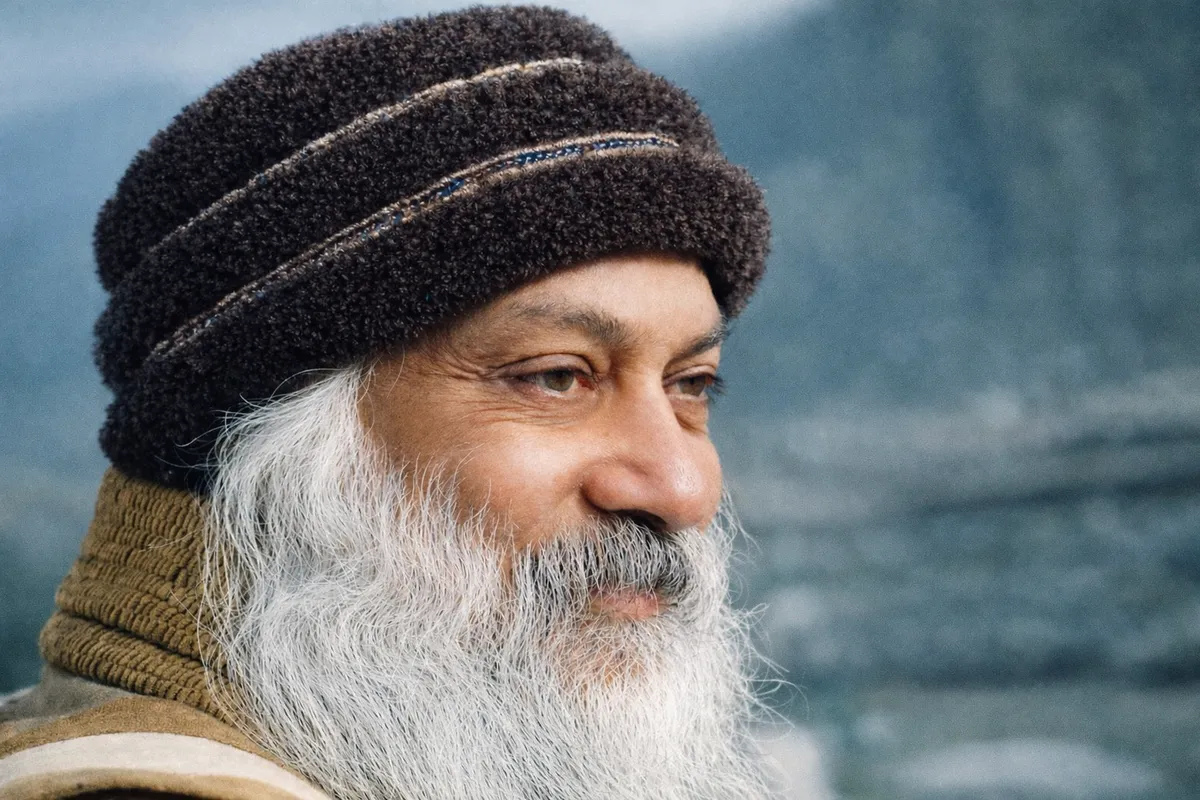
Osho's original Hindi beside Osho Live's English translation, matched passage by passage.
अंधियारे बीजा करते हैं
गीली माटी में पीड़ाएं
पोर-पोर फटती देखूं मैं
केवल इतना सा उजियारा
मेरी आंखों में रहने दो
सूरज सुर्ख बताने वालो!
सूरजमुखी दिखाने वालो!!
अर्थ नहीं होता है कोई,
अथ से ही टूटी भाषा का
तार-तार कर सकूं मौन को,
केवल इतना शोर सुबह का
भरने दो मुझको सांसों में
स्वर की हदें बांधने वालो!
पहरेदार बिठाने वालो!!
गलियारों से चौराहों तक
सफर नहीं होता है कोई
अपना ही आकाश बुनूं मैं
केवल इतनी सी तलाश ही
भरने दो मुझको पांखों में
मेरी दिशा बांधने वालो!
दूरी मुझे बताने वालो!!
मनुष्य पैदा तो होता है विराट की संभावना लेकर, लेकिन रह जाता है क्षुद्र। होता तो है पैदा सागर बनने को और बन नहीं पाता बूंद भी। यही पीड़ा है, यही संताप है; यही दुख है। मनुष्य के जीवन का यही नरक है।
बीज तो हम लेकर आते हैं कि कमल खिलें, आकाश भर जाए उनकी सुवास से; लेकिन बस बीज ही रह जाते हैं। अंकुर ही नहीं फूटता कभी; फूल तो बहुत दूर, बहुत दूर! समाज, राज्य, परंपराएं, रूढ़ियां ऐसे जकड़े हैं आदमी को कि जब तक अथक चेष्टा न हो मुक्त हो जाने की, प्रज्वलित अभीप्सा न हो सब सीमाओं को तोड़ कर पार उड़ जाने की--तब तक यह सागर होने की बात सपना ही रहती है।
Darkness keeps sowing seeds Pains smolder in the wet earth I watch the skin crack, pore by pore Only this little glimmer let it stay in my eyes You who proclaim the sun as scarlet! You who parade the sunflowers!! There is no meaning, none at all, of this language broken right from “Aum” so that I may tear silence to shreds— only this little clamor of dawn let me breathe it into my breath You who fence in the range of voice! You who post guards at the gates!! From corridors to crossroads there is no real journey Let me weave my own sky only this much is my seeking let me fill wings into my ribs You who tie up my direction! You who measure me the distance!!
Man is born with the vast as his potential—yet he remains petty. He is born to become an ocean, and cannot even become a drop. This is the ache, the anguish—this is the sorrow. This is the hell of human life.
We arrive carrying seeds—seeds of lotus, that the sky might be filled with their fragrance; and yet we remain seeds. The sprout never breaks open; the flower—very far, very far! Society, the state, traditions, rigidities bind man in such a way that unless there is tireless effort to be free, a flaming longing to break all bounds and soar beyond—until then, this becoming-an-ocean remains a mere dream.
और इतना ध्यान रहे, जब तक सागर न हो जाओगे तब तक कोई संतृप्ति नहीं। तृप्ति का एक ही अर्थ होता है: हम वही हो जाएं जो हम होने को पैदा हुए हैं।
And remember well: until you become an ocean there is no fulfillment. Fulfillment has only one meaning—to become what you were born to be.
मनुष्य परमात्मा का बीज है। और सब तरफ से उस पर बाधाएं हैं। सब तरफ से चेष्टा है कि बीज कहीं टूट न जाए, क्योंकि न्यस्त स्वार्थों को बड़ा भय है। तुम अगर परमात्मा होने लगो तो फिर तुम्हें गुलाम नहीं बनाया जा सकता, न तुम्हारा शोषण किया जा सकता, न तुम्हें मूढ़तापूर्ण कृत्यों में संलग्न किया जा सकता, फिर तुम्हें हिंदू, मुसलमान, ईसाई नहीं बनाया जा सकता। फिर तुम्हें भारतीय, पाकिस्तानी और चीनी नहीं बनाया जा सकता। परमात्मा पर ये कोई विशेषण नहीं लगेंगे।
Man is the seed of Paramatma. And on every side there are hindrances. Every side conspires that the seed not break, for vested interests are afraid. If you begin to become divine, you can no longer be enslaved, nor exploited, nor engaged in foolish acts; you can no longer be labeled Hindu, Muslim, Christian; nor Indian, Pakistani, Chinese. No adjective clings to Paramatma.
इसलिए तथाकथित समाज, समाज के ठेकेदार तुम्हें हर तरफ से बांध देते हैं--बचपन से ही बांधना शुरू कर देते हैं। तुम्हारे चारों तरफ ऐसा जाल बुन देते हैं कि तुम्हें याद भी नहीं रहती इस बात की कि तुम एक जाल में फंसे हुए चल रहे हो, कि तुम एक ऐसी मछली हो जो जन्म से ही जाल में फंसी है और जाल को ही जिसने अपना जीवन समझ लिया है।
Hence the so-called society, its custodians, bind you from every side—beginning from childhood. They weave such a net around you that you don’t even remember you are walking trapped in a net; that you are a fish caught from birth, who has started to take the net itself as life.
गलियारों से चौराहों तक
सफर नहीं होता है कोई
अपना ही आकाश बुनूं मैं
केवल इतनी सी तलाश ही
भरने दो मुझको पांखों में
मेरी दिशा बांधने वालो!
From corridors to crossroads there is no real journey Let me weave my own sky only this much is my seeking let me fill wings into my ribs You who tie up my direction! You who measure me the distance!!
दूरी मुझे बताने वालो!!
पंडित हैं, पुजारी हैं, पुरोहित हैं, राजनेता हैं--वे सब कहते हैं परमात्मा बहुत दूर है; इतने दूर कि तुम पा न सकोगे, जनम-जनम लग जाएंगे। कुछ तो हैं यह कहने वाले भी कि परमात्मा है ही नहीं, पाने का सवाल ही नहीं उठता। कुछ हैं जो उसे इतना दूर बताते हैं कि वह न होने के बराबर हो जाता है। मगर उन सब की चेष्टा यही है कि तुम्हारे मन में यह बात घनीभूत हो जाए कि तुम जो हो बस इतना ही बहुत है; इससे ज्यादा होने की कोई आशा नहीं है।
There are pundits, priests, ritualists, politicians—all saying: Paramatma is very far, so far you cannot attain him; it will take births upon births. There are some who say: there is no God at all, so the question of attaining does not arise. Some push him so far that he becomes equal to non-being. But all seek to solidify in your mind that what you are is plenty enough—no hope to be more.
अंधियारे बीजा करते हैं
गीली माटी में पीड़ाएं
पोर-पोर फटती देखूं मैं
केवल इतना सा उजियारा
मेरी आंखों में रहने दो
सूरज सुर्ख बताने वालो!
Darkness keeps sowing seeds Pains smolder in the wet earth I watch the skin crack, pore by pore Only this little glimmer let it stay in my eyes You who proclaim the sun as scarlet! You who parade the sunflowers!!
सूरजमुखी दिखाने वालो!!
दूर के सूरज की बातें होती हैं; लेकिन तुम्हारी आंखों में जरा-सी भी प्रकाश की संभावना दिखाई पड़े, तत्क्षण नष्ट कर दी जाती है।
They speak of a distant sun; but if in your eyes even a faint possibility of light appears, it is instantly extinguished.
अर्थ नहीं होता है कोई
अथ से ही टूटी भाषा का
तार-तार कर सकूं मौन को
केवल इतना शोर सुबह का
भरने दो मुझको सांसों में
स्वर की हदें बांधने वालो!
There is no meaning, none at all of this language broken right from “Aum” so that I may tear silence to shreds— only this little clamor of dawn let me breathe it into my breath You who fence in the range of voice! You who post guards at the gates!!
पहरेदार बिठाने वालो!!
लेकिन तुम्हारे स्वरों पर सब तरफ से पाबंदी है। तुम वही बोलने के लिए स्वतंत्र नहीं हो जो तुम्हारी अंतरात्मा बोलना चाहती है। तुमसे वही बुलवाया जाता है जो समाज के न्यस्त स्वार्थ चाहते हैं कि तुम बोलो। तुम्हें वही दिखाया जाता है जो उनके हित में है कि तुम देखो। सत्य से तुम वंचित रहो, इसका पूरा आयोजन है।
Your tones are shackled from all sides. You are not free to speak what your inner soul wishes to utter. You are made to utter what the vested interests of society want you to say. You are shown only what serves their profit that you should see. You are kept deprived of truth; a whole arrangement ensures it.
इसलिए चमत्कार है कि कभी-कभी कोई एक व्यक्ति, कोई कबीर, कोई रैदास, कोई फरीद--छूट भागता है तुम्हारे जाल से! खोल लेता है आंखें, भर लेता है सारे आकाश को अपनी अंतरात्मा में! छेड़ देता है अपने हृदय की वीणा को! गा उठता है गीत जो गाने को पैदा हुआ था! छोड़नी ही पड़ेंगी सीमाएं। ये जो पहरेदार बिठाए हैं, इनसे मुक्त होना ही पड़ेगा।
Therefore it is a miracle that once in a while someone—some Kabir, some Raidas, some Farid—slips free of your net! He opens his eyes, he fills his inner sky with the whole sky! He plucks at the veena-strings of his heart! He breaks into the song for which he was born! The limits must be dropped. These guards you’ve posted must be left behind.
तू खुद रहबर है, खुद बांगे-जरस है, खुद ही मंजिल है
मुसाफिर! फिर यह तकलीदे-अमीरे-कारवां कब तक
कब तक तुम दूसरों के पीछे चलते रहोगे?
मुसाफिर! फिर यह तकलीदे-अमीरे-कारवां कब तक
यह कारवां को राह दिखाने वाले लोगों के पीछे तुम कब तक चलते रहोगे? इन्हें खुद भी पता नहीं ये कहां जा रहे हैं। इनकी आंखों में झांको, कोई दीये वहां जलते हुए नहीं। इनके प्राणों में तलाशो, कोई गंध वहां उठती हुई नहीं, कोई सुगंध नहीं। ये खुद ही नहीं खिले। इनके आश्र्वासनों में मत पड़ो। ये आश्र्वासन देने में कुशल हैं।
You yourself are the guide, yourself the bugle of departure, yourself the destination— O traveler! Then how long this taqlid-e-amir-e-karavan? How long will you walk behind others? O traveler! How long this taqlid-e-amir-e-karavan! How long will you follow those who claim to lead the caravan? They themselves don’t know where they go. Look into their eyes—no lamps burn there. Seek in their life-breath—no fragrance arising, none at all. They themselves have not bloomed. Don’t be caught in their promises. They are adept only in promising.
तू खुद रहबर है...
तुम खुद अपने मार्गदर्शक हो।
...खुद बांगे-जरस है, खुद ही मंजिल है
मुसाफिर! फिर यह तकलीदे-अमीरे-कारवां कब तक
कब तक तुम दूसरों की मान कर जीते रहोगे? मुक्त करो अपने को सारे जंजालों से, रूढ़ियों से, लकीरों से!
You yourself are the guide… You yourself are the bugle of going forth, you yourself the destination. O traveler! How long this taqlid-e-amir-e-karavan! How long will you live by others’ dictates? Free yourself from the whole tangle—traditions and tracks!
वो अपने हर कदम पर है कामयाबे-मंजिल
आजाद हो चुका जो तकलीदे-कारवां से
Successful at every step is he who is freed from the imitation of the caravan.
केवल वे ही थोड़े से व्यक्ति इस जगत में अपनी मंजिल पाने में समर्थ हुए हैं, यात्रीदल के अंधे अनुकरण से जो मुक्त हो गए हैं।
Only those few in this world have reached their destination who broke free of the blind conformity of the troupe.
वो अपने हर कदम पर है कामयाबे-मंजिल
और ऐसा भी नहीं है कि मंजिल दूर है; हर कदम पर मंजिल है।
वो अपने हर कदम पर है कामयाबे-मंजिल
आजाद हो चुका जो तकलीदे-कारवां से
Successful at every step is he… And it is not that the destination is far; the destination is at every step.
Successful at every step is he who is freed from the imitation of the caravan.
Who is freed from society’s rigidities, blindnesses, superstitions—such a one surely becomes capable of arriving. These fakirs are revolutionaries. In their words are embers, sparks. If only you would let them fall into your life-breath—you too would flare up, you too would blaze! Otherwise life will pass as it is. Morning will come, evening will fall, and swinging between morning and evening, life will be spent.
समाज की रूढ़ियों, अंधेपन, अंधविश्र्वासों से जो मुक्त हो चुका है, वह निश्र्चित ही मंजिल पाने को समर्थ हो जाता है। ये सारे फकीर क्रांतिकारी हैं। इनके शब्दों में अंगारे हैं, चिनगारियां हैं। काश, तुम पड़ जाने दो अपने प्राणों में तो तुम भी भभक उठो, तुम भी धधक उठो! नहीं तो तुम्हारी जिंदगी यूं ही बीत जाएगी। सुबह होगी, सांझ होगी, और यूं ही बस सुबह और सांझ के बीच डोलते-डोलते जिंदगी तमाम होगी।
हाथों से छूट गई
सपनों की डोर
संभावित प्रश्र्नों में
डूब गया भोर।
The string of dreams slipped from my hands Dawn drowned in possible questions. From the fog who knows when the essence will emerge? What will come of piling argument upon argument? The mindless clamor of aged conjectures— Dawn drowned in possible questions.
कुहरे से निकलेगा
जाने कब अर्क
क्या होगा करने से
तर्कों पर तर्क
बूढ़े अनुमानों का
बेमतलब शोर
संभावित प्रश्र्नों में
डूब गया भोर।
प्राची में फैल-फैल
रंग हुए व्यर्थ
अनिमंत्रित शब्दों
को दे डाले अर्थ
बीत गया शर्त बिना
Across the orient the colors spread in vain. Uninvited words were given meanings— Another watch passed without a wager— Dawn drowned in possible questions.
एक याम और
संभावित प्रश्र्नों में
डूब गया भोर।
धीरे से सरक गई
आंगन में धूप
परिचय की टहनी पर
खिल आया रूप
टूटे संदर्भों के
जुड़ आएं छोर
Quietly the sun slid into the courtyard— On the twig of recognition, a form blossomed. The torn ends of broken contexts were joined— Dawn drowned in possible questions.
संभावित प्रश्र्नों
में डूब गया भोर।
जीवन की प्रभात व्यर्थ के प्रश्र्नों में बीत जाती है। आधी जिंदगी यूं ही व्यर्थ के तर्क, व्यर्थ के विचारों, व्यर्थ की आकांक्षाओं-अभिलाषाओं में बीत जाती है। और बाकी शेष जिंदगी--पछताने में। ऐसे चार दिन की जिंदगी: दो दिन बीत जाते हैं व्यर्थ के उपक्रमों में--धन, पद, प्रतिष्ठा, अहंकार; बचे दो दिन बीत जाते हैं पश्र्चात्ताप में कि यह मैंने क्या किया! यह क्या कर लिया मैंने! यह कैसा आत्मघात कर लिया! यह कैसे अपने को बरबाद कर लिया! और अब मौत द्वार पर दस्तक देने लगी।
The morning of life gets spent in futile questions. Half of life goes in useless argument, useless thinking, useless ambitions and desires. The remainder—in repentance. Such a four-day life: two days go to empty enterprises—money, position, prestige, ego; the other two pass in remorse—what have I done! What did I make of myself! What self-destruction! And now death begins knocking at the door.
और चार दिन की जिंदगी है, बड़ी छोटी जिंदगी है! लेकिन यह छोटी जिंदगी बहुत बड़ी जिंदगी का द्वार बन सकती थी--द्वार तो छोटे ही होते हैं! इन छोटी सी जिंदगियों को मंदिर का द्वार बनाया जा सकता था, जहां विराट से मिलन हो जाए। मगर द्वार के बाहर ही कंकड़-पत्थर बीनते रहोगे! द्वार के बाहर ही व्यर्थ की बातों में उलझे रहोगे!
It is a life of four days—very short! Yet this short life could become a gateway to the great—gateways are small! This little life could have been made a temple-door where meeting with the vast happens. But you go on gathering pebbles outside the door! You keep entangling yourself in trivialities just outside the threshold!
कांटों-सी उलझन में
पतझड़-से रूखे में
एक सांझ बीती थी
एक और बीत गई।
In thorn-like tangles, under autumn-rough skies— one evening had faded, another faded again.
रोज एक दिन बीत रहा है। हाथ से जीवन-ऊर्जा सरकती जाती है, सरकती जाती है। जल्दी ही पाओगे, हाथ में कुछ भी नहीं बचा। फिर बहुत पछतावा होता है। लेकिन समय बीत जाने पर पछताने से भी क्या होगा? फिर रोना भी व्यर्थ है। समय पर रोओ भी तो आंसू मोती बन जाते हैं। असमय में हंसो भी तो हंसी भी आंसू का काम नहीं कर पाती; हंसी भी मोती नहीं बन पाती। और हंसना तो दूर, अंत में सिर्फ पछतावा रह जाता है--आंखें गीली और उदास!
Each day is fading. Life-energy slips from the hand, keeps slipping. Soon you will find nothing left in your palm. Then much regret—yet when time is gone, what will regret do? To weep then is futile. Weep in time and the tears become pearls. Laugh out of season and even laughter cannot do the work of tears; laughter cannot become pearls. And far from laughter—only regret remains in the end—eyes wet and desolate!
कांटों-सी उलझन में
पतझड़-से रूखे में
एक सांझ बीती थी
एक और बीत गई।
पानी में लहरों का
तंद्रिल ठहराव है
पेड़ों में फूलों के
In thorn-like tangles, under autumn-rough skies— one evening had faded, another faded again.
उभरे ये घाव हैं
सिहर उठे पीपल के
पात डाल-डाल पर
दर्द-गंध बांटती
हवाएं सब रीत गईं।
मकड़ी के जाले-सा
On water—a drowsy stillness of ripples— on trees—the flowers showed their wounds. Leaves of the pipal shivered on every bough— The wind that shared the scent of pain ran dry.
मन में उलझाव है
बोझिल है अपनापन
बौने-से पांव हैं
छायाएं रेंग रहीं
पगडंडी-पगडंडी
मुरझाई चाहें थीं,
एक और पीत हुई।
मन का सब भारीपन
सूने में खो गया
Like a spider’s web, the mind entangled— Even closeness grew heavy— Little dwarf-feet trudged— Shadows crawled lane to lane— Withered desires yellowed one more time.
दूजा क्षण कल की सब
चिंताएं बो गया
लुढ़क रही सांसों की
पटरी पर जिंदगी
आधी हो तिक्त चुकी
आधी भी तिक्त हुई।
The heaviness of mind dissolved into emptiness. The next second sowed all of yesterday’s anxieties. Life rolls on the rails of breath— Half already turned bitter, the other half turning bitter still.
ऐसे ही तिक्त होओगे, ऐसे ही रिक्त होओगे! जब तक प्रभु को न पुकारो, खाली आए, खाली जाओगे। खाली आए थे कि भर कर जा सको। इसीलिए खाली आता है आदमी, ताकि इस जीवन को फूलों से भर ले। मगर बहुत कम लोग भर कर जाते हैं। जो भर कर जाते हैं बस वही जीए। उन्होंने ही जीवन के उत्सव में संपदा बटोरी।
Thus you will turn bitter, thus empty! Until you call to the Lord, you will come empty and go empty. You came empty so that you might go filled. Man comes empty in order to fill this life with flowers. Few go filled. Only those who go filled have lived. They alone gathered wealth from life’s celebration.
समय रहते सम्हल जाओ। अभी समय है, सम्हला जा सकता है। रैदास के ये सूत्र जागरण का काम कर सकते हैं। सोयों को तो जगा ही सकते हैं; जिनको भ्रांति है जागे होने की, उनको भी जगा सकते हैं।
Wake up while there is time. There is still time; you can wake. These sutras of Raidas can work as an awakening. They can wake the sleeping; they can wake even those deluded that they are awake.
उनको तो जगाया सोते थे जो राह में ऐ फरियादे-जरस
जो चलते-चलते सोते हैं उनको भी जगाना आता है
They wake those sleeping along the path, O trumpet of departure! Those who sleep while walking—they too are known how to be awakened.
संतों का एक ही संदेश है--जागों को कैसे जगाओ? जागे हुए नहीं हैं; भ्रांति है जागने की। मगर सोए को जगाना आसान है, क्योंकि वह मानता है मैं सोया हुआ हूं। और जो सोया है और सपना देख रहा है कि मैं जागा हुआ हूं, उसको जगाना बहुत मुश्किल है। इसलिए पंडितों को जगाना बहुत मुश्किल है, तथाकथित ज्ञानियों को जगाना बहुत मुश्किल है। अज्ञानी तो जागना चाहता है, क्योंकि अज्ञान पीड़ा देता है और ज्ञान अहंकार को तृप्ति देता है।
The saints have one message—how to wake the awakened? They are not awake; they are in the delusion of wakefulness. Yet it is easy to wake one who knows he sleeps, for he accepts it. But to wake one who is asleep and dreaming that he is awake is very difficult. Thus it is hardest to wake the pundits, the so-called knowers. The ignorant wants to wake, for ignorance hurts; knowledge gratifies the ego.
इस जगत में पूरी व्यवस्था है तुम्हें पंडित बनाने की। स्कूल हैं, कालेज हैं, युनिवर्सिटीज हैं; वेद हैं, कुरान हैं, बाइबिलें हैं; सारा आयोजन है कि तुम पंडित हो जाओ। इसके पहले कि तुम्हें परमात्मा का कोई स्वाद लगे परमात्मा के संबंध में इतनी बकवास तुम्हें याद हो जाती है कि फिर स्वाद लगने का उपाय ही नहीं रह जाता।
This world has an entire arrangement to make you a pundit. Schools, colleges, universities; Vedas, Quran, Bibles—a whole apparatus to make you learned. Before you can taste even a drop of God, so much nonsense is stuffed into you about God that the very way of tasting is lost.
ये सूत्र किसी पंडित के सूत्र नहीं हैं। पंडित सूत्र दे भी नहीं सकते। उनके वक्तव्य थोथे होते हैं। रैदास जैसे व्यक्ति सूत्र देते हैं। सूत्र का अर्थ होता है: सार-संक्षिप्त, निचोड़, इत्र।
These sutras are not the pundit’s. The pundit cannot give sutras; his statements are hollow. One like Raidas gives sutras. Sutra means the quintessence—compressed, distilled, attar.
अब कैसे छूटै नामरट लागी।
Ab kaise chutai nam-rat lagi.
एक तरफ हैं लोग जो पूछते हैं कि राम को कैसे जपें। एक तरफ हैं लोग जो पूछते हैं--भजन कैसे हो? ध्यान कैसे हो? कीर्तन कैसे हो? पूजा कैसे? अर्चना कैसे? और रैदास कहते हैं: हमारी मुसीबत दूसरी ही है। हमारी मुसीबत यह है कि अब कैसे छूटै नामरट लागी! अब छुड़ाए नहीं छूटती। ऐसा रंग चढ़ता है कि अब हम चाहें भी कि बंद हो जाए तो बंद नहीं होती।
On one side are those who ask: how to chant the Name? how to do bhajan? how to meditate? how to sing kirtan? how to worship? how to offer? And Raidas says: my trouble is quite different. Mine is: now how can it ever stop! The Name has gripped me. Even if I want it to cease for a while, it will not cease.
जमेरे एक शिक्षक थे, युनिवर्सिटी में दर्शनशास्त्र के अध्यापक थे, प्यारे आदमी थे, बूढ़े आदमी थे! दार्शनिक थे, सो स्वभावतः झक्की थे। वर्षों तक उनकी कक्षा में कोई विद्यार्थी भरती नहीं होता था, क्योंकि उनके झक्कीपन से लोग राजी नहीं हो पाते थे। कोई तीन वर्षों से कोई विद्यार्थी नहीं था। जब मैं उनकी कक्षा में भरती हुआ तो उन्होंने मुझसे कहा कि तुम भी झक्की हो क्या? मेरी कक्षा में लोग भरती नहीं होते। मैं तुम्हें अपनी शर्तें पहले बता देता हूं। मेरी पहली शर्त तो यह है कि मैं बोलना तो शुरू करता हूं जब घंटा बजता है, लेकिन खतम घंटा जब बजता है तब नहीं करता। कर ही नहीं सकता, जब तक कि मेरा हृदय पूरा न उंड़ेल दूं। तो कभी दो घंटे बोलता हूं, कभी तीन घंटे, कभी चार घंटे, कभी पांच घंटे। तुम्हें बीच में उठ कर जाना हो, तुम चुपचाप जा सकते हो, पूछने की जरूरत नहीं है। तुम्हें प्यास लगे, पानी पी आना, लौट आना। मैं बोलना जारी रखूंगा; तुम नहीं रहोगे तब भी जारी रखूंगा।
I had a teacher in the university—a philosopher, old, a lovable man—and, as philosophers are, a bit eccentric. For years no student would enroll in his class; they couldn’t adjust to his eccentricity. Three years had passed without a single student. When I enrolled, he asked me: are you eccentric too? People don’t enroll in my class. Let me tell you my conditions. My first condition: I do begin when the bell rings, but when the closing bell rings, I do not end—I cannot, not until I have poured out my heart. So sometimes two hours, sometimes three, sometimes four or five. If you need to leave, slip out quietly—no need to ask. If you’re thirsty, go drink, return. I will go on speaking; even if you’re not there, I will go on.
मुझे भरोसा न आया कि बिना मेरे मौजूद रहे वे कैसे बोलते रहेंगे! पहले ही दिन मैंने सिर्फ प्रयोग के लिए देखा। कोई घंटे भर बाद मैं उठ कर बाहर चला गया, खिड़की के पास खड़ा रहा, वे बोले चले जा रहे थे। बाद में मैंने उनसे पूछा कि इसका राज? जब कोई सुनने वाला नहीं तब भी आप बोल रहे हैं!
I did not believe him. The first day I tested him. After about an hour I slipped out, stood by the window—he went on speaking. Later I asked: what’s the secret? No one was listening and yet you went on!
उन्होंने कहा: मैं जो बोल रहा हूं उसमें मुझे ही सुनने में इतना रस आता है कि उसे मैं रोकूं तो रोकूं कैसे! मैं उनकी कक्षा में सो जाता, क्योंकि कभी चार घंटे...मगर वे बोलना जारी रखते। धीरे-धीरे उनका मुझसे प्रेम हो गया, गहरा प्रेम हो गया। मैंने उनसे कहा कि आप भी नाराज न होना, मेरी भी शर्त है। असल में रोज मुझे दोपहर में सोने की आदत है। जब मेरा सोने का समय हो जाएगा तो मैं सो जाऊंगा, आप बोलना जारी रखना, मगर जरा आहिस्ता और धीमे, मेरी नींद न टूटे।
He said: what I speak gives me such delight in listening that how can I stop! In his class I would sometimes fall asleep—four hours is much—but he continued. Slowly he loved me deeply. I told him: don’t be angry; I have a condition too. I must sleep in the afternoon daily. When my sleep-time arrives, I will sleep. You keep speaking—just a bit softly so my sleep is not disturbed.
उन्होंने कहा: यह बात ठीक। तुम अगर मेरी शर्त मानते हो, मैं तुम्हारी शर्त मानूंगा। और उन्होंने निभाया। फिर तो उनसे मेरा लगाव बहुत हो गया। झक्की झक्की मिल गए! तो उन्होंने कहा: क्या हॉस्टल में तुम रहते हो! मैं भी अकेला हूं--उन्होंने कभी शादी तो की नहीं थी--और बड़ा बंगला है मेरे पास, तुम वहीं रहो।
मैंने कहा: जैसी मर्जी। मैं आपके बंगले में आ जाता हूं।
He said: agreed. You keep my condition; I’ll keep yours. And he did. Then our bond grew deep—two eccentrics found each other! He said: do you live in the hostel? I live alone—never married—and I have a large bungalow. You should live with me.
वे एक दिन आए, अपनी गाड़ी में मेरा सब सामान इत्यादि लेकर मुझे अपने बंगले ले गए। बंगले जाकर उन्होंने कहा कि एक बात तुम्हें बता दूं, मुझे रात रोज दो बजे उठ कर गिटार बजाने की आदत है। अब तक तो मेरे साथ कोई रहा नहीं, इसलिए कुछ किसी से कहने का सवाल नहीं था। यह बंगला भी मैंने युनिवर्सिटी से इतनी दूर लिया हुआ है कि ताकि किसी पड़ोसी को कोई झंझट न हो। अब तुम यहां रहोगे तो दो बजे रात से मैं गिटार बजाऊंगा।
I went. When we arrived he said: one thing—every night I get up at two to play guitar. Till now no one lived with me, so there was no need to tell. I chose a bungalow far from the university so neighbours won’t be troubled. Now you’ll live here, but at two I will play guitar.
मैंने कहा: देखेंगे, आप बजाएं। वे ठीक दो बजे उठ आते और गिटार बजाते--इलेक्ट्रिक गिटार--कि सोना मुश्किल हो जाए। मैंने दूसरे दिन उनसे कहा कि मैं भी आपको अपनी आदत बता दूं कि रोज शाम सात बजे से दो बजे तक मुझे जोर-जोर से पढ़ने की आदत है। उन्होंने कहा: इसमें तो बड़ी मुश्किल हो जाएगी, क्योंकि मैं दो बजे तक सोता हूं और दो बजे उठ कर गिटार बजाता हूं। मैंने कहा: वह आपकी मर्जी।
मैं ठीक उनके बगल के कमरे में बैठ कर इतने जोर-जोर से पढ़ा कि दो बजे उन्होंने मुझसे कहा कि अच्छा ऐसा करो, समझौता कर लेते हैं, न हम गिटार बजाएंगे, न तुम इतने जोर से पढ़ो। ताकि दोनों सो सकें।
I said: let’s see. He rose at two sharp and played—an electric guitar—sleep impossible. Next day I told him my habit too: from seven in the evening till two I read aloud—very loud. He said: that’s trouble, because I sleep till two and then get up to play guitar. I said: as you wish. I read so loud in the next room that at two he said: all right, let’s compromise—neither will I play guitar, nor will you read so loud—so both of us can sleep.
मगर वे आदमी प्यारे थे और उनकी यह बात मुझे बहुत प्यारी लगी कि जब मैं बोलना शुरू कर देता हूं तो मैं भूल ही जाता हूं कि सुनने वाला कोई है या नहीं! फिर मेरे भीतर से एक अंतर-धारा शुरू हो जाती है!
He was a dear man. And I loved one thing in him: when I begin to speak I forget whether anyone listens or not—an undercurrent starts flowing within!
उनमें कुछ संतों का था; वे सिर्फ पंडित नहीं थे, सिर्फ अध्यापक नहीं थे। कुछ जीया था, कुछ जाना था, कुछ अनुभव किया था। जितने दिन उनके करीब रहा उतनी ही यह बात साफ होती चली गई।
There was something of the saint in him; he was not only a pundit or a professor. Something lived, something known, some experience happened. The more I stayed near him, the clearer it became.
रैदास कहते हैं:
अब कैसे छूटै नामरट लागी।
Raidas says: Ab kaise chutai nam-rat lagi.
किसी ने पूछा होगा रैदास से कि राम को कैसे जपें? कैसे स्मरण करें? करते हैं, छूट-छूट जाता है। एकाध-दो क्षण को याद रहती है, फिर भूल जाती है। हाथ में माला चलती रहती है यंत्रवत और मन कहीं का कहीं चला जाता है। उसके ही उत्तर में कहा होगा कि तेरी यह मुश्किल, मेरी यह मुश्किल!
Someone must have asked: how to chant Ram? how to remember? I try, but it slips away. For a moment or two I remember; then forget. The rosary turns mechanically in the hand, the mind wanders. In answer Raidas says: your trouble is yours; mine is this—now how can the Name ever leave me!
अब कैसे छूटै नामरट लागी।
मैं तो छुड़ाना चाहता हूं कभी-कभी कि कभी तो फुरसत हो, मगर छूटती नहीं। मैं अगर न भी बोलूं तो भी गूंजती रहती है।
Even if I don’t speak it, it resounds.
मंत्र-विज्ञान की चार सीढ़ियां हैं। पहली सीढ़ी--जहां अधिक लोग रुक जाते हैं--वह है ओंठ से मंत्र-उच्चार; राम-राम-राम, या कोई भी मंत्र, अल्लाह-अल्लाह या जो तुम्हारी मर्जी, जो तुम्हें प्रीतिकर लगे। अपना नाम भी!
Mantra-science has four steps. The first—where most remain—is utterance by the lips: Ram, Ram, Ram, or any mantra—Allah, Allah—whatever you love, even your own name.
महाकवि हुआ अंग्रेजी का, टेनिसन। उसने अपने संस्मरणों में लिखा है कि मुझे बचपन से ही न मालूम--अब तो मुझे याद भी नहीं कि यह कैसे हो गया--रात मुझे डर लगता था और मां मुझे मेरे कमरे में अकेला छोड़ देती। जैसा यूरोप में रिवाज है कि बच्चों को अकेला सुलाया जाए, ताकि उनकी हिम्मत बढ़े। बचपन से ही अंधेरा, अकेलापन, इसकी उन्हें आदत हो, ताकि जिंदगी में कायरता न रहे। तो मां मुझे अकेला छोड़ देती, मुझे कुछ न सूझता कि मैं क्या करूं, तो मैं जोर-जोर से अपना नाम रटता था--टेनिसन, टेनिसन। उसमें मुझे ऐसा लगता जैसे कोई मुझे पुकार रहा है--दो हैं, एक नहीं।
The great English poet Tennyson writes in his memoirs: from childhood—how it began I don’t even recall—at night I was scared and my mother would leave me alone in my room, as is the European custom, to make children courageous. In the dark and alone I found nothing better than to chant my own name aloud—Tennyson, Tennyson. It felt as if someone were calling me—two, not one.
अक्सर तुम भी करते हो, अंधेरी गली हो, कुछ हो, तो सीटी बजाने लगे कि फिल्मी गाना गाने लगे। फिल्मी गाने की आवाज सुन कर तुम यह भूल जाते हो कि अंधेरा है, अकेले हो, गली है। सीटी बजा कर खुद को ही बल आ जाता है, खुद ही बजा रहे हो सीटी, मगर खुद को ही ऐसा लगता है ताकत आ गई।
You do it too—walking a dark alley, you whistle or sing a film song. Hearing your own sound you forget the darkness, the loneliness. The whistle gives you courage—you yourself whistle, yet you feel empowered.
ऐसे टेनिसन अपना ही नाम लेता था। मगर उसे एक राज हाथ लग गया। बहुत देर तक अपना ही नाम लेते-लेते धुन बंध जाती। ऐसी धुन बंधती, उसे ऐसी मस्ती छा जाती कि फिर भय का तो सवाल ही न रहा, उसे मंत्र हाथ लग गया--अनायास, आकस्मिक! इसे उसने जिंदगी भर उपयोग किया। वह कहता है, अब तो कभी जब भी मुझे एकांत मिल जाता है, बस अपना ही नाम दोहराने लगता हूं। बस पांच-सात मिनट दोहराने के बाद किसी और लोक में प्रवेश हो जाता है। और जो मैंने जीवन में जाना है--जो भी आनंद, जो भी शांति, जो भी सुख--वह उन्हीं क्षणों में जाना है, जब मैं तन्मय हो गया।
Thus Tennyson took his own name. But a secret fell into his hands. Repeating long, a rhythm set in, a intoxication descended—and fear vanished. He had found a mantra, unawares. He used it all his life. Whenever he found solitude, he repeated his name; within five to seven minutes he entered another realm. Whatever joy, peace, bliss I have known, he says, I knew in those moments of total absorption.
पहला मंत्र का कदम है: ओंठों से उच्चार। मगर ओंठ पर ही रह जाए मंत्र, तो व्यर्थ हो गया। जैसे कोई पहली ही सीढ़ी पर चढ़े और बैठा रह जाए, तो मंदिर कहां? सीढ़ी मंदिर नहीं है। यद्यपि बिना सीढ़ी के भी मंदिर नहीं है, मगर सीढ़ी मंदिर नहीं है, सीढ़ी के पार जाना होगा।
The first step is on the lips. But if it remains only on the lips, it is futile—as one climbs the first stair and sits there. The stair is not the temple. Without stairs you cannot reach, but the stairs are not the temple—beyond them you must go.
फिर दूसरा कदम है: उच्चार हो कंठ में, ओंठ तक न आए। ओंठ तो हिलें भी नहीं, मगर कंठ तन्मय हो जाए। कुछ लोग दूसरे कदम पर रुक जाते हैं। दूसरे कदम पर भी रस आने लगता है। और जहां रस आया वहां खतरा है, क्योंकि रस आने लगता है तो लगता है: रुके रहो, रुके रहो! और पीओ, और पीओ! मगर गुरु उपलब्ध हो तो वह कहेगा--और आगे! जब यहां इतना रस मिल रहा है तो जरा और आगे! और रस है, रस के सागर हैं।
The second step: the utterance descends to the throat; the lips do not move. The throat becomes absorbed. Some stop at the second. There too juice begins to flow—and where juice flows there is danger. You feel: stay, drink more. But if a Guru is available he will urge: further! If here there is so much rasa, just imagine further—there are oceans of rasa.
तीसरा कदम है: कंठ से भी उच्चारण नहीं, सिर्फ हृदय में उच्चारण। सिर्फ हृदय में राम-राम का भाव।
The third step: not even the throat—only the heart intones. Only the bhava of Ram-Ram in the heart.
ये तीन स्थूल कदम हैं और चौथे कदम से द्वार शुरू होता है। चौथा कदम है: उच्चार भी नहीं! तुम्हारी तरफ से कोई प्रयास ही नहीं। उसी की बात कर रहे हैं रैदास।
These three are gross steps. With the fourth the doorway opens. The fourth: no utterance at all—no effort on your part. That is what Raidas speaks of.
अब कैसे छूटै रामरट लागी।
Ab kaise chutai nam-rat lagi.
तुम्हारी तरफ से कोई चेष्टा ही नहीं, प्रयास नहीं। तुम जप नहीं रहे हो, भजन नहीं कर रहे, कीर्तन नहीं कर रहे। तुम्हारे भीतर कीर्तन हो रहा है, नाम-जप हो रहा है! तुम बैठे हो, तुम साक्षी मात्र रह गए हो और भीतर कुछ हो रहा है--जो अपने से हो रहा है।
No effort of yours, no doing. You are not doing japa, bhajan, or kirtan. Within, kirtan is happening; the Name is being chanted. You sit, a mere witness—and within something goes on of its own accord.
शुरू में सुनोगे तो कठिनाई लगेगी कि अपने से कैसे होगा?
Early on you will ask: how can it happen by itself?
श्र्वास कैसे चल रही है अपने से? खून कैसे बह रहा है अपने से? तुम कोई बहा रहे हो? कि खून को कह रहे हो कि अब बाएं चलो, अब दाएं मुड़ो, अब हाथ आ गया, अब सिर आ गया, अब पैर आ गया! खून चौबीस घंटे चल रहा है। तुमने भोजन कर लिया, फिर कौन पचा रहा है? फिर भोजन अपने से पच रहा है। तुम श्र्वास ले रहे हो, सोच कर ले रहे हो? सोच कर लो तो बड़ी मुश्किल हो जाए। सोच कर लो तो दुनिया में आदमी मिलें ही नहीं। रात जरा नींद लग गई, भूल गए। रात भर श्वास न ली, सुबह खात्मा। किसी काम में उलझ गए, भूल गए। मन कहीं दूर विचारों में चला गया और भूल गए।
How does breath go on by itself? How does blood flow on its own? Are you directing it—now left, now right; now hand, now head, now foot? Blood flows twenty-four hours. You eat—who digests? Food digests by itself. Do you breathe thoughtfully? If you had to, there would be no one left alive. At night, sleep—and you forget. Involved in work—you forget.
नहीं, श्र्वास चल ही रही है। तुम मूर्च्छित भी होओ, तुम शराब पीकर सड़क के रास्ते के किनारे पड़े होओ, तो भी श्र्वास चल रही है। कोमा में जो लोग पड़ जाते हैं...। एक स्त्री को मैं देखने गया, वह नौ महीने से कोमा में थी। नौ महीने से उसे होश नहीं था, मगर श्र्वास चल रही थी।
Yet breath continues. Even if you are unconscious, drunk on the roadside—breath goes on. Those who fall into coma—one woman I visited—nine months in coma, no awareness at all; yet breathing continued.
तो श्र्वास को तुम नहीं चला रहे हो, न खून तुम चला रहे हो, न भोजन तुम पचा रहे हो। यह सब अपने से हो रहा है। ऐसे ही नामरट भी, नाम-जप भी अपने से होने लगता है। और जब स्वस्फूर्त होता है, तब उसका आनंद अपूर्व है। फिर तुम छुड़ाना भी चाहो तो नहीं छूट सकता। जैसे तुम अपनी श्र्वास बंद करना चाहो तो भी नहीं कर सकते; आएगी ही आएगी। भीतर रोकोगे तो बाहर जाएगी; बाहर रोकोगे तो भीतर आएगी। एकाध क्षण शायद तुम सफल भी हो जाओ, मगर बड़ी तकलीफ होगी। और फिर तुम्हें असमर्थ होकर हारना पड़ेगा।
So you do not run breath, nor blood, nor digestion. All happens by itself. In the same way, the Name begins to repeat itself. When it is spontaneous, its bliss is incomparable. Then even if you try to stop, you cannot—just as you cannot stop your breath. Hold it in and it forces out; hold out and it forces in. For a moment you may succeed—but with great pain—and finally you must surrender to it.
ऐसा ही चौथे चरण में प्रभु-स्मरण हो जाता है। उस चौथे चरण को ही संतों ने सुरति कहा है। तुम सिर्फ साक्षी मात्र रहते हो। तुम सिर्फ देखते रहते हो कि जो हो रहा है। फिर तुम हजार काम में लगे रहो, कोई फर्क नहीं पड़ता, भीतर एक अंतःधारा बहती रहती है, एक सतत स्मरण--शब्द-शून्य, वाणी से मुक्त, सिर्फ भाव!
Thus, in the fourth stage, remembrance of the Lord happens. The saints have called this fourth—surati. You remain only a witness—you just see whatever is happening. Then let a thousand works engage you, nothing changes; within a subterranean stream flows—a continuous remembrance—wordless, beyond speech—only bhava.
अब कैसे छूटै नामरट लागी।
Ab kaise chutai nam-rat lagi.
प्रभुजी तुम चंदन हम पानी।
रैदास कहते हैं: अब समझ में आना शुरू हुआ कि तुम चंदन हो और हम पानी हैं। जैसे पानी में चंदन डाल दो तो पानी के कण-कण में चंदन की बास समा जाती है।
Prabhuji, tum chandan, ham pani— Jaki ang-ang bas samani.
Raidas says: now I begin to understand—you are sandalwood, I am water. Place sandalwood in water and its fragrance pervades every particle of water.
जाकी अंग-अंग बास समानी।।
तुम मुझ में ऐसे समा गए हो जैसे चंदन की बास पानी में समा जाए। अब अलग करने का कोई उपाय नहीं।
Jaki ang-ang bas samani— You have entered me as sandal’s scent enters water. Now there is no way to separate.
जब परमात्मा को अलग करने का कोई उपाय न रह जाए, तभी समझना कि उसे पाया। जब तक अलग करने का उपाय हो, तब तक समझना कि पाया नहीं है, अभी सिर्फ कल्पना की है। क्योंकि कल्पना ही अलग की जा सकती है, परमात्मा अलग नहीं किया जा सकता।
When there remains no way to separate Paramatma, know you have found him. As long as separation is possible, know he is not found—only imagined. For imagination can be separated; Paramatma cannot.
प्यार के बस गीत लेकर क्या करूंगी
तुम मिलो तो यार आंखें चार भी हों
तुम मिलो तो जिंदगी रस में नहाए
अश्रु से धो आंख, फिर अंजन करूंगी
तुम छिपे हो यार जाने किस अतल में
मौन में डूबे प्रभो! ढूंढूं कहां मैं
What shall I do with mere songs of love? If you meet me, beloved, eyes will meet eyes. If you meet, life will bathe in rasa. I’ll wash my eyes with tears and then anoint them. Where are you hidden, my love, in what abyss? O Lord sunk in silence—where shall I seek you? You are in nectar and in poison, in fire and in flower— Come dwell in my heart and I will worship you. Become my thirst and enter my heart, beloved— Become my tears and enter my heart— Become a song dearer than breath and stir— Beloved, I will offer my life to you.
तुम सुधा में, गरल में, पावक-पुहुप में
आ बसो उर में, तेरी पूजा करूंगी
प्यास बन कर तू पिया उर में समा जा
अश्रु बन कर तू पिया उर में समा जा
गीत बन कर प्राण से प्यारे छिड़ो तुम
जिंदगी मेरे बलम अर्पित करूंगी
होता है ऐसा अपूर्व अनुभव भी--जब तुम्हारी श्र्वास-श्र्वास उसकी गंध से भर जाती है, उसकी सुगंध से भर जाती है।
Such a wonder can happen—when every breath is filled with his scent, his fragrance.
मंदिरों में सदियों से हमने चंदन को मूल्य दिया है; वह केवल प्रतीक है। और प्रतीक कभी-कभी इतने महत्वपूर्ण हो जाते हैं कि हम भूल ही जाते हैं किसके प्रतीक हैं। जैसे मील का पत्थर है, कोई उसी को पकड़ कर बैठ जाए कि आ गई मंजिल। मील का पत्थर मंजिल नहीं है। मील का पत्थर तो सिर्फ मंजिल की तरफ तीर है, एक इशारा है कि और आगे चले चलो। जिन्होंने पहली दफा चंदन को खोजा होगा और पूजा का अंग बनाया होगा, चंदन के तिलक और टीके को प्रतीक बनाया होगा, उन्होंने किसी ऐसे ही रैदास जैसे अनुभव के कारण किया होगा।
In temples for centuries we valued sandalwood—only a symbol. Symbols sometimes become so important that we forget what they symbolize. Like a milestone—someone clings to it thinking the destination has arrived. The milestone is not the destination, but an arrow pointing—go further. Those who first discovered sandal and made it part of worship, who placed tilak of sandal on the brow, must have done so from an experience like that of Raidas.
प्रभुजी तुम चंदन हम पानी। जाकी अंग-अंग बास समानी।।
Prabhuji, tum chandan, ham pani. Jaki ang-ang bas samani.
लेकिन फिर कब...हम भूल गए। हम भुलक्कड़ हैं। सुंदर से सुंदर प्रतीक भी हमारे हाथों में पड़ कर अर्थहीन हो जाते हैं। चंदन लगाया जाता है तृतीय नेत्र पर। वह केवल प्रतीक है। वह यह कह रहा है कि तुम्हारे तीसरे नेत्र में प्रभु चंदन की तरह समा जाना चाहिए। मगर बस ऊपर लगा लिया चंदन और काम समाप्त हो गया। स्त्रियां तीसरे नेत्र पर टीका लगाती हैं। वह केवल प्रतीक है कि जिससे तुम्हें प्रेम है वह तुम्हारे तीसरे नेत्र तक समा जाना चाहिए, तो ही प्रेम है। क्यों तीसरे नेत्र तक? क्योंकि तीसरे नेत्र संसार की सीमा को निर्मित करते हैं, उसके पार तो फिर ब्रह्म है। तीसरा नेत्र है छठवां केंद्र; उसके बाद सातवां है सहस्रार, वह तो मुक्ति का द्वार है। फिर वहां न तो प्रेमी रह जाता है न प्रेयसी, न भक्त न भगवान। लेकिन छठवें तक याद रहती है।
But then…we forget. We are forgetful. Even the most beautiful symbol becomes meaningless in our hands. Sandal is applied on the third eye—it is only a symbol, saying: the Lord should pervade your third eye as sandal’s cool fragrance. But we just put it on from outside and the work is done. Women place a tika on the third eye—symbol that the one you love should permeate to your third eye—then it is love. Why to the third eye? Because the third eye marks the boundary of the world; beyond, Brahman is. The third eye is the sixth center; beyond it is the seventh—Sahasrar—the gate of liberation. There neither lover nor beloved remains, neither bhakta nor Bhagavan. But up to the sixth the remembrance remains.
तो अगर किसी से प्रेम किया हो तो वह ऐसा होना चाहिए जैसे तीसरी आंख तक में उसे देख लिया। देह ही नहीं देखी उसकी, उसकी आत्मा भी देख ली। दो आंखें हैं हमारे पास, ये तो केवल देह को देखती हैं। इनसे हुआ प्रेम भी कोई प्रेम है! वासना का ही एक नाम है। लेकिन इन दोनों आंखों के भीतर छिपी एक तीसरी आंख है--शिवनेत्र; उससे जब देखा तो प्रेम। तीसरी आंख जब किसी व्यक्ति से जुड़ जाती है, तुम उसकी आत्मा से जुड़े और एक हुए। प्रेयसी को भी वहीं से देखो तो तुम्हारा प्रेम प्रार्थना बन जाएगा। और गुरु को तो केवल वहीं से देखा जा सकता है। चर्म-चक्षु देखने में असमर्थ हैं। चर्म-चक्षु तो केवल चमड़ी को ही देख सकते हैं। वही उनकी सीमा है। तुम्हारे भीतर एक अदृश्य दृष्टि है, दिखाई नहीं पड़ती। उस अगोचर दृष्टि से ही अगोचर को देखा जा सकता है।
If you love, it should be such that even in your third eye you behold him—not only his body, but his soul. Two eyes we have—they see only body. Love born of them—what sort of love is that? Only lust in another name. But hidden between them is a third eye—Shiva’s eye. When with that you see, there is love. With the third eye joined to a person, you join soul to soul and become one. See your beloved from there and your love becomes prayer. And the Guru can be seen only from there—these flesh-eyes cannot see; they can only see skin—their limit. Within you is an invisible seeing—only the invisible can see the invisible.
तो तीसरे नेत्र पर स्त्रियां टीका लगाती रही हैं। मगर बस टीका लगा है और पति के साथ झगड़ा चल रहा है! ऐसी हमारे सारे प्रतीकों की गति हो गई है। मंदिर गए, तिलक लगा लिया, चंदन घिस कर तीसरे नेत्र पर ऊपर से शीतलता पहुंचा दी और घर चले आए!
Women have placed the tika on the third eye—but the tika is there and the quarrel with the husband continues! Such has been the fate of our symbols. We go to the temple, apply sandal on the brow, feel a coolness, and return home!
तुम्हारे तीसरे नेत्र पर परमात्मा चंदन की बास जैसा हो जाना चाहिए। और चंदन को क्यों चुना है? बहुत कारणों से चुना है। चंदन अकेला वृक्ष है जिस पर विषैले सांप लिपटे रहते हैं, मगर उसका कुछ बिगाड़ नहीं पाते। चंदन विषाक्त नहीं होता। सर्प भला सुगंधित हो जाएं, मगर चंदन विषाक्त नहीं होता।
On your third eye the Lord should become as sandal’s fragrance. And why choose sandal? For many reasons. It is the one tree round which poisonous serpents coil, yet cannot poison it. Sandal never becomes toxic—serpents might become fragrant—but sandal does not become venomous.
ऐसा ही यह संसार है--जहर से भरा हुआ। इसमें तुम्हें चंदन जैसे होकर जीना होगा। यह तुम्हें विषाक्त न कर पाए, ऐसा तुम्हारा साक्षीभाव होना चाहिए। कि कीचड़ में से भी गुजरो तो भी कीचड़ तुम्हें छुए न। यह काजल की कोठरी है संसार; इससे गुजरना तो है; परमात्मा चाहता है कि गुजरो। जरूर कोई शिक्षा है जो जरूरी है। लेकिन ऐसे गुजरना जैसे कबीर गुजरे, रैदास गुजरे।
So is this world—filled with poison. You must live like sandal here. Let it not poison you—so should your witnessing be. Even if you pass through mud, let it not touch you. This world is a coal-cellar; you must pass through—it is necessary; some schooling is essential. But pass as Kabir passed, as Raidas passed.
कबीर कहते हैं: ज्यों की त्यों धरि दीन्हीं चदरिया! खूब जतन से ओढ़ी रे कबीरा! कालख से भरी हुई काजल की इस कोठरी से गुजर गए, मगर बड़ी जतन से गुजरे, बड़े होश से गुजरे, कि परमात्मा ने जैसी चदरिया दी थी, ठीक वैसी की वैसी, बिना दाग-धब्बे के वापस लौटा दी।
Kabir says: “I returned the cloth just as it was!” With great care, Kabir says, I wore it; I passed through this coal-cellar smutty with soot, yet returned the cloth to God as he had given it—unstained.
साक्षीभाव हो तो संसार में से ऐसा ही गुजरा जा सकता है। इस साक्षीभाव के साथ संसार से गुजरने को ही मैं संन्यास कहता हूं। चंदन की तरह हो जाओ तो संन्यासी।
With witnessing you can pass thus through the world. I call passing through the world with witnessing—sannyas. Become like sandal—that is sannyas.
प्रभुजी तुम चंदन हम पानी। जाकी अंग-अंग बास समानी।।
प्राण-वीणा पर पिया,
मैं आज तेरे गीत गाऊं।
नयन से तुझको निहारूं,
Prabhuji, tum chandan, ham pani. Jaki ang-ang bas samani.
पलक में तुझको छिपाऊं।
गीत उर के, प्रीत मन के,
अश्रु के तुम प्राण-धन हो।
चूम कर तुमको बलम मैं
हृदय-मंदिर में बसाऊं।
प्राण-वीणा छेड़ प्रियतम!
मैं तुम्हें हरदम पुकारूं।
नयन के माणिक पिरो कर,
प्रेम की माला पिन्हाऊं।
पुकारोगे तो एक दिन पुकार सुनी जाएगी। अहर्निश पुकारोगे तो एक दिन पुकार बन जाओगे। देर-अबेर हो सकती है, अंधेर नहीं है। और जल्दी मत करना, अधीर मत होना। यह इतना महत कार्य है कि अगर जन्मों में भी हो तो जल्दी। ये कोई छोटे-मोटे घास-पात के पौधे नहीं हैं। ये प्रेम और प्रार्थना के पौधे हैं; चांद-तारों को छूने वाले पौधे हैं। ये आकाश को भर देने वाले पौधे हैं। ये जब भी, जितनी देर में भी खिल जाएं, फूलों से लद जाएं--समझना कि जल्दी ही है; समझना कि अभी सुबह ही है।
On life’s veena, beloved, let me sing your songs today. Let me gaze upon you with my eyes, hide you beneath my lashes. Songs of the heart, love of the mind, O treasure of my tears and breath— Kissing you, beloved, I’ll enthrone you in the temple of my heart. Pluck my life’s veena, beloved! I will call you always. Stringing the rubies of my eyes, I will garland you with love.
मगर अगर तुमने बहुत जल्दबाजी की तो तुम चूक जाओगे। जो जल्दबाज है उसकी प्रार्थना ओंठों तक रह जाएगी। जिसमें थोड़ा धैर्य है, उसकी प्रार्थना कंठ तक पहुंचेगी। जिसमें और धैर्य है, उसकी प्रार्थना हृदय तक पहुंचेगी। और जिसमें अनंत धैर्य है, उसकी प्रार्थना आत्मा बन जाती है। जब प्रार्थना आत्मा बनती है, फिर छूटे नहीं छूटती।
If you call, one day the call will be heard. Day and night if you call, one day you yourself become the call. Early or late may happen—there is no injustice. Do not hurry, do not be impatient. The work is so great that even if it ripens over births, it is soon; these are not weeds—these are plants of love and prayer, saplings that touch the moon and stars, plants that fill the heaven. Whenever, however long they take to blossom—when flowers load them—know it is soon; know it is still morning.
If you rush, you will miss. The impatient prayer remains on the lips. With a little patience it reaches the throat. With more, it reaches the heart. With infinite patience, prayer becomes the soul. When prayer becomes the soul, then it cannot be left.
अब कैसे छूटै नामरट लागी।
प्रभुजी तुम चंदन हम पानी। जाकी अंग-अंग बास समानी।।
प्रभुजी तुम घनबन हम मोरा।
Ab kaise chutai nam-rat lagi. Prabhuji, tum chandan, ham pani. Jaki ang-ang bas samani.
और जैसे बादल घिर आते हैं आषाढ़ में--घनघोर बादल--और मोर नाचने लगते हैं। ऐसे ही रैदास कहते हैं कि तुम घने बादलों की तरह छा गए हो और हम तो मोर हैं, हम नाच उठे।
Prabhuji, tum ghan-ban, ham mora— As the peacock dances when the monsoon’s dark clouds gather.
Raidas says: you have spread like dense clouds and I am a peacock—I have danced.
जिस व्यक्ति ने अपने भीतर अहर्निश प्रभु के नाद को सुना, उसे चारों तरफ परमात्मा दिखाई पड़ने लगता है--वृक्षों में, पहाड़ों में, चांद-तारों में, लोगों में, पशुओं में, पक्षियों में। उसे सब तरफ परमात्मा दिखाई पड़ने लगता है। और जो सब तरफ परमात्मा से घिर गया है वह मोर की तरह नहीं नाचेगा तो कौन नाचेगा?
One who hears the ceaseless sound of the Lord within begins to see Paramatma everywhere—in trees, mountains, moon and stars, in people, animals, birds. Surrounded by God on all sides—if he does not dance like the peacock, who will?
प्रभुजी तुम घनबन हम मोरा। जैसे चितवन चंद चकोरा।।
उसकी आंखें तो जैसे चकोर की आंखें चांद पर टिकी रह जाती हैं, बस ऐसे ही परमात्मा पर टिकी रह जाती हैं। हां, एक फर्क है। चकोर चांद से आंखें नहीं हटाता और ध्यानी हटाना भी चाहे तो नहीं हटा सकता, क्योंकि जहां भी आंख ले जाए वहीं उसे परमात्मा दिखाई पड़ता है; वहीं चांद है उसका। कंकड़-कंकड़ में उसकी ही ध्वनि है, पत्ते-पत्ते पर उसी के हस्ताक्षर हैं। तो चकोर तो कभी थक भी जाए...थक भी जाता होगा। कवियों की कविताओं में नहीं थकता, मगर असली चकोर तो थक भी जाता होगा। असली चकोर तो कभी रूठ भी जाता होगा। असली चकोर तो कभी शिकायत से भी भर जाता होगा कि आखिर कब तक देखता रहूं?
Prabhuji, tum ghan-ban, ham mora. Jaise chitvan chand chakora— His eyes are like the chakora’s fixed on the moon—so they rest on God. Yes, one difference—the chakora does not take his eyes off the moon; the meditator could not take his off even if he wished, for wherever he turns he sees only God—his moon everywhere. On every pebble his sound, on every leaf his signature. The poet’s chakora never tires; the real chakora might. He might sulk or complain: how long shall I keep looking?
लेकिन चकोर के प्रतीक को कवियों ने ही नहीं उपयोग किया, ऋषियों ने भी उपयोग किया है। प्रतीक प्यारा है। चकोर एकटक चांद की तरफ देखता है; सारी दुनिया उसे भूल जाती है, सब भूल जाता है, बस चांद ही रह जाता है। ठीक ऐसी ही घटना भक्त को भी घटती है। सब भूलता नहीं, सभी चांद हो जाता है। जहां भी देखता है, पाता है वही, वही परमात्मा है
But the symbol of the chakora is used not only by poets; the rishis use it too—it is a dear symbol. The chakora stares at the moon—single-pointed; the world disappears—only the moon remains. Just so the devotee. He does not forget the rest—rather, all becomes moon. Wherever he looks, he finds only That—only Paramatma.
प्रभुजी तुम दीपक हम बाती। जाकी जोति बरै दिनराती।।
Prabhuji, tum deepak, ham bati— Jaki jyoti barai din-rati.
प्यारे वचन हैं रैदास के। सीधे-सादे, लेकिन बड़े मधुर, बड़े मीठे।
Sweet, simple words of Raidas—simple yet so sweet.
प्रभु जी तुम दीपक हम बाती।
तुम ज्योति हो, हम तुम्हारी बाती हैं। इतना ही तुम्हारे काम आ जाएं तो बहुत। तुम्हारी ज्योति के जलने में उपयोग आ जाएं तो बहुत। तुम्हारे प्रकाश को फैलाने में उपयोग आ जाएं तो बहुत। यही हमारा धन्यभाग। कि हम तुम्हारे दीये की बाती बन जाएं। तुम्हारे लिए मिट जाने में सौभाग्य है; अपने लिए जीने में भी सौभाग्य नहीं है। अपने लिए जीने में भी दुर्भाग्य है, नरक है; और तुम्हारे लिए मिट जाने में भी सौभाग्य है, स्वर्ग है।
O Lord, you are the lamp, I the wick. If only I may be of use to your flame—that is enough. If only I serve to spread your light—that is enough. This is my blessedness—that I become the wick in your lamp. To be consumed for you is fortune; to live for myself is not even fortune—rather misfortune, hell. To be consumed for you is blessedness—heaven.
Prabhuji, tum deepak, ham bati. Jaki jyoti barai din-rati.
And the one who becomes wick for God knows a unique secret—the wick does not burn away—it is eternal flame.
प्रभुजी तुम दीपक हम बाती। जाकी जोति बरै दिनराती।।
और जो परमात्मा के लिए बाती बन गया है, उसे एक अनूठा अनुभव होता है। वह बाती जलती नहीं, समाप्त नहीं होती।
जाकी जोति बरै दिनराती।
दिन और रात जलती है, शाश्र्वत जलती है! वह जगत शाश्र्वत का है, क्षणभंगुर का नहीं। उससे जुड़ जाना शाश्र्वत हो जाना है। जैसे कोई बूंद सागर में गिर जाए तो सागर हो जाती है, ऐसे ही जो परमात्मा से जुड़ जाए, किसी बहाने--बाती बन कर जुड़ जाए, बूंद बन कर जुड़ जाए, चकोर की भांति जुड़ जाए--इससे फर्क नहीं पड़ता किस भांति कोई जुड़ जाता है, मगर परमात्मा से जुड़ते ही समय समाप्त हो जाता है। शाश्र्वत--न जिसका कोई प्रारंभ है, न कोई अंत--उसमें हम प्रवेश करते हैं।
Jaki jyoti barai din-rati— Day and night it burns—eternally! He belongs to the eternal, not the fleeting. To join with him is to become eternal. As a drop falls into the ocean and becomes the ocean, so one who joins with God—by any device—by becoming a wick, a drop, a chakora—it matters not how—but the moment you join God, time ceases. You enter the Eternal—without beginning, without end.
जाकी जोति बरै दिनराती।
Jaki jyoti barai din-rati.
प्रभुजी तुम मोती हम धागा।
Prabhuji, tum moti, ham dhaga—
छोटे-छोटे प्रतीक, मगर खूब अर्थ भरे हैं, खूब रस भरे हैं।
Tiny symbols, but full of meaning, full of rasa.
प्रभुजी तुम मोती हम धागा।
कि तुम मोती हो, हमें धागा ही बना लो। इतने ही तुम्हारे काम आ जाएं कि तुम्हारी माला बन जाए। तुम तो बहुमूल्य हो, हमारा क्या मूल्य है! धागे का क्या मूल्य है! मगर धागा भी मूल्यवान हो जाता है जब मोतियों में पिरोया जाता है।
O Lord, you are the pearl; make me the thread. Let me serve so far as to string your garland. You are priceless; what worth am I! What is the value of thread? But thread gains value when it strings pearls.
जैसे सोनहिं मिलत सुहागा।
सुहागे का क्या मूल्य है, मगर सोने से मिल जाए तो मूल्यवान हो जाता है।
Jaise sonahin milat suhaga— What value has borax alone? But when it joins gold, it shares its worth.
प्रभुजी तुम स्वामी हम दासा।
तुम मालिक हो। सूफी फकीर परमात्मा को सौ नाम दिए हैं, उसमें एक नाम सबसे ज्यादा प्यारा है, वह है--या मालिक! कि तुम मालिक हो; हम तो ना-कुछ, तुम्हारे पैरों की धूल!
Prabhuji, tum swami, ham dasa— You are the master. The Sufis gave God a hundred names; the dearest among them—Ya Malik!—you are the Master; we are naught, the dust of your feet.
प्रभुजी तुम स्वामी हम दासा। ऐसी भक्ति करै रैदासा।।
Prabhuji, tum swami, ham dasa. Aisi bhakti karai Raidas.
यही हमारी भक्ति है कि हम तुम्हारे मोती में धागा बन जाएं, कि हम तुम्हारी ज्योति में बाती बन जाएं; कि तुम मालिक हो हम दास हो जाएं--बस इतनी हमारी भक्ति है। और हमें भक्ति का शास्त्र नहीं आता, कि कितने प्रकार की भक्ति होती है, नवधा भक्ति; कि कितने प्रकार की पूजा-अर्चना होती है; कि कैसे व्यवस्था से यज्ञ करें, हवन करें। हमें कुछ नहीं आता। हम तो धागा बनने को राजी हैं, तुम मोती हो ही। तुम्हारा क्या बिगड़ेगा, हमें धागा बन जाने दो। और तुम तो चंदन हो ही, और हम तो पानी हैं। बस तुम्हारी बास समा जाए, बहुत। और तुम तो ज्योति हो ही, तुम्हें बातियों की जरूरत तो पड़ती ही होगी न? हम तुम्हारी बाती बनने को राजी हैं।
This is our bhakti—that we become thread to your pearl; that we become wick to your flame; that you are master, we your servants—this is all our devotion. We do not know the scriptures of devotion—the nine-fold bhakti, the elaborate rituals of worship and sacrifice. We know nothing. We are ready to be thread—your pearl is already there; what loss could be yours—let us be thread. And you are sandalwood already; we are water—let your fragrance pervade us—that is all. You are the flame; you do need wicks, don’t you? We are ready to be your wick.
कहीं बिजली, कहीं गुलचीं, कहीं सैयाद का खतरा
फले-फूलेगी इस गुलशन में शाखे-आशियां क्योंकर
Somewhere lightning, somewhere pruning, somewhere the hunter’s snare— How will the branch of the nest ever flourish in this garden?
इस दुनिया में तो कोई खिल नहीं पाता। बड़ा मुश्किल है खिलना। कहीं बिजली! यहां आशियां बनाओगे भी तो कैसे बनाओगे? कब बिजली टूट जाएगी, कहा नहीं जा सकता। कहीं शिकारी बैठा है, कहीं जाल डाले सैयाद बैठा है। यहां फंसने ही फंसने के उपाय हैं।
In this world hardly anyone blooms—it is difficult to bloom. Even if you build a nest, how will it survive? Who knows when lightning will strike? Somewhere a hunter waits; somewhere his net is spread. Here there are only traps upon traps.
Somewhere lightning, somewhere pruning, somewhere the hunter’s snare— How will the branch of the nest ever flourish in this garden?
कहीं बिजली, कहीं गुलचीं, कहीं सैयाद का खतरा
वह चला आ रहा है माली तोड़ने कलियां; यहां फूल बनना मुश्किल है। यह चमकी बिजली! यह जल गया गरीब पक्षी का घोंसला। यह फैलाया सैयाद ने अपना जाल, कट गए पंख पक्षी के। यहां चारों तरफ जाल ही जाल हैं।
The gardener comes to pluck buds; here it is difficult to be a flower. Lightning flashes—some poor bird’s nest burns. The fowler spreads his net—the bird’s wings are shorn. Nets everywhere.
कहीं बिजली, कहीं गुलचीं, कहीं सैयाद का खतरा
फले-फूलेगी इस गुलशन में शाखे-आशियां क्योंकर
Somewhere lightning, somewhere pruning, somewhere the hunter’s snare— How will the branch of the nest ever flourish in this garden?
यहां बहुत मुश्किल है इस संसार में घर बन जाए। कोई कभी नहीं बना पाया। घर बनाना हो तो परमात्मा में बनाओ। वहां कोई खतरा नहीं। न शिकारी, न जाल डालने वाला, न बिजलियां चमकती हैं वहां। वहां मौत नहीं। वहां बीमारी नहीं। वहां वृद्धावस्था नहीं। वहां शाश्र्वत यौवन है। वहां शाश्र्वत सौंदर्य है। अमृत का वह लोक है!
It is hard to make a home in this world. None ever has. If you must build a home, build it in God—there there is no danger. No hunter, no snare, no lightning. No death, no disease, no old age. Eternal youth, eternal beauty—the realm of nectar!
प्रभुजी तुम संगति सरन तिहारी।
Prabhuji, tum sangati, saran tihari—
इसलिए रैदास कहते हैं: हमने तो सब देख-समझ कर यही तय किया कि संगति करनी तो तुम्हारी। इस संसार में और कुछ संगति करने योग्य नहीं है।
Therefore Raidas says: having seen and understood all, I have decided—if I am to keep company, it will be yours. In this world nothing else is worthy of companionship.
प्रभुजी तुम संगति सरन तिहारी।
Prabhuji, tum sangati, saran tihari—
तुम्हीं हो हमारा संग-साथ, क्योंकि बाकी सब संग-साथ छूट जाते हैं। यहां कौन किसके साथ चलता है! कितनी देर चलता है! कब रास्ते बदल जाएंगे, कब मोड़ आ जाएंगे, कब तुम अपने रास्ते पर और कब तुम्हारा साथी अपने रास्ते पर हो जाएगा--कोई भी नहीं जानता! हर घड़ी मोड़ है। हर क्षण बिछुड़ जाने की संभावना है। इसलिए तो प्रेमी डरे रहते हैं कि कहीं विछोह न हो जाए, क्योंकि विछोह प्रतिपल लटका है नंगी तलवार सा, कच्चे धागे में। कब गिर पड़ेगी तलवार और गर्दन कट जाएगी, कहा नहीं जा सकता। यहां कौन किसका संग-साथ सदा के लिए निभा पाया! करनी हो संगति, दोस्ती ही करनी हो तो परमात्मा से करने योग्य है। संगति, जो कि शाश्र्वत होगी। एक दफा बनी तो फिर कभी मिटेगी नहीं। रेत के घर मत बनाओ; बहुत बना चुके और बहुत मिटा चुके।
You alone are my company; all other companies fall away. Who accompanies whom here? For how long? When will the roads fork, when the turn come? When do you go your way, when does your companion go his? No one knows. Every moment a turning; every second the possibility of separation. Hence lovers always fear separation—for separation hangs every moment like a naked sword on a frayed thread. When will it fall and sever the neck—no one knows. Who has kept company forever here? If you must befriend, befriend the Divine—companionship that is eternal. Once forged, it never ends. Do not build houses of sand—you have built many and many have crumbled.
Prabhuji, tum sangati, saran tihari—
प्रभुजी तुम संगति सरन तिहारी।
और उसकी संगति करनी हो तो एक ही कला है, एक ही सूत्र है--समर्पित हो जाओ। उसकी शरण गहो, ना-कुछ हो जाओ। मिटो। कहो कि मैं नहीं हूं, तू ही है! उससे संगति का राज यही है, यही सौदा है उसके साथ, यही शर्त है उसकी।
If you wish his company there is one art, one sutra—surrender. Take refuge—become a no-thing—die. Say: I am not; only You are! This is the secret of companionship with Him—this is the bargain, His condition.
कबीर ने कहा है: प्रेम गली अति सांकरी, ता में दो न समाय।
अगर तुम रहे तो परमात्मा नहीं रहेगा। अगर चाहते हो परमात्मा रहे तो अपने को पोंछ डालो, मिटा डालो।
Kabir said: the lane of love is very narrow—two cannot walk together there. If you remain, God will not. If you want God to remain, erase yourself.
प्रभुजी तुम संगति सरन तिहारी। जग-जीवन राम मुरारी।।
Prabhuji, tum sangati, saran tihari. Jag-jivan Ram Murari—
ऐसे तो तुम सब जगह व्याप्त हो, सारे जग का जीवन हो। तुम्हीं हो राम, तुम्हीं हो कृष्ण। तुम्हारे ही सारे रूप हैं। लेकिन उसी को दिखाई पड़ते हो तुम, जो अपने को मिटा लेता है--जो शरणागति का सार समझ लेता है।
You are everywhere, the life of the world; you are Ram, you are Krishna—your forms are all. But you become visible only to the one who erases himself, who knows the essence of surrender.
गली-गली को जल बहि आयो, सुरसरि जाय समायो।
Gali-gali ko jal bahi ayo, sursari jai samayo—
देखते हो तुम रोज, गली-गली का जल, नाली-नाले सब पहुंच जाते हैं गंगा में। और सब पहुंच जाते हैं सागर में।
You see daily—the water from alleys and drains, all reaches Ganga; all reaches the ocean.
गली-गली को जल बहि आयो, सुरसरि जाय समायो।
संगति के परताप महातम, नाम गंगोदक पायो।।
Gali-gali ko jal bahi ayo, sursari jai samayo. Sangati ke paratap mahatam, nam gangodak payo—
था तो नाली का, लेकिन मिल गया गंगा में, गंगोदक हो गया। संगति का महातम! संगति का महत्व! जिसके साथ जुड़ जाओगे वही हो जाओगे। सदगुरु के पास बैठते-बैठते तुम्हारे भीतर रोशनी हो जाएगी।
It was gutter-water, but meeting Ganga, it became Ganga-water. Such is the glory of company! You become whom you sit with. Sit near the Sadguru and light will arise within you.
‘गुरु’ शब्द बड़ा प्यारा है। दुनिया की किसी भाषा में ऐसा शब्द नहीं है। दुनिया की भाषा में जो शब्द हैं, उनका अर्थ होता है: शिक्षक, अध्यापक, आचार्य। मगर गुरु, किसी भाषा में उसका समानार्थी शब्द नहीं है। क्योंकि गुरु की अनुभूति ही पूर्वीय है, मौलिक रूप से भारतीय है। गुरु का अर्थ होता है--अंधेरे को जो दूर कर दे। गु का अर्थ होता है: अंधेरा; रु का अर्थ होता है: दूर करने वाला। गुरु का अर्थ हुआ: दीया, रोशनी, क्योंकि रोशनी अंधेरे को दूर कर देती है। रोशनी से जुड़ जाओगे, रोशनी हो जाओगे।
The word “Guru” is dear. In none of the world’s languages is there a word like it. Others have teacher, instructor, acharya—but no equal to Guru. For the experience of Guru is Eastern, quintessentially Indian. Guru—gu means darkness; ru means remover. Guru—the remover of darkness; the lamp that dispels the night. Join the light—you become light.
अरे देखते नहीं, रोज नाले और नालों का गंदा जल भी गंगा में जाकर गंगाजल हो जाता है! रोज देखते हो, फिर भी अंधे हो!
Do you not see? Every day the dirty water of drains becomes Ganga in Ganga. You see and yet remain blind!
संगति के परताप महातम, नाम गंगोदक पायो।।
Sangati ke paratap mahatam, nam gangodak payo.
और नाली का जल भी जब गंगा में मिलता है तो कुछ भेद नहीं रह जाता, गंगा उसे पवित्र कर लेती है। सदगुरु शर्तें नहीं रखता कुछ और। यह नहीं कहता कि पापियों के लिए द्वार बंद हैं। सदगुरु है ही पापियों के लिए।
Even gutter-water when it meets Ganga—the difference vanishes; Ganga makes it pure. The Sadguru places no conditions, does not say his doors are closed to sinners. The Sadguru is for sinners.
जीसस से किसी ने कहा कि तुम्हारे पास हम देखते हैं जुआरी भी आकर बैठ जाते हैं, शराबी भी आकर बैठ जाते हैं, गांव की वेश्या भी तुम्हारे पास आकर बैठ जाती है; तुम इन्हें भगाते नहीं, हटाते नहीं?
Someone said to Jesus: gamblers sit by you, drunkards too, and the village harlot; you do not drive them away?
जीसस ने कहा: यह तो ऐसा ही होगा कि प्रकाश अंधेरे से डर जाए। यह तो ऐसे ही होगा कि चिकित्सक बीमारों को अपने पास न आने दे। मैं हूं किसके लिए? मैं इन्हीं के लिए हूं! जिसने शराब पी है उसे परमात्मा पिलाऊंगा। और जो वेश्या है, जिसने अभी तन को ही जाना है और तन को ही पहचाना है और तन के पार जिसके जीवन में अभी प्रेम का कोई अनुभव नहीं है--उसे तन के पार का प्रेम अनुभव कराऊंगा। और जो जुआरी है, है तो हिम्मतवर, दांव तो लगाना जानता है--उसे मैं असली दांव लगाना सिखाऊंगा।
Jesus said: that would be like light being afraid of darkness, or the healer refusing the sick. For whom am I? For them! The one who drank wine—I will pour God into him. The harlot—who has known only the body, whose life has not tasted love beyond the flesh—I will show her love beyond the body. The gambler—at least he knows how to risk—I will teach him the real wager.
सदगुरु के पास किसी को इनकार नहीं है। जो भी डूबने को राजी है, सदगुरु उसे लेने को तैयार है। वह शर्तें नहीं रखता। वह पात्रताओं के बहुत बड़े जाल खड़े नहीं करता। अपात्र को पात्र बना ले, वही तो सदगुरु है। अयोग्य को योग्य बना ले, वही तो सदगुरु है। संसारी को संन्यासी बना ले, वही तो सदगुरु है।
To the Sadguru none is refused. Whoever is ready to drown, the Sadguru is ready to take. He places no conditions, sets no traps of eligibility. The true Guru makes the ineligible eligible, the unworthy worthy; turns the worldly into a sannyasin.
संगति के परताप महातम, नाम गंगोदक पायो।
Sangati ke paratap mahatam, nam gangodak payo.
स्वाति बूंद बरसै फनि ऊपर, सोहि विषै होई जाई।
सांप के ऊपर अगर स्वाति की बूंद भी गिरती है तो जहर हो जाती है।
Swati boond barsai phani upar— On a serpent if the Swati drop falls, it turns into poison.
ओहि बूंद कै मोति निपजै, संगति की अधिकाई।
लेकिन वही बूंद अगर सीपी में बंद हो जाती है तो मोती बन जाती है। बूंद वही है। सांप के साथ जहर हो जाती है; सीपी में बंद होकर मोती बन जाती है। सदगुरु की सीपी में बंद हो जाओ तो मोती बन जाओगे।
Ohi boond kai moti nipjai, sangati ki adhikai— But the same drop, enclosed in an oyster, becomes a pearl. The drop is the same—on the snake it becomes poison; in the oyster, a pearl. Enclose yourself in the oyster of the Sadguru—you become a pearl.
हम जिनके पास बैठते हैं, वैसे ही हो जाते हैं। जिनके साथ उठते-बैठते हैं, उनका रंग चढ़ जाता है।
We become like those we sit with. The color of the company seeps into us.
मैंने सुना है, मिश्र का एक सम्राट पागल हो गया। उसके लिए बहुत चिकित्सक बुलाए गए, लेकिन कोई उसे ठीक न कर सका। आखिर एक फकीर को बुलाया गया। आखिर जब कोई और उपाय न बचे तो लोग फकीरों के पास जाते हैं।
I have heard—an Egyptian king went mad. Many physicians were called; none could heal. Finally a fakir was summoned—people go to fakirs when nothing else remains.
उस फकीर ने कहा कि कुछ बातें मैं जानना चाहता हूं। इस सम्राट के संबंध में कुछ बातें मुझे बताओ। इसका कोई शौक था? कोई ऐसा शौक जो जिंदगी भर इसको घेरे रहा हो? उन्होंने कहां: हां, यह शतरंज का खिलाड़ी था, अदभुत खिलाड़ी था। फकीर ने कहा: फिर रास्ता बन जाएगा। शतरंज का जो सबसे अच्छा खिलाड़ी हो तुम्हारे देश में, उसको बुला लो। और वह जितने पैसे मांगे उसे दो, लेकिन राजा के साथ उसे शतरंज खेलने दो।
The fakir asked: tell me something of the king. Any passion that gripped his life? They said: yes, chess—he was extraordinary at chess. The fakir said: then a way is possible. Bring the best chess player in the land. Give him whatever he asks, but let him play chess with the king.
उन्होंने कहा: इससे क्या होगा? सम्राट पागल है, वह क्या खाक शतरंज खेलेगा! फकीर ने कहा: तुम्हें इसकी चिंता करने की जरूरत नहीं। यह फिकर करे शतरंज उसके साथ जिसको खेलनी हो वह। और पैसा वह जितना मांगे हम देने को तैयार हैं। अगर पैसे का लोभी होगा तो सहेगा, पागल के साथ भी शतरंज खेलेगा।
They said: what will that do? The king is mad; how will he play chess? The fakir said: let the player worry about that—pay him whatever he asks; if greedy he will endure playing with a madman.
पैसे भी उसने बहुत मांगे--लाखों रुपये रोज लूंगा। फकीर ने कहा: दो। महंगा नहीं है सौदा। साल भर बाद आना। साल भर बाद दरबारी आए। फकीर ने पूछा, कहो क्या हाल है? उन्होंने कहा: सब मामला ही बदल गया। बात ही उलटी हो गई। वह जो शतरंज का खिलाड़ी था बड़ा भारी, वह तो पागल हो गया और सम्राट ठीक हो गया।
He demanded lakhs daily. The fakir said: give—cheap bargain. Return after a year. A year later the courtiers came. The fakir asked: what now? They said: the whole thing reversed—the great chess-player has gone mad, the king is well.
अब साल भर तुम पागल आदमी के साथ शतरंज खेलोगे तो चाहे कितने ही बड़े शतरंज के खिलाड़ी होओ, पगला जाओगे। और जैसे-जैसे तुम पगलाओगे, दूसरे का पागलपन तुम में समाता जाएगा। और उसका पागलपन से छुटकारा हो जाएगा; रेचन हो गया उसका।
If you play chess with a madman for a year—however great a player—you will go mad. As you go mad, the other’s madness will pour into you—and he will be emptied—purged.
यही तो है कारण। जान कर तुम चकित होओगे कि दुनिया में जितने मनोवैज्ञानिक हैं, वे सर्वाधिक पागल होते हैं किसी भी दूसरे व्यवसाय के मुकाबले। होंगे ही बेचारे। पागलों के साथ शतरंज खेलोगे, कब तक ठीक रहोगे! मनोवैज्ञानिक दुगुनी आत्महत्याएं करते हैं और दूसरे लोगों की बजाय, और दो गुने पागल होते हैं। होना तो ऐसा नहीं चाहिए। मनोवैज्ञानिक और आत्महत्या करे, तो यह दूसरों को क्या बचाएगा! और मनोवैज्ञानिक खुद ही पागल हो जाता हो, तो यह दूसरों को कैसे पागलपन से बचाएगा! लेकिन बात इतनी बेबूझ नहीं है। पागलों के साथ चौबीस घंटे रहेगा तो स्वाभाविक है कि पागलों जैसा हो जाएगा। आज नहीं कल संग-साथ असर लाने लगेगा।
This is the reason—you will be surprised—that among all professions psychologists are the most prone to madness. How can they not be? Playing chess with madmen, how long can they remain sane? Psychologists commit suicide at double the rate, and go mad at double the rate. It shouldn’t be so. If the psychologist himself kills himself, how will he save others? But it is not senseless—stay with the mad twenty-four hours and you will be colored by them. Today or tomorrow, company will show its effect.
मेरे हिसाब में प्रत्येक मनोवैज्ञानिक को, इसके पहले कि वह मनोविज्ञान के व्यवसाय में लगे, ध्यान की गहरी प्रक्रियाओं से गुजरना चाहिए, क्योंकि वह खतरनाक धंधे में जा रहा है। वहां ध्यान ही बचा सकता है।
In my view every psychologist, before entering his profession, should pass through deep processes of meditation—for he enters a dangerous trade. Only meditation can save him.
अगर उस सम्राट के साथ शतरंज खेलने वाले खिलाड़ी ने मुझसे पूछा होता तो मैं उससे कहता कि तू खेल जरूर, लाख रुपया भी ले, लेकिन साक्षीभाव रखना। दूरी बनाए रखना, तादात्म्य मत करना। हार-जीत की फिकर ही छोड़ देना। पागल के साथ क्या हार-जीत! हारे तो ठीक, जीते तो ठीक, सब बराबर। और तू बिलकुल दूर रहना। यंत्रवत खेलते रहना और भीतर साक्षीभाव बनाए रखना।...तो वह पागल नहीं होता।
Had that chess-player asked me, I would have said: play, take your lakhs—but keep witnessing. Maintain distance, no identification. Drop concern for winning or losing—what victory with a madman? Win—fine; lose—fine—let it be equal. Remain far—play mechanically—but within, keep witnessing. Then he would not have gone mad.
प्रत्येक मनोवैज्ञानिक को साक्षीभाव से गुजरना ही चाहिए। उसे ध्यान की गहरी प्रक्रियाओं का अनुभव कर लेना चाहिए। अगर सम्यक शिक्षा हो तो मनोवैज्ञानिक को सर्टिफिकेट देने के पहले साल, दो साल ध्यान के अभ्यास से गुजारना चाहिए, तो उसकी सुरक्षा है, नहीं तो वह पागल होने ही वाला है।
Every psychologist must pass through witnessing, must have deep experience of meditation. If training were right, before certifying a psychologist we would put him through a year or two of meditative practice—for his safety—otherwise he is bound to go mad.
इधर मेरे पास सारी दुनिया से मनोवैज्ञानिक आने शुरू हुए हैं। ध्यान कर रहे हैं; और उनके जीवन में एक नये आयाम का उदघाटन हो रहा है--जिस संबंध में उन्होंने कभी सोचा ही न था। मन से ही घिरे थे, मन की जानकारी भी थी उन्हें; लेकिन मन के पार भी कुछ है, उसकी जानकारी अगर न हो तो पागलों के साथ संबंध रखना खतरे से खाली नहीं है।
Recently psychologists from all over the world have begun to come to me. They are meditating, and a new dimension is opening in their lives—of which they had never thought. They knew the mind and about the mind; but without knowing what lies beyond mind, relationship with madness is dangerous.
जिसके साथ रहोगे वैसे हो जाओगे। अब सवाल यह है कि कौन मजबूत है? कौन शक्तिशाली है? जीसस के साथ अगर जुआरी रहेगा तो जीसस नहीं बदल जाएंगे, जुआरी बदलेगा। और तुम अगर जुआरी के साथ रहे तो डर यह है कि तुम बदलोगे, जुआरी नहीं बदलेगा। कौन बलशाली है?
You become like those you live with. The question is—who is stronger? With Jesus, if the gambler stays, Jesus will not change—the gambler will change. But with a gambler, you might change—the gambler won’t. Who is the stronger?
बुद्ध का एक भिक्षु एक नगर से गुजर रहा था श्रावस्ती के एक रास्ते से। श्रावस्ती की सबसे ज्यादा सुंदरी वेश्या ने इस भिक्षु को देखा और इस भिक्षु के सौंदर्य पर मोहित हो गई। उसने सम्राट देखे थे, उसने बड़े से बड़े सेनापति देखे थे, बड़े धनपति देखे थे। उसके द्वार पर कतार लगी रहती थी इन्हीं लोगों की। उस वेश्या के साथ बैठने का मौका बड़ी मुश्किल से मिलता था। बहुत कीमती वेश्या थी। और इस भिक्षु पर मोहित हो गई।
A bhikshu of Buddha was passing by a road to Shravasti. The most beautiful courtesan of Shravasti saw him, and was enchanted by the beauty of the monk. She had seen emperors, great generals, rich men. Lines formed at her door. Yet she was bewitched by this bhikshu.
कभी-कभी ऐसा होता है कि संन्यासी में जो सौंदर्य होता है वह किसी में भी नहीं होता। कारण? कारण कि उसकी अलिप्तता उसे एक सौंदर्य देती है, एक प्रसाद देती है; वह कमल हो जाता है, जल उसे छूता नहीं। यह जल में रह कर जल से न छूने की जो क्षमता है, यह उसको एक अपूर्व सौंदर्य से भर देती है। और उसके भीतर ध्यान घटा होता है, तब तो कहना ही क्या! उसके भीतर से परमात्मा ज्योतिर्मय हो उठता है। उसके रग-रग रेशे-रेशे से आभा प्रकट होने लगती है। उसकी वाणी में एक माधुर्य आ जाता है। उसके उठने-बैठने में एक कला होती है। वह बोले तो मधुर। वह चुप रहे तो मधुर। माधुर्य उसे घेर लेता है।
Sometimes it happens—the beauty of a sannyasin is unique. Why? His non-attachment gives him a grace; he becomes a lotus—water does not touch him. This capacity to be untouched by water while living in it fills him with an uncommon beauty. When meditation happens within, then what to say! Light from God begins to shine through him; an aura arises through every fiber. A sweetness enters his speech; even in his sitting and rising there is art. If he speaks—it is sweet; if he is silent—it is sweet. Sweetness surrounds him.
वह वेश्या उतरी अपने महल से, उसने फकीर के चरण छुए और कहा कि मैं निमंत्रण देती हूं। वर्षाकाल करीब आ रहा है--और मुझे पता है कि बौद्ध भिक्षु वर्षाकाल में एक जगह रुकते हैं--मेरे महल में निवास करो! किसी छप्पर के नीचे तो रुकना ही होगा। मेरे निमंत्रण को अस्वीकार न करना। यह मेरे जीवन का पहला निमंत्रण है। मुझे निमंत्रण देने लोग आते हैं, मैंने किसी को कभी निमंत्रण नहीं दिया।
The courtesan descended from her palace, bowed at the fakir’s feet, and invited him: the rains are near—and I know Buddhist monks stay in one place during the rains—reside in my palace! You will stay under a shelter somewhere; do not refuse my invitation. It is my first invitation. People come to invite me—I have never invited anyone.
भिक्षु ने कहा: मुझे कोई अड़चन नहीं है, लेकिन मुझे गुरु से तो आज्ञा लेनी ही होगी। और जहां तक निश्र्चित है कि आज्ञा मिल जाएगी। और जाकर उन्होंने बुद्ध से कहा। और भिक्षुओं को तो आग लग गई। क्योंकि कई भिक्षु चक्कर लगाते थे उस वेश्या के घर के आस-पास। वहीं-वहीं भीख मांगते थे, बार-बार वहीं-वहीं जाते थे। उस वेश्या की एक झलक मिल जाना भी बहुत थी। और इसको चार महीने उस वेश्या के घर रहना है! और बुद्ध ने कहा कि ठीक है, अगर वेश्या खुद ही खतरा ले रही है तो हम कर भी क्या सकते हैं! तू मजे से रह!
The monk said: I have no objection, but I must seek permission from my Guru—though I am sure I will receive it. He went to Buddha. The other monks caught fire—many circled around her house, begging there again and again, glancing for a glimpse. And this one was to stay four months in her home! Buddha said: fine. If the courtesan herself takes the risk, what can we do? Stay happily.
अनेक भिक्षु खड़े हो गए, उन्होंने कहा: यह आप क्या कर रहे हैं? यह भिक्षु भ्रष्ट हो जाएगा।
Many monks stood up: what are you doing? This bhikshu will be corrupted.
बुद्ध ने कहा: इसे मैं तुमसे ज्यादा जानता हूं। पहली तो बात, अगर यह भ्रष्ट हो सकता होता तो वेश्या इस पर मोहित नहीं हुई होती। उसने बड़े सुंदर लोग देखे हैं। इसमें जो सौंदर्य उसे दिखाई पड़ा है, वह चुनौती है। इसकी अलिप्तता, इसका साक्षीभाव ही उसे छू गया है। तुम भी तो चक्कर लगाते हो उसके घर के। तुम्हें उसने निमंत्रण नहीं दिया, इसको ही क्यों निमंत्रण दिया है? और इसे मैं जानता हूं, तुम नहीं जानते। तुम अपने को नहीं जानते, इसे क्या जानोगे! मैं इसे आर-पार जानता हूं। मुझे कोई चिंता नहीं है। भिक्षु को आज्ञा है। और अगर तुम चिंतित हो तो चार महीने रुक जाओ, वर्षाकाल बीत जाने पर निर्णय हो जाएगा।
Buddha said: I know him more than you. First, had he been corruptible, the courtesan would not have been enchanted by him. She has seen the most handsome; what touched her is his detachment—his witnessing. You too circle her house; she did not invite you. Why only him? And I know him through and through. I have no worry. The monk has permission. If you’re worried, wait four months—after the rains the decision will be clear.
भिक्षु गया। वेश्या के घर चार महीने रहा। और बाकी भिक्षुओं ने जितनी कहानियां उड़ा सकते थे उड़ाईं। और तो कुछ कर भी नहीं सकते थे। जब लोग कुछ भी नहीं कर सकते, जब लोग बिलकुल नपुंसक अनुभव करते हैं तो अफवाहें उड़ाते हैं। और तो कोई उपाय नहीं, अब करें भी क्या! न मालूम कहां-कहां की कहानियां गढ़ कर लाते थे कि आज गांव में ऐसा सुना, कि वह भिक्षु तो उसके साथ नाच रहा था, कि वह भिक्षु उसकी गोद में सिर रखे लेटा था, कि वह वेश्या अपने हाथ से उसको भोजन करवा रही थी, कि उस भिक्षु ने तो भिक्षु का वेश छोड़ दिया है, वह तो अब सुंदर बहुमूल्य वस्त्रों में रह रहा है, गद्दियों पर सो रहा है! वह वेश्या उस भिक्षु के शरीर पर मालिश करती देखी गई है। न मालूम क्या-क्या खबरें!
लेकिन बुद्ध ने कुछ कहा नहीं। बुद्ध सुनते रहे, सुनते रहे चार महीने। उन्होंने कहा: चार महीने बाद सब निर्णय हो जाएगा। मगर बाकी भिक्षुओं में तो आग लगी थी, ईर्ष्या जल रही थी। ईर्ष्या जो न कराए, थोड़ा है। ईर्ष्या जो न झूठ बुलवाए, थोड़ा है। और एकाध भिक्षु नहीं था, सारे भिक्षुओं में आग लगी थी। इसलिए उनकी बातों में बल भी मालूम होता था। एक अफवाह एक ही नहीं लाता था; वही अफवाह बहुत लोग लाते थे। तो ऐसा भी लगता था कि सचाई होनी चाहिए। जब इतने लोग कहते हैं तो सच ही कहते होंगे। सारे गांव में बस एक ही चर्चा का विषय था कि भिक्षु भ्रष्ट हो गया, कि बुद्ध ने यह क्या किया! क्यों भेजा उसको!
The monk went. He stayed in her house for four months. The monks spread as many stories as they could. What else could they do? When people feel impotent they spread rumors. They said: today the village says he dances with her; that he lay his head in her lap; that she feeds him with her own hands; that he gave up the robes and now wears rich garments, sleeps on cushions. She massages his body. Who knows what else! But Buddha said nothing—only: four months will pass—why hurry?
और कुछ ऐसा हुआ कि भिक्षु जिस दिन से आया, वेश्या ने घर के द्वार ही बंद कर दिए। और कोई ग्राहकों के लिए आने का उपाय ही न रहा। तो और भी अफवाहों को गति मिली। दरवाजे बंद। कोई भीतर आना-जाना किसी का है नहीं। वेश्या निकली ही नहीं चार महीने घर से बाहर। तो खूब राग-रंग चल रहा है--ऐसा राग-रंग चल रहा है कि चार महीने से वेश्या बाहर नहीं निकल रही है! भिक्षु के भी किसी ने दर्शन नहीं किए कि चार महीने...बचा कि खत्म हो गया! शराब पीने लगा है, कोई कहता; कोई कहता कि यह करने लगा, कोई कहता वह करने लगा। लेकिन बुद्ध चुप रहे सो चुप रहे। सुनते और कहते, चार महीने बीत ही जाएंगे आखिर, इतनी जल्दी क्या है!
और चार महीने बीते, वर्षाकाल व्यतीत हुआ; और भिक्षु आया और भिक्षु के पीछे वेश्या आई। बुद्ध के चरण भिक्षु ने छुए और बुद्ध के चरण वेश्या ने छुए और कहा: मुझे दीक्षा दें। मैंने हर चेष्टा की कि भिक्षु को गिरा लूं, लेकिन मेरी हर चेष्टा टूट गई और भिक्षु ने ही मुझे उठा लिया। चार महीने मैंने अथक चेष्टा की। भिक्षु बैठा रहे, मैं नग्न उसके आस-पास नाची। और जो अफवाहें आप सुनते थे, वे एकदम झूठ नहीं हैं। भिक्षु बैठा रहे ध्यान में, मैं उसकी गोद में सिर रख दूं। भिक्षु बैठा है ध्यान में, मैं उसके शरीर की मालिश करूं। मैंने हर कोशिश की कि उसे डिगा लूं और नहीं डिगा पाई। अब तो बस जीवन में एक ही लक्ष्य है कि ऐसी अडिग अवस्था मैं कब पाऊंगी, कैसे पाऊंगी? आपका भिक्षु जीत गया। असल में मुझे उसी दिन जान लेना चाहिए था कि जिस दिन आपने भिक्षु को मेरे घर ठहरने की आज्ञा दी कि मेरी हार तय हो गई।
Something else happened—the day the monk arrived, the courtesan closed her doors; no customer entered. Rumors grew: doors shut—no one enters or leaves; the courtesan hasn’t stepped out in four months—what revelry must be going on! The monk has not been seen—has he survived? Some said he drinks; some said this, others that. Buddha remained silent, listening. Four months passed; the monk returned, the courtesan followed. The monk bowed at Buddha’s feet; the courtesan bowed and said: give me initiation. I tried every effort to make the monk fall—but every attempt broke; the monk raised me up. For four months I tried tirelessly. The monk sat; I danced nude around him. The rumors you heard are not entirely false. The monk sat in meditation; I placed my head in his lap. He sat; I massaged his body. I tried everything, could not shake him. Now my only goal is: when shall I attain such unshakeability? Your monk has won. In fact, I should have known the day you allowed him to stay—my defeat was decided.
बुद्ध ने अपने भिक्षुओं से कहा: देखते हो! भिक्षु के साथ वेश्या भी भिक्षु होने के लिए तैयारी से भर गई!
Buddha said to the monks: see! With the monk, the courtesan is ripe for monkhood.
कौन बलशाली है, इस पर निर्भर करता है। सबल खींच लेता है। इसलिए अपने से सबल जहां भी तुम पाओ सदगुरु, अपने से सबल जहां भी तुम ज्योति पाओ, सुगंध पाओ--फिर डूब ही जाना, फिर दांव पर सब लगा ही देना। तुम जरूर रूपांतरित हो सकोगे।
It depends on who is strong—the strong pulls. Therefore wherever you find one stronger than you—a Sadguru; wherever you find light, or fragrance—then drown, stake everything—you will be transformed.
रैदास ठीक कहते हैं, क्रांति घट जाती है।
Raidas speaks true: revolution happens.
संगति के परताप महातम, नाम गंगोदक पायो।
स्वाति बूंद बरसै फनि ऊपर।
सांप के ऊपर गिरती है स्वाति की बूंद।
Sangati ke paratap mahatam, nam gangodak payo. Swati boond barsai phani upar—
The Swati drop falls upon the snake—
सोहि विषै होई जाई।
Sohi vishai hoi jai—
वह विष हो जाती है। सांप बलशाली है।
It becomes poison—the snake is powerful.
ओहि बूंद कै मोती निपजै, संगति की अधिकाई।।
Ohi boond kai moti nipjai, sangati ki adhikai—
और उसी बूंद से मोती भी बन जाता है।
And from that same drop a pearl is born.
तेरे बिना है बेसुरी यह बांसुरी
दर्द की इक रागिनी यह जिंदगी
मैं न भूलूंगी तुम्हें प्रियतम कभी
जिंदगी तेरे बिना कुछ भी नहीं
फूंक दो गर प्यार से, वह गा उठे
प्यार में डूबी हुई है जिंदगी
Without you this flute is off-key— Life is a single raga of pain. I will never forget you, beloved— Without you, life is nothing. Blow gently with love and it will sing— This life is drenched in love. You are the breath I breathe, the heartbeat within— Without you, life is nothing. My longing is only you, just one— If you meet me, life will bloom again.
सांस लेते हो, धड़कते हो तुम्हीं
तुम नहीं तो कुछ नहीं फिर जिंदगी
आरजू मेरी तुम्हीं बस एक हो
तुम मिलो तो खिल उठे फिर जिंदगी
परमात्मा मिले तो तुम खिलो। और परमात्मा मिल सकता है, क्योंकि दूर नहीं, पास से भी पास है--तुम्हें घेरे हुए है! जरा आंख खोलो, जरा टटोलो, जरा आस-पास अपने हाथ फैलाओ, तुम उसे छू लोगे, तुम उसे देख लोगे। और एक बार उसका संस्पर्श हो जाए कि बस पारस छू गया तुम्हें।
Meet God and you will bloom. And he can be met, for he is not far; nearer than near—he surrounds you! Just open your eyes, feel around with your hands—touch him, see him. Once his touch happens—the touchstone has touched you.
इसकी चिंता न करो कि तुम पापी हो। पारस फिकर नहीं करता कि लोहा लोहा है। एक बड़ी प्रीतिकर घटना है। विवेकानंद अमरीका गए, उसके पहले की घटना है। राजस्थान में एक राजा के घर मेहमान थे। राजा तो राजा! विवेकानंद की विदाई के लिए उसने बड़ा समारोह किया। वे अमरीका जाने की तैयारी में थे विश्र्व-धर्म-सम्मेलन में भाग लेने, तो राजा ने बड़ा समारोह किया। और राजा जैसे समारोह कर सकता था वैसा किया। उसने काशी की सबसे प्रसिद्ध वेश्या भी बुलवा ली। उसको यह खयाल भी न आया, खयाल आने का कहां सवाल! रात भर पीए और दिन भर सोए। उसे होश कहां कि विवेकानंद के स्वागत में वेश्या को बुलाना चाहिए या नहीं, यह गणित का खयाल ही नहीं बैठा। और अच्छा ही हुआ कि खयाल नहीं बैठा; बैठ जाता तो यह अपूर्व घटना घटने से रह जाती।
Do not worry that you are a sinner. The touchstone never bothers whether the iron is for the kitchen altar or the butcher’s knife—it turns both to gold.
A beloved incident. Before America, Vivekananda visited a king in Rajasthan. A great farewell was arranged. As only a king can, he arranged magnificently. He even invited Kashi’s most famous courtesan—he had no idea, for kings drink at night and sleep by day—how could he calculate whether it was proper to invite a courtesan for Vivekananda’s sendoff? It was good that he didn’t—else this rare event would not have happened.
दिन आ गया उत्सव का, तब विवेकानंद को पता चला; सांझ जब उनको जाना था उत्सव में, तब पता चला कि काशी की बहुत प्रसिद्ध वेश्या नृत्य करेगी वहां!
विवेकानंद--पुराने ढब के संन्यासी। कलकत्ते में भी उनके संबंध में कहा जाता था कि जिस मोहल्ले में वेश्या रहती हों, उससे गुजरते नहीं थे वे। चाहे उनको चार मील का चक्कर लगाना पड़े, तो वे चार मील का चक्कर लगा कर घर आते, मगर उस रास्ते से नहीं गुजरते थे जहां कोई वेश्या रहती हो। तो वे कहीं जाने वाले थे उत्सव में! आखिरी वक्त जब पता उनको चला तो उन्होंने राजा के वजीर को कहा कि फिर मैं नहीं आ सकूंगा। लेकिन राजा तो फिर मैंने कहा न राजा ही! उसने कहा: अब नहीं आते तो नहीं आएं, अब समारोह तो होगा ही! और फिर इतने दूर से वेश्या आई है, उसका गीत-गान, नृत्य तो होगा ही। चलने दो, उत्सव शुरू होने दो। मैं तो हूं ही।
Evening came. Vivekananda learned a famous courtesan would dance there. Vivekananda—an old-style sannyasin. In Calcutta it was said he would never pass through a red-light area—even if he had to go four miles around. How could he go to that festival? Learning at the last moment, he told the minister: then I cannot come. The king—being a king—said: don’t come if you won’t; the festival will go on. The courtesan has come from afar—her music and dance will happen.
लेकिन वेश्या को बहुत चोट लगी और उसने एक भजन गाया। भजन, जिसका अर्थ होता है कि पारस पत्थर को जरा भी भेद नहीं होता कि जिस लोहे को वह सोना बना रहा है वह पूजा-घर में रखा जाने वाला लोहा है या कसाई के घर पशुओं की हत्या जिससे की जाती है वह लोहा है। पारस तो दोनों को ही सोना बना देता है।
The courtesan was wounded; she sang a bhajan whose meaning is: the touchstone does not discriminate—whether the iron it touches belongs to the shrine or to the butcher. It turns both into gold.
पास ही विवेकानंद का कमरा है। वे सब सुन रहे हैं। यह गीत जब उन्होंने सुना तब उन्हें बड़ी चोट पड़ी। लगा कि अभी मैं दमन से ही भरा हुआ हूं। अभी भी डर है मेरे भीतर। सच तो है, पारस को क्या फिकर? लोहा कहां से आया है, कसाई के घर से आया है कि पूजा-गृह से आया है, यह तो पारस पूछता ही नहीं। उसको तो जो लोहा छू ले वही सोना हो जाता है।
Vivekananda’s room was next door; he heard. This song struck deep; he felt repression still alive within him—fear. The truth is—why should the touchstone care? From where the iron came, the touchstone never asks. Whichever iron it touches becomes gold.
वह वेश्या रो रही है और गा रही है। विवेकानंद बीच में पहुंच गए और कहा: मुझे क्षमा करो, मुझसे भूल हो गई। मुझे बड़े-बड़े ज्ञानी जो न समझा सके, वह तूने समझा दिया। तू मेरी गुरु है।
Weeping, singing, the courtesan. Vivekananda went in mid-program: forgive me; I erred. What great knowers could not teach me—you taught me. You are my guru.
विवेकानंद ने बड़े आदर से स्मरण किया है इस घटना का कि उस घटना के बाद मेरे जीवन में क्रांति हो गई। मुझे जो भय था, स्त्रियों का जो डर था, वह गल गया और बह गया। मैंने कहा: यह भी क्या बात है! बात तो ठीक है। इतने भय से, इतनी भीरुता से कहीं संन्यास का जन्म होगा?
Vivekananda later remembered with reverence: after that incident a revolution happened in my life. The fear of women dissolved. How could sannyas be born with such fear and timidity?
लेकिन भारतीय जनमानस को यह बात बहुत अखरी। विवेकानंद का पहुंच जाना और वेश्या से क्षमा मांगना, लोगों को बहुत अखरा। लोग तो खुश थे कि विवेकानंद नहीं आए, क्योंकि तब तक संन्यासी की परिभाषा में पड़ते थे।
अब तुम मजा देखते हो कि लोगों की बुद्धि कैसी है! विवेकानंद का आना और क्षमा मांगना मेरे हिसाब से विवेकानंद के संन्यास में प्रवेश का क्षण है। रामकृष्ण जो नहीं कर पाए थे वह उस वेश्या ने कर दिया। रामकृष्ण ने जो संन्यास दिया था, ऊपर-ऊपर रह गया, उस वेश्या ने अंतर्तम को छू लिया। विवेकानंद का आना उस उत्सव में और क्षमा मांगना उनके असली संन्यास की शुरुआत है। मगर लोगों में बड़ी भद्द हो गई। लोगों ने तो समझा कि ये तो सब बहाने हैं--माफी मांगना और यह करना...। असली बात यह है कि खबर सुनी होगी कि स्त्री बड़ी सुंदर है, तो नहीं रह सके।
मगर विवेकानंद के सिर से एक बोझ उतर गया। और उनके पश्र्चिम जाने में और पश्र्चिम के जीवन में तालमेल बैठ जाने में उस वेश्या ने जितना सहयोग दिया, किसी और ने नहीं। नहीं तो पश्र्चिम में बड़ी मुश्किल हो जाती। भारत में तो ठीक था। पश्र्चिम में तो स्त्री और पुरुष समानता को उपलब्ध हो गए हैं, बराबरी के दर्जे पर जी रहे हैं। अब वह मूढ़ता नहीं रही जो पहले थी। वहां विवेकानंद बड़ी मुश्किल में पड़ जाते। और जिन्होंने विवेकानंद को सच में वहां साथ दिया, वे सब महिलाएं थीं। और जो महिला उनकी सर्वाधिक महत्वपूर्ण शिष्या बनी--निवेदिता--अगर वे पुराने ढब के ही संन्यासी रहे आते तो निवेदिता से संबंध ही नहीं बन सकता था।
लेकिन भारतीय मानस को बड़ी चोट पहुंची। विवेकानंद जब वापस लौटे निवेदिता के साथ तो बंगाल में बड़ी बदनामी हुई--कि संन्यासी और स्त्री के साथ आया! गए थे बचाने, खुद ही डूब गए! हजार-हजार तरह की अफवाहें उड़ीं। लेख लिखे गए विवेकानंद के खिलाफ, पुस्तिकाएं छापी गईं। और न मालूम किस-किस तरह की बेहूदी बातें! और जान कर तुम हैरान होओगे कि निवेदिता को दक्षिणेश्र्वर के मंदिर में नहीं ठहरने दिया गया। जिसने विवेकानंद और रामकृष्ण को सारी दुनिया में पहुंचाने का सर्वाधिक महत्वपूर्ण काम किया, उस महिला को दक्षिणेश्र्वर के मंदिर में नहीं ठहरने दिया गया; उसको बाहर मकान लेकर रहना पड़ा, आश्रम में भीतर नहीं। और विवेकानंद को उस कारण बड़ी परेशानी झेलनी पड़ी, बड़ा कष्ट झेलना पड़ा। विवेकानंद के अंतिम दिन बहुत पीड़ा और दुख में बीते। बड़ी से बड़ी पीड़ा तो थी यह जनमानस की अंधी दशा, कि ये कभी समझेंगे या नहीं समझेंगे?
But the Indian mind was hurt. His going and apologizing—people were upset. They were happy when he did not go—their definition of sannyasi was satisfied. In my view, his going and apology was the moment of his entry into true sannyas. What Ramakrishna could not do, that courtesan did. The sannyas Ramakrishna gave stayed on the surface; the courtesan touched the innermost. But the Indian mind slandered him. When he returned with Nivedita, there was much defamation—“a sannyasi returned with a woman! He went to save, himself drowned!” Pamphlets, filthy talk. Nivedita—the one who did the most to carry Vivekananda and Ramakrishna to the world—was not allowed to stay inside Dakshineswar; she had to live outside. Vivekananda suffered greatly in his last days—the blind state of the public mind was the greatest pain—will they ever understand?
लोगों ने यही समझा कि निवेदिता ने विवेकानंद को बदल लिया। तुम्हें अपने संन्यासियों का भी कोई भरोसा नहीं! तुम इतना भरोसा न कर सके कि विवेकानंद निवेदिता को बदल सकते हैं। तुमने निवेदिता की स्त्रैणता को ज्यादा मूल्य दिया बजाय विवेकानंद के संन्यास के। लेकिन विवेकानंद बलशाली व्यक्ति हैं। उनके पास जो आएगा वह बदला जाएगा।
People thought Nivedita changed Vivekananda—you have no trust in your own sannyasins—you couldn’t trust that he might transform Nivedita. You valued her femininity more than his sannyas. But Vivekananda was powerful—those who came to him were transformed.
तुम चंदन हम रेंड बापुरे, निकट तुम्हारे आसा।
Tum chandan, ham rend bapore—nikat tumhare asa—
रैदास कहते हैं कि तुम चंदन हो और हम तो ऐसी लकड़ी समझो कि जो किसी काम की नहीं। मगर अगर तुम्हारा साथ मिल जाए तो हम में भी गंध समा जाए।
Raidas says: you are sandal; I am worthless wood—yet if I come near you, your fragrance will pervade me.
तुम चंदन हम रेंड बापुरे, निकट तुम्हारे आसा।
Tum chandan, ham rend bapore—nikat tumhare asa—
बस तुम्हारे नैकट्य में ही हमारी सारी आशा है, सारा भविष्य है, सारी संभावना है।
All my hope is in your nearness, my whole future, my entire possibility.
बहन, तुम तो बिलकुल लता मंगेशकर की तरह गाती हो, गुलाबो ने अपनी सहेली गुलजान से कहा।
“Sister, you sing exactly like Lata Mangeshkar,” Gulabo said to her friend Guljaan.
धन्यवाद बहन! काश यह वाक्य मैं तुम्हारे संबंध में भी कह सकती, गुलजान ने शरमाते हुए गुलाबो से कहा।
“Thank you, sister! If only I could say the same about you,” Guljaan replied shyly.
अरे, इसमें क्या परेशानी है। तुम भी मेरी तरह झूठ बोलने की आदत डालो, गुलाबो सहज स्वर में उत्तर देते हुए बोली।
“What is the difficulty? Just cultivate the habit of lying like I do,” Gulabo answered casually.
तुम किनके साथ हो, थोड़ा देखना, सोचना, समझना। बेहतर है अकेले होना। कम से कम जैसे हो वैसे तो रहोगे, उससे नीचे तो नहीं गिरोगे। लेकिन लोग अक्सर अपने से नीचे लोगों का साथ खोजते हैं। कारण? क्योंकि अपने से नीचे लोगों के बीच में वे बड़े मालूम होते हैं। लोग अपने से हमेशा नीचे लोगों के साथ रहने में प्रसन्नता अनुभव करते हैं, क्योंकि उनके बीच में वे महत्वपूर्ण मालूम होते हैं। अपने से बड़े लोगों के पास बैठने में लोग संकोच खाते हैं, डरते हैं, जाते नहीं; क्योंकि वहां वे छोटे हो जाते हैं।
Watch whom you are with—think, discern. Better to be alone—at least you will remain what you are; you will not fall below. People usually seek those who are below them—because among those below they appear big. They enjoy being with those beneath, because they feel important. Near those above, people hesitate, fear, and avoid—because there they feel small.
फिर तुमसे जो सच में ही बड़ा है, सदगुरु है, वह तो दर्पण है, वह तुम्हारा चेहरा प्रकट कर देगा। अपना असली चेहरा कोई भी नहीं देखना चाहता है। लोग दर्पण पर नाराज हो जाते हैं!
And one who is truly above you—the Sadguru—is a mirror; he will reveal your face. No one wants to see his real face. People get angry at the mirror!
चंदूलाल गए एक फोटोग्राफर के पास फोटो उतरवाने। चंदूलाल ने कहा--जब फोटो उतर चुका--कि मैं इस फोटोग्राफ को नहीं खरीद सकता। मैं इसमें बिलकुल बंदर लगता हूं।
Chandulal went to a photographer. When the photo was ready he said: I cannot buy this—I look just like a monkey.
फोटोग्राफर ने कहा: तो साहब, यह आपको फोटो खिंचवाने के पहले ही सोचना था। अब मैं क्या कर सकता हूं? फोटो आपका है, चाहें तो इस दर्पण में देख लें और फोटो से मिला लें। इसमें मुझ पर नाराज होने की जरूरत नहीं है।
The photographer said: Sir, you should have thought of that before. The photo is yours—look in that mirror and compare. No need to be angry with me.
सदगुरु के पास जाने में तो और भी भय है--बड़ा भय है! सबसे बड़ा भय यह है कि तुम जैसे हो, वह तुम्हें वैसा ही देख लेगा। तुम उससे अपने को बचा न सकोगे। उसकी आंखों में तुम्हारा जो प्रतिबिंब बनेगा, वह वह नहीं होगा जैसा तुम चाहते हो कि दिखलाओ। वह वही होगा जैसे कि तुम हो। दूसरे लोग तो तुम्हें तुम्हारे मुखौटे से ही पहचानते हैं। चाहे उनको शक भी होता हो तुम्हारे मुखौटे पर, मगर उतनी गहरी आंखें होती भी नहीं कि तुम्हारे भीतर देख सकें।
Going to the Sadguru is a greater fear—the greatest—because he will see you as you are. You cannot hide from him. In his eyes your reflection will be not what you want to show, but what you are. Others recognize you by your mask. They may suspect—but their eyes are not deep enough to see within.
सेल टैक्स आफिसर ने खाते का आखिरी पन्ना खोला जिस पर लिखा था--दो हजार रुपये के बिस्कुट कुत्ते को खिलाए। उस आफिसर ने आश्र्चर्य से पूछा: क्यों जी चंदूलाल, यह क्या माजरा है? हमें धोखा देना चाहते हो? सेल टैक्स बचाने की तुमने अच्छी तरकीब निकाली! मगर इतना तो सोच लेते महाशय कि इस बात पर कोई भरोसा करेगा कि तुमने दो हजार रुपये के बिस्कुट कुत्ते को खिलाए? तुमने, और दो हजार के बिस्कुट, और कुत्ते को! बोलो तुम्हें ऐसा सफेद झूठ बोलते हुए शर्म न आई?
A sales-tax officer opened the last page of the account book: “Two thousand rupees of biscuits fed to the dog.” Astonished, he asked: “What’s this, Chandulal? Want to cheat us and save tax? Could you not think that no one will believe you fed two thousand rupees worth of biscuits to a dog? You—two thousand—and to a dog! Aren’t you ashamed to tell such a white lie?”
शर्म तो आई हुजूर, मगर क्या करूं--चंदूलाल ने अपनी चांद पर हाथ फेरते हुए कहा--यदि मैं आपका शुभ नाम लिखता तो वह और भी ज्यादा लज्जाजनक बात होती।
“Shame I felt, sir,” Chandulal said, rubbing his bald head, “but if I had written your good name there, it would have been even more embarrassing.”
लोग देख भी लें तुम्हारी असली शकल तो भी कहेंगे नहीं, क्योंकि कौन झंझट ले! लोग देख कर भी नहीं देखते, सुन कर भी अनसुना करते हैं। तुम जैसा दिखलाना चाहते हो वैसा ही मान लेते हैं। लेकिन जैसे-जैसे तुम अपने से ऊंचे लोगों के पास जाओगे वैसे-वैसे यह बात मुश्किल होने लगेगी। और जब सदगुरु के पास बैठोगे तो तुम जैसे हो ठीक वैसे ही झलकोगे। और इसीलिए लोग सदगुरुओं पर नाराज होते हैं। सदगुरुओं को जितनी गालियां पड़ती हैं इस पृथ्वी पर, किसी और को नहीं पड़तीं। सदगुरु फूल बरसाते हैं और उन पर गालियां बरसती हैं। यह स्वाभाविक है, क्योंकि इतने लोगों के चेहरे वे प्रकट कर देते हैं--असली चेहरे--कि भीड़ नाराज हो जाती है।
Even if people see your real face they won’t say—it is trouble. People pretend not to see, not to hear. They accept you as you want to show yourself. But the higher you go, the harder it becomes. Sitting with the Sadguru, you will reflect exactly as you are—hence people abuse the Sadgurus more than anyone else on earth. They shower flowers—and get showers of abuse in return. It is natural; they reveal too many faces.
जब तक तुम यह कहने में समर्थ न हो सको--तुम चंदन हम रेंड बापुरे, निकट तुम्हारे आसा--तब तक तुम सदगुरुओं के पास नहीं बैठ सकोगे, परमात्मा के पास बैठने की तो बात दूर।
Until you can say: “you are sandal, I am worthless wood—my hope is only in your nearness,” you cannot sit with the Sadguru—sitting with Paramatma is even further off.
संगति के परताप महातम, आवै बास सुबासा।
Sangati ke paratap mahatam, avai bas subasa—
हम तो व्यर्थ की लकड़ी हैं, पास ले लो तो तुम्हारी बास हममें समा जाए।
We are useless wood—bring us near, and your fragrance will enter us.
जाति भी ओछी करम भी ओछा, ओछा कसब हमारा।
Jati bhi ochhi, karam bhi ochha, ochha kasab hamara—
रैदास कहते हैं: जाति हमारी ओछी है, कर्म भी हमारा ओछा, व्यवसाय भी हमारा ओछा।
Raidas says: my caste is low, my deeds low, my vocation low.
नीचै से प्रभु ऊंच कियो है, कहि रैदास चमारा।
Neechai se Prabhu unch kio hai—kahi Raidas chamara—
वे एक क्षण को भी यह बात नहीं भूलते कि मैं चमार हूं और मुझ चमार को ऐसा ऊपर उठा लिया, ऐसा आकाश में उठा लिया। जिन हाथों ने मुझ चमार को कमल की तरह ऊपर उठा लिया है, उन हाथों का जितना धन्यवाद करूं उतना थोड़ा है।
He never forgets even for a moment: I am a cobbler; and you lifted me up like a lotus. Hands that raised this cobbler sky-high—how shall I thank them enough?
मगर खयाल रखना, यह बात तुम पर भी उतनी ही लागू है जितनी किसी और पर। तुम चाहे चमार के घर में पैदा न हुए होओ, इससे यह मत सोच लेना कि यह होगा रैदास के संबंध में सच, मैं तो हूं ब्राह्मण--चतुर्वेदी, त्रिवेदी, द्विवेदी! बड़ी अकड़ रहती है!
But understand—this applies to you as much as to anyone. You may not be born in a cobbler’s house, yet don’t think this is true only of Raidas and you are Brahmin—Chaturvedi, Trivedi, Dwivedi! Such pride!
एक सज्जन ने मुझे पत्र लिखा, उनका नाम था त्रिवेदी। भूल से मैंने उनको जो पत्र लिखा, उसमें द्विवेदी लिख दिया। उनका लौटती डाक से पत्र आया कि आपने ठीक नहीं किया, मैं त्रिवेदी हूं। तो मैंने उनको चतुर्वेदी लिख दिया। मैंने कहा पिछली भूल के हिसाब से, द्विवेदी लिख दिया था, एक वेद कम हो गया था, इसमें एक बढ़ाए देता हूं। अब आपके चित्त को शांति मिले!
A gentleman wrote to me—his name was Trivedi. By mistake I wrote back Dwivedi. He replied by return post: you did not do well—I am Trivedi. I wrote back: then let me make up for the earlier loss—I will call you Chaturvedi. May your mind be at peace!
यह मत सोच लेना कि कान्यकुब्ज ब्राह्मण, बड़े शुद्ध ब्राह्मण! यह होगी रैदास के संबंध में बात सच! नहीं, खयाल रखना, जब तक चमड़ी के ऊपर तुम कुछ भी नहीं जानते हो तब तक चमार हो।
Do not think—Kanyakubja Brahmin—pure Brahmin! As long as you know nothing beyond the skin, you are a cobbler.
जनक ने एक धर्म-सभा बुलाई थी। उसमें बड़े-बड़े पंडित आए। उसमें अष्टावक्र के पिता भी गए। अष्टावक्र आठ जगह से टेढ़ा था, इसलिए तो नाम पड़ा अष्टावक्र। दोपहर हो गई। अष्टावक्र की मां ने कहा कि तेरे पिता लौटे नहीं; भूख लगती होगी, तू जाकर उनको बुला ला।
Janaka once convened an assembly of religion. Great pundits came—including Ashtavakra’s father. Ashtavakra was bent in eight places—hence the name. At noon Ashtavakra’s mother said: your father has not returned; he must be hungry; go call him.
अष्टावक्र गया। धर्म-सभा चल रही थी, विवाद चल रहा था। अष्टावक्र अंदर गया। उसको आठ जगह से टेढ़ा देख कर सारे पंडितजन हंसने लगे। वह तो कार्टून मालूम हो रहा था। इतनी जगह से तिरछा आदमी देखा नहीं था। एक टांग इधर जा रही है, दूसरी टांग उधर जा रही है; एक हाथ इधर जा रहा है, दूसरा हाथ उधर जा रहा है; एक आंख इधर देख रही है, दूसरी आंख उधर देख रही है। उसको जिसने देखा वही हंसने लगा कि यह तो एक चमत्कार है! सबको हंसते देख कर...यहां तक कि जनक को भी हंसी आ गई।
Ashtavakra went. Seeing him—bent eight ways—everyone laughed. He was a living cartoon: one leg here, the other there; one arm here, the other there; one eye this way, the other that. Even Janaka laughed.
But suddenly Ashtavakra laughed so loudly, standing in the middle of court, that all fell silent. Janaka asked: my friend, I know why others laughed, I too laughed; but why did you laugh?
मगर एकदम से धक्का लगा, क्योंकि अष्टावक्र बीच दरबार में खड़ा होकर इतने जोर से खिलखिलाया कि जितने लोग हंस रहे थे सब एक सकते में आ गए और चुप हो गए। जनक ने पूछा कि मेरे भाई, और सब क्यों हंस रहे थे, वह तो मुझे मालूम है, क्योंकि मैं खुद भी हंसा था, मगर तुम क्यों हंसे? उसने कहा: मैं इसलिए हंसा कि ये चमार बैठ कर यहां क्या कर रहे हैं!
अष्टावक्र ने चमार की ठीक परिभाषा की, क्योंकि इनको चमड़ी ही दिखाई पड़ती है। मेरा शरीर आठ जगह से टेढ़ा है, इनको शरीर ही दिखाई पड़ता है। ये सब चमार इकट्ठे कर लिए हैं और इनसे धर्म-सभा हो रही है और ब्रह्मज्ञान की चर्चा हो रही है? इनको अभी आत्मा दिखाई नहीं पड़ती। है कोई यहां जिसको मेरी आत्मा दिखाई पड़ती हो? क्योंकि आत्मा तो एक भी जगह से टेढ़ी नहीं है।
He said: I laughed because cobblers are sitting here! He defined the cobbler just right: to them only skin is visible. My body is bent eight ways—their eyes see only my body. You have gathered cobblers and hold a religious assembly, discussing Brahma-knowledge! Do any here see my soul? For the soul is not bent even in one place.
वहां एक भी नहीं था। कहते हैं, जनक ने उठ कर अष्टावक्र के पैर छुए। और कहा कि आप मुझे उपदेश दें। इस तरह अष्टावक्र-गीता का जन्म हुआ। और अष्टावक्र-गीता भारत के ग्रंथों में अद्वितीय है। श्रीमद्भगवद्गीता से भी एक दर्जा ऊपर! इसलिए श्रीमद्भगवद्गीता को मैंने गीता कहा है और अष्टावक्र-गीता को महागीता कहा है। उसका एक-एक वचन हीरों से भी तौला जाए, हजारों हीरों से भी तौला जाए, तो भी पलड़ा उस वचन का ही भारी रहेगा, हीरों का भारी नहीं हो सकता। सारे सूत्र ध्यान के हैं और समाधि के हैं।
There was not one. Janaka rose, touched Ashtavakra’s feet, and said: teach me. Thus the Ashtavakra Gita was born—unparalleled among India’s scriptures. I place it a grade above the Bhagavad Gita. Hence I call the Bhagavad Gita the Gita, and Ashtavakra’s—Mahagita. Each word is more weighty than thousands of diamonds—every sutra of dhyana and Samadhi.
तो तुम समझ लेना, जब तक तुम्हें शरीर ही दिखाई पड़ता है--अपना और दूसरों का--तब तक तुम चमार ही हो। मेरे हिसाब से सभी शूद्र पैदा होते हैं, कभी-कभी कोई ब्राह्मण हो पाता है--कोई बुद्ध, कोई कृष्ण, कोई महावीर, कोई रैदास, कोई फरीद, कोई नानक। कभी-कभी कोई ब्राह्मण हो पाता है; नहीं तो लोग शूद्र ही पैदा होते हैं, शूद्र ही मर जाते हैं। तो यह सूत्र तुम्हारे संबंध में भी है--तुम्हारे ही संबंध में है!
Understand: as long as you see only body—yours and others—you are a cobbler. In my reckoning all are born shudra; rarely does someone become a Brahmin—a Buddha, a Krishna, a Mahavira, a Raidas, a Farid, a Nanak. Rarely does someone become Brahmin; otherwise people are born shudra and die shudra. The sutra is about you—only about you!
जाति भी ओछी करम भी ओछा, ओछा कसब हमारा।
नीचै से प्रभु ऊंच कियो है, कहि रैदास चमारा।।
Jati bhi ochhi, karam bhi ochha, ochha kasab hamara. Neechai se Prabhu unch kio hai—kahi Raidas chamara.
लेकिन रैदास कहते हैं कि मैं चमार था, शूद्र था, मेरा सब छोटा है--मेरी जाति, मेरा कर्म, मेरा व्यवसाय, सब छोटा है। लेकिन मुझ छोटे को भी तुमने क्या छुआ कि लोहा सोना हो गया। तुम पारस हो!
Raidas says: I was a chamara, a shudra; everything of mine small—caste, deeds, vocation. But you touched me—and iron turned to gold. You are the touchstone!
प्रभुजी तुम चंदन हम पानी। जाकी अंग-अंग बास समानी।।
प्रभुजी तुम घनबन हम मोरा। जैसे चितवत चंद चकोरा।।
प्रभुजी तुम दीपक हम बाती। जाकी जोति बरै दिनराती।।
प्रभुजी तुम मोती हम धागा। जैसे सोनहिं मिलत सुहागा।।
प्रभुजी तुम स्वामी हम दासा। ऐसी भक्ति करै रैदासा।।
Prabhuji, tum chandan, ham pani. Jaki ang-ang bas samani. Prabhuji, tum ghan-ban, ham mora. Jaise chitvat chand chakora. Prabhuji, tum deepak, ham bati. Jaki jyoti barai din-rati. Prabhuji, tum moti, ham dhaga. Jaise sonahin milat suhaga. Prabhuji, tum swami, ham dasa. Aisi bhakti karai Raidas.
आज इतना ही।
Enough for today.