
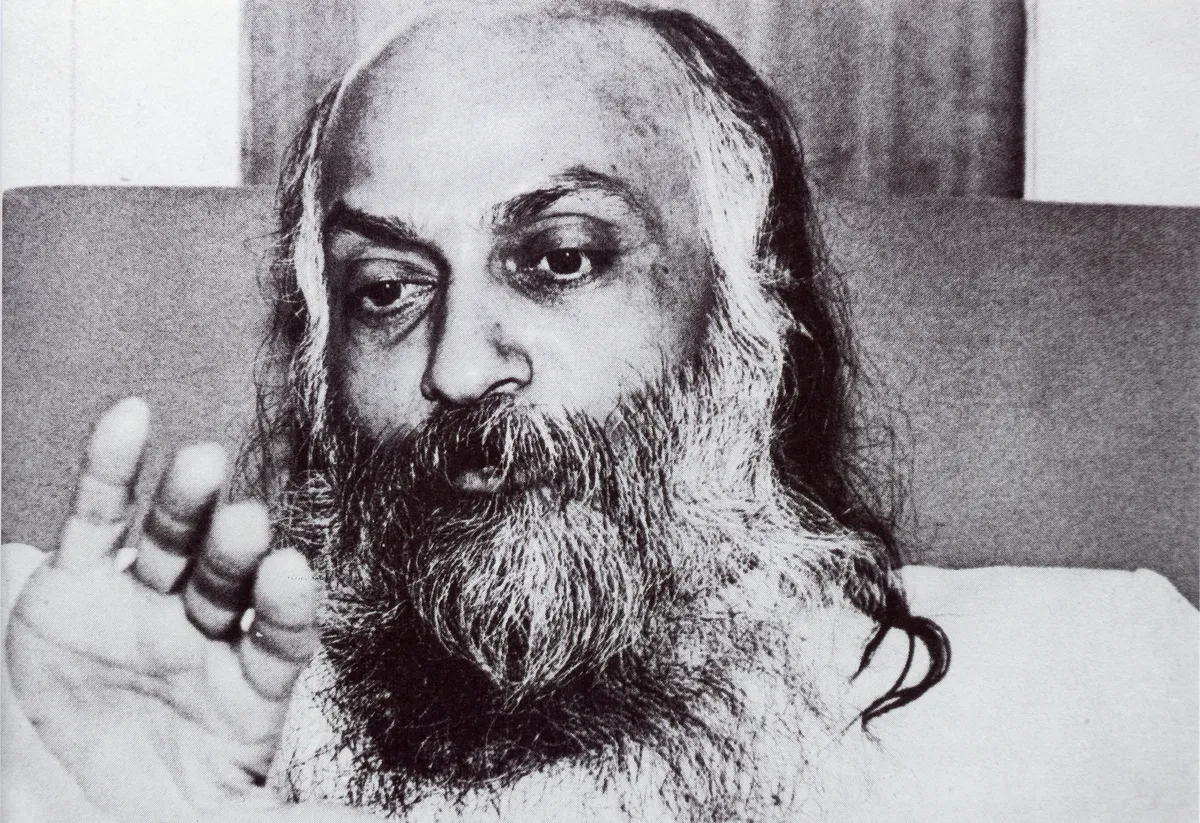
"Man Hi Pooja Man Hi Dhoop" is a profound discourse series by Osho that delves into the subtle yet pervasive experience of human existence. At its core, the series explores the concept of life as a gradual journey towards death, illuminating the paradox that what we often perceive as living is, in fact, a slow process of dying. Osho emphasizes the passage of time and its unyielding effect on our lives as an inexorable force that erodes the illusion of permanence. In this exploration, Osho likens human life to a garden weeping for its transient beauty and compares individuals to prisoners within invisible cages of beliefs and identities. The discourse challenges the listener to awaken from the unconscious routine of life—embracing awareness, alertness, and mindfulness as tools to transcend the shackles of societal constructs. By drawing attention to humanity's deeply ingrained prejudices and blind faith, Osho urges a departure from inherited doctrines devoid of personal experience. Through poetic imagery and metaphor, the series invites a reflective inquiry into the nature of freedom and the possibility of transcending life's fleeting confines to realize an authentic and conscious existence.
-
Chapter 1
Ravidas as India's Pole Star: a loving glimpse destroys ego and awakens hope; rites are means, and chanting with every fiber leads to God.
-
Chapter 2
Life is not a question to be answered but a mystery to be lived; Buddhahood is wordless fragrance. Know yourself; Hina's broken marriage opens way to sannyas.
-
Chapter 3
Life is dying each day; wake from spiritual sleep, drop 'I' and 'mine', use awareness and meditation in youth to meet the Eternal — are you awake?
-
Chapter 4
Priests and Indian psychologists oppose tying kama to Ram; sexual energy, when understood and meditated upon, can be transmuted into spiritual awakening.
-
Chapter 5
Cling not to ecstasy, prayer or guru; dissolve the 'I'—drop hope, means and duality; only effacement into the Nameless consummates union and die inwardly.
-
Chapter 6
Redefines theist vs atheist as living acceptance (Yes) vs rejection (No); maturity requires passing through No to reach Yes; women may freely utter Om.
-
Chapter 7
Consciousness has turned outward; true bhakti is inward—ego must fall, rituals are husk. Turn within to find God, lose the self and live the Divine.
-
Chapter 8
Satsang is the meeting of two emptinesses: drop the 'I', sit with the awakened so their flame kindles yours; religion is simple celebration and inner freedom.
-
Chapter 9
Born to become an ocean yet bound by society's nets; awaken to the spontaneous Name (surati) through surrender, true company, and inner witnessing.
-
Chapter 10
Patiently dig the well of love within: inner and outer are one—sannyas is witnessing between them; give love, transform obstacles into steps to Paramatma