
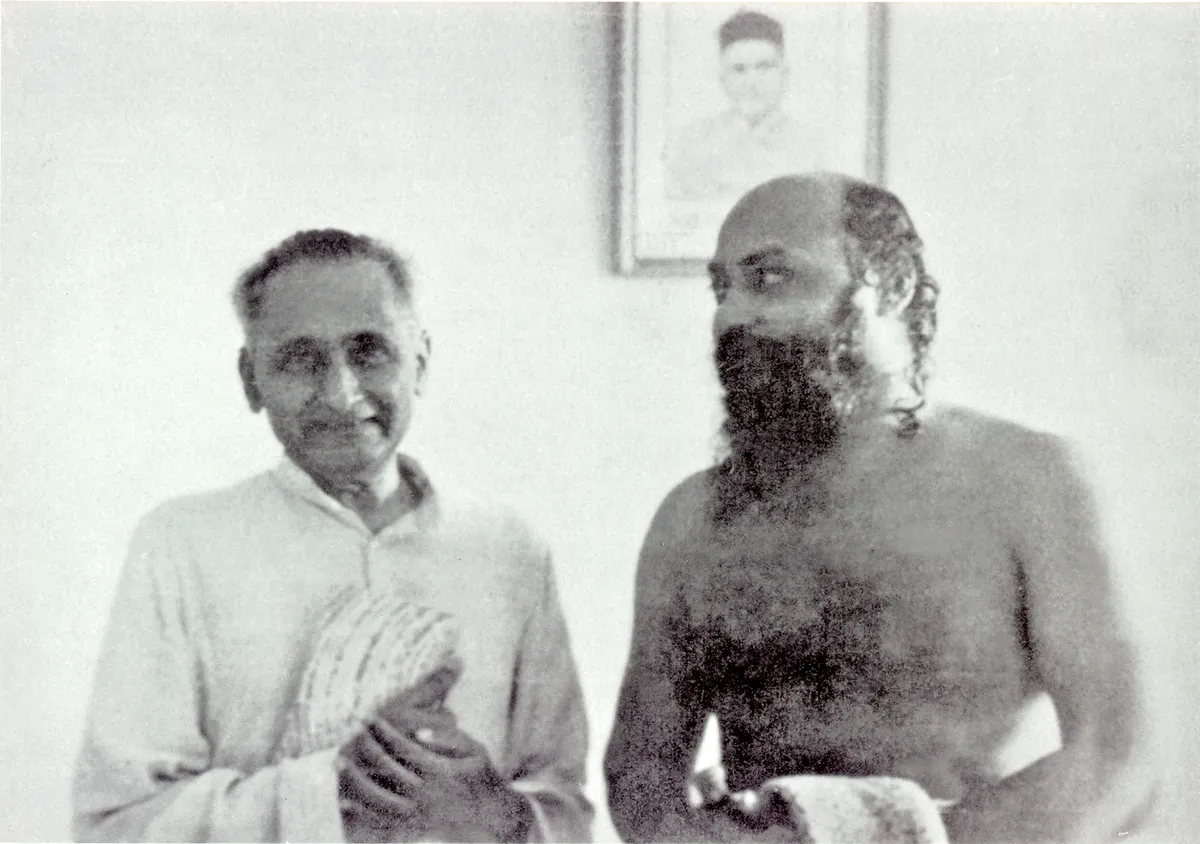
Osho's original Hindi beside Osho Live's English translation, matched passage by passage.
योग प्रीतम, जीवन एक रहस्य है जिसका कोई उत्तर नहीं है। जीवन प्रश्न नहीं है कि उसका उत्तर हो सके। प्रश्न तो सब बचकाने हैं--और उत्तर भी। प्रश्न और उत्तर तो बच्चों के खेल हैं। जीवन न तो प्रश्न है न उत्तर है; दोनों के पार, दोनों के अतीत--बस है।
Yog Pritam, life is a mystery with no answer. Life is not a question that could have an answer. All questions are childish—and so are all answers. Questions and answers are children’s games. Life is neither a question nor an answer; it is beyond both, prior to both—it simply is.
दर्शन और धर्म का यही भेद है। दर्शनशास्त्र इस भ्रांति में जीता है कि जीवन एक प्रश्न है जिसका उत्तर खोजा जा सकता है; और धर्म इस अनुभव में कि जीवन एक रहस्य है, उसे जीया तो जा सकता है लेकिन उसका उत्तर नहीं खोजा जा सकता।
This is the difference between philosophy and religion. Philosophy lives under the illusion that life is a question whose answer can be found; religion lives in the experience that life is a mystery—you can live it, but you cannot find its answer.
मैं कौन हूं, इसका कोई भी उत्तर नहीं है। यद्यपि मैं कौन हूं एक अत्यंत प्राचीन ध्यान की विधि है। महर्षि रमण ने उसे पुनरुज्जीवित किया था। और महत्वपूर्ण विधि है। लेकिन इस भ्रांति में मत रहना कि मैं कौन हूं, मैं कौन हूं, मैं कौन हूं--ऐसा पूछते-पूछते एक दिन उत्तर उपलब्ध हो जाएगा। नहीं; ऐसा पूछते-पूछते एक दिन प्रश्न खो जाएगा। ऐसा पूछते-पूछते एक दिन पूछना बंद हो जाएगा। एक सन्नाटा उतर आएगा। एक शून्य घेर लेगा बाहर और भीतर, न पूछना बचेगा न पूछने वाला बचेगा, तब जो है--वही है। तत्वमसि! वही तू है! वही मैं हूं! वही सब हैं! उस वही को ही परमात्मा कहा है।
“Who am I?” has no answer. Yet “Who am I?” is an ancient method of meditation—Ramana Maharshi revived it. It is a significant method. But don’t remain under the illusion that by asking, “Who am I? Who am I? Who am I?” one day the answer will arrive. No—by asking again and again, one day the question itself will dissolve. By asking again and again, one day the asking will stop. A great silence will descend. A void will surround you inside and out; neither the question will remain nor the questioner. Then what is—simply is. Tat tvam asi! That thou art! That is what I am! That is what all are! That “That” is what we have called God.
परमात्मा कोई व्यक्ति नहीं है। परमात्मा इस अस्तित्व के रहस्य का नाम है। परमात्मा इस बात को ही कहने का एक ढंग है कि जीवन एक अनिर्वचनीय रहस्य है। एक फूल है जिसका सौंदर्य तो जी सकते हो; एक गीत है जिसे गुनगुना तो सकते हो--मगर जिसका अर्थ कभी न जान पाओगे। फूल का सौंदर्य तो अनुभव कर सकते हो, लेकिन अगर कोई पूछे कि सौंदर्य क्या है तो निरुत्तर हो जाओगे। जितना ही पूछेगा कोई जोर से उतनी ही मुश्किल में पड़ जाओगे। धीरे-धीरे शक ही होने लगेगा कि सौंदर्य है भी या नहीं! क्योंकि जब उत्तर नहीं मिलता तो संदेह पैदा होता है। अगर उत्तर मिल जाए तो संदेह शांत हो जाए। जितना ही उत्तर नहीं मिलता उतना ही संदेह सघन होता है, उतनी ही बेचैनी बढ़ती है। एक प्रश्न हजार प्रश्नों में टूट जाता है; जैसे दर्पण कोई गिरा दे पत्थर पर और चटक जाए हजार टुकड़ों में। प्रश्न में से प्रश्न निकलते आते हैं। इसलिए दर्शनशास्त्र फैलता जाता है, फैलता जाता है; उसका कोई अंत नहीं, कोई ओर-छोर नहीं। और समाधान मिलता नहीं।
God is not a person. God is the name of the mystery of this existence. It is a way of saying that life is an ineffable mystery. A flower whose beauty you can live; a song you can hum—but whose meaning you will never know. You can experience the beauty of a flower, but if someone asks, “What is beauty?” you will fall silent. The more insistently someone asks, the more difficult it becomes. Slowly you even begin to doubt whether beauty exists at all—because when there is no answer, doubt arises. If there were an answer, doubt would subside. The more the answer eludes you, the denser the doubt, the greater the restlessness. One question breaks into a thousand, as when a mirror falls on a rock and shatters into countless pieces. Questions give birth to more questions. That is why philosophy spreads and spreads; it has no end, no shore—and no solution is ever found.
समाधान तो उन्हें मिलता है जो इस सत्य को पहचान लेते हैं कि हम जीवन को जान कैसे सकेंगे--हम स्वयं जीवन हैं! जानने वाले में और जो जाना जाता है उसमें कुछ फासला तो चाहिए। फासला हो तो ज्ञान घट सकता है। ज्ञाता और ज्ञेय में फासला हो तो ज्ञान घट सकता है। नहीं तो ज्ञान घटेगा कहां? अंतराल ही नहीं है। ज्ञाता ही ज्ञेय है। हम ही हैं जानने वाले और हम ही हैं जिनको जाना जाना है, इंच भर का अंतर नहीं है। अंतर ही नहीं है तो ज्ञान कहां घटेगा?
Solutions come to those who recognize this truth: How will we know life—we are life! Between the knower and the known there must be some distance. If there is distance, knowledge can occur. If there is some interval between the subject and the object, knowledge can happen. Without a gap, where will knowledge happen? The knower is the known. We are the ones who know and the ones to be known—there is not an inch of distance. With no distance, where will knowledge arise?
इसलिए परम ज्ञान की पहली सीढ़ी है इस बात को जानना कि मैं नहीं जानता हूं। और ज्ञान की अंतिम सीढ़ी है इस बात को जानना कि जाना ही नहीं जा सकता है--जीया जा सकता है, हुआ जा सकता है। इसलिए तो निरंतर तुमसे कहता हूं: मस्तिष्क से नहीं, हृदय से संबंध जोड़ो अस्तित्व का। मस्तिष्क सदा प्रश्न पूछता है; हृदय प्रश्न नहीं पूछता, हृदय छलांग लगा लेता है। मस्तिष्क पूछता है, प्रेम क्या है? मस्तिष्क पूछता ही रहता है, प्रेम क्या है? और हृदय तो प्रेम की पगडंडी पर गीत गाता हुआ चल पड़ता है। मस्तिष्क बैठा ही रहेगा, सोचता ही रहेगा। और हृदय ने तो यात्रा भी शुरू कर दी और यात्रा पूरी भी कर लेगा।
Therefore the first step of supreme knowing is to know that “I do not know.” And the last step of knowing is to know that “it cannot be known—it can only be lived, one can only be it.” That is why I keep telling you: relate to existence not from the head, but from the heart. The mind always asks questions; the heart does not ask—it leaps. The mind asks, “What is love?” It keeps asking, “What is love?” And the heart sets off down the little footpath of love, singing its song. The mind will go on sitting, thinking. The heart will not only begin the journey; it will complete it.
जो लोग मस्तिष्क के ही साथ बैठे रहेंगे, उनके जीवन में यात्रा नहीं होती, गति नहीं होती, प्रवाह नहीं होता, उनके प्राण गत्यात्मक नहीं होते। वे मुर्दा हैं।
Those who remain sitting with the mind—there is no journey in their life, no movement, no flow; their very life-force is not dynamic. They are dead.
योग प्रीतम, तुम्हारा प्रश्न महत्वपूर्ण है। तुम पूछते हो: ‘मैं कैसे कहूं स्वामी देवतीर्थ भारती कौन थे!’
Yog Pritam, your question is significant. You ask: “How can I say who Swami Devteerth Bharati was!”
कोई नहीं कह सकता। देवतीर्थ भारती कौन थे, यह तो बात और हुई; योग प्रीतम कौन है, यह भी तुम नहीं कह सकते। स्वयं के संबंध में भी कुछ नहीं कहा जा सकता तो अन्य के संबंध में क्या कहा जा सकेगा!
No one can. “Who was Devteerth Bharati?”—that is one matter; but even “Who is Yog Pritam?”—you cannot say. If nothing can be said even about oneself, what can be said about another?
ऐसा भी कुछ है जो कहने के पार है। और उसी में जीवन की गरिमा है, गौरव है। ऐसा भी कुछ है जो शब्दातीत है। ऐसा भी कुछ है जिसका अनुवाद नहीं हो सकता--भाषा में। वह भाव ही है और भाव ही रहता है। सुगंध ही है; उस पर मुट्ठी बांधोगे, चूक जाओगे। भरने दो नासापुटों को। डोलो उसके साथ, मदमस्त होकर डोलो।
There is that which is beyond saying. And in that lies life’s dignity and glory. There is that which is beyond words. There is that which cannot be translated—into language. It is pure feeling and remains feeling. It is fragrance; close your fist upon it and you will miss. Let it fill your nostrils. Sway with it—sway, intoxicated.
बुद्धत्व ऐसी ही घटना है। इस जगत में सबसे बड़ा फूल है वह--चैतन्य का फूल है; सहस्रदल कमल है। उससे जो सुगंध उठती है उसे कोई अपनी मुट्ठियों में नहीं भर सकता, न तिजोड़ियों में बंद कर सकता है। ये खजाने ऐसे नहीं जो तिजोड़ियों में बंद किए जाते हैं। तिजोड़ियों में जो बंद किए जाते हैं, खजाने ही नहीं हैं--ठीकरे हैं। तिजोड़ियों में जो बंद नहीं किए जा सकते वे ही खजाने हैं।
Buddhahood is such an event. It is the greatest flower in this world—the flower of consciousness, the thousand-petaled lotus. The fragrance rising from it cannot be held in your fists, nor locked in vaults. These are not treasures that can be stored away. Whatever can be locked in a vault isn’t treasure at all—just shards. Only what cannot be locked up is real treasure.
सुबह की ताजी हवा को तिजोड़ी में बंद कर सकोगे? सुबह की नई-नई उतरती हुई सूरज की किरणों को तिजोड़ी में बंद कर सकोगे? पक्षियों के गीतों को तिजोड़ी में बंद कर सकोगे? कि फूलों की गंध को? कि तारों की रोशनी को? यह अस्तित्व का जो महोत्सव चल रहा है, इसमें से क्या बंद कर सकोगे तिजोड़ी में? कुछ भी बंद न कर सकोगे। ठीकरे!
Can you lock the fresh air of morning in a safe? Can you lock the newborn rays of the sun? The songs of birds? The fragrance of flowers? The light of stars? From this great festival existence is celebrating, what can you lock away? Nothing. Only shards!
शब्द तो तिजोड़ियों की तरह हैं; उनमें जो व्यर्थ है वही समा सकता है। जो अर्थहीन है वही शब्दों में अर्थवत्ता का नाटक करने लगता है। जो सार्थक है, शब्द उससे हजारों-हजारों मील दूर हैं। न शब्द सार्थक तक कभी पहुंचे हैं, न सार्थक कभी शब्द तक आया है। न यह हुआ है पहले, न यह आज हो सकता है, न यह कभी आगे होगा। कारण साफ है: अनुभव घटता है हृदय में और शब्द हैं संपदा मस्तिष्क की। जो भी उस अनुभव को शब्दों में लाने की कोशिश करता है, हार जाता है, असफल हो जाता है।
Words are like vaults; only the trivial can fit in them. The meaningless alone puts on the pretense of meaning in words. Words and the meaningful are worlds apart. Words have never reached the meaningful, nor has the meaningful ever arrived in words. This has never happened, is not happening, and will not happen—because experience happens in the heart, and words are the property of the mind. Whoever tries to bring that experience into words fails.
एक भाषा से दूसरी भाषा में शब्दों को ले जाना मुश्किल हो जाता है। जितने भावपूर्ण, जितने संवेदनशील, जितने काव्यपूर्ण, सौंदर्यपूर्ण शब्द हों, उतने ही एक भाषा से दूसरी भाषा में ले जाना मुश्किल हो जाता है। गद्य का तो अनुवाद हो भी जाए, पद्य का अनुवाद नहीं हो पाता। रुबाइयात उमर खय्याम के लाख अनुवाद किए गए हैं, मगर कुछ बात चूक ही जाती है। अनुवाद हो जाता है; हाथ में पिंजड़ा रह जाता है, पक्षी उड़ जाता है। पक्षी पकड़ में आता नहीं।
Even carrying words from one language to another becomes difficult. The more full of feeling, sensitivity, poetry and beauty the words are, the harder it is to take them from one language to another. Prose can be translated; poetry cannot. A thousand translations of Omar Khayyam’s Rubaiyat have been made, yet something always slips. The translation survives; the cage remains in the hand—the bird has flown.
रवींद्रनाथ की गीतांजलि के अनुवाद हुए हैं, मगर मूल खो जाता है। और ऐसा ही नहीं है कि विदेशी भाषाओं में मूल खो जाता हो, भारतीय भाषाओं में भी मूल खो जाता है। बंगाली से हिंदी में भी लाना मुश्किल है, जो कि बहनें हैं, एक ही भाषा-स्रोत से निकली हैं--संस्कृत से। इतने करीब हैं। लेकिन फिर भी जैसे ही अनुवाद करो, कुछ मर जाता है।
Tagore’s Gitanjali has been translated, but the original is lost. And it is not only that the original is lost in foreign tongues; it is lost even in Indian tongues. From Bengali into Hindi—sister languages, both daughters of Sanskrit, so close—and still, as soon as you translate, something dies.
भाषा भाषा में भी अनुवाद नहीं हो पाता, तो यह अनुवाद तो असंभव है। यह तो भाव से भाषा में अनुवाद है। यह तो शून्य को शब्द में लाना है। सिर्फ मूढ़ ही सोचते हैं कि सफल हुए। सिर्फ मूढ़! ज्ञानी तो सभी जानते हैं कि जो कहना था, नहीं कहा जा सका, अनकहा रह गया। मूढ़ जरूर सोचते हैं कि हमने कह दिया जो कहना था। उनके पास वस्तुतः कहने को ही कुछ नहीं।
If it cannot be translated from language to language, this “translation” is impossible: from feeling into language. It is bringing the void into words. Only fools think they have succeeded—only fools. The wise know that what needed to be said couldn’t be said; it remains unsaid. Fools think they have said it; in truth they have nothing to say.
एक कवि के प्रेम में एक स्त्री थी--बहुत सुंदर स्त्री, बहुत सुशिक्षित, सुसंस्कृत। आखिर कवि ने विवाह का निवेदन किया। उस स्त्री ने निवेदन तो स्वीकार किया, लेकिन कहा कि एक प्रार्थना पहले ही कर लूं; फिर पीछे कहीं इस कारण तुम्हें पछतावा या दुख या पीड़ा न हो। भोजन बनाना मुझे नहीं आता।
A poet loved a woman—very beautiful, well-educated, cultured. At last the poet proposed. She accepted, but said, “Let me make one request first—so that later you don’t feel regret or pain. I cannot cook.”
कवि ने कहा, तुम फिकर छोड़ो। भोजन बनाने को अपने पास है ही क्या! मैं नहीं पछताऊंगा, पछताओगी तो तुम पछताओगी। भोजन इत्यादि...अपने पास कुछ है ही नहीं। क्या डर?
The poet said, “Don’t worry. What do we have to cook anyway! I won’t repent—you might, but I won’t. Food and all that—we hardly have anything. What’s to fear?”
जिनके पास कुछ नहीं है वे कहने में समर्थ हो जाते हैं। है ही नहीं कुछ तो कहने में अड़चन क्या है! हां, कुछ हो तो मुसीबत होती है। मूढ़ इस जगत में बहुत कुछ कह पाते हैं, समझदार चूक जाते हैं, समझदार नहीं कह पाते।
Those who have nothing become very able at saying things! When you have nothing, what can obstruct speaking? Yes, when you have something, the trouble begins. Fools say so much in this world; the wise miss—they cannot say it.
मैंने सुना है, सरदार हजारा सिंह पहली दफा लंदन गए। अंग्रेजी उन्होंने मैट्रिक तक ही पढ़ी थी मगर बोलते वे धड़ल्ले से थे। जितना कम पढ़े होओ उतना धड़ल्ले से बोल सकते हो; डर ही क्या, भय ही क्या! एक शाम वे एक होटल में पहुंचे। उस होटल की खासियत यह थी कि वहां हर देश के फल उपलब्ध रहते थे। हजारा सिंह को जब पता चला तो उन्हें आलूबुखारा खाने का मन हुआ। वेटर को बुला कर उन्होंने कहा: आई वांट पोटैटो-फीवरा। आलूबुखारा का अनुवाद कर दिया!
I have heard: Sardar Hajara Singh went to London for the first time. He had learned English only up to matric, but he spoke with great flourish. The less you’ve studied, the more boldly you can speak—what is there to fear! One evening he reached a hotel known for serving fruits from every country. When he heard this, he felt like eating aloo-bukhara (plums). He called the waiter and said, “I want potato-feevra.” He “translated” aloo-bukhara!
आलूबुखारे का ऐसा सुंदर अनुवाद करके इधर वे प्रसन्न हो रहे थे, उधर बेचारा वेटर भारत के फलों की सूचियां देखते-देखते पसीना-पसीना हुआ जा रहा था। आखिर वह मैनेजर के पास गया। मैनेजर भी जब नाम ढूंढने में असफल रहा तो उसने भारतीय दूतावास का नंबर घुमाया। उधर सरदार विचित्तर सिंह ने फोन उठाया। मैनेजर ने उन्हें सारा हाल सुनाया।
Having made such a fine translation, Hajara Singh sat there pleased, while the poor waiter kept sweating, searching lists of Indian fruits. Finally he went to the manager. When the manager failed to find the name, he dialed the Indian embassy. Sardar Vichittar Singh picked up the phone. The manager explained everything.
विचित्तर सिंह जी ने हजारा सिंह को फोन पर बुला कर पूछा: तुआडा नाम?
थाउजेंडा सिंह, उत्तर दिया हजारा सिंह ने।
किथों आए हो? विचित्तर सिंह ने पूछा।
क्लेवरपुर यानी होशियारपुर तों, हजारा सिंह ने स्पष्ट किया।
Vichittar Singh called Hajara Singh to the phone and asked, “Tuhada naam?” (What is your name?) “Thouzanda Singh,” Hajara Singh replied. “Kithon aae ho?” (Where have you come from?) “Cleverpur—yaani Hoshiarpur,” he clarified.
अब विचित्तर सिंह को सारा मामला समझ में आ गया। और उन्हें समझ आ गया कि यह पोटैटो-फीवरा क्या बला है। उन्होंने मैनेजर को कहा कि सरदारजी को आलूबुखारा चाहिए!
Now Vichittar Singh understood the whole matter—and what this “potato-feevra” was. He told the manager, “Sardarji wants aloo-bukhara—plums!”
मूढ़ता सफल हो जाती है, ज्ञानी सदा असफल रहे हैं कहने में। कहना बड़ा कठिन काम है। कहने योग्य को कहना कठिन काम है। वह कुछ बात इतने भीतर की है कि बाहर लाए-लाए छूट जाती है हाथ से। बाहर लाओ, कुछ का कुछ हो जाती है। वह संपदा भीतर की है और सदा भीतर उपलब्ध है। डुबकी मारो।
Foolishness succeeds; the wise always fail at saying it. To speak the speakable is easy; to speak the truly worthy is hard. That “something” is so inner that, in bringing it out, it slips from the hands; brought out, it becomes something else. The treasure is within and forever available. Dive.
योग प्रीतम, इस चिंता में पड़ो मत कि स्वामी देवतीर्थ कौन थे। इस चिंता में पड़ो कि मैं कौन हूं। जिस दिन तुम अपने को जान लोगे, समस्त बुद्धों को जान लोगे। जिस दिन अपने को जान लोगे, उस दिन सब जानने योग्य जान लोगे। यद्यपि मैं तुम्हें पुनः कह दूं कि यह जानना और जानने जैसा नहीं है। यह जानना बड़ा अनूठा है, क्योंकि इसमें जानने वाला और जाना जाने वाला एक ही होते हैं; इसे दो में नहीं तोड़ा जा सकता, इसे दो में तोड़ना असंभव है।
Yog Pritam, don’t worry about who Swami Devteerth was. Worry about who I am. The day you know yourself, you will know all the buddhas. The day you know yourself, you will know all that is to be known. Though let me repeat: this “knowing” is not like knowing. It is a unique knowing, for in it the knower and the known are one; it cannot be split in two—it is impossible to divide it.
योग प्रीतम कवि हैं, इसलिए उनको बात समझ में आ सकेगी। ठीक कहते हो तुम: मैंने उन्हें देखा था खिले फूल की तरह।
You are a poet, Yog Pritam; you will understand. You say well: “I had seen him like a blossoming flower.”
साधारणतः सभी लोग खिलने को आए हैं, लेकिन कलियां ही रह जाते हैं। और जिम्मेवार कोई और नहीं है सिवाय तुम्हारे। और दुर्भाग्य है कि फूल, फूल न बन पाए, कली रह जाए। दुर्भाग्य है कि कली खुले न और अपनी सुगंध को न लुटा पाए। हरेक व्यक्ति एक गीत लेकर जन्मता है। और जब तक उसे गा न ले तब तक तृप्ति नहीं मिलती। हरेक व्यक्ति एक नृत्य लेकर आता है। और जब तक वह नृत्य घुंघरुओं में प्रकट न हो जाए तब तक कुछ कमी मालूम होती रहती है।
Ordinarily, all have come to blossom—but they remain buds. And no one else is responsible but you. It is misfortune if the flower cannot become a flower, if the bud remains a bud. It is misfortune if the bud does not open to pour out its fragrance. Every person is born with a song. Until it is sung, there is no fulfillment. Every person comes with a dance. Until that dance rings through your ankle-bells, something feels missing.
तुम सभी को कमी मालूम होती है। सब हो तुम्हारे पास तो भी कमी मालूम होती है। धन है, पद है, प्रतिष्ठा है; फिर भी लगता है कुछ-कुछ अज्ञात-नाम, कुछ जो समझ में भी नहीं आता कि क्या है--लेकिन कोई कोना भीतर खाली है जो भरता नहीं और वह खाली कोना काटता है। मूढ़ों को वह नहीं दिखाई पड़ता। उसे देखने के लिए भी थोड़ी समझ चाहिए, थोड़ी संवेदनशीलता चाहिए। मूढ़ तो भीतर देखते नहीं, बाहर ही भागे चले जाते हैं। वे तो जमीन पर देखते ही नहीं। उनकी आंखें तो दूर-दूर इच्छाओं में, वासनाओं में, आकाश के तारों में अटकी होती हैं।
All of you feel a sense of lack. Even if you have everything, some lack nags. Wealth, position, prestige—and yet something nameless, unknown; some corner inside remains empty, unfilled, and that emptiness pricks. Fools don’t notice it. To see it also requires a little intelligence, a little sensitivity. Fools never look within; they go on running outside. They don’t look at the ground. Their eyes are hooked far away—in desires, in cravings, in the stars.
मुल्ला नसरुद्दीन रास्ते से जा रहा था। तारों भरी रात। एक फिल्मी धुन गुनगुनाता हुआ, तारे देखता हुआ चला जा रहा था। और पीछे ही उसके कोई कार वाला हार्न बजा रहा है, बजाए जा रहा है, लेकिन न उसे हॉर्न सुनाई पड़ रहा है, न वह हट रहा है। वहां सुनने को है ही नहीं, वह तो बहुत दूर निकल गया है, तारों में भटक रहा है। आखिर कार वाले ने कार रोकी, उतर कर नीचे आया और कहा: बड़े मियां! अगर जहां चल रहे हो वहां नहीं देखा तो जहां देख रहे हो वहीं चले जाओगे। आखिर हार्न भी कोई कब तक बजाएगा!
Mulla Nasruddin was walking along the road on a starry night, humming a film tune, gazing at the stars. Behind him, a car kept honking, but he neither heard nor moved aside. He was not “there” to hear—he had wandered far off, lost among the stars. Finally the driver stopped, got out and said, “Old man! If you don’t look where you are going, you’ll end up where you are looking. How long do you expect me to keep honking!”
लोग अटके हैं दूर; उनको नहीं दिखाई पड़ता, कुछ भीतर खालीपन है। भीतर देखते ही कहां, फुर्सत ही कहां, समय कहां! धन गिन रहे हैं, सीढ़ियां चढ़ रहे हैं। चुनाव पर चुनाव चले आते हैं। गणित बिठालने हैं हजार तरह के। शतरंजें बिठाई हैं जीवन में, लकड़ी के हाथी-घोड़े चला रहे हैं। लकड़ी के हाथी-घोड़ों के लिए तलवारें खिंच जाती हैं।
People are hooked far away; they don’t see there is an emptiness within. When do they ever look in? Where is the time! They count their money, climb ladders. Elections follow elections. A thousand calculations to arrange. Life’s chessboards are spread out; they move wooden elephants and horses. For wooden elephants and horses, they draw real swords.
इस तरह के मूढ़ों को तुम छोड़ दो, तो जिनके पास थोड़ा भी बोध है, थोड़ा सा भी होश है--एक किरण भी सही--उन्हें यह बात चुभती है, यह बात रह-रह कर चुभती है, रह-रह कर याद आती है। जब तक उलझे रहते हैं काम में, ठीक; लेकिन जैसे ही काम से छूटते हैं, खयाल आता है कि जीवन में कुछ अधूरापन है। कुछ होना था, जो मैं नहीं हो पाया। कुछ होने की क्षमता लेकर आया था, जो अधूरी पड़ी है। मैं कब कली से फूल बन सकूंगा? यह खजाना मेरे भीतर ही न पड़ा रह जाए। इस खजाने को कब लुटा सकूंगा? क्योंकि लुटाओ, तभी तुम जान पाओगे। मगर लुटाए तो वह जो खोदे भीतर।
Leave such fools aside. Those with even a little awareness, a little wakefulness—even a single ray—feel this prick again and again. While they are busy, it’s okay; but the moment work ends, the thought returns: there is incompletion in life. Something was to happen, which I have not become. Some capacity I brought is still unfulfilled. When will I become a flower from a bud? May this treasure within not lie buried; when will I be able to pour it out? Only by pouring will you know. But pour that which you have dug within.
लोगों को तो खयाल है उनके पास कुछ है ही नहीं। इसलिए दूसरों से मांग रहे हैं, भीख मांग रहे हैं। सभी यहां भिखारी हैं। यहां गरीब भिखारी हैं, अमीर भिखारी हैं। भिखारी भिखारी हैं और बादशाह भिखारी हैं। यहां भिखारियों की जमात है। और कुछ भी इकट्ठा कर लेते हैं कूड़ा-करकट, जो सब यहीं पड़ा रह जाएगा। जो यहां पड़ा रह जाता है उसी को कूड़ा-करकट कहते हैं। जिसे तुम अपने साथ न ले जा सकोगे उसी का नाम कूड़ा-करकट है।
People think they have nothing; hence they beg from others. All here are beggars. There are poor beggars and rich beggars. Beggars are beggars, and emperors are beggars too. This is a congregation of beggars. And they gather trash—whatever will be left behind here. What is left behind here is trash. Whatever you cannot take with you is trash.
जीसस का बहुत प्रसिद्ध वचन है: जो तुम बांट दोगे वह बच गया और जो तुमने नहीं बांटा वह खो जाएगा।
Jesus has a famous saying: What you give away is saved, and what you do not give will be lost.
लोग यहां इकट्ठा करते हैं, बांटते कहां! बांटे तो वह जो मालिक हो, सम्राट हो। इकट्ठा तो वह करता है जो भिखारी है। वह सब कुछ इकट्ठा करता रहता है।
But people gather; they do not give. To give is the way of a master, an emperor. Gathering is the habit of a beggar.
मुल्ला नसरुद्दीन ने कुछ पेंटिंग तैयार की। मुझे दिखाने ले गया। सब ऊलजलूल, न कोई तुक न कोई अर्थ; बस किसी तरह उठा कर ब्रुश कोई भी रंग पोत दिया! मैंने पूछा कि नसरुद्दीन, यह तुमने क्या किया? उसने कहा: आप समझे नहीं, यह मॉडर्न आर्ट है, यह आधुनिक कला है। यह इसी तरह की होती है। मैंने पिकासो की भी पेंटिंग देखी हैं और डाली की भी। उन्हीं को देख कर तो मुझे प्रेरणा उठी। पिकासो और डाली को भी मात कर दिया है।
Mulla Nasruddin made some paintings and brought them to show me. All hodge-podge—no rhyme or reason; just slapped colors anyhow with a brush! I asked, “Nasruddin, what is this?” He said, “You don’t understand—this is modern art. I’ve seen Picasso and Dali; inspired by them. I have surpassed them!”
कभी बापदादे भी...सीधी रेखा खींचना आया नहीं और आधुनिक कला की कृतियां बना दीं! मैंने यूं ही मजाक में पूछा कि अब क्या करोगे?
Never learned to draw a straight line, and has produced works of modern art! I asked jokingly, “What will you do now?”
कहा कि चाहूं तो लाख-लाख, दो-दो लाख में बिकेंगी।
He said, “If I wish, they’ll sell for a lakh, two lakhs each!”
मैंने कहा: मुझे दिखता नहीं कि इतना कोई समझदार आधुनिक कला का तुम्हें भारत में मिल जाए--यूं ही मजाक कर रहा था--जो इन पर लाख-लाख, दो-दो लाख दे दे।
I said, “I don’t see anyone in India so ‘understanding’ of modern art who will give you a lakh or two for these.”
मुल्ला ने कहा: फिकर क्या, अरे तो घर की संपत्ति घर में रहेगी!
Nasruddin said, “Why worry—then the family treasure will remain in the family!”
संपत्ति है ही नहीं और घर की संपत्ति घर में रहेगी!
There is no treasure, and “the family treasure will remain in the family!”
तुम कहते हो: ‘मैंने उन्हें देखा था खिले फूल की तरह।’
You say, “I had seen him like a blossoming flower.”
ऐसे ही तुम भी हो जाओ! खिले फूल को देखो तो और करने को बचता क्या है? खिले फूल की प्रशंसा में इतना ही किया जा सकता है कि तुम भी खिल जाओ। इससे बड़ी और कोई प्रशस्ति नहीं।
Be the same yourself! When you see a blossomed flower, what more remains to be done? The greatest praise of the flower is that you blossom too. There is no greater tribute.
तुम कहते हो:
‘अस्तित्व की हवा के संग डोलते हुए।’
You say: “Swaying with the breeze of existence.”
तो डोलो तुम भी, खिलो तुम भी।
Then sway—you too, and blossom.
तुम कहते हो:
‘आनंद की सुगंध लुटाते हुए सदा
सबके दिलों में प्रेम का रस घोलते हुए।’
You say: “Spilling the fragrance of bliss, forever blending the nectar of love in all hearts.”
वही तुम भी करो। यही संन्यासी का ढंग होना चाहिए। घोलो प्रेम जितना घोल सको जीवन में। दिन तो चार दिन मिले हैं; आज हो कल नहीं हो जाओगे। जितना मीठा कर सको अस्तित्व को, कर जाओ। जितना माधुर्य भर सको, भर जाओ। यहां से कुछ ले जा तो नहीं सकते, इसलिए ले जाने की, इकट्ठा करने की फिकर मत करो। हां, कुछ दे जा सकते हो! और दे जाओ तो एक विरोधाभास: अगर दे जाओ तो कुछ ले जाने में समर्थ हो गए। तुम जो दे जाओगे, वही ले जा सकोगे।
Do that as well. This should be the way of a sannyasin. Dissolve as much love into life as you can. We have only a few days; today we are, tomorrow we will not be. Sweeten existence as much as you can. Fill it with as much melody as you can. You can’t take anything from here; so don’t worry about taking or accumulating. Yes, you can give! And if you give, a paradox: by giving, you become capable of taking. Only what you give will you be able to take along.
यह उनका सदा का रूप था। अभी-अभी तो खूब खिल गया था, निखार आ गया था। लेकिन मुझे बचपन से याद है। जब उनके पास बहुत सुविधा भी नहीं थी तब भी लुटाने में उन्हें रस था। उनकी जो मेरे मन में यादें हैं पुरानी-पुरानी से पुरानी यादें--लुटाने की हैं। वे कोई बहुत धनी व्यक्ति नहीं थे। अति गरीबी से उठे थे। लेकिन लुटाने में उनका कोई मुकाबला न था। ऐसा कोई दिन न जाता जिस दिन मेहमानों को वे इकट्ठे न करते रहते हों। गांव भर उनकी प्रतीक्षा करता था। जो वहां से निकलता, वह जानता था कि वे बुलाएंगे भोजन के लिए। महीने, पंद्रह दिन में एकाध भोज--कि जिसमें सारे मित्रों को इकट्ठा कर लेना है। नहीं थी सुविधा। चाहे उधार भी लेना पड़े तो भी बांटना तो था। बांटने में उन्हें रस था।
This was always his way. Lately he had bloomed greatly, come to full radiance. But I remember from my childhood—when he had few means, even then he delighted in giving. My oldest memories of him—very old—are of sharing. He was not a wealthy man. He rose from great poverty. But in giving, none could match him. Not a day passed without his gathering guests. The whole town awaited him. Whoever passed by knew he would be invited to eat. Every month, fortnight, some feast—gathering all the friends. Even if he had to borrow—still, giving had to happen. He delighted in giving.
एक बार उन्हें बहुत नुकसान लग गया। मैंने उनसे पूछा कि इतना नुकसान झेल पाएंगे? उन्होंने कहा कि नुकसान मुझे लग ही नहीं सकता, क्योंकि मेरे पिताजी मुझे केवल सात सौ रुपया दे गए। जब तक सात सौ मेरे पास हैं तब तक तो मुझे डर ही नहीं। तब तक बाकी लेने-देने में मुझे कुछ हर्ज नहीं, क्योंकि अगर कहीं पिताजी से मिलना हो गया--पिताजी तो जा चुके थे--तो सात सौ रुपये, कह दूंगा कि तुमने जितने दिए थे उतने मैंने बचाए हैं, उससे ज्यादा का सवाल भी नहीं है। इसलिए जब तक सात सौ हैं तब तक मुझे चिंता नहीं है। बाकी सब खो जाएं तो कोई फिकर नहीं--आए और गए! न अपने थे, न रोक रखने का कोई सवाल था।
Once he suffered a heavy loss. I asked, “Will you be able to bear it?” He said, “I cannot suffer loss, because my father left me only seven hundred rupees. As long as I have that seven hundred, I have no fear. The rest, give-and-take—no problem. If I meet my father—he is gone—I’ll tell him: I have saved exactly what you gave, not a rupee less. So as long as the seven hundred are there, I have no worry. If the rest goes, let it go—came and went! They were not mine; there was no question of holding them.”
और वे कहने लगे: इतना पक्का है कि सात सौ नहीं जाएंगे। इतने तो बच ही जाएंगे। उस हालत में भी जब बहुत नुकसान था, मैं सोचता था कि शायद अब यह भोज और लोगों को बुलाना और लोगों को खीर खिलाना और मिठाइयां बुलवाना, यह बंद हो जाएगा। मगर वह बंद नहीं हुआ। मैंने उनसे कहा कि अब थोड़ा हाथ सिकोड़ें। उन्होंने कहा कि छोटे-मोटे नुकसान के लिए कोई बड़ा नुकसान उठाऊं? ये छोटे-मोटे नुकसान हैं, लगते रहते हैं। लेकिन बांटने की जो प्रक्रिया है वह चलती रहे। जो है वह हम बांटते रहें।
And he said, “One thing is certain: the seven hundred will not go. Those will remain.” Even when loss was great, I thought perhaps now the feasts would stop—calling people, feeding kheer, ordering sweets. But it did not stop. I said, “This time, tighten your hand a little.” He said, “Should I incur a big loss for the sake of small losses? These are small losses—they happen. But the process of sharing must go on. Whatever there is, we will keep giving.”
फिर इधर तो निखार बहुत आया था, क्योंकि इधर दस वर्षों से निरंतर वे ध्यान में गहरे से गहरे उतर रहे थे।
And in these last ten years a great refinement came—he was going deeper and deeper into meditation.
कुछ बातों में उनका रस प्रथम से था। मुझे जो उनकी पहली याद आती है, वह यही कि वे मुझे सुबह तीन बजे उठा लेते थे। जब मैं बहुत छोटा था, जब तीन बजे सोने का वक्त, जब आंखें बिलकुल नींद से भरी होतीं, उठने का बिलकुल सवाल न उठता, जो उठाता वह दुश्मन मालूम पड़ता, वे मुझे तीन बजे उठा लेते और ले चले मुझे घुमाने। वह उनकी मुझे पहली भेंट थी--ब्रह्ममुहूर्त। पहले-पहले तो बहुत परेशानी होती थी। जबरदस्ती घिसटता हुआ मैं जाता था, क्योंकि आंखों में नींद का खुमार। मगर धीरे-धीरे सुबह के सौंदर्य से संबंध जुड़ा। धीरे-धीरे समझ में आया कि वे सुबह की घड़ियां खोने जैसी नहीं हैं। उन सुबह की घड़ियों में परमात्मा जितना निकट होता है पृथ्वी के, शायद फिर कभी और नहीं होता। सुबह जब सारी प्रकृति जागती है, पौधे जागते हैं, पक्षी जागते हैं, पशु जागते हैं, सूरज जागता है--वह जागरण की वेला है। उस घड़ी को खो देना ठीक नहीं। उसी घड़ी तुम भी जाग सकते हो। जब सारा अस्तित्व जाग रहा है, तो जागने की उस बाढ़ में तुम्हारे भीतर का अंतः जागरण हो सकता है।
From the beginning he loved certain things. My first memory is that he would wake me at three in the morning. When I was very small—three in the morning is to sleep; eyes full of sleep, getting up impossible; whoever woke me seemed an enemy—he would wake me at three and take me walking. That was his first gift to me—brahmamuhurta. At first it was very difficult. I would be dragged along, stupefied with sleep. But slowly a relation with the beauty of dawn was born. It became clear that those morning hours are not to be lost. In those hours God is closest to the earth as perhaps never again. When the whole of nature wakes—plants, birds, animals, the sun—this is the hour of awakening. Not to miss that hour is right. In that flood of awakening, your inner awakening can happen.
उनकी भेंट भूल नहीं सकूंगा, यद्यपि कठिन थी बहुत। जो भी इस जीवन में सुंदरतर है, श्रेष्ठतर है, शिवतर है, सत्यतर है, वह पहले-पहले कड़वा होता है, पीछे-पीछे मिठास होती है। और जो भी असत्य है, अशिव है, असुंदर है, ऊपर-ऊपर मीठा होता है, अंततः जहर। इस सूत्र को याद रखना। नहीं तो पहली मिठास में ही लोग भटक जाते हैं। और एक बार उस मिठास में तुम गटक गए जहर को तो फिर जहर धीरे-धीरे तुम्हारे सारे शरीर को, तुम्हारे मन-प्राण को विनष्ट करने लगता है। सत्य कड़वा भी हो तो भी डरना मत, जल्दी ही मीठा हो जाएगा।
I cannot forget his gift, though it was hard. Whatever is more beautiful, more auspicious, more true in life is bitter at first; sweetness comes later. And whatever is untrue, inauspicious, un-beautiful, is sweet on the surface, and poison in the end. Remember this maxim. Otherwise you will be misled by the initial sweetness. Once you gulp that sweetness, the poison begins slowly to destroy your body, mind, life-breath. If truth is bitter, don’t be afraid—soon it will become sweet.
मैं छोटा था तो अपने ननिहाल रहा बहुत दिनों तक। मेरे पिता और ननिहाल के बीच कोई बत्तीस मील का फासला था। न ट्रेन, न बस, न टैक्सी, उन दिनों वहां कुछ भी न था, रास्ता भी न था। वे बत्तीस मील साइकिल चला कर मुझे देखने आते थे, मिलने आते थे। वर्षा के दिनों में तो बड़ी मुश्किल हो जाती, क्योंकि आधी दूर साइकिल को उन्हें कंधे पर खींचना पड़ता। जहां-जहां कीचड़ होती वहां साइकिल चलाना तो असंभव है, जहां कीचड़ न होती वहां साइकिल चला लेते, जहां कीचड़ होती वहां उलटे साइकिल को खुद पर ढोना पड़ता! मगर मुझे मिलने वे बत्तीस मील साइकिल से तय करके आते।
When I was small I lived long with my maternal grandparents. There were thirty-two miles between my father’s place and my maternal home. No train, no bus, no taxi; in those days nothing—no road even. He would cycle those thirty-two miles to see me. In the rains it was very difficult—half the way he had to carry the cycle on his shoulder. Where there was mud, cycling was impossible; where there was no mud, he rode; where there was mud, he had to hoist the bicycle and carry it. Yet he came cycling to meet me.
मैंने उनसे कहा भी इतना कष्ट न करें। मगर वह उनकी अंतर्भावना थी। प्रेम उनका स्वभाव था; उसके लिए कुछ भी सहना पड़े, कितना भी कष्ट सहना पड़े। उन्हें प्रेम में रस था। प्रेम के लिए कोई भी कीमत चुकाने को वे राजी थे। उसी प्रेम के पकते-पकते ही यह बुद्धत्व बन सका। यह कुछ एक दिन में नहीं घट जाता है। धीरे-धीरे, शनैः-शनैः तुम्हारे भीतर तैयारी होती है, बीज टूटता है, अंकुर निकलते हैं, पत्ते आते हैं, फूल लगते हैं, फिर फल आते हैं। बुद्धत्व तो फल है।
I said, “Don’t take so much trouble.” But it was his inner feeling. Love was his very nature; for it he could bear anything. He delighted in love. For love he was ready to pay any price. Ripening through that love, this buddhahood became possible. Such a thing doesn’t happen in a day. Slowly, gradually, preparation happens within you—the seed cracks, the sprout emerges, leaves come, flowers, then fruit. Buddhahood is the fruit.
तुमने जैसा उन्हें पाया उससे कुछ सीखो।
Learn something from the way you found him.
‘लवलीन हो गए थे वे परमात्म-भाव में।
या उनमें वही ज्योति-रूप व्यक्त हो उठा।’
“He had become absorbed in the divine, or that same form of light expressed itself in him.”
एक ही बात है, चाहे कहो बूंद सागर में गिर गई और चाहे कहो सागर बूंद में गिर गया।
It is the same thing—whether you say, the drop fell into the ocean, or the ocean fell into the drop.
Kabir says: Searching and searching, dear friend, Kabir was lost. The drop merged into the ocean—what is there to behold?
कबीर कहते हैं:
हेरत-हेरत हे सखी, रह्या कबीर हिराइ।
बुंद समानी समुंद में, सो कत हेरी जाइ।।
और फिर कहते हैं:
हेरत-हेरत हे सखी, रह्या कबीर हिराइ।
And then he says: Searching and searching, dear friend, Kabir was lost. The ocean merged into the drop—what is there to behold?
समुंद समाना बुंद में, सो कत हेरी जाइ।।
बूंद समुद्र में समाए कि समुद्र बूंद में समाए, एक ही बात को कहने के दो ढंग हैं। तुम परमात्मा में लीन हो जाओ कि परमात्मा को अपने में लीन हो जाने दो, एक ही बात है। लेकिन सोचते ही मत रहो, विचारते ही मत रहो। कदम उठाओ।
Whether the drop merges into the ocean or the ocean into the drop—two ways of saying the same thing. Whether you dissolve into the divine, or allow the divine to dissolve into you—it is one thing. But don’t go on thinking—take the step.
‘सारल्य में समा गया बुद्धत्व दौड़ कर
ऐसा लगा भगवान स्वयं भक्त हो उठा।’
“Buddhahood rushed into simplicity and was absorbed. It felt as though God himself had become the devotee.”
निश्चित ही वे सरल व्यक्ति थे। लगभग आधी सदी मैं उनके साथ रहा। सिर्फ एक बार मुझे चांटा मारा उन्होंने। बहुत मुश्किल है ऐसा पिता खोजना। उन्होंने सिर्फ एक बार मुझे चांटा मारा; वह भी कुछ खास चांटा नहीं था, एक चपत। फिर कभी नहीं मुझे मारा, क्योंकि वे बात समझ गए। और उन्हें बड़ा पछतावा हुआ, मुझसे क्षमा मांगी। कौन पिता अपने बच्चे से क्षमा मांगता है! वे समझ गए कि मैं उन घोड़ों में से नहीं हूं जिनको पीटना पड़ता है; कोड़े की छाया काफी है।
He was certainly a simple man. I lived with him almost half a century. Only once did he slap me. It is hard to find such a father. Only once—a light smack. Never again did he hit me, because he understood—and he felt very repentant, asked my forgiveness. What father asks his child to forgive him! He understood I was not one of those horses that need to be beaten; the shadow of the whip is enough.
मैं छोटा था तो मुझे बाल बड़े रखने का शौक था--इतने बड़े बाल कि मेरे पिता को अक्सर झंझट होती थी, क्योंकि उनके ग्राहक उनसे पूछते कि लड़का है कि लड़की? और उन्हें बड़ी झंझट होती बार-बार यह बताने में कि भई लड़का है। मुझे तो कोई चिंता नहीं होती थी। लड़की होने में क्या बुराई थी! मुझसे तो कभी उनका ग्राहक कह देता कि बाई जरा पानी ले आ, तो मैं ले आता। मगर उनको बहुत कष्ट होता, वे कहते कि बाई नहीं है। मेरे लड़के को तुम लड़की समझ रहे हो। तो लोग कहते, लेकिन इतने बड़े-बड़े बाल! तो उन्होंने मुझसे एक दिन कहा कि ये बाल काटो, कि दिन भर की झंझट है, और या फिर तुम दुकान पर आया मत करो।
As a boy I liked to keep long hair—so long that my father often faced trouble, because his customers would ask, “Is it a boy or a girl?” It annoyed him to keep saying, “Boy.” I didn’t mind—what’s wrong with being a girl? If a customer said to me, “Miss, please bring some water,” I would bring it. But it pained him to say, “Not a girl, my son.” People would say, “But such long hair!” One day he said, “Cut this hair—it’s a nuisance all day—or stop coming to the shop.”
घर-दुकान एक थे, तो जाने का कहीं कोई उपाय भी न था। और छुट्टी के दिन तो उनको बहुत मुश्किल हो जाती, वे कहते कि सुबह से सांझ तक मैं यह समझाऊं कि दूसरा काम करूं? क्योंकि लोग पूछते हैं कि फिर इतने बड़े बाल क्यों? तो आप कटवा क्यों नहीं देते? तो तुम बाल कटवा डालो। मैंने उनसे कहा: बाल तो नहीं कटेंगे। तो उन्होंने मुझे चपत मार दी। बस उस दिन मेरे उनके बीच एक बात निर्णीत हो गई, फैसला हो गया। मैं गया और मैंने सिर घुटवा डाला। जब मैं लौट कर आया, बिलकुल घुटमुंडा, चोटी भी नहीं। उन्होंने कहा: यह तूने क्या किया? मैंने कहा: मैंने बात जड़ से ही मिटा दी, अब दुबारा बाल नहीं बढ़ाऊंगा। उन्होंने कहा: लेकिन इस तरह सिर घुटाया तब जाता है जब पिता मर जाते हैं। मैंने कहा: जब आप मरेंगे तो मैं नहीं घुटाऊंगा। बात खत्म हो गई।
Home and shop were one; where could I go? On holidays it was worst. He said, “From morning till evening I’m explaining this. Or I should do my work? People ask why such long hair—why don’t you cut it? So you cut it.” I said, “I won’t.” He slapped me. That day a decision was made between us. I went and had my head shaved completely. When I returned, clean-shaven, not even a tuft, he said, “What have you done?” I said, “I’ve uprooted the issue; I will never grow hair again.” He said, “But we shave the head when the father dies.” I said, “When you die, I won’t shave.” The matter ended.
सो तुम देख रहे हो, वे मर गए, मैंने नहीं घुटाया। एक वायदा था वह निभाना पड़ा। वे भी समझ गए कि मुझसे सोच-समझ कर बात करनी चाहिए। ऐसा चांटा मारना आसान नहीं है!
So you see, he died and I did not shave. A promise had to be kept. He realized he must be thoughtful with me. Such a slap is not easy!
अब लोग उनसे पूछने लगे कि यह क्या हुआ? क्योंकि गांव, छोटा गांव, वहां सिर घुटाया ही तब जाता है जब पिता मर जाए। लोग कहने लगे, आप जिंदा हैं और यह आपके लड़के को क्या हुआ? अब मैं और वहीं बैठने लगा दुकान पर जाकर। उन्होंने मुझसे कहा कि मैं हाथ जोड़ता हूं। इससे तो बाल ही बेहतर थे, कम से कम मैं जिंदा तो था, अब ये मुझसे पूछते हैं कि आप क्या मर गए! यह लड़के ने बाल क्यों घुटाए?
Now people began to ask him, “What happened?” In a small village, one shaves only when one’s father dies. They said, “You are alive—what happened to your son?” I sat in the shop as before. He said, “I beg you—his long hair was better; at least I was alive. Now they ask if I have died—why has the boy shaved?”
मगर उस दिन बात निर्णय हो गई, मेरे और उनके बीच हिसाब साफ हो गया। एक बात पक्की हो गई कि मेरे साथ और बच्चों जैसा व्यवहार नहीं किया जा सकता। या तो इधर या उधर, या तो इस पार या उस पार। मैंने उनसे कहा, या तो बाल बड़े रहेंगे या बिलकुल नहीं रहेंगे। आप चुन लो उन्होंने कहा, जो तेरी मर्जी। अब यह मैं बात ही नहीं उठाऊंगा। मैंने कहा: यही बात नहीं, आप और बातों के संबंध में भी साफ कर लो।
जब मैं विश्वविद्यालय से वापस लौटा, तो मित्र उनसे पूछने लगे कि बेटे का विवाह कब करोगे? तो उन्होंने कहा: मैं नहीं पूछ सकता। क्योंकि अगर उसने एक दफे नहीं कह दिया तो बात खत्म हो गई, फिर हां का कोई उपाय न रह जाएगा। तो वे अपने मित्रों से पुछवाते थे। अपने मित्रों से कहते कि तुम पूछो, वह एक दफे हां भरे, कुछ हां की थोड़ी झलक भी मिले उसकी बात में, तो फिर मैं पूछूं। क्योंकि मेरा उससे निपटारा एक दफे अगर हो गया, नहीं अगर हो गई तो बात खत्म हो गई।
सो आप देखते हैं: न उन्होंने मुझसे पूछा, तो परिणाम यह हुआ कि अविवाहित रहना पड़ा। उन्होंने पूछा ही नहीं। मित्र उनके पूछते थे, मैं उनसे कहता कि उनको खुद कहो कि पूछें। यह बात मेरे और उनके बीच तय होनी है, तुम्हारा इसमें कुछ लेना-देना नहीं है, तुम बीच में मत पड़ो। सो न उन्होंने कभी पूछा, न झंझट उठी।
सरल थे, बहुत सरल थे। और सरलता चीजों को समग्रता से ले लेती है। एक ही छोटी सी घटना ने, वह चांटा मारने ने एक बात उन्हें साफ कर दी कि मेरे साथ साधारण बच्चों जैसा व्यवहार नहीं किया जा सकता। मुझे डांटना-डपटना भी हो तो सोच लेना पड़ेगा। मुझसे यह नहीं कहा जा सकता कि ऐसा करो वैसा करो। तो फिर वे अगर मुझसे कभी कुछ कहते भी तो कहते, ऐसा मेरा सुझाव है, कर सको तो करना, नहीं कर सको तो मत करना। मैं कोई आज्ञा नहीं दे रहा हूं। फिर उन्होंने मुझे कोई आज्ञा नहीं दी।
But that day it was settled between us: with me, one cannot behave like with ordinary children. Even to scold me, he would have to think. You cannot say to me, “Do this, do that.” If he asked me for something later, he would say, “It is my suggestion—do it if you can; if not, don’t. I am not ordering.” He never ordered me again.
मेरे उनके बीच जो संबंध बनता चला गया, वह साधारण पिता और बेटे का संबंध नहीं रहा। वह बहुत जल्दी खत्म हो गया--साधारण बेटे और पिता का संबंध। शरीर का संबंध बहुत जल्दी समाप्त हो गया, आत्मा का संबंध निर्मित होता चला गया।
The relationship that grew between us was no longer the ordinary father-son relationship. That ended very early—the bodily relation. The relation of the soul kept blossoming.
सरल थे बहुत। लोग उनसे कहते थे कि इतने लोग संन्यास ले लिए--मेरी मां ने भी संन्यास ले लिया--आप क्यों संन्यास नहीं लेते? वे कहते, मैं प्रतीक्षा कर रहा हूं। जिस दिन यह सहज भाव उठेगा उसी क्षण ले लूंगा। और सुबह छह बजे एक दिन लक्ष्मी भागी हुई आई। वे यहीं ठहरे थे, लक्ष्मी के कमरे में ही रुके थे, पीछे जो कमरा है मुझसे उसमें ही रुके हुए थे। छह बजे लक्ष्मी भागी आई, उसने कहा कि वे कहते हैं--संन्यास, इसी क्षण, अभी! क्योंकि वे तीन बजे से रोज ध्यान करने बैठ जाते थे। और उस दिन अंतर्भाव उठा। तो सुबह ठीक छह बजे संन्यास लिया। बहुत मैंने उन्हें रोका कि मेरे पैर मत छुएं। कुछ भी हो, मैं आखिर बेटा हूं। पर उन्होंने कहा, वह बात ही मत उठाओ। जब मैं संन्यस्त हो गया तो मैं शिष्य हो गया। अब बेटे और बाप की बात खत्म हो गई।
He was very simple. People would say, “So many have taken sannyas—my mother also took sannyas—why don’t you?” He would say, “I am waiting. The day it arises spontaneously, that moment I will take.” One morning at six, Laxmi came running. He was staying here, in Laxmi’s room, the one at the back. At six she ran in and said, “He is saying—sannyas, this very moment, now!” He used to sit in meditation from three every morning. That day the inner impulse arose. At six he took sannyas. I tried hard to stop him from touching my feet: “Whatever else I may be, I am still your son.” He said, “Don’t bring that up. Once I have taken sannyas, I am a disciple. The talk of father and son is finished.”
फिर उन्होंने मुझे पैर नहीं छूने दिए उस दिन के बाद। वे मेरे पैर छूते थे। शायद ही किसी पिता ने इतनी हिम्मत की हो--इतनी सरलता, इतनी सहजता! फिर वे मुझसे पूछ कर जीते थे छोटी-छोटी बात में भी--ऐसा करूं या न करूं? और जो मैंने उनसे कह दिया वैसा ही उन्होंने किया, उससे अन्यथा नहीं। और इसीलिए यह अपूर्व घटना घट सकी, अन्यथा जन्मों-जन्म लग जाते हैं। मैंने अगर उनको कहा कि ध्यान करना है, ऐसा करना है, तो बस फिर उन्होंने दुबारा नहीं पूछा। फिर वैसा ही करते रहे। फिर यह भी मुझसे नहीं पूछा कि अभी तक कुछ हुआ नहीं, कब होगा कब नहीं होगा, ऐसा ही करता रहूं जिंदगी भर? दस साल तक उन्होंने ध्यान किया लेकिन एक बार मुझसे यह नहीं कहा कि अभी तक कुछ हुआ क्यों नहीं! ऐसी उनकी श्रद्धा और आस्था थी। एक बार मुझे नहीं कहा कि इसमें कुछ अड़चन हो रही है, कुछ और विधि तो नहीं है, इसमें कुछ सुधार तो नहीं करने हैं, कुछ अन्यथा प्रकार का ध्यान तो नहीं करना है! इसको कहते हैं, छोड़ देना--समर्पण! इसलिए एक महत घटना घट सकी।
From that day he did not let me touch his feet; he touched mine. Rare is the father who has such courage—such simplicity, such naturalness! Thereafter he lived by asking me in even small matters—“Shall I do this or not?” And whatever I said, he did—nothing otherwise. Because of this, an extraordinary event could happen; otherwise it takes lives upon lives. If I told him, “Meditate—do it like this,” he never asked again. He simply did it. He never asked, “Nothing has happened yet—when will it? Shall I go on all my life like this?” For ten years he meditated, but not once did he say, “Why hasn’t something happened yet?” Such was his trust and faith. Not once did he say, “There is some difficulty—another method? Some modification?” This is called letting go—surrender. Therefore a great event could take place.
मैं चिंतित था कि कहीं वे बिना बुद्धत्व को प्राप्त हुए विदा न हो जाएं। क्योंकि उन जैसा व्यक्ति अगर बिना बुद्धत्व को प्राप्त किए विदा हो जाए तो फिर तुम्हारे संबंध में मुझे बहुत आशा कम हो जाती। लेकिन वे तुम सबके लिए आशा का दीप बन गए।
I was anxious that he might depart before attaining buddhahood. For if one like him were to leave without attaining, my hope for you all would grow very thin. But he became a lamp of hope for all of you.
पूछा तुमने योग प्रीतम:
‘ऐसा लगा भगवान स्वयं भक्त हो उठा
वे भक्ति में निमग्न एक नृत्य-गीत थे।’
You asked, Yog Pritam: “It felt as though God himself had become the devotee— he was a dance-song immersed in devotion.”
उनके लिए कीर्तन मार्ग नहीं था, सिर्फ अभिव्यक्ति थी। वह जो उन्हें ध्यान में मिलता था उसे कीर्तन में लुटाते थे। कीर्तन से वे बुद्धत्व को उपलब्ध नहीं हुए। बुद्धत्व को उपलब्ध तो वे ध्यान से ही हुए। लेकिन ध्यान में जो मिले, उसे बांटो कैसे? ध्यान गूंगा है, बोल नहीं सकता; भक्ति बोल सकती है, डोल सकती है। इसलिए ज्ञानी को भी, ध्यानी को भी एक दिन अगर प्रकट करना हो तो भक्ति के सिवाय और कोई उपाय नहीं रह जाता। भक्ति की वह गरिमा है। ध्यान तो रेगिस्तान जैसा है। भक्ति उपवन है। उसमें खूब फूल खिलते हैं और कोयल कूक देती है और पपीहा पी-कहां, पी-कहां पुकारता है।
For him, kirtan was not a path—only an expression. What he received in meditation, he would lavish in kirtan. He did not attain Buddhahood through kirtan. He attained Buddhahood through meditation alone. But how to share what is found in meditation? Meditation is mute; it cannot speak. Devotion can speak, can sway. Therefore, even for the knower, even for the meditator, when the time comes to express, there remains no other means than devotion. Such is the dignity of bhakti. Meditation is like a desert. Bhakti is a garden. There, flowers bloom profusely, the cuckoo coos, and the pied cuckoo calls, “Pi-kahan, pi-kahan.”
मार्ग तो उनका ध्यान था, उपलब्ध तो वे ध्यान से ही हुए। लेकिन जैसे-जैसे ध्यान की गहराई बढ़ी, उनकी अड़चन बढ़ी कि वह जो भीतर इकट्ठा होने लगा, अब उसे क्या करें क्या न करें? मुझसे उन्होंने पूछा: क्या करूं? अब भीतर इतना इकट्ठा होता है, इसे कैसे बांटूं?
His path was meditation; he attained only through meditation. But as the depth of meditation grew, so did his dilemma: all that was gathering within—what to do with it, what not to do? He asked me, “What should I do? So much is accumulating inside; how do I share it?”
तो मैंने उन्हें कहा कि कीर्तन करें। उन्होंने यह भी सवाल न उठाया कि कीर्तन और ध्यान तो दो अलग मार्ग हैं। श्रद्धा सवाल उठाती ही नहीं। उन्होंने यह भी नहीं पूछा कि पहले ध्यान कहा, अब कीर्तन? उन्होंने कभी मुझसे पूछा नहीं। मैंने कहा कि अब इसको कीर्तन में लुटाएं, तो उन्होंने कीर्तन शुरू कर दिया। कीर्तन उनकी अभिव्यक्ति थी। ध्यान से जो पा रहे थे वे, ध्यान में जो फूल खिल रहे थे, कीर्तन में उनकी सुगंध उठ रही थी।
So I told him to do kirtan. He did not even raise the question that kirtan and meditation are two different paths. Faith does not question. He did not ask, “First you said meditation, now kirtan?” He never asked me. I said, “Now pour it out in kirtan,” and he began kirtan. Kirtan was his expression. What he was receiving in meditation—the flowers blooming in meditation—their fragrance was rising in kirtan.
तुम ठीक कहते हो:
‘वे भक्ति में निमग्न एक नृत्य-गीत थे
या मोद भरे छलकते हसीन मौन थे।’
You are right: “He was a dancing song immersed in devotion, or a bliss-filled, overflowing, beautiful silence.”
उनके गीत उनके मौन से जन्म रहे थे। मौन भीतर घना हो रहा था, गीत बाहर प्रकट हो रहे थे। जब वृक्ष पर फूल आते हैं तो ऊपर फूल दिखाई पड़ते हैं, जड़ें नीचे जमीन में गहरी गई होती हैं। ऐसे ही ध्यान में गहरे जाओ तो तुम्हारे जीवन में भी बहुत फूल खिलेंगे--रंग-रंग के, अलग-अलग ढंग के, अलग-अलग गंध के!
His songs were being born from his silence. Silence was thickening within; songs were manifesting without. When a tree flowers, you see blossoms above, while its roots have gone deep into the earth below. Likewise, go deep into meditation and many flowers will bloom in your life—of many colors, of different forms, of different fragrances!
‘वे जोड़ ही गए हैं महोत्सव में बहुत कुछ
मैं कैसे कहूं स्वामी देवतीर्थ भारती कौन थे!’
“They have added so much to the great celebration— How can I say who Swami Devateerth Bharati was!”
तुम नहीं कह सकोगे, मैं भी नहीं कह सकता हूं, कोई भी नहीं कह सकता है। कहने का कोई उपाय नहीं है। श्रद्धा थे! आस्था थे! ध्यान थे! भक्ति थे! और इन सबके जोड़ का नाम भगवान है।
You will not be able to say; I cannot say either; no one can say. There is no way to say it. He was faith! He was trust! He was meditation! He was devotion! And the sum of all these is what we call God.
जया, अच्छा ही हुआ। दुर्भाग्य में सौभाग्य छिपा है, ऐसा नहीं; दुर्भाग्य कहीं है ही नहीं, सौभाग्य ही सौभाग्य है। जो शादी के पहले भाग गया, वह शादी के बाद भागता, वह भागता ही। जो शादी के पहले ही भाग गया, वह शादी के बाद कितनी देर टिकता? और टिकता भी तो उसके टिकने में क्या अर्थ होता?
Jaya, good that it happened. It is not that good fortune is hidden in misfortune; there is no misfortune anywhere—there is only good fortune. The one who ran away before the marriage would have run afterward as well—he is a runner. If he ran away before the wedding, how long would he have stayed afterward? And even if he stayed, what meaning would such staying have?
अच्छा हुआ, एकदम अच्छा हुआ। उत्सव मनाओ। उसको भी निमंत्रण कर लेना उत्सव में, क्योंकि उसके बिना यह सौभाग्य हिना का नहीं हो सकता था। जरा भी दुख न लेना। दुख की बात ही नहीं है। दुख की बातें होती ही नहीं हैं दुनिया में। हम ले लेते हैं दुख, यह दूसरी बात है। यहां जो भी होता है, सब सुख है। जरा देखने की आंख चाहिए, जरा पैनी आंख चाहिए।
Good that it happened—perfectly good. Celebrate. Invite him also to the celebration, because without him this good fortune could not have come to Hina. Do not take even a trace of sorrow. There is nothing to be sad about. In this world there are no “sad events” at all—we go on picking up sadness; that is another matter. Whatever happens here is joy. One only needs eyes to see—eyes a little sharp.
और जया, तेरे पास आंख है। और मैंने हिना को भी देखा, उसके पास भी बड़ी संभावना है। शायद संन्यास के बीच जो एक बाधा बन सकती थी वह हट गई। शायद यह संन्यास के लिए अवसर बना। अब हिना को चिंता नहीं करनी चाहिए कि पिताजी को क्या होगा। जब पिताजी को, कॉर्ड बांट दिए, विवाह का इंतजाम कर लिया, ताजमहल होटल बुक कर ली और लड़का भाग गया और कुछ न हुआ, तो हिना के संन्यास से क्या हो जाएगा? यहां कहीं कुछ होता ही नहीं, हम नाहक ही परेशान होते हैं कि कहीं पिता दुखी न हों, कहीं पिता चिंतित न हों! यह तो अच्छा अवसर है, इस अवसर पर पिता भी कुछ कह न सकेंगे। इससे सुंदर अवसर और क्या होगा? हिना के संन्यास की घड़ी आ गई। आती है घड़ी कुछ लोगों के लिए--विवाह की लंबी यातनाएं सहने के बाद। सौभाग्यशाली है, इसको बिना यातना सहे आ गई। और जो किसी दूसरी लड़की के साथ भाग गया, उसके प्रेम का कोई भरोसा था? कोई अर्थ था?
And Jaya, you have the eyes. And I have seen Hina too—she has a great potential. Perhaps the one obstacle that could have stood in the way of sannyas has been removed. Perhaps this has become an opportunity for sannyas. Now Hina should not worry about what will happen to her father. When your father had had the cards printed and distributed, made all the arrangements, booked the Taj Mahal Hotel, the boy ran away—and nothing happened. Then what will Hina’s sannyas do? Here nothing ever really happens; we needlessly fret: father might be sad, father might be anxious! This is the right occasion—on such an occasion even the father will not be able to say much. What more beautiful opportunity could there be? Hina’s hour for sannyas has come. For some people that hour comes only after suffering the long tortures of marriage. She is fortunate—hers has come without the suffering. And the one who ran away with another girl—what trust was there in his love? What meaning was there?
चंदूलाल का आखिरी समय निकट था। उनके मित्र श्री ढब्बू जी उन्हें अंतिम विदा देने आए हुए थे। पता नहीं कब उनका बचपन का साथी सदा के लिए छोड़ कर चला जाए। ढब्बू जी को देख चंदूलाल बोले, भाई ढब्बू, तुम अच्छे वक्त पर आए, जरा मेरी पत्नी गुलाबो के नाम एक पत्र लिख दो। लिखना कि तुम्हारा चंदूलाल मृत्यु की इन अंतिम घड़ियों में भी तुम्हारे दिए गए प्रेम को भूला नहीं है। तुम्हारे साथ बिताए वे सुहाने दिन, वे मधुर यादें मैं कभी नहीं भुला सकता। हमारा प्यार अमर है और अमर रहेगा। तुम्हारा चंदूलाल! और इसी पत्र की एक-एक कॉपी शीला, नीला, कमला, विमला और आशा को भी भेज देना।
Chandulal’s last hour was near. His friend Mr. Dhabbu had come to bid him a final farewell. Who knows when his childhood companion would leave forever. Seeing Dhabbu, Chandulal said, Brother Dhabbu, you’ve come at just the right time—please write a letter to my wife, Gulabo. Write: Your Chandulal, even in these final moments of death, has not forgotten the love you gave. The lovely days we spent together, those sweet memories—I can never forget them. Our love is immortal and will remain immortal. Yours, Chandulal. And send a copy of this same letter to Sheela, Neela, Kamla, Vimla, and Asha as well.
अच्छा हुआ हिना, नहीं तो न मालूम कितनी शीलाएं, कमलाएं, विमलाएं और न मालूम किस-किस झंझट में तू पड़ती! जो युवक तुझे छोड़ कर भाग गया है, बड़ा दयालु था। मिलता क्या है, चारों तरफ जरा गौर से तो देखो! क्या मिल गया है लोगों को? हिना, जरा जया से पूछ, उसे क्या मिल गया है विवाह से--अपनी मां से पूछ! सिवाय उपद्रव के और क्या मिला है! जरा अपनी मां की जिंदगी देख। संन्यासिनी है, इसलिए मस्त है सारे उपद्रवों के बीच; नाचती है, गाती है; मगर उपद्रव तो हैं ही मौजूद। तुझे क्या मिल जाता? किसको क्या मिला है?
Good for you, Hina—otherwise who knows how many Sheelas, Kamlās, Vimlās and what-all tangles you would have gotten into! The young man who left you and ran away was very compassionate. Look around carefully—what do people actually get? Hina, ask Jaya what she has got from marriage—ask your mother! What has anyone got except turmoil! Look at your mother’s life. Because she is a sannyasin she is carefree amidst all the turmoil—she dances, she sings—but the turmoil is there all the same. What would you have got? What has anyone got?
विवाह उनके लिए है जिनके पास बुद्धि की प्रखरता नहीं है। जैसे जिस छुरी में धार न हो, उसको पत्थर पर घिसना पड़ता है धार देने के लिए। जिस बुद्धि में धार नहीं होती उसको विवाह के पत्थर पर घिस कर धार देना पड़ता है। मगर कई तो ऐसे बुद्धू हैं कि विवाहों में घिस-घिस कर भी उन पर धार नहीं आती। पत्थरों में धार आ जाती है घिसते-घिसते, लेकिन उनमें धार नहीं आती!
Marriage is for those whose intelligence is not sharp. As a knife without an edge must be ground on stone to get an edge, an intelligence without edge has to be ground on the stone of marriage to become sharp. But there are such fools that even after being ground by marriages, no edge comes. Stones get sharpened by rubbing, but those people never do!
ढब्बू जी एक बस में यात्रा कर रहे थे। बस में बड़ी भीड़ थी, बहुत भीड़ थी। अतः उन्हें बैठने के लिए जगह नहीं मिली थी। बस खड़े-खड़े ही यात्रा कर रहे थे। उनके आगे ही एक सुंदर, आकर्षक और कोमलांगी युवती खड़ी हुई थी। अभी-अभी घर से पत्नी से पिट कर आए थे। मगर लोग सीखते कहां! बस की भीड़ के कारण ढब्बू बार-बार उस नवयौवना से टकरा रहे थे, जान-बूझ कर, और उन्हें कुछ आनंद भी आ रहा था उस महिला के संस्पर्श में।
Mr. Dhabbu was traveling in a bus. It was packed—no place to sit. He was standing, and right in front of him stood a beautiful, attractive, delicate young woman. He had just been thrashed by his wife at home. But do people learn? Because of the crowd he kept bumping into the young woman, intentionally, and was even enjoying the contact.
अंत में जब उस युवती ने देखा कि यह व्यक्ति तो उसे जान-बूझ कर धक्के मार रहा है, तो उसे बड़ा क्रोध आया वह क्रोधित होकर बोली, इस तरह महिलाओं को धक्के मारते हुए शर्म नहीं आती? तुम इनसान हो या जानवर?
Finally, when she saw he was deliberately pushing her, she flared up and said, Aren’t you ashamed to shove women like this? Are you a human being or an animal?
इस पर ढब्बू जी बोले: जी, मैं इंसान और जानवर दोनों ही हूं। युवती तो बड़ी चौंकी, उसने आश्चर्य भरे स्वर में पूछा, इनसान हो यह तो समझ में आता है, मगर जानवर कैसे?
ढब्बू जी मुस्कुराते हुए बोले: तू मेरी जान, मैं तेरा वर!
Dhabbu said, I am both. You are my jaan (life), and I am your var (groom)—together, jaan-var! (animal)
अभी घर से पिट कर आ रहे हैं! लेकिन कुछ लोगों में बुद्धि आती ही नहीं। अच्छा हुआ हिना, संन्यास का मार्ग प्रशस्त हुआ। और ज्यादा देर मत कर संन्यास लेने में, अन्यथा पिताजी तेरे कोई दूसरा जानवर खोजेंगे। एक जानवर भाग गया, पिताजी इतने से तेरे हताश नहीं हो जाएंगे, वे कोई दूसरा खोजेंगे। तू तो समझ कि झंझट मिटी। हो गया विवाह और हो गई बात खत्म।
Fresh from a beating at home! But some people never learn. Good for you, Hina—the path of sannyas has been cleared. Don’t delay in taking sannyas, otherwise your father will go looking for another animal for you. One animal has fled; your father won’t lose heart so easily—he will find another. Understand that the hassle is over. The wedding is as good as done and the matter finished.
विवाह ही करना हो तो परमात्मा से करो। जुड़ना ही है तो उससे जुड़ो। फेरे ही लेने हैं तो उसके साथ, गांठ ही बांधनी है तो उससे! यहां पागलों से गांठ बांध कर भी क्या होगा? इन पागलों के साथ और मुसीबत होगी।
If you must marry, marry God. If you must be joined, be joined to That. If you must take the rounds, take them with That; if you must tie a knot, tie it with That! What will come of tying knots with the lunatics here? With these lunatics only more trouble will come.
खुश हो! लेकिन बहुत खुश भी न हो जाना, क्योंकि कभी-कभी खुशी भी बरदाश्त करना मुश्किल हो जाता है।
Be happy! But don’t become too happy either, because sometimes even happiness is hard to digest.
नसरुद्दीन ने तीसरी शादी की। नई दुल्हन के हाथ का बना खाना जब पहले दिन खाया तो सारा मुंह, जीभ, ओंठ, गाल-गला और यहां तक कि दांत भी कड़वे हो उठे। किसी तरह उस सब्जी के कौर को वह निगल गया, सोचा कोई बात नहीं। दूसरा कौर दाल का लिया तो मुंह भनभना गया; मिर्च ही मिर्च थी, दाल का तो नामोनिशान नहीं। पेट में जलन होने लगी और आंखो में आंसू आने लगे। वह अपनी इस नई बीबी को नाराज करना नहीं चाहता था, इसलिए बोला, खाना तो बहुत अदभुत बना है डार्लिंग।
Nasruddin married for the third time. On the first day, when he ate the food cooked by the new bride, his whole mouth—tongue, lips, cheeks, throat and even his teeth—turned bitter. Somehow he swallowed a morsel of the vegetable and thought, No matter. He took a second bite, of the lentils—and his mouth buzzed with heat; it was all chilies, not a trace of dal. His stomach began to burn, tears came into his eyes. He didn’t want to upset his new wife, so he said, Darling, the food is marvelous.
नई दुल्हन ने पूछा: फिर आंखों में ये आंसू कैसे?
The new bride asked, Then why are there tears in your eyes?
कुछ न पूछो प्रिये--मुल्ला ने बात सम्हाल ली--ये तो खुशी के आंसू हैं।
Don’t ask, my love—he covered up—these are tears of joy.
अच्छा तो और सब्जी दूं? या थोड़ी दाल और ले लो।
Shall I give you some more vegetable? Or a bit more dal?
नहीं डार्लिंग--नसरुद्दीन ने रूमाल से आंखें पोंछते हुए कहा--मैं दिल का मरीज हूं। इतनी ज्यादा खुशी एक साथ बरदाश्त न कर पाऊंगा!
No, darling—said Nasruddin, wiping his eyes with his handkerchief—I’m a heart patient. I won’t be able to bear so much happiness at once!
अच्छा हुआ हिना। लोग आएंगे संवेदना प्रकट करने--हंसना और तू उनसे संवेदना प्रकट करना कि दुखी होओ तुम कि तुम्हारा जानवर न भागा। मेरा भाग गया, इसमें दुख का क्या कारण है?
Good for you, Hina. People will come to offer condolences—laugh, and offer them condolences instead: Be sad that your animal did not run away. Mine ran away—what is there to be sad about?
जरूर लोग आ रहे होंगे। लोग बड़े अजीब हैं, ऐसे मौके नहीं छोड़ते। लोग आएंगे, संवेदना प्रकट करेंगे कि बेटी, घबड़ा मत, दूसरा वर खोजेंगे, इससे भी अच्छा जानवर खोजेंगे! यह तो कुछ भी न था। वे सोचेंगे कि बहुत बड़ी दुर्घटना घट गई तेरे ऊपर। तू हंसना और उनसे कहना कि कोई चिंता न करें। मैं नहीं छूट पाती शायद...।
Surely people are coming. People are strange—they don’t miss such occasions. They will come and say, Daughter, don’t be afraid; we’ll find another groom—an even better animal! This one was nothing. They will think a great catastrophe has fallen upon you. You laugh and tell them, Do not worry about me. I probably would not have been able to get free myself...
तेरे थोड़े लगाव थे उस युवक से, इसलिए तू छूट नहीं पाती उससे। वह युवक खुद ही भाग गया। उसका धन्यवाद कर।
You had a little attachment to that young man; because of that you wouldn’t have freed yourself. He himself ran away. Thank him.
अपनी झगड़ालू बीबी से तंग आकर मुल्ला नसरुद्दीन ने एक दिन कहा: तुमसे विवाह करके मुसलमान होते हुए भी मुझे हिंदुओं के धर्मग्रंथों में श्रद्धा उत्पन्न होने लगी है। श्री रामचरितमानस में बाबा तुलसीदास ने सच ही कहा है: ढोल गंवार शूद्र पशु नारी, ये सब ताड़न के अधिकारी।
Fed up with his quarrelsome wife, one day Mulla Nasruddin said, Having married you, though I am a Muslim, I have begun to feel reverence for the Hindu scriptures. In the Ramcharitmanas, Baba Tulsidas truly said: Dhol, fool, Shudra, animal, woman—these are all fit to be beaten.
रामायण की इस चौपाई में मेरी भी पूरी श्रद्धा है--गुलजान बोली--क्योंकि पांच चीजों में से मैं तो सिर्फ नारी ही हूं, बाकी चार तो आप हैं।
I too have full faith in that couplet—said Guljaan—because out of the five, I am only the woman; the other four are you.
हिना, हंस और आनंदित हो। जान बची और लाखों पाए, लौट के बुद्धू घर को आए! वह ताजमहल और ताजमहल होटल की रंगीनियां और बाराती और मेहमान और फुलझड़ियां और फटाके--उन सब में तू भटक जाती।
Hina, laugh and rejoice. Life saved and millions gained; the fool returned home! That Taj Mahal and the Taj Mahal Hotel glitz, the wedding party and guests, sparklers and firecrackers—you would have got lost in all that.
इतना हमें विवाह के लिए आयोजन क्यों करना पड़ता है? इतना शोर-शराबा क्यों मचाना पड़ता है? वह जो विवाह की बेहूदगी है उसको छिपाने के लिए। वह जो विवाह ला रहा है कष्टों का एक लंबा सिलसिला, उसको भुलाने के लिए। दूल्हा को बिठा देते हैं घोड़े पर, जो कभी घोड़े पर नहीं बैठा। उसको कहते हैं--दूल्हा राजा! पहना देते हैं मोरमुकुट। कपड़े पहना देते है सम्राटों जैसे, फूलमालाओं से लाद देते हैं। घोड़े पर बैठ कर अकड़ कर वह सोचता है--अहा, क्या जिंदगी शुरू हो रही है! अरे घोड़े से पूछ कि ऐसे कितने बुद्धुओं को पहले भी पार करा चुका है।
Why do we have to make such elaborate arrangements for marriage? Why so much noise? To cover the vulgarity of marriage. To make us forget the long chain of troubles that marriage brings. We seat the groom on a horse—a fellow who has never sat on a horse. We call him groom-king! We crown him with peacock plumes. We dress him like an emperor, load him with garlands. Sitting on the horse, puffed up, he thinks, Ah, what a life is beginning! Ask the horse—how many such fools he has ferried across already!
इसलिए तुमने देखा कि भारतीय फिल्में, शहनाई बजी, घोड़ा चला, बारात निकली, बैंड-बाजे बजे, पंडित-पुरोहित ने मालाएं पहनाईं, और एकदम से दि एण्ड हो जाता है। क्यों एकदम शहनाई बजती है और फिर दि एण्ड, अंत आ जाता है? उसका कारण है कि उसके बाद की कथा कहने योग्य नहीं है। उसके बाद जो होता है उससे भगवान ही बचाए।
That is why you see in Indian films: the shehnai plays, the horse moves, the procession sets out, the bands play, the priest performs the garland exchange—and suddenly The End appears. Why does “The End” come right after the shehnai? Because what comes afterward is not fit to be told. For what happens after—may God save you!
जया, तू तो चिंतित नहीं है, यह मुझे पता है; लेकिन तेरी चिंता बेटी के लिए स्वाभाविक है। तू तो जीवन के अनुभव से सीखी है, परिपक्व हुई है। तुझे तो एक प्रौढ़ता मिली है। वही प्रौढ़ता तो तुझे मेरे पास ले आई है। उसी प्रौढ़ता ने तुझे संन्यास के जगत में प्रवेश दिलवाया।
Jaya, you yourself are not worried—I know that; but your concern for your daughter is natural. You have learned from life’s experience; you have matured. You have gained a certain ripeness. It is that very ripeness that brought you to me, that gave you entry into the world of sannyas.
और दूसरों का संन्यास इतना कठिन नहीं है जितना जया का है, क्योंकि जया के पति संन्यास के दुश्मन हैं। दुश्मन हैं, इसका मतलब ही है कि कभी न कभी संन्यासी होंगे। दुश्मन हैं, इसका मतलब मुझसे नाता जुड़ गया है। सोचते हैं मेरी, विचार करते हैं मेरी। गालियां देते हैं मुझे। चलो गाली के बहाने ही, लेकिन मेरा नाम तो लेते हैं। उस नाम में खतरा है। ऐसे सोचते रहे, सोचते रहे, तो वह नाम घर कर जाएगा। होंगे संन्यासी एक दिन। मगर जया को जितना कष्ट दिया जा सकता है...एक बार तो घर से ही निकाल दिया तो कोई महीने, पंद्रह दिन जया आश्रम में रही। बिना कुछ लिए-दिए घर से बाहर फेंक दिया, कि अगर संन्यासी रहना है तो इस घर में नहीं रह सकती।
And other people’s sannyas is not as difficult as Jaya’s, because Jaya’s husband is an enemy of sannyas. To be an enemy means: someday he will become a sannyasin. To be an enemy means a bond with me has been made. He thinks of me, broods over me, abuses me—well, even by way of abuse, he takes my name. That name is dangerous. If he goes on thinking, that name will take root. One day he will be a sannyasin. But he will give Jaya as much trouble as he can. Once he even threw her out of the house; for a month or fifteen days Jaya stayed in the ashram. Without giving or taking anything, he threw her out: If you are to remain a sannyasin, you cannot live in this house.
तो जया जानती है कष्ट, लेकिन जया उसके लिए भी राजी थी। तो तू सोच सकती है हिना कि पति को छोड़ने को राजी थी तेरी मां, बच्चों को छोड़ने को राजी थी तेरी मां, जिनसे उसका बहुत प्रेम है--तुझे छोड़ने को राजी थी, और तेरे लिए उसका बहुत लगाव है--लेकिन संन्यास छोड़ने को राजी नहीं थी। तो जो जिंदगी ने नहीं दिया है वह संन्यास ने दिया होगा।
So Jaya knows suffering; and she was ready even for that. So Hina, you can understand: your mother was ready to leave her husband, ready to leave her children, whom she loves very much—ready to leave you, to whom she is very attached—but she was not ready to leave sannyas. Then what life did not give, sannyas must have given.
अच्छा हुआ। तू संन्यासी बन। और जब जया को तेरे पिता नहीं हरा पाए तो तुझे क्या हराएंगे! थोड़े परेशान होंगे, शायद न भी हों, शायद तेरा संन्यास उनके जीवन में भी रूपांतरण का कारण बन जाए। निमित्त क्या बन जाए, कुछ कहा नहीं जा सकता। कौन सी छोटी सी बात निमित्त बन जाएगी! एक तिनका, कहते हैं, ऊंट को बिठा देता है। मनों बोझ था और ऊंट नहीं बैठा, और एक तिनका और ऊंट बैठ गया। बस उतने ही तिनके की कमी थी। हो सकता है, तेरा संन्यास उनके जीवन में भी एक नया द्वार खोल दे। इसलिए भयभीत न हो।
Good. Become a sannyasin. And when Jaya could not be defeated by your father, how will he defeat you! He may be a little upset—perhaps not; perhaps your sannyas may even become a cause for transformation in his life. Who knows what may become a catalyst! Which tiny thing will do it—no one can say. They say a single straw can make the camel kneel. A weight of tons was there and the camel did not sit; and one straw—and the camel sat. Only that straw was missing. It may be that your sannyas opens a new door in his life. Therefore, do not be afraid.
और ध्यान रखना कि मेरा संन्यास प्रेम के विरोध में नहीं हैं। मेरा संन्यास जीवन के विरोध में नहीं हैं। संन्यास के बाद भी तेरे जीवन में अभी प्रेम उठे तो प्रेम को जीना, कोई मनाही नहीं है। संन्यासी हो गई तो कभी तू प्रेम को न जी सकेगी, ऐसा नहीं; संन्यासी होने का अर्थ ही है कि अब हम पूरे प्रेम को जीएंगे, समग्रता से जीएंगे। लेकिन विवाह की भाषा में सोचो ही मत। अगर प्रेम की छाया की तरह विवाह घट जाए तो एक बात है; लेकिन यह आशा छोड़ दो कि विवाह के पीछे प्रेम चलेगा। विवाह के पीछे प्रेम नहीं चलता। विवाह से प्रेम का क्या संबंध है? प्रेम के पीछे विवाह चल सकता है। लेकिन इससे उलटा नहीं होता। और हम इससे उल्टा ही करने में लगे हैं। हम पहले विवाह करते है; हम सोचते हैं कि विवाह होगा, फिर प्रेम होगा। बस हमने गाड़ी के पीछे बैल जोत दिए! अब न गाड़ी चलेगी, न बैल चलेंगे। बैल नहीं चल सकते गाड़ी की वजह से, क्योंकि गाड़ी आगे जुती है। और गाड़ी कैसे चले, क्योंकि उसके आगे बैल नहीं है। अब एक कलह शुरू हुई। बैल गाड़ी के आगे होने चाहिए, तो गाड़ी चल सकती है।
And remember, my sannyas is not against love. My sannyas is not against life. Even after sannyas, if love arises in your life, live it—there is no prohibition. It is not that, having become a sannyasin, you will never be able to live love. To become a sannyasin means: now we will live love totally, in wholeness. But do not think in the language of marriage. If, like a shadow of love, marriage happens, that’s one thing; but drop the hope that love will follow marriage. Love does not follow marriage. What has marriage to do with love? Marriage can follow love—but not the reverse. And we are bent on doing the reverse. We marry first, thinking: then love will happen. We have yoked the bullocks behind the cart! Now neither the cart will move nor the bullocks. The bullocks cannot move because the cart is in front; and how will the cart move, because the bullocks are not before it. Then a quarrel begins. The bullocks must be in front of the cart—then the cart can move.
प्रेम सूत्र है। अगर उसके पीछे विवाह आ जाए तो ठीक; अनिवार्य भी नहीं है। प्रेम बिना विवाह के भी जीआ जा सकता है। सच तो यह है, विवाह कुछ न कुछ प्रेम में अड़चनें डाल देता है, क्योंकि विवाह के साथ आती हैं--अपेक्षाएं। विवाह के साथ आता है--आग्रह। विवाह के साथ आता है--एक-दूसरे पर दावेदारी का रुख। विवाह के साथ आती है--राजनीति, कि कौन मालिक, कौन प्रमुख? पुरुष समझता है कि वह खास है, स्त्री में क्या रखा है! स्त्री तो नरक का द्वार है! और पुरुष समझता है कि वह बलशाली है; इसलिए स्त्री को दबाने की हर चेष्टा करता है, मालकियत जमाने की पूरी कोशिश करता है।
Love is the principle. If marriage follows it, fine; even that is not essential. Love can be lived without marriage. In truth, marriage always puts some obstacles in love, because with marriage come expectations, insistence, a proprietary stance toward each other. With marriage comes politics—who is the master, who is chief? The man thinks he is special—what is there in a woman! Woman is the gateway to hell! And the man thinks he is the strong one; therefore he makes every effort to suppress the woman, to establish ownership.
उसी मालकियत जमाने में प्रेम मर जाता है। प्रेम तो फूल जैसी नाजुक चीज है; इस पर जोर से मुट्ठी बांधोगे, मर जाएगा।
In that effort to establish ownership, love dies. Love is as delicate as a flower; if you clench your fist around it, it dies.
और स्त्री भी पीछे नहीं है कुछ पुरुष से। वे उसकी अलग तरकीबें हैं। उसके अपने सूक्ष्म रास्ते हैं पुरुष को झुकाने के। पुरुष के रास्ते थोड़े फूहड़ हैं, थोड़े स्थूल हैं, साफ दिखाई पड़ते हैं। स्त्री के रास्ते सूक्ष्म हैं, स्थूल नहीं हैं, दिखाई भी नहीं पड़ते। और इसीलिए अंततः स्त्रियां जीत जाती हैं और पुरुष हार जाते हैं। देर लगती है स्त्री को जीतने में, लेकिन वह जीत जाती है। जीत जाती है इसलिए कि उसके सूक्ष्म रास्तों के सामने पुरुष धीरे-धीरे हारा हो जाता है, उसकी समझ में नहीं आता कि मैं क्या करूं, क्या न करूं!
And the woman is in no way behind the man; she has her own tricks, her subtle ways of making the man bend. The man’s ways are crude, gross, visible. The woman’s ways are subtle, not gross, not visible. And that is why, in the end, women win and men lose. It takes the woman longer to win, but she wins. She wins because, before her subtle ways, the man slowly loses; he cannot figure out what to do and what not to do.
पुरुष को गुस्सा आए तो स्त्री को मारता है; स्त्री को गुस्सा आए तो वह खुद का सिर दीवाल से पीट लेती है। अब जब स्त्री दीवाल से सिर पीट ले तो पुरुष को पछतावा होता है कि यह मैंने झंझट क्यों खड़ी की! नाहक उसको इतना कष्ट दिया! पुरुष को गुस्सा आए तो स्त्री को रोने को मजबूर कर दे; स्त्री को गुस्सा आए तो खुद रो लेती है। ये सूक्ष्म प्रकार हैं कब्जा करने के। धीरे-धीरे यह संघर्ष दोनों को नष्ट करता है। दोनों जिंदगी भर इसी कोशिश में लगे रहते हैं।
When a man is angry, he hits the woman; when a woman is angry, she bangs her own head against the wall. Then the man repents: Why did I start this mess! Why did I give her such trouble! When a man is angry he forces the woman to cry; when a woman is angry she herself begins to cry. These are subtle modes of taking possession. Slowly this struggle destroys both. They spend their whole lives in this effort.
जिंदगी और बड़े कामों के लिए है। कुछ और गीत गाने हैं या नहीं? कुछ और संगीत छेड़ना है या नहीं? कोई और महोत्सव खोजना है या नहीं? या बस इसी कलह में गुजार देना है? एक स्त्री और एक पुरुष लड़ते-लड़ते जिंदगी गुजार देते हैं। नब्बे प्रतिशत जीवन उनका इसी कलह में बीतता है। और परिणाम क्या है? हाथ में क्या लगता है? कभी मुश्किल से ही कोई जोड़ा दिखाई पड़ता है जो इस मूढ़ता से बचता हो। बहुत मुश्किल से।
Life is for bigger things. Are there no other songs to sing? No other music to play? No other festivals to seek? Or are we to spend it in this squabble? A man and a woman spend life fighting. Ninety percent of their life passes in this conflict. And what is the result—what do they get in hand? Rarely you see a couple that escapes this stupidity. Very rarely.
मैं हजारों घरों में ठहरा हूं, हजारों परिवारों का मुझे अनुभव है। कभी हजार में एक जोड़ा ऐसा दिखाई पड़ता है, जिसमें प्रेम है; नहीं तो बस कलह है, संघर्ष है, उपद्रव है।
I have stayed in thousands of homes; I have experience of thousands of families. Hardly one in a thousand appears where there is love; otherwise there is only quarrel, conflict, commotion.
संन्यास प्रेम-विरोधी नहीं है। इसलिए हिना, संन्यासी बन। और फिर तेरे जीवन में प्रेम उठे...और प्रेम उठ ही तब सकता है जब ध्यान गहरा हो। नहीं तो जिसे तुम प्रेम कहते हो वह सिवाय कामवासना के और कुछ भी नहीं। वह तो सिर्फ एक जैविक जबरदस्ती है। तुम्हारे भीतर प्रकृति का दबाव है; तुम्हारी मालकियत नहीं है। वह कोई प्रेम है? सिर्फ वासना की पूर्ति है। प्रेम कैसे हो सकता है? और जहां वासना की पूर्ति है वहां कलह होगी ही, क्योंकि जिससे हम वासना की पूर्ति करते हैं उस पर हम निर्भर हो जाते हैं।
Sannyas is not anti-love. Therefore, Hina, become a sannyasin. And then if love rises in your life—and love can arise only when meditation has deepened. Otherwise what you call love is nothing but sex-urge; it is only a biological compulsion. It is not your sovereignty. Is that love? It is only the gratification of lust. How can there be love? And where there is gratification of lust there will be conflict, because on the one upon whom we depend to gratify lust, we become dependent.
और इस दुनिया में कोई भी किसी पर निर्भर नहीं होना चाहता। जिस पर हम निर्भर होते हैं, उसे हम कभी क्षमा नहीं कर पाते। क्योंकि जिस पर हम निर्भर होते हैं उसके हम गुलाम हो गए। पति पत्नी से बदला लेता है इस गुलामी का। पत्नी पति से बदला लेती है इस गुलामी का। जहां वासना है वहां बदला होगा। और जहां वासना है वहां पश्चात्ताप भी होगा, क्योंकि वासना हीन तल की बात है। जीवन का सबसे निम्नतम जो तल है वही वासना का है।
And in this world no one wants to be dependent on anyone. Whom we depend upon we can never forgive, because we have become slaves to the one on whom we depend. The husband takes revenge on the wife for this slavery; the wife takes revenge on the husband. Where there is lust there will be revenge; and where there is lust there will be remorse, because lust belongs to the lowest plane in life.
तो जब पुरुष किसी स्त्री की वासना में पड़ता है तो उसे ऐसा लगता है: इसी दुष्ट ने मुझे इस हीन तल पर उतार दिया! तो जब उसे पश्चाताप होता है, उसकी सारी जिम्मेवारी वह स्त्री पर थोपता है। इसीलिए तो तुम्हारे ऋषि-मुनि लिख गए कि स्त्री नरक का द्वार है।
So when a man gets entangled in lust for a woman, it seems to him: this wicked one has dragged me down to this low plane! And when he feels remorse, he puts all the blame on the woman. That is why your sages wrote that woman is the gateway to hell.
स्त्री नरक का द्वार नहीं है, न पुरुष नरक का द्वार है। कोई दूसरा तुम्हारे लिए नरक का द्वार है ही नहीं; तुम ही अपने लिए नरक का द्वार बन सकते हो या स्वर्ग का द्वार बन सकते हो।
Woman is not the gateway to hell, nor is man. No one else is the gateway to hell for you; you yourself can become the gateway to hell or the gateway to heaven.
और जब स्त्री देखती है कि पति के कारण उसे वासना में उतरना पड़ता है...और स्त्रियां ज्यादा देखती हैं, क्योंकि स्त्री की वासना निष्क्रिय वासना है, पुरुष की वासना सक्रिय वासना है। इसलिए तो पुरुष बलात्कार कर सकता है, स्त्री बलात्कार नहीं कर सकती। उसकी वासना निष्क्रिय वासना है। चूंकि उसकी वासना निष्क्रिय है, इसलिए पुरुष जब तक उसको उकसाए न, भड़काए न, तब तक उसकी वासना सोई रहती है। तो स्वभावतः स्त्री को ज्यादा लगता है कि इस पुरुष के कारण ही मुझे वासना में उतरना पड़ता है।
And when a woman sees that because of her husband she has to descend into lust—and women see this more, because a woman’s lust is passive while a man’s is active. That is why a man can commit rape; a woman cannot. Her lust is passive. Since it is passive, unless the man incites and provokes her, it remains asleep. Naturally the woman feels more that it is because of this man that I have to go down into lust.
मुझे कितनी स्त्रियों ने नहीं कहा है कि हम कब छूटेंगें इस क्षुद्रता से! इस देह की दौड़ कब बंद होगी, क्योंकि पति को तो तृप्ति ही नहीं है! और पति की मांग मिटती ही नहीं है! और पति के कारण हमें बार-बार इस गर्त में उतरना पड़ता है। कब छुटकारा होगा?
How many women have not said to me: When shall we be free of this pettiness! When will this race of the body end, because the husband is never satisfied! His demand never ends! And because of him we have to descend into this pit again and again. When will there be release?
स्त्री को कठिनाई ज्यादा होती है और पश्चात्ताप भी ज्यादा होता है। इसलिए कोई स्त्री अपने पति को आदर नहीं कर सकती। किसी ऐरे-गैरे-नत्थू-खैरे को आदर कर सकती है। आ जाएं कोई मुनि महाराज गांव में, उनको आदर कर सकती है। कोई महात्मा, कोई बाबा, कोई भी, किसी को भी आदर कर सकती है, मगर अपने पति को नहीं कर सकती। हांलाकि कहती है औपचारिक रूप से कि पति परमात्मा है, मगर वे कहने की बातें हैं। जानती तो यह है कि यह पति के कारण ही मैं बार-बार नीचे उतारी जा रही हूं। अगर यह पति से छुटकारा हो जाता, अगर यह पति की वासना मिट जाती, तो मैं भी ऊपर उड़ सकती, मेरे भी पंख लग सकते!
It is more difficult for a woman, and the remorse is greater. Therefore no woman can respect her own husband. She can respect some random fellow—let some sage arrive in the village, she can respect him; some holy man, some baba—anybody she can respect—but not her husband. Yes, she says formally, The husband is God; but those are words. She knows in her heart: it is because of this husband that I am dragged down again and again. If only I were free of this husband, if only this husband’s lust would cease, I too could fly upward; my wings too could sprout!
स्त्री बहुत पछताती है। और पछताएगी तो जिम्मेवार पति को ठहराएगी। इसलिए फिर अनजाना क्रोध भड़केगा, चौबीस घंटे परेशानी रहेगी। और यह सब अचेतन होगा। यह चेतन में हो तो तुम समझ भी जाओ। यह अचेतन तल पर हो रहा है। इसलिए इसकी साफ-साफ तुम्हें पकड़ भी नहीं आती; धुंधला-धुंधला सा समझ में आता है, स्पष्ट कभी नहीं हो पाता कि यह खेल क्या है, यह गणित क्या है!
A woman repents deeply; and if she repents she will hold the husband responsible. Hence the unknown anger flares up; twenty-four hours a day there is disturbance. And it is all unconscious. If it were conscious you would understand; but it is happening on the unconscious plane, so you cannot catch it clearly. It appears hazy; it never becomes clear what this game is, what this arithmetic is.
और जब स्त्री बचना चाहती है पति से, इसकी वासना से, तो स्वभावतः पति की वासना सक्रिय है, वह आस-पास की स्त्रियों में उत्सुक होने लगता है। फिर एक दूसरा उपद्रव शुरू होता है। फिर ईर्ष्या का और जलन का और वैमनस्य का उपद्रव शुरू होता है। फिर पत्नी अगर पति की वासना में सहयोगी भी होती है तो सिर्फ इसलिए कि कहीं वह किसी और स्त्री में उत्सुक न हो जाए।
And when a woman wants to be saved from the husband and his lust, naturally the man’s lust being active, he becomes curious about other women. Then another calamity begins—jealousy, envy, antagonism. If the wife cooperates in the husband’s lust, it is only so that he may not become interested in some other woman.
मगर यह कोई प्रेम है? यह तो व्यवसाय हुआ, वेश्यागिरी हुई। यह तो यह ग्राहक कहीं किसी और दुकान पर न चला जाए, इस ग्राहक को बचाने का उपाय हुआ। और जहां प्रेम नहीं है वहां यह ग्राहक कितने दिन टिकेगा? यह ग्राहक अगर केवल शरीर के कारण टिका है तो शरीर से जल्दी ऊब जाएगा, क्योंकि एक ही शरीर बार-बार, एक ही ढंग, एक ही रंग, एक ही रूप--कौन नहीं ऊब जाता! तुम भी रोज एक ही भोजन करोगे तो ऊब जाओगे और एक ही कपड़ा पहनोगे तो परेशान हो जाओगे। थोड़ी बदलाहट चाहिए। एक ही फिल्म को रोज-रोज देखने जाओ तो ऊब जाओगे। चाहे मुफत ही क्यों न दिखाई जा रही हो तो भी घबड़ा जाओगे। वही फिल्म रोज-रोज देखना, वही स्त्री रोज-रोज!
But is this love? This is business—prostitution. It is a device to keep the client from going to some other shop. And where there is no love, how many days will the client stick around? If he sticks only because of the body, he will soon be bored. The same body again and again, the same manner, the same color, the same form—who does not get bored! Eat the same food every day—you will be fed up; wear the same clothes—you will be harassed. You need some change. Watch the same movie every day—you will be bored. Even if it is free, you will be frightened to go: the same movie every day; the same woman every day!
पुरुष की वासना सक्रिय है, इसलिए वह जल्दी ऊब जाता है। वह इधर-उधर तलाश करने लगता है। और जब वह तलाश करता है तो उसकी स्त्री ईर्ष्या से जलती है। और वह ईर्ष्या का बदला लेगी, वह हजार तरह से पुरुष को कष्ट देगी। और जितना ही ईर्ष्या से जलेगी वह स्त्री और पुरुष को कष्ट देगी, उतना ही धक्का दे रही है कि वह किसी और दूसरी स्त्री के चक्कर में पड़ जाए। यह एक बड़ा उपद्रव का जाल है। और इस सब जाल के पीछे एक बात है कि हमारा प्रेम सच्चा प्रेम नहीं है। हमारा सच्चा प्रेम तो तभी हो सकता है जब प्रेम ध्यान से आविर्भूत हो।
A man’s lust being active, he gets bored quickly; he starts looking here and there. And when he looks, the wife burns with jealousy, and she will take revenge—she will trouble him in a thousand ways. And the more she burns with jealousy and torments him, the more she pushes him into the arms of another woman. It is a great net of trouble. And behind all this net there is one fact: our love is not true love. True love can arise only when love is born from meditation.
मैं पहले ध्यान सिखाना चाहता हूं, फिर ध्यान के पीछे आना चाहिए प्रेम। आता है, निश्चित आता है। और तब एक और ही लोक का प्रेम आता है, एक और ही जगत का प्रेम आता है। एक ऐसा प्रेम आता है, जो परमात्मा की गंध जैसा है! उस प्रेम में न पीड़ा है, न दंश है, न कांटे हैं, न जहर है। उस प्र्रेम में कोई राजनीति नहीं है, ईष्या नहीं, जलन नहीं। उस प्रेम में कोई पछतावा नहीं, दूसरे पर दावेदारी और मालकियत नहीं है।
I want first to teach meditation; then, following meditation, love should come. It comes—certainly it comes. And then there comes a love of another realm, another world—a love with the fragrance of the divine. In that love there is no pain, no sting, no thorns, no poison. In that love there is no politics, no jealousy, no envy. In that love there is no remorse, no claim and proprietorship over the other.
हिना, बन संन्यासिन! सीख ध्यान और फिर उठने दे प्रेम को।
Hina, become a sannyasin! Learn meditation, and then let love arise.
जयानंद, तुम समझते भी हो, सुनते भी हो; मगर करने से बचना चाहते हो। और करने से बचने की सबसे सुगम तरकीब यह है कि समझ में ही नहीं आता तो करें कैसे? अरे समझना तो दूर, सुन भी नहीं पाते, तो करें कैसे?
Jayanand, you do understand, and you do hear; you just want to avoid doing. And the easiest trick to avoid doing is: “If I don’t understand, how can I act? Forget understanding—if I can’t even hear, how can I act?”
मेरी बातें तो सीधी-साफ हैं। मैं कोई बहुत कठिन शब्दों का प्रयोग नहीं कर रहा हूं, बोलचाल! यह कोई प्रवचन थोड़े ही है, बातचीत है। जैसे दो मित्र गुफ्तगू करें, गपशप करें। मेरा बोलना कोई शास्त्रीय तो नहीं है। मेरा बोलना तो बिलकुल लोकभाषा में है। शास्त्र का मुझे ज्यादा ज्ञान भी नहीं है। तुम्हारी भाषा बोल रहा हूं; अगर यह भी न समझ सकोगे तो और क्या समझोगे?
What I’m saying is plain and simple. I’m not using difficult words—just everyday speech. This isn’t a sermon; it’s a conversation, like two friends chatting. My way of speaking isn’t scholastic; it’s in the people’s language. I don’t even know much scripture. I’m speaking your tongue; if you can’t understand this, what will you understand?
समझते तो तुम हो, समझना नहीं चाहते हो! सुनते भी तुम हो, लेकिन सुनना नहीं चाहते, क्योंकि सुनने में खतरा मालूम पड़ता है। सुना तो फिर बचना मुश्किल हो जाएगा। यह सवाल तुम्हारे कान के बहरेपन का नहीं है; यह तुम्हारी तरकीब है; यह तुम्हारी होशियारी है; यह तुम्हारा बचाव है, सुरक्षा है।
You do understand—you don’t want to. You do hear—but you don’t want to hear, because hearing feels dangerous. If you hear, escaping will be difficult. This isn’t about your ears being deaf; it’s your tactic, your cleverness, your defense, your security.
पूछो कि मैं क्यों आपकी बात नहीं सुनना चाहता? तुम पूछते हो, क्यों नहीं सुनता? वह मैं राजी नहीं होऊंगा। बात तुम्हें बिलकुल सुनाई पड़ रही है। बात तुम्हें ठीक-ठीक सुनाई पड़ रही है। लेकिन मेरी बात सुनने के लिए हिम्मत चाहिए, क्योंकि सुनी अगर तो समझ आएगी ही आएगी। मेरी बात सीधी और सरल है कि सुन लो तो समझ में आएगी ही। और समझ लो तो करनी भी पड़ेगी।
Ask instead: Why is it that I don’t want to hear you? You ask, “Why don’t I hear?” That I will not accept. You do hear me—clearly. But to hear me takes courage, because if you hear, you will understand. What I say is straightforward—if you listen, you will understand. And if you understand, you will have to act.
मैं कह रहा हूं यह रहा दरवाजा और तुम हमेशा दीवाल में से निकलने की कोशिश करते रहे हो। तुम्हें सुनाई भी पड़ता है कि मैं चिल्ला रहा हूं कि यह रहा दरवाजा, मगर दीवाल से निकलने में तुम्हें मजा आने लगा है, रस आने लगा है। दीवाल से सिर टकराना तुम्हारी जिंदगी की शैली हो गई है। तुम कैसे सुनो कि यह रहा दरवाजा! तुम तो दीवाल से ही निकलते रहोगे। और फिर तुमने दीवाल पर खूब सोना मढ़ लिया है--दरवाजा समझ कर; हीरे-जवाहरात से सजा लिया है; बंदनवार बना लिया है; स्वागत लिख दिया है। जीवन भर मेहनत करते रहे दीवाल पर, अब अगर एकदम से मेरी बात सुनो कि वहां दीवाल है, दरवाजा यहां है, तो तुम्हारी जीवन भर की मेहनत का क्या होगा! वह सब पानी में गई, अकारथ!
I am saying, “Here is the door,” and you have always tried to get out through the wall. You even hear me shouting, “Here is the door,” but you’ve begun to enjoy trying to pass through the wall—you’ve got a taste for it. Banging your head against the wall has become your style of living. How can you hear “Here is the door!” when you’re determined to keep going through the wall? And then you have gilded the wall with gold, mistaking it for a door; you’ve studded it with diamonds and jewels; hung festoons on it; written “Welcome” on it. You’ve labored all your life decorating the wall—now if you suddenly hear me say, “That’s a wall; the door is here,” what happens to your lifetime’s effort? All wasted!
इतनी तुम्हारी हिम्मत नहीं है जयानंद। इसलिए सुनते हो, निश्चित सुनते हो। मैं राजी नहीं होऊंगा कि तुम सुनते नहीं। ये बातें तो ऐसी है कि बहरे भी सुन लें। ये बातें तो ऐसी हैं कि अंधे भी देख लें। लेकिन तुम्हारे न्यस्त स्वार्थ हैं, वे अड़चन डाल रहे हैं।
You don’t have that much courage, Jayanand. So you do hear—certainly you do. I won’t agree that you don’t. These are things that even the deaf can hear; these are things that even the blind can see. But your vested interests are obstructing.
चंदूलाल के पिता लाला बसेसर नाथ जसलोक हास्पिटल में भर्ती थे। उनकी किडनी का ऑपरेशन होना था। चंदूलाल ने अपने लंगोटिया यार ढब्बू को पूना फोन किया। हाल-चाल पूछने के बाद चंदूलाल बोले, यार ढब्बू, पिताजी के आपरेशन के लिए एक हजार रुपये की जरूरत है। अच्छा हो यदि तुम भेज दो।
Chandulal’s father, Lala Basesar Nath, was admitted to Jaslok Hospital. He needed a kidney operation. Chandulal phoned his childhood buddy, Dhabbu, in Poona. After the greetings, he said, “Friend Dhabbu, I need a thousand rupees for my father’s operation. It would be good if you could send it.”
ढब्बू जी: क्या कह रहे हो चंदू? जरा जोर से बोलो, कुछ सुनाई नहीं दे रहा है।
Dhabbu: “What are you saying, Chandu? Speak louder—I can’t hear a thing.”
चंदूलाल: पिताजी के ऑपरेशन के लिए एक हजार रुपये की जरूरत है। यदि हो सके तो भेज दो।
Chandulal: “I need a thousand rupees for my father’s operation. If possible, please send it.”
ढब्बू जी: पता नहीं यार, तुम क्या कह रहे हो! कुछ भी समझ नहीं आ रहा है। आखिर तुम क्या कह रहे हो?
Dhabbu: “I don’t know, friend—what are you saying? I can’t make any sense of it. What on earth are you saying?”
टेलीफोन ऑपरेटर जो कि दोनों की बातें सुन रहा था, ढब्बू जी से बोला, आपको क्या समझ में नहीं आ रहा है? आपके मित्र चंदूलाल कह रहे हैं कि पिताजी के ऑपरेशन के लिए एक हजार रुपये का इंतजाम कर दो। क्या सुनाई नहीं दे रहा?
The telephone operator, who had been listening, said to Dhabbu-ji, “What don’t you understand? Your friend Chandulal is saying, for his father’s operation please arrange a thousand rupees. Can’t you hear?”
ढब्बू जी बोले, तुझे अगर सुनाई दे रहा है तो तू ही क्यों नहीं भेज देता!
Dhabbu-ji replied, “If you can hear it, why don’t you send it!”
सुनना नहीं चाहते, क्योंकि सुनो तो वे हजार रुपये भेजने पड़ेंगे! अब अभी-अभी मैंने हिना से कहा, सब सुन लिया होगा उसने। अब अगर संन्यास से बचना हो तो समझेगी: सुना ही नहीं। क्या कह रहे हो, कुछ समझ में नहीं आ रहा! सुन भी लो तो फिर कहते हो, समझ में नहीं आ रहा।
You don’t want to hear—because if you hear, you’ll have to send that thousand rupees! Just now I told Hina something—she must have heard it all. Now if she wants to avoid sannyas, she’ll decide, “I didn’t hear a thing. What are you saying? I don’t understand!” Even if you hear, you then say you don’t understand.
ये कोई उलझी-उलझी बातें नहीं हैं, सीधी सुलझी बातें हैं।
These are not tangled words—they are clear and untangled.
तुम कुछ और कारणों से आते हो। कोई आता है यहां, वह कहता है बेटा नहीं होता। अब उसे मेरी बातें क्या खाक सुनाई पड़ेंगी! वह बैठा है इस इशारे में कि कब मैं मौका दूं कि वह अपनी असली बात जाहिर कर दे। लक्ष्मी परेशान है, दफ्तर में इतने लोगों को लौटाना पड़ता है रोज! क्योंकि कोई आता है बीमारी है; कोई कहता है बेटा नहीं है; कोई कहता है नौकरी नहीं है। लोग आकर पूछते हैं कि क्या संन्यास लेने से बेटा हो जाएगा?
You come here for other reasons. Someone comes and says, “I have no son.” How will my words reach him? He’s sitting there waiting for a chance to bring up his real issue. Laxmi is troubled—every day she has to turn many people away: someone comes with an illness; someone says there’s no son; someone says there’s no job. People even ask, “If I take sannyas, will I get a son?”
यह तो खूब रही! बेटों के होने के कारण लोग संन्यास ले लेते थे; मगर संन्यास के कारण बेटा! यह तो तुम बिलकुल ही उलटी नाव चलाने की कोशिश कर रहे हो! नदी को नाव में चलाने की कोशिश कर रहे हो!
That’s a good one! People used to take sannyas because they had sons; but a son because of sannyas! You’re trying to row the river in the boat!
कोई कहता है, नौकरी नहीं लगती, क्या संन्यास लेने से नौकरी लग जाएगी?
Someone says, “I don’t get a job—if I take sannyas, will I get one?”
अरे नौकरी नहीं लगने से संन्यास लोग लेते हैं। दीवाला निकल जाए, नौकरी न लगे, पत्नी मर जाए, बेटा न हो, तो लोग कहते हैं कि चलो संन्यास ही ले लें। इसी तरह अब तक संन्यास लेते रहे हैं।
It’s because the job doesn’t come that people take sannyas. The business collapses, the job doesn’t happen, the wife dies, there’s no son—and then people say, “Well, let’s take sannyas.” This is how sannyas has been taken till now.
उनको समझा-बुझा कर भेजना पड़ता है। अब वे नाराज होते हैं बहुत कि हम संन्यास लेने आए हैं, हमें संन्यास क्यों नहीं दिया जा रहा है? मगर उनके कारण गलत हैं।
We have to explain and send them back. They get very upset—“We have come to take sannyas; why are you not giving it to us?” But their reasons are wrong.
तुम कुछ और सुनने आते हो, मैं कुछ और कह रहा हूं। तुम आते हो कि मैं तुम्हारे संसार को और थोड़ा प्यारा सपना दूं; तुम्हारी जहर हो गई जिंदगी पर थोड़ी मिठास की पर्त चढ़ा दूं। और मैं सारी पर्तें उतार रहा हूं। मेरा बस चले तो तुम्हारी चमड़ी उखाड़ कर तुम्हें भीतर के अस्थिपंजर का दर्शन कराऊं! तुम आते हो कि जिंदगी थोड़ी और सफल हो जाए।
You come to hear one thing, I am saying something else. You come hoping I will make your worldly dream a little sweeter; that I will spread a sugar coating over your poisoned life. And I am stripping all coatings off. If I had my way I would flay your skin to show you the skeleton within! You come wanting life to be a little more successful.
लोग चुनाव में खड़े होते हैं, वे आ जाते हैं कि आशीर्वाद चाहिए।
अब जो चुनाव के लिए आशीर्वाद लेने आ गया है, उसको कैसे मेरी बातें सुनाई पड़ेंगी? सुनाई तो पड़ेंगी, मगर वह समझेगा कैसे? और समझ लेगा तो फिर चुनाव कैसे लड़ेगा? वह तो कान में अंगुली डाल कर बैठा रहेगा, इधर-उधर देखता रहेगा कि मेरे मतलब की कुछ बात हो। या कुछ लोग यह भी अफवाह उड़ा देते हैं कि वहां सिर्फ बैठने से ही लाभ हो जाएगा।
People standing for elections come here for blessings. Now, someone who has come for electoral blessings—how will he hear my words? He might hear, but how will he understand? And if he understands, how will he run for office? He’ll sit there with his fingers in his ears, looking around for something that serves his purpose. Or some people spread the rumor that just sitting here brings benefit.
अभी कई अखबारों में एक सज्जन ने पत्र लिखने शुरू किए हैं। पहले एक में निकला तो मैंने कहा चलो ठीक; अब दूसरे-तीसरे में भी निकल आया वही पत्र कि वह बीमार था, भर्ती होने गया था जहांगीर नर्सिंग होम में। और मैं वहां दद्दा जी को देखने गया था। बाहर निकला तो उसने नमस्कार किया। मैंने उसे आशीर्वाद दिया। उसकी बीमारी रफा-दफा हो गई। फिर वह भर्ती ही नहीं हुआ जहांगीर अस्पताल में। जरूरत ही क्या रही, बीमारी खत्म हो गई! वर्षों से जो बीमारी पीछा नहीं छोड़ रही थी, वह आशीर्वाद से पीछा छोड़ दिया उसने। उसने अपना कमरा कैंसिल करवाया और वापस लौट आया घर। अब वह ठीक है बिलकुल। अब वह अखबारों में खबरें छाप रहा है। अब जरूर अनेक लोग आना शुरू हो जाएंगे। वे इस नजर से आ रहे हैं कि जहांगीर अस्पताल से बचें। वे मेरी बातें सुनेंगे? वे मेरी बातें समझेंगे?
Recently, in several newspapers, a gentleman started writing letters. First it appeared in one—I thought, let it be. Then the same letter came out in a second, a third. He says he was ill, was going to be admitted to Jahangir Nursing Home. I had gone there to see Daddaji. As I came out, he saluted me; I blessed him; his illness vanished; he didn’t get admitted at Jahangir after all—no need remained, the illness was gone! The disease that hadn’t left for years left with a blessing. He canceled his room and went home, and now he’s perfectly fine. Now he’s publishing these reports. Surely many people will start coming—hoping to be spared from Jahangir Hospital. Will they hear my words? Will they understand?
यह हो सकता है उसको हो गया हो। उसको अगर कुछ हो गया हो ऐसा, तो उससे सिर्फ एक ही बात सिद्ध होती है कि उसकी बीमारी झूठी रही होगी। उस पागल को यह तो सोचना चाहिए कि अगर मेरे आशीर्वाद से वह अच्छा होता तो अपने पिता को अच्छा नहीं कर लेता! इतना भी नहीं देख रहा है कि मेरे पिता जहांगीर अस्पताल में बंद हैं, मैं उनको देखने आया हूं, उनको अच्छा नहीं कर लेता! और यही नहीं कि उनको अच्छा नहीं कर पाया, वे चले भी गए, रोक भी नहीं पाया--यह भी नहीं देख रहा है! मगर उसकी बीमारी ठीक हो गई।
It could be that it happened to him. If something like that did happen, it proves only one thing: his illness must have been false. That poor fellow should think: if my blessing could heal, wouldn’t I heal my own father? He doesn’t even see that my father was confined in Jahangir Hospital; I went to see him—if I could heal, wouldn’t I heal him? And not only could I not heal him—he left the body, and I couldn’t stop it! He doesn’t even see that. But his illness got cured!
बीमारी झूठी रही होगी, काल्पनिक रही होगी, मानसिक रही होगी। सौ में से सत्तर बीमारियां मानसिक हैं। और मानसिक बीमारियां ठीक हो जाती हैं, सिर्फ भरोसा चाहिए--सिर्फ भरोसा। श्रद्धालु किस्म का आदमी रहा होगा। थक चुका होगा डॉक्टरों से। पता नहीं कितने साल से बीमारी परेशान कर रही थी। बड़ी श्रद्धा से हाथ जोड़े होंगे।
The illness must have been false, imaginary, mental. Seventy out of a hundred illnesses are mental. And mental illnesses do get cured—faith is enough, just faith. He must have been a devout type, tired of doctors; who knows how many years the illness had tormented him. With great reverence he must have folded his hands.
और मुझे तो यह भी शक है कि उसने मुझे हाथ जोड़े, क्योंकि जो समय उसने दिया है उस समय मैं गया ही नहीं था जहांगीर अस्पताल। उसने समय दिया है रात साढ़े आठ बजे। मैं गया था दिन साढ़े तीन बजे। साढ़े आठ बजे तो वहां स्वभाव थे और बहुत संभावना यह है कि उसने स्वभाव को ही समझा कि मैं हूं। अब स्वभाव स्वभाव, दे दिया होगा आशीर्वाद! आशीर्वाद देनें में क्या लगता है! अब कोई हाथ ही जोड़ रहा है तो दे ही देना चाहिए, आशीर्वाद देनें में क्या हर्जा है! और किसी का लाभ हो जाए, अपना कुछ जाए नहीं। और स्वभाव का क्या गया, उसका लाभ हो गया!
And I even suspect he folded his hands to someone else, because the time he mentions—8:30 at night—I wasn’t at Jahangir Hospital then. I had gone at 3:30 in the afternoon. At 8:30, Swabhav was there, and very likely he mistook Swabhav for me. Now Swabhav is Swabhav—he must have given a blessing. What does it cost to give a blessing! If someone joins their hands, you might as well bless them. If it benefits someone, what do you lose? And what did Swabhav lose? The man benefited!
मगर अगर ये सज्जन तुम्हें कहीं मिल जाएं तो बताना मत कि मैंने क्या कहा, नहीं तो बीमारी वापस लौट सकती है। अगर उनको पक्का हो जाए कि वे स्वभाव थे, अरे यह तो भूल हो गई! तत्क्षण बीमारी वापस आ जाएगी, क्योंकि बीमारी मन की है, खयाल है। खयाल से परेशान है।
But if you meet that gentleman somewhere, don’t tell him what I’ve said—otherwise the illness might return. If he becomes certain it was Swabhav—“Oh, that was a mistake!”—the illness will instantly come back, because the illness is of the mind, a thought that troubles him.
ऐसा हुआ, एक युवक एक रात--मैं जबलपुर रहता था--मेरे पास आकर बैठ गया। कोई दस बजे थे। मैंने उससे कहा कि भाई, तू ज्यादा से ज्यादा ग्यारह बजे तक बैठ सकता है, ग्यारह बजे मैं सोने चला जाता हूं। उसने कहा, मैं यहां से हटूंगा नहीं पूरी रात, जब तक आप मुझे अपने हाथ से एक गिलास पानी नहीं देंगे। मैंने कहा, किसलिए लेकिन? उसने कहा कि मेरे पेट में दर्द रहता है और मैं सब डॉक्टरों से हार चुका हूं। बड़े-छोटे सब डॉक्टर मुझसे भी हार चुके हैं! अब तो मैं किसी डॉक्टर के पास कहता हूं तो वह कहता है कि भइया, तू किसी और डॉक्टर के पास जा, क्योंकि यह तेरी बीमारी हमसे ठीक होने वाली नहीं। एक गांव में नये डॉक्टर आए हैं, आज दो महीने से उनका इलाज कर रहा हूं, अब वे भी मुझसे थक गए हैं। उन्होंने मुझे आपके पास भेजा है कि भैया, तेरी बीमारी तो कोई पहुंचा हुआ फकीर ही ठीक कर सकता है। तो मैं तो नहीं छोडूंगा। आपको एक गिलास पानी देना पड़ेगा।
Something similar happened in Jabalpur. One night a young man came and sat with me around ten o’clock. I told him, “Brother, you can sit at most till eleven; I go to sleep at eleven.” He said, “I won’t move all night until you give me a glass of water with your own hands.” I asked, “But why?” He said, “I have chronic stomach pain and I’ve given up on all doctors. Big and small doctors have given up on me. Now when I go to a doctor, he says, ‘Brother, go to someone else—your illness won’t be cured by me.’ A new doctor came to the village; I’ve been in his care for two months—he’s tired of me too. He sent me to you: ‘Brother, only a realized fakir can cure you.’ So I won’t budge—you’ll have to give me a glass of water.”
मैंने कहा कि मैं यह धंधा करता नहीं, क्योंकि यह धंधा खतरनाक है। खतरा यह नहीं है...तेरी बीमारी ठीक न हो तो मुझे कोई खतरा नहीं, मगर कहीं ठीक हो जाए तो फिर मेरी मुसीबत। फिर मेरी बीमारी कौन ठीक करेगा? तू ठेका लेता है? फिर और जितने बीमार हैं गांव में, वे यहां आने लगें, तो मैं एक झंझट में पडूंगा। इसलिए मैं पानी तुझे देने वाला नहीं।
I said, “I don’t do that business—it’s dangerous. Not dangerous if your illness isn’t cured; but if it is cured, then I’m in trouble. Who will cure my illness then? Will you take the contract? If the villagers start coming, I’ll be in a mess. So I’m not giving you the water.”
ग्यारह बज गए, वह भी अपनी जिद पर, मैं भी अपनी जिद पर। बारह बज गए। जिनके घर मैं मेहमान था, उन गृहिणी ने आकर कहा कि अब इसको दो भी एक गिलास पानी। आखिर कब तक यह चलेगा? क्या रात भर जगना है? और यह भी हटने वाला नहीं है।
Eleven struck—he stuck to his insistence; I stuck to mine. Twelve struck. The lady of the house where I was a guest came and said, “Now give him a glass of water. How long will this go on? Must we stay up all night? And he isn’t going to move.”
और जितना मैं मना करूं उतनी उसकी श्रद्धा बलवती होती जा रही है। वह कहे कि आप इतना मना क्यों करते हैं? अरे आपकी कोई फीस हो तो मैं देने को तैयार हूं।
And the more I refused, the stronger his faith became. He said, “Why do you refuse so much? If you have a fee, I’ll pay it.”
मैंने कहा: मेरी कोई फीस नहीं है।
I said, “I have no fee.”
तो फिर एक गिलास पानी देने में आपका क्या बिगड़ा जा रहा है?
“Then what do you lose by giving a glass of water?”
वह गृहिणी तो एक गिलास पानी ही ले आई। नहीं मानी, उसने मेरे हाथ में छुला कर गिलास और उसको दे दिया। वह गटागट पी गया और एकदम पीकर एकदम आदमी दूसरा हो गया। उसने कहा: अरे, मेरा दर्द कहां! उसके पेट में दर्द रहता था निरंतर। इधर देखा उधर पेट टटोला एकदम मेरे पैरों पर गिर पड़ा साष्टांग।
The hostess brought a glass of water anyway. She had me touch it and handed it to him. He gulped it down, and immediately he became a different man. “Hey! Where’s my pain?” His stomach had been hurting constantly. He looked here and there, felt his belly, then fell full-length at my feet.
अब मैंने कहा: खतरा शुरू हुआ। अब खा कसम कि किसी को नहीं कहेगा।
I thought, “The trouble has begun.” I told him, “Swear you won’t tell anyone.”
उसने कहा कि यह मैं नहीं कसम खा सकता। अरे आप यहां मौजूद हैं और हजारों लोग तड़फ रहे हैं! मेरी मां को भी यह तकलीफ है। उसने जल्दी से एक बोतल निकाली अपने झोले में से कि इस बोतल में पानी भर दें। मैं आपको नहीं सताऊंगा, मैं ही बांट दूंगा।
He said, “That I cannot swear. While you are here, thousands are suffering! Even my mother has this trouble.” He quickly took a bottle from his bag: “Please fill this bottle with water. I won’t bother you—I’ll distribute it myself.”
मैंने कहा: यह बात जंचती है, तू ही बांट देना, यहां किसी को मत भेजना। उसकी बोतल भर दी मैंनें। वह हर सातवें दिन आकर बोतल भरवाने लगा। कई लोग उसकी बोतल के पानी से ठीक हुए! लोग भी खूब हैं, लोग भी गजब के हैं! इसी तरह के लोग तो साधु-महात्माओं के पास इकट्ठे हो जाते हैं। इनकी बीमारी झूठी, इनके लिए झूठे इलाज चाहिए, झूठे उपचार चाहिए।
I said, “That sounds right—you distribute it; don’t send anyone here.” I filled his bottle. Every seventh day he came and had it refilled. Many people got well from that bottle’s water! People are something—astonishing! It’s just such people who gather around so-called saints and sadhus. Their illnesses are false; they require false cures, false remedies.
अब अगर तुम इसलिए यहां आ गए हो तो मेरी बातें तुम्हें लगेंगी, मैं कहां की बातें कर रहा हूं। सुनोगे ही नहीं। सुन भी लोगे तो समझोगे नहीं। समझ भी लोगे तो कभी करोगे नहीं।
Now, if you have come here for that, my words will seem from another world. You won’t hear. Even if you hear, you won’t understand. Even if you understand, you will never do.
कंजूसी में मारवाड़ियों को भी मात कर देने वाले चंदूलाल परेशान सूरत लिए एक दिन मटकानाथ ब्रह्मचारी के पास पहुंचे और बोले, मेरी मदद कीजिए। पिछले दो सप्ताहों से लगातार मुझे एक सपना आ रहा है कि सौ-सौ रुपये के नोट आसमान से बरस रहे हैं, साथ में कुछ दस-दस और पांच-पांच के नोट भी हैं। लेकिन हवा इतनी जोर से चलती है कि सारे रुपये उड़ जाते हैं, जमीन पर गिर ही नहीं पाते। मैं तो इस सपने से बहुत ही परेशान हो गया हूं। रोज-रोज वही का वही बेहूदा सपना। आखिर हर चीज की एक सीमा होती है। मैं तंग आ गया हूं, कृपा कर मेरी समस्या को सुलझाइए!
The miserly Chandulal—who could outdo even Marwaris in stinginess—came distressed to Matkanath Brahmachari and said, “Please help me. For the last two weeks I keep having the same dream: hundred-rupee notes are raining from the sky, with some tens and fives mixed in. But the wind blows so hard that all the money is blown away—they can’t reach the ground. I’m utterly tormented by this dream. The same idiotic dream every day. Everything has a limit! I’m fed up—please solve my problem!”
ब्रह्मचारी मटकानाथ ने अपने घड़े जैसी तोंद पर हाथ फेरते हुए कहा, धैर्य रखो भाई चंदूलाल। यह कोई विकट समस्या नहीं है। मैंने कई लोगों के एक से एक बेहूदे और भयानक दुख-स्वप्न तक समाप्त कर दिए हैं। इस तरह के रोगों की एक ही रामबाण दवा है--हनुमान चालीसा। जैसे ही स्वप्न आए, बस हनुमान जी की जय बोलो और चालीसा पढ़ो। और फिर देखना चमत्कारिक प्रभाव बजरंग बली का! एक पल में नोट बरसने बंद हो जाएंगे।
Brahmachari Matkanath stroked his potbelly and said, “Have patience, brother Chandulal. This is no great problem. I’ve ended all sorts of ludicrous and terrifying nightmares. For such ailments there is one sovereign remedy—Hanuman Chalisa. As soon as the dream starts, hail Hanumanji and recite the Chalisa. Then watch the miraculous power of Bajrangbali! In a moment the rain of notes will stop.”
क्या कहा--चंदूलाल ने गुस्से में कहा--अबे, मेरे तो प्राण ही निकल जाएंगे। अबे साले, नोटों का बरसना बंद नहीं करवाना, तेज हवा का चलना बंद करवाना है।
“What did you say?” cried Chandulal in anger. “Are you crazy? Don’t stop the money from raining—stop the gale!”
लोगों के प्रयोजन अलग-अलग हैं। तुम सच में जीवन बदलना चाहते हो? तुम सच में अपने को बदलना चाहते हो?
People’s purposes are all different. Do you truly want to change your life? Do you truly want to change yourself?
नहीं; लेकिन लोग इसलिए आते हैं कि और लोग बदल जाएं, सारी दुनिया बदल जाए। मैं जैसा हूं वैसा ही रहूं; दुनिया बदल जाए और मेरे योग्य हो जाए। मैं जैसा हूं वैसा ही रहूं; दुनिया मुझसे समायोजित हो जाए, मेरे अनुकूल हो जाए। तो फिर मेरी बात नहीं सुनाई पड़ेगी। दुनिया तुम्हारे अनुकूल नहीं होगी, नहीं हो सकती है। तुम्हें ही जागना होगा।
No. People come wanting everyone else to change; the whole world should change. “Let me remain as I am; let the world change to suit me. Let me remain as I am; let the world adjust to me, accommodate me.” Then you won’t hear me. The world will not become as you like; it cannot. You will have to awaken.
कुछ चीजें हैं जिनके अनुकूल तुम्हें होना पड़ेगा। कुछ चीजें हैं जो प्रतिकूल हैं और प्रतिकूल ही रहेंगी, उनकी प्रतिकूलता स्वीकार करनी होगी। और अनुकूलता और प्रतिकूलता दोनों छोटी बातें हैं। इन दोनों के पार एक और जगत है, मैं उसी तरफ इशारा कर रहा हूं। तुम्हें अनुकूलता और प्रतिकूलता दोनों के पार उठना सीखना होगा, दोनों का अतिक्रमण करना होगा।
There are things to which you must become aligned. There are things that are adverse and will remain adverse—you must accept their adversity. And favorable and unfavorable—both are small matters. Beyond both lies another realm—that is what I’m pointing to. You must learn to rise beyond both favor and disfavor; you must transcend both.
वह अतिक्रमण ही ध्यान है। वह द्वंद्वातीत अवस्था--जहां सुख और दुख के आदमी ऊपर उठ जाता है, बीमारी और स्वास्थ्य के ऊपर उठ जाता है, शरीर और मन के ऊपर उठ जाता है--वह द्वंद्वातीत अवस्था ही मेरा संदेश है। उसे ध्यान कहो--अंतरंग में ध्यान है वह, बहिरंग में वही संन्यास है। ध्यान आत्मा है उसकी और संन्यास उसकी देह है।
That transcendence is meditation. That state beyond duality—where one rises above pleasure and pain, above illness and health, above body and mind—that state beyond duality is my message. Call it meditation—the inner aspect is meditation; the outer expression is sannyas. Meditation is its soul; sannyas is its body.
बातें सीधी-साफ हैं जयानंद, तुम्हारें प्रयोजन कुछ गड़बड़ होंगे, इसलिए अड़चन आ रही है। तुम मुझे अपने प्रयोजन छोड़ कर सुनो। ऐसे सुनो जैसे कोई सुबह पक्षियों के गीत सुनता है। ऐसे सुनो जैसे कोई बांसुरी की धुन सुनता है--प्रयोजनरहित, बेशर्त। तुम अपनी धारणाएं अलग रखो, पक्षपात अलग रखो। तुम यहां कुछ मांगने मत आओ। मेरे पास देने को सिर्फ परमात्मा है, और कुछ भी नहीं। अगर तुम परमात्मा ही पाने को आए हो तो मेरी बात भी सुनाई पड़ेगी, समझ में भी आएगी और तुम भूल कर न पूछोगे कि अब मैं क्या करूं। क्योंकि जिसको समझ में आ गया, दृष्टि मिल गई, वही दृष्टि उसे बताएगी कि क्या करना उचित है।
The words are straightforward, Jayanand; it is your purposes that are muddled, hence the obstacle. Listen to me after dropping your purposes. Listen as one listens to birds at dawn. Listen as one listens to the melody of a flute—without purpose, without condition. Set aside your preconceptions and biases. Don’t come here to ask for anything. I have only God to give—nothing else. If you have come to receive only God, then you will hear me, you will understand me, and you will not, by mistake, ask, “Now what should I do?” For the one who has understood, who has received vision—that very vision will show what is right to do.
आज इतना ही।
That is all for today.