
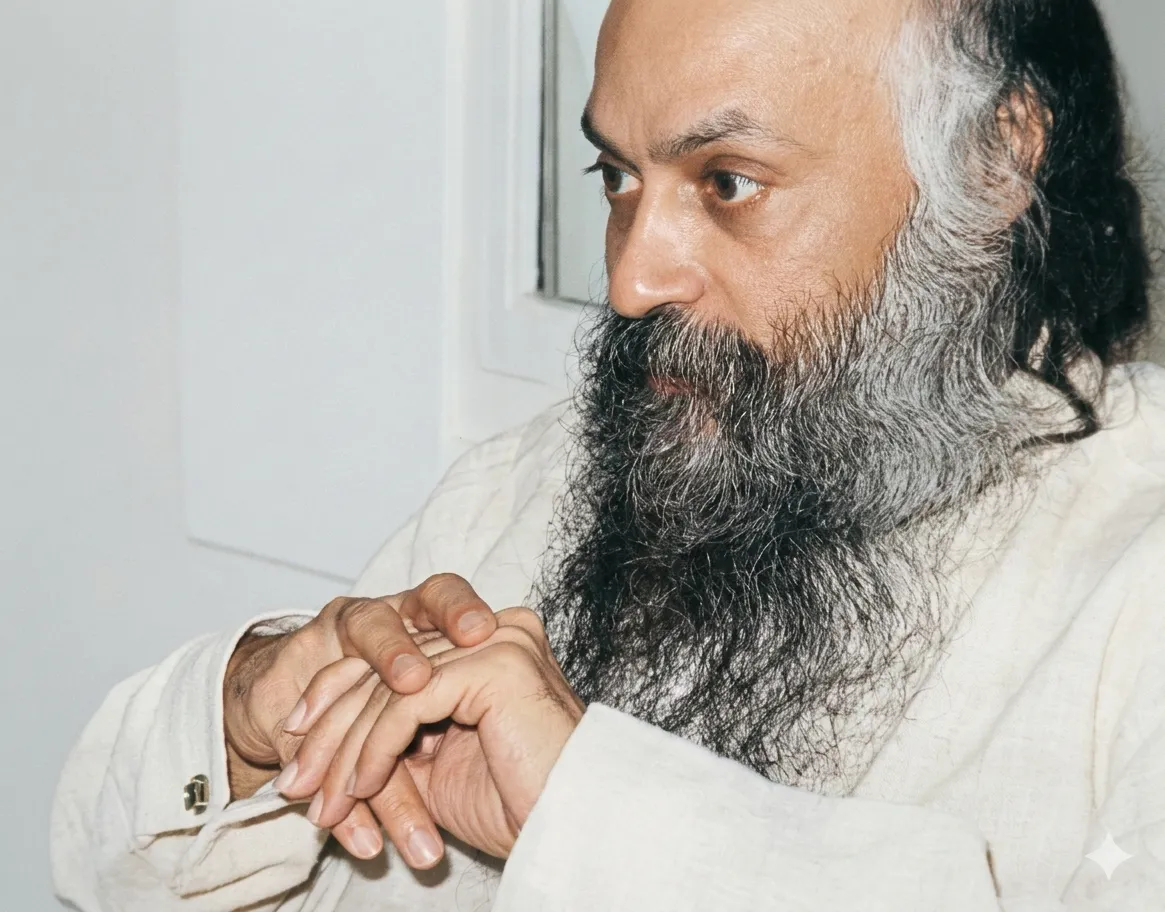
Osho's original Hindi beside Osho Live's English translation, matched passage by passage.
मेरे प्रिय आत्मन!
My beloved Atman!
श्रद्धा को तो किसी से भी नहीं ललकारा जा सकता। लेकिन जिसे हम श्रद्धा कहते हैं, वह श्रद्धा होती ही नहीं; वह होता है सिर्फ विश्वास। और विश्वास को किसी से भी ललकारा जा सकता है।
श्रद्धा और विश्वास के थोड़े से भेद को समझ लेना जरूरी है।
विश्वास है अज्ञान की घटना--जो नहीं जानते, उनकी मान्यता का नाम विश्वास है। श्रद्धा है ज्ञान की चरम परिणति--जो जानते हैं, उनके जानने में श्रद्धा है। उसे किसी भी भांति नहीं ललकारा जा सकता। लेकिन जिसे हम श्रद्धा कहते हैं, वह श्रद्धा नहीं है; वह विश्वास है, बिलीफ है।
और ध्यान रहे, जो विश्वास करता है, वह श्रद्धा तक कभी भी नहीं पहुंचता है। श्रद्धा तक पहुंचना हो, तो विश्वास में ही संदेह का सहारा लेना जरूरी है। श्रद्धा तक पहुंचना हो, तो अंधे होने की जगह आंख का खुला होना जरूरी है। श्रद्धा तक पहुंचना हो, तो कुछ भी मान लेने के बजाय, जो है, उसे खोजना जरूरी है।
हम सारे इतने कमजोर लोग हैं कि बिना खोजे मान लेते हैं। यह बिना खोजे जो हमने मान रखा है, इसे तो किसी भी भांति से तोड़ा जा सकता है। असल में, इसे तोड़ने की जरूरत ही नहीं, यह टूटा हुआ ही है। यह हम भी अपने भीतर जानते हैं कि हमारे विश्वास के नीचे कोई बुनियाद नहीं है, कोई आधार नहीं है। इसलिए विश्वास से भरा हुआ आदमी सदा भयभीत रहता है।
यह जिन मित्र ने पूछा है, वे भी विश्वास से ही भरे होंगे। इसलिए उन्हें डर है कि कहीं तर्क से उनका विश्वास ललकारा न जाए। तर्क ललकारेगा। तर्क बहुत कीमती है। और जिन्हें श्रद्धा तक पहुंचना है, उन्हें तर्क के मार्ग से गुजरना ही पड़ता है। असल में, श्रद्धा तब आती है जब सब तर्क हार कर गिर जाते हैं। और विश्वास तब आता है, जब तर्क किया ही नहीं गया हो।
जिसने तर्क किया ही नहीं है, वह विश्र्वासी होता है। और जिसने सब तर्क किए और पाया कि सब तर्क गिर गए, वह श्रद्धा को उपलब्ध होता है। श्रद्धा तर्कों की मृत्यु पर खड़ी होती है और विश्वास तर्क से बच कर आड़ में छिप कर खड़े होते हैं। विश्वास अंधेरे की चीजें हैं, श्रद्धा पूर्ण प्रकाश की घटना है। श्रद्धा को लेकिन हम विश्वास समझ कर बड़ी आसानी से जी लेते हैं।
ईश्र्वर का हमें कोई पता नहीं, लेकिन हम मानते हैं कि ईश्र्वर है। यह भी हो सकता है कि ईश्र्वर का हमें कोई पता नहीं और हममें से कोई मानता हो कि ईश्र्वर नहीं है। ये दोनों ही विश्वास हैं। आस्तिक भी विश्र्वासी है और नास्तिक भी विश्र्वासी है। उनके विश्वास विपरीत हैं, यह बात दूसरी है, लेकिन दोनों विश्वास हैं, दोनों बिलीफ्स हैं। विश्वास का लक्षण यही है कि जो हमें पता नहीं है, उसके संबंध में भी हम कुछ मान लेते हैं। यदि पता नहीं है ईश्र्वर के होने का, तो आस्तिक भी विश्र्वासी है और नास्तिक भी विश्र्वासी है।
धार्मिक आदमी इन दोनों से भिन्न होता है। धार्मिक आदमी का मतलब आस्तिक नहीं होता। धार्मिक आदमी का मतलब होता है वह जिसने जाना। और जो जान लेता है, वह हां और न में उत्तर देने में असमर्थ हो जाता है। क्योंकि जो वह जानता है उसमें हां और न दोनों ही एक साथ सम्मिलित होते हैं। वह जो जानता है उसमें निषेध और विधेय दोनों एक साथ उपस्थित होते हैं। वह जो जानता है उसमें जीवन और मृत्यु, अंधेरा और प्रकाश एक के ही रूप हो जाते हैं। उसमें अस्तित्व और अनस्तित्व एक ही सत्य के दो पहलू होकर रह जाते हैं।
श्रद्धा को तो ललकारने का कोई उपाय नहीं, क्योंकि जब सब ललकार खो जाती है, तभी श्रद्धा आती है। लेकिन ऐसी श्रद्धा शायद कभी करोड़, दो करोड़, दस करोड़ में एक आदमी के पास होती है। बाकी लोगों के पास सिर्फ विश्वास होते हैं। और सब विश्वास बेमानी हैं। और सब विश्वास श्रद्धा से रोकने वाले हैं। विश्वास का मतलब यह है कि मंजिल पर पहुंचने के पहले हमने मान लिया कि मंजिल आ गई। और जो आदमी मंजिल पर पहुंचने के पहले मान ले कि मंजिल आ गई, उसकी यात्रा रुक जाए तो आश्र्चर्य तो नहीं! जब मंजिल आ ही गई, तो बात खत्म हो गई।
आस्तिक इसी भांति रुका हुआ है, ईश्र्वर को उसने मान ही लिया है, जानने की कोई जरूरत नहीं रह गई। नास्तिक भी इसी भांति रुका हुआ है, उसने भी मान लिया है कि नहीं है, और जो नहीं है उसे खोजने की क्या जरूरत?
धार्मिक आदमी मान कर नहीं जीता, धार्मिक आदमी बहुत विद्रोही आदमी है, बहुत रिबेलियस है। धार्मिक आदमी कहता है, जो मैं नहीं जानता, उसके संबंध में मैं कुछ भी न कहूंगा। और जो मैं नहीं जानता, उसे जानने की कोशिश करूंगा। और जब तक नहीं जान लेता हूं तब तक मेरा कोई विश्वास नहीं है। धार्मिक आदमी मूलतः एग्नास्टिक होता है। धार्मिक आदमी मूलतः दावेदार नहीं होता, रहस्यवादी होता है। वह कहता है, जो मुझे मालूम नहीं, उसे मालूम करने की कोशिश करूंगा, जानने की कोशिश करूंगा। और जिस दिन वह जान लेता है, उस दिन बड़ी कठिनाई में पड़ता है।
बुद्ध एक दिन सुबह एक गांव में प्रवेश किए हैं और एक आदमी ने आकर बुद्ध से पूछा कि मैं आस्तिक हूं, ईश्र्वर पर मेरा भरोसा है। मैं आपसे भी पूछना चाहता हूं, ईश्र्वर है?
बुद्ध ने उस आदमी को नीचे से ऊपर तक देखा और कहा: ईश्र्वर? ईश्र्वर कहीं भी नहीं है। किस भ्रमजाल में पड़े हो?
उस आदमी की जैसे किसी ने जड़ें हिला दीं, वह आदमी कंप गया।
बुद्ध आगे बढ़े। दोपहर एक दूसरा आदमी उसी गांव में उनसे मिलने आया और उसने कहा कि मैं नास्तिक हूं और नहीं मानता कि ईश्र्वर है। आपका क्या खयाल है?
बुद्ध ने कहा: ईश्र्वर को नहीं मानते? पागल तो नहीं हो गए हो? उसके अतिरिक्त और कोई भी नहीं है, वही है।
वह आदमी भी सुबह वाले आदमी जैसा कंप गया।
लेकिन बुद्ध के साथ एक भिक्षु था आनंद। वह बहुत मुसीबत में पड़ गया। उसने दोनों उत्तर सुन लिए। अब वह प्रतीक्षा करने लगा कि कब सांझ हो, कब एकांत मिले, मैं बुद्ध को पूछूं कि तुमने क्या किया? सुबह कहा नहीं, दोपहर कहा हां। लेकिन इसके पहले कि रात हो एक आदमी और आया सांझ को और बुद्ध से कहने लगा कि मुझे कुछ भी पता नहीं है कि ईश्र्वर है या नहीं। आप कुछ कहेंगे?
बुद्ध चुप ही रह गए। उस आदमी ने दो-चार बार कहा कि कुछ कहो, लेकिन बुद्ध ने आंखें बंद कर लीं और वे चुप ही बैठे रहे।
आनंद और मुसीबत में पड़ गया कि दिन में तो उत्तर दिए, सांझ उत्तर भी नहीं दिया। रात जब बुद्ध सोने लगे, तो आनंद ने कहा: पहले सोओ मत, अन्यथा मेरी रात भर की नींद हराम हो जाएगी। पहले मुझे बता दो कि असलियत क्या है?
बुद्ध ने कहा: कौन सी असलियत?
आनंद ने कहा: सुबह एक आदमी को एक उत्तर, दोपहर दूसरा उत्तर, सांझ तीसरा उत्तर। मैं मुसीबत में पड़ गया हूं।
बुद्ध ने कहा: वे उत्तर तुम्हें तो नहीं दिए गए थे। तुमने सुने क्यों? जिसे दिए गए थे, उसके लिए थे।
आनंद ने कहा: और आप मुश्किल करते हैं मेरी! मैं साथ था, मुझे सुनाई पड़ गए हैं और मैं मुसीबत में पड़ गया हूं।
बुद्ध ने कहा: मैंने तीनों को एक ही उत्तर दिया है। और वह यह कि तुम मुझसे सुन कर अगर कोई विश्वास लेने आए हो, तो मैं तुम्हें विश्वास देने वाला नहीं हूं। बुद्ध ने कहा: मैंने तीनों को एक ही उत्तर दिया है। और वह यह कि अगर तुम मेरे आधार पर ऑथेरिटी, कोई प्रमाण, कोई आप्त आदमी के आधार पर कोई विश्वास बनाने आए हो, तो मैं तुम्हें विश्वास न बनाने दूंगा। क्योंकि जो विश्वास बना लेता है, उसकी यात्रा बंद हो जाती है, वह सत्य तक कभी भी नहीं पहुंच पाता।
और हम सब विश्वास बनाए हुए लोग हैं। हम शास्त्रों में से विश्वास खोज लेते हैं, गुरुओं में से विश्वास खोज लेते हैं। हम चौबीस घंटे इस तलाश में हैं कि कोई ऐसा विश्वास मिल जाए जिसके सहारे हम जी लें। हमें सत्य की कोई चिंता नहीं। हमें सहारों की चिंता है। हमें सत्य से कोई संबंध नहीं। हमें सांत्वना चाहिए। हमें सत्य की कोई खोज नहीं। हमें संतोष चाहिए।
संतोषी आदमी संतोष की तलाश में विश्र्वासों को घेर कर जी लेता है। विश्वास की कोई जड़ नहीं, कोई आधार नहीं, कोई बुनियाद नहीं; विश्वास सिर्फ हमारे भय के आधार पर खड़े होते हैं। हम भयभीत हैं और अपने अज्ञान को स्वीकार करने की सामर्थ्य भी हममें नहीं है। हम इतने कमजोर हैं कि हम यह भी नहीं कह सकते कि हमें ज्ञात नहीं है, हमें पता नहीं है। हम अज्ञानी हैं, इसको स्वीकार करने के लिए भी बहुत हिम्मत की जरूरत है। इतनी हिम्मत हममें नहीं है। इसलिए हम कोई भी विश्वास पकड़ लेते हैं और ज्ञानी बन जाते हैं। बिना जाने जानने का मजा आ जाता है। दावेदार हो जाते हैं और समझ लेते हैं कि पहुंच गए। ऐसे पहुंच गए की भ्रांति में पड़े हुए लोग विश्र्वासी हैं। इन विश्र्वासियों को तो सब तरह से हिला देने की जरूरत है, ताकि इनकी यात्रा शुरू हो जाए, ताकि ये खोज पर निकल जाएं।
तो मैं आपसे कहूंगा, श्रद्धा को तो तर्क की कोई चुनौती नहीं पहुंचती, क्योंकि श्रद्धा आती ही तब है जब तर्कों की चुनौती के पार आदमी चला जाता है। लेकिन विश्र्वासों को, बिलीफ्स को सब तर्क हिला देते हैं। इसलिए विश्र्वासी कान बंद करके जीता है कि कोई तर्क सुनाई न पड़ जाए। इसलिए विश्र्वासियों के जहां मंडल हैं और दुकानें हैं, वहां उनको समझाया जाता है कि विरोधी की बात मत सुनना, तर्क की बात मत सुनना, कान बंद कर लेना कि कहीं कोई तर्क भीतर जाकर विश्वास को नष्ट न कर दे। लेकिन ऐसे विश्वास की कीमत कितनी है जो एक तर्क से नष्ट हो जाता है। ऐसा विश्वास तर्क से भी कमजोर है। ऐसे विश्वास का कोई भी मूल्य नहीं है।
श्रद्धा का जरूर मूल्य है। लेकिन ध्यान रहे, श्रद्धा का मतलब ही कुछ और है। श्रद्धा का मतलब है: जानने से जो दृढ़ता आती है, जानने से जो मजबूती आती है, जान लेने से जो पैर जमीन पर खड़े हो जाते हैं, जान लेने से जो हिम्मत और साहस आता है, जान लेने से जो आधार और बुनियाद मिल जाती है। अब एक अंधा आदमी हो, वह प्रकाश पर विश्वास कर सकता है, श्रद्धा नहीं कर सकता। अंधा आदमी प्रकाश पर विश्वास कर सकता है, श्रद्धा नहीं कर सकता। असल में, अंधा आदमी श्रद्धा करेगा भी कैसे? एक आंख वाले आदमी को प्रकाश पर श्रद्धा होती है, विश्वास नहीं। इन दोनों में इतना ही फर्क है। जो जानता है, उसका मानना बहुत और है--वह मानना नहीं है, वह जानना ही है। और जो बिना जाने मानता है, वह जानना नहीं है, सिर्फ मानना है। अंधेरे में मानी गई बातों की कोई कीमत नहीं है।
यह हमारा देश हजारों साल से इसी तरह के विश्र्वासों से भरा हुआ है। इन विश्र्वासों के कारण हम अंधे से अंधे होते चले गए। और इन विश्र्वासों के कारण हमने आंख खोल कर देखना भी बंद कर दिया कि कहीं कोई विपरीत सत्य न दिखाई पड़ जाए। कहीं ऐसा न हो कि कुछ ऐसा दिखाई पड़ जाए जो हमारे शास्त्र में न हो, तो बड़ी मुश्किल हो जाए। इसलिए हमने विज्ञान की खोज नहीं की। क्योंकि विश्र्वासी लोग विज्ञान की खोज नहीं कर सकते।
विज्ञान की खोज यह बात मान कर चलती है कि संदेह का मूल्य है। विज्ञान की खोज का मौलिक प्रारंभ यही है कि हम संदेह करने में समर्थ हैं। हम संदेह नहीं कर सके, इसलिए विज्ञान की खोज नहीं कर सके। हम विश्वास करके जड़ होकर बैठ गए और एक स्टैग्नेंट, एक अवरुद्ध समाज, एक मृत समाज हमने पैदा कर लिया है। और बहुत डर इस बात का है कि हम इतने हजारों साल के विश्र्वासी लोग हैं कि अगर हम बदलें, तो कहीं ऐसा न हो कि विपरीत विश्वास को पकड़ लें। नक्सलाइट विपरीत विश्र्वासी है। वह कोई संदेह करने वाला व्यक्ति नहीं है। वह गीता को छोड़ देता है, तो कैपिटल को मार्क्स की पकड़ लेता है। और महावीर को छोड़ता है, तो मार्क्स के पैर पकड़ लेता है। हम विश्र्वासी कौम हैं। और खतरा यह है कि इतने परेशान हो गए हैं पुराने विश्वास से कि इस बात का डर है कि कहीं हम नये विश्वास न पकड़ लें!
और ध्यान रहे, पुराने विश्वासों से भी खतरनाक होते हैं नये विश्वास। क्योंकि जब तक वे इतने पुराने न हो जाएं, तब तक उनसे छूटने का फिर उपाय नहीं होता। वहां रूस में भी यही हुआ। रूस एक विश्र्वासी कौम है और उन्नीस सौ सत्रह तक उसने अंधे की तरह ईसाइयत पर विश्वास किया था। फिर वह अंधापन बदला। आंख नहीं खुली, सिर्फ अंधेपन ने शक्ल बदल ली। और जहां मस्जिद और मंदिर और जीसस का चर्च था, वहां क्रेमलिन के लाल सितारे आ गए। और जहां जीसस और उनके अपॉसल्स थे--ल्यूक थे और सेंट जॉन थे, वहां स्टैलिन और लेनिन और मार्क्स बैठ गए। फर्क कुछ भी न हुआ। देवता बदल गए। और ध्यान रहे, नये देवता खतरनाक सिद्ध होते हैं। क्योंकि उनको मारने में, उनसे छुटकारा पाने में फिर हजारों साल लगते हैं। तब उनसे छुटकारा हो पाता है।
हमारे देश के सामने भी वही सवाल है। हम विश्र्वासी कौम हैं, यह हमारा सबसे खतरनाक लक्षण है। इसमें खतरा यही है कि किसी दिन हम विश्वास बदलें, तो कहीं ऐसा न हो कि हम कोई दूसरा विश्वास पकड़ लें। इसलिए हमें अब बहुत सचेत हो जाना चाहिए विश्वास से और समझ लेना चाहिए कि बिना जाने जो भी पकड़ा जाएगा, वह नुकसान पहुंचाता है। बड़ा नुकसान तो यह पहुंचाता है कि हमारे सत्य की जिज्ञासा अवरुद्ध हो जाती है। बड़ा नुकसान यह पहुंचाता है कि हमारी पूछने की क्षमता क्षीण हो जाती है। फिर हम प्रश्न नहीं उठा पाते। और बड़ा नुकसान यह पहुंचाता है कि सत्य की जो रोज दैनंदिन खोज है, वह समाप्त हो जाती है। जब कि खोज रोज जारी रहे तो ही जीवन जारी रहता है। जैसे नदी बहती रहे तो ही सागर तक पहुंचती है, कोई तालाब सागर तक नहीं पहुंचता। तालाब बड़ा विश्र्वासी है, वह जहां रुका है उसी को सागर समझ लेता है, फिर जाने की कोई जरूरत नहीं रह जाती। नदी बड़ी संदेहग्रस्त है। वह भागती है, खोजती है, खोजती है, पुकारती है, दौड़ती है, तोड़ती है मार्गों को, अनजान-अपरिचित रास्तों पर भटकती है और सागर तक पहुंचती है। और जब तक नहीं पहुंच जाती, तब तक मानती नहीं।
मैं उस व्यक्ति को धार्मिक कहता हूं, जिसका चित्त नदी की भांति है, जो खोज पर निकला है। उस आदमी को मैं मुर्दा कहता हूं--और मुर्दा आदमी धार्मिक नहीं हो सकता--जो तालाब की तरह बंद होकर बैठ गया है और जिसने समझा कि सब पा लिया गया है, सब विश्वास कर लिया गया है, अब और कुछ खोजने को नहीं है।
Faith cannot be challenged by anyone. But what we call faith is not faith at all; it is only belief. And belief can be challenged by anyone. It is essential to understand the slight difference between faith and belief. Belief is a phenomenon of ignorance—what those who do not know take to be true is called belief. Faith is the ultimate flowering of knowing—those who know, in their very knowing there is faith. That cannot be challenged by any means. But what we call faith is not faith; it is belief—belief. And remember, the one who believes never arrives at faith. If one is to reach faith, within belief itself one must take the support of doubt. To reach faith, instead of being blind, the eyes must be open. To reach faith, rather than accepting anything, one must search for what is. We are all so weak that we accept without inquiring. What we have accepted without seeking can be shattered by any means. In fact, there is no need to break it; it is already broken. We know within ourselves that beneath our belief there is no foundation, no ground. Therefore, a person full of belief always remains fearful.
पहली तो बात यह है कि जो सत्य सनातन है, उसे आज तक कभी शब्दों में प्रकट नहीं किया गया है। और जो भी शब्दों में प्रकट हो जाता है, वह सामयिक हो जाता है, सनातन नहीं रह जाता। जो इटर्नल है, वह जो शाश्र्वत है, वह शब्द के प्रकट होने के बाहर है। और जो भी हम प्रकट करते हैं भाषा में, शब्द में, वह सामयिक हो जाता है, युगीन हो जाता है, वह शाश्वत नहीं रह जाता।
First, that truth which is eternal has never been expressed in words. And whatever is expressed in words becomes temporal; it is no longer eternal. The eternal, the timeless, is beyond the reach of the word. Whatever we express in language, in words, becomes time-bound, of an era; it does not remain eternal.
वेद भी, बाइबिल भी, गीता भी, कुरान भी, मैं जो कह रहा हूं वह और भविष्य में भी कोई आदमी जो कुछ कहेगा वह, वह सभी युगीन सत्य हैं, शाश्वत नहीं। निश्र्चित ही, जिन्होंने युगीन सत्य कहे हैं उन्होंने सनातन सत्य को जाना है; लेकिन जो जाना जाता है वह कहा नहीं जा पाता है, कहते ही युगीन हो जाता है। जो जाना जाता है वह कुछ और है और जो कहा जाता है वह कुछ और है।
The Vedas, the Bible, the Gita, the Koran, what I am saying now, and whatever anyone will say in the future—all are truths of their time, not eternal. Certainly, those who spoke time-bound truths had known the eternal truth; but what is known cannot be said, and the moment it is said it becomes of time. What is known is one thing; what is said is another.
रवींद्रनाथ मर रहे थे, मरणशय्या पर थे। और एक बूढ़े मित्र ने जाकर उनको कहा कि आप तो आनंदित हों, अनुगृहीत हों, परमात्मा को धन्यवाद दें कि आपको जो गाना था वह आपने गा लिया, जो कहना था वह कह दिया। रवींद्रनाथ ने छह हजार गीत लिखे हैं। उस आदमी ने कहा कि इतने ज्यादा गीत किसी आदमी ने कभी नहीं लिखे, पूरी पृथ्वी पर नहीं लिखे। शेली को जिसे यूरोप में महाकवि कहते हैं, उसके भी दो हजार गीत ही हैं। आपने छह हजार गीत लिखे हैं। सब गीत संगीत में बांधे जा सकते हैं, ऐसे गीत हैं। आप महाकवि हैं। जब वह यह कह रहा था, तब उसने सोचा कि मैं बड़ी प्रशंसा कर रहा हूं, लेकिन जब रवींद्रनाथ की तरफ देखा, तो बहुत हैरान हो गया, उनकी आंख से आंसू झर रहे थे।
Rabindranath was dying, on his deathbed. An old friend came and said to him, You should be joyful, grateful; thank God that you have sung what you had to sing, you have said what you had to say. Rabindranath wrote six thousand songs. That man said, No one has ever written so many songs on the whole earth. Shelley, whom Europe calls a great poet, has only two thousand songs. You have written six thousand; all can be set to music—such songs! You are a great poet. Thinking he was offering great praise, he looked at Rabindranath and was astonished to see tears flowing from his eyes.
रवींद्रनाथ ने कहा: मत कहो, ये बातें मत कहो। क्योंकि मैं जो गाना चाहता था, वह अभी तक गा ही नहीं पाया। अभी तो सिर्फ साज बिठा पाया। अभी संगीत कहां बजा! अभी तो सिर्फ ताल ठोक-पीट कर कुछ बिठाए थे तार। अभी गा कहां पाया! और यह तो विदा का क्षण आ गया! और अंत में उन्होंने कहा कि मैं जानता हूं कि मुझे अनंत समय मिले तब भी मैं उसे न गा पाऊंगा जिसे मैं भीतर अनुभव करता हूं। क्योंकि जब भी मैने कुछ अनुभव किया और गाया, गाते से ही पता लगा कि जो अनुभव किया था, वह शब्द में जाते ही कुछ और हो गया है।
Rabindranath said, Do not say these things. What I wanted to sing I have not yet been able to sing. I have only tuned the instrument. Where has the music played yet? I merely knocked and tightened a few strings. I have not sung. And now the moment of departure has come! In the end he said, I know that even if I were given infinite time, I still could not sing what I experience within. For whenever I experienced something and sang it, the moment it entered words I saw it had become something else.
कोई सनातन सत्य मनुष्य की भाषा में आज तक उतर नहीं सका है। कभी भी उतर नहीं सकेगा। सनातन का अर्थ ही यह है, शाश्र्वत का अर्थ ही यह है कि हम उसे जान सकते हैं लेकिन कह नहीं सकते। कहना सामयिक हो जाता है। सब भाषा समय की भाषा है। सब प्रतीक समय के प्रतीक हैं। सब कहना समय का कहना है।
No eternal truth has descended into human language till today. It never will. Eternal means: we can know it, but we cannot say it. Speaking makes it temporal. All language is the language of time. All symbols are symbols of time. All saying belongs to time.
तो सनातन सत्य कहीं भी नहीं हैं, जिनको आप पकड़ कर बैठ जाएं। सनातन सत्य जरूर है, जिसे अगर पाना हो, तो शब्दों की पकड़ छोड़ देनी पड़ती है। जिसे भी सनातन सत्य तक जाना है, उसे और सभी सत्यों से, शास्त्रीय सत्यों से छुटकारा पाना होगा। शास्त्रीय सत्यों में उलझा हुआ आदमी कभी भी सनातन सत्य को उपलब्ध नहीं होता। शब्दों और सिद्धांतों में उलझा हुआ चित्त इतना निर्विकार नहीं हो पाता कि उस निराकार को जान ले। शब्दों का भी अपना आकार है, हर शब्द का अपना आकार है। और जो चित्त शब्दों से भरा है, वह कभी आकार के ऊपर नहीं उठ पाता।
So there are no eternal truths anywhere that you can catch hold of and sit with. The eternal truth surely is; but to attain it, one has to let go of the grip of words. Whoever would go to the eternal truth must be free of all other truths—of scriptural truths. A man entangled in scriptural truths never attains the eternal. A mind tangled in words and doctrines cannot become so unconditioned as to know the formless. Words have their own form; every word has its own shape. And a mind filled with words can never rise beyond form.
शायद आपको पता न हो कि हर शब्द की अपनी एक छवि है। अगर आप एक पतले से कागज पर रेत के बहुत बारीक कण बिछा दें और नीचे से शब्द करें, नीचे से कहें, राम--तो उस पतले कागज पर एक खास तरह का पैटर्न लहरों की, एक खास तरह की जाली उस रेत में बन जाएगी। आप नीचे से कहें, अल्लाह--तो दूसरी तरह की जाली बनेगी। आप नीचे से कहें, ओम--तो दूसरी तरह की जाली बनेगी। वे जो रेत के कण हैं, तत्काल एक पैटर्न, एक ढांचे में बंट जाएंगे। हर शब्द की अपनी ध्वनि है। हर शब्द का अपना रूप है। हर शब्द का अपना आकार है। हर शब्द का अपना रंग भी है। और हर शब्द हमारे भीतर जगह को घेरता है। जितने ज्यादा शब्द भीतर हों--चाहे वे कितने ही पुनीत शास्त्रों से आए हों, और चाहे कितने ही पवित्र ग्रंथों से लिए गए हों--उनके कारण भीतर निराकार का दर्शन नहीं हो पाता। और वह जो सनातन है, वह निराकार है।
Perhaps you do not know that every word has its own image. If you spread very fine grains of sand on a thin sheet of paper and utter a word beneath it—say, Ram—on that paper a particular pattern of waves, a particular lattice will form in the sand. Say, Allah—another lattice will form. Say, Om—another pattern will arise. Those grains of sand instantly divide into a pattern, a mold. Every word has its own sound. Every word has its own form. Every word has its own shape. Every word even has its own color. And every word occupies space within us. The more words there are inside—even if they come from very sacred scriptures, from holy texts—because of them the vision of the formless does not happen within. And the eternal is formless.
सब शब्द छोड़ कर जो शून्य में प्रवेश करता है, वही केवल सनातन सत्य को जान पाता है।
Only one who drops all words and enters the void comes to know the eternal truth.
लेकिन जिसे हम शून्य में जानते हैं, उसे अगर हम शब्द में कहने जाएंगे, तो विकृति होनी अनिवार्य है। यह ऐसा ही है, जैसे कि समझें, आप मेरे घर आएं और मैं वीणा पर कुछ बजाऊं और आप सुन कर लौटें, और आप ऐसे लोगों के पास पहुंच जाएं जो बहरे हों, और आप उनसे कहें कि वीणा बहुत आनंदपूर्ण थी, बहुत रस आया, संगीत था बहुत, ध्वनि थी बहुत सुंदर, प्राण खिल गए, फूल खिल गए। वे कुछ भी न सुनें। वे आपसे कहें कि आप चित्र बना कर बता दो, तो थोड़ा हम समझ पाएंगे। बहरे लोग। उनके पास आंखें हैं। मैंने जो आपसे संगीत में बजाया, अगर आप कागज पर चित्र बना कर बताएं, तो जो हालत हो जाए वही हालत जिसे हम शून्य में जानते हैं उसे शब्द में कहने में हो जाती है। माध्यम बदल जाते हैं।
But what we know in the void—if we go to say it in words, distortion is inevitable. It is as if you come to my house and I play something on the veena. You listen and return, and you reach people who are deaf. You say to them, The veena was full of delight, so much flavor, such beautiful sound, my life blossomed, flowers opened. They hear nothing. They say, Draw us a picture and we might understand a little. Deaf people. They have eyes. What I played in music—if you try to draw it on paper, whatever happens there, the same happens when we try to say in words what we know in the void. The medium changes.
इसलिए कोई भी सनातन सत्य आज तक नहीं कहा गया। कहने की बहुत बार कोशिश की गई है। कम्युनिकेट करने के बहुत प्रयास किए गए हैं, लेकिन सनातन सत्य नहीं कहा गया। और जिन्होंने भी कहा है, उन्होंने भी यह साथ में कहा है कि जो कहना था वह शब्दों में नहीं कहा जा रहा है। जो कहना था वह प्रवचन से उपलब्ध नहीं हो सकता है। न प्रवचनेन लभ्य! वह नहीं मिलेगा उपदेश से, नहीं मिलेगा शब्द से।
Therefore no eternal truth has ever been said. Many times there have been attempts to say it. There have been many efforts to communicate, but eternal truth has not been spoken. And those who did speak also said alongside that what was to be said cannot be said in words. What was to be said is not obtainable through discourse. Na pravachanen labhya—It will not be attained by sermons; not by words.
लाओत्सु ने जिंदगी भर कोई किताब नहीं लिखी। क्योंकि जब भी लोगों ने कहा कि जो तुमने जाना है वह लिख दो। तो उसने कहा: जो मैंने जाना है उसे जब लिखने जाता हूं तो नहीं लिखा जाता और जो लिखा जाता है वह मैंने जाना नहीं है। इस झंझट में मैं न पडूंगा। अंत समय में लोग नहीं माने। लाओत्सु देश छोड़ कर पहाड़ की तरफ जा रहा था, तो देश के सम्राट ने लाओत्सु को चुंगी नाके पर पकड़वा लिया और उससे कहा कि जब तक लिख कर न जाओगे तब तक हम जाने न देंगे।
Lao Tzu wrote no book his whole life. Whenever people said, Write what you have known, he said, When I go to write what I have known, it cannot be written; and what gets written is not what I have known. I will not get into this mess. In the end people would not relent. Lao Tzu was leaving the country, going toward the mountains. The emperor had him stopped at the toll gate and said, Until you write, we will not let you pass.
मजबूरी में लाओत्सु ने एक छोटी सी किताब लिखी। किताब का नाम है: ताओ तेह किंग। उस छोटी सी किताब में थोड़ी सी बातें लिखी हैं। और उन थोड़ी सी बातों में भी सर्वाधिक बार-बार जो बात लिखी है वह यह है कि जो मैं कह रहा हूं उस पर विश्वास मत कर लेना, क्योंकि जो मैंने जाना वह कुछ और है। जो पहली बात उस किताब में लिखी है वह यह लिखी है कि सत्य कहा नहीं जाता और जो कहा जा सकता है वह कहने के साथ ही सत्य नहीं रह जाता।
Under compulsion Lao Tzu wrote a small book—Tao Te Ching. In that little book he wrote a few things. And among those few things, the one most repeated is this: Do not believe what I am saying, because what I have known is something else. The very first line in that book says: Truth cannot be said, and what can be said ceases, upon being said, to be truth.
सनातन सत्य अगर आपके हाथ में होते, तब तो उन्हें छोड़ने की कोई जरूरत न थी। आपके हाथ में सनातन सत्यों के नाम पर केवल सामयिक सत्य हैं। वे हो सकते हैं कि कोई दो हजार साल पहले के समय के हों, कोई पांच हजार साल पहले के समय के हों, कोई और दस हजार साल पहले के समय के हों, इससे कोई फर्क नहीं पड़ता, लेकिन किसी समय की धारा में प्रकट हुए शब्दों का हमारे पास संग्रह है। चाहे उसका नाम हम कुछ भी देते हों--चाहे हम वेद कहें, चाहे बाइबिल कहें, चाहे गीता, चाहे कुरान, हम कोई भी नाम दें। हमारे पास समय-शून्य से उतरी हुई समय की धारा में जो शब्दों की भाषा में झलक आई है, आकृति आई है, वही हमारे पास है। यह ऐसा ही है जैसे कि मैं किसी नदी के किनारे खड़ा हो जाऊं और पानी के दर्पण में मेरा चित्र बने और उस चित्र को, पानी में बने हुए प्रतिबिंब को कोई मुझे समझ ले कि मैं हूं और उसी को पकड़ कर बैठ जाए।
If eternal truths were in your hands, there would be no need to leave them. In the name of eternal truths, only temporal truths are in your hands. They may be from two thousand years ago, five thousand years ago, ten thousand years ago—it makes no difference. What we have is a collection of words that appeared in the stream of time—whatever name we give it: Veda, Bible, Gita, Koran. We have the glimmer, the outline that descended from the timeless into the current of time in the language of words. It is as if I stand on the bank of a river and my image forms in the mirror of the water and someone takes that reflection to be me and sits clinging to it.
समय के बाहर, बियांड टाइम जो सत्य हैं, उनका समय की धारा में प्रतिबिंब बनता है। हम उन्हीं प्रतिबिंबों को पकड़ लेते हैं। उन प्रतिबिंबों को पकड़ कर हजारों वर्ष तक बैठे रह जाते हैं। हाथ में कुछ नहीं रह जाता। सिर्फ पानी की लहरें होती हैं, कोई प्रतिबिंब नहीं होता। उन्हीं प्रतिबिंबों को पकड़ कर यदि कोई सोचता हो कि हमारे पास तो पुराने सत्य हैं हम नये की खोज क्यों करें, तो उससे ज्यादा गहरी भ्रांति में और कोई न पड़ेगा। उससे ज्यादा गहरे असत्य में और कोई न पड़ेगा। असत्य में पड़ने की सबसे सरल तरकीब एक है और वह यह है कि यह मान लेना कि सत्य हमारे पास सनातन परंपरा से चले ही आ रहे हैं, हम उन्हीं को पकड़ कर जी लेंगे, खोज की कोई भी जरूरत नहीं है।
The truths beyond time cast their reflections in the stream of time. We clutch those reflections. We sit holding them for thousands of years. Nothing remains in the hands—only the ripples of water; the reflection is gone. If someone, holding those reflections, thinks, We have the old truths; why search for the new?—no one could fall into a deeper delusion. There is no simpler trick for falling into untruth than to assume that truth has been handed down to us by eternal tradition, that we will live by holding it, and there is no need to seek.
ध्यान रहे, प्रत्येक व्यक्ति को, जिसने सत्य को जाना है, उसे पुनः-पुनः खोजना पड़ता है। प्रत्येक व्यक्ति को सत्य निजी तौर से खोजना पड़ता है। सत्य की कोई परंपरा और ट्रेडीशन नहीं होती। सत्य की कोई बपौती और वसीयत नहीं होती। सत्य कोई हेरिटेज में नहीं मिलता है कि बाप मरे और बेटे को लिख जाए कि मेरे सत्यों की मालकियत अब तेरे हाथ है। धन मिल सकता है बाप से, क्योंकि धन आदमी की बनाई हुई व्यवस्था है। मकान मिल सकता है बाप से, क्योंकि मकान आदमी का बनाया हुआ इंतजाम है। सत्य नहीं मिलते बाप से, क्योंकि सत्य आदमी का बनाया हुआ इंतजाम नहीं है। सत्य प्रत्येक को स्वयं ही पाने होते हैं।
Remember, each person who has known truth had to rediscover it anew. Each person must seek truth personally. Truth has no tradition. Truth has no proprietary right, no bequest. Truth is not received as heritage: the father dies and writes to the son, The ownership of my truths is now in your hands. Wealth can come from the father, because wealth is man-made arrangement. A house can come from the father, because a house is man’s contrivance. Truth does not come from the father, because truth is not man’s contrivance. Truth must be attained by each one for himself.
इसलिए जब मैं यह कह रहा हूं कि खोज करें सत्य की, तो मैं यह नहीं कह रहा हूं कि आप कोई नया सत्य खोज लेंगे। खोजेंगे तो आप वही, जो सदा से है। जो कृष्ण ने खोजा होगा, जो क्राइस्ट ने खोजा होगा, जिसके दर्शन मोहम्मद को हुए होंगे, जिसे जरथुस्त्र ने झांका होगा, वही झांकेंगे आप। लेकिन जब झांकेंगे, तो सदा अपनी निजी खिड़की से ही झांकना पड़ेगा। मोहम्मद की खिड़की पर खड़े होकर झांकने का कोई उपाय नहीं है। इसलिए मुसलमान होना बेमानी है। कृष्ण की खिड़की से खड़े होकर झांकने का कोई उपाय नहीं है। इसलिए हिंदू होना नासमझी है। महावीर की खिड़की पर खड़े होकर झांकने का कोई उपाय नहीं है। इसलिए जैन होने से कोई तृप्त हो जाए तो नासमझ है।
Therefore, when I say seek truth, I am not saying you will discover a new truth. You will discover the very same that always is. What Krishna discovered, what Christ discovered, what Mohammed beheld, what Zarathustra glimpsed—that is what you will glimpse. But when you glimpse, you will always have to glimpse through your own window. There is no way to stand at Mohammed’s window and peep. Therefore, to be a Muslim is meaningless. There is no way to stand at Krishna’s window and peep. Therefore, to be a Hindu is foolishness. There is no way to stand at Mahavira’s window and peep. Therefore, if someone is satisfied by being a Jain, he is unintelligent.
सत्य अपने ही खोजने पड़ेंगे। सत्य तो वही है, लेकिन हर बार अपनी ही आंख से उसे जांचना पड़ता है। अपनी ही आंख खोल कर उसे पहचानना पड़ता है। न हम दूसरे की जिंदगी जी सकते हैं, न दूसरे की मृत्यु मर सकते हैं और न हम दूसरे के सत्यों को जान सकते हैं।
Truth will have to be sought by oneself. The truth is the same, but every time it must be tested with one’s own eyes. One must recognize it by opening one’s own eyes. We cannot live another’s life, we cannot die another’s death, and we cannot know another’s truths.
निश्र्चित ही, जब हम भी जानते हैं, तो हमें पता चलता है कि यही तो औरों ने भी जाना। लेकिन इसके पहले यह भी पता नहीं चलता। जिस दिन आप जानेंगे, उस दिन आप कह सकेंगे कि ठीक है, किसी ने भी जो जाना होगा वही मैंने भी जाना। लेकिन इससे उलटा नहीं कह सकते कि जब किसी और ने जान लिया तो मुझे जानने की क्या जरूरत, मैं उसी को मान लूंगा और जान लूंगा। ऐसा नहीं हो सकता। शास्त्र आपकी गवाही बन जाएंगे। जिस दिन आप जानेंगे, उस दिन सारी दुनिया के शास्त्र गवाही देंगे कि ठीक पहुंच गए। उस दिन आप शास्त्रों को समझ पाएंगे कि मैं भी वहीं खड़ा हूं जहां इस शास्त्र को कहने वाला खड़ा रहा हो। लेकिन उसके पहले कोई भी उपाय नहीं है। उसके पहले शास्त्रों से कुछ भी मिल नहीं सकता है।
Certainly, when we too know, we come to see: This is exactly what the others had known. But before that, we do not know this either. The day you know, that day you will be able to say, Fine—whatever anyone else had known, that is what I too have known. But you cannot reverse it and say, Since someone else has known, what need have I to know? I will accept it and thereby know it. It cannot be so. Scriptures will become your witnesses. The day you know, that day all the scriptures of the world will bear witness that you have reached. That day you will understand the scriptures—that I too am standing where the one who uttered this scripture stood. Before that, there is no way. Before that, nothing can be got from scriptures.
मैं आपसे पुराने सत्य छोड़ने को नहीं कह रहा हूं। सत्य न तो पुराना होता है और न नया होता है। सिर्फ असत्य पुराने होते हैं और असत्य नये होते हैं। सत्य तो सदा होता है, पुराने-नये का कोई संबंध नहीं है। लेकिन जो सदा होता है, उसे सदा, सदैव स्वयं ही जानना पड़ता है। सत्य एक निजी अनुभव है। अत्यंत निजी अनुभव है। जैसे प्रेम एक निजी अनुभव है। फिर भी प्रेम में तो दो की जगह होती है, सत्य में दो की भी जगह नहीं होती। सत्य में आप निपट अकेले रह जाते हैं, एकाकी रह जाते हैं। आपके पिता ने भी प्रेम जाना होगा, उनके पिता ने भी प्रेम जाना होगा, मेरे पिता ने भी प्रेम जाना, परंपराओं से लोग प्रेम जान रहे हैं, लेकिन उन सबके प्रेम जानने की वजह से आप यह न कहेंगे कि जब इतने लोग प्रेम जान चुके, तो मैं प्रेम किसलिए जानूं? मैं लैला-मजनू की किताब पढ़ लूंगा। मैं शीरी-फरिहाद को छाती से बांध कर रख लूंगा। मैं प्रेम को क्यों जानने जाऊं? जब सारे लोग जान चुके सनातन सत्य, तो अब मुझे जानने की क्या जरूरत है? लेकिन शीरी-फरिहाद को घोल कर भी पी जाएं, तो भी प्रेम का कोई पता नहीं चलेगा। प्रेम को फिर से जानना पड़ेगा। प्रत्येक व्यक्ति को जानना पड़ेगा।
I am not telling you to abandon old truths. Truth is neither old nor new. Only untruths are old and untruths are new. Truth simply is; it has nothing to do with old and new. But that which simply is must always be known by oneself. Truth is a personal experience—utterly personal. Like love is a personal experience. Yet in love there is still space for two; in truth there is not even space for two. In truth you are utterly alone; you remain solitary. Your father will have known love, his father will have known love, my father knew love; generation after generation people have known love. But because of all their knowing you will not say, Since so many have known love, why should I know love? I will read the story of Laila and Majnun. I will clasp Shirin and Farhad to my chest. Why should I go to know love? When so many have known the eternal truth, why should I know it? But even if you dissolve Shirin and Farhad into a drink and swallow them, you will get no clue to love. Love must be known afresh. Each person must know it.
सत्य भी प्रेम जैसा है। थोड़ा सा फर्क है। प्रेम को जानने में फिर भी दो व्यक्ति होते हैं। वह निजता भी दो की है। प्रेम दो के बीच एक बहाव है। सत्य और भी अकेला है, वह दो के बीच बहाव नहीं है, सत्य एक का ही बहाव है, एक का नितांत अकेलापन है। वह टोटल अलोन, टोटली अलोन, एकदम अकेला जब कोई रह जाता है शून्य में, तब वह जिसे जानता है वह सत्य है, वह सनातन है। उस सनातन सत्य के लिए ही मैं कह रहा हूं। मैं किसी नये सत्य के लिए नहीं कह रहा हूं और इसलिए किसी पुराने सत्य के खिलाफ नहीं कह रहा हूं। मैं सनातन सत्य के लिए ही कह रहा हूं। उस सनातन सत्य के खिलाफ वे ही सत्य खड़े हो गए हैं जो कभी उस सनातन सत्य से ही आए हैं। कभी उस सनातन सत्य के अनुभव से ही जो शब्द निकले थे उनको ही हम पकड़ कर बैठ गए हैं। और अब हम शब्दों में ही जी रहे हैं।
Truth is like love—only with a small difference. In knowing love there are still two persons; that privacy is of two. Love is a flow between two. Truth is even more solitary; it is not a flow between two. Truth is the flow of one alone, the utter aloneness of one. It is total alone, totally alone—when someone remains absolutely alone in the void, then what he knows is truth; it is the eternal. It is for that eternal truth that I am speaking. I am not speaking for any new truth, and therefore not against any old truth. I am speaking for the eternal truth. It is precisely against that eternal truth that those truths now stand which once arose from that eternal itself. From the experience of the eternal, words once came forth; we have clutched those very words, and now we live in words.
शायद आदमी की जिंदगी में भटकाव का जो सबसे बड़ा मार्ग हो सकता है वह शब्द है। और शब्द इस भांति भटका सकते हैं कि हम यह भूल ही जाएं कि शब्दों के बाहर भी कोई जगत है। हम शब्दों में ही जीते, उठते, बैठते, खाते, पीते हैं। हमारे चारों तरफ शब्दों की एक भारी दीवाल है। हम उसके पार कभी नहीं उठ पाते। हम उस दीवाल को कभी पार नहीं कर पाते। हर आदमी शब्दों की एक गहरी पर्त में दबा हुआ जीता है और मर जाता है।
Perhaps the greatest path of going astray in human life is the word. And words can mislead us in such a way that we forget there is a world outside words. We live, rise, sit, eat, drink in words. Around us is a massive wall of words. We never rise beyond it. We never cross that wall. Every person lives pressed under a thick layer of words and dies.
इन शब्दों से थोड़ा ऊपर उठना पड़ेगा। क्योंकि जो है, वहां कोई शब्द नहीं, वहां शांति है। जो है, वहां कोई सिद्धांत नहीं, वहां परम जीवन है। लेकिन हमारी कठिनाई यह है, हमारी कठिनाई यह है कि हम शब्दों में बात करते हैं, शब्दों में संवाद करते हैं। मजबूरी है। इसके सिवा कोई उपाय भी नहीं है। लेकिन यह शब्दों में बात करते-करते, करते-करते शब्द ही शब्द हमारे पास रह जाते हैं। और हम एक कंप्यूटर हो जाते हैं, जिसके पास शब्द ही शब्द हैं और भीतर कुछ भी नहीं रह जाता है।
We have to rise a little above these words. Because where That-Which-Is is, there are no words—there is silence. Where That-Which-Is is, there is no doctrine—there is supreme life. But our difficulty is that we speak in words; we communicate in words. It is a compulsion. There is no other way either. But in talking and talking in words, only words remain with us, and we become a computer in which there are only words and inside there is nothing.
नहीं, मैं यह नहीं कह रहा हूं कि आप शब्दों को छोड़ कर गूंगे हो जाएं। मैं कह सिर्फ इतना रहा हूं कि शब्दों के बाहर भी आपके अस्तित्व का कोई द्वार खुला रहे, उसी द्वार से सनातन उतरता है, उसी द्वार से सत्य उतरता है। और जिस दिन सत्य उस द्वार से आता है, उस दिन आप भी भलीभांति जानते हैं कि इसे शब्दों में कहने का कोई भी उपाय नहीं है।
No, I am not saying you should drop words and become mute. I am only saying: beyond words, let there remain at least one doorway of your being open. Through that doorway the eternal descends; through that doorway truth descends. And the day truth comes through that door, that day you too know well that there is no way to say it in words.
सुना है मैंने कि फरीद तीर्थयात्रा पर निकला है। और निकलता है कबीर के आश्रम के पास से। तो फरीद के साथी उससे कहते हैं कि हम कबीर के आश्रम में रुक जाएं दो दिन। आप दोनों की बातें होंगी, तो हमें सुन कर बड़ा आनंद होगा। फरीद कहता है कि रुकेंगे जरूर, शायद बातें भी हों, लेकिन तुम सुन न पाओगे। वे फरीद के प्रेमी कुछ समझ नहीं पाते, वे सोचते हैं, जब बातें होंगी तो हम जरूर ही सुन पाएंगे। और जब कबीर के आश्रम में खबर पहुंचती है कि फरीद गुजर रहा है यहां से, तो कबीर के भक्त और प्रेमी उनसे कहते हैं, हम फरीद को रोक लें, दो-चार दिन वे यहां विश्राम करें, आप दोनों की बातें होंगी तो हमारे लिए तो स्वर्ग का द्वार खुल जाएगा। कबीर कहते हैं, बातें? जो बोलेगा, वह नासमझ होगा।
I have heard that Farid set out on pilgrimage and passed by Kabir’s ashram. Farid’s companions said to him, Let us stop at Kabir’s ashram for two days. If you two speak with each other, our joy in listening will be great. Farid said, We will certainly stop; perhaps there will also be talk, but you will not be able to hear. Farid’s lovers did not understand. They thought, If there is talk, surely we will hear. When news reached Kabir’s ashram that Farid was passing, Kabir’s devotees said, Let us stop Farid; let him rest here for a few days. If you both talk, the gates of heaven will open for us. Kabir said, Talk? Whoever speaks will be the unknowing.
फिर फरीद आता है, कबीर के आश्रम में रुकता है। वे गले मिलते हैं, वे हंसते भी हैं, वे रोते भी हैं, वे पास भी बैठते हैं घंटों, लेकिन कुछ बात नहीं होती। फिर दो दिन गुजर जाते हैं। और भक्तों पर जैसी मुसीबत गुजरी होगी, वह हम समझ सकते हैं। वे बेचारे बैठे हैं प्रतीक्षा में...प्रतीक्षा में...प्रतीक्षा में...घंटे लंबे मालूम होने लगे, घड़ियां गुजरना मुश्किल हो गईं, वे फरीद और कबीर बोलते नहीं। कभी एक-दूसरे की तरफ देख कर हंसते हैं, कभी एक-दूसरे की तरफ देख कर रोते हैं, कभी एक-दूसरे को गले मिल जाते हैं, कभी एक-दूसरे का हाथ हाथ में ले लेते हैं, लेकिन चुप्पी है कि नहीं टूटती, शब्द है कि नहीं फूटता। फिर दो दिन भी गुजर गए। फिर विदा भी हो गई।
Then Farid came and stayed at Kabir’s ashram. They embraced, they laughed, they wept; they sat side by side for hours—but nothing was said. Two days passed. We can understand the plight of the devotees. The poor fellows sat waiting…waiting…waiting… Hours began to feel long, time crawled; Farid and Kabir would not speak. Sometimes they looked at each other and laughed; sometimes they looked at each other and wept; sometimes they embraced; sometimes they took each other’s hand in hand—but the silence would not break; no word would sprout. Then two days passed. And the farewell also happened.
विदा होते ही कबीर के शिष्यों ने कबीर को पकड़ा और कहा कि यह क्या किया? दो दिन हमारी मुसीबत कर दी! बोले क्यों नहीं?
As soon as the farewell was over, Kabir’s disciples caught hold of Kabir and said, What have you done? You put us through two days of torment! Why did you not speak?
कबीर ने कहा: अगर मैं बोलता, तो मैं नासमझ हो जाता। क्योंकि जो मैं जानता हूं, वह बोला नहीं जा सकता। और उसे फरीद भी जानता है। अब उससे अगर मैं कुछ भी बोलता, तो वह गलत होता। तुमसे मैं कुछ बोलता हूं, वह थोड़ा-बहुत गलत होता ही है, लेकिन चल जाता है, क्योंकि तुम्हें सही का कुछ भी पता नहीं। और तुमसे बिना बोले नहीं चलेगा। फरीद से बिना बोले भी चल गया। हमने एक-दूसरे को समझा, हम एक-दूसरे से बोले चुप्पी में, मौन में।
Kabir said, If I had spoken, I would have been the unknowing. Because what I know cannot be spoken. And Farid also knows it. If I had said anything, it would have been wrong. With you I do say something; it is inevitably somewhat wrong—but it passes, because you have no idea of what is right. And with you it will not do without speaking. With Farid it was fine without speaking. We understood one another; we spoke to each other in silence.
फरीद के शिष्यों ने गांव के बाहर होते ही फरीद को कहा कि आपने यह क्या किया? यह कैसा अन्याय! यह हमसे कैसी ज्यादती! दो दिन गुजारने मुश्किल हो गए! यह कैसी ऊब पैदा कर दी! आप बोले क्यों नहीं?
Farid’s disciples, just outside the village, said to Farid, What have you done? What injustice! What cruelty toward us! Two days were impossible to pass! What boredom you created! Why did you not speak?
फरीद ने कहा: मैंने तो तुमसे पहले ही कहा था कि बोलेंगे जरूर, लेकिन तुम सुन न सकोगे। एक और बोलना भी है, जो शब्दों के बिना होता है। और ऐसे, कबीर जैसे आदमी के पास, जो निःशब्द में जीता हो, उससे शब्द में बुलवा कर क्या तुम मेरी फजीहत करते? जिसने असली सूरज को देखा है, उसके सामने मिट्टी के दीये रखने से कुछ मतलब था? और जिसने असली सोना देखा है, उसके सामने पीतल के गहने प्रकट करने से क्या कुछ मेरी अमीरी प्रकट होती?
Farid said, I had told you beforehand that we would surely speak, but you would not be able to hear. There is another speaking which happens without words. And before a man like Kabir, who lives in the wordless, to make him speak in words—would you have me disgrace myself? Before one who has seen the real sun, what meaning is there in placing earthen lamps? And before one who has seen real gold, what would be shown of my wealth by displaying brass ornaments?
नहीं, सत्य आज तक कहा नहीं गया है। सत्य की जगह गैप, खाली जगह छूट गई है। इसलिए अगर असली शास्त्र पढ़ना हो, तो जहां-जहां अक्षर हो वहां-वहां छोड़ कर, जहां-जहां खाली जगह हो वहां-वहां पढ़ लेना, बिटवीन दि लाइंस, लकीरों के बीच में, शब्दों के बीच में जहां खाली जगह हो वहां जरा गौर से देखना, शायद वहां सत्य मिल जाए। शब्दों में सत्य नहीं मिलेगा। वहां सिर्फ आड़ी-टेढ़ी लकीरें हैं स्याही से खींची गई। कोरे कागज में शायद मिल जाए, भरे कागज में न मिलेगा। कोरे कागज में शायद इशारा हो, भरे कागज में कोई इशारा नहीं है। खाली जगह में खोजना, क्योंकि भीतर भी वह खाली जगह और कोरे मन को उपलब्ध होता है।
इसलिए जिन मित्र ने यह पूछा है, मैं किन्हीं नये सत्यों के लिए नहीं कह रहा हूं, किन्हीं पुराने सत्यों के खिलाफ नहीं कह रहा हूं। पकड़े गए सत्य असत्य हो जाते हैं, उनके खिलाफ कह रहा हूं। जाने गए सत्य ही सत्य होते हैं, उनके पक्ष में कह रहा हूं। सनातन को जानना हो, तो सामयिक से मुक्त होने की जरूरत है।
No, truth has not been said till today. In the place of truth, a gap—an empty space—has been left. Therefore, if you want to read the real scripture, then wherever there are letters, leave them; wherever there is empty space, read there—between the lines. Look carefully at the empty space between the words; perhaps there you may find truth. In the words you will not find it—there are only crooked lines drawn in ink. On the blank paper perhaps there is a hint; on the filled page there is no hint. Seek in the empty space, because within too it becomes available only in that empty space, to the blank mind. Therefore, to the friend who has asked this: I am not advocating any new truths, nor am I opposing any old truths. Truths that are clung to turn into untruth; I speak against those. Only truths that are realized are true; I speak in their favor. To know the eternal, one must be free of the temporal.
यह सवाल महत्वपूर्ण है। इसे थोड़ा समझना उपयोगी है।
This is an important question. It is useful to understand it a little.
पहली बात तो यह समझना उपयोगी है कि आदमी बेहोश क्यों होना चाहता है? और ऐसा कोई युग नहीं हुआ जब आदमी बेहोश न होना चाहा हो। चाहे वेद के युग का सोमरस हो, चाहे शराब हो, गांजा हो, अफीम हो, भांग हो, या आधुनिक युग का मेस्कलीन हो, एल एस डी हो, मारिजुआना हो, इससे कोई फर्क नहीं पड़ता। आदमी बेहोश क्यों होना चाहता है? ठेठ वैदिक ऋषियों से लेकर अल्डुअस हक्सले तक आदमी बेहोश क्यों होना चाहता है?
First, understand why man wants to be unconscious. There has never been an age when man did not long to be unconscious. Whether it was the Vedic era’s soma, or alcohol, ganja, opium, bhang, or the modern age’s mescaline, LSD, marijuana—it makes no difference. Why does man want to be unconscious? From the stark Vedic seers to Aldous Huxley—why this urge to forget?
जरूर आदमी की होश की जिंदगी सुखद नहीं है, आदमी की होश की जिंदगी वेदनापूर्ण है। आदमी जहां जीता है, वहां कष्ट हैं, पीड़ाएं हैं। आदमी जैसे जीता है, वहां दुख और दुख और जहर और जहर है। आदमी जैसा है, वहां कांटें ही कांटे हैं। इस सबको भूलने की जरूरत आदमी को सदा से मालूम होती रही है।
Surely man’s conscious life is not blissful; it is full of pain. Where man lives, there are afflictions and wounds. The way man lives—there is sorrow and more sorrow, poison and more poison. As man is, it is not a state one wants to remember. Man has always felt the need to forget.
भूलने के उसने बहुत से उपाय खोजे हैं। रासायनिक तरकीबें खोजी हैं भूलने की। धार्मिक तरकीबें खोजी हैं भूलने की। शारीरिक तरकीबें खोजी हैं भूलने की। मानसिक तरकीबें खोजी हैं भूलने की। बहुत तरह की तरकीबें खोजी हैं। एक आदमी गांजा पीकर भूल जाता है उस जिंदगी को जहां वह था; उन लोगों को जिनसे संबंधित था; उन बातों को जो उसकी छाती पर पत्थर बन गई थीं। शराब पीकर भूल जाता है उस सब व्यापार को, दुकान को, बाजार को जो उसके प्राणों में तीरों की तरह छिद गए हैं। अफीम खाकर भूल जाता है उस पत्नी को जिसके साथ सोचा था कि एक स्वर्ग बन जाएगा, लेकिन नरक बन गया है। मेस्कलीन ले लेता है, एल एस डी ले लेता है। और हजार तरकीबें हैं जिनमें वह अपने को भुला देता है। थोड़ी देर को वह नहीं हो जाता है। और जैसे-जैसे सभ्यता बढ़ी है, वैसे-वैसे यह भुलाने की आकांक्षा तीव्र हुई है।
He has found many ways to forget—chemical tricks, religious tricks, bodily tricks, mental tricks. Many devices. One person smokes ganja and forgets the life he was living, the people he is tied to, the burdens that lay like stones upon his chest. Another drinks and forgets the shop, the market, the business that pierced his being like arrows. Another eats opium and forgets the wife he thought would bring heaven, but with whom life became a hell. One takes mescaline, another LSD—there are a thousand devices by which he loses himself. For a little while he is not. And as civilization has advanced, this longing to forget has only intensified.
लेकिन कुछ लोग हैं, जो बिना इसको समझे कहेंगे कि मादक द्रव्य बंद कर दिए जाएं।
But some, without understanding, simply say intoxicants should be banned.
मैं उन लोगों में से नहीं हूं। और मैं मानता हूं, उनकी दृष्टि अवैज्ञानिक है। मैं मानता हूं कि जिंदगी में दुख कम हों, मैं मानता हूं कि जिंदगी में आनंद हो, मैं मानता हूं कि जिंदगी में रस के द्वार खुलें, तो दुनिया से मादकता अपने आप क्षीण हो जाए। मैं नहीं मानता हूं कि हम मादक द्रव्य बंद कर दें, तो दुनिया में रस और आनंद बढ़ जाएगा। हां, इतना ही हो सकता है, ठीक शराब न मिले, तो लोग स्प्रिट की बोतलें पी लें और मर जाएं।
I am not among them. I hold that their vision is unscientific. I want suffering to lessen in life; I want joy to grow; I want the doors of delight to open—then intoxication will wither away on its own. I do not believe that by banning intoxicants, joy and rasa will increase. At most, if proper liquor is not available, people will drink bottles of industrial spirit and die.
आदमी जैसा है, वैसा याद रखने योग्य नहीं है। मेरे लिए इसलिए आदमी कैसा हो, यह सवाल है, जिसे कि भूलने की जरूरत न रह जाए।
As man is, he is not in a condition worth remembering. For me the question is: what should man become so that there remains no need to forget?
ध्यान रहे, अगर आप आनंदित हैं, तो आप कभी भी भूलना नहीं चाहते। जब आप दुखी हैं, तभी आप भूलना चाहते हैं। आप भूलना चाहते तभी हैं जब कुछ चीज है जिससे आप पीठ फेर लेना चाहते हैं। वह कुछ भी हो, इससे कोई फर्क नहीं पड़ता।
Remember: when you are joyous, you never want to forget. Only when you are miserable do you want to forget. You want to forget only when there is something you wish to turn your back on—whatever it may be.
जिंदगी ऐसी बनाने की जरूरत है और आदमी की जिंदगी को ऐसे नियम और ऐसी व्यवस्था और ऐसी दिशा देने की जरूरत है कि जिंदगी में इतना रस और इतना आनंद हो सके कि जो भूले जिंदगी को वह अपने आप नासमझ सिद्ध हो जाए। वह खुद की आंखों में नासमझ सिद्ध हो जाए। लेकिन जिंदगी हम ऐसी नहीं बना पाते हैं। उलटे हम जिंदगी में ये भुलाने की जो तरकीबें हैं, चाहते हैं कि कोई कानून इन तरकीबों को रोक दे। कोई कानून इनको नहीं रोक पाएगा। क्योंकि आदमी की जरूरत है, जैसा आज आदमी है, उसकी यह जरूरत है। तब, तब हजारों साल की शिक्षाएं, हजारों साल के धर्मगुरुओं के उपदेश कुछ मतलब नहीं ला पाते, कुछ प्रयोजन हल नहीं होता। कुछ लोग चिल्लाए चले जाते हैं कि पाप है और नरक चले जाओगे और कुछ लोग पाप को मजे से किए चले जाते हैं और नरक की बेफिकर यात्रा करते रहते हैं। उनके चिल्लाने से कोई फर्क नहीं होता।
Life needs to be shaped—and man’s life given such rules, such order, such direction—that there is so much rasa and joy that anyone who forgets life is proved a fool in his own eyes. But we do not create such a life. Instead, we want some law to stop these methods of forgetting. No law will succeed, because as man is today, this is his need. Hence thousands of years of sermons and moralizing bring no result. Some keep shouting, “It is sin; you will go to hell,” and others keep sinning merrily and travel toward hell unperturbed. Their shouting makes no difference.
जरूर आदमी की जरूरत कहीं ज्यादा गहरी है कि वह नरक से भी भयभीत नहीं होता और पाप से भी भयभीत नहीं होता। और फिर कभी इन धर्मगुरुओं की पूरी बातों को सुनें, तो बड़ी हैरानी होगी। वे धर्मगुरु यहां तो कहते हैं लोगों से कि शराब मत पीना, लेकिन बहिश्त में शराब के चश्मे बहाते हैं। वे कहते हैं,बहिश्त में, स्वर्ग में शराब के झरने बह रहे हैं। और यहां एक चुल्लू शराब के लिए नरक भिजवा रहे हैं। तो देवताओं की क्या हालत हुई होगी अब तक जहां शराब के चश्मे बह रहे हैं? और उसी स्वर्ग में जाने के लिए बेचारा एक चुल्लू शराब छोड़ रहा है आदमी कि किसी तरह वहां पहुंच जाए जहां झरने बह रहे हैं। यहां वे धर्मगुरुसमझा रहे हैं कि स्त्री से बचना और वहां वे समझा रहे हैं कि स्वर्ग में जो अप्सराएं हैं वे सोलह साल से ज्यादा की नहीं होतीं, उनकी उम्र सोलह साल पर रुक जाती है। और उन्हीं अप्सराओं को पाने के लिए यहां स्त्रियों से भागना पड़ेगा, बचना पड़ेगा।
Plainly man’s need is so deep that he is not frightened even by hell, nor by sin. And if you listen to these preachers fully, it is astonishing: here they tell people, “Do not drink,” but in paradise they make rivers of wine flow. They say in heaven streams of liquor gush forth—and here, for a cupful, they dispatch you to hell! Imagine the gods’ state by now, where fountains of wine are flowing! And this poor fellow here is asked to renounce a sip so that he may reach that place of waterfalls of wine. Here they warn, “Beware of women,” and there they promise apsaras who never age past sixteen. To obtain those apsaras, here you must run from women!
यह सब क्या पागलपन है? वही प्रलोभन जिसे यहां रोक रहे हो, वही प्रलोभन वहां दे रहे हो! जरूर आदमी की जरूरत बहुत गहरी मालूम पड़ती है। वे तुम्हारे स्वर्ग में भी न जाएंगे अगर वहां शराब के चश्मे न हों, और अगर वहां की औरतें सोलह के ऊपर बढ़ जाती हों, तो वे कहेंगे, ऐसे स्वर्ग में रहने से तो हम नरक में ही जाना पसंद करते हैं। धर्मगुरुओं को भी पता है कि आदमी की बुनियादी जरूरतें क्या हैं।
What madness is this? The very temptation you forbid here, you dangle there! Obviously man’s needs seem very deep. They know even your heaven will be rejected if it has no fountains of wine; and if the women there age beyond sixteen, people will say they prefer hell to such a heaven. The preachers too know what man’s basic needs are.
लेकिन उन बुनियादी जरूरतों को समझने की चिंता नहीं है। मुझे ऐसा लगता है कि आज तक आदमी की बुनियादी जरूरतों को समझने की सहानुभूति ही नहीं दिखलाई गई है। आदमी की बड़ी जरूरत तो यह है कि उसकी जिंदगी आनंद की एक धारा होनी चाहिए, दुख की एक धारा नहीं। और जब तक दुख की धारा है, तब तक वह किसी तरह का नशा खोजे तो क्षम्य है; अपराधी नहीं है।
But there is no real concern to understand those needs. To me it seems there has been no compassion in truly understanding man’s fundamental needs. The great need is that his life should be a stream of joy, not of sorrow. And as long as sorrow flows, his seeking some kind of intoxication is forgivable; he is not a criminal.
और जब तक हम ऐसी जीवन की व्यवस्था नहीं बना सकते जहां आदमी का जीवन सुख और आनंद और नृत्य हो जाए, तब तक मैं समझता हूं कि बजाय शराबबंदी के सरकारों को कोशिश करनी चाहिए अच्छी शराब बनाने की। ऐसी शराब बनाने की जो लोगों के स्वास्थ्य को नुकसान न पहुंचाए। ऐसी शराब बनाने की जो लोगों के ऊपर हैंगओवर न लाती हो। ऐसी शराब बनाने की जो उनके लिए स्वास्थ्यप्रद हो जाए। ऐसी शराब बनाने की जो उनको बीमारियों में न डालती हो। और ऐसी शराब बनाई जा सकती है।
And until we can create a form of life where a person’s days become joy, celebration, dance, I think governments should, rather than prohibition, try to produce good alcohol—alcohol that does not harm health, that does not bring hangovers, that is healthful, that does not lead to disease. And such alcohol can be made.
जब आदमी चांद पर पहुंच सकता है, तो अब ये बकवास की बातें हैं कि ऐसी शराब नहीं बनाई जा सकती। आज विज्ञान की इतनी समझ है कि हम इस तरह की शराबें बना सकते हैं। बल्कि सच तो यह है कि इस तरह के मादक द्रव्य खोज लिए गए हैं। लेकिन दुनिया में जिनके शराब के व्यापार हैं, वे उन द्रव्यों को बाजार में आने देने के लिए राजी नहीं हैं। क्योंकि शराब के व्यापार का क्या होगा?
If man can reach the moon, it is nonsense to say such alcohol cannot be made. Science today understands enough to produce it. In fact, such psychoactives have already been found. But those who profit from the liquor trade do not allow them to reach the market—what would happen to their business?
सच बात यह है कि एल एस डी या मेस्कलीन बहुत ही निर्दोष मादक द्रव्य हैं, बहुत इनोसेंट, जिनसे सच में ही शायद ही कोई थोड़ा बहुत नुकसान पहुंचता हो। वह नुकसान भी काटा जा सकता है। लेकिन दुनिया भर की सारी हुकूमतें उनके खिलाफ हैं। और जो आदमी उन पर प्रयोग कर रहे हैं, उनको सजाएं दी जा रही हैं और जेलों में डाला जा रहा है। क्योंकि डर इस बात का है, दो तरह के डर हैं, एक तो शराब बेचने वालों को डर है और एक शराब के खिलाफ सिद्धांत बेचने वालों को डर है। दो डर हैं--एक तो शराब के कारखानेदारों को डर है कि अगर कोई ऐसी शराब निकल आए जो स्वास्थ्यप्रद हो, आनंददायी हो और जिसमें शराब की कोई भी भूलें और गलतियां और बुराइयां न हों, तो शराब के इस विश्वव्यापी व्यापार का क्या हो। और दूसरा डर है धर्मगुरुओं को कि अगर ऐसा नशा निकल आए जिसमें कोई नुकसान न हो, तो फिर हम किस शराब के खिलाफ बातें करेंगे? और लोगों को किस शराब के खिलाफ समझाएंगे? और लोगों को किस शराब के खिलाफ व्रत दिलवाएंगे? अणुव्रत आंदोलनों का क्या होगा? बहुत मुश्किल हो जाएगी। धर्मगुरु भी खिलाफ हैं कि ऐसी कोई चीज नहीं खोजी जानी चाहिए।
The truth is that LSD or mescaline are very innocent intoxicants—truly quite harmless for most, and whatever harm there is can be managed. But governments the world over are against them. Those who experiment with them are punished and jailed. There are two fears—one, among liquor-sellers, that if there appears a psychoactive that is healthful and bliss-giving, without the errors and evils of alcohol, what will become of the global alcohol trade? And second, among preachers of anti-alcohol doctrines, that if an intoxicant appears with no ill effects, then what will we speak against? What vows will we administer? What will happen to the Anuvrat movements? It will be very difficult! So the preachers too oppose the discovery of such things.
और भी एक कारण है कि ये जो लोग अपने को भूलना चाहते हैं, ये ही लोग मंदिर और मस्जिद में भी आते हैं। ये अपने को भूलने वाले लोग अगर नये ढंग के हुए तो सिनेमा जाते हैं और अगर जरा पुराने ढंग के हुए तो मंदिर और मस्जिद में जाते हैं। जो अपने को भूलना चाहता है, वह कई तरह की तरकीबें खोजता है। जाकर कोई आदमी भजन-कीर्तन, ताल-मंजीरा बजाने लगता है और कोई आदमी फिल्म पर चलती हुई तस्वीरें देख कर अपने को भुला लेता है। ये दो ढंग हैं, पुराने और नये। कोई आदमी रामलीला देख अपने को भुला लेता है, कोई आदमी जाकर फिल्म देख आता है। कहानी वही है, वही ट्रायंगल, वही प्रेम का झगड़ा, वही एक स्त्री और दो आदमियों के बीच तनाव। वही फिल्म में हो रहा है, वही रामलीला में हो रहा है। लेकिन पुराने ढंग का आदमी धार्मिक मालूम पड़ता है और नये ढंग का आदमी अधार्मिक मालूम पड़ता है। दोनों की तलाश एक है। दोनों कहीं जाकर किसी बात में अपने को भूल जाना चाहते हैं।
There is yet another reason: the very people who want to forget themselves are the ones who go to temples and mosques as well. If they are of the new type, they go to the cinema; if of the old type, to temple or mosque. One who wants to forget finds many ways. One beats the cymbals and sings bhajans, another watches moving pictures on a screen and forgets himself. Two styles—old and new. Someone watches a Ramlila and forgets himself; someone else a film. The same triangle, the same quarrel of love, the same tension between one woman and two men—what happens in films happens in the Ramlila. But the old-style man looks religious; the new-style man looks irreligious. Their search is the same: to lose themselves somewhere in something.
यह जो भूल जाना है, मैं इसे सहानुभूति से देखता हूं। और मैं मानता हूं कि अभी तक हम आदमी की जिंदगी में न तो ऐसा समाज ला पाए, न हम आदमी की जिंदगी में ऐसा विज्ञान ला पाए, न हम आदमी की जिंदगी में ऐसा धर्म ला पाए, जो उसको आनंद से भर दे। इसलिए आदमी भूलना चाहता है। दो उपाय हैं, एक तो यह कि हम उस दिशा में खोज करें। बड़ी कठिन है वह बात। क्योंकि उस दिशा में खोज करने में हमारी जिंदगी की हजारों व्यवस्थाओं को चोट पहुंचती है।
This urge to forget—I look upon it with compassion. I believe we have not yet brought into human life a society, a science, a religion that fills it with joy. Therefore man wants to forget. There are two ways forward. One, we search in that direction—very difficult, because seeking it would wound thousands of our social arrangements.
अब जैसे उदाहरण के लिए मैं एकाध उदाहरण दूं। क्योंकि यह तो बहुत बड़ी बात होगी। जरूरत होगी तो कल मैं आपसे फिर बात करूं। एकाध उदाहरण दूं।
Let me give one or two examples—because the subject is vast; if needed, I will speak again tomorrow.
जो बच्चे मां के पास बड़े होते हैं उनकी जिंदगी में बहुत सुख होना बहुत मुश्किल है। यह बहुत अजीब सी बात मालूम पड़ेगी। असल में, मां के पास जो बच्चा बड़ा होगा, उसे मां के दो रूप देखने पड़ते हैं एक ही साथ। कभी मां बहुत प्रसन्न होती है, आनंदित होती है, बच्चे को प्रेम करती है। कभी मां बहुत नाराज होती है, बहुत दुखी और परेशान होती है और बच्चे को मारती भी है, ठोकती भी है, क्रोध भी करती है। बच्चा उसी मां को प्रेम भी करता है और जब वह उसे क्रोध करती है, मारती, ठोकती है, तो उसे ही घृणा भी करता है।
Children who grow up with their mothers find happiness very difficult later in life. This will sound strange. In fact, the child who grows up with the mother must see two faces of her at once. Sometimes she is very happy, delighted, loving. Sometimes she is angry, upset, harried—she scolds, hits, is wrathful. The child loves the same mother, and when she is angry and hits him, he hates her too.
अब उस बच्चे की जिंदगी में एक बहुत ही दुर्घटना घट जाती है: वह एक ही व्यक्ति को प्रेम भी करता है और घृणा भी करता है। एक ही व्यक्ति के संबंध में उसका दोहरा रुख हो जाता है--प्रेम का और घृणा का। और इसी में वह बड़ा होता है। अब जो लोग जानते हैं, वे कहते हैं कि जब तक बच्चे मां के पास बड़े होंगे तब तक कभी पति-पत्नी सुखी नहीं हो सकते। क्योंकि वह जो लड़का है कल पति बनेगा और वह जिस स्त्री को प्रेम करेगा उसी स्त्री को घृणा भी करेगा। उसकी पूरी आदत मां के साथ जीकर एक ही स्त्री को घृणा करने और प्रेम करने की है। वह जिस स्त्री को भी प्रेम करेगा, एक तरफ से प्रेम का हाथ बढ़ाएगा, दूसरी तरफ से घृणा की छुरी भी तैयार रखेगा। सांझ प्रेम करेगा, सुबह गर्दन दबाएगा; दोपहर क्षमा मांगेगा, शाम फिर प्रेम करेगा। और यह चक्कर चलेगा। एक ही व्यक्ति के संबंध में दोहरी भावनाएं बहुत खतरनाक सिद्ध होने वाली हैं।
A calamity then befalls his life: toward one and the same person he holds both love and hate. His stance becomes double—love and hatred toward the same figure—and within this he grows up. Those who know say that so long as children grow up solely with their mothers, husband and wife can never be truly happy. Because that boy will become a husband, and the woman he loves he will also hate. His whole habit, learned with his mother, is to love and to hate one and the same woman. Whomever he loves, with one hand he will reach out in love; with the other he will keep the knife of hate ready. In the evening he will love, in the morning he will press the throat; at noon he will ask forgiveness, and by dusk love again. These double feelings toward one person prove very dangerous.
इजरायल में उन्होंने एक छोटा सा प्रयोग किया है किबुत्ज में। जिसमें उन्होंने बच्चों को मां से दूर रखने की कोशिश की है। दूर रखने का मतलब यह नहीं कि मां से नहीं मिलने दिया है, मां से मिलने दिया जाता है, मां कभी-कभी आकर स्कूल में नर्सरी में बच्चे को मिल जाती है। तब बच्चा मां का एक ही रूप देख पाता है--प्रेम से भरा हुआ, और उसके मन में आत्म-विरोधी दो स्वर पैदा नहीं हो पाते। मां जब भी उससे मिलने आती है--पंद्रह दिन में, महीने में, सप्ताह में, तभी आकर उसे गले से लगाती है। स्त्री का रूप उसके मन में प्रेम का ही रूप निर्माण होता है। और मां जब दुखी होती है, परेशान होती है, तो मिलने ही नहीं आती। वह मिलने ही तब आती है जब वह खुद ही आनंदित होती है, तब वह अपने बेटे को देखने आती है। अठारह-बीस साल तक बेटा पलता है नर्सरी में। मां उससे मिलती है, बाप उससे मिलता है। मां के साथ उसका एक ही संबंध होता है प्रेम का। और स्त्री के प्रति उसकी धारा भविष्य में एक ही होगी प्रेम की।
In Israel they tried a small experiment in the kibbutzim: they kept children away from the mother’s constant presence. “Away” does not mean they were not allowed to meet; the mother would visit the nursery. Then the child sees only one face of the mother—the loving one—and no inner split is created. Whenever she comes—fortnightly, monthly, weekly—she embraces him. The image of “woman” in his mind forms as pure love. When the mother is upset, disturbed, she does not come; she comes when she herself is joyous. The boy grows up in the nursery until eighteen or twenty. The mother meets him, the father meets him. His basic relation with the mother is love—and his future current toward woman will be one of love.
दूसरी बात, वह मां-बाप को दोनों को लड़ते नहीं देख पाता। जो कि घर में रहे, तो अंधा लड़का भी देख लेगा, उसके लिए आंखें होने की जरूरत नहीं है। क्योंकि मां-बाप के बीच शांति के क्षण इतने कम होते हैं और युद्ध के क्षण इतने ज्यादा होते हैं कि उसके लिए अंधा होना हो तो भी दिखाई पड़ जाएगा कि मां-बाप लड़ रहे हैं। और जब बच्चा बचपन से मां-बाप को लड़ते देखता है, तो लड़ना जिंदगी का हिस्सा हो जाता है और हर बच्चा अपने मां-बाप को अपनी जिंदगी में पुनरुक्त करता है, रिपीट करता है।
Second, he does not see his parents quarrel. If he lived at home, even a blind boy would see it—eyes are not needed! For moments of peace between parents are few, moments of war many; even blindness would not save him from seeing that they fight. When the child sees this from the beginning, fighting becomes part of life; and every child repeats his parents in his own life.
स्वभावतः लड़कियां अपनी मां को दोहराती हैं, लड़के आने बाप को दोहराते हैं। और करीब-करीब वही कहानी हर पीढ़ी में वापस दोहरती है। जो आपके पिता ने आपकी मां के साथ किया था, वह अपनी पत्नी के साथ आप किए चले जाते हैं। थोड़े बहुत फर्क होते हैं। लेकिन उन फर्कों से कोई बहुत फर्क नहीं पड़ता है। हर कहानी उसी ढांचे में दोहरती चली जाती है।
Naturally, girls repeat their mothers; boys repeat their fathers. Nearly the same story plays out in every generation. What your father did with your mother, you end up doing with your wife. There are minor differences, but not enough to matter; the same plot repeats.
किबुत्ज में मां-बाप जब दोनों साथ आते हैं, तो किबुत्ज की नर्सरी में आकर तो लड़ते नहीं। अगर घर लड़े हों, तो उस दिन आते ही नहीं। जब दोनों भले मन में होते हैं, मित्रतापूर्ण होते हैं, शत्रुतापूर्ण नहीं होते, जब दोनों के मन में प्रेम चल रहा होता है, तलाक नहीं चल रहा होता, तब वे बच्चे को देखने आते हैं। बच्चे के मन में उन दोनों की जो प्रतिमा है, वह आपस के प्रेम की प्रतिमा निर्मित होती है। यह बच्चा बहुत और तरह की जिंदगी जी सकेगा। इस बच्चे को शायद शराब की जरूरत कम पड़े। यह बच्चा शायद नशे में खोना जरूरी न समझे।
In the kibbutz, when both parents visit, they do not quarrel in the nursery. If they have fought at home, they simply do not come that day. They come when both are in a good mood, friendly, not hostile—when love is flowing, not divorce. The image that forms in the child’s mind is of their mutual love. Such a child will live a very different life. He will probably need less alcohol. He may not feel the necessity to lose himself in intoxication.
यह मैंने एक पहलू की बात कही। जिंदगी मल्टी-डाइमेन्शनल है, जिंदगी के बहुत आयाम हैं। और जिंदगी के सब आयामों की खोज की जाए, तभी हम कहीं ऐसे आदमी को जन्म दे पाएं जिसे नशे की जरूरत न हो।
This was just one facet. Life is multidimensional; it has many dimensions. Only when we explore them all can we bring forth a human being who does not need intoxication.
लेकिन मोरार जी भाई देसाई को इससे कोई मतलब नहीं है, उनको मतलब है कि शराब नहीं होनी चाहिए। उन्हें पता नहीं कि कुछ लोग तीन-चार घंटे चरखा कात कर उसी तरह अपने को भूल जाते हैं, जिस तरह कोई आदमी शराब पीकर अपने को भूलता है। असल में, चरखा भी अगर छह घंटे आप बैठ कर कातते रहें, तो चरखा भी बड़ा ही इनटाक्सिकेंट है। क्योंकि छह घंटे तक इतना बोर्डम का काम कोई भी आदमी करे, तो बुद्धि तो क्षीण होती है। चरखा कात रहा है, चरखे के साथ घूमते-घूमते तंद्रा पैदा हो जाती है। बुद्धि को काम करने की कोई जरूरत तो होती नहीं चरखे में। बुद्धि निष्क्रिय पड़ी रह जाती है और चरखे का चक्का घूमता जाता है एक अनवरत, एक ही धारा में, रिपीटेडली, मोनोटोनस। जैसे कोई राम-राम, राम-राम, राम-राम जपता रहता है, ऐसा चरखा घूमता रहता है। चरखे की रुन-धुन घूमती रहती है। चार-छह घंटे में चरखा वैसा ही मजा देता है जैसे कि नशा मजा देता है।
But Morarji-bhai Desai is not concerned with this. He is concerned that there should be no alcohol. He does not see that some people, by spinning a charkha for three or four hours, lose themselves in exactly the way another does by drinking. In fact, if you sit and spin for six hours, the charkha is a powerful intoxicant. Six hours of such boredom will dull the intellect. The wheel turns and turns; a trance is induced. The intellect has no work to do; it lies idle while the wheel goes on in a monotonous, repetitive hum—like someone muttering Ram-Ram, Ram-Ram, endlessly. In four to six hours the charkha gives the same pleasure that a drug gives.
लेकिन कोई चरखे में भुला लेता है अपने को, कोई किसी और ढंग से भुला लेता है अपने को। आदमी भुला रहा है। और आदमी तब तक अपने को भुलाता रहेगा जब तक आदमी आनंद की कोई धारा न खोज ले।
One person forgets himself in the charkha; another in some other way. Man is forgetting—and will keep forgetting until he discovers a current of joy.
तो या तो हम समाज की एक व्यवस्था खोजें, लेकिन यह कब होगा, यह कहना मुश्किल है। यह यूटोपिया कभी आएगा जमीन पर, कहना मुश्किल है। लेकिन प्रत्येक व्यक्ति अगर चाहे, तो अपने जीवन में आनंद की धारा जरूर खोज सकता है। सारे अवरोधों के बावजूद अगर कोई व्यक्ति चाहे, तो अपने भीतर से आनंद के स्रोत खोज सकता है।
So either we find a new social order—who knows when that utopia will come?—or, each person, despite all obstacles, can discover the stream of joy within his own life. If one truly wishes, one can find the inner source of bliss.
मैं अपने भीतर आनंद के स्रोत खोजने की व्यवस्था को ही ध्यान कहता हूं। हमारे भीतर भी आनंद की बड़ी रसपूर्ण ग्रंथियां हैं। लेकिन हम उन तक कभी जाते नहीं। हम अपने बाहर ही जीते हैं और बाहर ही जीकर समाप्त हो जाते हैं। हमें उस खजाने का पता ही नहीं चलता जो हमारे भीतर दबा है। अगर कोई व्यक्ति ध्यान की उस भीतर की धारा को खोज ले, तो उसे जगत में फिर शराब और नशे की कोई जरूरत नहीं रह जाती। रामधुन की भी कोई जरूरत नहीं रह जाती। और चरखा कात कर भुलाने की भी कोई जरूरत नहीं रह जाती। इलेक्शन लड़ कर भी अपने को भुलाने की जरूरत नहीं रह जाती। और गरीबों की सेवा में भी अपने को भुलाने की जरूरत नहीं रह जाती। और शराब पीने की और ताश खेल कर अपने को भुलाने की, और रोटरी क्लब और लायंस क्लब में बैठ कर अपने को भुलाने की भी जरूरत नहीं रह जाती। भुलाने की जरूरत विदा हो जाती है अगर हमारे भीतर रिमेंबरिंग आ जाए, उसका स्मरण आ जाए जो हमारे भीतर आनंद-स्रोत है। वह आनंद-स्रोत ध्यान की कुदाली से खोदा जा सकता है।
I call the process of discovering that inner source “meditation.” We have within us richly juicy glands of joy—but we never go there. We live outside and die outside, never coming to know the treasure buried within. If someone finds that inner current through meditation, then there is no need for wine or drugs, no need for Ramdhun, no need to lose oneself at the spinning wheel, no need to lose oneself by contesting elections, nor in the “service of the poor,” nor by playing cards, nor by sitting in Rotary and Lions clubs. The need to forget departs when remembering arises—remembrance of the inner source of bliss. That source can be unearthed with the pickaxe of meditation.
एक अंतिम सवाल:
One final question:
यही है प्रयोजन ध्यान से कि आपकी जिंदगी दुख की एक कहानी न रह जाए, बल्कि आनंद का एक झरना बन जाए। और आपके भीतर, प्रत्येक के भीतर इतनी क्षमता है और इतने अनंत स्रोत हैं कि वे सब अगर प्रकट हो जाएं, तो आपकी जिंदगी में चारों तरफ फूल और सुगंध फैल जाए। और चारों तरफ आपकी जिंदगी में वीणा बजने लगे। फिर उसे भुलाने की जरूरत न हो।
The purpose of meditation is that your life should no longer remain a tale of sorrow, but become a fountain of joy. Within you—within each one—there is such capacity and such infinite sources that if they all are revealed, flowers and fragrance will spread all around your life. The veena will begin to play around you. Then there will be no need to seek forgetfulness.
जिन मित्रों को ध्यान में सच में ही आकर्षण है और जो ध्यान के संबंध में कुछ समझना चाहें, उनके लिए रात की अलग बैठक है। तो ध्यान के संबंध में और भी चार-छह प्रश्न हैं, वह मैं रात की बैठक में ही बात करूंगा। क्योंकि ध्यान के संबंध में समझने से कुछ नहीं होगा, ध्यान को करने से कुछ होगा। आप आ जाएं साढ़े नौ बजे रात और ध्यान को करके देखें और देखें अपने भीतर जाकर और खोजें उसे जो आपके भीतर आपकी संपत्ति छिपी है। जिस दिन उस संपत्ति पर आपका हाथ पड़ जाए, उस दिन से दुनिया में आपको अपने को विस्मरण करने की जरूरत नहीं रह जाती है।
For friends who truly feel drawn to meditation and wish to understand something about it, there is a separate meeting at night. There are four or six more questions regarding meditation; I will speak about them in the night session. Because by understanding meditation nothing happens; by doing meditation something happens. Come at nine-thirty at night and do the meditation, go within and search for that treasure which is hidden within you. The day your hand touches that treasure, from that day you no longer need to forget yourself in the world.
मेरे लिए धर्म आत्म-स्मरण है, सेल्फ-रिमेंबरिंग है। और मेरे लिए धर्म के अतिरिक्त कोई भी आदमी ऐसा नहीं है जो अपने को भुलाने का कोई रास्ता न खोजे। रास्ते अलग होंगे, लेकिन रास्ता खोजना ही पड़ेगा। सेक्स में, संगीत में, सिनेमा में, कहीं न कहीं रास्ता खोजना पड़ेगा अपने को भूलने का। क्योंकि हम इतने दुखद हैं कि अपने साथ जीना बहुत ही कठिन है। यह बहुत मजे की बात है। अगर आपको एक कमरे में अकेला छोड़ दिया जाए, तो आप कहते हैं, बड़ी मुश्किल हो जाती है, अकेले जीना बहुत मुश्किल हो जाता है। लेकिन आपने कभी सोचा कि अकेला जीना मुश्किल हो जाता है, इसका मतलब क्या है? इसका मतलब है: अपने साथ जीना मुश्किल हो जाता है।
For me, religion is self-remembering. And for me, apart from religion there is no person who does not seek some way to forget himself. The paths may differ, but a path must be found—into sex, into music, into cinema—somewhere or other one seeks a way to forget oneself. Because we are so afflicted that living with ourselves is very difficult. It’s a curious thing: if you are left alone in a room, you say, “It becomes very hard; living alone is very difficult.” But have you ever thought what it means that living alone is difficult? It means: living with yourself is difficult.
और मजा यह है कि जिस मित्र के साथ आप मिल कर आनंद उठा रहे हो, वह भी अकेले में जीने में इतनी ही मुश्किल पाता है। और दोनों जो अकेले जीने में मुश्किल पाते हैं, तो दोनों मिल कर आनंदित कैसे हो जाएंगे? मुश्किल दुगुनी हो सकती है, आनंद नहीं हो सकता। जैसे दो भिखारी रास्ते पर खड़े होकर एक-दूसरे से भीख मांगने लगें, ऐसे ही हम सारे लोग हैं। अकेले में हर आदमी मुश्किल में पड़ जाता है, दूसरे के साथ बड़े आनंद में दिखाई पड़ता है। यह दिखाई पड़ना सिर्फ दिखावा होगा। थोड़ी देर में मुश्किल आ जाएगी। चेहरे थोड़ी देर में हट जाएंगे और असली चीजें प्रकट होंगी। और तब दूसरे के साथ जीना भी मुश्किल हो जाता है।
And the irony is that the friend with whom you are enjoying also finds it just as hard to live alone. If both find it difficult to live alone, how will the two together become blissful? The difficulty can double; bliss cannot. Like two beggars standing on the road and begging from each other—such are we all. Alone, everyone gets into trouble; with another, one appears to be in great joy. That appearance is only a show. In a little while the difficulty will come. Faces will drop, and the real things will be revealed. Then living with the other also becomes difficult.
असल में, जीना मुश्किल है, क्योंकि जीने के स्रोत का हमें कोई भी पता नहीं है। जीने के राज और जीने की कुंजी का हमें कोई पता नहीं है। उस महल का हमें कोई पता नहीं, जिसके द्वार पर हम खड़े हैं। उसकी कुंजी खोजी जा सकती है। उसकी कुंजी की खोज ही धर्म है। और उस कुंजी का नाम ध्यान है।
In truth, living is difficult because we have no knowledge of the source of life. We know nothing of the secret of living, of the key to living. We have no idea of that palace at whose gate we stand. Its key can be sought. The search for that key is religion, and the name of that key is meditation.
जिन मित्रों को उस कुंजी का खयाल हो, वे आएं रात, उस कुंजी की तलाश में थोड़ा श्रम करें। थोड़ा सा ही श्रम, वह कुंजी निश्र्चित मिल जाती है।
Those friends who have a sense for that key, come tonight; make a little effort in its search. With just a little effort, that key is surely found.
जीसस के एक छोटे से वचन से मैं अपनी बात पूरी करूं।
जीसस ने कहा है: ‘तुम एक कदम चलो उस परमात्मा की तरफ और वह परमात्मा हमेशा तुम्हारी तरफ हजार कदम चलने को तैयार है।’
लेकिन हम एक कदम भी नहीं चल पाते। वही हमारा दुख है। वह एक कदम हम उठा पाएं, तो हमारे ऊपर अनंत वर्षा हो जाती है आनंद की। फिर शराब बंद नहीं करनी पड़ती, फिर शराब बेमानी हो जाती है। फिर शराब को छोड़ना नहीं पड़ता, शराब को पीना असंभव हो जाता है।
Let me end with a small saying of Jesus. Jesus said: “Take one step toward God, and God is always ready to take a thousand steps toward you.” But we cannot take even that one step—this is our sorrow. If we can take that one step, an infinite shower of bliss descends upon us. Then you do not have to stop drinking; alcohol becomes meaningless. You do not have to renounce it; drinking becomes impossible.
कुछ और प्रश्न रह गए हैं, वह कल सुबह मैं आपसे बात करूंगा।
मेरी बातों को इतनी शांति और प्रेम से सुना, उससे अनुगृहीत हूं। और अंत में सबके भीतर बैठे प्रभु को प्रणाम करता हूं। मेरे प्रणाम स्वीकार करें।
Some more questions remain; I will speak with you about them tomorrow morning. I am grateful that you have listened to my words with such silence and love. And in the end I bow to the Divine seated within all. Please accept my salutations.