
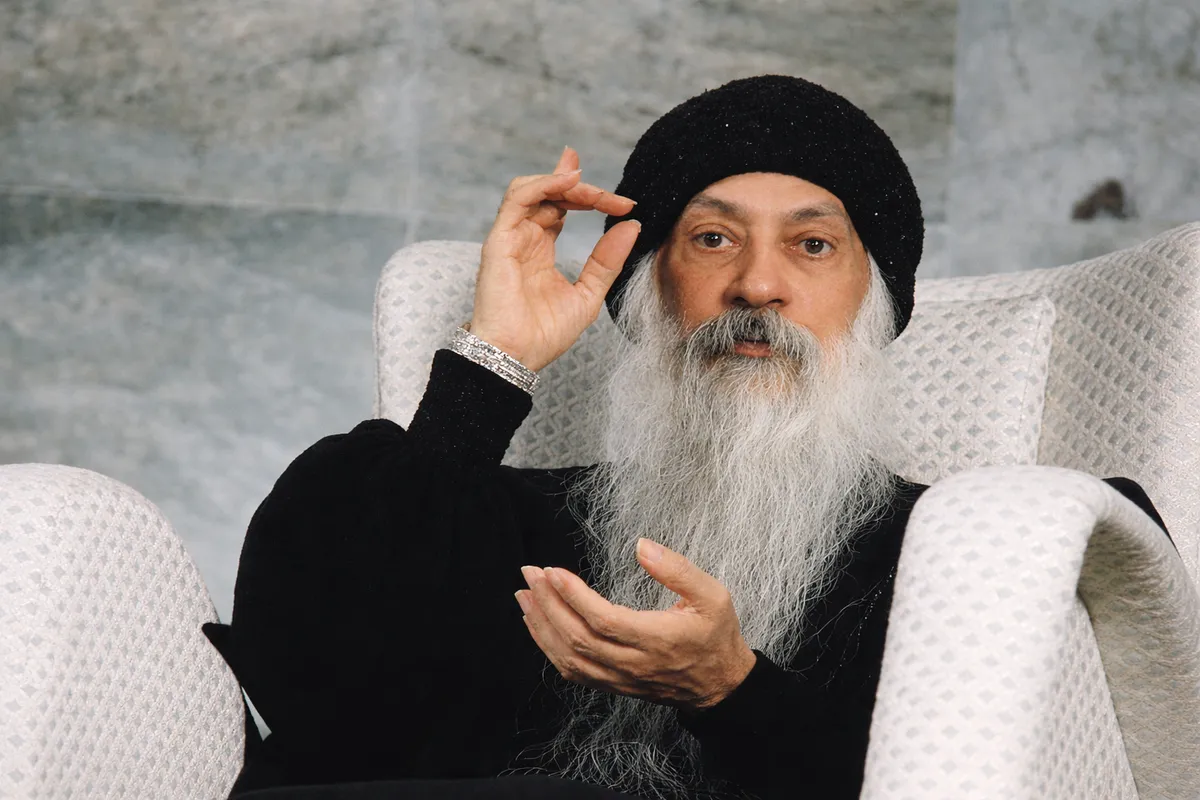
Osho's original Hindi beside Osho Live's English translation, matched passage by passage.
आज के सूत्र महावाक्य हैं; साधारण वक्तव्य नहीं हैं, असाधारण गहराई में पाए गए मोती हैं। बहुत ध्यानपूर्वक समझोगे तो ही समझ पाओगे। और फिर भी समझ बौद्धिक ही रहेगी। जब तक जीवन में प्रयोग न हो तब तक ऊपर-ऊपर से समझ लोगे, लेकिन अंतःकरण तक इन शब्दों की ध्वनि नहीं गूंज पाएगी। ये शब्द ऐसे हैं कि तभी जान सकोगे जब अनुभव में आ जाएं।
Today's sutras are Mahavakyas — not ordinary statements, but pearls found in an extraordinary depth. You will understand them only if you listen with utmost attentiveness. And even then, the understanding will remain intellectual. Until they are experimented with in life, you may grasp them on the surface, but their resonance will not descend into the heart. These are words that can truly be known only when they become your own experience.
लेकिन फिर भी बौद्धिक रूप से समझ लेना भी उपयोगी होगा। बौद्धिक रूप से भी तभी समझ सकोगे जब बहुत ध्यान से, बारीकी से...। नाजुक हैं ये वक्तव्य। जरा यहां-वहां चूके कि भूल हो जाएगी। और इनकी गलत व्याख्या बड़ी सरल है।
Yet an intellectual grasp also has its utility. But even that will be possible only if you listen very carefully, very delicately... The statements are subtle. Miss here or there — and the mistake is made. And to misinterpret them is very easy.
पहला सूत्र: ‘जो स्वभाव से शून्यचित्त है, पर प्रमाद से विषयों की भावना करता है और सोता हुआ भी जागते के समान है, वह पुरुष संसार से मुक्त है।’
The first sutra: 'He who is by nature empty of mind, yet out of pramod imagines the objects, and who, while asleep, is as if awake — that man is free from the world.'
न केवल डर है कि तुमसे भूल हो जाए, अष्टावक्र की गीता में अनेक जगह गलत पाठ उपलब्ध है इस पहले सूत्र का। यह जो मैंने अभी अनुवाद किया, यह गलत अनुवाद है। ‘प्रमाद’ जहां कहा गया है वहां ‘प्रमोद’ होना चाहिए। लेकिन जिसने ये संग्रह किये होंगे उसे लगा होगा कि प्रमोद तो ठीक शब्द नहीं, प्रमाद ठीक शब्द है। प्रमाद गलत शब्द है यहां। जो स्वभाव से शून्यचित्त है उसे प्रमाद कहां!
I do not only fear that you may err; in the Ashtavakra Gita, at many places this first sutra is miscopied. What I just translated is in fact the incorrect reading. Where it says 'pramāda', it should be 'pramoda'. But the collectors must have thought pramoda was not the right word; pramāda felt more appropriate. Here pramāda is wrong. One who is by nature empty of mind — how could there be pramāda there!
प्रमाद का अर्थ होता है: मूर्च्छा। प्रमाद का अर्थ होता है: तंद्रा। प्रमाद का अर्थ होता है: बेहोशी। जो शून्यचित्त को अनुभव कर लिया है उसे प्रमाद कहां, बेहोशी कहां? वह तो परम साक्षित्व को उपलब्ध हो गया है।
प्रकृत्या शून्यचित्तो यः प्रमादाद्भावभावनः।
Pramāda means: stupefaction, torpor, unconsciousness. One who has known the no-mind — where would pramāda be for him, where would unconsciousness be? He has come upon the supreme witnessing.
ऐसा पाठ मिलता है अनेक जगह। कहीं-कहीं बहुत मुश्किल से ठीक पाठ मिलता है। ठीक पाठ है:
प्रकृत्या शून्यचित्तो यः प्रमोदाद्भावभावनः।
खेल-खेल में जो भाव में डूबता है; प्रमाद के कारण नहीं, प्रमोद के कारण।
'Prakritya shunyachitto yah pramādād bhāva-bhāvanah' — this reading appears at many places. The correct reading, found only with difficulty here and there, is:
‘जो स्वभाव से शून्यचित्त है वह प्रमोद से विषयों की भावना करता है और सोता हुआ भी जागते के समान है, वह पुरुष संसार से मुक्त है।’
'Prakritya shunyachitto yah pramodād bhāva-bhāvanah.'
He who, out of playfulness, enters into moods; not out of pramāda, but out of pramoda.
'He who is by nature empty of mind, imagines the objects out of pramoda, and who, while asleep, is as if awake — that man is free from the world.'
प्रमोद ठीक है। प्रमोद का अर्थ है: लीला; खेल-खेल में। यही तो पूरब की बड़ी से बड़ी खोज है। दुनिया में बहुत धर्म हुए पैदा, जैसा पूरब ने परमात्मा को समझा वैसा किसी ने नहीं समझा--वैसी गहराई पर। पूछो: ‘परमात्मा ने जगत क्यों बनाया?’ तो सिर्फ पूरब के पास ठीक-ठीक उत्तर है: ‘खेल-खेल में! लीलावशात!’ परमात्मा किसी कारण से जगत बनाए तो गलत बात हो जाएगी। क्योंकि कारण का अर्थ हुआ: कोई कमी हुई। कारण का अर्थ हुआ कि परमात्मा खाली था, कुछ अड़चन हुई; अकेला था।
Pramoda is right. Pramoda means: leela — play, playfulness. This is the greatest discovery of the East. Many religions have arisen in the world, but none has known God with the depth with which the East has — with such profundity. Ask: 'Why did God create the world?' Only the East has the precise answer: 'Playfully! Out of leela!' If God creates the world for a reason, it becomes false — because a reason implies a lack. A reason would mean God was empty, some impediment was there; He was alone.
कुछ धर्म कहते हैं: परमात्मा अकेला था, इसलिए संसार बनाया। तो परमात्मा भी अकेला नहीं रह सकता! तो फिर मनुष्य का तो वश क्या है! तो फिर परमात्मा ही जब द्वैत खोजता है तो मनुष्य की क्या क्षमता है अद्वैत को पाने की? फिर अद्वैत असंभव है। तो जो धर्म कहते हैं, ‘परमात्मा अकेला था, अकेलेपन से ऊबा, इसलिए संसार बनाया’, गलत बात कहते हैं। वे आदमी के मन को परमात्मा पर आरोपित कर लेते हैं। उन्होंने अपने ही मन को फैला कर परमात्मा का मन समझ लिया। हम अकेले में परेशान होते हैं--क्या करें, क्या न करें! कुछ चाहिए व्यस्तता, कुछ उलझाव; कहीं, जहां मन लग जाए! तो हम सोचते हैं कि परमात्मा ने भी ऐसे ही एकांत से ऊब कर जगत का निर्माण किया होगा।
Some religions say: God was alone, therefore He created the world. Then even God cannot remain alone! Then what chance does man have! And if God Himself seeks duality, what capacity could man have to attain nonduality? Then Advaita would be impossible. So those who say 'God was alone, bored of His loneliness, therefore He created the world' — they speak wrongly. They project the mind of man upon God. They have extended their own minds and named it the divine mind. We get restless in solitude — 'What to do, what not to do! Something to keep busy, some entanglement, somewhere to occupy the mind!' So we think God too, fed up with aloneness, created the world.
कुछ हैं जो कहते हैं: परमात्मा ने जगत बनाया, ताकि मनुष्य मुक्त हो सके। यह बात बड़ी मूढ़ता की मालूम पड़ती है। आदमी को बंधन में डाला ताकि आदमी मुक्त हो सके! बंधन में ही क्यों डाला?--आदमी मुक्त था ही! संसार को बनाया ताकि तुम मुक्त हो सको! यह तो बड़ी अजीब बात हुई कि कारागृह बनाया कि तुम मुक्त हो सको! मुक्त तो तुम थे ही, कारागृह में डालने की जरूरत क्या थी? नहीं, इस बात में भी बहुत अर्थ नहीं है।
कारण में कोई अर्थ नहीं हो सकता, क्योंकि परमात्मा अकारण है; पूरा है, कोई कमी नहीं है; कोई अभाव नहीं है। सच्चिदानंद है। अकेलापन उसे खलता नहीं। निश्चित ही ऐसा होगा, क्योंकि हमने तो पृथ्वी पर भी ऐसे लोग देखे जो अकेले हैं और परम आनंद में हैं।
Some say: God created the world so that man could be liberated. This sounds utter stupidity. He bound man so that he may be free? Why bind at all? — man was already free! He created a prison so that you may be liberated! Strange indeed: a prison built so you can be free from it! You were free — what was the need to imprison you? No, there can be no meaning in a cause, because God is causeless; He is complete, there is no lack, no absence. He is sat-chit-ananda. Loneliness does not rankle Him. Surely it must be so, for even on earth we have seen such ones who, alone, are in supreme bliss.
बुद्ध अपने बोधिवृक्ष के नीचे बैठे हैं--एकदम अकेले हैं! लेकिन कोई कमी नहीं है, सब पूरा है! महावीर एकांत में नग्न खड़े हैं पहाड़ों में, बिलकुल अकेले हैं। महावीर ने तो उस आखिरी दशा का नाम ही कैवल्य रखा। कैवल्य का अर्थ है: जहां बिलकुल अकेलापन बचा; केवल चेतना बची; कोई और न बचा; कोई दूसरा न रहा। बुद्ध ने उस एकांत का नाम रखा है: निर्वाण। न केवल दूसरा नहीं बचा; तुम भी बुझ गए। निर्वाण का अर्थ होता है: बुझ गए! जैसे दीया जलता हो, कोई फूंक मार दे और दीया बुझ जाए तो हम कहते हैं: दीए का निर्वाण हो गया। न केवल दूसरे चले गए, तुम भी चले गए। इतना एकांत कि तुम भी वहां नहीं हो! शून्य बचा। फिर भी बुद्ध परम आनंद में हैं, महावीर परम आनंद में हैं। तो परमात्मा की तो बात ही क्या कहनी!
Buddha sits beneath the bodhi tree — utterly alone! But nothing is lacking, everything is fulfilled. Mahavira stands naked in the mountains, solitary; Mahavira even names the last state 'kaivalya'. Kaivalya means: only aloneness remains; only consciousness remains; none other remains; no second is left. Buddha calls that aloneness 'nirvana' — not only the other has disappeared, you too have gone out. Nirvana means: blown out! As when a lamp is burning, someone blows, and the flame goes out — we say: the lamp attained nirvana. Not only others have gone, you too have gone. Such aloneness that even you are not there! Only emptiness remains. And still Buddha is in supreme bliss, Mahavira is in supreme bliss. Then what shall we say of God!
इसलिए तो हमने बुद्ध और महावीर को परमात्मा कहा। असल में जिसने एकांत को आनंद जाना, उसी को हमने परमात्मा कहा है। वह परमात्मा का लक्षण है।
That is why we have called Buddha and Mahavira divine. In truth, he who has known aloneness as joy — that alone is our criterion of the divine. That is the sign of God.
अकेले में सुखी होने का अर्थ है: अब दूसरे की जरूरत न रही। अब तुम पूर्ण हुए। जब तक दूसरे की जरूरत है तब तक पीड़ा है। इसलिए तो प्रेमी एक-दूसरे को क्षमा नहीं कर पाते। क्षमा करना संभव नहीं है। क्योंकि जब तक दूसरे की जरूरत है, दूसरे से बंधन है। और जिससे बंधन है, उस पर नाराजगी है। पति पत्नी पर नाराज है, पत्नी पति पर नाराज है। प्रेयसी प्रेमी पर नाराज है। नाराजगी का बड़ा गहरा कारण है। ऊपर-ऊपर मत खोजना कि यह पत्नी दुष्ट है, कि यह पति दुष्ट है, कि यह मित्र ठीक नहीं। नाराजगी का कारण बड़ा गहरा है। कारण यह है कि जिस पर हमारा सुख निर्भर होता है उसके हम गुलाम हो जाते हैं। गुलामी कोई चाहता नहीं। स्वतंत्रता चाही जाती है। गहरी से गहरी चाह स्वातंत्र्य की है।
To be happy in aloneness means: the other is no longer needed. You are now complete. As long as the other is needed, there is pain. That is why lovers cannot forgive one another. Forgiveness is not possible. Because as long as the other is needed, there is bondage to the other. And towards whom we are bound, towards that one there is anger. Husband is angry with wife, wife with husband. The anger has a deep cause. Do not search on the surface — 'This wife is wicked, this husband is bad, this friend is unreliable.' The cause runs deeper: that upon whom our happiness depends, we become slaves to them. None wants slavery. Freedom is desired. The deepest longing is for freedom.
तो जिससे हम सुखी होते हैं...अगर तुम पत्नी के कारण सुखी हो तो तुम पत्नी पर नाराज रहोगे। भीतर-भीतर एक कांटा खलता रहेगा कि सुख इसके हाथ में है, चाबी इसके हाथ में है--कभी खोले दरवाजा, कभी न खोले दरवाजा। तो इसके गुलाम हुए। गुलामी पीड़ा देती है।
So from whom we derive happiness... If your happiness depends on your wife, you will be angry with her. A thorn will prick within: the key to happiness is in her hands — sometimes she opens the door, sometimes not. You are her slave. Slavery gives pain.
मोक्ष हम उसी अवस्था को कहते हैं जब चाबी तुम्हारे हाथ में है। खोलने, बंद करने की भी जरूरत नहीं। खोले ही बैठे रहो, कौन बंद करेगा, किसलिए बंद करेगा! आनंद में डूबे रहो निशि-वासर!
We call that state moksha when the key is in your own hands. There is not even any need to lock or unlock. Keep the door open — who will close it, and why? Be bathed in bliss day and night!
परमात्मा ने किसी दुख, किसी पीड़ा, किसी अभाव के कारण संसार नहीं बनाया। फिर क्यों बनाया? सिर्फ पूरब ने ठीक-ठीक उत्तर दिया है। पूरब ने उत्तर दिया है: ‘खेल-खेल में! लीलावश! उमंग में। जैसे छोटे बच्चे खेलते हैं, रेत का घर बनाते हैं, लड़ते-झगड़ते भी हैं...।’
God did not create the world out of any sorrow, any pain, any lack. Then why did He create it? Only the East has given the precise answer: 'Playfully! Out of leela! In exuberance.' As little children play, build sand-castles, even quarrel and fight...
बुद्ध ने कहा है: गुजरता था एक नदी के किनारे से, कुछ बच्चे खेलते थे, रेत के घर बनाते थे। उनमें बड़ा झगड़ा भी हो रहा था। क्योंकि कभी किसी बच्चे का घर किसी के धक्के से गिर जाता, किसी का पैर पड़ जाता, तो मार-पीट भी हो जाती। बुद्ध खड़े हो कर देखते रहे, क्योंकि उन्हें लगा: ऐसा ही तो यह संसार भी है। यहां लोग मिट्टी के घर बनाते हैं, गिर जाते हैं तो रोते हैं, तकलीफ, नाराज...अदालत-मुकदमा करते हैं। यही तो बच्चे कर रहे हैं, यही बड़े करते हैं। फिर सांझ हो गयी, सूरज ढलने लगा और किसी ने नदी के किनारे से आवाज दी कि बच्चो, अब घर जाओ, सांझ हो गयी। और सारे बच्चे भागे। अपने ही घरों पर, जिनकी रक्षा के लिए लड़े थे, खुद ही कूदे-फांदे, उनको मिटा कर सब खाली कर दिया और खूब हंसे, खूब प्रफुल्लित हुए और घर की तरफ लौट गए।
Buddha said: I was passing by a river, some children were playing, building houses of sand. There was great quarreling among them — sometimes someone’s house collapsed with a push, someone’s foot fell on another’s, and they began to beat one another. Buddha stood and watched, for it struck him: just like this is the world. Here people build mud houses; when they fall, they weep, they are in pain, anger... courts and lawsuits they file. The same as children do, the grown-ups do. Then evening came. The sun began to set, and from the riverbank a voice called: 'Children, now go home, it is evening.' And all the children ran — to their own homes. The very houses for whose protection they had fought — they themselves leapt and stamped on them, erased them, left the place empty, laughed heartily, and returned home.
बुद्ध अपने भिक्षुओं को कहते: ऐसी ही परम ज्ञानी की अवस्था है। वह देख लेता है कि अपना ही खेल था; खेलना चाहे खेलता रह सकता था। लेकिन तब खेल बांधता नहीं; अपने ही घरों को अपने ही हाथ से भी गिराया जा सकता है; जिनके लिए लड़े थे, उनको खुद ही गिराया जा सकता है।
Buddha would say to his bhikkhus: such is the state of the fully enlightened. He sees — it was his own play; if he wished, he could continue to play. But now the play does not bind; the very houses one fought for can be dropped by one’s own hands.
परमात्मा खेल रहा है। पूछो: ‘क्यों खेल रहा है?’ तो पूरब कहता है: ऊर्जा का लक्षण ही यही है। ऊर्जा अभिव्यक्त होती है। ऊर्जा प्रगट होती है। गीत पैदा होता है, नाच पैदा होता है, फूल पैदा होते, पक्षी पैदा होते। यह परमात्मा के जीवित होने का लक्षण है। ये फूल नहीं हैं, ये वृक्ष नहीं हैं, यह तुम नहीं हो यहां--यह परमात्मा अनेक-अनेक ऊर्मियों में, अनेक-अनेक लहरों में प्रगट हुआ है। यह उसके होने का लक्षण है। किसी कारण से यह नहीं हो रहा है। अगर फूल न हों, वृक्ष न हों, पौधे न हों, पक्षी न हों, आदमी न हों, चांद-तारे न हों, तो परमात्मा मरा हुआ होगा; उसमें जीवन न होगा। ये जो सागर पर लहरें उठती हैं, यह सागर के जीवित होने का लक्षण है।
God is playing. Ask: 'Why does He play?' The East says: this is the very nature of energy. Energy expresses. Energy manifests. Songs arise, dances arise, flowers arise, birds are born. This is the sign that God is living. These are not flowers, not trees, not you here — this is God manifesting in countless ripples, in countless waves. It is the sign of His being. It is not happening for any reason. If there were no flowers, no trees, no plants, no birds, no people, no moon and stars — God would be dead, there would be no life in Him. The waves that rise on the ocean — these are the signs that the ocean is alive.
परमात्मा महाजीवन है। इसलिए तो वह अनंत रूपों में प्रगट हुआ। यह प्रगटीकरण किसी कारण से नहीं है। पक्षी सुबह गीत गाते हैं--अकारण। वृक्षों में फूल खिल जाते--अकारण। कभी तुम्हें भी लगता है कि तुम कुछ अकारण करते हो। जब तुम कुछ अकारण करते हो, तब तुम परमात्मा के निकटतम होते हो।
God is the great Life. Therefore He manifests in infinite forms. This manifestation is without a cause. Birds sing at dawn — causelessly. Flowers bloom on trees — causelessly. Sometimes you too feel like doing something causelessly. Whenever you do something causelessly, you are nearest to God.
इसलिए मैं निरंतर कहता हूं: ध्यान अकारण करना। यह मत सोचना कि मन की शांति मिलेगी। बस मन की शांति मिलेगी, ऐसे खयाल से किया कि चूक गए; व्यवसाय हो गया, धर्म न रहा। अकारण करना! करने के मजे से करना! स्वांतः सुखाय तुलसी रघुनाथ गाथा! गाना स्वांतः सुखाय।
Hence I say again and again: meditate causelessly. Do not think, 'I will get peace of mind.' If you do it with the idea of gaining peace, you have missed; it becomes a business, not religion. Do it causelessly! Do it for the joy of doing! 'For one’s own delight Tulsi sang the tale of Raghunath.' Sing for one’s own delight.
तुलसी से किसी ने पूछा होगा: क्यों कही यह राम की कथा? तो तुलसी ने कहा: किसी कारण नहीं--स्वांतः सुखाय तुलसी रघुनाथ गाथा। यह गाथा कहीं अपने आनंद के लिए।
Someone must have asked Tulsidas: 'Why did you compose the story of Rama?' Tulsidas said: 'For no reason — for my own joy, I, Tulsi, sang the saga of Raghunath.' I said this tale only for my own delight.
कवि गीत गाता है, क्योंकि बिना गाए नहीं रह सकता। गीत उमड़ रहा है! जैसे मेघ से वर्षा होती है, ऐसा कवि बरसता है। संगीतज्ञ वीणा बजाता है, नर्तक नाचता है--ऊर्जा है!
A poet sings because he cannot remain without singing. The song wells up! As rain pours from the cloud, so the poet showers. The musician plays the veena, the dancer dances — it is energy!
रूस के एक बहुत प्रसिद्ध नर्तक निजिन्सकी से किसी ने पूछा कि तुम नाचते-नाचते थकते नहीं? उसने कहा: जब नहीं नाचता तब थक जाता हूं। जब नाचता हूं तब तो पर लग जाते हैं। जब नाचता हूं तभी तो मैं होता हूं। तभी मैं प्रगाढ़ रूप से होता हूं! जब नहीं नाचता तब उदास हो जाता हूं। तब जीवन-ऊर्जा क्षीण हो जाती है। जब जीवन-ऊर्जा प्रगट होती है, तभी होती है।
Nijinsky, the celebrated Russian dancer, was asked: 'Do you not tire of dancing?' He said: 'I tire when I do not dance. When I dance, I grow wings. When I dance, then I am. Then I am intensely. When I do not dance, I become sad; my life-energy wanes. When the life-energy expresses, then it truly is.'
ध्यान करना--स्वांतः सुखाय! कल कुछ मिलेगा, इसलिए नहीं; अभी करने में मजा है, प्रमोदवश!
Meditate — for your own delight! Not for any tomorrow, but for the joy that is now, out of pramod!
यह पहला सूत्र है: ‘जो स्वभाव से शून्यचित्त है, वह प्रमोद से विषयों की भावना करता है।’
This is the first sutra: 'He who is by nature empty of mind imagines the objects out of pramod.'
खेल-खेल में! जनक यह कह रहे हैं कि वह भाग नहीं जाता संसार से। और अगर भागे भी तो भी प्रमोद में ही भागता है; गंभीर नहीं होता है। यह साधु का परम लक्षण है कि वह गंभीर नहीं होता। और तुम साधु-महात्मा को पाओगे सदा गंभीर, जैसे कोई भारी काम कर रहा है। तुमने परमात्मा को कहीं गंभीर देखा है? मगर महात्मा को सदा गंभीर पाओगे। महात्मा ऐसा कर रहा है जैसे कि भारी काम कर रहा है! तप कर रहा है, पूजा कर रहा है, प्रार्थना कर रहा है। सब कर्तव्य मालूम होता है, स्वांतः सुखाय नहीं। परमात्मा को तुमने कहीं उदास देखा? जहां देखो, वहीं किलकारी है। जहां देखो वहीं उल्लास है। जहां देखो वहीं झरने की तरह फूटा पड़ रहा है। जरा आंख खोल कर चारों तरफ देखो--चांद-तारों में, सूरज में, वृक्षों में, पहाड़ों में, पर्वतों में, खाई-खंदकों में--सब तरफ हंसी है, खिलखिलाहट है, मधुर मुस्कान है, एक नृत्य चल रहा है, एक अहर्निश नृत्य चल रहा है।
Playfully! Janaka is saying he does not run away from the world. And even if he leaves, he leaves out of pramod; he never becomes serious. This is the supreme mark of the sage — he is not serious. Yet you will always find your so-called saints serious, as if they were doing some heavy work. Have you ever seen God serious? But the so-called saints you will find forever grave, as if carrying a burden! Performing austerities, doing worship, praying. Everything smells of duty, not of one’s own delight. Have you seen God dull anywhere? Wherever you look there is a shout of joy. Wherever you look there is ecstasy. Wherever you look, it bursts forth like a spring. Open your eyes a little — in the moon and the stars, in the sun, in trees, in mountains, in valleys and gorges — everywhere there is laughter, giggling, a gentle smile, a dance is underway, a night-and-day dance is underway.
इसलिए तो हिंदुओं ने परमात्मा को नटराज कहा है। वह नाच रहा है। और इस नटराज में भी बड़ा अर्थ है। अगर मूर्तिकार मूर्ति बनाता है तो मूर्ति अलग हो जाती है, मूर्तिकार अलग हो जाता है। मूर्तिकार मर जाए तो भी मूर्ति रहेगी। लेकिन नर्तक के मरने पर नृत्य नहीं बचता। नर्तक और नृत्य अलग किये ही नहीं जा सकते। नर्तक गया कि नृत्य भी गया। परमात्मा को मूर्तिकार नहीं कहा। जिन्होंने कहा उन्होंने जाना नहीं।
कुछ हैं जो कहते हैं, परमात्मा कुंभकार जैसा है, कुम्हार जैसा है। जिन्होंने कहा, कुम्हार ही रहे होंगे; ज्यादा बुद्धि न रही होगी। परमात्मा मटके नहीं बना रहा है। परमात्मा नटराज है--नाच रहा है। नृत्य बंद हुआ, परमात्मा हटा कि फिर तुम बचा न सकोगे कुछ।
Therefore the Hindus called God Nataraj — the Cosmic Dancer. He is dancing. And there is great meaning in this Nataraj. If the sculptor makes a statue, the statue becomes separate, the sculptor separate. Even if the sculptor dies, the statue remains. But when the dancer dies, the dance does not remain. The dancer and the dance cannot be separated. If the dancer goes, the dance goes. We did not call God a sculptor. Those who did, did not know. Some have said: God is like a potter. Those who said so must have been potters; not much intelligence was there. God is not making pots. God is Nataraj — He is dancing. If the dance stops, if God withdraws, you will not be able to save anything.
इसको यूं समझो: न तो तुम नृत्य को नर्तक से अलग कर सकते हो और न तुम नर्तक को नृत्य से अलग कर सकते हो। क्योंकि जैसे ही नृत्य बंद हुआ, नर्तक नर्तक न रहा। नर्तक तभी तक है जब तक नृत्य है। दोनों संयुक्त हैं। दोनों एक ही लहर के दो हिस्से हैं, अलग-अलग नहीं हैं। परमात्मा नाच रहा है। यह सारा जगत उसका नृत्य है। प्रमोद में, अहोभाव में, स्वांतः सुखाय!
Understand it thus: you cannot separate the dance from the dancer, nor the dancer from the dance. Because the moment dance stops, the dancer is no longer a dancer. He is a dancer only while there is dance. They are conjoined. Two sides of one wave, not separate. God is dancing. This whole universe is His dance. In pramod, in wonder, for one’s own delight!
इसलिए इस पहले सूत्र में प्रमाद की जगह प्रमोद कर लेना। प्रमाद तो बड़ा ही गलत शब्द है। प्रमाद के दो अर्थ हो सकते हैं। एक तो जैनों और बौद्धों का अर्थ है: प्रमाद यानी मूर्च्छा। तो महावीर निरंतर अपने भिक्षुओं को, अपने संन्यासियों को कहते हैं: ‘अप्रमाद में जीयो! अप्रमत्त!’ बुद्ध अपने भिक्षुओं को कहते हैं: ‘प्रमाद में मत रहो! जागो! मूर्च्छा तोड़ो।’ हिंदुओं का अर्थ है प्रमाद का: प्रारब्ध कर्मों के कारण।
Therefore, in this first sutra, replace pramāda with pramoda. Pramāda is a terribly wrong word here. Pramāda has two meanings. The Jains and Buddhists take pramāda to mean stupor, insensibility. Mahavira constantly tells his monks: 'Live in apramāda! Be un-negligent!' Buddha tells his bhikkhus: 'Do not remain in pramāda! Wake up! Break the stupor.' The Hindu meaning of pramāda is: due to prārabdha — the effects of past actions.
‘जो स्वभाव से शून्यचित्त हैं, वे प्रमाद के कारण अर्थात अपने पिछले जन्मों के कर्मों के कारण विषय-वासनाओं में उलझे रहते हैं। फिर भी सोते हुए में जैसे जागरण हो, ऐसे वे पुरुष संसार से मुक्त हैं।’
'Those who by nature are of empty mind, due to pramāda — i.e., due to past karmas — remain entangled in sense-desires. Yet, as asleep there is wakefulness, so such men are free from the world.'
लेकिन यह बात भी ठीक नहीं है। क्योंकि जिसने यह जान लिया कि मैं कर्ता नहीं हूं, उस पर पीछे-आगे, वर्तमान, अतीत, भविष्य सारे कर्मों का बंधन छूट जाता है। बंधन तो कर्ता होने में था। सुबह तुम जाग गए और तुमने जान लिया कि जो रात देखा वह सपना था; फिर क्या सपने का प्रभाव तुम पर रह जाता है? जाग गए कि सपना समाप्त हो गया। कोई यह कहे...कभी-कभी छोटे बच्चों में रहता है: रात सपना देखा, खेल-खिलौने खूब थे, फिर नींद खुली, हाथ खाली पाए, तो बच्चा रोने लगता है कि मेरे खिलौने कहां गए! क्योंकि छोटे बच्चे को अभी सपने में और जागरण में सीमा-रेखा नहीं, भेद-रेखा नहीं। अभी उसे पक्का पता नहीं है कि कहां सपना समाप्त होता है, कहां जागरण शुरू होता है। मुक्तपुरुष को पता नहीं होगा कि कहां सपना टूटा और कहां जागरण शुरू हुआ! हमको पता होता है। साधारण जन को पता होता है। सुबह उठ कर तुम कहते हो: ‘अरे, खूब सपना देखा!’ बात खतम हो गई। फिर ऐसा थोड़े ही है कि सपने में देखी चीजों का तुम अभी भी हिसाब रखते हो!
But even this is not right. Because the one who has known 'I am not the doer' — from him the bond of all karmas, past and future, falls away. The bondage was only in doership. In the morning you awake and you know the night’s visions were dreams; do the dreams then have any effect on you? Once awake, the dream is over. Someone might say... sometimes in small children it happens: at night he dreamed of many toys, then, waking, he found his hands empty; the child begins to cry, 'Where have my toys gone!' Because the small child does not yet know clearly the boundary between dream and waking. He has no firm line: where does dream end and waking begin. The liberated one will not even notice where the dream broke and where awakening began! We ordinary ones notice. Waking, you say, 'Ah, I dreamt so much!' The matter ends there. You do not keep accounts of the dream-stuff!
मैंने सुना है कि मुल्ला नसरुद्दीन ने एक रात सपना देखा। सपना देखा कि कोई उससे कह रहा है: कितने रुपए चाहिए, ले ले! मुल्ला ने कहा: सौ रुपए। वह आवाज आई। उसने कहा कि निन्यानबे दूंगा। मुल्ला जिद पर अड़ गया कि सौ ही लूंगा। ऐसी जिदमजिद में नींद खुल गई। नींद खुल गई तो मुल्ला घबराया। देखा कि यह तो सपना था। जल्दी से आंख बंद की और बोला: ‘अच्छा निन्यानबे ही दे दो।’ मगर अब तो बात गई। अब तुम लाख उपाय करो, अब तो बात गई। न कोई देने वाला है, न कोई लेने वाला है। अब लाख बंद करो, सपना टूटा सो टूटा।
I have heard: Mulla Nasruddin dreamt one night. A voice in the dream said, 'How many rupees do you want — take them!' Nasruddin said, 'A hundred.' The voice said, 'I will give ninety-nine.' Mulla became stubborn: 'Only a hundred will do.' In such bargaining his sleep broke. He was alarmed — realized it was only a dream. He quickly shut his eyes and said: 'Alright, give me ninety-nine.' But now the matter was gone. No giver, no taker. You may try whatever you want — the dream that broke has broken.
तो न तो जैनों-बौद्धों की परिभाषा के अनुसार प्रमाद अर्थ हो सकता है, क्योंकि जो जाग गया, शून्यचित्त का जिसने अनुभव कर लिया, उस पर अब कोई छाया भी नहीं रह जाती सपने की, मूर्च्छा की, तंद्रा की। न हिंदू-अर्थों से अर्थ हो सकता है कि प्रारब्ध कर्मों के कारण...। जागा हुआ पुरुष जान लेता है कि अब तक जो हुआ जन्मों-जन्मों में, एक लंबा सपना था। अब तक जागे न थे तो था; अब जाग गए तो नहीं है। दोनों साथ-साथ नहीं होते।
So pramāda cannot be in the Jain-Buddhist sense, for the one who has awakened, who has known no-mind — no shadow of dream, stupor, torpor remains. Nor can pramāda be in the Hindu sense of prārabdha karmas. The awakened man knows that whatever happened so far through lifetimes upon lifetimes, was a long dream. While we were not awake, it was; now we are awake — it is not. They do not co-exist.
यह तो ऐसा ही हो जाएगा जैसे कि मुल्ला किसी के घर नौकरी करता था। और मालिक ने कहा: ‘बाहर जा कर देख नसरुद्दीन, सुबह हुई या नहीं?’ नसरुद्दीन बाहर गया, फिर अंदर आया और लालटेन लेकर बाहर जाने लगा। तो मालिक ने पूछा: ‘यह क्या कर रहा है?’ उसने कहा: ‘बाहर बहुत अंधेरा है, दिखाई नहीं पड़ता कि सुबह हुई कि नहीं। तो लालटेन ले जा रहा हूं।’
It would be like this: Mulla worked at someone’s house. The master said: 'Go out and see, has morning come?' Mulla went out, then came back, and took a lantern with him to go out again. The master asked: 'What are you doing?' He said: 'It is very dark outside; one cannot see whether it is morning or not. So I am taking a lantern.'
अब सुबह हो गई हो तो अंधेरा कहां रहता है? और लालटेन से कैसे देखोगे? सुबह हो गई तो हो गई। सुबह होने का अर्थ ही है कि अब अंधेरा नहीं है। सूरज उग आया, अंधेरा गया। तुम एक दीया जलाओ, फिर तुम कमरे में दीया जला कर खोजो अंधेरे को कि अभी तो था, अभी तो था; अब कहां गया! तुम द्वार-दरवाजे भी बंद कर रखो, तुम दरवाजे पर पहरेदार बिठा दो कि अंधेरे को निकलने मत देना, बाहर मत जाने देना। तुम सब तरफ से बिलकुल रंध्र-रंध्र बंद कर दो। लेकिन जैसे ही तुम दीया जलाओगे कि देखें, अंधेरा कहां है--अंधेरा नहीं है। दीया और अंधेरा साथ-साथ तो नहीं हो सकते। रोशनी और अंधेरा साथ-साथ तो नहीं हो सकते।
When morning comes, where does darkness remain? And how will you see it with a lantern? Morning is, and that’s that. Morning means darkness is no more. The sun has risen, darkness gone. You may light a lamp and go about the room to search for darkness — 'Just now it was there, where has it gone?' Even if you bolt the doors, even if you put a guard so that darkness cannot get out — as soon as you light a lamp to see where darkness is — darkness is no more. Lamp and darkness cannot be together. Light and darkness do not coexist.
जैसे ही कोई जागा, सब सपने गए। कितने ही सपने देखे हों जन्मों-जन्मों में--कभी तुम सिंह थे और कभी बकरे थे, और कभी आदमी और कभी घोड़े और कभी पौधे--सब सपने थे; सब तुम्हारी मान्यताएं थीं। तुम उन में से कोई भी न थे। तुम तो द्रष्टा थे। कभी देखा कि घोड़े, कभी देखा कि वृक्ष, कभी देखा कि आदमी, कभी औरत--ये सब रूप थे सपने में बने। कभी देखा चोर, कभी देखा साधु, कभी बैठे हैं बड़े शांत, कभी देखा कि बड़े अशांत हत्यारे--लेकिन ये सब सपने थे। जैसे ही जागे, एक ही झटके में सारे सपने समाप्त हो गए। तो अब कैसा प्रमाद! नहीं।
The moment someone awakens, all dreams are gone. However many dreams you may have seen through lifetimes — sometimes you were a lion, sometimes a goat, sometimes a man, sometimes a horse, sometimes a plant — all were dreams; your assumptions. You were none of those. You were the seer. Sometimes you saw a horse, sometimes a tree, sometimes a man, sometimes a woman — these were forms formed in dream. Sometimes a thief, sometimes a saint, sometimes sitting very serene, sometimes a violent killer — but all were dreams. The moment you awaken, in one stroke all dreams end. Then where is pramāda! No.
प्रकृत्या शून्यचित्तो यः प्रमोदाद्भावभावनः।
'Prakritya shunyachitto yah pramodād bhāva-bhāvanah,
निद्रितो बोधित इव क्षीणसंसरणे हि सः।।
Nidrito bodhita iva kshina-samsarane hi sah.'
‘जो स्वभाव से शून्यचित्त है, पर प्रमोद से, खेल-खेल में...।’
'He who is by nature empty of mind, yet out of pramod, playfully...'
कभी-कभी तुम अपने छोटे बच्चे के साथ भी खेल-खेल में कुछ करते हो। तुम्हारा बेटा है, कुश्ती लड़ना चाहता है, बाप बेटे से कुश्ती लड़ता है जानते हुए कि यह बेटा जीत तो सकता नहीं, फिर भी बेटे को जिता देता है। झट लेट जाता है, बेटा छाती पर बैठ जाता है--और देखो उसका उल्लास! तुम खेल-खेल में हो और बेटा खेल-खेल में नहीं है; बेटा सच में मान रहा है कि जीत गया। वह चिल्लाता फिरेगा, घर भर में झंडा घुमाता फिरेगा कि पटका, चारों खाने चित कर दिया पिताजी को! उसके लिए बड़े गौरव की बात है। तुम खुद ही लेट गए थे। तुमने उसे जिता दिया था। तुम्हारे लिए खेल था।
Sometimes you play with your little child. Your son wants to wrestle; the father wrestles knowing the son cannot really win, and yet he lets the son win. He suddenly lies down, the son sits on his chest — look at his ecstasy! You are in playfulness, but the son is not playing — he believes he has truly won. He will shout through the house, wave his flag: 'I pinned father down!' For him it is great glory. You had yourself lain down; you let him win. For you it was only play.
मैंने सुना है कि एक जर्मन विचारक जापान गया। वह एक घर में मेहमान था। घर के लोगों ने, घर के बूढ़े मेजबान ने, जिसकी उम्र कोई अस्सी साल की थी, कहा कि आज सांझ एक विवाह हो रहा है मित्र के परिवार में, आप भी चलेंगे? उसने कहा: ‘जरूर चलूंगा, क्योंकि मैं आया ही इसलिए हूं कि जापानी रीति-रिवाज का अध्ययन करूं; यह मौका नहीं छोडूंगा।’
I have heard: a German thinker went to Japan. He was a guest in a house. The elderly host, around eighty, said: 'This evening there is a wedding in a friend’s family. Will you come?' He said: 'Certainly — I have come to study Japanese customs; I will not miss this opportunity.'
वह गया। वहां देख कर बड़ा हैरान हुआ कि वहां गुड्डे-गुड्डी का विवाह हो रहा था छोटे-छोटे बच्चों ने विवाह रचाया था और बड़े-बड़े बूढ़े भी सम्मिलित हुए थे। और बड़ी शालीनता से विवाह का कार्यक्रम चल रहा था। वह जरा हैरान हुआ। उसने कहा: ‘बच्चे तो सारी दुनिया में खेलते हैं, गुड्डा-गुड्डी का विवाह रचाते हैं; मगर बड़ी उम्र के लोग सम्मिलित हुए, फिर जुलूस निकला, बारात निकली, उसमें भी सब सम्मिलित हुए। वह रोक न पाया अपने को। घर आते से ही उसने कहा कि ‘क्षमा करें! यह मामला क्या है? बच्चे तो ठीक हैं, बच्चे तो सारी दुनिया में ऐसा करते हैं; मगर आप सब बड़े-बूढ़े इसमें सम्मिलित हुए!’
He went, and was amazed: there a dolls’ wedding was being performed — little children had arranged the whole ceremony and the elders too had joined. The program flowed with great grace. He was surprised. He said: 'Children play like this everywhere, they arrange doll-weddings. But elders participating, then even a procession, and all elders joining!' He could not restrain himself. Returning home, he asked: 'Forgive me — what is this all about? Children, okay — everywhere they do this. But you elders joined in!'
तो उस बूढ़े ने हंस कर कहा: ‘बच्चे इसे असलियत समझ कर कर रहे हैं, हम इसे खेल-खेल में...। बच्चे इतने प्रसन्न हैं, साथ देना जरूरी है। कभी वे भी जागेंगे। और हमारे साथ रहने से उनका खेल उन्हें बड़ा वास्तविक मालूम पड़ता है।’
The old man laughed and said: 'The children are doing it as reality; we, as play. The children are so happy — it is necessary to cooperate. One day they will awaken. Our presence makes their play feel very real to them.'
फिर उस बूढ़े ने कहा: ‘और बाद में जिनको तुम असली विवाह कहते हो, असली दूल्हा-दुल्हन, वह भी कहीं खेल से ज्यादा है क्या? वह भी खेल है। यह भी खेल है। यह छोटों का खेल है, वह बड़ों का खेल है।’
Then the old man said: 'And later, what you call the real wedding — is that anything more than play? That too is play. This is the play of the small; that, the play of the big.'
जागा हुआ पुरुष भी खेल में सम्मिलित हो सकता है। जब स्वयं परमात्मा खेल में सम्मिलित हो रहा है तो जागा हुआ पुरुष भी खेल में सम्मिलित हो सकता है।
The awakened one too can join the play. When God Himself is participating in the play, the awakened one can join as well.
बोधिधर्म जब चीन गया--एक महान बौद्ध भिक्षु! बुद्ध के बाद महानतम!--तो चीन का सम्राट उसका स्वागत करने आया था। लेकिन देखा तो बड़ा हैरान हो गया। यह बोधिधर्म तो पागल मालूम हुआ। वह एक जूता सिर पर रखे था और एक पैर में पहने हुए था। सम्राट थोड़ा विचलित भी हुआ। यह तो फजीहत की बात है। सम्राट का पूरा दरबार मौजूद था। अनेक मेहमान, प्रतिष्ठितगण मौजूद थे। सब जरा परेशान हो गये कि यह किस आदमी का स्वागत करने हम आए हैं, यह तो पागल मालूम होता है! और बोधिधर्म खिलखिला कर हंसा।
When Bodhidharma went to China — a great Buddhist bhikkhu! After Buddha, the greatest! — the emperor came to welcome him. But seeing him, he was startled. Bodhidharma looked mad. He had one shoe on his head and one on a foot. The emperor was disturbed. It was a disgrace! The whole court was present. Many guests and dignitaries were there. All were upset — for whom have we come to welcome, he looks crazy! And Bodhidharma burst into laughter.
सम्राट ने पूछा: ‘यह क्या आप कर रहे हैं? आपका मन तो स्वस्थ है? कहीं यह लंबी यात्रा भारत से चीन तक की आपको विक्षिप्त तो नहीं कर गयी? क्योंकि मैंने तो ऐसी खबरें सुनी हैं कि आप महानतम जाग्रत पुरुष हैं--और यह क्या कर रहे हैं!’
The emperor asked: 'What are you doing? Is your mind healthy? Did the long journey from India make you deranged? I had heard that you are the most awakened — and what are you doing!'
बोधिधर्म ने कहा: यही जानने को किया कि तुम खेल को खेल समझ सकते हो या नहीं! जूता जूता है, पैर में हो कि सिर पर हो, सब बराबर है। यही जांचने को कि तुम मुझे पहचान सकोगे या नहीं...। मुझे देखो, मेरा कृत्य नहीं। कृत्य में मत उलझो, क्योंकि मैं कृत्य के पार गया। तुम मुझे देखो! तुम यही देख रहे हो कि आदमी सिर पर जूता रखे आ रहा है। यह सिर तो आज नहीं कल गिरेगा और हजारों लोगों के जूते इस सिर पर पड़ेंगे। फिर? और कभी-कभी क्रोध में सम्राट वू--‘वू’ उसका नाम था--तुमने भी किसी के सिर पर जूता मार देना चाहा है या नहीं?
Bodhidharma said: 'I did this only to see whether you can recognize play as play. A shoe is a shoe — whether on the foot or on the head — all the same. I wanted to test whether you would recognize me or get entangled in my act. Look at me — not at my act. Do not get caught in action — for I have gone beyond action. Look at me! You are only seeing that a man is coming with a shoe on his head. This head will fall today or tomorrow — and thousands of shoes will one day stand upon it. And tell me — in anger, emperor Wu, haven’t you wanted to put your shoe on someone’s head?'
कभी खयाल किया तुमने? आदमी का मनोविज्ञान बड़ा अदभुत है। जब तुम किसी पर श्रद्धा करते हो तो अपना सिर उसके जूतों में रखते हो, उसके पैर में रख देते हो। और जब तुम्हें किसी पर क्रोध आता है तो अपना जूता निकाल कर उसके सिर पर मारते हो। इच्छा तो यही होती थी कि उचक कर अपना पैर उसके सिर पर रख दें, वह जरा कठिन काम है और सर्कस में रहना पड़े, तब कर पाओ--तो प्रतीकवत, प्रतीक-स्वरूप जूता निकाल कर उसके सिर पर रख देते हो।
Have you watched your own psychology? When you revere someone, you place your head at his feet. When you are angry with someone, you want to put your shoe on his head. The wish is to lift your foot and place it upon his head; that is a bit difficult, you must be trained in circus — so symbolically you take off your shoe and put it on his head.
बोधिधर्म ने कहा: इसलिए एक पैर में रखा है, एक सिर पर रखा है--तुम्हें तुम्हारी खबर देने को!
Bodhidharma said: 'That is why one shoe is on the foot, one on the head — to give you your own news!'
और वू तो और भी परेशान हुआ, क्योंकि कल सांझ ही एक घटना घटी थी, जब उसने अपने नौकर को, उठा कर जूता उसके सिर में मार दिया था। वह तो बड़ा विचलित हो गया। उसे तो पसीना आ गया। उसने कहा: ‘महाराज, क्या आपको कुछ अंदाज मिल गया, कुछ पता चल गया? आप ऐसा व्यंग्य न उड़ायें।’
And Wu was even more disturbed, for just last evening he had, in rage, lifted his shoe and smacked it on his servant’s head. He began to sweat. He said: 'Master, have you come to know something? Please do not be so sarcastic.'
बोधिधर्म एक खेल कर रहा है। यह कृत्य सिर्फ लीला-मात्र है, लेकिन बच्चों के लिए उपयोगी हो सकता है।
Bodhidharma is playing a game. The act is mere leela, yet useful for children.
एक दूसरा बौद्ध भिक्षु जापान के गांव-गांव में घूमता रहता था। होतेई उसका नाम था। वह एक झोला अपने कंधे पर टांगे रखता; उसमें खेल-खिलौने, मिठाइयां इत्यादि रखे रहता था। और जो भी उससे पूछता, ‘धर्म के संबंध में कुछ कहो होतेई,’ वह एक खिलौना पकड़ा देता या मिठाई दे देता। पूछने वाला कहता कि तुमने हमें क्या बच्चा समझा है? होतेई कहता: मैं खोज रहा हूं, प्रौढ़ तो कोई दिखता नहीं, सब खेल में उलझे हैं। छोटे बच्चे भी छोटे बच्चे हैं, बड़े बच्चे भी बस बच्चे हैं। बड़े होंगे उम्र से, बच्चे ही हैं।
Another Buddhist monk, Hotei, wandered through the villages of Japan. He carried a sack slung over his shoulder, filled with toys and sweets. Whoever asked him, 'Say something about Dharma, Hotei,' he would hand over a toy or a sweet. The questioner would say: 'Have you taken me for a child?' Hotei would say: 'I am looking, but I see no adults. All are entangled in play. The small are small; the big too are only big children. Big in age, still children.'
इस होतेई से किसी बड़े समझदार आदमी ने पूछा कि होतेई, धर्म का अर्थ क्या है? तो उसने अपना झोला नीचे गिरा दिया। पूछने वाले ने पूछा: और फिर धर्म का जीवन में आचरण क्या है? उसने झोले को उठा कर कंधे पर रखा और चल दिया। उसने कहा: पहले त्याग दो, सब व्यर्थ है; फिर खेल-खेल में सब सिर पर रख लो; क्योंकि जब व्यर्थ ही है तो न तो भोग में अर्थ है न त्याग में अर्थ है। फिर जिनकी बस्ती में तुम हो, उनके साथ सम्मिलित हो जाओ।
A very intelligent man asked Hotei: 'What is the meaning of Dharma?' Hotei dropped his sack on the ground. The man asked: 'And what is the practice of Dharma in life?' Hotei lifted the sack onto his shoulder and walked away. He said: 'First, drop it all — it is futile. Then, playfully, carry it all on your head — for if it is all futile, there is no meaning in either indulgence or renunciation. Then, in whatever town you live, flow along with the people.'
एक बड़ी प्रसिद्ध कहानी है खलील जिब्रान की। एक गांव में एक जादूगर आया। उसने गांव के कुएं में मंत्र पढ़ कर कोई एक चीज फेंक दी और कहा: जो भी इसका पानी पीएगा, पागल हो जाएगा। गांव में दो ही कुएं थे--एक राजा के घर में था और एक गांव में था। सारा गांव तो पागल हो गया, राजा बचा और उसका वजीर बचा। राजा बड़ा खुश था कि हम अच्छे बचे, अन्यथा पागल हो जाते। लेकिन जल्दी ही खुशी दुख में बदल गयी, क्योंकि सारे गांव में यह खबर फैल गई कि राजा पागल हो गया। सारा गांव पागल हो गया था। अब पागलों का गांव, उसमें राजा भर पागल नहीं था--स्वाभाविक था कि सारा गांव सोचने लगा, इसका दिमाग कुछ ठीक नहीं है, कुछ गड़बड़ है। राजा ने अपने वजीर से कहा कि: ‘यह तो बड़ी मुसीबत हो गयी! ये पगले खुद तो पागल हुए हैं...।’ लेकिन इन्हीं में उसके सिपाही भी थे, सेनापति भी थे, उसके रक्षक भी थे। उसने वजीर से पूछा: ‘हम क्या करें? यह तो खतरा है।’
A well-known story by Khalil Gibran: A magician came to a village. He chanted a spell and dropped something into the village well and said: 'Whoever drinks this water will go mad.' There were only two wells — one in the palace and one in the village. The whole village drank and went mad. The king and his minister did not drink, so they remained sane. The king was happy that they had been saved — otherwise they would have gone mad. But soon the joy became sorrow — for the whole village spread the news: the king has gone mad. A village of mad people — the one man not mad is, naturally, thought crazy by all. The king said to his minister: 'This is trouble! These mad people...' But among them were his soldiers, his generals, his guards. He asked: 'What shall we do? It is dangerous.'
सांझ होते-होते पूरी राजधानी उसके महल के आसपास इकट्ठी हो गयी और उन्होंने कहा: ‘हटाओ इस राजा को! हम स्वस्थ-चित्त राजा चाहते हैं।’ राजा ने कहा: ‘जल्दी करो कुछ! क्या करना है?’ वजीर ने कहा: ‘मालिक, एक ही उपाय है कि चल कर उस कुएं का पानी पी लें।’ भागे, जा कर कुएं का पानी पी लिया। उस रात गांव में जलसा मनाया गया और लोग खूब नाचे कि अपना राजा स्वस्थ हो गया। वे भी पगला गए।
By evening the whole capital had gathered around the palace. They shouted: 'Remove this king! We want a sound-minded king.' The king said: 'Quickly, do something! What must be done?' The minister said: 'Sire, there is only one remedy — let us go and drink from that well.' They ran and drank the water. That night there was celebration in the town; people danced — 'Our king is sane again!' They too went mad.
यह जो दुनिया है, पागलों की है। यहां सब मूर्च्छित हैं। यहां जाग्रत पुरुष भी तुम्हारे बीच जीए तो तुम्हारी भाषा के अनुसार चलना होता है। तुम्हारे बीच जीता है, तुम्हारे नियमों को पालना पड़ता है। तुम तो पालते हो अपने नियमों को बड़ी गंभीरता से, वह उन नियमों का पालन करता है बड़े खेल-खेल में, प्रमोदवशात!
This world is of mad people. Here all are unconscious. If the awakened must live among you, he must speak your language. Living among you, he must follow your rules. You obey those rules very seriously; he obeys them playfully, out of pramod!
‘जो स्वभाव से शून्यचित्त है, विषयों की भावना भी करता है तो प्रमोद से, और सोता हुआ भी जागते के समान है।’
'He who is by nature empty of mind imagines even the objects out of pramod, and while asleep is as if awake.'
तुम उसे सोता हुआ भी पाओ तो सोया हुआ मत समझना। तुम जब जागे हो, तब भी सोए हो। वैसा पुरुष जब सोया है, तब भी जागा है।
Even if you find him sleeping, do not think he sleeps. When you think you are awake, even then you are asleep. Such a man — when he sleeps, he is awake.
इसलिए तो कृष्ण ने गीता में कहा है: ‘या निशा सर्वभूतायां, तस्यां जागर्ति संयमी।’ जो सबके लिए रात है, जहां सब सो गए हैं, वहां भी संयमी जागा हुआ है। तुम्हारे साथ सो भी गया हो, तुम्हारी नींद में खलल न भी डालनी चाही हो, तो भी जागा हुआ है। किसी अंतःलोक में उसका प्रकाश का दीया जल ही रहा है।
That is why Krishna says in the Gita: 'Ya nisha sarvabhutayam tasyam jagarti sanyami — That which is night to all beings, therein the disciplined one is awake.' He may have gone to sleep with you, not wanting to disturb your sleep; yet he is awake. Somewhere in the inner world, his lamp is lit.
जनक कहते हैं: वह पुरुष सोया हुआ भी जागते के समान है।
Janaka says: even while asleep he is as if awake.
एक बात तो हम जानते हैं कि हम जागते हुए भी सोए हुओं के समान हैं, तो दूसरी बात भी बौद्धिक रूप से कम से कम समझ में आ सकती है कि इसका विपरीत भी हो सकता है।
One thing we know — that we, even while awake, are like those asleep. Then the counterpart can at least be understood intellectually — the reverse is possible.
तुम्हारी आंखें खुली हैं, पर तुम जागे हुए नहीं हो। तुम्हें जरा-सी बात मूर्च्छा में डाल देती है। कोई आदमी धक्का मार दे, बस होश खो गया! दौड़ पड़े, पकड़ ली उसकी गर्दन! कोई तुम्हारी बटन दबा दे जैसे बस! बिजली के पंखे की तरह हो तुम, कि बिजली के यंत्र की तरह। दबाई बटन कि पंखा चला। पंखा यह नहीं कह सकता कि अभी मेरी चलने की इच्छा नहीं। पंखा मालिक कहां अपना! पंखा तो यंत्र है। जब तुम्हारी कोई बटन दबा देता है, जरा-सी गाली दे दी, धक्का मार दिया कि तुम बस हुए क्रोधित--तो तुम भी यंत्रवत हो, जाग्रत नहीं अभी।
Your eyes are open, yet you are not awake. Any small thing throws you into stupor. Someone gives a push, and you lose your awareness. You run, seize him by the neck! Someone presses your button — that is all. You are like an electric fan — the button is pressed and you start. The fan cannot say: 'I do not wish to run now.' The fan is not its own master; it is a machine. When anyone pushes your button — a slight abuse, a shove — you flare up — you too are mechanical, not yet awakened.
बुद्ध को कोई गाली देता है तो बुद्ध शांति से सुन लेते हैं। वे कहते हैं कि बड़ी कृपा की, आए; लेकिन जरा देर कर दी। दस साल पहले आते तो हम भी मजा लेते और तुम्हें भी मजा देते! जरा देर करके आए, हमने गाली लेनी बंद कर दी है। तुम लाए, जरा देर से लाए, मौसम जा चुका। अब तुम इसे घर ले जाओ। दया आती है तुम पर। क्या करोगे इसका? क्योंकि हम लेते नहीं हैं। देना तुम्हारे हाथ में है, देने के तुम मालिक हो; लेकिन लेना हमारे हाथ में है। तुमने गाली दी, हम नहीं लेते, तो तुम क्या करोगे?
Someone abuses Buddha — he listens silently. He says: 'Great kindness that you came; but you have come a little late. Had you come ten years ago, we would both have enjoyed it! You have come late; I have stopped accepting abuses. You brought it, but a little late; the season is gone. Now take it home. I feel compassion for you. What will you do with it? Because I do not accept it. Giving is in your hands; you are the master of giving. But taking is in our hands. You abused me — I do not accept. What will you do?'
लेकिन तुमने कभी देखा कि जब कोई गाली देता है तो लेने का खयाल आता है, न लेने का खयाल भी आता है? नहीं आता! इधर दिया नहीं कि उधर गाली पहुंच नहीं गयी। एक क्षण भी बीच में नहीं गिरता। तीर की तरह चुभ जाती है बात। वहीं तत्क्षण तुम बेहोश हो जाते हो, मूर्च्छित हो जाते हो। उस मूर्च्छा में तुम मार सकते हो, पीट सकते हो, हत्या कर सकते हो। लेकिन तुमने की, ऐसा नहीं है। तुम मूर्च्छित हो।
Have you ever seen that when someone abuses you, does the thought arise to take it or not? No! As it is hurled, it enters you. Not even a moment falls in between. Like an arrow, it pierces. Right there you become unconscious. In that stupor you can hit, beat, even kill. But it is not you who did; it is unconsciousness.
एक आदमी, अकबर की सवारी निकलती थी, छप्पर पर चढ़ कर गाली देने लगा। पकड़ लाए सैनिक उसे। अकबर के सामने दूसरे दिन उपस्थित किया। अकबर ने पूछा कि ‘तूने ये गालियां क्यों बकीं, क्या कारण है? यह अभद्रता क्यों की?’ उस आदमी ने कहा: ‘माफ करें, मैंने कुछ भी नहीं किया। मैं शराब पी लिया था। मैं होश में नहीं था। अगर आप मुझे दंड देंगे उस बात के लिए तो कसूर किसी ने किया, दंड किसी को दिया--ऐसी बदनामी होगी। शराब पीने के लिए चाहें तो मुझे दंड दे लें--शराब पीना कोई कसूर न था--लेकिन गाली देने के लिए मुझे दंड मत देना, क्योंकि मैंने दी ही नहीं, मुझे पता ही नहीं। आप कहते हैं तो जरूर गाली मुझसे निकली होगी; लेकिन शराब ने निकलवाई है। मुझे कुछ पता नहीं है। मैं कैसे गाली दे सकता हूं!
A man climbed a thatched roof and abused as Akbar’s procession passed. Soldiers caught him. Next day he was presented before Akbar. Akbar asked: 'Why did you speak such abuses? What was the cause?' The man said: 'Forgive me — I did nothing. I was drunk. I was not conscious. If you punish me for that, the one who committed the fault is another, the one punished another — such disgrace it would be. If you wish, punish me for drinking — though drinking was no crime — but do not punish me for abusing, for I did not abuse, I know nothing. If you say so, surely abuses came from me — but the wine made them come. I know nothing. How could I abuse!'
और अकबर को भी बात समझ में आई। छोड़ दिया गया वह आदमी।
Akbar understood, and the man was freed.
इसलिए छोटे बच्चों पर अदालत में मुकदमे नहीं चलते, पागलों पर मुकदमे नहीं चलते। अगर पागल हत्या कर दे और मनोवैज्ञानिक सर्टिफिकेट दे दें कि यह पागल है तो मुकदमा चलाने का कोई अर्थ नहीं है। क्योंकि जो अपने होश में नहीं है, उस पर क्या मुकदमा चलाना; उसने तो बेहोशी में किया है।
That is why small children are not tried in courts; nor are mad people. If a madman kills and psychologists certify he is insane, there is no meaning in a trial — for one who is not in his senses, how to try him; he did it in unconsciousness.
लेकिन तुम अगर गौर करो तो तुम सब जो कर रहे हो वह बेहोशी में ही है। चोर तो बेहोश हैं ही, मजिस्ट्रेट भी बेहोश हैं। चोर तो बेहोश हैं ही, चोर को पकड़ने वाला सिपाही भी उतना ही बेहोश है।
But if you observe, all you do is in unconsciousness. Thieves are unconscious — yes — but the magistrate too is unconscious. Thieves are unconscious — yes — but the policeman who arrests them is just as unconscious.
होश और बेहोशी का अर्थ ठीक से समझ लेना। बेहोशी का अर्थ है: तुमने निर्णयपूर्वक नहीं किया; तुमने विमर्शपूर्वक नहीं किया; तुमने जाग कर, सोच कर, पूरी स्थिति को समझ कर नहीं किया। मजबूरी में हो गया। बटन दबा दी किसी ने और हो गया।
Understand well the meaning of awareness and unawareness. Unawareness means: you did not act out of decision; you did not act after reflection; you did not act by being awake, after understanding the whole situation. It happened out of compulsion. Someone pressed the button — and it happened.
तुम अपने मालिक नहीं हो। तुमसे कुछ भी करवाया जा सकता है। एक आदमी आया, जरा तुम्हारी खुशामद की, तुम पानी-पानी हो गए; फिर तुमसे वह कुछ भी करवा ले।
You are not your own master. Anything can be made to happen through you. Someone comes, flatters you — you melt; and then he can make you do anything.
डेल कारनेगी ने लिखा है कि वह एक गांव में इंश्योरेंस का काम करता था और एक धनपति बूढ़ी महिला थी जिसने इंश्योरेंस तो करवाया नहीं था, और यद्यपि प्रत्येक इंश्योरेंस एजेंट की नजर उस पर लगी थी। वह इतनी नाराज थी इंश्योरेंस एजेंटों पर कि जैसे ही किसी ने कहा कि मैं इंश्योरेंस का आदमी हूं कि वह उसे धक्के दे कर बाहर निकलवा देती। भीतर ही न घुसने देती! जब डेल कारनेगी उस गांव में पहुंचा, तो उसके साथियों ने कहा कि अगर तुम इस औरत का इंश्योरेंस करके दिखा दो तो हम समझें। उसने बड़ी प्रसिद्ध किताब लिखी है: ‘हाऊ टू विन फ्रेंड्स एंड इन्फ्लूएंस पीपुल।’ तो लोगों ने कहा: ‘किताब लिखना एक बात है--कि लोगों को कैसे जीतो, लोगों को कैसे मित्र बनाओ--इस बुढ़िया को जीतो तो जानें।’ तो उसने कहा: ‘ठीक, कोशिश करेंगे।’
Dale Carnegie wrote that he was working in a village selling insurance. There was a wealthy old lady who had not taken insurance and every agent had an eye on her. She was so annoyed with agents that if anyone said, 'I am from insurance,' she would have him thrown out. When Dale came to that village, his companions said: 'If you can get that woman to take insurance, we will accept your methods. You wrote a famous book: How to Win Friends and Influence People. Writing is one thing — winning this old lady is another.' He said: 'Alright, let’s try.'
वह दूसरे दिन सुबह पहुंचा। मकान के अंदर नहीं गया, ऐसा बगीचे के किनारे घूमता रहा। बुढ़िया अपने फूलों के पास खड़ी थी। उसके गुलाब के फूल सारे देश में प्रसिद्ध थे। वह बाहर खड़ा है और उसने कहा कि आश्चर्य, ऐसे फूल मैंने कभी देखे नहीं। बुढ़िया पास आ गयी। उसने कहा: ‘तुम्हें फूलों से प्रेम है! भीतर आओ!’ इंश्योरेंस एजेंट को भीतर नहीं आने देती थी, लेकिन फूलों से कोई प्रेम करने वाला...। वह भीतर आया। वह एक-एक फूल की प्रशंसा करने लगा। ऐसे कुछ खास फूल थे भी नहीं। मगर प्रशंसा के उसने पुल बांध दिए। वह बुढ़िया तो बाग-बाग हो गयी। बुढ़िया तो उसे घर में ले गयी, उसे और चीजें भी दिखाईं।
Next morning he went. He did not enter the house, but sauntered by the garden. The old lady stood by her flowers. Her roses were famous throughout the country. He stood outside and said: 'Amazing! I have never seen such flowers.' She came closer: 'You love flowers! Come in!' She would never allow an insurance agent inside; but someone who loves flowers... He came inside. He praised each flower. They were not so special — but he built bridges of praise. The old lady blossomed. She took him inside, showed other things.
ऐसा वह रोज ही आने लगा। एक दिन बुढ़िया ने उससे पूछा कि तुम काफी समझदार, बुद्धिमान आदमी हो, इंश्योरेंस के संबंध में तुम्हारा क्या खयाल है? क्योंकि बहुत लोग आते हैं: ‘इंश्योरेंस करवा लो, इंश्योरेंस करवा लो।’ अभी तक उसने बताया नहीं था कि मैं इंश्योरेंस का एजेंट हूं और उसने समझाया कि इंश्योरेंस तो बड़ी कीमत की चीज है, जरूर करवा लेनी चाहिए। तो बुढ़िया ने पूछा: ‘कोई तुम्हारी नजर में हो जो कर सकता हो, तो तुम ले आओ।’ उसने कहा: ‘मैं खुद ही हूं!’
He began to come daily. One day the old lady asked: 'You seem to be an intelligent man. What is your view about insurance? Many come telling me: take insurance, take insurance.' He had not yet revealed that he was an agent. He explained that insurance is valuable and should be taken. She said: 'Is there someone you know who can do it — bring him.' He said: 'I myself.'
वह धीरे-धीरे गया! खुशामद! कई बार तुम जानते भी हो कि दूसरा आदमी झूठ बोल रहा है। तुम्हें पता है अपनी शक्ल का, आईने में तुमने भी देखा है। कोई कहता है: ‘अहा, कैसा आपका रूप!’ जानते हो कि अपना रूप खुद भी देखा है, लेकिन फिर भी भरोसा आने लगता है कि ठीक ही कह रहा है। जो सुनना चाहते थे, वही कह रहा है, ‘कि आपकी बुद्धिमानी, कि आपकी प्रतिभा, कि आपका चरित्र, कि आपकी साधुता...!’ पता है तुम्हें कितनी साधुता है, लेकिन जब कोई कहने लगता है तो गुदगुदी होनी शुरू होती है। फिर जब कोई आदमी इस तरह की थोड़ी बातें कह लेता है...।
Slowly, slowly he had won — by flattery. Many times you even know the other is lying. You know your face; you have seen it in the mirror. Someone says: 'Ah, what a beauty!' You know your beauty — and yet you begin to believe. He says what you wanted to hear — 'your intelligence, your talent, your character, your holiness...' You know how much holiness there is — but when someone says such, you begin to tingle. When someone says a few such things...
डेल कारनेगी ने लिखा है कि अगर किसी आदमी से किसी बात में ‘हां’ कहलवानी हो तो पहले तो ऐसी बातें कहना जिसमें वह ‘ना’ कह ही न सके। अब जब कोई तुम्हारे रूप की प्रशंसा करने लगे तो तुम ‘ना’ कैसे कह सकोगे! इसी आदमी की जिंदगी भर से तलाश थी, अब ये मिले--तुम ‘ना’ कैसे कह सकोगे? तुम ‘हां’ कहने लगोगे। जब तुम दो-चार बातों में ‘हां’ कह दो, तब डेल कारनेगी कहता है, फिर वह बात छेड़ना जिसमें कि तुम्हें डर है कि यह आदमी ‘ना’ कह दे। तीन-चार-पांच बातों में ‘हां’ कहने के बाद ‘हां’ कहना सुगम हो जाता है। वह रपटने लगता है। तुमने रास्ता बना दिया। इसलिए तो कहते हैं, मक्खन लगा दिया! रपटने लगता है। फिसलने लगा। अब तुम उसे किसी गड्ढे में ले जाओ, वह हर गड्ढे में जाने को राजी है। अब ले जाने की जरूरत नहीं है; वह तत्पर है, खुद ही जाने को राजी है। किसी को गाली दे दो, किसी को नाराज कर दो, वह तत्क्षण क्रोध से भर गया, आग पैदा हो गई। ये घटनाएं तत्क्षण घट रही हैं। इन घटनाओं में विवेक नहीं है।
Dale Carnegie wrote: If you want someone to say 'yes' to you, first speak of things in which he cannot say 'no'. When someone praises your looks, how will you say 'no'! You had been searching all your life — now someone has come. You cannot say 'no'; you begin to say 'yes'. Once you have said 'yes' to two or three things, then bring out the thing where you fear he will say 'no'. After three, four, five 'yeses' it becomes easy to say 'yes'; the slope slips. You have buttered the path. Now you can take him to any ditch; he is ready. Abuse someone — he is immediately inflamed. Such events happen instantly. There is no awareness in them.
गुरजिएफ कहता था: ‘मेरे पिता ने मरते वक्त मुझे कहा, अगर कोई गाली दे तो उससे कहना, चौबीस घंटे का समय चाहिए; मैं आऊंगा चौबीस घंटे बाद, जवाब दे जाऊंगा।’ और गुरजिएफ ने कहा है कि फिर जीवन में ऐसा मौका कभी नहीं आया कि मुझे जवाब देने जाना पड़ा हो, चौबीस घंटे काफी थे। या तो बात समझ में आ गई कि गाली ठीक ही है और या बात समझ में आ गई कि गाली व्यर्थ है, जवाब क्या देना! तो या तो सीख लिया गाली से कुछ कि अपने में कोई कमी थी जो गाली जगा गई, चौंका गई, चोट कर गई, बता गई--धन्यवाद दे लिया; और या समझ में आ गया कि यह आदमी पागल है, अब इस पागल के पीछे अपने को क्या पागल होना!
Gurdjieff said: 'On his deathbed, my father told me — if someone abuses you, tell him you need twenty-four hours; you will come after twenty-four hours and give your answer.' And Gurdjieff says: 'Then in my life it never happened that I needed to go back to answer; twenty-four hours were enough.' Either you see the abuse is true and you learn something — thank him. Or you see it is meaningless — why answer! Thus either you learn from the abuse of some shortcoming in yourself, or you see the man is mad — why become mad behind a madman!
गुरजिएफ कहता था कि बाप के मरते वक्त की इस छोटी-सी बात ने मेरा सारा जीवन बदल दिया। चौबीस घंटा मांगना क्रोध के लिए बड़ी अदभुत बात है। चौबीस सेकेंड काफी हैं, चौबीस घंटा तो बहुत हो गया। क्रोध तो हो सकता है तत्क्षण, क्योंकि क्रोध हो सकता है केवल बेहोशी में। चौबीस घंटे में तो काफी होश आ जाएगा। चौबीस घंटे में तो समय बीतेगा, जागृति होगी।
Gurdjieff said: 'That small advice at my father’s death changed my whole life.' Asking for twenty-four hours is a wonderful thing for anger. Twenty-four seconds are enough; twenty-four hours are abundant. Anger can happen only in unawareness. In twenty-four hours enough awareness arises; time passes, wakefulness comes.
इसलिए मैं तुमसे कहता हूं: शुभ करना हो, तत्क्षण कर लेना; अशुभ करना हो, थोड़ी प्रतीक्षा करना, रुकना, कहना: कल, परसों! क्योंकि डर यह है कि साधारणतः तुम शुभ को तो कल पर टालते हो, अशुभ को अभी कर लेते हो। शुभ को कल पर टाला, तो गया। क्योंकि शुभ तभी हो सकता है जब तुम्हारे भीतर प्रगाढ़ भाव उठा हो। और अशुभ भी तभी हो सकता है जब तुम्हारे भीतर प्रगाढ़ तंद्रा घिरी हो। अगर तुम रुक गए तो प्रगाढ़ भाव भी चला जाएगा। अगर रुक गए तो प्रगाढ़ तंद्रा भी चली जाएगी। इसलिए शुभ तत्क्षण और अशुभ कभी भी कर लेना, कभी भी टाल देना।
So I say to you: if you want to do the good, do it immediately; if you want to do the harmful, wait — say: tomorrow, or the day after. Because ordinarily you postpone the good for tomorrow and do the harmful right now. If the good is postponed, it is lost — for the good can happen only when a deep fragrance has arisen in you. And the harmful can happen only when a deep stupor has taken hold. If you wait, the deep fragrance will pass; if you wait, the deep stupor will pass. Therefore, the good — instantly; the harmful — whenever, keep postponing.
‘जो स्वभाव से शून्यचित्त है, पर प्रमोद से विषयों की भावना करता है वह सोता हुआ भी जागते के समान है। वह पुरुष संसार से मुक्त है।’
'He who is by nature empty of mind, out of pramod contemplates the objects; even while asleep he is as if awake. That man is free from the world.'
संयोग, वियोग, प्रतिक्रियाएं
Union, separation, reactions —
नहीं है उनका अपना कोई अस्तित्व
none have any existence of their own.
Sensation — a mirage of matter;
संवेदना, मरीचिका पुदगल की
आत्मा का गुण निर्वेद है।
Atman’s quality is nirveda — dispassion.
आत्मा किसी भी चीज से छुई हुई नहीं, अछूती है, कुंआरी है। और जो भी हो रहा है खेल, सब पुदगल में है, सब पदार्थ में है। ऐसा जाग कर जो देखने लगता है उसके जीवन में क्रांति घटित होती है। फिर वह जो भी करता है--प्रमोदवश। बोलता है तो प्रमोदवश, चलता है तो प्रमोदवश। लेकिन कोई भी चीज की अनिवार्यता नहीं रह जाती। किसी भी चीज की मजबूरी नहीं रह जाती, असहाय अवस्था नहीं रह जाती।
The Atman is untouched by anything — untouched, virgin. And whatever happens as play happens in pudgala, in matter. One who awakens thus — a revolution happens in his life. Whatever he does — it is out of pramod. If he speaks — out of pramod; if he walks — out of pramod. But nothing is any longer a compulsion. No coercion remains, no helplessness remains.
एक व्यक्ति मित्र के घर से जाना चाहता था, लेकिन मित्र बातचीत में लगा है। तो उसने कहा: ‘अब मुझे जाने दो। मुझे मेरे मनोवैज्ञानिक के पास जाना है और देर हुई जा रही है।’ उस मित्र ने कहा कि अगर दस-पंद्रह मिनट की देर भी हो गई तो ऐसे क्या परेशान हुए जा रहे हो! उसने कहा: ‘तुम जानते नहीं मेरे मनोवैज्ञानिक को। अगर मैं न पहुंचा ठीक समय पर तो वह मेरे बिना ही मनोविश्लेषण शुरू कर देता है।’ अनिवार्यता!
A man wanted to leave a friend’s house, but the friend was engrossed in talk. He said: 'Let me go now; I must go to my psychologist, and I am getting late.' The friend said: 'Even if you are ten or fifteen minutes late — why so anxious?' He said: 'You do not know my psychologist. If I do not arrive on time, he begins psychoanalyzing me in my absence.' — Compulsion!
मैं एक विश्वविद्यालय में विद्यार्थी था तो मेरे एक अध्यापक थे, बंगाली थे। ऐसे खूबी के आदमी थे, लेकिन अक्सर जैसे दार्शनिक होते हैं--झक्की थे। अकेला ही मैं उनका विद्यार्थी था, क्योंकि कोई उनकी क्लास में भरती भी न होता था। लेकिन मुझे वे जंचे। मुझे पता चला कि तीन-चार साल से कोई उनकी क्लास में आया ही नहीं है। मैं गया तो उन्होंने कहा: देखो, एक बात समझ लो। साधारणतः मुझे रस नहीं है विद्यार्थियों में, इसलिए तुम देखते हो कि विद्यार्थी आते भी नहीं हैं। लेकिन अब तुम आ गये हो कई साल बाद, ठीक; मगर एक बात खयाल रखना: जब मैं बोलना शुरू करता हूं तो घंटे के हिसाब से शुरू करता हूं, लेकिन अंत घंटे के हिसाब से नहीं कर सकता। क्योंकि अंत का क्या हिसाब! घड़ी कैसे अंत को ला सकती है! जब मैं चुक जाता हूं, तभी अंत होता है। तो कभी मैं दो घंटे भी बोलता हूं, कभी तीन घंटे भी बोलता हूं। तुम्हें अगर बीच-बीच में जाना हो, कि तुम्हें बाथरूम जाना हो कभी या बाहर कुछ काम आ गया या थक गए तो तुम चले जाना और चुपचाप चले आना। मैं जारी रखूंगा। मुझे बाधा मत देना। यह मत पूछना कि मैं बाहर जाना चाहता हूं इत्यादि। यह बीच में मुझे बाधा मत देना।
When I was at university, I had a teacher — a Bengali. A man of great quality, but also eccentric as philosophers are. I was the only student in his class; no one else enrolled. But he suited me. I learned that for three or four years no one had gone to his class. When I went, he said: 'Understand one thing. Generally I have no interest in students — that is why you see they do not come. But now that you have come after many years, fine. But keep one thing in mind: when I begin to speak, I start by the hour, but I cannot end by the hour — because how can the end be timed! How can a clock bring the end! When I am finished, then it ends. Sometimes I speak two hours, sometimes three. If you have to go in between — to the bathroom, or you have some work, or you are tired — just quietly leave and come back. I will continue. Do not obstruct me. Do not ask, 'May I go out?' Do not disturb me in between.'
मैं बड़ा चकित हुआ। पहले ही दिन मैंने जानने के लिए देखा कि क्या होता है। मैं चुपचाप उठ कर चला गया, वे बोलते ही रहे। मैं खिड़की के बाहर खड़े होकर सुनता रहा। वहां कोई नहीं क्लास में अब, लेकिन उन्होंने जारी रखा। वे जो कह रहे हैं, कहे चले जा रहे हैं। वह एक अनिवार्यता थी। धीरे-धीरे उनके मैं बहुत करीब आया तो मुझे पता चला कि जीवन भर वे अकेले रहे हैं--अविवाहित, मित्र नहीं, संगी-साथी कोई बनाये नहीं। अपने से ही बात करने की उन्हें आदत थी। बोलना एक अनिवार्यता हो गयी, एक बीमारी हो गयी। वे किसी के लिए नहीं बोल रहे थे। जब मैं भी वहां बैठा था तब मुझे साफ हो गया कि वे मेरे लिए नहीं बोल रहे हैं। उन्हें मुझसे कुछ लेना-देना नहीं है। वे टेबल-कुर्सी से भी इसी तरह बोल सकते हैं। मैं निमित्त मात्र हूं, बोलना अनिवार्यता है।
I was amazed. On the very first day I wanted to see what would happen. I slipped out quietly — he kept speaking. I stood outside the window and listened. No one was left in class; he continued. He said what he had to say — and went on saying it. It had become a compulsion. Slowly, as I got closer to him, I came to know he had remained single all his life — unmarried, no friends, no companions. He had formed a habit of speaking to himself. Speaking had become a compulsion, an illness. He was not speaking for anyone. Even when I sat there, it was clear he was not speaking for me. He had nothing to do with me. He could speak to the table and chair likewise. I was merely an excuse; speaking was the compulsion.
तुम जरा गौर करना। तुम्हारे जीवन में अगर अनिवार्यताएं ही हों तो तुम मुक्त नहीं हो। अगर तुम चुप न हो सको तो तुम शब्द से बंध गए, शब्द की कारा में पड़ गए। अगर तुम बोल न सको तो तुम मौन की कारा में पड़ गए, तो तुम मौन के गुलाम हो गए।
Observe your life. If it is filled with compulsions, you are not free. If you cannot be silent, you are bound in the prison of words. If you cannot speak, you are bound in the prison of silence. Then you are a slave to silence.
जीवन मुक्त होना चाहिए--सब दिशाओं में, सब आयामों में। और कोई अनिवार्यता न हो। तब भी जीवन के काम जारी रहते हैं; उनके करने का कारण प्रमोद हो जाता है। तब एक आब्सैशन, अनिवार्यता नहीं रहती कि करना ही पड़ेगा; नहीं किया तो मुश्किल हो जाएगी; नहीं किया तो बेचैनी होगी। नहीं किया तो ठीक है, किया तो ठीक है। करना और न करना अब गंभीर कृत्य नहीं हैं।
Life must be freedom — in all directions, in all dimensions. No compulsion. Then life’s work continues, yet the reason for doing becomes pramod. It is no longer an obsession that it must be done; if not done — trouble. If not done — restlessness. If not done, fine; if done, fine. Doing and not doing are no longer grave acts.
‘जब मेरी स्पृहा नष्ट हो गयी तब मेरे लिए कहां धन, कहां मित्र, कहां विषय-रूपी चोर हैं? कहां शास्त्र, कहां ज्ञान है?’
'When my craving is destroyed, then where for me are wealth, where friends, where the thieving senses? Where scriptures, where knowledge?'
जनक राजमहल में बैठे हैं, सम्राट हैं और कहते हैं: ‘जब मेरी स्पृहा नष्ट हो गयी, जब आकांक्षा न रही, अभीप्सा न रही, तो अब कहां धन, कहां मित्र, कहां विषय-रूपी चोर, कहां शास्त्र, कहां ज्ञान?’
Janaka sits in the palace — an emperor — and says: 'When my craving is destroyed, when longing and hankering are no more, then where wealth, where friends, where the thieving senses, where scriptures, where knowledge?'
इसे समझने की कोशिश करना। धन छोड़ना सरल है; मगर धन छोड़ने से धन नहीं छूटता है। इधर धन छूटा तो कुछ और धन बना लोगे--पुण्य को धन बना लोगे। वही तुम्हारी संपदा हो जाएगी। स्पृहा छूटने से धन छूटता है। फिर पुण्य भी धन नहीं। स्पृहा छूटने से, वासना छूटने से सब छूट जाता है--न कोई मित्र रह जाता है न कोई शत्रु।
Understand this. To drop wealth is easy; but by dropping wealth, wealth does not drop. Here you leave wealth, there you create another wealth — you make 'merit' your wealth. That becomes your possession. It is only by dropping craving that wealth drops. Then even merit is not wealth. When craving — spṛhā — is gone, everything goes — no friend remains, no enemy.
तुम किसे मित्र कहते हो? जो तुम्हारी वासना में सहयोगी होता है, उसी को मित्र कहते हो न! शत्रु किसे कहते हो? जो तुम्हारी वासना में बाधा डालता है, तुम्हारे विस्तार में बाधा डालता है, तुम्हारे जीवन में अड़चनें खड़ी करता है--वह शत्रु; और जो सीढ़ियां लगाता है, वह मित्र। और तुम्हारा जीवन क्या है?--वासना की एक दौड़!
Whom do you call a friend? The one who cooperates with your craving — that is your friend! Whom do you call an enemy? One who obstructs your craving, stands in the way of your expansion, creates hurdles in your life — that is the enemy; and the one who places ladders for you — the friend. And what is your life? — a race of craving!
इसलिए तो कहावत है कि जो वक्त पर काम आए वह दोस्त। वक्त पर काम आने का क्या मतलब? जब तुम्हारी वासना की दौड़ में कहीं अड़चन आती हो तो वह सहारा दे, कंधा दे। वक्त पर काम आए तो दोस्त। काम ही क्या है? कामना ही तो काम है।
Hence the saying: the one who is useful in time is a friend. What does usefulness mean? When you face obstacles in your craving, he gives support. 'Useful in time' — that is a friend. And what is the 'use'? Use is only your 'desire'.
जनक कहते हैं: ‘जब मेरी स्पृहा नष्ट हो गयी...।’
Janaka says: 'When my craving has melted...'
क्व धनानि क्व मित्राणि क्व मे विषयदस्यवः।
'Kva dhanani kva mitrani kva me vishaya-dasyavah?
क्व शास्त्रं क्व च विज्ञानं यदा मे गलिता स्पृहा।।
Kva shastram kva cha vijnanam yada me galita spriha.'
यदा मे स्पृहा गलितः...।
जब मेरी गल गयी वासना, स्पृहा की दौड़, पाने की आकांक्षा; कुछ हो जाऊं, कुछ बन जाऊं, कुछ मिल जाए, ऐसा जब कुछ भी भाव न रहा; जो हूं, उसमें आनंदित हो गया; जैसा हूं, उसमें आनंदित हो गया; तथ्य ही जब मेरे लिए एकमात्र सत्य हो गया; कुछ और होने की वासना न रही, तब--तदा मे क्व धनानि--फिर धन क्या? हो तो ठीक; न हो तो ठीक। है, तो खेल; न हो, तो खेल। क्व मित्राणि--फिर मित्र कैसे? कोई पास हुआ तो ठीक; नहीं हुआ पास तो ठीक। निर्धन होकर भी स्पृहा से शून्य व्यक्ति बड़ा धनी होता है। बिना मित्रों के होकर भी सारा जगत उसका मित्र होता है। जिसकी स्पृहा नहीं रही उसका सभी कोई मित्र है--वृक्ष मित्र हैं, पशु-पक्षी मित्र हैं। स्पृहा से शत्रुता पैदा होती है। उसका परमात्मा मित्र है जिसकी स्पृहा न रही।
'Yada me spriha galitah...' When my craving, the race of desire — the wish to become something, to get something — when that is gone; when nothing remains to become; when I rejoice in what I am, rejoice as I am; when fact itself is my only truth, and there is no desire to be otherwise — then, 'Kva dhanani' — what is wealth? If it is there, good; if not, good. If it is, it is play; if not, it is also play. 'Kva mitrani' — what friends then? If someone comes near — good; if not — good. Even without wealth, the one free of craving is wealthy. Even without friends, the whole world is his friend. He whose craving is gone — everything, everyone is his friend — trees are friends, birds and animals are friends. From craving, enmity is born. God is the friend of one whose craving is gone.
अब तुम देखना, हमारी सारी शिक्षण-व्यवस्था स्पृहा की है। छोटा-सा बच्चा स्कूल में जाता है, हम जहर भरते हैं उसमें: ‘स्पृहा! दौड़ो! प्रथम आओ!’ और हम कहते हैं बच्चों से: ‘मैत्री रखो, शत्रुता मत करो।’ और शत्रुता सिखा रहे हैं--कह रहे हैं, प्रथम आओ! अब तीस बच्चे हैं, एक ही प्रथम आ सकता है। तो हर बच्चा उनतीस के खिलाफ लड़ रहा है और ऊपर-ऊपर धोखा दे रहा है मित्रता का। लेकिन जिनसे स्पर्धा है उनसे मित्रता कैसी! उनसे तो शत्रुता है। वे ही तो तुम्हारे बीच में बाधा हैं। फिर यही दौड़ बढ़ती चली जाती है। फिर हम कहते हैं: ‘यह तुम्हारा देश, ये तुम्हारे बंधु, यह तुम्हारा समाज, यह मनुष्य-जाति--इन सबको प्रेम करो!’ लेकिन खाक प्रेम संभव है! स्पृहा तो भीतर काम कर रही है, दौड़ तो पीछे चल रही है। तो आदमी शत्रु से तो डरा रहता ही है; जिनको तुम मित्र कहते हो, उनसे भी डरा रहता है।
Look — our entire education is of craving. A small child goes to school — we pour poison in him: 'Crave! Run! Come first!' And we say to children: 'Keep friendship, do not be hostile.' And we teach hostility — 'Come first!' There are thirty children, only one can be first. So every child is competing against twenty-nine, while outwardly pretending friendship. But where there is competition there cannot be friendship. There is enmity. They are the obstacles. Then the race continues. Then we say: 'This is your country, your people, your society, the human race — love them all.' But what love! Craving is working inside; the race runs behind. So man is afraid of enemies — and he fears even those he calls friends.
मुल्ला नसरुद्दीन एक दिन नमाज पढ़ कर प्रार्थना कर रहा था मैं उसके घर पहुंच गया, तो वह कह रहा था, ‘हे प्रभु, शत्रुओं से तो मैं निपट लूंगा, मित्रों से तू बचाना।’ बात जंची। मित्रों से बचना बड़ा कठिन है। मित्र यहां कौन हैं!
Mulla Nasruddin, after namaz, was praying when I went to his house. He was saying: 'O Lord, I will handle my enemies; save me from my friends.' The point struck me. Friends are harder to handle. Who here is a friend!
अडोल्फ हिटलर ने कभी किसी से मित्रता नहीं बनायी। कभी एक व्यक्ति को ऐसा मौका नहीं दिया कि उसके कंधे पर हाथ रख ले। इतने पास कभी किसी को नहीं आने दिया। कोई राजनीतिक बर्दाश्त नहीं करता किसी का पास आना। क्योंकि जो बहुत पास आ गया वही खतरनाक है। जो नंबर दो हो गया वही खतरनाक है।
Adolf Hitler never allowed a friendship. He never gave anyone the chance to put a hand on his shoulder. So close he never allowed. No politician tolerates anyone’s coming close. Because the one who comes closest is the most dangerous. The one who becomes number two — that is the danger.
माओत्से तुंग ने कभी किसी को नंबर दो नहीं होने दिया। तुम चकित होओगे। जो आदमी भी माओत्से तुंग के निकट आ गया उसी का पतन करवा दिया उसने। जैसे ही पता चला कि वह नंबर दो हुआ जा रहा है...क्योंकि जो नंबर दो हुआ, वह जल्दी ही नंबर एक होना चाहेगा। खतरा नंबर दो से है। इसलिए जो व्यक्ति नंबर दो हुआ, माओत्से तुंग ने तत्क्षण उसको गिरवा दिया--इसके पहले कि वह नंबर एक होने की चेष्टा करे।
इसलिए जितने महत्वपूर्ण व्यक्ति माओ के करीब थे, सब गिर गए; अब बिलकुल एक गैर-महत्वपूर्ण व्यक्ति माओ की जगह बैठ गया है, जिसका कोई मूल्य कभी न था।
Mao Tse-tung never allowed anyone to be number two. You will be surprised — whoever came close to Mao fell from grace. As soon as he saw someone becoming number two — for number two will strive to become number one — he had him toppled before he could try. Hence those most important around Mao all fell; and now a totally insignificant man sits in Mao’s place.
यह आश्चर्य की बात है, लेकिन सभी राजनीतिज्ञ यही करते हैं। जितने करीब कोई आया है उतना ही खतरा है, उतनी ही तुम्हारी गर्दन दबा लेगा; किसी मौके-बे-मौके खींच लेगा। इसलिए कोई राजनीतिज्ञ अपने नीचे किसी को बड़ा नहीं होने देता--दूर रखता है। बताए रखता है कि तुम्हारी हैसीयत को खयाल रखना; जरा गड़बड़ की कि हटाए गए, कि बदले गए। राजनीतिक बदलते रहते हैं, कैबिनेट में वे हमेशा बदली करते रहते हैं--इधर से हटाया उधर; किसी को कहीं जमने नहीं देते, कि कहीं कोई जम गया तो पीछे झंझट खड़ी होगी। इसलिए जमने किसी को मत दो। जब तक कोई गैर-जमा जमा है तब तक वह तुम पर निर्भर है; जैसे ही जम गया, तुम उस पर निर्भर हो जाओगे। इस जगत में स्पृहा के रहते मित्रता कहां संभव है!
It is surprising, but all politicians do this. The closer someone comes, the greater the danger; he will seize your throat, pull you off at some moment. So they never let anyone grow under them — they keep them at a distance: 'Remember your status; a small mistake and you are removed.' They keep changing cabinets — remove from here, place there — never letting anyone settle, for if someone settles there will be trouble. As long as no one settles, he depends on you; once settled, you depend on him. In this world, as long as craving remains — where is friendship possible?
जनक कहते हैं: ‘यहां तो कोई स्पृहा न रही, अब क्या धन, क्या मित्र? और विषय-रूपी चोरों का अब क्या डर?’
यहां कुछ है ही नहीं जिसको तुम चुरा ले जाओगे। यहां तो जो चुराया जा सकता है, हमने जान ही लिया कि व्यर्थ है। लेकिन स्पृहा के रहते हुए लोग अगर धर्म की दुनिया में भी आते हैं तो भी उनका पुराना संसार जारी रहता है।
Janaka says: 'Now there is no craving; where wealth, where friends? And what fear of the thieving senses?' There is nothing here that you can steal. What can you steal? That which can be stolen I have come to see as futile. But with craving intact, even when people come into the world of religion, their old world continues.
सुना है मैंने--
I have heard:
नहीं थी कबीर की चादर में कहीं कोई गांठ
There was not a single knot in Kabir’s sheet —
खुले थे चारों छोर, फिर भी संध्या-भोर
all four corners were open. Yet morning and evening
टटोलती रही भक्तों की भीड़ कि कहीं होगा
the crowd of devotees kept feeling around,
thinking there must be the wish-fulfilling jewel hidden somewhere —
जरूर कहीं होगा चिंतामणि-रतन
नहीं तो बाबा काहे को करते इतना जतन!
otherwise why would Baba take such care!
कबीर ने कहा है न:
Kabir has sung:
खूब जतन कर ओढ़ी चदरिया, झीनी-झीनी बीनी
खूब जतन कर ओढ़ी चदरिया, ज्यों की त्यों धरि दीन्हीं।
'I draped the fine, finely woven sheet with great care,
with as much care I returned it as I received it.'
तो भक्तों को लगा रहा होगा कि इतने जतन से ओढ़ रहे हैं चादर, बाबा इतना जतन कर रहे हैं--मतलब? कहीं कुछ बांध-बूंध लिया है? कोई रतन!
His devotees must have thought: he speaks so much of draping this sheet with care — means what? Perhaps something is tied inside? Some gem!
नहीं थी कबीर की चादर में कहीं कोई गांठ
There was not a single knot in Kabir’s sheet —
खुले थे चारों छोर, फिर भी संध्या-भोर
all four corners were open. Yet morning and evening
टटोलती रही भक्तों की भीड़
कि होगा कहीं चिंतामणि रतन
the crowd of devotees kept groping and searching:
there must be the wish-fulfilling gem somewhere —
नहीं तो बाबा काहे को करते इतना जतन!
else why would Baba take so much care!
तुम धर्म की दुनिया में भी जाते हो तो स्पृहा छोड़ कर थोड़े ही जाते हो। स्पृहा के कारण ही जाते हो। इसलिए तो मंदिर में जाते हो, पहुंच कहां पाते हो! पटकते हो सिर मूर्तियों के सामने, लेकिन भगवान कहां प्रगट हो पाता है! स्पृहा से भरे चित्त में भगवान के लिए जगह नहीं है। स्पृहा से खाली चित्त शून्य चित्त है। समाधिस्थ! वहीं प्रभु विराजमान होता है। स्पृहा की गंदगी और धुएं में तुम उसे निमंत्रण न दे सकोगे।
Even in religion you go with craving. It is because of craving that you go. That is why you go to the temple — and reach nowhere! You bang your head before the idols, but how can God appear? In a mind full of craving, there is no room for God. A mind empty of craving is a mind empty — shunya — Samadhi! There the Lord abides. In the smoke and filth of craving you cannot invite Him.
और एक न एक दिन तुम अपनी स्पृहा में दौड़ कर जो इकट्ठा कर लोगे, तुम्हीं पर हंसेगा। धन धनी पर हंसता है एक दिन, क्योंकि जाना पड़ता है खाली हाथ। जीवन भर भरने की कोशिश की, भरने की कोशिश में ही खाली रह गए। तुम्हारे महल तुम्हारी ही ठिठोली करेंगे। तुम्हारे पद तुम्हारा ही व्यंग्य करेंगे।
And one day all you have piled up through craving will laugh at you. Wealth laughs at the wealthy — for you must go empty-handed. A lifetime trying to fill — and in trying to fill, you remained empty. Your palaces will mock you. Your status will satirize you.
तब रोक न पाया मैं आंसू
Then I could not hold back my tears —
जिसके पीछे पागल हो कर
मैं दौड़ा अपने जीवन भर
that which I had crazily run after all my life,
जब मृग-जल में परिवर्तित हो
when it turned to mirage-water,
मुझ पर मेरा अरमान हंसा;
my own aspiration laughed at me;
जिसमें अपने प्राणों को भर
कर देना चाहा अजर-अमर
that in which I wanted to pour my very life,
जब विस्मृति के पीछे छिपकर
make it deathless —
when, hiding behind forgetfulness,
मुझ पर मेरा मधु-गान हंसा;
my own sweet song laughed at me;
मेरे पूजन-आराधन को
my worship and adoration,
मेरे संपूर्ण समर्पण को
my total surrender —
when my worshiped stone
जब मेरी कमजोरी कह कर
called it my weakness.
मेरा पूजित पाषाण हंसा।
एक दिन तुम पाओगे: जो तुमने बसाया है वही तुम पर हंस रहा है; जो घर तुमने बसाया है वही तुम्हारा व्यंग्य कर रहा है। यह सारा संसार तुम्हारी ठिठोली करेगा। क्योंकि यहां दौड़ो, मगर पहुंच कौन पाता है!
One day you will find — what you have built laughs at you; the home you made derides you. The whole world will make fun of you. Because here you may run — but who arrives!
स्पृहा झूठी दौड़ है, मृग-मरीचिका है। चेष्टा होती है, फल कुछ भी हाथ नहीं लगता है; जैसे कोई रेत से तेल निकालने की कोशिश में लगा हो। थकते हैं लोग, मरते हैं लोग। छोटे बड़े गरीब-अमीर सभी स्पृहा से भरे हैं। यह बहुत कठिन नहीं है कि तुम धन छोड़ कर गरीब हो जाओ, तुम धन छोड़ कर भिखारी हो जाओ। यह बहुत कठिन नहीं है। क्योंकि जिसके पास धन है उसको दिखाई पड़ जाता है कि धन व्यर्थ है तब वह दूसरे छोर पर चला; वह गरीब होने लगा। लेकिन फिर भी स्पृहा जारी रहती है।
Craving is a false race, a mirage. There is effort — but nothing in the hand; like trying to press oil from sand. People tire, people die — the small and the great, poor and rich — all are full of craving. It is not difficult to leave wealth and become poor, to become a beggar. That is not difficult. One who has wealth can see wealth is futile and he runs to the other shore — becomes poor. Yet craving continues.
मैंने सुना है, एक यहूदी कथा है। एक आदमी ने धर्मगुरु के प्रवचन के बाद खड़े हो कर कहा कि जब आपके वचन सुनता हूं तो मैं ना-कुछ हो जाता हूं। जब आया था, मेरे पास कुछ नहीं था; आज मेरे पास करोड़ों डालर हैं। फिर भी जब तुम्हारे वचन सुनता हूं तो ना-कुछ हो जाता हूं।
A Jewish tale: A man stood after the rabbi’s sermon and said: 'When I hear your words I become a nothing. When I came to this country I had nothing; today I have millions of dollars. Still, hearing your words, I become nothing.'
दूसरे आदमी ने खड़े हो कर कहा: मैं भी जब आया था इस देश में तो एक कौड़ी पास न थी; आज अरबों डालर हैं। पर मेरे मित्र ने ठीक कहा। जब मैं सुनता हूं तुम्हारे वचन, तुम्हारे अमृत बोल, तो एकदम शून्यवत हो जाता हूं, कुछ भी नहीं बचता। मैं कुछ भी नहीं हूं तुम्हारे सामने। तुम्हारा धन असली धन है।
Another man stood: 'When I came I too had not a penny; today I have billions. But my friend spoke rightly — when I hear your ambrosial words, I become zero, nothing before you. Your wealth is the real wealth.'
एक तीसरे आदमी ने खड़े होकर कहा कि मेरे दोनों साथियों ने जो कहा, ठीक ही कहा है। मैं भी जब आया था तो कुछ भी न था; अब मैं पोस्ट-आफिस में पोस्टमैन हो गया हूं। लेकिन जब तुम्हारे वचन सुनता हूं, अहा! शून्य हो जाता हूं।
A third man stood and said: 'What both my friends said is true. When I came I had nothing; now I am a postman. But when I hear your words — ah! I become nothing.'
पहले धनपति ने क्रोध से देखा और दूसरे धनपति से कहा: ‘सुनो, कौन ना-कुछ होने का दावा कर रहा है?’
The first rich man glared and said to the second: 'Hear who is claiming to be nothing — a postman! Be nothing — why claim!'
ना-कुछ होने में भी दावे रहते हैं! ‘कौन ना-कुछ होने का दावा कर रहा है? पोस्टमैन! ना-कुछ हो ही, दावा क्या कर रहे हो?’
Even in being nothing there are claims! 'Who claims to be nothing? A postman! He is indeed nothing — why boasting?'
जिन्होंने धन छोड़ा है, फिर निर्धनता में स्पृहा शुरू होती है कि कौन बड़ा त्यागी। कौन बड़ा त्यागी! कौन ज्यादा विनम्र! अगर तुम किसी विनम्र साधु को जा कर कह दो कि आपसे भी ज्यादा विनम्र एक आदमी मिल गया, तो तुम देखना उसकी आंख में, लपटें जल उठेंगी! ‘मुझसे विनम्र! हो नहीं सकता!’ वही स्पर्धा, वही दौड़, वही अहंकार! कोई फर्क नहीं पड़ता।
Those who have left wealth — craving starts in poverty: who is the greater renunciate? Who is more humble! Tell a humble sadhu that you have met one more humble than he, and see the flames flare in his eyes: 'More humble than me? Impossible!' The same competition, the same race, the same ego! No difference.
तुम साधुओं में जा कर थोड़ा घूमो तो तुम चकित होओगे--वही अहंकार, वही दौड़! जरा भेद नहीं है। वही अकड़। अकड़ का नाम बदल गया, अब अकड़ का नाम विनम्रता है। अकड़ का नाम बदल गया, अकड़ नहीं बदली। रस्सी जल भी जाती है तो भी ऐंठन नहीं जाती।
Go circulate among sadhus and you will be shocked — the same ego, the same race! Only the name changed — now the name of arrogance is 'humility'. The name changed; the stiffness remained. Even if the rope burns, its twist remains.
‘स्पृहा मेरी नष्ट हो गई है, तब मेरे लिए कहां धन, कहां मित्र, कहां विषय-रूपी चोर हैं? कहां शास्त्र और कहां ज्ञान?’
'When my craving is destroyed, where for me are wealth, friends, the thieving senses? Where scriptures, where knowledge?'
बहुत अनूठा वचन है! जब स्पृहा ही चली गई तो अब ज्ञान की भी कोई चिंता नहीं है; नहीं तो ज्ञान में भी स्पृहा है--कौन ज्यादा जानता है! तुम ज्यादा जानते हो कि मैं ज्यादा जानता हूं?’
What a unique statement! When craving is gone, even concern for knowledge is not there. Otherwise there is craving even in knowledge — 'Who knows more — you or I?'
तुमने देखा, जब तुम बात करते हो लोगों से तो हरेक अपना ज्ञान दिखलाने की कोशिश करता है! उसी में विवाद खड़ा होता है। कोई यह मानने को राजी नहीं होता कि तुमसे कम जानता है। प्रत्येक ज्यादा जानने का दावेदार है। और कोई यह मानने को तैयार नहीं कि अज्ञानी हूं। ज्ञान अहंकार को खूब भरता है। ज्ञान भोजन बनता है अहंकार का।
Watch when you talk with people — everyone tries to show his knowledge. Thus disputes arise. No one is ready to accept he knows less. Each claims to know more. No one is ready to accept: 'I am ignorant.' Knowledge feeds the ego — it becomes its food.
लेकिन स्पृहा चली गई तो कैसा ज्ञान और कैसा शास्त्र? फिर गए कुरान, बाइबिल, वेद, गीता--सब गए; वह सब भी अहंकार की दौड़ है--बड़ी सूक्ष्म दौड़ है। एक आदमी धन इकट्ठा करता है, एक आदमी ज्ञान इकट्ठा करता है; लेकिन दोनों का इकट्ठा करने में मोह है।
But when craving has gone — what knowledge, what scripture? Then the Quran, the Bible, the Vedas, the Gita — all go. All that too is the ego’s race — a very subtle race. One hoards wealth, one hoards knowledge — but both are obsessed with gathering.
तुमने देखा, स्कूलों-कालेजों में वचन लिखे हैं! मैं एक संन्यासी के आश्रम में गया तो दीवाल पर, जहां वे बैठे थे, पीछे एक वचन लिखा था कि ज्ञानी की सर्वत्र पूजा होती है! मैंने उनसे पूछा ये वचन लिखे किसलिए बैठे हो? ज्ञानी की सर्वत्र पूजा होती है? जिसको पूजा की आकांक्षा है वह तो ज्ञानी ही नहीं। और जब आकांक्षा चली गई, फिर पूजा हो या न हो, फर्क क्या पड़ता है? यह किसके लिए लिखा है? यह तो कुछ फर्क न हुआ। कुछ लोग धन इकट्ठा कर रहे हैं, तो धनी की कहीं पूजा होती है। राजा की अपने देश में पूजा होती है। ज्ञानी की सर्वत्र पूजा होती है! मतलब वही रहा। कोई धन इकट्ठा करके पूजा पाना चाहता है, लेकिन ज्ञानी कह रहा है: तुम्हें कुछ ज्यादा पूजा नहीं मिलने वाली। कोई राजा होकर पूजा इकट्ठी करना चाहता है; ज्ञानी कह रहा है: तुम भी अपने देश में ही पा लो पूजा, दूसरी जगह न मिलेगी। लेकिन ज्ञानी सर्वत्र, सर्व लोक में, जहां चला जाए वहीं पूजा होती है। लेकिन पूजा की आकांक्षा! पूजा हो, इसका भाव! तो फिर अहंकार की ही सूक्ष्म दौड़ है।
You see, in schools and colleges mottos are written. I went to a sannyasi’s ashram; on the wall behind where he sat was written: 'The wise are worshiped everywhere.' I asked: 'Why have you written this? The wise are worshiped everywhere? One who still desires worship is not wise. And when desire is gone, whether he is worshiped or not — what difference does it make? For whom is this written? It makes no difference. Some gather wealth and seek worship — the wealthy are worshiped somewhere. A king is worshiped in his country. The wise, you say, are worshiped everywhere! The meaning remains the same. One seeks worship by wealth; the wise says: your worship will be limited. A king will get worship in his country, not elsewhere. But the wise — in all worlds he is worshiped, wherever he goes he is worshiped. But a longing for worship! A desire for honor! Then it is only a subtle race of the ego.'
और जो ज्ञान को संग्रह करने में लग गया वह ज्ञान से वंचित रह जाता है। क्योंकि ज्ञान तुम्हारे भीतर है, बाहर से संग्रह नहीं करना है। जो बाहर से आता है, ज्ञान नहीं--उधार, कूड़ा-कर्कट, कचरा है। तुम्हारा शास्त्र तुम्हारे भीतर है, बाहर के शास्त्र मत ढोना।
And those who are busy collecting knowledge remain deprived of knowledge. For knowledge is within you — not to be collected from outside. What comes from outside is not knowledge — it is borrowed rubbish. Your scripture is within you — do not carry outer scriptures.
खड़े हैं दिग्भ्रमित से कब से कुछ प्रश्न
'Questions have stood bewildered for so long —
दुखते हैं बेचारों के पांव
their poor feet ache.
याद है इन्हें पूरब, पश्चिम, दक्षिण
They remember East, West, South —
भूल गए उत्तर का गांव।
but have forgotten the village of the North.'
प्रश्न तो तुम्हारे खड़े हैं जन्मों से, उनके पैर भी दुखने लगे खड़े-खड़े।
The questions stand there for lifetimes; even their feet hurt standing.
याद है इन्हें पूरब, पश्चिम, दक्षिण
They remember East, West, South —
भूल गए उत्तर का गांव।
but have forgotten the village of the North.
बस एक जगह भूल गए हैं--उत्तर का गांव। उत्तर तुम्हारे भीतर है। ये पूरब जाते, पश्चिम जाते, दक्षिण जाते--भीतर कभी नहीं जाते। जहां से प्रश्न उठा है, वहीं उत्तर है, वहीं जाओ।
Just one place is forgotten — the village of the North, the inner direction. The answer is within you. You go East, West, South — never go within. Where the question arose — there is the answer.
एक झेन फकीर बोकोजू बोल रहा था। एक आदमी बीच में खड़ा हो गया और उसने कहा कि मैं कौन हूं, इसका उत्तर दें। बोकोजू ने कहा: ‘रास्ता दो।’ बोकोजू बड़ा शक्तिशाली आदमी था। भीड़ हट गयी, वह बीच से उतरा। वह आदमी थोड़ा डरने भी लगा कि यह उत्तर देगा कि मारेगा या क्या करेगा! और साथ में उसने अपना सोटा भी रखा हुआ था। वह उसके पास पहुंचा। उसने जा कर उसका कालर पकड़ लिया और सोटा उठा लिया और बोला कि आंख बंद कर और जहां से प्रश्न आया है वहीं उतर। और अगर न उतरा तो यह सोटा है।
A Zen master, Bokushu, was speaking. A man stood in the middle and said: 'Give me the answer — who am I?' Bokushu said: 'Make way.' Bokushu was strong; the crowd parted. The man was a little frightened: will he answer or will he beat me? And Bokushu had a staff. He came close, seized the man’s collar, raised his staff and said: 'Close your eyes — and descend to the source from where the question came. If you do not descend — this staff is here.'
तो घबराहट में उस आदमी ने आंख बंद की। शायद घबराहट में एक क्षण को उसकी विचारधारा बंद हो गयी। कभी-कभी अत्यंत कठिन घड़ियों में विचार बंद हो जाते हैं। अगर अचानक कोई तुम्हारी छाती पर छुरा रख दे, विचार बंद हो जाते हैं। क्योंकि विचार के लिए सुविधा चाहिए। अब सुविधा कहां! ऐसी असुविधा में कहीं विचार होते हैं! कभी तुम कार चला रहे हो, अचानक दुर्घटना होने का मौका आने लगे, लगे कि गये, सामने से कार आ रही है, अब बचना मुश्किल है--विचार बंद हो जाते हैं। ये विचार तो सुख-सुविधा की बातें हैं। ऐसे खतरे में जहां मौत सामने खड़ी हो, कहां का विचार!
In fright the man closed his eyes. Perhaps in his alarm, for a moment thoughts stopped. Sometimes in extreme crisis thoughts stop. For thought requires comfort. In danger, where is comfort? You drive, an accident seems imminent, you feel: finished — thoughts stop. Thought belongs to ease; when death stands at the door — where thought!
वह सोटा लिए सामने खड़ा था तगड़ा संन्यासी, वह मार ही देगा! वह बेचारा खड़ा हो गया। एक क्षण को विचार बंद हो गये। विचार क्या बंद हुए, एक आभा उसके चेहरे पर आ गयी, एक मस्ती छा गई! वह तो डोलने लगा। उस फकीर ने कहा: ‘अब खोल आंख और बोल!’ उसने कहा कि आश्चर्य, तुमने मुझे वहां पहुंचा दिया जहां मैं कभी अपने भीतर न गया था! पूछता फिरता था। मैं कौन हूं? मैं कौन हूं? और हैरानी कि दूसरों से पूछता था! मैं कौन हूं, इसका उत्तर तो मेरे भीतर ही हो सकता है। तुमने बड़ी कृपा की कि सोटा उठा लिया।
The monk stood, staff raised — he will strike! The poor man froze; for a moment thoughts ceased. And as the thoughts ceased, a certain aura came over his face, a drunkenness descended; he began to sway. The master said: 'Now open your eyes and speak.' He said: 'Amazing! You took me where I had never gone in myself. I had been asking, Who am I? — and strangely, I asked others! The answer could only be within. You were compassionate to raise your staff.'
झेन फकीरों के संबंध में कहा जाता है कि कभी-कभी तो वे साधक को उठा कर भी फेंक देते हैं, छाती पर भी चढ़ जाते हैं।
About Zen masters, it is said: sometimes they even throw the disciple down; they mount his chest.
इसी बोकोजू के संबंध में कथा है कि जब भी वह कुछ बोलता था तो वह एक अंगुली ऊपर उठा लेता था--उस एक अद्वय को बताने के लिए। तो इसकी मजाक भी चलती थी उसके शिष्यों में। उसके शिष्यों का कोई बड़ा समूह था, कोई पांच सौ उसके भिक्षु थे, बड़ा आश्रम था। एक छोटा बच्चा, जो उसके लिए पानी इत्यादि लाने की सेवा करता था, वह भी सीख गया था उसकी भाव-मुद्रा। कोई कुछ कहता तो वह बच्चा भी एक अंगुली उठा कर जवाब देता। यह मजाक ही थी। बच्चा पीछे खड़ा था और बोकोजू समझा रहा था। बोकोजू ने अंगुली उठाई, उस बच्चे ने भी पीछे मजाक में अंगुली उठाई। बोकोजू लौटा पीछे, बच्चे की अंगुली उठा कर छुरे से उसने काट दी।
There is a story about this same Bokushu: whenever he spoke, he would raise one finger — to indicate the One, the nondual. Among his disciples there was a child who served him water, etc. He too learned this gesture. When anyone asked anything, the child too would raise one finger. It was a joke. The child stood behind as Bokushu was speaking. Bokushu raised his finger; the child too raised his finger behind him. Bokushu turned, grabbed the child’s finger and cut it with a knife.
यह लगेगा कि बड़ा क्रूर कृत्य है। लेकिन एक सदमा लगा। अंगुली का काटा जाना, तीर की तरह चुभ जाना उस पीड़ा का--और एक क्षण को बच्चा किंकर्तव्यविमूढ़ हो गया! सोचा भी न था यह। अनसोचा हुआ। लेकिन उसी क्षण घटना घट गयी। वह बड़ी छोटी उम्र में अपने अंतस में प्रवेश कर गया, समाधिस्थ हो गया।
It will seem cruel. But a shock entered — the pain pierced like an arrow — and for a moment the child was bewildered. He had not imagined it. In that very moment the event happened — at a very young age he entered his depths, attained Samadhi.
तो ऐसे सदगुरुओं की घटनाओं को ऊपर से देखा नहीं जा सकता। अब यह अंगुली काट देना साधु-संत के लिए उचित नहीं मालूम पड़ता। लेकिन कौन तय करे! जो घटा, अगर उसको हम देखें तो बड़ी करुणा थी बोकोजू की कि काट दी अंगुली। शायद यह मौका फिर न आता, शायद यह बच्चा बिना जाने मर जाता। यह बच्चा बड़े ज्ञान को उपलब्ध हुआ। यह अपने समय में खुद एक बड़ा सदगुरु हुआ। और वह सदा अपनी टूटी अंगुली उठा कर कहता था फिर कि मेरे गुरु की कृपा, अनुकंपा! एक चोट में विचार बंद हो गये! झटके में!
Such events of masters cannot be judged from the outside. Cutting a finger does not seem appropriate for a saint. But who is to decide! If we see what happened — it was great compassion of Bokushu to cut it. Perhaps this chance might never come again; perhaps the child might die without knowing. He attained great knowledge. In his time he himself became a great master. He would ever raise his stump and say: 'My master’s grace! In one blow thoughts stopped. In a single shock!'
‘जब मेरी स्पृहा नष्ट हो गयी, तब मेरे लिए कहां धन, कहां मित्र, कहां विषय-रूपी चोर, कहां शास्त्र, कहां ज्ञान?’
'When my craving is destroyed — then where are wealth, friends, the thieving senses? Where scriptures, where knowledge?'
सब तब भीतर है, धन भी भीतर है, शास्त्र भी भीतर है, ज्ञान भी भीतर है। तुम जब तक बाहर से कचरा बटोरते रहोगे, सूचनाएं इकट्ठी करते रहोगे, अज्ञानी ही रहोगे। शास्त्र तुम्हें जगा न पाएगा। तुम ढोते रहो शास्त्र का बोझ, इससे तुम चमकोगे न; इससे तुम्हारे भीतर का दीया न जलेगा। शायद इसी के कारण दीया नहीं जल रहा है।
Then everything is within — wealth is within, scripture is within, knowledge is within. As long as you gather garbage outside, collect information, you remain ignorant. Scriptures cannot awaken you. You go on carrying their burden — you will not shine; your inner lamp will not be lit. Perhaps because of this the lamp is not lighting.
मैं बहुत लोगों के भीतर देखता हूं, उनके दीये की ज्योति किसी की वेद में दबी है, किसी की कुरान में दबी है, किसी की बाइबिल में दबी है और मर रही है। और वह सम्हाले हुए है अपने वेद- कुरान-बाइबिल को, पकड़े हुए है छाती से कि कहीं छूट न जाए, कहीं ज्ञान न छूट जाए। कोई हिंदू होने के कारण मर रहा है, कोई मुसलमान होने के कारण, कोई जैन होने के कारण मर रहा है। ज्ञान न हिंदू है, न मुसलमान है, न जैन है। जो ज्ञान हिंदू, मुसलमान, जैन है--ज्ञान ही नहीं है। ज्ञान तो तुम्हारे स्वभाव का दर्शन है। वह तुम्हारे भीतर छिपा है। कहीं और खोजने की जरूरत नहीं है।
I see within many people that their lamp’s flame is smothered by some Veda, some Quran, some Bible — and dying. And they are holding the Veda, Bible, Quran to their chest: 'Lest knowledge should slip away.' Someone dying because of being a Hindu, someone because of being a Muslim, someone because of being a Jain. Knowledge is neither Hindu, Muslim, nor Jain. That knowledge which is Hindu, Muslim, Jain — is not knowledge. Knowledge is a seeing of your nature. It is hidden within you. There is no need to search elsewhere.
उतर कर गहरे में बन गया तट
'Descending into the deep, the shore was found;
तल ऊपर उद्वेलित लहरें, नीचे शांत जल
above, waves are agitated; below, the water is calm.
Shells and corals are left behind;
छूट गये शंख-सीप, विद्रुम दीप
हाथ लगे मुक्ता फल
into the hand fall the pearls.'
जैसे-जैसे भीतर गहरे जाओगे, हाथ लगेंगे मुक्ता-फल।
As you go deeper within, the pearls will fall into your hands.
आकाश का मौन ही ध्वनि है।
'The silence of the sky is sound;
ध्वनि की गति ही शब्द है
शब्द की रति ही स्वर है
the movement of sound is word;
स्वर की यति ही भास्वर है
the passion of word is tone;
the cadence of tone is effulgence;
भास्वर की प्रतीति ही ईश्वर है।
the recognition of effulgence is Ishvara.'
आकाश का मौन। मौन को पकड़ो। जैसा आकाश का मौन बाहर है वैसा ही आकाश का मौन भीतर है। जैसा एक आकाश बाहर है वैसा भीतर है।
The silence of the sky. Catch hold of silence. As the silence of the sky is without, so is the silence within. As there is one sky outside, there is one within.
आकाश का मौन ही ध्वनि है।
The silence of the sky is sound.
उसी को हमने ओंकार कहा, नाद कहा, अनाहत नाद कहा।
आकाश का मौन ही ध्वनि है।
That we have called Omkar, Naad, Anahat Naad.
सुनो मौन को!
Listen to the silence!
ध्वनि की गति ही शब्द है
The movement of sound is word.
The love of word is melody.
शब्द की रति ही स्वर है
स्वर की यति ही भास्वर है
The cadence of melody is effulgence.
भास्वर की प्रतीति ही ईश्वर है।
मौन ही सघन होते-होते ईश्वर बन जाता है। शास्त्रों में तो शब्द हैं। मौन तो स्वयं में है। अगर शास्त्र ही पढ़ो तो पंक्तियों के बीच-बीच में पढ़ना। अगर शास्त्र ही पढ़ो तो शब्दों के बीच-बीच खाली जगह में पढ़ना। अगर शास्त्र ही पढ़ना हो तो सूफियों के पास एक अच्छी किताब है वह खाली किताब है, उसमें कुछ लिखा हुआ नहीं है--उसे पढ़ना। और उसे खोजने की कोई जरूरत नहीं, खाली किताब कहीं से भी उठा लेना और रख लेना, उसको पढ़ना। खाली पन्ने को देखते-देखते शायद तुम भी खाली पन्ने हो जाओ। उस खालीपन में ही ईश्वर का अनुभव है।
The recognition of effulgence is Ishvara.
Silence, becoming denser and denser, becomes God. In scriptures there are words. Silence is within yourself. If you must read scriptures, then read between the lines. If you must read scriptures, read the blank spaces between the words. If you must read, the Sufis have a beautiful book — an empty book. Nothing is written in it — read that. There is no need to go anywhere to find it; take any blank notebook and read it. Gazing at the blank page, perhaps you too will become blank. In that blankness is the experience of God.
‘साक्षी-पुरुष, परमात्मा, ईश्वर, आशा-मुक्ति और बंध-मुक्ति के जानने पर मुझे मुक्ति के लिए चिंता नहीं है।’
'Having known the Witness, the Paramatman, the Lord, and having known the despair of bondage and liberation — I have no anxiety for liberation.'
विज्ञाते साक्षिपुरुषे परमात्मनि चेश्वरे।
'Vijnate sakshipuruse paramatmani cheshvare,
नैराश्ये बंधमोक्षे च न चिंता मुक्तये मम।।
Nairashye bandhamokshe cha — na chinta muktye mama.'
कहते हैं: साक्षी-पुरुष को जान लिया तो परमात्मा जान लिया, ईश्वर जान लिया। साक्षी-पुरुष को जान लिया तो आशा से मुक्ति हो गयी। बंध-मुक्ति को पहचान लिया साक्षी-पुरुष को पहचानते ही, कि बंधन भी भ्रांति थी और मुक्ति भी भ्रांति है। जब बंधन ही भ्रांति थी तो मुक्ति तो भ्रांति होगी ही। जब हम कभी बंधे ही न थे तो मुक्ति का क्या अर्थ? रात तुमने सपना देखा कि जेल में पड़े हो, हाथों में हथकड़ियां हैं, पैरों में बेड़ियां हैं। सुबह उठ कर जागे, पाया कि सपना देखा था। तो तुम यह थोड़े ही कहोगे कि अब जेल से छुटकारा हो गया कि हथकड़ियों-बेड़ियों से छुटकारा हो गया। वे तो कभी थीं ही नहीं।
He says: once the Witness is known, the Paramatman is known, Ishvara is known. Once the Witness is known, hope falls away. In knowing the Witness, one sees that bondage and liberation both are illusions. When bondage was a dream, liberation must be a dream too. When we were never bound, what meaning has liberation? At night you dreamt you were in jail, hands in handcuffs, feet in fetters. In the morning you wake and find it was a dream. You will not say: 'Now I am freed from jail, freed from fetters.' They never were.
‘बंध-मुक्ति के जानने पर मुझे मुक्ति के लिए भी चिंता नहीं।’
'Having known bondage and liberation, I have no anxiety even for liberation.'
अब चिंता क्या!
Now what anxiety!
ध्यान रखना, पहले लोग संसार की चिंता में उलझे रहते हैं, फिर किसी तरह संसार की चिंता से छूटे तो दूसरी चिंता शुरू होती है, मगर चिंता नहीं छूटती। अब मोक्ष की चिंता पकड़ लेती है कि अब मुक्त कैसे हों! मोक्ष कैसे मिले! और चिंता के कारण ही मुक्ति नहीं हो पाती है। चिंतित चित्त, उद्वेलित चित्त, कंपता हुआ चित्त प्रभु का दर्पण नहीं बन पाता। सब चिंता जाए...।
Remember, first people are entangled in worldly anxieties. Somehow they slip out, then another anxiety begins — but anxiety does not leave. Now the anxiety for moksha bites: 'How to be free! How to attain liberation!' And because of anxiety liberation does not happen. An anxious mind, a trembling mind cannot become the mirror of God. Let all anxiety go...
इसलिए मैं तुमसे कहता हूं कि मोक्ष की भी फिक्र छोड़ो। मोक्ष अपनी फिक्र खुद कर लेगा। तुम परमात्मा को भी मत खोजो। परमात्मा तुम्हें खोज लेगा। तुम कृपा करके बैठे रहो। तुम अब कुछ भी मत खोजो। क्योंकि सब खोज में आशा है। सब आशा में निराशा छिपी है। सब खोज में सफलता का अहंकार है और विफलता की पीड़ा है। सब खोज में भविष्य आ जाता है, वर्तमान से संबंध टूट जाता है और जो है, अभी है, यहां है, वर्तमान में है। तुम जैसे हो ऐसे ही...जनक ने कहा: तुम जैसे हो ऐसे ही बैठे रहो, शांत हो रहो। देखो जो हो रहा है। साक्षी हो जाओ।
Therefore I say to you: leave even the concern for moksha. Moksha will take care of itself. Do not even seek God. God will find you. Please — sit. Now do not search for anything. For in every search is hope; in every hope, despair. In every search is the pride of success and the pain of failure. In every search the future enters, the present is lost — and truth is here-now. As you are — remain so, silently. Watch what is happening. Become the Witness.
विज्ञाते साक्षिपुरुषे परमात्मनि चेश्वरे।
जान लोगे ईश्वर को भी, परमात्मा को भी, क्योंकि तुम्हारा जो साक्षी-भाव है वह ईश्वर का अंश है। तुम्हारे भीतर जो साक्षी है वह ईश्वर की ही किरण है।
'Vijnate sakshipuruse paramatmani cheshvare...' You will know the Lord too, the Paramatman — because the Witness within you is a ray of God.
लेकिन लोग एक बीमारी से दूसरी बीमारी पर चले जाते हैं। बीमारी से ऐसा मोह है कि बीमारी छूटती ही नहीं।
But people go from one illness to another. They are so attached to illness that it does not leave.
शूल तो जैसे विरह वैसे मिलन में
'As a thorn pricks in separation so in union too —
थी मुझे घेरे बनी जो कल निराशा
what surrounded me as despair yesterday
आज आशंका बनी, कैसा तमाशा!
today becomes anxiety — what a spectacle!
One pricks more than the other in their sting —
एक से हैं एक बढ़ कर पर चुभन में
शूल तो जैसे विरह वैसे मिलन में
as a thorn pricks in separation so in union too.
स्वप्न में उलझा हुआ रहता सदा मन
The mind remains tangled in dreams always;
एक ही उसका मुझे मालूम कारण
I know only this one cause:
विश्व सपना सच नहीं करता किसी का
this world-dream never fulfills anyone;
प्यार से प्रिय, जी नहीं भरता किसी का।
by love the beloved — no one’s heart is ever satisfied.'
तो पहले सांसारिक चीजों से प्यार चलता है, फिर किसी तरह वहां से ऊबे, हटे, तो परलोक से प्यार बन जाता है।
First you love worldly things; then somehow you are fed up, you turn away; then you love the otherworld.
'By love the beloved — no one’s heart is ever satisfied.
प्यार से प्रिय, जी नहीं भरता किसी का
शूल तो जैसे विरह वैसे मिलन में।
As a thorn pricks in separation so in union too.'
पहले तुम किसी को पाना चाहते, तब परेशानी; फिर पा लेते, तब परेशानी।
Before, you wanted someone — then trouble. Then you get them — then trouble.
मैंने सुना है कि एक आदमी पागलखाने गया था। एक कोठरी में एक आदमी बंद था, अपना सिर पीट रहा था और अपने हाथ में उसने एक तस्वीर ले रखी थी। तो पूछा: इस आदमी को क्या हुआ? तो सुपरिन्टेंडेंट ने कहा कि यह आदमी पागल हो गया है। हाथ में तस्वीर देखते हो, इस स्त्री को पाना चाहता था, नहीं पा सका--उसी की पीड़ा में पागल हो गया है।
सामने ही दूसरे कटघरे में बंद एक दूसरा पागल था। वह सीखचों से सिर तोड़ रहा था, अपने बाल नोंच रहा था। उसने पूछा: और इसे क्या हुआ? उस सुपरिन्टेंडेंट ने कहा कि अब यह मत पूछो। इसने उस स्त्री से शादी कर ली, इसके कारण पागल हो गया है।
I heard: someone visited an asylum. In one cell a man was beating his head, holding a photograph in his hand. 'What’s wrong with him?' 'He loved this woman, could not get her — went mad.' In the next cell, another madman was smashing his head against the bars, tearing his hair. 'What about him?' 'Do not ask — he married the same woman and went mad.'
एक उस स्त्री को नहीं पा सका, इसलिए पागल हो गया; एक उसको पा गया, इसलिए पागल हो गया।
One went mad because he could not get that woman; one went mad because he got her.
मुल्ला नसरुद्दीन एक स्त्री के प्रेम में था। उससे बोला: ‘रानी, मुझसे शादी करोगी?’ उसे आशा थी कि वह इंकार करेगी। अनुभवी आदमी है, लेकिन धोखा खा गया। उसने तत्क्षण हां भर दी। फिर एकदम उदासी छा गई और सन्नाटा हो गया। थोड़ी देर स्त्री चुप रही। उसने कहा कि अब कुछ कहते नहीं? मुल्ला ने कहा: अब कहने को कुछ बचा ही नहीं। अब तो जो है, भोगने को बचा है। अब तो भूल हो गई।
Mulla Nasruddin loved a woman. He said: 'Queen, will you marry me?' He had expected a refusal — an experienced man — but he was tricked. She said 'Yes' instantly. At once a silence fell over him. For a while she was quiet. Then she said: 'Now say something.' Mulla said: 'Now there is nothing left to say — only to suffer. The mistake has happened.'
शूल तो जैसे विरह वैसे मिलन में!
As a thorn pricks in separation so in union too!
गरीब रो रहा है, क्योंकि धन नहीं है। अमीर रो रहा है क्योंकि धन है अब क्या करे! जो प्रसिद्ध नहीं है, वह रो रहा है; जो प्रसिद्ध है, वह रो रहा है।
The poor man cries because he has no wealth; the rich man cries because he has wealth — and now what to do! The unknown cries he is not famous; the famous cries he is famous.
कल इंग्लैंड के एक फिल्म-अभिनेता ने संन्यास लिया--प्रसिद्ध फिल्म अभिनेता था। पीड़ा क्या है? एक तो पीड़ा होती है, तुम राह से गुजरते हो, कोई तुम्हें पहचानता भी नहीं, कोई नमस्कार भी नहीं करता, मन में बड़ी पीड़ा होती है कि ना-कुछ हो तुम! न अखबार में फोटो छपते, न रेडियो पर खबर आती, न टेलिविजन पर चेहरा तुम्हारा दिखाई पड़ता। कोई तुम्हें जानता भी नहीं, तुम हुए न हुए बराबर हो। एक दिन मर जाओगे तो किसी को पता भी न चलेगा, शायद कोई रोएगा भी नहीं, शायद कोई स्मृति भी न छूट जाएगी। एक दिन तुम मर जाओगे तो ऐसे मर जाओगे जैसे कभी थे ही नहीं, कोई फर्क ही न पड़ेगा। इससे बड़ी पीड़ा होती है। आदमी प्रसिद्ध होना चाहता है कि दुनिया जाने कि मैं हूं। दुनिया जाने कि मैं कौन हूं! फिर एक दिन आदमी प्रसिद्ध हो जाता है, तब फिर मुसीबत। अब कहीं निकलो तो मुसीबत। जहां जाओ वहां भीड़ घेर लेती है। अब आदमी सोचता है कि यह तो बड़ा मुश्किल हो गया, कहीं एकांत मिल जाए, कहीं ऐसी जगह चला जाऊं जहां कोई पहचानता न हो; जहां मैं स्वयं हो सकूं! हर जगह नजर लगी है लोगों की। गुजरो तो नजर, बैठो तो नजर। जहां खड़े हो जाओ, वहां नजर।
Yesterday an English film actor renounced — very famous. What is the pain? One pain is that you walk the road and no one recognizes you, no one greets you — great pain: you are a nobody. No picture in the papers, no voice on radio, no face on TV. No one knows you — as if you are not. One day you die — no one even finds out; perhaps no one will weep; perhaps no memory remains. You will die as if you never were — no difference to anyone. This hurts. Man wants to be famous — that the world should know I am, and know who I am. Then one day he becomes famous — and then trouble. Wherever you go — crowds surround you. One thinks: this is difficult, let me find a place where no one knows me, where I can be myself. Eyes everywhere — you pass, eyes; you sit, eyes. Wherever you stand — eyes.
फिल्म-अभिनेता की तकलीफ तुम समझते हो! जहां जाए वहीं धक्के-मुक्के! घबराहट होती है कि यह क्या हुआ! यह दुनिया ने तो जान लिया, मगर यह जानना तो मुसीबत बन गई, फांसी लग गई!
Understand the film actor’s trouble — wherever he goes there are pushes and shoves! He feels suffocated — 'What has happened! The world has come to know me — but this knowing has become suffering, a noose around my neck!'
अप्रसिद्ध आदमी प्रसिद्ध होना चाहता है। प्रसिद्ध आदमी चाहता है कि किसी तरह लोग भूल जाएं, मुझे मुझ पर छोड़ दें, अकेला छोड़ दें।
The unknown wants to be known. The known wants that people forget him and leave him alone.
इंग्लैंड से कोई यहां आए, प्रसिद्ध हो, सब छोड़कर आए, तो समझो, क्या तकलीफ है? तकलीफ यही है कि आदमी हारे तो मुसीबत, जीते तो मुसीबत। इधर गिरो तो कुआं, उधर गिरो तो खाई। और बीच में सम्हलना आता नहीं, क्योंकि बीच में सम्हलने के लिए बड़ी जागरूकता चाहिए। भोग में पड़ो तो झंझट, त्याग में पड़ो तो झंझट।
If someone comes here from England, a famous man, leaving all — understand the trouble. Trouble is this: fall — trouble; win — trouble. Fall here — a well; there — a ditch. And how to walk in between? For that, great awareness is needed. Indulgence — trouble; renunciation — trouble.
इधर मैं देखता हूं, जो भोगी हैं वे परेशान हो रहे हैं, रो रहे हैं। किसी को ज्यादा खाने का पागलपन है, तो वह परेशान हो रहा है, कि शरीर थकता जाता है, कि शरीर बढ़ता जाता है, पेट में दर्द रहता है, यह तकलीफ है, वह तकलीफ है!
तुम जरा जैन मुनि के पास जा कर देखो। उधर तकलीफ है। वह उपवास से परेशान है। बीच में तो रुकना जैसे आता ही नहीं। सम्यक भोजन तो जैसे किसी को आता ही नहीं; या तो ज्यादा खाओगे या बिलकुल न खाओगे। या तो सांस भीतर लोगे या बाहर ही रोक रखोगे। यह कोई बात हुई! फिर मुसीबत पैदा होती है।
I see: the indulgent are suffering, weeping. Someone is mad for overeating — he is in pain, the body is exhausted, the stomach aches. Go to a Jain muni — there is trouble. He is tormented by fasting. As if we know nothing of the middle — as if no one knows the right measure. Either you over-breathe, or you hold your breath out. What nonsense! Then misery arises.
जनक का सूत्र सम्यकत्व का है, संतुलन का है।
Janaka’s sutra is of right measure, of balance.
साक्षी-पुरुष का अर्थ होता है: जीवन के इन द्वंद्वों के बीच खड़े हो जाना; न इधर न उधर, कोई चुनाव नहीं; न त्याग न भोग; जो आ जाए, सहज कर लेना; जो हो जाए उसे हो जाने देना; जो घटे--प्रमोद से, प्रफुल्लता से, स्वांतः सुखाय उसे कर लेना और भूल जाना।
'Sakshi-purush' means: to stand in the middle of life’s dualities; neither this nor that — no choice; neither renunciation nor indulgence; whatever comes, let it come; whatever happens, let it happen — out of pramod, out of joy — do it and forget it.
‘जो भीतर विकल्प से शून्य है और बाहर भ्रांत हुए पुरुष की भांति है, ऐसे स्वच्छंदचारी की भिन्न-भिन्न दशाओं को वैसे ही दशा वाले पुरुष जानते हैं।’
'He who within is free of alternatives, and without appears like a deluded man — the various states of such a svacchandacarin are known only by those in the same state.'
यह सूत्र अति कठिन है। समझने की कोशिश करो।
This sutra is very difficult. Try to understand.
‘जो भीतर विकल्प से शून्य है...।’
जिसके भीतर अब कोई विचार न रहे, कोई चुनाव न रहा--ऐसा हो वैसा हो--कोई निर्णय न रहा, जो भीतर सिर्फ शून्य मात्र है, देखता है, साक्षी है।
‘और बाहर भ्रांत हुए पुरुष की भांति है...।’
'He who within is free of alternatives...' Within whom there remains no thought, no choice — 'this should happen or that should happen' — no decision remains; within, only emptiness remains; he sees, he witnesses.
ऐसा व्यक्ति भी बाहर तो भ्रांत पुरुष जैसा ही लगेगा, क्योंकि उसे भी भूख लगेगी तो वह भोजन करेगा। वह भी शरीर थकेगा तो लेटेगा और सो जाएगा। बाहर से तो तुममें और उसमें क्या फर्क होगा? कोई फर्क नहीं होगा।
'And without appears like a deluded man...' Such a person outwardly will look like a deluded one — for if he feels hungry, he will eat. If the body is tired, he will lie down and sleep. Outwardly, where is the difference between you and him? No difference.
अगर तुम बुद्ध के पास जा कर बाहर से जांच-पड़ताल करो तो क्या फर्क होगा? तुम्हारे ही जैसा भ्रांत! धूप पड़ेगी तो बुद्ध भी तो उठ कर छाया में बैठेंगे न, जैसे तुम बैठते हो। कांटा गड़ेगा तो बुद्ध भी तो पैर से निकालेंगे न, जैसा तुम निकालते हो। प्यास लगेगी तो बुद्ध भी तो पानी मांगेंगे न, जैसे तुम मांगते हो। भूख लगती है तो भिक्षा को मांगने जाते हैं। रात हो जाती है तो सोते हैं। अगर तुमने बाहर से ही जांचा तो बुद्ध में और तुम में क्या फर्क लगेगा? कोई फर्क न लगेगा। तुम जैसे भ्रांत, वैसे ही भ्रांत बुद्ध भी मालूम पड़ेंगे।
If you go to Buddha and inspect from outside — what difference will you find? The same as you! If sun is hot, he too will move to shade, as you do. If a thorn pricks, he too will remove it, as you do. He will ask for water if thirsty, as you do. If hungry, he will go for alms. Night comes, he sleeps. If you judge from the outside, what difference will you see? None. He will seem as deluded as you.
जनक कहते हैं: ‘जो भीतर विकल्प से शून्य है और बाहर भ्रांत हुए पुरुष की भांति है, ऐसे स्वच्छंदचारी की भिन्न-भिन्न दशाओं को वैसी ही दशा वाले पुरुष जानते हैं।’
Janaka says: 'He who is within free of alternatives and outwardly appears like a deluded man — the differing states of such a svacchandacarin are known only to those who are in the same state.'
अगर तुम्हें बुद्ध को जानना हो तो बाहर से जानने का कोई उपाय नहीं है, जब तक वैसी ही दशा तुम्हारी न हो जाए; जब तक तुम भी बुद्धत्व को उपलब्ध न हो जाओ और भीतर से न देखने लगो। बाहर से तो सब तुम्हारे जैसा है। वे भी हड्डी-मांस-मज्जा के बने हैं। शरीर की जो जरूरतें तुम्हारी हैं, उनकी भी हैं। देह जीर्ण होगी, शीर्ण होगी, बुढ़ापा आएगा, मृत्यु भी होगी।
If you wish to know Buddha, there is no way from the outside — unless a similar state arises in you. Unless you too attain Buddhahood and begin to see from within. From outside, everything looks the same as you. They too are made of bones, flesh, marrow. The needs of the body that you have — they have. The body will wear out, grow old; death will come, too.
झूठी बातों में मत पड़ना। ऐसा मत सोचना कि बुद्ध तुमसे भिन्न हैं। दावा करते हैं लोग। बुद्धों ने दावा नहीं किया है, शिष्यों ने दावा किया है। क्योंकि शिष्य सिद्ध करना चाहते हैं कि बुद्ध तुमसे भिन्न हैं; तुम कंकड़-पत्थर, वे हीरे-मोती! पर हीरे-मोती भी कंकड़-पत्थर हैं। भेद तो जरूर है, लेकिन भेद भीतर का है, बाहर का नहीं है। बाहर तो सब वैसा ही है जैसा तुम्हारा है। और जो बाहर से भेद दिखाने की कोशिश करे, वह तुम जैसे ही धोखे में पड़ा है। बाहर से भेद दिखाने की बात ही नहीं है। और भीतर का भेद तुम तभी देख पाओगे जब तुम्हारे भी भीतर थोड़ा प्रकाश हो जाएगा।
Do not get trapped in false stories. Do not think that Buddha is different from you outwardly. Disciples make such claims, not Buddhas. Disciples wish to prove that Buddha is different from you — you are stones, he is a diamond. But even the diamond is a stone. There is a difference — but inward, not outward. Outwardly everything is as yours. And those who try to show outward difference are in the same delusion as you. The inner difference you will see only when a little light arises within you.
ये वचन सोचो--
Ponder these words —
अंतर्विकल्पशून्यस्य बहिः स्वच्छंदचारिणः।
'Antar-vikalpa-shunyasya, bahih svacchandacharinh,
भ्रांतस्येव दशास्तास्तास्तादृशा एव जानते।।
Bhrantasyeva dashas tas tas — tad-risha eva jānate.'
जिसकी वैसी ही दशा हो जाएगी, वही जानेगा। कृष्ण हो जाओ तो गीता समझ में आए; बुद्ध हो जाओ तो धम्मपद; मुहम्मद की तरह गुनगुनाओ तो कुरान समझ में आए। अन्यथा तुम कंठस्थ कर लो कुरान, कुछ भी न होगा। जो भीतर की चैतन्य की दशा है, वह तो तुम्हारे ही अनुभव से तुम्हें समझ में आनी शुरू होगी।
Only one who attains a similar state will know. Become Krishna — and the Gita is understood. Become Buddha — and the Dhammapada is understood. Hum like Muhammad — and the Quran is understood. Otherwise memorize the Quran — nothing happens. The state of inner consciousness will be understood only through your own lived experience.
जिसने प्रेम किया है वह प्रेमी को देख कर समझ पाएगा कि भीतर क्या हो रहा है। जिसने कभी प्रेम नहीं किया, वह मजनू को खाक समझेगा! मजनू को पागल समझेगा। पत्थर फेंकेगा मजनू पर। कहेगा, तुम्हारा दिमाग खराब है। लेकिन जिसने प्रेम किया है वह मजनू को समझेगा।
One who has loved will understand by looking at a lover what is happening within. One who has never loved — how will he understand Majnu! He will think him mad and throw stones. But the one who has loved will understand.
जिसने कभी भक्ति का रस लिया है, वह मीरा को समझेगा। अब जिसने भक्ति का कभी रस नहीं लिया, उससे मीरा के बाबत पूछना ही मत। फ्रायड से मत पूछना मीरा के बाबत, अन्यथा तुम्हारी फजीहत होगी, मीरा तक की फजीहत हो जाएगी। फ्रायड तो कहता है कि यह मीरा...। ठीक-ठीक मीरा के लिए फ्रायड ने नहीं कहा, क्योंकि फ्रायड को मीरा का कोई पता नहीं; लेकिन मीरा की जो पर्यायवाची स्त्री-संत पश्चिम में हुई, थैरेसा, उसके बाबत फ्रायड ने जो कहा वही मीरा के बाबत कहता। और थैरेसा कहती है: ‘मैं तो तुम्हारी वधू हूं, क्राइस्ट!’ और फ्रायड कहता है, इसमें तो सेक्सुअलिटी है, कामुकता है; यह बात गड़बड़ है। वधू! ‘तुमसे मेरा विवाह हुआ! तुम मेरे पति हो, मैं तुम्हारी पत्नी!’
One who has tasted devotion will understand Mira. Do not ask Freud about Mira, or you will be disgraced, and Mira too will be disgraced. Freud would say — he did not speak of Mira, because he knew nothing of her — but what he said about Teresa in the West, he would say about Mira. Teresa says: 'I am your bride, Christ!' Freud says: 'This is sexuality, sensuality — it is wrong. Bride! 'I am married to you! You are my husband, I your wife!''
एक यहूदी की लड़की ईसाई नन हो गयी, साध्वी हो गयी। यहूदी बड़ा नाराज था। एक तो ईसाई हो जाना, फिर साध्वी हो जाना! वह बहुत नाराज था। उसने उसका फिर चेहरा नहीं देखा। तीन साल बाद अचानक साध्वियों के आश्रम से फोन आया कि ‘तुम्हारी लड़की की मृत्यु हो गयी है। तो आप क्या चाहते हैं--किस तरह दफनाएं, क्या करें?’ तो उसने क्या कहा? उसने कहा: ‘मैंने सुना है कि ईसाई साध्वियां कहती हैं कि वे तो क्राइस्ट की वधुएं हैं! क्या सच है?’ स्वभावतः, आश्रम की प्रधान ने कहा: ‘यह सच है। साध्वियां क्राइस्ट की वधुएं हैं, उनकी पत्नियां हैं। हमने सब कुछ उन्हीं पर छोड़ दिया है; वे ही हमारे एकमात्र पति हैं।’ तो उस यहूदी ने कहा: ‘फिर ऐसा करो, मेरे दामाद से पूछ लो। क्राइस्ट से पूछ लो कि क्या करना है। मुझसे क्यों पूछती हो? मेरे दामाद से पूछ लो।’
A Jew’s daughter became a Christian nun. The Jew was furious — to become a Christian, and then a nun! He never saw her face again. Three years later, a phone call came from the convent: 'Your daughter has died. What do you want done — how shall we bury her?' He said: 'I have heard Christian nuns say they are the brides of Christ. Is it true?' The Mother Superior said: 'It is true — we are brides of Christ. We have left all to Him; He is our only husband.' The Jew said: 'Then ask my son-in-law. Ask Christ what to do. Why are you asking me?'
फ्रायड तो कहता है, यह कामुकता है--दबी हुई कामुकता! फ्रायड तो एक ही बात समझता है: दबी हुई कामुकता। उसने प्रेम का और कोई बड़ा रूप तो जाना नहीं। उसने तो रुग्ण बीमार लोगों के मन की चिकित्सा की, बीमार मन को पहचाना। वही उसकी भाषा, वही उसकी समझ। यह तो अच्छा हुआ कि कबीर के वचन उसके हाथ नहीं पड़े कि ‘मैं तो राम की दुलहनियां!’! नहीं तो वह कहता कि ये होमोसेक्सुअल हैं। स्त्री हो और कहे कि मैं दुलहन, चलो, क्षमा करो; यह कबीर को क्या हुआ कि मैं राम की दुलहनियां! हद हो गयी! फ्रायड तो निश्चित कहता कि यह मामला गड़बड़ है। यह तो मीरा से भी ज्यादा गड़बड़ हालत है। पुरुष हो कर और दुलहनियां! तुम्हारा दिमाग खराब है?
Freud will say — repressed sexuality. He knows only one language — repressed sexuality. He never knew a greater form of love. He watched only sick minds and tried to heal them. That is his language and understanding. It is good Kabir’s words did not reach him: 'I am Rama’s bride!' He would declare: 'Homosexual!' If a woman says, 'I am bride' — well, perhaps — but Kabir! What happened to you that you say: 'I am Rama’s bride!' Extreme! Freud would surely declare: 'This is worse than Mira. A man proclaiming himself a bride — your mind is deranged.'
लेकिन कबीर को समझने का यह रास्ता नहीं है। एक ऐसा भाव है, एक ऐसी जगह है, जहां परमात्मा ही एकमात्र पुरुष रह जाता है और भक्त स्त्रैण हो जाता है।
But this is not the way to understand Kabir. There is a state, a space, where only one male remains — God — and the devotee becomes feminine.
स्त्री और पुरुष शरीर के तल पर एक बात है, चैतन्य के तल पर एक दूसरी बात है। तो कबीर ठीक कहते हैं: ‘मैं तो राम की दुलहनियां!’ वहां चेतना के तल पर परमात्मा देने वाला है और हम लेने वाले हैं; जैसा पुरुष देने वाला है शरीर के तल पर और स्त्री लेने वाली है; जैसे स्त्री ग्राहक है, गर्भ है। पुरुष देता है, स्त्री अंगीकार कर लेती है, स्वीकार कर लेती है। ऐसे ही उस तल पर परमात्मा देता है; भक्त स्वीकार करता है, अंगीकार करता है; भक्त तो गर्भ-रूप हो जाता है। परमात्मा उसके गर्भ में प्रवेश कर जाता है।
Woman and man is one thing at the level of body; at the level of consciousness — another. Kabir is right to say: 'I am Rama’s bride.' On that plane, God is the giver and we are the receivers — as the male is giver at the bodily level and the woman is receiver; as woman is the matrix, the womb. Man gives; woman embraces, accepts. Likewise there God gives, the devotee accepts, becomes the womb. God enters his womb.
मगर इस बात को तो तभी समझोगे जब यह बात तुम्हारे जीवन में कभी घटी हो; कहीं किसी क्षण में तुम्हारे अंधकार में परमात्मा की किरण उतरी हो। तब तुम जानोगे ‘मैं राम की दुलहनियां’ का क्या अर्थ है? ऐसा हुआ न हो तो तुम तो वही अर्थ निकालोगे जो तुम निकाल सकते हो। तुम्हारा अर्थ तुम्हारा अर्थ है। तुम्हारा अर्थ तुमसे बड़ा नहीं हो सकता। होगा भी कैसे? अपेक्षा भी नहीं की जा सकती।
But you will understand this only if at some moment in your life, into your darkness a ray of God has descended. Then you will know what 'I am Rama’s bride' means. Otherwise you will only derive the meaning you are capable of. Your meaning is your meaning; it cannot be greater than you. How could it be? One cannot expect it.
भ्रांतस्येव दशास्तास्तास्तादृशा एव जानते।
जो जैसा है, जिसकी जैसी दशा है, उतना ही जानता है।
'Bhrantasyeva dashas tas tas — tad-risha eva jānate.' As one is, as one’s state is — so much one knows.
तुम भ्रांत हो, तुम जानते हो कि शरीर भोजन मांगता है। तुम जानते हो शरीर कामवासना के लिए आतुर होता है, शरीर प्यासा होता है। रात सो गये, सुबह उठे, फिर दौड़े। तुम बुद्ध को भी ऐसा ही देखते हो। इतना ही तुम्हारा जानना है। तुम्हारे भीतर कोई जागा नहीं अभी, दीया जला नहीं। तुम्हारे भीतर तो अंधेरा है; तुम कैसे मान लो कि बुद्ध कहते हैं, मेरे भीतर दीया जला है! कबीर तो कहते हैं: मेरे भीतर हजार-हजार सूरज उतर आए हैं। तुम कैसे मान लो!
You are deluded; you know the body demands food, the body longs for sex, the body thirsts. Night you sleep, morning you rise, and again you run. You see Buddha the same way. That is your knowing. No one has awakened within you yet; the lamp has not been lit. There is darkness; how will you accept Buddha’s saying: the lamp within me is lit! Kabir says: 'Thousands upon thousands of suns have descended within me.' How will you accept that!
तुम तो आंख बंद करते हो तो अंधेरा ही अंधेरा है, आंख खुली रहे तो थोड़ी रोशनी मालूम पड़ती है। तुम तो बाहर की रोशनी से परिचित हो; भीतर की रोशनी तो अभी दिखाई पड़ी नहीं; भीतर की आंख तो अभी खुली नहीं; अंतस-च्रु तो अभी अंधे हैं। वहां तो अंधेरा है, घनघोर अंधेरा है। तुम कैसे मानो कि हजार-हजार सूरज जलते हैं! भीतर तो तुम जाते हो तो विचार, वासना, इन्हीं का ऊहापोह चलता है। विचार भाग रहे हैं, भीड़ चल रही है।
You close your eyes — darkness, darkness. When eyes are open, some light appears. You know the light outside; the light within is not seen; the inner eyes are yet blind. There, darkness — deep darkness. How to accept thousands of suns are burning! Inside, you go — and thoughts, desires, their haggling. Thoughts run, crowds move.
अंग्रेज विचारक डेविड ह्यूम ने कहा है: जब भी मैं भीतर जाता हूं तो सिवाय विचारों के कुछ भी नहीं पाता। और ये सब ज्ञानी कहते हैं कि भीतर आत्मा मिलेगी। सिवाय विचार के कुछ नहीं मिलता।
David Hume said: whenever I go within, I find nothing but thoughts. And these wise ones say within there is Atman. I tried a lot — nothing but thoughts.
अब इसको कौन समझाये कि ‘किसको विचार मिलते हैं?’ जिसको विचार मिलते हैं वह तो विचार नहीं है। यह कहता है, जब मैं भीतर जाता हूं तो सिवाय विचार के कुछ भी नहीं मिलता। तो एक बात तो पक्की है कि तुम विचार से अलग हो, तुम भिन्न हो, तुम देखते हो कि विचार चल रहे हैं! लेकिन ह्यूम को किसी ने मालूम होता है, कहा नहीं। वह लिख गया है कि साक्रेटीज कहें कि उपनिषद कहें कि भीतर आत्मा है, मैंने तो बहुत प्रयोग करके देखा, सिवाय विचारों के वहां कुछ भी नहीं। मगर किसने देखा? यह किसने जाना कि सिर्फ विचार ही विचार हैं।
Who is to tell him — who gets the thoughts? The one to whom thoughts come — he is not thought. He says: 'When I go in, I find only thoughts.' Then one thing is certain — you are other than thought. You see thoughts flowing! Hume was perhaps not told. He wrote: 'Socrates, the Upanishads — they say the Self is within. I have experimented — I find only thoughts.' But who saw? Who knew only thoughts were there?
तुम कमरे के भीतर गये और लौट कर आ कर कहने लगे कि मैं तो नहीं मिलता कमरे में, फर्नीचर भरा है। लेकिन तुम कमरे के भीतर गए तो एक बात तो पक्की है कि तुम फर्नीचर नहीं हो। तुमने भीतर जा कर फर्नीचर भरा देखा, एक बात तो पक्की है कि तुम देखने वाले हो। कुर्सी तो नहीं देखती और कुर्सियों को। दीवालें तो नहीं देखतीं दीवालों को। तुम द्रष्टा हो। जो तुम्हारी दशा होगी उतना ही तुम्हारा अनुभव होगा।
You went into the room and came back saying: 'I am not in the room — it is full of furniture.' But if you went into the room, one thing is certain — you are not furniture. You saw the furniture — one thing is certain — you are the seer. A chair does not see the chairs; walls do not see the walls. You are the witness. Your knowing will be as your state is.
‘जो भीतर विकल्प से शून्य है और बाहर भ्रांत हुए पुरुष की भांति मालूम होता है, ऐसे स्वच्छंदचारी की भिन्न-भिन्न दशाओं को वैसी ही दशा वाले पुरुष जानते हैं।’
'He who within is free of alternatives and outwardly appears like a deluded man — the varying states of such a svacchandacarin are known only by those in the same state.'
यह शब्द ‘स्वच्छंदचारी’ समझ लेना। यह बड़ा अनूठा शब्द है। स्वच्छंद का अर्थ होता है: जो अपने स्वभाव के छंद को उपलब्ध हो गया। इसका तुमने जो अर्थ सुना है वह ठीक अर्थ नहीं है। तुम तो समझते हो कि स्वच्छंद का मतलब होता है कि जिसने सब नियम इत्यादि तोड़ दिये, मर्यादाहीन, भ्रष्ट! लेकिन स्वच्छंद शब्द को तो सोचो। इसका अर्थ होता है: स्वयं के छंद को उपलब्ध; जो एक ही छंद जानता है--स्वभाव का; जो अपने स्वभाव के अनुकूल चलता है। ‘सहज’ अर्थ होता है स्वच्छंद का। ‘स्व-स्फूर्त’ अर्थ होता है स्वच्छंद का।
Understand this word 'svacchandacarin'. It is unique. Svacchanda means: one who has come upon the rhythm of his own nature. The meaning you have heard is wrong. You think svacchanda means one who has broken all rules, immoral, corrupted. But think about the word: it means 'one attuned to his own meter' — chhanda; he knows only one meter — that of his nature; one who moves in harmony with his own swabhava. Svacchanda means 'sahaja' — natural. It means 'self-spontaneous.'
स्वच्छंदता स्वतंत्रता से भी ऊपर है। लोग तो अक्सर समझते हैं कि स्वतंत्रता ऊंची बात है, स्वच्छंदता नीची बात है, स्वच्छंदता तो विकृति है। लेकिन स्वच्छंदता बड़ी ऊंची बात है।
Svacchandata is even above freedom. People think freedom is high, svacchandata low, some kind of perversion. But svacchandata is very high.
तीन तरह की स्थितियां हैं। परतंत्र...परतंत्र का अर्थ होता है: जो दूसरे के हिसाब से चलता है; जिसको दूसरे चलाते हैं; पर+तंत्र; जिसका तंत्र दूसरे में है। तुम उसे कहो उठो, तो उठता है; तुम कहो बैठो तो बैठता है। स्वतंत्र का अर्थ होता है: जिसका तंत्र स्वयं के पास है; जो उठना चाहता है तो योजना करके उठता है; बैठना चाहता है तो योजना करके बैठता है; जिसकी अपनी जीवन-पद्धति है; जिसका अपना एक जीवन-अनुशासन है।
स्वच्छंद का अर्थ होता है: न तो तुम्हारी मान कर उठता है, न अपनी मान कर उठता है; परमात्मा के उठाए उठता है, परमात्मा के बैठाए बैठता है; न तो तुम्हारी फिक्र करता है, न अपनी फिक्र करता है; न तो बाहर देखता है कि कोई मुझे चलाए, न भीतर से इंतजाम करता चलाने का; इंतजाम ही नहीं करता, योजना ही नहीं बनाता--सहज, जो हो जाए, जैसा हो जाए...।
There are three states. Paratantra — other-dependent — one who moves according to others; who is run by others; par + tantra — whose control lies in another. You say 'stand' — he stands. You say 'sit' — he sits. Svatantra — independent — one whose control lies within; who, if he wishes to stand, stands by his own plan; to sit, sits by his own plan; who has his own discipline. Svacchanda — neither moving by you nor by himself; moved by God — when He raises, he rises; when He sits him, he sits; caring neither for you nor for himself; he looks neither outside for control, nor arranges from inside; no arrangement, no plan — sahaja. What happens, happens; as it happens, so.
तो जनक कहते हैं: जो हो जाता है वैसा कर लेते हैं; जो परमात्मा करवाता है वैसा कर लेते हैं।
Janaka says: whatever happens, he does. Whatever God does, he does.
स्वच्छंद का अर्थ होता है: जो स्वभाव के साथ इतना लीन हो गया कि अब योजना की कोई जरूरत नहीं पड़ती; प्रतिपल, जो स्थिति होती है उसके उत्तर में जो निकल आता है निकल आता है, नहीं निकलता तो नहीं निकलता; न पीछे देख कर पछताता है और न आगे देख कर योजना बनाता है। वर्तमान के क्षण में समग्रीभूत भाव से जो जीता है, वही स्वच्छंद है।
Svacchanda means: so merged with one’s nature that no planning is needed. Each moment, in answer to whatever situation arises, what emerges, emerges. If nothing emerges, nothing emerges. He neither repents the past nor plans the future. He lives wholly in the present moment. Such a one is svacchanda.
कैसे समझोगे तुम स्वच्छंदचारी को? जब तक तुम्हारे भीतर का स्वच्छंद, तुम्हारे भीतर का गीत तुम गुनगुनाने न लगो, जब तक तुम्हारी समाधि के फूल न लगें, तब तक असंभव है।
How will you understand a svacchandacarin? Until the svacchanda within you starts humming, until the flowers of your Samadhi begin to bloom — impossible.
'What is to be spoken is the unsayable,
कथ्य का प्रेय अकथ
पंथ का ध्येय अपथ
what is the path’s goal is the pathless.'
कहने की सारी चेष्टा उसके लिए है जो कहा नहीं जा सकता।
All the effort to say is for that which cannot be said.
'What is to be spoken is the unsayable.'
कथ्य का प्रेय अकथ
उल्टा लगता है; लेकिन कहने की सारी चेष्टा उसी के लिए है जिसे कहने का कोई उपाय नहीं है।
It seems inverted, but all effort to speak is for that which cannot be said.
'What is the path’s goal is the pathless.'
पंथ का ध्येय अपथ
और सारे पंथ इसीलिए हैं कि एक दिन ऐसी घड़ी आ जाए कि कोई पंथ न रह जाए। अपथ! अपथचारी स्वच्छंद है। फिर कोई मार्ग नहीं है, फिर कोई पथ नहीं। पाथलेस पाथ!
And all paths are to bring you to the day when no path remains — apath. The apath-walker is svacchanda. Then there is no path, no route — a pathless path!
सभी मार्ग इसीलिए आदमी स्वीकार करता है कि किसी दिन मार्ग-मुक्त हो जाए।
All paths are accepted so that one day one may be free of all paths.
वर्ष नव, हर्ष नव, जीवन-उत्कर्ष नव
'New year, new cheer, life’s new rise;
नव उमंग, नव तरंग, जीवन का नव प्रसंग
new surge, new wave, life’s new episode;
नवल चाल, नवल राह, जीवन का नव प्रवाह
new gait, new road, life’s new flow;
गीत नवल, प्रीत नवल, जीवन की रीति नवल
new song, new love, life’s new rite;
जीवन की नीति नवल, जीवन की जीत नवल!
life’s new policy, life’s new victory!'
तब फिर सब नया है प्रतिपल। जो स्वच्छंदता से जीता है उसके लिए कुछ भी कभी पुराना नहीं। क्योंकि अतीत तो गया, भविष्य आया नहीं--बस यही वर्तमान का क्षण है! इस क्षण में जो होता है, होता है; जो नहीं होता, नहीं होता। नहीं किए के लिए पछतावा नहीं है; जो हो गया, उसकी कोई स्पर्धा, स्पृहा, उसकी कोई आकांक्षा नहीं। दर्पण की भांति साक्षी बना जाग्रत पुरुष देखता रहता है; कर्ता नहीं बनता है। कर्म का प्रवाह आता-जाता; जैसे दर्पण पर प्रतिबिंब बनते हैं।
Then everything is new each moment. For one who lives svacchandata, nothing is ever old. The past is gone, the future not yet — only this present moment is. In this moment whatever happens, happens; whatever does not, does not. For what is not done there is no regret; for what is done there is no competition, no desire. Like a mirror, the awakened one simply watches; he does not become the doer. The flow of action comes and goes — as reflections form upon the mirror.
गंदे से गंदा आदमी भी दर्पण को गंदा थोड़े ही कर पाता है! तुम यह थोड़े ही कहोगे कि गंदा आदमी, देखो शूद्र सामने से निकल गया--तब दर्पण गंदा हो गया, क्योंकि शूद्र की छाया पड़ गई दर्पण में! दर्पण तो स्वच्छ ही रहता है। प्रतिबिंबों से कोई दर्पण गंदे नहीं होते।
However dirty a man may be, he does not dirty the mirror. You will not say: a Shudra passed before the mirror — now the mirror is defiled. The mirror remains clean. Reflections do not stain mirrors.
साक्षी सदा स्वच्छ है। ऐसी अवस्था को हम परमहंस अवस्था कहते रहे हैं। जैसे हंस धवल, स्वच्छ, मानसरोवर में तिरता--ऐसे मन के सागर में साक्षी परमहंस हो जाता है।
The Witness remains ever pure. We have called this state 'paramahansa'. As the swan — white, pure — swims upon Manasarovar — so in the ocean of mind the Witness becomes a paramahansa.
अमल धवल गिरि के शिखरों पर
'Upon the stainless white peaks
बादल को घिरते देखा है!
I have seen the clouds gather!
छोटे छोटे मोती जैसे
अतिशय शीतल वारि-कणों को
Tiny pearls — the very cool droplets —
मानसरोवर के उन स्वर्णिम
कमलों पर गिरते देखा है!
I have seen them fall upon the golden lotuses
of Manasarovar!
तुंग हिमाचल के कंधों पर
Upon the shoulders of the lofty Himalaya,
छोटी-बड़ी कई झीलों के
श्यामल शीतल अमल सलिल में
among the many small and large lakes —
in their dark, cool, pure waters —
समतल देशों से आ-आ कर
पावस की उमस से आकुल
coming from the level plains,
restless from the monsoon’s humidity,
तिक्त-मधुर विषतंतु खोजते
seeking the bitter-sweet lotus-fibers —
हंसों को तिरते देखा है!
I have seen the swans gliding!'
जैसे दूर से दूर देशों से उड़ा हुआ हंस आए, मानसरोवर पहुंचे, तिरने लगे मानसरोवर पर, स्वच्छ धवल--ऐसी ही साक्षी की दशा है।
As if from faraway lands the swan flies to Manasarovar and begins to glide — pure, white — such is the state of the Witness.
शरीर--घाट! मन--सरोवर! और वह साक्षी--हंस, परमहंस!
The body — the ghats; the mind — the lake; and the Witness — the swan, the paramahansa.
अमल धवल गिरि के शिखरों पर
'Upon the stainless white peaks
बादल को घिरते देखा है!
I have seen the clouds gather!
छोटे छोटे मोती जैसे
अतिशय शीतल वारि-कणों को
Tiny pearls — the very cool droplets —
मानसरोवर के उन स्वर्णिम
कमलों पर गिरते देखा है!
I have seen them fall upon the golden lotuses
of Manasarovar!
तुंग हिमाचल के कंधों पर
Upon the shoulders of the lofty Himalaya,
छोटी-बड़ी कई झीलों के
श्यामल शीतल अमल सलिल में
among the many small and large lakes —
in their dark, cool, pure waters —
समतल देशों से आ-आ कर
पावस की उमस से आकुल
coming from the level plains,
restless from the monsoon’s humidity,
तिक्त-मधुर विषतंतु खोजते
seeking the bitter-sweet lotus-fibers —
हंसों को तिरते देखा है!
I have seen the swans gliding!'
ऐसा ही परमहंस तुम्हारे भीतर विराजमान है। जागो तो मिले। और कोई उपाय मिलने का नहीं है। और जिसे मिल गया उसे सब मिल गया। और जिसे यह परमहंस-दशा न मिली, वह कुछ भी पा ले, उसका सब पाया व्यर्थ है।
Such a paramahansa abides within you. Wake — and you will meet him. There is no other way. And he who has met this paramahansa-state — he has found all. And one who has not — whatever he may gain, all his gains are futile.
हरि ॐ तत्सत्!
Hari Om Tat Sat!