
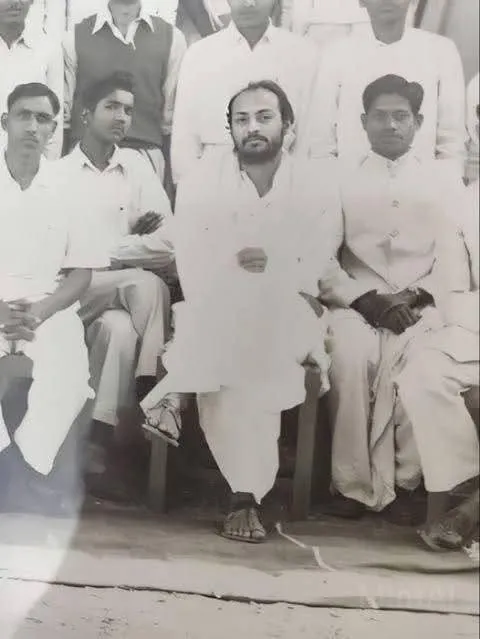
Osho's original Hindi beside Osho Live's English translation, matched passage by passage.
पहला सूत्र:
First sutra:
‘जैसे चिर-संचित ईंधन को वायु से उद्दीप्त आग तत्काल जला डालती है, वैसे ही ध्यान रूपी अग्नि अपरिमित कर्म-ईंधन को क्षणभर में भस्म कर डालती है।’
“Just as long-accumulated fuel, once fanned by the wind, is instantly consumed by a kindled fire, so the fire of meditation reduces the immeasurable fuel of karma to ashes in a single moment.”
मनुष्य अति प्राचीन है; कहें कि सनातन है, सदा से है।
Man is very ancient—call him eternal, ever-present.
अनंत जन्मों में अनंत कर्म हुए हैं--पुण्य हुए हैं, पाप हुए हैं। यदि उन सब पुण्य और पापों के लिए एक-एक का हिसाब चुकाना पड़े तो मुक्ति असंभव है। एक तो इतना लंबा काल! उस लंबे काल में इतने कर्मों की श्रृंखला! उसे छांटते-छांटते अनंतकाल व्यतीत होगा।
Across endless births, countless deeds have been done—merit and sin alike. If one had to settle each account, one by one, liberation would be impossible. Such a long span! In that long span, such a chain of actions! Sorting that chain would itself take eternity.
और यह जो अनंतकाल व्यतीत होगा पुराने कर्मों को तोड़ने में, इस बीच भी नये कर्म निर्मित होंगे। तोड़ना भी कर्म है। किसी कर्म से छूटने की चेष्टा नया कर्म और नये कर्म की शुरुआत है। तब तो जाल दुष्टचक्र जैसा है। इसके बाहर होना मुश्किल है।
And in that eternity spent breaking old actions, new ones will arise. Breaking is also an action. The effort to be rid of an action is the beginning of a new one. Then the web becomes a vicious circle. To step out becomes difficult.
कुछ तो करोगे! अधर्म न करोगे, धर्म करोगे। पाप न करोगे, पुण्य करोगे। लेकिन महावीर कहते हैं, पुण्य भी वैसे ही बांध लेता है, जैसे पाप। बुरा करने वाले का भी अहंकार होता है, भला करने वाले का भी अहंकार होता है; और कभी-कभी तो बुरा करने वाले से ज्यादा सघन होता है। बुरा करने वाले को तो थोड़ी पीड़ा भी होती है, दीनता भी होती है, अपराध भाव भी होता है। भला करने का अहंकार तो स्वर्णमंडित हो जाता है। उसमें हीरे-जवाहरात टक जाते हैं। भला करने वाले का अहंकार तो पुण्य से शोभायमान हो जाता है, प्रदीप्त हो जाता है।
You will do something! If not irreligion, then religion. If not sin, then virtue. But Mahavira says: virtue binds just as sin binds. The doer’s ego exists in the one who does evil, and also in the one who does good—and sometimes, even more densely in the one who does good. The evil-doer feels a sting, a certain humility, a sense of guilt. The ego of the good-doer becomes gold-plated—studded with jewels. The ego of the doer of good becomes ornamented with merit, luminous with it.
ठीक भी करें तो भी करने वाले की मजबूती बढ़ती है, कर्ता का भाव बढ़ता है। मंदिर बनाओ, दान दो, उपवास करो, तप करो तो भी हर कृत्य से कर्ता मजबूत होता है। और कर्ता का मजबूत होना ही संसार है। कर्ता का मजबूत होना ही संसार में वापस लौट आने की सीढ़ी है।
Even if you do rightly, the doer is strengthened; the sense of “I am the doer” is reinforced. Build a temple, give charity, fast, practice austerities—each act fortifies the doer. And to fortify the doer—that itself is the world. To fortify the doer—that itself is the staircase back into the world.
कर्ता क्षीण होना चाहिए।
The doer must become thin.
कर्ता क्षीण होगा तो कर्म क्षीण होंगे।
When the doer thins, actions thin.
धीरे-धीरे यह भाव ही मिट जाना चाहिए कि मेरे भीतर कोई कर्ता है। सिर्फ साक्षी शेष रहे। सिर्फ द्रष्टा शेष रहे।
Slowly, the very sense that there is a doer within must dissolve. Only the witness remains. Only the seer remains.
तो कर्म को कर्म से काटा नहीं जा सकता। न पाप को पुण्य से काटा जा सकता है। क्योंकि यह हो सकता है, पाप की जगह पुण्य रख लो, लेकिन बंधन बदलेंगे नहीं; रूपांतरित भला हो जाएं। पहले से सुंदर हो जाएं; ज्यादा सजे-बजे हो जाएं; पहले से ज्यादा श्रृंगार हो जाए उनका। हथकड़ियों पर सोना मढ़ा जा सकता है, लेकिन हथकड़ियों को इस तरह तोड़ने का कोई उपाय नहीं है। कर्म से कर्म नहीं टूटता।
Therefore action cannot be cut by action. Nor can sin be cut by virtue. You may replace sin with virtue, but the bondage will not change—only its ornamentation. It may become prettier, more refined—more decorated than before. Gold may be plated upon the handcuffs—but there is no way to break handcuffs like that. Action does not break action.
तो फिर कर्म कैसे टूटेगा?
Then how will action break?
अगर कर्म से कर्म नहीं टूटता तो क्या आदमी के लिए कोई भी आशा नहीं है? अगर हर कृत्य नये जाल को बना जाएगा तो फिर हम इस जाल के कभी बाहर हो सकेंगे या न हो सकेंगे?
If action cannot cut action, is there no hope for man? If every deed spins a new web, will we ever be able to step out of this web—or not?
महावीर कहते हैं, बाहर हुआ जा सकता है, लेकिन कर्म द्वार नहीं है बाहर होने का। कर्म ही तो संसार में आने की व्यवस्था है। अकर्म द्वार है।
Mahavira says, one can step out—but not by the door of action. Action is the very mechanism by which one comes into the world. The doorway out is non-action.
Meditation means: the state of non-action.
ध्यान का अर्थ है: अकर्म की दशा।
ध्यान का अर्थ है: साक्षी की दशा।
Meditation means: the state of witnessing.
ध्यान का अर्थ है: ऐसी जागरूक चेतना, जो कृत्य के साथ अपना तादात्म्य नहीं करती।
Meditation means: such wakeful awareness that it does not identify with the deed.
राह चलते हो तुम, लेकिन भीतर कोई जागकर देखता रहता है कि मैं नहीं चल रहा हूं, शरीर चल रहा है। मैं तो देख रहा हूं कि शरीर चल रहा है।
You are walking along the road, but within, someone stays awake and sees: “I am not walking, the body is walking. I am watching: the body is walking.”
भूख लगती है, भीतर कोई देखता रहता है, भूख मुझे नहीं लगी है, शरीर को लगी है। भोजन किया जाता है, शरीर में भोजन डाला जा रहा है, कोई भीतर जागकर देखता रहता है। तृप्ति हो जाती है, भूख मिट जाती है, कोई भीतर साक्षी की तरह अवलोकन करता रहता है कि अब भूख मिट गई, शरीर तृप्त है। लेकिन किसी भी स्थिति में अपने को जोड़ता नहीं कृत्य से।
Hunger arises; within, someone keeps seeing: “Hunger has not come to me; it has come to the body.” Food is eaten—the food is being placed into the body—someone within remains awake, watching. Satisfaction happens, hunger subsides—within, as a witness, someone observes: “Now hunger has passed; the body is satisfied.” But in no state does one connect oneself with the act.
कृत्य से तोड़ लेने का नाम ध्यान है।
To sever from the act—that is meditation.
चौबीस घंटे कृत्य हो रहे हैं। कुछ न भी करो, खाली बैठे रहो तो भी श्वास चलती है; तो भी कृत्य हो रहा है। तुम कहते हो कि मैं श्वास ले रहा हूं। हालांकि तुमने कभी सोचा नहीं कि इससे ज्यादा झूठी बात क्या होगी, कि तुम कहते हो, मैं श्वास ले रहा हूं। जब श्वास न आएगी तब ले सकोगे? जब रुक जाएगी तब तुम कहोगे, कोई फिक्र नहीं, मैं तो लेना जारी रखूंगा? जो श्वास बाहर गई और न लौटी तो तुम लौटा सकोगे?
Twenty-four hours, actions are happening. Even if you do nothing, sit idle, the breath still moves—so action is happening. You say, “I am breathing.” Have you ever reflected how untrue this is? When the breath refuses to come, will you still be able to draw it? When it stops, will you say, “No worry—I will continue to take it”? When the breath goes out and does not return, will you bring it back?
उस वक्त पता चलेगा कि श्वास भी मैं नहीं ले रहा था, श्वास चल रही थी। और चलने की क्रिया के साथ मैंने नाहक ही अपने को कर्ता की तरह जोड़ लिया था। भूख तुम्हें लगी है? भूख तुमने लगाई है? लग रही है, सच है; लेकिन तुम नाहक बीच में जुड़ जाते हो। तुम दूर खड़े देख सकते हो। भूख शरीर में घटने वाली घटना है।
In that moment it will be seen that you too were not breathing; breathing was happening. And with this movement, unnecessarily you had tied yourself as the doer. Is hunger yours? Did you create hunger? It is arising—true; but you unnecessarily get attached in between. You can stand aside and watch. Hunger is a phenomenon occurring in the body.
महावीर ने इसीलिए उपवास पर बड़ा जोर दिया। वह उपवास आत्मदमन के लिए नहीं था; जैसा जैन मुनि करते रहे। महावीर का उपवास शरीर को पीड़ा देने के लिए नहीं था। महावीर का उपवास तो सिर्फ एक भीतर अवकाश पैदा करने के लिए था कि चेतना जागकर देखती रहे। जैसे-जैसे भूख सघन होती जाए, वैसे-वैसे संभावना बढ़ती है कि तादात्म्य पैदा हो जाए। जब भूख बहुत जोर से हो तो तुम भूल ही जाओ कि मैं साक्षी हूं। भूख थोड़ी-थोड़ी लगी हो, भोजन पास में हो, फ्रिज के पास ही बैठे हो, चौके से सुगंध आ रही है, तब शायद तुम ध्यान की बातों का मजा भी ले लो। तुम कहो, कहां भूख! मैं तो साक्षी हूं। भूख इतनी नहीं है। साक्षी होने में कुछ खर्च नहीं हो रहा है। लेकिन जब भूख पीड़ा की तरह चुभे, छाती में गहरी उतरती जाए, रोआं-रोआं चीखने-चिल्लाने लगे, तब ध्यान रखना कठिन होता चला जाएगा।
That is why Mahavira emphasized fasting—not for self-torture as Jaina monks later practiced; not to inflict pain upon the body. Mahavira’s fasting was solely to create an inner space in which consciousness could remain awake and watch. Because as hunger intensifies, the likelihood of identification increases. When hunger is moderate, food is near, you are seated by the fridge, the fragrance wafts from the kitchen—then perhaps you can also “enjoy” talk of meditation. You say, “What hunger? I am a witness.” Hunger is not much. There is no cost to being a witness then. But when hunger pierces like pain, sinks deep into the chest, when every hair screams—then it becomes increasingly difficult to remain aware.
Mahavira regarded fasting as a process of meditation. A moment comes when hunger stands with a tremendous force—one could go mad; one could eat anything; one could steal; one could even kill.
महावीर ने उपवास को सिर्फ ध्यान की प्रक्रिया समझा। ऐसी घड़ी आती है, जहां भूख अपने प्रचंड वेग में खड़ी होती है कि आदमी पागल हो जाए; कि आदमी कुछ भी खा ले; कि चोरी कर ले, कि हत्या कर दे।
रेगिस्तान में चलने वाले लोगों का अनुभव है कि कभी प्यास ऐसी लग आती है कि आदमी अपनी पेशाब पी जाता है, पानी न मिले तो। ऊंट की पेशाब पी जाता है, अगर पानी न मिले तो। ऐसी प्यास लग सकती है रेगिस्तान में कि आदमी को होश ही न रह जाए, साक्षी की तो बात और। यह भी खयाल न रहे, मैं क्या पी रहा हूं।
Those who journey in the desert have reported that thirst can come upon one such that one drinks one’s own urine if no water is found; camel urine if nothing else. In the desert, thirst can be such that one loses all awareness—witnessing is another matter. Even the knowledge of what one is drinking disappears.
ये तो सब सुविधा की बातें हैं कि तुम कहते हो, जल शुद्ध है या नहीं? छना है या नहीं? ये तो सुविधा की बातें हैं कि तुम कहते हो कि प्राशुक है? उबाला गया है, या किसी गंदी नाली से भर लाए हो? ये सुविधा की बातें हैं। रेगिस्तान में जब प्यास पकड़ी हो, सामने नाली भी पड़ जाए गंदगी से बहती, तो भी आदमी पी लेगा। महावीर ने इसको महत्वपूर्ण प्रयोग बनाया। क्योंकि भूख बड़ी गहरी बात है; सबसे गहरी बात है।
All your refinements—“Is the water pure? Filtered? Boiled? Or scooped from some dirty drain?”—these are conveniences. In the desert, when thirst grips, even if a drain flows before you with filth—you will drink. Mahavira made this into a crucial experiment—because hunger is very deep, the deepest.
आदमी के जीवन में दो बातें सर्वाधिक महत्वपूर्ण हैं: एक है कामवासना और एक है भूखवासना। कामवासना से समाज जीता है। कामवासना समाज का भोजन है। अगर तुम कामवासना को रोक लो तो तुमने समाज की एक शाखा को तोड़ दिया। अब आगे कोई संतति पैदा न होगी। तुम्हारी कामवासना से तुम्हारे बच्चे जीते हैं। तुम्हारी कामवासना से जीवन जीता है, संसार चलता है।
Two things are most significant in human life: one is sexuality, and the other is hunger. Sexuality nourishes society. Sexuality is food for society. If you stop sexuality, you break a branch of society. No progeny will come forth. Your children live through your sexuality. Life lives through sexuality; the world runs by it.
तो कामवासना संसार के लिए भोजन है। उसके बिना संसार मरेगा। अगर सभी लोग ब्रह्मचर्य को उपलब्ध हो जाएं तो संसार तत्क्षण रुक जाएगा।
So sexuality is food for the world. Without it, the world will die. If all people attain Brahmacharya, the world will stop immediately.
इसलिए पश्चिम के एक बहुत बड़े विचारक इमेन्युएल कांट ने ब्रह्मचर्य को पाप कहा। उसकी बात में बल है। वह कहता है, ब्रह्मचर्य तो एक तरह की हिंसा है। तुम किसी को पैदा होने से रोक रहे हो। तो किसी को जिंदा रहकर मारो या पैदा होने से रोको, बात तो बराबर है। किसी की गर्दन काटो, या किसी को पैदा न होने दो। पैदा न होने देने का मतलब हुआ कि तुमने गर्दन बनने के पहले ही काट दी।
Hence a great Western thinker, Immanuel Kant, called Brahmacharya a sin. There is weight in his argument. He says Brahmacharya is a kind of violence—you are preventing someone from being born. Whether you kill someone alive or you prevent someone from being born, what is the difference? To cut a neck, or to prevent a neck from ever arising—preventing birth is cutting the neck beforehand.
फिर इमेन्युएल कांट ने कहा कि नीतिशास्त्र का आधारभूत नियम है कि जिस सूत्र को मानकर हम चलें उसके मानने से ऐसी घटना नहीं घटनी चाहिए कि उस सूत्र को मानना ही असंभव हो जाए। नहीं तो वह आत्मघाती सूत्र हुआ।
Then Kant adds: the foundational rule of ethics is that the maxim by which we live must not be such that its universal adoption renders it impossible to practice. Otherwise it is a self-defeating maxim.
जैसे समझो, इमेन्युएल कांट कहता है, झूठ बोलना पाप है, अनैतिक है। क्योंकि अगर सभी लोग झूठ बोलने लगे तो झूठ बोलना संभव न रह जाएगा। झूठ तो चलता इसीलिए है कि कुछ लोग अभी भी सच में भरोसा करते हैं। झूठ झूठ के कारण नहीं चलता, सच पर भरोसा करने वालों के कारण चलता है। झूठ के अपने पैर नहीं हैं। सच की बैसाखी को लेकर चलता है। इसीलिए तो झूठ बोलने वाला बड़ा दावा करता है कि मैं सच बोल रहा हूं। जब तक वह तुम्हें भरोसा न दिला दे कि मैं सच बोल रहा हूं, तब तक झूठ बोलने का अवसर नहीं, उपाय नहीं।
For instance, Kant says, lying is immoral—because if everyone lies, lying becomes impossible. Lies work only because there are still some who trust truth. A lie does not stand on its own legs; it walks with the crutch of those who trust truth. That is why the liar loudly declares, “I speak the truth.” Until he convinces you he is speaking truth, there is no chance to lie.
एक अदालत में मुल्ला नसरुद्दीन पर मुकदमा था। एक बहुत सीधे-सादे, साधु पुरुष को उसने धोखा दे दिया। उसकी जेब काट ली। पुरानी मित्रता थी और साधु पुरुष था; इस पर भरोसा करता था। गांव भर को पता था कि वह आदमी अत्यंत साधु है। मजिस्ट्रेट को भी पता था। मजिस्ट्रेट ने कहा, ‘नसरुद्दीन! किसी और को धोखा देते। यह तुम्हारा पुराना मित्र, बचपन का साथी। गांव में साधु की तरह पूजा जाता, इसकी तुमने जेब काटी? तुम्हें संकोच न हुआ? जो इतना भरोसा करता है तुम पर, उसकी जेब काटी?’
Once Mulla Nasruddin was on trial. He had cheated a very simple, saintly man—picked his pocket. There was old friendship and the saintly man trusted him. The whole village knew he was virtuous. The magistrate too knew. The magistrate said, “Nasruddin! Cheat someone else if you must. This man is your old friend, childhood companion. He is worshiped like a saint in the village, and you pick his pocket? Did you feel no shame? He trusts you so!”
नसरुद्दीन ने कहा, ‘तो और किसकी काटूं? वह जो भरोसा करता है, उसी की काटी जा सकती है। जो भरोसा नहीं करता उसकी तो काटनी मुश्किल है।’
Nasruddin said, “Whose else should I pick? Only the one who trusts can be picked. One who doesn’t trust—how to pick him?”
साधु को ही धोखा दिया जा सकता है; धोखेबाज को कैसे दोगे? ईमानदार के साथ ही बेईमानी की जा सकती है; बेईमान के साथ कैसे करोगे?
Only a saint can be cheated; how will you cheat a cheat? Only with the honest can you be dishonest; how with the dishonest?
इमेन्युएल कांट ने कहा, कि जिस सूत्र को मानने से उस सूत्र को मानना असंभव हो जाए, वह अनैतिक है। तो झूठ अगर सभी लोग मान लें, अगर झूठ सार्वलौकिक हो जाए, युनिवर्सल हो जाए तो झूठ असंभव हो जाएगा। अगर यह घोषणा कर दी जाए कि सभी लोग झूठ बोलते हैं और सभी लोगों को झूठ बोलना ही धर्म है तो उसी दिन झूठ मुश्किल में पड़ जाएगा। क्योंकि कौन तुम्हारा भरोसा करेगा? तुम सच भी कहो तो लोग समझेंगे, झूठ बोल रहे हो।
Kant says: That maxim which, if universalized, destroys itself, is immoral. If lying becomes universal, it becomes impossible. If we declare that everyone lies and lying is the religion of man, that very day lying will be in trouble—who will trust you then? Even if you speak the truth, people will think you lie.
अगर चोरी नियम हो तो चोरी असंभव हो जाएगी। अगर सभी लोग चोरी कर रहे हों तो चोरी का अर्थ क्या है? एक घर से दूसरे घर चीजें उठाकर रखने में फायदा क्या है? सार क्या है? जहां सभी चोर हों.इसलिए तुमने देखा होगा, कि चोरों के जो मंडल होते हैं, वे आपस में चोरी नहीं करते। क्योंकि वहां तो नियम मानकर चलना चाहिए कि चोरी नहीं। नहीं तो जीवन ही मुश्किल हो जाएगा।
If theft becomes the rule, theft becomes impossible. If everyone steals, what does theft mean? What sense in moving things from one house to another? Where all are thieves!
Hence you must have seen, thieves’ guilds don’t steal from one another. There the rule must be: no stealing. Otherwise life becomes impossible.
इमेन्युएल कांट ने कहा है, ऐसा ही ब्रह्मचर्य भी है। अगर सभी लोग ब्रह्मचारी हो जाएं तो इस जगत में ब्रह्मचर्य को पालन करने के लिए भी कोई न बचेगा। इसका अर्थ हुआ कि अगर दुनिया में ब्रह्मचारी चाहिए तो कुछ कामी चाहिए ही होंगे; नहीं तो ब्रह्मचारी न बचेंगे।
तो ब्रह्मचर्य का नियम सार्वलौकिक नहीं हो सकता। इसके मानने के लिए भी, इसके मानने वालों के होने के लिए भी, इसको तोड़ने वालों की जरूरत है।
Kant says Brahmacharya is also like this. If all become celibate, then there will be no one left to practice celibacy on earth. Which means: for celibates to exist, some lustful ones must exist; otherwise even celibates won’t be.
महावीर ब्रह्मचर्य को उपलब्ध हो सकते हैं क्योंकि महावीर के माता-पिता ब्रह्मचर्य को उपलब्ध नहीं थे। अगर महावीर के माता-पिता ने ही ब्रह्मचर्य साधा होता तो महावीर के होने की संभावना ही न थी। तो महावीर के होने के लिए महावीर के माता-पिता की कामवासना को धन्यवाद तो देना ही होगा। बुद्ध को, या कृष्ण को, या क्राइस्ट को होने के लिए भी कामवासना का सहारा ही लेकर आना पड़ेगा।
Mahavira can attain Brahmacharya only because Mahavira’s parents were not celibate. Had they been, there would be no Mahavira. So for Mahavira to be, thanks must be given to the sexuality of his parents. The same for Buddha, or Krishna, or Christ—they must take the help of sexuality to arrive.
इसे समझने की जरूरत है।
Understand this well.
ब्रह्मचर्य जीवन का समाप्त--अंतिम अध्याय होगा; अंतिम पटाक्षेप हो जाएगा। मैं यह नहीं कह रहा हूं कि ब्रह्मचर्य पालन मत करना। क्योंकि सभी ब्रह्मचर्य पालन कर सकें, यह असंभव है। एक भी पालन कर पाए, यह भी बड़ा कठिन है, तो सभी कर पाएंगे यह तो असंभव है।
Brahmacharya is the closing chapter of life—the final curtain. I am not saying don’t practice Brahmacharya. Because for all to practice it—this is impossible. For even one to practice it is very hard; for all—impossible.
इमेन्युएल कांट ने असंभव की बात को संभव मानकर गलत सिद्ध करने की चेष्टा की है। यह होनेवाला नहीं है। लाखों वर्षों से आदमी ब्रह्मचर्य की चर्चा करता है, शास्त्र लिखता है। कभी कोई एकाध व्यक्ति ब्रह्मचर्य को उपलब्ध हो पाता है। यह बात कठिन है।
Kant tried to refute by taking the impossible as possible. This will not be. For thousands of years man has discussed Brahmacharya, written scriptures. Once in a while, a rare individual attains it. It is difficult.
मैं यह कह रहा हूं कि कामवासना दूसरों का भोजन है, भविष्य का भोजन है, आने वाली पीढ़ियों का भोजन है। इसीलिए कामवासना का इतना प्रबल प्रभाव है। तुम्हारे बच्चे तुमसे आने को तड़प रहे हैं। इसलिए तुम लाख चेष्टा करो ब्रह्मचर्य साधने की, उनके प्राण संकट में पड़े हैं। वे धक्के मारेंगे। वे तुम्हारे नियम तोड़ेंगे, तुम्हारी प्रतिज्ञा का खंडन करेंगे और जन्म लेने की आतुरता प्रकट करेंगे।
I am saying: sexuality is the food of others, the food of the future, of coming generations. Therefore its influence is so strong upon you. Your children are struggling to come through you. However much you try to be celibate, their life is in danger—they will push; they will break your rules and oaths; they will insist on birth.
जब तुम्हारे भीतर कामवासना उठती है तो वह भी तुम्हारी नहीं है। वह भी आने वाले जन्मों का, आने वाले जीवनों का आकर्षण है, खिंचाव है। तुमसे आने वाले जीवन कह रहे हैं कि अपना काम पूरा करो। इसके पहले कि तुम विदा हो जाओ, तुम माध्यम बनो। जीवन की श्रृंखला जारी रहे।
When sexuality arises in you—even that is not “yours.” It is the pull of coming lives. Life that wants to come through you says, “Complete your task. Before you depart, be a medium—let the chain continue.”
तो एक तो कामवासना का आदमी पर बड़ा प्रभाव है। लेकिन वह इतना बड़ा प्रभाव नहीं है कि आदमी ब्रह्मचर्य से न रह सके। क्योंकि दूसरे का जीवन संकट में पड़ता है, तुम्हारा तो पड़ता नहीं। तुम तो हो। तुम्हारा तो पड़ता--तुम्हारे मां बाप, उनके मां बाप अगर ब्रह्मचर्य का नियम लेते। तुम तो हो गए। तुम तो हो। तुम्हारा तो अब कोई संकट में पड़ने का कोई कारण नहीं है।
So sexuality has great influence on man—but not so great that one cannot remain celibate. Because it is another’s life that is at stake, not yours. You are. Yours was at stake only if your parents had been celibate. You already are. There is no danger to you now.
दूसरी महत्वपूर्ण वासना है भोजन की। वह कामवासना से ज्यादा गहरी है, क्योंकि उससे तुम्हारा ही जीवन संकट में पड़ता है। कामवासना से कोई होने वाले लोग, जिनका हमें कोई पता नहीं है, न होंगे। क्या लेना-देना है? लेकिन भोजन छोड़ने से तुम नहीं हो जाओगे।
The second important urge is hunger. It is deeper than sexuality, because your own life is at stake in it. Sexuality affects those who are to be; whose countenance we do not know. But giving up food—you will not be.
तो महावीर ने उपवास को बड़ा गहरा प्रयोग बनाया। जैसे-जैसे भूख बढ़ती जाती है, तुम्हारा जीवन संकट में पड़ता है, वैसे-वैसे तुम्हारे भीतर होश की क्षमता क्षीण होती जाती है। भूखा क्या न करता?
Thus Mahavira made fasting a deep experiment. As hunger increases and your life comes under threat, your capacity for awareness declines. What will a hungry man not do?
मनोवैज्ञानिक कहते हैं, भूख सब पापों की जड़ है। शायद सच कहते हैं। जब तक भूख न मिटे, दुनिया से शायद पाप मिट भी न सकेंगे। भूखा कुछ भी कर सकता है। और भूखा कुछ करे तो क्षम्य भी मालूम पड़ता है।
Psychologists say: hunger is the root of all sins. Perhaps they speak truly. Until hunger is eliminated, sins may not vanish from the world. A hungry man can do anything—and if he does, it even seems forgivable.
महावीर ने गहरे उपवास किए। सिर्फ एक बात जानने के लिए कि क्या ऐसी भी कोई सीमा है भूख की, जहां मेरा होश खो जाता हो? क्या ऐसी भी कोई सीमा आती है, जहां कि मैं भूल जाऊं कि मैं साक्षी हूं और कर्ता हो जाऊं?
Mahavira undertook deep fasts for a single knowing: Is there a threshold to hunger where my awareness is lost? Does a limit arise where I forget that I am a witness and I become a doer?
इस गहरे परीक्षण के लिए उपवास। उपवास आत्मदमन नहीं है महावीर का, ध्यान का एक गहन प्रयोग है। उपवास शब्द में भी वह बात छिपी है। इसलिए महावीर ने उपवास को अनशन नहीं कहा, भूखा रहना नहीं कहा, उपवास कहा। उपवास का अर्थ होता है: अपने निकट होना। अपने निकट वास। उपवास का अर्थ होता है: आत्मा के पास होना। उपवास का अर्थ होता है, कर्ता से हटना, साक्षी की तरफ धीरे-धीरे सरकना।
For this deep testing—fasting. Mahavira’s fasting is not self-suppression; it is a profound experiment in meditation. The very word upavas holds the clue. Therefore Mahavira did not call it anshan (hunger strike), nor “remaining hungry,” but upavas. Upavas means: to abide near oneself. To dwell near the Self. It means: to move away from the doer and slowly slide toward the witness.
तो तुम कुछ भी करो, उस करने में अगर साक्षीभाव बना रहे तो धीरे-धीरे कर्ता से मुक्ति हो जाती है। और कर्ता से मुक्ति होते ही सारे कर्मों का जाल, अनंत जन्मों का, एक क्षण में भस्मीभूत हो जाता है।
So whatsoever you do—if the witness remains in it, slowly you are freed from the doer. And as soon as there is freedom from the doer, the entire net of actions, of infinite births, is burned to ashes in a single instant.
यह महावीर की बड़ी अनूठी उदघोषणा है। इस उदघोषणा में ही मनुष्य की संभावना है।
This is Mahavira’s unique proclamation. In this proclamation lies man’s possibility.
अगर ऐसा नहीं होता तो फिर मोक्ष की कोई संभावना मानी नहीं जा सकती। अगर हम कर्म से ही छूटकर मुक्त हो सकेंगे तो फिर हम कर्म से कभी छूट नहीं सकते। कर्ता से छूटने से अगर मुक्ति होती हो तो मुक्ति संभव है।
If it were not so, there would be no possibility of Moksha. If we were to be freed through action, we could never be free. If freedom comes from freedom from the doer, then liberation is possible.
इसे खयाल में रख लेना। यही गीता का भी आत्यंतिक संदेश है कि अर्जुन, तू कर्ता न रह जा। बड़े दूसरे मार्ग से कृष्ण इसी निष्पत्ति पर पहुंचते हैं कि अर्जुन, तू कर्ता न रह जा। तू कर्म की फिक्र छोड़। कर्म तो होता रहा, होता रहेगा। तू ऐसा भाव छोड़ दे कि मैं कर रहा हूं।
Keep this in mind. This is the ultimate message of the Gita as well: Arjuna, do not be a doer. Through another route Krishna reaches the same conclusion: Arjuna, do not be a doer. Drop concern for action. Actions happen, and will go on happening. Drop the attitude “I am doing.”
महावीर की और गीता की भाषा बड़ी विपरीत है। इसलिए यह समझना भी जरूरी है कि कभी-कभी विपरीत भाषाओं से भी एक ही सत्य की उदघोषणा होती है। भाषा में मत उलझ जाना। जैन गीता को पढ़ते भी नहीं। जैनों के लिए गीता में कुछ सार भी नहीं मालूम होता। सार तो दूर, खतरनाक मालूम होती है, हिंसात्मक मालूम होती इै।
Mahavira’s language and the Gita’s language are opposite. It is necessary to understand that sometimes opposing languages declare the same truth. Do not be trapped in language. Jains do not even read the Gita. To them, the Gita seems to have no essence—worse, it seems dangerous, violent.
हिंदुओं ने महावीर का उल्लेख ही नहीं किया अपने शास्त्रों में। इतना जीवंत व्यक्ति इस भूमि पर चला, हिंदू शास्त्रों में उल्लेख भी नहीं है। इससे गहरी और निंदा और विरोध क्या हो सकता था? जैनों ने तो फिर भी कम से कम थोड़ी भलमनसाहत की। कृष्ण का उल्लेख तो किया। माना कि नरक में डाला, माना कि कृष्ण मरकर सातवें नरक गए, मगर फिर भी इतना सम्मान तो दिया कि उल्लेख किया--निंदा के लिए सही! भूले तो नहीं, बिसराया तो नहीं। लेकिन हिंदुओं ने तो हद्द कर दी। उन्होंने महावीर को नरक में डालने योग्य भी न माना। महावीर का उल्लेख ही न किया। अगर बौद्ध शास्त्र न हों तो महावीर का उल्लेख सिर्फ जैन शास्त्रों में रह जाएगा। और अगर बौद्ध शास्त्र न हों तो जैनों के पास प्रमाण जुटाना भी मुश्किल हो जाएगा कि महावीर कभी हुए।
Hindus did not even mention Mahavira in their scriptures. Such a living being walked this land—and there is no mention. What deeper condemnation and opposition could be? The Jains at least showed some courtesy: they mentioned Krishna—even if to declare him condemned to hell, even the seventh hell—but at least they mentioned him. They did not forget. But the Hindus crossed all limits—they did not deem Mahavira even worthy of hell! If Buddhist texts did not exist, Mahavira’s mention would be only in Jaina texts—and even for the Jains, without Buddhist support, collecting external evidence would be hard that Mahavira ever lived.
इसीलिए जब पहली दफा हिंदू शास्त्रों का पश्चिम में अनुवाद हुआ तो पश्चिम के विचारकों ने यही समझा कि महावीर बुद्ध का ही एक नाम है। मूर्ति एक जैसी लगती भी है। उपदेश भी अहिंसा का कुछ एक जैसा मालूम पड़ता है। यह बुद्ध का ही एक रूप है। महावीर को स्वीकार ही नहीं किया था। क्योंकि हिंदू शास्त्रों में कहीं उल्लेख ही नहीं।
That is why, when Hindu texts were first translated in the West, Western scholars assumed Mahavira was merely another name for Buddha. The statues seemed similar, the teaching of non-violence sounded similar—so they thought he was just another form of Buddha. Mahavira was not acknowledged—Hindu scriptures did not mention him at all.
कारण क्या रहा होगा?
Why?
भाषा बड़ी भिन्न है। भिन्न ही कहनी ठीक नहीं, ठीक विपरीत है। एक अगर रात कहता तो दूसरा दिन कहता; ऐसा फासला है। जमीन और पृथ्वी का फसला है। लेकिन मैं तुमसे कहना चाहता हूं कि दोनों एक ही बात कहना चाह रहे हैं। कृष्ण ईश्वर की धारणा का उपयोग करते हैं उस बात को कहने के लिए। वे कहते हैं, ईश्वर कर्ता है, तू निमित्त। तू साक्षीभाव से जो हो रहा है, होने दे। इतना भर खयाल छोड़ दे कि मैं कर रहा हूं। फिर जो करवाए परमात्मा, कर।
The language is very different—indeed, exactly opposite. If one says night, the other says day; that much distance. And yet I say to you: both are trying to say the same. Krishna employs the notion of God to say it. He says: God is the doer, you are a mere instrument. Abide in witnessing and let what is happening, happen. Drop only this: “I am doing.” Then let the Divine do what it will through you.
महावीर परमात्मा की धारणा का उपयोग नहीं करते। उनकी भाषा में परमात्मा का कोई प्रत्यय, कोई प्रतीक नहीं है। वे इतना ही कहते हैं, तू साक्षीभाव से कर। ध्यान की आत्यंतिक गहराई में, साक्षीभाव की परमदशा में अचानक तू जागकर देखेगा कि तुझसे अब तक जो हुआ था वह तुझसे हुआ ही नहीं था।
Mahavira does not employ the notion of God. In his speech there is no God-symbol. He simply says: be a witness. In the ultimate depth of meditation, in the supreme state of witnessing, suddenly you will awaken and see that all that happened through you—never happened “by you.”
यही अर्थ है कि सारे कर्म भस्मीभूत हो जाते हैं। वह तूने स्वप्न में किया था। वह कभी हुआ ही नहीं। सपने के खयाल थे। सपने में बुदबुदाया था। सपने में कुछ सोचा था कि कर रहा हूं, कुछ हो रहा है। सुबह जागकर पाया है कि सब सपने व्यर्थ हैं। सुबह जागकर तू हंसा है कि रात जो देखा, कितना सत्य मालूम पड़ता था! कितना यथार्थ मालूम पड़ता था। जागते ही सब खो जाता है।
This is the meaning of all karmas being burned to ashes. You did them in a dream. They never truly happened. They were dream-thoughts, dream-mutterings, dream-doings. Upon waking in the morning, everything is found vain. You laugh: how real it all seemed at night! How factual! On waking, it evaporates.
कभी एक प्रयोग करो छोटा। सपने में जागने की चेष्टा करो। कठिन है, लेकिन हो जाता है। अगर रोज-रोज इसी धारणा को लेकर रात सोओ कि सपने में चेष्टा करूंगा कि जाग जाऊं; कि सपने को जान लूं कि सपना है। ऐसा अगर रोज रात को सोते वक्त यही धारणा, यही भावना करते-करते सोओ तो तीन और नौ महीने के बीच किसी न किसी दिन ऐसी घटना घटेगी कि अचानक तुम सपना देख रहे होओगे और भीतर स्मरण आ जाएगा कि अरे! यह तो सपना है। और एक तब अनूठा मीठा अनुभव होता है। बड़ा अदभुत, बड़ा अनुपम, अपूर्व। क्योंकि जैसे ही तुम्हें याद आता है कि अरे! यह तो सपना है कि सपना तत्क्षण खो जाता है। और उस सपने के खोने में पहली दफे तुम्हें पता चलता है कि होश में आना और सपने का टूट जाना एक ही सिक्के के दो पहलू हैं।
Try a small experiment: try to wake up inside a dream. Difficult, but it happens. If, night after night, you go to sleep with the resolve, “If I dream, I will try to know I am dreaming; I will awaken inside the dream,” then between three and nine months, some night, suddenly, while dreaming, a remembrance will flash: “Ah! This is a dream.” And then a unique, sweet experience happens—wondrous, unparalleled. Because the moment you remember “This is a dream,” the dream dissolves at once. In this vanishing you learn for the first time that coming to awareness and the breaking of the dream are two sides of the same coin.
ऐसा ही जीवन भी एक बड़ा सपना है।
Life too is such a great dream.
महावीर माया शब्द का भी उपयोग नहीं करते। क्योंकि माया शब्द के उपयोग के लिए भी परमात्मा का होना जरूरी है। वह परमात्मा की शक्ति हो तो माया। कोई मायावी हो तो माया। कोई जादूगर हो तो जादू। कोई जादूगर तो है नहीं महावीर की भाषा में, इसलिए कोई माया भी नहीं है।
Mahavira does not even use the word maya—because to use maya, there must also be God. Maya is the power of someone; if there is a magician, there is magic. In Mahavira’s lexicon, there is no magician—hence no maya.
लेकिन यह सूत्र घोषणा कर रहा है कि जो कर्म केवल ध्यान में उतरने से समाप्त हो जाते हैं, वे वस्तुतः न रहे होंगे। अगर रहते तो ध्यान में उतरने से क्या होता था? ध्यान में उतरने से सत्य थोड़े ही बदलता है। ध्यान में उतरने से केवल माया ही बदल सकती है।
But this sutra declares: those karmas which end merely by entering meditation—those in truth were never existent. If they truly existed, how would meditation dissolve them? Meditation cannot alter Truth; it can only dispel delusion.
तुम कमरे में बैठे हो, आंखें झपकी हैं, सपना ले रहे हो। अगर जाग जाओगे तो सपना टूट जाएगा, लेकिन तुम्हारे जागने से कमरे की कुर्सी, फर्निचर, दीवालें थोड़े ही समाप्त हो जाएंगी! जो है, वह तो तुम्हारे ध्यान में जाने से नष्ट नहीं होगा। वस्तुतः तुम जैसे ध्यान में जाओगे, प्रकट होगा, पूरे रूप में प्रकट होगा, जो है। जो नहीं है, वहीं खो जाएगा।
You sit in a room, eyes drooping, dreaming. If you wake, the dream breaks—but your waking does not destroy the chair, the furniture, the walls. What is, does not get destroyed by your becoming aware. In fact, as you become aware, what is—appears more fully. Only what is not, vanishes.
इस सूत्र का मैं यह अर्थ करता हूं कि महावीर यह कह रहे हैं कि तुमने अब तक जो किया है, हुआ, वह सब सपने में हुआ है। जागते ही एक क्षण में मिट जाएगा।
जह चिरसंचयमिंधण-मनलो पवणसहिओ दुयं दहइ।
Thus, I take this sutra to mean: Mahavira is saying—what you have done till now, all that happened—happened in a dream. On waking, in an instant, it is gone.
‘जैसे चिर-संचित ईंधन को वायु से प्रदीप्त आग तत्काल जला डालती है.।’
तह कम्मेंधणममियं, खणेण झाणानलो डहइ।।
‘.वैसे ही ध्यान रूपी अग्नि अपरिमित कर्म-ईंधन को क्षण भर में भस्म कर डालती है।’
“Just as the fire, once fanned by the wind, consumes long-accumulated fuel at once—so the fire of meditation burns to ashes the measureless fuel of karma, in a single instant.”
‘मोक्षार्थी मुनि सर्वप्रथम धर्म-ध्यान द्वारा अपने चित्त को सुभावित करे। बाद में धर्म-ध्यान से उपरत होने पर भी सदा अनित्य, अशरण आदि भावनाओं के चिंतवन में लीन रहे।’
“A seeker after Moksha should first refine his mind through dharma-dhyana. Later, even after rising beyond dharma-dhyana, he should ever remain absorbed in contemplations such as anitya and ashrana.”
यह भी खयाल में रखना कि महावीर अकेले चिंतक हैं, जिन्होंने ध्यान को धर्म और अधर्म, दो खंडों में बांटा। अकेले! पूरे मनुष्य-जाति के इतिहास में। पतंजलि ने वैसा नहीं किया, बुद्ध ने वैसा नहीं किया, कृष्ण ने वैसा नहीं किया। अकेले महावीर ने ध्यान को धर्म और अधर्म, दो में बांटा। और इसमें बड़ी वैज्ञानिक सूझ है। यह उनका अनुपम दान है।
Also remember: Mahavira alone, among all seers, divides meditation into two—dharma and adharma. Alone! In all human history. Patanjali does not, Buddha does not, Krishna does not. Only Mahavira divides dhyana into dharma and adharma. There is great scientific insight here—his unique gift.
मनुष्य-जाति को सभी जाग्रत पुरुषों ने कुछ दिया है, जो विशिष्ट है। कुछ है, जो सामान्य है; जो सभी ने दिया है। कुछ है, जो एक-एक ने दिया है और विशिष्ट है। यह महावीर की विशिष्ट देन है ध्यान के शास्त्र और विज्ञान को। महावीर कहते हैं, अधर्म-ध्यान और धर्म-ध्यान।
All awakened ones have given something; some things are common, some unique. This is Mahavira’s distinct contribution to the science of meditation: adharma-dhyana and dharma-dhyana.
थोड़े तुम चौंकोगे। अधर्म-ध्यान? ध्यान से तो हम संबंध ही धर्म का जोड़ते हैं। लेकिन महावीर की पहुंच गहरी है। महावीर कहते हैं, कुछ ऐसी घड़ियां हैं, जो अधर्म की होती हैं, लेकिन ध्यान बंध जाता है।
You may be startled—adharma-dhyana? We usually connect meditation only with dharma. But Mahavira’s reach is deep. He says: there are certain moments—adharmic moments—in which meditation still binds.
जैसे जुआरी जुआ खेल रहा है; जब वह पांसे हाथ में लेकर चल रहा है तो उसके चित्त में बड़ी एकाग्रता होती है। ऐसा भी हो सकता है कि मंदिर में जो माला जप रहा है, उससे ज्यादा एकाग्रता जुआरी जब पांसे हाथ में लेकर चलता हो, तब हो।
For example, the gambler, as he throws the dice, has tremendous concentration. It is possible that his focus exceeds that of the man in the temple fingering his beads.
कोई हत्यारा किसी को मारने जा रहा है, तब बड़ा एकाग्र होता है। कोई विचार नहीं उठते। इधर-उधर सोच भी नहीं जाता। तीर की तरह एक ही बात, एक ही भाव, एक हवा, उसे घेरे रखती है।
A murderer, going to kill, becomes utterly one-pointed. Thoughts do not arise; he does not wander. Like an arrow, one idea pierces him.
तुमने भी कभी देखा हो, शायद जुआ न खेला हो, हत्या भी न की हो, लेकिन कभी क्रोध में थोड़ी-बहुत झलक आयी होगी। हो सकता है क्रोध का मजा भी यही हो कि ध्यान बंध जाता है। क्रोधी आदमी क्रोध के क्षण में सब भूल जाता है। इसीलिए तो अक्सर क्रोध के बाद तुम कहते हो, मेरे बावजूद हो गया। मैं करना नहीं चाहता था और हो गया।
You too have glimpsed it—perhaps you’ve neither gambled nor murdered—but in anger you have had a taste. Perhaps that is the “pleasure” of anger: attention becomes fixed. In anger, one forgets everything. That is why afterward you say, “It happened in spite of me. I didn’t want to—and it happened.”
तुम्हारे बावजूद? तुम्हारा मतलब क्या? किया तो तुम्हीं ने। हुआ तो तुम्हीं से। साथ तुम्हारा था।
“In spite of you?” What do you mean? You did it. It happened through you. You were present.
लेकिन तुम कहते हो, सब मैं भूल ही गया। बेहोश था। कुछ याद ही न रहा। न नियम याद रहे, न शिष्टाचार याद रहा। और खुद की खायी कसमें भी याद न रहीं। कितनी बार तय किया कि नहीं करूंगा क्रोध, फिर हो गया।
But you say, “I forgot everything. I was unconscious. Nothing remained in memory—neither rules nor manners; even the oaths I had taken vanished. So many times I decided not to be angry—again it happened.”
लेकिन जब क्रोध पकड़ता है तो आदमी एकदम एकाग्र हो जाता है। महावीर ने इसको रौद्र ध्यान कहा है--क्रोध में।
कामवासना में भी आदमी ध्यान से भर जाता है।
When anger grabs, one becomes utterly concentrated. Mahavira calls this raudra-dhyana—meditation in anger.
In sexuality too, one is flooded with meditation.
मैंने सुना है, एक आदमी को पकड़ा गया क्योंकि उसने एक राह के किनारे बैठे दुकानदार की थैली झपट ली; रुपयों की थैली झपट ली। वह दुकानदार रुपये गिन रहा था और थैली में डाल रहा था। मजिस्ट्रेट ने पूछा कि तू भी खूब चोर है। चोर हमने बहुत देखे, भरे बाजार में, भरी दुपहरी में इतने आदमी वहां खड़े थे, यह पुलिसवाला भी चौरस्ते पर मौजूद था, यह तेरे को चोरी करने का वक्त मिला?
I have heard: a man was caught snatching a bag of money from a shopkeeper by the road. The magistrate asked, “You are quite a thief! We have seen many, but at high noon, in a crowded bazaar, a policeman at the crossing—you find such a time to steal?”
उसने कहा, उस समय मुझे सिवाय थैली और रुपये के कोई भी दिखाई नहीं पड़ रहा था। उस समय बस, यह थैली और रुपये दिखाई पड़ रहे थे। और सब मेरे ध्यान से उतर गया था। मेरा ध्यान बिलकुल थैली पर लग गया था। न मुझे पुलिसवाला दिखाई पड़ा.।
He said, “At that moment I could see nothing but the bag and the money. Only the bag and the money were visible. Everything else dropped from my attention. All my attention had fixed upon the bag. I did not see even the policeman.”
तुमने देखा, कामातुर आदमी को कुछ दिखाई नहीं पड़ता! तुलसीदास की कथा है कि एक मुर्दे की लाश का सहारा लेकर नदी पार गए। पत्नी से मिलने जा रहे थे। गहरा कामांध भाव रहा होगा। याद भी न आयी कि यह लाश है। समझा कि कोई लकड़ी का डूंगर बहा जाता है। फिर कहते हैं, पत्नी के घर पहुंचकर, लटके सांप को पकड़कर जीना चढ़ गए--सोचकर कि रस्सी है।
You know it—one driven by lust sees nothing else. Tulsidas’ tale says: he used a corpse as a raft to cross the river to reach his wife. Such lust must have possessed him—he did not even notice it was a corpse; he took it to be a log. Then, to climb the loft of her house, he caught a hanging snake—taking it for a rope.
पत्नी ने जो कहा, निश्चित ही कुछ न कुछ महावीर के धर्म और अधर्म ध्यान का पता तुलसीदास की पत्नी को रहा होगा। क्योंकि पत्नी ने कहा कि इतना ध्यान तुम अगर राम पर लगा देते, जितना तुमने मुझ पर लगाया है, तो परम आनंद और परम मुक्ति तुम्हें उपलब्ध हो जाती। इतना ध्यान, जो तुमने काम पर लगाया, अगर राम पर लगा देते.।
What his wife said—surely she knew something of Mahavira’s dharma and adharma-dhyana—for she said: “If only you had fixed such attention on Rama as you have fixed on me, you would have attained supreme bliss and liberation. The same attention you placed on lust—had you placed it on Rama…”
और वही घटना तुलसीदास के जीवन में क्रांति बनी। वह एक शब्द चोट कर गया। वह एक शब्द जैसे कुछ छिपे हुए जन्मों-जन्मों की खोज को स्पष्ट कर गया। वह एक शब्द जीवन भर के लिए क्रांतिकारी सूत्र हो गया। समझ में आ गई बात कि काम के लिए इतना ध्यान लगा रहा हूं, इतना राम पर लग जाए तो सब मिल जाए। काम से मिलेगा भी तो क्या मिलेगा?
That one sentence became the revolution in Tulsidas’ life. It struck. It made clear some hidden search of many lives. That one line became a lifelong sutra: If such attention for lust, then why not for Rama? And what will lust bring anyway?
महावीर दो भाग करते ध्यान के: अधर्म-ध्यान और धर्म-ध्यान। वे कहते हैं ध्यान तो दोनों हैं। अधर्म-ध्यान ऐसा ध्यान है, जिसमें ध्यान तो होता, मिलता कुछ भी नहीं। ध्यान तो होता है; कष्ट मिलता है, दुख मिलता है, पीड़ा मिलती है। ध्यान तो है लेकिन गलत दिशा में आरोपित है।
Mahavira divides meditation into two: adharma-dhyana and dharma-dhyana. He says: in both there is dhyana. In adharma-dhyana, attention is present—but what you receive is pain, suffering, anguish. Attention is there—but imposed in the wrong direction.
धर्म-ध्यान का अर्थ है: वही ध्यान, जो गलत दिशा में आरोपित था, ठीक दिशा में लगा। काम से मुड़ा, राम की तरफ लगा। धन से हटा, धर्म की तरफ लगा। क्रोध से हटा, करुणा पर बरसा।
Dharma-dhyana means: the same attention, turned from the wrong to the right. From lust to Rama. From wealth to dharma. From anger to compassion.
“A seeker after Moksha should first refine his mind through dharma-dhyana.”
‘मोक्षार्थी मुनि सर्वप्रथम धर्म-ध्यान द्वारा अपने चित्त को सुभावित करे.।’
पहले अधर्म-ध्यान से हटे और धर्म-ध्यान में लगे। पहले उन-उन विषयों से अपने ध्यान को मुक्त करे, जिनसे जन्मों-जन्मों में सिवाय कांटों के और कुछ भी न मिला। फूल का आश्वासन रहा, हाथ जब आए, कांटे आए। दरवाजा दूर से दिखा, पास जब आए, सिर दीवाल से टकराया। दूर से सब स्वर्णिम मालूम पड़ा, पास आते-आते सब मिट्टी हो गया।
First turn away from adharma-dhyana and enter dharma-dhyana. First, free your attention from those objects that across lives have yielded nothing but thorns. From afar they promised flowers; when you reached, you found only thorns. A door glimmered in the distance; up close, your head struck the wall. From afar all seemed golden; as you approached, it turned to dust.
इस अनुभव के आधार पर पहले तो ध्यान की ऊर्जा को अधर्म से मुक्त करना है क्योंकि यही ऊर्जा धर्म में लगेगी। अगर यह ऊर्जा अधर्म से मुक्त नहीं है तो तुम्हारे पास धर्म में लगाने को ऊर्जा न होगी।
On the basis of this experience, first release the energy of attention from adharma—because this very energy will be needed for dharma. If it is still bound to adharma, you will have none to invest in dharma.
इसलिए अक्सर होता है--तुम्हें भी हुआ होगा, मुझे बहुत लोग आकर कहते हैं--कि मंदिर में जाकर बैठते हैं, माला जपते हैं, तब न मालूम कहां-कहां के खयाल आते हैं। ये वे ही खयाल हैं, जिन पर तुमने अब तक ध्यान किया है। ये हर कहीं से नहीं आ रहे हैं, आकाश से नहीं आ रहे हैं। ये तुम्हारे पुराने अभ्यास से आ रहे हैं, और इसीलिए आ रहे हैं कि अब तक तुम्हारे चित्त ने जिस चीज को ध्यान जाना, वही तो आएगा, जब तुम ध्यान करने बैठोगे। पुराना एसोसिएशन, पुराना साहचर्य, पुराना संबंध।
Hence it often happens—you too have known it; many tell me—when they sit in a temple to chant, who knows what thoughts arise! Those are the very thoughts upon which you have practiced attention. They are not coming from nowhere, not from the sky—they arise from habit. And because your mind has learned to call those things “attention,” those very things will appear when you sit to meditate. Old association, old company, old linkage.
पावलोव ने बड़े प्रयोग किये मनुष्य के संस्कारों पर। उसका बड़ा जाहिर, प्रसिद्ध प्रयोग है कि एक कुत्ते को रोटी देता है। जब उसके सामने रोटी रखता है तो कुत्ते के मुंह से लार टपकने लगती है। साथ में वह घंटी बजाता है। ऐसा रोज करता है पंद्रह दिन तक। रोटी देता है, घंटी बजाता है, लार टपकती है। फिर सोलहवें दिन रोटी नहीं देता, सिर्फ घंटी बजाता है, और लार टपकती है। अब लार से और घंटी का कोई भी संबंध नहीं है। तुम किसी कुत्ते के सामने घंटी बजाओ, वह लार नहीं टपकाएगा; लेकिन पावलोव का कुत्ता टपकाता है।
Pavlov performed great experiments on conditioning. His famous one: he would present bread to a dog; saliva would flow. He would ring a bell at the same time. He did this daily for fifteen days—bread, bell, saliva. On the sixteenth day, no bread—only the bell—and saliva flowed. There is no intrinsic relation between a bell and saliva. Ring a bell before any dog—no saliva; but Pavlov’s dog salivates.
पावलोव ने यह सिद्धांत निकाला इससे, कि रोटी और लार का तो संबंध था, दोनों के बीच में घंटी भी समा गई। दोनों के साथ-साथ घंटी भी जुड़ गई।
He concluded: between bread and saliva there was relation; now the bell has slipped between them—joined to both.
इसलिए अक्सर तुम्हें भी हुआ होगा। पावलोव ने न भी किया हो प्रयोग, तुम अपने पर कर सकते हो। तुम अगर रोज एक बजे भोजन करते हो, एकदम घड़ी में तुमने देखा, एक बजा--भूख लगी। अभी एक क्षण पहले तक भूख का पता भी न था। और हो सकता है, घड़ी बिगड़ी हो और एक अभी बजा न हो, अभी ग्यारह ही बजे हों। लेकिन देखा, एक बज गया, एकदम कौंध की तरह भीतर कोई भूख जग आयी.साहचर्य!
You have experienced it too. Even without Pavlov, try it on yourself. If you eat daily at one o’clock, you look at the clock—one strikes—and hunger appears. A moment before there was no sign of hunger. Perhaps the clock is wrong and it is only eleven—but seeing “one,” the inner flash of hunger arises—association!
तुमने अब तक जहां भी ध्यान किया है--कभी क्रोध पर किया, कभी काम पर किया, कभी धन पर किया। फिर तुम मंदिर गए। तुम कहते हो, ध्यान करने जा रहे हैं। तो तुमने जहां-जहां ध्यान किया है, वहां-वहां ध्यान जुड़ गया। घंटी से लार बंध गई। एक बजे से भूख जुड़ गई। अब तुम मंदिर में बैठे, एक बजने लगा, घंटी बजने लगी। अब तुम मंदिर में बैठे, तुम कहते हो, ध्यान करना है। माला फेरने लगे। तुम कहते हो जैसे ही कि ध्यान करना है, मन में न मालूम कितने कूड़ा-कर्कट उठने लगे। क्योंकि तुम्हीं उठा रहे हो उनको। तुम कहते हो, ध्यान करना है। और ध्यान तुमने जिन-जिन चीजों पर किया है अब तक, उनका अभ्यास प्रबल है।
Wherever you have placed attention—anger, lust, wealth—and then you go to the temple to “meditate.” You have joined attention to those. Saliva is tied to the bell. Hunger is tied to one o’clock. Now in the temple you sit—and the bell begins. Now you say “meditate,” and as soon as you say it, all kinds of rubbish arises. Because you yourself are raising it. You say “meditate”—and the things you have called “attention” till now are strong in habit.
कोई सुंदर स्त्री खड़ी हो गई। तुम झिड़कते हो कि हटो भी! मैं ध्यान कर रहा हूं। यह मंदिर है, यह कोई वेश्यालय नहीं है। मैं यहां पूजा-पाठ करने आया, ध्यान करने आया, माला फेर रहा हूं। हटो भी! लेकिन तुम जितना हटाते हो, माला तो याद नहीं आती, सुंदर स्त्री खड़ी हो-हो जाती है। तुम चकित भी होते हो कि यह सुंदर स्त्री, जब दुकान पर बैठकर धन कमा रहा हूं, तब इतना नहीं सताती। यह मंदिर में क्यों पीछा करती है?
Some beautiful woman appears in mind. You scold, “Go away! I am meditating. This is a temple, not a brothel. I have come to worship—to meditate—to chant. Go!” But the more you push, the beads are forgotten, the beautiful woman stands again and again. You are puzzled: she does not haunt me so much when I sit in my shop counting money—why does she follow me into the temple?
ऋषि-मुनियों की कथाएं हैं, अप्सराएं सता रही हैं उनको। कोई किसी को सताएगा? अप्सराओं को क्या पड़ी है? ऋषि-मुनियों से क्या लेना-देना! और सताना ही होता तो कोई ढंग के आदमी चुनतीं--ऋषि-मुनि! सूखे, हड्डी-कंकाल! काफी समय हो गया तब मर चुके। न देह में सौंदर्य रहा, न देह में रस रहा। इनको अप्सराएं स्वर्ग से सताने आ रही हैं!
The tales of rishis say: apsaras harassed them. Who harasses whom? What have apsaras to do with rishis? And had they to harass, would they not choose more fitting men? Rishis—dry bones—long dead by now—no beauty, no juice left—and apsaras descend from heaven to harass them!
कहीं कुछ गड़बड़ है। ऋषि के मन में ध्यान के पुराने साहचर्य, संबंध बने हैं। स्त्रियों पर ध्यान किया होगा। अब कहते हैं, चौबीस घंटे ध्यान करने वृक्ष के नीचे गुफा में आकर बैठ गए हैं। ध्यान शब्द ही अधर्म से जुड़ा रहा है जन्मों-जन्मों तक। तो जब तुम धर्म के नाम पर भी ध्यान करते हो तो अधर्म तुम पर हमला करता है।
Something else is amiss. In the rishi’s mind, old associations of attention are operative. He had placed attention upon women. Now he declares: I will meditate beneath a tree, in a cave, twenty-four hours. The very word “dhyana” has been linked with adharma through many births. So when you sit for dharma in its name, adharma attacks you.
महावीर कहते हैं, यह साहचर्य तोड़ना पड़ेगा। जो पावलफ ने ढाई हजार साल बाद रूस में कहा, वह महावीर ने भारत में पच्चीस सौ सदियों पहले कह दिया था कि पहले साहचर्य को तोड़ो। एकदम मंदिर में मत भागे जाओ, पहले बाजार से मुक्त तो हो लो। नहीं तो मंदिर में बैठोगे, अप्सराएं आएंगी। और वे अप्सराएं अगर तुम गौर से देखोगे, तुम भलीभांति पहचान लोगे, कोई अप्सराएं नहीं हैं, यही जमीन की स्त्रियां हैं। यह हो सकता है कि कई स्त्रियों ने मिलकर एक अप्सरा बना दी हो। किसी स्त्री की नाक पसंद पड़ी, किसी स्त्री का कान पसंद पड़ा, किसी की आंख पसंद पड़ी, किसी के ओंठ पसंद पड़े, किसी के शरीर की गंध पसंद पड़ी, किसी के शरीर का अनुपात पसंद पड़ा; ऐसा मन चुनता रहा, ध्यान करता रहा। इन सबको इकट्ठा कर लिया। अब जब तुम ध्यान करने बैठे, तुमने तुम्हारी कल्पना में एक स्त्री खड़ी हुई, जो अप्सरा मालूम होती है। क्योंकि जितनी स्त्रियां तुम जानते हो उनमें से किसी जैसी नहीं लगती, परम सुंदर है।
मगर गौर से खोजना तो तुम पाओगे, अरे! यह नाक कमला की रही, ये कान निर्मला के रहे; ये ओंठ विमला के रहे। अड़चन न होगी। अगर जरा गौर से देखोगे, तो अप्सरा को तोड़कर देखोगे, विश्लेषण करोगे तो सब समझ में आ जाएगा।
जहां-जहां ध्यान किया था, वहां-वहां से खंड इकट्ठे हो गए हैं। यह अप्सरा स्वर्ग से नहीं आयी और किसी इंद्र ने नहीं भेजी, मगर कहानी बड़ी प्रीतिकर है। यह अप्सरा तुम्हारी इंद्रियों से आयी, इसलिए इंद्र ने भेजी। यह तुम्हारी ही इंद्रियों का सार-निचोड़ है। तुम्हारी आंखों ने जो देखा, और जो सार निचोड़ा, तुम्हारे कानों ने जो सुना और सार निचोड़ा, तुम्हारे हाथों ने जो छुआ और सार निचोड़ा। यह तुम्हारी सारी इंद्रियों ने जो निचोड़ा, इन सारी इंद्रियों के पीछे बैठा हुआ मन है, इंद्र। इंद्रियों का मालिक यानी इंद्र। उस मन में जो इकट्ठा हो गया है। अधर्म-ध्यान से जो-जो निष्पत्तियां वहां इकट्ठी हो गई हैं जन्मों-जन्मों की यात्रा में, वे ही जब तुम ध्यान करने बैठोगे, तुम्हारे सामने खड़ी हो जाएंगी। निश्चित ही वे ऐसी कोई भी स्त्री से बहुत सुंदर होंगी, जिनसे तुम परिचित हो।
वास्तविक स्त्रियों से कल्पना की स्त्रियां निश्चित ही सुंदर होती हैं। इसीलिए कवि किसी भी स्त्री से तृप्त नहीं हो पाते। क्योंकि कल्पना की स्त्री उनकी बड़ी सुंदर होती है। सभी स्त्रियां ओछी पड़ जाती हैं। जो लोग साधारण स्त्रियों से तृप्त हो जाते हैं, एक बात का सबूत देते हैं कि उनके पास कल्पना की शक्ति नहीं है; और कुछ सबूत नहीं देते। जितना कल्पना-प्रवण व्यक्ति होगा, जितनी प्रगाढ़ क्षमता होगी कल्पना करने की, उतना ही यह संसार उसे अतृप्त करेगा। क्योंकि उसकी धारणा बड़ी ऊंची होती है। उसकी कल्पना की स्त्रियां एकदम सुगंध की प्रतिमाएं हैं। स्वप्न से निर्मित, फूलों के पराग से निर्मित, चांद की चांदनी से, हवाओं की ताजगी से, ओस की ताजगी से निर्मित। साधारण स्त्री, साधारण पुरुष बहुत स्थूल है, बहुत पार्थिव है; उसकी कल्पना बड़ी पारलौकिक है।
जब ऋषियों को अप्सराओं ने घेरा तो किसी ने नहीं घेरा। ये किसी स्वर्ग से नहीं आयी हैं, ये ऋषियों की कल्पना से आयी हैं।
महावीर कहते हैं, पहले तो धर्म-ध्यान पर जाना जरूरी है। अधर्म से, अधर्म के विषयों से चित्त को हटाना और धर्म के विषय देना जरूरी है। महावीर बहुत गणितज्ञ, वैज्ञानिक की तरह इंच-इंच बढ़ते हैं। वे कहते हैं, जल्दबाजी में कुछ भी न होगा। एकदम तुम आज तय कर लो कि मंदिर में चले जाओगे; कुछ फर्क न पड़ेगा। मंदिर में बैठोगे, लेकिन रहोगे बाजार में। ऊपर-ऊपर मंदिर में होओगे, भीतर-भीतर बाजार में। बाजार से बड़े पुराने नाते हैं।
Mahavira says: you must break these associations. What Pavlov said twenty-five centuries later in Russia, Mahavira said earlier in India: first break the association. Do not run straight to the temple—first be free of the bazaar. Otherwise you will sit in the temple while living within the market. Outwardly in the temple, inwardly in the bazaar. The bazaar holds very old ties.
“A seeker after Moksha should first refine his mind through dharma-dhyana.”
‘मोक्षार्थी मुनि सर्वप्रथम धर्म-ध्यान द्वारा अपने चित्त को सुभावित करे.।’
अधर्म से हटे, धर्म की तरफ गतिमान हो। विषयों को धीरे-धीरे बदले।
Turn from adharma toward dharma. Slowly change the objects of your attention.
और दूसरी बात इससे भी ज्यादा महत्वपूर्ण ध्यान में रखनी जरूरी है कि अधर्म-ध्यान के विषय अधार्मिक हैं। ध्यान तो वही है। धर्म-ध्यान के विषय बदल गए, ध्यान तो वही है।
A second, even more important point: in adharma-dhyana the objects are adharmic; attention is the same. In dharma-dhyana the objects change; attention is the same.
फिर एक तीसरी अवस्था है, जिसको महावीर समाधि कहते हैं, सम्यकत्व कहते हैं। वस्तुतः समाधि, वस्तुतः निर्विकल्प चित्त की दशा है। वहां कोई भी विषय नहीं रह जाते। वहां तो धर्म-ध्यान से विषयों को छुड़ाना पड़ता है।
Then there is a third state which Mahavira calls Samadhi, samyaktva. In truth, Samadhi is the state of a thought-free mind—where no objects remain. There, even the objects of dharma-dhyana must be dropped.
पहले ध्यान को गलत विषयों से छुड़ाओ, ठीक विषयों पर लगाओ। ठीक विषयों पर लगाना केवल संक्रमण की प्रक्रिया है, ताकि गलत से छूटने में सहारा मिल जाए। फिर जब गलत से छुटकारा हो जाए तो मत करना ऐसा, कि अब ठीक पर बैठकर रह जाओ। यह तो केवल उपाय था। जैसे बीमार को औषधि देते हैं। बीमारी चली गई, अब औषधि का क्या करना? अब इसे फेंकना होगा। इससे भी मुक्त होना होगा। यह तो केवल बीच का सहारा था; संक्रमण की स्थिति थी।
First free attention from wrong objects; apply it to right ones. This application to the right is only a transitional process—to help you loosen from the wrong. Then, when you are free of the wrong, do not sit clinging to the right. That was only a device. As a medicine to the sick—when the sickness goes, what to do with the medicine? Throw it away. Be free of it too. It was only a bridge—an interim state.
तो धर्म-ध्यान भी वस्तुतः ध्यान नहीं है, संक्रमण की स्थिति है; सीढ़ी है। फिर तो ध्यान से भी मुक्त होना है। फिर तो ये धर्म के विषय भी छोड़ देने हैं। तभी परम ध्यान होगा। जब कोई भी विषय न रह जाए, तुम्हारी चेतना बचे, चेतना की ज्योति बचे। लेकिन उस ज्योति का प्रकाश किसी चीज पर न पड़ता हो--न धन पर, न धर्म पर; न काम पर, न अकाम पर; न क्रोध पर न करुणा पर।
Thus even dharma-dhyana is not the ultimate meditation; it is transition—a ladder. Then, be free of meditation too. Drop even the objects of dharma. Only then will the supreme meditation be—when no object remains; only consciousness remains, the lamp of awareness remains—but that light falls on nothing: neither wealth nor dharma; neither lust nor non-lust; neither anger nor compassion.
करुणा का उपयोग कर लेना क्रोध से बचने के लिए; लेकिन फिर करुणा से ग्रसित मत हो जाना। उससे भी पार जाना है। एक ऐसी घड़ी खोजनी है, जहां तुम हो। बस तुम हो। अकेले तुम हो।
Use compassion to escape anger—but do not become possessed by compassion. Go beyond that too. Find a moment in which only you are—simply you, alone.
उसको महावीर कहते हैं केवल, केवल दशा, कैवल्य, जहां बस तुम हो। ऐसा समझो कि शून्य में कोई दीया जलता हो। जहां प्रकाशित करने को कुछ भी नहीं है, बस प्रकाश है। क्योंकि जो भी चीज मौजूद हो, वह प्रकाश को थोड़ा-सा धूमिल और दूषित करती है। क्योंकि कोई चीज मौजूद हो तो उसकी छाया पड़ती है। कोई चीज मौजूद हो तो अंधेरा पैदा होता है।
Mahavira calls that kevala—the state of “only,” kaivalya—where only you are. Imagine a lamp burning in emptiness, with nothing to illumine—only the shine. For whatever object exists casts a shadow; wherever an object is, darkness arises.
निर्विषय चित्त, निर्विकार चित्त तभी संभव है, जब मात्र ध्यान रह जाए--शुद्ध, एकदम शुद्ध। ध्यान के लिए कोई वस्तु न रह जाए, बस ध्यान की ऊर्जा रह जाए।
An objectless mind—unmodified mind—becomes possible only when mere attention remains—pure, utterly pure. No object for attention—only the energy of attention.
‘मोक्षार्थी मुनि सर्वप्रथम धर्म-ध्यान द्वारा अपने चित्त को सुभावित करे। बाद में धर्म-ध्यान से उपरत होने पर भी.।’
“A seeker should first refine his mind through dharma-dhyana. Later, even after transcending dharma-dhyana…”
फिर एक घड़ी आती है, जब आदमी धर्म-ध्यान से भी उपरत हो जाता है। उसके भी पार हो जाता है, अतिक्रमण कर जाता है। फिर भी, महावीर कहते हैं, इन थोड़ी-सी बातों का चिंतवन करता रहे।
A time comes when one rises beyond dharma-dhyana—transcends. Still, Mahavira says, maintain contemplation upon a few themes:
‘.सदा अनित्य, अशरण आदि भावनाओं के चिंतवन में लीन रहे।’
“Remain ever absorbed in reflections on anitya, ashrana, and the like.”
क्योंकि महावीर कहते हैं, कि चित्त की शक्ति बड़ी प्रबल है। कभी-कभी क्षणभर को तुम पार भी हो जाते हो; और अगर शिथिल हो गए तो चित्त तुम्हें वापस खींच ले सकता है। इसलिए ऐसी घड़ी भी आ जाए कि तुम्हें लगे अब ध्यान की कोई जरूरत नहीं, यह भी महावीर सावधानी बरतने को कहते हैं कि तुम अभी जल्दी से ध्यान छोड़ मत देना। इतनी धारणाओं का चिंतवन करते रहना--
Because Mahavira says: the power of mind is strong. Sometimes you may cross over for a moment; if you relax, the mind may pull you back. Therefore even when you feel no more need of meditation, Mahavira advises caution—do not drop meditation too soon. Continue contemplating these twelve bhavanas:
‘अनित्य, अशरण, एकत्व, अन्यत्व, संसार, लोक, अशुचि, आस्रव, संवर, निर्जरा, धर्म और बोधि--इन बारह भावनाओं का चिंतवन जारी रखना।’
“Anitya (impermanence), Ashrana (no refuge), Ekatva (aloneness), Anyatva (otherness), Samsara (the cycle), Loka (worlds), Asuchi (impurity), Asrava (inflow), Samvara (stoppage), Nirjara (shedding), Dharma (svabhava), and Bodhi (awakening).”
इनमें से एक-एक भावना समझने जैसी है। ये महावीर की मूल भित्तियां हैं--ये बारह भावनाएं। जिन्होंने इन बारह भावनाओं को साध लिया, समाधि अपने आप फलित हो जाती है।
Each is worth understanding. These twelve are Mahavira’s foundational walls. Whoever masters these, Samadhi flowers by itself.
‘अनित्य’--महावीर कहते हैं, इस बात को सदा स्मरण रखें कि जो भी है यहां, सब क्षणभंगुर है। इसे क्षणभर को न भूलें। क्षणभंगुरता को क्षणभर को न बिसारें। जन्मों-जन्मों का मन पर यह प्रभाव है कि बदलती हुई चीजें थिर मालूम होती हैं।
“Anitya”—remember always: all here is momentary. Do not forget it even for a moment. Across many lives, the mind acquires the impression that changing things are stable.
तुम देखते हो दीवाल, वृक्ष, सब थिर मालूम होते हैं, हालांकि तुम जानते हो, सब बदल रहे हैं। जो फूल कल नहीं था, आज आ गया। जो पत्ते कल थे, गिर गए। यह दीवाल भी जो बहुत मजबूत है, यह भी राख हो जाएगी। यह भी आज नहीं कल रेत होकर बह जाएगी। कितने महल बने और बिखर गए। पहाड़ बनते हैं और खो जाते हैं। सागर बनते हैं और मिट जाते हैं। महाद्वीप के महाद्वीप लीन हो जाते हैं।
You see walls, trees—seem stable—though you know they are changing. Flowers that were not yesterday appear today. Leaves that were yesterday have fallen. The strong wall will become ash—tomorrow sand blown away. How many palaces have risen and fallen. Mountains arise and disappear. Seas are formed and vanish. Continents dissolve.
लेकिन फिर भी आंखें एक भ्रम देती हैं कि जैसे सब थिर है। तुम रोज बूढ़े हो रहे हो लेकिन मन ऐसा ही माने रखता है कि सब ठीक चल रहा है। सब वैसे का वैसा ही है। रोज सुबह आईने के सामने खड़े होकर तुम अपने को देख लेते हो, लगता है, सब ठीक है। वैसा का वैसा है।
Yet eyes deceive with a feeling of permanence. Daily you grow old, but the mind maintains: all is well. As it was.
प्रक्रिया इतनी धीमी है और तुम्हारा होश इतना कम है। तो या तो प्रक्रिया बहुत तेजी से हो तो कुछ हो सकता है। कि रात तुम सोओ जवान और सुबह बूढ़े हो जाओ तो शायद तुम्हें अकल आए कि अरे! सब क्षणभंगुर है।
The process is slow and your awareness, small. If only the process were rapid—you go to sleep young, wake up old—perhaps you would be shocked into understanding: all is fleeting.
मगर बूढ़ा होना इतने धीमे-धीमे होता है, इतने आहिस्ता-आहिस्ता होता है, इतने रत्ती-रत्ती होता है, कि पता ही नहीं चलता। एक-एक बूंद रीतता है सागर। ऊपर से ऐसा लगता है, वही का वही; वैसा का वैसा है।
But aging happens so slowly, so gradually, by such fractions that you never see. A vast ocean drains drop by drop. From above, all seems the same.
तो या तो जो क्षणभंगुरता है, वह बड़ी तीव्रता से, त्वरा से घूमने लगे कि घर के बाहर गए, लौटकर आए, पत्नी बूढ़ी हो गई। गए थे तो जवान छोड़ गए थे। घर के बाहर गए, लौटकर आए तो देखा, कि घर राख हो गया। गए थे तो बिलकुल अभी महल की तरह खड़ा छोड़ गए थे। लौटकर आए तो रेत पड़ी है, रेत का ढेर लगा है।
Either the flux must whirl so fast that you step out and return to find your wife old; you had left her young. You return to find the house turned to ash; where there was a mansion, only a mound of sand.
या तो ऐसा हो.ऐसा तो होता नहीं है। ऐसा तो स्वभाव नहीं वस्तुओं का। तो फिर दूसरा उपाय है, कि तुम्हारा बोध गहरा हो, तुम्हारा होश गहरा हो कि बहुत धीमे से, बारीक से हो रहे फर्क को भी तुम पहचान पाओ। वह भी आंख से बच न जाए।
Either this—yet things do not work like that. Then the other way: deepen your awareness so that you recognize even the finest differences. That too must not escape the eye.
जागकर देखो तो तुम हर सुबह चेहरे में अंतर पाओगे। लौटकर घर आओ, तुम अंतर पाओगे। लेकिन बड़ी जागरूकता चाहिए होगी। क्योंकि अंतर बड़े आहिस्ता हो रहे हैं, बड़े धीमे-धीमे हैं।
Awake and you will find a difference each morning in your face. Return home—you will see the difference. But it demands keen awareness, because the differences are subtle, slow.
ऐसा समझो कि बाजार में कोई साग-सब्जी तौलता है तो मोटे बांट-बटखरों से तौलता है। कोई फर्क नहीं पड़ता, तोला इधर कि तोला उधर, साग-सब्जी है। सोना नहीं तौला जाता ऐसे। बांट-बटखरे हर तरह के काम नहीं दे देंगे। रत्ती-रत्ती का हिसाब रखना होता है। तो सुनार भी तौलता है लेकिन वहां रत्ती-रत्ती का हिसाब है। लेकिन यह भी तौल बहुत गहरी तौल नहीं है। वैज्ञानिक तौलता है, वहां तो रत्ती का भी हजारवें हिस्से का खयाल है। वहां तो सेकेंड-सेकेंड का खयाल है। सेकेंड के हजारवें हिस्से का खयाल है। तो ही.।
When you weigh vegetables in the market—rough weights suffice, a tola here or there. But you cannot weigh gold like that. Weights for vegetables cannot serve all tasks. When gold is weighed, it is by ratti and fractions. Even that is not the deepest weighing. The scientist’s measure considers thousandths of a ratti, thousandths of a second.
जैसे-जैसे बहुमूल्य को पहचानना हो वैसे-वैसे तुम्हारे बांट-बटखरे ज्यादा सुनिश्चित होने चाहिए। और एक ही बटखरा है, एक ही बांट है हमारे पास, वह है जागरूकता का, होश का, ध्यान का। नाम कुछ भी हो, बांट एक ही है। यह बहुत स्पष्ट होना चाहिए। इसमें रत्ती-रत्ती का पता चलना चाहिए। यह ऐसा मोटा, साग-सब्जी तौलने जैसा बांट न हो, सोना तौलने जैसा; या वैज्ञानिक का कांटा हो, जहां रत्ती का लाखवां हिस्सा भी पहचाना जा सकता है--कि कम हुआ कि ज्यादा हुआ।
The more precious the thing, the more precise your measure must be. And we have only one measure—the scale of awareness, of attention. Call it what you will—the measure is one. It must be razor-sharp—capable of detecting the tiniest change.
So, grow your awareness.
तो तुम्हारा होश बढ़े।
पहली भावना है: अनित्य। चलते, उठते, बैठते, सोते, जागते एक बात तुम्हारे भीतर सतत बनी रहे; एक स्मरण बना रहे--सब बदल रहा है, सब बदला जा रहा है।
The first bhavana is Anitya. Walking, sitting, standing, sleeping, waking—let one remembrance remain within, constant: all is changing, all is being changed.
क्या होगा इसका परिणाम? इसका परिणाम यह होगा कि तुम मोहग्रस्त न होओगे। जो बदल ही रहा है उसको पकड़ने का कोई अर्थ नहीं है। जो जा ही रहा है, जाएगा ही, उसके साथ लगाव और आसक्ति बनाने का कोई अर्थ नहीं है। जो छूटेगा ही, वह छूट ही गया। बुद्धिमान व्यक्ति को इस संसार में पकड़ने को कुछ भी नहीं, क्योंकि कुछ पकड़ा ही नहीं जा सकता। यहां थिर कुछ भी नहीं है। इसलिए बुद्धिमान व्यक्ति कोई अपेक्षा नहीं रखता थिर होने की।
What will be the result? You will not be possessed by attachment. What is flowing away—there is no sense in grasping it. What is departing anyway—attachment is meaningless. What must be lost, is already lost. The wise have nothing to cling to here, because nothing can be held. Nothing here is still. Therefore the wise expect no stillness in the fleeting.
अगर तुम महावीर को जाकर धोखा दे दो तो महावीर चकित नहीं होते। तुम्हारा मित्र तुम्हें आकर धोखा दे दे, तुम चकित होते हो। क्या कारण है? तुम चकित होते हो क्योंकि तुम मानते थे, कि मित्र सदा मित्र रहेगा। थिरता की अपेक्षा कर रहे थे क्षणभंगुर जगत में। यहां कोई थिर नहीं है। न शत्रु थिर है, न मित्र थिर है। कल मित्र शत्रु हो सकता है, शत्रु मित्र हो सकता है। सब चीजें बदल रही हैं। सब चीजें उथल-पुथल में हैं।
If you betray Mahavira—he is not shocked. If your friend betrays you—you are shocked. Why? Because you assumed friendship is permanent. You expect permanence in an impermanent world. Nothing here is steady—neither enemy nor friend. Today’s friend can be tomorrow’s foe; foe can be friend. All is in upheaval.
लेकिन तुम सोचते थे, मित्र सदा मित्र है। और जब मित्र धोखा दे जाता है, तुम एकदम चौंककर खड़े रह जाते हो। तुम चकित हो जाते हो।
But you thought the friend is forever. When he betrays, you are startled.
तुम चकित मित्र के कारण नहीं होते, न उसके धोखे के कारण होते हो। तुम अपनी थिर अपेक्षा के कारण चकित होते हो।
You are not shocked by the friend, nor by his betrayal—you are shocked by your own expectation of permanence.
तुम महावीर को जाकर धोखा दे आओ, कोई अंतर न पड़ेगा। वे चकित न होंगे, क्योंकि उनकी कोई अपेक्षा नहीं है।
Betray Mahavira—no difference; he will not be surprised. He has no expectation.
शायद वे अपने भीतर दोहराएंगे कि देखा, संसार कैसा थिर है! सब अनित्य है। यहां मित्र भी अपना नहीं। यहां शत्रु भी पराया नहीं। यहां किसी का भरोसा, गैर-भरोसा करने का कोई कारण नहीं।
Perhaps he will whisper within: “See how steady the world is! All is anitya. Here even a friend is not one’s own; nor is an enemy truly other. There is no ground for trust or distrust.”
एक बड़ी प्रसिद्ध सूफी कहानी है, एक सम्राट ने अपने सारे बुद्धिमानों को बुलाया। और उनसे कहा कि मैं कुछ ऐसा सूत्र चाहता हूं--छोटा हो। बड़े शास्त्र नहीं चाहिए। मुझे फुर्सत भी नहीं बड़े शास्त्र पढ़ने की--ऐसा सूत्र चाहता हूं, एक वचन में पूरा हो जाए। और हर घड़ी काम आए। दुख हो कि सुख, जीत हो कि हार, जीवन हो कि मृत्यु, सूत्र काम आए। तो तुम एक ऐसा सूत्र खोज लाओ।
There is a famous Sufi story. A king summoned his wise men: “I seek a single aphorism—short; I have no leisure for big scriptures. Let it serve in every situation—sorrow or joy, victory or defeat, life or death.”
उन्होंने बड़ी मेहनत की, बड़ा विवाद किया। कुछ निष्कर्ष नहीं हो सका। तो उन्होंने कहा कि हम बड़ी मुश्किल में पड़े हैं। बड़ा विवाद है, संघर्ष है। कोई निष्कर्ष नहीं हो पाता। अच्छा हो.कि हमने सुना है एक सूफी फकीर गांव के बाहर ठहरा है। कहते हैं बड़ा प्रज्ञा को उपलब्ध, संबोधि को उपलब्ध व्यक्ति है। हम उसी के पास चलें।
They labored—argued—but no conclusion. They said, “We have heard a Sufi outside the town—enlightened. Let us go.”
उस सूफी फकीर ने अपनी अंगूठी पहन रखी थी अंगुलि में, वह निकालकर सम्राट को दे दी और कहा कि इसे पहन लो। इस पत्थर के नीचे छोटा-सा कागज रखा है, उसमें सूत्र लिखा हुआ है। वह मेरे गुरु ने मुझे दिया था। मुझे तो जरूरत भी न पड़ी तो मैंने तो अभी तक खोलकर देखा भी नहीं। शर्त उन्होंने एक ही रखी थी कि जब कुछ और उपाय न रह जाए, सब तरफ से निरुपाय हो जाओ, तब इसे खोलकर पढ़ना। ऐसी कोई घड़ी न आयी। उनकी बड़ी कृपा है। इसलिए मैं तो इसे खोलकर पढ़ा नहीं लेकिन जरूर इसमें कुछ राज होगा। आप रख लो। लेकिन शर्त याद रखना--इसका वचन दे दो कि जब कोई और उपाय न रह जाएगा, सब तरफ से निरुपाय, असहाय हो जाओगे, तभी अंतिम घड़ी में इसे खोलना। क्योंकि यह सूत्र बड़ा बहुमूल्य है और साधारणतः खोला गया तो अर्थहीन है। बड़ी प्रखर वेदना की स्थिति में इसे खोलना।
The Sufi removed a ring from his finger and gave it to the king: “Wear it. Beneath the stone is a small paper—my Master wrote a formula upon it. I never needed it—by his grace. He kept but one condition: open it only when no other way remains, when you are utterly helpless. Such a moment never came; I have not opened it. Surely, there is a secret within. Keep it—but promise me, only in the last extremity. This is a Vedic formula—open it only in a burning moment of vedana.”
यह शब्द वेदना--सुनते हो, बड़ा बहुमूल्य है। यह उसी से बना है, जिससे वेद बना। वेदना के दो अर्थ होते हैं। एक तो अर्थ होता है, दुख। और एक अर्थ होता है ज्ञान। गहरे दुख के क्षण में ही ज्ञान होता है।
Vedana—remember the word—has two meanings: pain and knowing. Only in the flame of deep pain does knowing arise.
तो उस फकीर ने कहा कि जब वेदना का बहुत गहरा क्षण हो, तब इसे खोलना। यह वेद का सूत्र है। यह वेद है। इसे हर घड़ी में खोल लोगे तो बेकाम है। क्योंकि तुम तैयार ही न होओगे। तुम्हारा इससे तालमेल न बैठेगा। तुम जब बिलकुल वेदना में जल रहे हो, चिता में बैठे हो और सब तुम्हारे सांसारिक उपाय व्यर्थ हो जाएं--क्योंकि तुम सम्राट हो, तुम्हारे पास बहुत उपाय हैं--तो इसको मत खोलना। जब तुम पाओ कि तुम दीन-दरिद्र, सम्राट नहीं; असहाय--लकड़ी के टुकड़े की तरह सागर में पड़े तरंगों के हाथ में--कहां ले जाएं, पता नहीं; तब इसे खोलना। उस वेदना के क्षण में इसका वेद-सूत्र तुम्हारे काम आ जाएगा।
सम्राट ने अंगूठी पहन रखी। वर्षों बीत गए। कई दफे खयाल भी आया--लेकिन शर्त पूरी करनी थी। वचन दिया था तो खोला नहीं। कई दफे जिज्ञासा भी हुई। फिर सोचा कि खराब न हो जाए कहीं।
फिर घड़ी भी आ गई। वर्षों बाद सम्राट हार गया। दुश्मन जीत गया, उसके राज्य को हड़प लिया। वह भागा एक घोड़े पर, अपनी जान बचाने को। राज्य तो गया, संगी-साथी भी थोड़ी देर बाद उसे छोड़ दिए। दो-चार सैनिक, उसके रक्षक साथ थे; वे भी धीरे-धीरे हट गए क्योंकि अब कुछ बचा ही न था तो रक्षा करने का भी कोई सवाल न था।
दुश्मन पीछा कर रहा है, वह एक पहाड़ी घाटी से भागा जा रहा है अपने घोड़े पर। पीछे घोड़ों की आवाजें आ रहीं हैं, टापें सुनाई पड़ रहीं हैं। प्राण संकट में हैं। और अचानक उसने पाया कि रास्ता समाप्त हो गया। आगे तो भयंकर गड्ढ है। लौट भी नहीं सकता। पीछे दुश्मन पास आ रहा है। आगे जा भी नहीं सकता। एक क्षण को किंकर्तव्यविमूढ़, हतप्रभ खड़ा रह गया! क्या करे?
याद आयी अचानक, खोली अंगूठी, पत्थर हटाया, निकाला कागज, उसमें एक छोटा-सा वचन लिखा था: ‘दिस टू विल पास--यह भी बीत जाएगा।’
Years passed. Many times he felt like opening—but he had given his word. A war came. The king lost. The enemy took his kingdom. He fled on horseback to save his life. The companions left him. The enemy pursued. He reached a mountain pass; the path ended—a chasm ahead; behind, the hoofbeats approach. For a moment he stood stunned. He remembered, opened the ring, removed the stone, took the paper. A single line: “This too will pass.”
सूत्र को पढ़ते ही मुस्कुराहट आ गई उसे। एक बात खयाल में आयी, सब तो बीत गया--सम्राट न रहा, साम्राज्य गया। सुख बीत गया। तो जब सुख बीत जाता है तो दुख भी थिर तो नहीं हो सकता। शायद सूत्र ठीक ही कहता है। अब करने को भी कुछ नहीं है।
Reading it, a smile arose. Everything passed—the kingship, the joy. If joy passes, sorrow too cannot be eternal. Perhaps the formula speaks true. And there is nothing to be done now.
लेकिन सूत्र ने जैसे उसके भीतर कोई सोया तार छेड़ दिया, कोई साज छेड़ दिया। ‘यह भी बीत जाएगा।’ ऐसा बोध आते ही जैसे एक सपना टूट गया। अब वह व्यग्र नहीं, बेचैन नहीं, घबड़ाया हुआ नहीं.कि ठीक है। वह बैठ गया।
संयोग की बात! थोड़ी दूर तक तो, थोड़ी देर तक तो घोड़ों की टापें सुनाई पड़ती रहीं, फिर टापें बंद हो गईं। शायद सैनिक किसी दूसरे रास्ते पर मुड़ गए। घना जंगल है, बीहड़-पहाड़ हैं, पक्का उन्हें पता भी नहीं है, कि सम्राट किस तरफ गया है। धीरे-धीरे घोड़ों की टापें दूर हो गईं।
The mantra struck an inner string: “This too will pass.” As the understanding came, a dream broke. He was no longer panicked. He sat quietly. For a while the hoofbeats neared—then faded. Perhaps the soldiers turned down another path. The forest was dense; the hills confusing; they did not know where the king had gone. The hoofbeats died.
अंगूठी उसने वापिस पहन ली।
He wore the ring again.
कुछ दिनों बाद फिर दुबारा उसने अपने मित्रों को इकट्ठा कर लिया। हमला किया, पुनः जीता, फिर अपने सिंहासन पर बैठ गया। जब सिंहासन पर बैठा तो बड़ा आह्लादित हो रहा था, तभी उसे पुनः उस घड़ी की याद आयी। उसने फिर अंगूठी खोली, फिर कागज को पढ़ा, फिर मुस्कुराया। वह सारा आह्लाद, विजय का उल्लास, विजय का दंभ, सब विदा हो गया।
Some days later he rallied his friends, attacked, won back his throne. Seated upon it, joy surged—then he remembered. He opened the ring, read the paper, smiled. The exultation vanished—the pride of victory, gone.
उसके वजीरों ने पूछा, ‘आप बड़े प्रसन्न थे, आप एकदम शांत हो गए! क्या हुआ?’
The ministers asked, “You were delighted—and suddenly you became calm! What happened?”
सम्राट ने कहा, यह सूत्र--‘यह भी बीत जाएगा।’ अब सभी बीत जाएगा। तो न इस संसार में दुखी होने को कुछ है, न सुखी होने को कुछ है।
The king said, “This formula—‘This too will pass.’ Now everything passes. So in this world, there is nothing to be either sorrowful or jubilant about.”
इसको महावीर कहते हैं, अनित्य भावना।
This is Mahavira’s anitya-bhavana.
There is a couplet:
“The forewarning of death was always upon my life;
था जिंदगी में मर्ग का खटका लगा हुआ
उड़ने से पेश्तर भी मेरा रंग जर्द था
Even before flight, my color had turned pale.”
जिसको मौत का पता है, वह उड़ने के पहले भी जानता है कि पंख टूटेंगे और गिरूंगा।
He who knows death—he knows before taking flight that the wings will break.
था जिंदगी में मर्ग का खटका लगा हुआ
जिसके पास बोध है, उसे मौत का खटका प्रतिक्षण लगा है। हृदय की धक-धक और कोई खबर नहीं लाती। धक-धक मौत का खटका है।
यह धक-धक ही बंद होगी एक दिन। यह धक-धक ही पहुंचा देगी उस जगह, जहां फिर धक-धक न होगी।
He who has awareness hears in every heartbeat the knocking of death. This heartbeat—it will stop one day. It carries you to the place beyond beating.
था जिंदगी में मर्ग का खटका लगा हुआ
उड़ने से पेश्तर भी मेरा रंग जर्द था
बुद्धिमान उड़ने के पहले भी जानता है, पंख टूटेंगे। वासनाओं के इंद्रधनुष गिरेंगे। सपने उजड़ेंगे। जिंदगी यहां जिंदगी जैसी नहीं है। जो टिकती नहीं, बचती नहीं, सदा नहीं रहती, उसे जिंदगी क्या कहना? पूरब की परिभाषा यही है कि वही है सत्य--जो सदा है, सनातन है, शाश्वत है। क्षणभंगुर सत्य नहीं है, क्षणभंगुर सपना है।
The wise know, even before soaring—the wings will break. The rainbows of desire will fall. Dreams will be scattered. Life here—is not truly life. What does not endure—how to call it life? In the East our definition is: Truth is that which is eternal—sanatana, shashvata. The fleeting is not Truth; it is dream.
पूरब और पश्चिम की परिभाषाओं में बड़ा फर्क है। अगर पश्चिम में तुम पूछो, सपना क्या है? सत्य क्या है? तो अलग व्याख्याएं हैं। पश्चिम कहता है, सपना वह है, जो नहीं है; और सत्य वह है, जो है। पूरब कहता है, हैं तो दोनों ही। सपना भी है अन्यथा होता कैसे? सत्य भी है। फर्क होने और न होने का नहीं है, फर्क शाश्वतता का, क्षणभंगुरता का है।
East and West differ. In the West, when you ask, “What is dream, what is truth?”—they say: the dream is what is not; truth is what is. The East says: both are. The dream too is—otherwise how would it appear? Truth is. The difference is not between being and non-being; it is between eternal and transient.
सत्य वह है, जो है, था और होगा। सपना वह है, जो पहले नहीं था, अभी है, और अभी नहीं हो जाएगा।
Truth is that which is—was—and will be. The dream is that which was not, now is, and soon will not be.
पूरब और पश्चिम की व्याख्या बड़ी बुनियादी रूप से भिन्न हैं। इसलिए पश्चिम में जब माया का अनुवाद करते हैं वे, तो सदा: इल्यूजन। वह गलत है अनुवाद। माया का अनुवाद इल्यूजन नहीं है, भ्रम नहीं है।
इल्यूजन का अर्थ होता है: जो नहीं है; सिर्फ दिखाई पड़ा। माया का अर्थ होता है, जो है लेकिन क्षणभंगुर है। होने में कोई शक नहीं है, शाश्वतता में शक है। टिकेगा नहीं। लहर की तरह आया और गया। यह भी बीत जाएगा।
Therefore Western translators render maya as illusion—that is wrong. Illusion means: that which is not, merely appears. Maya means: that which is—but transient. There is no doubt it is—but there is doubt about its endurance. It will not stay. Like a wave—it comes and goes. This too will pass.
तो जो चीज भी तुम्हें लगती हो, बीत जाएगी, याद रखना। अगर यह एक सूत्र भी पकड़ में आ जाए तो और क्या चाहिए? तो तुम्हारी पकड़ ढीली होने लगेगी। तुम धीरे-धीरे उन सब चीजों से अपने को दूर पाने लगोगे, जो चीजें बीत जाएंगी। क्या अकड़ना! कैसा गर्व! किस बात के लिए इठलाना! सब बीत जाएगा। यह जवानी बीत जाएगी।
So whatever appears—know, it will pass. If you grasp even this single formula, what more is needed? Your grasp will loosen; slowly you will find yourself standing apart from the things that pass. What pride? In what to preen? All will pass. Youth will pass.
याद बन-बनके कहानी लौटी
“Memories returned as stories;
Breaths returned as emptiness;
सांस हो-होके बिरानी लौटी
लौटे सब गम जो दिए दुनिया ने
All the sorrows the world had given returned—
मगर न जाकर जवानी लौटी
But youth, once gone, never returned.”
यह सब बीत जाएगा। यह जवानी, यह दो दिन की इठलाहट, यह दो दिन के लिए तितलियों जैसे पंख। ये सब बीत जाएंगे। यह दो दिन की चहल-पहल, फिर गहरा सन्नाटा। फिर मरघट की शांति।
All will pass. This two-day youth, these butterfly wings, this bustle—then silence, the peace of the cremation ground.
महावीर कहते हैं, मौत को मत भूलना। अनित्य का यही अर्थ है। अनित्य भावना का अर्थ हुआ, मृत्यु को स्मरण रखना। प्रतिपल मृत्यु को स्मरण रखना।
Mahavira says: do not forget death. That is the meaning of anitya. To remember impermanence is to remember death. Every moment, keep death in mind.
मनुष्य की महिमा यही है कि उसे मृत्यु का पता है। मृत्यु के पता से ही धर्म का जन्म हुआ है। मृत्यु का जिसको जितना बोध है, उसके जीवन में धर्म की उतनी प्रगाढ़ता हो जाएगी।
Man’s glory is that he knows death. From the knowledge of death, religion is born. The deeper one’s awareness of death, the deeper the religion in his life.
इसीलिए तो लोग बुढ़ापे में धार्मिक होने लगते हैं। मौत करीब आने लगती है। पगध्वनि ज्यादा साफ सुनाई पड़ती है। चीजें दूर होने लगती हैं। ‘यह भी बीत जाएगा’, इसका स्मरण ज्यादा-ज्यादा आने लगता है।
That is why people become religious in old age—death comes closer—the footsteps are clearer. Things recede. “This too will pass” occurs more and more.
इसीलिए तो आदमी दुख में परमात्मा को स्मरण करता है। क्योंकि दुख में पता चलता है, यहां पर कुछ भी नहीं है, खोजूं परमात्मा को। सुख में फिर भूल जाता है। मौत करीब आती है तो याद आ जाता है। लेकिन कोई अगर तुम्हें चमत्कार से जवान बना दे.।
That is why in sorrow, one remembers God—because sorrow reveals: there is nothing here—let me seek the Divine. In joy, one forgets again. If someone could, by miracle, make you young again…
मुल्ला नसरुद्दीन बीमार था, उसके डॉक्टर ने कहा, बचना मुश्किल है। तो उसने अपनी पत्नी को कहा, अब डॉक्टर को बुलाने की कोई जरूरत नहीं। नाहक फीस खराब करनी। अब तो पुरोहित को बुलाओ। अब तो मंत्र सुना दे कान में। पढ़ दे कुरान। पुरोहित आने लगा।
Mulla Nasruddin was ill. His doctor said: you may not survive. He told his wife, “No more calling the doctor—don’t waste fees. Call the priest now—to chant the last verses.” The priest began to come.
संयोग की बात, मुल्ला मरा नहीं। डॉक्टर के डायग्नोसिस में, निदान में कहीं भूल थी। महीने भर जी गया तो उसने फिर डॉक्टर को बुलाया। अब वह स्वस्थ हो गया था, सब ठीक था। उसने डॉक्टर से कहा, डॉक्टर ने जांच की और उसने कहा, चमत्कार है। तुम बिलकुल ठीक हो गए हो। मैं तो सोचता था, तुम बचोगे नहीं तीन सप्ताह से ज्यादा। और अब तो ऐसा लगता है, तुम कम से कम दस साल बचोगे।
By coincidence, the Mulla did not die. The diagnosis had erred. A month later he called the doctor again. Now he was fit. The doctor said, “It’s a miracle—you are well. I thought you wouldn’t last three weeks. Now you could live ten years.”
उसने अपनी पत्नी को कहा, अब पुरोहित को बुलाने की कोई जरूरत नहीं। और पुरोहित को जाकर कह दे कि अब दस साल तो मौत का कोई कारण नहीं है। इसलिए दस साल इस तरफ कृपा मत करना। लेकिन नौ साल बाद, तीन सौ चौसठ दिन बीत जाने के बाद अगर जीवित रहो तो आ जाना। एक दिन बचे, तब आ जाना।
He told his wife, “No more calling the priest. Go tell him—for ten years there is no need to come. But after nine years and three hundred and sixty-four days—if I am still alive—do come the next day.”
आदमी बिलकुल मरने के वक्त याद करता। धर्म को टालता। लेकिन इसमें सार की बात समझ लेने जैसी है--मौत याद दिलाती धर्म की। लेकिन मौत क्या इस तरह थोड़े ही है कि तुम कहो दस साल बाद होने वाली है तो जब एक दिन बचे, नौ साल तीन सौ चौसठ दिन बीत जाएं, तब तुम आ जाना। मौत तो किसी पल आ सकती है। मौत अभी आ सकती है। मौत कल आ सकती है। हम मौत से घिरे हैं।
Man remembers at the last moment. He postpones religion. But understand the essence: death reminds one of the Divine. But can you say: “It’s ten years away—let him come when one day remains”? Death may come at any moment—now, tomorrow. We are encircled by death.
अनित्य भावना का अर्थ है: मौत हमें घेरे हुए है। हम मौत के हाथ में पड़े ही हैं। हम मौत के जाल में फंसे ही हैं। कब जाल सिकोड़ लिया जाएगा और कब हम हटा लिए जाएंगे, कुछ तय नहीं है। लेकिन इतना तय है कि यह होगा।
अगर तुम थोड़े-से होशपूर्वक सोचो तो जैसे-जैसे मौत साफ होगी, वैसे-वैसे धर्म की तरफ तुम्हारी दिशा, अपने आप तुम्हारा हृदय का कांटा धर्म की दिशा में मुड़ने लगेगा।
Ashrana means: know we are surrounded by death. We are already in its net. When it tightens and we are taken away—no one can tell. But that it will happen—that is sure. Think a little alertly— as death becomes clear, your inner compass turns toward religion.
‘अनित्य, अशरण’--अशरण महावीर का बुनियादी सूत्र है। जैसे कृष्ण का सूत्र है शरणागति। इसलिए मैं कहता हूं, बड़ी विपरीत भाषाएं हैं और फिर भी एक ही तरफ ले जाती हैं।
“Anitya, Ashrana”—Ashrana is Mahavira’s basic formula. As Krishna’s formula is sharanagati, surrender—so I say: opposite languages point to one truth.
कृष्ण कहते हैं, परमात्मा की शरण गहो। मामेकं शरणं व्रज सर्वधर्मान् परित्यज्य। आ तू मेरी शरण। छोड़ सब धर्म।
Krishna says: take refuge in the Divine. “Abandon all dharmas and come to Me alone.” Come into My refuge. Leave all else.
महावीर कहते हैं, अशरण हो रहो। किसी की शरण भूलकर मत जाना। क्योंकि पर से मुक्त होना है। अकेले हो तुम। कोई दूसरा सहारा नहीं है। सब सहारे धोखे हैं। सहारों के कारण ही अब तक तुम भटके हो। अब सहारों का सहारा छोड़ो। अब तुम बेसहारे हो, इस सत्य को समझो। अपने पैर पर खड़े हो जाओ। कोई दूसरा तुम्हारा कल्याण न कर सकेगा। तुमने ही करना चाहा तो ही कल्याण होनेवाला है। और दूसरे की शरण पर छोड़कर कहीं तुम ऐसा मत करना कि यह सिर्फ धोखाधड़ी हो। ऐसा दूसरे पर टालकर तुम बच रहे हो।
Mahavira says: remain without refuge. Do not go to anyone’s shelter. Because you must be free of the “other.” You are alone. There is no other support. Supports are deceptions. Because of supports, you have wandered. Now drop all supports. Know this truth: you are unsupported. Stand on your own feet. No one else can deliver you. If you dump your responsibility upon the “other,” it is self-deception. Many who go into “surrender” do just this.
अक्सर शरणागति में जाने वाले लोग यही करते हैं। एक मित्र मेरे पास आते हैं, वे कहते हैं, हम तो आपकी शरण आ गए। मैं उनको कहता हूं, कुछ ध्यान करो। वे कहते हैं, अब हमें क्या करना? हम तो आपकी शरण आ गए। मैं उनसे पूछा कि जब तुम दुकान करते हो, तब तुम मेरी शरण नहीं छोड़ते। तुम यह नहीं कहते, अब क्या दुकान करें! करो बंद दुकान। जब मेरी शरण आ गए, कर दो दुकान बंद। उन्होंने कहा, वह कैसे हो सकता है!
A friend comes and says, “I have come into your refuge.” I say, “Do some meditation.” He says, “What is there for me to do now? I have taken refuge.” I ask, “When you keep your shop—do you say, ‘Now that I am in refuge, what shop? I will close it.’” He says, “How can that be?”
दुकान तुम नहीं छोड़ते, बाजार तुम नहीं छोड़ते, धन तुम नहीं छोड़ते। सिर्फ शरण आ गए, ध्यान छोड़ते हो? और ध्यान तुमने कभी किया नहीं। छोड़ने को भी तुम्हारे पास है नहीं। तो किसको धोखा दे रहे हो?
You will not leave shop or market or money. Only meditation you will leave—in the name of refuge—and you never practiced it anyway. Whom are you fooling?
वे सोचते हैं कि वे बड़ी ऊंची बात कह रहे हैं। वे कह रहे हैं कि हम आपकी शरण आ गए; अब और क्या करना है?
He thinks he has spoken loftily: “I am in your refuge—what else now?”
अगर यह सच हो तो कृष्ण का सूत्र काम कर जाएगा। लेकिन यह सौ में निन्यानबे मौकों पर सच होता नहीं। इसलिए कृष्ण का सूत्र तुम्हारे लिए धोखे का कारण बन जाता है। तुम अपने को उस आड़ में छिपा लेते हो। तुम कहते हो, अब कृष्ण के सहारे हैं। अब वे जहां ले जाएंगे, जाएंगे।
If it were true, Krishna’s formula would work. But in ninety-nine of a hundred cases it is not true; thus Krishna’s formula becomes a deception for you. You hide behind it: “Now we are in Krishna’s hands. Wherever He takes us, we will go.”
मगर इसमें बेईमानी है। अगर यह पूरा हो तो ठीक। फिर तुम दीन हो जाओ, दरिद्र हो जाओ, सड़क पर भीख मांगो, तो भी तुम प्रसन्न हो। तुम कहोगे, उनकी शरण हैं; जहां ले जाएं। यही दिया, यही जरूरी होगा। गरीबी आवश्यक रही होगी। तुम शिकायत न करोगे। शरणागति में शिकायत नहीं है। शरणागति में सब स्वीकार है।
But there is dishonesty in it. If it were total, alright—be poor, be a beggar, and remain joyous—“We are in His refuge; if He gives poverty, it must be needed.” No complaint. Surrender contains no complaint—only acceptance.
लेकिन आदमी बड़ा बेईमान है। वह मतलब की जो बातें हैं, खुद करता है। जिन बातों को वह सोचता है, गैर-मतलब हैं, करना चाहता नहीं, उनको वह छोड़ता है। वह कहता है, आपकी शरण हैं। मोक्ष अब आप सम्हालो। संसार तो हम सम्हाल रहे हैं, मोक्ष आप सम्हालो। धन तो हम कमाएंगे, अब ध्यान तो आपके ही हाथ में है। बस, आपके चरणों में सिर रख दिया।
But man is cunning. He does for himself what is profitable; what he does not wish to do, he throws upon “refuge.” “Let the Master handle Moksha; we will handle the world. We will earn money—meditation is in your hands. We have placed our head at your feet.”
सिर में कोई कीमत है ही नहीं। कचरा भरा है। उसको चरणों में रख दिया, सोचते हैं कि बहुत बड़ा काम कर दिया। कुछ हो तो सिर में! घास-फूस भरा है। वे खेत में झूठे आदमी देखे? खड़े रहते हैं। बड़ी हांडी लगी रहती है। कुर्ता भी बड़ा पहने रहते हैं। पशु-पक्षियों को डराने के काम आ जाते हैं। बस वैसा ही सिर है। उसको रख देने से भी क्या होगा?
And what is that head worth? Full of rubbish. You have seen scarecrows in fields? Big pots tied for heads. They stand to scare birds. Your head is like that. Placing it—what will happen?
कृष्ण ने कहा था, ‘सर्वधर्मान परित्यज्य मामेकं शरणं व्रज।’ किससे कहा था? जिससे कहा था, उसके पास था कुछ। शरण में रखने को कुछ था। चरणों में न्योछावर करने को कुछ था। अर्जुन बड़ा बलशाली व्यक्ति था। और ऐेसे ही उसने नहीं रख दिया जल्दी। कि कृष्ण ने कहा और उसने रख दिया, उसने कहा, जी हुजूर! ठीक कहते हैं। जो हुकुम! उसने बड़ी जद्दोजहद की। सिर था मूल्यवान। ऐसे ही रख देने का न था। सब जांच-परख की; इसलिए गीता का जन्म हुआ।
Krishna said: “Abandon all dharmas and come to Me alone.” But to whom did he speak? To one who had something to surrender. Arjuna was powerful—and he did not surrender cheaply. He did not say, “Yes sir,” at once. He fought—hence the Gita was born.
लोग आ जाते हैं, वे कहते हैं, आपके चरणों में सिर रख दिया, अब आप सम्हालें। वे उत्तरदायित्व से बच रहे हैं।
People come and say, “We have placed our head at your feet; now you take care.” They are fleeing responsibility.
महावीर को यह दिखाई पड़ा कि हजारों लोग धर्म के नाम पर खुद धोखा खा रहे हैं, दूसरों को धोखा दे रहे हैं। तो महावीर ने बहुत जोर दिया--अशरण भावना। किसी की शरण नहीं जाना है। महावीर ने कहा, उत्तरदायित्व तुम्हारा है। पाप तुम्हारे, पुण्य तुम्हारे, तुम दूसरे के चरणों में कैसे जा सकते हो? दूसरे से कुछ सीखना हो, सीख लेना। कुछ पूछना हो, पूछ लेना। करना तो तुम्हें होगा। साधना तो तुम्हें होगा।
Mahavira saw thousands deceiving themselves, and others, in religion’s name. So he emphasized Ashrana—take no refuge. The responsibility is yours. Your sins, your merits—how can you go to another’s feet? Learn from another if you must; ask if you must; but you must do yourself. You must practice.
तो महावीर कहते हैं, इसे याद रखना--अशरण भावना। बड़ा डर लगता है आदमी को अकेले होने में। बड़ा भय लगता है, असुरक्षा मालूम होती है।
Therefore Mahavira says: remember Ashrana. To be alone, man is afraid. It feels insecure.
नाजुक कश्ती, नाजुक चप्पू और इस पर तूफान का जोर
“A fragile boat, fragile oar—and then the fury of storms;
पार करेगा दरिया को तू अपनी जान-ए-चार तो देख
Will you cross the sea? Look at your own little life.”
बड़ा डर लगता है। नाजुक कश्ती--नाजुक भी कहना ठीक नहीं, कागज की कश्ती। अब डूबी, तब डूबी। चलाने के पहले ही पता है कि डूबेगी।
नाजुक कश्ती, नाजुक चप्पू और इस पर तूफान का जोर
और चारों तरफ अंधड़ जीवन के, मृत्यु के, परिवर्तन के, क्षणभंगुरता के।
Fear arises. The boat is fragile—indeed paper-thin. It may sink any moment. The oars weak. Around, the whirlwind of life and death, of change and impermanence.
नाजुक कश्ती, नाजुक चप्पू और इस पर तूफान का जोर
“Fragile boat, fragile oar—and the fury of storms;
पार करेगा दरिया को तू.
यह सागर तुझसे होगा पार?
.अपनी जान-ए-चार तो देख?
थोड़ी अपनी समार्थ्य तो देख।
Will you cross the ocean? Look to your own resource.”
इसलिए घबड़ाहट होती है। लेकिन महावीर कहते हैं, कोई और उपाय ही नहीं है। छोटी कश्ती है तो कश्ती को मजबूत करो। चप्पू कमजोर हैं तो नये चप्पू बनाओ। तूफान का जोर है तो तूफान से लड़ने की हिम्मत जगाओ।
So panic. But Mahavira says: there is no other way. If the boat is weak, strengthen it. If the oars are frail, build new ones. If the storm is strong, awaken courage to face it.
सागर बड़ा है माना, लेकिन अगर तुम होश से चलो तो तुम्हारा होश सागरों से बहुत बड़ा है। आकाश बड़ा है माना, लेकिन जिसके पास आत्मा है, उसके लिए आकाश भी छोटा है। अपने को जगाओ।
The ocean is vast—granted. But if you walk with awareness, your awareness is vaster than oceans. The sky is great—granted. But for the one with Atman, even the sky is small. Awaken yourself.
महावीर का पूरा जोर आत्मबल पर, स्वयं की संभावना को वास्तविकता बनाने पर है।
Mahavira’s entire emphasis is upon soul-force—upon making one’s possibility a reality.
‘अन्यत्व’--चौथी भावना। स्मरण रखो कि तुम कौन हो। जो बाहर दिखाई पड़ रहे हैं, भाई है, बहन है, पत्नी है, पति है, मित्र है; वे अन्य हैं। उनके साथ अपने मैं को बहुत ज्यादा ग्रसित मत कर लेना। वह धोखा होगा। परिवार मत बसा लेना। यहां हम अकेले हैं। अकेले आए, अकेले जाएंगे। यहां परिवार तो सिर्फ हमारी एक कल्पना है, एक धारणा है।
“Anyatva”—the fourth bhavana: remember who you are. Those outside—brother, sister, wife, husband, friend—they are other. Do not let your “I” be overly entangled with them. That is deception. Do not build a family. We are alone. Alone we came; alone we will go. “Family” is only our imagination—a mental construct.
अकेले चूंकि रहने में घबड़ाहट होती है, एक परिवार बना लेते हैं। रास्ते पर दो यात्री मिल जाते हैं, हाथ में हाथ डाल लेते हैं। दोनों अपरिचित। कहां से आते हैं, पता नहीं। कहां को जाते हैं, पता नहीं।
Because to be alone feels frightening, we make a family. Two travelers on the road hold hands—strangers. Whence they come, whither they go—unknown.
दूसरे बाहर हैं; इनसे मैं अन्य हूं।
The others are outside; I am other than them.
फिर यह मेरा शरीर भी मुझसे बाहर है। मेरी चेतना इससे भी अन्य है। फिर यह मेरा मन भी मुझसे बाहर है। ये विचार भी मुझसे अन्य हैं। ऐसा काटते जाना--इलिमिनेशन। एक-एक को छोड़ते जाना, जिससे तुम्हें पता चल जाए कि यह मैं नहीं हूं। ऐसे हटते-हटते, हटते-हटते.जैसे कोई प्याज को छीलता है; एक छिलका छीला, दूसरा आया। उसको भी छीलो, वह भी छिलका है। ऐसे छीलते-छीलते अखीर में शून्य हाथ लगता है। प्याज पूरी समाप्त हो जाती है। छिलके ही छिलके हैं।
This body too is outside me. My consciousness is other than it. This mind too is outside me. These thoughts—other than me. Keep eliminating: “Neti, neti.” Peel away: “This I am not.” Like peeling an onion—one layer, then another. Peel that too. At the end—emptiness in the hand. Only layers.
ऐसा ही अहंकार पूरा समाप्त हो जाता है। छिलके ही छिलके हैं। और फिर जो शून्य हाथ में लगता है, उसी को महावीर ने आत्मा कहा है। वह जो सबसे भीतर छिपा हुआ शून्य साक्षी है, द्रष्टा होना जिसका एकमात्र गुणधर्म है, वही मैं हूं। मैं कौन हूं यह जानने के लिए पहली प्रक्रिया है यह जानना कि मैं कौन नहीं हूं। गलत के साथ संबंध छोड़ते-छोड़ते एक दिन पता चलता है ठीक का। कृष्णमूर्ति कहते हैं, असार को पहचान लेना, सार को पहचान लेने की पहली व्यवस्था है। असत्य को समझ लेना सत्य की तरफ पहला कदम है। क्या गलत है इसे समझ लेना क्या ठीक है, उसकी तरफ यात्रा बन जाती है।
Thus the ego entirely disappears—only layers. Then the emptiness that remains—Mahavira calls Atman—the innermost empty witness, whose very nature is to see. Who am I? The first step is knowing what I am not. As you drop the false, one day the true is revealed. Krishnamurti says: to grasp the false is the first arrangement for seeing the true. To understand the unessential is the first step toward the essential.
पांचवीं भावना--‘संसार।’ इस संसार को भूलना मत। संसार का अर्थ है महावीर के विचारों में: जन्म-मरण रूप संसरण; इसीलिए संसार। यह जो चाक है जन्म-मरण का--घूमता रहता है, घूमता रहता है--जन्म, फिर मृत्यु; फिर जन्म, फिर मृत्यु। एक ही चाक। चाक के आरे घूमते रहते हैं। यह जो जन्म-मरण रूपी संसरण है, यही संसार है।
The fifth bhavana—“Samsara.” Do not forget this cycle. Samsara for Mahavira means: the transmigratory round of birth and death—the wheel revolving—birth, then death; then birth, then death. The spokes keep turning. Remember this.
इसे याद रखना। यहां हम मरने से तो बचना चाहते हैं, लेकिन हमें यह खयाल नहीं कि जब तब हम जन्म से नहीं बचना चाहते तब तक मरने से न बच सकेंगे। यहां हम मृत्यु से तो बचना चाहते हैं और जीवन को पकड़ना चाहते हैं। बड़ी मूढ़ता का कृत्य है। जिसने जीवन को पकड़ा उसने मृत्यु को भी पकड़ लिया। ये दोनों इकट्ठे हैं। एक ही चके के दो आरे हैं।
Here we want to avoid death—but we forget that if we do not want to avoid birth, we cannot avoid death. We want to grasp life and escape death—foolish. He who grasps life grasps death—they are together—two spokes of one wheel.
अगर मृत्यु से बचना हो तो जन्म को भी छोड़ देना। अगर मृत्यु से बचना हो तो जीवन से भी दूर खड़े हो जाना। जीवेषणा छोड़ोगे तो यमदूतों का आना बंद होगा। जीवेषणा के पीछे छिपी-छिपी मौत आती है। इसलिए महावीर कहते हैं, संसार के चाक को याद रखना।
If you want to be free of death, drop birth as well. If you want to be free of death, stand away from life too. Leave the craving to live; then the messengers of Yama stop coming. Behind the craving for life, death hides. Remember the wheel of Samsara.
‘लोक’--छठवीं धारणा। महावीर कहते हैं, यह संसार जो दिखाई पड़ रहा है, यह तो संसार है ही; इसके पीछे छिपे हुए संसार भी हैं, उन सभी संसारों का नाम लोक। नरक है, स्वर्ग है, मनुष्य-लोक है। इन तीनों का इकट्ठा नाम लोक।
“Loka”—the sixth. This visible world is Samsara—but behind it, other worlds are hidden. The collective name of them is Loka—hells, heavens, human world.
इससे तो बचना ही। लेकिन यह मत सोचना कि इससे बचकर और स्वर्ग में पहुंच जाएंगे। कल्पवृक्ष के नीचे बैठकर मजा करेंगे। वह मजा करने की धारणा इसी संसार को बचा लेने का उपाय है।
Be free of this—but don’t think you will escape to heaven, to sit beneath the wish-fulfilling tree and enjoy yourself. That very idea of “enjoying” is a device to carry this world along.
मजा क्या करोगे? कभी सोचा? कल्पवृक्ष के नीचे बैठ गए तो करोगे क्या? कभी बैठकर शांति से सोचना कि बैठ गए कल्पवृक्ष के नीचे, अब क्या करना? तो तुम पाओगे, सारी संसार की वासनाएं उठनी शुरू हो गईं। कितना धन चाहिए--अचानक तुम कहोगे, हो जाए करोड़ रुपये की बरसात। आ जाएं सजी हुई थालियां भोजन की, कि नाचने लगें सुंदर स्त्रियां आसपास, कि मिल जाए सिंहासन चक्रवर्ती का।
What will you enjoy? Sit quietly and ponder: if you were under a kalpavriksha—what then? You will find worldly desires rising. “Let it rain millions. Let trays of delicacies appear. Let beautiful women dance. Let me have an imperial throne.”
तुम जरा बैठकर सोचना। अभी बैठे नहीं हो कल्पवृक्ष के नीचे, लेकिन सिर्फ कल्पना भी करोगे तो तुम पाओगे, कल्पवृक्ष का खयाल आते ही सारा संसार फिर आ गया।
Just imagine—though you are not yet under the wish-fulfilling tree; even imagining it brings the whole world back.
तो महावीर कहते हैं, संसार से ही नहीं छूटना, संसार के पीछे छिपे संसारों से भी छूटना है।
Thus Mahavira says: be free not only of this world—but of the hidden worlds too.
‘अशुचि’--सातवीं धारणा। महावीर कहते हैं, जहां-जहां मिश्रण है वहां-वहां अशुद्धि है।
“Asuchi”—the seventh. Wherever there is mixture—there is impurity.
देखा तुमने! दूधवाला दूध में पानी मिला लाता है, तुम कहते हो, दूध अशुद्ध है। मगर, अगर दूधवाला कहे कि शुद्ध पानी मिलाया है, तो अशुद्ध कैसे हो जाएगा? दूध भी शुद्ध था, पानी भी शुद्ध था, तो दो चीजें शुद्ध होकर मिलती हैं तो और भी शुद्धि बढ़ गई होगी, दोहरी हो गई होगी। दुगुनी हो गई है। कौन कहता है अशुद्ध है?
लेकिन फिर भी तुम कहोगे, अशुद्ध है। असलियत बात यह है, अशुद्धि का अर्थ ही इतना होता है: विजातीय से मिल जाना। दूध पानी नहीं है, इसलिए पानी के मिलाने से अशुद्ध हुआ। दूसरी बात तुमने खयाल नहीं दी क्योंकि पानी मुफ्त मिलता है। नहीं तो दूसरी बात भी सच है। पानी भी अशुद्ध हो गया दूध के मिलाने से। क्योंकि पानी का स्वभाव दूध नहीं है। पानी मुफ्त मिलता है इसलिए कोई फिक्र नहीं करता। करो पानी को अशुद्ध, कोई चिंता नहीं करता। दूध को मत करो क्योंकि दूध के दाम लगते हैं। लेकिन दोनों अशुद्ध हो जाते हैं। दो शुद्ध चीजें भी मिलती हैं तो परिणाम अशुद्धि होता है।
You have seen: the milkman adds water—you say the milk is impure. He says, “But it was pure water!” Milk was pure; water was pure—two pure things together—shouldn’t purity be doubled? But you still say impure. Because impurity means: mingling with a heterogeneous element. Milk is not water—by water’s addition, impurity arises. Equally, water too is made impure by milk’s addition—though because water is free, we don’t mind that loss. Both are adulterated.
महवीर कहते हैं, यहां संसार में सब मिलावट है। यहां सब चीज एक-दूसरे से मिली है। खिचड़ी हो गई है। इसलिए सब अशुद्ध हैं। तुम्हारी आत्मा मन में घुल गई है। मन शरीर में घुला है। शरीर बाहर संसार में डूबा है। सब एक-दूसरे को छेदे हैं। एक-दूसरे से भिदे पड़े हैं। एक-दूसरे में उलझे हैं। एक-दूसरे से गांठ बंधी है। इसलिए अशुद्धि है।
Mahavira says: in this Samsara, all is admixture. Everything is entangled with everything. Hence impurity. Your soul is mixed with mind; mind is mixed with body; body is immersed in the world. All pierce and bind one another. Therefore impurity.
इस अशुद्धि को याद रखना--अशुचि।
Remember this—asuchi.
और इसे याद रखना, कि तुम शुद्ध तो तभी हो, जब बस केवल तुम हो। जरा कुछ जुड़ा कि अशुद्धि हुई। कोई विचार आया, कोई भाव आया, कोई कल्पना उठी, अशुद्धि हुई। दूध में पानी पड़ा, या पानी में दूध पड़ा।
And remember: you are pure only when only you are. The slightest addition is impurity. A thought comes, a feeling, an image—impurity. Milk into water, water into milk.
‘आस्रव’--महावीर का पारिभाषिक शब्द है। आस्रव का अर्थ होता है: द्वार पर सम्हलकर बैठना। क्योंकि प्रतिपल तुम्हारे मन में बाहर के जगत से संस्कार आ रहे हैं, वासनाएं आ रही हैं।
“Asrava”—a technical term. Asrava means: guard the door. At every moment, impressions are flowing in from the outer world; desires are entering.
तुम बैठे हो राह के किनारे, ध्यान कर रहे हो, एक कार निकल गई। कार के निकलते ही, कार का दृश्य आंख में आते ही तत्क्षण तुम्हारे भीतर कोई सोयी वासना जग गई--ऐसी कार मेरे पास हो। शायद तुमने इतने शब्दों में कहा भी नहीं। शायद तुमने फिर आंख बंद कर ली, फिर अपनी माला फेरने लगे। लेकिन एक झलक कार की, और एक वासना का उठ आना, उमग आना भीतर घट गया। यह आस्रव।
You sit by the roadside to meditate; a car passes. At the very sight, a dormant desire stirs: “May such a car be mine.” You may not even articulate it; you may shut your eyes and resume your beads. But a single glimpse—and a wave rises within. This is asrava.
आस्रव का अर्थ है: बाहर से चीजों को तुम्हें अशुद्ध करने का मौका देते रहना।
Asrava: allowing the outer to enter and pollute you.
तो जागे रहना। कुछ भी बाहर से निकले, तुम होश रखना, आस्रव मत होने देना। कार निकल जाए, देखते रहना। कार के निकलने में कोई बाधा नहीं है। सुंदर स्त्री निकल जाए, देखते रहना। सुंदर पुरुष निकल जाए, देखते रहना। सुंदर पुरुष-स्त्री के निकलने में बाधा नहीं है। जब तक तुम्हारे भीतर छाप न पड़े, जब तक तुम्हारे भीतर संस्कार न हों, जब तक तुम्हारे भीतर कोई तरंग न उठे तक तब कोई हर्जा नहीं है।
So stay awake. Let anything pass outside—keep watch—do not let it penetrate the threshold. Let the car pass, watch. Let a beautiful woman pass—watch. Let a handsome man pass—watch. The passing is no issue. As long as no imprint is made within—no problem.
अगर तुम भीतर निस्तरंग रह सको तो बाजार में भी हिमालय है। हिमालय पर भी बैठकर अगर तुम निस्तरंग न रह सको तो बाजार है।
If you can remain wave-less within, then even in the bazaar there is Himalaya. If in the Himalaya you cannot remain wave-less, then the Himalaya is a bazaar.
‘संवर’--यह भी महावीर का पारिभाषिक शब्द है। महावीर कहते हैं, जो गलत हो सकता है, उसे होने मत देना। और जो ठीक हो रहा है, उसे सम्हालना। उसका संवरण करना।
“Samvara”—another technical term. Prevent what can go wrong from occurring—and preserve what is going right—that is samvara.
जैसे तुम ध्यान कर रहे हो, धर्म-ध्यान कर रहे हो, कोई निकला: कार निकली, स्त्री निकली, पुरुष निकला तो आस्रव--इस छाया को भीतर मत पहुंचने देना, दरवाजे पर रोक देना--एक। और भीतर जो ध्यान की प्रक्रिया चल रही है, उसे सम्हालना; उसका संवरण करना। तो बाहर से कुछ भीतर न आए और भीतर से कुछ बाहर न जाए।
While you are practicing dharma-dhyana, a car passes, a woman passes—stop the shadow at the door—one. And nurture the inner process of meditation—two. Then nothing outer enters within, and nothing inner leaks without.
‘निर्जरा’--और जो भी छोड़ने योग्य है, छूटता हो तो पुरानी आदत के वश पकड़ना मत। जैसे पुराने पत्ते वृक्ष से गिरते हैं तो वृक्ष पकड़ता नहीं।
“Nirjara”—and when anything that should be dropped begins to fall away—do not, under old habit, catch it. As old leaves fall, the tree does not hold them.
आदमी अदभुत है। यहां कचरा भी नहीं छोड़ा जाता। आदमी उसको भी सम्हालकर रख लेता है, पता नहीं कब काम पड़े। लोग टूटी-फूटी चीजें इकट्ठी करते रहते हैं। घर को कबाड़ बना लेते हैं इस आशा में, कि पता नहीं कब काम पड़ जाए।
Man is strange—he won’t even discard trash. He stores it—“Who knows when it might be useful.” People pile up broken things; make the house a junkyard.
एक दिन मैंने देखा, मुल्ला नसरुद्दीन एक ही जूता पहने चला आ रहा है। मैंने पूछा कि दूसरे का क्या हुआ? उसने कहा, दूसरे का कुछ नहीं हुआ। एक रास्ते पर मिल गया। तो मैंने कहा, इस एक का क्या करोगे? उसने कहा, जब एक मिल सकता है तो दूसरा भी मिल सकता है। इसको तो सम्हालकर रख लें।
One day I saw Mulla Nasruddin wearing a single shoe. I asked, “Where is the other?” He said, “It’s fine—the other was found on the road. I picked this one. If one can be found, the other can be too. Let me keep this safe.”
आदमी कुछ भी इकट्ठा कर रहा है। यह बाहर ही नहीं हो रहा, यह भीतर भी हो रहा है। भीतर भी तुम व्यर्थ हो गई चीजों को पकड़े चले जाते हो।
We collect anything—outside and within. Inside too you cling to useless things.
तो पुराने पत्ते वृक्ष से छूट ही नहीं पाते। नये पत्तों को आने की जगह नहीं, अवकाश नहीं। तुम नये नहीं हो पाते, क्योंकि तुम पुराने को जकड़े रहते हो। अतीत को पकड़े रहते हो।
So old leaves cannot fall. There is no space for new leaves to come. You cannot be new—because you grip the old. You clutch the past.
किसी ने बीस साल पहले गाली दी थी, अब उसे किसलिए पकड़े हो? मगर नहीं, उसे तुम पकड़े बैठे हो। शायद वह आदमी भी मर चुका। शायद वह आदमी हजार दफे क्षमा भी मांग चुका, लेकिन फिर भी वह गाली पकड़ी है। वह वहां बैठी है। उसे तुम किसलिए पकड़े हो? उसे जाने दो।
Someone abused you twenty years ago—why still hold it? Perhaps he is dead. Perhaps he has begged forgiveness a thousand times—still you hold it. Why? Let it go.
निर्जरा का अर्थ है: जो व्यर्थ हो जाए और छूटने लगे--और व्यर्थ होकर चीजें अपने आप छूटती हैं। स्वभावतः गिरती हैं। तुम उनको पकड़ मत लेना, रोक मत लेना। सूखे पत्तों को गिर जाने देना, उड़ जाने देना।
Nirjara means: when something has become useless and begins to drop—let it fall. Useless things fall by themselves; do not catch and retain them. Let dry leaves fall and fly away.
तो तुम ऐसे प्रतिपल नये होते रहोगे।
Then you will become new at each moment.
फिर ‘धर्म’--धर्म का अर्थ है स्वभाव। महावीर का धर्म का अर्थ रिलीजन या मजहब नहीं है, महावीर का अर्थ है: स्वभाव। जैसे अग्नि का धर्म है जलाना; जैसे पानी का धर्म है नीचे बहना; नीचे की तरफ, गड्ढे की तरफ बहना। जैसे अग्नि का धर्म है ऊपर लपट की तरह उठना, आकाश की तरफ दौड़ना; ऐसे मनुष्य का धर्म है परमात्मा होना। उसका स्वभाव है। ऐसा नहीं कि मनुष्य को परमात्मा होना है, मनुष्य परमात्मा है; उघाड़ना है।
Then “Dharma”—Dharma means svabhava. For Mahavira, dharma does not mean religion or sect; it means nature. Fire’s dharma is to burn; water’s dharma is to flow downward—toward hollows. Fire’s dharma is to rise upward—toward the sky. Man’s dharma is to be Paramatma. It is his nature. Not that man must become God—man is Divine; it needs only to be uncovered.
तो महावीर कहते हैं, धर्म को मत भूलना।
So Mahavira says: do not forget dharma.
लेकिन जैनियों से पूछो, जैन पंडितों से, जैन मुनियों से पूछो; वे धर्म का अर्थ करेंगे, जैन धर्म। वे कहते हैं, जैन धर्म को याद रखना। यह बात गलत हो गई। महावीर जैन धर्म की कोई बात नहीं कह रहे हैं। यह मजहब की बात ही नहीं है। महावीर जैसे व्यक्ति मजहब की बातें करते ही नहीं। मजहब जैसे रोग और महावीर जैसे चिकित्सक उनकी बात करें! असंभव।
But ask the Jaina pundits—they take dharma to mean “Jain dharma.” Mahavira is not speaking of a sect. Such a man does not speak of sects. Sects are like sicknesses—and Mahavira a physician!
महावीर कहते हैं, धर्म याद रखना--सिर्फ धर्म। बुद्ध और महावीर दोनों ने धर्म शब्द का बड़ा अदभुत प्रयोग किया है। वह प्रयोग है: सीधा-सरल स्वभाव। जो लाओत्सु की भाषा में ताओ का अर्थ है और जो वेद की भाषा में ऋत का अर्थ है, वही महावीर और बुद्ध की भाषा में धर्म का अर्थ है।
Mahavira says: remember dharma—only dharma. Buddha and Mahavira both used the word with a unique sense: the simple, direct law of being. What Lao Tzu calls Tao, and the Veda calls Rta—Mahavira and Buddha call Dharma.
धर्म का अर्थ है: जो होना तुम्हारा स्वभाव है। उस स्वभाव से विपरीत मत होना। उस स्वभाव से विपरीत को पकड़ना मत। उस स्वभाव से विपरीत को आने मत देना। उस स्वभाव के अनुकूल को सम्हालना और उस स्वभाव को सदा स्मरण रखना कि मैं कौन हूं। भला आज साफ-साफ न भी हो सके कि मैं परमात्मा हूं, लेकिन याद मत बिसारना, भूलना मत। याद बनाए ही रखना। आज नहीं उघड़ेगा, कल उघड़ेगा। कल नहीं परसों उघड़ेगा। लेकिन जिसे याद है, वही उघाड़ पाएगा। और जिसे याद ही नहीं, वह क्या खाक उघाड़ेगा! तुम्हें भला भूल ही गया हो कि धन कहां गड़ा है, लेकिन इतनी याद भी हो कि गड़ा है तो तुम खोजते रहोगे। इस कोने में खोदोगे, उस कोने में खोदोगे, इस कमरे में, उस कमरे में, आंगन में, आंगन के बाहर--खोदते रहोगे। तुम्हें याद हो कि धन गड़ा है।
Dharma means: what is your intrinsic nature. Do not go against it. Do not grasp what is contrary to it. Do not let what is contrary enter you. Support that which is aligned with it. Always remember: who am I? It may not be clear yet that “I am Paramatma”—but do not forget. Keep the remembrance. If not today, then tomorrow; if not tomorrow, the day after. But only he who remembers will uncover it. He who has forgotten—what will he uncover?
Even if you have forgotten where the treasure is buried—but you still remember that it is buried somewhere—you will keep searching. Here, there—digging everywhere. You remember that treasure is buried.
मैंने सुना है, एक बाप मरा। उसके पांच बेटे थे। पांचों काहिल और सुस्त थे। सिर्फ धन में उनकी लोलुपता थी, क्योंकि गुलछर्रे करें। मरते बाप से कहा कि देखो, धन तो मैं बहुत छोड़े जा रहा हूं। वह मैंने सब खेत में गड़ा दिया है। बाप तो मर गया। वे पांचों बेटे बाप को मरघट पर किसी तरह जल्दी-जल्दी समाप्त करके भागे खेत। खोद डाला पूरा खेत। वहां कुछ गड़ा न था। लेकिन जब पूरा खेत खुद गया तो उन्होंने कहा, अब बीज भी फेंक ही दो। फसल आयी। खूब फसल आयी।
A father died. He had five sons—lazy, slothful—but greedy for wealth. On his deathbed he said, “I leave you much wealth—I have buried it all in the fields.” He died. The sons rushed to the field and dug it up entirely—but found nothing. Having dug so much, they said, “Let us at least sow seeds.” A rich harvest came.
तब उन्हें समझ आयी कि धन वहां सोने-चांदी की तरह नहीं गड़ा था। उस खोदने में ही धन पैदा हुआ। उस खोदने में ही खेत उर्वर हो गया। बीज फेंक दिए। ऐसे वे खेती करने वाले न थे। अलाल थे, काहिल थे। बाप कहता कि खेती करना, जमीन को खोदना, बखर लगाना, वह उनसे होने वाला नहीं था। वे बाप के मरते ही चादर तानकर सो गए होते। लेकिन धन गड़ा था, इस आशा में खोदने चले गए।
Then they understood: the treasure was not gold beneath, but in the digging—the field was made fertile; seeds were sown. They were not farmers—they would have slept. But for the hope of treasure—they dug.
तुम्हारे भीतर तुम्हें याद बनी रहे कि परमात्मा छिपा है कहीं, तो खोज जारी रहेगी। अगर तुमने यह बात ही विस्मृत कर दी तो खोदोगे क्या? खोजोगे क्या?
Keep the remembrance: within you, the Divine is hidden somewhere—then the search continues. If you forget, what will you search for?
इसलिए महावीर कहते हैं, धर्म को याद रखना।
Hence Mahavira says: remember Dharma.
और ‘बोधि’--बोधि है अंतिम नियति, कैवल्य, समाधि। तुम्हारा परमात्मा हो जाना। तुम हो सकते हो, इसे मत भूलना।
And “Bodhi”—Bodhi is the final destiny—Kaivalya, Samadhi—your becoming Divine. Remember: it is possible. Do not forget.
तो दो बातें: धर्म--कि तुम हो। लेकिन उसमें एक खतरा है। कहीं ऐसा न हो कि तुम बिना ही खोदे और मान लो, कि हो। बिना ही उघाड़े भरोसा कर लो कि ठीक है, जब महावीर कहते हैं तो ठीक कहते होंगे।
इतने से काम नहीं चलेगा। इतना याद रखना कि तुम हो, लेकिन अभी जो तुम हो, उसे भी उघाड़ना है। तुम जो हो, अभी होना है। यह बड़ा विरोधाभासी लगेगा। इसे मैं फिर से दोहरा दूं। तुम जो हो, अभी होना है। अभी तुम्हें अपने स्वरूप को उघाड़ना है।
Two things: Dharma—that you are. But there is a danger: without digging, you may believe “I am already”—and do nothing. That will not do. Remember that you are—but as you are now, you still have to become. What you are—you have yet to be. I repeat: what you are—you still have to be. Your nature is to be uncovered.
इसलिए धर्म की याद रखना और बोधि की याद रखना कि घटना घटती है। संबोधि कल्पना नहीं है, कवियों का कल्पनाजाल नहीं है। घटा है, यथार्थ है। जीवन का परम यथार्थ है। बुद्ध और महावीर, कृष्ण और कबीर, नानक और दादू इनकी याद का और कोई अर्थ नहीं है। इनकी याद का इतना ही अर्थ है कि इस रास्ते पर कुछ लोग परम अवस्था को उपलब्ध हुए हैं। ताकि तुम्हें भरोसा बना रहे। वे गवाहियां हैं। वे प्रमाणपत्र हैं। उनके कारण तुम इस संदेह में पूरी तरह डूब न जाओगे कि कहीं ऐसा तो नहीं है कि ऐसा होता ही नहीं है! तो हम अपना व्यर्थ समय करें, व्यर्थ शक्ति करें।
इन ज्योतिर्मय पुरुषों के कारण तुम अपने अंधेरे को स्वीकार नहीं कर पाते और अपने प्रकाश को तुम कभी-कभी याद करते रहते हो। आ ही जाती है याद कहीं न कहीं। इसलिए मस्जिदें बनीं, मंदिर बने जगत में, गुरुद्वारे बने। वे याददाश्त की जगह हैं। जा रहे हो बाजार, रास्ते में मंदिर दिखाई पड़ गया; अगर तुममें थोड़ी भी बुद्धि हो तो मंदिर तुम्हें याद करा जाएगा कि बाजार जाओ भला, लेकिन आना मंदिर है। बाजार का चक्कर लगाकर आओ, मगर आना मंदिर है। आज नहीं आ सकते भला, लेकिन कल आना जरूर है। कि जीवन की नियति मंदिर में है, दुकान में नहीं है। कि जीवन का परम सौभाग्य राजधानियों में नहीं है। कि जीवन का परम सौभाग्य ध्यान में है; महत्वाकांक्षा में नहीं है, हिंसा में नहीं है, परिग्रह में नहीं है--कि ध्यान, कि धर्म, कि बोधि।
मगर क्या ऐसी चीजें होती हैं?
अगर तुम्हें याद भूल जाए, तुम अगर यह मान ही लो कि ऐसी चीजें होती ही नहीं तो फिर तुम उस दिशा में खोज ही न करोगे, तड़फोगे ही न। तुम प्यासे ही न होओगे। जो होता ही नहीं, उस दिशा में हम जाते ही नहीं। यह याद बनी रहे।
Therefore remember Dharma—and remember Bodhi: the happening happens. Awakening is not a poet’s fancy. It has happened—Buddha and Mahavira, Krishna and Kabir, Nanak and Dadu—their remembrance means only this: on this path, some attained the supreme. So you can trust. They are witnesses—certificates. Because of them, you will not drown in the doubt: “Perhaps this never happens! Why waste time and energy?”
इसके परिणाम देखो। सोवियत रूस है; राज्य ने मान लिया कि कोई परमात्मा नहीं है, कोई मोक्ष नहीं। तो इन पचास वर्षों में एक भी व्यक्ति रूस में समाधि को उपलब्ध नहीं हो सका। यह तो बड़ा अहित हो गया। हालांकि मैं यह नहीं कहता हूं कि रूस धार्मिक रहता तो जरूरी था कोई समाधि को उपलब्ध हो जाता। लेकिन संभावना थी। बीस करोड़ लोगों का मुल्क है। कोई बहुत हजारों लोग समाधि को उपलब्ध हो जाते, ऐसा भी नहीं है। मगर एकाध तो हो ही सकता था। वह भी नहीं हुआ।
See the consequence: Soviet Russia—where the state has decreed: there is no God, no liberation. In fifty years, not a single person attained Samadhi there. This is a great harm. I do not say if Russia were religious, someone would certainly have attained—but the possibility would be alive. Out of two hundred million, perhaps one might have. But even that did not happen.
अगर सारी दुनिया कम्युनिस्ट हो जाए और नास्तिक हो जाए तो बुद्ध, महावीर, कृष्ण, पागल सिद्ध हो जाएंगे।
If the world becomes communist and atheistic, Buddha, Mahavira, Krishna—will be judged mad.
यह तो बात ही दूर ही रही कि हम बुद्धत्व को पाने की चेष्टा करेंगे, जिनत्व को पाने की चेष्टा करेंगे; अगर हम जिन हो भी जाएंगे घर के भीतर, तो हम बाहर खबर न करेंगे; नहीं तो लोग पागलखाने ले जाएंगे।
Not to speak of seeking Buddhahood—if you attain it at home, you will not dare disclose it—lest they take you to the asylum.
रूस में यह हो रहा है। जो व्यक्ति भी राज्य की धारणाओें से भिन्न बात कहता है, वह करार दे दिया जाता है कि इसका दिमाग खराब है। उसको तत्क्षण मनोचिकित्सालय ले जाकर इलेक्ट्रिक शॉक, इन्सुलिन शॉक, दवाइयां पिलाना शुरू कर देते हैं। वह लाख चिल्लाए।
In Russia this is happening—whoever speaks contrary to the state is declared insane—given electric shocks, insulin shocks, drugs. He may scream—no use.
अब तुम थोड़ा सोचो, कितना बड़ा अंतर पड़ा है। अच्छा किया यहूदियों ने जीसस को सूली तो लगा दी। यह कहा कि यह आदमी गलत है, खतरनाक है। अगर जीसस आज रूस में होते तो सूली न मिलती, किसी पागलखाने में इलेक्ट्रिक शाक मिलते, जो कि और भी दुखांत है। क्योंकि सूली तो जीसस को नहीं मार पाई, लेकिन पागलखाना तो नष्ट कर देता।
Think of the difference: the Jews crucified Jesus—declared him dangerous. If Jesus were in today’s Russia, no cross—rather an asylum—electric shocks; far more tragic. The cross could not kill Jesus; the asylum destroys.
जब महावीर कहते हैं, बोधि को स्मरण रखना, भावना करना, तो इसका अर्थ है: बुद्धत्व उपलब्ध हुआ है, बुद्ध हुए हैं, जिन हुए हैं। आज भी हो सकते हैं, कल भी होते रहेंगे। यह हमारा स्वरूप-सिद्ध अधिकार है। जो भी हिम्मत करेगा, जो भी दावा करेगा, उसको मिलकर रहेगा। अगर हम न पाते हों, हमारी कमजोरी है। अगर हमें न मिलता हो तो केवल एक खबर मिलती है: हमने चेष्टा नहीं की। हमने श्रम नहीं किया। हमने योग्यता अर्जित नहीं की।
Thus when Mahavira says: remember Bodhi—he means: Awakening has been; Jinas have been. They can be today, tomorrow. It is our birthright. Whoever dares and strives—receives. If we do not receive—the weakness is ours. It only means: we did not strive, we did not labor, we did not become worthy.
लेकिन बोधि को पाने जो भी चले, वह स्मरण रखे, बहुत कुछ खोना होगा। जैसे हम हैं, वैसे तो हमें मिटना होगा। जो हम हैं, वैसे तो हमें विसर्जित होना होगा।
But whoever sets out for Bodhi—let him remember: much must be lost. As we are—we must dissolve. Our present boat must be immersed.
मिलने को मिलेगा बिलआखिर
ऐ अर्श सुकूने-साहिल भी
“You will reach at last, O heart, the shore of peace—
तूफाने-हवादिस से लेकिन
बच जाए सफीना मुश्किल है
But to escape the tempests of events,
For the little boat to survive—that is difficult.”
वह किनारा मिलेगा शांति का--सुकूने-साहिल भी। अंततः मिलेगा। लेकिन--
तूफाने-हवादिस से लेकिन
बच जाए सफीना मुश्किल है
लेकिन यह नाव तूफान में बचेगी, यह मुश्किल दिखाई पड़ता है। मुश्किल ही नहीं है, मैं तो कहता हूं, यह निश्चित है, यह नाव तो डूबेगी। तुम बचोगे, नाव डूबेगी।
The shore of peace will be reached at last—but this boat surviving the storm—that seems difficult. Not only difficult, I say it is certain: this boat will sink. You will be saved—the boat will sink.
नाव यानी तुम्हारा शरीर। नाव यानी तुम्हारा मन। नाव यानी तुम्हारा अहंकार। यह तो नहीं बचेगा। यह तो तूफान में जाएगा। इसको बचाने की कोशिश की तो तुम उस पार जाने से भी वंचित रह जाओगे। और यह तो फिर भी जाएगा। यह तो फिर भी न बचेगा। यह तो बचाकर भी नहीं बचता। जाना इसका स्वभाव है। और जो बचता है सदा, और जाना जिसका स्वभाव नहीं है, उसकी तुमने याद नहीं की। उसकी सुरति नहीं जगाई।
Boat means your body; boat means your mind; boat means your ego. That will not survive. It will go in the storm. If you try to save it, you will be deprived of the far shore—and still it will go. It never lasts. Its nature is to perish. But that which endures—you did not remember. You did not awaken to it.
निराला की बड़ी प्रसिद्ध पंक्तियां हैं:
Nirala’s famous lines:
स्नेह-निर्झर बह गया है
स्नेह-निर्झर बह गया है,
“The stream of love has flowed away;
Like sand, the body remains.
रेत ज्यों तन रह गया है
आम की यह डाल जो सूखी दिखी
This mango branch that looks dry
कह रही है अब यहां पिक या शिखी
Says: the koel or peacock no longer comes;
नहीं आते, पंक्ति में वह हूं लिखी
In the poem I am the line
नहीं जिसका अर्थ
Which has no meaning—
जीवन ढह गया है
Life has collapsed.
दिए हैं मैंने जगत को फूल-फल
I gave the world flowers and fruits,
किया है अपनी प्रभा से चकित चल
I dazzled it with my radiance;
पर अनस्वर था सकल पल्लवित पल
ठाठ जीवन का वही, जो ढह गया है
But all was ephemeral—the blossoming moments—
The true grandeur of life was that which collapsed.
अब नहीं आती पुलिन पर प्रियतमा
श्याम तृण पर बैठने को निरुपमा
बह रही है हृदय पर केवल अमा
No longer does the beloved come to the riverbank,
Nor the incomparable sit on the tender grass;
Only the new moon of darkness flows over the heart—
मैं अलक्षित हूं यही कवि कह गया है
Unnoticed—I, the poet, have said it.
स्नेह-निर्झर बह गया है
रेत ज्यों तन रह गया है
The stream of love has flowed away;
यह तन तो रेत जैसा ढह ही जाएगा। यह तो घर है, घास-फूस की मचिया है। यह तो मिट्टी का बना घर है। यह मिटेगा ही। यह नाव तो डूबेगी ही। यह तो हर हाल डूबेगी। जो बचाना चाहते हैं, उनकी भी डूबती है। जो डुबाने-डूबने की फिक्र छोड़कर चल पड़ते हैं, उनकी भी डूबती है। नाव तो डूबती है, लेकिन जिसने नाव को बचाया वह खुद भी डूब जाता है। और जिसने नाव की फिक्र न की, नाव तो डूब जाती है, लेकिन वह उबर जाता है।
Like sand, the body remains.”
This body will collapse like sand. It is a hut of straw and clay; it will fall. This boat will sink—regardless. Those who wish to save it—their boat sinks. Those who drop the worry—their boat too sinks—but they cross.
यहां जो डूबते हैं, वे ही उबरते हैं। यहां जो बचने की चेष्टा करते हैं, वे डूबे ही रह जाते हैं।
Here, only those who sink—cross. Those who try to be saved—remain drowned.
हम न औतार थे न पैगंबर, क्यूं यह अजमत हमें दिलाई गई
“We were neither Avatar nor Prophet—
Why was such greatness thrust upon us?
मौत पाई सलीब पर हमने उम्र वनवास में बिताई गई
We died upon the cross;
We lived our life in exile.”
ये बड़ी मीठी पंक्तियां हैं। राम को वनवास मिला ठीक, वे अवतार थे। जीसस को सूली लगी ठीक, वे मसीहा थे।
Sweet lines. If Rama was exiled—fine—he was an Avatar. If Jesus was crucified—fine—he was a Messiah.
हम न औतार थे न पैगंबर क्यूं यह अजमत हमें दिलाई गई
“We were neither Avatar nor Prophet—
Why was such greatness thrust upon us?
मौत पाई सलीब पर हमने उम्र वनवास में बिताई गई
We died upon the cross;
We lived our life in exile.”
तुम राम हो या न हो, उम्र तो वनवास में बीतेगी। तुम राम हो या न हो, सीता तो तुम्हारी चुराई ही जाएगी। तुम जीसस हो या न, सूली तो लगेगी। वह तो निश्चित है। उसका अवतार और पैगंबर से कुछ लेना नहीं। वह तो जन्म का स्वभाव है कि मृत्यु होगी। वह तो पाने का स्वभाव है कि खोना पड़ेगा। वह तो पत्ते के आने में ही तय हो गया कि सूखेगा और गिरेगा। वसंत पतझड़ की तैयारी है। यह तो होगा ही। लेकिन इसे अगर तुम स्वेच्छा से हो जाने दो--वही फर्क है। वही फर्क है तुममें और जीसस में; तुममें और राम में।
राम इसे स्वेच्छा से हो जाने देते हैं। वनवास तो हुआ। वे तैयार हो गए। धनुषबाण लेकर खड़े हो गए घर के बाहर, कि चला। एक बार भी ना-नुच न की। यह नहीं कहा कि कैसा अन्याय है! यह कैसा बलात व्यवहार! बाप पर धोखे का शक भी न किया, शिकायत भी न की।
Whether you are Rama or not—life will be exile. Whether you are Jesus or not—you will be crucified. That is certain. It is the nature of birth—to die. The nature of gaining—to lose. The moment the leaf appeared, it had already been decided—it will dry and fall. Spring is a preparation for autumn. It will happen. The difference lies only here: Rama accepts it—willingly. Exile came—he took up his bow and stepped out—no complaint, no protest—no doubt upon his father—no grievance.
वनवास तो सभी को होता है। राम ने स्वीकार किया इसीलिए अवतार हो गए। सूली तो सभी को लगती है। किसी को खाट पर पड़े-पड़े लगती है, इससे क्या फर्क पड़ता है? खाट भी वैसी ही लकड़ी की बनी है, जैसी सूली बनती है। कहां सूली लगती है, इससे कोई फर्क नहीं पड़ता। सूली तो लगती है। मौत तो सभी की होती है। जीसस ने स्वीकार कर ली। अंतिम घड़ी में कहा, हे प्रभु! तेरी मर्जी पूरी हो। उसी क्षण पैगंबर हो गए।
Exile is for all. Rama accepted—thus he became Avatar. Crucifixion is for all. Some on a bed—what difference? The bed is wood, like the cross. Where it happens—what difference? Death is for all. Jesus accepted—“Thy will be done.” In that instant, he became Prophet.
सभी यहां पैगंबर और अवतार होने को हुए हैं। इससे कम पर राजी मत हो जाना। दुख तो मिलेगा ही। तो फिर इस दुख के साथ थोड़ा सर्जनात्मक खेल खेल लो। इसे स्वीकार कर लो। इसे आनंद और अहोभाव से उठा लो। मरने को तैयार हो जाओ। अपनी सूली अपने कंधे पर ढोने को तैयार हो जाओ। और तुम पाओगे कि अमृत उपलब्ध हुआ। अमृत मिला ही हुआ है। थोड़ा मृत्यु से तुम ऊपर उठो, तो अमृत के दर्शन हों। हम ऐसे हैं, जैसे कोई आदमी जमीन पर आंख गड़ाये चल रहा हो, और आकाश उपलब्ध है और आंख उठाकर देखता न हो। और कहता हो, आकाश कहां है? जमीन ही जमीन दिखाई पड़ती है। मिट्टी ही मिट्टी दिखाई पड़ती है।
All are meant to be Prophets and Avatars here. Do not settle for less. Suffering will come anyway—then play a creative game with it. Accept it. Lift it with joy and gratitude. Be ready to die. Carry your cross on your shoulder. You will find Amrit—the immortal nectar—already present. Raise your eyes a little above death, and you will glimpse Amrit. We are like one walking with eyes fixed on the ground—while the sky is available—and he says, “Where is the sky? I see only earth.”
ऐसे ही तुम्हारे भीतर मिट्टी भी है, जमीन भी है, आकाश भी है। आकाश यानी तुम्हारी आत्मा। मिट्टी, जमीन यानी तुम्हारा शरीर। शरीर से थोड़ी आंख उठाओ। शरीर यानी मृत्यु।
So within you there is earth and there is sky—sky means your soul; earth means your body. Raise your eyes a little above the body. Body means death.
शरीर से थोड़ी आंख ऊपर उठाओ। आत्मा यानी अमृत, शाश्वत जीवन।
Raise your eyes a little above the body—soul means Amrit—eternal life.
उस स्थिति को महावीर ने मुक्ति, मोक्ष कहा है। मोक्ष को पाए बिना जाओ तो आना व्यर्थ हुआ। फिर-फिर भेजे जाओगे। वह पाठ सीखे बिना इस पाठशाला से कोई कभी छूटा नहीं। सीख ही लो। जो सीख जाता है, उसे दुबारा नहीं भेजा जाता है। जरूरत ही न रही।
Mahavira called that state Mukti—Moksha. Without attaining Moksha, if you go—coming here was vain. You will be sent again and again. None has ever left this school without learning its lesson. Learn. The one who learns is not sent back. There is no need.
पुनर्जन्म के सिद्धांत का इतना ही अर्थ है कि बिना पाठ सीखे जो गया उसे वापिस स्कूल भेज दिया जाता है--फिर उसी कक्षा में। सीखकर आना ही होगा, ज्ञान की संपदा जगानी ही होगी। तुम्हारे भीतर का वेद जब तक गुनगुनाने न लगे, जब तक तुम्हारे भीतर की ऋचाएं प्रकट न हो उठें, तब तक परमात्मा तुम्हारा पीछा नहीं छोड़नेवाला है।
This is all that the doctrine of rebirth means: those who leave without learning are sent back—into the same class. Learn you must; awaken the treasure of knowing. Until the Veda within you begins to hum—until the hymns within you arise—Paramatma will not leave your trail.
आज इतना ही।
Enough for today.