
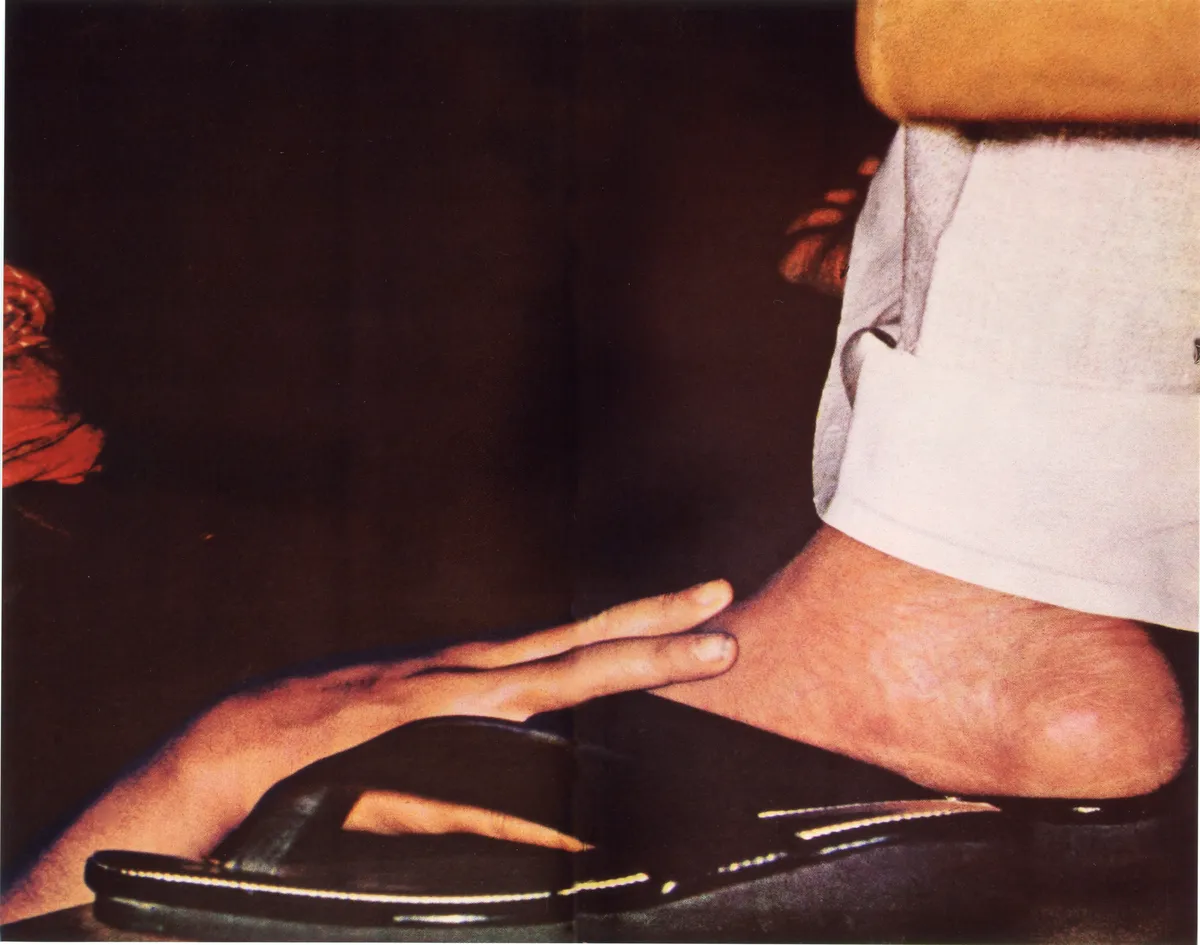
"Jin Sutra" delves into Osho's profound interpretation of the teachings of Mahavira, offering a transformative lens through which to explore the fundamental nature of life and spirituality. Central to this discourse is the premise that true bliss and fulfillment come not from external circumstances or possessions, but from one's own decisions and understanding. Osho emphasizes personal responsibility, urging individuals to transcend outward blame and embrace the transformative power of self-awareness. Osho elucidates Mahavira's assertion that life, in its most superficial sense, is futile—a dreamlike state from which the enlightened must awaken. This awakening ushers in the "Great Life," a realm characterized by spiritual richness that far surpasses mundane achievements and material wealth. In doing so, Osho underscores the vibrancy, ecstasy, and profound bliss evident in Mahavira’s presence as a manifestation of divine beauty and depth beyond physical adornments or actions. Through a vivid portrayal of Mahavira's ascetic grandeur, Osho presents an invitation to rise beyond limited interpretations of life. "Jin Sutra" thus serves as both a critique and a guide towards embracing an expansive, enriched existence, illuminated by inner truth and authentic joy.
-
Chapter 1
Divine expands into multiplicity; Mahavira teaches the reverse: return by inner contraction, warrior-like struggle, self-annihilation, and desire for others as the cure.
-
Chapter 2
Mahavira's renunciation calls for dying to the ego to awaken to the Great Life; true emptiness dissolves fear, unveils inner wealth, invites fearless return.
-
Chapter 3
Knowing isn't enough; only deep awake seeing that cuts vasanas yields true dispassion. You are ultimately responsible for your suffering, not fate.
-
Chapter 4
Love's burning tears are the pilgrim's sadhana: either dissolve into God or strengthen the self; surrender or resolve lead to the same divine union.
-
Chapter 5
Confront suffering as undeniable diagnosis: Mahavira’s way uproots raga–dvesha, uses tapas, witnessing and dispassion to end karma and cross the bhavasagar.
-
Chapter 6
Repetition without awareness blinds you to the ever-present divine; dissolve notions, become witness, and let living silence and sharing reveal God now.
-
Chapter 7
Truth is a living awakening: accept yourself nakedly and authentically; from such Truth arise tapas, restraint and all virtues—no imitation, no greed.
-
Chapter 8
Truth, love and meditation are verbs—ongoing, alive processes; shed conditioning, choose the new over tradition, and let action reveal understanding.
-
Chapter 9
Atman alone does and undoes pleasure and pain: own your responsibility, drop the 'other', awaken Paramatman through inner mastery so bliss spills outward.
-
Chapter 10
Tradition kills living religion; become brave, burn the ego, trust life, and let truth arise through personal dying rather than crowd‑bound scriptures.
-
Chapter 11
Honor scripture by awakening, not blind faith; uproot small seeds of anger, pride, greed and attachment before they grow; embody awareness, love, humility.
-
Chapter 12
Surrender follows total defeat of the ego; stake complete resolve—either effort brings victory, or defeat yields surrender, and both lead to the Divine.
-
Chapter 13
Mahavira’s ahimsa: hurting others is self-harm; nonviolence is inner love and responsibility for suffering, not external prayer or idle hope.
-
Chapter 14
Mahavira's radical nonattachment made him the twenty-fourth Tirthankara: revolution becomes tradition; liberation is self-effort, not blessings.
-
Chapter 15
Awaken: true meaning is bodh — conquer the ego by total absorption or total awareness; pramada is karma, apramada is akarma; shake past karmas, live as witness.
-
Chapter 16
Choose living love over negation: love expands, heals and leads to the Divine despite risks; even if misunderstood, speak so one may awaken boldly.
-
Chapter 17
Extinguish the personal 'I' and ascend beyond body, speech and mind as Mahavira taught: light the lamp on your tomb; only in that dying does true Atman arise.
-
Chapter 18
Krishna's surrender and Mahavira's insistence on ahimsa are complementary: either drop the doer or dissolve violent deeds; choose the path fitting your heart.
-
Chapter 19
Life is brief; stake everything to awaken: the Atman is the knower beyond waking, sleeping and 'mine' — save time (Samayik) to realize who you are.
-
Chapter 20
Follow bliss as touchstone: go where your heart blossoms; truth appears with joy—honor your path, don't impose others', and surrender into the void.
-
Chapter 21
Liberation is a law-based, non-devotional science: a dry, mathematical path—darshan, jnana, charitra and tapas—moksha as smokeless, desireless consciousness.
-
Chapter 22
Love is not the problem but the solution; possessiveness, jealousy and ego corrupt it. Dive into love as a mirror and school to transmute lust into divine communion.
-
Chapter 23
Drop the future and desire: make dharma the end, not a means; become bhavya—living here and now where means and end meet, awakening the inner Kalpavriksha.
-
Chapter 24
Your inner lamp of love must be lit by your own willingness; attachment to darkness keeps its profits intact. Risk losing those gains to gain true illumination.
-
Chapter 25
True faith springs from direct seeing: darshan leads to jnana, then character and moksha. Reject borrowed beliefs; awaken inner vision to transform life.
-
Chapter 26
Drop the ego's quest for power and lordship; surrender into emptiness and peace. The Divine enters only in emptiness, and the master gives what you truly need.
-
Chapter 27
Courage to enter experience beyond intellect: drop standpoints, become a passive witness (Samayasara), taste Atman by sevan—how to know truth? Live it.
-
Chapter 28
Virtue and sin bind unless action is spontaneous; a Tirthankara's compassion is compassion-full, not compassion-born—action without a doer is freedom.
-
Chapter 29
Samyak Darshan - inner seeing - alone brings liberation; borrowed moral conduct is a shadow. Seek pristine vision, not outward forms or sectarian brackets.
-
Chapter 30
Restless mind is not an obstacle but the material of devotion: turn your waves to the Beloved, surrender the fickle mind and let love, not knowledge, lead.
-
Chapter 31
Fearless dropping of doubt and desire; see that apprehension has no ground, stake what you don't truly own, give maternally and let your life awaken others.
-
Chapter 32
Awakening arises from samyak-shravan: deep, receptive hearing fueled by an all-consuming thirst; meditation readies the ear and true discipline ripens spontaneously.
-
Chapter 33
Sannyas is a taste of surrender, dropping choice to walk heart-to-heart with the master; trust sparks an inner revolution that reveals the Divine.
-
Chapter 34
Mahavira's synthesis: deny outer God yet awaken Paramatma within; still the citta, drop 'mine', choose shreyas over preyas and attain supreme bliss.
-
Chapter 35
Repeated pointers wear the mind’s rock: listen to awaken, not for entertainment; use and discard words so inner seeing replaces endless listening.
-
Chapter 36
Mahavira: outer learning is futile without inner character; true virtue blossoms from inward awakening, not borrowed knowledge—how to become inwardly awake?
-
Chapter 37
Tears are sacred prayer—learn to weep in joy and own that inward source so it survives at home; surrender, courage and simple being sustain true transformation.
-
Chapter 38
Mahavira's path: lion-like courage, deer-like simplicity, wind-like detachment and a single inner lamp of awareness (apramad) leads to Moksha.
-
Chapter 39
Soul as 'time': inner samaya—equanimity beyond dualities; meditation, prayer and love are valid paths that birth the Divine, don’t impose freedom.
-
Chapter 40
Ahimsa as creative love: transform destructive energy into nectar through wakeful awareness (viveka); practice mindful, non-attached action to end violence.
-
Chapter 41
Support and discipline cooperate: gentle love and hard blows shape the soul; live each moment fully, accept change, surrender arises from personal encounter.
-
Chapter 42
Walk, sit, eat with full awareness; move with discernment between puddle-like stagnation and frantic speed—cultivate silence and Samayik to become witness.
-
Chapter 43
Mind and intellect bring you near but become obstacles; drop means, leap beyond thought into no-mind and surrender to attain true union — trust, not logic.
-
Chapter 44
Confession and openness remove the inner thorn (shalya); reveal faults to a forgiving guru, become nishalya—knowledge births meditation and liberation.
-
Chapter 45
Meditation is learning to die—dissolve the ego so God may enter; surrender desire, respect others’ freedom, accept the pain of transformation as blessing.
-
Chapter 46
True liberation is found inward: meditation dissolves ego and past karmas like salt in water, awakening a timeless self that sees the world—Who am I?
-
Chapter 47
Nanak, guru and God: recognize the divine within through any form of worship; surrender fully in meditation—die into samadhi and be reborn as light.
-
Chapter 48
Freedom comes when one fully tastes life, drops attachment, aversion and hope, and abides in choiceless awareness; wakeful presence is true meditation.
-
Chapter 49
Liberation is the end of duality—attachment and aversion—when the cart of movement stops; the Master is death that erases ego and allows love to awaken.
-
Chapter 50
Meditation as non-action dissolves the doer and burns the heap of karma in a moment; witness cravings—hunger, sex, anger—and wake from life's dream to kevala.
-
Chapter 51
Goshalak: life happens, action is an illusion; surrender dissolves ego into meditation. Mahavira lets disciples learn but warns: seek no refuge, stand alone.
-
Chapter 52
Six leshyas are veils coloring mind from black Krishna to white Shukla; shed greed, anger and attachment (as the tree parable shows) to unveil Paramatma.
-
Chapter 53
Drop the illusion of knowing, open to innocent ignorance and gratitude; solitude as joyful aloneness leads to awakening—trust the Master who has walked your future.
-
Chapter 54
Ultimate responsibility: your thoughts weave the veils that bind you; uproot anger, greed and fear, practice discernment, giving and equanimity to find freedom.
-
Chapter 55
Jin-shasan is the dispensation of the living awakened; clinging to dead tradition misleads—seek present Jinas whose living presence transforms, not scriptures.
-
Chapter 56
Mahavira’s fourteen gunasthanas map the seeker’s path: recognize your stage, drop ego and habits, cultivate restraint and focused discipline to reach siddhahood.
-
Chapter 57
Kshinamoha is cessation, negative zero; sayogi-kevali Jina is the affirmative descent of light, omniscience and bliss — knowledge unfolds by steps, love arrives in a leap.
-
Chapter 58
Death, embraced as life's consummation rather than feared, reveals the infinite; treat the body as a boat to the other shore - how will you learn to die?
-
Chapter 59
Understand the mind's restlessness rather than fight it; cultivate rasa, delight in action so concentration arises naturally, and love remains purposeless.
-
Chapter 60
Religion as inner science: Mahavira teaches stopping the inflow of karma, practising tapas and trigupti—awareness in mind, speech and body—to attain moksha
-
Chapter 61
Jain austerity dried up love by banishing God; extremes of meditation or devotion must be alternated and balanced, for liberation lies in the middle.
-
Chapter 62
Memory calls us home: drop craving, duality; turn inward like a gourd losing clay—Nirvana is beyond senses, desires, meditation, a quiet return to the center.