
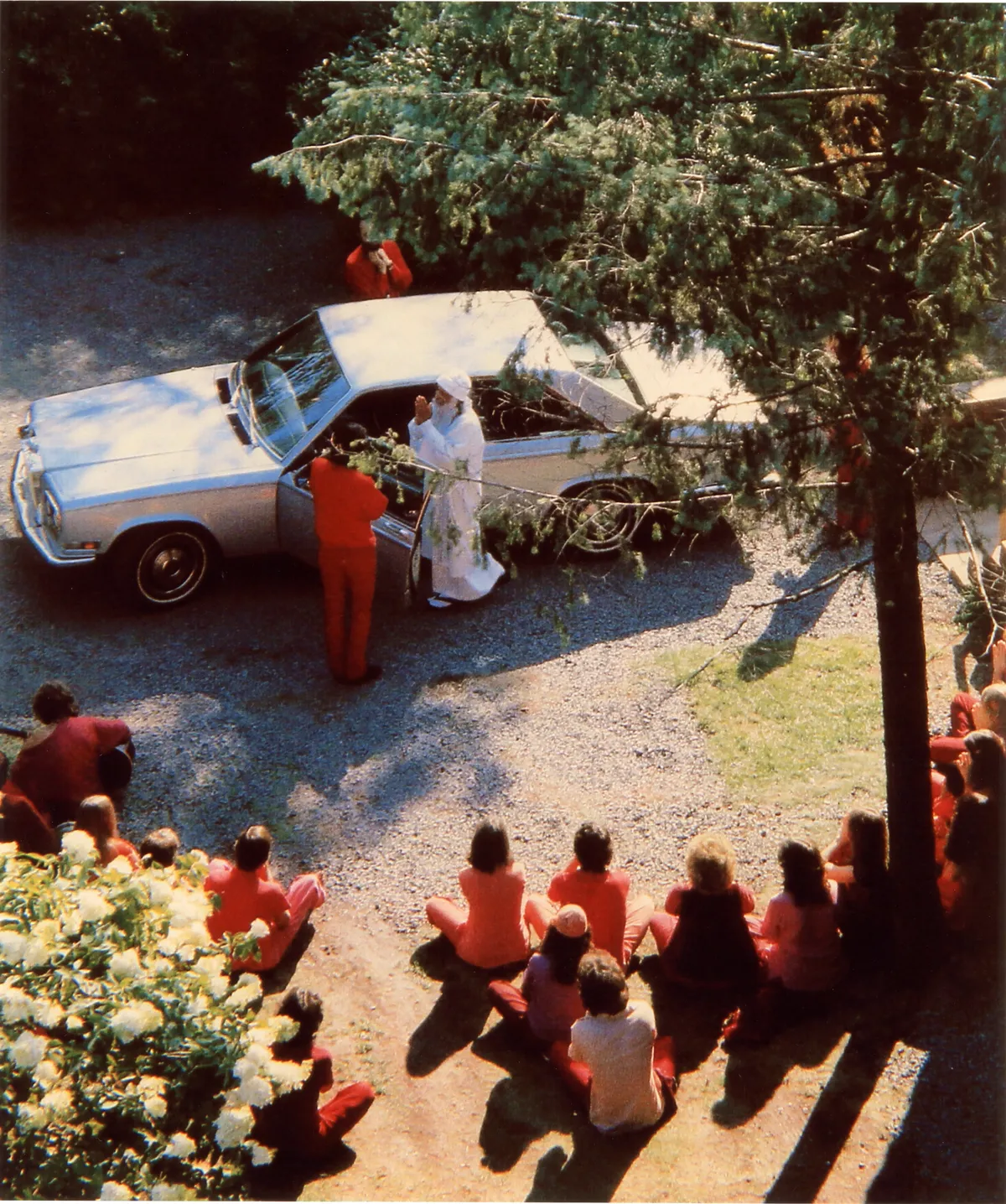
Osho's original Hindi beside Osho Live's English translation, matched passage by passage.
धर्म के संबंध में सबसे आधारभूत बात समझने की है कि जीवन और परमात्मा में कोई विरोध नहीं है। विरोध तो दूर, जीवन की सीढ़ियों पर चढ़ कर ही कोई परमात्मा के मंदिर तक पहुंचता है। जीवन एक अवसर है परमात्मा को तलाशने का। जीवन एक झलक है, परमात्मा की ही, बहुत दूर से मिली झलक, जैसे सैकड़ों मील दूर से हिमालय के उत्तुंग शिखर कुंआरी बर्फ से दबे सुबह के सूरज में दमकते हुए दिखाई पड़ें। फासला लंबा है, यात्रा बड़ी है, चढ़ाई कठिन है; पहुंच पाएं, न पहुंच पाएं, पक्का नहीं; बहुत चलते हैं, बहुत थोड़े से लोग पहुंच पाते हैं, लेकिन हजारों मील से भी जो दिखाई पड़ रहा है, वह सत्य है, भ्रांति नहीं। दूर है, हाथ में नहीं है, सिर्फ झलक मात्र है और अभी बदलियां घिर जाएं तो खो जाए, आकाश खुला है, साफ है, तो दिखाई पड़ता है, ऐसा ही जीवन और परमात्मा का संबंध है। जीवन परमात्मा की झलक है। विचार के बादल घिर जाएं, खो जाता है; विचार के बादल छंट जाएं, पुनः दिखाई पड़ने लगता है।
The most fundamental thing to understand about religion is that there is no opposition between life and Paramatma. Not only is there no opposition—one reaches the temple of Paramatma only by ascending the steps of life. Life is an opportunity to search for Paramatma. Life itself is a glimpse—of Him—caught from a great distance, as when, from hundreds of miles away, the high Himalayan peaks, pressed under virgin snow, gleam in the morning sun. The distance is long, the journey great, the climb arduous; whether one arrives or not is uncertain; many walk, very few arrive. Yet what is seen from thousands of miles is still true, not a hallucination. It is far, not in the hand; it is only a faint glimpse—and if clouds gather it can be lost, if the sky opens and clears it appears again. Such is the relationship between life and Paramatma. Life is a glimpse of Paramatma. Let the clouds of thought gather, and He is lost; let the clouds of thought disperse, and He appears again.
इसलिए जो लोग परमात्मा को पाने के लिए जीवन को छोड़ कर भागते हैं, बुनियादी भूल कर लेते हैं।
So those who run away from life in order to attain Paramatma commit a basic mistake.
जीवन को छोड़ना नहीं है, जीवन को पहचानना है। जितनी गहरी पहचान होगी जीवन की, उतनी ही परमात्मा से निकटता होगी। जीवन उसकी ही छाया है। छाया ही सही, पर उसकी ही छाया है। और उसकी छाया भी क्या कम। उसकी छाया भी मिल जाए तो बहुत! उसकी छाया भी मिल जाए तो सौभाग्य! वह न मिले तो चलेगा। उसकी छाया में भी जी लिए, तो हमारी सामर्थ्य से ज्यादा, हमारी पात्रता से ज्यादा। जीवन उसकी प्रतिध्वनि है। लेकिन जो प्रतिध्वनि को ठीक से पकड़ ले, वह मूल ध्वनि तक पहुंच जाएगा। निश्चय ही पहुंच जाएगा। क्योंकि प्रतिध्वनि में भी मूल ध्वनि का सेतु छिपा है।
We are not to abandon life, we are to recognize it. The deeper the recognition of life, the nearer we are to Paramatma. Life is His shadow. A shadow, yes—but His shadow. And what a shadow! To receive even His shadow is much! To be graced by His shadow is great fortune! If He does not happen—so be it. To live even beneath His shadow is beyond our strength, beyond our worthiness. Life is His echo. But the one who truly grasps the echo will reach the original sound. Surely he will, for within the echo a bridge to the primal sound is concealed.
जीवन को इस भांति देखो तो मेरी दृष्टि तुम्हारी समझ में आ सकेगी। त्याग की जो धारणा सदियों-सदियों से तुम्हें समझाई गई है, उसके कारण बड़ी भूल हो गई है। त्यागना कुछ भी नहीं है। परमात्मा को पाना है जरूर, खोना कुछ भी नहीं है। परमात्मा इतना विराट है कि यह जीवन भी उसमें समाया हुआ है। तुम जीते-जी उसे पा सकते हो। तुम जैसे हो वैसे ही रह कर उसे पा सकते हो।
Look at life thus, and my vision may become intelligible to you. Because of the notion of renunciation that has been preached to you for centuries, a great error has occurred. There is nothing to renounce. One must attain Paramatma, yes—but there is nothing to lose. Paramatma is so vast that this life itself is contained in Him. You can find Him while living. You can remain as you are—and yet find Him.
मैं प्रतिध्वनि सुन चुका, ध्वनि खोजता हूं।
I have heard the echo; I seek the sound.
मौन मुखरित हो गया, जय हो प्रणय की,
Silence has found a voice—glory to love—
पर नहीं परितृप्त है तृष्णा हृदय की,
yet the thirst of the heart is not appeased;
पा चुका स्वर, आज गायन खोजता हूं;
मैं प्रतिध्वनि सुन चुका, ध्वनि खोजता हूं।
I have found the note, today I seek the singing;
I have heard the echo; I seek the sound.
ध्वनि तुम खोजोगे भी कैसे अगर प्रतिध्वनि न सुनी? और अगर स्वर न समझ में आए, तो संगीत को कैसे पकड़ पाओगे? और अगर झील में बनता हुआ चांद का प्रतिबिंब भी समझ में नहीं आता, तो आकाश में ऊगा चांद कैसे देखोगे?
How will you ever seek the sound if you have not heard the echo? And if you cannot understand a single note, how will you grasp music? And if the moon’s reflection wavering in the lake fails to be recognized, how will you see the moon risen in the sky?
मैं प्रतिध्वनि सुन चुका, ध्वनि खोजता हूं।
I have heard the echo; I seek the sound.
जिसने जीवन को समझा, वह परमात्मा को खोजेगा ही, खोजेगा ही। रुक सकता ही नहीं। और जिसने जीवन को ही न समझा उसकी परमात्मा की खोज थोथी है, व्यर्थ है। उसके परमात्मा में कुछ भी नहीं है, उसका परमात्मा केवल एक धारणा है, एक विचार है। उसका परमात्मा तो केवल औरों ने समझा दिया है उसे, उसकी अपनी भीतर की प्यास नहीं है, अपने प्राणों की पुकार नहीं है। उसका परमात्मा उसकी प्रार्थना नहीं है, दूसरों के द्वारा दिया गया संस्कार है। उसका परमात्मा उधार है।
Whosoever understands life will inevitably seek Paramatma—inevitably. He cannot stop. And he who has not understood life, his quest for Paramatma is hollow, useless. In his Paramatma there is nothing—his Paramatma is only a notion, a concept. His God is what others have told him; not his own inner thirst, not a call from his vital depths. His God is not his prayer; it is a conditioning given by others. His God is borrowed.
मेरे पास लोग आते हैं, वे कहते हैं, परमात्मा को खोजना है। मैं उनसे पूछता हूं, किस परमात्मा को? तुम्हारे भीतर कोई प्यास उठी है सत्य को जानने की? तुम्हारे प्राणों में कोई आंदोलन जगा है? तुम किसी झंझावात में पड़े हो, कोई आंधी उठी है जो कहती है कि खोजो, कि लगा दो सब दांव पर? या कि हिंदू घर में पैदा हुए, मुसलमान घर में पैदा हुए, ईसाई घर में पैदा हुए और सुन लीं बातें कि परमात्मा है और उसने जगत बनाया और उसे जो पा लेगा उसे लाभ ही लाभ है, और जो उसे नहीं पाएगा उसे दुख ही दुख है; जो पा लेगा, उसे स्वर्ग है, जो नहीं पाएगा, उसके लिए नरक है, ऐसे भय और प्रलोभन से, ऐसे उधार संस्कारों से, उनसे सुन कर जिनको खुद भी पता नहीं है तुम खोजने निकले हो? तुम्हारी खोज नपुंसक होगी। तुम्हारी खोज में श्वास ही नहीं होगी। तुम्हारी खोज लाश होगी, उसमें जीवन नहीं होगा। और लाश को चलाओगे भी तो कैसे? थोड़ा बहुत बांध-बूंध कर, धक्का-धुक्कू देकर चला लोगे, गिर-गिर जाओगे। लाशें कहीं चली हैं? इसीलिए तो इतने लोग दुनिया में धार्मिक दिखाई पड़ते हैं लेकिन धर्म कहां है?
People come to me saying, “We want to seek Paramatma.” I ask them, “Which Paramatma? Has any thirst arisen within you to know truth? Has any storm moved in your life-breath? Are you caught in some inner whirlwind that says: seek—stake everything? Or were you born in a Hindu house, a Muslim house, a Christian house, and heard stories that God is, that he created the world, and whoever attains Him gains only gain, and whoever does not will suffer only suffering; whoso attains goes to heaven, whoso does not will be consigned to hell—so, out of fear and temptation, from secondhand conditioning, from those who themselves do not know, you set out to search? Your search will be impotent. Your search will be breathless—a corpse. And how will you move a corpse? You may strap it up somehow, shove and push it a little, and then collapse. Do corpses ever travel? That is why so many appear religious in the world, yet where is religion?”
मैं प्रतिध्वनि सुन चुका, ध्वनि खोजता हूं।
I have heard the echo; I seek the sound.
मौन मुखरित हो गया, जय हो प्रणय की,
Silence has found a voice—glory to love—
पर नहीं परितृप्त है, तृष्णा हृदय की,
yet the thirst of the heart is not appeased;
पा चुका स्वर, आज गायन खोजता हूं;
मैं प्रतिध्वनि सुन चुका, ध्वनि खोजता हूं।
I have found the note, today I seek the singing;
I have heard the echo; I seek the sound.
तुम समर्पण बन भुजाओं में पड़ी हो,
You lie in my arms as surrender itself,
उम्र इन उदभ्रांत घड़ियों की बड़ी हो,
would that these bewildered hours grew longer;
पा गया तन, आज मैं मन खोजता हूं;
I have found the body—today I seek the mind;
मैं प्रतिध्वनि सुन चुका, ध्वनि खोजता हूं।
I have heard the echo; I seek the sound.
Your lips hold nectar—intoxicate me—
है अधर में रस मुझे मदहोश कर दो,
किंतु मेरे प्राण में संतोष भर दो,
but fill my life-breath with contentment;
मधु मिला है, मैं अमृतकण खोजता हूं;
मैं प्रतिध्वनि सुन चुका, ध्वनि खोजता हूं।
I have found honey—now I seek the drops of amrit;
I have heard the echo; I seek the sound.
I have come alive—and how beloved is living—
जी उठा मैं, और जीना प्रिय बड़ा है,
सामने, पर, ढेर मुरदों का पड़ा है,
but before me lie heaps of corpses;
पा गया जीवन, संजीवन खोजता हूं;
I have found life—now I seek the life-giving elixir;
मैं प्रतिध्वनि सुन चुका, ध्वनि खोजता हूं।
I have heard the echo; I seek the sound.
यह जीवन परमात्मा की प्रतिध्वनि है। उसकी छाया। इससे कुछ सीखो! आंखें बंद न करो, भागो मत, भयभीत न हो जाओ। इसी छाया के सहारे तुम स्रोत तक पहुंच सकते हो। और कोई उपाय नहीं है। और कोई विधि नहीं है। और सब विडंबनाएं हैं।
This life is the echo of Paramatma. His shadow. Learn from it! Do not close your eyes—do not run away—do not be afraid. With this very shadow as support you can reach the source. There is no other way. No other method. All else is anomaly.
जीवन को सम्मान दो, सत्कार करो! जीवन उसकी भेंट है। और तुम पात्र न थे तो भी तुम्हें भेंट मिली है। तुम अपात्र हो, फिर भी वह तुम पर बरसा है--झरत दसहुं दिस मोती--उसके मोती बरसे ही जाते हैं। तुमने नहीं मांगा, वह तुम्हें मिला है। तुम जो नहीं जानते, वह भी तुम्हें मिला है। जिसे पहचानने में तुम्हें सदियां लग जाएंगी, वह भी तुम्हें मिला है। ऐसा खजाना, जो अकूत है। और ऐसी गहराई, जो अथाह है। और ऐसा जीवन, जो अज्ञेय है। रहस्यों का रहस्य तुम्हारे हृदय में समाया हुआ है, तुम्हारी श्वासों में रमा है। तुम कहां राम को खोजते हो? किस मंदिर में? किस काबा में, किस कैलाश में? राम तुम्हारे भीतर बैठा है। तुम भी राम की एक छाया हो। तुम अपने को ही पकड़ लो तो राम पकड़ में आ जाए। तुम अपने को ही जान लो तो राम जानने में आ जाए।
Honor life, revere it! Life is His gift. Even if you were not worthy, still the gift is yours. You are unworthy, and yet He has showered upon you—pearls raining from all ten directions. His pearls go on showering. You did not ask, and it is given. You do not yet know, and it is given. That which will take you centuries to recognize has already been given. Such a treasure—incalculable. Such depth—unfathomable. Such life—unknowable. The mystery of mysteries abides in your heart, throbs in your breathing. Where are you searching for Ram? In what temple? In what Kaaba, on what Kailash? Ram is seated within you. You too are a shadow of Ram. Catch hold of yourself, and Ram will be in your grasp. Know yourself, and Ram will be known.
भगोड़े मत बनो। जागो!
Do not be a fugitive. Awake!
गुलाल कहते हैं:
Gulal says:
सतगुरु घर पर परलि धमारी, होरिया मैं खेलौंगी।।
“Satguru ghar par parli dhamari, horia main khelongi.”
बड़े प्यारे वचन हैं! कहते हैं:
Sweet words! He says:
सतगुरु घर पर परलि धमारी,...
“Satguru ghar par parli dhamari…”
कि सतगुरु हमारे घर पर धूम-धड़ाका करते आ गए हैं। गाजे-बाजे से; नृत्य-संगीत से; जैसे वसंत आए, ऐसे फूलों से लदे आ गए हैं। जैसे संगीत आए, ऐसे स्वरों का नर्तन है।
सतगुरु घर पर परलि धमारी,...
The Satguru has entered my home amidst great festivity—drums and trumpets; with dance and song; like the coming of spring, laden with blossoms; like the arrival of music, swaying with notes.
और घर से मतलब है आत्मा का। वही तो हमारा घर है। यह मिट्टी का घर जो तुमने बना लिया है, यह तो घर नहीं। यह तो सराय है। आज ठहरे, कल चले। और यह जो देह है, यह भी सराय है। इस जन्म ठहरे, अगले जन्म चले। इस देह के भीतर जो चैतन्य है तुम्हारा, जो आत्मा है तुम्हारी, वही असली घर है। जो छिने न, वही घर है। जो छीना जा सके ही न, वही घर है। जो शाश्वत है, जो सदा हमारा है, जिससे हम दूर होना भी चाहें तो न हो सकें, वही घर है। उसी घर की ही तो तलफ है, उसी घर की ही तो प्यास है, उसी ही घर की तो हम खोज में लगे हैं।
“Satguru ghar par parli dhamari…”
And by home he means the soul—that alone is our home. This house of clay you have built is no home—it is a wayside inn. Today we lodge; tomorrow we depart. This body is also an inn—this birth we stay, next birth we go. Within this body the consciousness that is you—the Atman—is the real home. That which cannot be snatched—that is home. That which is beyond being taken away—that is home. That which is eternal, forever ours—from which we could not be separated even if we wished—that is home. It is that home for which we ache, the thirst of it, the search for it.
गुलाल कहते हैं, कैसा चमत्कार हुआ है!
Gulal says, a miracle has happened:
सतगुरु घर पर परलि धमारी,...
“Satguru ghar par parli dhamari…”
सदगुरु बड़े धूम-धड़ाके से मेरे घर में प्रवेश कर गए हैं। सदगुरु तो तुममें भी प्रवेश कर जाएं, लेकिन तुम प्रवेश होने नहीं देते। गुलाल ने हो जाने दिया। तुम द्वार-दरवाजे बंद करके बैठे हो। तुम तो एक सूरज की किरण भीतर प्रविष्ट नहीं होने देते। तुम तो हवा का जरा सा झोंका भीतर नहीं आने देते। तुम तो अपनी गुफा में छिप गए हो। घर तुम्हारा निवास नहीं है, तुमने उसे कब्र बना लिया। तुमने सब तरफ से सब बंद कर दिया है।
The Satguru has entered my home with a mighty rejoicing. The Satguru could enter you as well—but you do not allow the entry. Gulal allowed it. You have barred your doors and windows. You do not even allow a ray of sun to enter. You do not allow even a little gust of wind to come in. You have hidden in your cave. Your house is not a dwelling—you have made it a grave. On all sides you have sealed everything shut.
किन ईंटों से तुमने अपना घर चुन लिया, दरवाजे चुन लिए, खिड़कियां चुन ली हैं? किन ईंटों से तुमने सब बंद कर दिया है? जरा उन ईंटों को पहचानो। तुम्हारे विचार की ईंटें, तुम्हारे सिद्धांतों की ईंटें, तुम्हारे ज्ञान की ईंटें, तुम्हारे शास्त्रों की ईंटें। तरह-तरह की ईंटें हैं। क्योंकि तरह-तरह की ईंट बनाने वाले कारखाने हैं। हिंदुओं की अपनी ईंटें हैं, अपना रंग-ढंग है, मुसलमानों की अपनी ईंटें हैं, अपना रंग-ढंग है। और बड़े झगड़े हैं उनमें कि किसकी ईंट अच्छी? और मामला यह है कि ईंट कोई अच्छी नहीं, क्योंकि सभी ईंटें दरवाजे रोक लेती हैं। दरवाजे दीवारें हो गए हैं। तुम अंधे नहीं हो सिर्फ तुम्हारे दरवाजे दीवारें हो गए हैं। और तुम्हारा हृदय भी परमात्मा के साथ नाचने को उतना ही तत्पर है जैसे आषाढ़ में मेघ घिर जाते हैं और मोर नाचते हैं। और तुम्हारे प्राण की कोयल भी कूकना चाहती है। मगर अवसर मिले तब। तुम अवसर ही नहीं देते। तुमने सब अवसर छीन लिए हैं।
With what bricks have you sealed your house, shuttered your doors and windows? Recognize those bricks: bricks of your thoughts, your doctrines, your borrowed knowledge, your scriptures. There are many kinds of bricks—for there are many factories that manufacture them. The Hindus have their bricks, their style; the Muslims have theirs, their style. And great quarreling over whose brick is the best! But the matter is this: no brick is good—for all bricks block the doorway. The doors have turned to walls. You are not blind—only your doors have become walls. And your heart is just as ready to dance with Paramatma as peacocks dance when the monsoon clouds gather in Ashadh. The cuckoo of your life also longs to call—but if only it had an opening. You do not give it a chance. You have snatched away all opportunity.
गुलाल ने अपने हृदय को खुला छोड़ा इसलिए अपने नौकर के सामने झुक सके। बुलाकीराम गुलाल का नौकर था, उनका चरवाहा था। पता नहीं था कि यह बुलाकीराम भी कुछ है। ऐसे पता चलता ही नहीं। जब तक तुम खुले न होओ, किसी क्षण में तुम्हारे दरवाजे खुले मिल जाएं तो ही पहचान होती है। बहुत खबरें आती थीं, लोग कहते थे, यह कहां का नौकर लगा रखा है, यह कुछ ढंग का काम नहीं करता। गाय-बैलों को तो छोड़ देता है जंगल में चरने और खुद बैठ जाता है वृक्षों के नीचे आंख बंद करके और डोलता है। अलाल है। कामचोर है। वह था रामचोर और लोग समझते थे कामचोर। वह राम को चुराने में लगा था। वह जो आंखें बंद करके डोलता था, वह राम को चुरा रहा था।
Gulal kept his heart open; therefore he could bow before his servant. Bulaki Ram was his servant, his cowherd. No one knew there was something to him—how would they? Until you are open, until by some moment your doors are found ajar, there is no recognition. Many reports came: “What sort of servant is this? He does nothing properly. He leaves the cattle to graze in the forest and sits beneath a tree with eyes closed, swaying. He is lazy. A shirker.” He was a thief of Ram, and people thought him a shirker of work. While he sat eyes closed and swayed, he was stealing Ram.
जब बहुत शिकायतें आ गईं तो एक दिन गुलाल ने कहा अब आज जाऊं। गुलाल जमींदार थे। जमींदार की अकड़। पहुंचे सुबह ही सुबह। और देखा तो कहा कि लोग ठीक कहते हैं। बुलाकीराम को भेजा था खेत में बुवाई करने, बैल तो हल-बखर लिए एक तरफ खड़े थे और बुलाकीराम एक वृक्ष के नीचे मस्त हो रहे थे, आनंद की वर्षा हो रही थी, लूट चल रही थी। बड़ा क्रोध आया। पीछे से जाकर एक लात मार दी। शायद सामने से आया होता गुलाल तो लात भी न मार सकता। शायद बुलाकीराम का चेहरा देखा होता तो राम का चेहरा दिखाई पड़ जाता। मगर पीछे से आया, पीठ पर एक लात मार दी। यह पीछे से ही तो हम परमात्मा की पीठ पर लात मारे चले जाते हैं। यह पीछे से ही तो हम छुरे भोंके जाते हैं। सामने-आमने हों तो शायद झेंपें भी, थोड़ी लाज भी खाएं, थोड़ा संकोच भी उठे।
When the complaints became too many, one day Gulal said, “Today I will go.” He was a landlord—with a landlord’s arrogance. He arrived early in the morning. He saw and said, “People were right.” Bulaki Ram had been sent to sow the fields; the oxen with plow and yoke were standing to one side, and Bulaki Ram, beneath a tree, was lost in bliss—the rain of ecstasy pouring—plunder was on. Great anger arose. He went from behind and gave him a kick. Had he come from the front, perhaps he could not have kicked. Had he seen Bulaki Ram’s face, perhaps Ram’s face would have appeared. But from behind, on the back, he kicked. This is how we kick the back of Paramatma—always from behind. Face to face we might feel shame, a little embarrassment.
बुलाकीराम गिर पड़ा। लेकिन उसी मस्ती में उठा। चरण छुए गुलाल के और बहुत-बहुत अनुगृहीत, बहुत-बहुत धन्यवाद देने लगा। गुलाल ने पहली दफा गौर से देखा उसे। यह आदमी असाधारण है! मैंने लात मारी और यह धन्यवाद दे रहा है! और आंखों से आनंद के आंसू बहे जा रहे हैं। और बुलाकीराम ने कहा कि धन्य हो, मालिक! जो काम मैं वर्षों में मेहनत करके न कर पाया, जरा से इशारे में कर दिया। जरूर उस बड़े मालिक ने ही भेजा है। वह भी मेरा मालिक, तुम भी मेरे मालिक। मालिक ने ही तुम्हें भेजा होगा। तुम छोटे मालिक, वह बड़ा मालिक, मगर बिना उसके इशारे के तुम नहीं आए हो। और क्या लात मारी कि बुलाकीराम को रास्ते पर लगा दिया! जरा सी भूल हो रही थी; बस, जब भी ध्यान करने बैठता था तो एक खराबी थी मेरी, गरीब आदमी हूं, एक जून रोटी मिल जाए वही बहुत, और देख ही रहे हैं आप कि सारी दुनिया मुझे अलाल कहती है, कामचोर कहती है, और फुरसत भी मुझे नहीं--इस मस्ती से समय बचे तब न, तो कुछ और करूं--जो कुछ आप दे देते हैं, उससे बस बाल-बच्चों को एक समय का भोजन मिल जाता है, तो मन में एक आकांक्षा, एक अभीप्सा है कि कभी संतों को घर निमंत्रण करूं, संन्यासियों को बुलाऊं, साधुओं को बुलाऊं, उनको भोग लगाऊं, छत्तीसों प्रकार के भोजन बनाऊं। तो यह कर तो नहीं सकता, यह मेरी हैसियत नहीं, सो रोज जब ध्यान में बैठता हूं तो बस, यही वासना मुझे पकड़ लेती है। बस, ध्यान में मैं मन ही मन में बड़े-बड़े संतों को निमंत्रण देता हूं: आओ! सब आओ! सबको भोजन का निमंत्रण दे आता हूं। और क्या-क्या भोजन बनाता हूं, मालिक!
Bulaki Ram fell—but in the same ecstasy rose, touched Gulal’s feet, and with great gratitude thanked him again and again. For the first time, Gulal looked closely: “This is no ordinary man! I kicked him and he thanks me! And tears of bliss flow from his eyes.” Bulaki Ram said, “Blessed you are, master! What I could not do through years of effort, you have done with a single gesture. Surely the great Master sent you. He is my master, and you are my master. The Master must have sent you—without His bidding you would not have come. And what a kick! You have set Bulaki Ram on the path! There was a slight fault. Whenever I sat to meditate, one indulgence dragged me: I am poor; if one meal happens, that is much; and as you see, the whole world calls me lazy and shirker; I have no spare time—if any time is saved from this ecstasy, then I might do something. Whatever you give suffices to feed my children once a day. So a desire had arisen in me, an urge: someday I will invite sadhus to my house, call sanyasins, feed them a feast. I cannot do it; I have no such means. So each day when I sit to meditate, this very desire possesses me. In my mind I invite great saints: Come! All of you, come! I invite all to a meal. And what dishes I prepare in my mind, master!
बस, ऐसा ही भोज चल रहा था अभी, जब आपने लात मारी। सब परोस चुका था, बस दही परोसने को रह गया था; दही की हंडिया लेकर परोसने जा रहा था कि आपने लात मार दी। दही की हंडिया गिरी, दही छितर-बितर हुआ, हंडिया फूट गई, संत इत्यादि तिरोहित हो गए--क्योंकि थी तो सब कल्पना ही--और एक क्षण में उस कल्पना के तिरोहित होते ही मन निर्विचार हो गया। बस, एक ही विचार अटका रखा था। वह विचार भी आपने लात मार कर तोड़ दिया। कितने आपके चरण छुऊं!
“Just such a feast was going on when you kicked me. Everything had been served; only the yogurt remained. With the pot of curds I was about to serve when you kicked me. The pot fell, the curd spilled, the pot broke, the saints vanished—for it was all imagination—and in a single moment, with that imagination gone, the mind became thoughtless. There was just that one thought entangled. That too you shattered with your kick. How many times should I touch your feet!”
गुलाल की तो समझ के ही बात बाहर हो गई! आंख फाड़-फाड़ कर देखा इस नौकर को! चारों तरफ उसके रोशनी थी। एक मधुर, जैसे संगीत बज रहा हो। एक सुगंध उड़ रही थी। गुलाल चरणों पर गिर पड़ा। और उसने कहा, हे सदगुरु, मुझे क्षमा करो! उस दिन बुलाकीराम बुल्लाशाह हो गया। और जब उसका मालिक उसका शिष्य हो गया तो बहुत शिष्य हुए बुल्लाशाह के। मगर वह जिंदगी भर कहता रहा कि कुछ भी हो, गुलाल कुछ भी कहे, लेकिन इसकी बिना लात के कुछ भी नहीं हो सकता था। इसकी लात में परमात्मा ने ही लात मारी। वही इसके बहाने आया।
Gulal was beyond comprehension. He stared wide-eyed at his servant. Around him there was a radiance, as if music softly playing; a fragrance spread. Gulal fell at his feet, “O Sadguru, forgive me!” That day Bulaki Ram became Bullashah. And when the master became his disciple, many disciples gathered around Bullashah. But he kept saying all his life, “Whatever happened—whatever Gulal says—without that kick nothing would have happened. In that kick, Paramatma Himself kicked. He came through him.”
अब गुलाल कह रहे हैं:
Now Gulal sings:
सतगुरु घर पर परलि धमारी,...
“Satguru ghar par parli dhamari,
…horia main khelongi.”
हमारे घर पर सतगुरु बड़े धूम-धड़ाके से आ गया। यह बुल्लाशाह की ही याद कर रहे हैं।
The Satguru arrived at our home with great rejoicing—he remembers Bullashah.
...होरिया मैं खेलौंगी।।
“…horia main khelongi.”
और अब मैं क्या करूं? होली खेलूं? फाग रचाऊं? भरूं रंग से पिचकारी? फेंकूं रंग? उड़ाऊं गुलाल? और क्या करूं! उत्सव मनाऊं!
And what am I to do now? Play Holi? Orchestrate a festival of Phag? Fill my pichkari with colors? Spray colors? Scatter gulal? What else shall I do but celebrate!
जूथ जूथ सखियां सब निकरीं, परलि ग्यान कै मारी।।
“Juth juth sakhiyan sab nikrin, parli gyan kai mari.”
और मैं अकेला ही नहीं हूं इसमें। ‘जूथ जूथ सखियां,’... झुंड के झुंड सखियां आ रही हैं। शिष्य तो सखी ही हो जाता है। शिष्य की जो परम अवस्था है, वह सखी की ही अवस्था है। गुरु व्यक्ति नहीं रह जाता है। व्यक्ति मिट जाता है तभी तो गुरु होता है। गुरु तो केवल प्रतीक रह जाता है परमात्मा का। और परमात्मा ही एक मात्र पुरुष है, बाकी तो सब सखियां हैं। और इतना समर्पण न हो, इतना प्रेम न हो, इतनी प्रीति न हो, तो शिष्यत्व बनता ही नहीं। इसलिए ठीक ही कहते हैं गुलाल: जूथ जूथ सखियां सब निकरीं! मैं ही अकेला नहीं निकल पड़ा हूं होली खेलने, झुंड के झुंड सखियां आ रही हैं।
I am not alone. “In flocks my friends—sakhis—are coming.” The disciple becomes the sakhi—the beloved companion. The ultimate state of discipleship is the state of the sakhi. The guru ceases to be a person—only then is he a guru. The person dissolves; only the symbol of Paramatma remains. And Paramatma alone is the one Purusha; all the rest are sakhis. And unless there is such surrender, such love, such intimacy, discipleship is not born. So Gulal says rightly: “In flocks my sakhis have set out.” Not I alone to play Holi—crowds and crowds of sakhis are arriving.
बुल्लाशाह के पास बहुत बड़ी भीड़ इकट्ठी हुई दीवानों की, मस्तों की। शमा जलती है तो परवाने आते ही हैं। बुल्लाशाह के पास बहुत उत्सव हुआ, बहुत नृत्य सघन हुआ, बहुत गीत घने हुए, बहुत वर्षा हुई अमृत की।
Around Bullashah gathered a great crowd of mad ones, intoxicated ones. When the flame is lit, the moths arrive. With Bullashah there was festival upon festival, dense dances, rich songs, showers of amrit.
जूथ जूथ सखियां सब निकरीं, परलि ग्यान कै मारी।।
“Juth juth sakhiyan sab nikrin, parli gyan kai mari.”
इन सबको क्या हो गया है? ज्ञान ने इनके जीवन में धूम मचा दी। एक तो किताबी ज्ञान है, वह क्या खाक धूम मचाएगा! धूल भला इकट्ठी हो जाए, धूम तो बिलकुल न मचेगी। धुआं भला उठ जाए, धूम तो न मचेगी। दर्पण और गंदा भला हो जाए, निर्मल तो नहीं होगा। रट लो कुरान, गीता--कितने तो लोग रटे बैठे हैं! क्या होगा रटने से? तोतों की तरह रटे जाते हो। यह तो तोते भी कर लेते हैं, यह तुम क्या कर रहे हो! आदमी हो तुम, अपनी इतनी बेइज्जती तो न करो। और मेरे देखे, तोतों में भी थोड़ी ज्यादा अक्ल होती है ये तुम्हारे पंडितों की बजाय। ये जो पोंगा-पंडित, ये पोंगापंथी चारों तरफ इकट्ठे हैं, इनसे तोतों में भी थोड़ी ज्यादा अक्ल होती है।
What has happened to them? Knowledge has created a tempest in their lives. Not bookish knowledge—that cannot stir a storm. Dust may gather, smoke may rise—but no celebration. The mirror only becomes dirtier. People memorize the Quran, the Gita—so many sit memorizing! What will happen by rote? Parrots can do that. You are human—do not insult yourself so. And in my sight, parrots sometimes show more wit than your pundits—these hollow ritualists.
एक महिला एक तोता खरीद लाई। बड़ी धार्मिक महिला थी। तोता प्यारा था। लेकिन जिसने बेचा, उसने कहा कि जरा ख्याल से ले जाएं, यह तोता जरा गलत संग-साथ में रहा है। अब आप तो जानती ही हैं सत्संग। जैसे सत्संग होता है, ऐसे ही दुष्टसंग भी होता है। यह दुष्टसंग में रहा है। तो यह कभी-कभी उलटी-सीधी बातें कह देता है। इसका बुरा न मानना। तोता ही है! इसका कोई भाव बुरा नहीं है, भाव इसका है ही नहीं कुछ। शब्द सीख लिए हैं, अंट-संट बोल देता है, मगर अभिप्राय इसका कुछ भी नहीं है, बिलकुल कोरा है। तो अगर इतनी तैयारी हो तो ले जाओ। मगर तोता इतना प्यारा था कि उस महिला ने कहा: कोई फिकर न करो, सुधार लेंगे हम।
हर सोमवार को पंडित जी आते थे। जैसे पंडित जी होते हैं। रहे होंगे पोंगापंथी। आकर कुछ पूजा-पत्री करवा जाते थे। कहीं तोता कुछ अंट-संट न बोल दे, पंडितजी को नाराज न कर दे--क्योंकि जब महिला घर लाई तब उसे पता चला कि तोता बोलता तो अंट-संट है। कुछ भी कह देता है! कोई अंदर आए, कहता है--अबे, हरामजादे! अब पंडित जी से कह दे तो गड़बड़ हो जाए। हर किसी से कह देता--उल्लू के पट्ठे! तो जैसे ही पंडित जी घर में आएं, वह जल्दी से एक कंबल उढ़ा दे तोते के पिंजरे पर। कंबल ओढ़ने से तोता समझ जाए कि पंडित जी आ गए। सो चुपचाप रहे।
सोमवार को आते थे। सो हर आठवें दिन तोते पर कंबल डाला जाता था। एक बार ऐसा हुआ कि सोमवार को भी आए और मंगल को कुछ काम पड़ गया पंडित जी को, सो वे मंगल को भी आ गए। सो जल्दी से महिला ने कंबल फेंका। तोता भीतर से बोला: अरे, हरामजादे! आज तो मंगलवार ही है! आज ही आ गए पोंगा पंडित! दिन की भी खबर नहीं! उठाया मुंह, चले आए!
A lady bought a parrot—very religious lady. The parrot was delightful. But the seller warned, “Be careful. The parrot has kept bad company—dusht-sang. Sometimes it says improper things. Do not take offense; it is only a parrot—no intention behind the words.” The parrot was so lovely that she took it anyway. Every Monday the pundit would come for rituals—some pompous priest. Lest the parrot blurt indecencies and offend him, whenever the pundit entered she would throw a blanket over the cage. The parrot learned: blanket means pundit—so keep quiet. One Monday the pundit came; then again on Tuesday he came unexpectedly. She hurried and covered the cage. From inside the parrot cried, “Arrey, you rascal! Today is Tuesday! You’ve come again, you pompous pandit! You don’t even know the day!”
इतनी अकल तो तोते में है कि सोमवार के बाद मंगलवार आएगा--एकदम से सोमवार कैसे आ गया फिर से! आठ दिन लगते हैं आने में। लेकिन जिसको तुम पंडित कहते हो, उसको इतनी भी अकल नहीं होती। वह केवल मुर्दा शब्दों को दोहराए चला जाता है। उससे पूछो, ईश्वर है, तो वह कहता है--है। रंच-मात्र अनुभव नहीं, रत्ती भर प्रतीति नहीं, कोई साक्षात्कार नहीं है, कोई पहचान नहीं, कोई मुलाकात नहीं, कहता है--है! जरा झकझोरो उसे और जरा खोज-बीन करो और तुम चकित हो जाओगे कि वह निपट अज्ञानी है, सिर्फ यंत्रवत दोहरा रहा है। तुम जो कह रहे हो, इसी को सुन कर दोहराओगे।
Even the parrot knows Monday is followed by Tuesday—not Monday again. But the pundit does not know even that much. He repeats dead words. Ask him, “Is God?” He says, “He is.” Not a shred of experience, not a grain of realization—no encounter, no recognition—yet he says, “He is.” Shake him and inquire a little—and you will be shocked: he is utterly ignorant, only repeating mechanically. What you say he will echo.
एक तोता दूसरे तोते को सिखा देता है। ऐसे लोग दोहराए चले जाते हैं।
One parrot teaches another parrot. Such people only repeat.
मनुष्य-जाति की प्रतिभा इतनी क्यों खो गई है? जहां पंडितों का जितना प्रभाव है, वहां उतनी ही प्रतिभा कम है। अगर भारत आज प्रतिभा में सारी दुनिया में पिछड़ गया है, तो उसका सबसे बड़ा कारण है: भारत में पंडितों का बहुत प्रभाव है। जब तक इन पंडितों से छुटकारा न होगा, भारत की प्रतिभा मुक्त नहीं हो सकती। क्योंकि ये खुद तोते हैं और दूसरों को तोते बनाए हुए हैं। ये राम-राम जपते रहते हैं और दूसरों को राम-राम जपवाते रहते हैं। और इनको पता है कि राम-राम जपने से कुछ नहीं होता। जिंदगी भर इनको जपते हो गई, कुछ भी नहीं हुआ। और हमें यह भी मालूम है कि बाल्मीकि तो मरा-मरा जप कर भी राम को पा गया, और ये राम-राम जप कर भी नहीं पा सके तो बात क्या है, मामला क्या है? बाल्मीकि के जपने में हार्दिकता थी, पांडित्य नहीं था। और इनके जपने में केवल थोथी बुद्धि है, हृदय का कोई भी समागम नहीं है।
Why has the human genius become so lost? Wherever pundits have influence, genius declines. If India has lagged behind in genius, the greatest cause is the dominance of pundits. Until we are free of them, the genius of India cannot be free. They are parrots—and make others parrots. They chant “Ram, Ram” and make others chant. They know nothing happens by it. All their lives they have chanted and nothing has happened. And we also know that Valmiki attained Ram even by chanting “Mara, Mara”—and these do not attain by “Ram, Ram.” Why? In Valmiki’s chant there was heart, not pedantry. In theirs only a sterile intellect—no communion of heart.
ज्ञान पंडितों से नहीं मिलता, ज्ञान शास्त्रों से नहीं मिलता, ज्ञान तो केवल उनसे ही मिल सकता है जो जागे हों, जिनके जीवन की ज्योति जल उठी हो, जिनके प्राण मशाल बन गए हों। उन्हीं के पास तुम अपना बुझा दीया लेकर जाओ तो जल उठे। जिनके खुद के दीये बुझे हैं, उनसे जरा बचना, वे कहीं तुम्हारे जले-जलाए दीये को न बुझा दें। उनसे जरा दूर-दूर रहना। उनके पास दीया तुम जिंदगी भर रखे रहो तो भी न जलेगा। दो बुझे दीये कितनी ही देर पास रहें, कितने ही पास रहें, कुछ भी न होगा। और तुम अपने पंडितों को भलीभांति जानते हो, अपने मौलवियों को भलीभांति जानते हो, अपने पादरियों को भलीभांति जानते हो, इनके जीवन में कुछ भी तो नहीं है। अक्सर तो पाया जाएगा कि तुमसे भी गया-बीता इनका जीवन है। मगर ये शब्दों में कुशल हैं, उद्धरण देने में कुशल हैं।
Knowledge does not come from pundits, nor from scriptures. It comes only from those who are awake—whose life-lamp is lit—whose breath has become a torch. Go to them with your extinguished lamp and it will catch flame. Beware of those whose own lamps are out—they may snuff out whatever little light you have. Keep your distance. Keep your lamp beside their lamp all your life—it will not ignite. Two extinguished lamps, no matter how close, do nothing. And you know your pundits, your maulvis, your priests—there is nothing in their lives. Often you will find their lives more miserable than yours. They are adept in words, in quotations.
मैंने सुना है, इंगर सोल नाम का एक बहुत मूल्यवान विचारक हुआ अभी इसी सदी के प्रारंभ में। वह जब भी बोलने खड़ा होता, तो लोग बड़े हैरान थे, वह एक इशारा करता जो किसी की समझ में न आता कि क्या कर रहा है! लोग पूछते तो मुस्कुरा कर रह जाता। जब भी पूछते तभी टाल जाता। इधर-उधर की बातें करता मगर वह इशारे की बात न करता। पश्चिम के बहुत अच्छे बोलने वालों में से एक था। वह जब भी खड़ा होता तो अंगुली से कुछ इशारा करता हवा में और जब बोलना खत्म करता तब फिर अंगुली से इशारा करता। मरते वक्त लोगों ने कहा, अब तो बता दो! तुमने और सब रहस्य खोले, मगर यह अंगुली से तुम आकाश में क्या करते हो? शुरू में भी, बाद में भी। उसने कहा: अब तुम नहीं मानते तो बताए देता हूं, वह ‘इनवर्टेड कामाज़’ बनाता हूं। कि यह अपना कुछ नहीं है, सब उद्धरण है। अब कह सकता हूं, क्योंकि अब तो मौत करीब आ गई है--अब क्या मेरा बिगाड़ लोगे? अब तो जिंदगी चल गई, धंधा चल गया, काम खत्म हुआ, अब विदा हो रहा हूं--अब क्या बिगाड़ लोगे? कहे जाता हूं। इसलिए जिंदगी भर मुस्कुरा कर रह जाता था कि जो भी मैं कह रहा हूं मेरा इसमें कुछ नहीं, सब किताबों का है; सब बासा है, सब उधार है। मगर यह कहूं कैसे? यह कहूं तो धंधा गिर जाए। सो मैंने यह तरकीब निकाली थी।
I have heard of a valuable thinker of the last century—Ingersoll. Whenever he rose to speak, people were puzzled by his gesture: he would make a sign in the air with his finger before and after speaking. When asked, he would only smile. On his deathbed they said, “Now tell us—what did you do with your finger?” He said, “I drew inverted commas—so it was clear that nothing was mine; all quotations. I can tell you now—death is near—what can you do to me? My life is done. I always wanted to say it, but my trade would have collapsed.”
आदमी ईमानदार रहा होगा। कम से कम इतना तो उसने किया कि हवा में ‘इनवर्टेड कामा’ बना दे। किसी को दिखाई पड़े चाहे न दिखाई पड़े, समझ में आए कि न समझ में आए, बाद में ‘इनवर्टेड कामा’ बंद कर दे, खत्म।
तुम्हारे पंडितों में इतनी भी समझ नहीं है। वे तो अक्सर इस भ्रांति में पड़ जाते हैं कि खुद ही बोल रहे हैं। बोलते-बोलते, बोलते-बोलते भूल ही जाते हैं कि कृष्ण का वचन तुम्हारा वचन नहीं हो सकता, जब तक कि तुम कृष्ण की चेतना को उपलब्ध न हो जाओ। और बुद्ध का वचन तुम्हारा वचन नहीं हो सकता, जब तक तुम्हारे भीतर बुद्धत्व फलित न हो जाए। उड़े वही गंध, जगे वही ज्योति, तो ही तुम जो कह रहे हो वह सत्य हो सकता है। और जब भी कभी ऐसा सत्य होता है, तो यह घटना घटती है: जूथ जूथ सखियां सब निकरीं! न मालूम कहां से छिपे हुए लोग चले आते हैं। दूर-दूर से लोग चले आते हैं। नाचते-गाते चले आते हैं। कैसे खबर हो जाती है? जैसे फूल खिलता है तो मधुमक्खियों को खबर हो जाती है--दूर, मीलों दूर; चलीं मधुमक्खियां, मधुछत्ते खाली होने लगते हैं। फूल खिल गए।
वैज्ञानिकों ने बहुत शोध की है मधुमक्खियों पर और वे कहते हैं कि मधुमक्खियों के पास भी भाषा है। ज्यादा शब्द नहीं हैं उनकी भाषा में, चार शब्द हैं। कम से कम चार का वैज्ञानिक पता लगा पाए हैं! वे शब्द बड़े महत्वपूर्ण हैं।
एक मधुमक्खी को पता चल जाता है कहीं, भूली-भटकी पहुंच गई गुलाब के फूल के पास, तो मधुमक्खियां आदमियों जैसी कंजूस नहीं हैं कि कब्जा कर ले गुलाब पर, कि कहे कि मैंने पहले पाया, यह मेरा है, कि दूसरी किसी मधुमक्खी को इस पर न बैठने दूंगी, नहीं, वह गुलाब को छूती भी नहीं, वह पहला काम यह करती है कि भागती है मधुछत्ते की ओर--मीलों दूर होगा मधुछत्ता--और जाकर मधुछत्ते के पास नाचती है। यह नाचना उसका एक प्रतीक है। यह एक शब्द हुआ। खास ढंग से नाचती है। अगर फूल पूरब में खिला है तो एक ढंग से नाचती है, अगर पश्चिम में खिला है तो दूसरे ढंग से, अगर दक्षिण में खिला है तो तीसरे ढंग से, अगर उत्तर में खिला है तो चौथे ढंग से। चारों दिशाओं के नाच हैं उसके। वह नाच कर बता देती है किस दिशा में फूल खिले हैं। और फिर उड़ चलती है। और सारा मधुछत्ता उसके पीछे हो लेता है।
At least he had that honesty—to draw inverted commas in the air. Your pundits do not have even that. They fall into the delusion that they themselves are speaking. They forget that Krishna’s word cannot be theirs until Krishna’s consciousness is attained, that Buddha’s word cannot be theirs until Buddhahood flowers in them. Only when the same fragrance is released, the same flame lit, can what they say be true. And whenever such truth happens, the phenomenon occurs: “Juth juth sakhiyan sab nikrin.” From who knows where hidden people come—faraway they come, singing and dancing. How does the news spread? As when a flower blossoms and the bees—miles away—know and arrive. Scientists have studied bees—they have a language. Not many words, but at least four. When a bee discovers a flower, she does not hoard it like a miser—claiming it as hers. She does not even touch the flower. First she rushes to the hive—miles away—and dances. The dance is a word. If the flower has bloomed to the east, she dances one way; to the west, another; to the south, a third; to the north, a fourth. By dancing she gives direction. Then she flies—and the hive follows.
एक व्यक्ति को भी जब सदगुरु का पता चल जाता है, तो वह भी क्या करेगा, और क्या करेगा, नाचेगा! नाच कर खबर देगा कि उत्तर, पश्चिम, पूरब, दक्षिण, कहां?
When a person discovers the Satguru, what else can he do? He dances—and by his dance gives the news: north, south, east, west—where!
जूथ जूथ सखियां सब निकरीं, परलि ग्यान कै मारी।।
“Juth juth sakhiyan sab nikrin, parli gyan kai mari.”
ज्ञान की धूम मच गई है। सदगुरु के पास ज्ञान का महोत्सव चल रहा है। यही वास्तविक यज्ञ है। हवन-कुंड बाहर नहीं बनाने होते, प्राणों से बनाने होते हैं। गेहूं और घी जलाने से कुछ भी न होगा। मूढ़तापूर्ण कृत्य कर रहे हो, बरबादी कर रहे हो। करोड़ों का घी और गेहूं हर साल यहां जलाया जाता है। और लाखों मूढ़ इकट्ठे होकर सोचते हैं कि कोई महान कार्य कर रहे हैं! हवन-कुंड भीतर बनाना होता है। और अगर जलाना हो तो कुछ भीतर जलाओ। कूड़ा-करकट भीतर काफी है जलाने को। शास्त्रीय ज्ञान जलाओ, शब्द जलाओ, विचार जलाओ, सिद्धांत जलाओ--सबको जला कर राख कर दो--कि तुम निःशब्द हो जाओ, मौन हो जाओ, कि तुम शून्य हो जाओ। उसी शून्य में पूर्ण का पदार्पण होता है। और उस पूर्ण के आने के पहले सदगुरु आता है और धूम-धड़ाके से आता है।
Knowledge’s uproar has begun at the Satguru’s feet. This is the true yajna. Fire-altar is not to be built outside, but within your breath. Burning ghee and grain will do nothing but waste. Millions of rupees of clarified butter and grain are burned each year, and crowds of fools think they are doing some great deed! The inner altar must be prepared—and if you must burn, then burn what is within: trash of mind—bookish knowledge, words, thoughts, doctrines. Reduce all to ash so that you become wordless, silent, shunya. In that shunya the Purna descends. And before the Purna arrives, the Satguru appears—with great festivity.
सतगुरु घर पर परलि धमारी, होरिया मैं खेलौंगी।।
“Satguru ghar par parli dhamari, horia main khelongi.
जूथ जूथ सखियां सब निकरीं, परलि ग्यान कै मारी।।
Juth juth sakhiyan sab nikrin, parli gyan kai mari.”
अपने पिय संग होरी खेलौं, लोग देत सब गारी।।
“Apne piy sang hori khelun, log det sab gari.”
शिष्य का और गुरु का संबंध तो प्रेम का संबंध है, प्रीति का संबंध है। वह तो प्रेम सगाई है। उससे बड़ी कोई सगाई नहीं। गुरु और शिष्य का संबंध वैसा संबंध नहीं है जैसा साधारणतः विद्यार्थी और शिक्षक का होता है। वह तो दो कौड़ी का संबंध है। उसका कोई मूल्य है! गुरु और शिष्य का संबंध बड़ी और बात है। यह विद्यार्थी और शिक्षक का संबंध नहीं है। गुरु-शिष्य का संबंध हार्दिक है, विद्यार्थी-शिक्षक का संबंध बौद्धिक है। हार्दिक संबंध प्रेम का होता है, तर्क का नहीं होता। यह कोई विवाद नहीं है। गुरु ने कोई तर्क दे-दे कर शिष्य को राजी नहीं कर लिया है कि जो मैं कहता हूं वह सही है। वह तो गुरु को देखा है और शिष्य को सिद्ध हो गया है कि बात सही है। वह तो गुरु के पास बैठा है और सिद्ध हो गया है कि बात सही है। बात कही नहीं गई और सुन ली गई है। शब्द बोले नहीं गए और पहुंच गए हैं। यह तो गंध है एक, यह तो संगीत है एक। और यह प्रेम में ही सुना जा सकता है।
The relation of guru and disciple is of love. It is a love-betrothal—there is none greater. It is not like the relationship of student and teacher—that is a two-penny affair, intellectual. Guru-shishya is of the heart—beyond argument. The guru does not convince the disciple with logic that “what I say is right.” The guru is seen—and the disciple knows it is true. Sitting near him, it is proved. Words need not be said—yet they reach. It is fragrance, it is music—and only love can hear it.
अपने पिय संग होरी खेलौं,...
और मैं अपने प्यारे संग होरी खेलती हूं--गुलाल कह रहे हैं--और लोग भी अजीब हैं कि लोग गालियां दे रहे हैं। लोग सदा से ऐसे ही रहे हैं। न खुद होली खेलेंगे, न दूसरों को खेलने देंगे। उन्हें बड़ा कष्ट हो जाता है किसी को मस्ती में देखें तो। कोई गीत गाए तो उनको एकदम गालियां सूझती हैं। क्या करें बेचारे, उनके भीतर गालियां ही लगती हैं! उनका कसूर भी नहीं। उन पर नाराज भी न होना। उन्हें क्षमा करना। कोई क्या कर सकता है; बबूल में कांटे लगते हैं। अब तुम बबूल में कोई कमल थोड़े ही लगाओगे! लोगों के प्राण बबूल हो गए हैं, कांटों से छिदे हैं। खुद कांटों से छिदे हैं, खुद पीड़ा में हैं, खुद नरक में जी रहे हैं, तो जब दूसरे को मस्त देखते हैं, मगन देखते हैं, तो उनकी ईर्ष्या का अंत नहीं रह जाता, उनके भीतर से गालियां फूट पडती हैं।
“I play Holi with my Beloved—and people abuse me.” People have always been so. They will not play, nor let others play. They suffer when they see someone in abandon. If someone sings, they fling abuses—what else can they give, poor fellows; only that is within them. Do not be angry—pardon them. Thorns grow on babul—will you grow lotuses there? People’s hearts have become babul—thorn-pricked, in pain, living in hell. When they see another in bliss, their jealousy erupts and abuse spills out.
यह सदियों की कथा है। इसमें रंचमात्र फर्क नहीं पड़ा है। आज भी नहीं पड़ा। आगे भी पड़ेगा नहीं। क्योंकि अधिक हिस्सा मनुष्य-जाति का दुख में ही जीने के लिए तय कर लिया है। दुख में जीने का कुछ मजा है। कुछ लोग हैं जो दुख में ही सुख पा रहे हैं। उनसे दुख छीन लो तो बड़े दुखी हो जाएंगे। उन्होंने जंजीरों को आभूषण समझ लिया है और कारागृह को घर समझ लिया है। उनकी भ्रांतियां बड़ी अदभुत हैं। उन्होंने सपनों को सत्य मान लिया है। इसलिए जब वे किसी व्यक्ति को जागते देखेंगे नींद से, तो उन्हें बेचैनी होगी, बरदाश्त के बाहर होने लगेगा वह आदमी, उसकी मौजूदगी उन्हें जमेगी नहीं। वे गालियां देंगे।
This is the story of centuries. Today too it is so. It will remain so—because the greater part of humanity has chosen to live in suffering. Some even find pleasure in pain. Take away their suffering and they will be distressed. They have taken chains as ornaments, prison as home. Their delusions are amazing. They have taken dreams as reality. When they see someone waking, their disquiet becomes unbearable; his presence does not suit them. They will abuse.
तो जब तुम्हें गालियां पड़ें, तो मुस्कुराना। जानना कि यह तो पुराना नियम है।... रघुकुल रीत सदा चलि आई!... यह तो चलता ही रहा। यह कोई नया काम नहीं कर रहे बेचारे, यह तो पुराना काम है, सदा से होता रहा, अब भी करेंगे। ये गालियां न दें तो थोड़ा चौंकना कि बात क्या है! किसी ने इनके ऊपर कंबल उढ़ा दिया है या क्या मामला है? गालियां दें, बिलकुल ठीक, सम्यक, इतिहास से बात मेल खाती है। गालियां न दें, तो थोड़ा चौंकना कि मामला क्या है? अंधे हैं, बहरे हैं, क्या बात है? इनको दिखाई नहीं पड़ रहा?
So when you are abused—smile. Know: this is the old rule—Raghu’s line—“the Raghuvanshi way has always been this.” This is nothing new. If they do not abuse—be a little surprised; perhaps someone has thrown a blanket over them! If they do abuse, all is in order—with history.
अपने पिय संग होरी खेलौं,...
गुलाल कहते हैं, मैं तो किसी का कुछ बिगाड़ नहीं रहा, अपने पिया के संग होली खेल रहा हूं--मगर लोगों को क्या हुआ है! लोग कितने कष्ट उठा कर गालियां देते हैं! कितना श्रम करते हैं गालियां देने में। इतने श्रम से तो अपने ही गीत बना लेते। इतने श्रम से तो उनका जीवन भी उत्सव हो सकता था, उनके जीवन में भी बांसुरी बज सकती थी। लेकिन अजीब हैं लोग। बांसुरी बजाने में उनका रस नहीं है, किसी और की बजे, इससे भी उन्हें विरोध है। हर आदमी चाहता है कि दूसरे लोग मेरे जैसे ही दुखी रहें। दुखी आदमियों को देख कर उसको तृप्ति मिलती है कि ठीक, सब हमारे ही जैसे हैं। सुखी आदमी को देख कर उसे शक पैदा होता है। अब दो बातें खड़ी हो जाती हैं, दुविधा खड़ी हो जाती है--क्या मैं गलत हूं? अगर यह आदमी सही है तो मैं गलत हूं। मगर कोई अपने को गलत नहीं मानना चाहता। अहंकार के विरोध में है यह बात, अपने को गलत मानना। तुमने कई दफा देखा होगा, विवाद में तुम्हें साफ समझ में आ जाता है कि तुम गलती पर हो, मगर फिर भी अपनी बात पर अड़े रहते हो। लोग कहते हैं, टूट जाएंगे मगर झुकेंगे नहीं; मिट जाएंगे, मगर अपनी बात पर डटे रहेंगे। गलत-सही का सवाल कहां है, सवाल ‘मेरी’ बात का है। तो जब भी तुम देखते हो कोई मस्त है, आनंदित है, तुम्हें पीड़ा होती है; तो कौन सही है? यह आदमी सही है? और तुम्हें एक सुगमता है। क्योंकि भीड़ तुम्हारे जैसी है, उस जैसी नहीं, तो तुम कह सकते हो कि भीड़ गलत नहीं हो सकती। इतने लोग कैसे गलत हो सकते हैं!
“I am harming no one; I play Holi with my Beloved.” Yet see how people labor to abuse! With the same effort they could compose their own song; with the same effort their life could become a celebration; their flute could sound. But people are strange. They have no taste for their own flute—and oppose another’s. Each wants others to remain as miserable as himself. Seeing the miserable, he feels consoled: “Good—all are like me.” Seeing a happy one, a doubt arises: then who is right? If he is right, I am wrong. But no one wants to admit, “I am wrong.” Ego is offended. You have often noticed—in argument, even when you know you are wrong, still you stick to your position. “We will break but not bend; perish, but not retreat.” The question is not right or wrong; it is “my” standpoint. So when you see someone in bliss, you are pained: who is right? And you have an easier path—since the crowd is like you, not like him—you say: the crowd cannot be wrong. How can millions be wrong?
जॉर्ज बर्नार्ड शॉ से किसी ने कहा--किसी बात के संबंध में; बर्नार्ड शॉ कुछ कह रहा था--उस आदमी ने कहा कि आप अकेले यह बात कहने वाले हैं, आखिर सारी पृथ्वी के करोड़-करोड़ लोग गलत कैसे हो सकते हैं! और तुम्हें पता है बर्नार्ड शॉ ने क्या कहा? बर्नार्ड शॉ ने कहा: मैं यह पूछता हूं कि करोड़-करोड़ लोग सही कैसे हो सकते हैं! क्योंकि सही तो कभी कोई एकाध होता है। इतने लोग अगर इस बात को मानते हैं तो गलत ही होगी बात, नहीं तो इतने लोग मान ही नहीं सकते। बुद्ध तो कोई कभी होता है, कबीर तो कोई कभी होता है, नानक तो कोई कभी होता है, मोहम्मद, जीसस तो कोई कभी होता है, अधिक भीड़ तो मूढ़ों की है। भीड़ तो भेड़ों की है। उनकी चाल भेड़ों की है। यह बात मत कहना, इतने लोग मानते हैं तो कैसे गलत मानते होंगे! मगर अहंकार हमारा इसमें तृप्ति पाता है, आश्वासन पाता है। इतने लोग मानते हैं और हम भी यही मानते हैं, तो यही ठीक होना चाहिए। फिर इस आदमी को क्या हो गया? यह आदमी पागल है। यह आदमी विक्षिप्त है। या यह आदमी पाखंडी है। या यह ढोंग कर रहा है। आनंदित होने का ढोंग कर रहा है।
Someone said to Bernard Shaw about some matter; Shaw replied with a smile: “I ask, how can millions be right? Truth belongs to the rare one. If so many accept it, it must be false—otherwise so many could not accept it. A Buddha occurs once in a while, a Kabir once in a while, a Nanak once in a while; the crowd is of fools—herd-walkers.” Do not say: “So many believe—how can it be wrong?” But our ego is comforted: so many believe as we do; it must be right. Then we label the blissful one mad, deranged—or a hypocrite pretending to be blissful.
तुम्हारा क्या बिगाड़ रहा है? अगर आनंदित होने का ढोंग भी कर रहा है तो भी तुम्हारा कुछ बिगाड़ नहीं रहा है। कम से कम दुखी होने का ढोंग करने से तो बेहतर आनंद करने का ढोंग है। अगर गीत गा रहा है तो किसी का कुछ हर्जा नहीं कर रहा है। अगर नाच रहा है तो किसी का हर्जा नहीं कर रहा है। और अगर अपने प्यारे के संग होली खेलने चला है, गुलाल उड़ा रहा है, तो तुम्हारा क्या बिगाड़ रहा है? हां, धूल उड़ाए तो तुम्हें जंचती है बात!
But what harm is he doing you? Even if he pretends to be blissful, he harms no one. Pretending joy is better than pretending misery. If he sings, he harms no one. If he dances, he harms no one. If he plays Holi with his Beloved, scattering gulal—what harm to you? Ah, but the dust he raises—how it irks you!
तुम देखते हो न, होली की भी लोगों ने कैसी दुर्गति कर दी है! गुलाल वगैरह कम उड़ती है आजकल, धूल ज्यादा उड़ती है। रंग-वंग तो कोई फेंकता ही नहीं, कोलतार! गोबर घोल कर एक-दूसरे को पोत रहे हैं। लोगों की बुद्धि तो देखो! वसंत का उत्सव गोबर घोल कर मनाया जा रहा है। नाली की कीचड़ निकाल लाते हैं लोग।
See what we have done to Holi! Gulal flies less; dust more. Hardly anyone throws colors now—coal tar is thrown! Dung is mixed and smeared. Such is the intellect! The festival of spring is celebrated with filth from drains.
मैं रायपुर में कुछ दिनों तक था। होली करीब आने वाली थी। सामने के सज्जन को मैंने देखा कि वे अपनी नाली में कुछ ईंटें लगा रहे हैं। मैंने कहा: क्या कर रहे हो? उन्होंने कहा कि रोक रहे हैं, होली आ रही है, तो इकट्ठा कर रहे हैं। इसी में पटकेंगे लोगों को।
I was once in Raipur. Holi was near. A gentleman across the street was laying bricks in his drain. I asked, “What are you doing?” He said, “Holi is coming—we are damming it up; collecting muck—to dunk people in it.”
एक तो रायपुर जैसी गंदगी किसी और नगर में खोजना मुश्किल। रायपुर तो हद है। लोग बड़े अभेद-भाव को मानते हैं। भेद-भाव नहीं करते। कहीं भी पाखाना करेंगे, कहीं भी पेशाब करेंगे--कोई भेद-भाव करता ही नहीं। कहां संडास है, कहां सड़क है, इसमें कोई भेद-भाव नहीं। अद्वैतवाद। वेदांती हैं लोग। मुझे अपने घर से कालेज तक जाना पड़ता था, कोई डेढ़ मील का फासला था, मैं देख कर दंग रह जाता था, लोग कहीं भी बैठे हैं! महा गंदा नगर है रायपुर। और वहां की नाली को रोक रहे हैं वे ईंटें लगा कर। गड्ढा तैयार कर रहे हैं, होली आ रही है!
Raipur’s filth is unmatched. People believe in non-discrimination—they relieve themselves anywhere—no difference between street and latrine—Advaita! Vedantins! From my home to the college—about a mile and a half—I would be shocked: people squatting everywhere. And there he was blocking his drain—digging a pit—“Holi is coming!”
लोगों ने वसंत के उत्सव को, आनंद के उत्सव को भी कीचड़ फेंकने का उत्सव बना दिया। और तुम देखते हो, लोग होली पर गालियां बकते हैं। साल भर इकट्ठी करते हैं गालियां, होली पर दिल खोल कर निकाल लेते हैं। जिन-जिन को देना थी गाली और नहीं दे सकते थे--क्योंकि हर वक्त गाली दो तो झंझट खड़ी हो जाए--दिल खोल कर होली पर गालियां दे लेते हैं। गीत गाने का उत्सव गालियों में गिर गया। रंग उड़ाने का उत्सव नालियों में गिर गया। आदमी कैसा है! यह हर चीज को विकृत कर लेता है। हर चीज को खराब कर लेता है। इसके हाथ में सोना लग जाए, मिट्टी हो जाता है। अब होली तो हमारा सबसे सुंदर उत्सव था। रंगों का उत्सव, मदमस्ती का उत्सव, गीत गाने का उत्सव, नाचने का उत्सव, ढोल पर ताल पड़े, लोगों के पैरों में घूंघर बंधें। नहीं, वह सब खो गया। लोग गालियां बक रहे हैं। गंदी से गंदी गालियां बक रहे हैं। और गंदे से गंदा मल-मूत्र एक-दूसरे के ऊपर फेंक रहे हैं। और इसको कहते हैं होली।
People have turned spring’s festival, the festival of joy, into mud-throwing. On Holi they hurl abuse—saved up all year—and vent it. They wanted to curse many, but could not; on Holi they do it openly. The festival of song fell into abuse; the festival of color into drains. Whatever comes to man’s hand he perverts. Even if he touches gold, it becomes dust. Holi is our most beautiful festival—of color, of ecstasy, of singing and dancing, of drums and ankle-bells. All that is lost. People now shout the foulest obscenities and smear each other with the foulest filth—and call it Holi.
अगर रंग भी पोतते हैं तो ऐसी दुष्टता से पोतते हैं कि रंग तो सिर्फ बहाना ही होता है, दुष्टता ही असली चीज होती है। तुम उनको रंग भी पोतते देखो तो तुम देख लोगे कि रंग पोतना उनका इरादा नहीं है, इरादा तो यह सताना है तुम्हें। रंग भी ऐसा खरीद कर लाते हैं कि तुम धो-धो कर मर जाओ तो निकल न सके। इस देश में हर चीज का रंग कच्चा, सिर्फ होली पर पक्का रंग मिलता है--पता नहीं कहां से मिल जाता है? कोई कपड़े का रंग पक्का नहीं, मगर होली के लिए बचा कर रखते हैं पक्का रंग।
Even if they use color, they do it with malice—the color only a pretext to torture you. They buy such dyes that no amount of washing can remove. In this land everything’s color is cheap—only Holi’s color is fast. Where it comes from, no one knows! No cloth has fast color, but for Holi they find the most indelible.
“I play Holi with my Beloved—and people abuse me.
अपने पिय संग होरी खैलौं, लोग देत सब गारी।।
अब खेलौं मन महामगन ह्वै, छूटलि लाज हमारी।।
Now I play, my mind supremely drunk—my shame is shed.”
लेकिन वे कहते हैं कि हमें तो लाज भी नहीं रही; हमने तो लोकलाज भी खो दी। अब लोग गाली दें तो गाली दें, हमें तो बेचैनी भी नहीं होती। किसको हो बेचैनी? जिस मन को बेचैनी होती थी, वह तो डूब गया। हम तो महामगन हो गए। हम तो बचे ही नहीं जिसको चोट लग सकती थी। वह अहंकार ही न रहा जिसको तुम घाव कर सकते थे।
He says: my modesty is gone; I have lost “what will people say.” Let them abuse—there is no restlessness. To whom could restlessness happen? The mind to whom it happened has drowned. The ego you could wound is no more.
अब खेलौं मन महामगन ह्वै, छूटलि लाज हमारी।।
“Now I play, my mind supremely drunk—my shame is shed.”
रंगों की बौछार कर रही संध्या पावस की!
Monsoon dusk is showering colors!
दूर दीखता रंगमहल वह, जिसके फीरोजे के छज्जे;
Far off is seen that palace of color—turquoise eaves,
सोने की दीवारें जिसकी, महराबी मानिक-दरवज्जे;
walls of gold, arched ruby doorways;
जाते-जाते उझक गई रे संध्या पावस की!
as it passes it peeks—this monsoon dusk!
रंगों की बौछार कर रही संध्या पावस की!
Monsoon dusk is showering colors!
इंद्रनील के आसमान में दिखते रंग-बिरंगे बादल,
In sapphire sky, clouds of many colors,
कहीं इंद्रधनु के रंगों से भर जाता है शून्य दिगंचल,
sometimes the void is filled with rainbow hues;
वह धनुषई चीर लहराती संध्या पावस की!
that bow’s ribbon flutters—monsoon dusk!
रंगों की बौछार कर रही संध्या पावस की!
Monsoon dusk is showering colors!
कहीं बैंगनी, कहीं जामुनी, कहीं कत्थई, कहीं सुरमई,
लाल-सुनहरे सौ रंगों से आसमान को सांझ भर गई;
Here violet, there amaranth, there umber, there ash-grey,
with red and gold a hundred shades tint the evening sky;
इन रंगों में डुबो गई मन संध्या पावस की!
in these colors my mind is drenched—monsoon dusk!
रंगों की बौछार कर रही संध्या पावस की!
Monsoon dusk is showering colors!
मेरे प्राण परिंदों-से ही डूब-डूब जाते रंगों में;
My life-birds dive and dive into colors;
संध्या के सौ रंग सौ तरह भर जाते मेरे अंगों में;
a hundred shades of dusk fill my limbs;
आज गगन-मन में दमकी रे संध्या पावस की!
today sky and mind both flash—monsoon dusk!
रंगों की बौछार कर रही संध्या पावस की!
Monsoon dusk is showering colors!
जो डूबा, उसे क्या फिकर? कौन गाली देता है, कौन पत्थर मार जाता है, कौन अपमान करता है, यह सब अर्थहीन हो गया। उसके भीतर वह अहंकार ही न बचा जिसके लिए इन सारी बातों की सार्थकता थी।
Once drowned, what worry remains? Who abuses, who throws stones, who insults—meaningless. The ego within, for whose sake all this had meaning, is gone.
शिष्य होने के लिए यह जरूरी शर्त है कि आदमी लोकलाज छोड़ दे। नहीं तो लोकलाज तुम्हें बांधे रखती है भीड़-भाड़ से। तुम उससे कभी मुक्त नहीं हो पाते। लोकलाज की व्यवस्था तुम्हें भीड़-भाड़ से बांधे रखने की व्यवस्था है। वह इस बात की व्यवस्था है कि कभी भीड़ को छोड़ना मत, नहीं तो भीड़ बदला लेगी, बहुत सताएगी। राज-पथ मत छोड़ना भीड़ का। चाहे राज-पथ कहीं पहुंचे या न पहुंचे, मगर चलना राज-पथ पर। जहां सब चलते हों, वहीं चलना। सब गड्ढे में गिरें तो तुम भी गिरना, मगर रहना सबके साथ। अलग-थलग मत हो जाना, अपनी कोई पगडंडी मत पकड़ लेना। और धर्म पगडंडी है, राज-पथ नहीं है।
To be a disciple, one must drop “what will people say.” Otherwise it binds you to the crowd. The mechanism of social shame is designed to keep you tied to the herd: “Do not leave the royal road—the crowd’s way. Walk where all walk, whether it reaches anywhere or not. If all fall in a ditch, you also fall—but remain with them. Do not become solitary. Do not take a footpath of your own.” But religion is a footpath—not a highway.
प्रत्येक व्यक्ति को एक न एक दिन भीड़ का साथ छोड़ देना होता है। भीड़ को छोड़ते ही तो तुम पहली बार परमात्मा के साथ होने की सामर्थ्य प्रकट करते हो। लोगों ने भीड़ को परमात्मा बना लिया है, भीड़ को धर्म बना लिया है। ईसाई चला जाता है हर रविवार को चर्च में; किसलिए? तुम सोचते हो चर्च से कुछ लेना-देना है, कि क्राइस्ट से कुछ लेना-देना है। नहीं, वह जो ईसाइयों की भीड़ है, उसको राजी रखना है। अगर रविवार को चर्च न जाओ तो वह भीड़ नाराज होती है। लोग पूछने लगते हैं, क्यों नहीं आए, क्या बात है? क्या नास्तिक हो गए? क्या जीसस को विस्मरण कर दिया? अब कौन इन झंझटों में पड़े! फिर इन्हीं लोगों से हजार काम हैं। लड़के-बच्चों की शादियां करनी हैं, दुकान भी चलानी है, बाजार भी चलाना है, इन पर हर तरह से निर्भर भी रहना है, सुख-दुख का साथ है, जरूरत पड़ती ही है सभी को एक-दूसरे की, कौन झंझट मोल ले, बेहतर है एक घंटा हो आओ चर्च। सो लोग मंदिर हो आते हैं, मस्जिद हो आते हैं। न मस्जिद से लेना, न मंदिर से कुछ लेना, न चर्च से कुछ प्रयोजन, न सिनागॉग, न गुरुद्वारे से, भीड़ से डर है कि न गए तो भीड़ अड़चन खड़ी करेगी। और भीड़ अड़चन खड़ी करती है। हुक्का-पानी बंद! जितना छोटा गांव, उतनी भीड़ ज्यादा उपद्रव करती है। क्योंकि छोटे गांव में हरेक को हरेक का पता होता है।
Each person, one day, must leave the crowd. Only when you leave the crowd do you first reveal the capacity to be with Paramatma. People have made the crowd into God, into religion. A Christian goes to church every Sunday—why? You think it has to do with Christ? No—it is to keep the Christian crowd pleased. If he does not go, they will object: “Why not? Are you an atheist? Have you forgotten Jesus?” Who wants such hassle? And these very people are needed for a thousand things—marriages for the children, commerce in the market, daily dependencies. Who will risk it? Better to spend an hour in church. So people go to temples, mosques—not for God or truth—but out of fear of the crowd. And the crowd does create trouble. The smaller the village, the more trouble—because everyone knows everyone.
मेरे देखे दुनिया से छोटे गांव मिट जाएं तो दुनिया में स्वतंत्रता बढ़ेगी। जब तक छोटे गांव हैं, दुनिया में स्वतंत्रता नहीं बढ़ सकती। मैं छोटे गांवों के विरोध में हूं। क्योंकि छोटे गांव का सबसे बड़ा खतरा यह है कि हरेक की नजर हरेक पर लगी रहती है। कहां जा रहे, क्या कर रहे, क्या नहीं कर रहे? कि वहां क्या कर रहे थे? कि उसके पास क्यों बैठे थे? बड़े नगर की कम से कम एक सुविधा है कि सबको सबका पता नहीं रहता कौन क्या कर रहा है, कहां जा रहा है, क्या नहीं कर रहा है। इतनी भीड़भाड़ है कि कहां किसको पता?
In my view, until small villages disappear, there will not be true freedom. I am against small villages—because everyone spies on everyone: “Where are you going? Why? Where were you sitting?” The great city at least has this blessing: nobody knows who is doing what. In Bombay—your neighbors may not even know who you are. The rush is such that no one looks.
जो काम सदियों में नहीं हो सके थे बड़े-बड़े क्रांतिकारियों के द्वारा, वे छोटी-छोटी चीजों से हो गए। जैसे रेलगाड़ी ने कुछ काम कर दिए। अब रेलगाड़ी कोई क्रांतिकारी चीज नहीं है। क्या रेलगाड़ी को क्रांति से लेना-देना! लेकिन रेलगाड़ी में तुम बैठे हो, चौबीस घंटे का सफर, भोजन तो करोगे न! अब बगल में जो सज्जन बैठे हैं, पता नहीं कौन हों? हों बाबू जगजीवनराम, क्या पता! खादी वगैरह पहने बैठे हैं, मगर हैं तो चमार। अब तुम पूछ भी नहीं सकते कि भइया चमार तो नहीं हो? वे नाराज हो जाएंगे एकदम। और भोजन तो करना ही पड़ेगा। तो राम-नाम लेकर, अपने को जरा सिकोड़ कर कि कोई छू-छुआ न जाए...। कुछ खरीदोगे कहीं! क्या पता कौन बेचने वाला है? हिंदू है कि मुसलमान है...!
हिंदुस्तान-पाकिस्तान के जब बंटवारे के पहले की स्थिति थी और तनाव था हिंदू-मुसलमानों में, तो स्टेशनों पर हिंदू पानी और मुसलमान पानी मिलता था। अब पानी भी हिंदू और मुसलमान, हद हो गई! पानी कैसे हिंदू और पानी कैसे मुसलमान? लेकिन चिल्लाता था आदमी कि हिंदू पानी ले लो, कि मुसलमान पानी ले लो। अब तो कुछ पता लगाना मुश्किल है कि पानी कौन दे रहा है। पानी तो लेना ही पड़ेगा प्यास लगेगी तो। भोजन भी करना ही पड़ेगा। अब डिब्बे में ऐसी भीड़-भाड़ है कि चारों तरफ से लोग छू रहे हैं; पता नहीं कौन अछूत है, मगर छुए जा रहा है। और अगर कोई अछूत है तो वह जरूर छुएगा। एक बात पक्की रखना खयाल में कि अगर कोई ज्यादा छुए तो समझ जाना कि है अछूत। क्योंकि उसको भी मौका मिल गया, वह भी क्यों छोड़े? वह हुद्दे मारेगा। अछूत जगह-जगह हुद्दे मार रहे हैं।
What great revolutions could not achieve, small things did. The railway, for instance—no revolutionary thing. But in a train you must eat over a twenty-four-hour journey. Who sits beside you—who knows? He may be Jagjivan Ram—you cannot ask, “Are you untouchable?” He would be offended. And you must eat. You buy something—who knows who is selling: Hindu or Muslim? Before the Partition there were even separate stalls: “Hindu water,” “Muslim water.” But now who can know? You have to drink. The compartment is crowded—everyone is touching everyone. Who knows who is untouchable? And if there is an untouchable, be sure he will touch most—why should he miss the chance! He will elbow from all sides.
रेलगाड़ी ने क्रांति कर दी। बड़े नगरों ने बड़ी क्रांति कर दी। लोगों को पता ही नहीं है कि तुम कहां गए। रविवार को सुबह घर से चले गए, लोग समझ रहे हैं चर्च गए, तुम मेटिनी शो देख रहे हो! घर लौटते हो तो लोग भी कहते हैं, वाह, तीन-तीन घंटे चर्च में बिताते हो! घर चले आ रहे हैं बड़ा धार्मिक भाव लिए।
The railway brought revolution. Great cities brought freedom. People do not know where you go. Sunday morning you leave home; they think you went to church; you enjoy a matinee. You return with a devout look—“Three hours in church!”
पता नहीं कौन कहां जा रहा है, क्या कर रहा है। बड़े नगरों ने बड़ी स्वतंत्रता दे दी है। छोटे नगर में हुक्का-पानी बंद हो जाता था। छोटे नगर में किसी आदमी ने गड़बड़ की, गांव ने तय कर लिया: हुक्का-पानी बंद। हुक्का-पानी बंद, मतलब उसकी जान मुश्किल में पड़ गई! अब उसको कोई बिठाएगा नहीं अपने घर में, बुलाएगा नहीं अपने घर में, शादी-विवाह में सम्मिलित नहीं करेगा--उसका जीना दूभर हो जाएगा। उसको दुकानदार सामान नहीं देंगे, दर्जी कपड़े नहीं सीएंगे, नाई बाल नहीं बनाएगा--उसकी तुम जान ले लोगे। उसको झुकना पड़ेगा। उसको कहना ही पड़ेगा कि भइया, माफ करो! जो कुछ दंड हो, वह दंड देने को तैयार हूं। दंड क्या है कि भोजन करवाओ। पहले ब्राह्मणों को, फिर पूरे गांव को। कन्याओं को भोजन करवाओ। शहर में एक फायदा है, कन्याएं हैं ही कहां! कोई झगड़ा ही नहीं है। और कौन ब्राह्मण है, कुछ पक्का नहीं है। जिसको जो दिल में आए, वह लिख लेगा, शहर में पता ही नहीं चलता। कल तक आदमी वर्मा था, आज शर्मा हो गया। खतम। कोई क्या बिगाड़ लेगा? किसी को पक्का पता ही नहीं कि कौन कौन है!
In small towns, “hookka-pani band”—boycott—could ruin a man. No one would invite him home; shopkeepers would refuse service; barbers would not cut his hair—life became impossible until he bowed and begged forgiveness. In cities, there are no virgin girls to feed first; and who is a Brahmin—no one knows. Yesterday Verma, today Sharma—who can check?
मैं विश्वविद्यालय में प्रोफेसर था तो मुझसे जगह-जगह लोग पूछते थे कि आपने दाढ़ी क्यों बढ़ा ली? स्वाभाविक प्रश्न क्योंकि लोग दाढ़ी नहीं बढ़ाते। बनारस में मैं एक नानक-जयंती पर सिक्खों के समाज में बोलने गया। मैं नीचे उतरा, एक सरदार जी ने पूछा कि सरदार जी, आपने बाल क्यों कटा लिए? यह बात जंची! अब तक लोग पूछते थे दाढ़ी क्यों बढ़ा ली, तुम पूछ रहे हो कि बाल क्यों कटा लिए? हर चीज में आदमी की मुसीबत है। कुछ करने दोगे भइया कि नहीं करने दोगे?
छोटी जगह तो हर छोटी चीज पर सवाल उठाया जाएगा। जैसे लोग रहते हैं वैसे तुम्हें रहना होगा।
When I was a professor, people would ask why I had grown a beard—because people do not. In Banaras, on Nanak Jayanti, I spoke to the Sikh community. As I stepped down, a sardar asked, “Sardarji, why have you cut your hair?” That made sense! Everywhere they ask why I grew a beard; you ask why I cut my hair! Whatever you do, someone will question it. In a small place everything is questioned—you must live as others live.
दुनिया में स्वतंत्रता का जो प्रवाह आया है इतना, उसका बड़ा कारण यह है कि छोटे नगर खो गए हैं; बड़े नगर। धीरे-धीरे छोटे नगर विदा हो जाने चाहिए। उससे मनुष्य को गति मिलेगी, स्वतंत्रता मिलेगी, भीड़ से छुटकारा मिलेगा। यह बड़े आश्चर्य की बात है कि बड़े नगरों में भीड़ ज्यादा है, मगर भीड़ से छुटकारा हो जाता है। फुरसत किसको, कोई किसी को देखता ही नहीं कि कौन कहां भागा जा रहा है! तुम बंबई में देखो न! मोहल्ले वाले भी शायद ही तुम्हें पहचानें कि आप कौन हो। एक ही मकान में रहते हैं, एक ही लिफ्ट में ऊपर आते-जाते हैं, मगर किसको पता कौन कौन है? किसको पड़ी? अपनी ही भागा-दौड़ इतनी है कि कौन किसकी पूछे?
Freedom’s flow came with the disappearance of the small village, the rise of the big city—even though the crowd is bigger there, freedom from the crowd becomes possible. Who has the time to pry into you?
लेकिन पुराने दिनों में धर्म के नाम पर यह सामाजिक जबरदस्ती बहुत जोर से चलती रही। अब भी चलती है। जिस मात्रा में चला सकते हैं, वे अब भी चलाते हैं। उसकी सबसे आसान तरकीब जो थी वह थी कि लोगों को लज्जा से भर दो; कि तुम पापी हो, अधार्मिक हो, नारकीय हो, सड़ोगे नरकों में। तुम गुरुद्वारे क्यों नहीं आए? तुम गिरजा क्यों नहीं आए? तुम मंदिर क्यों नहीं आए? सत्यनारायण की कथा क्यों बंद कर दी? अब तुम हनुमान जी के मंदिर में पूजा करते नहीं दिखाई पड़ते!
In the name of religion, social coercion has always been strong. It still is—wherever it can be maintained. The easiest trick was to fill people with shame: “You are sinners, irreligious, hell-bound. Why did you not come to temple, mosque, church? Why have you stopped the Satyanarayan story? Why do you not appear at Hanuman’s shrine?”
शिष्य वही हो सकता है जो इस तरह की सब लाज-शरम छोड़ दे। जो कहे, मैं तो भीतर से जीऊंगा। बाहर से बहुत जी लिया, तुम्हारी मान कर बहुत जी लिया, अब तो अपनी ही ज्योति में जीऊंगा--जो छोटी-मोटी अपनी ज्योति है, उसमें ही जीऊंगा। अगर नहीं है ज्योति, तो टटोल-टटोल कर अंधेरे में जीऊंगा, लेकिन अपने से जीऊंगा। शायद टटोलते-टटोलते ही दृष्टि मिलनी शुरू हो जाए। दूसरों के पीछे नहीं चलूंगा। नहीं तो लोग एक-दूसरे को पकड़े पीछे चले जा रहे हैं। किसी को पक्का पता नहीं है कि आगे वाला आदमी कहां जा रहा है।
Only one who can drop this shame can be a disciple: “I will live from within. I have lived outwardly long enough, by your rules long enough; now I will live by my own light—howsoever small. If I have no light, I will grope in the dark—but I will live by myself. Perhaps by groping, sight will begin. I will not follow others.” Otherwise people hold each other’s hands and walk—no one knows where the one in front is going.
मुल्ला नसरुद्दीन मस्जिद गया हुआ था, नमाज पढ़ने। नमाज पढ़ने बैठा तो उसकी कमीज पीछे पाजामे में अटकी होगी, तो उसके पीछे के आदमी ने देखा कि भद्दी लगती है, तो उसने खींच कर उसकी कमीज पाजामे में अटकी थी, उसको बाहर करके मुक्त कर दिया। मुल्ला ने सोचा कि क्या मामला है? उसने कहा: अब झंझट कौन करे, पूछ-ताछ, लोग यह समझेंगे कि अधार्मिक है, इसको इतना भी मालूम नहीं, सो उसने सामने वाले आदमी की कमीज को एक झटका दे दिया। उस आदमी ने सोचा कि भई, कुछ होगा मामला! इस मस्जिद का कोई नियम हो या कोई बात हो! अपन कहो, पूछो, तो लोग कहेंगे, अरे अज्ञानी! सो उसने भी अपने आगे वाले की...। आगे वाले ने कहा: क्यों बे, क्यों मेरी कमीज खींचता है? उसने कहा: भई मुझे मत पूछो, पीछे वाले से पूछो। मुझे मालूम नहीं। मेरी खींची गई, सो मैंने सोचा कि यहां कुछ नियम होगा खींचने का, सो मैंने आपकी खींच दी।
Mulla Nasruddin went to the mosque to pray. His shirt was tucked into his pajama at the back. The man behind saw, found it crude, and freed it; Mulla felt a tug. He thought, “What is this?” But to ask would seem irreligious. So he tugged the shirt of the man in front. He thought, “Perhaps it is a rule here,” and tugged the next. The one ahead turned and said, “Why are you pulling my shirt?” He said, “Don’t ask me—ask the one behind. I don’t know. Mine was pulled, so I pulled yours.”
लोग बिलकुल नकल से जी रहे हैं।
People live by imitation.
यहां रोज मुझे अनुभव होता है। लोग मिलने आते हैं, पहला आदमी जो करेगा, तो दूसरा आदमी जो आएगा वह देख रहा है कि पहला आदमी क्या कर रहा है, वह भी वही करेगा। और कुछ पहुंचे हुए पुरुष ऐसे-ऐसे काम कर देते हैं कि क्या करो! अभी एक तीन-चार दिन पहले एक सज्जन आए, उन्होंने पैर में एकदम जोर से अपना सिर रगड़ दिया। अब मैं देख रहा था कि उनके पीछे जो खड़े हैं, वे गौर से देख रहे हैं; यह भी रगड़ेगा! रगड़ा! और जोर से रगड़ा! भई, जब अगर नियम ही है तो उसका पालन करना पड़ेगा! और फिर चार आदमी कर रहे हों, अपन न करो, बेकार भद्द हो जाए।
I experience this daily. When one person does something, the next imitates. A few days ago a gentleman came; he rubbed his head vigorously on my feet. I could see those behind watching carefully—they too would rub. They did. When four people do it, the fifth must, otherwise he looks bad.
मैं बंबई में मृदुला के घर में मेहमान था। एक मित्र बैठे हुए थे और एक मिनिस्टर और उनके सेक्रेटरी मिलने आने वाले थे। तो मैंने उन मित्र से कहा कि देखो, जैसे ही ये लोग आएं, वैसे ही तुम उठ कर एकदम चरण छूना और सौ रुपये का नोट रख देना। उन्होंने कहा: क्यों? मैंने कहा: तुम देखना, फिर उन लोगों से भी सौ-सौ निकलवा लेंगे। उन मित्र ने कहा कि अच्छा, देखें! वे आए दोनों; जैसे ही वे आए, वे मित्र उठे, जल्दी से उन्होंने सौ का नोट निकाल कर पैरों में रखा, सिर झुकाया। मिनिस्टर भी फौरन झुके, सौ रुपये का नोट...! जब मिनिस्टर रखे तो सेक्रेटरी को तो रखना ही पड़े! उसने भी जल्दी से सौ रुपये का नोट...! जब वे दोनों चले गए, मैंने मित्र के सौ रुपये वापस कर दिए, मैंने कहा कि तुम अपने रखो वापस। दो सौ पर तो तुम्हारा कोई हक है नहीं। यह तो बेचारे वे नाहक नकल में दे गए।
Once in Bombay, at Mridula’s house, a friend sat with me. A minister and his secretary were to visit. I told my friend, “As soon as they enter, touch my feet and put a hundred-rupee note there.” He asked, “Why?” I said, “Watch—we will extract two hundred from them.” He did it. The minister immediately bowed and placed a hundred. The secretary had to follow. When they left, I returned my friend’s hundred. “The other two hundred were not really yours—they gave it only out of imitation.”
अब ऐसे वे नेता हैं, मिनिस्टर हैं। क्या खाक नेता होंगे! अभी कोई भी बुद्धू इनको बना दे। लोग ऐसे ही जय-जयकार बोले जाते हैं। तुम जरा अपने पर गौर करना, अपने जीवन-व्यवहार पर गौर करना। तुम जो करते हो, वह देखा-देखी करते हो या उसमें कुछ सोच-विचार है, विवेक है, कोई चैतन्य है? या कि बस और लोग कर रहे हैं! जैसा कर रहे हैं, बस वैसा ही तुम भीशुरू कर देते हो।
These are your leaders! Anyone can make fools of them. Watch yourself. Do you do what you do from awareness, or just by copying others?
जाग कर जीओ! अपना जीवन अपना जीवन है, उसको एक प्रामाणिकता से जीओ। फिर चाहे कितनी ही निंदा हो, फिकर न करना। वे निंदा, वे गालियां, सब फूल बन जाएंगी; मत घबड़ाना!
Live awake. Your life is your own—live it with authenticity. Then, no matter how they condemn you—do not worry. Their condemnation will become flowers—do not be afraid.
सत्त सुकृत सौं होरी खेलौं, संतन की बलिहारी।।
“Satt sukrit saun hori khelun, santan ki balihaari.”
गुलाल कहते हैं, न मालूम कितने पिछले जन्मों के सत्कर्म होंगे कि मैं लोकलाज से डरता नहीं। नहीं तो स्वभावतः आदमी डरता है। जरूर पिछले जन्मों का कोई भाग्योदय है।
Gulal says: I must have accumulated great merit through many past lives—otherwise how would I not fear public shame? The natural mind trembles. It must be past grace, past virtue.
सत्त सुकृत सौं होरी खेलौं,...
“Satt sukrit saun hori khelun…”
तभी तो इस महोत्सव में सम्मिलित हो पाया। बुल्लाशाह का महोत्सव चल रहा है, इसमें मैं सम्मिलित हो पाया। इस मस्ती में डूब पाया। इस रंग को उड़ा रहा हूं। यह गुलाल उड़ा रहा हूं। मेरे सौभाग्य का उदय है और संतों की कृपा है।
Only then could I join this great celebration—Bullashah’s festival—dive into this intoxication, scatter this color, cast this gulal. It is my good fortune—and the compassion of the saints.
कह गुलाल प्रिय होरी खेलैं, हम कुलवंती नारी।।
“Keh Gulal, priya hori khelain—hum kulvanti nari.”
कहते हैं कि हम होली खेल रहे हैं। लोग समझ रहे हैं हम बिगड़ गए और हमसे पूछो तो हम पहली दफा कुलवंती हुए हैं। हम पहली बार अपने कुल से संयुक्त हुए हैं। हमें अपना घर मिला, अपना वंशाधिकार मिला, अपना जन्म-अधिकार मिला। हम पहली बार अपनी जाति से जुड़े हैं। जब तुम संतों से जुड़ोगे तब तुम्हें पता चलेगा कि तुम पहली बार जीवित हुए हो, अपनी जाति से जुड़े हो, अपने वालों से मिले हो। अब तक तो सब पराए थे जिनसे तुमने अपने होने का खेल खेला और जो खेल बार-बार टूटा। लाख बार बनाया मगर बार-बार टूटा।
We play Holi—people think we have gone astray; ask us and we say: for the first time we are truly virtuous—truly of our lineage. We have found our own house, our birthright. When you join with the saints, you realize: for the first time you are alive, joined to your own kind. Until now, all were strangers with whom you played at being “your own”—and the play broke again and again. A hundred times you built—and it collapsed.
फागुन समय सोहावन हो, नर खेलहु अवसर जाय।।
“Phagun samay sohaavan ho, nar khelahu avsar jaye.”
वे कहते हैं: जब संत मिल जाएं तुम्हें, जब सदगुरु का मिलन हो जाए, तो समझना कि जीवन में फागुन आया। अब चूकना मत। होली खेल ही लेना।
When you find the saints, when the Satguru is met—know: Phagun has arrived in your life. Now do not miss it. Play Holi.
...नर खेलहु अवसर जाय।।
“…nar khelahu avsar jaye.”
खेल लेना, क्योंकि हाथ से अवसर चूका जा रहा है, रोज-रोज चूका जा रहा है। कहीं ऐसा न हो कि पीछे पछताना पड़े।
Play—because the opportunity is slipping from your hands, each day. Do not come to regret it in the end.
अब तुमको अर्पित करने को मेरे पास बचा ही क्या है!
I have nothing left to offer you now!
क्षीर कहां मेरे बचपन का
और कहां जग के परनाले,
Where is the milk of my childhood,
and where the drains of the world?
Who could have saved it
इनसे मिल कर दूषित होने
से ऐसा था कौन बचा ले;
from being tainted by that mixing?
वह था जिससे चरण तुम्हारा
If I had had it
धो सकता तो मैं न लजाता,
to wash your feet,
I would not be ashamed—
अब तुमको अर्पित करने को मेरे पास बचा ही क्या है!
but now, what have I left to offer you?
यौवन का वह सावन जिसमें
In youth’s monsoon,
जो चाहे जब रस बरसा ले,
पर मेरी स्वर्गिक मदिरा को
when whatever I wanted could pour,
my celestial wine
सोख गए माटी के प्याले,
was sucked up by the cups of clay.
अगर कहीं तुम तब आ जाते
Had you come then,
जी भर पीते, भीग-नहाते,
I would have drunk you in, drenched,
रस से पावन, हे मन भावन, बिधना ने विरचा ही क्या है!
sanctified in your nectar—
but fate has woven otherwise.
अब तुमको अर्पित करने को मेरे पास बचा ही क्या है!
Now I have nothing left to offer you!
अब तो जीवन की संध्या में
Now, in life’s dusk,
है मेरी आंखों में पानी,
there is water in my eyes—
झलक रही है जिसमें निशि की
शंका, दिन की विषम कहानी--
in which glints the night’s doubt,
the harsh tale of the day—
a lotus-bud on mire,
कर्दम पर पंकज की कलिका,
मरुथल पर मानस जल-कल-कल!--
or a mirage music on desert—the one
लौट नहीं जो आ सकता है अब उसकी चर्चा ही क्या है!
that cannot return,
what is the sense of it now?
अब तुमको अर्पित करने को मेरे पास बचा ही क्या है!
What have I left to offer you!
मरुथल, कर्दम निकट तुम्हारे
Mud and swamp—near you—
जाते, जाहिर हैं, शरमाए,
I would have come, ashamed;
लेकिन मानस-पंकज भी तो
but the mind’s lotus too
dries and withers before your face.
सन्मुख हो सूखे, कुम्हलाए;
नीरस-सरस, अपावन-पावन
Dry or fresh, impure or pure—
छू न तुम्हें कुछ भी पाया है,
none could touch you—
still, let me be consoled:
इतना ही संतोष कि मेरा
स्वर कुछ साथ दिए जाता है,
my voice goes with you,
गीत छोड़ कर पास तुम्हारे मानव का पहुंचा ही क्या है!
leaving my songs at your door,
what else could human bring?
What have I left to offer you now!
अब तुमको अर्पित करने को मेरे पास बचा ही क्या है!
ऐसा न हो कि अंत घड़ी स्मरण आए और तब अर्पित करने को भी कुछ न बचे। अभी जब कि समय है, अभी जब कि फागुन है, अभी जब कि ऊर्जा है, जीवन है, अभी समर्पित हो लो।
फागुन समय सोहावन हो, नर खेलहु अवसर जाय।।
यह तन बालू मंदिर हो, नर धोखे माया लपटाय।।
Let it not happen that in the final moment the remembrance comes—and nothing remains to offer. While there is time—while Phagun is here—while energy and life remain—surrender now.
यह शरीर तो बस रेत का घर है। अब गया, तब गया। इस शरीर के कारण अपने समय को मत गंवाओ।
“Phagun samay sohaavan ho, nar khelahu avsar jaye.”
“This body is a sand-temple; man is deceived, wrapped in Maya’s flames.”
This body is only a house of sand—gone any moment. Do not waste your time because of it.
ज्यों अंजुली जल घटत है,...
जैसे कोई अंजुलि में जल को भर कर रखे, कितनी देर भर कर रखेगा? हर क्षण घटता जाता है, अंगुलियों से बहता जाता है।
“As water in cupped hands diminishes—
ज्यों अंजुली जल घटत है हो, नेकु नहीं ठहराय।।
जरा भी ठहरता नहीं।
it cannot be held.”
पांच पचीस बड़े दारुन हो, लूटहि सहर बनाय।।
कुछ दुष्टता करो, पांच-पच्चीस मिल कर उपद्रव करो, शहर भी बसा लो, साम्राज्य भी बना लो, किस काम आएगा?
“Do a little evil—gang up and oppress—build even a city—what will come of it?”
मनुवां जालिम जोर है हो, डांड़ लेत गरुवाय।।
अभी तो कर लोगे, लेकिन स्मरण रहे, कांटे बोओगे तो कांटे ही काटने भी पड़ेंगे। दंड भोगना ही पड़ेगा। जहर बांटोगे तो जहर ही लौट कर आएगा। गालियां दोगे तो गालियां ही वापस आ जाएंगी। यह जगत तो वही लौटा देता है जो हम देते हैं। गीत लौटा देता है, अगर गीत दें; गालियां लौटा देता है, अगर गालियां दें।
“The mind is tyrant and strong—
what you sow you will reap.”
Sow thorns and you must reap thorns. Spread poison and poison will return. Hurl abuse and abuse will come back. The world returns what you give. Give song, and song returns.
कह गुलाल हम बांधल हो, खात हैं राम-दोहाय।।
“Keh Gulal, hum baandhal ho—khaat hain Ram-dohay.”
गुलाल कहते हैं, हम तो मिट गए, हम तो उसके गुलाम हो गए, हम तो उसके बंदी हो गए, उसके प्रेम में बंध गए।
कह गुलाल हम बांधल हो, खात हैं राम-दोहाय।।
अब तो अगर खाते भी हैं तो राम की दुहाई है। अपना कुछ भी नहीं है। अब अपना कोई कर्तृत्व नहीं रखा है, कोई कर्ताभाव नहीं रखा है। अहंकार को बिलकुल ही चले जाने दिया है। अब तो वह जैसा रखे, वैसी उसकी मर्जी। जो करेगा, वही करेंगे; जो करवाएगा, वही करेंगे।
Gulal says: I am bound—I am His slave—bound in His love. Even when I eat, it is by invoking Ram. Nothing of my own remains. No doership is left. Ego is gone. As He keeps me, so it is. What He does, that I do.
The work you had me do, I have done;
काम जो तुमने कराया, कर गया;
जो कुछ कहाया, कह गया!
whatever you had me say, I have said.
यह कथानक था तुम्हारा
This was your drama;
और तुमने पात्र भी सब चुन लिए थे,
you chose the players—
किंतु उनमें थे बहुत से
though many among them
जो अलग ही टेक अपनी धुन लिए थे,
और अपने आप को अर्पण
carried their own stubborn tunes.
किया मैंने कि जो चाहो बना दो;
I offered myself to you,
make of me what you will—
The work you had me do, I have done;
काम जो तुमने कराया, कर गया;
जो कुछ कहाया, कह गया!
whatever you had me say, I have said.
मैं कैसे कहूं कि जिसके
वास्ते जो भूमिका तुमने बनाई
How could I say that the role
वह गलत थी; कब किसी की
you wrote for me was wrong?
छिप सकी कुछ भी, कहीं, तुमसे छिपाई;
Nothing ever hides from you,
anywhere, any time.
जब कहा तुमने कि अभिनय में
बड़ा वह जो कि अपनी भूमिका से
When you said: in acting, he is great
स्वर्ग छू ले, बंध गई आशा सभी की,
who touches heaven through his part—
hope bound us all,
दंभ सबका बह गया!
and all our pride fell away.
The work you had me do, I have done;
काम जो तुमने कराया, कर गया;
जो कुछ कहाया, कह गया!
whatever you had me say, I have said.
ऐसे छोड़ दो परमात्मा पर अपने को जैसे बांस की बांसुरी। जो गाए गीत वह, उसे बहने दो। अपने को हटा लो, अपने को मिटा लो, अपने को पोंछ डालो। शिष्यत्व का अर्थ यही है, समर्पण का अर्थ यही है। और मिट्टी के खेल में बहुत न उलझे रहो! रेत के घर बहुत न बनाओ! जिन्होंने बनाया, वे पछताए। क्योंकि ये रेत के घर गिर ही जाएंगे। ये कितनी देर टिके हैं, यही चमत्कार है! हवा का झोंका आएगा और गिर जाएंगे।
Leave yourself to Paramatma as a hollow bamboo flute. Whatever song He plays—let it flow. Remove yourself, efface yourself. This is the meaning of discipleship—of surrender. Do not be entangled in clay games. Do not build houses of sand. Those who built them repented. They will fall. That they stood as long as they did—that is the miracle. A gust of wind—and they are gone.
--और छाती वज्र करके
—and with a chest armored like vajra,
सत्य तीखा
the sharp truth,
आज यह
today
स्वीकार मैंने कर लिया है,
I have accepted:
स्वप्न मेरे
my dreams—
ध्वस्त सारे हो गए हैं!
all shattered.
किंतु इस गतिवान जीवन का
But this swift life—
यहीं तो बस नहीं है।
this is not its end.
अभी तो चलना बहुत है,
There is much to walk,
बहुत सहना, देखना है।
much to endure, to see.
अगर मिट्टी से
बने ये स्वप्न होते,
Had these dreams been made of clay,
टूट मिट्टी में मिले होते,
broken, melted back into earth,
हृदय मैं शांत रखता,
मृत्तिका की सर्जना-संजीवनी में
I would have kept my heart at peace—
for in earth’s creative-resurrection
है बहुत विश्वास मुझको।
I have great trust:
वह नहीं बेकार होकर बैठती है
एक पल को;
it never sits idle even for a moment—
फिर उठेगी।
it will rise again.
अगर फूलों से
बने ये स्वप्न होते
Had these dreams been made of flowers,
और मुर्झा कर
fallen, withered,
धरा पर बिखर जाते,
कवि-सहज भोलेपन पर
मुस्कुराता, किंतु
I would have smiled at a poet’s naiveté,
चित्त को शांत रखता,
kept my mind at peace:
हर सुमन में बीज है,
हर बीज में है बन सुमन का
in every flower there is seed,
in every seed the promise of flower—
क्या हुआ जो आज सूखा,
what if it dried today,
फिर उगेगा,
फिर खिलेगा।
अगर कंचन के
it will sprout again,
blossom again.
बने ये स्वप्न होते,
Had these dreams been made of gold,
टूटते या विकृत होते,
broken or deformed—
किसलिए पछताव होता?
why regret?
स्वर्ण अपने तत्व का
इतना धनी है,
Gold is so true to its element—
वक्त के धक्के,
समय की छेड़खानी से
नहीं कुछ भी कभी उसका बिगड़ता
no blows of time can harm it;
स्वयं उसको आग में
मैं झौंक देता,
I would throw it in fire,
फिर तपाता,
purify it,
फिर गलाता,
ढालता फिर!
cast it anew.
किंतु इसको क्या करूं मैं,
But what shall I do—
स्वप्न मेरे कांच के थे!
my dreams were glass.
एक स्वर्गिक आंच ने
उनको ढला था,
A celestial heat shaped them,
एक जादू ने संवारा था, रंगा था
a magic adorned and colored them;
कल्पना-किरणावली में
वे जगर-मगर हुए थे।
in the rays of imagination
they glittered and flashed—
टूटने के वास्ते थे ही नहीं वे।
not made to break.
But they broke—
किंतु टूटे
तो निगलना ही पड़ेगा।
and I must swallow this
आंख को यह
क्षुर-सुतीक्ष्ण यथार्थ दारुण!
razor-sharp harsh truth with my eyes—
कुछ नहीं इनका बनेगा।
nothing can be done.
पांव इन पर धार बढ़ना ही पड़ेगा
I must tread over them—
feet slicing, bleeding—
घाव-रक्तस्राव सहते।
वज्र छाती में धंसा लो,
with a vajra in my chest,
पांव में बांधा न जाता।
for the feet cannot be armored.
धैर्य मानव का चलेगा
Human patience will go on—
stumbling, stumbling, stumbling.
लड़खड़ाता, लड़खड़ाता, लड़खड़ाता।
--और छाती वज्र करके
—and with a chest armored like vajra,
सत्य तीखा
the sharp truth,
आज यह
today
स्वीकार मैंने कर लिया है,
I have accepted:
स्वप्न मेरे
my dreams—
ध्वस्त सारे हो गए हैं!
all shattered.
किंतु इस गतिवान जीवन का
But this swift life—
यहीं तो बस नहीं है।
this is not its end.
अभी तो चलना बहुत है,
There is much to walk,
बहुत सहना, देखना है।
much to endure, to see.
स्वप्न तो टूटेंगे। कांच के खिलौने हैं, एक बार टूटे कि सदा के लिए टूटे। लेकिन तुम फिर-फिर नये स्वप्न गढ़ने लगते हो। बजाय इसके कि स्वप्नों से जागो और सत्य को खोजो, तुम फिर नये स्वप्नों में उलझ जाते हो।
दो ही तरह के लोग हैं इस पृथ्वी पर। एक तो वे, जो एक स्वप्न टूटता भी नहीं कि नया स्वप्न गढ़ने में लग जाते हैं। और दूसरे वे, जो देखते हैं सत्य को, तीखे सत्य को, कड़वे सत्य को कि सब स्वप्न टूट जाते हैं और फिर नये स्वप्न नहीं गढ़ते, सत्य की तलाश में लग जाते हैं। सत्य का जो अन्वेषण करता है, वही धार्मिक है।
Dreams will break. They are glass toys—once broken, forever broken. But you keep forging new dreams instead of awakening to truth. There are two kinds of people in the world: those who, before one dream has even broken, begin to manufacture another; and those who look straight into truth—harsh, sharp, bitter—that all dreams shatter, and stop making new ones—and begin the search for truth. The one who enquires into truth is religious.
को जाने हरि नाम की होरी।
“Who knows the Holi of Hari’s Name?”
और वही जान पाएगा परमात्मा से मिलन का आनंद, परमात्मा के साथ रंग-गुलाल उड़ाने का आनंद, उसके साथ नृत्य का आनंद, वही जान पाएगा। नहीं तो कौन जान सकता है?
Only he will know the joy of meeting Paramatma—playing colors with Him—dancing with Him. Who else can?
को जाने हरि नाम की होरी।
“Who knows the Holi of Hari’s Name?”
चौरासी में रमि रह पूरन, तीहुर खेल बनो री।।
“Chaurasi mein ram rah pooran, tihur khel bano ri.”
तुम तो चौरासी में रमे हो। तुम तो ऐसे रमे हो व्यर्थ की चीजों में और जन्मों-जन्मों से रमे हो, बिलकुल डूब गए हो, तुम्हारा पता ही नहीं चलता कि तुम हो भी। बस, सपने ही सपने हैं। पर्तों और पर्तों, सपनों ही सपनों की पर्तें जमी हैं। सपनों ही सपनों के जाल में तुम अटके हो।
चौरासी में रमि रह पूरन, तीहुर खेल बनो री।।
और तुम इतने जालों में उलझ गए हो कि तुम्हारी जिंदगी सिर्फ एक व्यर्थ का खेल हो गई है। कोई और जिम्मेवार नहीं है, तुम ही जिम्मेवार हो।
You are immersed in the eighty-four—countless entanglements. For lives upon lives you have drowned in the trivial—layer upon layer of dreams. You are so enmeshed that your life has become a pointless game. No one else is responsible—you are.
घूमि घूमि के फिरत दसोदिसि, कारन नाहिं छुटों री।।
“Ghoom ghoom ke phirat daso disi, kaaran nahi chhuto ri.”
और दसों दिशाओं में घूमते रहे हो। कितना घूमे हो! तुमने ऐसा क्या है जो नहीं किया! क्या तुमने अनकिया छोड़ा है! पाया क्या, उपलब्धि क्या है, निष्पत्ति क्या है? यह भी तुम्हें अब तक समझ में नहीं आया कि इतने उपद्रव, इतनी आपा-धापी का मूल कारण क्या है? वह कारण भी पकड़ में नहीं आया। वह कारण इतना सा ही है कि तुम बजाय भीतर देखने के बाहर ही देखे चले जा रहे हो। एक सपने से दूसरा, दूसरे से तीसरा, तीसरे से चौथा।
You have wandered in all ten directions. What have you not done? What is left undone? What have you attained—what fruit? And you have not yet recognized the cause of all this frenzy. The cause is simple: instead of looking within, you look without—from one dream to another.
संत कहते हैं: चौरासी करोड़ सपने हैं। ये योनियां जो हैं, क्या हैं? एक-एक सपना। एक सपना टूट जाता है, तुम दूसरा देखने लगते हो। दूसरा टूट जाता है, तुम तीसरा देखने लगते हो।
The saints say: there are eighty-four crore dreams—these “yonis,” births, are dreams. One dream breaks—another is woven.
तुमने कहानी सुनी होगी। एक चूहा बहुत परेशान था। चूहा ही था बेचारा! बड़ी मुसीबत में पड़ा था। बिल्ली के भय से प्राण निकले जाते थे। सो भगवान की भक्ति करने लगा। लोग भय से ही भक्ति करते हैं। तुम्हारा भगवान क्या है? सिवाय भय के और कुछ भी नहीं। ऐसे ही उस चूहे का भगवान। सब भगवान चूहों के। भयभीत लोगों के। बिल्ली जान लिए लेती थी। जब देखो तब आ जाए। भागो, छिपो, फिर बचाओ अपने को! कुछ काम करना संभव नहीं। बाहर निकलना संभव नहीं। बहुत प्रार्थना की, खूब हनुमान-चालीसा पढ़ा, आखिर हनुमान जी प्रसन्न हुए। और हों भी क्यों न, चूहा उनकी सवारी। सवारी का तो ध्यान रखना ही पड़ता है। नहीं तो कहीं पटका दे मारे, कहीं गड्ढे में गिरा दे! तो उन्होंने पूछा कि क्या चाहता है तू? उसने कहा: मुझे बिल्ली बना दो। सो उसे बिल्ली बना दिया।
बिल्ली तो बन गया, मगर कुत्ते का उसे पता ही नहीं था। अब कुत्ते उसकी जान खाने लगे। जहां निकले, कुत्ते पीछे लग जाएं। और भी झंझट हो गई। चूहा तो कम से कम अपने बिल में छिप जाता था, बिल्ली की जान तो बड़ी मुसीबत में!
फिर हनुमान-चालीसा! करोगे क्या और? बार-बार हनुमान-चालीसा पढ़ना पड़ा बेचारे को। फिर हनुमान ने कहा: भई, अब क्या चाहिए? तू क्यों सिर खाता है? कि मुझे कुत्ता बना दो। सो उसे कुत्ता बना दिया।
कुत्ता क्या बनाया, मुश्किल शुरू हो गई। मालिक उसे शिकार पर ले जाने लगा। वहां भेड़िए और शेर और सिंह...। इससे तो चूहा ही भला था, उसने सोचा। अपने घर तो थे! ये कहां की झंझटों में पड़ गया मैं!
फिर हनुमान-चालीसा!
हनुमान जी ने कहा, तू क्यों मुझे परेशान किए हुए है? अब क्या चाहता है? उसने कहा, मुझे सिंह बना दो। उसे सिंह बना दिया। सिंह बनाते ही नई मुसीबतें शुरू हो गईं। शिकारी बंदूकें लिए पीछे घूम रहे हैं। इससे तो चूहा ही बेहतर था। बिल्ली अगर एकाध झपट्टा भी मारती थी तो भी कोई ऐसा खतरा नहीं हो जाता था। मगर ये बंदूकें, एक दफा लग गईं कि गए! उसने कहा हनुमान जी से कि भैया, एक बार और सुनो! बस आखिरी, अब कभी कुछ न मांगूंगा। हनुमान जी ने कहा: मुझे तूने थका डाला। ऐसे भक्त मिल जाएं तो बस ठीक है! अरे, कई दफा तो मैं तक तेरे डर से सोचने लगता हूं कि कुछ और हो जाऊं। न रहेगा बांस, न बजेगी बांसुरी। फिर पढ़ते रहना हनुमान-चालीसा, हम कुछ के कुछ हो गए, तेरे को पता ही न चले! तू हमारी जान लिए लेता है। तेरे पर एक दफा सवारी क्या की, तू उसका खूब बदला चुका रहा है! उस चूहे ने कहा कि बस एक आखिरी, इसके बाद न तो हनुमान-चालीसा पढ़ना है मुझे, न प्रार्थना करनी है। हनुमान ने कहा, बोल! उसने कहा, मुझे चूहा फिर से बना दो। मैं चूहा ही भला।
You must have heard the story. A mouse was distressed—afraid of the cat. He began to worship—people worship out of fear. Your God is nothing but fear. The mouse’s God was also such. Hanuman was pleased—after all, the mouse is His vehicle. He asked, “What do you want?” “Make me a cat.” He became a cat—and dogs chased him. “Make me a dog.” He became a dog—then wolves and lions threatened. “Make me a lion.” He became a lion—hunters with guns pursued. In the end he said, “One last boon—make me a mouse again.” He returned to where he started—and the cat still tormented him. Again he wondered how to recite the Hanuman Chalisa!
वापस आ गए अपनी जगह। घूम-फिर कर, इतना चक्कर लगा कर। वही बिल्ली फिर सताने लगी। और फिर वह सोचने लगा कि अब क्या करूं, कैसे हनुमान-चालीसा पढूं, कैसे प्रार्थना करूं, अब कैसे बचूं, इस बिल्ली से कैसे बचूं?
ऐसे हमारे चक्कर हैं। एक चीज से बचने के लिए एक काम करते हैं, फिर नई झंझटें खड़ी हो जाती हैं। गरीब आदमी अमीर होना चाहता है। अमीर हो जाता है। फिर अमीरी की झंझटें हैं। फिर वह सोचने लगता है, अब क्या करना? त्याग कर दें। बड़ी झंझटें हैं अमीरी में, यह धन में कोई सार नहीं। अरे, यह सब माया-मोह। छोड़-छाड़ जंगल चले जाएं। अपने गुफा में बैठेंगे, मस्त रहेंगे, एकांत में मजा करेंगे; न कोई झंझट, न कोई फिकर, न कोई चोर की चिंता, न इनकम टैक्स वालों का डर, न सरकार का भय कि नोट बंद कर देगी, कि बदल देगी, कि कुछ... क्या-क्या झंझटें हैं दुनिया में! मगर गुफा में बैठोगे, वहां की झंझटें हैं।
गुफा की अपनी झंझटें हैं, वे तो गुफा में बैठोगे तब पता चलेंगी। कि अब बिजली नहीं है! अब रात में बाहर दरवाजे पर सिंह दहाड़ मार रहा है! अब पढ़ो हनुमान-चालीसा! कि हे प्रभु, बिजली दो! कि बिना बिजली के नहीं चलता। कि रात ठंड लग रही है। तब घर की याद आएगी कि अपनी शैय्या थी अच्छी, कंबल थे अच्छे, सब छोड़-छाड़ कर कहां की झंझट में पड़ गए! सुबह से चाय चाहिए। थोड़ी देर पड़े देखोगे कि पत्नी लाती होगी, फिर ख्याल आएगा--यहां कहां की पत्नी! वह तो शास्त्रों के चक्कर में पड़ कर कि स्त्री नरक का द्वार है, घर ही छोड़ आए। नरक का द्वार होगी तब होगी, मगर अभी चाय कौन दे? अब फूंको चूल्हा!
एक दफा मैंने चाय बनाई है, इसलिए मैं जानता हूं। सिर्फ एक दफा! जिंदगी में बस एक ही दफा एक ही चीज बनाई है--चाय। वह चूल्हा ही न जले! आंखों से इतना पानी गिरा कि मैंने कहा, इतने में तो भक्ति हो जाती! चाय का तो बनाने का सवाल ही नहीं। जब चूल्हा जला ही नहीं, तो मैंने कहा ठंडी चाय ही पी लेना बेहतर है। तो अपने दिल को समझाया कि ठंडी चाय--आधुनिक! सो दूध में पानी मिला कर और पीकर बैठ रहे रास्ते में कि अब कोई आए तो चाय बने।
Such are our rounds. To escape one thing we do another—and new troubles begin. The poor man wants to be rich; becomes rich—and new complications begin. Then he wants to renounce—this is all maya; better to go to a cave. But the cave has its own troubles: no electricity; lions roaring at night at the door. Then he remembers the comforts of home: soft bed, warm blankets. Tea in the morning—who will bring it now? Blow the stove yourself. I once tried to make tea—once in my life. The stove would not light—so much water flowed from my eyes that I thought: with this much effort I could have attained devotion! The stove did not light; I drank cold tea, modern style—mixed milk and water and sat at the door hoping someone would come to make tea.
वह तो जाओगे गुफा में तब पता चलेगा कि गुफा की तकलीफें क्या हैं? तब घर की बहुत याद आएगी। जहां रहोगे वहीं की मुसीबतें हैं। और इसलिए आदमी एक सपने से दूसरा सपना बदलता रहता है।
Wherever you go, you will find its kind of trouble. So people change dream for dream.
बहुत बदल चुके! यह फागुन भी मत खो देना! कितने फागुन ऐसे ही खो दिए!
You have changed many. Do not lose this Phagun too. How many such Phaguns have you lost!
घूमि घूमि के फिरत दसोदिसि, कारन नाहिं छुटों री।।
नेक प्रीति हियरे नहीं आयो,...
“Ghoom ghoom ke phirat daso disi—kaaran nahi chhuto ri.”
एक बात समझ में नहीं आई कि सत्य से प्रेम कर लें, सपनों से नाता तोड़ दें।
...नहिं सत्संग मिलो री।।
“One thing did not arise: love of truth; and you never found satsang.”
और चूंकि यह बात ही खयाल में नहीं आई, इसलिए कभी उनका सत्संग नहीं किया जो जाग गए थे, जिन्होंने जीवन सत्य को पा लिया था। इसलिए कभी उनके पास नहीं बैठे। कभी मौका भी पड़ गया पास बैठने का तो खिसक गए, भाग गए, निकल भागे--डर से कि कहीं कोई ऐसी बात कान में न पड़ जाए कि जिंदगी में कोई अड़चन खड़ी हो जाए।
And because that never arose, you never sat with those who had awakened—never sought their company. Even when an occasion came, you slipped away—afraid some word might enter your ear and cause a revolution in your life.
कहै गुलाल अधम भो प्रानी, अवरे अवरि गहो री।।
“Kehai Gulal, adham bho praanee—avre avari gaho ri.”
क्या-क्या करते रहे और एक करने जैसी चीज थी, वह कभी की नहीं! क्या अंट-संट करते रहे!
...अवरे अवरि गहो री।।
क्या-क्या उलटा-सीधा करते रहे! धन कमाओ, पद, प्रतिष्ठा, यह दौड़, वह दौड़, पूजा-पाठ, मगर कभी सत्संग न किया। न करने का कारण है। सत्य चाहिए, यह भाव ही न जगा। स्वप्न व्यर्थ हैं, यह बोध ही न आया।
What all did you do—and the one thing to do you never did! You chased the upside-down. Gather wealth, status, ritual—yet never satsang. Why not? Because the longing for truth had not arisen, the understanding that dreams are futile had not dawned.
सत्संग तो तभी हो सकता है जब सत्य की गहन अभीप्सा पैदा हो, प्यास पैदा हो। सिर्फ जिज्ञासा नहीं, मुमुक्षा। ऐसी लग जाए बात कि सत्य को जाने बिना जीना मुश्किल हो जाए, एक पल जीना मुश्किल हो जाए, तो फिर कठिनाई न होगी।
Satsang is possible only when a deep, consuming thirst—mumuksha—arises. When it becomes impossible to live without truth—even for a moment—then there is no difficulty.
इस पृथ्वी पर ऐसा कभी नहीं होता कि जाग्रत पुरुष मौजूद न हों। हमेशा मौजूद हैं। परमात्मा निराश नहीं होता है, वह कहीं न कहीं दीये जलाए रखता है। कि जिनको भी जलाना हो दीये, उनके लिए कहीं न कहीं अंगार सुलगाए रखता है। इसलिए तुम्हारे भीतर अगर प्यास होगी, तो निश्चित ही सदगुरु प्रकट हो जाएगा। और ऐसे-वैसे प्रकट नहीं होता--‘सतगुरु घर पर परलि धमारी’--बड़े धूम-धड़ाके से प्रकट हो जाता है। होरिया मैं खेलौंगी! मगर तुम्हारी तैयारी होनी चाहिए होली खेलने की।
It never happens that awakened ones are absent from the earth. They are always here. Paramatma never falls into despair; somewhere He keeps lamps burning—embers glowing—for those who wish to kindle their lamp. If the thirst is within you, the Satguru will surely appear—and not in a small way: “Satguru ghar par parli dhamari”—with great rejoicing. “Horia main khelongi!” But your preparation must be ready—to play Holi.
सत्संग का अर्थ है: गुरु और शिष्य के बीच प्रेम की पिचकारियां चल रही हैं, प्रेम के रंग फेंके जा रहे हैं। गुरु और शिष्य के बीच और सब सौदे टूट गए हैं, क्योंकि प्रेम कोई सौदा नहीं है, कोई व्यवसाय नहीं है, प्रेम में कोई शर्त नहीं है, बेशर्त एक-दूसरे को दे रहे हैं--अपने को दे रहे हैं, बांट रहे अपने को। शिष्य अपने को पूरी तरह गुरु को दे देता है और गुरु तो अपने को पूरा लुटाने को तैयार बैठा है।
Satsang means: between guru and disciple, pichkaris of love are in play; colors of love are being thrown. All other bargains are broken—for love is no bargain, no business, no condition. Each gives himself unconditionally. The disciple gives himself wholly to the guru—and the guru sits ready to lavish himself wholly.
कहै गुलाल अधम भो प्रानी, अवरे अवरि गहो री।।
“Kehai Gulal, adham bho praanee—avre avari gaho ri.”
क्या-क्या करता रहा उलटे-सीधे काम, लेकिन एक काम जो करने योग्य था, उससे ही चूकता रहा। इसलिए फागुन चूका, इसलिए होली तेरे जीवन में कभी न आई, इसलिए तू पत्थर ही बना रहा। सत्संग हो जाता तो पाषाण जीवित हो उठता। सत्संग हो जाता तो मोती बरसते। झरत दसहुं दिस मोती!
You did all sorts of things—but missed the one thing worth doing. Therefore Phagun was missed; Holi never arrived in your life; you remained a stone. Had satsang happened, the stone would have become alive. Pearls would have rained—pearls pouring from all ten directions.
आज इतना ही।
Enough for today.