
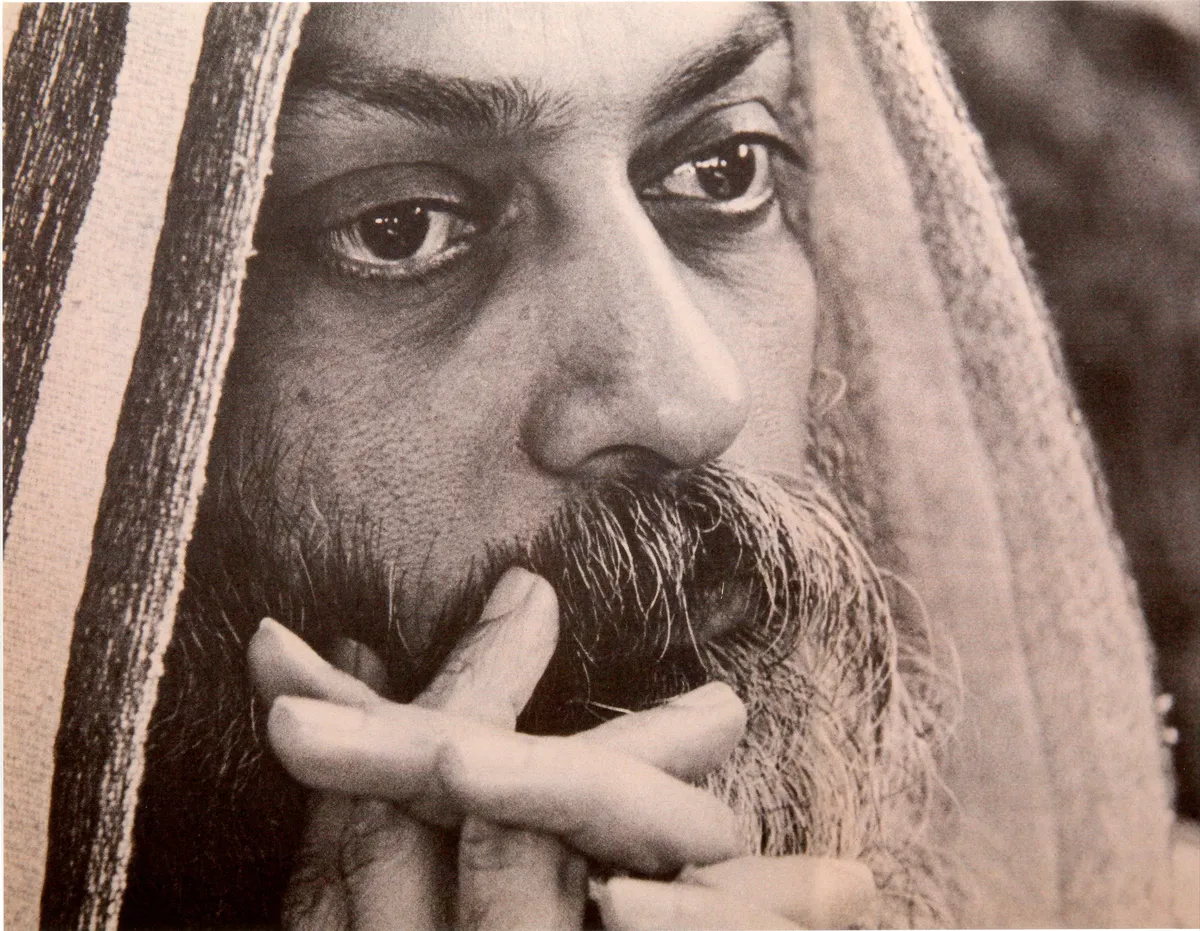
Osho's original Hindi beside Osho Live's English translation, matched passage by passage.
जगत एक रहस्य है। रहस्य इसलिए कि इस जगत में अंधकार, जो कि नहीं है, प्रकाश को ढंक लेता है, जो कि है। इस जगत में मृत्यु, जो कि नहीं है, जीवन को धोखा दे देती है, कि है।
The world is a mystery. A mystery because, in this world, darkness, which is not, seems to cover light, which is; death, which is not, manages to deceive life, which is, as if it were.
जीवन है, और मृत्यु नहीं है। प्रकाश है, और अंधकार नहीं है। फिर भी, अंधकार प्रकाश को ढंके हुए मालूम पड़ता है। फिर भी रोज-रोज जीवन मरता हुआ दिखाई पड़ता है। इसलिए कहता हूं, जीवन एक रहस्य, एक मिस्ट्री है। और उस रहस्य का मूल इसी पहेली में है।
Life is, and death is not. Light is, and darkness is not. Yet darkness appears to veil light. Yet each day life seems to be dying. Hence I say, life is a mystery—a mystery. And the root of that mystery is hidden in this very riddle.
रोज देखते हैं अंधेरे को आप। कभी सोचा भी नहीं होगा कि अंधेरे का कोई अस्तित्व नहीं है। अंधेरा एक्झिस्टेंशियल नहीं है। फिर भी होता है। रास्ता भटक जाते हैं अंधेरे में। गड्ढे में गिर सकते हैं अंधेरे में। चोर लूट ले सकते हैं अंधेरे में। छुरा भोंका जा सकता है अंधेरे में। अंधेरे में सब कुछ हो सकता है--और अंधेरा नहीं है! टकरा सकते हैं, सिर फूट सकता है--और अंधेरा नहीं है। पर अंधेरे में यह सब हो सकता है।
You see darkness every day. Perhaps it never occurred to you that darkness has no being of its own. Darkness is not existential. Still, it is. One can lose the way in darkness. One can fall into a pit in darkness. Thieves can loot in darkness. A knife can be thrust in darkness. Anything can happen in darkness—and yet darkness is not! You can collide, crack your head—and yet darkness is not. And still, in darkness, all this can happen.
जब मैं कहता हूं, अंधेरा नहीं है, तो थोड़ा ठीक से समझ लें।
When I say darkness is not, understand it precisely.
प्रकाश तो है, इसलिए प्रकाश को बुझा सकते हैं, जला सकते हैं। लेकिन अंधेरे को बुझा भी नहीं सकते, जला भी नहीं सकते। चाहें कि दुश्मन के घर पर अंधेरा फेंक दें, तो फेंक भी नहीं सकते। कभी आपने सोचा है कि अंधेरे के साथ कुछ भी करना संभव नहीं है!
Light is, therefore you can extinguish it or kindle it. But darkness you can neither put out nor light up. You may wish to throw darkness at an enemy’s house—you cannot. Have you ever noticed, nothing at all can be done with darkness!
और जब रात आप चाहते हैं कि कमरे में अंधेरा भर जाए, तो आप अंधेरे को नहीं बुलाते, केवल प्रकाश को बुझाते हैं। प्रकाश बुझा नहीं कि अंधेरा है। और जब सुबह आप अंधेरे को अलग करना चाहते हैं, या रात अंधेरे को अलग करना चाहते हैं, तो अंधेरे को धक्का नहीं देते, प्रकाश को जलाते हैं। और प्रकाश जला कि अंधेरा नहीं है।
And at night when you want the room to be filled with darkness, you do not call darkness in—you simply put out the light. The moment light is extinguished, darkness is there. And when in the morning you want to remove darkness, you do not push darkness away—you light the lamp. The moment light is lit, darkness is not.
अंधेरा सिर्फ प्रकाश की अनुपस्थिति है, गैर-मौजूदगी है, एब्सेंस है। अंधेरे का अपना कोई विधायक अस्तित्व नहीं है। अस्तित्व तो प्रकाश का है। या प्रकाश का अस्तित्व नहीं है। जहां प्रकाश नहीं है, वहां अंधेरा मालूम पड़ता है। अंधेरा कोई वस्तु नहीं है। अंधेरे में कोई थिंगहुड, कोई वस्तुगत पदार्थ अंधेरे में नहीं है। फिर भी अंधेरा है तो।
Darkness is only the absence of light—non-presence, absence. Darkness has no positive, creative existence of its own. Existence belongs to light. Or where light is not, there darkness seems to be. Darkness is not a thing. There is no thinghood in darkness. And yet, darkness somehow is.
ठीक ऐसे ही आत्म-ज्ञान है। और आत्म-अज्ञान का कोई अस्तित्व नहीं है। लेकिन फिर भी आत्म-अज्ञान से हम भरे हुए हैं। और आत्म-अज्ञान में चिंतित हैं, पीड़ित हैं, परेशान हैं, दुखी हैं, नर्क भोग रहे हैं। जब कि आत्म-अज्ञान का वैसा ही कोई अस्तित्व नहीं है, जैसे अंधेरे का कोई अस्तित्व नहीं है।
Exactly so with self-knowledge. Atma-jnana is; Atma-ajnana has no existence. And still we are filled with self-ignorance. In self-ignorance we are anxious, afflicted, disturbed, miserable—we suffer hell. Though self-ignorance has no existence, just as darkness has none.
आत्मा स्वयं ज्ञान है, इसलिए आत्म-अज्ञान का कोई अस्तित्व हो नहीं सकता। आत्मा ही ज्ञान है। ज्ञान आत्मा का आंतरिक स्वभाव है। इसलिए आत्मा बिना ज्ञान के कभी हो नहीं सकती। और अगर आत्मा बिना ज्ञान के होगी, तो पदार्थ में और आत्मा में फर्क क्या होगा? आत्मा का अर्थ ही यह है कि जो ज्ञान है। आत्मा कभी भी ज्ञान के बिना नहीं हो सकती। ज्ञान और आत्मा पर्यायवाची हैं, सिनानिम। एक ही मतलब है दोनों बात का।
Atman is knowledge itself; therefore self-ignorance cannot truly be. The Atman is knowledge. Knowledge is the intrinsic nature of the Atman. The Atman cannot be without knowledge. And if the Atman could be without knowledge, what would be the difference between matter and Atman? Atman means that which is knowledge. The Atman can never be without knowledge. Jnana and Atman are synonyms. The same meaning.
फिर आत्म-अज्ञान का क्या मतलब होगा? ये शब्द तो विरोधी हैं! आत्म-अज्ञान हो ही नहीं सकता। जहां आत्मा है, वहां अज्ञान कैसे होगा? क्योंकि आत्मा ज्ञान है। लेकिन फिर भी आत्म-अज्ञान है। क्या, हुआ क्या है? जो ज्ञान है आत्मा, वह किस चीज से ढंक गई है?
Then what can self-ignorance mean? The words contradict each other. Self-ignorance cannot be. Where Atman is, how can ignorance be? For Atman is knowledge. And yet there is self-ignorance. What has happened? By what is the Atman—knowledge—covered?
कृष्ण कहते हैं, संसार माया से ढंका; आत्मा आत्म-अज्ञान से ढंकी; ज्ञान अविद्या से ढंका।
Krishna says: The world is covered by Maya; the soul is covered by self-ignorance; knowledge is covered by Avidya.
क्या इसका अर्थ है? क्या समझें इससे?
What does this mean? How to understand it?
इससे सिर्फ एक बात समझ लेने जैसी है। आत्मा तो ज्ञान है, लेकिन ज्ञान यदि चाहे तो सो सकता है; ज्ञान यदि चाहे तो जाग सकता है। सोया हुआ ज्ञान भी ज्ञान है; जागा हुआ ज्ञान भी ज्ञान है। लेकिन सोए हुए ज्ञान के चारों तरफ अज्ञान इकट्ठा हो जाता है। सोया हुआ ज्ञान ऐसे है, जैसे कि आपके खीसे में लाइटर पड़ा हुआ है अनजला; जलने की पूरी क्षमता लिए हुए है। माचिस की काड़ी रखी है अनजली, प्रज्वलित होने को किसी भी क्षण तत्पर। आग छिपी है, सोई है। चारों तरफ अंधेरा है, माचिस रखी है। चारों तरफ अंधेरा है। माचिस से कोई रोशनी निकलती नहीं है। लेकिन माचिस से रोशनी निकल सकती है। और जब निकलती है, तब अंधेरा टूट जाता है। और जब निकलती है, तो इसका यह मतलब नहीं कि आसमान से आ गई। माचिस में थी, तो ही निकली, अन्यथा निकल न सकती। फिर क्या, फर्क क्या है?
Only this: Atman is knowledge, but knowledge can choose to sleep; knowledge can choose to awaken. Sleeping knowledge is still knowledge; awakened knowledge is also knowledge. Yet around sleeping knowledge, ignorance gathers. Sleeping knowledge is like a lighter lying in your pocket, unlit—holding the full capacity to flame. A match sits in its box—unstruck, ready to ignite at any instant. Fire is hidden, asleep. All around is darkness; the match lies there. No light comes from the match; yet light can appear from it. And when it does, darkness breaks. And when it does, it does not come from the sky. It comes only because it was in the match; otherwise it could not come. Then what is the difference?
आत्म-अज्ञान और आत्म-ज्ञान में फर्क? आत्म-अज्ञान और आत्म-ज्ञान सिर्फ नींद के और जागने का फर्क है। इसलिए हम बुद्ध को कहते हैं, बुद्ध। नाम उनका नहीं है। नाम तो उनका था, सिद्धार्थ गौतम। बुद्ध का मतलब होता है, दि अवेकंड, जो जाग गया। गौतम सिद्धार्थ को हम कहते हैं, बुद्ध। इसलिए कहते हैं कि जो जाग गया। महावीर को हम कहते हैं, जिन। जिन का अर्थ है, जिसने अपने को जीत लिया।
What is the difference between self-ignorance and self-knowledge? Only the difference between sleep and wakefulness. Hence we call Buddha, Buddha—not his name; his name was Siddhartha Gautama. Buddha means the awakened one. We call Gautama Siddhartha, Buddha—because he awakened. We call Mahavira, Jina. Jina means the one who has conquered himself.
जागना जीतना बन जाता है और सोना हार बन जाती है। जागने में विजय है और निद्रा में पराजय है। बड़ी से बड़ी शक्ति भी सोई हो, तो छोटी से छोटी शक्ति से पराजित हो जाती है। एक पहलवान सोया हो, एक छोटा बच्चा उसकी छाती में छुरा भोंक सकता है। एक हाथी सोया हो, एक छोटी-सी चींटी उसकी नाक में चली जाए, तो मौत हो सकती है।
To awaken becomes victory; to sleep becomes defeat. Even the greatest power, if asleep, is defeated by the weakest. A wrestler may sleep and a small child can plunge a dagger into his chest. A mighty elephant may sleep and a tiny ant entering his trunk may bring death.
आत्मा बड़ी विराट शक्ति है, बड़ी प्रज्वलित अग्नि है। लेकिन सोई हो, तो क्रोध जैसी ना-कुछ चीज हावी हो जाती है। काम जैसी ना-कुछ शक्ति हावी हो जाती है। अंधेरा जो बिलकुल नहीं है, घेर लेता है उसको, जो बहुत है, गहरे में है, सदा है, कभी खोती नहीं है। विराट से विराट शक्ति सोई हो, तो क्षुद्र से क्षुद्र शक्ति से हार जाती है।
The Atman is an immense power, a blazing fire. But if it sleeps, a nothing like anger overpowers it. A nothing like lust subdues it. The darkness which is not at all, encircles that which is much, is deep, is eternal, never lost. The vaster the power, if asleep, the easier it is defeated by the smallest.
हमारी हार हमारी नींद है। हमारा आत्म-अज्ञान हमारी तंद्रा है, स्लीपीनेस। हम सब नींद में चलते हुए लोग हैं। इसलिए आत्मा, जो कि कभी अज्ञानी नहीं है, वह भी अज्ञान से ढंकी हुई है। दीया है बुझा हुआ, सोया हुआ। तेल भी है, बाती भी है, माचिस भी है, आग भी जल सकती है। पर सब अंधकार है।
Our defeat is our sleep. Our self-ignorance is our torpor, our sleepiness. We are sleep-walkers. Therefore even the Atman, which is never ignorant, appears veiled by ignorance. The lamp is there—extinguished, asleep. Oil is there, wick is there, the match is there; the flame could be lit. But all is darkness.
आदमी में वह सब मौजूद है, जो रोशनी बन जाए। सब मौजूद है। कोई भी कमी नहीं। परमात्मा प्रत्येक व्यक्ति को पूर्ण ही भेजता है। और हम सब अपूर्ण जीते हैं और अपूर्ण ही मरते हैं। बल्कि और हैरानी की बात है, जितने पूर्ण पैदा होते हैं, उससे भी ज्यादा अपूर्ण होकर मरते हैं। बच्चा जो संपदा लेकर आता है, बूढ़ा उसे भी गंवाकर विदा हो जाता है। क्या होता है?
In man everything needed for light is present. All is present. No lack. God sends every person complete. Yet we live incomplete and die incomplete. Stranger still, we die more incomplete than we were born. The treasure a child brings, the old man departs having lost even that. What happens?
हमारी नींद और गहरी होती चली जाती है। जीवन में हमारी तंद्रा और बढ़ती चली जाती है। बचपन में हम जितने होश में होते हैं, जवानी में उतने होश में नहीं होते। जवानी में बड़ी तंद्रा पकड़ लेती है। वह तंद्रा है काम की, सेक्स की। मूर्च्छा है, वासना है, वह पकड़ लेती है।
Our sleep grows deeper. Our torpor increases. In childhood we are more alert than in youth. In youth, a heavy stupor takes hold—the stupor of desire, of sex. A swoon of lust settles in.
बुढ़ापे में हम और भी डूब जाते हैं। बुढ़ापे में कौन सी तंद्रा पकड़ती है? जवानी में कामवासना गहरा अंधकार बनकर व्यक्ति को पकड़ लेती है। फिर वह जो भी करता है, उसी वासना के लिए करता है। धन कमाए, पद कमाए, यश कमाए, वह सब समर्पित है काम के लिए, सेक्स के लिए, वासना के लिए।
In old age we drown still more. In youth, sex becomes a deep darkness and takes possession. Then whatever one does, one does for that desire—money, position, fame—everything is offered to sex, to lust.
जवानी में आदमी काम की तंद्रा में डूबा और सोया रहता है। बुढ़ापे में काम तो विदा हो जाता है, क्योंकि इंद्रियां शिथिल होने लगती हैं। शरीर मरने के करीब आने लगता है। इसलिए बुढ़ापे में जीवन का मोह पकड़ता है; लस्ट फार लाइफ पकड़ती है। जीवेषणा पकड़ती है कि मैं मर न जाऊं; मैं बचा रहूं; मैं किसी भी तरह बचा रहूं।
In youth, man is drunk and asleep in the stupor of sex. In old age, sex departs, for the senses weaken, the body approaches death. Then old age is seized by the craving for life—the lust for life. Jiveshana takes hold: may I not die; may I survive—by any means.
इसलिए बूढ़ा आदमी, जिस तरह जवान आदमी दूसरे को जन्म देने के लिए लालायित होता है, बूढ़ा आदमी अपने को बचाने के लिए लालायित रहता है। दूसरे को जन्म देने की वासना काम बन जाती है; और अपने को बचाने की वासना लोभ बन जाती है। जवानी की बीमारी, काम; बुढ़ापे की बीमारी, लोभ। और अगर बूढ़ा आदमी किसी जवान को समझाता भी है कि काम से बचो, तो जो कारण बताता है, वे लोभ के होते हैं--कि बर्बाद हो जाएगा; धन खो जाएगा; स्वास्थ्य खो जाएगा। जो भी कारण बूढ़े आदमी देते हैं जवानों को, वह लोभ उनके पीछे बुनियाद होती है। काम है पीड़ा, जवानी का अंधकार; और लोभ है, बुढ़ापे की पीड़ा। बूढ़ा आदमी लोभी से लोभी होता चला जाता है।
Thus the old man, just as the young man longs to give birth to another, longs to save himself. The longing to give birth becomes lust; the longing to save oneself becomes greed. Youth’s disease is lust; old age’s disease is greed. And if an old man warns a youth against lust, the reasons he gives spring from greed— you will be ruined; you will lose wealth; you will destroy health. Whatever reasons old people give the young—greed is their base. Lust is the pain, the darkness of youth; greed is the pain of old age. The old man becomes more and more greedy.
मैंने सुना है कि किसी एक महानगरी के एक बड़े राजपथ पर एक भिखारी भीख मांगता रहता था। सुबह जब वह आता, तब वह कुछ अपने बगल में छिपाए रहता। दोपहर तक नहीं निकालता था। एक तख्ती छिपाए रखता था अपने कपड़ों में। दोपहर तक मांगता रहता लोगों से चिल्ला-चिल्ला कर; फिर दोपहर तक थक जाता। तो वह तख्ती निकालकर अपने सामने रखकर पीछे चुप बैठ जाता। तख्ती पर लिखा होता था, आई एम डेफ एंड डंब, मैं गूंगा और बहरा हूं। थक जाता दोपहर तक। फिर चिल्लाने की ताकत न रहती, तो गूंगा और बहरा हो जाता। शराब पीने की उसे आदत थी।
I have heard: In a great metropolis a beggar sat daily on a main boulevard, begging. In the morning he would arrive with something hidden at his side. Till noon he would not bring it out. He kept a placard tucked in his clothes. He would beg, yelling at people; by noon he would be tired. Then he would place the placard before him and sit silently behind it. On the placard was written—I am deaf and dumb. By noon he was spent, no strength to shout; so he became deaf and dumb. He also drank.
सभी भिखारियों को होती है। सिर्फ सम्राट बच सकते हैं। और अगर सम्राट भी पीते हों, तो जानना कि भिखारी हैं। और अगर भिखारी भी न पीते हों, तो जानना कि सम्राट हैं। असल में जो आदमी दुखी है, वह अपने को बेहोश करने से नहीं बच सकता। और दुखी कौन होता है इस जगत में? दुखी वही होता है, जिसकी आकांक्षाएं बहुत हैं। आकांक्षाएं तृप्त नहीं होतीं; दुख आता है।
All beggars do. Only emperors can save themselves. And if an emperor also drinks, know that he is a beggar; and if a beggar does not drink, know that he is an emperor. One who is miserable cannot avoid knocking himself unconscious. And who is miserable in this world? The one whose desires are many. Desires do not fulfill; misery comes.
भिखारी की बड़ी आकांक्षाएं हैं। दोपहर तक बहुत मांगता। रोज इरादे करके आता था कि आज करोड़ मांग लूंगा, कि अरब रुपए मांग लूंगा। कि आज तो कोई सम्राट निकलेगा, और सोने-चांदी की बरसा हो जाएगी। लेकिन कुछ न होता, वही तांबे के ठीकरे दो-चार गिरते। परेशान हो जाता दोपहर तक; शराब पीना शुरू कर देता। सांझ होते-होते, सूरज ढलते-ढलते तक, वह इतना बेहोश होने लगता कि आखिरी होश में, आखिरी वक्त वह अपनी तख्ती उलटी करके रख देता।
The beggar had great desires. Till noon he begged much. He came every day resolved that today he would beg for a million—today a king would pass and there would be a shower of gold and silver. But nothing happened; a few copper coins clinked. By noon he was upset; he began to drink. By evening, as the sun sank, he became so unconscious that at the last flicker of awareness he would flip the placard over.
रिवर्सिबल साइनबोर्ड था वह! उस पर दोनों तरफ लिखा हुआ था। दूसरी तरफ लिखा हुआ था, आई एम पैरालाइज्ड, मुझे लकवा लग गया है। बेहोश होकर गिर जाता। सुबह मांगता रहता; दोपहर गूंगा-बहरा हो जाता; सांझ नशे में डूब जाता। आखिरी काम वह इतना कर देता नशे में गिरने के पहले, तख्ती उलटकर रख देता।
It was a reversible signboard. It was written on both sides. On the other side— I am paralyzed. Then he would fall down drunk. In the morning he begged; by noon he became deaf and dumb; by evening he drowned in intoxication. Just before falling, he would do only one last thing—turn the placard over.
करीब-करीब जिंदगी ऐसी ही बीतती है। बचपन बड़ी आशाओं से भरा हुआ है। बड़ी आशाओं से भरा हुआ है, सब मिल जाएगा। बड़े कल्पना के फूल और सपनों के गीत। और फिर जवानी आती है। और तब एक-एक चीज डिसइलूजन होने लगती है, एक-एक चीज का भ्रम टूटने लगता है। बुढ़ापा आने के पहले-पहले आदमी की सारी इंद्रियां गूंगी और बहरी हो जाती हैं। फिर बेहोशी और तंद्रा पकड़नी शुरू कर देती है। मरने के पहले अधिकतम लोग पैरालाइज्ड हो जाते हैं, पैरालाइज्ड सब अर्थों में। बहुत गहरे अर्थों में लकवा लग जाता है।
Life passes almost exactly like this. Childhood brims with great hopes—everything will be attained: flowers of fancy, songs of dreams. Then youth comes. Disillusionment begins, one by one the illusions break. Just before old age, all the senses become deaf and dumb. Then unconsciousness and torpor take over. Long before death, most people become paralyzed—paralyzed in every sense. A deep paralysis.
मरने के बहुत पहले बहुत लोग मर जाते हैं। मरने तक जिंदा रहने वाले बहुत कम लोग हैं जमीन पर। मरने तक जिंदा रहने वाले बहुत कम लोग हैं, मरने के बहुत पहले मर जाते हैं! कुछ लोग तीस साल की उम्र में मर जाते हैं, कुछ लोग चालीस साल की उम्र में। यह बात दूसरी है कि दफनाया जाता है कोई सत्तर साल में, कोई अस्सी साल में। दफनाने में और मरने में अक्सर फासला होता है। और जो आदमी मरने तक जिंदा है--उतना ही ताजा, जैसा बचपन में ताजा था, उतना ही प्रफुल्लित--उसे मौत भी न मार पाएगी। मौत आकर गुजर जाएगी और वह मौत के पार भी जिंदा खड़ा रह जाएगा।
Long before dying, many die. Very few remain alive up to death. Very few are alive till death; most die long before. Some die at thirty, some at forty. It is another matter that one is buried at seventy or eighty. Often there is a distance between dying and burial. And the one who remains alive up to death—just as fresh as in childhood, just as blossoming—death cannot kill him. Death will come and pass; he will stand alive beyond death.
लेकिन नींद रोज बढ़ती है। ठीक सुबह जब हम उठते हैं, तो ताजे होते हैं; दोपहर थक गए होते हैं, तंद्रा उतरनी शुरू हो जाती है; सांझ थक जाते हैं, गिर जाते हैं, सो जाते हैं। हर बार, हर जिंदगी में यही सुबह, यही दोपहर, यही सांझ। अंतहीन यही चलता है। बचपन, जवानी, बुढ़ापा; फिर डूबा सूरज; फिर गिर गए बेहोश होकर मिट्टी में। फिर उठेंगे; फिर गिरेंगे। और इस नींद से जागने का हमें कोई खयाल नहीं आता।
But sleep grows each day. In the morning when we rise we are fresh; by noon we are tired, drowsiness begins; by evening we are exhausted, we fall and sleep. Each time, each life—the same morning, the same noon, the same dusk. Without end: childhood, youth, old age—then the sun sinks; we fall unconscious into the dust. Then we arise; then we fall again. And no thought ever occurs to awaken from this sleep.
कृष्ण कहते हैं, जो जाग जाता है, उसकी आत्मा का ज्ञान अभिव्यक्त हो उठता है; आत्म-अज्ञान गिर जाता है। और ऐसा व्यक्ति ही केवल इस अस्तित्व में परमात्मा को देख पा सकता है। ऐसे ही व्यक्ति को केवल परमात्मा का अनुभव हो सकता है।
Krishna says: the one who awakens—his soul’s knowledge manifests; self-ignorance falls away. Only such a person can see God in this existence. Only such a one can experience God.
सोए हुए आदमी को अपना ही अनुभव नहीं होता, परमात्मा का अनुभव तो बहुत दूर की बात है। नींद में दबे हुए आदमी को अपना ही पता नहीं, परमात्मा का पता तो बहुत कठिन है। लेकिन बहुत लोग हैं, जिन्हें अपना पता नहीं और जो परमात्मा को खोजने निकल जाते हैं। उनकी खोज कभी पूरी नहीं होगी।
A sleeping man cannot even experience himself—God is far, very far. One pressed down by sleep does not even know himself—how will he know God? Yet many there are who do not know themselves and go out to seek God. Their search will never complete.
आत्म-ज्ञान परमात्म-ज्ञान का द्वार है। और जिसे स्वयं का पता चल गया, दूर नहीं है परमात्मा अब; अब बिलकुल निकट है। अब दर्पण तो मिल ही गया; अब परमात्मा की झलक को पकड़ लेना कठिन नहीं है; पकड़ ही जाएगी। परमात्मा तो सब तरफ मौजूद है। एक दफा हृदय का दर्पण साफ, स्वच्छ.।
Self-knowledge is the doorway to God-knowledge. And the one who has known himself—God is not far now; he is near, utterly near. The mirror has been found; now to catch a glimpse of God is not difficult; it will be caught. God is present all around. Once the mirror of the heart is clean, clear…
अंतःकरण शुद्ध हो जिसका, कृष्ण कहते हैं। शुद्ध और साफ--परमात्मा की झलक पकड़नी शुरू हो जाती है। और फिर ऐसा नहीं है कि उसे देखने कहीं बद्री-केदार या काबा या मक्का या जेरूसलम जाना पड़ता है। जहां हैं आप, वहीं उसकी तस्वीर है। जो भी आप देखते हैं, उसमें वही है। न देखें, आंख बंद कर लें, तो भी वही है। सो जाएं, तो बाहर से शरीर ही सोता है फिर। भीतर तो वह जागकर जानता ही रहता है, देखता ही रहता है। हम जागकर भी सोते हैं, आत्म-ज्ञानी सोया हुआ भी जागता ही रहता है।
The one whose antahkarana is pure, Krishna says—pure and clear—begins to catch the glimpse of God. And then it is not that he must go to Badrinath or Kedarnath, or to Kaaba or Mecca or Jerusalem to see Him. Wherever you are, His portrait is. Whatever you see—there He is. And if you close your eyes—there too He is. Even if he sleeps, for the self-knower only the body sleeps; within, He remains awake, knowing, seeing. We remain asleep even while awake; the self-knower remains awake even in sleep.
इसलिए कृष्ण कहते हैं, आत्म-अज्ञान की जो तंद्रा है, जिसने घेर लिया है, उसे हटा देना पड़े, तोड़ देना पड़े।
Therefore Krishna says: the torpor of self-ignorance which has surrounded you must be removed, must be broken.
कैसे तोड़ें उसे? अगर अंधेरे को हटाना हो, तो क्या करें? अंधेरे को काटें तलवार लाकर? नहीं कटेगा। होता तो कट जाता। अंधेरा नहीं कटेगा तलवार से। दीए को जलाएं; दीए की ज्योति को बड़ा करें। अगर आत्म-अज्ञान मिटाना है, तो आत्म-अज्ञान की फिक्र ही न करें। आत्म-ज्ञान को जगाएं और बढ़ाएं। किन चीजों से आत्म-ज्ञान बढ़ता है?
How to break it? If you want to remove darkness, what will you do? Will you bring a sword to cut it? It will not be cut. Light the lamp; increase the flame. If you want to remove self-ignorance, do not be concerned with ignorance at all. Awaken self-knowledge and nourish it. By what does self-knowledge grow?
एक, दो-तीन सूत्र आपसे कहना चाहूंगा। एक--संकल्प, विल। जिस व्यक्ति को भी आत्म-ज्ञान की ज्योति को जगाना है, उसे संकल्प के सूत्र को पकड़ लेना चाहिए। संकल्प तेल है, उसके बिना दीया नहीं जलेगा भीतर का। संकल्प के बिना आत्म-ज्ञान का दीया नहीं जलेगा। और संकल्प हममें बिलकुल भी नहीं है। है ही नहीं।
I will give you two or three sutras. First—resolve, will. Whoever wants to light the flame of self-knowledge must hold fast to the sutra of resolve. Resolve is the oil; without it, the inner lamp will not burn. Without resolve, the lamp of self-knowledge will not be lit. And we have no resolve at all. None.
एक मित्र परसों आए और उन्होंने कहा, संन्यास तो मैं लेना चाहता हूं, लेकिन ये गेरुए वस्त्र मैं सिर्फ घर में ही पहनूंगा, बाहर नहीं। बाहर क्यों नहीं पहनिएगा! उन्होंने कहा, लोग क्या कहेंगे!
A friend came the day before yesterday and said— I want to take sannyas, but these ochre robes I will wear only in the house, not outside. Why not outside? He said— What will people say!
लोग क्या कहेंगे! पब्लिक ओपीनियन हमारी आत्मा बन गई है। लोग क्या कहेंगे! घर में छिपकर कोई संन्यासी हो सकता है? कि घर में दरवाजा बंद करके हम गेरुए कपड़े पहन लें। काफी बहादुरी है! तो फिर ऐसा क्यों नहीं करते कि मरते वक्त पहन लेना और कब्र में चले जाना! तो दुबारा लौटकर कोई कुछ कह नहीं सकेगा।
What will people say! Public opinion has become our soul. What will people say! Can anyone be a sannyasin hiding in the house? That we close the door and put on ochre within? Great bravery! Then why not wear it when dying and go to the grave! No one will come back to comment.
इतनी संकल्पहीनता! इतनी कमजोरी! इतना मन हीन, इतना दीन कि कोई क्या कहेगा! इतनी परतंत्रता कि लोग क्या कहेंगे इस पर! तो फिर आत्मा को जगाना बहुत कठिन हो जाएगा। बहुत कठिन हो जाएगा। यह तो बड़ी छोटी-सी बात है। कपड़े तो आपकी मौज है अपनी। इतनी भी स्वतंत्रता नहीं मनुष्य को कि कपड़े खुद पहन ले जो उसे पहनने हैं? इसके लिए भी दूसरे से पूछने जाना पड़ेगा? तो फिर आप हैं या नहीं? और बड़े मजे की बात यह है कि जिनसे आप डर रहे हैं, वे आपसे डर रहे हैं। जिनसे आप डर रहे हैं, वे आपसे डर रहे हैं!
Such lack of resolve! Such weakness! The mind so mean, so beggarly—what will people say! Such slavery to others! Then to awaken the soul will be very difficult. Very difficult. This is a small thing. Clothes are your own whim. Has man not even the freedom to wear the clothes he wants? Must he ask another even for this? Then are you there at all? And the amusing thing is: those you fear are afraid of you. Those you fear are afraid of you!
मैंने सुना है कि मुल्ला नसरुद्दीन एक दिन सांझ एक कब्र के पास कब्रगाह की दीवाल पर बैठा हुआ था। उसने किताब पढ़ी थी, डान क्विक्जोट के संबंध की किताब पढ़ी थी। किताब में उसने पढ़ा था कि कई बार अकेले में दुश्मन हमला कर देता है। और-और बातें पढ़ी थीं। सांझ ढल रही थी, सूरज उतर रहा था नीचे। देखा उसने कि गांव के बाहर कुछ लोग बैंड-बाजा बजाते हुए, तलवारें लिए चले आ रहे हैं। उसने समझा कि हुआ खतरा; दिखता है, दुश्मन आ रहे हैं! अभी किताब से भरा हुआ था। सोच लिया कि दुश्मन आ रहे हैं। भागकर कब्रगाह के अंदर चला गया। देखा, कहां छिपूं? एक नई कब्र किसी ने खोदी थी। मुर्दे को लेने गए होंगे। सोचा उसने कि इसी में लेट जाऊं, जब तक ये लोग निकल जाएंगे। वह उस गड्ढे में लेट गया।
I have heard: One evening Mulla Nasruddin sat on the cemetery wall near a grave. He had been reading Don Quixote and such things, how enemies sometimes attack when one is alone. Evening was falling, the sun going down. He saw some people outside the village coming with band and music, carrying swords. He thought: danger! Enemies are coming! He was still full of the book. He ran into the graveyard. Where to hide? A new grave had been dug, perhaps they had gone to fetch the corpse. He thought— I will lie in this till these people pass. He lay in the pit.
उसे कूदते और भागते उन लोगों ने भी देखा, जो आ रहे थे। वे कोई दुश्मन न थे, न कोई शत्रु थे। वह एक बरात थी, दूसरे गांव जा रही थी। वे भी हैरान हुए कि यह आदमी इतनी तेजी से भागा! क्या हुआ! वे लोग दीवाल पर चढ़कर झांके। नसरुद्दीन पक्का समझ गया कि समझ ठीक थी! आ गए वे लोग। अंदर भी आ रहे हैं! वह आंख बंद करके पड़ रहा।
जब उन लोगों ने देखा कि यह आदमी जाग रहा है, जिंदा है और कब्र में लेटा है और हमें देखकर आंख भी बंद कर ली, तो बेचारे दीवाल से उतरकर अंदर आए। जब वे अंदर आए, तो उसने कहा, हो गया फैसला! उसने श्वास भी रोक ली।
Those approaching saw him leap and run. They were no enemies, only a wedding party going to another village. They were puzzled— why did he run so fast? They climbed the wall and peered in. Nasruddin was now certain his guess was right— they have come! They are even coming inside! He lay there with eyes shut.
उन्होंने उसे आकर हिलाया और कहा कि यह क्या कर रहे हैं आप? जिंदा होकर कब्र में क्यों पड़े हैं? क्या है कारण आपके भागने का? आप भागे क्यों? डरे क्यों? इतने घबड़ा क्यों रहे हैं? कंप क्यों रहे हैं? नसरुद्दीन ने कहा, अब यह मत पूछो। मैं तुमसे पूछना चाहता हूं कि तुम मेरे पीछे क्यों पड़े हो? तुम यहां क्यों आए? उन्होंने कहा, यही तो हम तुमसे पूछना चाहते हैं कि तुम यहां क्यों कब्र में छिपे हो? नसरुद्दीन ने कहा, खतम करो बात को। आई एम हियर बिकाज आफ यू, एंड यू आर हियर बिकाज ऑफ मी। छोड़ो। जाने दो। मैं तुम्हारी वजह से यहां हूं, तुम मेरी वजह से यहां हो। और बेवजह है सारा मामला!
Seeing that he was alive, awake, and lying in a grave, and had closed his eyes on seeing them, they climbed down. They shook him— What are you doing? Alive, why are you lying in a grave? Why did you run? Why are you trembling? Nasruddin said— Do not ask that. I want to ask why you are after me. Why have you come here? They said— That is what we want to ask— why are you hiding in a grave? Nasruddin said— End the matter. I am here because of you, and you are here because of me. Leave it. It is all without reason!
हम दूसरों से डर रहे हैं, दूसरे हमसे डर रहे हैं! सब एक-दूसरे से डरे हैं।
We fear others; others fear us. All are afraid of one another.
नहीं; ऐसे आत्मा पैदा न होगी। संकल्प का पहला लक्षण यह है कि मुझे जो ठीक लगता है, वह मैं करूंगा। जो मुझे गलत लगता है, वह मैं नहीं करूंगा। चाहे सारी दुनिया कहती हो, करो, तो नहीं करूंगा। और जो मुझे ठीक लगता है, वह मैं करूंगा; चाहे सारी दुनिया कहती हो कि मत करो, तो भी मैं करूंगा।
No—thus the soul will not be born. The first sign of resolve is: what I see as right, I will do. What I see as wrong, I will not do—even if the whole world says do it. And what I see as right, I will do—even if the whole world says do not do it.
इस जगत में केवल उन्हीं लोगों की आत्माएं विकसित होती हैं, जो भीड़ के व्यर्थ भय से मुक्त हो जाते हैं।
In this world only those souls grow who are free of the futile fear of the crowd.
संकल्प पहला सूत्र है आत्म-ज्ञान को बढ़ाने के लिए, विल पावर।
Resolve is the first sutra to increase self-knowledge—will power.
दूसरा सूत्र है, साहस। हम रोज टालते रहते हैं। रोज टालते रहते हैं, कल करेंगे, परसों करेंगे। सोचते हैं, अभी ठीक समय नहीं आया। असली बात दूसरी होती है। साहस नहीं जुटा पाते हैं, तो अपने को धोखा देते हैं। यह भी समझने की तैयारी नहीं होती कि मैं दुस्साहसी नहीं हूं, साहसी नहीं हूं; कमजोर हूं। यह भी कोई समझ ले, तो मैं कहता हूं, बड़ा साहस है। जो आदमी यह समझ ले कि मैं साहसी नहीं हूं, उसने भी बहुत बड़ा साहस किया। लेकिन हम अपने को साहसी भी समझे जाते हैं और कल पर छोड़े जाते हैं; कल करेंगे, परसों करेंगे। इस आशा में कि नहीं, कर तो हम सकते ही हैं; कल कर लेंगे, परसों कर लेंगे। पोस्टपोनमेंट करते जाते हैं।
The second sutra is courage. We go on postponing— tomorrow, the day after. We think the right time has not come. The real reason is something else: we cannot gather courage, so we deceive ourselves. We are not even ready to understand that we are not courageous, we are weak. Even if one understands this— I say, that too is great courage. The man who understands he is not courageous has already done something courageous. But we go on thinking of ourselves as brave and keep pushing to tomorrow— we will do it tomorrow, the day after— in the hope that of course we can, we will do it later. Postponement continues.
साहस का मतलब है, जो ठीक लगे, उसे अभी और आज और यहीं करना शुरू कर देना, क्योंकि कल का कोई भी भरोसा नहीं है। कल आएगा भी, इसका भी कुछ पक्का नहीं है। और साहस का मतलब इतना ही नहीं होता है कि अंधेरे में आप चले जाते हैं, तो बड़े साहसी हैं। साहस का मतलब यह भी नहीं होता है कि किसी से जूझ जाते हैं, लड़ जाते हैं, तो बड़े साहसी हैं। साहस का गहरा आध्यात्मिक अर्थ होता है, अज्ञात में छलांग, अननोन में उतर जाने का साहस।
Courage means: that which feels right—do it now, today, here. Tomorrow has no guarantee. Whether tomorrow comes at all is uncertain. And courage does not mean merely walking into darkness, nor wrestling with someone. Courage, in its deepest spiritual sense, is a leap into the unknown—descending into the uncharted.
जो जाना-माना है, उसमें तो हम बड़े मजे से चले जाते हैं। अज्ञात, अननोन में नहीं जा पाते। और ध्यान रहे, परमात्मा अज्ञात है। और ध्यान रहे, आत्मा बिलकुल अज्ञात है, अननोन है। अनजान मार्ग है। अनजान राह है। अपरिचित सागर है। नक्शा पास में नहीं। अकेले जाना है। साथ कोई जा नहीं सकता।
In the known we move with ease. The unknown we cannot enter. And remember: God is the unknown. Remember: the Atman is utterly unknown, the uncharted. A path untraveled. A sea unfamiliar. No map in hand. You must go alone. None can go with you.
ध्यान रहे, साहस का यह भी मतलब है, दि करेज टु बी अलोन, अकेले होने की हिम्मत। क्योंकि बाहर तो हम सबके साथ हो सकते हैं, भीतर हमें अकेला ही होना पड़ेगा।
Remember: courage also means the courage to be alone. Outside, we can be with others; within, we must be alone.
अगर इतना साहस नहीं है अकेले होने का, तो आप कभी भी आत्म-ज्ञान को उपलब्ध न हो सकेंगे। क्योंकि आत्म-ज्ञान में कंपनी, साथी-संगी नहीं हो सकते। अकेले ही होना पड़ेगा। जो आदमी कहता है कि हम तो अकेले न हो सकेंगे, कोई न कोई साथ चाहिए, वह सारी दुनिया की यात्रा कर सकता है, चांद पर भी जा सकता है, कल मंगल पर भी चला जाएगा, लेकिन अपने भीतर नहीं जा सकेगा। क्योंकि वहां अकेले ही जाया जा सकता है, दूसरे के साथ का कोई उपाय नहीं है। साहस का यही अर्थ है।
If you do not have this courage to be alone, you will never attain self-knowledge. There is no company there. You must be alone. The man who says, I cannot be alone, I need someone with me—he may travel the whole world, reach the moon, tomorrow Mars—but he will not enter within. For there one goes alone; there is no way to take another along. This is courage.
और तीसरी बात। जो लोग जिंदगी की क्षुद्रतम, अति क्षुद्रतम बातों में ऊर्जा को गंवाते रहते हैं, वे कभी भी आत्म-ज्ञान को उपलब्ध न हो सकेंगे। पहला सूत्र, संकल्प; दूसरा सूत्र, साहस; और तीसरा सूत्र, संयम।
And the third point: Those who waste their energy in the smallest, most trivial matters of life will never attain self-knowledge. First sutra, resolve; second, courage; third, restraint.
जो लोग जीवन की ऊर्जा को व्यर्थ गंवाते रहते हैं, दिन में इतना गंवा देते हैं कि उनके पास कुछ बचता नहीं कि उस शक्ति पर सवार होकर भीतर जा सकें। जिस दीए में छेद हो, और तेल टपक जाता हो। जिस नाव में छेद हो, और पानी भर जाता हो। जिस बाल्टी में छेद हो, और कुएं में डालकर पानी खींचना चाहते हों। वैसी फिर आपकी हालत है। चौबीस घंटे गंवाते हैं। फिर इतना बचता नहीं!
Those who go on wasting life energy, day by day, so much that nothing remains to ride upon into the within—such men are like a lamp with a hole and oil keeps leaking; like a boat with a leak and water fills in; like a bucket with a crack with which you try to draw from a well. That is your condition. You waste twenty-four hours and then there is not enough left.
मेरे पास लोग आते हैं, वे कहते हैं, हम ध्यान को बैठते हैं, तो नींद आ जाती है। आ ही जाएगी। ताकत भी तो बचनी चाहिए थोड़ी-बहुत। लास्ट आइटम समझा हुआ है ध्यान को! जब सब कर चुके, सब तरह की बेवकूफियां निपटा चुके--लड़ चुके, झगड़ चुके, क्रोध कर चुके; प्रेम-घृणा, मित्रता-शत्रुता--सब कर चुके, कौड़ी-कौड़ी पर सब गंवा चुके। जब कुछ भी नहीं बचता करने को, रद्दी में दो पैसे का खरीदा हुआ अखबार भी दिन में दस दफे चढ़ चुके। रेडियो का नाब कई दफा खोल चुके, बंद कर चुके। वही बकवास पत्नी से, बेटे से, जो हजार दफा हो चुकी है, कर चुके। जब कुछ भी नहीं बचता है करने को, तब एक आदमी सोचता है कि चलो, अब ध्यान कर लें। तब वह आंख बंद करके बैठ जाता है!
People come and say— when we sit to meditate, we fall asleep. Of course you will. Some strength must be saved. Meditation is taken as the last item. After you have done everything else, finished all your stupidities—fought, quarreled, been angry, loved and hated, made friends and enemies, squandered every coin; when nothing remains, when even the scrap of a two-paisa newspaper has been read ten times, the radio knob turned a dozen times, the same old nonsense with wife and children repeated for the thousandth time—when nothing remains to do, then a man thinks, now let me meditate. Then he closes his eyes!
इतनी इंपोटेंस से, इतने शक्ति-दौर्बल्य से कभी ध्यान नहीं होने वाला है। भीतर आप नहीं जाएंगे, नींद में चले जाएंगे। शक्ति चाहिए भीतर की यात्रा के लिए भी। इसलिए आत्म-ज्ञान की तरफ जाने वाले व्यक्ति को समझना चाहिए, एक-एक कण शक्ति का मूल्य चुका रहे हैं आप, और बहुत महंगा मूल्य चुका रहे हैं।
With such impotence, such weakness of energy, meditation will not happen. You will not go within; you will go into sleep. Power is needed even for the inner journey. Therefore the one who moves toward self-knowledge must understand: you are paying a price for each drop of energy—and it is costly, very costly.
जब एक आदमी किसी पर क्रोध से भरकर आग से भर जाता है, तब उसे पता नहीं कि वह क्या गंवा रहा है! उसे कुछ भी पता नहीं कि वह क्या खो रहा है! इतनी शक्ति पर, जिसमें उसने सिर्फ चार गालियां फेंकीं, इतनी शक्ति को लेकर तो वह गहरे ध्यान में कूद सकता था।
When a man burns in anger, aflame, he does not know what he is losing. He knows nothing of what he is throwing away. With the energy he spent in hurling four abuses, he could have leapt into deep meditation.
एक आदमी ताश खेलकर क्या गंवा रहा है, उसे पता नहीं। एक आदमी शतरंज के घोड़ों पर, हाथियों पर लगा हुआ है। वह क्या गंवा रहा है, उसे पता नहीं। एक आदमी सिगरेट पीकर धुआं निकाल रहा है बाहर-भीतर। वह क्या गंवा रहा है, उसे पता नहीं। इतनी शक्ति से तो भीतर की यात्रा हो सकती थी।
A man playing cards—what is he losing, he does not know. A man caught in chess with knights and bishops—what is he losing, he does not know. A man puffing a cigarette—smoke in, smoke out—what is he losing, he does not know. With that much energy, the inner journey could have begun.
और ध्यान रहे, बूंद-बूंद चुककर सागर चुक जाते हैं। और आदमी के पास, इस शरीर के कारण, सीमित शक्ति है। जीवन बहुत जल्दी रिक्त हो जाता है।
Remember, drop by drop whole oceans are emptied. Because of the body, your energy is limited. Life becomes empty very soon.
तीन सूत्र आपसे कहता हूं। इन तीन सूत्रों का यदि खयाल रहे--संकल्प, विल; साहस, करेज; संयम, कंजरवेशन--अगर ये तीन सूत्र खयाल में रह जाएं, ये तीन स अगर खयाल में रह जाएं, तो आपका आत्म-ज्ञान भभककर जल सकता है। और उस क्षण में आत्म-अज्ञान विलीन हो जाता है। और जो जानता है स्वयं को.।
Three sutras I give you. If these remain in your awareness—resolve, will; courage; restraint, conservation—if these three s remain in awareness, your self-knowledge can flare up. In that instant, self-ignorance dissolves. And the one who knows himself…
ये तीन सूत्र खयाल में हों, तो आत्म-अज्ञान कट जाता है। जो शेष रह जाता है, वह आत्म-ज्ञान की ज्योति है। उस ज्योति की निर्मलता में, उस ज्योति के दर्पण में ही प्रभु की छवि पकड़ी जाती है, वही कृष्ण इस सूत्र में कहे हैं।
Keep these three sutras in mind and self-ignorance is cut. What remains is the flame of self-knowledge. In the purity of that flame, in the mirror of that flame, the reflection of the Lord is caught. It is this Krishna speaks in the sutra:
तद्बुद्धयस्तदात्मानस्तन्निष्ठास्तत्परायणाः।
तद्बुद्धयस्तदात्मानस्तन्निष्ठास्तत्परायणाः।
गच्छन्त्यपुनरावृत्तिं ज्ञाननिर्धूतकल्मषाः।। 17।।
गच्छन्त्यपुनरावृत्तिं ज्ञाननिर्धूतकल्मषाः।। 17।।
और हे अर्जुन, तद्रूप है बुद्धि जिनकी तथा तद्रूप है मन जिनका और उस सच्चिदानंदघन परमात्मा में ही निरंतर एकीभाव से स्थिति है जिनकी, ऐसे तत्परायण पुरुष ज्ञान के द्वारा पापरहित हुए अपुनरावृत्ति को अर्थात परमगति को प्राप्त होते हैं।
And Arjuna, those whose intellect is That, whose mind is That, who abide established in That alone, whose supreme refuge is That—they, cleansed of sin by knowledge, go to non-return, to the supreme state.
जिनकी वृत्ति, जिनकी चेतना परमात्मा से तदरूप हो गई, एक हो गई, तादात्म्य को पा गई है; जिनकी अपनी छोटी-सी ज्योति परमात्मा के परम सूर्य के साथ एक हो गई, एकतान हो गई है; जिनका अपना छोटा-सा वीणा का स्वर उसके परम नाद के साथ संयुक्त हो गया है--ऐसे पुरुष वापस नहीं लौटते हैं; उनका पुनरागमन नहीं होता है। ऐसे पुरुष प्वाइंट आफ नो रिटर्न, उस जगह पहुंच जाते हैं, जहां से वापसी नहीं है, जहां से पीछे नहीं गिरना पड़ता है, जहां से वापस अंधकार में और अज्ञान में नहीं डूब जाना पड़ता है।
Those whose tendency, whose consciousness has become tadrup—one—with the Paramatman; whose small flame has become one with the supreme sun; whose small veena-note has fused with the supreme Nada—such men do not return; there is no coming back for them. They reach the point of no return—where there is no falling back, no sinking again into darkness and ignorance.
इसमें दो-तीन बातें खयाल में ले लेनी चाहिए।
Hold a few things in mind.
एक तो, परमात्मा की झलक मिल जाती है बहुत बार, लेकिन तदरूपता नहीं मिलती। परमात्मा की झलक मिल जाती है बहुत बार, लेकिन परमात्मा से एकता नहीं सधती। झलक ऐसी मिल जाती है कि जैसे कोई व्यक्ति जमीन से छलांग लगाए, तो एक क्षण को जमीन के ग्रेविटेशन के बाहर हो जाता है, एक क्षण को जमीन की कशिश के बाहर हो जाता है। लेकिन क्षणभर को! हो भी नहीं पाता कि वापस जमीन उसे अपने पास बुला लेती है। फिर लौट आता है।
First, glimpses of God come—often—but tadrupata does not happen. Glimpses come, but union does not. A glimpse is like someone jumping up from the earth— for a moment he is outside the pull of gravity, outside the tug of the earth. But only for a moment. Before it can be, the earth calls him back. He returns.
जैसे रात अंधेरे में बिजली कौंध जाए। अमावस की रात हो, भादों की रात हो, अंधेरा हो--बिजली कौंध जाए। एक क्षण को झलक में सब दिखाई पड़ जाता है; और दिखाई भी नहीं पड़ा कि घनघोर अंधकार छा जाता है। और ध्यान रहे, बिजली के बाद जब अंधकार छाता है, तो बिजली के पहले वाले अंधकार से ज्यादा घना होता है। आंखें और चौंधिया गई होती हैं।
Or like lightning flashes in the night. The night is dark, new moon, the monsoon—lightning flashes. For a moment, in the flash, everything is seen; and before it is seen, darkness—thicker than before. Note: after lightning the darkness is denser than before; the eyes are dazzled.
बहुत बार परमात्मा की एक झलक मिल जाती है, लेकिन झलक से तदरूपता नहीं होती है। इसलिए कृष्ण कहते हैं, जो तदरूप हो गया! ऐसा नहीं कि परमात्मा को जान लिया, बल्कि ऐसा कि जो परमात्मा हो गया। ऐसा नहीं है कि दूर से एक झलक ले ली, बल्कि ऐसा कि अब कोई फासला न बचा। अब वही हो गए, उसी के साथ एक हो गए। तब पुनरागमन नहीं है। फिर पुनरावर्तन नहीं होता। फिर लौटना नहीं होता।
Often the seeker receives a glimpse, but the glimpse does not become tadrupata. Hence Krishna says— the one who becomes tadrup. Not that he has known God, but that he has become God. Not that he has taken a distant glimpse, but that there is no distance left; he has become that. Then there is no return. No repetition. No coming back.
साधक को बहुत बार झलक मिल जाती है! और झलक से सावधान रहने की जरूरत है, कि जो झलक को तदरूपता समझ लेगा, उसकी जिंदगी और गहन अंधकार में पड़ सकती है।
The seeker gets glimpses many times. And one must be cautious with glimpses: he who mistakes the glimpse for tadrupata can fall into a deeper darkness.
झलक और तदरूपता में क्या फर्क है? झलक में आप मौजूद होते हैं, और परमात्मा का अनुभव होता है। तदरूपता में आप मिट जाते हैं, और परमात्मा का अनुभव होता है। तदरूपता में परमात्मा ही होता है, आप नहीं होते। झलक में आप होते हैं, परमात्मा क्षणभर को दिखाई पड़ता है। यह क्षणभर को दिखाई कभी-कभी अनायास भी पड़ जाता है। अनायास!
What is the difference between glimpse and tadrupata? In a glimpse, you are, and God is experienced. In tadrupata, you are gone, and God is. In tadrupata only God is; you are not. In a glimpse, you are; God appears for a moment. This sometimes happens even unawares. Unawares.
एडमंड बर्क ने लिखा है कि गुजर रहा था एक रास्ते से और बस अचानक--न कोई साधना, न कोई उपाय, न कोई प्रयास, बस अचानक--अचानक लगा कि चारों तरफ प्रकाश हो गया है। यह भी अचानक नहीं है। बर्क को लगा, अचानक हो गया है। यह भी पिछले जन्मों की चेष्टाओं का कहीं कोई छिपा हुआ कण है, जो भभक उठा किसी संगत स्थिति को पाकर।
Edmund Burke wrote that once while walking the road, suddenly—no practice, no method, no effort—suddenly he felt that all around was light. It only seems sudden. To Burke it felt abrupt; but somewhere a hidden residue of past efforts found a congenial moment and flared.
कभी-कभी हिमालय की ऊंचाई पर गए हुए साधक को अचानक.। इसलिए हिमालय का इतना आकर्षण पैदा हो गया। उसका कारण है। हिमालय के शुभ्र, श्वेत शिखर दूर तक फैले हुए हैं। किसी क्षण में सूर्य की चमकती हुई किरणों में स्वर्ण हो जाते हैं। लोग छूट गए दूर। समाज छूट गया दूर। जमीन का गोरखधंधा, दिन-रात की बातचीत, दिन-रात की दुनिया, दैनंदिन व्यवहार छूट गया दूर। शीतल है सब। ठंडा है सब। क्रोधित हो सकें, इतना भी शरीर गर्म नहीं। रक्तचाप नीचे आ गया। चारों तरफ फैले हुए शुभ्र शिखर, सूर्य की चमकती हुई किरणों में स्वर्ण हो गए हैं। उस क्षण में कभी मन उस दशा में आ जाता है, प्राकृतिक कारण से ही, कि एक क्षण को ऐसा लगता है, चारों ओर परमात्मा है।
Sometimes on the high Himalayas a seeker, for a moment… Hence the fascination of the Himalayas. The reason is: the white, pure peaks spread afar; in a certain instant, in the shining rays of the sun they become gold. People are far, society far, the marketplace far—the day-to-day talk and tangle—far. Everything is cool, serene. The body is not hot enough even to allow anger. Blood pressure is down. The white peaks, turned golden by the sun. In that moment, by a natural cause, the mind may come to such a state that for a moment it seems God is all around.
लेकिन इस झलक को तादात्म्य नहीं कहा जा सकता। और यह झलक और-और उपायों से भी मिल सकती है। लेकिन झलक सदा ही एक अनुभव की तरह, एक एक्सपीरिएंस की तरह मालूम होगी। लगेगा कि मेरे पास एक अनुभव और बढ़ गया। मैं नहीं मिटूंगा। मैं बना रहूंगा। मेरी पुरानी स्मृति बनी रहेगी। मेरी कंटिन्यूटी बनी रहेगी। मेरी पुरानी स्मृति में मैं एक स्मृति और जोड़ दूंगा कि मैंने परमात्मा की झलक भी पाई।
But this glimpse cannot be called tadrupata. Glimpses can be had by other devices too. But a glimpse will always feel like an experience, an added item to your collection. You remain. Your old continuity remains. Into your memory you add one more line: I too have had a glimpse of God.
ऐसे आदमी का अहंकार और मजबूत हो जाएगा। वह कहता फिरेगा कि मैंने परमात्मा को जान लिया। लेकिन परमात्मा पर जोर कम, मैंने जान लिया, इस पर जोर उसका ज्यादा होगा। और अगर मैं पर ज्यादा जोर है, तो अंधेरा और बढ़ गया।
Such a man’s ego becomes stronger. He will say everywhere—I have known God. But the emphasis will be less on God, more on I have known. And if the I is emphasized, darkness thickens.
इसलिए कृष्ण ने बहुत स्पष्ट कहा, तदरूप हो जाता है जो!
Therefore Krishna says very clearly— the one who becomes tadrup!
वही केवल वापस नहीं लौटता। तदरूप का अर्थ है, परमात्मा से एक ही हो जाता है। इसलिए जिसने सच में ही परमात्मा के साथ तदरूपता पाई, वह यह नहीं कहेगा कि मैंने परमात्मा जाना। वह कहेगा, मैं तो मिट गया। अब परमात्मा ही है। मैं तो हूं ही नहीं। वह यह नहीं कहेगा, मुझे परमात्मा का अनुभव हुआ। वह कहेगा कि मैं जब तक था, तब तक तो अनुभव हुआ ही नहीं। जब मैं नहीं था, तब अनुभव हुआ। मुझे नहीं हुआ।
Only he does not return. Tadrup means he becomes one with the Divine. He will not say—I have known God. He will say—I am gone. Now only God is. I am not. He will not say—I experienced God. He will say—as long as I was, it did not happen. When I was not, it happened. Not to me.
ध्यान रहे, मैं का और परमात्मा का वास्तविक मिलन कभी भी नहीं होता। मैं और परमात्मा वस्तुतः कभी आमने-सामने नहीं होते। एक झलक हो सकती है। लेकिन परमात्मा के सामने मैं तदरूप अगर हो जाए, पूर्ण रूप से खड़ा हो जाए, तो तत्काल गिर जाता है और विलीन हो जाता है।
Remember, the real union of I and God never happens. I and God never truly stand face to face. A glimpse may be had; but if the I stands fully in front of God, it instantly falls and dissolves.
कबीर ने कहा है कि जब तक खोजता था, तब तक वह मिला नहीं। क्योंकि मैं था खोजने वाला। फिर खोजते-खोजते मैं खो गया, तब वह मिला। जब मैं न बचा, तब वह मिला। और जब तक मैं था, तब तक वह मिला नहीं।
Kabir said: As long as I was searching, he was not found, because I was the seeker. Seeking and seeking, I disappeared—then he was found. When I was not, he was. As long as I was, he was not.
तदरूपता का अर्थ है, ईगोलेसनेस। खो जाए मेरा भाव कि मैं हूं। आ जाए यह स्थिति कि परमात्मा ही है। फिर लौटना नहीं है। क्योंकि लौटेंगे किसको लेकर अब? वह तो खो गया, जो लौट सकता था।
Tadrupata means egolessness. The sense that I am dissolves. The state arises—only God is. Then there is no returning. Whom will you bring back? The one who could return is lost.
इस जगत की सारी यात्रा अहंकार की यात्रा है, आना और जाना। ध्यान रहे, जन्मों की लंबी कथा, आत्मा की नहीं, अहंकार की कथा है। अहंकार ही आता और जाता। आत्मा न तो आती और न जाती। एक बार भी जिसने यह जान लिया, उसका आवागमन गया। उसके लिए लौटने का कोई उपाय न रहा; सब सेतु गिर गए। खंडित हो गए मार्ग। लौटने वाला ही खो गया। इस स्थिति को परम मुक्ति कहा कृष्ण ने।
The whole journey of samsara is the journey of the ego—coming and going. Remember, the long tale of births is not the tale of the soul; it is the tale of the ego. The ego comes and goes. The Atman neither comes nor goes. One who knows this even once—his circulation ends. There remains no way to return; all bridges are broken, the roads destroyed. The returner is lost. Krishna calls this state supreme liberation.
परम मुक्ति का अर्थ है, मैं की मुक्ति नहीं, मैं से मुक्ति। फिर से दोहराता हूं। परम मुक्ति का अर्थ है, मैं की मुक्ति नहीं, मैं से मुक्ति।
Supreme liberation does not mean the liberation of I; it means liberation from I. I repeat: liberation not of the I, but from the I.
हम सबके मन में ऐसा ही होता है कि मुक्त हो जाएंगे, तो मोक्ष में बड़े आनंद से रहेंगे। मुक्त हो जाएंगे, तो कोई दुख न रहेगा; हम तो रहेंगे! मुक्त हो जाएंगे, तो कोई पीड़ा न रहेगी, कोई बंधन न रहेगा; हम तो रहेंगे! लेकिन ध्यान रहे, सबसे बड़ी पीड़ा और सबसे बड़ा बंधन मेरा होना है।
We all imagine—when we are liberated, we will live joyfully in moksha. When we are liberated, there will be no suffering; we will be. When we are liberated, there will be no pain, no bondage; we will be. Remember: the greatest pain and the greatest bondage is the very sense of I.
इसलिए जो लोग ऐसा सोचते हैं कि मोक्ष में सुख ही सुख होगा और हम होंगे और सुख ही सुख होगा, वे गलती में हैं। अगर आप होंगे, तो दुख ही दुख होगा। अगर आपको अपने को बचाना हो, तो नर्क बहुत ही सुगम, सुविधापूर्ण, सुरक्षित जगह है। अगर स्वयं को बचाना हो, तो नर्क बहुत ही सुव्यवस्थित बचाव है।
अगर मैं को बचाना है, तो नर्क की यात्रा करनी चाहिए। वहां मैं बहुत प्रगाढ़ हो जाता है। उसी की प्रगाढ़ता से इतनी अग्नि जलती मालूम पड़ती है चारों तरफ--इतनी लपटें, इतना दुख, इतनी पीड़ा।
Those who think that in moksha there will be bliss and we will be there with bliss—are mistaken. If you are there, sorrow will be there. If you want to preserve yourself, hell is the most convenient, safe place. If you want to save the I, then journey to hell. There the I becomes very dense. From that density such a fire blazes—such flames, such suffering.
लेकिन कभी आपने सोचा कि आपके सारे दुख मैं के दुख हैं! कभी आपने कोई ऐसा दुख पाया है, जो मैं के बिना पाया हो? सब दुख मैं के दुख हैं। मैं के साथ आनंद का कोई उपाय नहीं है। मैं के साथ दुख आएगा ही छाया की तरह। इसलिए अगर कोई अपने मैं को बचाकर स्वर्ग भी पहुंच गया, तो भूल हो रही है उससे; वह स्वर्ग आया नहीं होगा, नर्क ही आएगा।
Consider—all your sufferings are sufferings of the I. Have you ever known a sorrow that was not of the I? All sorrow belongs to the I. With the I, joy cannot be. With the I, sorrow will come like a shadow. If someone preserves his I and reaches heaven, he is mistaken; it will not be heaven—hell will reappear.
सुना है मैंने कि एक दिन स्वर्ग के द्वार पर एक आदमी ने जाकर दस्तक दी। स्वर्ग के द्वारपाल ने दरवाजा खोला। कहा, आएं; स्वागत है। फिर दरवाजा बंद हो गया। एक और गरीब-सा आदमी, दीन-हीन सा आदमी, पहले से, बहुत पहले से आकर दरवाजे के बाहर खड़ा था। इतना दीन-हीन था कि दरवाजा खटखटाने की हिम्मत भी जुटा नहीं पाया था। यह देखकर कि दरवाजा खटखटाने से खुलता है, और अंदर कोई आदमी ले गया, उसकी भी हिम्मत बढ़ी। वह भी बाहर आया। तभी उसने देखा कि अंदर बैंड-बाजे बज रहे हैं और स्वागत-समारोह हो रहा है। शायद, जो आदमी भीतर गया है, उसका स्वागत-समारोह हो रहा होगा।
उसने भी हिम्मत करके द्वार खटखटाया। फिर द्वारपाल ने दरवाजा खोला। कहा, भीतर आ जाओ। भीतर गया। सोचा, अब बैंड-बाजे बजेंगे मेरे लिए भी। स्वागत-समारोह होगा। कुछ न हुआ। उसने द्वारपाल से पूछा, बैंड-बाजे कहां हैं? स्वागत कहां है? मेरे पहले कोई आया, उसका स्वागत हुआ। क्या यहां भी हम गरीबों के साथ ज्यादती और अन्याय चलता है?
I have heard: A man knocked at the gate of heaven. The doorkeeper opened— Come, welcome. The door closed. Outside, a poor, humble man had been standing for long. He was so meek that he had not dared to knock. Seeing that knocking opens the door and someone entered, his courage grew. He too knocked. The gatekeeper opened— Come in. He entered expecting the band to play for him too, seeing that inside drums and music were sounding and a welcome was taking place—perhaps for the one who had just entered. But nothing happened for him. He asked— Where are the bands? Where is the welcome? The one before me was welcomed. Is injustice done to us poor even here?
द्वारपाल ने कहा, ऐसा नहीं है। तुम्हारे जैसे गरीब तो रोज यहां आते हैं। तुम्हारे जैसे विनम्र, जो दरवाजा नहीं खटखटाते और किनारे पर प्रतीक्षा करते रहते हैं; तुम्हारे जैसे विनम्र तो रोज आते हैं। यह जो आदमी अभी भीतर गया है, एक महापंडित है। यह बड़ा ज्ञानी था। ऐसे ज्ञानी सौ, दो सौ, चार सौ, पांच सौ वर्ष बीत जाते हैं, तब कभी-कभी आते हैं। इसलिए उसका स्वागत किया गया है। यह बड़ी रेयर घटना है। तुम्हारे जैसे विनम्र लोग तो रोज आते हैं। लेकिन ऐसा महापंडित कभी दो-चार सौ साल में एक बार आता है। इसलिए स्वागत किया गया है। यह जरा विशेष घटना थी।
The gatekeeper said— Not so. People like you come every day—the humble, who do not knock and wait aside. This man who came just now is a great pundit, a scholar. Such learned ones come once in a hundred, two hundred, four hundred, five hundred years. Hence the welcome. It is a rare event. The likes of you come daily. But such a pundit comes once in a few centuries—so we welcomed him. It was a special event.
वह बहुत हैरान हुआ। उसने कहा कि पंडित तो हम सोचते हैं कि सदा जाते होंगे। हम दीन-हीन, न समझने वाले नर्क में पड़ते होंगे! उस द्वारपाल ने कहा कि पृथ्वी में बहुत तरह की भूलों में यह एक भूल भी प्रचलित है।
The poor man was amazed. He said— We thought pundits always go to heaven; we poor, who do not understand, fall into hell. The gatekeeper said— On earth many kinds of errors prevail; this is one of them.
पंडित को इतना खयाल होता है कि मैं जानता हूं कि स्वर्ग में प्रवेश बड़ा मुश्किल है। अज्ञानी भी एक बार प्रवेश कर सकता है, विनम्र हो तो। क्योंकि जो विनम्र है, वह अज्ञानी न रहा। क्योंकि जो विनम्र है, वह तभी हो सकता है, जब अहंकार को छोड़ने का सामर्थ्य आ गया हो।
The pundit is so full of the idea that I know that entering heaven is very difficult for him. Even the ignorant can enter—if he is humble. Because the humble is no longer ignorant; humility is only possible when one has the capacity to drop the ego.
ज्ञानी भी प्रवेश नहीं कर सकता, अगर अविनम्र है। क्योंकि जहां अविनम्रता है और अहंकार है, वहां तो ज्ञान का सिर्फ दंभ होगा, भ्रम होगा, ज्ञान हो नहीं सकता है।
A learned man cannot enter if he is not humble. Where there is arrogance and ego, there will be only the pretension of knowledge, illusion—knowledge cannot be.
मैं से जो मुक्त होने को तैयार है, वही केवल मोक्ष में प्रवेश पाता है। यह जो मैं से मुक्ति है--मैं की मुक्ति नहीं, मैं से मुक्ति--इसमें ही तदरूप हो जाता है आदमी। तदरूप! एक ही।
Only he who is ready to be free from the I enters moksha. This freedom from the I—not the freedom of the I—this is tadrupata. Oneness.
जिंदगी में कहां आपको तदरूपता दिखाई पड़ती है? कहीं आपने तदरूपता देखी जिंदगी में, जहां कोई चीज वही हो जाती हो, जो है? आग जलाते हैं। थोड़ी ही देर में--थोड़ी ही देर में--लकड़ियां जलती हैं और आग के साथ एक हो जाती हैं। राख पड़ी रह जाती है।
Where in life do you see tadrupata? Where does something become one with that which is? You light a fire. Soon the wood burns and becomes one with the fire. Only ash remains.
इसलिए अग्नि को बहुत पहले समस्त दुनिया के धर्मों ने एक प्रतीक की तरह चुन लिया। उसमें लकड़ी जलकर आग के साथ एक हो जाती है। इसलिए अग्नि यज्ञ बन गई। पारसियों ने अग्नि को चौबीस घंटे जलाकर पवित्र पूजा का स्थल बना लिया। क्योंकि अग्नि में लकड़ी जलकर तदरूप होती रहती है।
Hence fire was chosen early by almost all religions as a symbol. In fire, wood burns and becomes one with it. Thus fire became the sacrificial altar. The Parsis kept fire burning day and night as the holy focus—because in fire wood keeps becoming tadrup.
ठीक ऐसे ही जब कोई अहंकार परमात्मा की आग में अपने को छोड़कर जलता जाता है, जलता जाता है, जलने को राजी हो जाता है, तदरूप हो जाता है; तो ही--तो ही--उस जगह पहुंचता है, जहां से कोई वापसी नहीं है।
Exactly so, when the ego, left in the fire of God, burns, burns, agrees to burn—it becomes tadrup; only then does one reach the place from which there is no return.
और उस जगह पहुंचे बिना जीवन में न कोई आनंद है, न कोई अमृत है, न कोई रस है, न कोई सौंदर्य है, न कोई संगीत है। उसी क्षण से संगीत शुरू होता, उसके पहले शोरगुल है। उसी क्षण से अमृत शुरू होता, उसके पहले मृत्यु ही मृत्यु की कथा है। उसी क्षण से प्रकाश शुरू होता, उसके पहले अंधकार और अंधकार है। उसी क्षण से जीवन उत्सव बनता।
And without reaching that place there is no joy in life, no nectar, no rasa, no beauty, no music. From that moment music begins; before that, only noise. From that moment nectar begins; before that, only the tale of death. From that moment light begins; before that, darkness upon darkness. From that moment life becomes a celebration.
जिस क्षण से मैं खोता हूं, उसी क्षण से जीवन एक फेस्टिविटी है--एक उत्सव, एक नृत्य, एक आनंदमग्नता, एक एक्सटैसी, एक समाधि, एक हर्षोन्माद। उसके पहले तो जीवन सिर्फ कांटों से चुभा हुआ है। उसके पहले तो जीवन सिर्फ बिंधा हुआ है पीड़ाओं से, संताप से, सड़ता हुआ। उसके पहले तो जीवन एक दुर्गंध है, और एक विसंगीत है; एक विक्षिप्तता, एक पागलपन है।
The moment I is lost, life becomes a festivity—a dance, a rejoicing, an ecstasy, a Samadhi, a divine rapture. Before that, life is only pricked by thorns; life is only wounded—pained, tormented, rotting. Before that, life is a stench, a dissonance, a derangement, a madness.
कृष्ण कहते हैं, ऐसा हो सकता है अर्जुन। अंतःकरण हो शुद्ध, आत्मा ने जागकर पाया हो ज्ञान, हो गई हो तदरूप परमात्मा के साथ; खो दी हो ज्योति ने अपने को परम प्रकाश में, तो फिर कोई लौटना नहीं है।
Krishna says— it can be so, Arjuna. If the antahkarana is pure, the soul awakens in knowledge, and tadrupata with God happens; if the little flame loses itself in the supreme Light—then there is no return.
विद्याविनयसंपन्ने ब्राह्मणे गवि हस्तिनि।
विद्याविनयसंपन्ने ब्राह्मणे गवि हस्तिनि।
शुनि चैव श्वपाके च पण्डिताः समदर्शिनः।। 18।।
शुनि चैव श्वपाके च पण्डिताः समदर्शिनः।। 18।।
इहैव तैर्जितः सर्गो येषां साम्ये स्थितं मनः।
इहैव तैर्जितः सर्गो येषां साम्ये स्थितं मनः।
निर्दोषं हि समं ब्रह्म तस्माद् ब्रह्मणि ते स्थिताः।। 19।।
निर्दोषं हि समं ब्रह्म तस्माद् ब्रह्मणि ते स्थिताः।। 19।।
ऐसे वे ज्ञानीजन विद्या और विनय युक्त ब्राह्मण में, तथा गौ, हाथी, कुत्ते और चांडाल में भी समभाव से देखने वाले ही होते हैं।
Such knowers see with equal vision the learned and courteous Brahmin, the cow, the elephant, the dog, and the outcaste.
इसलिए जिनका मन समत्वभाव में स्थित है, उनके द्वारा इस जीवित अवस्था में ही संपूर्ण संसार जीत लिया गया, क्योंकि सच्चिदानंदघन परमात्मा निर्दोष और सम है। इससे वे सच्चिदानंदघन परमात्मा में ही स्थित हैं।
Therefore those whose mind abides in samata have conquered the whole world even here in life—for Brahman is flawless and equal; hence they abide in Brahman.
पाना हो जिसे प्रभु को, उसे प्रभु जैसा हो जाना पड़ेगा। पाने की एक ही शर्त है, जो पाना हो, उस जैसा ही हो जाना पड़ता है। यह शर्त गहरी है। और यह नियम शाश्वत है। और जीवन के समस्त तलों पर लागू है।
He who would attain God must become like God. There is only one condition for attainment: you must become that which you seek. This is a deep law—eternal—and it applies on all planes of life.
अगर किसी व्यक्ति को धन पाना है, तो थोड़े दिन में पाएंगे कि वह आदमी भी धातु का ठीकरा हो गया। अगर किसी व्यक्ति को पद पाना है, तो थोड़े दिन में पाएंगे कि उस आदमी में और कुर्सी की जड़ता में कोई फर्क नहीं रहा। असल में हमें जो भी पाना है, जाने-अनजाने हमें वही बन जाना पड़ता है। बिना बने, हम पा नहीं सकते। हम वही पा सकते हैं, जो हम बनते हैं। जो भी हम चाहते हैं इस जगत में, इस जगत के पार, हम वही बन जाते हैं।
If someone wants wealth, soon you will see he has become a metal pot. If someone wants position, soon you will see no difference between him and the rigidity of the chair. In truth, whatever we want, knowingly or not, we become it. Without becoming it, we cannot attain it. We only attain what we become. Whatever we desire—in this world or beyond—we become that.
इसलिए आदमी के चेहरे पर, आंखों में, हाथों में, वह सब लिखा रहता है, वह जो उसकी खोज है, वह जो पाना चाहता है। आदमी को देखकर कहा जा सकता है, वह क्या पाना चाहता है। क्योंकि उसके सारे भावों पर, उसकी चमड़ी पर सब अंकित हो गया होता है।
Hence, in a person’s face, eyes, hands, it is written—what he seeks. One can say on seeing him what he wants to attain. For upon all his expressions, even his skin, it is inscribed.
परमात्मा को जिसे पाना है, उसे परमात्मा जैसा हो जाना पड़ेगा। परमात्मा के क्या मौलिक लक्षण हैं?
He who wants God must become like God. What are the essential marks of God?
एक, कि परमात्मा सम है, विषम नहीं है। समता की स्थिति है परमात्मा, संतुलन की, दि एब्सोल्यूट बैलेंस। सब चीजें सम हैं परमात्मा में। कोई लहर भी नहीं है, जो विषमता लाती हो। सब! जैसे कि तराजू के दोनों पलड़े बिलकुल एक जगह पर हों, कंपन भी न होता है। जैसे वीणा के तार बिलकुल सधे हों। न बहुत ढीले हों, न बहुत खिंचे हों। ऐसी समता परमात्मा का स्वरूप है।
First, God is equal—sam—not uneven. Samata, balance—the absolute balance. All is equal in God. Not a single ripple, which brings asymmetry. All as if the two pans of a scale are exactly at the same point, without a quiver. As if the strings of a veena are perfectly tuned—neither too slack nor too taut. Such samata is the form of the Divine.
जिसे भी परमात्मा को पाना है, उसे समता की तरफ बढ़ना पड़ेगा। कोई चाहे कि मैं विषम रहकर और परमात्मा को पा लूं, तो नहीं पा सकेगा। विषम रहकर परमात्मा को पाना असंभव है।
Whoever wants God must move toward samata. If someone tries to remain uneven and attain God—impossible. In unevenness, God cannot be attained.
इसीलिए जो आदमी क्रोध में, लोभ में, काम में, घृणा में, ईर्ष्या में डूबता है, वह परमात्मा की तरफ नहीं बढ़ पाएगा। क्योंकि ये सब चीजें मन को विषम करती हैं, उत्तेजित करती हैं, आंदोलन करती हैं, सम नहीं करती हैं। इसलिए जो आदमी करुणा में, प्रेम में, क्षमा में, दान में, दया में विकसित होगा, वह धीरे-धीरे परमात्मा की तरफ बढ़ेगा। क्योंकि दान है, दया है, क्षमा है, करुणा है, प्रेम है, ये भीतर समता को पैदा करवाते हैं।
Therefore one who drowns in anger, greed, lust, hatred, jealousy—he cannot move toward God. These disturb the mind, excite it, agitate it, make it uneven. The one who flowers in compassion, love, forgiveness, charity, kindness—he moves toward God, for these create samata within.
क्या कभी आपने खयाल किया कि जब आप लोभ से भरते हैं, तो आपके भीतर का संतुलन डगमगा जाता है। पलड़े नीचे-ऊपर होने लगते हैं। लहरें उठ जाती हैं।
Have you noticed: when you are filled with greed, your inner balance wobbles. The pans go up and down. Waves arise.
जिस चीज से आपके भीतर जितनी ज्यादा विषमता पैदा होती हो, जानना, वह उतनी ही अधर्म है। अधर्म की एक कसौटी है, जिससे उत्तेजना और विषमता पैदा होती हो। धर्म की भी एक कसौटी है, जिससे समता और संतुलन निर्मित होता हो। ऐसी घड़ी भीतर आ जाए कि आपका हृदय दो पलड़ों की तरह ठहर जाए, तराजू सम हो जाए। कोई भी पल्ला न नीचे हो, न ऊपर हो। वजन किसी पर न रह जाए। दोनों पल्ले समान आ जाएं। ऐसी तराजू की स्थिति आ जाए सम, उसी क्षण परमात्मा से तदरूपता सधनी शुरू हो जाती है।
Whatever brings asymmetry within—know it is adharma. There is a touchstone for adharma: that which creates excitation and imbalance. And there is a touchstone for dharma: that which creates samata and equilibrium. If such a moment arises that your heart stands still like the two pans of a scale—neither down nor up, no weight on either—both level; when the scale is even—sam—then tadrupata with God begins to happen.
लेकिन हमारा मन सदा ही कहीं न कहीं झुका रहता है--किसी पक्ष में, किसी वृत्ति में, किसी लोभ में, किसी वासना में--कहीं न कहीं झुका रहता है। हम किसी के खिलाफ और किसी के पक्ष में झुके रहते हैं। किसी के विपरीत और किसी के अनुकूल झुके रहते हैं। किसी के विकर्षण में और किसी के आकर्षण में झुके रहते हैं। हम सदा ही झुके रहते हैं। और यह झुकाव चौबीस घंटे बदलता रहता है। चौबीस घंटे! हमें भी पक्का नहीं होता कि ऊंट सांझ तक किस करवट बैठेगा। दिन में बहुत करवट बदलते हैं।
But our mind is always tilted—on some side, toward some tendency, some greed, some desire. We lean for someone and against someone. For some we are favorable, for others opposed. Toward some we are attracted, toward others repelled. Ever leaning. And the leaning changes many times in twenty-four hours! We ourselves cannot be sure on which side the camel will sit by evening. Many postures in a single day.
यह जो चित्त की दशा है विषम, यह परमात्मा की तरफ ले जाने वाली नहीं बन सकती है।
This uneven state of chitta cannot lead toward God.
परमात्मा है सम, समता। अगर वैज्ञानिक शब्दों में कहें, तो समत्व। परमात्मा शब्द को छोड़ा जा सकता है। इतना ही कहना काफी है कि जीवन का जो मूल स्वभाव है, वह समत्व है। वहां सब समान है।
God is sam—samata. In scientific terms, equanimity. The word God can even be dropped; it is enough to say: the fundamental nature of life is samata. There all is equal.
जिस व्यक्ति को परमात्मा की यात्रा करनी है, उसे चौबीस घंटे ध्यान में रखना चाहिए कि वह समत्व खोता है या बढ़ाता है! ऊपर से बहुत अंतर नहीं पड़ता, असली सवाल भीतर जानकारी का है। ऊपर हो सकता है कि एक आदमी सम मालूम पड़े और भीतर विषम हो। इससे विपरीत भी हो सकता है। कृष्ण जैसा आदमी जब चक्र हाथ में ले ले सुदर्शन, तो बाहर से तो लोगों को लगेगा ही कि विषम हो गया, पर भीतर सम है।
One who travels toward the Divine must watch, twenty-four hours—am I losing samata or deepening it? Outwardly there may be little difference; the real question is inner knowing. Outwardly a man may seem equal and inwardly be uneven; the reverse is also possible. When a Krishna lifts the Sudarshan chakra it may appear outwardly as unevenness, but within there is samata.
असली सवाल भीतर है। इसलिए दूसरे का सवाल नहीं है। प्रत्येक को अपने भीतर देखते रहना चाहिए कि मैं समता को बढ़ाता हूं, गहराता हूं, घनी कर रहा हूं; या तोड़ रहा हूं, मिटा रहा हूं, नष्ट कर रहा हूं।
The real issue is within. Therefore do not look at others. Each must keep watching within: am I increasing samata, deepening, densifying it—or breaking, dissolving, destroying it?
जैसे कोई आदमी बगीचे की तरफ जा रहा हो। अभी बगीचा बहुत दूर है, लेकिन जैसे-जैसे पास पहुंचता है, हवाएं ठंडी होने लगती हैं। हवाओं को ठंडा जानकर वह सोचता है कि मेरे कदम ठीक रास्ते पर पड़ रहे हैं। और पास पहुंचता है, अभी भी बगीचा दिखाई नहीं पड़ता, लेकिन फूलों की सुगंध आने लगती है। तो वह सोचता है कि मेरे कदम ठीक रास्ते पर पड़ रहे हैं।
Like someone walking toward a garden. The garden is still far, but as he nears, the air grows cool. Knowing the coolness, he thinks— my steps are on the right path. Closer, though he still cannot see the garden, fragrance begins to arrive; then he knows his steps are right.
ठीक ऐसे ही, अगर आपके भीतर समता का भाव आने लगे, तो आप समझना कि परमात्मा की तरफ कदम पड़ रहे हैं। और अगर विषमता का भाव आने लगे, तो समझना कि कदम विपरीत पड़ रहे हैं। हवाएं गर्म होने लगें, तो समझना कि बगीचे से उलटे जा रहे हैं। और सुगंध की जगह दुर्गंध से चित्त भरने लगे, तो समझना कि बगीचे के विपरीत जा रहे हैं।
Exactly so—if the feeling of samata begins to arise within, know you are walking toward God. If unevenness begins to arise, know your steps are reversed. If the winds turn hot, you are going away from the garden. If stench fills the mind instead of fragrance, you are going the wrong way.
इसलिए कृष्ण कहते हैं, समत्व को जो उपलब्ध हो जाए, वही उस परमात्मा से भी एक हो पाता है, तदरूप हो पाता है। और जब कोई उस परमात्मा से एक हो जाता है, तो हाथी में, घोड़े में, गाय में--किसी में भी--कृष्ण ने सारे नाम गिनाए, फिर वह परमात्मा को ही देखता है।
Therefore Krishna says: the one who attains samata attains oneness with God, tadrupata. And when one becomes one with God, whether in the elephant, the horse, the cow—Krishna lists all—he sees only God.
यह दूसरा भी एक महत्वपूर्ण नियम है जीवन का कि हम बाहर वही देखते हैं, जो हमारे भीतर गहरे में होता है। हम अपने से ज्यादा इस जगत में कभी कुछ नहीं देख पाते। बाहर हम वही देखते हैं, जो गहरे में हमारे भीतर होता है।
This too is an important law of life: we see outside only that which is deep within. We never see more than ourselves in the world. Outside we see only what is deep inside us.
कोई आदमी आपके पास आता है। फौरन देखते हैं कि पता नहीं, रुपए मांगने तो नहीं आ गया! अभी उसने कुछ कहा नहीं है।
Someone comes to you. Instantly you think— perhaps he has come to ask for money! He has not yet said a word.
मैंने सुना है, एक आदमी ने किसी मित्र से रुपए मांगे, सौ रुपए मांगे। चौंककर उस मित्र ने देखा। स्वभावतः, जैसा कि किसी से भी रुपए मांगो, जिस तरह वह देखता है, वैसे उसने देखा। सोचा कि गए! लेकिन सौ रुपए देना उसकी सामर्थ्य के भीतर था। मित्रता खोनी उसने ठीक नहीं समझी। सोचा, सौ रुपए जाएंगे, यही उचित है। सौ रुपए दे दिए।
I have heard: a man asked a friend for a hundred rupees. The friend was startled— naturally, ask anyone for money and he will look just like that. He thought— lost! But he could afford a hundred; he did not want to lose friendship. He gave the hundred.
लेकिन ठीक पंद्रह दिन बाद जो वायदा था, उस दिन, बारह बजे दोपहर का जैसा वचन था, उस आदमी ने लाकर सौ रुपए लौटा दिए। फिर उसने चौंककर देखा। यह बिलकुल भरोसे के बाहर की बात थी।
Exactly fifteen days later, as promised, at noon, the man returned the money. The friend was surprised. This was beyond belief.
लेकिन पंद्रह दिन बाद उसने फिर पांच सौ रुपए मांगे। अब उसकी हृदय की धड़कन बहुत बढ़ गई। लेकिन फिर भी उसकी सीमा के भीतर था, उसने पांच सौ रुपए दे दिए। और आश्चर्यों का आश्चर्य कि वह फिर पंद्रह दिन बाद, ठीक वक्त पर, जो समय तय था, उसने लाकर पांच सौ रुपए लौटा दिए। वह और भी चकित हो गया।
Fifteen days later the man asked for five hundred. The friend’s heart beat faster. Still within his means, he gave it. Wonder of wonders— exactly on time, it was returned. He was even more astonished.
पंद्रह दिन बाद फिर उस आदमी ने हजार रुपए मांगे। उस मित्र ने कहा कि बस, अब बहुत हो गया! यू हैव फूल्ड मी ट्वाइस। थ्राइस, इट इज़ टू मच टु एक्सपेक्ट! दो दफे तुम मुझे मूर्ख बना चुके। लेकिन तीसरी बार, अब यह जरूरत से ज्यादा है। अब मैं हिम्मत नहीं कर सकता। उस आदमी ने कहा, मैंने तुम्हें कहां मूर्ख बनाया! दो दफे तो मैंने तुम्हें रुपए लौटा दिए। उस आदमी ने कहा कि तुमने लौटा दिए होंगे, लेकिन मैंने दो में से एक भी दफे नहीं सोचा था कि तुम लौटाओगे। तुम न लौटाते, तो मैं समझता कि मैं होशियार हूं। बात पक्की हो गई। जो मैंने जाना था, वह हो गया। तुमने लौटाए, उससे तो मैं मूर्ख बना। मैंने सोचा था, रुपए लौटेंगे नहीं, और तुमने लौटा दिए। एक दफे तुमने मूर्ख बना दिया। फिर भी दूसरी बार मैंने सोचा था कि रुपए लौटेंगे नहीं। फिर भी तुमने मुझे मूर्ख बना दिया। लेकिन अब क्षमा करो। अब बहुत ज्यादा है। तीन बार भरोसा करना बहुत मुश्किल है, उसने कहा कि अब मुझे तुम क्षमा कर दो! वह मित्र तो समझ ही नहीं पाया कि बात क्या है।
Fifteen days later the man asked for a thousand. The friend said— Enough! You have fooled me twice; a third time is too much to expect. The borrower said— How did I fool you? I returned twice. The friend said— You may have returned, but not once did I think you would. If you had not, I would feel I am smart— my knowledge proved true. But you returned; thus you made me the fool. Once you fooled me. Even the second time I thought you would not; again you made me a fool. But now forgive me— trusting a third time is too much. He could not understand what was happening.
अक्सर ऐसा होता है। हम समझ ही नहीं पाते कि बात क्या है। दूसरा आदमी अपने भीतर से बात करता है, हम अपने भीतर से बात करते हैं। इसलिए दुनिया में संवाद बहुत कम होते हैं। सब अपने भीतर से बात करते हैं। और आप जब बात करते हैं, तो उससे बात नहीं करते, जो आपके सामने मौजूद है। आप उस इमेज से बात करते हैं, जो आप सोचते हैं कि आपके सामने मौजूद है।
Usually this is how it is. We do not understand. The other speaks from his within; we speak from ours. That is why there are so few dialogues in the world. Everyone speaks from his inside. And when you speak, you do not speak to the person present—you speak to the image you project is present.
पति कुछ कहता है, पत्नी कुछ समझती है। पत्नी कुछ कहती है, पति कुछ समझता है। पत्नी बहुत कहती है, यह मेरा मतलब ही नहीं, तब भी पति कुछ और समझता है। पति बहुत कहता है, यह मेरा कभी मतलब नहीं, लेकिन पत्नी फिर भी कुछ और समझती है! बात क्या है? इस दुनिया में संवाद ही नहीं हो पाता।
The husband says something, the wife understands something else. The wife says something, the husband understands something else. She protests— That is not my meaning—still he understands another thing. He protests— That was never my meaning—yet she hears something else. What is this? In this world there is hardly any dialogue.
हम वही समझते हैं, जो हम प्रोजेक्ट करते हैं। जब किसी कमरे में दो आदमी मिलते हैं, तो वहां दो आदमी नहीं मिलते; वहां छः आदमी मिलते हैं। कम से कम छः, ज्यादा हो सकते हैं! एक तो मैं, जैसा मैं हूं; और एक वह, जिससे मैं मिल रहा हूं, जैसा वह है। ये दो आदमी तो मुश्किल से मिलते हैं। इनका तो कोई मिलन होता ही नहीं, जैसे हम हैं। एक वह जैसा मैं दिखलाने की कोशिश करता हूं कि मैं हूं, और एक वह जैसा वह दिखलाने की कोशिश करता है कि वह है। इनका भी मिलन कभी-कभी होता है। एक वह, जैसा मैं समझता हूं कि वह है, और एक वह, जैसा वह समझता है कि मैं हूं, इन दोनों की मुलाकात होती है। तो छः आदमी! जब दो आदमी मिलें, तो समझ लेना, छः आदमी। उनमें दो जो मिलते हैं, बिलकुल झूठे होते हैं। उनसे जो कम झूठे हैं, वे कभी-कभी मिलते हैं। और जो आथेंटिक हैं, उनका कोई मिलन ही नहीं हो पाता। उसका कारण है।
We understand only what we project. When two people meet in a room, two do not meet—at least six meet. One, I as I am; two, the other as he is—these two hardly meet. One, the I I try to show; two, the he he tries to show—these two sometimes meet. One, the he I imagine; two, the I he imagines—these two often meet. So at least six. Of these, the two who meet are false; those less false meet sometimes; and those authentic never meet. That is the reason.
हम दूसरे में वही देखते हैं, जो हमारे भीतर होता है। जो आदमी परमात्मा से तदरूप हो जाएगा, वह अपने चारों ओर परमात्मा को देखना शुरू कर देगा। इसके अलावा उपाय नहीं बचेगा। उपाय नहीं है फिर। देखेगा ही। क्योंकि जब भीतर परमात्मा दिखाई पड़ेगा, तो आपकी आंखों के पार भी परमात्मा दिखाई पड़ेगा। जब अपनी हड्डी के पार परमात्मा दिखाई पड़ेगा, तो दूसरे की हड्डी में भी छिपा वही दिखाई पड़ेगा। जब अपनी देह के भीतर उसका मंदिर मालूम पड़ेगा, तो दूसरे की देह के भीतर भी उसका मंदिर मालूम पड़ेगा।
We see in the other what is in us. One who becomes tadrup with the Divine will begin to see God all around. There will be no other way left; it will be seen. When within God is visible, beyond your eyes too God will be visible. When He is visible through your own bones, He will be visible through another’s bones. When the temple within your body is known, the temple within the other’s body is also known.
इसलिए कृष्ण कहते हैं, सब में वह परमात्मा को देखना शुरू कर देता है।
Thus Krishna says: he begins to see God in all.
हम तो अपने में ही नहीं देखते, तो दूसरे में देखने की तो बात बहुत मुश्किल है! सारी यात्रा अपने ही घर से शुरू करनी पड़ती है। अभी तो मुझे अपने में ही पता न चलता हो कि परमात्मा है, तो मैं आपमें कैसे देख सकूंगा? अपने भीतर तो पता चलता है, चोर है, बेईमान है। तो मैं दूसरे में भी चोर और बेईमान ही देख सकता हूं। पढूंगा मैं, किताब आपकी होगी, लेकिन पढूंगा वही, जो मैं पढ़ सकता हूं। अर्थ मैं वही निकालूंगा, जो मैं निकाल सकता हूं।
We do not even see Him in ourselves—seeing Him in another will be far more difficult. The whole journey must begin at home. If I cannot see God within myself, how will I see Him in you? Within I see a thief, a cheat—then I will see a thief and a cheat in you. I will read; the book will be yours, but I will read only what I can read. I will take out only the meanings I can take out.
इसलिए इस जगत में हर किताब गलत पढ़ी जाती है, हर आदमी गलत पढ़ा जाता है। पढ़ा ही जाएगा, क्योंकि पढ़ने वाला वही पढ़ सकता है।
Therefore every book is misread in this world, every person misread. It will be so—because the reader can only read himself.
बुद्ध ने कहा है--एक रात ऐसा हुआ कि बुद्ध की सभा में, जैसे आज आप यहां इकट्ठे हैं, ऐसे ही हजारों लोग इकट्ठे थे--बुद्ध ने कहा कि सुनो भिक्षुओ, मैं जो कहता हूं, तुम वही नहीं समझोगे। तुम वही समझोगे, जो तुम समझ सकते हो। एक भिक्षु ने खड़े होकर कहा कि यह आप क्या कहते हैं! हम तो वही समझेंगे, जो आप कहते हैं। हम वह कैसे समझेंगे, जो आप नहीं कहते हैं? बुद्ध ने कहा, सुनो, कल रात ऐसा हुआ। कल रात भी तुम आए थे। कल रात एक चोर भी आया था; एक वेश्या भी आई थी। और जब रात अंतिम प्रवचन के बाद.।
जैसा मैं आपसे कहता हूं कि अब कीर्तन में डूब जाएं, ऐसा बुद्ध कहते थे, अब ध्यान में लग जाएं। लेकिन यह रोज-रोज क्या कहना। तो बुद्ध रोज इतना ही कह देते थे बोलने के बाद कि अब रात का जो आखिरी काम है, उसमें लग जाओ।
तो कल, बुद्ध ने कहा, जब मैंने कहा, अब रात के आखिरी काम में लग जाओ अर्थात ध्यान में चले जाओ, तो भिक्षु तो आंख बंद करके ध्यान में चले गए। चोर को खयाल आया कि रात काफी हो गई और काम में लगने का वक्त आ गया। और वेश्या को खयाल आया कि उठूं। ग्राहक आने शुरू हो गए होंगे।
बुद्ध ने कहा कि आखिरी काम में लग जाओ। जिसे ध्यान करना था, वह ध्यान में चला गया। जिसे चोरी करनी थी, वह चोरी करने चला गया। जिसे शरीर बेचना था, वह शरीर बेचने जा चुकी।
Buddha said— One night it happened, in my assembly, like you are gathered here, thousands were gathered. I told the bhikkhus: What I say you will not understand; you will understand only what you can. A monk rose— What are you saying? We will understand what you say. How can we understand what you do not say? Buddha said— Listen. Last night this happened. You came; also a thief came; also a prostitute. After the discourse, I said— Now engage in the night’s last work. The monks closed their eyes and entered meditation. The thief thought— Night is advanced; time to work. The prostitute thought— Let me go; customers must be coming.
बुद्ध ने कहा, मैंने तो भिक्षुओ, एक ही बात कही थी, लेकिन तीन अर्थ हो गए।
Buddha said— I said one thing; three meanings arose.
नहीं; हम वही पढ़ लेते, वही समझ लेते, हम वही मान लेते, वही जान लेते, जो हमारे भीतर है। हमारा जगत हमारा प्रोजेक्शन है। एक-एक आदमी अपनी दुनिया को अपने साथ लेकर चलता है। एक-एक आदमी अपनी दुनिया को अपने साथ लेकर चलता है। कोई भी चीज बाहर घटे, हमें अपनी ही बात याद आती है।
No—we take in only what is in us. Our world is our projection. Each person carries his world with him. Whatever happens outside, we are reminded of our own inside.
मैंने सुना है कि एक गांव में भूकंप आ गया। भूकंप जैसी चीज! एक आदमी रास्ते से गुजर रहा है--बहुत लोग गुजर रहे हैं--एक आदमी रास्ते से गुजर रहा है। भूकंप आया जोर से। मकान कंपने लगे। मकानों से चीजें नीचे गिरने लगीं। दूसरे लोग चिल्लाकर भागे कि हे राम! मर जाएंगे। उस आदमी ने कहा, हे भगवान! मुझे खयाल आया कि मेरी पत्नी ने मुझे चिट्ठी डालने को दी थी दो दिन पहले, और वह अभी तक मेरे खीसे में रखी है! भूकंप देखकर खयाल आया! पड़ोस वाले आदमी ने कहा कि तू यह क्या कह रहा है! भूकंप देखकर तुझे यह खयाल आया कि पत्नी ने चिट्ठी दी थी डालने को, वह अभी तक खीसे में रखी है! उसने कहा कि हां, क्योंकि अगर चिट्ठी नहीं डाली गई है, यह पता चल गया, तो मेरे घर में भूकंप आता है!
वह दूसरा आदमी समझ ही नहीं सका कि भूकंप से और चिट्ठी डालने का क्या संबंध हो सकता है। कोई भी तो संबंध नहीं है, इररेलेवेंट है। लेकिन किसी का हो सकता है। अपने-अपने घर की बात है! अपने-अपने अनुभव की बात है।
भूकंप से खयाल आया घर का कि चिट्ठी अभी तक डाली नहीं गई। भागा! लोग जान बचाने भागे। वह भी अपनी जान बचाने भागा! वह चिट्ठी लेकर जल्दी से भागा कि वह चिट्ठी डाल दे।
I have heard: an earthquake struck a village. One man was on the road—many were. The quake shook houses; things fell. People ran, crying— Oh God! We will die. This man said— Oh God! I remember— my wife gave me a letter two days ago to mail, and it is still in my pocket! The neighbor said— What are you saying! An earthquake and you remember a letter in your pocket! He said— Yes, because if she knows I did not post it, there will be an earthquake in my house!
The other could not see the connection—irrelevant. But someone can—each his own house, each his own experience.
आदमी के भीतर एक जाल है। उसी जाल से वह सारे जगत को बाहर से नापता-जोखता है। इसलिए जब आपको कोई आदमी चोर मालूम पड़े, तो एक बार सोचना फिर से कि उसके चोर मालूम पड़ने में आपके भीतर का चोर तो सहयोगी नहीं हो रहा! और जब कोई आदमी बेईमान मालूम पड़े, तो सोचना भीतर से कि उसके बेईमान दिखाई पड़ने में आपके भीतर का बेईमान तो कारण नहीं बन रहा!
There is a net within a man and with that net he measures the whole world. So when someone appears a thief to you, look again—is not your inner thief collaborating? When someone appears dishonest, look inside—is not your dishonesty a cause?
मैं यह नहीं कह रहा हूं कि बाहर लोग बेईमान नहीं हैं और चोर नहीं हैं। होंगे! उससे कोई प्रयोजन नहीं है। लेकिन जब आपको दिखाई पड़ता है, तो जरा भीतर देखना कि आपके भीतर कोई कारण तो इस व्याख्या के लिए आधार नहीं है? और अगर हो, तो दूसरे के चोर होने से इतना नुकसान नहीं है, जितना दूसरे के चोर दिखाई पड़ने से नुकसान है। क्योंकि फिर इस जगत में आपको परमात्मा दिखाई पड़ना मुश्किल है। और दूसरा चोर होकर आपसे कुछ कीमती चीज नहीं छीन सकता, लेकिन आप दूसरे में चोर देखते हैं, इससे आप बहुत बड़ी कीमती चीज से वंचित रह जा सकते हैं। वह दूसरे में परमात्मा दिख सकता था, उससे आप वंचित रह जा सकते हैं।
I am not saying there are no thieves and no cheats in the world. They are. That is not the point. But when it appears to you, look within— is there not some premise inside that supports this interpretation? And if there is, know this: the harm is not in the other’s thievery as much as in your seeing him as a thief. For then seeing God in this world becomes difficult. And the other, even if he is a thief, cannot take anything truly precious from you; but if you see a thief in the other, you may be deprived of something truly precious—the possibility of seeing God there.
इसलिए साधक के लिए कहता हूं, आखिरी बात! साधक निरंतर इस चेष्टा में रहेगा, पहला सूत्र मैंने कहा, समता की ओर बढ़ रहा हूं या नहीं। दूसरा सूत्र, साधक निरंतर इस चेष्टा में रहेगा कि दूसरे के भीतर कोई ऐसी शुभ चीज को देख ले, जिससे परमात्मा का स्मरण आ सके। अगर दूसरे के भीतर अशुभ को देखा, तो शैतान का स्मरण आ सकता है, परमात्मा का स्मरण नहीं आ सकता। दूसरे के भीतर मैं कोई चीज देख लूं, जिससे परमात्मा का स्मरण आ सके।
Therefore, the last counsel to the seeker: he will remain continuously engaged in two efforts. First, as I said—am I moving toward samata or not? Second, he will strive to see in the other something auspicious that can remind him of God. If you see the inauspicious in the other, you will be reminded of the devil, not of God. In the other let me see something by which God is remembered.
तिब्बत में एक फकीर हुआ, मिलरेपा। वह कहा करता था कि अधार्मिक आदमी मैं उसको कहता हूं, जिससे अगर हम कहें कि हमारे गांव में फलां-फलां आदमी बहुत अच्छी बांसुरी बजाता है, तो वह फौरन कहेगा कि छोड़ो भी; क्या खाक बांसुरी बजाएगा! वह निपट चोर रखा है। और धार्मिक आदमी मैं उसे कहता हूं, मिलरेपा कहता था कि अगर हम उससे कहें कि हमारे गांव में फलां आदमी चोर है, तो वह कहेगा, मान नहीं सकता; वह इतनी अच्छी बांसुरी बजाता है कि चोरी कैसे करता होगा!
In Tibet there was a fakir, Milarepa. He used to say: I call that man irreligious who, if told— In our village such-and-such man plays the flute beautifully—responds— Nonsense; what flute! He is an utter thief. And I call that man religious who, if told— In our village such-and-such man is a thief—replies— I cannot believe it; he plays the flute so beautifully—how could he be a thief!
एक ही आदमी के बाबत, जो चोरी करता है और बांसुरी बजाता है, अधार्मिक आदमी चोरी को चुन लेता है, बांसुरी को काट देता है; धार्मिक आदमी बांसुरी को चुन लेता है, चोरी को काट देता है। इससे चोर में कोई फर्क नहीं पड़ता, लेकिन देखने वाले व्याख्याकार में बुनियादी फर्क पड़ता है। क्योंकि जिसमें हम चोर देखते हैं, उसमें परमात्मा को देखना कठिन हो जाता है। और जिसमें हम मधुर बांसुरी का संगीत सुनते हैं, उसमें परमात्मा को देखना सरल हो जाता है। और अगर दूसरे में चोर दिखेगा, तो भीतर विषमता आएगी। और दूसरे में अगर बजती हुई बांसुरी सुनाई पड़ेगी, तो भीतर समता आएगी।
For the same man who both steals and plays the flute, the irreligious chooses the theft and cancels the flute; the religious chooses the flute and cancels the theft. The thief remains unchanged; but the interpreter is transformed. In one in whom you see a thief, to see God becomes difficult. In one in whom you hear the sweet music of the flute, to see God becomes easy. If you see a thief in the other, unevenness will arise within; if you hear the flute in the other, samata will arise within.
ये दो सूत्र भी एक ही सूत्र के हिस्से हैं। अगर भीतर समता लानी हो, तो बाहर शुभ को देखना अनिवार्य है। और अगर भीतर विषमता लानी हो, तो बाहर अशुभ को देखना अनिवार्य है।
These two sutras are two halves of one. If you want samata within, you must see the auspicious without. If you want unevenness within, you must see the inauspicious without.
बाहर अशुभ को देखना छोड़ते चले जाएं। और ध्यान रखें, इस पृथ्वी पर बुरे से बुरा आदमी भी ऐसा नहीं है, जिसके भीतर शुभ की कोई किरण न हो। और यह भी ध्यान रखें, इस पृथ्वी पर भले से भला आदमी भी ऐसा नहीं है, जिसके भीतर कोई अशुभ न खोजा जा सके। आप पर निर्भर है। और जब आपको एक अशुभ मिल जाता है किसी में, तो उसमें दूसरे शुभ पर भरोसा करना कठिन हो जाता है। और जब आपको किसी में एक शुभ मिल जाता है, तो दूसरे शुभ के लिए भी द्वार खुल जाता है।
Stop seeing the inauspicious outside. And remember: on this earth even the worst man has some ray of the auspicious within. And remember too: even the best man has something inauspicious that can be found. It depends on you. And once you find one inauspicious trait in someone, trusting his auspiciousness becomes hard. Once you find one auspicious trait, the door opens to others.
भीतर लानी हो समता, तो बाहर शुभ का दर्शन करना शुरू करें। जितना शुभ का दर्शन कर सकें बाहर, करें। उतनी समता घनी होगी।
To bring samata within, begin to see the auspicious without. As much as you can, see the auspicious. Samata will thicken.
भीतर समता, बाहर शुभ। और आप पाएंगे कि इन दोनों के बीच में प्रभु की किरण धीरे-धीरे उतरने लगी। और वह दिन भी दूर नहीं होगा कि जिस दिन समता और शुभ की पूर्ण स्थिति में प्रभु से तदरूपता हो जाती है।
Samata within, the auspicious without—and you will find that between these two, God’s ray begins to descend. And the day is not far when, in the perfect state of samata and auspiciousness, tadrupata with God happens.
अब हम पांच मिनट तदरूपता में हो जाएं प्रभु के साथ। इसको कीर्तन ही न समझें, तदरूपता समझें। परमात्मा ही नाचता है, ऐसा ही समझें। बैठे रहें, ताली बजाएं, गीत गाएं। वहीं बैठे-बैठे आनंदमग्न हो जाएं।
Now, for five minutes, let us be in tadrupata with the Divine. Do not take this as singing alone—take it as tadrupata. Know that it is the Divine who dances. Sit, clap, sing. Sitting where you are, be filled with bliss.