
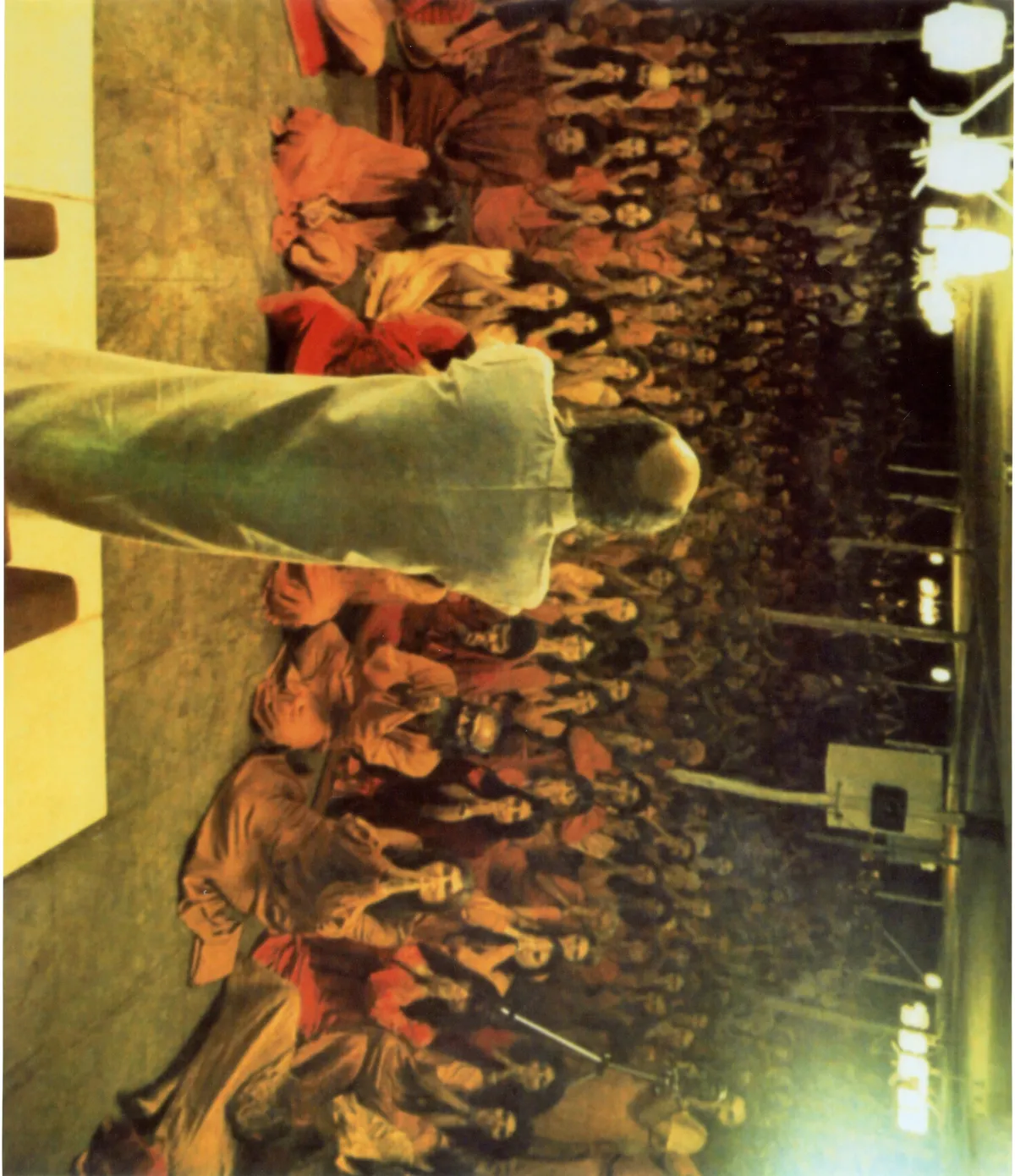
Osho's original Hindi beside Osho Live's English translation, matched passage by passage.
परमात्मा के साक्षात्कार में, उसकी पूर्ण स्वीकृति में, स्वयं को पूरा खोने की तैयारी चाहिए। परमात्मा का अनुभव अपनी पूर्ण मृत्यु का अनुभव है। जो मिटने को राजी है, वही उसे पूरी तरह स्वीकार कर पाता है। अगर मिटने में जरा-सा भी संकोच है, तो अस्वीकार शुरू हो जाता है और भय भी।
To encounter God, to accept Him wholly, one must be prepared to lose oneself completely. The experience of the Divine is the experience of one’s total death. Only the one who is willing to be effaced can accept Him in full. If there is even the slightest hesitation about dissolving, rejection begins—and with it, fear.
भय एक ही है कि कहीं मैं मिट न जाऊं। और यह भय अंतिम बाधा है। इसलिए जो जानते रहे हैं, उन्होंने कहा है, जैसे जीसस ने, कि जो अपने को बचाएगा, वह खो देगा। और जो अपने को खोने को तैयार है, वह प्रभु को पा लेगा। अपने को बचाना ही धर्म के मार्ग पर पाप है। अपने को बचाने की चेष्टा ही एकमात्र रुकावट है।
There is only one fear: that I may be annihilated. And that fear is the final obstacle. Hence those who have known, like Jesus, have said: Whoever tries to save himself will lose; whoever is ready to lose himself will find the Lord. To save oneself is the sin on the path. The effort to preserve oneself is the one and only hindrance.
तो अर्जुन सामने खड़ा है; विराट के द्वार खुल गए हैं। लेकिन कहीं मैं मिट न जाऊं--इसकी वह बात कर नहीं रहा है, यह भी समझ लेने जैसा है। वह कह रहा है कि आपके दांतों में दबे हुए, पिसते हुए द्रोण को देखता हूं, भीष्म को देखता हूं, कर्ण को देखता हूं। आपका मुंह मृत्यु, महाकाल बन गया है। आपके मुंह से लपटें निकल रही हैं और विनाश की लीला हो रही है। और मैं बड़े-बड़े योद्धाओं को भी इस विनाश के मुंह की तरफ भागते हुए देखता हूं, जैसे पतंगे दीप-शिखा की तरफ भागते हों, अपनी ही मौत की तरफ। कहीं भी वह अपनी बात नहीं कह रहा है।
So Arjuna stands before the threshold; the doors to the Cosmic are open. But though he does not say it in words, he is haunted by, “What if I am wiped out?” He says, “In Your teeth I see Drona crushed, Bhishma, Karna crushed. Your mouth has become death, Mahakal. Flames leap from Your mouth and the play of destruction is on. I see even the greatest warriors rushing into that mouth of annihilation, like moths rushing into a flame, into their own death.” Yet nowhere does he speak of himself.
लेकिन ध्यान रहे, जब भी कोई दूसरा मरता है, तो हमें अपने मरने की खबर मिलती है। और जब भी कहीं मृत्यु घटित होती है, तो किसी एक अर्थ में तत्काल हमें चोट भी लगती है कि मैं भी मरूंगा।
But remember: whenever someone else dies, it brings us news of our own dying. Whenever death happens anywhere, it strikes us too in a certain way: I too will die.
जब अर्जुन यह देख रहा होगा सबको मिटते हुए कृष्ण के मुंह में, तो यह असंभव है कि यह छाया की तरह चारों तरफ यह बात उसको न घेर ली हो कि मैं भी मिटूंगा, मैं भी ऐसे ही मरूंगा। और मैं भी पतंगे की तरह किसी ज्योति में जलने को इसी तरह भागा जा रहा हूं, जैसे यह सारा लोक। मैं भी इस लोक से अलग नहीं हूं। वह कह तो दूसरों की बात रहा है, लेकिन उसमें खुद स्वयं की बात भी गहरे में सम्मिलित है। वह भय पकड़ता है।
As Arjuna sees all dissolving into Krishna’s mouth, it is impossible that a shadow has not surrounded him from all sides: I too will be dissolved; I too will die like this. I too am rushing, like a moth, toward some flame to be burned—just like this entire world. I am not separate from this world. He speaks of others, but deep within he includes himself. Fear seizes him.
बुद्ध अपने साधकों को कहते थे, इसके पहले कि तुम परम सत्य को जानने जाओ, तुम ऐसे हो जाओ जैसे मर गए हो, जीते जी मृत। अगर तुम जीते जी मृत नहीं हो गए हो, तो उस परम सत्य को तुम न झेल पाओगे। जो जीते जी मृत हो गया है, उसे फिर कोई भी भय नहीं है। फिर परमात्मा के सामने खड़े होकर मिटने की उसकी पहले से ही तैयारी है। यह तैयारी न हो, तो अड़चन होगी।
Buddha used to tell his seekers: Before you set out to know the ultimate truth, become as if you were already dead—dead while living. If you have not become dead while alive, you will not be able to bear the ultimate truth. The one who has died while living has no fear left. Standing before God, he is already prepared to be effaced. Without this preparation there will be a snag.
और जो लोग भी परमात्मा की खोज में जाते हैं, वे जीवन की खोज में जाते हैं, मृत्यु की खोज में नहीं। जो जीवन के पिपासु हैं अभी, वे उसे न पा सकेंगे। जो मिटने को राजी हैं, वे उसे पा लेंगे, परम जीवन भी उन्हें मिलेगा। लेकिन परम जीवन मिलता है पूर्ण मृत्यु की स्वीकृति से।
And those who set out to find God mostly go in search of life, not of death. Those still thirsty for life will not find Him. Those ready to be annihilated will find Him; supreme life will be given to them. But supreme life comes only through the full acceptance of death.
अपने को मिटाने को जो तैयार है, उसे इस जगत में फिर कोई भी नहीं मिटा सकता। और अपने को बचाने को जो पागल है, वह मिटेगा ही। क्योंकि जो हमारे भीतर भयभीत है कि मिट न जाऊं, वह है अहंकार। वह मिटेगा ही, वह बनाई हुई चीज है। जो बनाई हुई चीज है, वह मिटती ही है।
The one who is ready to erase himself—no one in this world can erase him thereafter. And the one mad to preserve himself will be erased anyway. For that in us which trembles, “May I not be annihilated,” is the ego. It will certainly perish—it is fabricated. Whatever is fabricated perishes.
हमारे भीतर जो मृत्यु से भी नहीं मिटती, वह है आत्मा। और जब तक हमें मृत्यु का भय है, उसका अर्थ हुआ कि हमें आत्मा का कोई भी पता नहीं। हमें सिर्फ अपने अहंकार का, अस्मिता का, मैं भाव का पता है। हमारे भीतर मरणधर्मा है अहंकार, और अमृत है आत्मा। हम सबको अपने मैं का पता है, आत्मा का कोई पता नहीं है।
That within us which not even death can erase is the soul. And as long as we fear death, it means we have no inkling of the soul. We only know our ego, our asmitā, the sense of I-ness. Within us, mortal is the ego; immortal is the soul. We all know our “I,” but we have no taste of the soul.
इस मैं को ही हम लिए जाते हैं परमात्मा के द्वार पर भी। यह भीतर प्रवेश न कर सकेगा। इसे मिटना होगा, इसे बाहर दरवाजे पर ही छोड़ना होगा।
We carry this “I” even to God’s door. It cannot enter within. It must be dropped—left right there at the threshold.
अर्जुन का भय भी उन सभी साधकों का भय है, जो आखिरी किनारे पर खड़े हो जाते हैं और जहां सवाल उठता है कि क्या अब मैं अपने को खोने को राजी हूं?
Arjuna’s fear is the fear of all seekers who arrive at the last brink, where the question arises: Am I now ready to lose myself?
हम परमात्मा को भी पाना चाहते हैं अपने में जोड़ने को, ध्यान रखना। वह भी हमारी संपत्ति हो। वह भी हमारी मुट्ठी में हो। वह भी हमारे बैंक बैलेंस में लिखा हो, कि इस आदमी को भगवान मिल गया! वह भी हमारे हाथ में हो। हमारा अहंकार उसके होने से और प्रगाढ़ होता हो, कि मैंने परमात्मा को पा लिया। इसलिए हम उसकी भी खोज करते हैं।
We even want to obtain God as an addition to ourselves—mind you. Let Him also become our property, within our fist. Let Him be entered into our bank balance: this man has found God! Let Him be in our hands so that our ego is strengthened by His being: I have attained God. That is why we seek Him.
और धर्म बड़ी उलटी व्यवस्था है। धर्म कहता है, जब तक तुम हो, तब तक तुम उसे न पा सकोगे।
Religion is a great reversal. Religion says: As long as you are, you cannot find Him.
कबीर ने कहा है, जब तक मैं था, खोज-खोजकर, परेशान हो-होकर मिट गया, उसे न पाया। और जब मैं मिट गया, तो मैंने देखा कि वह सामने खड़ा हुआ है! वह दूर नहीं था। मैं था, इसीलिए दूर था। मेरा होना ही एकमात्र अड़चन, बाधा, अवरोध है।
Kabir said: So long as I was, I searched and searched, wore myself out, yet found Him not. And when I was no more, I saw Him standing right in front! He was never far. I was—therefore He seemed far. My being is the one and only hindrance, obstacle, barrier.
अर्जुन भी उसी अंतिम, आखिरी.। ज्ञानियों ने कहा है, अहंकार अंतिम बाधा है। सब छूट जाता है। धन छोड़ना आसान है। परिवार छोड़ना आसान है। शरीर छोड़ना आसान है। अहंकार छोड़ना सबसे कठिन है कि मैं हूं। और जब तक मैं हूं, तब तक मैं हूं केंद्र। और अगर परमात्मा भी सामने खड़ा हो, तो वह भी नंबर दो है। जब तक मैं हूं, तब तक वह भी नंबर दो है, नंबर एक तो मैं ही हूं! और जब तक परमात्मा को नंबर एक पर रखने की तैयारी न हो, तब तक बाधा रहेगी। जिस क्षण मैं कह सकता हूं कि अब तू ही है, अब मैं नहीं हूं.।
Arjuna too stands at that same final edge. The wise have said: Ego is the last barrier. Everything else can be dropped. Wealth is easy to drop. Family is easy to drop. Even the body is easy to drop. The hardest to drop is the ego—the sense that “I am.” And as long as I am, I am the center. Even if God stands before me, He will be number two. As long as I am, He remains number two; number one is I. Until there is readiness to place God as number one, the obstacle remains. The moment I can say, “Now only You are; I am no more,” the barrier falls.
जार्ज गुरजिएफ ने आदमी की साधना के चार चरण कहे हैं। उसने कहा है, पहली स्थिति तो आदमी की है, बहुत मैं; मल्टी आइज। आपके भीतर एक मैं भी नहीं है अभी, बहुत मैं हैं।
George Gurdjieff spoke of four stages of a man’s sadhana. He said the first condition is: many I’s—multi I’s. You do not have a single “I” yet; you have many.
आपको खयाल भी नहीं होगा कि आप एक आदमी नहीं हैं। आपके भीतर कई ईगो, कई मैं हैं। इसलिए सुबह कुछ, दोपहर कुछ, सांझ कुछ हो जाता है। सुबह एक बात का वचन देते हैं, दोपहर भूल जाते हैं। सांझ एक बात तय करते हैं, सुबह विस्मृत हो जाती है। आज तय किया था क्रोध नहीं करेंगे और क्रोध हो गया।
You may not even realize that you are not one person. Many egos, many I’s exist within you. Hence morning you are one thing; by noon, something else; by evening, yet another. In the morning you give your word, by noon you forget it. In the evening you decide one thing; by morning it is gone. Today you vowed not to be angry—and anger happened.
गुरजिएफ कहता है, जिस मैं ने तय किया था कि क्रोध नहीं करूंगा, वह मैं और है। और जिस मैं ने क्रोध किया, वह मैं और है। आपके भीतर भीड़ है, आपके भीतर एक मैं नहीं है। इसलिए आपकी बात का कोई भरोसा नहीं है।
Gurdjieff says: The “I” that vowed not to be angry was one “I”; the “I” that became angry was another. There’s a crowd within you; there is not one “I.” Therefore your word cannot be relied upon.
गुरजिएफ के पास कोई आता और वह कहता कि मैं आया हूं साधना करने, तो गुरजिएफ कहता, तुम्हारी बात का भरोसा कर सकता हूं? तुम अभी साधना करने आए हो, सुबह, कल सुबह भी साधना करने के लिए तत्पर रहोगे? तुम्हें पक्का है कि तुमने तय किया था कि क्रोध नहीं करूंगा, तो फिर नहीं ही किया? तब वह आदमी डगमगा जाएगा। वह कहेगा, तय तो बहुत बार किया कि क्रोध न करूंगा, लेकिन हो नहीं पाता।
Someone would come to Gurdjieff and say, “I have come for sadhana.” Gurdjieff would ask, “Can I rely on your word? You have come to practice today; will you be as ready tomorrow morning? Are you sure that when you vowed not to be angry, you indeed did not get angry?” The man would stagger: “I vowed many times not to be angry, but it doesn’t happen.”
एक बूढ़े आदमी ने मुझे कलकत्ते में कहा--बड़े प्रतिष्ठित आदमी थे मुल्क के--कि मैं ब्रह्मचर्य का व्रत जीवन में चार बार ले चुका हूं!
A very eminent elder in Calcutta once told me—highly respected in the country—“I have taken the vow of celibacy four times in my life!”
अब ब्रह्मचर्य का व्रत एक ही बार लिया जा सकता है। चार बार ब्रह्मचर्य के व्रत का क्या मतलब होता है? जो मेरे साथ सज्जन थे, वे बहुत प्रभावित हुए। उनके खयाल में ही न आया; उनकी बुद्धि में प्रवेश न हुआ कि चार बार ब्रह्मचर्य के व्रत का क्या मतलब होता है!
Now a vow of celibacy can be taken only once. What could it mean to take it four times? The gentlemen with me were very impressed; it did not even occur to them what it means to take a vow of celibacy four times!
मैंने उन बूढ़े सज्जन से पूछा कि फिर पांचवीं बार आपने क्यों नहीं लिया? तो उन्होंने कहा, मैं हार गया चार बार और फिर मैंने लेना ही छोड़ दिया, व्रत लेना छोड़ दिया!
I asked that elder, “Then why didn’t you take it a fifth time?” He said, “I failed four times, and then I gave up taking vows!”
आप व्रत लेते हैं, लेकिन आपका व्रत टिक नहीं सकता।
You take vows, but your vow cannot hold.
गुरजिएफ कहता है, आपके भीतर कई मैं हैं। एक मैं नहीं है आपके भीतर, मल्टी आइज, पोलीसाइकिक। महावीर ने ठीक शब्द उपयोग किया है, बहुचित्तवान। एक आदमी के भीतर बहुत-से चित्त हैं। और महावीर के इस बहुचित्तवान की स्वीकृति अभी पश्चिम के मनोविज्ञान ने देनी शुरू की है। मनोविज्ञान भी कहता है, मल्टीसाइकिक, बहुत मन हैं आदमी के पास; एक मन नहीं है।
Gurdjieff says: There are many I’s within you; not one. Multipsychic, polysychic. Mahavira used the precise term: bahuchittavān—multi-minded. Many minds reside within one man. Modern psychology has now begun to acknowledge this: multipsychic—the human being has many minds, not just one.
यह पहली अवस्था है, भीड़। इस आदमी का कोई भरोसा नहीं है। इसका भरोसा करने का कोई सवाल नहीं है। इससे वचन भी लेने का कोई मतलब नहीं है। इसके वचन की कोई पूर्ति नहीं होने वाली है।
This is the first state: a crowd. Such a man cannot be relied upon. There is no question of trusting him. There is no point in taking his promise; it will not be fulfilled.
दूसरी अवस्था गुरजिएफ ने कही है, एक मैं। यह सारी भीड़ को नष्ट करके जो व्यक्ति अपने भीतर एक स्वर पैदा कर लेता है; जिसके वचन का अर्थ है; जो कुछ कहेगा, तो पूरा करेगा; जो टिकेगा, अपनी बात पर, अपने व्रत पर। उसके भीतर एक मैं है। सुबह हो कि सांझ, फर्क नहीं पड़ेगा। उसने प्रेम किया है तो प्रेम ही करेगा, फिर घृणा नहीं कर सकेगा।
The second state, says Gurdjieff, is one I. The person who destroys this whole crowd and creates a single tone within; whose word has weight; who will fulfill what he says; who stands by his promise, his vow—he has one “I.” Morning or evening makes no difference. If he has loved, he will love; he will not be able to hate.
आपके प्रेम का कोई भरोसा नहीं है। अभी प्रेम है, क्षणभर में घृणा हो जाए। फिर घृणा प्रेम हो जाए। अभी क्रोध है, फिर शांति हो जाए। फिर क्रोध हो जाए। अभी पछता रहे थे, और अभी फिर हत्या करने को राजी हो जाएं। आपकी बात का कोई भी भरोसा नहीं है। आपको दोष देने का भी कोई कारण नहीं है। आपके भीतर एक आदमी नहीं, कई आदमी हैं। जैसे एक मकान के कई मालिक हों और किसी की बात का कोई भरोसा न हो। कैसे हो सकता है?
Your love cannot be relied upon. Now there is love; in a moment, hatred. Then hatred turns back into love. Now there is anger; then peace. Then anger again. Your word cannot be trusted. You are not to blame; there isn’t one person within you—there are many. It is as if a house had many owners and none could be relied upon. How could it be otherwise?
गुरजिएफ कहता है, दूसरी स्थिति है एक मैं की, यूनिटरी आई। एक स्वर रह जाए। साधना आपकी भीड़ को काटती है और एक का निर्माण करती है। लेकिन वह दूसरी अवस्था है। तीसरी अवस्था गुरजिएफ कहता है, न-मैं की, नो-आई। जब कि मैं न रह जाए। अनुभव होने लगे कि मैं नहीं हूं। यह तीसरी अवस्था है।
Gurdjieff says the second state is of a unitary I—one tone remains. Sadhana cuts through your crowd and builds the one. But that is the second state. The third, he says, is no-I. When the “I” is no more. The experience arises: I am not. This is the third state.
दूसरी अवस्था वाले आदमी को ही तीसरी मिल सकती है। जिसके पास पक्का है कि मैं हूं, वही हिम्मत कर सकता है मैं को खोने की। जो आपके पास नहीं है, उसको खोइएगा कैसे? जो आपके पास है, उसे आप छोड़ सकते हैं। जो आपके पास है ही नहीं, उसे छोड़िएगा कैसे? आपके पास अभी मैं भी नहीं है, अहंकार भी नहीं है पूरा, मजबूत, एक, जिसको आप त्याग कर दें। और त्याग कौन करेगा? एक त्याग करेगा, दूसरा पकड़े रहेगा, फिर आप क्या करिएगा! आप एक भीड़ हैं।
Only the person of the second state can attain the third. The one who firmly has an “I” is the one who can dare to lose it. How will you renounce what you do not possess? You can drop only what you have. You do not even have an ego yet that is complete, strong, one—that you could renounce. And who will renounce? One “I” would renounce, another would cling—what then can you do! You are a crowd.
गुरजिएफ कहता है, जिसको दूसरी अवस्था प्राप्त हो जाए, एक मैं की, वह फिर तीसरी अवस्था में भी छलांग लगा सकता है। वह कहता है, छोड़ता हूं इसे! तब वह न-मैं, मैं नहीं हूं, इस भाव को उपलब्ध होता है।
Gurdjieff says: The one who attains the second state—one I—can then leap into the third. He can say, “I drop it.” Then he attains the sense of no-I: I am not.
और गुरजिएफ कहता है, इस तीसरे के पार चौथी अवस्था है, जब कि मैं नहीं हूं, इसका भी पता नहीं चलता। क्योंकि इसका भी पता चलना थोड़े-से मैं का पता चलना है। मैं नहीं हूं, तो भी लगता तो है कि मैं हूं। कौन कह रहा है कि मैं नहीं हूं? किसको पता चल रहा है कि मैं नहीं हूं? यह कौन है, जो बोलता है कि मैं नहीं हूं? यह है। तो गुरजिएफ कहता है, चौथी अवस्था इसका भी विसर्जन है।
And beyond this third, Gurdjieff says, is the fourth state: when even the awareness “I am not” does not arise. Because even that awareness is a subtle trace of “I.” If “I am not,” still it feels as though “I” am. Who is saying “I am not”? Who knows “I am not”? Who is it that speaks “I am not”? That is. So the fourth state is the dissolution of even this.
पहले एक भीड़ है मैं की, एक क्राउड; फिर एक मैं का जन्म है; फिर एक मैं का त्याग है, न-मैं का जन्म है; फिर न-मैं का भी विसर्जन है। इस शून्य अवस्था में जो आदमी खड़ा होगा, वह परमात्मा को पूरा का पूरा स्वीकार करता है। इसके पहले परमात्मा को पूरा स्वीकार नहीं किया जा सकता। हम उसमें भी चुनाव करेंगे। हमें अभी डर है मिटने का। अभी मैं हूं, तो मुझे भय है। यही तकलीफ अर्जुन की है, यही तकलीफ सभी साधकों की है।
First, there is a crowd of I’s; then the birth of one I; then the renunciation of that one I—no-I is born; then even no-I dissolves. The person who stands in this void-state can accept God in His entirety. Before this, God cannot be accepted in full; we will make choices even there. We still fear dissolution. As long as I am, I fear. This is Arjuna’s difficulty; this is the difficulty of all seekers.
मरने की तैयारी करे, मिटने की तैयारी करे, न होने की तैयारी करे। नहीं हूं, ऐसा जीने लगे। कर सकते हैं। गहन से गहन साधना वही है।
Prepare to die, prepare to be erased, prepare to be not. Begin to live as if “I am not.” You can do it. That is the deepest of all sadhanas.
मगर हम तो सभी तरफ से मैं को मजबूत करने की साधना करते हैं। अगर आप मंदिर भी जा रहे हैं, तो आप देखते हैं कि लोग देख रहे हैं कि नहीं, कि मैं मंदिर जा रहा हूं। मंदिर में भी हाथ जोड़कर प्रार्थना करते हैं, तो भगवान की तरफ ध्यान कम रहता है। खयाल रहता है कि आस-पास के लोग ठीक से देख रहे हैं? कोई फोटोग्राफर आया कि नहीं? कोई अखबार खबर छापेगा कि नहीं कि आज मैं प्रार्थना कर रहा था, लीन हो गया था?
But on every side we practice only one thing: strengthening the “I.” Even if you go to the temple, you look around to see whether people are noticing that you are going. Even when you fold your hands in prayer, there is less attention on God and more on whether those around are seeing it properly. Did a photographer come? Will a newspaper print that today I was praying, that I was absorbed?
मन में लगा है, कोई देख ले कि मैं प्रार्थना कर रहा हूं। कोई जान ले कि मैं प्रार्थना करने वाला हूं। कि मैं रोज मंदिर जाता हूं, कि मैं धार्मिक हूं। धार्मिक होने की उतनी चिंता नहीं है। लोगों को पता हो कि मैं धार्मिक हूं, इसकी ज्यादा चिंता है। क्यों? वह मंदिर से भी अहंकार ही भर रहा है। उससे भी मैं कुछ हूं--मैं पापी नहीं हूं, पुण्यात्मा हूं; अधार्मिक नहीं हूं, धार्मिक हूं--यह मजा मैं इकट्ठा कर रहा है।
The mind is busy: someone should see that I am praying; someone should know that I am a praying person, that I go to the temple every day, that I am religious. There is less concern for being religious and more concern that people know I am religious. Why? Because even from the temple the ego is being filled. From that too I gather the pleasure that I am something—not a sinner but a virtuous man; not irreligious but religious.
आदमी उपवास करता है, तो चुपचाप नहीं करता। करना चाहिए चुपचाप। क्योंकि किसी को बताने की क्या जरूरत कि आपने उपवास किया है? लेकिन ढोल-मंजीरा पीटकर खबर करनी पड़ती है कि उपवास पर हो गए हैं। फिर उपवास पूरा हो, तो जुलूस निकालना पड़ता है कि उपवास पूरा हो गया है! कि दस दिन उपवास किया, कि अठारह दिन उपवास किया।
उपवास का शोरगुल करने की क्या जरूरत है? यह तो आपकी निजी बात थी। आपके और परमात्मा के बीच इसकी खबर काफी थी। और उसको खबर मिल जाएगी। आपके बैंड-बाजे की कोई भी जरूरत नहीं है।
A man fasts, but not silently. It should be done silently. Why is there any need to tell anyone that you have fasted? Yet the drums and cymbals must be beaten to announce we are on a fast. And when it is completed, a procession must be taken out—ten days, eighteen days! Why all this noise about fasting? It was your private affair. Between you and God, that was notification enough. And he will get the message; your band and brass are unnecessary.
कबीर ने कहा है, वह तुम्हारा परमात्मा क्या बहरा है जो तुम इतना शोरगुल मचा रहे हो?
Kabir has said: Is your God deaf that you make such a racket?
लेकिन परमात्मा से किसी को प्रयोजन भी नहीं। और उसका पक्का पता भी नहीं कि वह है भी या नहीं। और यह भी पक्का नहीं कि आपके उपवास से प्रसन्न हो रहा है कि दुखी हो रहा है, यह कुछ पता नहीं है। आपके उपवास की उसको खबर भी हो रही है, यह भी पता नहीं है। लेकिन लोगों को तो कम से कम खबर हो जाए! वह जो अठारह दिन आदमी उपवास में तड़पता रहा है, ये लोग उसका जुलूस निकालें, इसमें उसका रस है।
But truly, no one has any real business with God. And there is no certainty that he even is. Nor is it certain whether he is pleased or distressed by your fast, or even aware of it. But at least people should know! The man who writhed eighteen days in fasting takes his relish from the procession people take out for him.
आदमी जरा-सा तप करे, साधना करे, तो उत्सुकता होती है कि दूसरों को खबर हो जाए। हम छोटे बच्चों की तरह हैं। अनुभव से हमें संबंध नहीं है, खबर से संबंध है। और यह सारा हमारा जगत खबर से जी रहा है।
A person does a little tapas, a little practice, and he becomes eager that others should hear of it. We are like little children. We have no relation with the experience; our relation is with the news. Our whole world lives on publicity.
आप मानते हैं, फलां आदमी बहुत बड़ा महात्मा है। मानने का कारण? क्योंकि वह आदमी ठीक से आपको खबर पहुंचा सका है। कोई छिपा हो, न हो उसका पता, तो आपको पता चलने वाला नहीं है। आपके सामने अगर कृष्ण भी आकर खड़े हो जाएं और पहले से ठीक से आपको खबर न की गई हो, तो आप पहचानने वाले नहीं हैं। या हो सकता है आप समझें कि कोई नाटक का पात्र आ गया है। यह क्या कलगी, बांसुरी वगैरह लिए आदमी चला आ रहा है! या हो सकता है कि पुलिस को खबर करें कि यहां एक गड़बड़ आदमी दिखाई पड़ रहा है, इसको पकड़कर ले जाएं।
You believe that so-and-so is a great saint. Why do you believe it? Because that person managed to get the news to you properly. If someone is hidden, unknown, you will never come to know. Even if Krishna himself were to stand before you, and you had not been properly primed with the news beforehand, you would not recognize him. You might think some actor has arrived. What is this man with peacock plume and flute! You might even inform the police that a suspicious character has appeared—take him away.
आप जीते ही हैं शब्दों से, खबर से, प्रचार से। तो आदमी, धार्मिक आदमी भी अगर प्रचार करके ही जी रहा हो, कि कितना रस मिल रहा है उसको तपश्चर्या से--तपश्चर्या से नहीं, तपश्चर्या की खबर से; लोगों की आंखों में कितनी प्रशंसा मिल रही है--तो अहंकार ही भर रहा है।
You live by words, by news, by promotion. So if even the religious man lives by publicity—how much juice he gets from austerity; not from austerity, but from the publicity of austerity; how much admiration shines in people’s eyes—then only the ego is being fed.
हम सब तरह से अपने अहंकार को भरते हैं। बुरे अहंकार भी हैं। अगर आप जेलखाने में जाएं, तो वहां भी जो बड़ा हत्यारा है, उसकी ज्यादा इज्जत होती है कैदियों में। जो दस-पांच दफा जेल में आ चुका है, उसकी ज्यादा प्रतिष्ठा होती है। वह नेता है। जो नया-नया आया है, उसको लोग कहते हैं, अभी सिक्खड़ है। क्या, किया क्या था? वह कहता है, जेब काट ली थी। वे कहते हैं, चुप भी रह। इसका भी कोई मतलब है! कोई मूल्य है! अभी सीख।
We stuff our ego in every way. There are bad egos too. If you go to a prison, the big murderer is held in greater esteem among the inmates. One who has been in jail five or ten times has more prestige; he is the leader. The newcomer is told he’s still a novice. “What did you do?” He says, “Picked a pocket.” They say, “Hush! Does that even count? Has it any value? Learn first.”
मैंने सुना है कि एक जेलखाने में ऐसा हुआ। एक कोठरी में एक आदमी पहले से था। फिर दूसरा आदमी भी जेलखाने में आया और उसको भी उसी कोठरी में डाला गया। तो उस दूसरे आदमी ने पूछा, कितने दिन की सजा हुई है? तो उसने कहा, चालीस साल की। उसने कहा, सिर्फ चालीस साल की! तो दरवाजे के किनारे अपना बिस्तर लगा। मुझे सत्तर साल की हुई है। तुझे पहले निकलना पड़ेगा। दरवाजे के पास ही अपना बिस्तर रख। सिर्फ चालीस साल की ही सजा हुई है, तो दरवाजे के पास ही टिक! तुझे पहले निकलने का मौका आएगा। उसको सत्तर साल की हुई है! सत्तर साल का मजा और है। वह भीतर जमकर बैठा है।
I have heard that in one prison it happened so. One man was already in a cell. Another man arrived and was put in the same cell. The second asked, “How long is your sentence?” He said, “Forty years.” He said, “Only forty! Then lay your bedding by the door. I got seventy. You will have to leave first. Keep your bedding near the door; you’ll get the first chance to go out.” The other has seventy! Seventy years has its own thrill; he is well settled inside.
आदमी पाप में भी अहंकार को भरता है, छोटे-बड़े पापी होते हैं। आदमी पुण्य में भी अहंकार को भरता है, छोटे-बड़े पुण्यात्मा होते हैं। अगर आप साधु-महात्माओं के पास जाएं, तो भी इस पर निर्भर करता है कि वे आपसे कहेंगे, आइए बैठिए या कुछ भी न कहेंगे, इस पर निर्भर करता है कि आपकी कितनी प्रतिष्ठा उनकी आंखों में है। दान किया हो, उपवास किया हो, तप किया हो, इस पर निर्भर करेगा।
Man stuffs his ego even with sin; there are small and big sinners. Man stuffs his ego even with virtue; there are small and big virtuous men. If you go to sadhus and mahatmas, even there whether they say, “Please sit,” or say nothing, depends on how much prestige you have in their eyes—whether you have donated, fasted, done austerities.
मैं एक महात्मा का प्रवचन सुन रहा था। मैं बहुत हैरान हुआ। वे कुछ कहते, दो वचन मुश्किल से बोलते, फिर पूछते, सेठ कालीदास, समझ में आया? बहुत लोग बैठे थे। कौन सेठ कालीदास है? सेठ कालीदास एक बिलकुल बुद्धू की शक्ल के एक आदमी सामने बैठे हुए थे। वे सिर हिलाते कि जी महाराज! फिर वे पूछते, सेठ माणिकलाल, समझ में आया? फिर एक दूसरे सेठ वहीं सामने पगड़ी बांधे बैठे थे। वे भी सिर हिलाते कि समझ में आया।
I was listening to a mahatma’s discourse. I was amazed. He would say a few words—barely two sentences—and then ask, “Seth Kalidas, did you understand?” Many people were sitting there. Who is Seth Kalidas? Seth Kalidas was a man with the face of a complete fool, sitting in front. He would nod, “Yes, Maharaj!” Then he would ask, “Seth Maniklal, did you understand?” Another seth with a turban sat there too; he would also nod, “Understood.”
मैंने बाद में पूछा कि बात क्या है? क्या ये दो ही आदमी यहां समझने वाले हैं इतने लोगों में? और यह नाम ले-लेकर पूछने की बात क्या है? तो पता चला कि दोनों ने काफी दान किया है। तो जिसने दान किया, उसी के पास समझ भी हो सकती है! और फिर कालीदास को जो मजा आ रहा है कि महात्मा बार-बार पूछते हैं, कालीदास, समझ में आया! तो इतने लाखों लोगों में समझते हैं कि एक कालीदास समझदार है!
Later I asked, “What is this? Are these the only two in so many people who can understand? And what is this calling them by name?” It turned out both had donated a lot. So the one who has donated—only he can have understanding! And what bliss Kalidas gets when the mahatma keeps asking, “Kalidas, did you understand!” Among so many people it appears that only one Kalidas is the intelligent one!
हमारा सारा ढंग अहंकार के आस-पास चलता है, उसी के पास जीता है। तो अच्छे पापी हैं, बुरे पापी हैं। बुरे पापी वे हैं, जो बुराई से अहंकार को भर रहे हैं। अच्छे पापी वे हैं, जो अच्छाई से अहंकार को भर रहे हैं। अहंकार पाप है। धर्म की गहन दृष्टि में अहंकार पाप है।
Our whole way revolves around the ego, lives by it. So there are good sinners and bad sinners: bad sinners are those who fill the ego through evil; good sinners are those who fill it through goodness. Ego is sin. In the deep vision of religion, ego is sin.
साधक का एक ही काम है कि वह ऐसे जीए जैसे है नहीं। क्या करे? जहां भी उसे लगे, मेरा मैं उठ रहा है, वहीं साक्षी हो जाए और उसे कोई सहयोग न दे। रास्ते से चले, उठे, बैठे, गुजरे, ऐसे जैसे कि हवा आती हो, जाती हो। भीतर कहीं भी मौका न दे कि मैं निर्मित हो रहा हूं, मैं बन रहा हूं, मजबूत हो रहा हूं।
The seeker has only one task: to live as if he is not. What to do? Wherever he feels, “my I is rising,” become a witness right there and give it no support. Walk the road, rise, sit, pass by, as the wind comes and goes. Do not allow anywhere inside the chance that an “I” is being manufactured, built up, strengthened.
इसकी सतत स्थिति बनी रहे जागरण की, तो ही एक घड़ी आती है, जब मैं मिट जाता है और साधक शून्य हो जाता है। उसी शून्य में अवतरण होता है। उसी ना-कुछ में, जब सब जगह खाली हो जाती है, तो साधक अतिथिगृह बन जाता है, प्रभु के निवास का। फिर प्रभु उतर सकता है।
If this state of wakefulness remains continuous, then a moment comes when the “I” dissolves and the seeker becomes a zero. In that very emptiness the descent happens. In that nothingness, when all is empty everywhere, the seeker becomes a guesthouse for the Lord’s dwelling. Then the Lord can descend.
प्रभु उतर आए, फिर कोई ध्यान रखने की जरूरत नहीं है। फिर तो ध्यान रखना भी बाधा है। फिर तो इसकी भी फिक्र करने की कोई जरूरत नहीं कि मैं हूं या नहीं हूं। वह उतर आया, उसके बाद वह जाने। लेकिन जब तक वह नहीं उतरा है, तब तक साधक को अत्यंत सचेष्ट भाव से जीने की जरूरत है कि उसके भीतर कहीं भी मैं मजबूत न होता हो।
Once the Lord has descended, then there is no further need to keep watch. Then even watching becomes an obstacle. Then there is no need to worry even about whether “I am” or “I am not.” He has descended; after that, let him manage it. But until he has descended, until then the seeker needs to live with utmost alertness that nowhere within is the “I” being strengthened.
बस, यह एक बात खयाल में रहे और आदमी अपने को सिफर करता जाए, शून्य करता जाए। एक घड़ी आ जाए कि भीतर कोई मैं का भाव न उठता हो। उसी घड़ी में मिलन हो जाएगा। उसी क्षण आप नहीं, और परमात्मा हो जाता है।
Let only this one thing be kept in mind, and keep reducing yourself to a cipher, to a void. A moment will arrive when no feeling of “I” arises within. In that very moment the union will happen. In that instant you are not—and the Divine is.
ध्यान रहे, जहां खेल हो, वहां नियम का बहुत ध्यान रखना पड़ता है। खेल टिकता ही नियम पर है। क्योंकि और तो टिकने की कोई जगह नहीं होती, सिर्फ नियम ही होता है।
Remember: wherever there is play, great care has to be taken about rules. A game endures only by virtue of its rules. There is nowhere else for it to stand; only the rules are there.
दो आदमी ताश खेल रहे हैं। तो रूल्स होते हैं, नियम होते हैं, जिनसे चलना पड़ता है। क्योंकि खेल में और तो कुछ है ही नहीं, सिर्फ नियम के ही आधार पर तो सारा मामला है। अगर दो ताश के खेलने वाले एक नियम को न मानते हों, खेल बंद हो जाएगा। खेल टिकता ही नियम पर है।
Two people are playing cards. There are rules by which they must proceed, because in a game there is nothing else—everything rests on rules. If the two card players do not accept even a single rule, the game stops. A game survives only on rules.
इसलिए आप खयाल रखें, अगर आप अपने काम-धंधे में बेईमानी करते हैं, तो कोई आपकी इतनी निंदा नहीं करेगा। लेकिन अगर आप ताश खेलते वक्त बेईमानी करें और नियम का उल्लंघन करें, तो सभी आपकी निंदा करेंगे। खेल में अगर कोई बेईमानी करे, तो बहुत निंदित हो जाता है, क्योंकि वह तो खेल का आधार ही खींच रहा है। खेल का आधार ही नियम है।
So keep in mind: if you cheat in your business, people will not condemn you as much. But if you cheat while playing cards and violate the rules, everyone will condemn you. To cheat in a game is much despised, because you are pulling out the very ground on which the game stands. The basis of the game is the rules.
इस जगत में इतनी नियमबद्धता इसीलिए है कि यह परमात्मा का खेल है। और चूंकि उसी का खेल है, उसी को नियम पालने हैं। अपना खेल वह बंद भी कर सकता है। अगर वह नियम नहीं मानता है, तो खेल अभी बंद हो जाता है।
There is so much lawfulness in this world precisely because it is the play of the Divine. And since it is his play, he himself has to keep the rules. He can stop his play whenever he wishes; if he does not follow the rules, the play stops immediately.
मगर उसके अलावा कोई है भी नहीं, अपने ही नियम हैं, अपना ही मानना है। इसीलिए इतनी नियमबद्धता है। इस नियमबद्धता का कारण यह नहीं है कि जगत में कोई प्रयोजन है। जहां प्रयोजन हो, वहां तो बिना नियम के भी चल सकता है। क्योंकि प्रयोजन ही काम करवा लेगा। लेकिन जहां प्रयोजन न हो, वहां तो नियम ही सब कुछ है। क्योंकि भविष्य तो कुछ भी नहीं है, आगे तो कुछ भी नहीं है पाने को। नियम ही एकमात्र आधार है।
But besides him there is no one else; they are his own rules, and it is he himself who abides by them. That is why there is such lawfulness. This lawfulness is not because there is some purpose in the world. Where there is purpose, things can proceed even without rules, because the purpose itself will get the work done. But where there is no purpose, then rules are everything—because there is no future to gain, nothing ahead to attain; rules are the sole ground.
छोटे बच्चे भी खेल खेलते हैं, तो नियम बना लेते हैं। सारे खेल नियम पर खड़े होते हैं। नियम के बिना खेल असंभव है। ये सारे खेल जो हम चारों तरफ देख रहे हैं, नियम पर खड़े हैं। इसलिए विज्ञान नियम की खोज कर पाता है। इसे थोड़ा समझ लें।
Even little children, when they play, make up rules. Every game stands on rules. Without rules, play is impossible. All these games we see all around stand on rules. That is why science can discover rules. Understand this a little.
विज्ञान तो खड़ा ही नियम पर है। अगर जगत में नियम न हो, तो विज्ञान बिलकुल खड़ा नहीं हो सकता। विज्ञान नियम की खोज कर लेता है कि सौ डिग्री पर पानी भाप बनता है। यह नियम की खोज है। अगर कभी निन्यानबे पर बनता हो और कभी डेढ़ सौ पर बनता हो और कभी बनता ही न हो, तो फिर विज्ञान खड़ा नहीं हो सकता।
Science itself stands upon rules. If there were no rules in existence, science could not stand at all. Science discovers that at one hundred degrees water becomes steam—this is the discovery of a rule. If sometimes it became steam at ninety-nine, sometimes at one hundred and fifty, and sometimes not at all, then science could not stand.
विज्ञान नियम का तो पता लगा लिया है, लेकिन वैज्ञानिक से पूछो कि प्रयोजन क्या है? तो वैज्ञानिक कहता है, प्रयोजन का तो कोई पता नहीं चलता। इसलिए विज्ञान कहता है, प्रयोजन का हमें कोई भी पता नहीं है। हम इतना ही बता सकते हैं कि ऐसा है। क्यों है? किस लिए है? इसका कोई उत्तर नहीं है। हम से यह मत पूछो। हमसे व्हाई, क्यों मत पूछो। हमसे सिर्फ व्हाट, क्या है, इतना ही पूछो।
Science has found the rules; but ask the scientist, “What is the purpose?” and he will say, “No purpose is found.” Science says: we have no knowledge of purpose. We can only tell you that it is so. Why is it so? For what is it so? There is no answer. Do not ask us Why; ask us only What.
हम बता सकते हैं, सौ डिग्री पर पानी गर्म होता है। लेकिन क्यों सौ डिग्री पर गर्म होता है? निन्यानबे पर होने में क्या अड़चन थी? और निन्यानबे पर होता, तो दुनिया में कौन-सी खराबी हो जाती? या एक सौ एक डिग्री पर होता, तो दुनिया में कौन-सी विकृति आने वाली थी? और सौ डिग्री पर ही होता है, इसका क्या लक्ष्य है? यह भी विज्ञान कहता है, हम कुछ नहीं कह सकते। कोई लक्ष्य नहीं दिखाई पड़ता, कोई प्रयोजन नहीं दिखाई पड़ता। एक नियम-वर्तुलता दिखाई पड़ती है, कि नियम आवर्तित होता रहता है।
We can tell you: at one hundred degrees water boils. But why at one hundred? What obstacle was there at ninety-nine? And had it been ninety-nine, what harm would have come to the world? Or had it been one hundred and one, what distortion was going to arise? And that it is precisely one hundred—what goal does that serve? Here too science says: we cannot say anything. No goal is visible, no purpose is visible. What appears is a recurrent lawfulness—the rule repeats.
धर्म कहता है, कोई प्रयोजन नहीं है। हमें बहुत घबड़ाहट लगती है इस बात से कि कोई प्रयोजन नहीं है। क्योंकि तब सब बातें फिजूल मालूम पड़ती हैं। अगर कोई प्रयोजन नहीं, तो सब बात फिजूल मालूम पड़ती है। लेकिन आप समझें थोड़ा।
Religion says: there is no purpose. This makes us very nervous, because then everything seems futile. If there is no purpose, everything appears meaningless. But understand a little.
आपको फिजूल इसीलिए मालूम पड़ती है कि आप अब तक प्रयोजन से ही जीते रहे हैं। प्रयोजन के कारण ही, प्रयोजन की धारणा के कारण ही फिजूल मालूम पड़ती है। अगर कोई प्रयोजन है ही नहीं, तो कोई चीज फिजूल भी नहीं है। प्रयोजन हो, तो कोई चीज फिजूल हो सकती है। प्रयोजन हो ही न जगत में, तो फिर कोई चीज यूजलेस नहीं है, कोई चीज फिजूल नहीं है। क्योंकि फिजूल को जांचिएगा कैसे?
अगर सभी प्रयोजनरहित है, तो फिर कोई चीज व्यर्थ नहीं है। न कोई चीज सार्थक है, न कोई चीज व्यर्थ है। बस, चीजें हैं।
It appears meaningless to you because until now you have lived by purpose. Because of the notion of purpose, things look futile. If there is no purpose at all, then nothing is useless either. Where there is purpose, something can be called useless—measured against the purpose. If there is no purpose in existence, then nothing is useless and nothing is meaningful. Things simply are.
ऐसा जो स्वीकार कर लेता है, उसके जीवन से अशांति के सारे कारण विदा हो जाते हैं। ऐसा जो मान लेता है, समझ लेता है, गहरे में इसकी प्रतीति हो जाती है, उसके जीवन में कोई बेचैनी नहीं रह जाती। कोई बेचैनी नहीं रह जाती। बेचैनी का उपाय ही नहीं रह जाता। परम शांति और परम विश्राम में उतरने का मार्ग इस अनुभव को पा लेना है कि सब खेल है।
Whoever accepts this finds that all causes of inner disturbance leave his life. Whoever recognizes it, to whom it becomes a deep realization, finds no restlessness remains. There is no scope for restlessness. The way to descend into supreme peace and supreme rest is to come to this experience: all is play.
आप रात सपना देखते हैं। कोई आपकी चोरी करके ले जा रहा है। किसी ने आपकी पत्नी की हत्या कर दी है। आप बड़े बेचैन होते हैं, बड़े परेशान होते हैं। रोते हैं सपने में। घबड़ाहट में नींद खुल जाती है। तो देखते हैं कि आंख से आंसू बह रहे हैं। छाती जोर से धड़क रही है। ब्लड-प्रेशर बढ़ गया होगा।
At night you see a dream. Someone is stealing your possessions. Someone has murdered your wife. You become very agitated, very distressed. You weep in the dream. In panic your sleep breaks. You find tears on your cheeks, your chest pounding, your blood pressure raised.
लेकिन नींद खुलते ही आप हंसने लगते हैं। क्योंकि आपको पता चलता है, जो था, वह स्वप्न था। तब फिर आप यह नहीं पूछते कि यह आदमी मेरी पत्नी की हत्या क्यों किया? फिर आप यह नहीं पूछते कि वह एक आदमी चोरी करके ले गया है, उसने पाप किया? फिर आप यह सवाल ही नहीं पूछते।
But as soon as you wake you begin to laugh—because you see that what was, was a dream. Then you no longer ask, “Why did that man kill my wife?” You no longer ask, “That thief who ran off—did he commit a sin?” You do not ask those questions at all.
आप इतना ही जानकर कि वह स्वप्न था, एक खेल था मन का, शांत हो जाते हैं। फिर हृदय की धड़कन अपनी जगह लौट आती है। खून ठीक चलने लगता है। पसीना बंद हो जाता है। आंसू सूख जाते हैं। आप फिर विश्राम में, नींद में प्रवेश कर जाते हैं।
Knowing only that it was a dream, a play of the mind, you become peaceful. Your heartbeat returns to normal. The blood flows right. The sweat stops. The tears dry. You slip back into rest, into sleep.
स्वप्न में क्या तकलीफ आ गई थी? क्योंकि तब स्वप्न वास्तविक मालूम पड़ता था, इसलिए घबड़ा गए थे। जैसे ही पता चला स्वप्न है, घबड़ाहट खो गई, शांत हो गए।
What was the trouble in the dream? Because then the dream felt real, you panicked. The moment you know it is a dream, the panic disappears and you are calm.
जब तक जगत में आपको प्रयोजन मालूम पड़ता है, तब तक आप परेशान रहेंगे। जिस क्षण आपको लगेगा, जगत लीला है, स्वप्नवत, एक खेल, कोई प्रयोजन नहीं, उसी क्षण आप स्वप्न के बाहर हो जाएंगे।
So long as you see purpose in the world, you will remain troubled. The instant it occurs to you that the world is lila—dreamlike, a play, without purpose—in that very instant you step out of the dream.
यह गहनतम आधारभूमि है, जिसके सहारे आदमी विराट को अपने में उतार पा सकता है। जब तक आपको लग रहा है, सब तरफ वास्तविकता है, रियलिटी है; जब तक आपको लग रहा है, ऐसा होना ही चाहिए, इसके बिना जीवन बेकार हो जाएगा, तब तक आप बेचैन और परेशान होंगे और जीवन को बेकार कर लेंगे। क्योंकि परेशानी और बेचैनी में ही नष्ट हो जाएगी ऊर्जा। यह ऊर्जा अगर ठहर जाए, शांत हो जाए, तो इस शांत ऊर्जा से जो झील बन जाती है मौन की, तरंगरहित, उसी झील में संपर्क हो जाता है अनंत से, विराट से, प्रभु से।
This is the deepest ground by which a person can allow the vastness to descend within. As long as you feel there is hard reality all around; as long as you insist, “It must be so—without this life will be wasted,” you will remain anxious and troubled, and you will waste your life—for your energy will be consumed in anxiety and restlessness. If that energy settles and becomes still, then from that quiet energy a lake of silence forms, without ripples. In that lake a contact happens with the infinite, with the vast, with the Divine.
तो छा जाने दें। ऐसे आपको क्या तकलीफ हो रही है? आपको पता है, आलसियों ने क्या बुरा किया है जगत का? हिटलर कोई आलसी नहीं है, चंगेज खां कोई आलसी नहीं है, तैमूरलंग कोई आलसी नहीं है। दुनिया के जितने उपद्रवी हैं, कोई भी आलसी नहीं है। आप एकाध आलसी का नाम बता सकते हैं, जिसने दुनिया को कोई नुकसान पहुंचाया हो? नुकसान पहुंचाने के लिए भी तो आलस्य नहीं चाहिए न!
Then let it engulf the world. What trouble does that cause you? Do you know what harm the lazy have done to the world? Hitler was no lazy man, Genghis Khan was no lazy man, Tamerlane was no lazy man. All the troublemakers of the world—none of them are lazy. Can you name even one lazy person who has harmed the world? Even to cause harm, laziness won’t do, will it!
दुनिया के पूरे इतिहास में एक आदमी नहीं है, जिसको हम दोष दे सकें, जो आलसी रहा हो, जिसने किसी को कोई हानि पहुंचाई हो। आलसी न चोर हो सकता है, न राजनीतिज्ञ हो सकता है। न गुंडा हो सकता है, न हत्यारा हो सकता है।
In the entire history of the world there isn’t a single person we can blame who was lazy and harmed anyone. A lazy person cannot be a thief, nor a politician. Neither a thug nor a murderer.
आलसी से क्या तकलीफ है आपको? आलसी के ऊपर दोष ही क्या हैं? सब दोष तो कर्मठ लोगों के ऊपर हैं। सब उपद्रव का जाल तो कर्मठ लोगों के ऊपर है। दुनिया में थोड़ा कर्म कम हो, तो हानि नहीं होगी।
What problem do you have with the lazy? What faults do they have? All the faults lie with the industrious. The whole web of mischief rests on the doers. A little less doing in the world would not hurt.
फिर आपको पता नहीं है। जो आलसी हो सकता है, वह आलसी होता ही है। जो नहीं हो सकता, उसके होने का कोई उपाय नहीं है। नियति का अर्थ यह है कि जो जो हो सकता है, वही हो सकता है। जो कर्मठ हो सकता है, वह कर्मठ रहेगा ही। उसको आप अगर कोठरी में भी बंद कर दें, तो भी वह कुछ न कुछ कर्म करेगा। वह बच नहीं सकता।
Besides, realize this: one who can be lazy will be lazy; one who cannot, there is no way to make him so. Destiny means that only what can be, will be. One who can be industrious will remain industrious. Even if you lock him in a cell, he will still do something or other—he cannot escape it.
तिलक, लोकमान्य तिलक बंद थे कारागृह में। तो लिखने का कोई सामान नहीं था, तो कोयले से दीवाल पर लिखते रहते थे। गीता-रहस्य उन्होंने कोयले से लिख-लिखकर शुरू किया। आपके सामने कोई सब कलम-कागज, एयरकंडीशंड दफ्तर भी रख दे, तो भी आप कुछ लिखेंगे जरूरी नहीं है। जो लिख सकता है, वह जेलखाने में कोयले से भी लिखेगा। जो नहीं लिख सकता है, उसको लिखने का सब सामान भी हो, तो सामान ही देखकर उनके प्राण और शांत हो जाएंगे। वह कुछ नहीं लिख सकेगा।
Tilak, Lokmanya Tilak, was imprisoned. There were no writing materials, so he wrote on the wall with coal. He began his Gita Rahasya writing with coal. Even if someone sets before you all the pens and paper, an air‑conditioned office, it’s not necessary you will write. One who can write will write with coal even in prison. One who cannot, even with every implement at hand, will feel perfectly at ease just looking at the supplies—he will not be able to write a thing.
आप जो कर सकते हैं, वह करते हैं। आपको एक कहानी कहूं।
You do what you can do. Let me tell you a story.
जापान के एक राजा को मौज थी। वह आलसियों का बड़ा प्रेमी था। वह कहता था, आलसी बड़ा अनूठा आदमी है। और फिर आलसी का कोई कसूर नहीं है। भगवान ने किसी को आलसी पैदा किया, तो उसका क्या कसूर है! वह राजा खुद भी आलसी था। आलसियों का बड़ा प्रेमी था। उसने सारे जापान में एक डुंडी पिटवाई। और उसने कहा कि जितने भी आलसी हों, उनको सरकार की तरफ से पेंशन मिलेगी। क्योंकि भगवान ने उनको आलसी बनाया, वे कर भी क्या सकते हैं! और भगवान की वजह से वे परेशान हों!
A Japanese king had a whim. He was a great lover of the lazy. He used to say, “The lazy man is a most unusual person. And besides, the lazy are not at fault. If God created someone lazy, what is his fault!” The king himself was lazy, a great admirer of the lazy. He had a proclamation sounded throughout Japan: all who are lazy will receive a government pension. Because God made them lazy—what else can they do? And why should they suffer because of God!
उसके मंत्री बहुत हैरान हुए कि यह तो बड़ा उपद्रव का काम है। इसमें तो पूरा मुल्क आलसी हो जाएगा और यह खजाना लुट जाएगा अलग। खजाना आलसी तो भरते नहीं, कर्मठ भरते हैं। और आलसी पेंशन पाने लगें मुफ्त, तो सभी आलसी हो जाएंगे। पर राजा का हुक्म था, तो उन्होंने कोई तरकीब निकाली फिर।
His ministers were alarmed: “This will cause a great disturbance. The whole country will become lazy, and the treasury will be emptied. Treasuries aren’t filled by the lazy; the industrious fill them. And if the lazy start getting a free pension, everyone will turn lazy.” But it was the king’s order, so they devised a stratagem.
उन्होंने राजा से कहा, यह तो ठीक है। लेकिन असली आलसी कौन है, इसका कैसे पता चलेगा? राजा ने कहा, यह भी कोई पता लगाना है! यह तो पता चल जाएगा। तुम खबर कर दो कि जो लोग भी पेंशन लेने को उत्सुक हैं, राजमहल में इकट्ठे हो जाएं।
They said to the king, “Fine. But how will we know who is truly lazy?” The king said, “Is that even something to figure out? It will be obvious. Announce that all who are eager to receive the pension should gather at the palace.”
राजधानी से कोई दस हजार आदमी इकट्ठे हो गए। सम्राट ने सबके लिए घास की झोपड़ियां बनवाई थीं। उन सबको ठहरा दिया। रात सम्राट ने कहा, झोपड़ियों में आग लगा दो। जो आदमी झोपड़ी से बाहर न भागें, उनको पेंशन देंगे।
Some ten thousand people gathered from the capital. The king had thatched huts built for all and lodged them. At night he said, “Set the huts on fire. Those who do not run out of their huts—we will give them the pension.”
चार आदमी नहीं भागे। जब झोपड़ी में आग लग गई तो उन्होंने अपने कंबल ओढ़ लिए। उनके पड़ोस के लोगों ने कहा भी कि आग लगी है! उन्होंने कहा कि अगर कोई हमें ले जाए बाहर, तो ले जाए। बाकी यह अपने बस की बात नहीं है।
Four men did not run. When the huts caught fire, they pulled their blankets over themselves. Their neighbors said, “The hut is on fire!” They replied, “If someone carries us out, let him carry us. Otherwise, it’s not within our power.”
जो आलसी है, उसको आप कर्मठ बना भी कहां पाते हैं! जो कर्मठ है, उसे आलसी बनाने का कोई उपाय नहीं है। जिंदगी में हर आदमी जैसा है, वैसा है, यह नियति की धारणा है। इससे आप परेशान न हों कि लोग आलसी हो जाएंगे।
जिन मित्र ने पूछा है, लगता है, आलसी टाइप हैं। लोग हो जाएंगे, इसका तो क्या डर है। उनको डर होगा अपना। वे होंगे आलसी। समझा-बुझाकर कर्म में लगे होंगे। धक्का दे रहा होगा पिता, पत्नी, कोई धक्का दे रहा होगा कि लगो कर्म में। तो वे लगे होंगे अपने को समझाकर। सुनकर उन्हें घबड़ाहट हुई होगी कि यह तो बात गड़बड़ है। संसार आलसी हो जाएगा! संसार नहीं हो जाएगा।
लेकिन अगर आप आलसी हो सकते हैं, तो देर मत करें, हो जाएं। किसी की मत सुनें, चुपचाप हो जाएं। क्योंकि वही आपका स्वभाव है, वही आपका स्वधर्म है। फिर डरें मत। ध्यान रहे, इसका मतलब क्या होता है? इसका मतलब यह होता है कि फिर आलसी होने से जो परिणाम भोगना पड़ें, वे भोगें। पत्नी गाली देगी। पिता डंडा लेकर खड़ा हो जाएगा। पास-पड़ोसी निंदा करेंगे। सब जगह बदनामी होगी। उसको शांति से सुनना कि वे लोग बदनामी करने में बंधे हैं, बदनामी कर रहे हैं। मैं आलसी हूं, मैं आलसी हूं।
One who is lazy—where do you ever manage to make him industrious! And one who is industrious—there is no way to make him lazy. In life each person is as he is: this is the understanding of destiny. So do not be troubled that people will become lazy. The friend who has asked seems to be the lazy type. “People will become lazy”—what is there to fear in that? The fear is his own. He must be lazy. After much self-persuasion he must have gotten into doing. The father, the wife—someone or other must be pushing him, “Get to work.” So he must be working by talking himself into it. On hearing this he must have panicked: “This is going to mess things up. The world will become lazy!” The world will not become lazy. But if you can be lazy, then don’t delay—be lazy. Don’t listen to anyone; quietly be so. Because that is your nature, your own dharma. Then don’t be afraid. Remember, what does this mean? It means that you must then be ready to bear whatever consequences laziness brings. The wife will berate you. The father will stand there with a stick. The neighbors will criticize. You’ll get a bad name everywhere. Listen to all this peacefully: they are bound to slander; they are slandering. I am lazy, I am lazy.
अगर आप इतना भी कर पाएं, तो आपका आलस्य ही आपकी साधना हो जाएगी। कर्म भी साधना बन जाता है, अगर हम उसे स्वीकार कर लें। आलस्य भी साधना बन जाता है, अगर हम उसे स्वीकार कर लें। अपने स्वभाव को स्वीकार करके जो निष्ठापूर्वक जीता है, परमात्मा उससे दूर नहीं है। वह स्वभाव कुछ भी हो।
If you can even do this much, your laziness itself will become your sadhana. Action becomes sadhana if we accept it. Laziness too becomes sadhana if we accept it. One who accepts his nature and lives with integrity—the divine is not far from him, whatever that nature may be.
दुनिया का इतना डर क्या है? आपसे दुनिया चल रही है? डर सदा अपना है। अगर हत्यारा सुनेगा कि नियति है; सब भगवान ने पहले से किया हुआ है; जिनको मारना है, अर्जुन से वे कह रहे हैं, उनको मैं पहले मार चुका; तो हत्यारा सोचेगा, बिलकुल ठीक। जिसको मुझे मारना है, भगवान उसको पहले से मार चुके हैं। मैं तो निमित्त मात्र हूं। यह हत्यारे का ही डर है उसके भीतर।
Why such fear for the world? Is the world running because of you? Fear is always one’s own.
If a murderer hears that there is destiny; that God has already done everything; that—as Krishna tells Arjuna—those whom you are to slay, I have already slain; the murderer will think, “Perfect. Whoever I have to kill has already been killed by God. I am only the instrument.” That fear belongs to the murderer within.
लेकिन अच्छा है, अगर नियति की बात सोचकर आपके भीतर की असलियत बाहर आती हो, तो यह आत्म-निरीक्षण के लिए बड़ी कीमती है। अगर आपको ऐसा लगता हो कि स्वीकार कर लो सब और पहला खयाल यह आता हो कि लेकर तिजोड़ी पड़ोसी की नदारद हो जाओ; तो यह आत्म-निरीक्षण के लिए बड़ा उपयोगी है। इससे आपके भीतर जो छिपा है, वह प्रकट होता है।
But good—if reflecting on destiny brings your inner reality to the surface, it is priceless for self-observation. If accepting destiny makes the first thought arise, “All right then—let me clean out the neighbor’s safe and vanish,” it becomes very useful for self-inquiry. What is hidden in you gets revealed.
आप अभी तक अपने को समझ रहे हों कि साधु हैं, आप हैं चोर; नियति के विचार ने आपको जाहिर कर दिया, उजागर कर दिया आपके सामने, नग्न रख दिया। आप अब तक सोचते हों, बड़ा शांतिवादी हूं; और अब पता चला कि दो-चार की हत्या करने में हर्ज क्या है! वे कृष्ण तो पहले ही हत्या कर चुके हैं, मैं तो अर्जुन हूं, निमित्त मात्र! तो मैं कर दूं? तो आपको पता चला कि साधुता वगैरह सब ओछी, थोथी, ऊपर-ऊपर थी। भीतर यह असली खूनी छिपा है।
You may have been taking yourself to be a saint—yet you are a thief. The thought of destiny has exposed you, laid you bare before yourself. You may have thought, “I am a great pacifist,” and now you find yourself thinking, “What’s the harm in killing a couple of people? Krishna has already killed them; I am only Arjuna, a mere instrument. Shall I do it then?” You will discover that all your saintliness was shallow and showy; inside, the real killer was hiding.
नियति का विचार भी आपको आत्म-निरीक्षण का कारण बन जाएगा, एक। और दूसरी बात, नियति के विचार की पूरी श्रृंखला को समझ लेना जरूरी है। आप सोचते हों कि मैं किसी का सिर खोल दूं, क्योंकि यह तो नियति है। लेकिन वह भी आपका सिर खोलेगा, तब? तब भी नियति ही मानना। तब नाराज मत हो जाना। तब चिंतित मत होना। जब आप किसी की तिजोड़ी लेकर जाएं, वह तो ठीक है। लेकिन जब कोई आपकी तिजोड़ी लेकर चला जाए, या चार आदमी रास्ते में मिलकर आपकी तिजोड़ी छीन लें.।
So, first: even the idea of destiny becomes a cause for self-observation. And second: it is necessary to understand the whole chain of the idea of destiny. You think, “I will crack open someone’s skull—after all, it’s destiny.” But when he returns the favor and cracks your skull—then? Then too, take it as destiny. Don’t get angry. Don’t get anxious. When you take someone’s safe, that’s fine; but when someone carries off your safe—or four men waylay you on the road and snatch your strongbox—then?
मैंने सुना है, एक चोर पर मुकदमा चला। तीसरी बार मुकदमा चला। और मजिस्ट्रेट ने उससे पूछा कि तुम तीसरी बार पकड़े गए हो। दो बार भी तुम्हारे खिलाफ कोई गवाही नहीं मिल सकी, कोई चश्मदीद गवाह नहीं मिला, जिसने तुम्हें चोरी करते देखा हो। अब तुम तीसरी दफे भी पकड़े गए हो, लेकिन कोई गवाह नहीं है। तुम क्या अकेले ही चोरी करते हो? कोई साझीदार, कोई पार्टनर नहीं रखते? उस चोर ने कहा कि दुनिया इतनी बेईमान हो गई कि किसी से साझेदारी करना ठीक नहीं है।
I have heard of a thief who was on trial—for the third time. The magistrate asked, “You’ve been caught three times. Twice we found no eyewitness; no one saw you stealing. Now you’re caught a third time, but still no witness. Do you steal alone? Don’t you keep a partner?” The thief said, “The world has become so dishonest that it’s not wise to partner with anyone.”
चोर भी सोचते हैं कि ईमानदार से साझेदारी करो, कि दुनिया इतनी बेईमान हो गई कि साझेदारी चलती ही नहीं! अकेले ही करना है, जो करना है। किसी का भरोसा नहीं है। चोर भी चाहता है कि कोई भरोसे वाला आदमी मिले।
Even thieves wish to partner only with the honest—yet say the world has become so dishonest that partnership doesn’t work. Better to work alone; no one is trustworthy. Even a thief wants someone reliable.
ध्यान रखना, आप जब किसी का सिर खोल दें, तभी नियति नहीं है। जब वह लौटकर आपका सिर खोल दे, तब भी नियति है। अगर दोनों की स्वीकृति हो, तो आप जाएं और सिर खोल दें; देर मत करें। अगर ये दोनों की स्वीकृति हो कि जब आप किसी की चोरी करें, तब भी; और जब कोई आपका सब छीनकर ले जाए, तब भी। नियति का मतलब यह नहीं है कि आपके पक्ष में जो है वह नियति। नियति के दोनों पहलू हैं।
Remember: destiny is not only when you crack someone’s skull. When he returns and cracks your skull, that too is destiny. If there is acceptance on both sides, then go—crack the skull; don’t delay. If there is acceptance both when you rob someone and when someone strips you of everything—fine. Destiny doesn’t mean that only what favors you is destiny. Destiny has both aspects.
ध्यान रहे, जो आदमी नियति को स्वीकार कर लेता है, उसका जीवन इतना शांत, इतना मौन हो जाता है कि अगर परमात्मा ही चाहे, तो ही उससे चोरी होगी। इसे समझ लें ठीक से।
Bear in mind: one who accepts destiny becomes so calm, so silent, that only if the Divine itself wills it will a theft happen through him. Understand this well.
वह इतना मौन और शांत हो जाता है सब स्वीकार करके कि अगर परमात्मा ही चाहे, तो ही उससे हत्या होगी। आप, परमात्मा चाहे कि न हो हत्या, तो भी कर रहे हैं। आप, परमात्मा चाहे कि न हो चोरी, तो भी कर रहे हैं। आप अपना ही हिसाब लगाकर जी रहे हैं। इस जगत की विराट योजना में आपकी अलग ही दुनिया है। आपका अलग अपना ढांचा है। अलग पटरियां हैं, उन पर आप दौड़ रहे हैं।
He becomes so silent and peaceful through acceptance that only if the Divine itself wills it will a killing happen through him. As you are, even if the Divine does not will a killing, you still commit it. Even if the Divine does not will a theft, you still do it. You are living by your own reckoning, running your own little world apart from the vast plan of existence, racing on your own private tracks.
नियति मानने वाले का अर्थ यह है कि जो भी है, उसे समग्रता में स्वीकार है, जो भी परिणाम हो। वह यह नहीं कहेगा कि यह बुरा हुआ मेरे साथ। अगर कल आप पकड़ गए चोरी में और अदालत ने आपको सजा दी, तो आप क्या कहेंगे फिर? क्या आप यह कहेंगे कि मेरे साथ बुरा हुआ, मैं तो नियति का ही काम कर रहा था? मजिस्ट्रेट भी नियति का ही काम कर रहा है। और वह जो पुलिस वाला आपको हथकड़ियां डाले हुए खड़ा है, वह भी नियति का ही काम कर रहा है। नियति की स्वीकृति का अर्थ है, इस जगत में अब मुझे कोई भी शिकायत नहीं।
To accept destiny means: whatever is, is accepted in totality—whatever the outcome. He will not say, “This was bad for me.” If tomorrow you are caught stealing and the court sentences you, what will you say then? Will you say, “A wrong has been done to me; I was only serving destiny”? The magistrate, too, is serving destiny. And the policeman handcuffing you is also serving destiny. Acceptance of destiny means: I have no complaint against anyone in this world.
इसे ठीक से समझ लें।
Understand this well.
नियति की स्वीकृति का अर्थ है कि कोई शिकायत नहीं मुझे जगत में। जो भी हो रहा है, उसकी मर्जी। फिर मैं आपसे कहता हूं कि अगर इतनी हिम्मत हो आपकी, सब स्वीकार करने की, तो मैं आपको हक देता हूं कि चोरी, हत्या, जो भी करना हो, करना। लेकिन इतनी स्वीकृति पहले आ जाए।
Acceptance of destiny means: no complaint in this world. Whatever happens, is according to That Will. Then I tell you: if you have that much courage—to accept everything—then I grant you the right to steal, to kill, to do whatever you will. But first let that acceptance happen.
अब तक ऐसा हुआ नहीं। जब इतनी स्वीकृति आ जाती है, तो आदमी अपने को तो छोड़ ही देता है। आप हत्या करते हैं इसलिए कि आप अहंकार से जीते हैं। किसी ने जरा-सी चोट पहुंचा दी, मिटा डालूंगा उसको! किसी ने जरा-सी गाली दे दी, तो आप आग से भर जाते हैं। वह आग आपके अहंकार से आती है।
So far, that has not happened. When such acceptance comes, a person drops himself. You kill because you live in ego. Someone gives you a little prick and you think, “I’ll wipe him out!” Someone hurls a small insult and you are on fire. That fire comes from ego.
जो आदमी नियति को मान लेता है, उसका अहंकार तो समाप्त हो गया। वह कहता है, मैं तो हूं ही नहीं। अब जो भी हो। इस हालत में जो भी होगा, उसका जिम्मा परमात्मा का है, आपका जिम्मा नहीं है।
One who accepts destiny—his ego has dissolved. He says, “I am not.” Now whatever happens, its responsibility is God’s, not yours.
और यह दुनिया, हमें डर लगता है कि कहीं बिगड़ न जाए। जैसे कि दुनिया बहुत अच्छी हालत में है और बिगड़ने का और कोई उपाय भी है!
And this world—people fear it might get spoiled. As if the world is in such good shape now—and could it get any worse!
लोग मेरे पास निरंतर आते हैं, वे इसी फिक्र में रहते हैं कि दुनिया बिगड़ जाएगी! जैसे कि अभी कुछ बचा है बिगड़ने को! क्या बचा है बिगड़ने को? क्या डर है अब खोने के लिए? हमारी हालत ऐसी है कि जैसे नंगा नहा रहा है और सोच रहा है कि कपड़े कहां सुखाएंगे? कपड़े भी तो हों! तो वह चिंता में ही पड़ा है। वे नहा भी नहीं रहे हैं इसी डर से कि कपड़े कहां सुखाएंगे?
People keep coming to me, worried that the world will be ruined! As if there remains anything still to be ruined! What’s left to lose? We are like a naked man worrying, “Where will I dry my clothes if I bathe?” First have some clothes! He won’t bathe for fear of where to dry them.
दुनिया इससे बुरी हालत में और क्या हो सकती है, जिस हालत में है! और इतनी बुरी हालत में किस कारण से है? इसलिए नहीं कि हमने नियति को मान लिया है, इसलिए इतनी बुरी हालत में है। इसीलिए कि हम सब कोशिश में लगे हैं इसे और अच्छा बनाने की। हमने इसे स्वीकार नहीं किया है। हम सब कोशिश में लगे हैं इसे बनाने की। हम सब इसे अच्छा करने की कोशिश में लगे हैं, अपने-अपने ढंग से, अपने-अपने इरादे से। अपनी-अपनी छोटी-छोटी दुनिया सबने बांट रखी है, उसको अच्छा कर रहे हैं।
How much worse can the world become than it already is? And why is it in such a bad state? Not because we have accepted destiny. It is in such a state precisely because we are all busy trying to improve it. We have not accepted it. We are all trying to remake it—each in our own way, by our own intentions. Everyone has carved out their little world and is “improving” it.
एक चोर भी अगर चोरी कर रहा है, तो किस लिए? कि बच्चों के लिए शिक्षा दे सके; कि उसकी पत्नी के पास भी एक हीरे का हार हो जाए; कि उसके पास भी एक छोटा मकान हो, अपनी बगिया हो, कि अपनी एक गाड़ी हो। वह भी अपने कोने में अपनी दुनिया को अच्छा बनाने में, हीरे से जड़ने में, बगीचे से बसाने में लगा हुआ है।
Even a thief—why does he steal? So he can educate his children; so his wife can have a diamond necklace; so he can have a little house, a garden, a car. He too is beautifying his corner—setting it with diamonds and planting a garden.
जो भी हम इस दुनिया में कर रहे हैं, उस सबमें हम कुछ अपनी नजर से अच्छा करने की कोशिश में लगे हैं। अच्छा करने के लिए हम सोचते हैं, थोड़ा बुरा भी करना पड़े, तो हर्ज क्या है, कर लो! हम सोचते हैं, इतना अच्छा करेंगे, इसमें थोड़ी-सी बुराई भी हुई, तो क्षम्य है।
Whatever we do in this world, we are trying to make something “good” from our own point of view. And to do that good, we think, “If we have to do a little bad, what harm? Let’s do it!” We imagine that the good we’ll produce will excuse the small evil.
नियति का अर्थ है कि हम दुनिया को बनाने की चिंता में नहीं लगे हैं। दुनिया जैसी है, उसको उसके हाल पर छोड़कर, हम जहां हैं, वहां चुपचाप जी रहे हैं। हम दुनिया को छू भी नहीं रहे हैं कि इसको अच्छा बनाएंगे। ऐसी अगर संभावना बढ़ जाए जगत में, तो दुनिया इससे लाख गुना बेहतर होगी।
Destiny means: we are not busy trying to create or improve the world. We leave the world as it is, and live quietly where we are. We do not even touch the world to “make it better.” If such a possibility were to increase, the world would become a thousand times better.
दुनिया को सुधारने वाले लोगों ने जितना उपद्रव खड़ा किया है, उतना किसी ने भी खड़ा नहीं किया। वे मिस्चीफ मेकर्स हैं। उनकी बातों से ऐसा लगता है कि सारी दुनिया अच्छी करने में वे लगे हैं, लेकिन वे चीजों को विकृत करते चले जाते हैं। क्यों? क्योंकि वे परमात्मा के हाथ से, नियति के हाथ से, यंत्र अपने हाथ में ले लेते हैं, कर्ता स्वयं हो जाते हैं।
Those who set out to “improve” the world have created more mischief than anyone. They are mischief-makers. Their words suggest they are making everything better, but they keep distorting things. Why? Because they snatch the instrument from the hands of God, from the hands of destiny, and take it into their own hands—becoming doers themselves.
यह हमें बहुत उलटा लगेगा, क्योंकि हमारे सोचने का सारा ढांचा इस पर निर्भर है कि हम कुछ करें, कुछ करके दिखाएं। बाप अपने बेटे को समझा रहा है, कुछ करके दिखाओ, दुनिया में आए हो तो।
This will seem upside down to us because our entire thinking is built on “Do something, achieve something.” Fathers keep telling sons, “Do something, show something—now that you’re in the world.”
इतना ही काफी होगा कि दुनिया को तुम्हारे होने का पता ही न चले। इससे बड़ी और कोई बात तुम नहीं कर सकते हो। तुम ऐसे रह जाओ कि पता ही न चले कि तुम थे। तुम्हारे जाने पर कहीं कोई शोर-शराबा न हो, कहीं कोई पत्ता भी न हिले। तो तुम, परमात्मा जैसा चाहता है, उस ढंग से जीए।
It would be enough if the world never even noticed you were here. You can do nothing greater than that. Live in such a way that no one knows you were. When you go, let there be no noise, not even a leaf stirred. Then you have lived as the Divine wants.
लेकिन कुछ करके दिखाओ, उसका मतलब है, अहंकार को कुछ प्रकट करके दिखाओ। यह जो हमारे सोचने का ढंग है, कर्मवादी, वह नियति के बिलकुल प्रतिकूल है। लेकिन इसका यह मतलब नहीं है कि जो नियति को स्वीकार कर लेगा, वह कुछ करेगा ही नहीं। इसका यह मतलब नहीं है कि कुछ करेगा ही नहीं।
But “do something and show it” means: display the ego. This habit of ours—action-orientation—is contrary to destiny. Yet it does not mean that one who accepts destiny will do nothing. It does not mean he will be inert.
हमारे तर्क बड़े अजीब हैं। एक मित्र कहता है कि वह कुछ करेगा ही नहीं; और एक मित्र कहता है, वह हत्या करेगा, चोरी करेगा। या तो करेगा तो बुरा करेगा, नियति को करने वाला; और या फिर कुछ करेगा ही नहीं। ये दो हमारी धारणाएं हैं।
Our arguments are odd. One friend says, “He will do nothing.” Another says, “He will murder and steal.” Either he will do nothing, or if he does something, it will be bad. These are our two notions.
नहीं, नियति को स्वीकार करने वाला कर्ता नहीं रहेगा। परमात्मा जो करवा रहा है, करता रहेगा। अपनी तरफ से कुछ करना नहीं जोड़ेगा। बहेगा, तैरेगा नहीं। उसकी धारा में बहता चला जाएगा।
No. One who accepts destiny will no longer be the doer. Whatever the Divine makes happen, will happen through him. He will not add any doing from his side. He will flow; he will not swim. He will drift in the current.
और बुरा! बुरा तो हम करते ही तब हैं, जब अहंकार हममें गहन होता है। सब बुराई की जड़ में मैं है। जिसके पास मैं नहीं है, उससे कुछ बुरा नहीं होने वाला है। और अगर बुरा हमें दिखाई भी पड़े, तो परमात्मा की कोई मर्जी होगी, उस बुरे से कुछ भला होता होगा।
And bad? We do the bad precisely when ego is thick in us. The root of all evil is “I.” Where there is no “I,” nothing bad will happen through that one. And if something looks bad to us, the Divine must have some purpose—some good arising from that apparent bad.
अब हम सूत्र को लें।
Now let us take the verse.
इस प्रकार अर्जुन के पूछने पर कृष्ण बोले, हे अर्जुन! मैं लोकों का नाश करने वाला बढ़ा हुआ महाकाल हूं। इस समय इन लोकों को नष्ट करने के लिए प्रवृत्त हुआ हूं। इसलिए जो प्रतिपक्षियों की सेना में स्थित हुए योद्धा लोग हैं, वे सब तेरे बिना भी नहीं रहेंगे। इससे तू खड़ा हो और यश को प्राप्त कर तथा शत्रुओं को जीत, धनधान्य से संपन्न हो। ये सब शूरवीर पहले से ही मेरे द्वारा मारे हुए हैं।
Thus, on Arjuna’s asking, Krishna said: “O Arjuna! I am the great Time-Spirit, the destroyer of worlds. At this moment I am engaged in annihilating these worlds. Therefore, even without you, the warriors stationed in the hostile armies will not remain. So rise, win glory, conquer your enemies, and enjoy a prosperous kingdom. These mighty warriors have already been slain by Me.
हे सव्यसाचिन्! तू तो केवल निमित्त मात्र हो जा। तथा इन द्रोणाचार्य और भीष्म पितामह, जयद्रथ और कर्ण और भी बहुत-से मेरे द्वारा मारे हुए शूरवीर योद्धाओं को तू मार और भय मत कर, निस्संदेह तू युद्ध में वैरियों को जीतेगा, इसलिए युद्ध कर।
“O Savyasāchin (ambidextrous archer)! Be only an instrument. Slay Drona and Bhishma, Jayadratha and Karna, and many other valiant heroes already killed by Me. Do not fear. Without doubt you shall conquer your foes in battle; therefore, fight.”
यह नियति की धारणा की पूरी व्याख्या इस सूत्र में है।
This sutra is the full exposition of the doctrine of destiny.
हे अर्जुन! इस क्षण तू जो मेरा भयंकर रूप देख रहा है, विकराल, इस क्षण तू जो देख रहा मेरे मुंह से मृत्यु, इस क्षण तू जो देख रहा है अग्नि की लपटें मेरे मुंह से निकलती हुई, योद्धाओं को दौड़ता हुआ मृत्यु में, मेरे मुंह में, उसका कारण है। मैं लोकों का नाश करने वाला बढ़ा हुआ महाकाल हूं। इस क्षण मैं एक महानाश के लिए उपस्थित हुआ हूं। इस क्षण एक विराट विनाश होने को है। और उस विराट विनाश के लिए मेरा मुंह मृत्यु बन गया है। मैं इस समय महाकाल हूं। यह मेरा एक पहलू है विध्वंस का। यह मेरा एक रूप है।
एक रूप है मेरे सृजन का, एक रूप है मेरे विध्वंस का। अभी मैं विध्वंस के लिए उपस्थित हूं। यह तेरे सामने जो युद्ध के लिए तत्पर शूरवीर खड़े हैं, मैं इन्हें लेने आया हूं। ये मेरी तरफ दौड़ रहे हैं, ऐसा ही नहीं। मैं इन्हें लेने आया हूं। ये पतंगों की तरह दौड़ते दीए की तरफ जो योद्धा हैं, ये अपने आप दौड़ रहे हैं, ऐसा नहीं। मैं इन्हें निमंत्रण दिया हूं। ये थोड़ी ही देर में मेरे मुंह में समा जाएंगे। तूने भविष्य में झांककर देख लिया है। मेरे मुंह में तू अभी जो देख रहा है, वह थोड़ी देर बाद हो जाने वाली घटना है।
“O Arjuna! This terrifying, dreadful form of mine that you behold—this death in my mouth, these tongues of fire, the warriors rushing into death, into my mouth—this has a cause. I am the great Time-Spirit, the destroyer of worlds. In this moment I have appeared for a great destruction. A vast annihilation is at hand, and for that my mouth has become death. I am Time. This is my aspect of dissolution. One of my forms is creation; another is destruction. Right now I am present for destruction. These heroes eager for battle before you—I have come to take them. It is not merely that they are running toward me; I have invited them. Soon they will all enter my mouth. You have peered into the future and seen it. What you see in my mouth now is what will occur shortly.”
इस संबंध में थोड़ी-सी समय की बात समझ लें।
Let us understand a little about time.
भविष्य वही है, जो हमें दिखाई नहीं पड़ता। नहीं दिखाई पड़ता, इसलिए हम सोचते हैं, नहीं है। क्योंकि जो हमें दिखाई पड़ता है, सोचते हैं, है। जो नहीं दिखाई पड़ता है, सोचते हैं, नहीं है। भविष्य हमें दिखाई नहीं पड़ता, इसलिए सोचते हैं, नहीं है।
The future is that which we do not yet see. Because we do not see it, we think it is not. What we see, we call “is”; what we do not see, we call “is not.” We don’t see the future; therefore we think it does not exist.
लेकिन जो नहीं है, वह हो कैसे जाएगा? जो नहीं है, वह आ कैसे जाएगा? शून्य से तो कुछ आता नहीं। जो किसी गहरे अर्थ में आ ही न गया हो, वह आएगा भी कैसे?
But if it does not exist, how will it ever come to be? How will something spring from nothing? That which, in a deeper sense, has not already arrived—how will it arrive?
एक बहुत बड़ा वैज्ञानिक डेलाबार प्रयोगशाला में, आक्सफोर्ड में, फूलों के चित्र ले रहा था। और एक दिन बहुत चकित हुआ। उसने एक बहुत ही संवेदनशील नई खोजी गई फिल्म पर एक गुलाब की कली का चित्र लिया। लेकिन वह चकित हो गया। कली तो थी बाहर और चित्र आया फूल का। तो घबड़ा गया कि यह हुआ कैसे! पर उसने प्रतीक्षा की। और हैरानी तो तब उसकी बढ़ गई कि जब वह कली खिलकर फूल बनी, तो वह ठीक वही फूल थी, जिसका चित्र आ गया था।
A great scientist in the Delabar laboratory at Oxford was photographing flowers. One day he was astonished. On a very sensitive newly developed film he photographed a rosebud. But the image came out as a flower. He was alarmed—how could this be? He waited. When the bud blossomed, it was exactly the flower that had appeared in the photograph.
डेलाबार प्रयोगशाला एक अनूठी प्रयोगशाला है दुनिया में। और वहां वे प्रयोग करते हैं इस बात के कि अगर फूल थोड़ी देर बाद खिलने वाला है, तो किसी गहरे सूक्ष्म तल पर अभी भी पंखुड़ियां खिल गई होंगी। तब तक, जब यह घटना घटी थी, आज से कोई दस साल पहले, तब तक वैज्ञानिकों के पास कोई व्याख्या नहीं थी कि यह फूल का फोटो कैसे आया? जो फूल अभी है नहीं, थोड़ी देर बाद होगा; अभी तो कली है, तो फूल का चित्र आने का अर्थ क्या हुआ?
Delabar is a unique laboratory. There they experiment with this: if a bud is going to blossom shortly, then on some subtle plane the petals must already have opened. At that time—some ten years ago—scientists had no explanation for how a photograph of a flower could appear when, outwardly, there was only a bud.
लेकिन फिर रूस में एक दूसरे विचारक और वैज्ञानिक ने, जो कि फोटोग्राफी पर काम कर रहा है गहन पिछले तीस वर्षों से, उसने राज खोजा निकाला। उसने हजारों चित्र लिए हैं भविष्य के, थोड़ी देर बाद के। और उसने जो आधार खोज निकाला है, वह यह है कि जब फूल की कली खिलती है, तो खिलने के पहले--अभी फूल तो बंद है--खिलने के पहले फूल के आस-पास का जो प्रकाश-आभा है, प्रकाश-वर्तुल है, फूल की पत्तियों से जो किरणें निकल रही हैं, वे खिल जाती हैं पहले। वे रास्ता बनाती हैं पंखुड़ियों के खिलने का; वे पहले खिल जाती हैं। प्रकाश की सूक्ष्म किरणें पहले खिल जाती हैं, ताकि रास्ता बन जाए। फिर उन्हीं के आधार पर, उन्हीं प्रकाश की किरणों के आधार पर फूल की पंखुड़ियां खिलती हैं।
Then, in Russia, another researcher working deeply on photography for thirty years found the key. He took thousands of photographs of the future—of moments just ahead. His basis was this: before the bud’s petals open, the light-aura around the bud—the luminous field, the rays streaming from the petals-to-be—open first. They pave the way for the physical petals to open; the light opens first so the path is ready. Then, based on that luminous pattern, the petals bloom.
तो वह जो चित्र आया था धुंधला, वह उन प्रकाश की पत्तियों का था, जो असली हमारी आंख में दिखाई पड़ने वाली पत्तियों के पहली खिलती हैं।
So the hazy image that appeared was of those light-petals that blossom before the petals our eyes can see.
इस रूसी वैज्ञानिक का कहना है कि हम बहुत शीघ्र आदमी की मृत्यु का चित्र ले सकेंगे। क्योंकि मरने के पहले प्रकाश के जगत में उसकी मृत्यु घट जाती है। हम तो बहुत दिन से मानते हैं कि छह महीने पहले, मरने के छह महीने पहले आदमी की जो आभा है, उसका जो ऑरा है, उसका जो प्रकाशमंडल है, वह धूमिल हो जाता है। और प्रकाशमंडल की किरणें जो बाहर जा रही थीं, वे लौटकर वापस अपने में गिरने लगती हैं, जैसे पंखुड़ी बंद हो जाती है।
This Russian scientist says that soon we will be able to photograph a person’s death. Because before one dies physically, in the world of light his death has already happened. For a long time we have maintained that six months prior to death a person’s aura dims; the rays that were fanning outward begin to fall back in upon themselves, like petals closing.
इस रूसी वैज्ञानिक का कहना है कि अब हम चित्र ले सकते हैं। एक और अनूठी घटना उसको खुद घटी। वह प्रयोग कर रहा था; कुछ फूलों के चित्र ले रहा था। वह चकित हुआ कि हाथ में फूल लिए हुए उसने एक चित्र लिया, तो उसके हाथ का जो चित्र आया, वह बहुत अजीब था। ऐसा कभी नहीं आया था। हाथ का उसका चित्र कई बार आया था फूल के साथ। लेकिन इस बार इस हाथ की हालत बड़ी अजीब थी, जैसे हाथ अस्तव्यस्त था। और हाथ में जो किरणें दिखाई पड़ रही थीं, वे एक-दूसरे से लड़ रही थीं। लेकिन हाथ ठीक वैसा ही था। कोई तकलीफ न थी। कोई अड़चन न थी। कोई बीमारी न थी।
He says we can photograph this. Another uncanny thing happened to him. While photographing flowers, he took a picture while holding a flower. The image of his hand was strange—unlike ever before. He had photographed his hand many times with flowers, but this time the hand looked disordered; the rays seemed to be fighting each other. Yet physically his hand seemed fine—no pain, no ailment.
तीन महीने बाद बीमार पड़ा वह और उसके हाथ में फोड़े-फुंसी आए। और उसके हाथ की चमड़ी पर रोग फैल गया। तब उसने जो चित्र लिया हाथ का, तब उसे पता चला कि वह ठीक जो तीन महीने पहले झलक मिली थी, वही झलक गहरी हो गई है। फिर उसने स्वस्थ हाथों के चित्र लिए। उनमें किरणों की झलक अलग है; हारमोनियस है। सब किरणें लयबद्ध हैं। बीमार--लय टूट जाती है।
Three months later he fell ill; boils and eruptions appeared on his hand; a skin disease spread. When he then photographed his hand, he realized that what had flashed three months earlier had now deepened—the same pattern. He photographed healthy hands: those rays are harmonious, in rhythm. In disease, the rhythm breaks.
उसका कहना है कि अगर हाथ में कोई बीमारी आ रही हो, तो तीन महीने पहले हाथ की किरणों की लय टूट जाती है। उसका कहना यह भी है कि बहुत शीघ्र हम अस्पतालों में इसकी व्यवस्था कर सकेंगे कि आदमी बीमार होने के पहले सूचित किया जा सके, कि तुम फलां बीमारी से इतने महीने बाद परेशान हो जाओगे। अभी इलाज कर लो, ताकि वह बीमारी न आ सके।
He says: if an illness is on its way to the hand, three months earlier the rhythm of its rays breaks. He adds: very soon hospitals will be able to warn people before they fall ill—“You will suffer from such-and-such disease in so many months; begin treatment now and prevent it.”
भविष्य का अर्थ है कि हमें दिखाई नहीं पड़ रहा है। ऐसा समझें कि मैं एक बहुत लंबे वृक्ष के नीचे बैठा हूं, आप वृक्ष के ऊपर बैठे हैं। एक बैलगाड़ी रास्ते से आती है; मुझे दिखाई नहीं पड़ रही है। रास्ता लंबा है, मुझे दिखाई नहीं पड़ रही। मेरे लिए बैलगाड़ी अभी नहीं है; भविष्य में है। आप झाड़ के ऊपर बैठे हैं, आपको बैलगाड़ी दिखाई पड़ती है। आप कहते हैं, एक बैलगाड़ी रास्ते पर आ रही है। मैं कहता हूं, झूठ। बैलगाड़ी रास्ते पर नहीं है। आप कहते हैं, थोड़ी देर में दिखाई पड़ेगी। तुम्हारे लिए अभी भविष्य में है, मेरे लिए वर्तमान में है, क्योंकि मुझे दूर तक दिखाई पड़ रहा है।
The future simply means: we do not yet see it. Imagine I sit beneath a very tall tree; you sit atop it. A bullock cart is coming down the road. I cannot see it—the path is long; it’s beyond my sight. For me the cart “is not yet”—it is in the future. From the treetop you can see it. You say, “A cart is approaching.” I say, “Nonsense—there is no cart on the road.” You say, “In a little while you’ll see. For you it’s future; for me it’s present, because I can see farther.”
फिर बैलगाड़ी आती है और मैं कहता हूं, आपकी भविष्यवाणी सच थी। कोई भविष्यवाणी न थी, सिर्फ दूर तक दिखाई पड़ रहा था। फिर बैलगाड़ी चलती हुई आगे निकल जाती है। थोड़ी देर बाद मुझे दिखाई नहीं पड़ती। मैं कहता हूं, बैलगाड़ी फिर खो गई। आप वृक्ष के ऊपर से कहते हैं, अभी भी नहीं खोई बैलगाड़ी। अभी भी रास्ते पर है, क्योंकि मुझे दिखाई पड़ रही है।
The cart arrives and I say, “Your prediction was true.” It was no prophecy—you simply saw farther. The cart rolls past and soon I can’t see it again. I say, “It’s gone.” From the top you say, “It hasn’t gone; it’s still on the road—I still see it.”
जैसे जमीन पर बैठकर अलग दिखाई पड़ता है, वृक्ष पर बैठकर ज्यादा दिखाई पड़ता है। ठीक चेतना की भी अवस्थाएं हैं। जहां हम खड़े हैं.।
As sitting on the ground shows one view and sitting in the tree shows a wider view, so it is with the states of consciousness—from where we stand.
जैसे मैंने चार अवस्थाएं कहीं आपसे। पहली, जहां मैं की भीड़ है। वहां से हमें कुछ भी दिखाई नहीं पड़ता। जब तक ठीक हमारी आंख के सामने न आ जाए, हमें कुछ दिखाई नहीं पड़ता। फिर एक मैं रह जाए; हमारी दृष्टि बढ़ जाती है। हम ऊंचे तल पर आ गए; भीड़ से ऊपर उठ गए। एक बड़े वृक्ष पर बैठे हुए हैं। हमें दूर तक दिखाई पड़ने लगता है। कोई चीज आती है, उसके पहले दिखाई पड़ने लगती है। फिर तीसरा और ऊंचा तल है, जहां कि मुझे पता चल गया कि मैं नहीं हूं। यह बड़ी ऊंचाई आ गई। इस ऊंचाई से वे चीजें दिखाई पड़ने लगती हैं, जो बहुत दूर हैं; कभी होंगी। फिर एक और ऊंचाई है, जहां कि मैं नहीं हूं, यह भी नहीं बचा। यह आखिरी ऊंचाई है। इससे ऊपर जाने का कोई उपाय नहीं है। यहां से सब दिखाई पड़ने लगता है। ऐसी अवस्था के व्यक्ति को हमने सर्वज्ञ कहा है। इसके लिए फिर कुछ भी भविष्य नहीं रह जाता है। इसके लिए सभी कुछ वर्तमान हो जाता है।
I have spoken of four states. First: where there is a crowd of “I”s—there, nothing is seen until it comes right up to our eyes. Second: when one “I” remains—vision expands; we have risen above the crowd, like sitting on a high tree, seeing farther—things become visible before they arrive. Third: a higher plane where one knows “I am not.” At this height, things very far off—what will be someday—become visible. And a fourth, still higher: where even “I am not” does not remain. This is the last height—there is no higher. From here all is seen. One in this state we call omniscient; for him, nothing remains future—everything is present.
यह जो कृष्ण में अर्जुन को दिखाई पड़ा योद्धाओं का समा जाना और वह घबड़ाकर पूछने लगा। कृष्ण उससे कह रहे हैं कि तू भयभीत न हो अर्जुन। मैं इन युद्ध के लिए इकट्ठे हुए वीरों का अंत करने के लिए आया हूं। मैं इस समय महाकाल हूं। उसकी ही झलक तूने देख ली, जो थोड़ी देर बाद होने वाला है। उसका प्रि-व्यू, उसकी पूर्व-झलक तुझे दिखाई पड़ गई है।
What Arjuna saw in Krishna—the warriors merging into his mouth—frightened him; he asked, and Krishna said, “Do not fear, Arjuna. I have come to end these warriors assembled for battle. You have had a preview of what is just about to happen.”
इससे तू खड़ा हो, यश को प्राप्त कर, शत्रुओं को जीत। ये शूरवीर पहले से ही मेरे द्वारा मारे जा चुके हैं। तू यह चिंता भी मत कर कि तू इन्हें मारेगा। तू यह ध्यान भी मत रख कि तू इनके मारने का कारण है। तू कारण नहीं है, तू निमित्त है।
Therefore, “Rise, win glory, conquer the enemy. These heroic warriors have already been slain by Me. Do not be anxious that you are the killer. Do not consider yourself the cause. You are not the cause; you are the instrument.”
निमित्त और कारण में थोड़ा फर्क हमें समझ लेना चाहिए। कारण का तो अर्थ होता है, जिसके बिना घटना न घट सकेगी। निमित्त का अर्थ होता है, जिसके बिना भी घटना घट सकेगी।
We must understand the difference between cause and instrument. Cause means: without it, the event cannot happen. Instrument means: even without it, the event can happen.
आप पानी गर्म करते हैं। गर्म करना, आग कारण है। अगर आग न हो, तो फिर पानी गर्म नहीं हो सकेगा। कोई उपाय नहीं है। लेकिन जिस बर्तन में रखकर आप गर्म कर रहे हैं, वह कारण नहीं है, वह निमित्त है। इस बर्तन के न होने पर कोई दूसरा बर्तन होगा, कोई तीसरा बर्तन होगा। बर्तन न होगा, तो कोई और उपाय भी हो सकता है। जिस चूल्हे पर आप गर्म कर रहे हैं, यह चूल्हा न होगा, तो कुछ और होगा। कोई सिगड़ी होगी। कोई स्टोव होगा। कोई बिजली का यंत्र होगा। कोई और उपाय हो सकता है। गर्मी तो कारण है। लेकिन ये सब निमित्त हैं।
You heat water. Fire is the cause—without heat the water cannot be warmed. But the vessel in which you heat it is not the cause; it is an instrument. If not this pot, another will do. If not a stove, a brazier, a gas range, an electric heater—some means will appear. Heat is the cause; the rest are instruments.
आप गर्म कर रहे हैं, यह भी निमित्त है। कोई और गर्म कर सकता है--कोई पुरुष, कोई स्त्री, कोई बच्चा, कोई बूढ़ा, कोई जवान। आप भी नहीं होंगे, तो कोई गर्म नहीं होगा पानी, ऐसा नहीं है। एक बात, आग चाहिए, वह कारण है। बाकी सब निमित्त है। निमित्त बदले जा सकते हैं, कारण नहीं बदला जा सकता।
Even your act of heating is an instrument—someone else could do it: a man, a woman, a child, an old person. If you are not there, it does not mean the water won’t be heated. One thing is needed—heat, the cause. The rest are instruments; instruments can be exchanged; the cause cannot.
कृष्ण यह कह रहे हैं, कारण तो मैं हूं, तू निमित्त है। अगर तू नहीं मारेगा, कोई और मारेगा। इनकी मृत्यु होने वाली है। इनकी मृत्यु आ चुकी है। इनकी मृत्यु एक अर्थ में घटित हो चुकी है। मैं इन्हें मार ही चुका हूं अर्जुन। अब तू तो सिर्फ मुर्दों को मारने के काम में लगाया जा रहा है।
Krishna says, “I am the cause; you are the instrument. If you will not kill, someone else will. Their death is going to happen. In one sense, it has already happened. I have already slain them, Arjuna. You are being employed merely to finish off the dead.”
मुल्ला नसरुद्दीन की मुझे एक घटना याद आती है। मुल्ला नसरुद्दीन के गांव में एक योद्धा आया। और वह योद्धा काफी हाउस में बैठकर अपनी बहादुरी की बड़ी चर्चा करने लगा। और उसने कहा, आज युद्ध बड़ा घमासान था। और मैंने न मालूम कितने लोगों की गर्दनें साफ कर दीं। गिनती भी नहीं है। कितने लोगों को मैंने काटकर गिरा दिया, जैसे कोई घास काट रहा हो।
I recall a story of Mulla Nasruddin. A warrior came to his village, boasting in a café of his bravery. “Today the battle was fierce. I cut off countless heads. I chopped men down like grass.”
Nasruddin, listening, could not resist. “That’s nothing. Once I went to war, too. I didn’t count, but by estimate, I cut off at least fifty legs, like mowing grass.”
नसरुद्दीन भी बैठा था, उससे नहीं रहा गया। उसने कहा, यह कुछ भी नहीं। एक दफा मेरे जीवन में भी ऐसा मौका आया था। युद्ध में मैं भी गया था। और गिनती तो नहीं की, लेकिन फिर भी अंदाज से कहता हूं, कम से कम पचास आदमियों की टांगें मैंने ऐसे काट डालीं, जैसे घास काटा हो।
उस योद्धा ने कहा, टांगें! हमने कभी सुना नहीं कि टांगें भी युद्ध में काटी जाती हैं! सिर काटने चाहिए थे। नसरुद्दीन ने कहा, सिर तो कोई पहले ही काट चुका था। वह मौका मुझे नहीं मिला। मैं तो गया तो देखा कि सिर तो कटे पड़े थे, मैंने कहा, क्यों चूकना। मैंने टांगें काट डालीं। कोई गिनती नहीं है।
The warrior said, “Legs? I’ve never heard of cutting legs in battle! You should cut off heads.” Nasruddin said, “Someone else had already cut off the heads. I missed that chance. I arrived and saw the heads were already off; why waste an opportunity? I cut off the legs. Countless.”
यह कृष्ण अर्जुन से यही कह रहे हैं कि तू बहुत परेशान मत हो, जिनको तू मारने की सोच रहा है, उनको मैं पहले ही काट चुका हूं। टांगें ही काटने का तेरे ऊपर जिम्मा है, सिर कट चुके हैं। और ये टांगें काटने के कारण, अकारण ही तू यश को प्राप्त हो जाएगा, धन को, राज्य को। वह तेरी मुफ्त उपलब्धि होगी, सिर्फ निमित्त होने के कारण। जिन्हें तू सोचता है कि इन्हें मारने से हिंसा लगेगी, वे मर चुके हैं, वे मृत हैं। तू सिर्फ मुर्दों को आखिरी धक्का दे रहा है। जैसे ऊंट पर कोई आखिरी तिनका रखे और ऊंट बैठ जाए। बस, तू आखिरी तिनका रख रहा है। और ऊंट बैठने के ही करीब है। तू नहीं सहारा देगा, तो कोई और यह तिनका रख देगा। यह पैर काटने का काम दूसरा भी कर सकता है, क्योंकि गर्दन काटने का असली काम हो चुका है। नियति उन्हें काट चुकी है।
Krishna is telling Arjuna the same: Don’t be troubled. Those whom you think you will kill—I have already cut off their heads. You only have the job of cutting the legs. And for cutting these legs, you will unjustly receive glory, wealth, a kingdom—free, merely for being the instrument. Those whom you fear killing—they are already dead. You are simply giving the corpses a final nudge—like placing the last straw on the camel to make it kneel. The camel is already at the point of sitting; you are placing the last straw. If you don’t, someone else will. This leg-cutting can be done by another, because the real neck-cutting has been done by destiny.
इसका क्या अर्थ है? इसका अर्थ है कि दुर्योधन जहां खड़ा है, उसके साथी जहां खड़े हैं, उसके मित्रों की फौज जहां खड़ी है, वे जो कुछ भी कर चुके हैं, घड़ा भर चुका है, फूटने के करीब है। तू मुफ्त ही यश का भागी हो जाएगा। तू यह मौका मत छोड़। और ध्यान रखना कि तू निमित्त ही था, इसलिए किसी अहंकार को बनाने की चेष्टा मत करना, कि मैं जीत गया, कि मैंने मार डाला।
What does this mean? It means: where Duryodhana stands, where his allies stand, the army of his friends—by what they have already done, their pitcher is filled and about to break. You will get glory for free. Don’t miss the chance. And remember you are only the instrument—don’t try to build ego: “I won; I slew them.”
इसमें दोहरी बातें हैं। एक तो कृष्ण यह कह रहे हैं, तू नियति को स्वीकार कर ले। जो हो रहा है, उसे हो जाने दे। और दूसरा, उससे भी महत्वपूर्ण जो बात है, वह यह कह रहे हैं कि अगर तू जीत जाएगा.। और जीत जाएगा, क्योंकि मैं तुझसे कहता हूं, जीत निश्चित है। जीत हो ही गई है। तू जैसा है, उसके कारण तू जीत गया है। तू जो करेगा, उसके कारण नहीं। तू जैसा है, उसके कारण तू जीत गया है।
Two strands are here. First, Krishna says: accept destiny; let what is happening, happen. Second, more important: if you win—and you will, because I tell you the victory is certain—you will win not because of what you do, but because of what you are.
राम और रावण को युद्ध पर खड़े देखकर कहा जा सकता है कि राम जीत जाएंगे। जिसको जीवन की गहराइयों का पता है, जिसे सूत्र पढ़ने आते हैं, वह कह सकता है कि राम जीत जाएंगे। राम जीत ही गए हैं। क्योंकि रावण जो भी कर रहा है, वे हारने के ही उपाय हैं। बुराई हारने का उपाय है। राम कुछ भी बुरा नहीं कर रहे हैं। वे जीतते जा रहे हैं। वह जो अच्छा करना है, वह जीतने का उपाय है। तो हारने के पहले भी कहा जा सकता है कि रावण हार जाएगा।
Seeing Rama and Ravana ready for battle, one can say Rama will win. One who knows life’s depths, who can read the sutras, can say Rama has already won. Because whatever Ravana is doing are the very measures of defeat; evil is the method of losing. Rama does nothing evil—he keeps winning. Doing the good is the method of winning. So even before the defeat, one can say Ravana will lose.
हारने के पहले कहा जा सकता है कि दुर्योधन और उसके साथी हार जाएंगे। उन्होंने जो भी किया है, वह पाप पूर्ण है। उन्होंने जो भी किया है, वह बुरा है। सबसे बड़ी बुराई उन्होंने क्या की है? सबसे बड़ी बुराई उन्होंने यह की है कि जगत की सत्ता से अपने को तोड़कर वे निरे अहंकारी हो गए हैं। उन्होंने प्रवाह से अपने को तोड़ लिया है।
So too, one can say Duryodhana and his side will lose. Whatever they have done is sinful, wrong. Their greatest wrong? They have severed themselves from the power of the whole and become sheer ego. They have cut themselves off from the current.
ऐसा समझें। हमें दिखाई नहीं पड़ता, इसलिए समझना मुश्किल होता है। एक नदी में हम दो लकड़ी के छोटे-छोटे टुकड़े डाल दें। और एक टुकड़ा चेष्टा करने लगे नदी के विपरीत धारा में बहने की। करेगा नहीं, क्योंकि लकड़ी के टुकड़े इतने नासमझ नहीं होते, जितने आदमी होते हैं! मगर मान लें कि आदमियों जैसे लकड़ी के टुकड़े हैं। आदमियों की बीमारी उनको लग गई। आदमियों के साथ रहने से इनफेक्शन हो गया। और एक टुकड़ा नदी की तरफ ऊपर बहने लगा।
Imagine. It is hard because we do not see it. Drop two small pieces of wood into a river. Suppose one tries to float upstream. It won’t—wood isn’t as foolish as humans! But imagine these pieces have caught a human infection; they begin to behave like us—one tries to go against the current.
क्योंकि आदमी को हमेशा धारा के विपरीत बहने में मजा आता है। धारा में बहने में क्या रखा है? कोई भी बह जाता है। कुछ उलटा करो। चौगड्डे पर आप शीर्षासन लगाकर खड़े हो जाएं, भीड़ लग जाएगी। पैर पर खड़े रहें, कोई देखने नहीं आएगा! क्या, मामला क्या है? सिर के बल जो आदमी खड़ा है, उलटा कुछ कर रहा है। यह आकर्षित करता है।
We humans relish going against the current. Floating with it—what’s there? Anyone can do that. Do something contrary. Stand on your head at the crossroads—a crowd will gather. Stand on your feet—no one notices. Why? The one standing on his head is doing something inverted; inversion attracts.
आदमी उलटा करने में उत्सुक है। क्यों? क्योंकि उलटे से अहंकार सिद्ध होता है। सीधे से कोई अहंकार सिद्ध होता नहीं। अगर आप किसी को रास्ते में से चलते में से गिर रहा हो कोई, सम्हाल लें; अखबार में कोई खबर नहीं छपेगी। रास्ते में कोई चल रहा हो, धक्का देकर गिरा दें, दूसरे दिन खबर छप जाएगी। कुछ अच्छा करिए, दुनिया में किसी को पता नहीं चलेगा। कुछ बुरा करिए, फौरन पता चल जाएगा।
Man is eager for the inverted. Why? Because inversion validates the ego. The straight does not satisfy the ego. If someone is stumbling on the road and you steady him, no newspaper will report it. Push someone down, and tomorrow it’s news. Do good—no one will know. Do bad—everyone knows at once.
अखबार उठाकर देखते हैं आप! पहली लकीर से लेकर आखिरी लकीर तक, सारी लकीर उन लोगों के बाबत है, जो कुछ उलटा कर रहे हैं। कहीं कोई दंगा-फसाद हो रहा हो, कहीं कोई हड़ताल हो रही हो, कहीं कोई चोरी, कहीं डाका, कहीं कोई ट्रेन उलटाई हो, कहीं कुछ उपद्रव हुआ हो, तो अखबार में खबर बनती है।
Open the paper—from first line to last, it is about people doing the inverted. A riot here, a strike there, theft, dacoity, a train overturned—mischief makes news.
आदमी उलटे में उत्सुक है, तो हो सकता है, लकड़ी का टुकड़ा उलटा बहे। जो टुकड़ा उलटा बहेगा, हम पहले से ही कह सकते हैं किनारे खड़े हुए कि यह हारेगा। इसमें कोई बड़ी बुद्धिमत्ता की जरूरत नहीं है। क्योंकि धारा के विपरीत लकड़ी का टुकड़ा बहने की कोशिश कर रहा है। यह हारेगा, अर्जुन! कृष्ण कह सकते हैं कि यह हारेगा।
So imagine a piece of wood trying to go upstream. We can say in advance, from the bank: it will lose—no great intelligence is required. It is struggling against the current; it will be defeated, Arjuna. Krishna can say this.
और जो नदी की धारा के साथ बह रहा है, हम कह सकते हैं, इसको हराने का कोई उपाय नहीं है। इसको हराइएगा कैसे? इसने कभी जीतने की कोई कोशिश ही नहीं की। इसको हराइएगा कैसे? यह तो नदी की धारा में पहले से ही बह रहा है, स्वीकार करके। यह तो कहता है, धारा ही मेरा जीवन है। जहां ले जाए, जाऊंगा। कहीं और मुझे जाना नहीं है।
And the piece drifting with the current—there is no way to defeat it. How will you defeat one that never tries to win? It is already flowing with the river, in acceptance. It says, “The current is my life. Wherever it takes me, I go. There is nowhere else to go.”
राम नदी की धारा में बहते हुए हैं। इसलिए पहले से ही कहा जा सकता है, वे जीतेंगे। रावण हारेगा, वह धारा के विपरीत बह रहा है।
Rama flows with the river; therefore we can say in advance he will win. Ravana will lose—he swims against the stream.
यह कृष्ण अर्जुन से जो कह रहे हैं, यह किसी पक्षपात के कारण नहीं कि मैं तेरे पक्ष में हूं, तेरा मित्र हूं, इसलिए तू जीतेगा। इसका गहन कारण यह है कि कृष्ण देख सकते हैं कि अर्जुन जिस पक्ष में खड़ा है, वह धारा के अनुकूल बहता रहा है। और अर्जुन के विपरीत जो लोग खड़े हैं, वे धारा के प्रतिकूल बहते रहे हैं। उनकी हार निश्चित है। वे हारेंगे, पराजित होंगे।
What Krishna tells Arjuna is not partiality—“I am on your side, my friend, therefore you will win.” The deeper reason is this: Krishna can see that the side Arjuna stands on has been flowing with the current; and those opposed have been flowing against it. Their defeat is certain.
इसलिए तू नाहक ही अड़चन में पड़ रहा है। और तेरी अड़चन तुझे धारा के विपरीत बहने की संभावना जुटाए दे रही है। तू है क्षत्रिय। तेरी सहज धारा, तेरा स्वधर्म यही है कि तू लड़। और लड़ने में निमित्त मात्र हो जा। तू संन्यास की बातें कर रहा है, वे उलटी बातें हैं।
So do not entangle yourself. Your entanglement is creating the possibility that you, too, may begin to swim against the current. You are a kshatriya; your natural current, your swadharma, is to fight. Fight—and be a mere instrument. Your talk of sannyas is inverted.
अर्जुन अगर संन्यासी हो जाए, तो प्रभावित बहुत लोगों को करेगा। प्रभावशाली व्यक्ति था। लेकिन हो नहीं पाएगा संन्यासी। और अगर संन्यास लेकर बैठ भी जाए कहीं जंगल में ध्यान वगैरह करने, तो ज्यादा देर नहीं चलेगा ध्यान वगैरह उसका! एक हरिण दिखाई पड़ जाएगा और उसके हाथ धनुष-बाण खोजने लगेंगे। और एक कौआ ऊपर से बीट कर देगा, तो पत्थर उठाकर उसका वह वहीं फैसला कर देगा। वह जो उसका होना है, जो स्वधर्म है उसका, वह योद्धा है। उसमें कहीं भी कोई व्यवस्था नहीं है, जिससे कि वह संन्यासी हो सके।
If Arjuna renounces and becomes a sannyasin, he will impress many—he is a figure of great influence. But he cannot be a sannyasin. Even if he sits in the forest to meditate, it won’t last long. A deer appears—his hands will search for bow and arrow. A crow drops its droppings from above—he’ll pick up a stone and settle the matter. His being—his swadharma—is that of a warrior; nowhere in him is there the setup to make him a renunciate.
तो कृष्ण उससे कह रहे हैं कि तू नदी में उलटे बहने की कोशिश कर रहा है। अगर तू सोचता है कि मैं ऐसा करूं, वैसा करूं; यह ठीक नहीं है, वह ठीक है.। कृष्ण उससे कह रहे हैं, तू सिर्फ बह जा, नियति के हाथ में छोड़ दे। तू निमित्त हो जा। उनकी हार निश्चित है। और विपक्ष में खड़े योद्धा मेरे मुंह में जा रहे हैं, मृत्यु में, यह निश्चित है। वे पहले ही मारे जा चुके हैं। ये द्रोणाचार्य, भीष्म पितामह, ये जयद्रथ और कर्ण, जो महाप्रतापी हैं, महावीर हैं, इनसे भी तू भय मत कर। क्योंकि जिनके साथ ये खड़े हैं, वे गलत लोग हैं। उनके साथ ये पहले ही डूब चुके।
So Krishna says, “You are trying to move upstream. If you think, ‘I’ll do this, not that; this is right, that is wrong…’—no. Just flow. Surrender into destiny. Be an instrument. Their defeat is certain. Those warriors arrayed against you are moving into my mouth—into death—this is definite. They are already slain. Drona, Bhishma, Jayadratha, Karna—mighty and valiant—do not fear them. Those they stand with are wrong; with them, they are already sunk.
भीष्म पितामह भले आदमी हैं। लेकिन गलत लोगों के साथ खड़े हैं। अक्सर भले आदमी कमजोर होते हैं। और अक्सर भले आदमी कई दफा चुपचाप बुराई को सह लेते हैं और बुराई के साथ खड़े हो जाते हैं। ये जो खड़े हैं बुराई के साथ, ये कितने ही भले हों, और इनके पास कितनी ही शक्ति हो, तेरी शक्ति से ये नहीं कटेंगे, विराट की शक्ति के विपरीत होने से ये कट गए हैं।
“Bhishma is a good man—but he stands with the wrong people. Often good men are weak. Often they silently tolerate evil and stand with it. However good they may be, however great their power, they will not be cut down by your power, but by standing against the Vast. They are already cut.”
इस अर्थ को ठीक से समझ लें।
Understand this well.
तू इन्हें नहीं मार पाएगा। अर्जुन और कर्ण में सीधा मुकाबला हो सकता था। और कुछ तय करना मुश्किल है कि कौन जीतेगा। वे एक ही मां के बेटे हैं। और कर्ण रत्तीभर भी कम नहीं है। डर तो यह है कि वह ज्यादा भी साबित हो सकता है। लेकिन हारेगा। कोई ताकत के कारण ही नहीं, हारेगा इसलिए कि विराट की शक्ति के विपरीत खड़ा है। जो विराट चाहता है, उसके विपरीत खड़ा है। विराट के विपरीत खड़ा होना खतरनाक है। फिर कभी छोटा आदमी भी हरा सकता है।
“You will not be able to kill them.” Between Arjuna and Karna a direct contest could be had—and it would be hard to say who would win. They are sons of the same mother. Karna is not even a hair less—in fact, the fear is he may prove greater. But he will lose—not due to lack of strength, but because he stands against the Vast, against what the Whole wills. To stand against the Vast is dangerous—then even a small man can defeat you.
जापान में जुजुत्सु, जूडो की कला होती है। उसमें छोटा बच्चा भी पहलवान को हरा देता है। स्त्री भी पुरुष को हरा देती है। अभी तो पश्चिम में चूंकि स्त्रियों का आंदोलन चलता है, लिब मूवमेंट, स्वतंत्रता का, तो सभी स्त्रियां जुजुत्सु सीख रही हैं। क्योंकि पुरुषों से अगर टक्कर लेनी पड़े, तो क्या उपाय है? क्योंकि पुरुष शरीर से तो ज्यादा ताकतवर है। इसलिए अमेरिका में नगर-नगर में जुजुत्सु के स्कूल खुलते जा रहे हैं। स्त्रियां ट्रेनिंग ले रही हैं। और थोड़े सावधान रहना, आज नहीं कल यहां भी लेंगी ही।
In Japan there is the art of jujutsu, judo. There a small child can defeat a wrestler; a woman can defeat a man. Today, in the West, because of the women’s liberation movement, women are learning jujutsu—if they must confront men, what is the way? Men are physically stronger. So schools of jujutsu are opening in cities across America; women are training. And be a little alert—sooner or later here too.
अगर जुजुत्सु की ट्रेनिंग ठीक से ले ली हो, तो बड़े से बड़ा ताकतवर पुरुष साधारण कमनीय स्त्री से हार जाता है। कला क्या है? कला यही है, जो कृष्ण कह रहे हैं।
If one is well trained in jujutsu, the strongest man is defeated by a slender woman. What is the art? Exactly what Krishna is saying.
जुजुत्सु की कला यह है कि विराट के साथ रहना। इस आदमी की फिक्र मत करना, विराट की फिक्र करना। इस आदमी से सीधे मत लड़ना। तुम तो विराट के साथ सहयोग करना। फिर यह आदमी नहीं जीत सकेगा। उसके सहयोग का पूरे का पूरा प्रशिक्षण है, पूरी साधना है कि विराट से कैसे सहयोग करना।
Jujutsu’s art is to stand with the Vast. Don’t worry about the individual in front of you; worry about the Vast. Do not fight him directly; cooperate with the Vast. Then this man cannot win. The whole training, the whole discipline, is how to cooperate with the Vast.
तो जुजुत्सु का पहला नियम है कि जुजुत्सु का साधक जब खड़ा होगा, तो वह यह नहीं कहता कि मैं लड़ रहा हूं। वह अपने को पहले समर्पित कर देता है विराट को, कि अब मैं परमात्मा को समर्पित हूं। अगर तेरी मर्जी हो, तो जो हो। फिर वह लड़ता है। फिर लड़ने में वह हमला नहीं करता। जुजुत्सु का साधक हमला नहीं करता, सिर्फ हमला सहता है। वह कहता है, तुम मुझे मारो, मैं सहूंगा, क्योंकि परमात्मा मेरे साथ है।
The first rule: a practitioner of jujutsu, when he stands, does not say, “I am fighting.” He first dedicates himself to the Vast—to God: “I surrender to You. If it be Your will, let whatever happens happen.” Then he fights. And in fighting, he does not attack; he only receives the attack. He says, “Strike me; I will endure—because the Vast is with me.”
आप जानकर हैरान होंगे कि अगर कोई व्यक्ति बिलकुल शांत सहने को राजी हो और आप घूंसा मार दें उसको और वह जरा भी विरोध न करे, अचेतन विरोध भी न करे.। साधना यही है। क्योंकि अगर कोई घूंसा आपको मारने आता है, तो अचेतन आप कड़े हो जाते हैं। आपने विरोध शुरू कर दिया, आपकी हड्डियां कड़ी हो जाती हैं। जुजुत्सु की कला कहती है कि आपकी हड्डियां अगर कड़ी हो गईं और उसने चोट मारी, तो कड़े होने की वजह से टूट जाती हैं; उसकी चोट से नहीं टूटतीं। अगर आप नर्म रहे और आपने जरा भी रेसिस्ट नहीं किया, आप सहने को राजी रहे, कि तुम घूंसा मारो, हम तुम्हारे घूंसे को पी जाएंगे, क्योंकि विराट हमारे साथ खड़ा है--उसका हाथ टूट जाएगा; हाथ में फ्रैक्चर हो जाएगा।
You’ll be amazed to know: if someone stands utterly calm, willing to take the blow, and you punch him—and he offers not even the slightest resistance, not even unconscious resistance (and that is the discipline; ordinarily, when a blow comes, you harden in defense)—if your bones harden and he hits, they break not from his blow but from your stiffness. If you remain soft, offer no resistance, ready to absorb his blow—“We will drink your punch, for the Vast stands with us”—his hand will break; he will get a fracture.
और यह वैज्ञानिक है। इसको आप ऐसा भी देख सकते हैं कि एक बैलगाड़ी में आप बैठे हैं और एक शराबी बैठा है। बैलगाड़ी उलट जाए, आपको फ्रैक्चर हो जाएंगे, शराबी को बिलकुल नहीं होंगे। शराबी रोज गिर रहा है सड़क पर। कम से कम इतना तो सीखो उससे! कि चोट नहीं खाता। रोज सुबह देखो, फिर ताजे हैं! नहा-धोकर फिर चले जा रहे हैं! और रोज गिर रहे हैं, इनको चोट क्यों नहीं लगती?
This is scientific. See it another way: you and a drunk sit in a bullock cart. The cart overturns. You get fractured; the drunk does not. He falls on the road every day—at least learn this much from him: he doesn’t get hurt. Each morning, fresh—bathed and off again! And he falls daily—why no injury?
शराबी अपने को अलग नहीं रखता। जब शराब पी लेता है, तो बेहोश हो गया, वह प्रकृति का हिस्सा हो गया। अब उसको कोई होश नहीं कि मैं हूं। अब वह गिरता है, तो कड़ा नहीं हो पाता। बैलगाड़ी उलट रही है, आप भी उलट रहे हैं, वह भी उलट रहा है आपके साथ। आप सम्हल गए, बचने लगे। आपका अहंकार आ गया कि मैं बचूं। और शराबी का कोई अहंकार नहीं आया, वे लुढ़क गए। जैसे ही बैलगाड़ी लुढ़की, उसी के साथ लुढ़क गए। उनका कोई विरोध नहीं है, कोई प्रतिरोध नहीं है; को-आपरेशन है, सहयोग है। उनको चोट नहीं लगेगी।
Because the drunk does not separate himself. When he drinks, he loses self-consciousness; he becomes part of nature. He has no awareness of “I am.” When he falls, he cannot harden. The cart overturns; you try to save yourself—your ego arrives: “I must protect myself.” The drunk has no ego—he just rolls with the cart. He offers no resistance; there is cooperation. He will not be hurt.
छोटे बच्चे गिरते हैं, उनको चोट नहीं लगती। जैसे-जैसे बड़े होने लगते हैं, चोट लगने लगती है। जिस दिन से आपके बच्चे को चोट लगने लगे, समझना कि अहंकार निर्मित हो गया। जब तक उसको चोट नहीं लग रही, तब तक अहंकार नहीं है। वह गिरता है, तो गिरने के साथ होता है। रोकता नहीं कि अरे, मैं गिर रहा हूं। अभी कोई है नहीं, जो गिरने से रोके अपने को। वह गिर जाता है। गिरकर वह उठ जाता है। कहीं कोई चोट घटती नहीं।
Little children fall and are not hurt. As they grow, they begin to be hurt. The day your child gets hurt, know that ego has formed. Until then, there is no ego. When he falls, he falls with the fall. He doesn’t stop himself—“Oh! I am falling.” There is not yet anyone there to stop himself. He falls; he rises; nothing happens.
यह जो कृष्ण का कहना है कि तू जीता ही हुआ है, वह इसीलिए कि तू उस पक्ष में है, जो बुराई के साथ नहीं है। तू विपरीत नहीं बह रहा है, तू साथ बह रहा है। और ये हारे ही हुए हैं। ये विपरीत बह रहे हैं। यह नियति तय हो गई है अर्जुन, इसलिए तू व्यर्थ चिंतित न हो, निस्संदेह तू जीतेगा; युद्ध कर।
Krishna’s statement that “You are already victorious” is for this reason: you stand with that side which is not aligned with evil. You are not moving against the current; you are moving with it. And they are already defeated—they are going upstream. This destiny is set, Arjuna. Do not worry in vain. Without doubt you will win; fight.
आज इतना ही।
That’s enough for today.
पांच मिनट रुकें, कीर्तन के बाद जाएं।
Wait for five minutes; leave after the kirtan.