
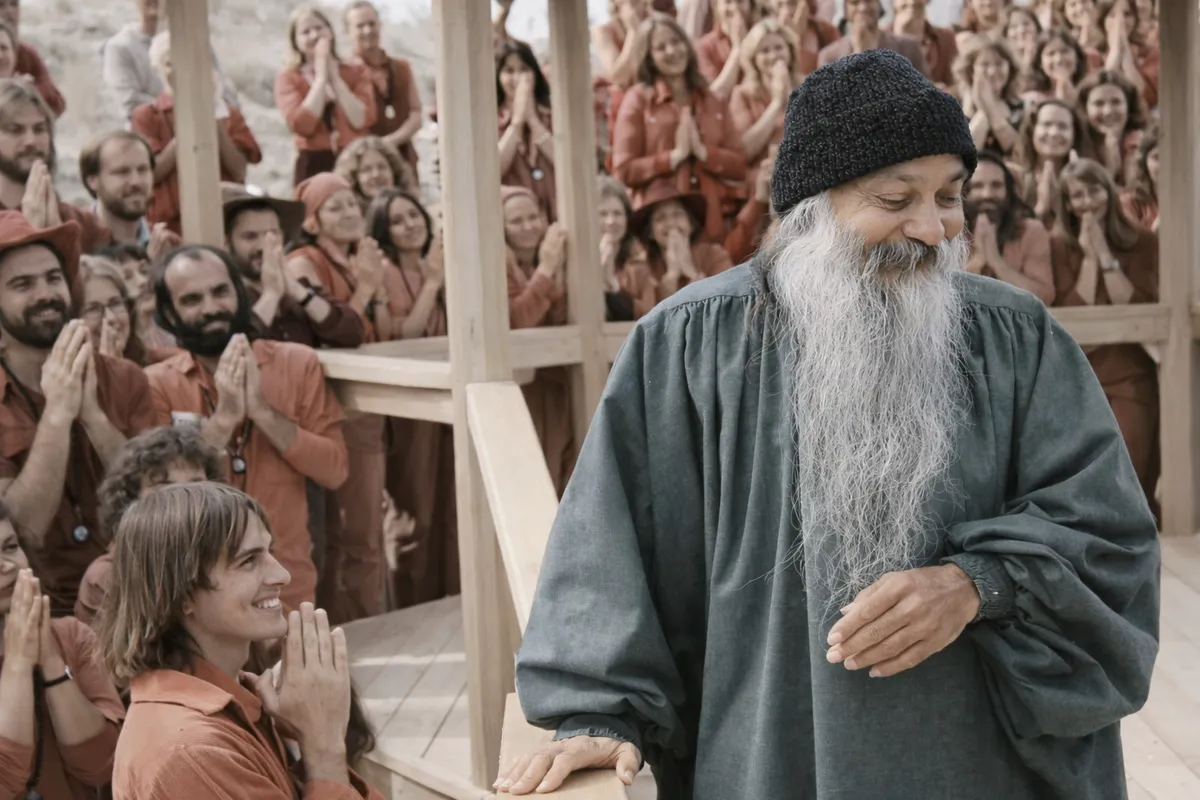
Osho's original Hindi beside Osho Live's English translation, matched passage by passage.
गौतम बुद्ध के संबंध में सात बातें।
Seven things about Gautam Buddha.
पहली, गौतम बुद्ध दार्शनिक नहीं, द्रष्टा हैं।
First, Gautam Buddha is not a philosopher, he is a seer.
दार्शनिक वह, जो सोचे। द्रष्टा वह, जो देखे। सोचने से दृष्टि नहीं मिलती। सोचना अज्ञात का हो भी नहीं सकता। जो ज्ञात नहीं है, उसे हम सोचेंगे भी कैसे? सोचना तो ज्ञात के भीतर ही परिभ्रमण है। सोचना तो ज्ञात की ही धूल में लोटना है। सत्य अज्ञात है। ऐसे ही अज्ञात है जैसे अंधे को प्रकाश अज्ञात है। अंधा लाख सोचे, लाख सिर मारे, तो भी प्रकाश के संबंध में सोचकर क्या जान पाएगा! आंख की चिकित्सा होनी चाहिए। आंख खुलनी चाहिए। अंधा जब तक द्रष्टा न बने, तब तक सार हाथ नहीं लगेगा।
A philosopher is one who thinks; a seer is one who sees. Thinking never yields vision. Thinking cannot be of the unknown. What is not yet known—how shall we think of it? Thought only circulates within the known; thought rolls in the dust of the known. Truth is the unknown—unknown as light is to the blind. Let a blind man think a thousand thoughts, knock his head a thousand times—what will he come to know of light by thinking? The eye needs treatment. The eye must open. Until the blind man becomes a seer, nothing of essence will be in his hand.
तो पहली बात बुद्ध के संबंध में स्मरण रखना, उनका जोर द्रष्टा बनने पर है। वे स्वयं द्रष्टा हैं। और वे नहीं चाहते कि लोग दर्शन के ऊहापोह में उलझें।
So keep the first thing in mind about Buddha: his emphasis is on becoming a seer. He himself is a seer, and he does not want people to be entangled in the dilemmas of philosophy.
दार्शनिक ऊहापोह के कारण ही करोड़ों लोग दृष्टि को उपलब्ध नहीं हो पाते हैं। प्रकाश की मुफ्त धारणाएं मिल जाएं, तो आंख का महंगा इलाज कौन करे! सस्ते में सिद्धांत मिल जाएं, तो सत्य को कौन खोजे! मुफ्त, उधार सब उपलब्ध हो, तो आंख की चिकित्सा की पीड़ा से कौन गुजरे! और चिकित्सा कठिन है। और चिकित्सा में पीड़ा भी है।
Because of philosophical debate, millions never attain vision. When free opinions about light are available, who will undergo the costly treatment of the eyes? If theories can be had cheap, who will search for truth? If everything is available free, on loan, who will pass through the pain of the eye’s treatment? And the treatment is arduous; and in treatment there is pain.
बुद्ध ने बार-बार कहा है कि मैं चिकित्सक हूं। उनके सूत्रों को समझने में इसे याद रखना। बुद्ध किसी सिद्धांत का प्रतिपादन नहीं कर रहे हैं। वे किसी दर्शन का सूत्रपात नहीं कर रहे हैं। वे केवल उन लोगों को बुला रहे हैं जो अंधे हैं और जिनके भीतर प्रकाश को देखने की प्यास है। और जब लोग बुद्ध के पास गए, तो बुद्ध ने उन्हें कुछ शब्द नहीं पकड़ाए, बुद्ध ने उन्हें ध्यान की तरफ इंगित और इशारा किया। क्योंकि ध्यान से खुलती है आंख, ध्यान से खुलती है भीतर की आंख।
Buddha again and again has said: I am a physician. Remember this when you try to understand his sutras. Buddha is not propounding any doctrine. He is not inaugurating a philosophy. He is simply calling those who are blind yet thirsty to see light within. And when people came to Buddha, he did not hand them words; he pointed to meditation. Because it is meditation that opens the eye—the inner eye opens through meditation.
विचारों से तो पर्त की पर्त तुम इकट्ठी कर लो, आंख खुली भी हो तो बंद हो जाएगी। विचारों के बोझ से आदमी की दृष्टि खो जाती है। जितने विचार के पक्षपात गहन हो जाते हैं, उतना ही देखना असंभव हो जाता है। फिर तुम वही देखने लगते हो जो तुम्हारी दृष्टि होती है। फिर तुम वह नहीं देखते, जो है। जो है, उसे देखना हो तो सब दृष्टियों से मुक्त हो जाना जरूरी है।
By thoughts you can pile layer upon layer; even if the eyes are open they will be closed again. Under the burden of thought man loses vision. The deeper the biases of thought become, the more impossible seeing is. Then you begin to see only what your view allows; you do not see what is. If you are to see what is, you must be free of all views.
इस विरोधाभास को खयाल में लेना, दृष्टि पाने के लिए सब दृष्टियों से मुक्त हो जाना जरूरी है। जिसकी कोई भी दृष्टि नहीं, जिसका कोई दर्शनशास्त्र नहीं, वही सत्य को देखने में समर्थ हो पाता है।
Keep this paradox well in mind: to attain vision, one must be free of all visions. He who has no viewpoint, no philosophy, alone becomes capable of seeing the truth.
दूसरी बात, गौतम बुद्ध पारंपरिक नहीं, मौलिक हैं। गौतम बुद्ध किसी परंपरा, किसी लीक को नहीं पीटते हैं। वे ऐसा नहीं कहते हैं कि अतीत के ऋषियों ने ऐसा कहा था, इसलिए मान लो। वे ऐसा नहीं कहते हैं कि वेद में ऐसा लिखा है, इसलिए मान लो। वे ऐसा नहीं कहते हैं कि मैं कहता हूं, इसलिए मान लो। वे कहते हैं, जब तक तुम न जान लो, मानना मत। उधार श्रद्धा दो कौड़ी की है। विश्वास मत करना, खोजना। अपने जीवन को खोज में लगाना, मानने में जरा भी शक्ति व्यय मत करना। अन्यथा मानने में ही फांसी लग जाएगी। मान-मान कर ही लोग भटक गए हैं।
Second, Gautam Buddha is not traditional, he is original. He does not beat any well-worn track or established line. He does not say: the rishis of the past have said so, therefore accept it. He does not say: it is written in the Veda, therefore accept it. He does not say: I say so, therefore accept it. He says: until you know for yourself, do not accept. Borrowed reverence is worth two pennies. Do not believe—search. Pour your life into inquiry; do not squander a drop of energy in mere believing. Otherwise you will hang yourself on belief. People have gone astray by believing and believing.
तो बुद्ध न तो परंपरा की दुहाई देते, न वेद की। न वे कहते हैं कि हम जो कहते हैं, वह ठीक होना ही चाहिए। वे इतना ही कहते हैं, ऐसा मैंने देखा। इसे मानने की जरूरत नहीं है। इसको अगर परिकल्पना की तरह ही स्वीकार कर लो, तो काफी है।
So Buddha appeals neither to tradition, nor to the Veda, nor does he say, what I say must be right. He says only this much: thus have I seen. There is no need to believe it. Accept it merely as a hypothesis—that is enough.
परिकल्पना का अर्थ होता है, हाइपोथीसिस। जैसे कि मैंने तुमसे कहा कि भीतर आओ, भवन में दीया जल रहा है। तो मैं तुमसे कहता हूं कि यह मानने की जरूरत नहीं है कि भवन में दीया जल रहा है। इसको विश्वास करने की जरूरत नहीं। इस पर किसी तरह की श्रद्धा लाने की जरूरत नहीं है। तुम मेरे साथ आओ और दीए को जलता देख लो। दीया जल रहा है तो तुम मानो या न मानो, दीया जल रहा है। और दीया जल रहा है तो तुम मानते हुए आओ कि न मानते हुए आओ, दीया जलता ही रहेगा। तुम्हारे न मानने से दीया बुझेगा नहीं, तुम्हारे मानने से जलेगा नहीं।
Hypothesis means: as-if. If I say to you: come inside—the lamp is lit in the house. I am not asking you to believe that a lamp is lit; no belief is required. No reverence is required. Come with me and see the lamp burning. Whether you believe or not, the lamp burns. Whether you come believing or unbelieving, the lamp will go on burning. Your disbelief will not extinguish it; your belief will not ignite it.
इसलिए बुद्ध कहते हैं, तुम सिर्फ मेरा निमंत्रण स्वीकार करो। इस भवन में दीया जला है, तुम भीतर आओ। और यह भवन तुम्हारा ही है, यह तुम्हारी ही अंतरात्मा का भवन है। तुम भीतर आओ और दीए को जलता देख लो। देख लो, फिर मानना।
Hence Buddha says: accept only my invitation. The lamp is lit in this house; come within. And this house is yours—the house of your own innermost being. Come within and see the lamp burning. See—and then believe.
और खयाल रहे, जब देख ही लिया तो मानने की कोई जरूरत नहीं रह जाती है। हम जो देख लेते हैं, उसे थोड़े ही मानते हैं। हम तो जो नहीं देखते, उसी को मानते हैं। तुम पत्थर-पहाड़ को तो नहीं मानते, परमात्मा को मानते हो। तुम सूरज-चांद-तारों को तो नहीं मानते, वे तो हैं। तुम स्वर्गलोक, मोक्ष, नर्क को मानते हो। जो नहीं दिखायी पड़ता, उसको हम मानते हैं। जो दिखायी पड़ता है, उसको तो मानने की जरूरत ही नहीं रह जाती है, उसका यथार्थ तो प्रगट है।
And remember: once seen there remains no need to believe. We do not believe what we see; we only believe what we do not see. You do not believe in stones and mountains, you believe in God. You do not believe in the sun, moon and stars—they are. You believe in heaven, liberation, hell. What is visible requires no belief; its reality is manifest.
तो बुद्ध कहते हैं, मेरी बात पर भरोसा लाने की जरूरत नहीं, इतना ही काफी है कि तुम मेरा निमंत्रण स्वीकार कर लो। इतना पर्याप्त है। इसको वैज्ञानिक कहते हैं, हाइपोथीसिस, परिकल्पना। एक वैज्ञानिक कहता है, सौ डिग्री तक पानी गर्म करने से पानी भाप बन जाता है। मानने की कोई जरूरत नहीं, चूल्हा तुम्हारे घर में है, जल उपलब्ध है, आग उपलब्ध है, चढ़ा दो चूल्हे पर जल को, परीक्षण कर लो। परीक्षण करने के लिए जो बात मानी गयी है, वह परिकल्पना। अभी स्वीकार नहीं कर ली है कि यह सत्य है, लेकिन एक आदमी कहता है, शायद सत्य हो, शायद असत्य हो, प्रयोग करके देख लें, प्रयोग ही सिद्ध करेगा--सत्य है या नहीं?
So Buddha says: you need not trust my word; it suffices that you accept my invitation. This is sufficient. Science calls this a hypothesis. A scientist says: heat water to a hundred degrees and it turns into steam. No need to believe it; you have a stove, there is water and fire—put the pot on and test it. For the purposes of testing we adopt a proposition—this is a hypothesis. We have not yet accepted it as truth; a man simply says, perhaps it is true, perhaps not—let us experiment. Experiment alone will prove whether it is so.
तो बुद्ध पारंपरिक नहीं हैं, मौलिक हैं। विचार की परंपरा होती है, दृष्टि की मौलिकता होती है। विचार अतीत के होते हैं, दृष्टि वर्तमान में होती है। विचार दूसरों के होते हैं, दृष्टि अपनी होती है।
Thus Buddha is not traditional; he is original. Thought has traditions; vision is original. Thought belongs to the past; vision happens in the present. Thought is borrowed; vision is one’s own.
तीसरी बात, गौतम बुद्ध शास्त्रीय नहीं हैं। पंडित नहीं हैं, वैज्ञानिक हैं। बुद्ध ने धर्म को पहली दफे वैज्ञानिक प्रतिष्ठा दी। बुद्ध ने धर्म को पहली दफे विज्ञान के सिंहासन पर विराजमान किया। इसके पहले तक धर्म अंधविश्वास था। बुद्ध ने उसे बड़ी गरिमा दी। बुद्ध ने कहा, अंधविश्वास की जरूरत ही नहीं है। धर्म तो जीवन का परम सत्य है। एस धम्मो सनंतनो। यह धर्म तो शाश्वत और सनातन है। तुम जब आंख खोलोगे तब इसे देख लोगे।
Third, Gautam Buddha is not scholastic. He is no pundit—he is a scientist. For the first time Buddha gave religion a scientific status. For the first time Buddha enthroned religion on the seat of science. Until then religion was superstition. Buddha granted it great dignity. He declared: superstition is unnecessary—religion is the supreme truth of life. Esa dhammo sanantano—this dharma is eternal and deathless. The moment you open your eyes you will see it.
इसलिए बुद्ध ने यह नहीं कहा कि नरक के भय के कारण मानो, और यह भी नहीं कहा कि स्वर्ग के लोभ के कारण मानो। और इसलिए यह भी नहीं कहा कि परमात्मा सताएगा अगर न माना, और परमात्मा पुरस्कार देगा अगर माना। नहीं, ये सब व्यर्थ की बातें बुद्ध ने नहीं कहीं।
Therefore Buddha did not say: believe for fear of hell; nor did he say: believe out of greed for heaven. He did not state: God will torture you if you do not believe, and God will reward you if you do. No—Buddha never uttered such vain things.
बुद्ध ने तो सारसूत्र कहा। बुद्ध ने तो कहा, यह धर्म तुम्हारा स्वभाव है। यह तुम्हारे भीतर बह रहा है, अहर्निश बह रहा है। इसे खोजने के लिए आकाश में आंखें उठाने की जरूरत नहीं है, इसे खोजने के लिए भीतर जरा सी तलाश करने की जरूरत है। यह तुम हो, यह तुम्हारी नियति है, यह तुम्हारा स्वभाव है। एक क्षण को भी तुमने इसे खोया नहीं, सिर्फ विस्मरण हुआ है।
He spoke the essence. He said: this dharma is your very nature. It is flowing within you—day and night it flows. To find it you need not raise your eyes to the sky; you only need a little search within. This is what you are; this is your destiny; this is your nature. Not for a single moment have you lost it—only forgetfulness has occurred.
तो बुद्ध ने चैतन्य की सीढ़ियां कैसे पार की जाएं, मूर्च्छा से कैसे आदमी अमूर्च्छा में जाए, बेहोशी कैसे टूटे और होश कैसे जगे, इसका विज्ञान थिर किया। और जो उनके साथ भीतर गए, उन्हें निरपवाद रूप से मान लेना पड़ा कि बुद्ध जो कहते हैं, ठीक कहते हैं।
So Buddha established the science of how to climb the steps of consciousness—how man moves from stupor to non-stupor, how unconsciousness breaks and awareness is kindled. And those who went within with him had to admit without exception: Buddha speaks rightly.
यह अपूर्व क्रांति थी। ऐसा पहले कभी नहीं हुआ था। बुद्ध मील के पत्थर हैं मनुष्य-जाति के इतिहास में। संत तो बहुत हुए, मील के पत्थर बहुत थोड़े लोग होते हैं। महावीर भी मील के पत्थर नहीं हैं। क्योंकि महावीर ने जो कहा, वह तेईस तीर्थंकर पहले कह चुके थे। कृष्ण भी मील के पत्थर नहीं हैं। क्योंकि कृष्ण ने जो कहा, वह उपनिषद और वेद सदा से कहते रहे थे। बुद्ध मील के पत्थर हैं, जैसे लाओत्सू मील का पत्थर है। कभी-कभार, करोड़ों लोगों में एकाध संत होता है, करोड़ों संतों में एकाध मील का पत्थर होता है। मील के पत्थर का अर्थ होता है, उसके बाद फिर मनुष्य-जाति वही नहीं रह जाती। सब बदल जाता है, सब रूपांतरित हो जाता है। एक नयी दृष्टि और एक नया आयाम और एक नया आकाश बुद्ध ने खोल दिया।
This was an unprecedented revolution; never before had it happened. Buddha is a milestone in the history of humanity. There have been many saints; milestones are very few. Mahavira is not a milestone—for he said what twenty-three Tirthankaras had already said. Krishna is not a milestone—for he said what the Upanishads and the Vedas have always declared. Buddha is a milestone—as is Lao Tzu. Once in millions of saints, one becomes a milestone. A milestone means: after him humanity is never the same. All is changed, all is transfigured. Buddha opened a new vision, a new dimension, a new sky.
बुद्ध के साथ धर्म अंधविश्वास न रहा, अंतर्खोज बना। बुद्ध के साथ धर्म ने बड़ी छलांग ली। आस्तिक को ही धर्म में जाने की सुविधा न रही, नास्तिक को भी सुविधा हो गयी। ईश्वर को नहीं मानते, कोई हर्ज नहीं, बुद्ध कहते ही नहीं कि मानना जरूरी है। कुछ भी नहीं मानते, बुद्ध कहते हैं, तो भी कोई चिंता की बात नहीं। कुछ मानने की जरूरत ही नहीं है। बिना कुछ माने अपने भीतर तो जा सकते हो। भीतर जाने के लिए मानने की आवश्यकता क्या है! न तो ईश्वर को मानना है, न आत्मा को मानना है, न स्वर्ग-नर्क को मानना है। इसे तो नास्तिक भी इनकार न कर सकेगा कि मेरा भीतर है। इसे तो नास्तिकों ने भी नहीं कहा है कि भीतर नहीं है। भीतर तो है ही। नास्तिक कहते हैं, यह भीतर शाश्वत नहीं है। बुद्ध कहते हैं, फिकर छोड़ो, पहले यह जितना है उसे जान लो, उसी जानने से अगर शाश्वत का दर्शन हो जाए तो फिर मानने की जरूरत न होगी; तुम मान ही लोगे।
With Buddha, religion ceased to be superstition and became inward search. With Buddha, religion took a great leap forward. No longer did only the theist have entry; even the atheist was welcome. Do not believe in God? No harm—Buddha never says belief is necessary. Believe in nothing at all? Still no worry. There is nothing to believe. Without believing anything at all, you can go within. To go within, what need is there to believe in anything? You need not believe in God, nor in Atman, nor in heaven and hell. Even the atheist will not deny that the within is there. Atheists have never said there is no within. The within is. The atheist may say: this within is not eternal. Buddha says: drop the worry; first know it as it is, and if, in that very knowing, the eternal is revealed, there will be no question of believing—you will have known.
बुद्ध ने नास्तिकों को धार्मिक बनाने का महत कार्य पूरा किया। इसलिए बुद्ध के पास जो लोग आकर्षित हुए, बड़े बुद्धिमान लोग थे। आमतौर से धार्मिक साधु-संतों के पास बुद्धिहीन लोग इकट्ठे होते हैं। जड़, मूर्च्छित, मुर्दा। बुद्ध ने मनुष्य-जाति की जो श्रेष्ठतम संभावनाएं हैं, उनको आकर्षित किया। बुद्ध के पास नवनीत इकट्ठा हुआ चैतन्य का। ऐसे लोग इकट्ठे हुए जो और किसी तरह तो धर्म को मान ही नहीं सकते थे, उनके पास प्रज्वलित तर्क था। इसलिए बुद्ध दार्शनिक नहीं हैं, लेकिन बुद्ध के पास इस देश के सबसे बड़े से बड़े दार्शनिक इकट्ठे हो गए। बुद्ध अकेले एक व्यक्ति के पीछे इतना दर्शनशास्त्र पैदा हुआ, जितना मनुष्य-जाति के इतिहास में किसी दूसरे व्यक्ति के पीछे नहीं हुआ। और बुद्ध के पीछे इतने महत्वपूर्ण विचारक हुए कि जिनकी तुलना सारी पृथ्वी पर कहीं भी खोजनी मुश्किल है।
Buddha accomplished the great work of making atheists religious. Thus those who were drawn to him were the highly intelligent. Ordinarily, people gathered around saints and sadhus are dull—numb, comatose, dead. Buddha attracted humanity’s most refined possibilities. Around Buddha the very cream of consciousness gathered—people who could not accept religion in any other way; who possessed blazing reason. Therefore, though Buddha is not a philosopher, the greatest philosophers of this land gathered around him. Behind a single person—Buddha—more philosophy arose than behind any other single figure in human history. And the thinkers who arose around him are of such caliber that matching them anywhere on earth is difficult.
कैसे यह घटित हुआ? बुद्ध ने महानास्तिकों को आकर्षित किया। आस्तिक को बुला लेना मंदिर में तो कोई खास बात नहीं, नास्तिक को बुला लेने में कुछ खास बात है। बुद्ध वैज्ञानिक हैं, इसलिए नास्तिक भी उत्सुक हुआ। विज्ञान को तो नास्तिक ठुकरा न सकेगा। बुद्ध ने कहा, संदेह है, चलो, संदेह की ही सीढ़ी बनाएंगे। संदेह से और शुभ क्या हो सकता है! संदेह के पत्थर को सीढ़ी बना लेंगे। संदेह से ही तो खोज होती है। इसलिए संदेह को फेंको मत।
How did this happen? Buddha attracted great atheists. To call a theist into a temple is no art; to call the atheist is something. Buddha is a scientist, therefore even the atheist became eager; he cannot dismiss science. Buddha said: you have doubt? Good—we shall make a ladder out of doubt. What better blessing than doubt! We shall turn the stones of doubt into steps. Inquiry arises out of doubt—so do not throw doubt away.
इस बात को समझना। जिसके पास जितनी विराट दृष्टि होती है, उतना ही वह हर चीज का उपयोग कर लेना चाहता है। सिर्फ क्षुद्र दृष्टि के लोग काटते हैं। क्षुद्र दृष्टि का आदमी कहेगा, संदेह नहीं चाहिए, श्रद्धा चाहिए। काटो संदेह को। लेकिन संदेह तुम्हारा जीवंत अंग है, काटोगे तो तुम अपंग हो जाओगे। संदेह का रूपांतरण होना चाहिए, खंडन नहीं। संदेह ही श्रद्धा बन जाए, ऐसी कोई प्रक्रिया होनी चाहिए।
Understand this: the vaster a man’s vision, the more he is inclined to utilize everything. Only people of petty vision are given to cutting off. The petty mind will say: doubt is not needed, only faith is needed—cut off doubt. But doubt is a living limb of yours; if you amputate it, you will be crippled. Doubt needs transformation, not destruction. The very doubt must become trust—there must be a process for that.
कोई कहता है, काटो कामवासना को। लेकिन काटने से तो तुम अपंग हो जाओगे। कुछ ऐसा होना चाहिए कि कामवासना राम की वासना बन जाए। ऊर्जा का अधोगमन ऊर्ध्वगमन बन जाए। तुम ऊर्ध्वरेतस बन जाओ। कुछ ऐसा होना चाहिए कि तुम्हारे कंकड़-पत्थर भी हीरों में रूपांतरित हो जाएं। कुछ ऐसा होना चाहिए कि तुम्हारे जीवन की कीचड़ कमल बन सके।
Some say: cut off lust. By cutting, you will be crippled. Something must happen whereby lust becomes the longing for Ram—where the downward energy turns upward, where you become urdhvaretas. A way must be found so that your pebbles and stones are transmuted into diamonds; so that the mud of your life becomes a lotus.
बुद्ध ने वह कीमिया दी।
Buddha gave that alchemy.
चौथी बात, गौतम बुद्ध वायवी, एब्सट्रेक्ट नहीं, अत्यंत व्यावहारिक हैं। ऊंचे से ऊंची छलांग ली है उन्होंने, लेकिन पृथ्वी को कभी नहीं छोड़ा। जड़ें जमीन में जमाए रखीं। वह सिर्फ हवा में ही पंख नहीं मारते रहे।
Fourth, Gautam Buddha is not airy, not abstract—he is supremely practical. He took the highest leap, yet he never left the earth. His roots remained sunk in the ground. He did not only flap his wings in the sky.
एक बहुत प्राचीन कथा है कि ब्रह्मा ने जब सृष्टि बनायी और सब चीजें बनायीं, तभी उसने यथार्थ और स्वप्न भी बनाया। बनते ही झगड़ा शुरू हो गया। यथार्थ और स्वप्न का झगड़ा तो प्राचीन है। पहले दिन ही झगड़ा शुरू हो गया। यथार्थ ने कहा, मैं श्रेष्ठ हूं; स्वप्न ने कहा, मैं श्रेष्ठ हूं, तुझमें रखा क्या है! झगड़ा यहां तक बढ़ गया कि कौन महत्वपूर्ण है दोनों में कि दोनों झगड़ते हुए ब्रह्मा के पास गए। ब्रह्मा हंसे और उन्होंने कहा, ऐसा करो, सिद्ध हो जाएगा प्रयोग से। तुममें से जो भी जमीन पर पैर गड़ाए रहे और आकाश को छूने में समर्थ हो जाए, वही श्रेष्ठ है।
There is an ancient tale. When Brahma created the world and all things, he also created Reality and Dream. The quarrel began at once. The quarrel between reality and dream is ancient—the first day it began. Reality said, I am superior; Dream said, I am superior—what is there in you! The quarrel went so far that the two went to Brahma to decide who is more important. Brahma laughed and said: let it be proven by experiment. Whoever among you can keep his feet implanted on the earth and at the same time touch the sky—that one is superior.
दोनों लग गए। स्वप्न ने तो तत्क्षण आकाश छू लिया, देर न लगी, लेकिन पैर उसके जमीन तक न पहुंच सके। टंग गया आकाश में। हाथ तो लग गए आकाश से, लेकिन पैर जमीन से न लगे--स्वप्न के पैर होते ही नहीं। यथार्थ जमीन में पैर गड़ाकर खड़ा हो गया, जैसे कि कोई वृक्ष हो, लेकिन ठूंठ की तरह, आकाश तक उसके हाथ न पहुंचे।
Both set to work. Dream touched the sky instantly—no delay at all—but his feet never reached the earth. He hung in the sky. His hands touched the heavens, but his feet did not touch the ground—Dream has no feet. Reality, like a tree, planted his feet firmly in the earth, but like a stump, his hands never reached the sky.
ब्रह्मा ने कहा, समझे कुछ? स्वप्न अकेला आकाश में अटक जाता है, यथार्थ अकेला जमीन पर भटक जाता है। कुछ ऐसा चाहिए कि स्वप्न और यथार्थ का मेल हो जाए।
Brahma said: Do you understand? Dream alone gets stuck in the sky; Reality alone wanders on the earth. Something is needed that marries Dream and Reality.
तो बुद्ध वायवी नहीं हैं। लेकिन इसका यह अर्थ नहीं है कि उन्होंने आकाश नहीं छुआ। उन्होंने आकाश छुआ, लेकिन यथार्थ के आधार पर छुआ।
Buddha is not airy. But this does not mean he did not touch the sky; he touched the sky on the foundation of Reality.
इस फर्क को समझना।
Understand this difference.
बुद्ध ने अपने पैर तो जमीन पर रोके, बुद्ध ने यथार्थ को तो जरा भी नहीं भुलाया, यथार्थ में बुनियाद रखी; भवन उठा, मंदिर ऊंचा उठा, मंदिर पर स्वर्णकलश चढ़े। लेकिन मंदिर के स्वर्णकलश टिकते तो जमीन में छिपे हुए पत्थरों पर हैं, भूमि के भीतर छिपे हुए बुनियाद के पत्थरों पर टिकते हैं। बुद्ध ने एक मंदिर बनाया, जिसमें बुनियाद भी है और शिखर भी।
Buddha kept his feet on the ground; he did not forget reality even for a moment. He laid foundations in the real; the edifice arose, the temple rose high; golden finials crowned the temple. But the finials rest on stones hidden in the earth, on foundations buried in the ground. Buddha built a temple that has both foundation and spire.
बहुत लोग हैं, जिनको हम नास्तिक कहते हैं, वे जमीन पर अटके रह जाते हैं। वे ठूंठ की तरह हैं। यथार्थ का ठूंठ। मार्क्सवादी हैं या चार्वाकवादी हैं, वे यथार्थ का ठूंठ। वे जमीन में तो पैर गड़ा लेते हैं, लेकिन उनके भीतर आकाश तक उठने की कोई अभीप्सा नहीं है, आकाश तक उठने की कोई क्षमता नहीं है। और चूंकि वे सपने को काट डालते हैं बिलकुल और कह देते हैं, आदर्श है ही नहीं जगत में। बस यही सब कुछ है, मिट्टी ही सब कुछ है। उनके जीवन में कमल नहीं फूलता, कमल नहीं उठता। कमल का उपाय ही नहीं रह जाता। जिसको इनकार कर दिया आग्रहपूर्वक, उसका जन्म नहीं होता।
Many there are whom we call atheists—they remain stuck to the ground. They are like stumps—stumps of reality. Marxists or Charvakas—they are the stumps of reality. They plant their feet firmly in the earth, but they have no aspiration within to soar to the sky, no capacity to rise. And since they cut off dream altogether and declare there is no ideal, the lotus cannot bloom in their life; there is no way left for the lotus. What is denied insistently cannot be born.
और फिर दूसरी तरफ सिद्धांतवादी हैं; एब्सट्रेक्ट, वायवी विचारक हैं; वे आकाश में ही पर मारते रहते हैं, वे कभी जमीन पर पैर नहीं रोकते हैं। वे आदर्श में जीते हैं, यथार्थ से उनका कभी कोई मिलन ही नहीं होता। उनकी आंखों में आकाश-कुसुम खिलते हैं, असली कुसुम नहीं।
On the other side are the doctrinaires—abstract, airy thinkers. They keep fluttering only in the sky; they never rest their feet on the ground. They live in ideals; reality never meets them. Sky-flowers bloom in their eyes—not real blossoms.
बुद्ध स्वप्नवादी नहीं हैं, परम व्यावहारिक हैं। लेकिन चार्वाक जैसे व्यवहारवादी भी नहीं हैं। उनका व्यवहारवाद अपने भीतर परम आदर्श की संभावना छिपाए हुए है। लेकिन वे कहते हैं, शुरू तो करना होगा जमीन पर पैर टेकने से। जिसके पैर जमीन में जितनी मजबूती से टिके हैं, वह उतनी ही आसानी से आकाश को छूने में समर्थ हो पाएगा। मगर यात्रा तो शुरू करनी पड़ेगी जमीन में पैर टेकने से।
Buddha is not a dreamer; he is utterly pragmatic. Yet he is not a Charvaka. His practicality holds within itself the supreme ideal—but he says, the beginning must be with feet on the ground. The more firmly your feet are rooted in the earth, the more easily will you be able to touch the sky. But the journey must begin with the feet standing on the ground.
इसलिए जब कोई बुद्ध के पास आता है और ईश्वर की बात पूछता है, वे कहते हैं, व्यर्थ की बातें मत पूछो। अनेकों को तो लगा कि बुद्ध अनीश्वरवादी हैं, इसलिए ईश्वर के बाबत जवाब नहीं देते। यह बात सच नहीं है। बुद्ध कहते हैं, पहले जमीन में तो पैर गड़ा लो, पहले ध्यान में तो उतरो, पहले अंतस चेतना में तो जड़ें फैला लो, पहले तुम जो हो उसको तो पहचान लो, फिर यह पीछे हो लेगा। यह अपने से हो लेगा। यह एक दिन अचानक हो जाता है। जब जमीन में वृक्ष की जड़ें खूब मजबूती से रुक जाती हैं, तो वृक्ष अपने आप आकाश की तरफ उठने लगता है। एक दिन आकाश में उठे वृक्ष में फूल भी खिलते हैं, वसंत भी आता है। मगर वह अपने से होता है। असली बात जड़ की है।
Therefore when someone comes to Buddha and asks about God, he says: do not ask vain questions. Many imagined Buddha to be atheistic because he would not answer questions about God. This is not true. Buddha says: first plant your feet in the ground; first enter meditation; first spread roots in inner consciousness; first know what you are; then this will follow on its own. It happens by itself. When the roots have gripped the earth well, the tree begins to rise skyward. One day blossoms bloom in the sky upon the uplifted tree; spring arrives—but it comes of itself. The real matter is the root.
तो बुद्ध बहुत गहरे में यथार्थवादी हैं, लेकिन उनका यथार्थ आदर्श को समाहित किए हुए है। वह आदर्श समन्वित है यथार्थ में।
Thus Buddha is profoundly a realist, but his reality includes the ideal—ideal integrated into the real.
पांचवीं बात, गौतम बुद्ध विधिवादी नहीं, मानवीय हैं। एक तो विधिवादी होता है, जैसे मनु। सिद्धांत महत्वपूर्ण हैं, मनुष्य महत्वपूर्ण नहीं है। ऐसा लगता है मनु में, जैसे मनुष्य सिद्धांत के लिए बना है। मनुष्य की आहुति चढ़ायी जा सकती है सिद्धांत के लिए, लेकिन सिद्धांत में फेर-बदल नहीं की जा सकती।
Fifth, Gautam Buddha is not a legalist—he is human. The legalist is like Manu: doctrine is important, not man. In Manu it seems man exists for doctrine; man may be sacrificed for doctrine, but doctrine must not be altered.
बुद्ध अति मानवीय हैं, ह्यूमनिस्ट। मानववादी हैं। वे कहते हैं, सिद्धांत का उपयोग है मनुष्य की सेवा में तत्पर हो जाना। सिद्धांत मनुष्य के लिए है, मनुष्य सिद्धांत के लिए नहीं। इसलिए बुद्ध के वक्तव्यों में बड़े विरोधाभास हैं। क्योंकि बुद्ध एक-एक व्यक्ति की मनुष्यता को इतना मूल्य देते, इतना चरम मूल्य देते हैं कि अगर उन्हें लगता है इस आदमी को इस सिद्धांत से ठीक नहीं पड़ेगा, तो वे सिद्धांत बदल देते हैं। अगर उन्हें लगता है कि थोड़े से सिद्धांत में फर्क करने से इस आदमी को लाभ होगा, तो उन्हें फर्क करने में जरा भी झिझक नहीं होती। लेकिन मौलिक रूप से ध्यान उनका व्यक्ति पर है, मनुष्य पर है। मनुष्य परम है। मनुष्य चरम है। मनुष्य मापदंड है। सब चीजें मनुष्य पर कसी जानी चाहिए।
Buddha is supremely human, a humanist. He says: the proper use of doctrine is to be ready in the service of man. Doctrine is for man, not man for doctrine. Therefore in Buddha’s utterances there are many contradictions—because he values the person before him so highly, so ultimately, that if he feels a particular doctrine will not suit this man, he changes the doctrine. If he senses that a slight change in formulation will benefit this person, he does not hesitate at all. Essentially his attention is on the person—on man. Man is the supreme value, the ultimate—man is the measure. Everything must be tested against man.
इसलिए बुद्ध वर्ण-व्यवस्था को न मान सके। इसलिए बुद्ध आश्रम-व्यवस्था को भी न मान सके। क्योंकि ये जड़ सिद्धांत हैं। बुद्ध ने कहा, ब्राह्मण वही जो ब्रह्म को जाने। ब्राह्मण-घर में पैदा होने से कोई ब्राह्मण नहीं होता। और शूद्र वही जो ब्रह्म को न जाने। शूद्र-घर में पैदा होने से कोई शूद्र नहीं होता। तो अनेक ब्राह्मण शूद्र हो गए, बुद्ध के हिसाब से, और अनेक शूद्र ब्राह्मण हो गए। सब अस्तव्यस्त हो गया। मनु के पूरे शास्त्र को बुद्ध ने उखाड़ फेंका।
Hence Buddha could not accept the caste system; he could not accept the ashram system either—because these are dead formulas. Buddha said: a Brahmin is one who knows Brahman. Being born in a Brahmin’s house does not make one a Brahmin. And a Shudra is one who does not know Brahman. Being born in a Shudra’s house does not make one a Shudra. Thus many Brahmins became Shudras in Buddha’s account, and many Shudras became Brahmins. All was turned upside down. The entire scripture of Manu Buddha uprooted.
हिंदू अब तक भी बुद्ध से नाराजगी भूले नहीं हैं। वर्ण-व्यवस्था को इस बुरी तरह बुद्ध ने तोड़ा। यह कुछ आकस्मिक बात नहीं थी कि डाक्टर अंबेडकर ने ढाई हजार साल बाद फिर शूद्रों को बौद्ध होने का निमंत्रण दिया। इसके पीछे कारण है। अंबेडकर ने बहुत बातें सोची थीं। पहले उसने सोचा कि ईसाई हो जाएं, क्योंकि हिंदुओं ने तो सता डाला है, तो ईसाई हो जाएं। फिर सोचा कि मुसलमान हो जाएं। लेकिन यह कोई बात जमी नहीं, क्योंकि मुसलमानों में भी वही उपद्रव है। वर्ण के नाम से न होगा तो शिया-सुन्नी का है।
Hindus have not forgotten their resentment against Buddha even now. The caste system Buddha shattered terribly. It was no accident that Dr. Ambedkar, after two-and-a-half millennia, invited the Shudras again to become Buddhists. There is a reason. Ambedkar considered many possibilities: first he thought to become Christian—since Hindus had oppressed, become Christian; then to become Muslim—but it did not fit, for similar disturbances exist there; if not in the name of caste, then as Shia and Sunni.
अंततः अंबेडकर की दृष्टि बुद्ध पर पड़ी और तब बात जंच गयी अंबेडकर को कि शूद्र को सिवाय बुद्ध के साथ और कोई उपाय नहीं है। क्योंकि शूद्र के लिए भी अपने सिद्धांत बदलने को अगर कोई आदमी राजी हो सकता है तो वह गौतम बुद्ध हैं--और कोई राजी नहीं हो सकता--जिसके जीवन में सिद्धांत का मूल्य ही नहीं, मनुष्य का चरम मूल्य है।
At last Ambedkar’s eye fell upon Buddha, and then it made sense to him: for the Shudra there is no way except with Buddha—for only he is willing to change even his doctrines for the sake of the downtrodden—no one else is willing. In Buddha’s life doctrine has no ultimate value—man has the ultimate value.
यह आकस्मिक नहीं है कि अंबेडकर बौद्ध हुए। यह पच्चीस सौ साल के बाद शूद्रों का फिर बौद्धत्व की तरफ जाना, या बौद्धत्व के मार्ग की तरफ जाना, बौद्ध होने की आकांक्षा, बड़ी सूचक है। इससे बुद्ध के संबंध में खबर मिलती है।
It is no accident that Ambedkar became a Buddhist. After twenty-five centuries, the movement of the oppressed towards the path of Buddhahood is significant; it tells us something about Buddha.
बुद्ध ने वर्ण की व्यवस्था तोड़ दी और आश्रम की व्यवस्था भी तोड़ दी। जवान, युवकों को संन्यास दे दिया। हिंदू नाराज हुए। संन्यस्त तो आदमी होता है आखिरी अवस्था में, मरने के करीब। अगर बचा रहा, तो पचहत्तर साल के बाद उसे संन्यस्त होना चाहिए। तो पहले तो पचहत्तर साल तक लोग बचते नहीं। अगर बच गए, तो पचहत्तर साल के बाद ऊर्जा नहीं बचती जीवन में। तो हिंदुओं का संन्यास एक तरह का मुर्दा संन्यास है, जो आखिरी घड़ी में कर लेना है। मगर इसका जीवन से कोई बहुत गहरा संबंध नहीं है।
Buddha broke the caste system and he broke the ashram system too. He gave sannyas to the young. Hindus were upset—renunciation was for the last stage, near death. If one survived that long, then after seventy-five one should renounce. Earlier people did not even reach seventy-five; and if they did, no energy remained. So the Hindu renunciation is a kind of dead renunciation—to be done at the last hour; it has no deep connection with life.
बुद्ध ने युवकों को संन्यास दे दिया, बच्चों को संन्यास दे दिया और कहा कि यह बात मूल्यवान नहीं है, लकीर के फकीर होकर चलने से कुछ भी न चलेगा। अगर किसी व्यक्ति को युवावस्था में भी परमात्मा को खोजने की, सत्य को खोजने की, जीवन के यथार्थ को खोजने की प्रबल आकांक्षा जगी है, तो मनु महाराज का नियम मानकर रुकने की कोई जरूरत नहीं है। वह अपनी आकांक्षा को सुने, वह अपनी आकांक्षा से जाए। प्रत्येक व्यक्ति अपनी आकांक्षा को सुने। प्रत्येक व्यक्ति अपनी आकांक्षा से जीए। उन्होंने सब सिद्धांत एक अर्थ में गौण कर दिए, मनुष्य प्रमुख हो गया।
Buddha gave sannyas to the youth—to children—and said: the rule of Manu is not valuable; walking the line for the line’s sake leads nowhere. If a person’s heart is aflame in youth to seek God, to seek truth, to seek the real, there is no need to stop because of Manu’s rule. Let him listen to his own longing; let him go with it. Each person must listen to his own longing; each must live by it. In one sense Buddha made doctrines secondary and man primary.
तो वे सैद्धांतिक नहीं हैं, विधिवादी नहीं हैं। लीगल नहीं है उनकी पकड़, उनकी पकड़ मानवीय है। कानून इतना मूल्यवान नहीं है, जितना मनुष्य मूल्यवान है। और हम कानून बनाते ही इसीलिए हैं कि मनुष्य के काम आए। मनुष्य कानून के काम आने के लिए नहीं है। इसलिए जब जरूरत हो, कानून बदला जा सकता है। जब मनुष्य के हित में हो, ठीक है, जब अहित में हो जाए तो तोड़ा जा सकता है। जो-जो मनुष्य के अहित में हो जाए, तोड़ देना है। कोई कानून शाश्वत नहीं है, सब कानून उपयोग के लिए हैं।
So he is not doctrinaire; he is not legalistic. His emphasis is not legal; it is human. Law is not so valuable—man is valuable. We make laws only to serve man; man does not exist to serve law. Therefore, when needed, laws may be changed; when they help man, good; when they harm, they may be broken. Whatever harms man must be broken. No law is eternal—laws exist for utility.
और छठवीं बात, गौतम बुद्ध नियमवादी नहीं हैं, बोधवादी हैं।
Sixth, Gautam Buddha is not a moralist of rules; he is a sage of awareness.
अगर बुद्ध से पूछो, क्या अच्छा है, क्या बुरा है, तो बुद्ध उत्तर नहीं देते। बुद्ध यह नहीं कहते कि यह काम बुरा है और यह काम अच्छा है। बुद्ध कहते हैं, जो बोधपूर्वक किया जाए, वह अच्छा; जो बोधहीनता से किया जाए, बुरा।
If you ask Buddha: what is good and what is bad? Buddha does not answer by listing acts. He does not say: this act is bad and that act is good. He says: that which is done with awareness is good; that which is done in unawareness is bad.
इस फर्क को खयाल में लेना। बुद्ध यह नहीं कहते कि हर काम हर स्थिति में भला हो सकता है। या कोई काम हर स्थिति में बुरा हो सकता है। कभी कोई बात पुण्य हो सकती है, और कभी कोई बात पाप हो सकती है--वही बात पाप हो सकती है, भिन्न परिस्थिति में वही बात पाप हो सकती है। इसलिए पाप और पुण्य कर्मों के ऊपर लगे हुए लेबिल नहीं हैं। अभी जो तुमने किया, पुण्य है; और सांझ को दोहराओ तो शायद पाप हो जाए। भिन्न परिस्थिति।
Keep this distinction in mind. Buddha does not claim any act is good in all situations, or any act is bad in all situations. Sometimes something may be merit (punya), and sometimes the very same thing may be sin (pap). There are differing circumstances. Sin and merit are not labels glued upon actions once and for all. What you did in the morning may be merit; if you repeat it in the evening it might be sin—different circumstances.
तो फिर हमारे पास शाश्वत आधार क्या होगा निर्णय का? बुद्ध ने एक नया आधार दिया। बुद्ध ने आधार दिया--बोध, जागरूकता। इसे खयाल में लेना। जो मनुष्य जागरूकतापूर्वक कर पाए, जो भी जागरूकता में ही किया जा सके, वही पुण्य है। और जो बात केवल मूर्च्छा में ही की जा सके, वही पाप है। जैसे, तुम पूछो, क्रोध पाप है या पुण्य? तो बुद्ध कहते हैं, अगर तुम क्रोध जागरूकतापूर्वक कर सको, तो पुण्य है। अगर क्रोध तुम मूर्च्छित होकर ही कर सको, तो पाप है।
Then what eternal basis shall we have for decision? Buddha gives a new basis: awareness. Note it well: whatever a man can do in awareness—only that is merit. And whatever can only be done in stupor—only that is sin. You ask: is anger sin or merit? Buddha says: if you can be angry with awareness, it is merit; if you can be angry only in unconsciousness, it is sin.
अब फर्क समझना। इसका मतलब यह हुआ कि हर क्रोध पाप नहीं होता और हर क्रोध पुण्य नहीं होता। कभी मां जब अपने बेटे पर क्रोध करती है, तो जरूरी नहीं है कि पाप हो। शायद पुण्य भी हो, पुण्य हो सकता है। शायद बिना क्रोध के बेटा भटक जाता। लेकिन इतना ही बुद्ध का कहना है, होशपूर्वक किया जाए।
Understand the difference. That means, not every anger is sin, nor every anger merit. Sometimes when a mother becomes angry with her child, it need not be sin—perhaps it is merit; perhaps without that anger the child would go astray. Buddha’s insistence is: let it be done consciously.
मैंने एक झेन कहानी सुनी है। एक समुराई, एक क्षत्रिय के गुरु को किसी ने मार दिया। और जापान में ऐसी व्यवस्था है, अगर किसी का गुरु मार डाला जाए, तो शिष्य का यह कर्तव्य है कि बदला ले। और जब तक वह मारने वाले को न मार दे, तब तक चैन न ले। ये समुराई तो बड़े भयानक योद्धा होते हैं। गुरु को किसी ने मार डाला, तो उसका जो शिष्य था, वह तो सब कुछ छोड़कर बस इसी में लग गया।
I have heard a Zen story. A samurai’s master was killed. In Japan it is ordained: if one’s master is slain, the disciple must take revenge; until he kills the killer he must not rest. These samurai are fearsome warriors. The disciple dropped everything and pursued the murderer.
दो साल बाद उसका पीछा करते-करते एक जंगल में, एक गुफा में उसको पकड़ लिया। बस उसकी छाती में छुरा भोंकने को था ही कि उस आदमी ने उस समुराई के ऊपर थूक दिया। जैसे ही उसने थूका, उसने छुरा वापस रख लिया अपनी म्यान में और वापस गुफा के बाहर निकल आया।
After two years, tracking him into a forest and a cave, he caught him. He drew his dagger to plunge into his chest. At that very moment the man spat in the samurai’s face. The samurai slipped the dagger back into its sheath and walked out of the cave.
उस आदमी ने कहा, क्यों भाई, क्या हो गया? दो साल से मेरे पीछे पड़े हो, बमुश्किल तुम मुझे खोज पाए, मैं जंगल-जंगल भागता रहा, आज तुम्हें मिल गया, आज क्या बात हो गयी कि छुरा निकाला हुआ वापस रख लिया?
The man cried: Brother, what happened? For two years you chased me; with great difficulty you have found me—I have been fleeing from jungle to jungle. What happened today that you sheathed your dagger?
उसने कहा कि मुझे क्रोध आ गया। तुमने थूक दिया, मुझे क्रोध आ गया। मेरे गुरु का उपदेश था, मारो भी अगर किसी को, तो मूर्च्छा में मत मारना। तो मारने में भी कोई पाप नहीं है। लेकिन तुमने जो थूक दिया, दो साल तक मैंने होश रखा--यह तो सिर्फ एक व्यवस्था की बात थी कि गुरु को मेरे तुमने मारा तो मैं तुम्हें मार रहा था, मेरा इसमें कुछ वैयक्तिक लेना-देना नहीं था--लेकिन तुमने थूक क्या दिया मुझ पर, मैं भूल ही गया गुरु को और मेरे मन में भाव उठा कि मार डालूं इस आदमी को, इसने मेरे ऊपर थूका! मैं बीच में आ गया, मूर्च्छा आ गयी। अहंकार बीच में आ गया, मूर्च्छा आ गयी। इसलिए अब जाता हूं। अब फिर जब यह मूर्च्छा हट जाएगी तब सोचूंगा। लेकिन मूर्च्छा में कुछ किया नहीं जा सकता।
He said: anger arose in me. You spat—I became angry. My master’s teaching was: even if you must kill, do not do so in unconsciousness. There is no sin even in killing when the act is without unconsciousness. But when you spat, for two years I had preserved awareness—the killing would have been a mere matter of order, of vow: you had slain my master; I was slaying you—no personal involvement. But when you spat, I forgot my master; a feeling arose: kill this man—he spat on me! I intruded; ego intruded; unconsciousness intruded. So I am leaving. When this unconsciousness passes, I shall reconsider. But nothing can be done in stupor.
बुद्ध ने कहा है, जो तु
म मूर्च्छा में करो, वही पाप; जो तुम जागरूकता में करो, वही पुण्य है। यह पाप और पुण्य की बड़ी नयी व्यवस्था थी। और इसमें व्यक्ति को परम स्वतंत्रता है। कोई दूसरा तय नहीं कर सकता कि क्या पाप है, क्या पुण्य है। तुमको ही तय करना है। बुद्ध ने व्यक्ति को परम गरिमा दी।
Buddha has said: what you do in stupor is sin; what you do in awareness is merit. This is a new ordering of sin and merit. And in it the person has absolute freedom—no one else can decide what is sin, what is merit. You must decide. Buddha accords ultimate dignity to the individual.
और सातवीं बात, गौतम बुद्ध असहज के पक्षपाती नहीं, सहज के उपदेष्टा हैं। गौतम बुद्ध कहते हैं, कठिन के ही कारण आकर्षित मत होओ। क्योंकि कठिन में अहंकार का लगाव है।
Seventh, Gautam Buddha is not a partisan of the unnatural—he is a master of the natural. He says: do not be attracted merely because something is difficult—for in difficulty the ego has its hidden attachment.
इसे तुमने देखा कभी? जितनी कठिन बात हो, लोग करने को उसमें उतने ही उत्सुक होते हैं। क्योंकि कठिन बात में अहंकार को रस आता है, मजा आता है--करके दिखा दूं। अब जैसे पूना की पहाड़ी पर कोई चढ़ जाए, तो इसमें कुछ मजा नहीं है, एवरेस्ट पर चढ़ जाऊं तो कुछ बात है। पूना की पहाड़ी पर चढ़कर कौन तुम्हारी फिकर करेगा, तुम वहां लगाए रहो झंडा, खड़े रहो चढ़कर! न अखबार खबर छापेंगे, न कोई वहां तुम्हारा चित्र लेने आएगा। तुम बड़े हैरान होओगे कि फिर यह हिलेरी पर और तेनसिंग पर इतना शोरगुल क्यों मचाया गया! आखिर इन ने भी कौन सी बड़ी बात की थी, जाकर हिमालय पर झंडा गाड़ दिया था, मैंने भी झंडा गाड़ दिया! लेकिन तुम्हारी पहाड़ी छोटी है। इस पर कोई भी चढ़ सकता है। जिस पहाड़ी पर कोई भी चढ़ सकता है, उसमें अहंकार को तृप्ति का उपाय नहीं है।
Have you observed? The more difficult a thing is, the more eager people are to do it—because in the difficult the ego finds juice, a kick: I will do it and show them. If you climb a small hill in Poona, nobody cares; but if you climb Everest, that is something! Climb the Poona hill and plant your flag—who will bother? Neither newspapers will print it, nor will anyone come to take your photo. You may wonder: why so much noise about Hillary and Tenzing? What did they do—just planted a flag on a mountain; I too planted a flag. But your hill is small; anyone can climb it. Where anyone can go, the ego finds no gratification.
तो बुद्ध ने कहा कि अहंकार अक्सर ही कठिन में और दुर्गम में उत्सुक होता है। इसलिए कभी-कभी ऐसा हो जाता है कि जो सहज और सुगम है, जो हाथ के पास है, वह चूक जाता है और दूर के तारों पर हम चलते जाते हैं।
Buddha says: the ego is often eager for the difficult and the arduous. Thus what is simple and easy, near at hand, is missed; we chase far-off stars.
देखते हैं, आदमी चांद पर पहुंच गया। अभी अपने पर नहीं पहुंचा! तुमने कभी देखा, सोचा इस पर? चांद पर पहुंचना तकनीक की अदभुत विजय है। गणित की अदभुत विजय है। विज्ञान की अदभुत विजय है। जो आदमी चांद पर पहुंच गया, यह अभी छोटी-छोटी चीजें करने में सफल नहीं हो पाया है। अभी एक ऐसा फाउंटेनपेन भी नहीं बना पाया जो लीकता न हो। और चांद पर पहुंच गए! छोटी सी बात भी, अभी सर्दी-जुखाम का इलाज नहीं खोज पाए, चांद पर पहुंच गए! अब ऐसे फाउंटेनपेन को बनाने में उत्सुक भी कौन है जो लीके न! छोटी-मोटी बात है, इसमें रखा क्या है!
See—man has reached the moon; he has not yet reached himself. Have you pondered it? Reaching the moon is a wondrous triumph of technology, of mathematics, of science. Yet the same man has not succeeded in small things—he has not yet made a fountain pen that does not leak—and he reached the moon! Even a small matter; we have not found a cure for the common cold—and we reached the moon! Who is eager to make a pen that never leaks? What is in it? A small thing—no challenge to the ego.
फाउंटेनपेन सदा लीकेंगे। कोई आशा नहीं दिखती कि कभी ऐसे फाउंटेनपेन बनेंगे जो लीकें न। और सर्दी-जुखाम सदा रहेगी, इससे छुटकारे का उपाय नहीं है। क्योंकि चिकित्सक कैंसर में उत्सुक हैं, सर्दी-जुखाम में नहीं। बड़ी चीज अहंकार को चुनौती बनती है। आदमी अपने भीतर नहीं पहुंचा जो निकटतम है और चांद पर पहुंच गया। मंगल पर भी पहुंचेगा, किसी दिन और तारों पर भी पहुंचेगा, बस, अपने को छोड़कर और सब जगह पहुंचेगा।
Fountain pens will go on leaking; little hope is seen that they will not. And colds will remain; there seems no deliverance. Physicians are interested in cancer, not in colds—the big thing challenges the ego. Man has not reached his own within—the nearest of all—and he reached the moon. He will reach Mars, and one day other stars; only one place he will never reach—himself.
तो बुद्ध असहजवादी नहीं हैं। बुद्ध कहते हैं, सहज पर ध्यान दो। जो सरल है, सुगम है, उसको जीओ। जो सुगम है, वही साधना है। इसको खयाल में लेना। तो बुद्ध ने जीवनचर्या को अत्यंत सुगम बनाने के लिए उपदेश दिया है। छोटे बच्चे की भांति सरल जीओ। साधु होने का अर्थ बहुत कठिन और जटिल हो जाना नहीं, कि सिर के बल खड़े हैं, कि खड़े हैं तो खड़े ही हैं, बैठते नहीं, कि भूखों मर रहे हैं, कि लंबे उपवास कर रहे हैं, कि कांटों की शय्या बिछाकर उस पर लेट गए हैं, कि धूप में खड़े हैं, कि शीत में खड़े हैं, कि नग्न खड़े हैं। बुद्ध ने इन सारी बातों पर कहा कि ये सब अहंकार की ही दौड़ हैं। जीवन तो सुगम है, सरल है। सत्य सुगम और सरल ही होगा। तुम नैसर्गिक बनो और अहंकार के आकर्षणों में मत उलझो।
Therefore Buddha is not an advocate of the arduous. He says: pay attention to the natural. Live the simple and the easy. The easy is the true sadhana—remember this. Buddha made life’s regimen most simple. Live like a child—simple. To be a sadhu does not mean becoming hard and complicated: standing on your head, only standing and never sitting; starving yourself; long fasts; lying on a bed of thorns; standing in the sun; standing in the cold; standing naked. Buddha says: all this is the race of the ego. Life is easy; life is simple. Truth too will be easy and simple. Be natural; do not be ensnared by the fascinations of the ego.
ये सात बातें ध्यान में रहें, फिर आज के सूत्र--
Keep these seven things in mind, and now today’s sutras—
प्रथम दृश्य:
First scene:
श्रावस्ती नगर, उन दिनों की प्रसिद्ध राजधानी। कुछ भिक्षु भिक्षाटन करके भगवान के पास वापस लौट रहे थे कि अचानक बादल उठा और वर्षा होने लगी। भिक्षु सामने वाली विनिश्चयशाला (अदालत) में पानी से बचने के लिए गए। उन्होंने वहां जो दृश्य देखा, वह उनकी समझ में ही न आया। कोई न्यायाधीश पक्षपाती था, कोई न्यायाधीश बहरा था--सुनता नहीं था, ऐसा नहीं, कान तो ठीक थे, मगर उसने पहले ही से कुछ मान रखा था, इसलिए सुनता नहीं था, इसलिए बहरा था। और कोई आंखों के रहते ही अंधा था। किसी ने रिश्वत ले ली थी, कोई वादी-प्रतिवादी को सुनते समय झपकी खा रहा था, कोई धन के दबाव में था, कोई पद के, कोई जाति-वंश के, कोई धर्म के। और उन्होंने वहां देखा कि सत्य झूठ बनाया जा रहा है और झूठ सच बनाया जा रहा है। न्याय से किसी को भी कोई प्रयोजन नहीं। और जहां न्याय तक न हो, वहां करुणा तो हो ही कैसे सकती थी!
Sravasti, the famous capital of those days. Some bhikshus were returning to the Blessed One after begging for alms when suddenly clouds gathered and it began to rain. To shelter from water they entered the courthouse before them. What they saw there they could not comprehend. One judge was biased; another was deaf—not that his ears did not work, but he had already assumed something, so he would not hear—thus he was deaf. Another, though eyes were open, was blind. Some had accepted bribes. One judge was dozing while plaintiff and defendant spoke; one was under the pressure of wealth, another under position, another under caste and lineage, another under religion. And they saw that truth was being made false and false being made true. No one had any concern with justice. And where there is not even justice, how can there be compassion?
उन भिक्षुओं ने लौटकर यह बात भगवान को कही। भगवान ने कहा, ऐसा ही है भिक्षुओ! जैसा नहीं होना चाहिए वैसा ही हो रहा है। इसका नाम ही तो संसार है।
Those bhikshus returned and told this to the Blessed One. The Blessed One said: So it is, bhikshus! What should not be, is what is happening—that is the very name of the world.
और तब उन्होंने ये दो गाथाएं कहीं--
न तेन होति धम्मट्ठो येनत्थं सहसा नये।
Then he uttered these two gathas—
यो च अत्थं अनत्थञ्च उभो निच्छेय्य पंडितो।।
असाहसेन धम्मेन समेन नयती परे।
धम्मस्स गुत्तो मेधावी धम्मट्ठो’ति पवुच्चति।।
‘बिना विचार किए यदि कोई धर्म-निर्णय (न्याय) करता है, तो वह धर्मस्थ (न्यायाधीश) नहीं है।’
‘If one decides on dharma (justice) without deliberation, he is no dharmastha (judge).’
‘जो पंडित अर्थ और अनर्थ--न्याय और अन्याय--दोनों का निर्णय कर विचार, धर्म और समत्व के साथ न्याय करता है, वही धर्म से रक्षित मेधावी पुरुष न्यायाधीश है।’
‘The wise man who, weighing both benefit and harm—justice and injustice—judges with reflection, with dharma and with equanimity, protected by dharma, intelligent—he alone is called a judge.’
गाथाएं तो सीधी-साफ हैं, फिर भी गहरी हैं। अक्सर ऐसा होता है कि सीधे और सरल सत्य ही गहरे होते हैं। जटिल सत्य तो सिर्फ उथलेपन को छिपाने के लिए कहे जाते हैं। सीधी-सादी बात में जितनी गहराई होती है, उतनी और किसी बात में नहीं होती। बुद्ध के वचन सीधे-सादे हैं। इन्हें समझने के लिए किसी बहुत बड़े पांडित्य की जरूरत नहीं है। अगर न समझने की जिद्द ही न कर रखी हो तो समझ लेना घट जाएगा।
The gathas are straight and clear, yet deep. Often the straight and simple truths are the deepest. Complex truths are spoken only to cover shallowness. In the simple there is a depth unmatched. Buddha’s words are simple; to understand them no great scholarship is needed—unless one is determined not to understand, understanding will happen.
सूत्र के पहले इस छोटी सी कहानी को भी समझ लेना चाहिए। ये कहानियां बड़ी सारगर्भित हैं।
Before the sutra, understand this little story. Such stories are full of essence.
श्रावस्ती नगर। राजधानी थी उस समय की, बड़ी राजधानी थी।
राजधानी सदा से ही पागलों का आवास रही है। राजधानी का अर्थ ही होता है, जहां सब तरह के चोर, बेईमान, लुच्चे-लफंगे इकट्ठे हो गए हों। राजधानी का अर्थ ही होता है, जहां सब तरह के चालाक, चार सौ बीस इकट्ठे हो गए हों। राजधानी में सब तरह के उपद्रवियों का अपने आप आगमन हो जाता है।
Sravasti—the capital then, a great capital. From time immemorial capitals are the abode of madmen. Capital means: where thieves and cheats, rogues and rascals of all kinds gather; where the clever and crafty, the four-twenty, congregate. All sorts of troublemakers gather there of their own accord.
अंग्रेजी में राजधानी के लिए शब्द है, कैपिटल। वह शब्द बड़ा अच्छा है। कैपिटल बनता है कैपिटा से। कैपिटा का अर्थ होता है, सिर। कहते हैं न--पर कैपिटा। कैपिटल बनता है कैपिटा से। उसका अर्थ होता है, जहां सिर ही सिर इकट्ठे हो गए हैं। इसका अर्थ हुआ कि जहां पागल ही पागल इकट्ठे हो गए हैं। जहां हृदय बिलकुल नहीं है। जहां हृदय सूख गया है। जहां हृदय से कुछ भी नहीं घटता है। जहां हर चीज गणित से चलती है, तर्क से चलती, खोपड़ी से चलती। जहां करुणा के कोई फूल नहीं खिलते। बुद्धि बड़ी कठोर है, गणित में कोई दया नहीं होती। गणित जहरीला है। और जहां तर्क से ही सब चलने लगता है, वहां हम परमात्मा के बिलकुल विपरीत हो जाते हैं। क्योंकि परमात्मा के जीवन की जो धारा है, वह भाव से बहती है। हृदय में उसकी तरंगें उठतीं।
In English the word for capital is ‘capital’—a fine word. It comes from caput—head. Per capita. Capital from caput—meaning, where there are heads upon heads. That is to say: where the mad are amassed; where there is no heart; where the heart has dried up; where nothing happens from the heart; where everything runs by mathematics, by logic, by the skull; where no flowers of compassion bloom. Intellect is hard; in mathematics there is no mercy. Mathematics is poisonous. Where everything runs on logic alone, we become diametrically opposed to the Divine—for the stream of the Divine flows through feeling; its waves arise in the heart.
तो श्रावस्ती थी राजधानी। बहुत बार यह सवाल भी उठा है बौद्धों को कि बुद्ध बहुत बार श्रावस्ती गए; इतनी बार श्रावस्ती क्यों गए? इन्हीं पागलों की वजह से गए होंगे। चिकित्सक वहीं जाता है न, जहां ज्यादा बीमार हों। चिकित्सक की वहां जरूरत भी ज्यादा होती है।
So Sravasti was the capital. Many times Buddhists have been asked: why did Buddha go to Sravasti so often? He must have gone because of those madmen. A physician goes where the sick are more; there he is more needed.
श्रावस्ती नगर, कुछ भिक्षु भिक्षाटन करके भगवान के पास वापस लौट रहे थे।
Sravasti: some bhikshus had gone for alms and were returning to the Blessed One.
बुद्ध ने संन्यास में एक क्रांति घटित की। बुद्ध के पहले संन्यासी को कहते थे, स्वामी। स्वामी शब्द प्यारा है, उसका अर्थ होता है, अपना मालिक। लेकिन मूर्च्छित लोगों को कितना ही प्यारा शब्द दो, उसमें से गड़बड़ कर लेंगे। स्वामी लोग समझने लगे कि हम दूसरों के मालिक। नाम तो दिया था अपने मालिक के लिए, लेकिन स्वामी समझने लगे, हम दूसरों के मालिक।
Buddha created a revolution in sannyas. Before Buddha the sannyasin was called swami—lord. Swami is a sweet word; it means one who is master of himself. But give the sweetest word to the unconscious and they will distort it. Swamis began to think they were masters of others. The name was given to denote mastery of oneself; they began to assume mastery over others.
हिंदू स्वामी अभी भी वैसा ही समझता है, कि और सबका काम यही है कि चरण छुओ। जैन-मुनि भी वैसा ही समझता है, और सबका काम यही है कि आओ, सेवा करो। अपनी मालकियत की तो बात भूल गयी, दूसरों की मालकियत, दूसरों पर कब्जा, दूसरों के ऊपर होने का भाव प्रगाढ़ हो गया।
The Hindu swami still understands it so: everyone else’s job is to touch his feet. The Jain muni too: everyone else must serve. Self-mastery was forgotten; mastery over others—possession and superiority—grew thick.
बुद्ध ने वह शब्द बदल दिया। बुद्ध ने नया शब्द गढ़ा--भिक्षु। ठीक उलटा शब्द। कहां स्वामी कहां भिक्षु! ठीक दूसरी तरफ बात को बदल दिया। बुद्ध ने कहा कि नहीं, यह शब्द खतरनाक हो गया है। शब्द के अर्थ तो ठीक थे, लेकिन गलत लोगों के हाथ में ठीक शब्द भी पड़ जाएं तो खराब हो जाते हैं। गलत पात्र में अमृत भी पड़ जाए तो जहर हो जाता है।
Buddha changed the word; he coined a new one—bhikshu. The exact opposite. Where swami is one extremity, bhikshu is the other. Buddha said: no—this word has become dangerous. Its meanings were right, but in wrong hands even a right word turns wrong; in the wrong vessel even amrit turns poison.
तो बुद्ध ने भिक्षु शब्द चुना। बुद्ध ने कहा कि तुम यही खयाल रखना कि तुम भिखारी से ज्यादा नहीं हो। और तुम मांगकर ही जीना। ताकि प्रतिदिन तुम्हें याद आती रहे कि अहंकार को बसाने की कोई गुंजाइश नहीं है। भिखारी को क्या अहंकार की गुंजाइश! मांगकर जो खाए, कोई दे दे तो ले, कोई न दे तो हट जाए द्वार से--और अधिक द्वारों पर तो खबर यही मिले कि आगे जाओ।
So Buddha chose bhikshu. He said: remember—do not think yourself more than a beggar; live by begging, so that every day you remember there is no room for ego. What room for ego in a beggar? He who eats by asking: if someone gives, take; if one does not, move on. And at more doors the report will be the same: go ahead.
बुद्ध के जो भिक्षु थे, साधारण घरों से न आए थे। क्षत्रिय घरों से आए थे, राजघरों से आए थे, अनेक तो उनमें राजाओं के बेटे थे, उनको भिखारी बना दिया। और उनको कहा कि यह प्रतिपल तुम्हें याद दिलाएगा, यह तुम्हारी साधना है। द्वार-द्वार तुम जाओगे, द्वार-द्वार दुतकारे जाओगे, कोई देगा दो रोटी, कोई न भी देगा। जो दे, उसे भी धन्यवाद देना है; जो न दे, उसे भी धन्यवाद देना है। क्योंकि तुम्हारा कोई आग्रह नहीं है कि कोई दे ही, तुम्हारा कोई बल नहीं है, तुम कोई स्वामी नहीं हो कि जिसने न दिया तो नाराज हो गए। देना किसी का कर्तव्य नहीं है। कोई प्रेम से दे देगा, ठीक है, तो धन्यवाद दे देना; जो न दे, उसे भी धन्यवाद दे देना।
Buddha’s bhikshus did not come from ordinary homes. Many were Kshatriyas, from royal houses; many were princes—he made them beggars. And he said: this will remind you at every step—this is your sadhana. Door to door you will go; door to door you will be pushed away. Some will give two rotis, some not. To him who gives—give thanks; to him who does not—also give thanks. For you have no demand that anyone must give; you are no swami that you can be angry if not given. Giving is no one’s duty. If someone gives out of love—good; thank him. If someone does not—thank him too.
भिक्षु में एक खूबी है, लेकिन वह भी खराब हो गयी। आदमी के हाथ में जो भी शब्द पड़ जाते हैं, खराब हो जाते हैं। समझना। यह भिक्षु शब्द बड़ा प्यारा था, उतना ही प्यारा था जितना कि स्वामी शब्द था। लेकिन तब क्या हुआ? अहंकार को मिटाने की तो बात धीरे-धीरे भूल गयी और भिक्षु शोषक हो गया। वह पर-निर्भर हो गया। लोग इसीलिए बौद्ध भिक्षु होने लगे कि न कमाना, न धमाना! श्रम की कोई जरूरत न रही, शोषण की सुविधा मिल गयी। बड़ा समूह समाज के ऊपर जीने लगा, शोषक होकर जीने लगा। स्वामी खराब हो गया था, भिक्षु भी खराब हो गया।
The word bhikshu has a beauty—but it too decayed. Whatever word falls into man’s hands, he spoils it. Understand this. Bhikshu was as lovely as swami. But what happened? The resolve to dissolve ego was forgotten; the bhikshu became exploiter—dependent on others. People became bhikshus to avoid working; no labor needed, exploitation made easy. A big group began to live upon society—leeches upon society. Swami decayed; bhikshu decayed too.
इसलिए हमें बदलते रहना होता है। फिर नए शब्द गढ़ने होते हैं, या पुराने शब्दों को फिर नया अर्थ देना होता है। मैंने फिर स्वामी शब्द का प्रयोग शुरू किया है। क्योंकि बौद्ध का भिक्षु पर-निर्भर हो गया। और उन दिनों तो संपन्न दुनिया थी, कोई अड़चन न थी। गांव में आसानी से दस-पचास लोग भिक्षु हो जाएं तो पल सकते थे। उन दिनों ऐसी दुनिया थी कि एक आदमी कमाता था और घर में बीस आदमी खाते थे। कोई अड़चन न थी, एक और आदमी भीख मांग ले गया तो कोई अड़चन न थी। अब वैसी दुनिया भी न रही। अब तो बीस आदमी कमाएं तो भी सबका पेट नहीं भर पाता। तब एक कमाता था, बीस का पेट भर जाता था, देना बहुत सुगम था। अब देना बहुत कठिन है। और अब भिक्षु बोझ हैं।
Therefore we must keep changing. New words must be coined—or old words given new meanings. I have again begun to use swami, because the Buddhist bhikshu became dependent. In those days the world was affluent; no problem. A village could easily support ten or fifty bhikshus. Those were times when one earned and twenty ate; no difficulty. One more went begging—no problem. Now the world is different—today twenty earn and even then all are not fed. Then one earned and twenty were fed. Giving was easy; now it is hard. Now bhikshus are a burden.
इसलिए मैंने स्वामी की एक नयी धारणा को जन्म दिया है। स्वामी तो तुम बनना, लेकिन हिंदू जैसे स्वामी नहीं। और तुम किसी पर निर्भर मत हो जाना। स्वामी तो तुम बनना, लेकिन जैसे हो वैसे ही रहे बनना। दुकान करते हो तो दुकान जारी रहे, दफ्तर जाते हो तो दफ्तर जारी रहे, मजदूरी करते हो तो मजदूरी जारी रहे। तुम्हारा आर्थिक भार समाज पर किसी तरह से न पड़े।
Hence I have birthed a new understanding of swami. Become a swami, but not like the Hindu swami—and do not depend on anyone. Remain as you are: if you keep a shop, let the shop continue; if you work in an office, let that continue; if you labor, let that continue. Your economic burden must not fall on society.
स्वामी मालिक हो गया था, हिंदुओं का। मालिक होकर भी खतरा है। क्योंकि जिनके तुम मालिक हो जाते हो उन पर निर्भर हो जाते हो। फिर उनकी तरफ तुम्हें ध्यान रखना पड़ता है। क्योंकि तुम्हारी कुर्सी वे ही सम्हाले हुए हैं, अगर वे नाराज हो जाएं तो कुर्सी गिर जाएगी। तो वे जैसा कहते हैं, वैसा ही मानकर चलना पड़ता है। भिक्षु भी निर्भर हो गया। जिनसे तुम भोजन खाते हो, जिनसे तुम भोजन लेते हो, उनके विपरीत नहीं जा सकते। तो बुद्ध की बड़ी जो क्रांति थी, वह भिक्षुओं के कारण समाप्त हो गयी। भिक्षु क्रांतिकारी नहीं हो सकता है। क्रांतिकारी तो वही हो सकता है जो अपने पर निर्भर है। पर-निर्भर क्रांतिकारी नहीं हो सकता। अगर तुम किसी पर निर्भर हो तो क्रांति मर जाएगी।
Even as a swami you can become dependent on those you rule; then you must cater to them—they hold your chair. If they get upset, the chair falls. So you must comply. The bhikshu too becomes dependent: on those who feed him. You cannot go against them. Thus Buddha’s great revolution was neutralized by bhikshus. A dependent man cannot be revolutionary. Only the self-reliant can be. If you depend on others, revolution dies.
इसलिए फिर मैं संन्यासी के लिए स्वामी शब्द लौटाया हूं, क्योंकि स्वामी शब्द बहुमूल्य है। स्वयं की मालकियत। और इस बार स्वामी को किसी पर निर्भर नहीं होना है, स्व-निर्भर रहना है। उस अर्थ में भी उसे अपना मालिक रहना है। उस अर्थ में भी उसे अपनी मालकियत नहीं खोनी है।
Thus I restore the word swami, for it is precious—the lordship of oneself. And this time a swami must depend on no one—self-reliant. In that sense also he must remain his own master; in that sense too he must not lose his mastery.
तो बुद्ध के भिक्षु भिक्षाटन करके लौटे हैं। रोज भिक्षाटन के लिए जाते थे, यह उनकी साधना थी, यह उनका ध्यान था। यह ध्यान का अनिवार्य अंग था कि रोज भिक्षा मांगने जाओ और देखो, कैसे तुम्हारा मन जरा-जरा सी बात से चोट खाता है। किसी ने भिक्षा दे दी तो तुम प्रसन्न हो जाते हो। किसी ने न दी तो नाराज हो जाते हो। किसी ने अच्छा भोजन दे दिया तो तुम खूब-खूब धन्यवाद देते हो और बड़ा लंबा उपदेश करके आते। और अगर किसी ने अच्छा भोजन न दिया, तुम्हारा उपदेश छोटा होता है, फिर तुम ठीक से धन्यवाद भी नहीं देते। बेमन से धन्यवाद देते हो। जिस घर से अच्छा भोजन मिला, वहां तुम दुबारा पहुंच जाते हो। जिस घर अच्छा भोजन नहीं मिला, वहां तुम दुबारा नहीं जाते। जिस घर से इनकार मिला, वहां फिर दुबारा तुम दस्तक नहीं देते।
So Buddha’s bhikshus have returned from alms. Daily they went—for them it was sadhana, meditation, an essential part of meditation. Go begging each day and watch how the mind is hurt by small things. If someone gives, you are pleased; if someone does not, you are angry. If someone gives delicious food, you shower thanks and deliver a long discourse; if someone does not, your discourse is short; even the thanks is half-hearted. To the house that gave good food you return; to the house that did not, you do not return; to the house that refused, you do not knock again.
बुद्ध ने इस सबको ध्यान की प्रक्रिया बताया था। चुनाव मत करना, जो आज हुआ, आज हुआ। कल का क्या पता! आज जिसने इनकार कर दिया, कल शायद दे। और आज जिसने दिया, कल शायद इनकार कर दे। इसलिए आज से कल का कोई निर्णय मत लेना। रोज-रोज नए-नए जाना। और कल की धारणा को बीच में अवरोध मत बनने देना। और रोज-रोज देखना कि जब कोई हलुवा और पूड़ी तुम्हारे पात्र में डाल देता है, तो तुम्हारे मन में विशेष धन्यवाद का भाव उठता है। और जब कोई रूखी-सूखी रोटी डाल देता है, तो विशेष धन्यवाद का भाव नहीं उठता। तब तुम धन्यवाद कहते भी हो तो औपचारिक। इस सब बात पर ध्यान रखना, इस पर जागना और धीरे-धीरे ऐसी घड़ी आ जाए कि सब समत्व हो जाए, सब समान हो जाए। कोई अच्छा दे तो ठीक, कोई बुरा दे तो ठीक; न दे तो ठीक, दे तो ठीक। और हर हालत में तुम्हारा तराजू कंपे नहीं।
Buddha made all this a process of awareness. Do not choose; what happens today, happens. Who knows tomorrow? He who refused today may give tomorrow; he who gave today may refuse tomorrow. So make no decisions based on today. Go new each day; do not let yesterday’s idea obstruct. And watch: when someone puts halwa and puri in your bowl, special gratitude arises; when someone puts dry bread, no special gratitude arises. Even the word ‘thanks’ is then formal. Watch all this; be alert—and slowly a moment comes when all becomes equal. If someone gives good—good; if someone gives poor—good; if none gives—good; if someone gives—good. In every condition your inner scales remain unshaken.
तो भिक्षु इस ध्यान की प्रक्रिया को करके, गांव से भिक्षाटन करके वापस लौट रहे थे। अचानक बादल उठा और वर्षा होने लगी।
So the bhikshus, doing this meditation, returning from the village, were caught in rain.
तो कहीं शरण लेने को पास के ही मकान में वे चले गए होंगे। वह थी राजधानी की बड़ी अदालत--विनिश्चयशाला। उन्होंने वहां जो दृश्य देखा, उनकी समझ में ही न आया।
ये भिक्षु ध्यान में लगे थे, ये भिक्षु साधना में तत्पर थे, इनकी आंखें खुली थीं, साफ थीं, इसीलिए इन्हें दिखायी पड़ा। कोई संसारी गया होता तो दृश्य दिखायी ही नहीं पड़ता। हमें वही दिखायी पड़ता है जो हम देख सकते हैं। इन भिक्षुओं के पास बड़ी स्पष्ट आंख रही होगी। इन्होंने वहां क्या देखा, ये बड़े हैरान हुए। देखा कि कोई न्यायाधीश झपकी खा रहा है। वादी-प्रतिवादी दलील कर रहे हैं और न्यायाधीश झपकी खा रहा है। यह कैसे निर्णय करेगा! शायद इसने पहले ही निर्णय कर रखा है। यह सुनने की फिकर में ही नहीं पड़ा है। या शायद इसी नींद में यह निर्णय कर देगा। इसे इतनी भी चिंता नहीं है कि दूसरों के जीवन का सवाल है। और यह झपकी ले रहा है। शायद रात देर तक ताश खेलता रहा होगा, या शराब पी होगी, या वेश्या के घर गया होगा। और यह निर्णय करने बैठा है, लोगों के जीवन का निर्णय!
They took shelter in a nearby building—the capital’s great courthouse. What they saw they were amazed by. One judge dozing while litigants argue! How will he decide? Perhaps he had decided beforehand. He is not even caring to listen. Or he will decide in his sleep. He does not even feel that men’s lives are at stake—and he is napping. Perhaps late into the night he played cards, or drank, or visited a prostitute—and he now sits to decide people’s lives!
किसी को देखा कि उसकी आंख से साफ पक्षपात दिखायी पड़ रहा है। साफ दिखायी पड़ रहा है कि उसने निर्णय पहले ही कर लिया है, अब तो वह कामचलाऊ सुन रहा है। शायद उसने रिश्वत ले ली है, शायद उसका कोई संबंध है, शायद उसकी कोई नाते-रिश्तेदारी है, कोई भाई-भतीजावाद है।
They saw: in another, bias is clear—judgment is done beforehand; hearing is a formality. Perhaps he has taken a bribe, perhaps there is some relation, some nepotism.
देखा कि कोई बिलकुल बहरे की तरह सुन रहा है। आंखें तो खुली हैं, कान भी खुले हैं, मगर कहीं और है। कोई और विचार में पड़ा होगा। किसी स्त्री के प्रेम में पड़ा होगा, उसकी तस्वीर चल रही है। या कुछ और धन कमाना होगा, उसकी योजना बन रही है। तो बहरे की तरह सुन रहा है कोई।
They saw: another listens like a deaf man—eyes open, ears open, but he is elsewhere—in some thought. Perhaps he is in love with a woman and her image plays; or he has plans to make money and his mind schemes. He hears like the deaf.
कोई अंधे की तरह देख रहा है। आंखें तो खुली हैं, लेकिन देख नहीं रहा है। कहीं और देख रहा होगा, कोई दूर के दृश्य में उलझा होगा।
Another looks like a blind man—eyes open, but he does not see. He is seeing elsewhere; entangled with some distant image.
यह भिक्षुओं को दिखायी पड़ा। यह तुम गए होते तो तुम्हें दिखायी न पड़ता। क्योंकि तुम उसी दुनिया के हिस्से हो, जिस दुनिया में ये अदालतें चलती हैं। तुम्हें कुछ भी अड़चन न मालूम पड़ती।
The bhikshus saw this. If you had gone, you would not have seen—because you belong to the same world in which these courts run. You would find nothing amiss.
गुरजिएफ अपने शिष्यों को लेकर एक बार तीन महीने के लिए जंगल में रहा। और तीन महीने पूर्ण मौन में अपने शिष्यों को रखा। पूर्ण-मौन, बेशर्त मौन था, उसमें कोई समझौते की गुंजाइश न थी। मौन का अर्थ था, न तो बोलना, न दूसरे की तरफ देखना, न आंख से कोई इशारा करना, न हाथ से कोई इशारा करना--क्योंकि वह सब बोलना है। अगर दो मौन में मिलने वाले रास्ते पर मिले और उन्होंने ऐसे सिर झुका दिया तो बात खतम हो गयी। गुरजिएफ ने तो यह भी कहा कि अगर तुम्हारे चलते किसी के पैर पर पैर पड़ जाए तो भी तुम इस तरह का भाव प्रगट मत करना कि तुमने दूसरे के पैर पर पैर रख दिया, क्षमा करो। सरक भी मत जाना इस तरह, नहीं तो वक्तव्य हो गया। बोले न बोले, यह सवाल नहीं है।
एक छोटे से बंगले में तीस आदमियों को रख दिया, बड़ी मुश्किल हो गयी। एक-एक कमरे में चार-चार, छह-छह लोग थे। अब चार-चार, छह-छह लोगों के साथ कैसे बिलकुल बिना इशारा किए भी बैठे रहो! अनजाने इशारे होने लगे, गुरजिएफ लोगों को निकालने लगा। तीन महीने पूरे होते-होते तीस में से केवल तीन व्यक्ति बचे। जिसको भी उसने देखा कि जरा भी उसकी भाव-भंगिमा बोलने की है, उसको उसने बाहर कर दिया। मगर उन तीन व्यक्तियों पर अपूर्व घटना घटी।
Gurdjieff once took his disciples to the forest for three months. He kept them in total silence—uncompromising silence: no speaking, no looking at another, no signaling with eyes or hands—for that too is speaking. If two silent ones met on the path and nodded, the matter is over. Gurdjieff even said: if while walking you step on someone’s foot, do not make any gesture that shows you have done so—do not even slide aside in that manner, for that too is speech. Thirty people in a small bungalow—great difficulty. Four or six to a room—how to sit without even a hint of signal! Unwitting signals happened; Gurdjieff expelled people. In three months only three remained. Whomever he saw make even a subtle expressive gesture, he sent out. But on those three, an extraordinary thing happened.
तीन महीने के बाद उन तीन व्यक्तियों को लेकर गुरजिएफ ने कहा, आओ, अब तुम्हें मैं नगर ले चलूं। अब तुम पहली दफे देखोगे कि आदमी कैसा है। तो वह तीनों शिष्यों को लेकर नगर में आया। उनमें से एक शिष्य आस्पेंस्की ने अपने संस्मरणों में लिखा है कि हमने पहली दफे देखा कि आदमी कैसा है! उसके पहले तो हमने देखा ही नहीं था। रहते आदमी में थे!
After three months Gurdjieff took them to the city: Come—I will show you, for the first time you will see what man is. They went to the city. One of them—Ouspensky—has written in his memoirs: for the first time we saw what man is! Before that we had never seen—though we lived among men.
तिफलिस नगर में आकर पहली दफे देखा कि लाशें चल रही हैं। कोई जिंदा नहीं मालूम होता। कोई होश में नहीं है। मुर्दे बातें कर रहे हैं। सोए-सोए लोग चले जा रहे हैं रास्तों पर, भागे चले जा रहे हैं। लोग बात भी कर रहे हैं, लेकिन एक-दूसरे को सुन ही नहीं रहे हैं। कोई कुछ कह रहा है, कोई कुछ जवाब दे रहा है। कोई जमीन की कह रहा है, कोई आकाश की मार रहा है। तीन महीने का सन्नाटा ऐसी स्वच्छता दे गया, दर्पण ऐसा साफ हो गया कि दूसरों के हृदय के बिंब बनने लगे, दूसरों के चित्त के बिंब उतरने लगे।
In Tiflis we saw corpses walking. No one seemed alive. No one was in awareness. The dead were talking. Sleeping people were running on the roads. People were talking but not listening to each other; one says something, another answers something else; one speaks of earth, the other fires at the sky. Three months of silence had given such clarity—such a clean mirror—that the heart of others began to reflect, the minds of others began to imprint themselves upon it.
आस्पेंस्की ने अपने गुरु को कहा, वापस चलें, बहुत घबड़ाहट होती है, यह तो मुर्दों का गांव है, कहां ले आए? यह वही गांव, जहां वर्षों रहे। लेकिन कभी इन आदमियों को देखा नहीं, क्योंकि हम भी वैसे ही थे, तो कैसे देखते! अंधों के बीच अंधे थे, तो अंधों का पता कैसे चलता। अंधों के बीच अगर तुम एक बार आंखें तुम्हारी ठीक हो जाएं और लौटो, तब तुम देखोगे कि सब टटोल रहे हैं! सब भटक रहे हैं। कोई गड्ढे में गिर गया है, कोई नाली में गिर गया है, कोई कुएं में गिर गया है, सब गिरे हुए हैं। अजीब हालत चल रही है, किसी के पास आंखें नहीं हैं और सबको भरोसा है कि सब जो कर रहे हैं, ठीक कर रहे हैं। ऐसा ही भरोसा तुम्हें भी था।
Ouspensky said to his master: let us go back—it is frightening; this is a village of the dead—why have you brought us here? The very village where we had lived—but we had never seen these people, because we were like them; how could we see? Blind among the blind—how to know the blind? Go blind to the blind, then return with healed eyes—then you will see: all are groping, all are stumbling; one falls into a pit, one into a drain, one into a well—all have fallen. Strange state: no one has eyes, yet all are certain that whatever they do is right. You too had the same certainty.
तुम अगर इस अदालत में गए होते तो तुम्हें ऐसा कुछ भी न दिखायी पड़ता। लेकिन उन भिक्षुओं को दिखायी पड़ा।
Had you gone to that court you would have seen nothing. But the bhikshus saw.
कोई धन के दबाव में था, कोई पद के दबाव में था, कोई जाति-वंश के दबाव में था।
One judge was under the pressure of wealth; another of position; another of caste and lineage.
कोई किसी, कोई किसी, लेकिन वहां न्याय की स्थिति में कोई भी नहीं था। न्याय तो वही कर सकता है जिसके भीतर का तराजू समतुल हो गया हो। अपना ही तराजू समतुल न हो तो न्याय कैसे होगा! जो भीतर सम्यकत्व को उपलब्ध हो गया हो, वही तो न्याय कर सकता है। जिसके भीतर ही अभी समता नहीं...समझो कि तुम ब्राह्मण हो और ब्राह्मण पर मुकदमा चल रहा है, तो अनजाने ही तुम कम सजा दोगे। अनजाने ही! नहीं कि तुम जानकर कम सजा दोगे, यह भी नहीं कहा जा रहा है। तुम्हें पता ही न चलेगा, यह अचेतन हो जाएगा। तुम अगर हिंदू हो और हिंदू पर मुकदमा चल रहा है, तो तुम थोड़ी कम सजा दोगे। वही जुर्म अगर मुसलमान ने किया हो तो थोड़ी ज्यादा सजा हो जाएगी।
This and that—but none was in the state of justice. Only he can be just whose inner scales have balanced. If one’s own scale is not balanced, how will justice happen? Only he who has attained inner symmetry can be just. If within there is no equality—suppose you are a Brahmin and a Brahmin is on trial, unconsciously you will give lesser punishment. Not deliberately; you will not even know. If you are a Hindu and a Hindu is on trial, your tendency will be to give less; the same offense done by a Muslim will incur a little more punishment.
अब कुछ बहुत नाप-तौल के उपाय तो नहीं हैं, उसी जुर्म के लिए साल की सजा दी जा सकती है, उसी जुर्म के लिए डेढ़ साल की सजा दी जा सकती है। उसी जुर्म के लिए माफ भी किया जा सकता है। तुम तरकीबें खोज लोगे। तुम उपाय खोज लोगे। और ऐसा नहीं कि तुम जानकर यह कर रहे हो, खयाल रखना, यह सब अनजाने हो रहा है। तुम्हें पता ही न चलेगा, यह चुपचाप अचेतन का खेल है जो तुमसे करवा लेगा। लोग जब तक होश में न हों तब तक अचेतन की बड़ी शक्ति होती है। सहज ही हो जाता है।
For the same crime one can give a year’s sentence, or a year and a half; for the same crime one can be acquitted. You will find tricks; you will find ways—and not knowingly. Understand, all this happens unconsciously. You will not know; the unconscious will play its game through you. Until a man is in awareness, the unconscious has great power; things happen “naturally.”
समझो कि एक सुंदर स्त्री अदालत में खड़ी है, उस पर मुकदमा चल रहा है, तुम्हारा मन सहज ही उसे कम सजा देने का होगा। नहीं कि तुम सोच रहे हो ऐसा। लेकिन सुंदर स्त्री अगर तुम्हें आकर्षित करती है, तो स्वभावतः तुम कम सजा दोगे।
Let a beautiful woman stand in court—your mind will naturally lean to give less punishment. Not that you decide so, but if beauty attracts you, your sentence will be less.
इस बात को सारी दुनिया समझ गयी है। इसलिए पश्चिम के देशों में दुकानों पर चीजें बेचने के लिए आदमी हटा लिए गए हैं, औरतें आ गयी हैं। यह बात समझ में आ गयी।
The whole world has understood this—therefore in Western countries men were removed from shops and women came in to sell. It is understood women can sell more easily.
समझो कि तुम एक जूते की दुकान पर जूता खरीदने गए हो और एक सुंदर स्त्री अपने सुकोमल हाथों से तुम्हें जूता पहनाती है--तुम्हारा पैर साफ करती, जूता पहनाती--जूता गौण हो गया, उसके सुंदर हाथ, उसका सुंदर चेहरा, उसकी सुगंध महत्वपूर्ण हो गयी। और जब वह जूता पहनाकर तुमसे कहती है, कितना सुंदर लगता है! तो मुश्किल हो जाता है तुम्हें कहना कि नहीं-नहीं, काट रहा है। तुम भी कहते हो, हां, बहुत सुंदर। और जब वह दूर खड़े होकर तुम्हारे पैर को देखती है, निहारती है, जैसे इससे सुंदर पैर कभी उसने देखा ही नहीं, तब तुम जल्दी से खीसे में अपना हाथ डालकर पैसा देकर रास्ता पकड़ लेते हो। फिर अगर वह बीस रुपए के बाईस रुपए भी दाम बताती है, तो भी चलता है। इसलिए पश्चिम में दुकानों से आदमी हट गए, स्त्रियां आ गयीं। पाया गया है कि स्त्रियां सुगमता से चीजें बेच लेती हैं। जल्दी बिक जाती हैं चीजें।
इसकी जगह समझो कि एक आदमी होता और वह भी बदशकल होता, तो जूता काटने लगता। तुम पच्चीस जोड़ियां बदलते और जब वह बाईस रुपए कहता तो तुम कहते कि दुगुने दाम बता रहे हो, बारह रुपए से ज्यादा का नहीं है, दस रुपए से ज्यादा का नहीं है।
Imagine you go to a shoe shop and a beautiful lady with delicate hands helps you try shoes—cleans your feet, slips the shoe on—now the shoe is secondary; her lovely hands, face and fragrance become primary. When she says: It looks beautiful—you find it hard to say, No, it pinches. You say, Yes, very beautiful. When she steps back and looks admiringly at your feet—as though she has never seen such lovely feet—you quickly put your hand in your pocket, pay and leave. Even if she asks twenty-two for a twenty-rupee shoe—you pay. If there were a man there, and ugly at that, the shoe would pinch; you would try twenty-five pairs. If he said twenty-two, you would say, You are charging double—no more than twelve, ten at the most.
आदमी अचेतन से जी रहा है।
Man lives from the unconscious.
तो उन भिक्षुओं ने जो देखा, ठीक ही देखा। वहां बहुत कुछ हो रहा था, जो न्याय के नाम पर हो रहा था और न्याय नहीं था। उन्होंने वहां देखा कि सत्य झूठ बताया जा रहा है, झूठ सच बताया जा रहा है--सच झूठ बनाया जा रहा है, झूठ सच बनाया जा रहा है।
So the bhikshus saw rightly: much was happening in the name of justice that was not justice. They saw truth being made false, and false being made truth.
अदालतों का काम ही यही है। वकालत का पूरा धंधा यही है। वकील की जरूरत इसीलिए है कि वह कैसे सच को झूठ बनाए, कैसे झूठ को सच बनाए। उसकी सारी कुशलता इसमें है। जो सच को ही सच कहे, जो झूठ को झूठ कहे, वह वकील तो नहीं हो सकता। वह कुछ और हो जाए, मगर वकील नहीं हो सकता। वकील का तो मतलब ही यही है कि उसमें ऐसी कुशलता हो कि झूठ को सच की तरह स्थापित करे, सच को झूठ की तरह स्थापित करे। इसमें जितनी कुशलता होगी, उतना बड़ा वकील। फिर यही बड़े वकील न्यायाधीश बन जाते हैं। एक अजीब जाल है।
This is the business of courts. The entire profession of advocacy is this: how to make truth appear false and false appear true. His skill lies here. One who calls truth truth and false false cannot be a lawyer. He may be something else—but not a lawyer. Lawyer means: one who has the skill to establish falsehood as truth and truth as falsehood. The more skill, the bigger the lawyer. These big lawyers then become judges. A strange web.
वकील की जरूरत ही नहीं होनी चाहिए। जब तक वकील है, तब तक दुनिया में न्याय नहीं हो सकता। न्याय के लिए वकील की क्या जरूरत है! एक आदमी ने कसूर किया है, वह आदमी खड़ा हो, जिसके साथ कसूर किया है, वह आदमी खड़ा हो, इन दोनों के बीच वकील की क्या जरूरत है! वकील जब तक बीच में खड़ा है, तब तक बात साफ नहीं हो सकती। वह जाल निकालेगा, तरकीब निकालेगा, उपाय निकालेगा, वह बातों को घुमाएगा, फिराएगा, वह उनको नया रंग देगा, नया ढंग देगा, वह सारी चीज को ऐसा उलझा देगा कि सुलझाना मुश्किल हो जाए।
There should be no need for lawyers. As long as lawyers exist, justice cannot exist. Why would justice need lawyers? A man has committed an offense—let him stand; let the victim stand—what need is there for lawyers? As long as the lawyer stands between, the matter will not be clear. He will produce webs and devices; he will twist and turn words; he will give new color and shape; he will so tangle everything that to untangle will be hard.
न्यायाधीश कैसे न्याय करेगा जब तक उसे ध्यान की किसी प्रक्रिया से गुजरने का मौका न मिला हो। और कहीं दुनिया की किसी कानून की किताब में नहीं लिखा है कि न्यायाधीश पहले ध्यान करे। लिखा ही नहीं है! ध्यान से न्यायाधीश का क्या संबंध!
How can a judge deliver justice unless he has passed through some discipline of meditation? In no law book anywhere does it say that a judge must first meditate. It is not written—what has meditation to do with judges?
न्यायाधीश पहले ध्यान करे, पहले चित्त की उस अवस्था को उपलब्ध हो, जहां उस पर अचेतन के प्रभाव नहीं पड़ते। नहीं तो बलशाली आदमी खड़ा है अदालत में, मुश्किल हो जाता है। धनी आदमी खड़ा है अदालत में, मुश्किल हो जाता है। अचेतन बलपूर्वक काम करवा लेता है। पद वाला आदमी खड़ा है, मुश्किल हो जाता है।
A judge must first meditate—must first attain to that state of mind where the unconscious no longer suggests from behind. Otherwise, a powerful man stands in court—hard to resist; a rich man stands—hard to resist; a man of position stands—hard to resist.
तुम देखते हो, अभी इस देश में थोड़े दिन पहले जो लोग पद पर थे, तब तक एक बात थी। तब तक अदालतें उनके पक्ष में थीं, न्यायाधीश उनके पक्ष में थे, कानून उनके पक्ष में था। अब सब उनके विपक्ष में हैं। अब हजार भूलें खोजी जा रही हैं। यह सब भूलें तब हुई थीं, अब नहीं हो रही हैं। जब हुई थीं, तब किसी ने न खोजीं, अब खोजी जा रही हैं।
You have seen it: just recently in this country those in power earlier—until then things were one way—the courts were with them, judges for them, laws for them. Now all is against them; now a thousand faults are being found. Those faults were committed then—not now. When they happened no one saw; now they are being sought.
यह कैसे होता है? जिनके पास ताकत है, जिनके पास पद है, प्रतिष्ठा है, उनकी भूलें कोई खोजता ही नहीं। और तुम यह मत सोचना कि अब जो भूलें खोजी जा रही हैं, वे सभी सच होंगी। यह भी मत सोचना। अब जो भूलें खोजी जा रही हैं, वे नए सत्ताधिकारियों को प्रसन्न करने के लिए खोजी जा रही हैं, उसमें पचास प्रतिशत झूठ होंगी। उससे भी ज्यादा झूठ हो सकती हैं। जैसे पहले भूलें न खोजने का झूठ चला, अब भूलें खोजने का झूठ चलेगा।
How? When power and prestige are with someone, no one seeks his faults. And do not think the faults now being sought are all true; perhaps fifty percent are lies—perhaps more. As before there was the lie of not seeking, now there is the lie of seeking—to please the new rulers.
और तुम यह मत सोचना कि पहले जो लोग चुप रहे, वे बेईमान थे; और अब जो लोग बोल रहे हैं, वे ईमानदार हैं। अब इनके बोलने में उतनी ही बेईमानी है, जितनी कि न बोलने वालों के न बोलने में बेईमानी थी।
Do not think those who were silent earlier were dishonest and those who are speaking now are honest. Their speaking contains as much dishonesty as the silence of those others.
मनुष्य का चित्त इतना उलझा हुआ है! अब तुम यह मत सोचना कि ये बड़े क्रांतिकारी लोग हैं, जो सारी बातें निकालकर रख रहे हैं। ये ठीक वही के वही बेईमान हैं। कल जब सत्ता फिर बदल जाएगी तब तुम फिर पाओगे, इन्होंने फिर चेहरे बदल लिए। ये मुखौटे बदलते रहते हैं। जिसकी लाठी उसकी भैंस। भैंस से कोई संबंध ही नहीं है किसी को। किसकी है, इससे भी कोई संबंध नहीं है, जिसकी लाठी! लाठी तुम्हारे हाथ में नहीं, तुम्हारी भैंस भी गयी। कहते हैं न गांव में--गरीब की औरत सबकी भौजाई। सब उससे भौजाई का नाता-रिश्ता बना लेते हैं। कोई भी मजाक करे, ठिठोली करे, कोई भी कुछ कह दे, कोई अड़चन नहीं--गरीब की औरत!
The human mind is so tangled. Do not think these are great revolutionaries, who bring all matters out—these are the same dishonest folk. When power changes again, you will see they will change faces—masks are changed. Whose staff—his buffalo. No one has any relation with the buffalo; whose it is does not matter; whose staff! If the staff is not in your hand, even your buffalo is gone. In the village they say: the poor man’s wife is everyone’s sister-in-law. Everyone makes a relationship with her, jokes with her; there is no problem—the poor man’s wife!
आदमी जब तक ध्यानस्थ न हो, तब तक उसके जीवन से न्याय तो हो ही नहीं सकता। इस छोटी सी कहानी में बुद्ध न्याय की आधारशिला रख रहे हैं।
Until a man is meditative there can be no justice in his life. In this little story Buddha establishes the foundation-stone of justice.
न्याय से वहां किसी को प्रयोजन न था। और जहां न्याय ही न हो, वहां करुणा तो कैसे हो सकती है!
There no one cared for justice. Where there is no justice, how can there be compassion?
यह भी खयाल रखना कि करुणा न्याय से भी बड़ा सिद्धांत है। न्याय तो मानवीय है, करुणा ईश्वरीय है। न्याय का तो मतलब ऐसा है, जैसा जीसस ने कहा कि पुरानी किताब कहती है, इंजील कहती है कि जो तुम्हारी एक आंख फोड़े, उसकी दोनों आंख फोड़ देना, यह तो न्याय है। जो तुम्हें ईंट मारे, उसे पत्थर मार देना, यह तो न्याय है। लेकिन यह करुणा तो नहीं है।
Remember: compassion is a higher principle than justice. Justice is human; compassion is divine. Justice is: as Jesus recalled from the old scripture—an eye for an eye. If someone throws a brick at you, throw a stone—that is justice. But that is not compassion.
एक आदमी ने चोरी की, वह किसी के पचास रुपए जेब से काट लिए। न्याय यह है कि वह पचास रुपए वापस लौटाए और पचास रुपए चुराने के जुर्म में कुछ महीने दो महीने की सजा काटे। न्याय यह है। यह ठीक है। न्याय ही नहीं हो रहा है दुनिया में। यह भी नहीं हो रहा है। इस पर भी हजार बातें निर्णायक होंगी कि इस आदमी को सजा मिलेगी कि पुरस्कार मिलेगा। कोई कुछ जानता नहीं।
A man steals fifty rupees from someone’s pocket. Justice is: return the fifty and do two months in jail. This is just. It is fine—and we do not even have this in the world; even this much is not happening. Even here a thousand influences intrude—is he to be punished or rewarded? None knows.
लेकिन करुणा और बड़ी बात है। करुणा तो यहां तक सोचेगी कि इस आदमी को पचास रुपए चुराने क्यों पड़े? क्या इसकी पत्नी बीमार थी? क्योंकि कोई भी चीज संदर्भ के बाहर तो नहीं हो सकती, इस आदमी ने ऐसे ही आकस्मिक तो पचास रुपए नहीं चुरा लिए। इसका बच्चा मर रहा था? इसकी पत्नी बीमार थी, दवा के लिए पैसे न थे? अगर पत्नी मर रही हो और कोई पचास रुपए चुरा ले, तो क्या यह इतना बड़ा जुर्म है! पत्नी को बचाने की आकांक्षा को अगर हम ध्यान में रखें तो पचास रुपए चुरा लेना क्या इतना बड़ा जुर्म है! और फि
र जिससे इसने पचास रुपए चुराए हैं, उसके पास करोड़ों हैं। वह भी संदर्भ में ध्यान रखने की जरूरत है। उससे चुराए पचास, कुछ भी न चुराए। और इसकी पत्नी बच गयी!
But compassion goes further. Compassion will consider: why did this man have to steal fifty rupees? Was his wife ill? For nothing occurs out of context. He did not snatch fifty rupees for nothing. Was his child dying? Was his wife sick and there was no money for medicine? If the wife is dying and a man steals fifty rupees—is it so great a crime? If we take into account his longing to save his wife, is the theft of fifty rupees so heinous? And he stole from someone who has millions—this too is a part of the context. From him fifty is as nothing—and the wife is saved!
इसको दंड मिलना चाहिए? कितना दंड मिलना चाहिए? इससे पचास रुपए छीने जाने चाहिए? इसको दो महीने की सजा देनी चाहिए? क्योंकि इससे पचास रुपए छीनने का मतलब होगा कि इसकी पत्नी न बचेगी। और दो महीने इसे जेल भेजने का मतलब होगा, इसके बच्चे भी मरेंगे। और इसकी पत्नी बीमार रहेगी, पत्नी शायद न बचे, बच्चे बीमार हो जाएं, बच्चे आवारा हो जाएं, दो महीने बाद जब यह वापस लौटेगा, तो इसकी हालत दो महीने पहले से भी ज्यादा बुरी होगी। जब उस हालत में इसने पचास रुपए चुराए थे, तो दो महीने बाद यह सौ रुपए चुराने की स्थिति में आ गया। यह तो अदालत ने कुछ काम नहीं किया! यह तो बात और गलत हो गयी।
Should he be punished? How much? Should the fifty be taken back from him? Should he be sent to prison for two months? To take back the fifty means the wife will not be saved; to send him to jail for two months means the children will suffer; the wife will remain ill, perhaps die; the children may turn vagabond. After two months, when he returns, he will be in worse condition than before. If then, in that earlier state, he stole fifty—after two months he will be ready to steal a hundred. The court did nothing; it made things worse!
तो न्याय तो छोटा सिद्धांत है। न्याय ही नहीं हो रहा है। होनी तो करुणा चाहिए, करुणा तो बहुत बड़ी बात है। करुणा का तो मतलब है, हम सारा संदर्भ सोचें। क्योंकि जो बात एक संदर्भ में ठीक है, दूसरे में गलत हो सकती है। संदर्भ तो सोचो, किसके चुरा लिए हैं? किससे ले लिए, किसलिए लिए, किस अवस्था में लिए? उस अवस्था में न्यायाधीश अगर होता, तो वह भी ये पचास रुपए चुराता या नहीं चुराता?
Justice is a small principle. We do not even have justice. Compassion should be; compassion is vast. Compassion means: we consider the context—who has been stolen from, why, in what state? Were the judge in that state—would he not also steal fifty?
पुरानी एक कहानी है। एक युवक ने अपने गुरु को कहा कि मैं ध्यान में उतरना चाहता हूं। और ऐसे ध्यान में उतरना चाहता हूं जहां कोई चीज शेष न रह जाए, बस ब्रह्म ही शेष हो। गुरु ने कहा, तू ध्यान कर। उसके लिए सब सुविधा जुटा दी। वह शांत सारी सुविधाओं के रहते ध्यान करने लगा। कुछ दिन बाद वह उदघोष करने लगा उपनिषद के महावाक्य का--अहं ब्रह्मास्मि! और शिष्यों ने कहा कि वह तो ज्ञान को उपलब्ध हो गया, मालूम होता है। अब तो वह जब भी बात करता है तो अहं ब्रह्मास्मि, इसकी ही बात करता है। बैठे-बैठे ध्यान में अहं ब्रह्मास्मि का उच्चार होने लगता है।
There is an old story. A young man said to his master: I want to go into meditation so deep that nothing remains—only Brahman remains. The master said: meditate. He created all the facilities. In comfort he meditated. After some days he began to proclaim the mahavakya of the Upanishads: Aham Brahmasmi! The disciples thought: he has attained. Whenever he spoke he spoke only of Aham Brahmasmi. Sitting silently the chant arose within.
गुरु ने उसे बुलाया, उसकी तरफ देखा और कहा, ठीक! अब तू इक्कीस दिन भोजन बंद कर दे। इक्कीस दिन तो दूर, पांच-सात दिन के बाद ही अहं ब्रह्मास्मि का उदघोष बंद हो गया। दो सप्ताह बीतते-बीतते तो वह गाली-गलौज बकने लगा। यह क्या बदतमीजी है! मुझे भूखा मारा जा रहा है! तीन सप्ताह होते-होते तो उसकी हालत विक्षिप्त की हो गयी।
The master called him and said: Fine—now stop eating for twenty-one days. Not even twenty-one—after five or seven days the chant stopped. After two weeks he began to abuse and complain: what ill-manners! You are starving me! By three weeks he was deranged.
गुरु ने उसे बुलाया और कहा, क्या विचार है--अहं ब्रह्मास्मि? उसने कहा, छोड़ो जी बकवास, भोजन! अन्नं ब्रह्म! बस इन तीन सप्ताह तो सिर्फ एक ही बात याद रही कि अन्न ही ब्रह्म है। और कोई ब्रह्मास्मि वगैरह सब व्यर्थ की बातें हैं। तो गुरु ने कहा, अब तू ठीक समझा। इतना सस्ता नहीं है!
The master called and asked: What now—Aham Brahmasmi? He said: Stop this nonsense—Food! Annam Brahma! For these three weeks only one truth remained—food is Brahman. All that Aham Brahmasmi and such—useless talk. The master said: now you understand. It is not so cheap!
न्यायाधीश भी तो अपने को जरा रखकर देखे उस परिस्थिति में, जहां एक आदमी ने चोरी की! उस परिस्थिति में रखकर सोचे जहां उसे चोरी के लिए मजबूर होना पड़ा। तो करुणा होगी।
Let a judge place himself in the situation of the thief—then compassion will arise.
लेकिन करुणा तो बहुत दूर है, न्याय ही नहीं हो रहा है। उन भिक्षुओं ने देखा कि न्याय कैसे संभव है? और भगवान, आप तो कहते हैं कि करुणा होनी चाहिए जगत में, यहां न्याय ही नहीं हो रहा है! न्याय तो बिलकुल गणित की बात है, उसमें हृदय की कोई गुंजाइश नहीं है। करुणा तो हृदय की बात है, वह तो गणित से बहुत ऊपर है।
But compassion is far; even justice is not present. The bhikshus saw: how can justice happen? And, Lord, you say compassion should be—here not even justice is!
Justice is arithmetic—no room for the heart. Compassion belongs to the heart—it is above arithmetic.
तो उन भिक्षुओं ने लौटकर यह सारी बात भगवान को कही। भगवान ने कहा, ऐसा ही है भिक्षुओ! जैसा नहीं होना चाहिए वैसा ही हो रहा है। इसका नाम ही तो संसार है।
The bhikshus returned and told the Blessed One. He said: So it is, bhikshus! What should not be, is. That is the world.
जैसा होना चाहिए वैसा ही हो, इसका नाम निर्वाण। वही तो परमदशा है। जैसा होना चाहिए वैसा ही हो। और जैसा नहीं होना चाहिए वैसा जहां होता रहे, उसी का नाम संसार है। यह एक मूर्च्छित जगत, यह एक निद्रा में डूबी हुई अवस्था है। यह एक दुख-स्वप्न है।
Where what should be, is—that is nirvana—that is the supreme state. Where what should not be, goes on—this is the world. This is a world of stupor, a state drowning in sleep, a dream of sorrow.
और तब उन्होंने ये दो गाथाएं कहीं।
Then he uttered the two gathas.
‘विचार किए बिना यदि कोई धर्म-निर्णय (न्याय) करता है, तो वह धर्मस्थ नहीं, न्यायाधीश नहीं।’
‘He who decides without reflection is no judge.’
तो पहले तो विवेक उपलब्ध हो, विचार उपलब्ध हो; पहले तो ध्यान की शांति जगे, देखने की क्षमता आए, दृष्टि हो, निष्पक्ष देखने की दृष्टि हो, तभी कोई धर्मस्थ। तो पहले तो कोई धर्मस्थ हो, तब धर्म कर सकेगा। पहले तो स्वयं न्याय में ठहरे, तब न्यायाधीश हो सकेगा।
First—let there be discrimination, deliberation; first the hush of meditation, the ability to see; vision, the capacity to see impartially—only then is one a dharmastha. First become established in justice within, then you can be a judge without.
‘जो पंडित अर्थ और अनर्थ--न्याय और अन्याय--दोनों का निर्णय कर विचार, धर्म और समत्व के साथ न्याय करता है...।’
‘He who knows benefit and non-benefit—justice and injustice—and who judges with reflection and with equanimity…’
जिसे पता है, क्या सार, क्या असार; जिसे पता है, क्या न्याय, क्या अन्याय; और जो अपने भीतर समत्व को धारण किए हुए है, वही केवल न्याय कर सकता है। तो न्याय के लिए तो समत्व अनिवार्य शर्त है। और समत्व समाधि का लक्षण है।
Who knows what is essence and what is non-essence; what is just and what unjust—and who holds equanimity within—only he can judge. For justice, equanimity is the first condition; equanimity is the hallmark of Samadhi.
कभी शायद मनुष्य-जाति उस ऊंचाई पर आएगी, जब न्यायाधीश होने के लिए समाधि अनिवार्य होगी। और जब तक ऐसा नहीं होता, तब तक कभी न्याय संभव नहीं है। तब तक न्याय के नाम पर अन्याय ही चलता है। बलशाली का अन्याय न्याय कहलाता है। बलशाली मारता है तो रोने भी नहीं देता। रोओ तो जुर्म। बलशाली मारे तो हंसो, प्रसन्न होओ।
Perhaps one day humanity will rise to the height where Samadhi is made the prerequisite for being a judge. Until then justice cannot be. Until then, in the name of justice, injustice prevails—the injustice of the powerful is called justice. The strong strike and do not let you cry; if you cry—it is a crime. Let the strong beat you—and smile.
जर्मनी का एक सम्राट था, फ्रेडरिक। उससे लोग बहुत डरते थे। क्योंकि वह किसी को भी मारने-पीटने लगता था। हाथ में कोड़ा रखे रहता था, जरा सी बात से कोड़े फटकार देता था। अजीब आदमी था। बलशाली तो बहुत था ही। सड़क पर घूमने निकलता, किसी को गलती कोई काम करते देख लेता तो वहीं मारपीट कर देता। अब सम्राट से तो कोई क्या कहे! लोग डरते थे, उसको देखकर लोग दरवाजा बंद कर लेते। कोई आ रहा होता रास्ते पर, जल्दी से बगल की गली से निकल जाते कि कोई भूलचूक हो जाए! कुछ कहो मत, नमस्कार करने ही में कुछ भूलचूक हो जाए!
एक आदमी को उसने देखा--एक सांझ वह घूमने निकला है--उसने देखा, एक आदमी चला आ रहा था, फिर जल्दी से गली में चला गया। वह भागा, उसने पकड़ा कि तू गली में क्यों गया? तू पहले तो सीधा चला जा रहा था! उसने कहा, आपके डर के कारण--सत्य निकल गया उसके मुंह से--कहा, आपके डर के कारण। उसने कहा, यह बात ही गलत है! प्रजा को प्रेम करना चाहिए राजा को, डरना नहीं चाहिए। और उसने कोड़े फटकारे और कोड़े फटकारकर वह बोला कि बोल, अब प्रेम करता है कि नहीं? उसने कहा, महाराज, करता हूं, प्रेम तो पहले ही से करता हूं।
There was an emperor of Germany—Frederick. People feared him. He would beat anyone—always carried a whip—at the smallest thing he would lash out. A strange man; powerful he was. Once in the street he saw someone walking; the man quickly went into a lane. The emperor ran after him: Why did you turn into the lane? You were walking straight! He said, Out of fear of you—the truth slipped out. The emperor said: That is wrong—the people should love the king, not fear him. He flogged him and while flogging cried: Say now—do you love me? The man said, Sir, I do; I have always loved you.
अब यह प्रेम कोड़ों के बल पर अगर उपलब्ध होता हो, तो कैसे प्रेम हो सकेगा? लेकिन अब तक न्याय के नाम पर बलशाली का न्याय चल रहा है। अन्याय का अर्थ ही यह है कि तुम कमजोर हो, तो तुमने जो किया, वह अन्याय है। तुम अगर बलशाली हो तो तुमने जो किया, वह न्याय।
If love can be created by the whip—what kind of love is that? Yet so far, in the name of justice, the justice of the strong runs: if you are weak, your act is injustice; if you are strong, your act is justice.
समत्व के आधार पर न्याय होना चाहिए। समता को उपलब्ध व्यक्ति के द्वारा न्याय होना चाहिए। सिर्फ संन्यासी ही न्यायाधीश होने चाहिए।
Justice should be based on equanimity; judges should be only sannyasins—a strange idea perhaps, but true.
‘जो समत्व के साथ न्याय करता है, वही धर्म से रक्षित मेधावी पुरुष न्यायाधीश कहलाता है।’
‘He who judges with equanimity—he alone, protected by dharma, intelligent—is called a judge.’
दूसरा सूत्र और दूसरा दृश्य:
Second sutra, second scene:
एकुदान नामक एक छीनास्रव--आस्रव क्षीण हो गए हैं जिनके--ऐसे अर्हत थे, भिक्षु थे। वे जंगल में अकेले रहते थे। उन्हें एक ही उपदेश आता था--बस एक ही उपदेश, जैसा मुझे आता है--बस रोज उसी को कहते रहते थे। वे उसे ही रोज देते उपदेश को। स्वभावतः उनका कोई शिष्य नहीं था।
There was an arahant named Ekudan—a kshinashrava, one whose asravas have been exhausted. He lived alone in the forest. He knew only one discourse—only one, as I do—he would speak it every day. He would deliver the same every day. Naturally, he had no disciple.
हो भी कैसे! कोई आता भी तो भाग जाता, वही उपदेश रोज। शब्दशः वही। उसमें कभी भेद ही नहीं पड़ता था। उन्हें कुछ और इसके अलावा आता ही नहीं था। लेकिन वे देते रोज थे।
How could he? Whoever came would flee—the same discourse word for word each day. He knew nothing else. Still, daily he spoke.
कोई आदमी तो उनके पास टिकता नहीं था, लेकिन जंगल के देवता उनका उपदेश सुनते थे। और जब वे उपदेश पूरा करते तो जंगल के देवता साधुकार देकर स्वागत करते थे--साधु! साधु! सारा जंगल गुंजायमान हो जाता था--साधु! साधु! धन्यवाद! धन्यवाद!
No man stayed by him, but the devas of the forest listened. And when he finished, the forest gods applauded: Sadhu! Sadhu! The whole forest would resound, Sadhu! Sadhu! Thank you! Thank you!
एक दिन पांच-पांच सौ शिष्यों के साथ दो त्रिपटकधारी साधु आए, भिक्षु आए। एकुदान ने उनका हार्दिक स्वागत किया और प्रसन्न होते हुए बोले, भंते, आप भले पधारे। मैं एक ही उपदेश जानता हूं, बेचारे जंगल के देवता उसे ही बार-बार सुनकर थक गए होंगे। आज आप लोग उपदेश दें। हम भी सुनेंगे और देवतागण भी आनंदित होंगे। दयावश वे इस बूढ़े के एक ही उपदेश का भी साधु-साधु कहकर स्वागत करते हैं, आप दोनों ज्ञानी हैं, त्रिपटकधारी हैं, आपके पांच-पांच सौ शिष्य हैं, देखें मेरा तो एक भी शिष्य नहीं है--एक ही उपदेश देना हो तो शिष्य कोई बनेगा ही क्यों? बनेगा ही कोई कैसे?
तो उस बूढ़े ने कहा कि मुझ बूढ़े का भी उपदेश वे सुनते हैं, देवता हैं, भले लोग हैं, तो धन्यवाद भी देते हैं, हालांकि मैं जानता हूं, ऊब गए होंगे।
One day two great scholars came, each with five hundred disciples—Tipitaka-masters. Ekudan welcomed them and, happy, said: Revered ones, you have come. I know only one discourse; the poor forest-gods must be tired of hearing it again and again. Today you speak; we too shall listen and the devas will rejoice. Out of kindness they greet even this old man’s single discourse with ‘Sadhu, sadhu,’ but you are knowing ones, masters of the Tripitaka. You have each five hundred disciples; see—this old man has not even one—who would become a disciple for one discourse?
ये त्रिपटकधारी महापंडित इस बूढ़े पागल की बात सुनकर एक-दूसरे की तरफ अर्थगर्भित दृष्टियों से देखते हुए मुस्कुराए। अकेले रहते-रहते यह एकुदान विक्षिप्त हो गया है, उन्होंने सोचा। अन्यथा कोई एक ही उपदेश रोज-रोज देता है! फिर कहां के देवता! आह, बेचारा! इस बूढ़ी अवस्था में मन इसका कपोल-कल्पनाओं से भर गया है। यह यथार्थ से च्युत हो गया है।
Hearing this, the two great pundits looked at each other with meaningful smiles. Living alone, this Ekudan has gone a bit soft, they thought. Otherwise who would give the same discourse every day! And, what devas! Ah, the poor fellow—old age has filled his mind with fancies; he has slipped from reality.
फिर उन दोनों ने बारी-बारी से उपदेश दिया। वे बड़े पंडित थे, त्रिपटक के ज्ञाता थे, बुद्ध के सारे वचन उन्हें कंठस्थ थे, पांच-पांच सौ उनके शिष्य थे। उन्होंने बारी-बारी से उपदेश दिया--शास्त्र-सम्मत, पांडित्य से भरपूर, तर्क से प्रतिष्ठित। उनके शिष्यों ने हर्षध्वनि की--साधु! साधु! बूढ़ा एकुदान भी परम आनंदित हुआ। बस एक ही बात उसे खटक रही थी कि जंगल के देवता कुछ भी न बोले। जंगल के देवता चुप थे सो चुप ही रहे। उसने यह बात पंडितों को भी कही कि बात क्या है? आज जंगल के देवता चुप ही क्यों हैं? इनको क्या हो गया? आज ये कहां चले गए? ये रोज मेरा उपदेश सुनते हैं और साधुवाद से पूरा जंगल भर जाता है। और आज ऐसा परम उपदेश हुआ, ऐसा ज्ञान से भरा!
They then preached in turn—scripturally correct, scholarly, well buttressed by argument. Their disciples applauded: Sadhu! Sadhu! The old Ekudan too was delighted. Only one thing troubled him: the forest-gods said nothing; they were silent. He said to the pundits: What is this? Today the devas are silent—what has happened? They listen daily to my discourse, and their ‘Sadhu, sadhu’ fills the forest. Today such supreme teaching has happened, such knowledge—and they are silent.
वे फिर, वे पंडित फिर इस बूढ़े पागल की बात पर हंसे। मजाक में ही उन्होंने इस बूढ़े को भी उपदेश देने को कहा। उन्होंने सोचा कि चलो इसका एक उपदेश भी सुन लें।
Again the pundits laughed at the old man. They said lightly: Please, let us hear your discourse as well. They thought: let us humor him.
बूढ़ा बड़े संकोच से धर्मासन पर गया और उसने और भी संकोच और झिझक से अपना वह एक ही संक्षिप्त सा उपदेश दिया। उपदेश के पूरे होते ही जंगल साधु! साधु! साधु! के अपूर्व निनाद से गूंज उठा। जैसे वृक्ष-वृक्ष से आवाज उठी, पत्थर-पत्थर से आवाज उठी--सारे जंगल के देवता!
The old man went to the seat with great diffidence, and with modesty and hesitation he spoke his brief discourse. When it ended, the forest thundered with ‘Sadhu! Sadhu! Sadhu!’—from tree to tree, from stone to stone—everywhere the devas resounded.
पंडित तो बड़े हैरान हुए। तो यह बूढ़ा पागल नहीं था। देवता थे। और अब पंडितों ने सोचा, मालूम होता है, देवता पागल हैं। क्योंकि इसके उपदेश में कुछ खास बात ही नहीं, साधारण सा उपदेश है, जो कोई भी दे दे।
The pundits were astonished. Then the old man was not crazy; the devas are. For in his discourse there is nothing special—a very ordinary talk anyone could give.
अब ऐसा उन पंडितों ने सोचा कि ये जंगल के देवता पागल हैं। पहले सोचते थे, यह बूढ़ा पागल है, देवता कहीं होते! अब उन्होंने सोचा कि देवता तो जरूर हैं और बूढ़ा पागल भी नहीं है, मगर देवता पागल हैं। क्योंकि हमने इतने पांडित्य की बातें कहीं और इनकी समझ में न आयीं, और इस बूढ़े का वही उपदेश!
Earlier they thought: the old man is mad; there are no devas. Now they thought: devas there are, and the old man is not mad—but the devas are mad. For we spoke with such scholarship and they did not understand; this old man’s same discourse—and they applaud!
वे दोनों तो इस संबंध में चुप ही रहे, लेकिन उनके शिष्यों ने भगवान से जाकर यह अपूर्व चमत्कार की बात कही। भगवान ने उनसे कहा, सत्य शास्त्र में नहीं है, सत्य शब्द में भी नहीं है, सत्य तथाकथित बौद्धिक ज्ञान में भी नहीं है, सत्य है अनुभव। और अनुभव शून्य में प्रगट होता है, मौन और आंतरिक एकांत में प्रगट होता है। और वैसे जीवंत अनुभव की अभिव्यक्ति पर सारा अस्तित्व आह्लादित हो उठे, तो इसमें कोई आश्चर्य नहीं।
The two remained silent; but their disciples told the Blessed One of this marvel. The Blessed One said: Truth is not in scripture; truth is not in words; truth is not in so-called intellectual knowledge—truth is experience. Experience manifests in emptiness, in silence, in inner aloneness. And when such living experience expresses itself, the whole existence can well be delighted—there is no wonder.
और तब उन्होंने यह गाथा कही--
Then he spoke this gatha—
न तेन पंडितो होति यावता बहु भासति।
खेमी अवेरी अभयो पंडितो’ति पवुच्चति।।
‘बहुत भाषण करने से कोई पंडित नहीं होता; बल्कि जो क्षेमवान, अवैरी और निर्भय होता है, वही पंडित है।’
‘Not by much speaking does one become a pandit; but he who is at ease (khemi), without enmity (averi), and fearless (abhayo)—he alone is called pandit.’
यह कथा बड़ी प्यारी है। पहले तो यह बूढ़ा एकुदान क्षीणास्रव था। क्षीणास्रव बौद्धों का पारिभाषिक शब्द है, इसका अर्थ होता है, जिसके आस्रव क्षीण हो गये। चार आस्रव हैं। पहला आस्रव है--कामास्रव। जिसके मन में अब कामना नहीं उठती, जिसके मन में वासना नहीं उठती, महत्वाकांक्षा नहीं उठती; जो अब ऐसा नहीं सोचता, यह कर लूं, वह कर लूं। जिसके मन में करने का रोग चला गया, तो पहला आस्रव क्षीण हो गया। जो अब बस है, करने की धुन नहीं है।
This is a sweet story. First—this old Ekudan was a kshinashrava. Kshinashrava is a Buddhist technical term: one whose asravas—outflows—have become exhausted. There are four asravas. First, kamasrava: in whom desire no longer arises—no lust, no ambition; who does not think: Let me do this, let me do that; in whom the disease of doing has ended—that is the fall of the first asrava; he now simply is—no mania to become.
तुम देखते हो अपने को, जब भी बैठे, करने की धुन रहती--यह कर लें, वह कर लें। कुछ तो करके दिखा दें, इतिहास में नाम छोड़ जाएं। ऐसे ही आए, ऐसे ही न चले जाएं। हम तो चले जाएंगे लेकिन नाम रह जाएगा, कुछ कर लें, कहीं पत्थरों पर खोद जाएं नाम। हम तो मिट जाएंगे, लेकिन नाम रह जाए। इसका नाम है, कामास्रव।
See yourself: whenever you sit, the mania to do is there—do this, that; leave a name in history; having come thus, do not go thus; we shall go, but our name will remain; let us carve it on stone—this is kamasrava.
दूसरा आस्रव है--भवास्रव। भवों के लिए कामना। स्वर्ग मिल जाए, मोक्ष मिल जाए, अच्छी योनि मिल जाए कम से कम। जीवन मिले, लंबा जीवन मिले, आयु मिले, मैं होता ही रहूं, सदा होता रहूं; यह हो जाऊं, वह हो जाऊं, इसका नाम भवास्रव। कुछ होते हैं जो करने की धुन में लगे रहते हैं--यह कर लूं, वह कर लूं। कुछ होते हैं जो होने की धुन में लगे रहते हैं कि यह हो जाऊं, वह हो जाऊं। यह दूसरा आस्रव है। जिनका भवास्रव गिर गया, जिनकी होने की धुन गिर गयी, जो कहते हैं--अब जो हूं, हूं; जैसा हूं, हूं; जिनकी जीवेषणा गिर गयी, वे क्षीणास्रव।
Second, bhavasrava: the craving to be—may I get heaven, moksha, at least a good womb; may I get life—long life, longevity; may I go on being; let me become this or that. Some are obsessed with doing—others with becoming. Those whose bhavasrava has fallen—whose thirst to be has gone, who say: I am as I am—that is enough; whose craving to live is finished—these are kshinashravas.
तीसरा आस्रव है--दृष्टास्रव। दृष्टिराग, शास्त्रराग, सिद्धांतराग। मैं हिंदू हूं, मैं मुसलमान हूं, मैं ईसाई हूं, मैं जैन हूं, मैं बौद्ध हूं, ऐसे जिनके राग पैदा हो जाते हैं। ऐसे राग को बुद्ध कहते हैं, दृष्टास्रव। इनकी बुद्धि निर्मल नहीं रहती। इनकी आंखों पर पर्तें पड़ जाती हैं। फिर अपने ही चश्मे से ये दुनिया को देखते हैं। अगर उन्होंने लाल चश्मा लगा लिया तो सारी दुनिया लाल दिखायी पड़ती है, ये सोचते हैं कि दुनिया लाल है। जिनका दृष्टास्रव भी गिर गया, वे क्षीणास्रव।
Third, drishtasrava: the attachment to viewpoints, to scriptures, to doctrines—‘I am Hindu, Muslim, Christian, Jain, Buddhist.’ Such attachments cloud intelligence; layers gather on the eye. Looking through one’s own glasses, the world is colored—red glasses, the whole world seems red; they think the world is red. Those whose drishtasrava has fallen are kshinashravas.
और चौथा आस्रव है--अविद्यास्रव। मैं हूं, मैं आत्मा हूं, यह है अविद्यास्रव। यह बड़ी अनूठी बात है। बुद्ध कहते हैं, यह मानना कि मैं हूं, अविद्या के कारण है। सर्व है, मैं कहां? सागर है, लहर कहां? अलग-अलग हम हैं ही नहीं, बस एक ही है। अलग-अलग होने का जो दावा है--मेरी सीमा, मेरी परिभाषा, मैं यह, मैं वह--यह दावा अविद्या है।
Fourth, avidyasrava: ‘I am’—I am a soul—this is avidya. Buddha says a great and unique thing: to assert ‘I am’ is due to ignorance. The Whole is—where am I? There is ocean—where is the separate wave? We are not separate at all—there is only One. This claim of separateness—my boundary, my definition: I this, I that—that claim is avidya.
जिनके ये चारों आस्रव गिर गए हैं, उनके लिए पारिभाषिक शब्द है, क्षीणास्रव।
He whose four asravas have fallen is called kshinashrava.
तो यह एकुदान नाम का बूढ़ा भिक्षु क्षीणास्रव था। इसके सब आस्रव गिर गए थे। यह परमदशा है। अर्हत की दशा है।
अर्हत शब्द भी महत्वपूर्ण है। उसका अर्थ होता है, जिसके सब शत्रु गिर गए। अरि का अर्थ होता है शत्रु, और जिसके सब शत्रु हत हो गए, अब बचे नहीं। यही चार शत्रु हैं। ये शत्रु गिर गए तो आदमी अर्हत हो गया।
This old bhikshu Ekudan was such. This is the supreme state—the state of an arahant. ‘Arahant’ means one whose enemies have been destroyed—ari means enemy; whose enemies are slain, these four.
जैनों में इसी के लिए शब्द है, अरिहंत। अर्हत के लिए ही पर्यायवाची है।
The Jains call the same man Arihanta.
ऐसे यह बूढ़े भिक्षु थे, यह जंगल में अकेले रहते। अब दूसरे की कोई आकांक्षा भी न थी। कोई आ जाता कभी, रुक जाता, ठीक। कोई न आता, ठीक। न यह कहीं जाते, न आते। लेकिन नियम से रोज उपदेश देते थे। अकेले होते तो भी। कोई न होता तो भी।
Such a bhikshu lived alone in the forest. He had no expectation of others. If someone came, stayed—fine; if none came—fine. He did not go anywhere. But regularly he spoke every day—even alone.
यह भी बड़ी महत्व की बात है। ऐसे ही समझो कि एकांत में फूल खिला तो सुगंध तो बहेगी ही न, चाहे कोई सुगंध लेने वाला हो या न हो, चाहे कोई राहगीर पास से गुजरे कि न गुजरे। कि अंधेरे में दीया जला, रोशनी तो फैलेगी ही न, कोई हो आंख वाला या न हो आंख वाला। मंदिर खाली ही क्यों न हो, लेकिन दीया जलेगा तो रोशनी तो फैलेगी ही न। इसलिए उपदेश फैलता था। यह उपदेश सुगंध जैसा था। यह किसी के लिए दिया गया, ऐसा नहीं। यह हो रहा था। जैसे झरने बहते हैं, फूल खिलते हैं, दीया जलता है, चांद-तारे चलते हैं, ऐसी यह सहज घटना थी।
This too matters. A flower opens alone in the woods—its fragrance will flow whether someone is there to breathe it or not. A lamp is lit in the dark—its light spreads, whether eyes are present or not. Even an empty temple—light will spread. So his discourse flowed—it was like fragrance. It was not delivered ‘to someone’—it happened. Like waterfalls run, flowers bloom, lamps burn, moon and stars move—so this was a natural event.
इसका मतलब तुम यह मत समझना कि इसमें कोई मजबूरी थी, कि देना पड़ता था। नहीं, एकुदान अपने को पाते होंगे कि उनसे कुछ बहा जा रहा है। जो मिला है, वह बहता है। जो जाना है, वह बंटता है।
Do not think it was obligation—‘I must deliver.’ No. Ekudan must have felt: something is overflowing. What is known, flows; what is realized, is shared.
महावीर को जब पहली दफा ज्ञान हुआ, तो उनसे ज्ञान झरा। बड़ी प्यारी कथा है। आदमी वहां कोई भी न था, देवता ही थे, तो देवताओं ने सुना। उन्होंने बड़ा निनाद किया, उदघोष किया धन्यवाद का। बस बात खतम हो गयी।
देवताओं के साथ एक खराबी है। वे केवल धन्यवाद कर सकते हैं, कुछ कर नहीं सकते। देवता एक अर्थ में नपुंसक हैं। इसलिए सारे भारत के मनीषियों ने कहा है, मुक्ति का द्वार मनुष्य से जाता है, देवताओं से नहीं। देवताओं को भी फिर मनुष्य होना पड़ता है, तभी मुक्त हो सकते हैं। देवता कुछ कर नहीं सकते, बातचीत कर सकते हैं। करने के लिए तो देह चाहिए, उनके पास देह नहीं है।
When Mahavira first attained, knowledge poured from him. A sweet tale: no man was there—only devas. They listened and applauded; then there was silence. But devas have this flaw: they can only applaud; they cannot do. In that sense devas are impotent. Therefore India’s seers have said: the gate of liberation is through man, not through the gods. Even devas must become human to be liberated. Devas can talk, thank—but cannot do: for doing, a body is required; they have none.
तुम ऐसा ही समझो कि तुम्हारा मन ही तैर रहा है आकाश में, बस वही देवता है। मन ही बचा। कर कुछ नहीं सकते। सोच बहुत सकते हो, बोल बहुत सकते हो, लेकिन करोगे कैसे? करने के लिए देह का उपकरण चाहिए।
पशु नहीं कर सकते हैं, क्योंकि उनके पास मन नहीं है। और देवता नहीं कर सकते हैं, क्योंकि उनके पास देह नहीं है। केवल मनुष्य कर सकता है कुछ, क्योंकि उसके पास मन, देह, दोनों हैं। देवता ऐसे हैं--भाप ही भाप, इंजिन नहीं है। पशु-पक्षी ऐसे हैं--इंजिन तो है, भाप नहीं है। आदमी भर ऐसा है कि इंजिन भी है, भाप भी है। चल सकता है, कुछ हो सकता है।
Think of your mind floating in the sky—that is a deva. Only mind remains—you can think, you can speak; you cannot do. For doing, the instrument of body is needed. Animals cannot do, for they lack mind; devas cannot do, for they lack body. Only man can—since he has both mind and body. Deva is like steam without engine; animal—engine without steam; man alone has both—so movement, transformation become possible.
तो महावीर की बात देवताओं ने सुनी, खूब साधुवाद किया, लेकिन बस सन्नाटा हो गया। तब महावीर को चलना पड़ा बस्तियों की तरफ, आदमी खोजने पड़े। क्योंकि देवता सुनते रहेंगे, साधुवाद करते रहेंगे, और तो कुछ होगा नहीं।
Mahavira’s speech devas heard; they cried ‘Sadhu!’—then silence. Mahavira had to go to towns to find men. Devas will keep listening and applauding—but nothing else happens.
यह एकुदान जंगल में रहते थे, इनसे उपदेश झरता होगा। किया उपदेश, ऐसा कहना ठीक नहीं, झरा उपदेश, ऐसा ही कहना ठीक है। जैन ठीक कहते हैं, वे कहते हैं, महावीर से वाणी झरी। बोले, ऐसा कहना ठीक नहीं, बोलने में तो वासना आ जाती है; झरी, घटी।
Ekudan lived in the forest; from him discourse must have flowed. ‘Delivered’ is not right—‘flowed’ is right. The Jains say well: Mahavira’s speech ‘dripped’—not ‘He spoke.’ Speaking involves will; dripping is like a happening.
और वही उपदेश रोज-रोज था। अब बेला खिलेगा तो बेले की ही गंध निकलेगी न, और गुलाब खिलेगा तो गुलाब की ही गंध निकलेगी। अब तुम यह थोड़े ही कहोगे कि रोज-रोज गुलाब गुलाब की ही गंध दिए जा रहा है, और बेला रोज-रोज बेले का ही संचरण किए जा रहा है। वही तो होगा न जो घटा है। तो एक ही तो सार था, वही सार निनादित होता रहता था। वे रोज वही कहते थे और जंगल पूरा गुंजित हो जाता था। देवता साधुवाद देते थे। देवता कहते, साधु-साधु! सुंदर! श्रेष्ठ! सत्य!
And his discourse was the same each day. When jasmine blossoms, its own fragrance comes; when the rose blooms, its own perfume arises. You will not say: daily the rose gives the same perfume and jasmine gives the same scent. What happens must happen. There was one essence; that essence resounded. Daily he spoke the same; the forest resounded; devas applauded—‘Sadhu! Beautiful! Excellent! True!’
फिर आए ये दो पंडित, जिन्हें बुद्ध के सारे वचन याद थे। बड़े पंडित थे, इनके पांच-पांच सौ शिष्य थे। वे तो समझे कि यह बूढ़ा पागल हो गया है। पंडित तो सदा से यही समझा है कि समाधिस्थ जो है वह पागल हो गया है। पंडित को तो समझ में ही नहीं आती है बात हृदय की। पंडित को तो केवल शब्द ही समझ में आते हैं, शांति समझ में नहीं आती। पंडित को सिद्धांत समझ में आते हैं, समाधि समझ में नहीं आती। तो वे हंसे, एक-दूसरे की तरफ देखकर मुस्कुराए कि यह बूढ़ा, इसका दिमाग गड़बड़ हो गया है। एक तो अकेले में ही रहता है और कहता है, मैं उपदेश करता हूं; अकेले में किसको उपदेश! दूसरी बात, कह रहा है कि देवता साधुवाद करते हैं, कहां के देवता! सब बातचीत है। निश्चित ही यह बेचारा विक्षिप्त हो गया, अकेले में रहते-रहते पगला गया है।
Then came the two pundits, who knew all Buddha’s words by heart. They thought: the old man has gone mad. Pundits have always thought that the man of Samadhi is mad. The pundit understands words, not silence; doctrines, not Samadhi. They smiled: this old man, living alone, says he preaches alone—to whom? And he says devas applaud—what devas! All fancy. He has gone slightly crazy.
लेकिन उस बूढ़े ने कहा, आप आ गए तो भला हुआ। मेरा एक ही उपदेश सुनते-सुनते देवता थक भी गए होंगे। आप कुछ उपदेश करें, मैं भी सुन लूंगा, देवता भी सुन लेंगे। उन्होंने उपदेश किया भी, शास्त्र-सम्मत, ठीक-ठीक जैसा होना चाहिए। लेकिन ठीक-ठीक पर्याप्त थोड़े ही है। तुम बिलकुल दोहरा दो मशीन की तरह बुद्ध के वचन, लेकिन अगर बुद्धत्व तुम्हारे भीतर फलित न हुआ हो, तो तुम्हारी वाणी निर्वीर्य होगी, निष्प्राण होगी।
But the old man said: You have come—good. The devas must be bored of my one discourse. You speak; I shall listen and the devas too. They spoke—scripturally correct. But ‘correct’ is not enough. You may repeat Buddha’s words like a machine, but if Buddhahood has not ripened in you, your speech will be impotent.
देवता चुप रहे। कोई निनाद न हुआ, कोई उदघोषणा न हुई। तब उस बूढ़े ने उपदेश किया, झिझकते-झिझकते, संकोच से भरे हुए। बड़ा परेशान हुआ होगा बूढ़ा कि क्या हुआ? मुझ अज्ञानी की बात सुनकर देवता साधुवाद करते हैं, इन ज्ञानियों की बात सुनकर साधुवाद न किया! तो झिझका होगा। लेकिन जब उसने अपना वही संक्षिप्त सा उपदेश दोहराया, तो साधुवाद का झंकार उठा। सारा जंगल मन-प्राण से साधुवाद कर उठा।
The devas were silent. No cry rose. The old man, hesitant, spoke; what happened happened—the forest rang with applause.
पंडित की भ्रांति देखो। पहले सोचा, यह बूढ़ा पागल। अब बात तो बदल दी, अब तो यह बात समझ में आ गयी कि देवता भी हैं, तो अब देवता पागल! क्योंकि इस बूढ़े की बात में क्या रखा है। फिर भी पंडितों को न दिखायी पड़ा--पंडित का अंधापन बड़ा गहरा होता है--फिर भी उन्हें न दिखायी पड़ा कि जब इतना विराट उदघोष उठा है, तो जरूर इस बात में कुछ होगा, जो हमारी समझ में नहीं आ रहा है। बात सीधी-सादी थी। कुछ बड़ी गहरी न थी। लेकिन बात की गहराई बात में थोड़े ही होती है, बात की गहराई अनुभव में होती है।
See the pundit’s delusion. First he thought, The old man is mad. When fact forced change: the devas exist; the old man is not mad—then, The devas are mad! For in the old man’s talk there was nothing; ours, so learned, went over their heads. They did not see—even after such a vast proclamation—that there must be something in the old man’s words which we do not grasp. The depth of a word is not in the word, it is in the experience.
वे दोनों तो चुप ही रहे। लौटकर उन्होंने बुद्ध को यह बात भी न बतायी, क्योंकि यह तो उनके अहंकार का खंडन होता। लेकिन उनके शिष्यों ने बुद्ध को कहा।
They kept quiet; they did not tell Buddha, lest their ego be hurt; their disciples told him.
तो बुद्ध ने कहा, सत्य शास्त्र में नहीं, सत्य शब्द में नहीं, सत्य तथाकथित बौद्धिक ज्ञान में नहीं; सत्य है अनुभव, अनुभूति। जिसने समाधि जानी, उसने सत्य जाना। और समाधि से जो सुगंध उठती है, उस सुगंध में अगर जगत आंदोलित हो उठे, उत्सव से भर जाए, तो इसमें कुछ भी आश्चर्य नहीं है।
Buddha said: Truth is not in scripture, not in words, not in intellectual knowledge; truth is in experience. He who knows Samadhi knows truth. And when the fragrance of Samadhi arises, if the world is stirred into celebration, do not be surprised.
वही उपदेश था, एकुदान ने जो उपदेश किया, वही उपदेश था। इन पंडितों ने जो कहा, वह तो व्यर्थ की बकवास थी।
That was the discourse: what Ekudan spoke was true; what the pundits spoke was idle chatter.
इसे स्मरण रखना। जब तक तुम्हारी समाधि न पके तब तक तुम जो भी कहोगे, वह बातचीत ही बातचीत है। इसलिए सारी शक्ति समाधि के पकने में लगाना। सारी शक्ति, सारी ऊर्जा एक ही बात पर दांव पर लगा देनी है कि तुम्हारे भीतर अनुभव घटित हो जाए। ईश्वर-ईश्वर की गुहार न मचाओ, आत्मा-आत्मा के शब्द मत दोहराओ, कुछ जीओ, कुछ जानो। किसी दिन ऐसा हो सके कि तुम क्षीणास्रव हो जाओ और तुम्हारे भीतर से सत्य का सहज उदघोष उठे।
Remember: until your Samadhi ripens, whatsoever you say is chatter. Pour all energy into the ripening of Samadhi. Stake all on one thing: let the experience occur within. Do not chant ‘God, God’; do not repeat ‘Atman, Atman’; live, know. Let it be that one day you become kshinashrava and the spontaneous utterance of truth arises from you.
तब बुद्ध ने कहा, बहुत भाषण करने से कोई पंडित नहीं, बल्कि जो क्षेमवान है, जिसके भीतर अवैर है, निर्भय है जो, और जिसके भीतर क्षमा है, और जिसके भीतर धैर्य है...।
Then Buddha said: Much speaking does not make a pandit; he who is at ease, without enmity, fearless; in whom forgiveness and patience abide—
ये सब समाधि की छायाएं हैं। समाधि के आते ही धैर्य आ जाता है, अनंत धैर्य आ जाता है, कोई तड़फन नहीं रह जाती। कुछ हो, ऐसी वासना नहीं रह जाती। जो होता है, ठीक होता है; और जो होता, समय पर होता है। कोई चीज गैर-समय पर नहीं होती। सब चीजें अपने समय पर होती हैं। जब बसंत आता, फूल खिल जाते हैं; जब ऋतु पकती, वृक्ष फलों से लद जाते। सब समय पर होता है। अधैर्य क्या है? अधैर्य करने की जरूरत क्या है? समय के अन्यथा कभी कुछ होता नहीं। सब अपने समय पर होता है। सब जैसा हो रहा है, ठीक ही हो रहा है, ऐसी प्रतीति का नाम धैर्य है। तो ऐसे व्यक्ति में बड़ी क्षमता पैदा हो जाती है। अपूर्व झील बन जाता है ऐसा व्यक्ति। उसमें लहर नहीं उठती तनाव की।
These are the shadows of Samadhi. With Samadhi, infinite patience comes—no fever remains. No craving to make anything happen. Whatever happens, happens rightly; and what happens, happens in its own time. Nothing occurs out of season. When spring comes, flowers bloom; when the season ripens, the tree bends with fruit; all happens in its time. What need for impatience? Everything happens in its season. All is as it should be—that felt knowing is patience. Then a great capacity arises—such a lake of being, no ripples of tension.
और अवैर। किससे वैर? यहां सब एक ही का वास है। यहां एक ही का निवास है। ये एक ही की तरंगें हैं। तो किससे वैर, कोई दूसरा नहीं है। और निर्भय। जब वैर नहीं और दूसरा नहीं, तो फिर भय कैसा! ऐसी दशा में ही कोई व्यक्ति पंडित कहलाता है।
And aversion drops—against whom? Here all is the dwelling of One; these are waves of the same One. Against whom enmity? No other remains. Therefore fearlessness. No enmity, no other—what fear? In such a state one is the true pandit.
यह बुद्ध की पंडित की नयी परिभाषा। इसमें न तो वेद के जानने से पांडित्य को कहा, न ब्राह्मण के घर में पैदा होने से पांडित्य को कहा, समाधिस्थ होने से पांडित्य को कहा। पंडित शब्द का मौलिक अर्थ यही है, प्रज्ञावान। जिसकी प्रज्ञा जाग गयी हो। समाधि में ही जगती है प्रज्ञा।
This is Buddha’s new definition of pandit—not by knowing the Veda, nor by birth in a Brahmin house, but by Samadhi. Pandit in its original sense means ‘one of awakened prajna’—and prajna awakens only in Samadhi.
तीसरा दृश्य:
Third scene:
लकुंटक भद्दीय स्थविर नाटे थे--अति नाटे। एक दिन अरण्य से तीस भिक्षु भगवान का दर्शन करने के लिए जेतवन आए। जिस समय वे शास्ता की वंदना करने जा रहे थे, उसी समय लकुंटक भद्दीय स्थविर भगवान को वंदना करके लौटे थे। उन भिक्षुओं के आने पर भगवान ने पूछा, क्या तुम लोगों ने जाते हुए एक स्थविर को देखा है? भंते, हम लोगों ने स्थविर को तो नहीं देखा, केवल एक श्रामणेर जा रहा था। भगवान ने कहा, भिक्षुओ, वह श्रामणेर नहीं, स्थविर है। भिक्षु बोले, भंते, अत्यंत छोटा है। इतना छोटा, कैसे कोई स्थविर होगा! भगवान ने कहा, भिक्षुओ, वृद्ध होने और स्थविर के आसन पर बैठने मात्र से कोई स्थविर नहीं होता। किंतु जो आर्य-सत्यों का ज्ञान प्राप्त कर महा जनसमूह के लिए अहिंसक हो गया है, वही स्थविर है। स्थविर का संबंध उम्र या देह से नहीं, बोध से है। बोध न तो समय में और न स्थान में ही सीमित है। बोध समस्त सीमाओं का अतिक्रमण है। बोध तादात्म्य से मुक्ति है।
Lakunthaka Bhaddiya Thera was very short—extremely short. One day thirty bhikshus came from the forest to see the Blessed One in Jeta’s Grove. As they were going to bow to the Master, at that very time Lakunthaka Bhaddiya Thera had bowed and was leaving. When the bhikshus arrived the Blessed One asked: Did you see the thera going out? ‘Bhante, we saw no thera; only a little shramanera was going.’ The Blessed One said: Bhikshus, he is no shramanera; he is a thera. The bhikshus said: Bhante, he is so small—how can he be a thera? The Blessed One said: Bhikshus, from grey hair and from sitting on the elder’s seat one does not become a thera. He who has realized the Aryan truths and has become harmless to the great multitude—he alone is thera. Thera is not related to age or body; it is related to bodh. Bodh is limited neither by time nor space—bodh transcends all limits; bodh is freedom from identification.
और तब उन्होंने ये गाथाएं कहीं--
न तेन थेरो होति येनस्स पलितं सिरो।
Then he uttered these gathas—
‘One does not become a thera because his head has turned grey; only his age has ripened—he is called an old man in vain.’
परिपक्को वयो तस्स मोघजिण्णो’ति वुच्चति।।
यम्हि सच्चञ्च धम्मो च अहिंसा सञ्ञमो दमो।
स वे वंतमलो धीरो थेरो इति पवुच्चति।।
‘सिर के बाल के पकने से कोई स्थविर नहीं होता, केवल उसकी आयु पक गयी है। वह तो वृथा वृद्ध कहलाता है।’
‘जिसमें सत्य, धर्म, अहिंसा, संयम और दम हैं, वही विगतमल और धीरपुरुष स्थविर कहलाता है।’
‘In whom there are truth and dharma, ahimsa, restraint and self-mastery—he, stainless and steadfast, is called thera.’
पहले तो स्थविर शब्द को समझना।
First understand the word sthavira (thera).
स्थविर शब्द के दो अर्थ हैं। एक तो वही जो कृष्ण का गीता में स्थितप्र्रज्ञ का है। जिसकी प्रज्ञा स्थिर हो गयी है। जिसके भीतर चंचलता नहीं रही। जो भीतर अचंचल हो गया है। जैसे दीया जलता हो अकंप। कोई चीज उसे कंपा न पाती हो। पहला।
दूसरा, स्थविर का अर्थ होता है--प्रौढ़, वृद्ध। जिसने जीवन के अनुभव से सार निचोड़ लिया। जिसने जीवन को देखा, जाना, पहचाना और जीवन के रहस्य को समझ गया। अब जीवन में उसे भ्रम नहीं होते। जीवन में सपने नहीं उठते। जीवन के यथार्थ में जीता है। स्थविर का दूसरा अर्थ, प्रौढ़, मैच्योर।
It has two meanings. One—the same as Krishna’s ‘sthitaprajna’ in the Gita: one whose prajna has become steady; within whom there is no restlessness; who is unshaken—like a lamp that burns without flicker. The second: sthavira means mature, elder—ripened by experience; one who has seen life, known and recognized it, and understood its mystery; now illusions do not befall him; dreams do not arise; he lives in reality—mature.
अब यह छोटी सी कहानी--
The little story—
यह लकुंटक भद्दीय स्थविर नाटे थे, बहुत छोटे थे, लंबाई उनकी कम। और कोई उन्हें देखे तो यही समझे कि कोई छोकरा है। एक दिन कुछ भिक्षु बुद्ध को मिलने आए तो उन्होंने पूछा कि अभी-अभी लकुंटक स्थविर गए हैं, तुम्हें राह में मिले? तो उन्होंने कहा कि नहीं प्रभु, स्थविर तो हमने कोई नहीं देखा, एक श्रामणेर...श्रामणेर का अर्थ होता है, उम्मीदवार भिक्षु। अभी भिक्षु हुआ नहीं, सिर्फ उम्मीदवार है, सिक्खड़। श्रामणेर का अर्थ होता है, एप्रेंटिस। उन्होंने देखा, एक छोटा सा, एक लड़का सा जाता था, श्रामणेर होगा ज्यादा से ज्यादा, स्थविर तो बूढ़ा आदमी होता है। बाल पक गए होते हैं, उम्र हो गयी होती है। तो उन्होंने कहा कि नहीं प्रभु, स्थविर को तो नहीं देखा, केवल एक श्रामणेर जाता था। भगवान ने कहा, भिक्षुओ, वह श्रामणेर नहीं, स्थविर है। भिक्षु बोले, भंते, अत्यंत छोटा है। इतनी छोटी उमर में कहीं कोई स्थविर होता है!
Lakunthaka Bhaddiya was very short; anyone would mistake him for a boy. When the bhikshus came to see Buddha, he asked: Lakunthaka Thera has just left; did you meet him on the path? ‘No, Lord—we saw no thera. A shramanera went by.’ Shramanera—candidate monk; not yet a monk—an apprentice. They had seen a little fellow—a boy—at most a shramanera; a thera must be old, with greying hair and age. The Lord said: He is not a shramanera; he is a thera. The bhikshus said: Bhante, he is so small—how can he be a thera at such a young age!
हमारी सदा यह धारणा होती है कि ज्ञान का कोई संबंध उम्र से है। उम्र से ज्ञान का कोई संबंध नहीं। अज्ञानी की अज्ञानता ही बढ़ती जाती है उम्र के साथ-साथ और कुछ नहीं। ज्ञान का कोई संबंध उम्र से नहीं है। ज्ञान कभी भी घट सकता है। इसलिए ज्ञान के लिए प्रतीक्षा मत करना कि जब बूढ़े हो जाओगे तब घटेगा। अक्सर तो बाल धूप में ही पकते हैं, प्रौढ़ता के कारण नहीं।
We always assume knowledge is related to age. It is not. With age only ignorance grows thicker. Knowledge can happen any time—do not wait for old age. Often hair ripens in the sun—not out of maturity.
बुद्ध का जन्म हुआ, तो जब बुद्ध का जन्म हुआ तो हिमालय से एक बूढ़ा ऋषि, जिसकी उम्र सौ साल थी, भागा हुआ बुद्ध के पिता के महल में आया। उस वृद्ध ऋषि को देखकर बुद्ध के पिता तो उसके चरणों में झुक गए। उन्होंने कहा, आपका कैसा आगमन हुआ? वह बड़ा ख्यातिनाम था। उन्होंने कहा, मैं समाधि में बैठा था और मैंने देखा कि तुम्हारे घर एक बच्चा उत्पन्न हुआ है जो भविष्य में बुद्ध होगा, मैं उसके दर्शन करने आया हूं।
पिता तो चौंके। पिता ने कहा, अभी वह चार दिन का बच्चा है, आप उसका दर्शन करने आए! लेकिन आए तो ठीक। बेटे को लाकर उनकी गोद में रख दिया। वह चार दिन का बच्चा है, अभी आंख भी मुश्किल से खुली है। वह वृद्ध तपस्वी छोटे से बच्चे के चरणों में सिर रखकर लेट गया साष्टांग और उसकी आंखों से आंसू की धारा बहने लगी। बुद्ध के पिता थोड़े चिंतित हुए। उन्होंने कहा कि यह बात क्या है? एक तो यह शोभन नहीं कि आप एक चार दिन के बच्चे के चरणों में झुकें। आप जगत-प्रसिद्ध, लाखों आपके भक्त, आप यह क्या कर रहे हैं! आपका मन तो कुछ गड़बड़ नहीं हो गया? आप यह कैसा पागलों जैसा कृत्य कर रहे हैं! और फिर आप रो क्यों रहे हैं?
तो उस वृद्ध तपस्वी ने कहा कि मैं रो रहा हूं इसलिए कि मेरे तो दिन समाप्त हुए। यह तुम्हारा बेटा जब बुद्ध होगा, तब मैं इस पृथ्वी पर नहीं होऊंगा। नहीं तो इसके चरणों में बैठता, इसकी वाणी सुनता, इसकी तरंगों में डोलता। वे धन्यभागी हैं जो, जब यह बुद्धत्व को उपलब्ध होगा, तब यहां पृथ्वी पर होंगे। मैं अभागा हूं, मैं तो चला, मेरे तो जाने के दिन करीब आ गए। इसलिए मैं भागा आया हूं कि चलो कुछ हर्ज नहीं, वृक्ष तो नहीं देखेंगे तो बीज को ही नमस्कार कर आएं, बीज में भी फूल तो छिपा ही है।
When Buddha was born, a hundred-year-old sage ran from the Himalayas to the palace of Buddha’s father. Seeing him, the king bowed. The sage said: Sitting in Samadhi I saw that a child is born in your house who will be a Buddha—I have come to see him. The father was startled: he is four days old—you have come! Still, bring him, he said. They placed the infant in the sage’s lap. He lay prostrate at the baby’s feet—and tears flowed from his eyes. The king grew concerned: What is this? It is not seemly for you—a world-renowned master, with millions of devotees—to bow at a four-day-old’s feet. Has your mind become unbalanced? Why do you weep? The sage said: I weep because my days are done. When this child becomes a Buddha, I shall not be on this earth. I would have sat at his feet, listened to his voice, swayed in his waves. Blessed are they who will be here when he attains. I am unfortunate—I am leaving. Therefore I have run: if I cannot see the tree, let me bow to the seed—the flower is hidden in the seed too.
उम्र से कोई संबंध नहीं है। बुद्ध ने यह जो कहा, भिक्षुओ, वृद्ध होने और स्थविर के आसन पर बैठने मात्र से कोई स्थविर नहीं होता।
Knowledge is not related to age. Buddha said: Bhikshus—by growing old, by sitting in the elder’s seat, one does not become a thera.
यह कोई पदवी नहीं है कि बूढ़े हो गए तो स्थविर हो गए। यह तो बोध की एक दशा है कि प्रौढ़ हो गए, कि तुमने जीवन को जागकर जीना शुरू कर दिया, कि तुम्हारे भीतर समाधि का फल लग गया, कि तुम्हारी प्रज्ञा ठहर गयी--अब तुम्हारे भीतर चंचल लहरें नहीं उठतीं, अब तुम्हारा दर्पण निर्मल है।
This is no title—that once old, one is a thera. It is a state of bodh: you have begun to live life in awareness; the fruit of Samadhi has ripened; prajna is steady—no agitated waves within; the mirror is pure.
जिसने आर्य-सत्यों का ज्ञान प्राप्त कर लिया है।
He who has realized the Aryan truths—
चार आर्य-सत्य हैं, बुद्ध ने कहे। एक, कि जीवन दुख है। दूसरा, कि जीवन के दुख से पार होने का उपाय है। तीसरा, कि पार होने की दशा है, पार होने की व्यवस्था है। और चौथा, दुख के पार निर्वाण है। ये चार आर्य-सत्य हैं। दुख है, दुख को मिटाने का मार्ग है, दुख को मिटाने के साधन हैं, दुख के मिटने के बाद एक चित्त की दशा है, चैतन्य की दशा है। जिसने इन चार आर्य-सत्यों को अनुभव कर लिया है, वही स्थविर है।
Buddha spoke of four Aryan truths: First—life is dukkha. Second—there is a way out of dukkha. Third—there is a path, a discipline, to go beyond. Fourth—beyond dukkha is nirvana. These four: there is sorrow; there is a path to end sorrow; there are means to walk it; and beyond the ending there is a state of consciousness. He who has experienced these four truths is a thera.
जो अहिंसक हो गया है।
Who has become ahimsak—
हिंसा तभी तक उठती है जब तक हमारे भीतर तरंगें हैं, जब तक यह कर लूं, तो फिर जो भी मार्ग में पड़ जाता है उसे मिटा दूं। फिर यह बन जाऊं और जो भी प्रतिस्पर्धा करता है, उससे दुश्मनी हो जाती है। जिसे न कुछ बनना है, न कुछ होना है, न कुछ पाना है, जो अपने होने से राजी हो गया, जो अपने भीतर राजी हो गया, जिसकी तथाता फल गयी, फिर उसकी कैसी हिंसा! उसका किसी से कोई वैमनस्य नहीं है, स्पर्धा नहीं है, प्रतियोगिता नहीं है, वह अहिंसक हो जाता है। अहिंसा यानी महत्वाकांक्षा से मुक्ति।
Violence arises so long as there are restless waves within—so long as there is ambition: to become this, to become that; whoever comes in the way must be removed; competition breeds enmity. One who has nothing to become, nothing to be, nothing to attain; who is content with his being; who is contented within; in whom tathata has blossomed—how can he be violent? He has no hostility, no rivalry, no competition—he becomes ahimsak. Ahimsa is freedom from ambition.
स्थविर का संबंध उम्र या देह से नहीं, बोध से है।
Thera is related not to age or body—but to bodh.
जिसके भीतर चैतन्य का अनुभव जिसे होने लगा कि मैं देह नहीं, चेतना हूं। यह देह तो मेरा मकान है, मैं उसके भीतर निवास कर रहा हूं। मैं मिट्टी का दीया नहीं, दीए के भीतर जलती ज्योति हूं। जिसे ऐसा अनुभव होने लगा, वही व्यक्ति स्थविर है।
In whom the living experience is: I am not body, I am consciousness. This body is my house; I dwell in it. I am not the clay lamp; I am the flame within. He alone is thera.
बोध न तो समय में और न स्थान में सीमित है। बोध समस्त सीमाओं का अतिक्रमण है, बोध तादात्म्य से मुक्ति है।
Bodh is constrained neither by time nor space. Bodh crosses all limits; bodh is freedom from identification.
ये तीन छोटी-छोटी कथाएं हैं, इनके साथ बंधी हुई ये छोटी-छोटी गाथाएं हैं, ये तुम्हारे जीवन के बहुत से पृष्ठों को उघाड़ दे सकती हैं। ये तुम्हारे जीवन में नए अध्याय की शुरुआत बन सकती हैं।
These three little stories and their small gathas can open many pages of your life. They can become the beginning of a new chapter for you.
ऐसे ही हम बुद्ध के और सूत्रों पर विचार करेंगे। और मैं इन गाथाओं को उनकी कहानियों के साथ रख रहा हूं, ताकि तुम्हें पूरा संदर्भ समझ में आ जाए, पूरी परिस्थिति समझ में आ जाए। क्यों, किस स्थिति में बुद्ध ने कोई वचन कहा है।
Thus we shall consider more sutras of Buddha, and I shall keep the gathas with their stories so that you grasp the full context and situation in which Buddha spoke.
ये वचन अपूर्व हैं। सीधे-सरल, पर बहुत गहरे। तुम्हारे मन पर इनकी चोट पड़ जाए तो कोई कारण नहीं है कि तुम भी किसी दिन बुद्धत्व को क्यों न उपलब्ध हो जाओ!
These words are extraordinary—simple, yet very deep. If their blow falls upon your mind, there is no reason why one day you too should not attain Buddhahood.
बुद्धत्व सबका जन्मसिद्ध अधिकार है।
Buddhahood is everyone’s birthright.
आज इतना ही।
Enough for today.