
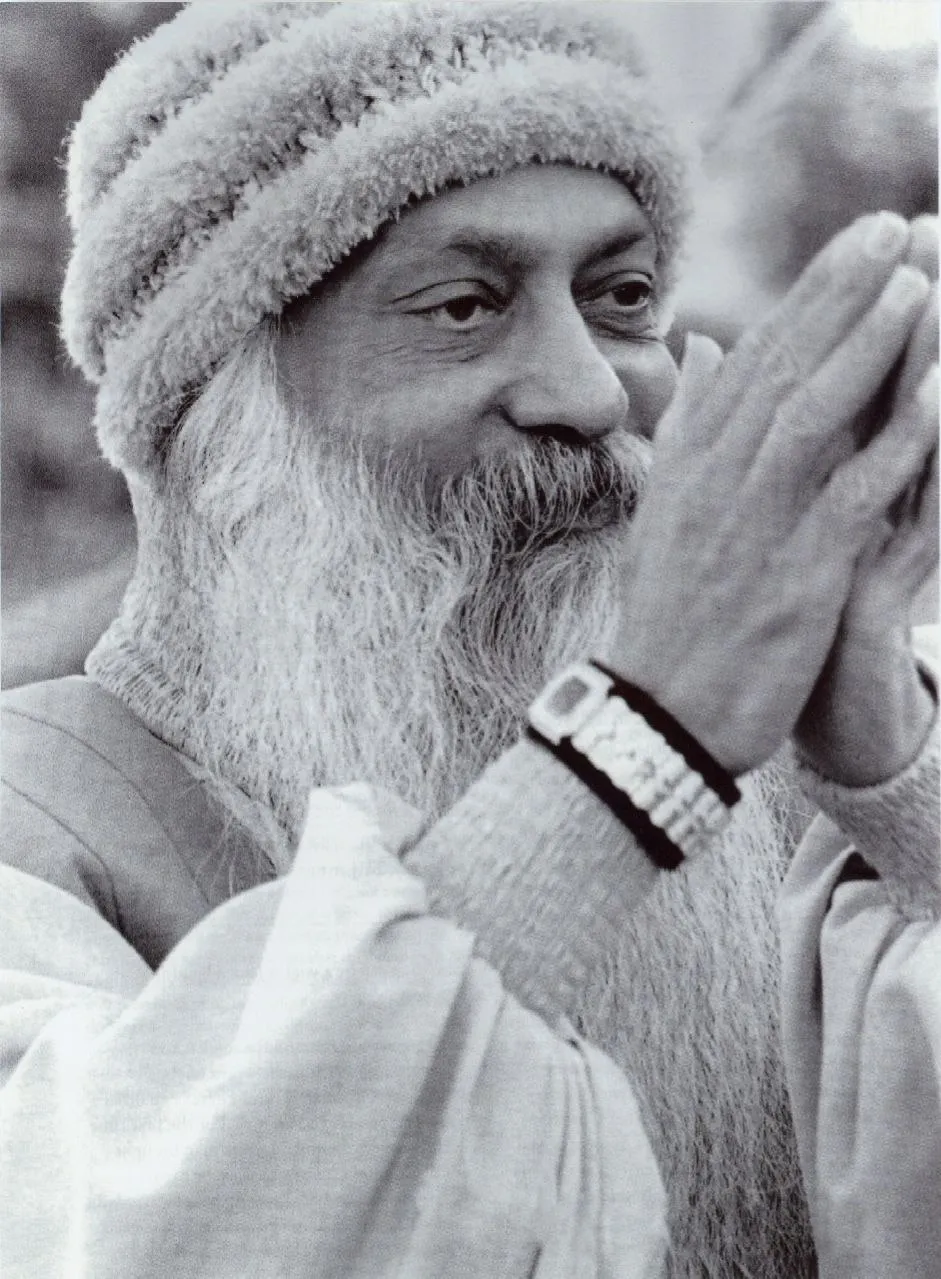
"Es Dhammo Sanantano" is a profound exploration of the intricate and often deceptive nature of the human mind as discussed by Osho. Central to this discourse series is the concept that true transformation occurs from within, beyond mere outward appearances. Osho draws inspiration from the wisdom of Kabir to underscore that genuine change is not about altering one's external facade—like dyeing robes—but rather about dyeing the inner mind, the heart, and the soul. This transformation is characterized by introspection and honesty, a departure from habitual deception and self-delusion. Through this series, Osho encourages the seeker to acknowledge the complexity of self-deception, a skill honed by years of deceiving others until it turns inward, leading one to obscure their own truth. A recurring theme is the difference between performing rituals like prayer and embodying their essence; an external act devoid of internal authenticity remains superficial. Osho invites individuals to transcend superficial changes to embrace a revolution of the spirit, where the 'center,' the true self, is dyed in the vibrant colors of love, truth, and consciousness, leading to profound spiritual growth and liberation.
-
Chapter 1
Buddha's path is a scientific inner revolution: awareness that mind creates suffering; wake from ego-made lies, create your own light through experience.
-
Chapter 2
Desire is a bottomless pot—neither indulge nor flee: fully awaken, test desire, earn faith through inquiry, and drop enmity so innate love remains.
-
Chapter 3
Buddha as psychologist: suffering has causes; pull out life’s arrow by inner seeing and meditation—discover the juice is in you, not in objects.
-
Chapter 4
Experience, not talk: silence of mind through meditation and awareness dissolves the false self; rules are useless—live fully, don't reconcile paths.
-
Chapter 5
Life is heaven when lived with awareness; sin is living absent, forever postponing to tomorrow. Your present awareness creates heaven or hell; be present now.
-
Chapter 6
Women find liberation through total surrender in love, men through deep meditation; drop religious poison and conditioned habits to awaken and live now.
-
Chapter 7
Awareness (appamada) is the path to immortality: wake from the dream of desires and waiting, turn light inward, and find the eternal within rather than outer promises.
-
Chapter 8
Love—not fear or negation—is the real path to God; buried love is a thin thread that, nurtured, becomes a rope to free you and lead to divine union.
-
Chapter 9
Become your own traveler and destination: wake from heedlessness. Meditate to burn bonds, reject outer temples and sensual hypnosis, find inner freedom.
-
Chapter 10
Freedom isn't won by longing for it, the mind fabricates bondage and even liberation; wakeful attention dissolves the dream (Nagarjuna's buffalo) shows the way.
-
Chapter 11
Master life now: let attention be charioteer and mind the passenger; reverse your Gita, drop desire and becoming, accept what is, and the eternal appears.
-
Chapter 12
Buddha meets the mind where it hurts: use reason, discipline and skillful means to remove suffering step by step, transforming craving and doubt into seeing.
-
Chapter 13
Protect the heart’s inner lamp: renounce attachment and fear, seek inner bliss through awareness and meditation; change within, not the world.
-
Chapter 14
When inner power rises, pour it out as love and joy—celebrate and share; don't hoard. Seek peace, dissolve the ego, and let bliss overflow now!
-
Chapter 15
Walk awake, not wander: awakening is the destination; shed borrowed knowledge and scholarship, become a true disciple, and discover the goal already within.
-
Chapter 16
Silence and direct witnessing, not intellectual questioning, unveils Buddha’s flower; laughter can be the bloom of stillness. Buddhahood is innate recognition.
-
Chapter 17
Devotion is our nature: prayer springs from the heart, not from belief in God. Buddha taught neutral observation and transforming knowledge into living conduct.
-
Chapter 18
Opposites dissolve: awareness and divine intoxication are one; silence and celebration unify. Drop the intellect, listen with the heart, trust and step beyond.
-
Chapter 19
Awaken from egoic sleep: inner shila blooms into an imperishable fragrance beyond sandalwood and jasmine—ask not Where is God? but Where are your eyes?
-
Chapter 20
Compassion can justify breaking the Buddha’s injunctions; remembrance, wholehearted surrender and silent sitting reveal the eternal dharma within.
-
Chapter 21
World is Maya; its vastness springs from our sleep. Awakening and Saddharma shrink the ocean of becoming—awareness, solitude and emptying the self cross it.
-
Chapter 22
Buddha's path begins with radical doubt and ends in emptiness: drop God, self and belief; inquiry, not blind faith, leads to true liberation.
-
Chapter 23
Satsang's power: the Sadguru's presence awakens your sleeping light; surrender trades cleverness for feeling, turning pain into a path — can presence wake you?
-
Chapter 24
Taru's wine: choose the divine wine that erases the ego rather than worldly intoxications; real awakening is inner cash of awareness and witnessing
-
Chapter 25
Virtue leads inward to witness-state and egoless joy; sin drives outward into ego, bondage and remorse—measure acts by whether they awaken being within.
-
Chapter 26
Silence restores authenticity: speech bends us toward others and falseness. Cultivate inner silence so true speech, true action and self-realization can flower.
-
Chapter 27
Truth is already present; the task is to remove the 'rock' of stupidity and ego through honest confession, remembrance and inner seeing—how have you turned away?
-
Chapter 28
Greed isn't ended by renunciation; awareness dissolves its emptiness. Don't swap worldly for heavenly greed—true freedom ripens when greed's futility is seen.
-
Chapter 29
Keep critics close and flee praisers: criticism exposes faults that heal and uncover buried treasures; praise inflates ego and halts true becoming.
-
Chapter 30
Awareness dissolves desire and the illusion of the other; wakeful presence turns suffering into freedom and is the essence of buddhahood; be the witness now.
-
Chapter 31
True knowing (bodh) transforms life; renunciation follows seeing, not vice versa—stop mistaking scriptures for realization, turn the oars inward to meditate.
-
Chapter 32
Understanding won't fill life; answers arise by risking living—enter the water, burn the ego, touch the present (muhurta), and seek rather than demand security.
-
Chapter 33
True renunciation arises from full living; seek a living master, not scripture. Practice solitude and ownerlessness so Nirvana can dawn here and now.
-
Chapter 34
Dharma cannot be possessed; one dissolves into it. Seek self, not God or a guru; readiness, emptiness and wonder open the door to the divine now.
-
Chapter 35
Life itself is the path: ripen by living fully, endure pain instead of fleeing, untie inner knots, and only then grief falls away and true freedom dawns.
-
Chapter 36
Mind's duality: reverence and doubt arise together; use faith as medicine to remove doubt, then discard both to reach nonduality (shunya) and true surrender.
-
Chapter 37
The world is a market where everything is for sale except the Self; freedom comes by remembering yourself, training the senses with love rather than force.
-
Chapter 38
Sadhana is a means - drop it when awakening arrives; love is the brief pause between desire and prayer; guard meditation until it ripens before sharing.
-
Chapter 39
True faith arises from fearless self-trust and patient personal search, not borrowed beliefs; what is real faith? It is inner discovery leading to Akrit—Nirvana beyond doing.
-
Chapter 40
Love reveals the divine and can't be hidden; ego inhabits all we own; simple-hearted receptivity opens inner light and meditation moves through dull mid-stages.
-
Chapter 41
Silence births true words; one meaningful word from direct experience brings peace. Drop false identities, learn listening, conquer yourself—find Dharma.
-
Chapter 42
You are your own master: heaven or hell arise from your inner attitude; cultivate reverence, responsibility, urgent self-awareness to taste true life.
-
Chapter 43
Nonduality dissolves opposites: transcend choosing devotion or knowledge; become fluid, balance both wings, and arrive inwardly where self and God are one.
-
Chapter 44
Paap tempts with promises while punya requires urgent, generous action; transform awareness to see how wrong hides as right and dedicate present energy to giving.
-
Chapter 45
Destiny is self-written: responsibility frees you from fatalism; choose joy over manufactured sorrow, stop craving sympathy, and decide to be happy.
-
Chapter 46
Wake your eyes: sin appears as nectar only to the asleep; heal inner wounds with awareness, accept karma calmly, and move beyond pleasure and pain.
-
Chapter 47
No one sends you to hell or heaven; your habits and choices create your destiny. Own responsibility, watch suffering with neutrality and awaken to anashrava.
-
Chapter 48
Recognize the Self and live from unity: do not cause suffering—what you inflict returns. Nonviolence and inner silence transform into love and nirvana.
-
Chapter 49
Love beyond intellect transcends contradictions: abandon ideas, be attuned to the heart; live God now by celebrating the present and cultivating thirst.
-
Chapter 50
Awaken to act rather than repent: awareness is the master-key to transform lust, anger and greed; light your inner lamp and stop blowing it out.
-
Chapter 51
Live causelessly: abandon the hunt for causes, embrace the bottomless 'is' of the present, accept yourself, flow with life and stop seeking answers.
-
Chapter 52
Two paths - dive into life or dive into death - both require total dissolution; Buddha's method uses death-vision to shatter dreams and light the lamp of meditation.
-
Chapter 53
Uses other Buddhas as pegs to free you from attachment—teaching witnessing, revealing knots so you may fly into the open sky; answers why he leans on others.
-
Chapter 54
Craving builds the house of repeated births; preserve energy through brahmacharya and awaken witnessing so prajna can mature and moksha be reached.
-
Chapter 55
The past cannot be undone—repentance wastes life. Awaken today, transform remorse into disciplined practice; life replenishes, God seeks you, helplessness becomes prayer.
-
Chapter 56
Love yourself first: safeguard your inner life and remain awake in at least one watch of the night; self-love and vigilance alone bring true freedom.
-
Chapter 57
Buddha denied an external God not to negate divinity but to place the divine within, ending prayer in favor of meditation so man can become God.
-
Chapter 58
Absolute self-responsibility: no God, fate, or rituals can wash your grime—your will is destiny; suffer your sorrow, transform it; become your own salvation.
-
Chapter 59
Seek self-awakening, not names or outward bows; prayer is inner gratitude, not asking; live fully so you can learn to die, and let satsang awaken your hidden song.
-
Chapter 60
Reject borrowed religion and wake from heedlessness: discover your own dharma within; die before death, see the world's mirage and ask 'Who am I?'
-
Chapter 61
Buddha made religion scientific: use doubt as research, meditate to transcend mind, and transform sinners into saints through full awakening.
-
Chapter 62
Only those who open their hearts and risk sannyas can dive into the wave of true communion; awareness, not vows, transforms life into spiritual truth.
-
Chapter 63
Face sorrow, find its cause, and freedom follows: Buddha as physician removes craving with awareness, not pursuit of pleasure—how to end sorrow?
-
Chapter 64
Surrender: take refuge first in Buddhahood, then Sangha, then Dhamma—drop the ego, find the inner alchemy; the guru points the path, you must walk it.
-
Chapter 65
Craving makes life hollow; true freedom comes from inner awakening that ends thirst. Renunciation without insight is futile — see Dahar and Buddha’s sutras.
-
Chapter 66
Drop the urge to take, sit relaxed and nonjudging, surrendering desire and mind; in that heart-to-heart silence unseen waves enter and transformation occurs.
-
Chapter 67
Life is a wicker-basket of frantic struggle toward death; true freedom is Paravritti—turning energy inward to discover timeless life, samadhi and compassion.
-
Chapter 68
Freedom from the negative mind demands freedom from mind itself: drop choice, taste emptiness where yes and no fall away, and ego dissolves. Intellect dies with greed.
-
Chapter 69
Happiness and sorrow are interpretations; by changing seeing we become free. Rohini: ego's 'first' spawns quarrel. Non-enmity, emptiness and love bring bliss
-
Chapter 70
Seeing life as suffering frees energy from outer chase and turns it inward toward awakening; Buddha’s truth warns not to despair but to seek inner bliss.
-
Chapter 71
Passion blinds; the awakened presence shatters craving and calls one to arise—use life's pivotal moments to turn inward and ask: can you awake?
-
Chapter 72
Samsara is misplaced hope and running after others; true happiness is your own nature—stop chasing conditions, turn inward, let pain refine you; nirvana dawns.
-
Chapter 73
Loneliness drives either social escape or sannyas; true bliss arises within—aloneness is kaivalya, not found in others; where will you seek joy?
-
Chapter 74
Saints' words dissolve mental tension when received without prejudice; true Godhood is recognition of one’s nature, not a title—openness allows transformation.
-
Chapter 75
Mind breeds disease; ego and anger show as sickness. True cure is transforming mind—compassion, self-forgetting service and meditation awaken lasting freedom.
-
Chapter 76
Reject intellectualism; awaken your own intelligence into Buddhahood. Drop doership, become witness so actions flow naturally; love is God and celebrate joy always.
-
Chapter 77
Life's futility revealed at death: shed attachments, build inner provisions (dhyana/punya), become an island so death becomes liberation now.
-
Chapter 78
Shreyas vs preyas: true good comes from wakefulness, not sleepy attractions; awakening dissolves false pleasures and leads to lasting liberation and compassion.
-
Chapter 79
Ego and half-knowledge lead to filth: Laludayi's collapse shows criticism is easy; true liberation needs swadhyaya, humility, inner digestion and creation.
-
Chapter 80
Offerings of food express love that invites priceless teachings; upadesha is intimate persuasion-small words awaken when the disciple draws near.
-
Chapter 81
Ego's inferiority masks itself as superiority; condemnation wastes life-energy that could yield Samadhi, so cultivate contentment to awaken within.
-
Chapter 82
Buddha as seer, not philosopher: truth comes by meditation and seeing, not belief; experience over doctrine, awareness, compassion and natural simplicity.
-
Chapter 83
Take sannyas now: do the auspicious in the present; drop 'when'. Freedom comes by ending craving, practising the Middle Way and awake witnessing.
-
Chapter 84
Life is free like rivers; truth rises from wordless silence, not scriptures or victory-seeking mind. A true Master mirrors honesty and emptiness.
-
Chapter 85
Scriptures alone cannot ferry you; only a living master can light a lamp within. Confess, wake up, and transcend mind, politics and sannyas.
-
Chapter 86
Outer change deceives; true revolution dyes the mind. Use twilight to turn inward. Follow the Noble Eightfold Path, meditation and dispassion to end dukkha.
-
Chapter 87
Outer wealth, position and prestige bring no peace; true capital is inner—meditation and love. Drop illusions, cultivate inner capital for lasting joy.
-
Chapter 88
Meditation is thoughtless consciousness: witness and cut the inner forest of samskaras; solitude, impermanence, suffering and non‑self prepare the soil.
-
Chapter 89
True knowledge arises from meditation and lived experience; borrowed book-learning won't change conduct—know as a living diamond, not as a told fact.
-
Chapter 90
Death's nearness destroys future-dreams; awakening into the present and Samadhi frees from time and desire, as the merchant's seven-day turnaround shows.
-
Chapter 91
Truth cannot be defined in words; it must be realized by opening the inner eye through meditation and direct experience—seek 'How is truth attained?'
-
Chapter 92
Small seeds of impartial devotion and renunciation yield Amrita: remember God in happiness, uproot thirst and ego to transcend death and attain lasting bliss.
-
Chapter 93
Meditation heals world suffering by awakening inner awareness; true selfishness is cultivating inner joy that radiates compassion, ending desire's division.
-
Chapter 94
Smriti - wakeful remembrance - turns unconsciousness into Samadhi; a child's Namo Buddhassa shows mindful repetition, body-mind-heart awareness, inner awakening.
-
Chapter 95
Advice is worthless unless lived: speak only from your own experience; harmonize deed and word, give counsel only when asked and tested by life.
-
Chapter 96
Near a Buddha one must have inner eyes: meditation and faith, not greed or mere renunciation, reveal true communion; the Master awakens those ready.
-
Chapter 97
Life and death are not opposites but partners: embracing death in awareness reveals true life; wakefulness in the world, not escape, leads to freedom.
-
Chapter 98
Truth needs no defense: false religion attacks the living Buddha with sex and wealth slanders; silence, patience and inner awakening let truth prevail.
-
Chapter 99
Human consciousness has ripened: ancient paths converge; teachers must lead stepwise, preserve compassion through renunciation, and reject priestly falsity.
-
Chapter 100
Religion is rebellion: truth frees while tradition fetters; children receive the Buddha's imprint—will parents dare send them and face their own fear?
-
Chapter 101
Sannyas, freedom from possessiveness, sangha vs crowd, and repentance as learning: awaken readiness, offer all without ownership, let rebellion fuel awareness.
-
Chapter 102
See the eternal in the moment: awaken by right-remembrance, distill timeless fragrance from life’s incidents—respond now, not when age traps you.
-
Chapter 103
Life is transient; craving breeds suffering. Through the golden-fish and sow parables Osho urges acceptance of change and uprooting desire to attain nirvana.
-
Chapter 104
Buddhahood’s taste is one; apparent differences arise from minds, languages and methods. Transcend thought—meditation reveals timeless non-different essence.
-
Chapter 105
Seeing and understanding trsna (craving) dissolves ego, drops suffering and brings Buddhahood; awakening is instantaneous through awareness, not by methods.
-
Chapter 106
The transient flower shows impermanence yet reveals the changeless Dharma through silent witnessing; Zen’s living lineage, begun with Mahakashyapa blooms within.
-
Chapter 107
Guard your Smriti: awaken mindful awareness to cut craving. Buddha’s monk and Rahula teach that Dharma’s taste surpasses all and ends thirst.
-
Chapter 108
Buddha's paradox: no master yet support can help; be your own lamp—masters only give courage to 'drown' into your inner depth where truth arises.
-
Chapter 109
Dana is the essence of dharma: give everything—wealth, love, song, knowledge—until egoless shunyata. True giving frees the soul and opens to the Source.
-
Chapter 110
River teaches non-clinging, flow and total acceptance: witness and let go of grasping; live fully without fear of life or death, love fully to find the divine.
-
Chapter 111
Sam-equanimity-transcends sense-control: true restraint (sanvara) is choiceless awareness, not repression; dissolve ego by solitude, silence and meditation.
-
Chapter 112
True dharma is eternal; religions decay when teachings are heard by lesser consciousness. Seek living masters, not dead scriptures. Honor love and discipline.
-
Chapter 113
Renunciation is inner emptying, not outer renounce; Buddha’s unannounced presence awakens hidden resolve—how to know sannyas isn't mere emotion?
-
Chapter 114
Belief blinds; drop notions of God and soul to awaken to dharma — es dhammo sanantano, the timeless law of being. Wakeful knowing, not faith, reveals true life.
-
Chapter 115
Life is flow; liberation is release into shunya. Gather your scattered energy through firm sankalpa, accept a Guru's trust, and avoid wasting effort on petty vows.
-
Chapter 116
Kabir's call for Meera - male and female energies must unite; truth is within, beyond history and forms; meditation, surrender and inner freedom reveal eternity.
-
Chapter 117
Vakkali's fixation on the Buddha's body shows bondage; true sight is Dhamma—become a Brahmin by inner awakening: samatha then vipassana, loving that frees.
-
Chapter 118
Extremes impoverish life; true religion is the balance of body and soul—meditation and love as two wings—so cultures revive by embracing both.
-
Chapter 119
True Brahminhood is inner awakening, not birth or ritual; Sariputta’s forbearance and Dhananjati’s devotion show realization transcends mere interpretation.
-
Chapter 120
Love is causeless trust - surrender, lose the seeker and the divine appears. Learn to light your own lamp: use teachers, but ultimately walk alone.
-
Chapter 121
Here all is transient; only inner awakening transforms experience. Solitude, silence and totality reveal the Buddha within, ending the round of birth.
-
Chapter 122
Answering 'What is attachment?': a clutching that prefers pain to void because the ego feeds on suffering; open your fist, accept emptiness and find fullness.