
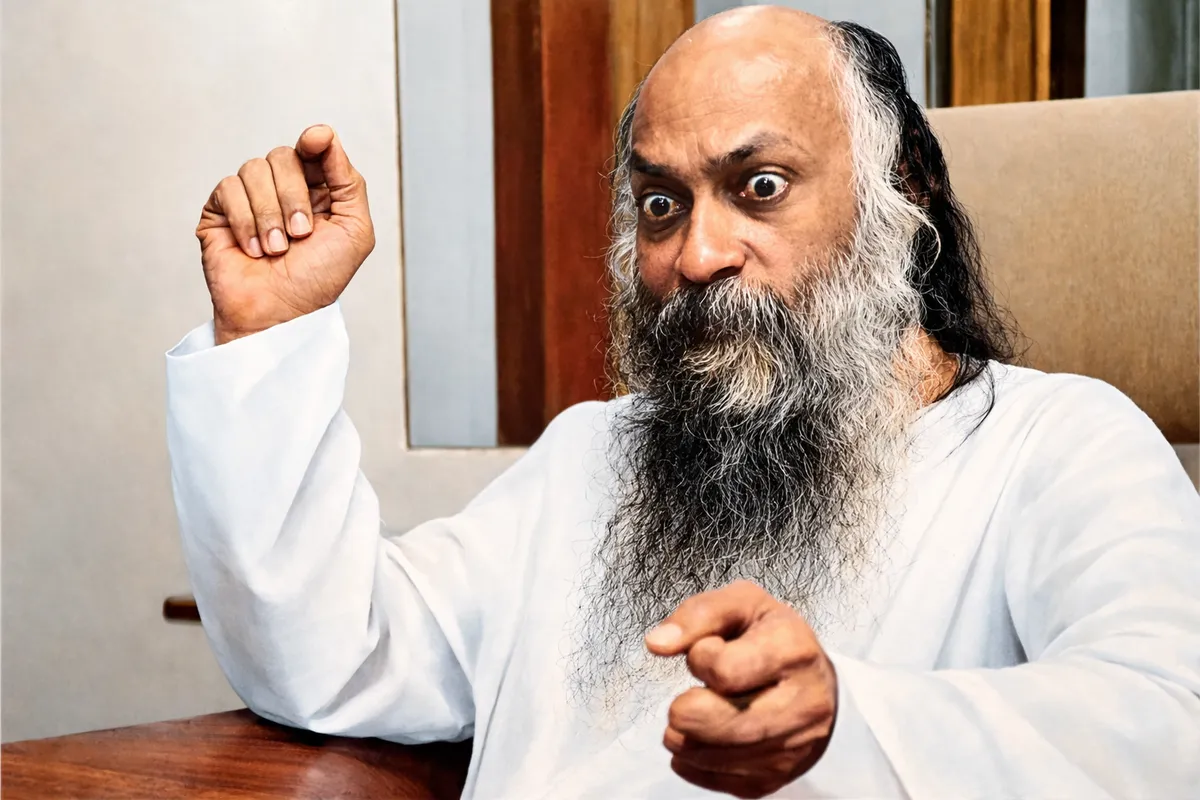
Osho's original Hindi beside Osho Live's English translation, matched passage by passage.
समझ की बहुत बात भी नहीं। समझने का बहुत सवाल भी नहीं। जो समझने में ही उलझा रहेगा, नासमझ ही बना रहेगा।
It isn’t so much about understanding. If you keep getting tangled up in understanding, you will remain uncomprehending.
जीवन कुछ जीने की बात है, स्वाद लेने की बात है। समझ का अर्थ ही होता है कि हम बिना स्वाद लिए समझने की चेष्टा में लगे हैं, बिना जीए समझने की चेष्टा में लगे हैं। बिना भोजन किए भूख न मिटेगी। समझने से कब किसकी भूख मिटी? और भूख मिट जाए तो समझने की चिंता कौन करता है!
Life is something to be lived, to be tasted. “Understanding” usually means we are trying to grasp without tasting, to know without living. Hunger won’t be satisfied without eating. When did anyone’s hunger ever vanish by understanding? And once hunger is gone, who bothers about understanding!
आदमी ने एक बड़ी बुनियादी भूल सीख ली है--वह है, जीवन को समझ के द्वारा भरने की। जीवन कभी समझ से भरता नहीं; धोखा पैदा होता है।
Man has learned a basic mistake—to try to fill life with understanding. Life is never filled by understanding; it only breeds an illusion.
प्रेम करो तो प्रेम को जानोगे। प्रार्थना करो तो प्रार्थना को जानोगे।
अहंकार की सीढ़ियां थोड़ी उतरो तो निरहंकार को जानोगे।
डूबो, मिटो, तो परमात्मा का थोड़ा बोध पैदा होगा।
Love, and you will know love. Pray, and you will know prayer. Climb down a few steps of the ego, and you will know egolessness. Dive and dissolve, and a little awakening to the divine will arise.
लेकिन तुम कहते हो, पहले हम समझेंगे। तुम कहते हो, हम पानी में उतरेंगे न, जब तक हम तैरना समझ न लें। अब तैरने को समझकर कोई पानी में उतरेगा तो कभी उतर ही न पाएगा। तैरना तो तैरकर ही समझा जाता है। इसलिए पहली बार तो बिना तैरना जाने ही पानी में उतरना जरूरी है। खतरा है। पर जो खतरा मोल लेते हैं वे ही समझ के मोतियों को निकाल लाते हैं। तुम बिना खतरा लिए समझने की कोशिश कर रहे हो। तुम चाहते तो सब हो कि समझ में आ जाए, हाथ न जलें। तुम दूर खड़े रहो; समझ की संपदा तुम्हारे पास आ जाए, तुम्हें कदम न उठाना पड़े।
But you say, “First we will understand.” You say, “We won’t enter the water until we understand swimming.” If someone waits to understand swimming before stepping into the water, he will never enter. Swimming is understood by swimming. So the first time, it is necessary to enter the water without knowing how to swim. There is risk. But only those who risk bring up the pearls of understanding. You are trying to understand without risk. You want everything to be understood, and not get your hands burned. You want to stand at a distance and have the treasure of understanding come to you, without your taking a single step.
तुम शब्दों-शब्दों से अपने को भर लेना चाहते हो--वहीं चूक हो रही है। इसलिए तुम प्रश्न पूछने में डरते भी हो। क्योंकि प्रश्न पूछने का अर्थ ही होता है: उत्तर की खोज में जाना होगा। उत्तर कोई मुफ्त नहीं मिलते हैं; मिलते होते, सभी को मिल गए होते। उत्तर ऐसे ही कहीं किताबों में बंद नहीं रखे हैं कि तुमने खोले और पा लिए। उत्तर तो जीवन की कशमकश में, जीवन के संघर्ष में उत्पन्न होते हैं। उत्तर कोई रेडीमेड नहीं हैं कि तुम गए और प्राप्त कर लिए। कोई दूसरा तो तुम्हें दे ही नहीं सकता--तुम्हीं खोजोगे। दूसरे से इतना ही हो जाए कि तुम्हारे भीतर यह खयाल आ जाए कि बिना खोजे न मिलेगा--तो काफी। दूसरे से इतनी प्यास पैदा हो जाए कि खोजना पड़ेगा, अपने को दांव पर लगाना पड़ेगा--तो बस...।
You want to stuff yourself with words—that’s where the miss is. Hence you also fear asking questions, because to ask a question means you will have to set out in search of the answer. Answers are not free; if they were, everyone would have them. Answers aren’t locked away in books for you to open and take. Answers arise in the tussle of life, in the struggle of living. They are not ready‑made. No one else can give them to you—you will have to discover them. At most, another can awaken in you the sense that without seeking you won’t find—that is enough. From another you may catch a thirst so that you must seek, must stake yourself—that is enough...
बुद्ध पुरुषों से प्यास मिलती है। बुद्ध पुरुषों से उत्तर नहीं मिलते, प्रश्न करने की क्षमता मिलती है। बुद्ध पुरुषों से प्रश्नों के हल नहीं होते, प्रश्नों को हल करने के लिए जीवन को दांव पर लगाने का अभियान मिलता है।
From the awakened you receive thirst. From the awakened you do not receive answers but the capacity to question. From the awakened your questions are not solved; you receive the courage to stake your life to resolve them.
इतनी बातभर तुम्हारी समझ में आ जाए कि समझने से कुछ न होगा, तो समझ का काम पूरा हुआ। अन्यथा जब पूछने को सोचोगे तो कुछ पूछने जैसा खयाल में न आएगा, पूछने को क्या है? बुद्धि कहेगी, सब ठीक है। सब ठीक से काम मत चलाना। सब ठीक भी कुछ ठीक हुआ? सब ठीक तो बड़े बुझे मन की दशा है। कुछ भी ठीक नहीं है। सब ठीक तो तुम कहते हो तभी, जब कुछ भी ठीक नहीं होता और उसे तुम देखना भी नहीं चाहते, लीप-पोत लेते हो, ढांक लेते हो।
If only this much becomes clear to you—that nothing will happen by mere understanding—then understanding has done its job. Otherwise, when you think to ask, you will find nothing comes to mind: “What is there to ask?” The intellect says, “Everything is fine.” Don’t make do with “everything is fine.” What has ever been fine about “everything is fine”? “Everything is fine” is the mood of a dimmed heart. Nothing is fine. You say “everything is fine” only when nothing is fine and you don’t want to see it—you whitewash it, cover it up.
जब कोई तुमसे पूछता है, कैसे हो? कहते हो, सब ठीक है। कभी गौर किया, इस सब ठीक के नीचे कितना गैर-ठीक दबा है? औपचारिक है। इसलिए जब तुम पूछने को उठोगे, पाओगे, पूछने को कुछ मालूम नहीं होता, सब ठीक है। लेकिन कुछ भी ठीक नहीं है। और हजार-हजार प्रश्न तुम्हारे भीतर पल रहे हैं। स्वाभाविक है कि प्रश्न पलें; प्रश्नों के बिना कौन जीवन के सागर में उतरा! स्वाभाविक है कि जिज्ञासा तुम्हारे भीतर घर बनाए, जिज्ञासा की पीड़ा जन्मे, जिज्ञासा तुम्हें विक्षिप्त बना दे कि जब तक तुम सत्य को पा न लो, संतोष न करो।
When someone asks you, “How are you?” you say, “All right.” Have you noticed how much not‑all‑right is buried under that “all right”? It’s formal. So when you rise to ask, you’ll find nothing seems worth asking—“all is well.” But nothing is well. Thousands of questions are growing inside you. It is natural that questions grow; without them, who ever launched out upon the ocean of life! It is natural that inquiry makes a home within you, that the pain of inquiry is born, that the inquiry drives you half‑mad—until you find truth, do not settle.
फिर से तुमसे कहूं: पूछने में तुम डरते हो, क्योंकि चलना पड़ेगा। इसे तुम भी भलीभांति जानते हो। लेकिन तुम गजब के होशियार हो अपने को धोखा देने में! इसलिए पूछते भी नहीं, प्रश्न भी भीतर खड़े हैं, मिटते भी नहीं। मिटेंगे कैसे? कौन मिटा देगा? जीवन तुम्हारा है, प्रश्न तुम्हारे हैं। उत्तर भी तुम्हारे होंगे, समाधान भी तुम्हारा होगा। कंठ तुम्हारा प्यासा है, मेरे उत्तर से क्या होगा हल! तुम्हें सरोवर खोजना पड़ेगा। ज्यादा से ज्यादा इतना कह सकता हूं, इसी राह मैं भी चला था, घबड़ाना मत। कितनी ही प्यास बढ़ जाए, निराश मत होना--सरोवर है। इतनी आस्था तुम्हें दे सकता हूं।
Again I tell you: you fear asking because you will have to move. You know this well enough. But you are astoundingly clever at deceiving yourself! So you neither ask, nor do the questions inside you dissolve. How would they dissolve? Who will dissolve them? It is your life; they are your questions. The answers too will be yours; the resolution will be yours. Your throat is thirsty; what will my answers do! You will have to find the lake. At most, I can say this much: I too walked this path; don’t be frightened. However great the thirst grows, do not despair—there is a lake. I can give you that much trust.
जो उत्तर मैं तुम्हें दे रहा हूं, वे प्रश्नों के उत्तर नहीं हैं, सिर्फ तुम्हारी कमजोर हिम्मत न हो जाए, तुम हिम्मतपस्त न हो जाओ। राह लंबी है, सरोवर दूर है; मुफ्त नहीं मिलता; बड़ा कंटकाकीर्ण मार्ग है, भटक जाने की ज्यादा संभावनाएं हैं पहुंच जाने की बजाय। करीब-करीब आ गए लोग भी भटक गए हैं; पहुंचते-पहुंचते गलत राह पकड़ ली है; पहुंच ही गए थे कि पड़ाव डाल दिया। दो कदम बाद सरोवर था कि थक गए और सोचा कि मंजिल आ गई; आंख बंद कर ली और सपने देखने लगे। इतना ही तुमसे कह सकता हूं कि सरोवर है और सरोवर को पाने का तुम्हारा जन्म-सिद्ध अधिकार है। पर खोजे बिना यह न होगा।
What answers I give you are not answers to the questions; they are only so that your courage does not fail, so that you do not lose heart. The road is long, the lake is far; it isn’t free; the path is thorn‑strewn; there is more likelihood of going astray than of arriving. People who came very near have gone astray; just as they were arriving, they took a wrong turn; they had practically arrived and then pitched camp. Two steps more and the lake was there—but they grew tired and thought the goal had come; they closed their eyes and began to dream. I can only tell you this much: the lake exists, and attaining it is your birthright. But it will not happen without seeking.
और खोज से इतना डर क्यों लगता है? क्योंकि खोज का अर्थ ही होता है: अनजाने रास्तों पर यात्रा करनी होगी। खोज का अर्थ ही होता है: नक्शे नहीं हैं हाथ में, नहीं तो नक्शों के सहारे चल लेते; राह पर मील के पत्थर नहीं लगे हैं, नहीं तो उनके सहारे चल लेते। खोज जटिल है इसलिए कि तुम चलते हो, तुम्हारे चलने से ही रास्ता बनता है। रास्ता पहले से तैयार नहीं है। राजपथ नहीं है जिस पर भीड़ चली जाए।
And why so much fear of seeking? Because seeking means traveling on unknown paths. Seeking means: there are no maps in your hand—otherwise you could follow them; there are no milestones on the way—otherwise you could rely on them. Seeking is difficult because as you walk, the path is made by your walking. The road is not prepared beforehand. It is not a royal highway along which the crowd moves.
इसलिए तुमसे कहता हूं: धर्म वैयक्तिक है।
संप्रदाय तुम्हें धोखा देता है राजपथ का। हिंदू चले जा रहे हैं, मुसलमान चले जा रहे हैं, तुम भी साथ-संग हो लिए, बड़ी भीड़ जा रही है! लेकिन जो भी पहुंचा है, अकेला पहुंचा है; याद रखना, भीड़ कभी पहुंची नहीं। जो भी पहुंचा है, नितांत एकांत में पहुंचा है। जो भी पहुंचा है, इतना अकेला पहुंचा है कि खुद भी अपने साथ न था उन पहुंचने के क्षणों में। इतनी शून्य एकांत की दशा में कोई पहुंचा है कि खुद भी न था मौजूद; दूसरे की तो बात और। दूसरे की तो जगह ही न थी, अपने लिए भी जगह नहीं।
That is why I say to you: religion is individual. A sect deceives you with the promise of a highway. Hindus are going, Muslims are going—you join the procession, such a great crowd is going! But whoever has arrived has arrived alone; remember, crowds never arrive. Whoever has arrived has arrived in utter solitude. Whoever has arrived has arrived so alone that even he himself was not with himself in those moments of arriving. In such a state of empty aloneness someone has arrived that he himself was not present—let alone another. There was no place for another; there wasn’t even room for oneself.
जब खोजते-खोजते तुम खो जाओगे, तब खोज पूरी होती है। जब खोजते- खोजते तुम भूल ही जाओगे कि तुम भी हो, किसी क्षण में, किसी ऐसे विराट क्षण में, जब तुम भी तुम्हारे साथ नहीं होते, उसी क्षण परमात्मा बरस उठता है। फिर तो नामों के भेद हैं--परमात्मा कहो, मोक्ष कहो, निर्वाण कहो, कैवल्य कहो, या कुछ भी न कहो। एक बात लेकिन सच है और पक्की है कि तुम नहीं होते।
When, seeking and seeking, you are lost, the search is complete. When, seeking and seeking, you forget even that you are, then in some moment—some vast moment—in which even you are not with you, in that very moment God pours down. Then you may call it by names—God, liberation, nirvana, kaivalya—or say nothing at all. One thing is certain and solid: you are not.
सारा काम मिटने का है। सारी कला मिटने की है।
The whole work is to disappear. The whole art is the art of effacement.
दीप का जलना, चमकना गेह का
शलभ का मरना, नमूना नेह का
The lamp’s burning is the home’s shining; the moth’s dying is the emblem of love.
बस दो बात खयाल रखनी जरूरी हैं:
Only two things are necessary to remember:
दीप का जलना, चमकना गेह का
जैसे-जैसे दीप जलता है, वैसे-वैसे घर रोशन होता है। जैसे-जैसे तुम जलोगे पीड़ा में, विरह में, खोज में, वैसे ही वैसे तुम्हारा भीतर का घर रोशन होने लगेगा। तुम्हारी जलन में ही ज्योति छिपी है।
The lamp’s burning is the home’s shining. As the lamp burns, the house fills with light. As you burn—in pain, in longing, in the search—so your inner house will begin to illumine. In your burning the flame is hidden.
ऐसे सुविधा से बैठे-बैठे, सब तरफ सुरक्षा से घिरे-घिरे, कदम भी न उठाने पड़ें और मंजिल पास आ जाए--तुम थोड़ा जरूरत से ज्यादा मांग रहे हो; तुम पात्रता के बिना मांग रहे हो। मंजिल आती है जरूर, सारा आकाश तुम्हें घेर लेता है। परमात्मा तुम में उतर आता है जरूर, लेकिन तुम खोजो तो। उतनी पहली शर्त तो पूरी करो।
Sitting comfortably, cushioned on every side, without taking a single step, and the goal should arrive—you are asking a bit too much; you are asking without deserving. The goal does come; the whole sky surrounds you. The divine does descend into you—but you must seek. At least fulfill the first condition.
दीप का जलना, चमकना गेह का
दीप जलता है तो घर में रोशनी होती है; तुम जलोगे तो तुम्हारे भीतर के गृह में रोशनी होगी। अहंकार को ऐसे ही जलाना है जैसे दीप की बाती जलती है।
The lamp’s burning is the home’s shining. When the lamp burns, the house is lit; when you burn, the home within is illumined. You must burn the ego just as the wick burns in the lamp.
शलभ का मरना, नमूना नेह का
और जब परवाना मर जाता है तो प्रेम का जन्म होता है। दीप जलता है तो प्रकाश; जब अहंकार जलता है, तुम जब जलते हो, तो रोशनी। और तुम जब बिलकुल मिट जाते हो, खो जाते हो, तो प्रेम, प्रभु, परमात्मा!
The moth’s dying is the emblem of love. And when the moth dies, love is born. When the lamp burns, there is light; when the ego burns—when you burn—there is illumination. And when you are utterly gone, effaced, lost—there is love, the Lord, the divine!
प्रश्नों के उत्तर नहीं हैं, समाधान हैं। समाधान का अर्थ है: तुम समाधि को पहुंचोगे तो।
There are no answers to questions; there is samadhan. And samadhan means: when you arrive at samadhi.
मैं तुम्हें इतने उत्तर देता हूं, भूलकर भी यह मत सोचना कि कोई उत्तर तुम्हारे काम आ जाएगा। तुम पूछते हो, मैं देता हूं; न दूं, तुम बुरा मानोगे; न दूं तो तुम मेरे पास रहने का कारण भी न पाओगे। मैं यहां चुप बैठा रहूं, तुम विदा हो जाओगे।
I give you so many answers—don’t for a moment think any answer will do your work. You ask, I respond; if I did not, you would feel hurt; if I did not, you would find no reason to be here with me. If I sat here silent, you would depart.
मैं जो उत्तर दे रहा हूं, वे केवल तुम्हें थोड़ी देर और अटकाए रखने को हैं; थोड़ी देर और तुम पास बने रहो; थोड़ी देर और तुम इन प्रश्न-उत्तर के खिलौनों से खेलते रहो। शायद यह समय का बीतना ही तुम्हारे बोध के जन्म के लिए कारण बन जाए। शायद खिलौनों से खेलते-खेलते, प्रश्न पूछते-पूछते, उत्तर लेते-लेते, तुम्हें भी दिखाई पड़ जाए कि कितने प्रश्न पूछे हैं, कितने उत्तर पाए हैं, प्रश्न तो वहीं का वहीं खड़ा है, उत्तर तो कोई मिला नहीं। तो शायद एक ऐसी घड़ी बोध की धीरे-धीरे परिपक्वता में आ जाए कि तुम इन प्रश्न-उत्तर के खिलौनों को छोड़ दो, आंख खोलो और जीवन की दिशा में--बुद्धिमात्र से नहीं, अपनी समग्रता से--अभियान पर निकल जाओ।
The answers I give are only to keep you lingering a little while longer; to keep you near for a little while; to let you play a little longer with these toys of question and answer. Perhaps the mere passing of time will become the cause of the birth of your awakening. Perhaps, playing with these toys—asking questions, receiving answers—you will come to see: so many questions asked, so many answers received, yet the question stands where it stood; no answer has truly been found. Then perhaps, in the slow ripening of awareness, a moment will come when you drop these toys of questions and answers, open your eyes, and set out in the direction of life—not with intellect alone, but with your totality.
मेरे उत्तर तुम्हारे काम नहीं पड़ेंगे, यह जानकर तुम्हें उत्तर दे रहा हूं। जिस दिन तुम्हें भी यह समझ में आ जाएगा कि किसी और के उत्तर किसी दूसरे के काम नहीं पड़ सकते, उसी दिन यात्रा शुरू होगी। यह प्रश्न-उत्तर तो यात्रा के पहले की चर्चा है। यह तो तुम्हें उलझाए रखने के लिए हैं। यह तो कि तुम कहीं उदास न हो जाओ, कहीं तुम्हारी आस्था खो न जाए! जैसे रात अंधेरी हो और हम कहानियां कहते हैं रात गुजार देने को।
I give you answers knowing they will not serve you. The day you too understand that another’s answers cannot serve anyone else, that very day the journey will begin. These questions and answers are only the talk before the journey. They are to keep you engaged; to ensure you do not grow desolate, that your trust does not fade. When the night is dark, we tell stories to get through it.
मुझे पता है, सुबह करीब है; तुम कहीं सो न जाओ, इसलिए कहानी कह रहा हूं। तुम जागे रहो तो सुबह तुम्हारी आंखों को भर देगी। तुम जागे-जागे एक बार सुबह को देख लोगे तो तुम भी सुबह हो जाओगे। रात लंबी है। सो जाने का खतरा है। तुम्हें जगाए रखने की कोशिश कर रहा हूं।
I know the dawn is near; I tell stories so you don’t fall asleep. If you stay awake, the morning will flood your eyes. If, staying awake, you glimpse the morning once, you yourself will become morning. The night is long. There is the danger of sleep. I am trying to keep you awake.
ये सारे प्रश्न-उत्तर, प्रश्न-उत्तर नहीं हैं। तुम्हारी तरफ से तुम प्रश्न पूछते हो; मैं जो तुम्हें उत्तर देता हूं वह भी तुम सोच लेते हो, उत्तर होगा। मेरी तरफ से: क्योंकि तुम तैयार नहीं हो जीवंत यात्रा पर जाने के लिए, तुम अभी बुद्धि में ही उलझे हो, इसलिए बुद्धि की थोड़ी बात कर लेता हूं।
All these questions and answers are not really questions and answers. From your side, you ask questions; what I give you you also think must be answers. From my side: because you are not yet ready to set out on the living journey, because you are still entangled in the intellect, I talk a little to the intellect.
मेरे पास लोग आ जाते हैं। वे कहते हैं कि आप जब बोलते हैं तब तो बड़ा आनंद आता है, लेकिन ध्यान करने में नहीं आता। मैं उनसे कहता हूं, फिक्र छोड़ो ध्यान की, तुम अभी सुने ही चलो। और सारी चेष्टा यह है कि तुम किसी दिन ध्यान करो। लेकिन और थोड़ी देर सुनो, शायद सुनते-सुनते किसी दिन मन में यह खयाल आने लगे कि चलो, ध्यान भी करके देखें।
People come to me and say, “When you speak, we feel great joy, but in meditation we don’t.” I tell them, “Forget about meditation for now; just keep listening.” And all my effort is that some day you will meditate. But listen a little more; perhaps, in the listening, a day will come when a feeling arises: “Let’s try meditation too.”
मेरे पास लोग आते हैं। वे कहते हैं कि सुनते हैं आपको, पढ़ते हैं, लेकिन संन्यास का कोई भाव नहीं उठता। मैं कहता हूं, फिक्र छोड़ो संन्यास की। हालांकि सुनना-समझना सब इसलिए है किसी दिन तुम इतनी गहनता से यात्रा पर निकलो कि अपने पूरे जीवन को रंग लेने की तैयारी हो।
People come to me and say, “We listen to you, we read you, but the feeling for sannyas doesn’t arise.” I say, “Forget about sannyas—no worry.” Though all this listening and understanding is so that someday you set out so intensely on the journey that you are ready to dye your whole life.
यह गैरिक रंग वस्त्रों का ही नहीं है। यह गैरिक रंग तो प्रतीक है कि तुम अपने पूरे, पूरे-पूरे प्राणों को रंगने को तैयार हो गए हो; कि तुम पागल होने को तैयार हुए हो; कि अब दुनिया हंसेगी तो तुम सहने को तैयार हुए हो; कि अब लोग समझेंगे कि कुछ तुम्हारा मस्तिष्क गड़बड़ हुआ तो तुम इस पर भी हंसने को तैयार हो। यह तो सिर्फ इस बात का सूचक है कि अब तुम चिंता न करोगे कि लोकमत क्या कहता है, लोग क्या कहते हैं। क्योंकि जिसने फिक्र छोड़ी कि लोग क्या कहते हैं, वही केवल रास्ते पर चला है। और जिसने चिंता रखी इस बात की कि लोग क्या कहते हैं, वह लोगों के हिसाब से ही चलता रहा। लोगों के हिसाब से अगर सत्य का रास्ता बनता होता तो सभी पहुंच गए होते।
This ochre color is not only of the clothes. It is a symbol that you have become ready to dye your whole being; that you are ready to go mad; that now, if the world laughs, you are ready to endure it; that if people think your mind has gone a bit off, you are ready to laugh at that too. It only indicates that you will no longer worry about public opinion, about what people say. Because only the one who has dropped the worry of what people say has set out on the path. And the one who cares what people say goes on walking according to people. If truth’s road were laid out by people’s opinions, all would have arrived by now.
भीड़ निर्णायक नहीं है; व्यक्ति निर्णायक है।
The crowd is not decisive; the individual is decisive.
लेकिन मैं उनसे कहता हूं, कोई फिक्र नहीं, छोड़ो संन्यास की बात, सुनते चलो। पास रहते-रहते शायद बीमारी लग जाए। सत्य संक्रामक है।
But I tell them, “No worry—leave sannyas aside; keep listening. By staying close, perhaps the ‘illness’ will catch. Truth is contagious.”
जिन्होंने भी जाना, जो भी जागे, उन सभी ने एक बात तो सुनिश्चित रूप से कही है कि सत्य समय की धारा के बाहर है, समयातीत है, कालातीत है। संसार है समय के भीतर--या यूं कहो कि जो समय के भीतर है वही संसार है; जो समय के बाहर है वही मोक्ष है।
All those who have known, all who have awakened, have said one thing with certainty: truth is outside the stream of time—timeless, beyond time. The world is within time—or say, whatever is within time is the world; whatever is outside time is liberation.
इसकी तुम अपने जीवन में थोड़ी-थोड़ी झलकें कभी-कभी जुटा सकते हो। सोचो: जब दुखी होते हो तो समय लंबा मालूम होता है। जब कोई पीड़ा सघन हो जाती है और प्राण किसी दुख में तड़पते हैं, समय लंबा हो जाता है। घड़ी की चाल तो वही होती है। घड़ी कोई तुम्हारे दुख-सुख को नहीं देखती। घड़ी को तुम्हारे दुख-सुख का कोई पता नहीं है। घड़ी तो अपनी चाल से चलती है, लेकिन घंटा ऐसे बीतता है, जैसे सदियां बीत रही हैं। जिसने दुख जाना है उसने समय की लंबाई जानी है; समय बड़ा लंबा होता जाता है। कोई मरणासन्न है प्रियजन और रात तुम उसकी खाट के पास बैठे हो; रात ऐसी लंबी हो जाती है कि कई बार मन में होने लगता है: यह रात समाप्त होगी, न होगी? सुबह होगी, न होगी?
You can gather a few glimpses of this in your own life now and then. Consider: when you are unhappy, time seems long. When pain becomes intense and your very life writhes in suffering, time grows lengthy. The clock’s pace remains the same; the clock does not see your pleasure and pain, it knows nothing of them. It moves at its own rhythm, yet an hour passes as if centuries are passing. Whoever has known sorrow has known the long stretch of time; time becomes longer and longer. A loved one is dying, and you sit by their cot through the night; the night becomes so long that many times the mind wonders: will this night ever end? Will morning ever come?
फिर तुमने सुख के क्षण भी जाने हैं। सुख के क्षण जल्दी भागते हैं, उनमें पंख लग जाते हैं, वे उड़े-उड़े जाते हैं। दुख के क्षण घसिटते हैं, जैसे लंगड़ा आदमी घसिटता है। सुख के क्षणों में पंख लग जाते हैं, भागते हैं, उड़ते हैं; घड़ी तेज चलती मालूम होने लगती है। कोई प्रियजन घर में आ गया है, घड़ी ऐसे बीत जाती है जैसे पल बीते।
Then you have known moments of happiness too. Happy moments race by, they grow wings and fly. Moments of pain drag their feet like a lame man. In joy, wings sprout; they run, they soar; the clock seems to run fast. A beloved has come home, and the hours pass as if only moments.
सुख में समय छोटा हो जाता है; दुख में बड़ा हो जाता है; आनंद में शून्य हो जाता है--होता ही नहीं। अगर कभी तुमने आनंद का क्षण जाना है या कभी जानोगे, तो तुम एक बात पाओगे कि समय ठहर जाता है, घड़ी रुक जाती है। सब ठहर जाता है। अचानक सारा अस्तित्व ठहर जाता है। इधर तुम्हारा मन ठहरा कि वहां समय ठहरा।
In pleasure, time becomes short; in pain, it grows long; in bliss it becomes zero—simply does not exist. If ever you have known a moment of bliss, or if one day you do, you will find that time stops, the clock halts. Everything comes to a standstill. Suddenly the whole existence pauses. The moment your mind stops, time stops there too.
मन और समय एक ही चीज के दो नाम हैं।
Mind and time are two names for the same thing.
दुख में मन घसिटता है, इसलिए समय घसिटता मालूम होता है। दुख में मन बेमन से जाता है, जाना नहीं चाहता। जैसे कोई कसाई गाय को बांधकर कसाई-घर की तरफ ले जाता है--घसिटती है गाय, जाना नहीं चाहती, अटका-अटका लेती है पैरों को, जबरदस्ती घसिटना पड़ता है--ऐसे ही दुख में मन जाना नहीं चाहता, दुख से बचना चाहता है, भाग जाना चाहता है। दुख कसाई-घर जैसा मालूम होता है। दुख में कहीं छिपी मौत मालूम होती है, समय लंबा हो जाता है। मन ठिठकता है, झिझकता है, जाना नहीं चाहता, रुकता है, लंगड़ता है, तो समय भी लंगड़ाने लगता है; क्योंकि समय मन का ही दूसरा नाम है।
In sorrow the mind drags; therefore time seems to drag. In sorrow the mind moves unwillingly; it does not wish to go. As when a butcher ties a cow and drags her to the slaughterhouse—the cow resists, will not go, digs in her feet, has to be pulled by force—so in sorrow the mind does not want to go, wants to escape suffering, to run away. Sorrow feels like a slaughterhouse. A hidden death is felt in sorrow; time becomes long. The mind balks, hesitates, refuses to move, limps—and time begins to limp; for time is but another name for the mind.
जब तुम सुख में होते हो, तुम नाचते चलते हो, गीत गाते चलते हो, तुम गुनगुनाते चलते हो। तुम दौड़कर चलते हो, समय भी दौड़ने लगता है, समय भी पंख लगा लेता है। समय यानी तुम्हारा मन। और जब तुम आनंद में होते हो तो मन शून्य हो जाता है। मन होता ही नहीं, तभी तुम आनंद में होते हो। कोई विचार की तरंग नहीं होती, झील बिलकुल चुप हो जाती है, कोई लहर आती न जाती, मन ठहर जाता है--जैसे बुद्ध बैठे हों बोधिवृक्ष के नीचे, ऐसा सब ठहर जाता है। उस ठहरेपन में अचानक तुम पाते हो, समय भी ठहर गया।
When you are happy, you walk dancing, you sing as you go, you hum along. You run, and time starts to run too; time grows wings. Time means: your mind. And when you are in bliss the mind becomes empty. Only when the mind is not, are you in bliss. No ripple of thought remains; the lake grows utterly silent; no wave comes or goes; the mind is still—as if Buddha is sitting beneath the bodhi tree—everything is arrested. In that stillness suddenly you discover, time too has stopped.
और समय की यह ठहरी दशा ही समाधि है। समय की यह ठहरी दशा ही सम्यकत्व है। समय की यह ठहरी दशा ही सदबुद्धि का जन्म है। समय की इस ठहरी दशा में ही शाश्वत तुम्हारी तरफ आता है; तुम कहीं नहीं जाते; तुम ठहर गए होते हो; आकाश तुम में झांकता है; परमात्मा तुम्हारे द्वार पर दस्तक देता है।
And this stopped state of time is samadhi. This stopped state of time is rightness, samyaktva. This stopped state of time is the birth of true intelligence. In this stilled state of time, the eternal approaches you; you go nowhere—you are still; the sky peers into you; the divine knocks at your door.
मुहूर्त का अर्थ क्या होता है? मुहूर्त का अर्थ होता है: दो क्षणों के बीच का अंतराल। मुहूर्त कोई समय की धारा का अंग नहीं है। समय का एक क्षण गया, दूसरा क्षण आ रहा है, इन दोनों के बीच में जो बड़ी पतली संकरी राह है--मुहूर्त।
What does muhurta mean? Muhurta means: the interval between two moments. A muhurta is no part of the stream of time. One moment has gone, another is arriving; between the two there is a very thin, narrow passage—that is muhurta.
शब्द फिर विकृत हुआ। अब तो लोग कहते हैं, उसका उपयोग ही तभी करते हैं, जब उन्हें यात्रा पर जाना हो, विवाह करना हो, शादी करनी हो, तो वे कहते हैं, शुभ मुहूर्त। उसे वे पंडित से पूछने जाते हैं कि शुभ मुहूर्त कौन सा है। लेकिन यह शब्द बड़ा अदभुत है।
The word got distorted. Now people use it only when they want to travel, to marry, to perform a wedding; then they say, an auspicious muhurta. They go to the astrologer to ask: which muhurta is auspicious? But the word is wondrous.
शुभ मुहूर्त का अर्थ होता है: कोई भी यात्रा शुरू करना, कोई भी यात्रा--वह विवाह की हो, प्रेम की हो, काम-धंधे की हो--शुरू करते वक्त मन रुक जाए, ऐसी दशा में शुरू करना। मन से शुरू मत करना, अन्यथा कष्ट पाओगे, भटक जाओगे। अ-मन की अवस्था में करना, शून्य से शुरू करना, तो शुभ ही शुभ होगा, मंगल ही मंगल होगा। क्योंकि शून्य से जब तुम शुरू करोगे, तो तुम शुरू न करोगे परमात्मा तुम्हारे भीतर शुरू करेगा।
Auspicious muhurta means: begin any journey—whether of marriage, of love, of work—in a state where the mind stops. Do not begin from the mind, otherwise you will suffer and wander. Begin in a state of no-mind, from emptiness; then only auspiciousness will happen, only benediction. Because when you begin from emptiness, you do not begin—God begins within you.
शुभ मुहूर्त का अर्थ बड़ा अदभुत है! उसको ज्योतिषी से पूछने की जरूरत नहीं है। ज्योतिषी से उसका कोई संबंध नहीं है। उसका संबंध अंतर-अवस्था से है, अंतर-ध्यान से है। कोई भी काम करने के पहले, कामना से न हो, अत्यंत शांत मौन अवस्था से हो, ध्यान से हो।
The meaning of auspicious muhurta is marvelously profound! There is no need to ask an astrologer. It has nothing to do with astrology. It is linked to the inner state, to inner meditation. Whatever you do, let it not arise from craving; let it arise out of utter peace and silence, out of meditation.
थोड़ा सोचो: अगर तुम्हारा प्रेम किसी स्त्री से है या किसी पुरुष से है, ध्यान की अवस्था से शुरू हो, तो तुम्हारे जीवन में ऐसे फूल लगेंगे, तुम्हारा संग-साथ ऐसा गहरा होगा, तुम्हारा संग-साथ ऐसा हो जाएगा कि दो न बचेंगे, एक हो जाओगे। कामवासना की उथल-पुथल में तुम्हारी प्र्रेम की यात्रा शुरू होती है, नरक में बीज पड़ते हैं--और बड़ा नरक उससे निकलता है।
Think a little: if your love for a woman or a man begins from a meditative state, then such flowers will bloom in your life, your companionship will become so deep that two will not remain—you will become one. If your love journey begins in the turmoil of lust, seeds are sown in hell—and from that a great hell will arise.
प्रेम की यात्रा भी ध्यान से शुरू हो तो शुभ मुहूर्त में शुरू हुई। किसी से मित्रता मुहूर्त में हो, शुभ मुहूर्त में हो, ध्यान के क्षण में हो, तो यह मित्रता टिकेगी, यह पारगामी होगी, यह परलोक तक जाएगी। यह मित्रता टूटेगी न। संसार के झंझावात इसे मिटा न पाएंगे। तूफान आकर इसे और सुदृढ़ कर जाएंगे, क्योंकि इसकी गहराई इतनी है, इसकी जड़ें इतनी गहरी हैं, ध्यान से उठी हैं।
If the journey of love begins from meditation, it began in an auspicious muhurta. If friendship happens in a muhurta, in an auspicious muhurta, in a moment of meditation, that friendship will endure; it will be transcendent; it will go beyond this world. It will not break. The tempests of the world will not be able to erase it; storms will come and make it stronger, for its depth is such, its roots so deep—it has arisen from meditation.
तो पूरब के लोगों ने धीरे-धीरे यह रहस्यपूर्ण राज खोज लिया था कि अगर तुम निर्विचार अवस्था में कोई काम शुरू करो तो आशीर्वाद ही आशीर्वाद उपलब्ध होते हैं। वह बात तो खो गई। मुहूर्त का अर्थ ही खो गया।
Thus the people of the East slowly discovered this mysterious secret: if you begin anything in a thought-free state, only blessings accrue. That was lost. Even the meaning of muhurta was lost.
मुहूर्त बड़ा अनूठा शब्द है। समय के दो क्षणों के बीच में जो समयातीत जरा सी झलक है, वही मुहूर्त है। मुहूर्त समय का कोई नाप-जोख नहीं है, समय के बाहर की झलक है। जैसे क्षणभर को बादल हट गए हों और तुम्हें चांद दिखाई पड़ा, फिर बादल इकट्ठे हो गए--ऐसे क्षणभर को तुम्हारे विचार हट गए और तुम स्वयं को दिखाई पड़े, भीतर की रोशनी अनुभव हुई। उसी रोशनी में पहला कदम उठे तो यात्रा शुभ हुई--वह कोई भी यात्रा हो--उस यात्रा में फिर दुर्घटनाएं न होंगी। उस यात्रा में दुर्घटनाएं भी होंगी तो भी सौभाग्य सिद्ध होंगी। उस यात्रा में अभिशाप भी मिलेंगे तो आशीर्वाद बन जाएंगे; तुम ठीक-ठीक क्षण में चले!
Muhurta is a very unique word. Between two moments of time, the little glimpse of the timeless—that is muhurta. Muhurta is not a measure of time; it is a glimpse from outside time. As if for a brief instant the clouds were gone and the moon became visible, then the clouds gathered again—so for a brief instant your thoughts fell away and you saw yourself, experienced the inner light. If the first step is taken in that light, the journey is auspicious—whatever the journey—then there will be no accidents within it. Even if accidents happen, they will prove fortunate. Even curses on that journey will turn into blessings; you moved at the precisely right moment!
लोग बीज बोते हैं, किसान खेत में बीज बोता है, तो शुभ मुहूर्त की प्रतीक्षा में। अब तो वैज्ञानिक भी कहते हैं कि बीज भी तुम्हारी भाव-दशा से अनुप्राणित होता है। तुमने ऐसे ही लापरवाही से बो दिया तो तुम्हारी लापरवाही के निशान बन जाएंगे। तुमने बड़े प्रेम से बोया तो तुम्हारे प्रेम के निशान बन जाएंगे। अब तो वैज्ञानिक भी कहते हैं कि प्रेम से बोए गए बीज जल्दी पौधे बन जाते हैं। ऐसे ही उपेक्षा से बोए गए बीज जल्दी पौधे नहीं बनते: क्या जल्दी है? किसको प्रसन्न करना है? घृणा से बोए गए बीज अपंग रह जाते हैं, पौधे जराजीर्ण होते हैं। अहोभाव से बोए गए बीज अनुभव करते हैं तुम्हारे प्रेम को भी। और शुभ मुहूर्त में बोए गए, अर्थात ध्यान के क्षण में बोए गए, तब यह अन्न भी इन बीजों से पैदा होगा तो ब्रह्म होगा।
Farmers sow seeds awaiting an auspicious muhurta. Even scientists now say that seeds are influenced by your state of feeling. If you sow carelessly, your carelessness leaves its imprint. If you sow with great love, your love leaves its trace. Scientists now say that seeds sown with love sprout more quickly. Seeds sown with neglect do not sprout promptly: what’s the hurry? whom to please? Seeds sown with hatred remain crippled; the plants are withered. Seeds sown with reverence feel your love. And sown in an auspicious muhurta—that is, sown in a moment of meditation—then even the grain that grows from them will be Brahman.
धीरे-धीरे बड़ी प्राचीन प्रतीतियां भी वैज्ञानिक आधार लेती जाती हैं। अब वैज्ञानिक कहते हैं कि भोजन बनाने वाले व्यक्ति की मनस दशा पर भोजन का गुणधर्म तय होता है। इस देश में तो हम सिर्फ ब्राह्मण से भोजन बनवाते थे। ब्राह्मण का अर्थ है: जिसने ध्यान का रस जाना हो, जिसने मुहूर्त देखे हों। उसका कोई अर्थ ब्राह्मण घर में पैदा होने से नहीं है; एक पावनता, एक पवित्रता से है। ब्राह्मण भोजन बनाए, इसका अर्थ यह है कि ध्यान से भोजन का कुछ संबंध जुड़ जाए, तो तुम एक और ही तृप्ति पाओगे उस भोजन से। उससे शरीर ही पुष्ट न होगा, उससे तुम्हारी आत्मा को भी बल मिलेगा। प्रेम से कोई भोजन बनाए, अहोभाव और आनंद से और उत्सव से कोई भोजन बनाए, गृहणी गीत गुनगुनाते, भजन गाते हुए भोजन बनाए, तो इस भोजन में हजार चीजें और बढ़ जाएंगी जो भोजन की नहीं हैं, जिनका कोई संबंध भोजन से नहीं है। यह तुम्हें बड़े गहरे तक एक पोषण देगा। यह जीवन में एक गहरी शांति भी लाएगा, एक तृप्ति भी लाएगा।
Slowly, very ancient intuitions are gaining scientific grounding. Scientists now say the quality of food is determined by the mental state of the one who prepares it. In this country we used to have only a brahmin cook the food. Brahmin means: one who has tasted the juice of meditation, who has seen muhurta. It does not mean one born in a brahmin household; it means a certain purity, a sanctity. That a brahmin cook the food means: let food be linked with meditation somehow; then you will gain a different kind of satisfaction from it. It will not only nourish the body; it will give strength to your soul as well. If someone cooks with love, with reverence, with joy, as a celebration; if the housewife hums songs, sings hymns while cooking, then a thousand things are added to the food that are not of food, that have no direct connection to food. It will nourish you in a deep way. It will bring a deep peace into life, a contentment.
लेकिन ऐसा अब होता नहीं है। गृहणी गाली देती रहती है, क्रोध से भुनभुनाती रहती है, क्रोध से बर्तन पटकती रहती है, प्लेटें टूटती रहती हैं, उन्हीं के बीच भोजन बनता है। यह भोजन ज्यादा से ज्यादा शरीर को भी तृप्ति दे दे तो बहुत, उतनी भी आशा करनी ठीक नहीं। इस भोजन के साथ रोग जा रहा है। इस भोजन के साथ क्रोध जा रहा है। इस भोजन में लिपटी हुई गलत रुग्ण ऊर्जा जा रही है। यह भोजन जहर है। इसने अमृत का गुणधर्म खो दिया।
But now this does not happen. The housewife curses, mutters in anger, bangs utensils in fury, plates break—and amid all that the food is prepared. If such food satisfies the body at all, that is much; even that hope is not quite appropriate. Along with this food, disease is traveling. Along with this food, anger is traveling. Wrong, sick energy is wrapped in this food. This food is poison. It has lost the quality of nectar.
फिर इस तरह पारस्परिक उपद्रव बढ़ते चले जाते हैं। पति इस भोजन को करेगा, बेटा इस भोजन को करेगा, और ये रोग उसमें पलेंगे और वह इन रोगों को पत्नी पर, मां पर फेंकेगा। और मां और क्रुद्ध होगी, और परेशान होगी, और पत्नी और दुखी होगी, और पीड़ित होगी--और यह सिलसिला दुष्टचक्र बन जाएगा।
Then, mutual disturbances keep increasing. The husband eats this food; the son eats this food, and these diseases will breed in them, and they will throw these illnesses back upon wife and mother. And the mother will grow more angry, more troubled; the wife more unhappy, more afflicted—and the sequence becomes a vicious circle.
शुभ मुहूर्त में सारे काम की शुरुआत हो। सुबह जब सोकर उठे कोई तो जल्दी न करे, पहले ध्यान का सूत्र पकड़े, फिर पैर बिस्तर के बाहर निकाले; क्योंकि बिस्तर के बाहर पैर निकालना एक बड़ी यात्रा है। अब चौबीस घंटे फिर एक नया दिन शुरू हुआ, फिर नए संबंध बनेंगे, लोगों से मिलना होगा, हजार बातें होंगी, हजार घटनाएं घटेंगी--एक क्षण डुबकी लगा ले ध्यान में।
Let every beginning be in an auspicious muhurta. When you rise in the morning, do not hurry. First catch hold of the thread of meditation, then place your feet outside the bed; because to set your feet outside the bed is to begin a great journey. Now for twenty-four hours a new day has begun: new relationships, meetings with people, a thousand things, a thousand events—take a dip in meditation for a moment.
इसलिए सारे धर्मों ने कहा है कि सुबह उठते ही प्रार्थना--प्रार्थना पहला कृत्य हो, ताकि मुहूर्त सध जाए--फिर तुम चलो यात्रा पर, फिर कोई हर्जा नहीं।
Therefore all religions have said: on rising in the morning, pray—the first act should be prayer, so that the muhurta is set right—then set out on your journey, and nothing will hinder you.
फिर धर्मों ने यह भी कहा है कि दिन में भी कुछ पड़ाव बना लो; जैसे इस्लाम ने कहा है कि पांच बार, बार-बार शुभ मुहूर्त को पकड़-पकड़ लो। तो ऐसे अगर कोई दिन में पांच बार नमाज पढ़े, सच में ही पढ़े, ऐसा दोहरा ही न रहा हो सिर्फ एक उपचार को, तो वह पाएगा हैरान होकर कि संसार में रहते हुए भी संसार में नहीं है। क्योंकि बार-बार इसके पहले कि संसार की धूल जमे, वह फिर नहा लेगा; इसके पहले कि संसार का उपद्रव उसे घेर ले और रुग्ण कर जाए, वह फिर ताजा हो जाएगा, वह फिर परमात्मा से शक्ति ले लेगा, फिर अपने भीतर छुपकर एक डुबकी लगा लेगा, फिर प्रभामंडित होकर, आनंदमंडित होकर वापस संसार में लौट आएगा।
Religions also said: create a few halting places during the day; as Islam says, five times—again and again, catch hold of the auspicious muhurta. If someone truly offers namaz five times a day—not as mere ritual—he will be amazed to find that, while living in the world, he is not of the world. Because again and again, before the dust of the world settles upon him, he bathes; before the world’s disturbance surrounds and sickens him, he is fresh again; he draws strength from the divine; he slips within and dips once more; he returns to the world haloed, suffused with bliss.
रात सोते वक्त फिर ध्यान के क्षण में ही सोना है। फिर क्षणभर को धागा पकड़ लो, दिन में कई बार खो गया होगा--उलझने हैं, चिंताएं हैं, हजार-हजार परेशानियां हैं--कई बार धागा छूट-छूट गया होगा, फिर उसे पकड़ लो। क्योंकि रात फिर एक नई यात्रा शुरू होती है स्वप्नों की, निद्रा की। फिर ध्यान के धागे को पकड़ लो, फिर शुभ मुहूर्त में सो जाओ, ताकि रात स्वप्नों में भी छाया की तरह मंडराया रहे ध्यान, ताकि रात तुम्हारे अंतस्तल में एक धारा बहती रहे सातत्य की, ध्यान की।
At night, fall asleep again only in a moment of meditation. For a moment catch the thread; during the day it will have been lost many times—entanglements, anxieties, thousands of troubles—many times the thread slipped. Catch it again. For night begins a new journey: of dreams and sleep. Catch the thread of meditation again; fall asleep in an auspicious muhurta, so that even in dreams meditation hovers like a shadow; so that through the night a current of continuity flows within you—the current of meditation.
ऐसे हमने दिन और रात सबको ध्यान में अनुस्यूत किया था।
Thus we wove day and night through with meditation.
मुहूर्त का अर्थ होता है: कुछ भी शुरू करने के पहले स्वयं का स्मरण कर लेना, ताकि हर कृत्य आत्मस्मरण की आधारशिला बनने लगे। यह भवन बनाना है तो एक-एक ईंट करके रखी जाएगी। यह कोई आकस्मिक रूप से नहीं हो जाएगा। प्रभुस्मरण की एक-एक ईंट, आत्मस्मरण की एक-एक ईंट रखनी पड़ेगी, तब कहीं यह भवन निर्मित होता है। हर ईंट पे्रम में डूबी हुई हो और हर ईंट ध्यान के स्वभाव में पगी हो।
Muhurta means: before beginning anything, remember yourself, so that every act becomes a cornerstone for self-remembering. Building this edifice happens brick by brick. It does not happen accidentally. One brick of God-remembrance, one brick of self-remembering will have to be placed, then somewhere this house is built. Let every brick be dipped in love and baked in the nature of meditation.
निश्चित ही, बुद्ध ने जिसे मुहूर्त कहा है, उसे ही मैं वर्तमान कह रहा हूं। तुम मुहूर्त को तो पकड़ ही न पाओगे अगर वर्तमान को ही न पकड़ पाए। वर्तमान में होना ही निर्विचार होना है, क्योंकि वर्तमान में विचार हो ही नहीं सकते। सोचने का अर्थ ही होता है: या तो तुम पीछे का सोचने लगे या आगे का सोचने लगे। यहां और अभी सोचना कैसा? इसी क्षण में कैसे सोचोगे? क्या सोचोगे? अगर इसी क्षण में मौजूद हो गए तो सिर्फ मौजूदगी रह जाएगी, सोचना न रहेगा। सोचने की तरंग तो या तो पीछे की तरफ जाती है या आगे की तरफ जाती है। अभी और यहीं सोचने की कोई तरंग नहीं होती।
Certainly, what Buddha calls muhurta is what I call the present. You will not be able to catch muhurta if you cannot catch the present. To be in the present is to be without thought, because thoughts cannot exist in the present. To think means: either you think of what is past or of what is to come. How can you think here and now? In this very instant, what will you think? If you become present in this very instant, only presence will remain, thinking will not. Thought-waves move either backward or forward. There is no wave for here and now.
इसलिए वर्तमान का अर्थ है: ध्यान।
Therefore the meaning of the present is: meditation.
चौबीस घंटे में जितनी बार हो सके, वापस लौट-लौट कर अपनी मौजूदगी को छू लेना। और यह काम कहीं भी हो सकता है, राह चलते हो सकता है। राह चलते पकड़ लेना अपनी मौजूदगी को, सोच-विचार को झिटक देना, झटका दे देना एक; जैसे कोई धूल झाड़ दे राह से चलता यात्री, ऐसे झड़क देना मन को थोड़ी देर को। एक क्षण को ही सही, लेकिन उस एक क्षण में ही तुम्हारे भीतर नित-नूतन और चिर-सनातन ऊर्जा का आविर्भाव हो जाएगा। वह सदा वहां है, तुम झांकते ही नहीं।
As many times as possible in twenty-four hours, return and touch your own presence. And this can happen anywhere—even while walking on the road. While walking, catch your sense of being; shake off thinking like dust, give the mind a jerk for a little while. Even for a single moment is enough—but in that single moment, ever-new and ever-eternal energy will manifest within you. It is always there; you simply do not peer within.
तेरा कंदील है तेरा दिल
तू आप है अपनी रोशनाई
Your lamp is your own heart; you yourself are your own illumination.
तुम चिल्लाए चले जाते हो, बहुत अंधेरा है; और मैं देखता हूं कि तुम्हारी कंदील जल रही है तुम्हारे भीतर। मैं देखता हूं कि भला-चंगा तुम्हारा प्रकाश तुम्हारे भीतर मौजूद है; और तुम चिल्लाए चले जाते हो, अंधेरा है। तुम भीतर देखते ही नहीं। क्योंकि भीतर देखने की पहली शर्त ही तुम पूरी नहीं करते। वह शर्त है: वर्तमान में होना। दो क्षणों के बीच जो अंतराल है। क्योंकि एक क्षण जो जा चुका, अतीत हो गया; एक क्षण जो अभी आया नहीं, भविष्य है; और दोनों के बीच में जो अंतराल है, वही वर्तमान है। और अंतराल बड़ा संकरा है। अगर तुम बहुत सूक्ष्मता से न देखोगे तो चूक जाओगे; जैसे तुम्हारे चैतन्य को खुर्दबीन बनाना पड़ेगा; जैसे कोई खुर्दबीन से देखता है तो छोटी-छोटी चीजें भी दिखाई पड़ती हैं, खाली आंख से दिखाई नहीं पड़तीं।
You keep crying out, “It is very dark,” and I can see that your lamp burns within you. I see your light present within you, healthy and whole, and you keep crying, “Darkness!” You do not look within, because you do not fulfill the first condition of looking within. That condition is: be in the present—the interval between two moments. One moment has gone—it is past; one moment has not yet come—it is future; and the interval between the two is the present. And the interval is very narrow. If you do not look with great subtlety you will miss it; as if you must turn your consciousness into a microscope; as under a microscope minute things become visible which the naked eye cannot see.
ध्यान के सब प्रयोग तुम्हारी चेतना को खुर्दबीन बनाने के प्रयोग हैं, ताकि तुम गौर से देख सको और छोटी से छोटी चीज भी दिखाई पड़ सके। वैज्ञानिक अणु पर पहुंच गए, परमाणु पर पहुंच गए। जैसे वैज्ञानिक ने सारी खोज की है पदार्थ की और परमाणु पर आ गया, वैसे ही संतों ने, योगियों ने, रहस्य के खोजियों ने, जिन्होंने अंतरतम की खोज की है, चैतन्य की खोज की है, वे मुहूर्त पर आ गए, वे दो पलों के बीच में जो छोटा सा अंतराल है उस पर आ गए।
All the experiments of meditation are methods to make your consciousness a microscope, so you can see with care and even the tiniest thing is revealed. Scientists have reached the atom. Just as science has explored matter and arrived at the atom, so the saints, yogis, seekers of the mystery—those who have explored the innermost, who have sought consciousness—they have arrived at muhurta, the tiny interval between two moments.
इसे समझो। विज्ञान की सारी खोज पदार्थ की खोज है। पदार्थ यानी स्पेस। पदार्थ यानी फैलाव, विस्तार, क्षेत्र। धार्मिकों ने सारी खोज समय की की है: टाइम। समय बाहर नहीं है, समय भीतर है। जो बाहर है वह क्षेत्र है। दोनों एक हैं। इसलिए अल्बर्ट आइंस्टीन ने दोनों के लिए एक ही शब्द बना लिया: स्पेसियोटाइम, समयाकाश। दो नहीं माना। दो हैं भी नहीं वे। जिसने आकाश की तरफ से पकड़ने की कोशिश की, वह विज्ञान है; और जिसने समय की तरफ से पकड़ने की कोशिश की, वही योग है, वही धर्म है। विज्ञान खोजते-खोजते सूक्ष्म होता चला जाता है, परमाणु पर आ जाता है। धर्म खोजते-खोजते सूक्ष्म होता चला जाता है और दो पलों के बीच में जो अंतराल है--मुहूर्त, उस पर आ जाता है।
Understand this. The whole quest of science is the quest of matter. Matter means space—expansion, extension, field. The religious have made the whole search in time. Time is not outside; time is within. What is outside is field. They are one. Therefore Albert Einstein made one word for both: spacetime. He did not consider them two. They are not two. Whoever tried to grasp from the side of space is science; and whoever tried to grasp from the side of time is yoga, is religion. As science searches, it becomes subtler and subtler and arrives at the atom. As religion searches, it becomes subtler and subtler and arrives at the interval between two moments—muhurta.
मुहूर्त परमाणु का ही पहलू है। परमाणु मुहूर्त का ही पहलू है। और ध्यान यानी अंतर की खुर्दबीन। जैसे विज्ञान खुर्दबीन को बढ़ाता गया है, बनाता गया है और सूक्ष्म से सूक्ष्म को देखने की क्षमता पैदा करता गया है, वैसे ही ध्यान भी, योग भी सूक्ष्म से सूक्ष्म को पाने की खोज में तल्लीन रहा है।
The muhurta is the aspect of the atom; the atom is the aspect of the muhurta. And meditation is the inner microscope. Just as science has been crafting and magnifying the microscope to create the capacity to see the subtler and subtlest, so meditation, yoga, too, have been absorbed in the search for the subtlest.
‘समयातीत की धारा को भगवान बुद्ध ने मुहूर्त कहा है और आपने उसी को वर्तमान। यह मेरी समझ में भी आता है, फिर भी समझ से बाहर रह जाता है।’
“The stream of the timeless Lord Buddha called muhurta, and you call the same the present. This makes sense to me, and yet it remains beyond understanding.”
ठीक कह रहे हैं। उचित कह रहे हैं। ऐसा ही होगा। क्योंकि यह बात एकदम समझ में आ जाने की नहीं है। यह समझ में आ जाती है और यह भी समझ में आ जाता है कि बहुत कुछ समझ के पार रह गया। यह बात तुम्हारी समझ से बड़ी है। इसका एक कोना ही तुम्हारी समझ में आ जाए तो बस काफी है। तुम्हारी समझ इसका स्पर्श कर ले--स्पर्श मात्र--तो बस काफी है। क्योंकि समझ बड़ी छोटी है, बुद्धि बड़ी छोटी है, सत्य विराट है। यही सौभाग्य है कि इतना सा भी तुम्हारी पकड़ में आता है।
You say it rightly. It will be so. Because this is not something that can be grasped all at once. It becomes understandable, and it also becomes clear that much remains beyond understanding. This is larger than your understanding. If even a corner touches your understanding, that is enough. If your understanding can merely touch it—a mere touch—that is enough. Because the intellect is very small, tiny; truth is vast. It is great good fortune that even this much comes within your reach.
अगर इतना भी पकड़ में आ जाता है कि समझ में आता सा लगता है तो कदम उठ गया। अब तुम चिंता न करो, जो समझ में नहीं आता उसकी; वह भी धीरे-धीरे आ जाएगा। अब तुम अपनी समझ को फैलाओ। अब तुम अपनी समझ को बड़ा करो। तुम्हारे आंगन में भी आकाश उतरा है, अब तुम आंगन के चारों तरफ की दीवाल को गिराओ। थोड़ा सा उतरा है आकाश; आंगन छोटा है, आकाश का कसूर क्या? आंगन का भी क्या कसूर? इतना उतर आया, यह भी कुछ कम चमत्कार है? आकाश जैसी विराट घटना तुम्हारे छोटे से आंगन को भी छूती है। अब तुम अपने आंगन की दीवालों को गिराने में लग जाओ।
If even this much is grasped—that it somehow seems to make sense—then the step has been taken. Do not worry about what does not make sense; that too will come, slowly. Now expand your understanding. Make your understanding larger. The sky has descended into your courtyard too; now pull down the walls around the courtyard. A little has descended—the courtyard is small; what fault is it of the sky? Nor is it the courtyard’s fault. That so much has descended is itself no small miracle. A vast event like the sky has touched your little courtyard. Now begin to pull down the courtyard walls.
समझदार इतना समझते ही कि थोड़ी सी बात मेरी समझ में आ गई, उसको पकड़ लेता है, उसी के सहारे लंबी यात्रा हो जाती है।
One who is intelligent, once he sees that a little has come within his understanding, holds onto it; with that very support, the long journey happens.
लाओत्सु ने कहा है: एक-एक कदम से दस हजार मील की यात्रा पूरी हो जाती है। ज्यादा जरूरत भी क्या है? आदमी एक बार में एक ही कदम चलता है।
Lao Tzu has said: with single steps a journey of ten thousand miles is completed. What more is needed? A man walks one step at a time.
छोटा सा दीया चार कदम रोशनी फैलाता है, उतने से आदमी सारे संसार के अंधेरे को पार कर जाता है; आगे बढ़े, चार कदम आगे रोशनी पड़ने लगती है। चार कदम दिखने लगें, बहुत है।
A tiny lamp throws light for four steps; with that much a man crosses the world’s darkness—move forward, and four steps ahead light begins to fall. If four steps are visible, it is enough.
‘यह मेरी समझ में भी आता है, फिर भी समझ के बाहर रह जाता है।’
“This makes sense to me, and yet it remains beyond understanding.”
जब भी समझ में आता है तो ऐसा भी समझ में आएगा। यह समझ का ही अनिवार्य अंग है कि समझ में आता भी है--कुछ एक पहलू, एक झलक--और समझ के पार भी रह जाता है। छोटा बच्चा जैसे अपने बाप का हाथ पकड़े हो, अब हाथ जरा सा हाथ में है, पूरा पिता तो हाथ में नहीं है, उतना काफी है।
Whenever something makes sense, it will also be understood that something remains beyond. This is an essential aspect of understanding: a few facets, a glimpse, become clear—and much remains beyond it. A small child holds his father’s hand; the hand is but a little in his own—his entire father is not in his hand—yet it is enough.
मेरा थोड़ा सा हाथ भी तुम्हारे हाथ में आ जाए, उतना काफी है। जो मैं तुमसे कह रहा हूं, उसमें से थोड़ी सी बात भी तुम्हारे हाथ में आ जाए तो बस काफी है। उसी के सहारे तुम धीरे-धीरे अपनी समझ को बड़ा करते जाओगे।
If even a little of my hand comes into your hand, it is enough. If even a little of what I tell you comes into your hand, it is enough. With that support you will slowly expand your understanding.
यहीं यात्रियों में फर्क पड़ जाते हैं। कुछ हैं, जो कहते हैं कि हम पूरा न समझ लेंगे, तब तक हम कदम न उठाएंगे। धीरे-धीरे वे पाएंगे: जो समझ में आया था वह भी खो गया, अब वह भी समझ में नहीं आता।
Here is where travelers differ. Some say, “Until we understand fully, we will not step.” Slowly they discover that what once they had understood is also lost—they no longer understand even that.
दूसरे वे हैं, जो कहते हैं कि इतना समझ में आ गया, इसका उपयोग करेंगे, इसको सीढ़ी बनाएंगे, इसकी नाव ढालेंगे, इसमें यात्रा करेंगे। जब इतना समझ में आ गया तो शेष भी आ ही जाएगा। ऐसे यात्री यात्रा पर निकल जाते हैं। तो जो कल तक समझ में नहीं आता था, धीरे-धीरे वह भी समझ में आने लगता है। जैसे-जैसे तुम्हारी समझ बड़ी होती है, वैसे-वैसे समझ में आने लगता है। और अंततः जिस दिन तुम्हारी समझ की कोई सीमा नहीं रह जाती, उसी दिन असीम समझ में आएगा। जिस दिन तुम आंगन की सब दीवालें तोड़ दोगे, गिरा दोगे।
Others say, “What we have understood we will use; we will make it a ladder, we will fashion a boat of it, we will travel in it. If this much has been understood, the rest will come.” Such travelers set out. What did not make sense yesterday slowly begins to make sense. As your understanding grows, more becomes clear. And in the end, the day your understanding has no boundary, that very day the boundless will be understood—the day you have demolished all the walls of your courtyard.
ध्यान रखना, गलत पर ध्यान मत देना। ध्यान रखना, अभाव पर ध्यान मत देना। ध्यान रखना, निषेध पर ध्यान मत देना। जो समझ में आ जाए उसके लिए प्रफुल्लित होना। जो समझ में न आए उसके लिए प्रतीक्षा करना। उलटा मत कर लेना कि जो समझ में नहीं आया उसको बोझ बना लो और जो समझ में आए उसे कोने में रख दो, तो तुम कहीं जा न पाओगे। धीरे-धीरे तुम पाओगे: जो एक दिन समझ में आता मालूम पड़ता था, वह भी जंग खा गया, अब वह भी काम का नहीं रहा। ठीक दिशा में ध्यान रखना।
Be careful: do not focus on the wrong. Be careful: do not focus on lack. Be careful: do not focus on negation. Rejoice in what you do understand. For what you do not yet understand, wait. Do not do the reverse—do not make what you do not understand into a burden and set aside what you do; otherwise you will go nowhere. Slowly you will find that what once had seemed understandable has rusted; it is no longer of use. Keep your attention in the right direction.
यह पतझर पथ मधुमासों का
यह संशय अथ विश्वासों का
यह धरती रथ आकाशों का
This autumn is the pathway to springs; this season, of doubt or of trust; this earth—the chariot of the skies.
जब पतझर दिखाई पड़े, तब भी तुम मधुमास ही देखना। क्योंकि मधुमास आ रहा है।
When you see autumn, see also the springs—because spring is coming.
यह पतझर पथ मधुमासों का
This autumn is the pathway to springs.
जो ठीक से देखता है, सम्यक दृष्टि जिसे उपलब्ध हुई है, वह पतझर से भी पीड़ित नहीं होता। वह कहता है, मधुमास आता ही होगा।
One who sees rightly, to whom right vision—samyak drishti—has become available, is not troubled even by autumn. He says, spring must be on its way.
यह पतझर पथ मधुमासों का
This autumn is the pathway to springs.
एक द्वार बंद होता है तो वह जानता है कि दूसरा खुलता ही होगा।
When one door closes, he knows another is opening.
यह संशय अथ विश्वासों का
This season, of doubt or of trust.
वह संशय में भी छिपी हुई विश्वास की खोज को पकड़ लेता है। असम्यक-दृष्टि विश्वास से भी संशय ही पैदा करता है। सम्यक-दृष्टि संशय में भी विश्वास के किनारे को पकड़ लेता है।
He catches the search for trust hidden within doubt. Wrong vision generates doubt even out of trust. Right vision catches the edge of trust even within doubt.
इसे थोड़ा समझने की कोशिश करो। यह तुम पर निर्भर है। तुम खड़े हो सकते हो गुलाब की झाड़ी के पास और कांटे गिन सकते हो--कांटे वहां हैं। और अगर तुम कांटों में बहुत उलझ जाओ, हाथ-पैर लहूलुहान हो जाएं, तो तुम फूल को देख ही न पाओगे। क्योंकि उस दुखद अवस्था में कैसा फूल? फूल सिर्फ एक रंगीन धब्बा मालूम पड़ेगा। शायद उस गुलाबी फूल में भी तुम्हें रक्त का ही दर्शन हो। क्योंकि तुम्हारे हाथ खून से भर गए होंगे, और तुम्हारी आंखें क्रोध से भर गई होंगी, और तुम्हारे मन में एक नाराजगी होगी कि इतने कांटे बनाने की जरूरत क्या थी! और जब इतने कांटे हैं तो तुम कैसे भरोसा करो कि फूल होगा। कांटों में कहीं फूल हो सकता है? फूल तो फूलों में होते हैं, कांटों में कैसे होंगे? और जिसने इतने कांटे बनाए उसने फूल बनाया ही न होगा।
Try to understand this a little. It depends on you. You can stand by a rosebush and count thorns—the thorns are there. If you get entangled in thorns, your hands and feet bleeding, you will not be able to see the flower. For in that painful state, what flower? The flower will appear only a colored blotch. Perhaps even in that rosy bloom you will see only blood, because your hands are steeped in blood, your eyes filled with anger, and your mind will be resentful: what was the need to make so many thorns? And when there are so many thorns, how can you trust there will be flowers? Flowers are in flowers; how can they be among thorns? And the one who made so many thorns would not have made flowers at all.
फिर दूसरा कोई व्यक्ति है जो फूल को देखता है, फूल को छूता है; नासापुटों को भरता है फूल की गंध से। और फूल में अदृश्य के उसे दर्शन होते हैं, झलक मिलती उसकी, जिसको पकड़ पाना मुश्किल है। एक अनूठा सौंदर्य फूल में उतरा है! ऐसे व्यक्ति को यह भरोसा करना मुश्किल होगा कि ऐसी गुलाब की झाड़ी में जहां इतने अनूठे फूल लगते, कांटे हो कैसे सकते हैं! और अगर कांटे होंगे, और अगर कांटे हैं, तो वह सोचेगा कि जरूर वे इस फूल की रक्षा के लिए होंगे, जरूर इस फूल के हित में होंगे, उनकी कोई जरूरत होगी। कांटों से भी उसकी दुश्मनी चली जाती है जो फूल को देखने लगता है; जो कांटों को देखने लगता है, फूल से भी उसकी दोस्ती हट जाती है। देखने पर बहुत कुछ निर्भर है। सब कुछ निर्भर है। दृष्टि अर्थात सृष्टि। तुम कैसे देखते हो!
यह पतझर पथ मधुमासों का
Another person sees the flower, touches it; fills his nostrils with its fragrance. In the flower he has a glimpse of the invisible—something one can scarcely grasp. A unique beauty has descended into the flower! For such a person it will be hard to believe that on a rosebush bearing such wondrous flowers, thorns could exist. And if they do, he will think: surely they must be for the protection of this flower; they must serve its good—there must be some need. Even his enmity with the thorns dissolves when he looks at the flower; for one who looks at the thorns, even his friendship with the flower disappears. Much depends on seeing—everything depends on seeing. Drishti creates srishti: as you see, so is your world.
पतझड़ में मधुमास को देखना। पतझड़ में वसंत के पैरों की पगध्वनि सुनना। गौर से सुनोगे, बराबर सुनाई पड़ेगी, क्योंकि आ रहा वसंत। यह पतझड़ तो तैयारी है। यह तो पुरानी धूल-धवांस को झाड़ना है। यह तो मरे-गले पत्तों को वापस पृथ्वी में भेजना है। यह तो नए पत्तों के लिए स्थान बनाना है।
This autumn is the pathway to springs.
In autumn, see the spring. In autumn, hear the approaching footsteps of the spring. If you listen carefully, you will hear them—because spring is coming. Autumn is preparation—the shedding of old dust and debris; the returning of dead, decayed leaves to the earth; the making of space for new leaves.
जहां एक पुराना पत्ता गिर रहा है, अगर गौर से देखोगे तो नए को उमगते पाओगे। वृक्ष फिर से नए हो रहे हैं, फिर से हरे होने की तैयारी कर रहे हैं। जैसे सांप केंचुली से सरककर निकल जाता है, ऐसे वृक्ष पुरानी केंचुली को छोड़ रहे हैं--उसे तुम पतझड़ कहते हो। वह नए होने का उपक्रम है।
Where an old leaf is falling, if you look intently you will find a new one sprouting. Trees are readying to be new again, to be green again. As a snake slips out of its old skin, so do trees shed theirs—that is what you call autumn. It is the prelude to becoming new.
मगर ऐसे नासमझ भी हैं जो वसंत में पतझर की पगध्वनि सुन लेते हैं। तब वसंत का सौंदर्य भी खो जाता है। तब वसंत में भी वे रोते हैं, क्योंकि पतझर आता होगा। तब फूल भी उन्हें हंसा नहीं सकते, और आंसुओं से भर जाते हैं।
But there are such unwise ones who hear the footsteps of autumn even in spring. Then spring’s beauty is lost. Then even in spring they weep, thinking autumn will come. Flowers cannot make them laugh; they are filled with tears.
यह संशय अथ विश्वासों का
तुमने जिसे विश्वास जाना है अब तक, तुमने कभी गौर किया, कहीं तुम उसके भीतर संशय को तो नहीं छिपाए हो? तुम मानते हो, ईश्वर है--सच में माना है, या केवल एक संशय था और संशय को तुमने छिपा दिया है?
This season, of doubt or of trust.
What you have thus far called faith—have you ever looked closely to see whether you have hidden doubt beneath it? You say you believe in God—is it truly believed, or have you simply covered a doubt and concealed it?
संशय पीड़ा देता है, चुभता है, खलता है। संशय बेचैन करता है। संशय के साथ जीना कठिन है। संशय के साथ उसी बिस्तर पर सोना कठिन है जिस पर तुम सोते हो। संशय डगमगाएगा। संशय रात की नींद छीन लेगा। तो तुम कहते हो, ईश्वर है। लेकिन तुम्हारे ईश्वर है के नीचे संशय तो नहीं छिपा है?
Doubt gives pain, it pricks, it rubs raw. Doubt creates unrest. Living with doubt is hard. Sleeping beside doubt in the same bed is difficult. Doubt will wobble you, steal your night’s sleep. So you say, God is. But beneath your “God is,” is there not hidden doubt?
जहां तक मैं देखता हूं, अधिक विश्वासियों के विश्वास के नीचे संशय की राख है, संशय ही संशय के ढेर लगे हैं। उनको उन्होंने छिपा लिया है विश्वास की पर्त में। क्योंकि इतना साहस नहीं कि उनका साक्षात्कार कर सकें और इतना साहस नहीं कि संशय को जी सकें, हिम्मत नहीं है।
As far as I can see, beneath the faith of most believers there are mounds of doubt’s ash—nothing but heaps of doubt. They have hidden it under a veneer of faith because they lack the courage to confront it and the courage to live doubt—to dare it.
इसलिए जवान आदमी विश्वास नहीं करता, थोड़ी हिम्मत होती है। बूढ़ा आदमी विश्वास करने लगता है। मौत करीब आने लगी, अब संशय को ढांकने का वक्त आ गया; अब तो मानना ही पड़ेगा कि परमात्मा है। क्योंकि मौत करीब आती है; हो या न हो, मान लेना हितकर है, लाभपूर्ण है। बूढ़ा हिसाब लगाने लगता है।
Thus a young person does not believe; he has a little courage. An old person begins to believe. Death draws near; now is the time to cover doubt; now one must accept that God is—for death approaches. Whether he is or not, believing is expedient, profitable. The old start calculating.
इसलिए मंदिर-मस्जिद बूढ़ों से भरे हैं। वहां कोई जाता ही नहीं, जब तक बूढ़ा नहीं हो जाता। वहां अगर तुम जवान को भी पाओगे तो तुम गौर से देखना: वह किसी कारण बूढ़ा हो गया होगा, इसलिए वहां है। अन्यथा जवान किसलिए वहां होंगे?
So temples and mosques are filled with the old. No one goes there until he has grown old. If you find a young person there, look closely: for some reason he has grown old, and therefore he has come. Otherwise, why would the young be there?
हम तो संशय को ढांकने के लिए ही विश्वास का उपयोग करते हैं। लेकिन सम्यक-दृष्टि व्यक्ति अपने संशय में भी विश्वास को ही खोजता है।
We use faith to cover doubt. But a person of right vision seeks the germ of trust even in his doubt.
अगर तुम्हारे भीतर संशय उठता है कि ईश्वर नहीं है--यह इसी बात का सबूत है कि तुम ईश्वर में उत्सुक हो। यह इसी बात का सबूत है कि तुम जानना चाहते हो कि ईश्वर है या नहीं। यह इसी बात का सबूत है कि तुम्हारे भीतर खोज के अंकुर फूट रहे हैं।
If doubt arises in you that there is no God—that itself is proof that you are interested in God. It is proof that you want to know whether God is or is not. It is proof that the sprouts of search are breaking ground within you.
तुम्हारा संशय तुम्हारे विश्वास की खोज है। तुम विश्वास की खोज कर रहे हो। तो जो समझदार है, वह अपने संशय में भी विश्वास की पहली पगध्वनियां सुनता है, पतझर में भी मधुमास का आगमन अनुभव करता है। जो नासमझ है, वह अपने विश्वास में भी संशय को छिपाए बैठा रहता है। उसके मंदिर में भी धोखे हैं; उसकी नमाज, उसकी प्रार्थना, इबादत के भीतर सिवाय भय के और कुछ भी नहीं है। वह लोगों से कहता है: भय बिन होय न प्रीति। वह समझाता है कि यह तो भय से ही हो रहा है सब। उसका परमात्मा भी भय का ही साकार रूप है।
Your doubt is your search for faith. You are seeking trust. So an intelligent person hears, even in his doubt, the first footfalls of trust; he experiences the arrival of spring even in autumn. The foolish one sits hiding doubt beneath his faith. In his temple there is deception; within his namaz, his prayer, his worship, there is nothing but fear. He says to people: “Without fear there is no love.” He explains that all this is happening because of fear. Even his God is the embodiment of fear.
यह धरती रथ आकाशों का
This earth—the chariot of the skies.
जो ठीक-ठीक देखने की कला सीख लेता है, वह संसार के विरोध में नहीं है--हो नहीं सकता। संसार में भी जगह-जगह वह परमात्मा के हस्ताक्षर पाता है। इधर फूल खिला, उधर उसके भीतर कोई परमात्मा की गंध आई। इधर एक बच्चा जन्मा, उधर उसके भीतर कुछ चैतन्य का जन्म हुआ! इधर एक व्यक्ति मरा, कि उसके भीतर यह बोध आया कि यह सब जो बाहर दिखाई पड़ता है क्षणभंगुर है! इधर एक सम्राट गिरा, उधर उसकी महत्वाकांक्षा गिरी! इस पृथ्वी को वह आकाश का रथ बना लेता है।
One who learns the art of seeing rightly is not opposed to the world—cannot be. In the world he finds the signature of God here and there. A flower blooms here; the fragrance of God arises within him there. A child is born here; within him, a certain consciousness takes birth there. A person dies here; a recognition arises within that all you see outside is fleeting. An emperor falls here; his ambition falls there. He makes this earth the chariot of the heavens.
This earth—the chariot of the skies.
यह धरती रथ आकाशों का
इस पृथ्वी के प्रति वह ऐसा अनुभव नहीं करता कि निंदा, पाप, नरक, घृणा। इस पृथ्वी पर भी वह अनुभव करता है कि आकाश की यात्रा चल रही है। निश्चित ही पृथ्वी आकाश में घूम रही है। महायान है यह। इससे तेज यान अभी हम नहीं बना पाए हैं, शायद कभी बना भी न पाएंगे। चौबीस घंटे सतत अनवरत अहर्निश यह यान चल रहा है, आकाश की परिक्रमा चल रही है।
Toward the earth he does not feel condemnation, sin, hell, hatred. Even upon this earth he experiences that the journey to the sky is underway. Certainly the earth moves in the sky. It is a great vehicle. We have not yet made a faster craft; perhaps we never will. Day and night, ceaselessly, unbrokenly, this vehicle runs, circling the sky.
संसार निर्वाण की खोज है। पृथ्वी आकाश की तलाश है। पदार्थ भी चैतन्य होने की यात्रा पर है। चट्टान को भी नमस्कार करना। कभी तुम चट्टान थे, कभी चट्टान भी तुम जैसी हो जाएगी। समय का फासला होगा। यात्रा-पथ वही है। चट्टान भी उसी क्यू में खड़ी है जहां तुम खड़े हो--बहुत पीछे खड़ी होगी...।
The world is the search for nirvana. The earth is in quest of the heavens. Matter too is on the journey to become consciousness. Bow even to the rock. Once you were a rock; one day the rock will become like you. There will be a gap of time. The path is the same. The rock stands in the same queue where you stand—just far behind.
जीवन सतत विकास है। यहां विरोध किसी चीज में नहीं है। दुकान भी मंदिर के रास्ते पर पड़ती है। और कामवासना में भी प्रेम के बीज छिपे हैं। और प्रेम में प्रार्थना के बीज छिपे हैं। और प्रार्थना में परमात्मा के बीज छिपे हैं।
Life is continuous evolution. Here, nothing is opposed to anything. A shop too lies along the road to the temple. In lust dwell the seeds of love. In love lie the seeds of prayer. In prayer lie the seeds of God.
स्मरण रहे कि जीवन को एक श्रृंखलाबद्ध विकास की तरह देखना है। तो तुम्हें अगर समझ में आ रहा है कुछ, तो उस कुछ में और बहुत कुछ समझने की संभावना छिपी है। जो समझ में नहीं आ रहा, उसकी फिक्र मत करना, क्योंकि वह बहुत बड़ा है जो समझ में नहीं आ रहा है। अगर उसकी तुमने चिंता की तो तुम घबड़ाकर बैठ जाओगे। रास्ता दस हजार मील का है, तुम एक कदम चले हो--अगर तुमने दस हजार मील का हिसाब रखा, हिसाब ही तुम्हें घबड़ा देगा। तुम डगमगा जाओगे। दस हजार मील और ये छोटे कदम और यह छोटी सी क्षीण ऊर्जा! इतना भयंकर अंधकार और यह छोटा सा ध्यान का दीया! तुम घबड़ा जाओगे। तुम्हारी घबड़ाहट में यह छोटा सा दीया भी बुझ जाएगा, तुम बैठ ही जाओगे। तुम फिर उठ ही न पाओगे। यही जड़ता है।
Remember to see life as a chain of unfoldment. If you are understanding something, in that something lies the possibility of understanding much more. Do not worry about what you do not understand, because it is very vast. If you worry over it, you will be frightened. The road is ten thousand miles long; you have taken one step—if you keep accounts of ten thousand miles, the accounting itself will terrify you. You will waver. Ten thousand miles—and these little steps, and this slight, feeble energy! Such immense darkness—and this tiny lamp of meditation! You will be scared. In your fright, even this little lamp will go out; you will sit where you are. You will not rise again. This is inertia.
अगर गलत को देख लिया तो आदमी जड़ हो जाता है। अगर ठीक पर नजर रखी, एक कदम उठा लिया, तो उसमें तुमने दस हजार मील पार कर ही लिए।
If you fixate on the wrong, you become inert. If you keep your eyes on the right and take one step, then in that step you have already crossed the ten thousand miles.
महावीर ने कहा है: जो चल पड़ा, वह पहुंच ही गया।
Mahavira has said: whoever has set out has already arrived.
अब यह बड़ी महत्वपूर्ण बात थी, लेकिन एक तार्किक विवादी महावीर के विरोध में खड़ा हो गया। उसने कहा, यह बात गलत है।
कुछ बातें हैं जो तर्क के बड़े आगे हैं, गलत-सही के बड़े आगे हैं। जिसने यह विवाद किया वह महावीर का दामाद था खुद। वह महावीर के पांच सौ संन्यासियों को लेकर अलग हो गया। पांच सौ लोगों को अलग कर सका, तो थोड़ी तो तर्क की प्रतिभा रही होगी। महावीर से तोड़ सका! और अगर तुम भी सोचोगे तो तुम पाओगे कि दामाद ठीक मालूम पड़ता है। क्योंकि उसने यह कहा कि तुम कहते हो, जो चल पड़ा वह पहुंच गया--यह बात जंचती नहीं, क्योंकि चलकर भी कोई रुक सकता है। चलकर भी कोई रुक सकता है, इसलिए पहुंचने का क्या पक्का है? चलकर फिर बैठ जाए। बीज बो दिया, इससे वृक्ष हो गया, यह कोई पक्का थोड़े ही है। हो सकता है, न भी हो।
Now this was a very important statement, but a logical disputant stood up against Mahavira. He said, this is wrong. Some things are beyond logic—beyond right and wrong. The one who argued was Mahavira’s own son-in-law. He took away five hundred of Mahavira’s sannyasins with him. To separate five hundred, he must have had some talent for argument. He could break them away from Mahavira! And if you think about it, you too will feel the son-in-law seems correct. He said: “You say, whoever has set out has arrived—this doesn’t fit, because even after setting out, someone can stop. He might set out and then sit down. That a seed is sown—does that make a tree certain? It may not happen.”
लेकिन महावीर कुछ और ही बात कह रहे थे; वे किसी काव्य का वक्तव्य दे रहे थे; वे कोई तथ्य की बात नहीं कह रहे थे; वे किसी बड़ी दूरगामी दिशा की ओर इशारा कर रहे थे। वे कह रहे थे, जो चल पड़ा वह पहुंच ही गया। वे यह कह रहे थे कि जिसने एक कदम उठा लिया, अब उसको दस हजार मील पार करने की कठिनाई कहां? न करे, उसकी मर्जी; मगर मंजिल मिल गई। अब यह मत कहना कि मंजिल नहीं मिली; बात हो गई। तुमने एक कदम उठा लिया तो एक-एक कदम उठकर तो कितनी ही दूरी पूरी हो जाती है। अब तुम्हारी मर्जी--तुम न उठाओ, तुम बैठ जाओ, तुम रास्ते के पड़ाव को मंजिल समझ लो--यह तुम्हारी मौज। लेकिन यह मत कहना कि तुम पहुंचने में असमर्थ हो।
But Mahavira was saying something else; he was making a poetic statement; he was not stating a factual report; he was pointing toward a far-reaching direction. He was saying: whoever has set out has already arrived. He meant: the one who has taken one step—where is the difficulty in covering ten thousand miles now? If he does not, that is his choice; but do not say the goal is unattainable. It has been attained in essence. You have taken one step—step by step great distances are covered. Now it is your choice—do not step, sit down, mistake a wayside inn for the destination—that is your whim. But do not say you are incapable of arriving.
एक छोटी सी बूंद में पूरा सागर छिपा है। एक कदम में पूरी यात्रा छिपी है।
In a single tiny drop the whole ocean is hidden. In a single step the whole journey is concealed.
असुरक्षा का इतना ही अर्थ है कि जहां तुम हो, वही तुम्हारे होने की नियति न बन जाए। जो तुम हो, उससे तुम तृप्त मत हो जाना। बहुत आगे जाना है। बहुत होना है। बहुत कुछ होना है! कहीं ऐसा न हो कि जो तुम हो गए हो, तुम यह मान लो कि यह होने की इतिश्री है।
Insecurity simply means: do not let where you are become your destiny. Do not be satisfied with what you are. There is far to go. There is much to be. Much to become. Do not conclude that what you have become is the end of becoming.
मन की यह आदत है। मन कहता है, पहुंच गए! मन जैसे मानकर ही चलता है कि पहुंच गए। जरा एक कदम चलता है और बैठ जाने की आकांक्षा करता है। मन बड़ा आलसी है।
This is the mind’s habit. The mind keeps saying, “We’ve arrived!” It takes a few steps and already longs to sit down. The mind is very lazy.
असुरक्षा का यही अर्थ है कि तुम निरंतर नई जोखिम लेते रहना, मन को बैठने मत देना। आकाश बहुत बड़ा है। तुमने जो घोंसले बना लिए हैं, उनको तुम आखिरी बात मत समझ लेना। बहुत दूर जाना है। अगर तुम ठीक से समझो तो इस यात्रा की कोई मंजिल नहीं है, यह यात्रा ही मंजिल है। यह चलते जाना ही जीवन है। ठहर जाना मौत है।
Insecurity means: keep taking new risks; don’t let the mind sit. The sky is vast. Don’t mistake the little nests you’ve made for the last word. There is a long way ahead. If you truly understand, you will see there is no final destination to this journey—journeying itself is the destination. This continual movement is life; stopping is death.
सुरक्षा यानी कब्र। कब्र से ज्यादा सुरक्षित तुम कोई जगह पा सकते हो? लोग जिंदा-जिंदा अपनी कब्र बना लेते हैं, सब तरफ से सुरक्षित कर लेते हैं--न कोई सूरज की किरण, न कोई हवा का झोंका, न कोई जीवन का कष्ट, न कोई चुनौती, न कोई संघर्ष--तुम मर गए! मरने को भी अब क्या बचा? मौत भी आएगी तो पछताएगी कि इस आदमी के पास नाहक आना हुआ, यह तो पहले ही मर चुका था।
Security means the grave. Can you find any place more secure than a grave? People build their graves while still alive—secure on all sides: no ray of sun, no breeze, no pain of life, no challenge, no struggle—dead! What remains for death to do? When death comes she will regret coming in vain—this one died long ago.
जीवंत होने का अर्थ है: चुनौती ताजी रहे, रोज नए की खोज जारी रहे। क्योंकि नए की खोज में ही तुम अपने भीतर जो छिपे हैं स्वर, उन्हें मुक्त कर पाओगे। नए की खोज में ही तुम नए हो पाओगे। जैसे ही नए की खोज बंद होती है कि तुम पुराने हो गए, जराजीर्ण हो गए, खंडहर हो गए। एक क्षण को रुकती है नदी की धार और गंदी होनी शुरू हो जाती है। पवित्रता तो सदा बहते रहने का नाम है। तभी तक धार पवित्र और निर्मल रहती है जब तक बहती रहती है। बहती धार रहना।
To be alive is to keep the challenge fresh, to keep seeking the new each day. Only in the search for the new will you release the hidden notes within you. Only in the search for the new will you become new. The moment the search for the new stops, you have become old, decrepit, a ruin. Let a river pause for a moment and it begins to foul. Purity is the name of continual flow. A current remains pure and clear only so long as it flows. Be a flowing current.
पर बहती धार में असुरक्षा है। नए किनारे पता नहीं कैसे हों; नए स्थान, पता नहीं वृक्षों की छाया होगी कि न होगी; नए लोग, नई स्थितियां, अपरिचित हैं, अजनबी हैं, पता नहीं उनसे हम जीत पाएं न जीत पाएं। यह पुराने दुश्मनों से ही लड़े जाना अच्छा है, इनसे हम जीतने के आदी हो चुके हैं, अभ्यस्त हो चुके हैं। यह पुराने दुखों को ही झेलते रहना अच्छा है, इनसे हमने पहचान बना ली है, इनसे अब पीड़ा भी नहीं होती। यह पुरानी जगह में ही कैद बने रहना अच्छा है, क्योंकि सब जाना-माना है, डर कुछ भी नहीं।
But in the flowing current there is insecurity. New banks—who knows what they will be like? New places—who knows if there will be shade of trees? New people, new situations—unfamiliar, strange; who knows whether we’ll be able to prevail? “Better to keep fighting the old enemies—we are used to defeating them. Better to endure the old pains—we’ve made friends with them; they hardly hurt now. Better to remain imprisoned in the old place—everything familiar, nothing to fear.”
अनजान से डर लगता है। अपरिचित से भय लगता है। लेकिन सारी गति अपरिचित में है। सारी गति अनजान में है। वह अनजान का नाम ही ईश्वर है। जो सदा अनजाना रहेगा, जिसे तुम जान-जानकर भी चुका न पाओगे, जिसे तुम जितना जानोगे उतना ही जानोगे कि कुछ भी न जाना--वही ईश्वर है।
The unknown frightens. The unfamiliar terrifies. Yet all movement is into the unfamiliar. All movement is into the unknown. The very name of the Unknown is God—That which will forever remain unknown; which, the more you know, the more you see you have not known at all—that is God.
ईश्वर कोई व्यक्ति नहीं है, कहीं बैठा नहीं है। अब तक मर गया होता; कितना समय हुआ बैठे-बैठे! ईश्वर अगर कोई व्यक्ति होता तो कभी का मर गया होता। व्यक्ति तो मरेंगे ही। थक गया होता, ऊब गया होता। थोड़ा सोचो भी उसकी मुसीबतें। तुम तो सोच लेते हो, व्यक्ति है, आकाश में बैठा है, दुनिया चला रहा है। एक दुकान चलाते-चलाते तुम ऊब जाते हो! पागल हो गया होता। थोड़ा सोचो, इतना सारा उपद्रव चलता है, चलता ही रहता है, सबकी जिम्मेवारी उसी की!
God is not a person sitting somewhere. By now he would have died—how long can one sit? If God were a person he would have died long ago. Persons die; they grow tired; they get bored. Think a little about his “troubles.” You imagine a Person in the sky running the world. You get bored running a small shop! He would have gone mad—so much commotion, endlessly, and he alone responsible for all of it?
नहीं, ईश्वर कोई व्यक्ति नहीं है। ईश्वर उस अनंत संभावना का नाम है जो कभी चुकती नहीं। ईश्वर केवल यात्रा का नाम है। इसलिए जो ठहरा, वह अधार्मिक हुआ; जो चलता रहा, वही धार्मिक।
No—God is not a person. God is the name of the inexhaustible possibility that never runs out. God is the name of the journey itself. Therefore, whoever stops becomes irreligious; whoever keeps moving is religious.
बुद्ध ने कहा है: चरैवेति! चरैवेति! चलते रहो! चलते रहो! रुकना नहीं।
Buddha said: Charaveti! Charaveti! Keep moving! Keep moving! Do not stop.
सितारों से आगे जहां और भी हैं
अभी इश्क के इम्तिहां और भी हैं
कनाअत न कर आलमे-रंगो-बू पर
चमन और भी, आशियां और भी हैं
Beyond the stars there are still more worlds, Love still has more tests to come. Do not be content with this world of color and scent; There are other gardens, other nests.
जो थोड़ी सी सुगंध फूलों की मिली है, उस पर संतुष्ट मत हो जाना! कनाअत न कर--संतोष मत कर लेना। आलमे-रंगो-बू पर--इस संसार में जो थोड़ी सी गंध मिल गई, इसको काफी मत समझ लेना। यह तो केवल संदेश है कि और गंधें छिपी हैं। यह तो केवल पहली खबर है। यह तो पहला द्वार है। अभी तो पूरा महल बाकी है। और यह महल ऐसा है, जो कभी चुकता नहीं है।
Do not be satisfied with a little fragrance you have found in flowers. Do not make do with the little aroma this world has offered—that is only a message that more fragrances are hidden. It is only the first news, the first gate; the whole palace is still ahead, and this palace never runs out.
चमन और भी, आशियां और भी हैं
अगर खो गया एक नशेमन तो क्या गम
मकामाते-आहो-फुगां और भी हैं
There are other gardens, other nests; If one home is lost, why grieve? There are other stations for sighs and laments.
अगर एक घर खो गया तो घबड़ाना मत, बहुत और घर हैं। अगर एक घोंसला गिर गया तो घबड़ाना मत, बेचैन मत हो जाना।
If one house is gone, don’t panic—there are many more. If one nest falls, don’t be distressed.
तही जिंदगी से नहीं ये फजाएं
ये आकाश और-और जिंदगियों से भरे हैं, खाली नहीं हैं।
These skies are not empty of life— They are filled with other lives.
तही जिंदगी से नहीं ये फजाएं
यहां सैकड़ों कारवां और भी हैं
These wide expanses are not barren; Here, hundreds of caravans still pass.
इस एक यात्रा-पथ को सब मत समझ लेना, इस यात्री-दल को सब मत समझ लेना। यहां और बहुत यात्री-दल हैं, अनंत-अनंत रूपों में यात्रा चल रही है।
Do not take this one path, this one caravan, as all. There are countless processions, infinite journeys unfolding.
तू शाहीं है, परवाज है काम तेरा
तेरे सामने आसमां और भी हैं
You are a falcon; your work is to fly; Before you lie still more skies.
तू दूर तक उड़ जाने वाला पक्षी है, घोंसले बनाकर रुक मत जाना।
You are a bird meant to soar far—do not settle, building nests.
तेरे सामने आसमां और भी हैं
इसी रोजो-शब में उलझकर न रह जा
इसी रात-दिन के चक्कर में उलझकर समाप्त मत हो जाना।
कि तेरे जमां-ओ-मकां और भी हैं
Do not get entangled only in this day and night, For other times and spaces await you.
और बहुत खोज बाकी है।
More remains to be discovered.
सितारों से आगे जहां और भी हैं
अभी इश्क के इम्तिहां और भी हैं
Beyond the stars there are still more worlds, Love still has more tests to come.
मैं जो तुमसे कहता हूं असुरक्षा के लिए, उसका कुल इतना प्रयोजन है कि मन की आदत है सुरक्षा को बनाकर उसी आशियां में, उसी घर में छिप रहने की, सुरक्षा की कब्र बना लेने की। नए से मन डरता है, अपरिचित से भयभीत होता है, अनजान से बचता है। इसलिए तुम हिंदू हो तो तुम रोज मंदिर चले जाते हो--कभी मस्जिद भी जाया करो! मस्जिद में भी कुछ घट रहा है--एक दूसरा यात्री-दल! मुसलमान हो, मस्जिद में ही मत अटके रह जाना; मंदिर में भी कुछ घट रहा है--कोई और यात्री-दल!
When I call you toward insecurity, I mean only this: the mind makes a tomb of security and hides in the same nest, the same house. It fears the new, is scared of the unfamiliar, avoids the unknown. So if you are a Hindu who goes daily to a temple—go sometimes to a mosque too. Something happens there as well—another caravan! If you are a Muslim, don’t stick only to the mosque; something happens in the temple too—another caravan!
जीवन जितने द्वार खोलता है, तुम किसी एक ही द्वार का आग्रह मत करना। तुम अपने हाथों संकीर्ण क्यों हुए जाते हो? तुम क्यों कहते हो, मैं हिंदू हूं? क्यों कहते हो, मैं मुसलमान हूं, ईसाई हूं, जैन हूं? क्यों घर बांधते हो? खुला आकाश तुम्हें रास नहीं आता? खुला आकाश तुम्हें घबड़ाता है? तुम बिना सीमा खींचे अपने चारों तरफ बेचैनी अनुभव करते हो? तो गुलामी की तुम्हें आदत हो गई है; तो कारागृह तुम्हारी आदत हो गई है; तो कारागृह तुम्हारा नशा हो गया है।
As life opens many doors, don’t insist on just one. Why narrow yourself with your own hands? Why say, “I am a Hindu,” “I am a Muslim,” “I am a Christian,” “I am a Jain”? Why keep building houses? Does the open sky not suit you? Does the open sky make you nervous? If you cannot live without drawing boundaries around you, then slavery has become your habit; the prison has become your addiction.
बड़ी दूर की यात्रा है। यहां कोई भी घर मत बनाना। मैं यह नहीं कह रहा हूं कि रात विश्राम के लिए तुम कहीं मत रुकना। बस रात विश्राम के लिए ठीक है। लेकिन ध्यान रखना, सभी घर सराय हैं; सुबह हुई, उठना है, आगे बढ़ जाना है। न तो मन की कोई धारणाएं, न शास्त्र, न संप्रदाय--कोई भी तुम्हारे लिए घर न बने; तुम सदा मुक्त रहो जाने को; तुम्हारे पैर सदा तत्पर रहें यात्रा के लिए; तुम खानाबदोश रहो!
The journey is long; make no house anywhere. I am not saying don’t stop anywhere for the night to rest. For the night, an inn is fine. But remember: all houses are inns. When morning comes, get up and move on. Let no belief of the mind, no scripture, no sect become your house. Remain forever free to go, feet always ready to travel—be a nomad!
यह शब्द बड़ा अच्छा है। इसका मतलब होता है: जिसका घर अपने कंधे पर है। खानाबदोश--दोश यानी कंधा; खाना यानी घर। खानाबदोश यानी जिसका घर अपने कंधे पर है। आदमी का होना, आदमी का असली होना, उसकी खानाबदोशी पर निर्भर है। इस जगत को उन्होंने ही अधिक गहराई से जाना, पहचाना, परखा और जीया है, जिन्होंने कहीं अपने को बांधा नहीं है।
This is a beautiful word. It means: one whose home is upon his shoulder. Khana means house; dosh means shoulder—khānābadōsh: whose house is on his shoulder. The authentic being of a human depends on this nomadhood. Those who have not bound themselves anywhere are the ones who have known, recognized, explored, and lived this world most deeply.
इसका यह अर्थ नहीं कि कभी धूप में वे किसी वृक्ष के नीचे विश्राम को नहीं रुके। इसका यह अर्थ नहीं कि उन्होंने घर-गृहस्थियां नहीं बनायीं। पर इतना उन्हें सदा स्मरण रहा कि सब सरायें हैं, धर्मशालाएं हैं, रुकना है और आगे बढ़ जाना है। मंजिल कहीं भी नहीं है, सब पड़ाव हैं। खेमा गाड़ा है आज रात, कल सुबह उखाड़ लेना है। तभी तुम पाओगे कि धीरे-धीरे वे जो सितारों के आगे जहां और भी हैं, तुम्हारे लिए उपलब्ध होने लगे।
This does not mean they never stopped to rest in the shade of a tree. It does not mean they never built homes or families. It means they remembered always: all are inns, dharamshalas—stop, and then move on. There is no destination anywhere; there are only halts. Pitch the tent for the night; at dawn, pull it up. Only then will you find that, gradually, those realms beyond the stars begin to be available to you.
तुम अपने ही हाथ से अपनी गर्दन नीचे करके जमीन पर सरक रहे हो। तुम उड़ने के लिए बने हो। तुम पंखों का उपयोग ही नहीं करते।
You are pressing your own neck down to the ground—you were made to fly, yet you do not use your wings.
असुरक्षा से और कुछ अर्थ नहीं है। असुरक्षा का अर्थ यह है: नए की जोखिम उठाने की सदा तैयारी रखना।
Insecurity means nothing more than this: a constant readiness to risk the new.
मेरे साथ भी जो लोग चलते हैं, वे भी एक नई तरह की सुरक्षा बांध लेते हैं। कभी-कभी मेरे पास आ जाते हैं कि आपने कल कुछ और कहा था, आज आपने कुछ और...।
कल को जाने भी दो--सराय है। मैं नहीं कल पर रुका, तुम क्यों रुक गए हो? मेरे साथ चलना हो तो रुकना संभव नहीं है। इसीलिए कठिनाई होती है।
Even those who walk with me create a new kind of security. Sometimes they come and say, “Yesterday you said something else; today you say something different….” Let yesterday go—it was an inn. I didn’t stop at yesterday; why did you? If you walk with me, stopping is not possible. That is why it is difficult.
बुद्ध जब जिंदा थे तो लोगों को कठिनाई थी साथ चलने में। क्योंकि यह आदमी पारे की तरह है: मुट्ठी बांधो, बंधता नहीं, बिखर जाता है। मर गए, फिर संप्रदाय बन गया। अब कोई झंझट न रही, बात खतम हो गई। इति आ गई! पूर्ण विराम आ गया। अब तो बुद्ध गड़बड़ न कर सकेंगे। अब तो हमारी मुट्ठी में हैं। अब शास्त्र बन सकता है।
While Buddha lived, people found it difficult to walk with him, because he was like quicksilver—clench your fist and it slips away. Once he died, a sect was born; no more trouble—the matter is finished; full stop. Now Buddha won’t create “mischief.” Now we have him in our fist. Now a scripture can be made.
बुद्धत्व एक यात्रा है। बुद्ध के मरते ही तुम शास्त्र बना लेते हो, संप्रदाय बना लेते हो। बुद्धों के साथ चलना कठिन, लेकिन उनकी पूजा करना आसान। उनके साथ होना कठिन, उनके पैर में पैर मिलाकर चलना कठिन; क्योंकि तुम्हारी आदत घर बनाने की और उनकी आदत घर बिगाड़ने की!
Buddhahood is a journey. As soon as the Buddha dies, you make a scripture, a sect. To walk with Buddhas is hard; to worship them is easy. To be with them is difficult; to match your step with theirs is difficult—because your habit is to build houses, and theirs is to demolish houses.
तुम आशियां-परस्त हो, तुम मकान बना लेते हो, फिर छोड़ने में तुम्हें डर लगता है। तुम कहते हो, कल आपने यह कहा था। कल गया! गंगा का कितना जल बह गया! गंगा से नहीं कहते कि कल कुछ बात और थी, आज कुछ बात और है! सूरज से नहीं कहते कि कल कुछ और तरह के बादल घिरे थे तुम्हारे पास, आज कुछ और हैं! चांद से नहीं कहते कि कल तेरी रंग-रौनक और थी, आज कुछ और है!
You are nest-lovers; you build homes and then fear to leave them. You say, “Yesterday you said this.” Yesterday is gone—so much water has flowed in the Ganges! You don’t say to the Ganges, “Yesterday you were different; today you are different.” You don’t say to the sun, “Yesterday you had one kind of clouds; today another.” You don’t say to the moon, “Yesterday your glow was one way; today another.”
प्रतिपल जो वस्तुतः जीता है, तुम उसे बदलता हुआ पाओगे। पत्थर पड़े रह जाते हैं अपनी जगह, वृृक्ष तो न पड़े रह जाएंगे--उठते हैं! वृक्ष खड़े रह जाते हैं अपनी जगह, पशु-पक्षी तो न रह जाएंगे।
One who truly lives moment to moment you will always find changing. Stones remain where they are; trees at least stand; animals and birds—do they remain in one place?
मैंने सुना है कि एक शेखचिल्ली ने एक दुकान से मिठाई खरीदी। रुपया दिया, आठ आने वापस चाहिए थे, लेकिन फुटकर न थे। तो दुकानदार ने कहा, कल सुबह ले लेना। उस शेखचिल्ली ने चारों तरफ देखा और उसने कहा, पक्का कर लेना जरूरी है, कहीं बदल जाए! कोई फिर चीज खोज लेनी चाहिए। उसने खोज ली। दूसरे दिन सुबह आया और दुकानदार से कहा कि मुझे पहले ही पता था! आठ आने के पीछे गजब कर दिया तुमने।
I have heard of a simpleton, Sheikh Chilli. He bought sweets at a shop at night. He paid a rupee; eight annas were to be returned, but there was no small change. The shopkeeper said, “Come in the morning and take it.” Sheikh Chilli looked around and said, “We should fix something, lest things change. I’d better find a marker.” He found one. Next morning he came and said, “I knew it! You’ve done a dirty trick with my eight annas.”
उस आदमी ने पूछा, क्या मामला है?
“What do you mean?” the man asked.
उसने कहा, आठ आने वापस लौटाओ। रात मिठाई खरीदी थी।
“Return my eight annas. I bought sweets here last night.”
उसने कहा, तुम होश में हो? यह नाईबाड़ा है, यहां मिठाई कैसी?
“Are you in your senses? This is a barber’s shop—what sweets?”
उसने कहा, मुझे रात ही शक था। मगर आठ आने के पीछे यह मैंने न सोचा था कि तुम धंधा ही बदल दोगे। मगर मैं भी होशियार हूं। देखा नहीं, सांड जहां बैठा है वहीं का वहीं बैठा है! रात ही मैंने खयाल कर लिया था कि कोई चीज देख लो जिसको तुम धोखा न दे पाओ। यह सांड यहीं बैठा था। मैं देख गया था। सांड वहीं बैठा है।
“I suspected it last night. But I never imagined that, for eight annas, you’d change your whole business! But I am clever too—see, the bull is sitting in the very same place! I had picked a thing you couldn’t cheat me with. The bull was here and is still here.”
रात में सांड हट गया। सांड जीवित है।
In the night the bull moved—the bull is alive.
जो रुक गए हैं--जैन होकर, बौद्ध होकर, ईसाई होकर--उन्हें पता नहीं कि जिस दुकान से मिठाई मिली थी, वह दुकान अब वहां नहीं है, नाईबाड़ा है। मुर्दा शब्दों में अटके रह गए हैं। जहां बुद्ध पुरुष थे अब वहां सिर्फ उनकी अस्थियां पड़ी हैं; अब वहां कुछ भी नहीं है। अब तुम राख की पूजा करते रहो।
Those who have stopped—becoming Jains, Buddhists, Christians—do not see that the shop where sweets once were is no longer there; now it’s a barber’s. They are stuck with dead words. Where once the living Buddha stood, now only his ashes remain; there is nothing there. Worship the ashes if you like.
मैं जानता हूं तुम्हारी तकलीफ: तुम आशियां परस्त हो। तुम चाहते हो, मैं तुम्हें कुछ बंधी हुई धारणा दे दूं और तुम झंझट से छूटो और तुम अपना घर बना लो और तुम मजे से फिर उसमें रहो।
I know your difficulty: you are nest-lovers. You want me to give you some fixed doctrine, to free you from the bother so you can build a house and live comfortably in it.
कहानियां होती हैं न, पुरानी कहानियां--ऐसा कहीं होता तो नहीं--लेकिन कहानियों में लिखा होता है कि राजकुमार ने राजकुमारी से शादी कर ली, फिर दोनों सदा सुख से रहे। ऐसा कहीं होता-करता नहीं है। मगर इसके आगे कोई कहानी नहीं जाती, क्योंकि फिर खतरा है। फिल्में भी यहीं खतम हो जाती हैं। शहनाई वगैरह बजी, बाजे वगैरह बजे--इसके बाद अंधेरा। असली जिंदगी वहीं शुरू होती है।
In the old stories—though life is never like this—you read: the prince married the princess, and then they lived happily ever after. Life never goes that way; that is why the story ends there—beyond that is danger. Films end at the wedding too—music, drums, and then darkness. Real life starts from there.
तुम तो चाहते हो, कहीं तुम घर बना लो, फिर सदा सुख से रहें। सदा सुख से रहने का मतलब होता है: मरना। जीवन में तो रोज संघर्ष होंगे, चुनौतियां होंगी। जीवन तो रोज की विजय-यात्रा है। रोज-रोज कुरुक्षेत्र है जीवन का। और जिसने इसे समझ लिया, फिर उसे कोई दुखी नहीं कर पाता; फिर हर दुख को वह अपने सुख में बदल लेता है और हर राह के पत्थर को सीढ़ी बना लेता है।
You want to build a house and then “live happily ever after.” In life, that means: die. In life there will be daily struggles, daily challenges. Life is a daily victory-march. Every day is a Kurukshetra. One who understands this cannot be made miserable; he turns every sorrow into his joy and every stone on the path into a step.
एक बात सदा ध्यान रहे कि तुम रोज नए होते चले जाओ। एक बात सदा ध्यान रहे कि तुम्हारे ऊपर जंग इकट्ठी न हो, विचारों की धूल न जमे, शास्त्र तुम्हारे ऊपर बोझिल न हों, तुम मुक्त रहो।
Remember always: become new each day. Remember always: do not let rust gather on you, or the dust of thoughts settle on you; don’t let scriptures weigh you down—remain free.
जो मुक्त है वही मोक्ष पा सकेगा। और मुक्त होने का अर्थ सब दिशाओं में मुक्त होना है। तुम सोचते हो कि मोक्ष मिल जाएगा अगर हम जीवन को व्यवस्था दे दें, तो तुम गलती में हो। तुम्हारी व्यवस्था तुम्हारा कारागृह बनेगी; सुरक्षित रहोगे तुम, लेकिन मर चुके होओगे।
Only the free can attain moksha. And to be free means free in all directions. If you think liberation will come by arranging life neatly, you are mistaken. Your arrangement will be your prison; you will be safe—but you will be dead.
तो जिसे चुनना हो, चुनाव सुरक्षा-असुरक्षा के बीच नहीं है, चुनाव सुरक्षा और जीवन के बीच है। सुरक्षा चुनी तो मौत चुनी। अगर जीवन को चुनना हो तो असुरक्षा चुननी पड़ेगी।
So the choice is not between security and insecurity; the choice is between security and life. If you choose security, you choose death. If you choose life, you must choose insecurity.
असुरक्षा का अर्थ है: हम रोज तैयार हैं। पता नहीं क्या होगा, पता नहीं कहां होंगे, पता नहीं कैसे होंगे! लेकिन अभी से फिक्र भी क्या करें! जब वह घड़ी आएगी, तब हम होंगे और हम अपने पूरे जीवन से उस घड़ी का मुकाबला करेंगे; अपने पूरे जीवन से, अपने पूरे होश से उस घड़ी को सुलझाने की चेष्टा करेंगे, उस घड़ी के पार होने की चेष्टा करेंगे, अतिक्रमण जारी रहेगा। तब तुम एक दिन पाओगे कि यह सातत्य नए होने का, यही चिरजीवन है, यही शाश्वत जीवन है। एस धम्मो सनंतनो!
Insecurity means: we are ready every day. We don’t know what will happen, where we will be, how we will be—and why worry now? When that moment comes, we will be there, and with our total life we will meet it; with total awareness we will attempt to resolve it, pass through it, transcend it. One day you will find that this continuity of becoming new is eternal life itself. Eso dhammo sanantano—this is the eternal law.
फजा नीली-नीली हवा में सुरूर
ठहरते नहीं आशियां में तयूर
जब आकाश नीला-नीला हो--
फजा नीली-नीली हवा में सुरूर
और हवाओं में मस्ती हो और निमंत्रण हो--
ठहरते नहीं आशियां में तयूर
तब घोसलों में नहीं टिकते पक्षी जिनके पास पंख हैं।
When the sky is deep blue and the air is ecstatic, Birds do not linger in their nests.
अस्पतालों की छोड़ दो, अगर तुम्हारा घर अस्पताल नहीं है। कारागृहों की छोड़ दो, अगर तुम्हारा घर कारागृह नहीं है।
Leave the hospitals—unless your home is a hospital. Leave the prisons—unless your home is a prison.
ठहरते नहीं आशियां में तयूर
जिसके पास पंख हैं, वह पंखों को तौलता है आकाश में।
Birds do not linger in their nests— Whoever has wings weighs them against the sky.
पंख और आकाश के बीच एक महत आकर्षण है। और ध्यान रखना, तुम ही नहीं हो कि जब तुम पंखों को खोलते हो तो प्रसन्न होते हो, आकाश भी प्रसन्न होता है। जिस दिन आकाश में कोई पक्षी नहीं उड़ते, उस दिन आकाश की उदासी देखो! जिस दिन बगुलों की कतारें आकाश को चीर जाती हैं रजत-धार की भांति, उस दिन आकाश की प्रसन्नता देखो! जिस दिन पक्षी नहीं गाते, उस दिन आकाश की पीड़ा देखो! जिस दिन पक्षी गाते हैं, उस दिन आकाश का नृत्य देखो!
Between wings and sky there is a great attraction. And remember: not only are you delighted when you spread your wings—the sky also rejoices. On days when no bird flies, see the sky’s sadness. On days when lines of herons cleave the heavens like silver streams, see the sky’s joy. When birds do not sing, feel the sky’s pain; when they sing, see the sky’s dance.
एक संवाद चल रहा है--व्यक्ति में और समष्टि में, अणु में और विराट में, बूंद में और सागर में। एक निरंतर संवाद चल रहा है।
There is a dialogue—between the individual and the whole, the atom and the vast, the drop and the ocean. A continual dialogue.
पंख दिए, आकाश न दोगे
व्यर्थ मृत्यु जीवन की रेखा
निष्फल है कटु मधु का लेखा
केवल कपट, अगर कोयल को
कंठ दिए, मधुमास न दोगे
पंख दिए, आकाश न दोगे
You gave wings—would you not give the sky? Then the line of life ending in death is vain, The ledger of bitter and sweet meaningless, Mere deceit if, giving the cuckoo a voice, You would not also give the spring. You gave wings—would you not give the sky?
जहां से पंख आ रहे हैं, वहीं से आकाश भी आ रहा है। वे साथ ही साथ आ रहे हैं, जोड़े में आ रहे हैं।
From where the wings come, from there the sky also comes. They come as a pair.
पंख दिए, आकाश न दोगे
तो पंख किसलिए होंगे? तुम्हारे भीतर अभियान की इतनी आकांक्षा दी है। तुम्हारे भीतर इतनी प्यास दी है नए-नए शिखरों को छूने की। तुम्हारे भीतर कैलाशों को पार कर जाने की इतनी गहन अभीप्सा दी है, तो निश्चित ही कहीं कोई कैलाश तुम्हारे पैरों के लिए पीड़ित होंगे, प्यासे होंगे, बुलाते होंगे!
पंख दिए, आकाश न दोगे
तब तो बात बड़ी गड़बड़ हो जाएगी।
You gave wings—would you not give the sky? Then what would the wings be for? Such thirst has been given to you—for ever-new peaks; such a deep urge to cross the Kailash—surely, somewhere, some Kailash longs for your feet, thirsts for them, calls to them. You gave wings—would you not give the sky? Otherwise things would be terribly wrong.
इसी का अर्थ ईश्वर है कि अस्तित्व में एक संवाद है। यहां कुछ भी व्यर्थ नहीं। अगर पंख हैं तो आकाश है। पंखों के होने के पहले आकाश है। भूख के पहले भोजन है। प्यास के पहले जल है।
This is the meaning of God: in existence there is a dialogue; nothing is futile here. Before wings, the sky is. Before hunger, food is. Before thirst, water is.
पंख दिए, आकाश न दोगे
व्यर्थ मृत्यु जीवन की रेखा
निष्फल है कटु मधु का लेखा
केवल कपट--
तब तो जीवन एक कपट होगा!
केवल कपट, अगर कोयल को
कंठ दिए, मधुमास न दोगे
जब कोयल को कंठ दिया तो वसंत भी आता ही होगा, कहीं छिपा ही होगा। अन्यथा कोयल गाएगी कहां, गाएगी किसलिए?
You gave wings—would you not give the sky? Then the line of life ending in death is vain, The ledger of bitter and sweet meaningless, Mere deceit— Mere deceit, if, giving the cuckoo a voice, You would not give the spring.
तो तुम घबड़ाना मत। अपनी अभीप्सा को पहचानना। अगर तुम्हारी अभीप्सा दूर जाने की है, आकाश में उठ जाने की, तो सारी सुरक्षाओं के मोह छोड़ देना। घबड़ाना मत, जोखिम उठाना। जोखिम जीवन है।
So do not be afraid. Recognize your deep longing. If your longing is to go far, to rise into the sky, then drop the infatuation with all securities. Don’t be frightened—take the risk. Risk is life.
पंख समझते हैं अंबर के
मौन अधर की भाषा
पंख समझते हैं अंबर के
मौन अधर की भाषा
तृषित न केवल कंठ
नीर भी है उतना ही प्यासा
Wings understand the sky’s Silent-lipped language. Not only the throat is thirsty; The water is just as thirsty for you.
तुम्हारा कंठ ही प्यासा नहीं पानी के लिए, पानी भी तुम्हारे कंठ के लिए इतना ही प्यासा है। इस संवाद का नाम ईश्वर है। अणु-विराट के बीच गुफ्तगू चल रही है। बूंद-सागर के बीच संवाद चल रहा है।
Your throat is not the only one thirsty for water; water is equally thirsty for your throat. The name of this dialogue is God. Between the atom and the vast, a conversation goes on; between the drop and the ocean, a dialogue.
इसलिए अपनी अभीप्सा को पहचानना। मन की मत सुनना। मन तो मुर्दा है। भीतर के प्राणों की सुनना--प्राण क्या कहते हैं? प्राण तुम्हें रोज कहते हैं कि तुम्हारी जो जिंदगी तुमने बना ली है, ऊब से भरी है, थोथी है, कपट है। न तो तुम खुलकर गा रहे हो, क्योंकि तुम डर रहे हो; न तुम खुलकर उड़ रहे हो, क्योंकि तुम घबड़ा रहे हो; न तुम खुलकर जी रहे हो, क्योंकि डर है कहीं हाथ में जो है वह छूट न जाए।
Therefore recognize your longing. Don’t listen to the mind; the mind is dead. Listen to the life-breath within—what does it say? It tells you each day that the life you have built is filled with boredom, hollowness, hypocrisy. You do not sing freely because you are afraid; you do not fly freely because you are nervous; you do not live freely because you fear losing what is in your hand.
अगर तुम्हें और विराट को पाना है तो हाथ में जो है वह छूटेगा ही। हाथ खाली करने होंगे, प्राण खाली करने होंगे। अगर तुम्हें आगे जाना है तो जिस जमीन पर तुम खड़े हो, उस जमीन को छोड़ना ही होगा, नहीं तो आगे कैसे जाओगे? अगर एक सीढ़ी चढ़ना है तो उस सीढ़ी से पैर उठा ही लेना होगा। माना कि जिस सीढ़ी पर तुम खड़े थे ज्यादा सुरक्षा थी, पता था कि सीढ़ी है, दूसरी सीढ़ी पता नहीं हो या न हो।
If you want the Vast, what is in your hand will have to be released. Hands must be emptied; your life must be emptied. If you want to go ahead, the ground you stand on must be left—otherwise how will you move forward? To climb a step, you must lift your foot from the one beneath you. Yes, the step you were on felt more secure—you knew it—but who knows whether the next step is there?
अभीप्सा का भरोसा करना। अगर उठने की आकांक्षा पैर में है तो सीढ़ी होगी। इस पैर की उठने की आकांक्षा और सीढ़ी का होना सुनिश्चित है, नहीं तो पैर उठना ही न चाहता। इस सुनिश्चय का नाम धर्म है। जिसने इस बात को समझ लिया, फिर भयभीत नहीं होता। और जब तुम दो-चार-दस प्रयोग करके देखोगे तो तुम पाओगे: अरे! मैं नाहक ही बंधा बैठा था, और-और सीढ़ियां थीं।
Trust your longing. If there is an urge in the foot to rise, the step will be there. The urge in the foot and the existence of the step are certain; otherwise the foot would not wish to rise. The name of this certainty is religion. One who understands this does not fear. And when you try it two, four, ten times you will see: “Ah! I sat bound for nothing—there were more and more steps.”
सितारों के आगे जहां और भी हैं
अभी इश्क के इम्तिहां और भी हैं
पंख समझते हैं अंबर के
मौन अधर की भाषा
तृषित न केवल कंठ
नीर भी है उतना ही प्यासा
Beyond the stars there are still more worlds, Love still has more tests to come. Wings understand the sky’s Silent-lipped language. Not only the throat is thirsty; The water is just as thirsty.
यह सच है कि जब तक मनुष्य अपूर्ण है, तब तक जीवन के रंग-राग उसका पीछा न छोड़ेंगे। और यह भी सच है--अब जरा कठिनाई होगी समझने में--कि जब तक रंग-राग पीछा न छोड़ दें, तब तक मनुष्य पूर्ण न होगा। विरोधाभासी हो गई बात। मगर मजबूरी है, तथ्य ऐसा ही है।
It is true that so long as a person is incomplete, the colors and melodies of life will not stop pursuing him. And it is also true—now this will be a little difficult to grasp—that until those colors and melodies stop pursuing you, you will not be complete. It sounds contradictory. But the fact is just so.
असल बात ऐसी है कि तुम जैसे पूछो कि अंडा पहले या मुर्गी पहले। अगर मैं कहूं अंडा, तो बात वहीं गलत हो गई, क्योंकि अंडा बिना मुर्गी के आएगा कैसे? कोई मुर्गी रखेगी, तभी तो अंडा होगा। अगर मैं कहूं मुर्गी, तो भी बात गलत हो गई, क्योंकि मुर्गी आएगी कैसे; जब तक कोई अंडा न फूटेगा, मुर्गी प्रगट कैसे होगी?
It is like asking whether the egg comes first or the chicken. If I say the egg, that is wrong, because how could the egg come without a chicken to lay it? If I say the chicken, that too is wrong, because how would the chicken appear unless an egg first hatched?
दार्शनिक सदियों से विचारते रहे हैं: अंडा पहले या मुर्गी? अभी भी विचारते हैं। कोई सिद्ध करता है, मुर्गी; कोई सिद्ध करता है, अंडा। मैं तुमसे कहना चाहता हूं कि अंडा-मुर्गी दो हैं, इस मान्यता में ही भ्रांति है। इसलिए उलटा उलझा हुआ प्रश्न खड़ा हो गया। प्रश्न को देखने में ही भूल हो गई। अंडा और मुर्गी दो नहीं हैं--एक ही चीज के दो कदम हैं। अंडा वह मुर्गी है, जो होने के रास्ते पर है। मुर्गी वह अंडा है, जो हो गया। अंडा और मुर्गी एक ही जीवन-ऊर्जा के दो पड़ाव हैं। इसलिए जब तुम उनको बांटकर पूछते हो कि कौन पहले, तब मुश्किल खड़ी हो जाती है। कौन पहले है?
Philosophers have been debating for centuries: the egg or the chicken? They still debate. Some prove the chicken; some prove the egg. I want to tell you that the very assumption that egg and chicken are two is the mistake. That is why such a tangled question arises. The error lies in the way the question is being seen. The egg and the chicken are not two—they are two steps of one process. The egg is the chicken on its way to becoming. The chicken is the egg fulfilled. They are two stations of the same life-energy. So when you split them and ask which is first, you create the difficulty. Which is first?
अगर जीवन का छंद-राग न छूटे तो तुम पूर्ण न होओगे। अगर जीवन पूर्ण न हो तो छंद-राग न छूटेगा। फिर करना क्या है? छंद-राग को समझो। अंडे-मुर्गी की व्यर्थ चिंता में मत पड़ो--छंद-राग को समझो। जैसे-जैसे तुम्हारी समझ जीवन के छंद और राग की, जीवन के भोग की गहरी होगी, वैसे-वैसे छंद-राग छूटेगा; वैसे-वैसे साथ ही साथ युगपत तुम्हारी पूर्णता उभरेगी। इधर छंद-राग छूटेगा, उधर पूर्णता उभरेगी। ये एक ही घटना के दो पहलू हैं।
If the rhythms and melodies of life do not drop, you will not be complete. If you are not complete, the rhythms and melodies will not drop. Then what to do? Understand the rhythms and melodies. Do not get caught in the futile worry of egg and chicken—understand the rhythms and melodies of life. As your understanding of life’s rhythms and melodies, of enjoyment, deepens, the rhythms will begin to fall away; and simultaneously, your completeness will arise. On one side the rhythms drop; on the other, completeness emerges. They are two aspects of a single event.
जैसे तुमने पानी को गरम किया, इधर पानी गरम होने लगा, उधर पानी भाप बनने लगता है। पहले पानी गरम होता है सौ डिग्र्री तक, तब भाप बनता है? या पहले भाप बन जाता है तब सौ डिग्री तक गरम होता है? नहीं, सौ डिग्री तक गरम होते ही दोनों घटनाएं एक साथ घटती हैं: इधर पानी गरम, उधर भाप।
When you heat water, on one side the water grows hot; on the other, it begins to turn into steam. Does the water first heat to a hundred degrees and only then become steam? Or does steam come first and then the water reach a hundred degrees? No—at the boiling point, both events happen together: here the water is hot, there the steam appears.
जैसे ही तुम्हारे जीवन के राग-रंग की समझ गहरी होगी--समझ ही, कुछ और करना नहीं है। तुम जो भी कर रहे हो, ठीक ही कर रहे हो तुम्हारी दशा में। निंदा में मत पड़ जाना। निंदा इसलिए खड़ी हो जाती है कि तुमसे बड़ी दशा के लोग उसे व्यर्थ कहते हैं।
As your understanding of life’s hues and tunes deepens—understanding alone, nothing else needs to be done. Whatever you are doing is right for your present state. Do not fall into condemnation. Condemnation arises because people of a higher state call it futile.
यह ऐसा ही है जैसे छोटा बच्चा खिलौनों से खेल रहा है। तुम पहुंच गए और तुमने कहा, क्या बेवकूफी कर रहा है? बंद कर! खिलौनों में क्या सार है? लेकिन तुम ठीक बात नहीं कह रहे। तुम्हारी अवस्था में खिलौनों में कोई सार न रहा, लेकिन बच्चे की अवस्था में सार है। और अगर बच्चे से जबरदस्ती खिलौने छीन लिए गए तो वह कभी इतना प्रौढ़ न हो पाएगा, जब कि खिलौने व्यर्थ हो जाएं। अगर बच्चे से खिलौने समय के पहले छीन लिए गए तो खिलौनों की आकांक्षा भीतर बनी रह जाएगी; वह नए-नए रूपों में प्रगट होती रहेगी।
It is like this: a small child is playing with toys. You arrive and say, “What foolishness! Stop it! What substance is there in toys?” But you are not speaking rightly. In your stage, toys have no substance; in the child’s stage, they do. And if you snatch the toys away by force, he may never mature enough for toys to become meaningless. If the toys are taken too soon, the longing for them will remain inside; it will keep appearing in new forms.
सोचो! छोटा बच्चा एक कार रखे बैठा है और खेल रहा है; वह बड़ा हो जाएगा, फिर भी कार से ही खेलेगा। अब कार बड़ी ले आएगा माना, मगर खेल जारी रहेगा। अब भी कार के प्रति वही पागलपन रहेगा जो छोटे बच्चे का खिलौने वाली कार के प्रति था, कोई भेद न पड़ेगा।
Think! A little child plays with a toy car; he will grow up and still keep playing with cars. He will get a larger car perhaps, but the game will continue. The same obsession for the car will remain that the child had for his toy car—no real difference.
छोटे बच्चे गुड्डा-गुड्डियों का शादी-विवाह करवा रहे हैं, मत रोको, करवा लेने दो; नहीं तो राम-सीता की बारात निकालेंगे, वे मानेंगे नहीं। राम-सीता जरा बड़े साइज के गुड्डा-गुड्डी हैं। खेल जारी रहेगा। ज्यादा खतरनाक हो गया यह मामला।
Little children are conducting weddings of dolls—don’t stop them, let them. Otherwise they will take out a wedding procession of Rama and Sita; they won’t relent. Rama and Sita are just dolls of a bigger size. The game continues. Now it has become more dangerous.
जो जिस स्थिति में है, उस स्थिति में जो भी किया जा रहा है, ठीक है। तुलना तब पैदा होती है जब तुम दूसरी स्थिति के लोगों की बात सुन लेते हो, तो झंझट खड़ी हो जाती है। बुद्ध ने कह दिया, सब व्यर्थ है राग-रंग, तुम मुश्किल में पड़े! तुम अभी बुद्ध नहीं हो। अभी राग-रंग सार्थक था, इसलिए तुम उसमें थे। अब यह बुद्ध ने एक अड़चन खड़ी कर दी। अब तुम्हारे सामने सवाल उठता है कि राग-रंग छोड़ें! मैं तुमसे कहता हूं, छोड़ने की जल्दी मत करना। वहीं त्यागी भूल कर लेता है। समझने की कोशिश करना।
Whatever one is doing in one’s present state is right in that state. Comparison arises when you listen to people of another state; then the trouble begins. Buddha said, “All the colors and melodies are vain.” You are thrown into difficulty! You are not Buddha yet. For you, the colors and melodies were meaningful—hence you were in them. Now Buddha has placed an obstacle. A question arises for you: should you renounce? I say to you, do not be in a hurry to renounce. That is where the renunciate goes wrong. Try to understand.
बुद्ध कहते हैं तो ठीक ही कहते होंगे। ठीक मान मत लेना। बुद्ध कहते हैं, ठीक ही कहते होंगे; गलत कहने का कोई कारण नहीं है। क्योंकि बुद्ध तुम्हारी अवस्था से गुजर चुके हैं, तुमसे आगे जा चुके हैं, इन खेल-खिलौनों में खुद भी रहे थे। इसलिए जो कहते हैं, ठीक ही कहते होंगे। लेकिन यह बुद्ध का वक्तव्य है, तुम्हारा मत बना लेना। तुम तो समझने की कोशिश करना इस खेल को। इस खेल की समझ में ही तुम्हें धीरे-धीरे दिखाई पड़ेगा कि बुद्ध ठीक कहते हैं। यह ठीक होना तुम्हारा अनुभव भी बन जाएगा। अचानक तुम पाओगे: खेल-खिलौने छूटने लगे, पड़े रह गए एक कोने में। एक दिन हर बच्चे के खेल-खिलौने कोने में पड़े रह जाते हैं। इसके पहले सो भी नहीं सकता था उनके बिना, रात भी छाती से लगाकर सोता था; फिर एक दिन कोने में पड़े रह जाते हैं, फिर कचरे-घर में चले जाते हैं, फिर याद भी नहीं आती। वर्षों बीत जाते हैं, याद भी नहीं आती कि क्या हुआ उन खिलौनों का, जिनके बिना सोना भी मुश्किल था।
If Buddha says it, it must be right. But don’t accept it as your belief. If Buddha says it, it must be right—there is no reason he would be wrong. He has passed through your state, gone beyond you; he too played with these games and toys. So whatever he says is likely to be right. But that is Buddha’s statement; do not make it your creed. You try to understand this play. In the very understanding of the play you will slowly see for yourself that Buddha is right. His rightness will become your experience. Suddenly you will find: the toys are slipping away, lying in a corner. One day every child’s toys lie in a corner; then they go to the trash heap; then they are not even remembered. Years pass, and you don’t even remember what happened to those toys without which even sleep was impossible.
जरूर तुम भी आगे बढ़ जाओगे। लेकिन जल्दी मत करना। जीवन में कोई जल्दबाजी नहीं हो सकती। जीवन धीरे-धीरे पकता है। राग-रंग हैं, ठीक है। तुम्हारी अवस्था में जो जरूरी है, वह तुम्हें मिला है। हर आदमी को जो जरूरी है जिस अवस्था में, मिलता है। यही तो जीवन का संगीत है।
Surely you too will move ahead. But do not hurry. In life there can be no haste. Life ripens slowly. The colors and melodies are there—fine. In your state, what is necessary has been given to you. Each person receives what is necessary for his stage. That is the music of life.
समझ को बढ़ाना। समझ के बढ़ते ही तुम जैसे समझ में ऊंचे उठोगे, तुम पाओगे: जो जरूरी नहीं था, वह छूटने लगा, और अब जो जरूरी है वह मिलने लगा। जीवन सदा तुम्हारी जरूरत पूरा करने को आतुर है। कंठ ही नहीं प्यासा है, जल भी प्यासा है।
Increase understanding. As your understanding rises higher, you will find that what was unnecessary starts dropping, and what is now necessary begins to arrive. Life is always eager to fulfill your need. Not only the throat is thirsty; water too is thirsty.
एक ही बात ध्यान में रखने की है कि तुम जहां हो, उस स्थिति को जितना सजग होकर जी सको उतना शुभ है। पूर्णता भी आएगी, राग-रंग भी छूट जाएंगे। राग-रंग भी छूटेंगे, पूर्णता भी आएगी। वह एक ही साथ घटता जाएगा। उसकी तुम चिंता ही मत रखो। उसका हिसाब भी मत रखो। तुम इतना ही कर पाओ तो बस कि तुम जहां हो, जैसे हो, जो कर रहे हो, बिना निंदा के, बिना निर्णय के, बिना न्यायाधीश बने, बिना जल्दबाजी किए, चुपचाप समझने की कोशिश करते जाना। हर अनुभव तुम्हारी समझ को गहरा जाए। हर अनुभव--दुख का, सुख का, हार का, जीत का, धन का, निर्धनता का, महल का, भीख का--हर अनुभव तुम्हारी समझ को गहराता जाए, बस। ऐसा न हो कि अनुभव तो गुजर जाए और समझ वहीं की वहीं रह जाए, तब तुम अटक गए।
Keep one thing in mind: wherever you are, live that state as consciously as you can. Completeness will come, and the colors and melodies will fall away. They will fall away, and completeness will come. It will happen together. Do not worry about it. Do not keep accounts of it. Do only this much: wherever you are, as you are, whatever you are doing—without condemnation, without judgment, without becoming a judge, without haste—quietly go on trying to understand. Let every experience deepen your understanding. Every experience—of sorrow and joy, loss and victory, wealth and poverty, palace and begging—let each deepen your understanding, that’s all. Do not let it happen that the experience passes but understanding remains where it was; then you are stuck.
एक ही चीज को मैं पाप कहता हूं--और वह यह कि अनुभव आए, चला जाए, और समझ वहीं की वहीं रह जाए। बस एक पाप है। फिर इस पाप से सारे पाप पैदा होते हैं। एक भूल है--एकमात्र भूल!
There is only one thing I call sin—and that is: an experience comes and goes, and understanding remains where it was. From this one sin all other sins arise. One mistake—the only mistake!
क्रोध तुम करो, इससे मैं इनकार नहीं करता--करोगे ही। क्या कर सकते हो तुम? जहां तुम हो वहां जरूरी है। लेकिन हर क्रोध तुम्हें समझदार बनाता जाए; हर क्रोध के बाद तुम्हारी सजगता बढ़ती जाए; हर क्रोध से गुजरते समय तुम क्रोध की पहचान से भरते जाओ। धीरे-धीरे तुम पाओगे कि क्रोध के द्वारा ही तुमने जो समझ का इत्र निचोड़ा; वही तुम्हें क्रोध से मुक्त करा जाता है। क्रोध में ही क्रोध से मुक्त होने के आधार छिपे हैं।
Anger—you will be angry; I do not deny it. What else can you do? Where you are, it is necessary. But let every anger make you more intelligent; after each anger let your alertness increase; while passing through anger, become filled with the recognition of anger. Slowly you will find that through anger itself you have extracted the fragrance of understanding; that very fragrance frees you from anger. In anger itself lie the foundations for freedom from anger.
कामवासना है, कोई फिक्र न करना; लेकिन बोधपूर्वक कामवासना में उतरना, होशपूर्वक उतरना। कामवासना से ही धीरे-धीरे ब्रह्मचर्य का इत्र निचुड़ आता है, जैसे कीचड़ से कमल उग आते हैं, ऐसे ही जीवन के कलमष से, अंधेरे से, जीवन के सौंदर्य का जन्म होता है।
Sexual desire is there—don’t worry; but enter sexual desire knowingly, with awareness. From sexual desire itself, slowly, the fragrance of celibacy is distilled—just as the lotus arises from the mud, so from life’s impurities and darkness the beauty of life is born.
बस, जरा जागकर चलना।
Just walk a little awake.
आज इतना ही।
Enough for today.